
Ensuring Safety And Efficiency In Warehouse Storage Systems
By Tom Seest
At RackingWorld, we help guide you through selecting warehouse storage systems and racking.
Be sure to read our other related stories at RackingWorld to learn more about warehouse storage systems.
Who Tests Load Capacity for Local Pallet Racks?
When it comes to optimizing storage solutions, understanding who tests the load capacity for local pallet racks is essential for ensuring safety and efficiency. In the fast-paced world of logistics and warehousing, businesses must have a clear grasp of their rack systems’ limits, and that’s where certified testing comes into play.
First and foremost, the manufacturers of pallet racking systems are responsible for providing load capacity specifications. They conduct rigorous tests during product development, simulating real-world stressors that racks will face in warehouse environments. For instance, major companies like Interlake Mecalux and Steel King perform comprehensive testing to guarantee their systems can bear substantial weight under various conditions. This upfront investment in safety pays off, as it allows businesses to make informed decisions when purchasing racks.
However, factory certifications alone aren’t sufficient. Local regulations often require independent third-party entities to conduct additional load capacity tests on pallet racks. These assessments not only validate initial manufacturer claims but also ensure compliance with safety standards stipulated by organizations like ANSI (American National Standards Institute). Given recent supply chain disruptions exacerbated by global events, such as the pandemic, a surge in e-commerce has led to higher warehousing pressure. This context underscores the need for rigorous testing to prevent costly accidents and downtime.
Moreover, retailers themselves should engage a local engineering professional who specializes in material handling systems. These experts can inspect existing pallet racking and assess whether it still meets load capacity requirements, especially as inventory types and sizes shift with fluctuating market demands.
Consider a local distribution center that enhanced its efficiency by updating its pallet racking system, aware of the load capacities involved. Following a thorough inspection and testing by a certified engineer, the center optimized its layout — reducing risk, maximizing space, and increasing productivity. This exemplifies how proactive measures lead to competitive advantages.
In light of recent collaborations between local governments and industry advocates pushing for better safety regulations in warehousing, it’s evident that the scrutiny on load capacity testing will only increase. Businesses that prioritize understanding and verifying their pallet racking capabilities will not only seem compliant but also exhibit a commitment to safety and excellence.
In sum, the responsibility for load capacity testing for local pallet racks falls on multiple stakeholders—from manufacturers to independent certifiers to warehousing professionals. By prioritizing thorough assessments, businesses can thrive in today’s competitive market, ensuring safety and efficiency are at the forefront of their operations.

Who Tests Load Capacity for Local Pallet Racks?
Who Tests Load Capacity for Local Pallet Racks?
- Understanding the load capacity testing for local pallet racks is crucial for safety and efficiency.
- Manufacturers are responsible for providing load capacity specifications through rigorous testing during product development.
- Major companies like Interlake Mecalux and Steel King conduct comprehensive tests to ensure their racks can support substantial weight.
- Independent third-party testing may be required by local regulations to validate manufacturer claims and ensure compliance with safety standards.
- Engaging a local engineering professional for inspections can help assess whether existing racks meet current load capacity requirements.
- Proactive updates and assessments of pallet racking systems can optimize layout, reduce risk, and increase productivity.
- Ongoing scrutiny on load capacity testing will grow, and businesses that prioritize understanding their pallet racking capabilities will demonstrate commitment to safety and excellence.

Who Tests Load Capacity for Local Pallet Racks?
Table Of Contents
- Who Tests Load Capacity for Local Pallet Racks?
- Who Establishes The Load Capacity For Pallet Racks?
- What Factors Affect Pallet Rack Load Capacity?
- How Is The Load Capacity Of Pallet Racks Measured?
- Why Is Load Capacity Testing Important For Pallet Racks?
- What Standards Govern Pallet Rack Load Capacity Testing?
- How Often Should Pallet Racks Be Tested For Load Capacity?
- Who Can Certify The Load Capacity Of Pallet Racks?
- Conclusion
- Other Resources
- Glossary Of Terms
- Other Questions
- Checklist
Who Establishes The Load Capacity For Pallet Racks?
When it comes to pallet racking, understanding load capacity is crucial for both safety and efficiency in warehouses. But who determines the load capacities for these systems? The answer involves a collaboration among manufacturers, industry standards organizations, and regulatory bodies.
First and foremost, pallet racking manufacturers play a pivotal role in establishing load capacities. Each system produced is engineered based on specific materials and design specifications, which dictate how much weight each component can safely support. For example, a typical heavy-duty pallet rack designed for high-volume distribution centers might have a load capacity ranging from 2,000 to 5,000 pounds per shelf. Major players like Interlake and Steel King provide detailed load charts that clearly outline safe limits—essential for warehouse managers and operators.
Then, we have the standards set by organizations such as the American National Standards Institute (ANSI) and the Rack Manufacturers Institute (RMI). These organizations conduct rigorous testing and develop guidelines that set foundational safety standards for pallet racking systems. Their publications serve as a benchmark that defines best practices in load capacities, ensuring that warehouses operate within safe limits and reducing the risk of catastrophic failure. Regulatory bodies like OSHA (Occupational Safety and Health Administration) also impose strict regulations that require compliance with these standards, further emphasizing their importance.
It’s worth noting that recent events, such as supply chain disruptions due to natural disasters or global pandemics, have put additional strain on warehouse operations. This heightened demand underscores the importance of adhering to established load capacities to prevent accidents caused by overloading, which could be devastating—both financially and in terms of worker safety. A recent investigation into warehouse stability issues highlighted incidents where failure to adhere to load capacities led to injuries and costly damage, reinforcing the need for responsible management practices.
Moreover, businesses that prioritize load capacity compliance not only enhance safety but can also experience increased efficiency. By optimizing their storage solutions based on accurate load ratings, warehouses can maximize space and streamline operations. Companies like Amazon have taken this a step further by employing advanced technology to monitor and manage load capacities in real time, ensuring their massive fulfillment operations run smoothly.
In summary, the establishment of load capacity for pallet racking is a multifaceted process involving manufacturers, standards organizations, and regulatory bodies. For warehouse owners and operators, understanding these dynamics is essential in fostering a safe, efficient work environment. Remember, when it comes to pallet racking, knowledge is not just power; it’s the key to successful operations.

Who Establishes The Load Capacity For Pallet Racks?
Who Establishes The Load Capacity For Pallet Racks?
- Understanding load capacity in pallet racking is crucial for warehouse safety and efficiency.
- Pallet racking manufacturers play a key role in establishing load capacities through specific materials and design specifications.
- Industry standards organizations like ANSI and RMI set foundational safety standards through rigorous testing and guidelines.
- Regulatory bodies such as OSHA impose compliance requirements that reinforce these standards to prevent accidents.
- Recent events, like natural disasters and pandemics, have highlighted the importance of adhering to established load capacities.
- Businesses that prioritize load capacity compliance can enhance safety and increase operational efficiency.
- The collaboration among manufacturers, standards organizations, and regulatory bodies is essential for effective warehouse management.
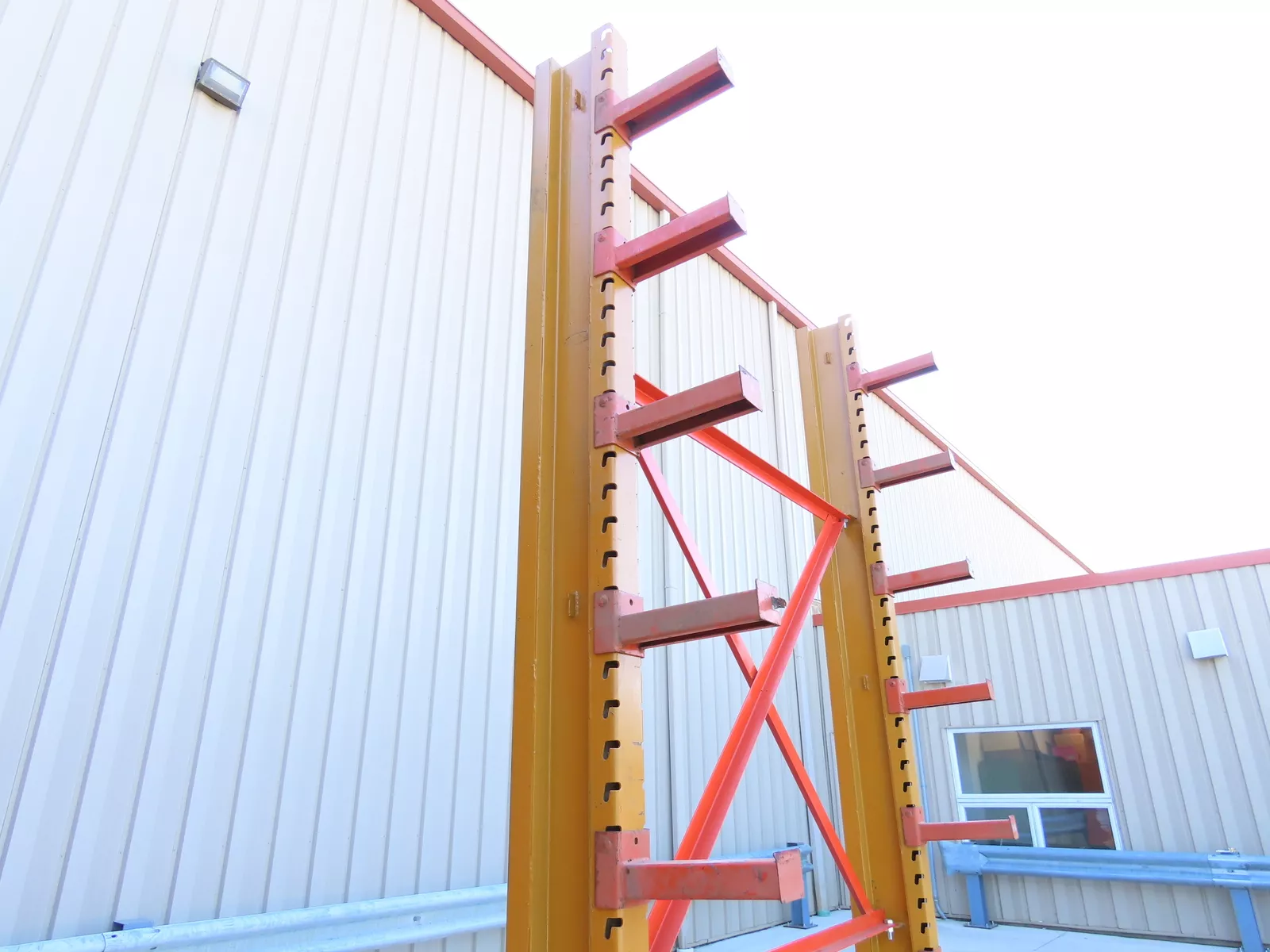
Who Establishes The Load Capacity For Pallet Racks?
What Factors Affect Pallet Rack Load Capacity?
When it comes to managing warehouse operations, understanding the load capacity of your pallet racking systems is crucial for maximizing efficiency and ensuring safety. Several factors influence the load capacity of pallet racking, and knowing these can directly impact your bottom line.
1. Material and Design: The construction materials of your pallet racking play a significant role. For instance, steel racks provide superior load capacity compared to those made from lesser materials like wood or plastic. Today’s industry leaders are opting for high-strength steel, which not only improves durability but also accommodates increased load demands driven by modern logistics. Likewise, the design of the racking system itself matters—a selective racking configuration often holds less weight per upright than a drive-in racking system.
2. Beam and Upright Specifications: Each pallet rack consists of beams and uprights, and their specific ratings are critical. It’s essential to refer to manufacturer specifications that outline the maximum load capacity for each component. For instance, a standard beam rated at 2,500 pounds can only grasp the load if evenly distributed. Placing significantly heavier loads unevenly could lead to catastrophic failures—a mental image you want to avoid in your bustling warehouse!
3. Load Distribution: The way products are loaded onto the pallets greatly affects load capacity. If products are densely packed to one side, it can create an imbalance, leading to strain on the rack. Ensuring that you employ warehouse best practices, such as even distribution and not exceeding recommended pallet heights, can prevent accidents.
4. Environmental Factors: Current events have shown that climate control can unexpectedly affect load capacities. For example, many are reconsidering the implications of extreme temperatures on materials used in pallet racking. A warehouse in a heatwave might see its racking materials weakened, leading to a potential drop in load capacity.
5. Regulatory Compliance: Don’t overlook the importance of local regulations and safety standards. Many businesses are unaware that their racking systems must comply with specific codes related to load capacities and safety. A recent inspection in a large distribution center found multiple violations regarding unapproved modifications. The consequences? Expensive penalties and a halt in operations.
To safeguard your investment in pallet racking, ensure you not only understand these factors but actively implement best practices. Regular maintenance checks, training for warehouse staff, and adherence to safety protocols can elevate your load management and ultimately boost your operational efficiency. Your ignored pallet racking could be the silent culprit behind lost profits—don’t let it be the reason your competition gets ahead!

What Factors Affect Pallet Rack Load Capacity?
What Factors Affect Pallet Rack Load Capacity?
- Understanding load capacity of pallet racking systems is essential for efficiency and safety.
- Material and design impact load capacity; steel racks outperform wood or plastic, with high-strength steel being preferred.
- Beam and upright specifications must be adhered to, with manufacturer ratings critical to prevent failures.
- Proper load distribution is vital; uneven packing can lead to imbalances and strain on racks.
- Environmental factors, such as extreme temperatures, can weaken racking materials and affect load capacities.
- Compliance with local regulations and safety standards is crucial to avoid penalties and operational disruptions.
- Implement best practices including regular maintenance, staff training, and adherence to safety protocols to enhance operational efficiency.
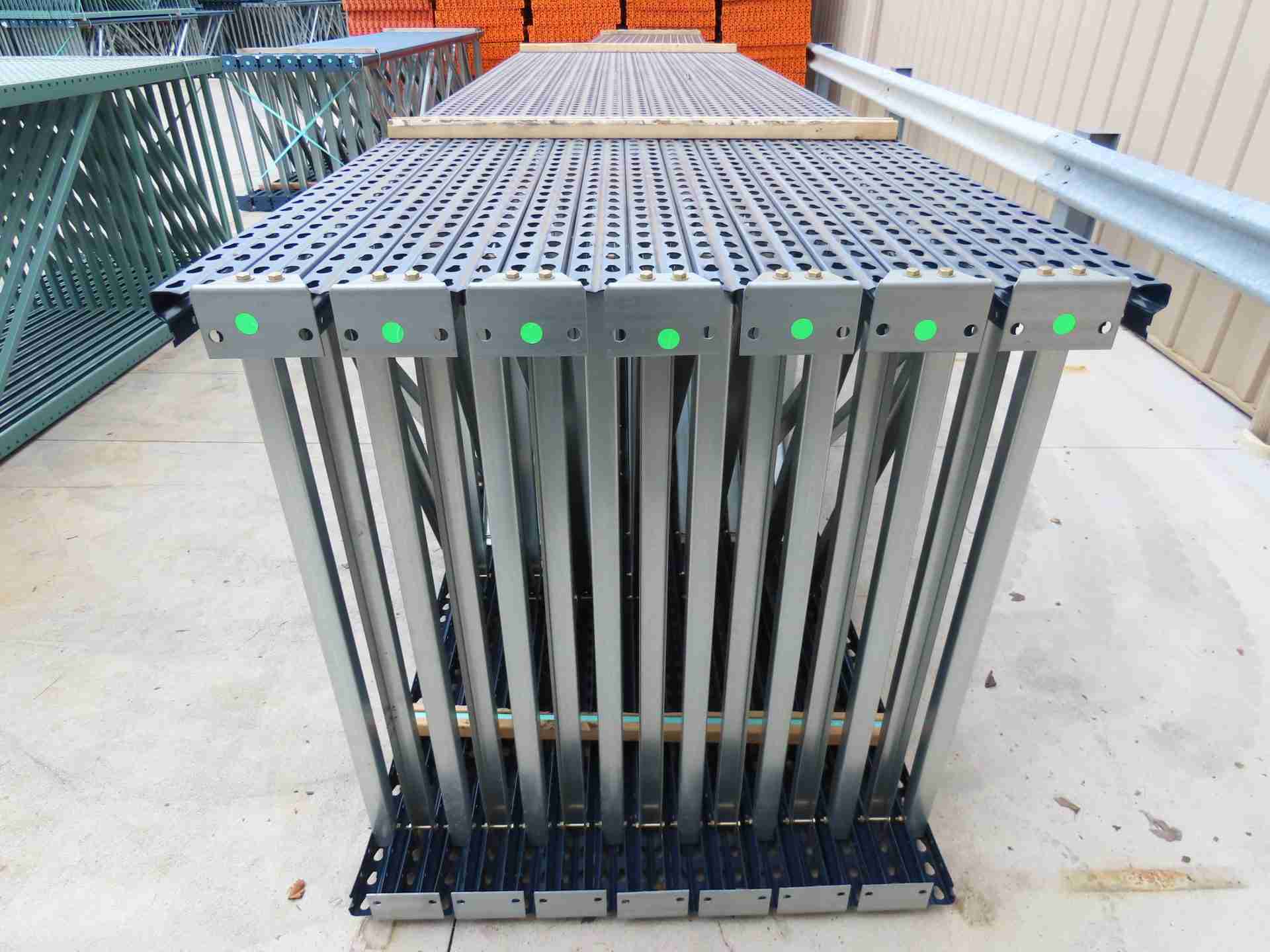
What Factors Affect Pallet Rack Load Capacity?
How Is The Load Capacity Of Pallet Racks Measured?
When it comes to maximizing storage efficiency in warehouses and distribution centers, pallet racking systems are the backbone of successful operations. But how do we determine the load capacity of these essential structures? Understanding this measurement is not just a matter of compliance; it’s a cornerstone of safety, productivity, and ultimately profitability in any supply chain.
At its core, the load capacity of pallet racking is determined by several key factors: the design of the racking system, the materials used in its construction, and the way it is assembled and anchored. Each type of pallet racking—whether it’s selective, drive-in, or push-back—has specific configurations that dictate how it can bear weight. For instance, selective pallet racking, the most widely used type, typically offers a higher load capacity due to its straightforward, easily adjustable design. On the other hand, while drive-in racking allows for high-density storage, it requires more careful planning to avoid exceeding its load limits.
Let’s break it down further. When measuring the load capacity, engineers assess the weight rating of each individual beam and the overall system. A common method is to calculate the load per linear foot of the beam and multiply that by the number of beams being used. For example, if a beam can hold 2,000 pounds and there are three beams supporting the same row, the total capacity for that section would be 6,000 pounds. However, manufacturers also consider dynamic loads—those created by moving equipment—which can impact overall capacity.
Safety standards play a crucial role as well. Regulatory authorities, including OSHA and ANSI, establish guidelines that must be followed to ensure that the racking can handle the specified loads without risk of collapse. If you’re involved in inventory management and logistics, keeping abreast of industry standards is not just a suggestion—it’s imperative as regulations shift. For instance, the recent uptick in e-commerce has led many businesses to rethink their racking strategies to accommodate a greater volume of goods, ensuring they stay compliant while maximizing load capacity.
Current global supply chain disruptions have made it more crucial than ever to reassess racking systems. In adapting to challenges, evaluations of load capacity can help streamline operations, reduce costs, and ensure that safety is never compromised.
Understanding how to measure and apply load capacity to your pallet racking is essential for anyone looking to boost their operational efficiency. Remember, it’s not just about packing more into your warehouse; it’s about packing it safely and strategically, setting the stage for success in an ever-evolving marketplace.
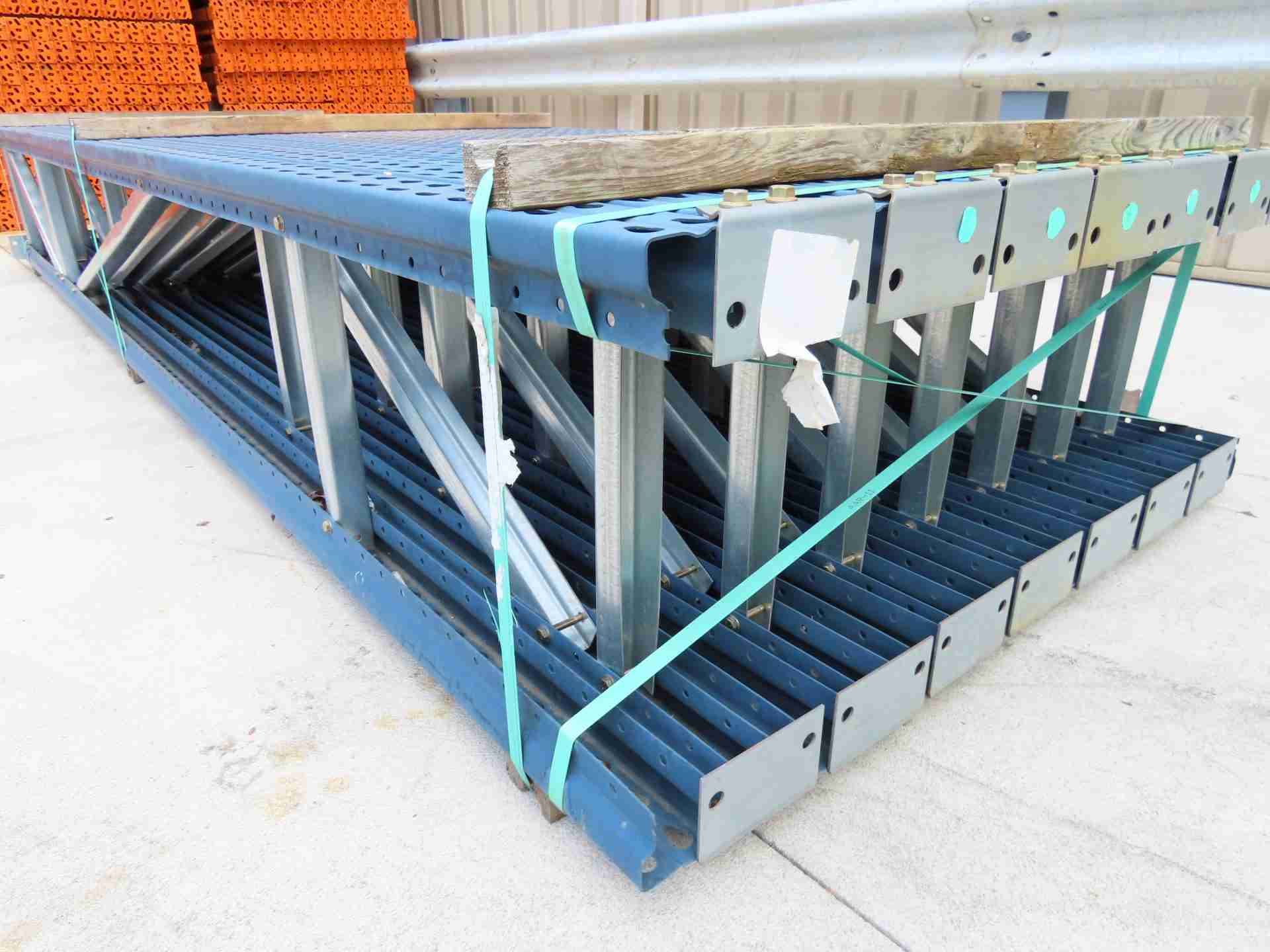
How Is The Load Capacity Of Pallet Racks Measured?
How Is The Load Capacity Of Pallet Racks Measured?
- Pallet racking systems are vital for maximizing storage efficiency in warehouses and distribution centers.
- Load capacity is critical for safety, productivity, and profitability; it’s influenced by racking design, materials, assembly, and anchoring.
- Different types of pallet racking (selective, drive-in, push-back) have configurations that affect their load-bearing capabilities.
- Engineers determine load capacity by assessing weight ratings of individual beams and calculating total capacity based on beam quantity.
- Dynamic loads from moving equipment must also be factored into overall capacity assessments.
- Safety standards set by organizations like OSHA and ANSI are crucial for ensuring racking systems can handle specified loads.
- Current global supply chain disruptions necessitate reevaluating racking systems to enhance efficiency, cut costs, and maintain safety standards.
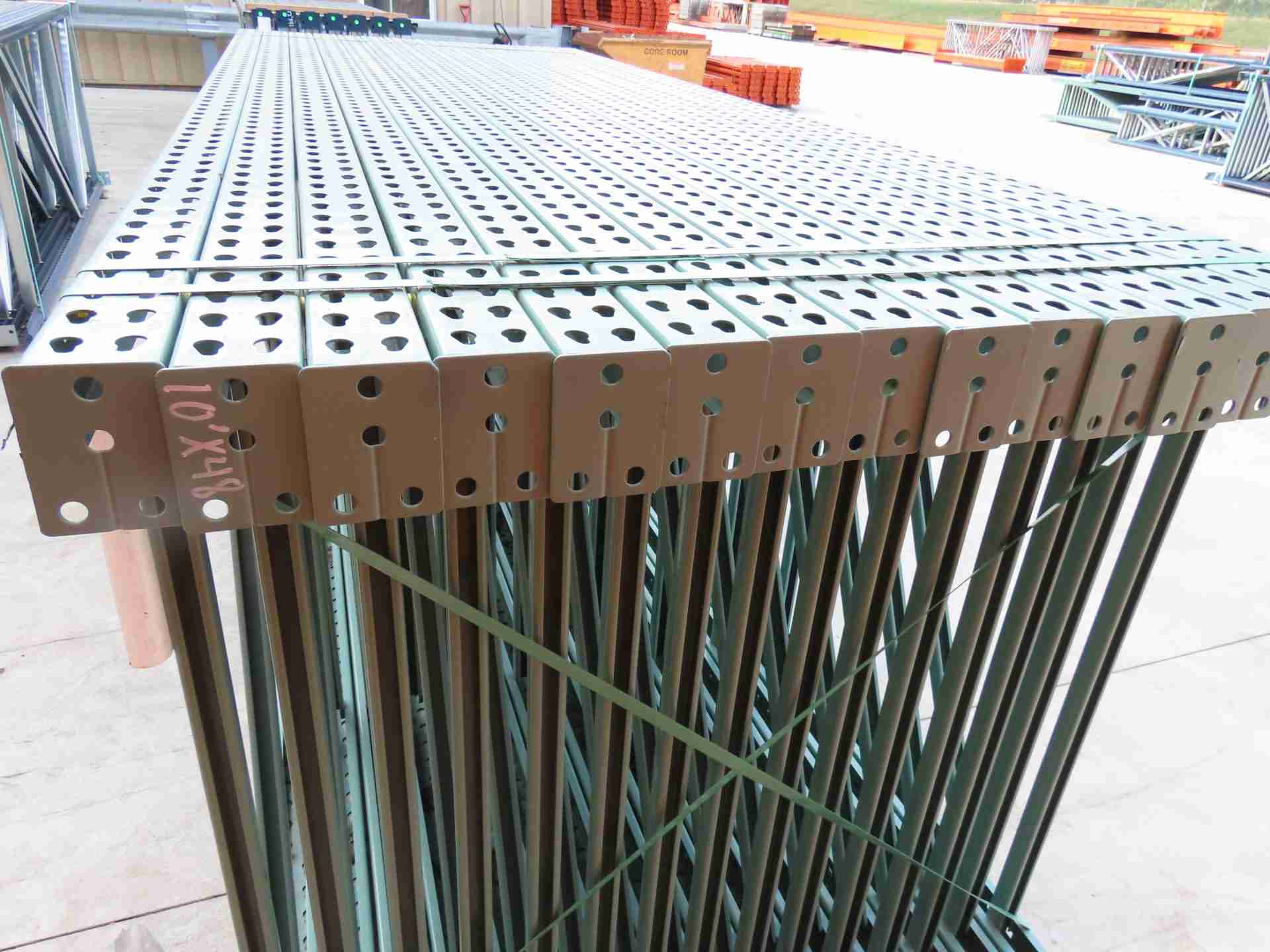
How Is The Load Capacity Of Pallet Racks Measured?
Why Is Load Capacity Testing Important For Pallet Racks?
In the fast-paced world of logistics and warehousing, safety and efficiency are paramount. One of the critical factors that businesses must prioritize is the load capacity of their pallet racking systems. Load capacity testing isn’t just a regulatory checkbox; it’s a strategic imperative that directly affects your bottom line.
Let’s consider a real-world scenario. A major retailer recently faced setbacks when a section of their pallet racking collapsed due to overloading, causing significant product loss and injuries. This incident not only disrupted operations but also tarnished their reputation among consumers. The cost of this oversight was staggering and could have been avoided through diligent load capacity testing.
Pallet racking systems are designed to hold substantial weight, but that capacity can vary based on numerous factors such as material quality, condition, and configuration. Regular load capacity testing allows businesses to determine the maximum weight each rack can safely bear, ensuring compliance with safety regulations and standards. Think of it as a proactive approach to risk management—identifying potential weaknesses before they turn into costly liabilities.
Furthermore, conducting load capacity testing fosters a culture of safety within your organization. Staff members become more aware of their surroundings and the importance of adhering to weight limits. In a recent poll, companies that implemented rigorous safety protocols, including load capacity assessments, reported a 30% reduction in workplace accidents related to pallet racking. This not only protects your workers but also enhances employee morale and productivity.
But the advantages of load capacity testing extend beyond safety. Optimizing your pallet racking systems can lead to significant cost savings. For instance, if a warehouse is frequently underloading its racks due to uncertainty about the weight limits, that inefficiency can result in wasted space and lost revenue. By accurately determining load capacities, companies can maximize their storage potential, streamline their logistics, and ultimately outpace competitors.
In today’s ever-evolving supply chain landscape, businesses must stay vigilant. Current global events, such as disruptions in international shipping and supply chain shortages, are reminders of why maintaining operational integrity is crucial. Load capacity testing ensures that your pallet racking systems remain robust in the face of unpredictability.
Load capacity testing for pallet racks is not merely a safety measure; it’s a strategic investment. By safeguarding your employee well-being, optimizing space, and protecting your financial future, you position your organization to weather any storm. Don’t wait for an accident to remind you of the importance of load capacity—act now and make testing a priority in your operations.

Why Is Load Capacity Testing Important For Pallet Racks?
Why Is Load Capacity Testing Important For Pallet Racks?
- In logistics and warehousing, load capacity of pallet racking systems is crucial for safety and efficiency.
- Recent incidents highlight the risks of overloading pallet racks, which can cause product loss, injuries, and damage to reputation.
- Regular load capacity testing is essential to determine safe weight limits, ensuring compliance with safety regulations.
- Implementing load capacity assessments improves safety awareness and reduces workplace accidents by 30%.
- Optimizing pallet racking through load capacity testing can lead to significant cost savings and better resource utilization.
- Businesses must remain proactive in the face of supply chain challenges by ensuring their pallet racking systems’ integrity.
- Load capacity testing is a strategic investment that protects employee well-being and strengthens financial security.

Why Is Load Capacity Testing Important For Pallet Racks?
What Standards Govern Pallet Rack Load Capacity Testing?
When it comes to ensuring the safety and efficiency of your warehouse operations, understanding the standards that govern pallet racking load capacity testing is crucial. A failure in load capacity can lead to catastrophic incidents, and you certainly don’t want your business to be the headline for the wrong reasons.
The primary standards governing pallet racking load capacities come from organizations such as the American National Standards Institute (ANSI) and the Rack Manufacturers Institute (RMI). The ANSI/RMI MH16.1 standard, for example, outlines the testing protocols for pallet racking systems, ensuring they can withstand various stressors while maintaining structural integrity. This is crucial for any business that relies on pallet racking to store products, from small retailers to large-scale distribution centers.
Consider a recent high-profile warehouse collapse in New York that made headlines. The incident highlighted the importance of adhering to appropriate load capacity standards for pallet racking systems. The failure to follow these guidelines not only resulted in property damage but also injured employees, raising questions about safety compliance in the logistics industry. By adhering to standards like ANSI/RMI MH16.1, warehouses can mitigate risks associated with overloading.
In addition to ANSI and RMI, OSHA (Occupational Safety and Health Administration) also plays a critical role in enforcing safety standards in warehouses. They require that pallet racking systems be inspected regularly to ensure they are suitable for the loads they carry. Having a rigorous inspection and testing routine can prevent accidents, protect your workforce, and ultimately save your business from potential legal ramifications.
Another aspect to consider is the difference between dynamic and static load testing. Dynamic load testing simulates the conditions that racking will experience during normal operations, while static load testing evaluates the racking’s strength under a steady weight. Understanding these two types of load tests is crucial for any business intending to maximize productivity while safeguarding against potential hazards.
In today’s rapidly evolving logistics environment—especially with the push for increased efficiency highlighted by recent supply chain disruptions—companies must prioritize adherence to these standards. Investing in compliant pallet racking systems not only protects your employees but also enhances operational longevity. Remember, failure to comply isn’t just a potential lawsuit; it’s a risk to your brand reputation. By focusing on safety and standards, your business can experience growth rather than setbacks. Embracing robust pallet racking testing protocols today leads to safer and more efficient operations tomorrow.
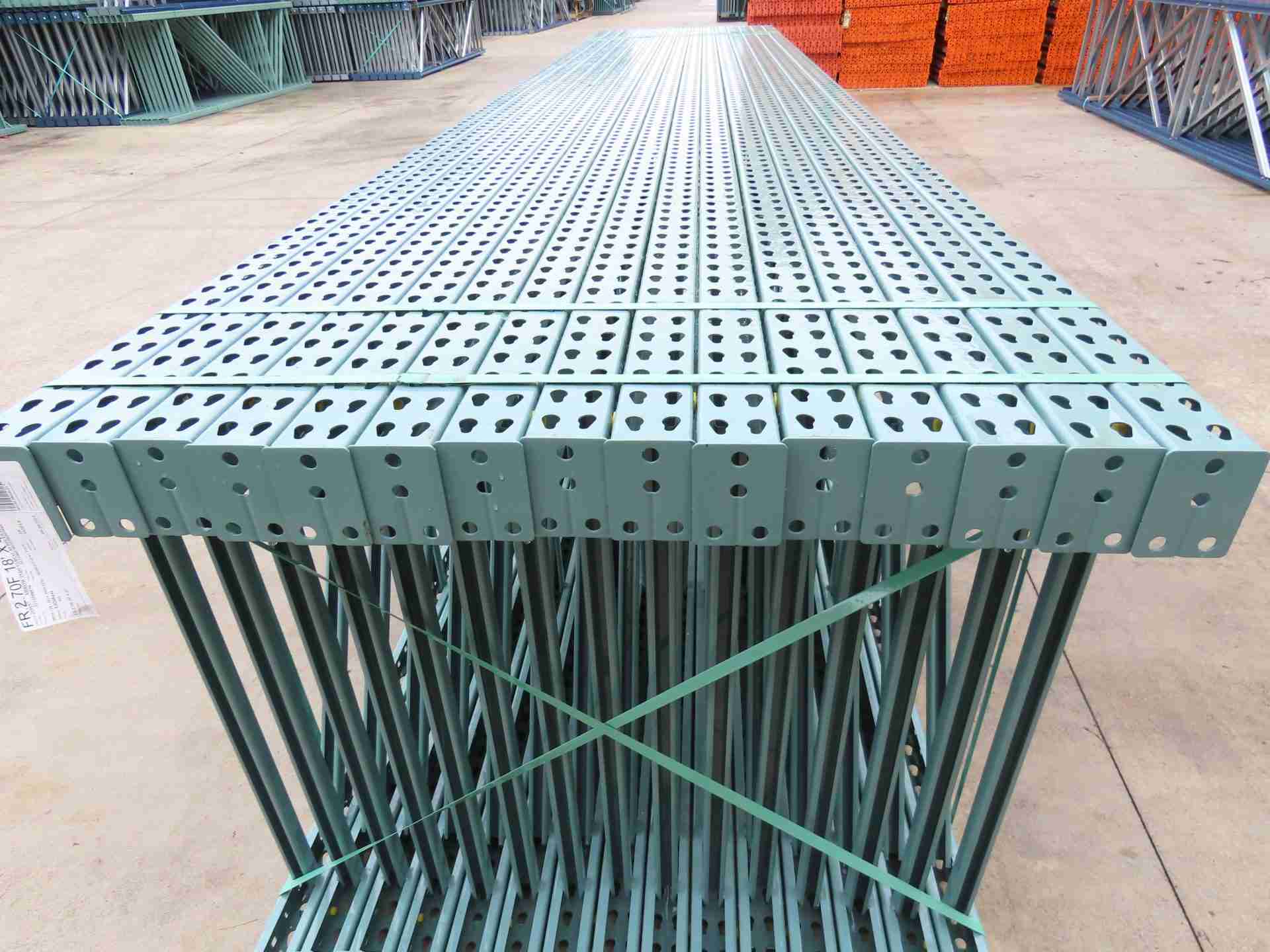
What Standards Govern Pallet Rack Load Capacity Testing?
What Standards Govern Pallet Rack Load Capacity Testing?
- Understanding pallet racking load capacity testing standards is crucial for warehouse safety and efficiency.
- Standards from organizations like ANSI and RMI govern pallet racking load capacities, with ANSI/RMI MH16.1 outlining testing protocols.
- Adhering to these guidelines can prevent catastrophic incidents, as highlighted by a recent warehouse collapse in New York.
- OSHA enforces safety standards and requires regular inspections of pallet racking systems to ensure compliance.
- Dynamic load testing simulates normal operations, while static load testing evaluates strength under steady weight—both are important for safety.
- Compliance with standards not only protects employees but enhances operational longevity and brand reputation.
- Investing in safety protocols today leads to safer and more efficient operations in the future.

What Standards Govern Pallet Rack Load Capacity Testing?
How Often Should Pallet Racks Be Tested For Load Capacity?
When it comes to maximizing efficiency in warehouses and storage facilities, the crucial role of pallet racking cannot be overstated. But, just as a race car needs regular check-ups to perform at its peak, so too does your pallet racking system require routine load capacity testing. Neglecting this essential task could lead to accidents, product damage, and even costly downtime.
So, how often should your pallet racks be tested? As a rule of thumb, it’s advisable to conduct a comprehensive assessment at least once a year. This ensures that your racking systems are not only compliant with safety standards but also configured to handle the dynamic demands of your business. However, there are instances when more frequent testing is warranted.
For example, consider a company that sees a significant seasonal spike in inventory—think of a retailer ramping up for Black Friday or a grocery chain preparing for the holiday season. In these cases, it might be wise to implement more frequent evaluations leading up to the busy periods. You wouldn’t want to be caught off guard by an overloaded rack on what could be your biggest sales day, right?
Additionally, undergo regular inspections after any significant changes in operations: a new product line, an increase in load weight, or even a relocation of your storage equipment. Current events, such as the ongoing supply chain disruptions, have highlighted the need for agility and preparedness in logistics—what better way to stay ahead of the game than ensuring your pallet racking is in tip-top shape?
The type of testing required can vary based on the specifics of your operation and the load characteristics. For instance, you might decide to implement a mix of visual inspections and mechanical tests to evaluate structural integrity. Employing professionals who specialize in warehouse safety can provide not only expert assessments but also valuable insights into optimizing your storage solutions.
Treating pallet racking maintenance as an afterthought can lead to disastrous outcomes. Make it a priority to regularly test the load capacity of your pallet racks, aligning with both operational needs and safety regulations. By investing a little time and resources now, you safeguard your employees, your products, and your bottom line. Remember: in this fast-paced world, the stakes are high—ensure your pallet racking is built to hold them.

How Often Should Pallet Racks Be Tested For Load Capacity?
How Often Should Pallet Racks Be Tested For Load Capacity?
- Pallet racking is essential for maximizing efficiency in warehouses and storage facilities.
- Routine load capacity testing of pallet racking is crucial to prevent accidents and downtime.
- It is recommended to conduct a comprehensive assessment at least once a year.
- Additional testing may be needed during peak inventory periods, such as seasonal sales.
- Regular inspections are necessary after significant operational changes, such as new products or increased load weight.
- The nature of testing may include visual inspections and mechanical tests for structural integrity.
- Pallet racking maintenance should be prioritized to ensure safety and efficiency, protecting both employees and products.
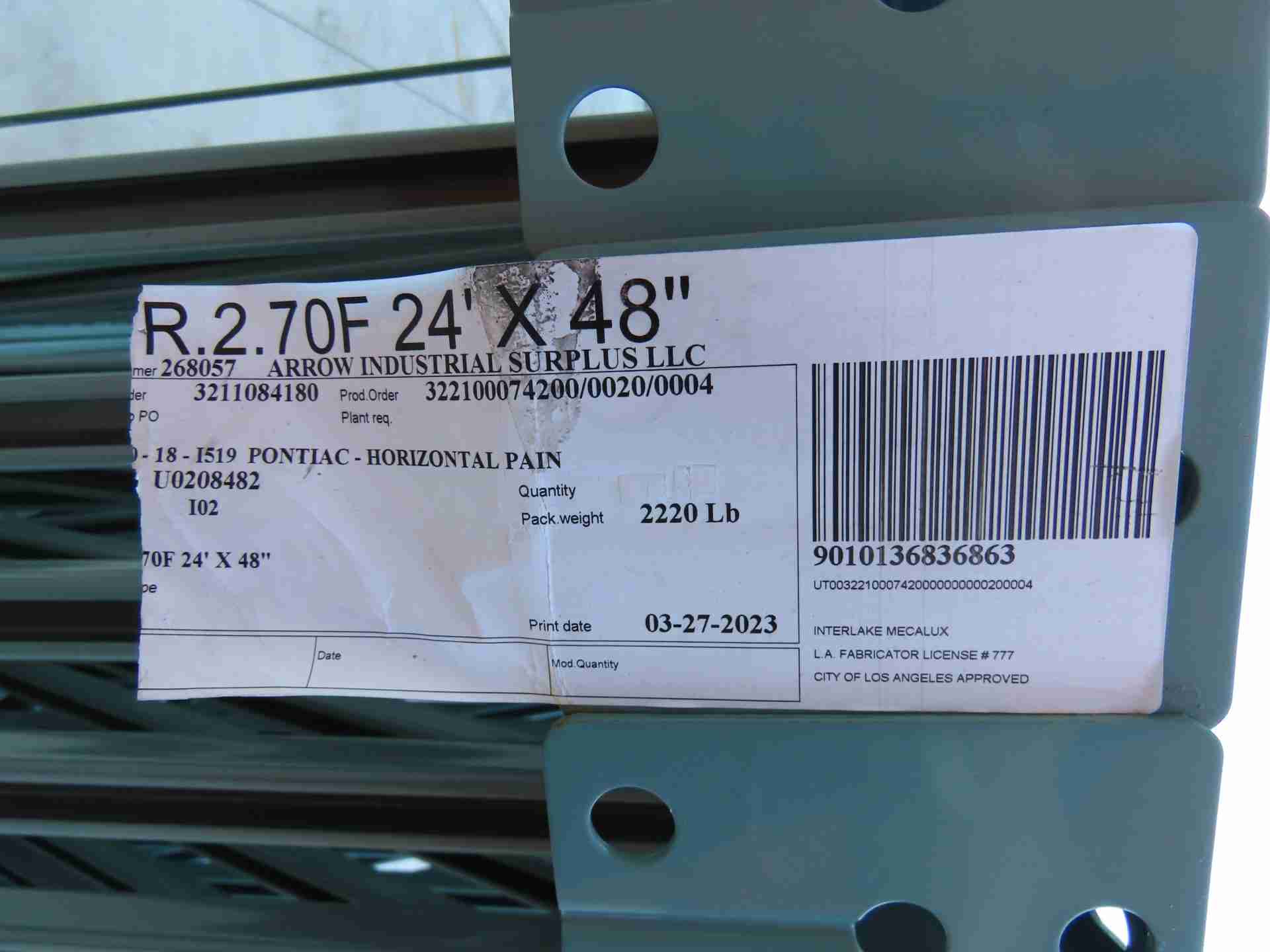
How Often Should Pallet Racks Be Tested For Load Capacity?
Who Can Certify The Load Capacity Of Pallet Racks?
When it comes to ensuring the safety and effectiveness of your warehouse operations, understanding who can certify the load capacity of pallet racking systems is paramount. After all, a single miscalculation can lead to catastrophic failures, accidents, and a significant reduction in operational efficiency. So, who holds the keys to this critical certification?
First and foremost, the manufacturers of pallet racking systems are the primary authority on load capacity. They design their products to meet stringent industry standards, and with a wealth of expertise and testing, they provide load capacities based on rigorous engineering principles. For instance, if you’re considering a popular brand like Steel King or Interlake Mecalux, you can rest assured they have conducted extensive testing to back their claims.
Next in line are the certified engineers. These professionals have specialized training in structural engineering and are qualified to evaluate and certify pallet racking systems. Hiring an independent engineer to assess your racking is particularly important if you’ve modified any existing setup or if your racking is subjected to unusual conditions, such as high seismic zones. They will provide you with a detailed evaluation and an official certification that will not only protect your assets but also reassure your team that safety is your top priority.
Additionally, third-party inspection services can provide certifications. Organizations like the Rack Manufacturers Institute (RMI) offer inspection services that assure compliance with recognized standards. Using third-party inspectors not only adds credibility but also delivers peace of mind, knowing that a neutral party has assessed the load capacity.
It’s essential to stay updated with current events in the logistics and warehousing sector. With new regulations and safety standards emerging post-pandemic, staying compliant is non-negotiable. For example, the recent focus on occupational safety during the COVID-19 recovery phase has led to stricter enforcement and inspection practices across warehouses. Therefore, relying on certified professionals—be it the original manufacturer, an independent engineer, or a third-party inspector—ensures you’re adhering to these evolving norms.
Whether you’re scaling your operations or just ensuring existing systems are secure, don’t overlook the importance of proper certification for your pallet racking systems. Cut corners here, and you may face not just financial losses but also jeopardized safety for your workforce. Choose wisely, ensure your certifications are in place, and empower your business to operate securely and efficiently today!

Who Can Certify The Load Capacity Of Pallet Racks?
Who Can Certify The Load Capacity Of Pallet Racks?
- Understanding who can certify pallet racking systems’ load capacity is crucial for warehouse safety and effectiveness.
- Pallet racking system manufacturers are the primary authorities on load capacity, backed by rigorous testing and engineering principles.
- Certified engineers can evaluate and certify racking systems, particularly after modifications or in unusual conditions.
- Third-party inspection services, such as the Rack Manufacturers Institute (RMI), can provide credible certifications for compliance.
- Staying updated on new regulations and safety standards in warehousing is essential, especially post-pandemic.
- Relying on certified professionals helps ensure compliance with evolving safety norms and protects your workforce.
- Proper certification for pallet racking systems is vital for operational security and efficiency, avoiding financial losses and safety hazards.

Who Can Certify The Load Capacity Of Pallet Racks?
Conclusion
In the competitive landscape of warehousing and logistics, understanding who tests and certifies load capacities for pallet racks is not merely a precaution—it’s a strategic necessity. Today’s businesses are under constant pressure to optimize their operations, and when it comes to storage solutions, knowledge is power. The responsibility for ensuring safe and compliant pallet racking systems does not rest solely on the shoulders of manufacturers. It requires a collaborative effort between engineering professionals, independent certifiers, and compliance with local regulations.
Maintaining the integrity of your racking systems through rigorous load capacity testing is indispensable. Manufacturers, such as Steel King and Interlake Mecalux, may provide initial specifications, but it is crucial for businesses to validate those claims through independent testing. Recent industry challenges, including supply chain disruptions and rising e-commerce demands, have highlighted the importance of prioritizing safety and compliance. Not only does diligent testing prevent potential catastrophes—like collapses and injuries—it also fosters a culture of safety that enhances employee morale and productivity.
Furthermore, understanding the factors that influence load capacity—such as material quality, specifications, and environmental conditions—can lead to informed decision-making and optimized storage solutions. By implementing regular testing protocols, businesses can significantly boost their operational efficiency while safeguarding employee welfare.
To navigate today’s rapidly evolving supply chain environment, strategic foresight is paramount. Don’t wait for an incident to remind you of the need for compliance and safety. It’s time to take proactive steps. Assess your current pallet racking systems, engage certified engineers for inspections, and establish a routine testing schedule.
At Arrow Industrial Sales, we’re ready to support you in this endeavor. It’s not just about adhering to regulations; it’s about committing to excellence and safety within your operations. So, if safety and efficiency are on your agenda—and they should be—call us now at (574) 349-6575 for comprehensive guidance and solutions tailored to your specific needs. Act quickly! The time to ensure your warehouse infrastructure is sound is now. Don’t leave your success to chance; prioritize load capacity testing and certification today to secure your competitive edge and operational integrity.

Conclusion
Conclusion:
- Understanding load capacity testing for pallet racks is essential for warehouse safety and efficiency in a competitive logistics landscape.
- Ensuring compliance is a joint effort involving manufacturers, engineering professionals, and independent certifiers.
- Rigorous load capacity testing is crucial for maintaining the integrity of racking systems and preventing potential accidents.
- Recent challenges highlight the need for diligent testing to enhance safety and improve employee morale.
- Factors influencing load capacity include material quality, specifications, and environmental conditions; understanding these aids in decision-making.
- Implementing regular testing can boost operational efficiency and safeguard employee welfare.
- Proactive measures, including inspections by certified engineers and routine testing, are necessary to ensure safety and compliance.
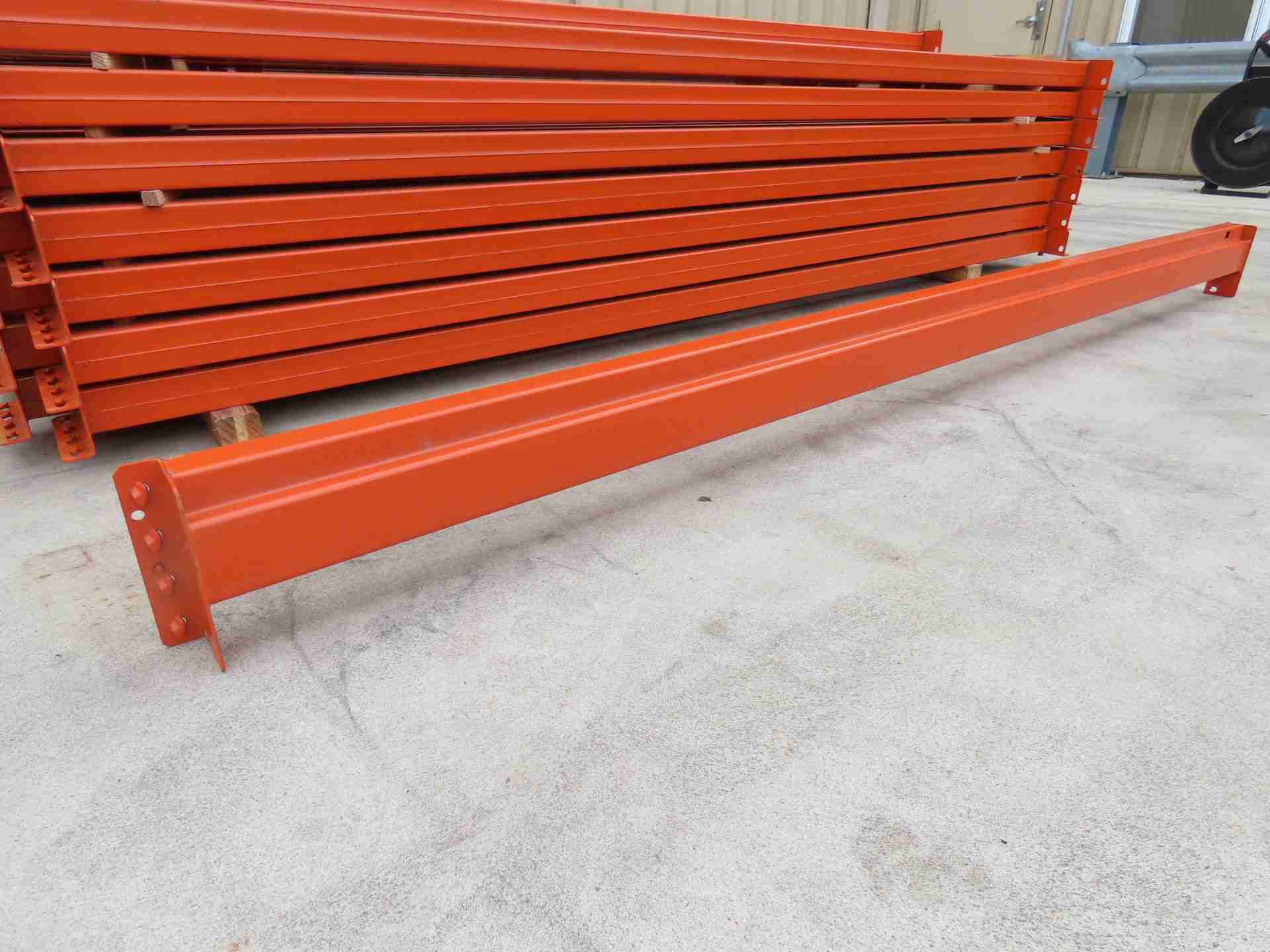
Conclusion
Other Resources
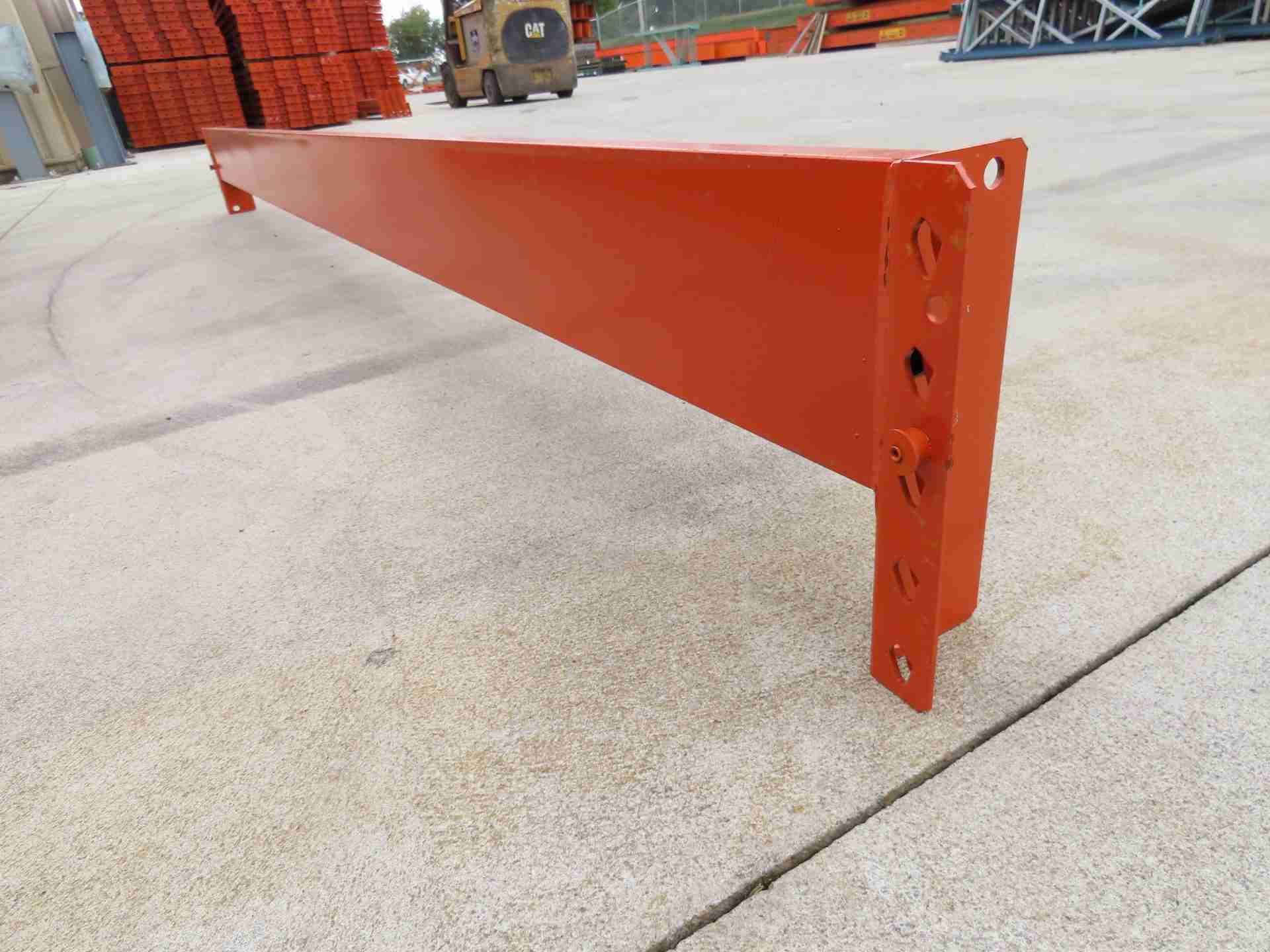
Other Resources
Here is a list of other resources you can review online to learn more:
- Rack Manufacturers Institute
- What is Cantilever Racking? – AK Material Handling Systems
- SEMA
- Illinois Pallet Racking – Storage Solutions
- Chicago Pallet Racking
- IWLA
- RMI
- Teardrop Pallet Rack – Ridg-U-Rak
- Interlake
- Pallet Racking systems in Illinois and Great Lakes
Use This Prompt To Get More Resources With Your Favorite Online AI Tool: Please provide me with a list of online articles with their URLs in a bulleted list that I can read regarding Who Tests Load Capacity for Local Pallet Racks?
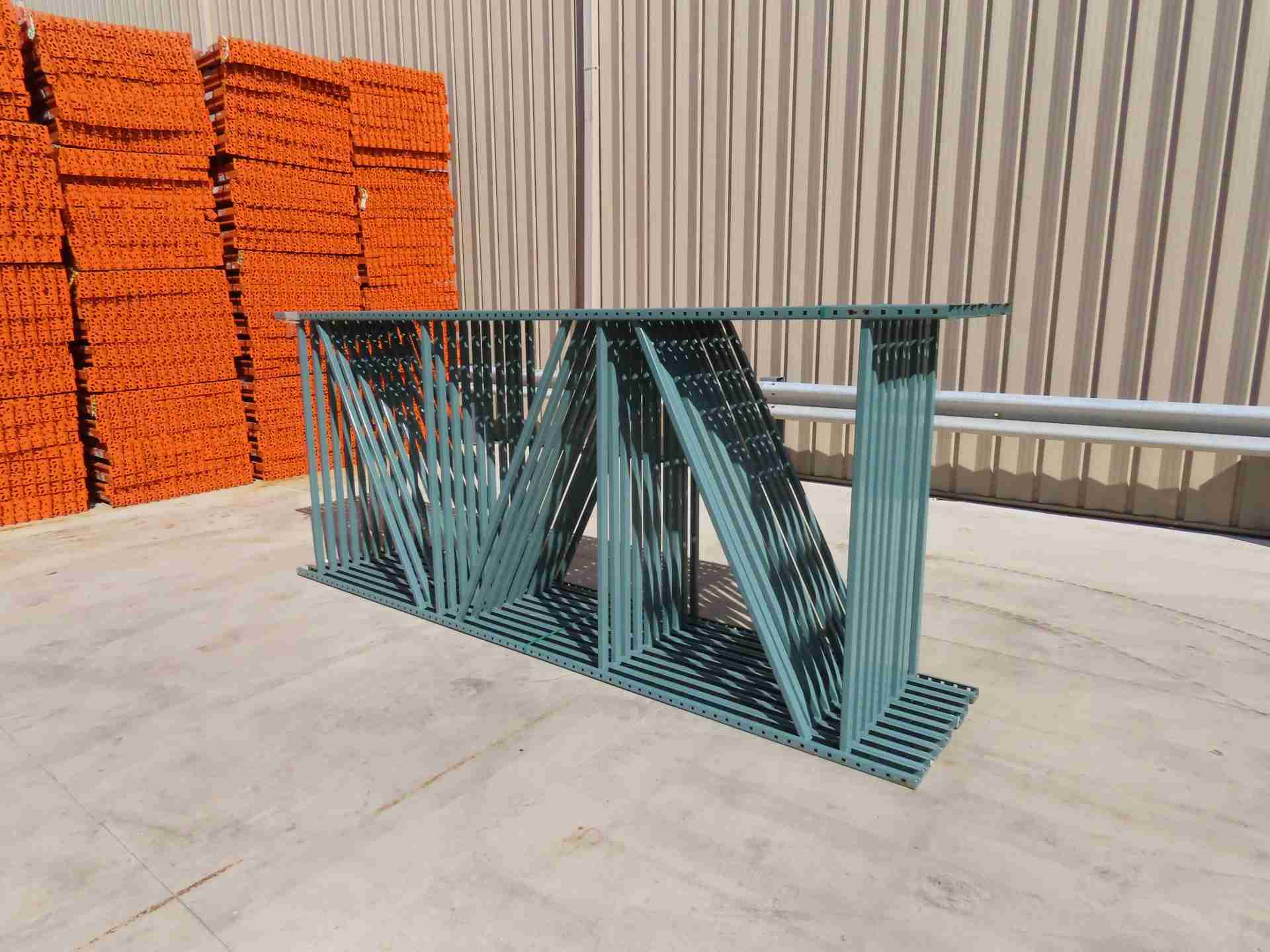
Other Resources
Glossary Terms
Who Tests Load Capacity for Local Pallet Racks? – Glossary Of Terms
1. Pallet Rack: A material handling storage system designed to store pallets of goods in a vertical arrangement.
2. Load Capacity: The maximum weight that a pallet rack can safely support without failure.
3. Testing: The process of assessing a pallet rack’s structural integrity and load-bearing capabilities.
4. Structural Engineer: A professional who designs and analyzes the load-bearing components of structures, including pallet racks.
5. Safety Standards: Established regulations and guidelines that dictate the safe operation and maximum load for pallet racks.
6. Warehouse Management System (WMS): Software used to manage inventory and oversee operations in a warehouse, including pallet rack usage.
7. Compliance: Adhering to safety regulations and standards regarding the strength and use of pallet racks.
8. Load Testing: A procedure in which weight is applied to a pallet rack to determine its capacity and identify potential weaknesses.
9. Forklift: An industrial vehicle equipped with a front-mounted pronged device for lifting and moving pallets and heavy loads.
10. Inspection: The examination of pallet racks to check for signs of wear, damage, or structural flaws.
11. Weight Distribution: The manner in which weight is spread across a pallet rack, which affects its stability and load capacity.
12. Load Plate: A device used in load testing designed to evenly distribute weight across the surface of a pallet rack.
13. Deflection: The degree to which a structure, such as a pallet rack, bends under load.
14. Material Handling: The movement, protection, storage, and control of materials and products throughout the manufacturing, warehousing, distribution, consumption, and disposal stages.
15. Pallet: A flat transport structure that supports goods in a stable fashion while being lifted by forklifts, pallet jacks, or other jacking devices.
16. Regulatory Agencies: Government bodies responsible for establishing and enforcing safety standards for industrial equipment, including pallet racks.
17. Hazard Assessment: The process of identifying potential risks associated with pallet rack usage, including overloading and structural failure.
18. Load Diagram: A graphical representation showing how weight should be distributed across a pallet rack’s beams or shelves.
19. Manufacturer Guidelines: Instructions provided by the rack manufacturer regarding safe loading practices and maintenance.
20. Training Program: A structured educational initiative to inform employees about proper pallet rack usage, safety standards, and load testing.
21. Visual Inspection: An assessment method that involves checking pallet racks for visible signs of damage or wear without specialized equipment.
22. Retrofit: The process of adding new technology or components to existing pallet racks to improve safety or load capacity.
23. Dynamic Load: The load that is applied to a pallet rack during operation, which can fluctuate due to movement or environmental factors.
24. Static Load: A constant load exerted on a pallet rack when goods are stored but not actively moved.
25. Calibration: The process of adjusting measurement devices used in load testing to ensure accurate weight readings.
26. Risk Mitigation: Strategies implemented to minimize the potential for accidents and failures in pallet rack systems.
27. Distribution Center: A specialized warehouse facility that is used for the storage and distribution of goods to various locations.
28. Rack Type: The specific design of a pallet rack, such as selective, drive-in, or push-back, which influences load capacity and storage efficiency.
29. Performance Validation: The process of confirming that pallet racks meet performance specifications and safety standards through testing and inspection.
30. Load Monitoring: Ongoing assessment of the weight on a pallet rack to ensure it remains within safe limits during operation.
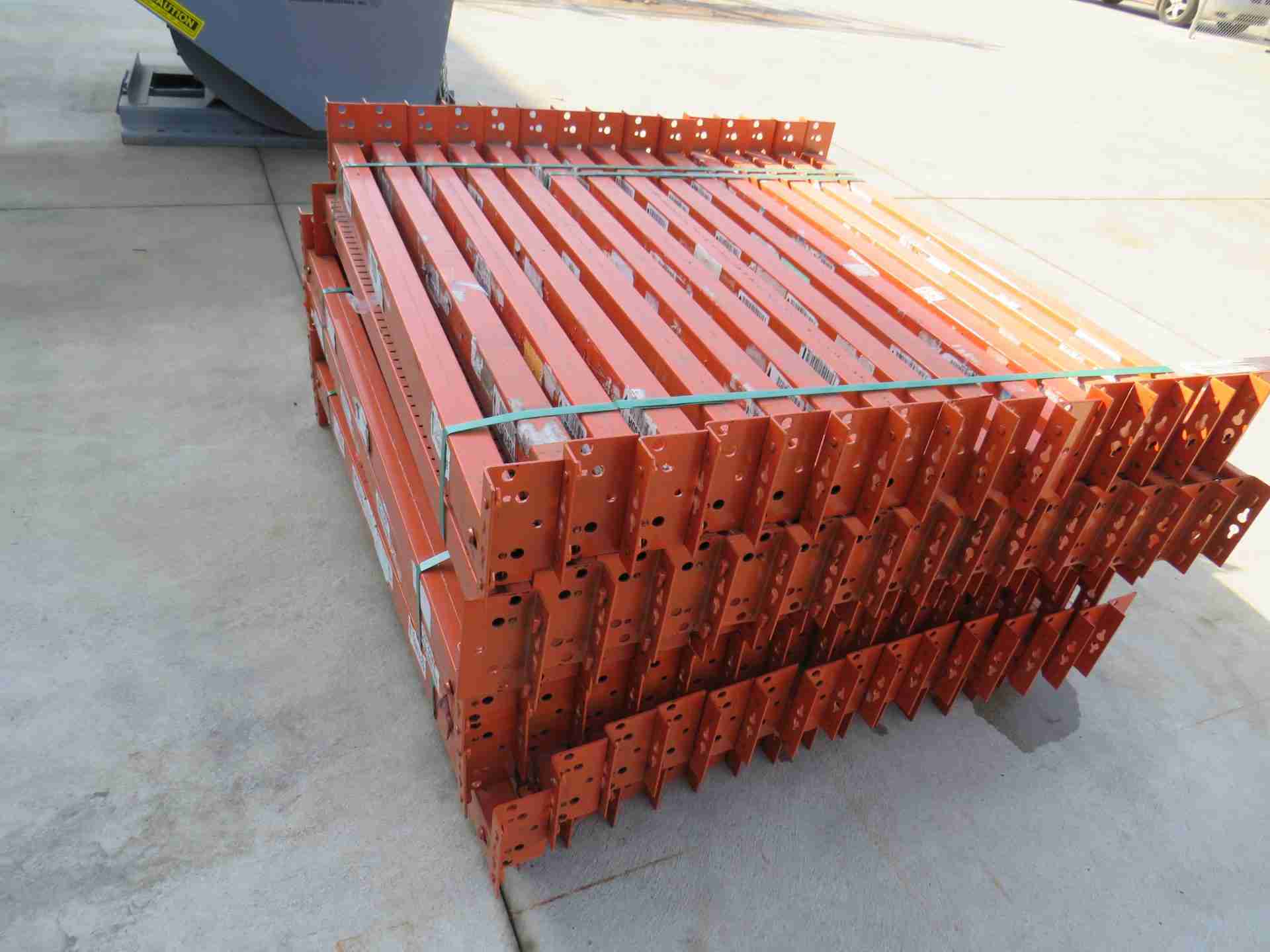
Glossary Of Terms
Other Questions
Who Tests Load Capacity for Local Pallet Racks? – Other Questions
If you wish to explore and discover more, consider looking for answers to these questions:
- What are the most common types of pallet racking systems?
- How can I determine if my existing pallet racks need an upgrade?
- What are the consequences of overloading pallet racks?
- How can I calculate the load capacity of my specific pallet racking system?
- What is the process for obtaining load capacity certifications?
- What should businesses do if their pallet racks fail safety tests?
- How do seasonal fluctuations affect pallet rack load capacity needs?
- Are there industry best practices for loading pallets onto racks?
- What are the differences between dynamic and static load testing?
- How can technology help monitor load capacity in real-time?
- What role do employees play in maintaining safe load capacities?
- What safety training should warehouse staff receive regarding pallet racking?
- What are the latest trends in pallet racking technology and safety standards?
- How do changes in inventory effects influence pallet rack configuration?
- What resources are available for learning more about pallet rack safety?

Other Questions
Checklist
Who Tests Load Capacity for Local Pallet Racks? – A Checklist
Preparation for Load Capacity Testing
1. Identify Stakeholders:
_____ Contact the original manufacturer of the pallet racks.
_____ Engage certified engineers specialized in material handling.
_____ Consider third-party inspection services.
2. Review Regulatory Requirements:
_____ Familiarize yourself with local regulations and standards (e. g. , ANSI/RMI MH16. 1, OSHA).
Initial Inspection
3. Conduct a Visual Inspection:
_____ Check for any visible damage to racks (bends, rust, etc. ).
_____ Ensure proper assembly and anchoring of the racking system.
4. Evaluate Load Distribution:
_____ Confirm that loads are evenly distributed across beams.
_____ Avoid exceeding recommended pallet heights to prevent imbalance.
Load Capacity Assessment
5. Test Load Capacity:
_____ Schedule comprehensive testing at least once a year.
_____ Perform additional testing after significant operational changes or seasonal spikes in inventory.
6. Use Appropriate Testing Methods:
_____ Implement both static and dynamic load testing.
_____ Assess individual beam ratings and total system capacity.
Documentation and Compliance
7. Maintain Testing Records:
_____ Keep detailed records of all tests, inspections, and certifications.
_____ Document findings from independent engineering assessments.
8. Review and Update Load Capacity Charts:
_____ Ensure charts are easily accessible to warehouse staff.
_____ Regularly update based on new assessments or changes in inventory types.
Continuous Improvement
9. Train Warehouse Staff:
_____ Educate employees on proper loading practices and safety protocols.
_____ Foster a culture of safety awareness regarding load capacities.
10. Schedule Regular Maintenance Checks:
_____ Implement ongoing maintenance checks to keep racking systems in top condition.
_____ Review changes in operational demands to proactively manage load capacities.
Emergency Preparedness
11. Establish Emergency Procedures:
_____ Have a plan in place for handling incidents related to pallet rack failures.
_____ Conduct drills to ensure staff are prepared for emergencies.
Final Evaluation
12. Analyze Testing Results:
_____ Use assessments to optimize storage solutions and minimize risks.
_____ Identify opportunities for improving the efficiency of operations based on findings.
By following this checklist, you can help ensure the safety and efficiency of your warehouse operations, thereby protecting your workforce and optimizing your space effectively.
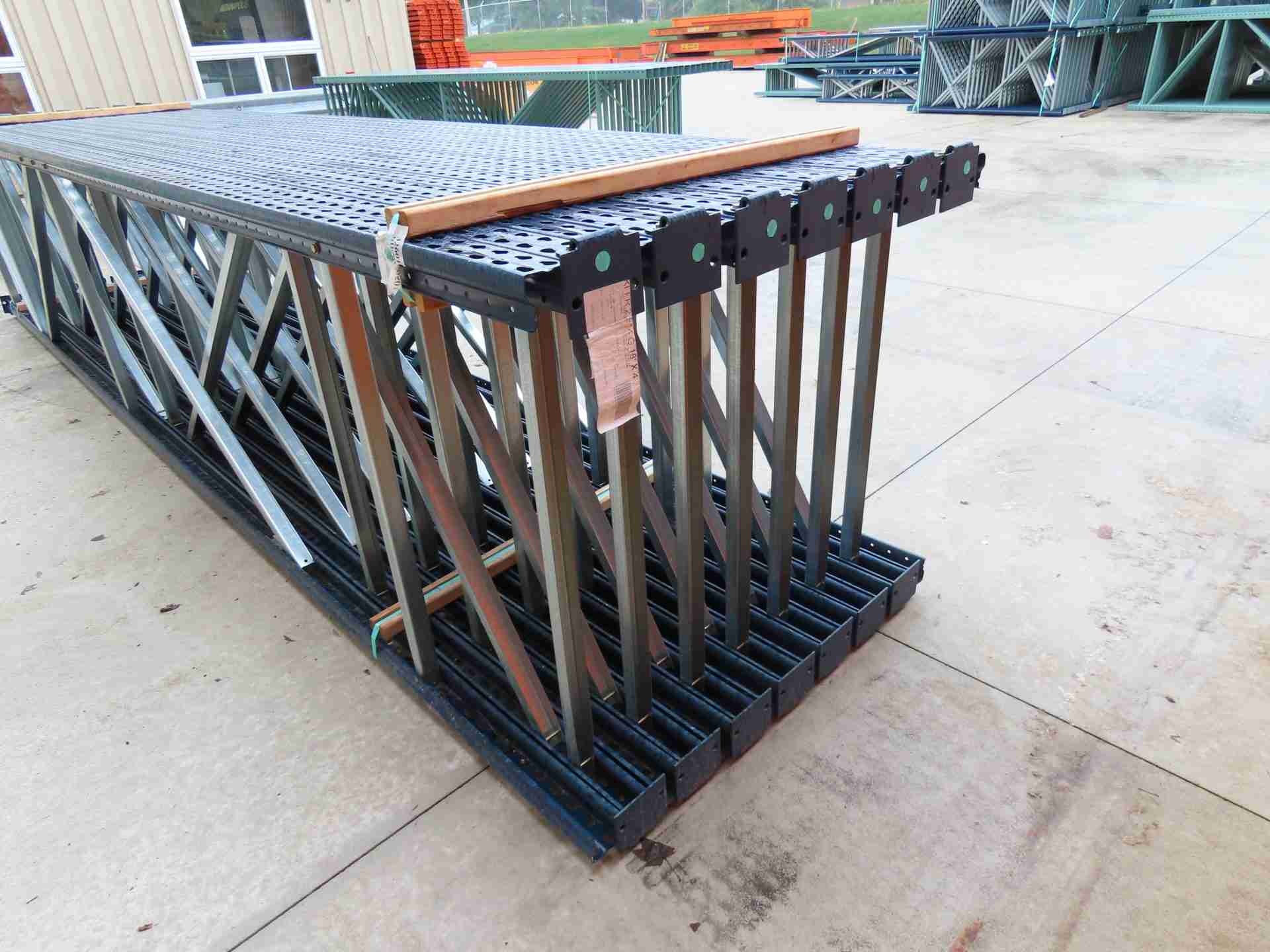
Checklist
At RackingWorld, we help guide you through selecting warehouse storage systems and racking.
Be sure to read our other related stories at RackingWorld to learn more about warehouse storage systems.
0 Comments