
Pallet Rack Permit Assistance: Find Local Experts Now
By Tom Seest
At RackingWorld, we help guide you through selecting warehouse storage systems and racking.
Be sure to read our other related stories at RackingWorld to learn more about warehouse storage systems.
Who Handles Pallet Rack Permits In Your Area?
When it comes to optimizing your warehouse space, pallet racking systems are a game changer. However, before you ascend into the efficiency of vertical storage solutions, there’s a crucial step often overlooked—obtaining the necessary pallet rack permits. But who takes on this responsibility? Understanding your local regulations is paramount.
First, let’s talk about the local building department in your area. This is where the process often begins. They are the gatekeepers of safety and compliance, ensuring that any pallet racking installed adheres to building codes and safety standards. A quick call or visit to your local city or county building office can provide clarity on the specific pallet rack permit requirements applicable to your project.
For instance, in many metropolitan areas, there are specific zoning regulations that may affect the installation of pallet racking systems. Recent changes in warehousing regulations in cities like Los Angeles, which have shifted to accommodate more extensive logistics operations, mean that securing your pallet rack permit could include additional scrutiny. Meanwhile, in smaller towns, the process might appear less daunting but is equally critical to avoid costly fines or potential re-installation.
Next, consider hiring a specialist or consultant who is well-versed in both the local codes and the intricacies of warehouse operations. These professionals can streamline the permit acquisition process significantly. For example, companies like Compliance Services Group have risen to prominence by assisting businesses in navigating the sometimes convoluted requirements surrounding pallet racking permits. They stay updated on current rules and can expedite your approval process, especially in the face of sudden regulatory changes—like those we’ve seen recently with the growing emphasis on safety amid the pandemic.
Additionally, don’t overlook the importance of insurance. Many insurance companies won’t cover claims if proper permits were not obtained for installed pallet racking. Thus, investing time and resources into understanding and managing the permit process not only safeguards your operations but also protects your bottom line.
Lastly, maintain a proactive relationship with your local fire department. In many regions, they conduct inspections and provide input on fire safety standards, which can influence the layout and approval of your pallet racking system. This collaboration can ease the path to receiving your summer project in under a month, rather than facing delays due to unforeseen compliance issues.
In short, who handles pallet rack permits in your area? It’s a combination of local authorities, compliance specialists, insurance providers, and fire safety officials, each playing a critical role in ensuring your pallet racking solution is not just effective, but also compliant and safe. Make sure you are informed and connected to these resources; your warehouse’s efficiency—and safety—depend on it!

Who Handles Pallet Rack Permits In Your Area?
Who Handles Pallet Rack Permits In Your Area?
- Pallet racking systems optimize warehouse space but require necessary permits.
- Contact your local building department for safety and compliance regulations regarding pallet racks.
- Be aware of zoning regulations that may affect installation in metropolitan areas versus smaller towns.
- Consider hiring a compliance specialist to navigate the permit acquisition process efficiently.
- Insurance may not cover claims if proper permits are not obtained, highlighting the importance of the permit process.
- Maintain a proactive relationship with the local fire department for input on fire safety standards and inspections.
- Successful management of pallet rack permits involves local authorities, compliance specialists, insurance providers, and fire safety officials.
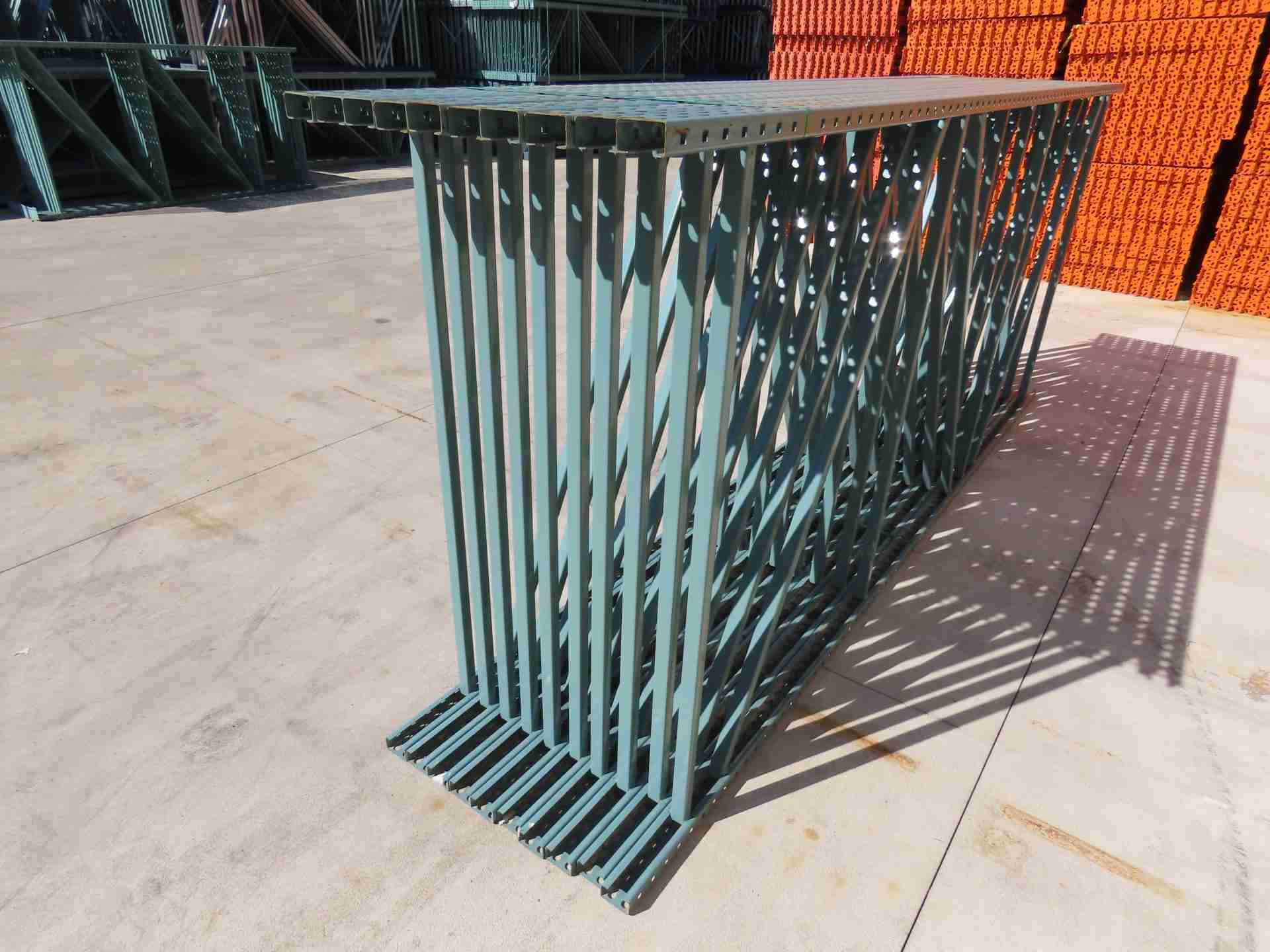
Who Handles Pallet Rack Permits In Your Area?
Table Of Contents
- Who Handles Pallet Rack Permits In Your Area?
- What Are Pallet Rack Permits And Why Are They Needed?
- Who Is Responsible For Obtaining Pallet Rack Permits?
- What Are The Local Regulations For Pallet Rack Installation?
- How Do I Apply For A Pallet Rack Permit In My Area?
- What Documents Are Required For A Pallet Rack Permit Application?
- How Long Does The Permit Approval Process Take?
- What Are The Consequences Of Not Obtaining A Pallet Rack Permit?
- Conclusion
- Other Resources
- Glossary Of Terms
- Other Questions
- Checklist
What Are Pallet Rack Permits And Why Are They Needed?
In the world of warehousing and logistics, one element that often goes overlooked is the necessary permits associated with pallet racking systems. So, what exactly are pallet rack permits, and why should your business prioritize them?
Pallet racking refers to the structures used to store goods on pallets, optimizing space and streamlining access. However, without the proper permits, these seemingly innocuous systems can lead to a myriad of problems, from safety hazards to costly fines.
First and foremost, pallet rack permits are official approvals that ensure your racking systems comply with local building codes and safety regulations. Some regions have stringent laws dictating the height, load capacity, and installation practices for pallet racks. For instance, a company like Amazon, with its extensive distribution centers, adheres to these regulations meticulously—avoiding potential disasters that can arise from negligence.
Consider the growing issue of inventory management in today’s e-commerce-driven landscape. As demand spikes, businesses often expand their storage solutions to meet customer needs. However, without the right permits, a company could jeopardize its operational integrity. The recent surge in warehouse accidents, reported in June 2023, highlighted the consequences of neglecting safety standards, emphasizing the importance of securing the right permits.
Complying with pallet rack permit requirements not only enhances safety but also boosts efficiency. If your racking system is installed correctly—backed by proper documentation—your warehouse employees can move with confidence. Imagine a bustling warehouse floor where every pallet rack is properly permitted and functioning at optimal capacity. The result? Increased productivity, fewer workplace accidents, and ultimately, higher profits.
Moreover, acquiring these permits can protect your business during inspections. Local authorities regularly conduct random checks on warehouses. If your facility is flagged for operating without the necessary pallet rack permits, you could face not just fines, but mandatory shutdowns until compliance is achieved.
In a constantly evolving market, the significance of pallet rack permits will only grow. New technologies and sustainable practices emerge daily in logistics. Adapting to these innovations requires robust safety measures and compliance with regulatory updates.
In summary, obtaining pallet rack permits is not merely bureaucratic nonsense—it’s a smart business move. By investing the time and effort into securing these permits, you are safeguarding your workforce, enhancing your efficiency, and fortifying your bottom line. Remember, in an industry where every inch of space counts, don’t let your success be derailed by oversight. Prioritize your pallet racking permits today!
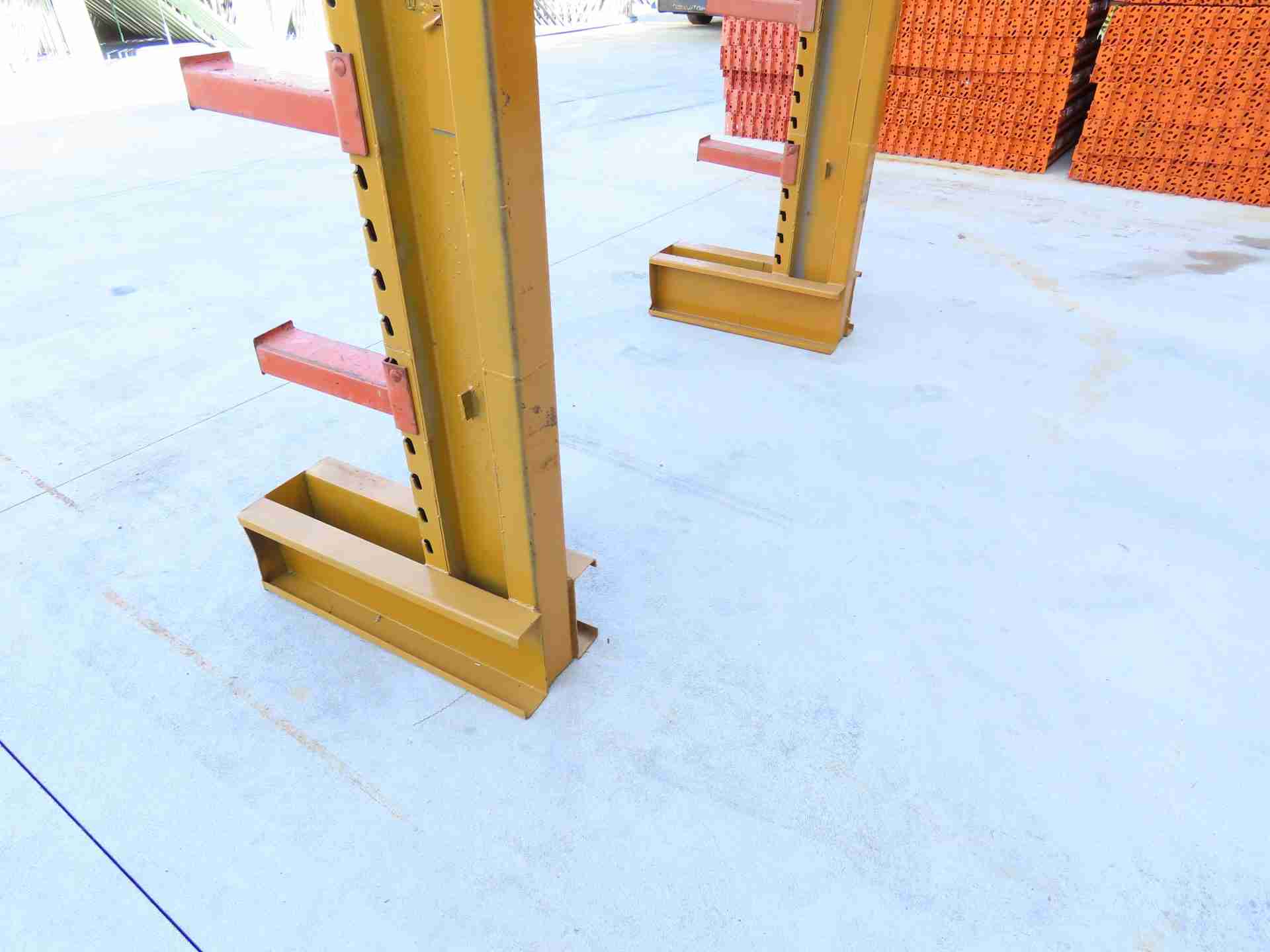
What Are Pallet Rack Permits And Why Are They Needed?
What Are Pallet Rack Permits And Why Are They Needed?
- Pallet racking systems require permits to comply with local building codes and safety regulations.
- Improper permit management can lead to safety hazards and hefty fines for businesses.
- High compliance standards are crucial, as seen in major companies like Amazon that diligently follow regulations.
- Neglecting permits can jeopardize inventory management and operational integrity, as highlighted by recent warehouse accidents.
- Securing the right permits enhances warehouse safety, efficiency, and employee confidence in operations.
- Operating without necessary permits can result in fines and mandatory shutdowns during inspections.
- Investing in pallet rack permits is a proactive move that safeguards workforce safety and improves overall business profitability.

What Are Pallet Rack Permits And Why Are They Needed?
Who Is Responsible For Obtaining Pallet Rack Permits?
When it comes to pallet racking, one of the often-overlooked aspects involves understanding who is responsible for obtaining the necessary permits. In today’s fast-paced business environment, where efficiency and compliance are paramount, knowing the nuances of regulatory requirements can save you from costly delays and fines.
Typically, responsibility for securing pallet rack permits falls on the shoulders of the facility owner or management team. However, this doesn’t mean they must navigate the maze of regulations alone. In many instances, the installation contractor plays a crucial role by providing guidance and helping complete the paperwork. For example, if a warehouse manager decides to upgrade their pallet racking system to boost storage efficiency, they will often rely on the expertise of a contractor familiar with local building codes. This collaboration ensures that all necessary permits are obtained without a hitch.
Consider a recent case involving a logistics company that hastily expanded its warehouse operations. They neglected to obtain the correct pallet rack permits, resulting in significant fines and the halting of their operations for several weeks. The costly setback highlighted an unfortunate truth: ignorance of regulations doesn’t exempt a business from compliance. This example serves as a motivating reality for anyone involved in warehouse operations.
Furthermore, jurisdiction matters. Different states or even municipalities can have varying requirements regarding pallet racking installations. For instance, a company operating in California may face more stringent regulations compared to one in Texas. Understanding these differences is critical for compliance, especially as regulations evolve with the introduction of new safety standards.
Moreover, annual inspections often require compliance documentation. If the responsibility for acquiring permits isn’t clearly communicated, you could find yourself in a pickle when inspectors come knocking. Engaging with a specialized consultant during the planning stages can significantly ease this burden and clarify accountability.
Ultimately, successful pallet racking projects hinge not just on choosing the right system, but also on navigating the intricate web of permits and regulatory requirements. By establishing clear lines of responsibility among facility managers, contractors, and compliance experts, businesses can not only ensure smooth installations but also safeguard their operations against potential disruptions. Don’t let an oversight hold back your warehouse’s efficiency—stay informed and proactive in permitting responsibilities for your pallet racking solutions!
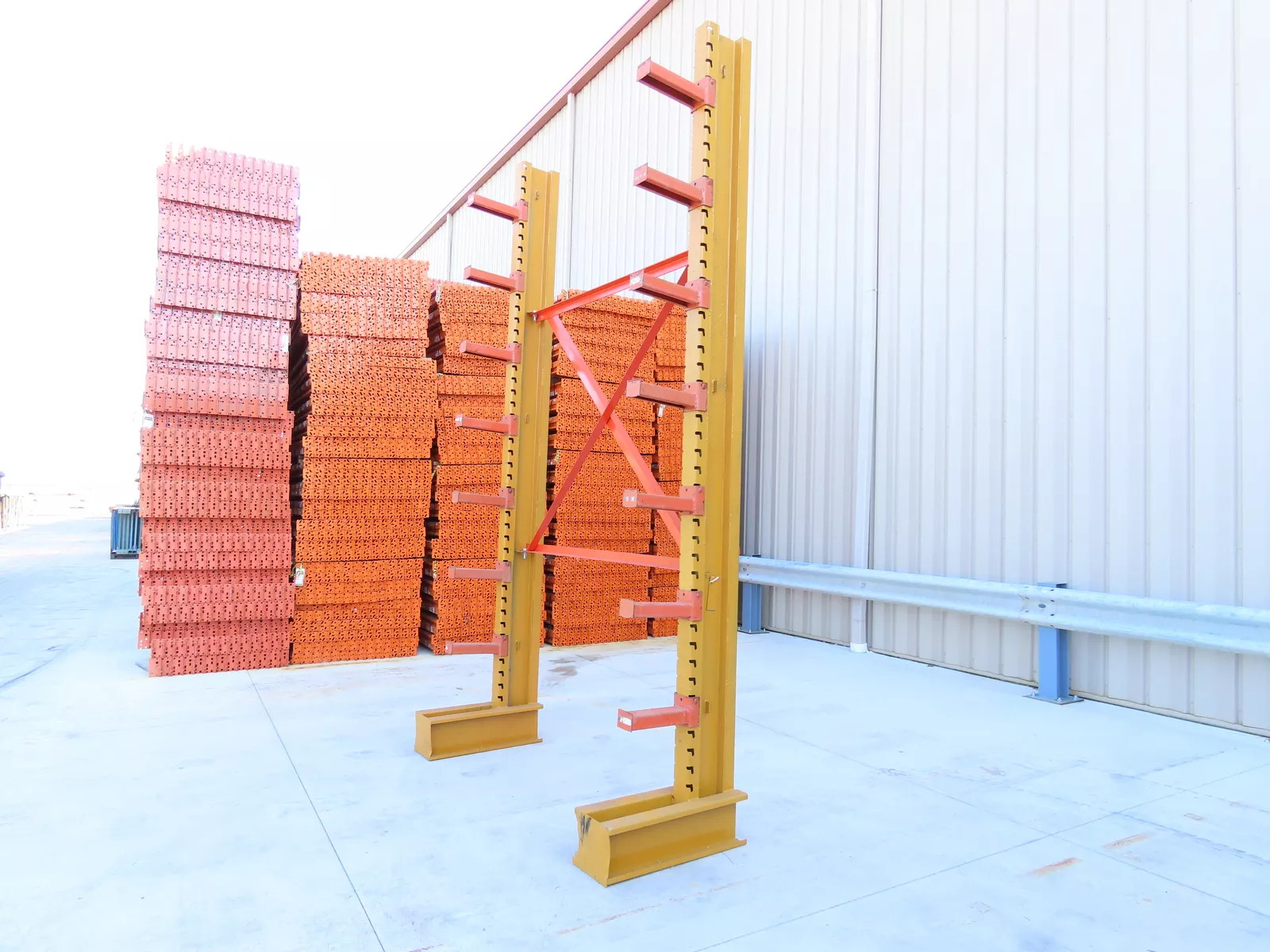
Who Is Responsible For Obtaining Pallet Rack Permits?
Who Is Responsible For Obtaining Pallet Rack Permits?
- Responsibility for obtaining pallet rack permits typically lies with the facility owner or management team.
- Installation contractors often assist in navigating regulations and completing necessary paperwork.
- Failure to secure correct permits can lead to significant fines and operational halts, as illustrated by a logistics company’s experience.
- Regulatory requirements can vary drastically by state or municipality, emphasizing the need for awareness of local laws.
- Annual inspections require compliance documentation, making clear communication about permit responsibility essential.
- Engaging specialized consultants during planning can clarify accountability and ease the permitting process.
- Successful pallet racking projects require meticulous attention to permits and regulatory compliance to avoid potential disruptions.
Who Is Responsible For Obtaining Pallet Rack Permits?
What Are The Local Regulations For Pallet Rack Installation?
When it comes to pallet racking, understanding local regulations is not just a matter of compliance—it’s a cornerstone of operational success. Navigating the maze of local codes and standards for pallet racking installation can seem daunting, but with a focused approach, you can turn this challenge into an opportunity to enhance your warehouse efficiency and safety.
First and foremost, it’s essential to familiarize yourself with the Occupational Safety and Health Administration (OSHA) regulations as they pertain to pallet racking. OSHA sets forth guidelines on load capacity, equipment stability, and clearance space that are designed to ensure a safe working environment. In fact, recent audits across various industries have seen fines levied against businesses for non-compliance, underscoring the need to stay informed.
Local building codes also play a crucial role in pallet racking installations. These regulations may vary significantly by city or state. For example, in California, the Department of Occupational Safety and Health (Cal/OSHA) has specific guidelines regarding seismic safety measures for pallet racks. This is particularly relevant in areas prone to earthquakes; rack installations must adhere to stringent requirements to minimize risks. Similarly, states with heavy snowfall may impose weight limits that affect the design and material used in pallet racking systems to ensure structural integrity.
Moreover, engaging with your local fire marshal can reveal additional regulations concerning pallet racking. Fire safety codes dictate how much clearance must be maintained between racks for emergency access and fire suppression systems. For instance, a warehouse in New Jersey recently faced significant challenges due to inadequate fire safety measures associated with its pallet racking setup, illustrating the importance of aligning with these codes from the outset.
In 2023, we’ve seen businesses pivot to hybrid work environments, leading to evolving storage needs. With more companies utilizing mixed-use spaces, understanding local regulations regarding pallet racking installations has never been more critical. If your warehouse operates in a shared facility, consider additional local mandates that might be in place to accommodate multiple tenants.
When investing in pallet racking systems, it’s crucial to consult local experts—engineers, architects, and compliance specialists—who can offer insights tailored to your specific region. Doing so not only ensures compliance but also enhances operational efficiency and safety, guiding your business toward a more robust future. By proactively addressing local regulations, you’ll position your warehouse not just as a compliant operation, but as a model of safety and efficiency.

What Are The Local Regulations For Pallet Rack Installation?
What Are The Local Regulations For Pallet Rack Installation?
- Understanding local regulations for pallet racking is essential for operational success and safety.
- Familiarize yourself with OSHA regulations on load capacity, equipment stability, and clearance space.
- Local building codes vary by location, influencing pallet racking installation requirements.
- Engage with local fire marshals to learn about fire safety codes affecting pallet racking setups.
- In 2023, the shift to hybrid work environments has increased the importance of understanding storage regulations.
- Consult local experts—engineers, architects, and compliance specialists—for tailored insights on regulations.
- Proactively addressing regulations enhances safety and positions your warehouse as a model of efficiency.
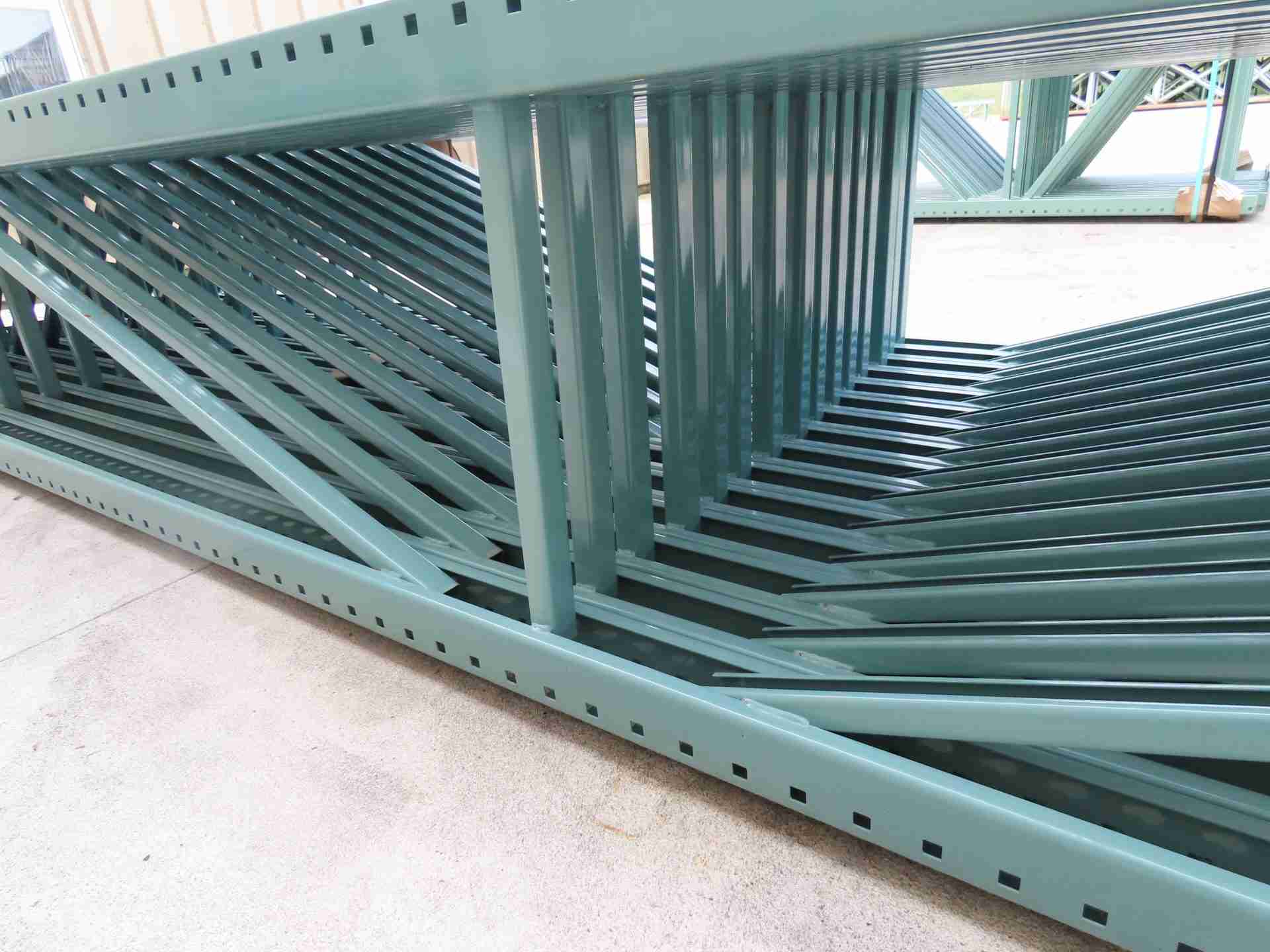
What Are The Local Regulations For Pallet Rack Installation?
How Do I Apply For A Pallet Rack Permit In My Area?
If you’re looking to optimize your warehouse space efficiently, pallet racking is a fantastic investment. However, before you start stacking those pallets high, you’ll need to navigate the permitting process—a task that can vary significantly from one location to another.
First things first, understand that pallet racking systems are subject to local building codes and safety regulations. This is not just a bureaucratic hurdle; it’s crucial for ensuring the safety of your warehouse. For instance, states such as California have stringent regulations due to existing seismic risks, which can greatly influence the design and permit process for your pallet racking system.
So, where do you begin? Start by contacting your local building department or municipal planning office. Many regions now have streamlined processes that allow businesses to apply for permits online. For example, cities such as Denver have adopted digital platforms for permit applications, greatly reducing the time it takes to get approved. Look for specific guidelines regarding pallet racking, which may include structural specifications and load requirements.
Next, gather the necessary documentation. You’ll typically need to submit detailed plans that outline the intended layout, the materials of the racking system, and how it will comply with safety standards. These plans may need to be prepared by a licensed engineer or architect to avoid delays. Recent developments in sustainable materials may also inspire you to consider eco-friendly options, which might even earn you expedited processing in certain jurisdictions.
After submission, be prepared for an inspection process. This is where you can shine! Use this opportunity to demonstrate your commitment to safety and compliance—two key areas where local authorities take a keen interest. Highlight features like seismic bracing or innovative materials that not only adhere to regulations but also enhance operational efficiency.
Once you secure your pallet rack permit, keep it on file and stay updated with any changes in local regulations. The landscape is shifting, especially in light of recent supply chain disruptions and the increasing demand for warehousing space. Authorities may adjust their guidelines in response to current events, so staying informed is key to maintaining compliance.
While applying for a pallet rack permit can feel daunting, understanding the process and following these strategic steps can make it seamless. Tap into local resources, prepare comprehensive plans, and ensure you’re up to speed with current events—all of which will turn a potential roadblock into a stepping stone for your business success.
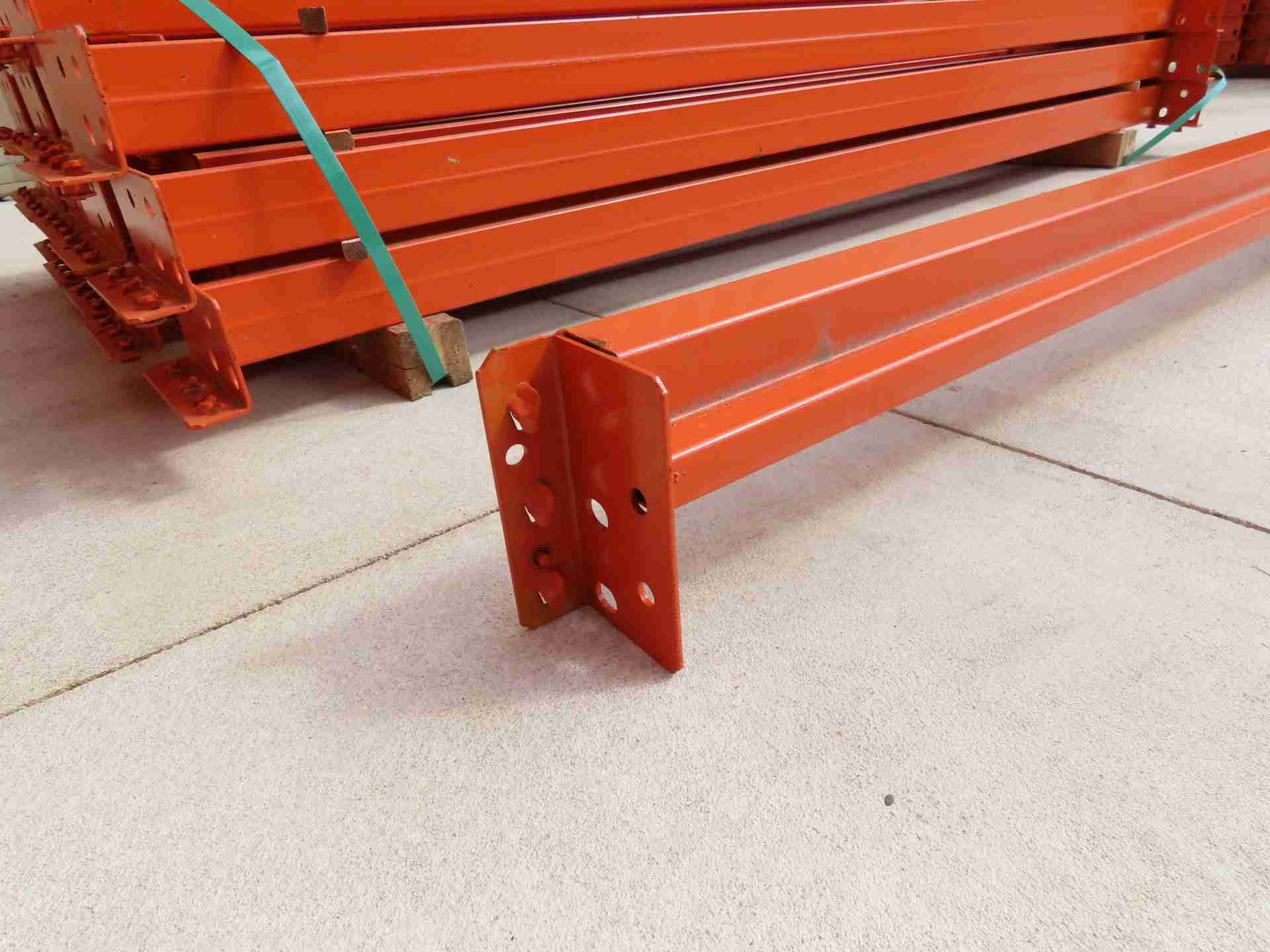
How Do I Apply For A Pallet Rack Permit In My Area?
How Do I Apply For A Pallet Rack Permit In My Area?
- Pallet racking is an efficient investment for optimizing warehouse space but requires navigation of the permitting process.
- Local building codes and safety regulations govern pallet racking systems, with variations by location, especially in areas with seismic risks like California.
- Contact your local building department or municipal planning office to begin the permitting process; many regions offer online application systems.
- Gather necessary documentation, including detailed layout plans and compliance with safety standards, often requiring input from licensed professionals.
- Prepare for an inspection process where you can showcase your commitment to safety and operational efficiency.
- Keep your pallet rack permit on file and stay updated on any changes in local regulations, as they may evolve in response to current events.
- Understanding the permitting process and strategic planning can transform challenges into opportunities for your business success.
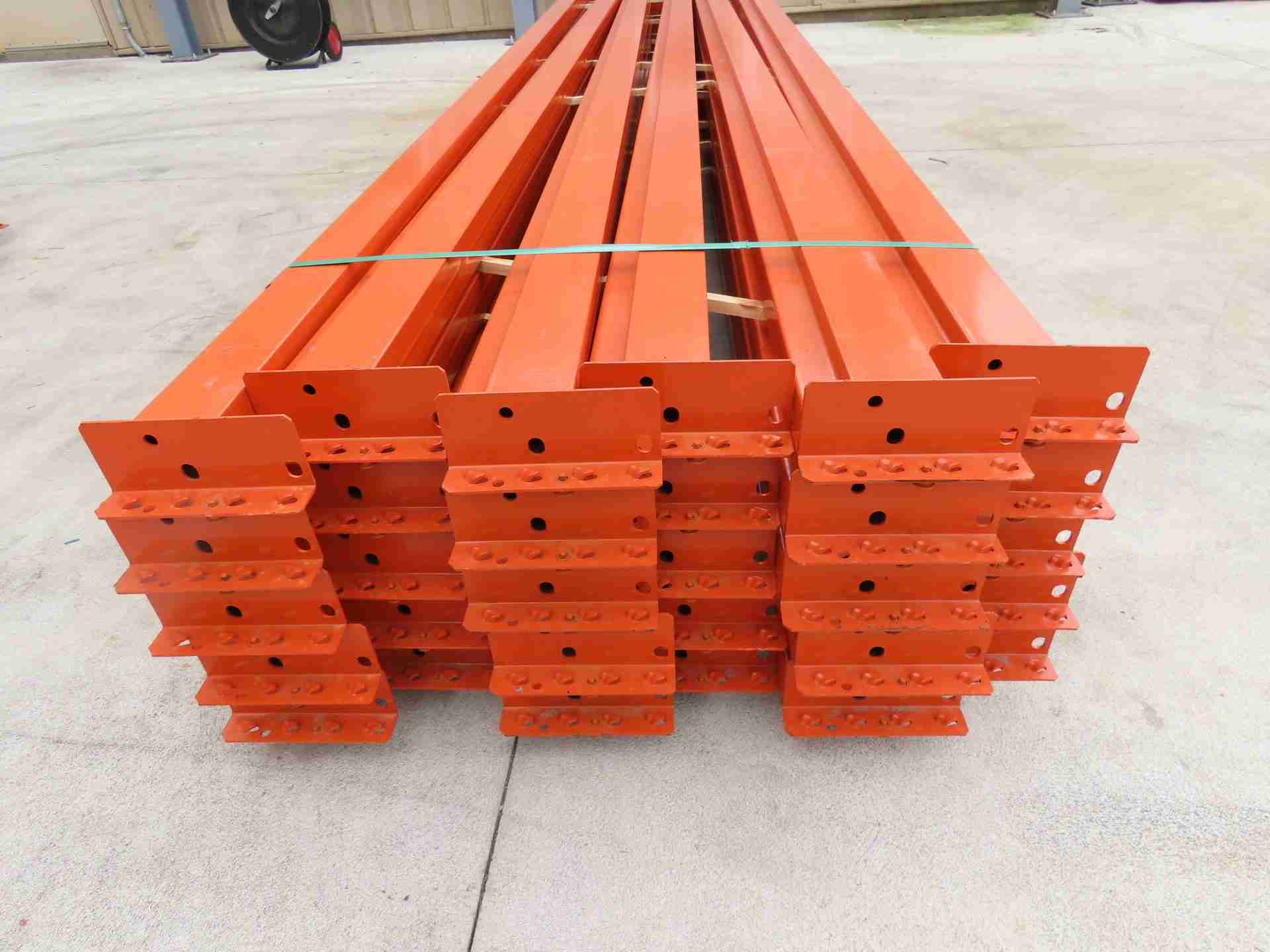
How Do I Apply For A Pallet Rack Permit In My Area?
What Documents Are Required For A Pallet Rack Permit Application?
When it comes to acquiring a pallet rack permit, your success hinges not just on knowing the regulations but also on having the right documents in hand. The world of pallet racking is burgeoning, particularly with the rise of e-commerce and global supply chains reshaping how goods are stored and delivered. As businesses look to maximize floor space and streamline operations, it’s crucial to understand the paperwork needed to ensure compliance and safeguard your investments.
First, you’ll need to present a Pallet Racking Plan. This document outlines the types of racks you plan to install, their dimensions, and their load capacity. Be clear about how these racks fit into your warehouse layout. For example, if you’re switching to a selective pallet rack system to optimize picking efficiency, provide detailed schematics.
Next, you must include Structural Calculations. These should demonstrate that your chosen pallet racks can handle the loads specified. If you’re investing in heavy-duty pallet racking for automotive parts, for instance, engineers will need to verify that your system can support not just the weight of the pallets but also any potential dynamic loads from the operation of forklifts.
Additionally, you’ll be required to submit an Installation Specification Sheet. This should detail how the racking will be installed, listing materials used, anchoring methods, and any required modifications to the building structure. This document serves as your playbook for safe and compliant installation.
Before you submit your application, don’t forget the Safety Data Sheet (SDS) for any materials that will be used during the installation process. This is especially important if you’re using specialized coatings or adhesives, which may have specific handling and safety requirements.
In today’s regulatory environment, keeping abreast of changes is imperative. For instance, local governments may update their construction codes in the wake of recent supply chain disruptions stemming from global events. Ensure your documents reflect these updates to avoid any delays in approval.
Lastly, always remember to include a Certificate of Insurance. This demonstrates your commitment to safety and compliance, protecting not only your business but also the public and your employees.
In summary, a robust palette of documents for your pallet rack permit application isn’t just about ticking boxes; it’s about positioning your business for long-term success while navigating the increasingly complex landscape of warehouse management and compliance. Get these documents right, and watch your investment in pallet racking pay off!
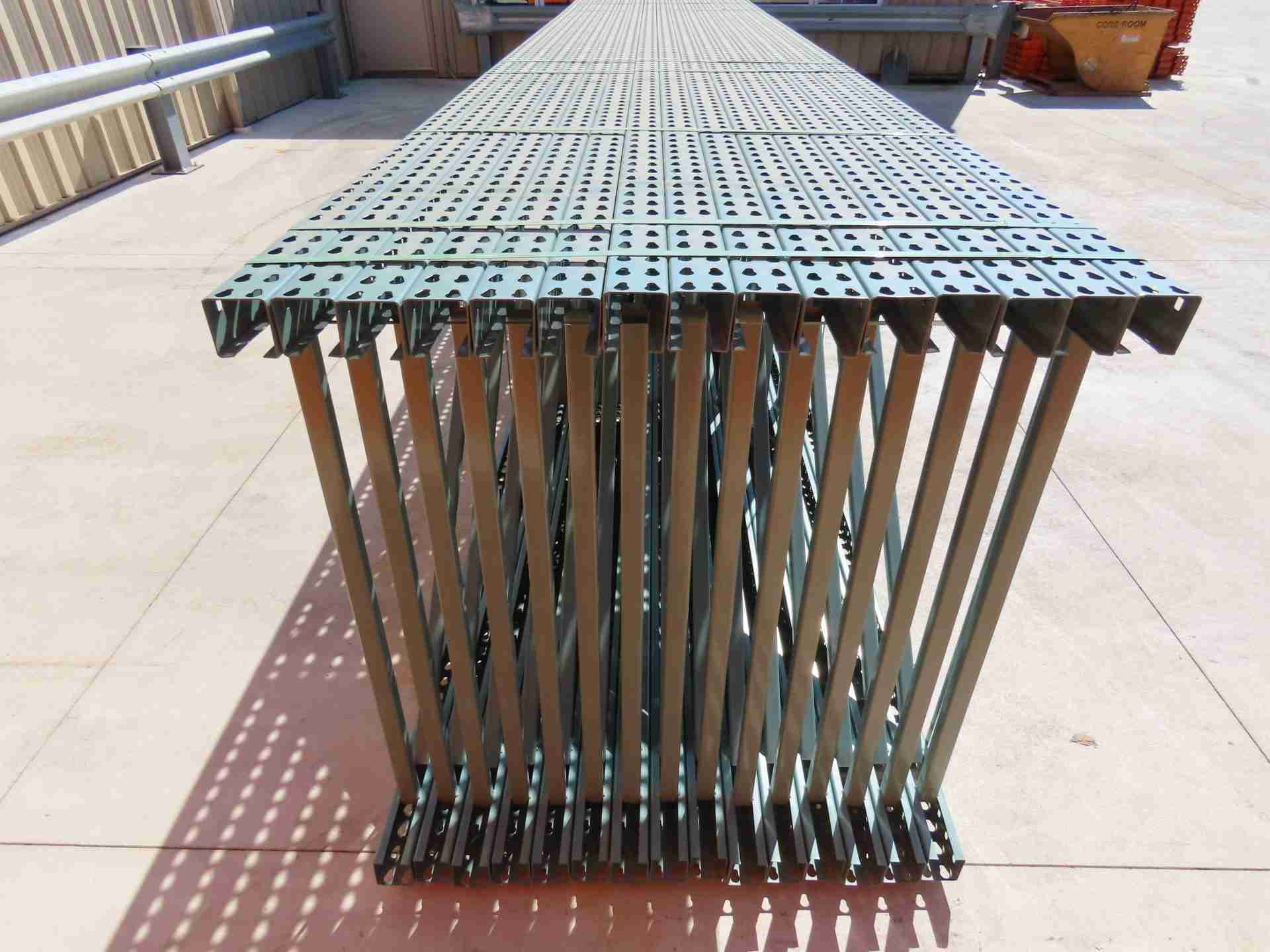
What Documents Are Required For A Pallet Rack Permit Application?
What Documents Are Required For A Pallet Rack Permit Application?
- Success in acquiring a pallet rack permit hinges on knowing regulations and having the right documents.
- A comprehensive Pallet Racking Plan is essential, detailing types, dimensions, and load capacity of racks.
- Structural Calculations must demonstrate that the pallet racks can support specified and dynamic loads.
- An Installation Specification Sheet should outline installation details, materials, anchoring methods, and structural modifications.
- Include a Safety Data Sheet (SDS) for any materials used during installation, especially specialized coatings or adhesives.
- Stay updated on local construction code changes to reflect any regulatory updates in your documents.
- A Certificate of Insurance is necessary to affirm your commitment to safety and compliance in the workplace.
What Documents Are Required For A Pallet Rack Permit Application?
How Long Does The Permit Approval Process Take?
Navigating the permit approval process can feel like an uphill battle, especially when you’re eager to set up operations involving complex systems like pallet racking. Whether you’re expanding your warehouse, streamlining your supply chain, or enhancing your retail space, securing the necessary permits is a critical step that can impact timelines and bottom lines.
Generally, the permit approval process can take anywhere from a few weeks to several months. It heavily depends on your location, the complexity of your project, and the efficiency of the local government agency involved. For instance, setting up a basic pallet racking system might seem straightforward, but if you’re in a densely populated area or a region with stringent regulations, expect delays. Recent events, such as increased focus on safety and environmental considerations, have only heightened the scrutiny of permit applications.
Let’s break it down. In many urban areas, the process may take several months. For example, if you’re looking to implement a multi-level pallet racking system that maximizes warehouse space, you’re likely to face additional challenges, such as inspections and compliance checks, potentially prolonging your approval. In cities like San Francisco, where compliance regulations are notorious for being strict, the wait can stretch from three to six months.
On the other hand, municipalities that are eager to encourage business growth might expedite the process. In places like Austin, Texas, where housing and commercial development are booming, local governments are taking steps to streamline administrative procedures to attract businesses. Here, you could expect a quicker turnaround, possibly within a month, if all documentation is in order.
Understanding this timeline is crucial for effective planning. If you’re aware that permits may take longer due to current regulations or local sentiments, you can budget and schedule your operations accordingly. Additionally, being proactive about gathering all necessary documents and consulting with local officials can significantly reduce approval times.
In an age where instant gratification is the norm, patience is key when it comes to the permit approval process. Don’t let delays derail your vision of a well-organized, efficient pallet racking system. Whether you’re building a state-of-the-art storage facility or simply looking to optimize your current setup, being informed and prepared is your best strategy for navigating the labyrinth of permits.
In summary, while getting the necessary approvals can feel daunting, understanding the factors at play — from location to project complexity — can empower you to tackle this process head-on.
How Long Does The Permit Approval Process Take?
How Long Does The Permit Approval Process Take?
- Navigating the permit approval process is often challenging, especially for complex systems like pallet racking.
- The timeline for permit approval can range from a few weeks to several months, influenced by location and project complexity.
- Urban areas and stringent regulations can cause considerable delays; approvals may take from three to six months in densely populated cities.
- Conversely, some municipalities, like Austin, Texas, may expedite approvals to encourage business growth, potentially resulting in a quicker turnaround.
- Effective planning requires understanding potential timelines and being prepared for longer permit processes due to regulations.
- Proactively gathering documentation and consulting with local officials can help reduce approval times.
- Staying informed and prepared is vital to successfully navigating the permit approval process for efficient pallet racking setups.
How Long Does The Permit Approval Process Take?
What Are The Consequences Of Not Obtaining A Pallet Rack Permit?
When it comes to optimizing warehouse space, pallet racking systems are indispensable. However, ignoring the need for a pallet rack permit can lead to a multitude of significant consequences that extend well beyond mere legal issues. Let’s break down what could happen if you decide to forgo this essential regulatory step.
Firstly, operational downtime is almost inevitable. If local authorities conduct a surprise inspection—or if a safety incident occurs—you could find yourself facing immediate shutdown. In 2022, several companies faced hefty fines and were forced to suspend operations when unpermitted pallet racking installations were discovered. A business that relies on efficient storage solutions cannot afford to be sidelined like that; every day lost translates to revenue lost.
Moreover, safety hazards become pronounced without the proper permits. Regulatory bodies set standards for pallet racking systems to ensure they can handle the loads safely. Without a permit, you might install subpar racking that poses a risk to your employees. Incidents in warehouses have made headlines recently, emphasizing how poorly maintained racking can lead to catastrophic outcomes. For example, a major distribution center experienced a collapse, causing injuries and costing millions in damages. That incident not only tarnished the company’s reputation but also resulted in lawsuits that lingered for years.
Additionally, you might face increased insurance premiums—or worse, denial of coverage. Insurance companies often assess compliance with local codes during underwriting. If your racking system is found to be unpermitted, they may classify your operation as a “high-risk” entity. This shift in status can send your costs skyrocketing, which impacts your bottom line significantly.
On a legal front, failing to acquire a pallet rack permit puts your business at risk of penalties and fines from regulatory authorities. The fines can range from hundreds to thousands of dollars, depending on the severity of the violation. Think of it like firefighting; it’s always cheaper to prevent the fire than to put it out once it’s blazing.
In today’s business climate, where companies are under scrutiny for operational practices more than ever, you can’t afford the gamble of operating without a pallet rack permit. From reinforcing a culture of safety to maintaining business continuity, the advantages of compliance are clear. Prioritize getting that permit; it’s not just about legality—it’s about safeguarding your assets, employees, and reputation.
What Are The Consequences Of Not Obtaining A Pallet Rack Permit?
What Are The Consequences Of Not Obtaining A Pallet Rack Permit?
- Pallet racking systems are crucial for optimizing warehouse space, but require a permit for legal compliance.
- Failure to acquire a permit can result in operational downtime due to surprise inspections or safety incidents.
- Companies without permits have faced fines and operational suspensions, leading to significant financial losses.
- Unpermitted racking poses safety hazards, potentially leading to accidents that endanger employees and damage the company’s reputation.
- Insurance premiums can increase or coverage may be denied if a racking system is found to be unpermitted, classifying the operation as high-risk.
- Legal penalties and fines from regulatory authorities can range from hundreds to thousands of dollars for permit violations.
- Obtaining the necessary permit is essential for safeguarding assets, employees, and the company’s reputation in today’s scrutinized business environment.
What Are The Consequences Of Not Obtaining A Pallet Rack Permit?
Conclusion
Navigating the labyrinth of pallet rack permits is not just an administrative hurdle—it’s a crucial investment in the safety and efficiency of your warehouse operations. As we’ve uncovered, the process begins with your local building department, serving as the gatekeepers of essential safety and compliance standards that your racking systems must adhere to. By engaging with these authorities early, you can clarify specific requirements and safeguard your operations against costly fines and potential shutdowns.
Additionally, enlisting the expertise of specialized compliance consultants can significantly streamline the permit acquisition process, allowing you to focus on what matters most: optimizing your warehouse. Think of experts like Compliance Services Group who can help guide you through the intricacies of local regulations, especially in today’s rapidly changing landscapes, where new interpretations of laws are frequently emerging.
The importance of maintaining a proactive relationship with your local fire department cannot be overstated, either. Their input on fire safety standards can substantially influence the layout of your pallet racking, ensuring that it not only complies with regulations but also enhances your emergency response measures. Remember, a well-planned installation leads to increased productivity, fewer workplace accidents, and ultimately, an enhanced bottom line.
Moreover, failing to secure the proper permits invites a slew of potential repercussions—from operational downtime to higher insurance premiums and significant legal fines. Ignorance is not bliss when it comes to compliance; it can result in harmful accidents and tarnished reputations that can take years to recover from.
In today’s high-stakes market, where every inch of warehouse space counts, understanding and managing the pallet rack permit process is critical. By investing your time and resources into securing these necessary approvals, you not only enhance the operational efficiency of your facility but also protect your workforce and financial interests.
Don’t let bureaucratic requirements hold you back from achieving peak performance. Call Arrow Industrial Sales at (574) 349-6575 today. Our team is ready to provide you with expert guidance and support—ensuring your warehouse operations run smoothly and efficiently, without unnecessary delays or compliance issues. Hurry, as optimal warehouse solutions are waiting for you, but time is of the essence!
Conclusion
Conclusion:
- Navigating pallet rack permits is a vital investment in warehouse safety and efficiency.
- Initial engagement with local building departments is essential for understanding safety and compliance requirements.
- Specialized compliance consultants, like Compliance Services Group, can simplify the permit acquisition process.
- Maintaining a proactive relationship with local fire departments enhances fire safety and emergency response measures.
- Failing to secure proper permits can lead to operational downtime, legal fines, and higher insurance premiums.
- Understanding the permit process is critical in today’s competitive market focused on optimizing warehouse space.
- Contact Arrow Industrial Sales for expert guidance to ensure smooth and compliant warehouse operations.
Conclusion
Other Resources
Other Resources
Here is a list of other resources you can review online to learn more:
- Pallet Rack Systems – New and Used Pallet Racking and Shelving Experts
- Used Teardrop Pallet Rack – American Surplus
- Pallet Racking 101: A Comprehensive Guide & Options Explained
- Material Handling Industry
- Cantilever Racking Specialists – Get the Right Racks
- International Warehouse Logistics Association
- Teardrop Racks – Pallet Rack World
- New Cantilever Racks and Racking Kits
- Iowa Illinois Warehouse Racking
- Rack Manufacturers Institute
Use This Prompt To Get More Resources With Your Favorite Online AI Tool: Please provide me with a list of online articles with their URLs in a bulleted list that I can read regarding Who Handles Pallet Rack Permits In Your Area?
Other Resources
Glossary Terms
Who Handles Pallet Rack Permits In Your Area? – Glossary Of Terms
1. Pallet Rack: A storage system designed to hold and organize pallets in horizontal rows.
2. Permit: An official document granting authorization to perform a specific activity, such as installing pallet racks.
3. Regulation: A rule or directive made and maintained by an authority concerning the operation of pallet racks.
4. Local Authority: The government body in charge of enforcing building codes and safety regulations in a specific area.
5. Building Code: A set of rules established by the local government that outlines the construction and safety standards for buildings, including storage systems.
6. Compliance: The act of conforming to established regulatory requirements for safety and usage of pallet racks.
7. Inspection: An official examination of pallet racks to ensure they meet safety and regulatory standards.
8. Load Capacity: The maximum weight a pallet rack can safely support without risk of failure or collapse.
9. Material Handling: The efficient movement and storage of goods, which involves equipment like pallet racks for organization.
10. Safety Standards: Established criteria to ensure the safe use and installation of pallet racks.
11. Engineering Sign-off: A formal approval from a certified engineer indicating that a pallet rack system meets safety and structural requirements.
12. Installation Guidelines: Detailed instructions provided by manufacturers or authorities regarding the proper setup of pallet racks.
13. Fire Code Compliance: Adherence to regulations designed to prevent fire hazards associated with storage systems like pallet racks.
14. Weight Distribution: The manner in which weight is spread across a pallet rack, crucial for maintaining balance and safety.
15. Forklift Accessibility: Considerations for ensuring that forklifts can easily access pallet rack systems for loading and unloading.
16. Permit Application: The process of submitting a formal request to obtain permission for installing pallet racks.
17. Zoning Laws: Regulations that dictate how land in a particular area can be used, affecting where pallet racks can be installed.
18. Safety Audit: A thorough examination of storage systems to ensure compliance with safety regulations.
19. Maintenance Plan: An outlined strategy for the regular upkeep and inspection of pallet racks to ensure ongoing safety.
20. Rack System Design: The process of planning and choosing the configuration of a pallet rack to optimize space and safety.
21. Health and Safety Enforcement: The actions taken by regulatory bodies to ensure compliance with health and safety standards.
22. Structural Integrity: The ability of a pallet rack to withstand its intended load without collapsing or failing.
23. Capacity Planning: The assessment of storage needs to determine the appropriate pallet rack configuration and permissible loads.
24. Material Certification: Documentation verifying that materials used in pallet rack construction meet required standards.
25. Qualified Installer: A professional trained and certified to install pallet racks in compliance with safety regulations.
26. Disaster Preparedness: Planning and measures taken to mitigate risks associated with natural disasters concerning pallet rack systems.
27. Insurance Requirements: Coverage necessary to protect against potential damages or liabilities arising from the use of pallet racks.
28. Community Guidelines: Local norms and regulations pertaining to building and safety practices within a specific community.
29. Legal Liability: The legal responsibility for any accidents or damages resulting from improper installation or use of pallet racks.
30. Training Certification: A credential earned by personnel who have completed training on safely operating and managing pallet rack systems.

Glossary Of Terms
Other Questions
Who Handles Pallet Rack Permits In Your Area? – Other Questions
If you wish to explore and discover more, consider looking for answers to these questions:
- What specific local building codes apply to pallet racking systems?
- How can I find compliance specialists for pallet rack permits?
- What are the common pitfalls when applying for pallet rack permits?
- Are there any expedited options for obtaining pallet rack permits?
- What types of inspections are required for pallet rack permits?
- How can I ensure my pallet racking layout complies with fire safety regulations?
- What should I do if my pallet rack permit application is denied?
- Are there differences in pallet rack permit requirements for various industries?
- How can changes in local regulations affect existing pallet racks?
- What role does my insurance provider play in the permit process?
- Can I operate a warehouse while waiting for pallet rack permit approval?
- What training do my employees need regarding pallet rack safety compliance?
- How often do I need to renew my pallet rack permit?
- What should I include in the Pallet Racking Plan for my application?
- Can I DIY my pallet racking installation without a permit?

Other Questions
Checklist
Who Handles Pallet Rack Permits In Your Area? – A Checklist
Checklist for Obtaining Pallet Rack Permits
This checklist is designed to help you streamline the process of obtaining pallet rack permits, ensuring compliance with local regulations and enhancing the efficiency and safety of your warehouse operations.
Before You Apply
1. Research Local Regulations:
_____ Contact your local building department to understand specific zoning and permit requirements.
_____ Familiarize yourself with Occupational Safety and Health Administration (OSHA) guidelines related to pallet racking.
2. Consult with Experts:
_____ Consider hiring a compliance specialist or consultant who is familiar with local codes and warehouse operations.
_____ Engage with an architect or engineer to ensure proper design of your pallet racking system.
3. Establish Communication with Authorities:
_____ Build a proactive relationship with your local fire department to discuss fire safety standards and inspection processes.
Documentation Preparation
4. Prepare Necessary Documents:
_____ Create a Pallet Racking Plan outlining rack types, dimensions, and load capacities.
_____ Gather Structural Calculations to demonstrate load handling capabilities of the racking system.
_____ Draft an Installation Specification Sheet detailing installation procedures, materials used, and anchoring methods.
5. Include Safety and Compliance Documentation:
_____ Obtain Safety Data Sheets (SDS) for materials used during installation.
_____ Compile a Certificate of Insurance showcasing your commitment to safety and compliance.
Application Process
6. Submit Your Permit Application:
_____ Identify your local building department’s permit submission process (check for online applications).
_____ Ensure all required documentation is complete and accurate before submission.
7. Prepare for Inspections:
_____ Anticipate inspections by local authorities; prepare to show compliance with safety regulations during these visits.
After Permit Approval
8. Maintain Compliance:
_____ Keep a copy of the permit on file and stay informed about any changes in local regulations.
_____ Plan for annual inspections and ensure documentation is up to date.
9. Implement Safety Standards:
_____ Train warehouse employees on safety practices regarding pallet racking systems.
_____ Regularly review and maintain the integrity of the installed pallet racks.
Consequences of Non-Compliance
10. Be Aware of Risks:
_____ Recognize the potential for operational downtime, safety hazards, increased insurance costs, and legal penalties if permits are not obtained.
By following this checklist, you can ensure a smooth process for acquiring pallet rack permits, safeguarding your operations while maximizing efficiency in your warehouse.
Checklist
At RackingWorld, we help guide you through selecting warehouse storage systems and racking.
Be sure to read our other related stories at RackingWorld to learn more about warehouse storage systems.
0 Comments