
Expert Solutions For Optimized Pallet Rack Design
By Tom Seest
At RackingWorld, we help guide you through selecting warehouse storage systems and racking.
Be sure to read our other related stories at RackingWorld to learn more about warehouse storage systems.
Who Designs Pallet Rack Layouts In Your Area?
When it comes to optimizing your warehouse space for efficiency and productivity, the importance of expertly designed pallet rack layouts cannot be overstated. An effective pallet racking system maximizes vertical storage while ensuring easy access to inventory. So, who exactly designs these layouts in your area? The answer might surprise you!
First, let’s consider professional warehouse design consultants. These specialists understand the nuances of pallet racking and are adept at maximizing capacity while ensuring compliance with safety regulations. For instance, a recent trend in the industry shows that spaces designed for e-commerce, like fulfillment centers, require unique pallet racking systems to accommodate the rapid turnover of goods. In Austin, Texas, a consulting firm recently completed a project enabling a major retailer to increase their efficiency by over 30% with a newly designed pallet racking layout.
In addition to consultants, many pallet rack manufacturers offer design services. Companies like UNARCO and Dematic not only supply the racking equipment but also have in-house design teams that create tailored layouts based on your specific needs. With today’s supply chain challenges, including the global shortage of shipping containers, many businesses are feeling the heat to maximize their existing storage solutions. Manufacturers are stepping up to the plate by providing warehouse assessments that align with current market demands.
Another critical player in the design process is your local warehouse optimization company. These firms often combine broad industry experience with deep knowledge of local warehouse operations. Take a look at the Warehouse Optimization workshop held in Chicago recently, where local businesses came together to discuss innovative pallet racking solutions. Participants learned how tailored layouts can significantly improve workflow during peak sales events, especially with the rise of online shopping.
Lastly, don’t overlook your internal team. Warehouse managers and logistics coordinators know their spaces better than anyone else. Empower them to contribute ideas, as they can identify specific problems with the current layout that external designers might overlook. Consider organizing brainstorming sessions to combine their insights with the expertise of professional designers.
When it comes to designing the pallet rack layout best suited for your business, it’s a collaborative effort. With the right mix of local consultants, manufacturers, optimization companies, and your own insights, you will create a system that enhances efficiency, boosts productivity, and ultimately drives your bottom line forward. In today’s fast-paced economic climate, that’s the kind of competitive advantage that truly matters.
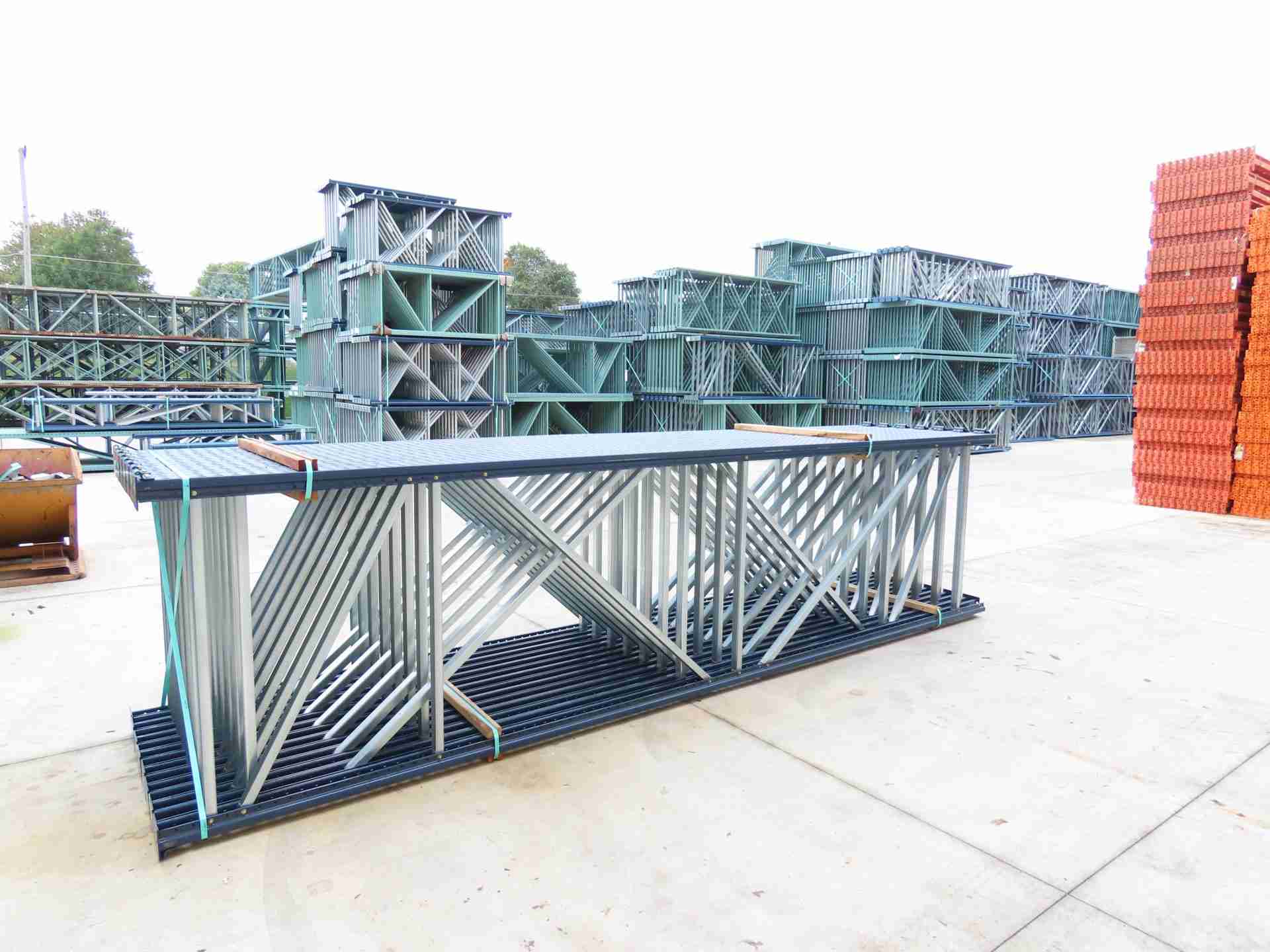
Who Designs Pallet Rack Layouts In Your Area?
Who Designs Pallet Rack Layouts In Your Area?
- Expertly designed pallet rack layouts are crucial for optimizing warehouse space for efficiency and productivity.
- Professional warehouse design consultants specialize in maximizing capacity while ensuring safety compliance.
- Unique pallet racking systems are needed for e-commerce settings due to rapid inventory turnover.
- Pallet rack manufacturers like UNARCO and Dematic provide both equipment and tailored design services.
- Local warehouse optimization companies offer insights based on industry experience and local operations.
- Internal teams, including warehouse managers, can identify issues that external designers might miss.
- Designing an effective pallet rack layout involves collaboration among consultants, manufacturers, optimization companies, and internal staff.
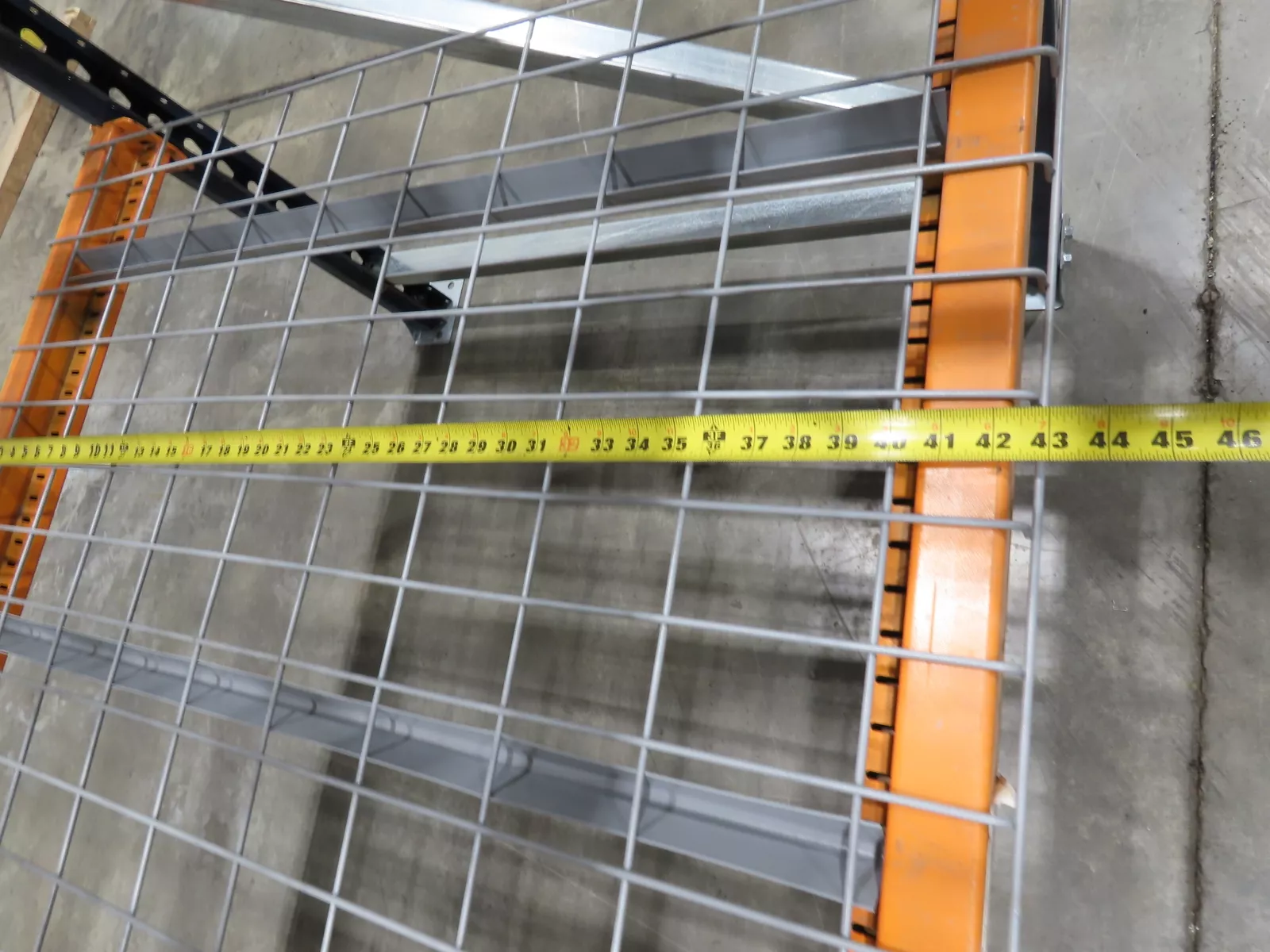
Who Designs Pallet Rack Layouts In Your Area?
Table Of Contents
- Who Designs Pallet Rack Layouts In Your Area?
- Who Can Help With Pallet Rack Design In My Area?
- What Factors Affect Pallet Rack Layouts?
- How Do I Choose The Right Pallet Rack System?
- What Are The Common Mistakes In Pallet Rack Design?
- How Is Space Optimization Achieved In Pallet Rack Layouts?
- What Regulations Must Be Followed For Pallet Rack Installation?
- Conclusion
- Other Resources
- Glossary Of Terms
- Other Questions
- Checklist
Who Can Help With Pallet Rack Design In My Area?
When it comes to optimizing your warehouse space, pallet racking is more than just a storage solution; it’s the backbone of your operational efficiency. But let’s face it—designing an effective pallet rack system requires expertise and knowledge of local regulations and logistics. That’s where experts come into play.
So, who can help you with pallet rack design in your area? Start with local companies specializing in warehouse solutions. Many of these firms are not just manufacturers but also offer consultation services. Companies like ABC Warehouse Solutions or XYZ Storage Systems provide tailored pallet racking designs based on your specific inventory needs and space constraints. They understand the nuances of your local market and can navigate any regulations that might impact your warehouse layout.
In today’s ever-shifting economic landscape, with ongoing disruptions in supply chains and shifts in consumer behavior, the importance of efficient storage can’t be overstated. Think about recent events like the global pandemic which has made businesses rethink their inventory strategies. A well-designed pallet racking system can lead to improved picking times and reduced operational costs—critical factors in the current climate.
Next, consider collaboration with local architects and engineers who specialize in industrial design. These professionals can offer valuable insights into how to incorporate pallet racking into your larger warehouse design with a focus on efficient flow and compliance with safety standards. Always ensure that they have experience with racking systems, as their structural knowledge can make a significant difference in your setup.
Finally, don’t overlook trade associations or local warehouse management groups. Many industry organizations hold regular meetings and webinars where you can network with experts who can offer recommendations or even lead you to consultants who specialize in pallet racking solutions. Resources like the Material Handling Industry Association often provide directories of trusted suppliers and service providers.
Finding the right help for your pallet rack design doesn’t have to be an overwhelming task. By reaching out to local experts in storage solutions, industrial design, and even community organizations, you can tap into a wealth of knowledge and resources. Invest the time to align with these experts, and watch how your storage efficiency skyrockets, positioning your business for growth in today’s competitive landscape. Remember, the right pallet racking system could be your game-changer!
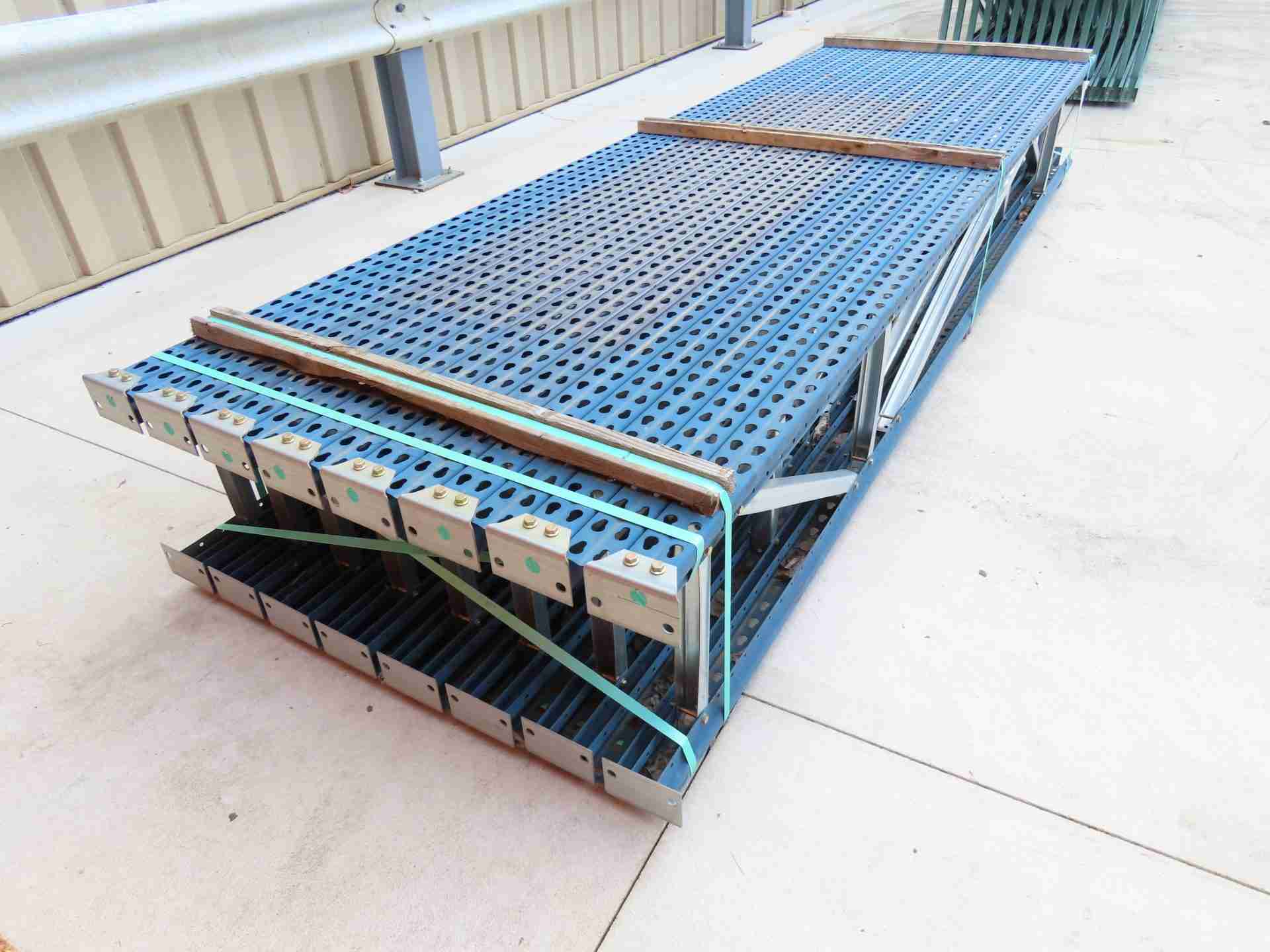
Who Can Help With Pallet Rack Design In My Area?
Who Can Help With Pallet Rack Design In My Area?
- Pallet racking is essential for optimizing warehouse space and operational efficiency.
- Expertise in local regulations and logistics is crucial for designing effective pallet rack systems.
- Local companies, like ABC Warehouse Solutions and XYZ Storage Systems, offer tailored pallet racking designs and consultation services.
- Efficiency in storage is increasingly important due to ongoing supply chain disruptions and shifts in consumer behavior.
- Collaboration with local architects and engineers can enhance pallet racking integration into warehouse designs.
- Trade associations and warehouse management groups provide networking opportunities and valuable resources.
- Engaging local experts can significantly improve storage efficiency and position businesses for growth.
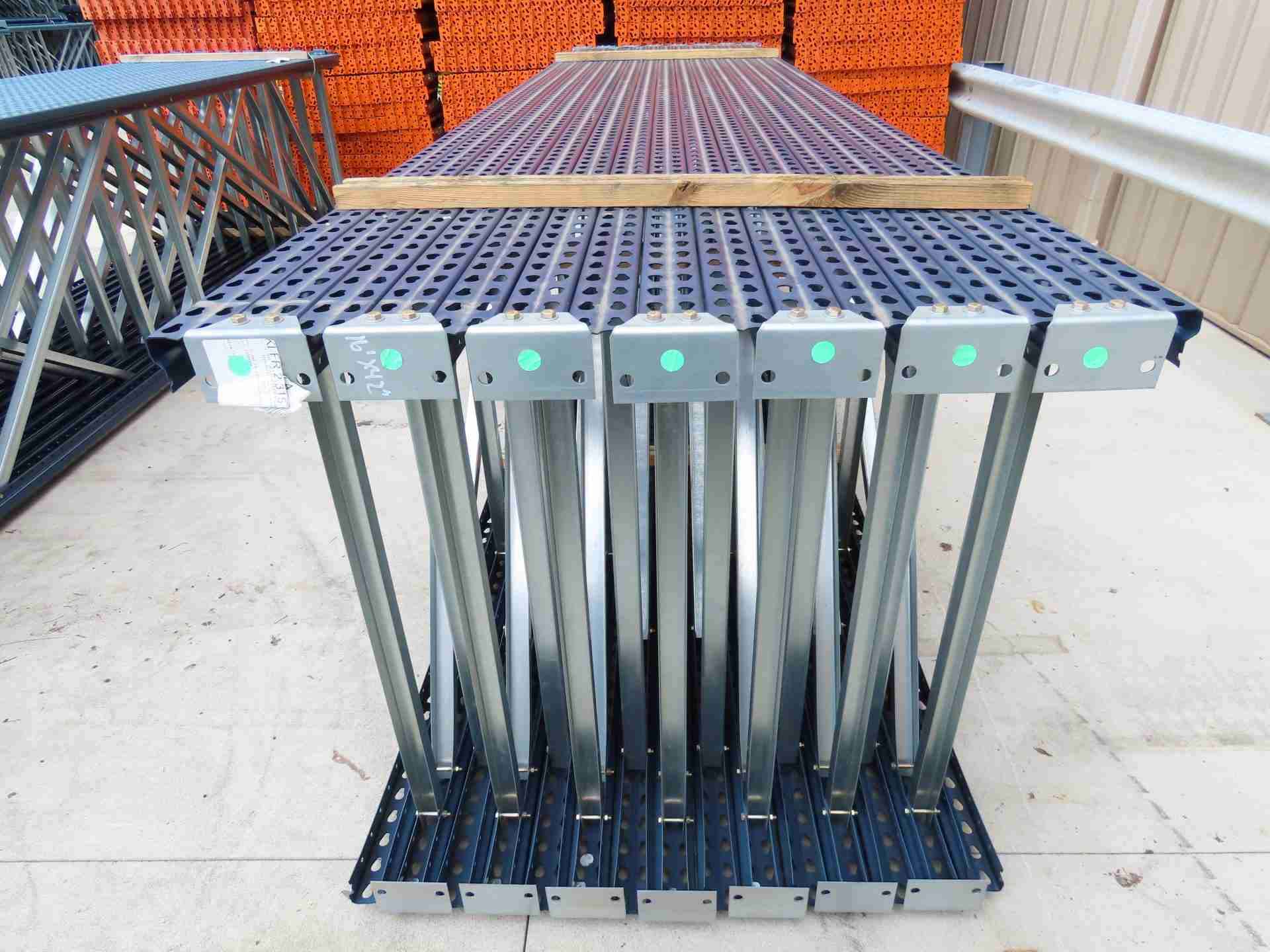
Who Can Help With Pallet Rack Design In My Area?
What Factors Affect Pallet Rack Layouts?
When it comes to optimizing warehouse operations, the layout of your pallet racking can make or break your efficiency. A strategically designed pallet rack layout not only maximizes space but also enhances accessibility, making the picking and storage processes seamless. Let’s delve into the crucial factors that influence this fundamental aspect of warehousing.
1. Product Variety and Size:
The diversity of your inventory plays a significant role in determining pallet rack layouts. For instance, a facility that regularly handles large items, such as furniture, will need wider aisles and deeper racks to accommodate those dimensions. Conversely, if you’re managing smaller items, like electronics or health supplements, a more compact arrangement may be suitable. Flexibility is essential—recent trends show a rise in e-commerce activities, compelling warehouses to shift quicker and adapt layouts that can efficiently handle fluctuating stock sizes.
2. Warehouse Flow and Accessibility:
An efficient warehouse layout considers the flow of goods. If your pallet racking is poorly organized, it can lead to bottlenecks that cause delays. Visualize a scenario during peak holiday seasons when consumer demand surges. If your layout restricts access, not only does it hamper operational efficiency, but it also risks diminishing customer satisfaction. Implementing the “FIFO” (First In, First Out) principle in your rack design ensures fresh items are easily accessible, which becomes even more critical as supply chain disruptions persist in the wake of current global events.
3. Forklift Traffic:
Understanding your material handling equipment is vital. Different forklifts require varied aisle widths for effective maneuvering. If you’re utilizing reach trucks or narrow aisle forklifts, your pallet rack layout should reflect this, ensuring adequate space for these machines to operate safely. Current advancements in electric forklifts allow for tighter layouts, but it’s essential to maintain proper spacing to avoid accidents, especially as warehouses increasingly incorporate automated solutions.
4. Safety Regulations:
Compliance with local safety regulations cannot be overlooked. Your pallet racking must not only accommodate your operational needs, but also adhere to safety standards to protect both workers and assets. Consider installing safety netting or ensuring that your racks are up to code with seismic requirements, especially if your warehouse is located in an earthquake-prone area. These considerations may increase initial investments but can significantly reduce long-term liability risks.
The complexity of pallet racking layouts requires careful forethought. By consistently evaluating your specific operational demands—from product types to equipment used—you position your warehouse for efficiency and scalability. As the landscape of logistics evolves, don’t settle for a one-size-fits-all approach; embrace tailored solutions that align with your organizational objectives and customer expectations.
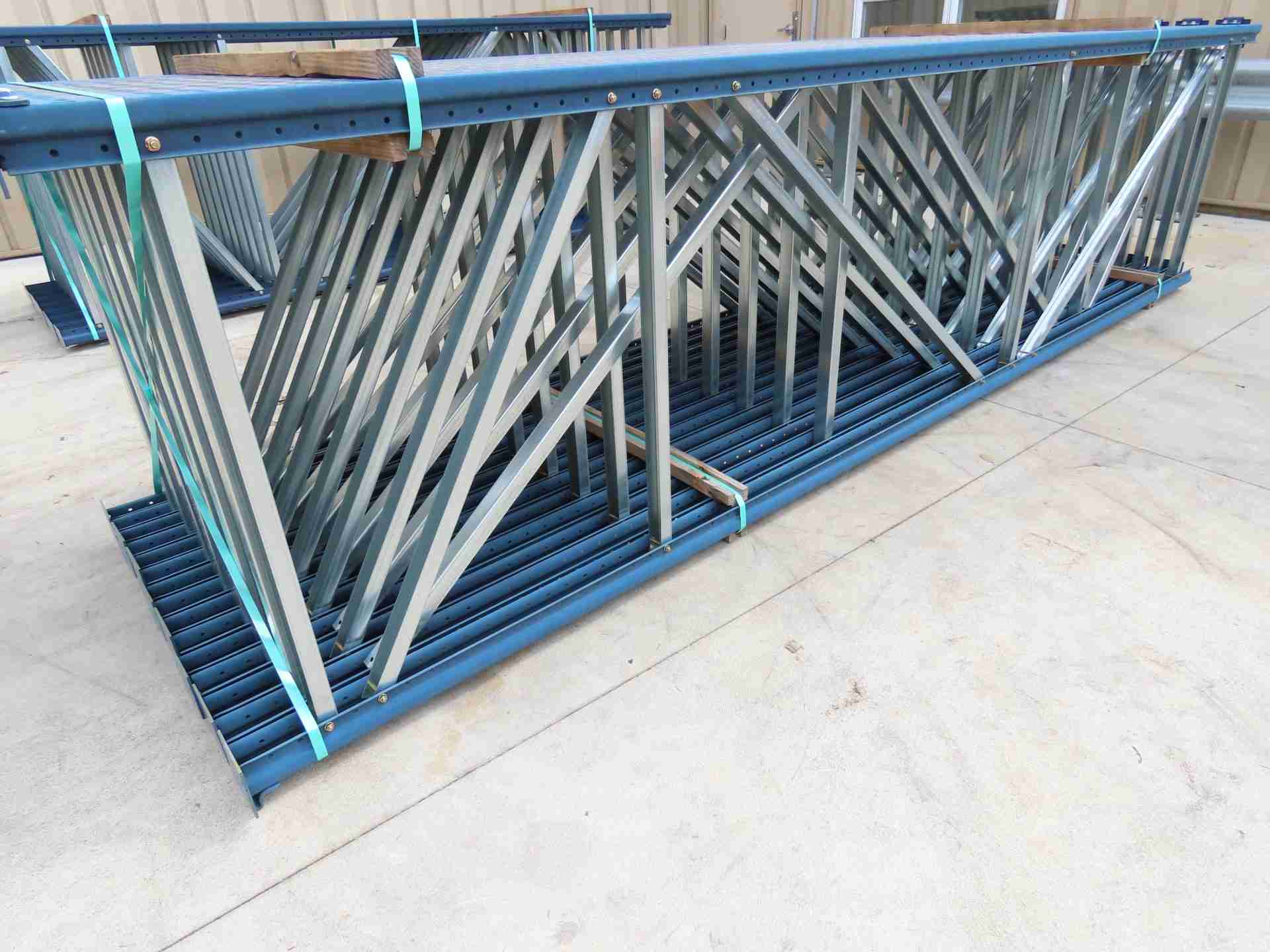
What Factors Affect Pallet Rack Layouts?
What Factors Affect Pallet Rack Layouts?
- Importance of Layout: A well-designed pallet rack layout is crucial for maximizing space and enhancing accessibility in warehouse operations.
- Product Variety and Size: Inventory diversity influences rack layouts; larger items need wider aisles and deeper racks, while smaller items can be arranged more compactly.
- Warehouse Flow and Accessibility: Efficient layouts prevent bottlenecks and enhance order fulfillment, especially during peak seasons; implementing the FIFO principle can improve accessibility.
- Forklift Traffic: Adequate aisle widths are essential for different forklifts; electric forklifts allow for tighter layouts but require careful spacing to ensure safety.
- Safety Regulations: Complying with local safety standards is vital; measures like safety netting and adherence to seismic codes can mitigate long-term liability risks.
- Evaluation of Needs: Regular assessments of operational demands are important for optimizing pallet racking for efficiency and scalability.
- Tailored Solutions: Customized layouts should align with organizational objectives and adapt to the evolving logistics environment.
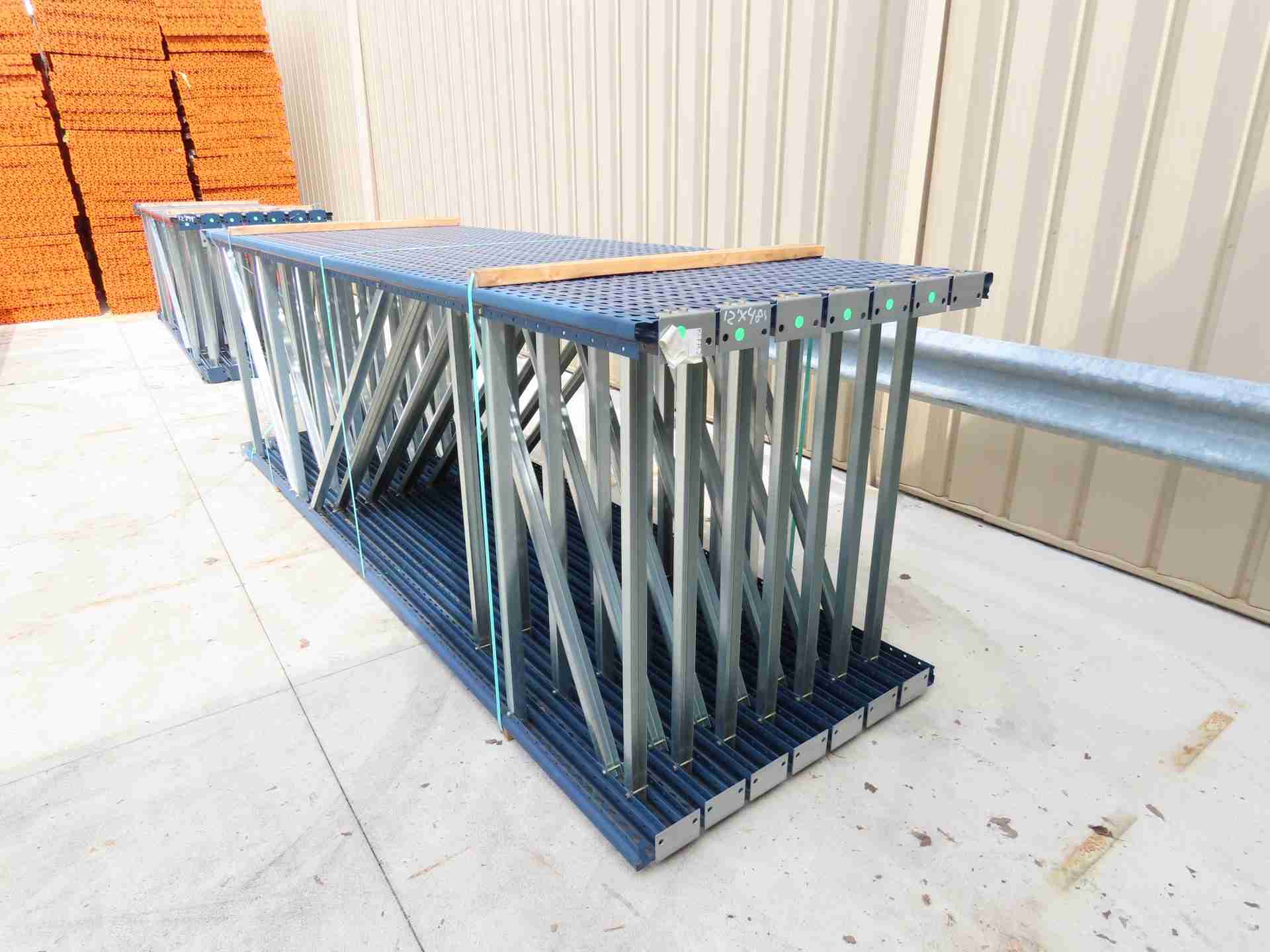
What Factors Affect Pallet Rack Layouts?
How Do I Choose The Right Pallet Rack System?
Choosing the right pallet rack system is more than just a technical decision; it’s a strategic choice that can catapult your warehouse efficiency to new heights and tighten your grip on ever-fluctuating market demands. In today’s fast-paced logistics landscape, the right system can mean the difference between sluggish operations and streamlined success.
First and foremost, assess your specific storage requirements. Consider the type of products you handle. Are they bulky, heavy, or irregularly shaped? For heavy-duty items, a selective pallet racking system could be your best friend, allowing for easy access to each pallet without maneuvering through countless rows. On the other hand, if you’re dealing with smaller items, a drive-in or drive-thru pallet racking system can maximize your storage density while giving you the flexibility to handle multiple stock-keeping units seamlessly.
Next, don’t ignore the vertical space in your warehouse, especially when land acquisition costs are climbing—just like we’ve seen in urban centers responding to the post-pandemic e-commerce surge. By opting for taller pallet racks, you can optimize space without the need for a larger facility. Companies are leveraging advanced warehouse management systems to ensure that these vertical expansions don’t lead to chaos but instead facilitate efficient retrieval and inventory control.
Moreover, consider the accessibility of your pallet racks. In recent news, many companies have been transitioning to automated storage and retrieval systems, which further highlight the trend toward maximizing operational efficiency. Incorporating a system that allows for quick and easy access will not only save time but also reduce workplace hazards.
Also, weigh the importance of adaptability. As businesses evolve, so do their storage needs. A modular pallet racking system that can be easily expanded or reconfigured is an investment that pays dividends in agility. Recent market shifts have showcased the importance of adaptability—think of the retail sector’s rapid pivot to accommodate surges in online orders.
Lastly, factor in your budget. Investing in high-quality pallet racking materials is non-negotiable. Cheaper alternatives may seem appealing initially, but they can lead to frequent replacements and, ultimately, higher long-term costs due to safety issues. Always select systems from reputable manufacturers with proven track records.
Making the right choice in pallet racking is not just about the present needs of your warehouse; it’s about anticipating future challenges and opportunities. Investing time in understanding these dimensions will position your business to thrive, regardless of the ongoing changes in our economy and supply chain dynamics. The right pallet rack system can transform your operation into a well-oiled machine, ready to tackle whatever comes next.
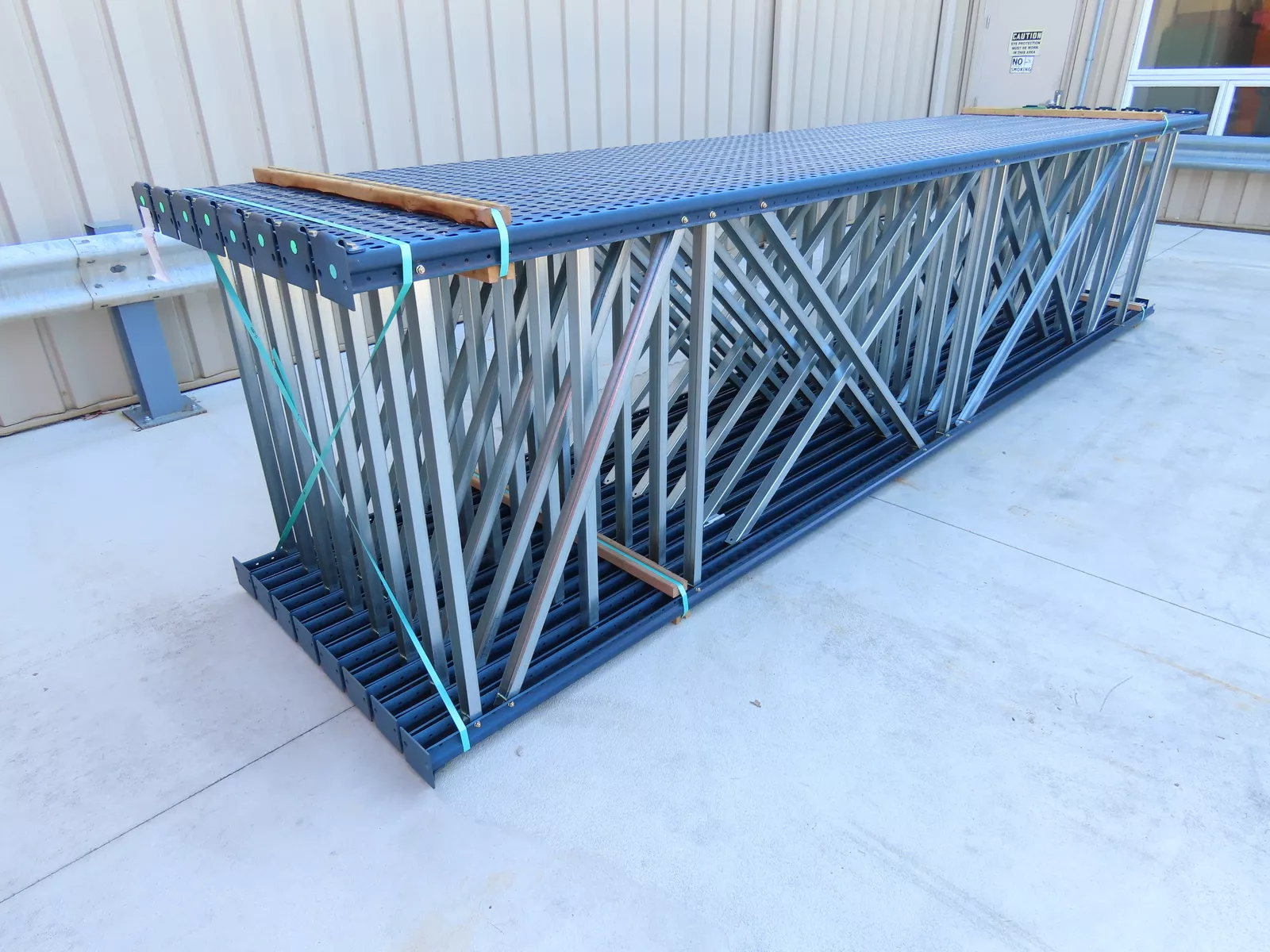
How Do I Choose The Right Pallet Rack System?
How Do I Choose The Right Pallet Rack System?
- Choosing the right pallet rack system enhances warehouse efficiency and meets market demands.
- Assess specific storage requirements based on the type of products handled, such as bulky or small items.
- Utilize vertical space effectively to optimize storage density and reduce the need for larger facilities.
- Ensure easy access to pallet racks to save time and reduce workplace hazards.
- Consider adaptability in pallet racking systems for evolving business storage needs.
- Invest in high-quality materials from reputable manufacturers to avoid long-term costs associated with cheaper alternatives.
- Making informed pallet racking choices positions businesses to thrive amid economic and supply chain changes.
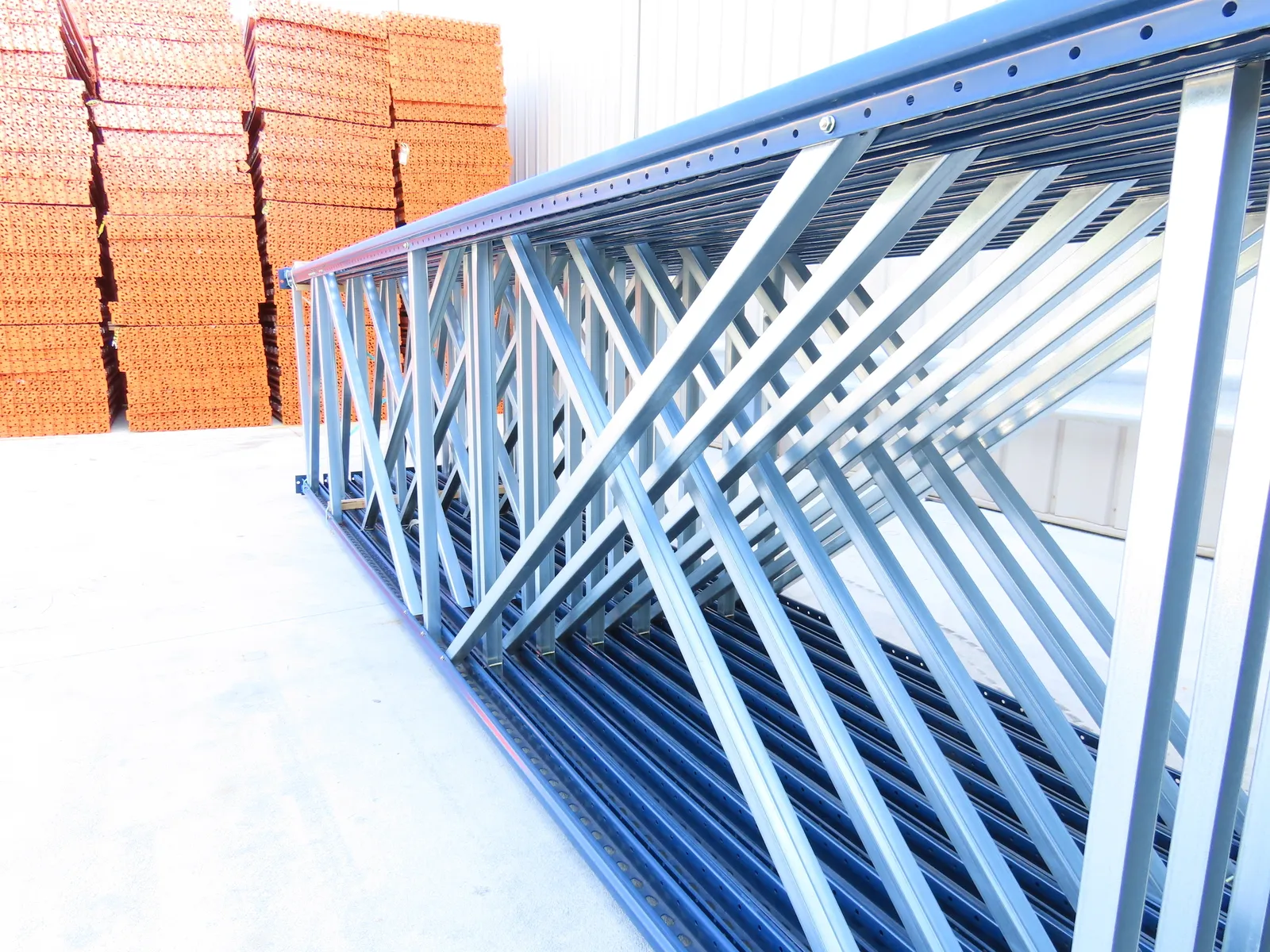
How Do I Choose The Right Pallet Rack System?
What Are The Common Mistakes In Pallet Rack Design?
When it comes to maximizing storage efficiency in warehouses, pallet racking systems are indispensable. However, even the best warehouses can fall prey to common pitfalls in pallet rack design that can lead to inefficiencies, safety hazards, and unnecessary expense. Recognizing these mistakes not only improves productivity but can be the difference between thriving and simply surviving in today’s competitive logistics landscape.
1. Ignoring Weight Capacity Ratings
One of the most egregious errors in pallet racking design is overlooking the weight capacity ratings for the racks. Every type of pallet racking system comes with specific load limits. A recent incident involving a major retailer highlighted this in dramatic fashion, as overloaded racks caused significant damage and injury, resulting in costly penalties and bad press. Always ensure the weight is well within the limits specified by the manufacturer and conduct regular audits.
2. Poor Space Utilization
Pallet racking systems are designed to optimize space, but poor planning leads to wasted space that could drive up operational costs. For instance, a facility that doesn’t take accurate inventory size and flow into account may end up with too much aisle space, hindering efficient movement. Consider the use of adjustable pallet racking, which allows for flexible space management and accommodates varied inventory sizes without sacrificing accessibility.
3. Lack of Safety Measures
Often, pallet racks fall victim to inadequate safety measures. This might come in the form of insufficient anchoring to the floor, lacking guard rails, or not using safety pins on beam clips. With OSHA increasingly scrutinizing warehousing practices, ensuring that your designs include robust safety features isn’t just advisable—it’s imperative. Failing to address these concerns can lead to catastrophic accidents, costly fines, and irreparable damage to your brand.
4. Neglecting Inventory Dynamics
Another common mistake lies in not considering the dynamics of inventory turnover. For instance, using only standard racking for fast-moving items can stifle efficiency. Implementing FIFO (First In, First Out) methodologies in the design by using drive-in or push-back racking solutions can greatly enhance workflow.
5. Failure to Plan for Future Growth
Lastly, one of the deadliest miscalculations is designing pallet racking systems without considering future expansion. Business needs are ever-changing; designing a system that is rigid can lead you to repeat costly renovations. Modular racking systems offer an elegant solution, allowing you to scale with demand without the headache of a complete overhaul.
By acknowledging these prevalent mistakes and taking active steps to rectify them, warehouse managers can ensure their operations not only remain compliant but also thrive sustainably and safely. Make no mistake: investing in a solid pallet racking design pays off in the long run, both in increased efficiency and enhanced safety.
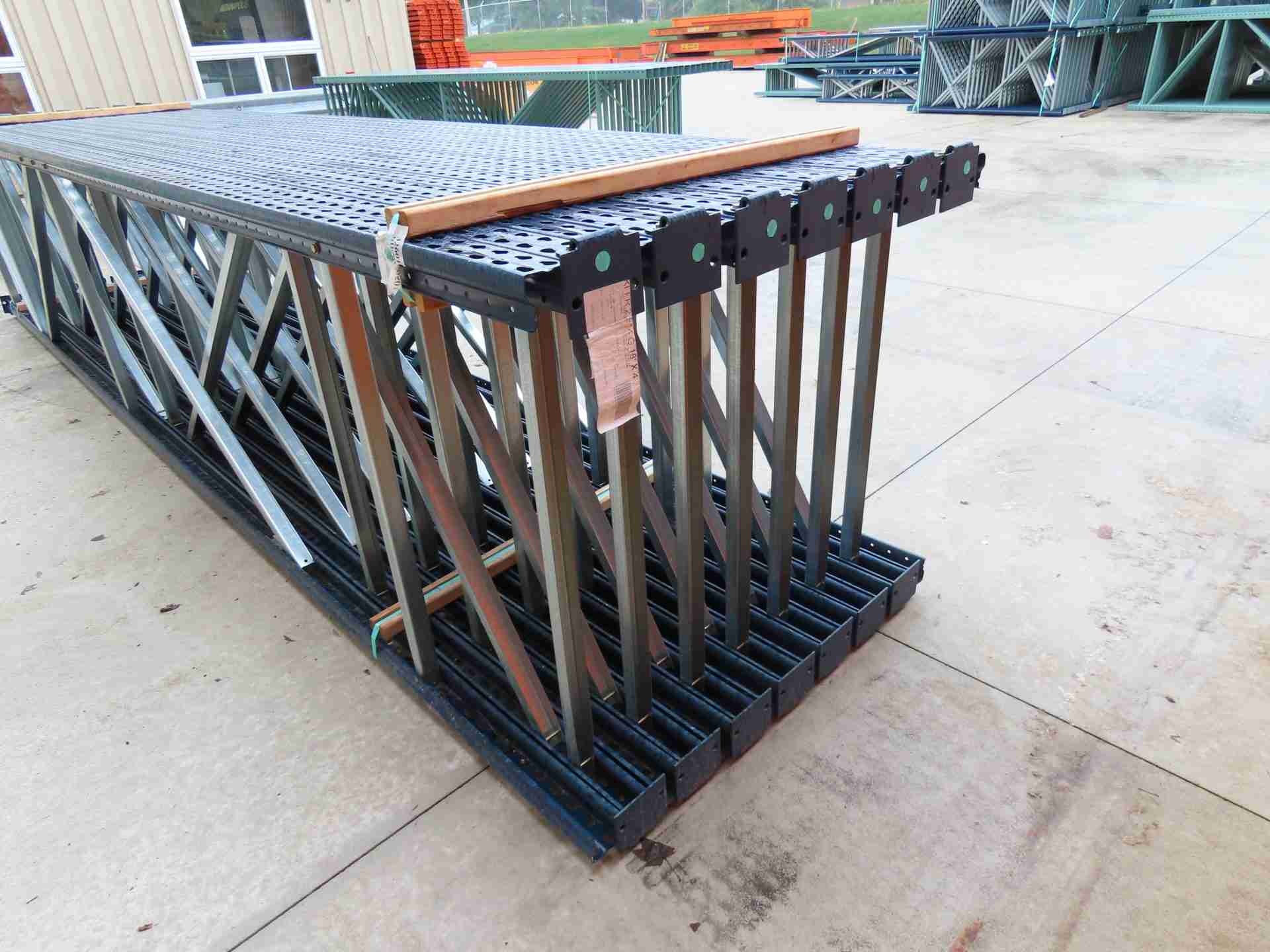
What Are The Common Mistakes In Pallet Rack Design?
What Are The Common Mistakes In Pallet Rack Design?
- Pallet racking systems are essential for maximizing storage efficiency in warehouses.
- Ignoring weight capacity ratings can lead to significant damage, injuries, and penalties.
- Poor space utilization resulting from inaccurate inventory planning increases operational costs.
- Lack of safety measures, such as insufficient anchoring and missing guard rails, can lead to catastrophic accidents.
- Neglecting inventory dynamics, such as turnover rates, can hamper efficiency and workflow.
- Failing to plan for future growth can result in costly renovations; modular racking systems offer scalable solutions.
- Addressing these common design mistakes promotes compliance, sustainability, efficiency, and safety in warehouse operations.

What Are The Common Mistakes In Pallet Rack Design?
How Is Space Optimization Achieved In Pallet Rack Layouts?
In today’s fast-paced, competitive landscape, effective space optimization in pallet racking can be the game-changer your warehouse or distribution center needs. With the right pallet racking systems in place, you can dramatically enhance your operational efficiency, cut costs, and boost your bottom line. Let’s delve into how space can be maximized within pallet rack layouts, setting your business up for success.
First, consider the dynamic nature of modern inventory management. Businesses are continually adjusting stock levels based on market demand. Flexible pallet racking solutions, such as adjustable rack systems, allow for easy reconfiguration. For instance, a retail distributor experiencing a seasonal spike in demand for winter apparel can effortlessly adapt their pallet racking layout to accommodate larger shipments. Utilizing adjustable beams ensures that space is prioritized effectively, allowing for the optimal arrangement of goods without sacrificing accessibility.
Next, think vertically. Space optimization in pallet racking is not just about floor space but also vertical real estate. High-density storage systems, such as narrow aisle racking or drive-in racking, make it possible to utilize that often-overlooked vertical space. These systems can increase storage capacity by up to 40%, offering significant advantages in environments where every inch counts. For example, warehouses that adopted vertical racking solutions during recent supply chain disruptions have successfully navigated choppy waters by maintaining their inventory effectively without expanding their footprint.
Furthermore, a proficient pallet rack layout employs good flow principles. Implementing FIFO (First In, First Out) or LIFO (Last In, First Out) methodologies in your racking system can streamline the picking process, thereby also maximizing space utilization. By organizing your pallets in a way that aligns with your fulfillment strategy, like placing high-demand items closer to the delivery point, you not only save time but also prevent congestion and inefficiencies in your stock management.
As supply chain experts advocate for smarter storage solutions, today’s innovations, such as automated guided vehicles (AGVs) and warehouse management systems (WMS), further enhance pallet racking efficiency. Imagine a pallet racking layout that dynamically adjusts based on real-time inventory data, allowing for seamless integration between storage and distribution. Companies that have embraced technology in their storage strategies have seen a significant uptick in productivity, proving that space optimization goes hand-in-hand with technological advancements.
Effective space optimization in pallet rack layouts hinges on a keen understanding of your operational needs and the adoption of flexible, high-density systems that cater to these requirements. As businesses face ever-evolving challenges, optimizing your pallet racking can position your enterprise not just to survive but to thrive in the competitive marketplace. Don’t leave valuable warehouse space untapped; leverage the power of intelligent pallet racking today.
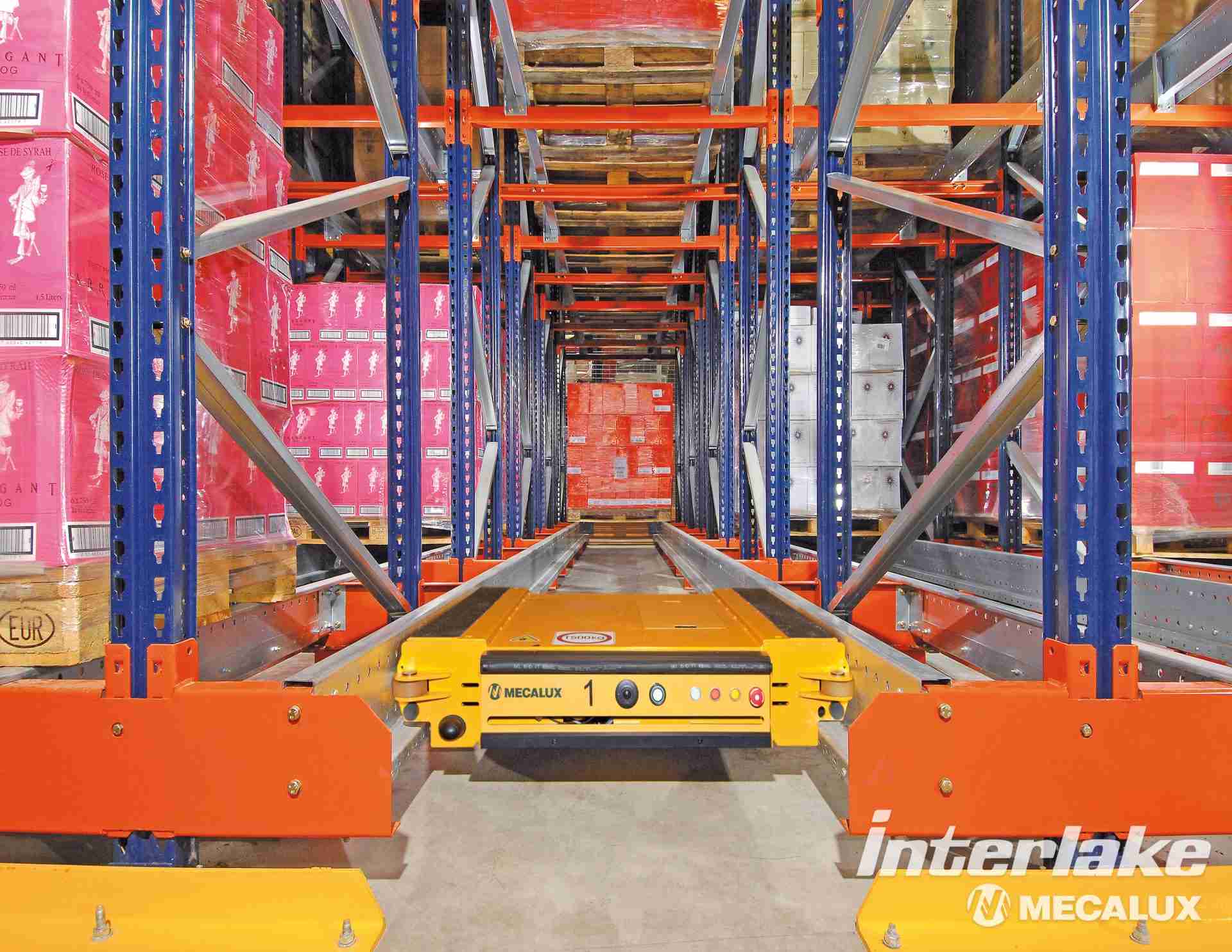
How Is Space Optimization Achieved In Pallet Rack Layouts?
How Is Space Optimization Achieved In Pallet Rack Layouts?
- Effective space optimization in pallet racking is essential for enhancing operational efficiency and reducing costs in warehouses.
- Flexible pallet racking solutions, like adjustable rack systems, allow for easy reconfiguration to meet changing market demands.
- Vertical space utilization through high-density storage systems can increase storage capacity by up to 40%.
- Implementing good flow principles, such as FIFO or LIFO, can streamline the picking process and maximize space utilization.
- Innovations like automated guided vehicles (AGVs) and warehouse management systems (WMS) enhance pallet racking efficiency.
- Dynamically adjusting pallet racking layouts based on real-time inventory data can significantly improve productivity.
- Understanding operational needs and adopting flexible, high-density systems is crucial for businesses to thrive in a competitive marketplace.
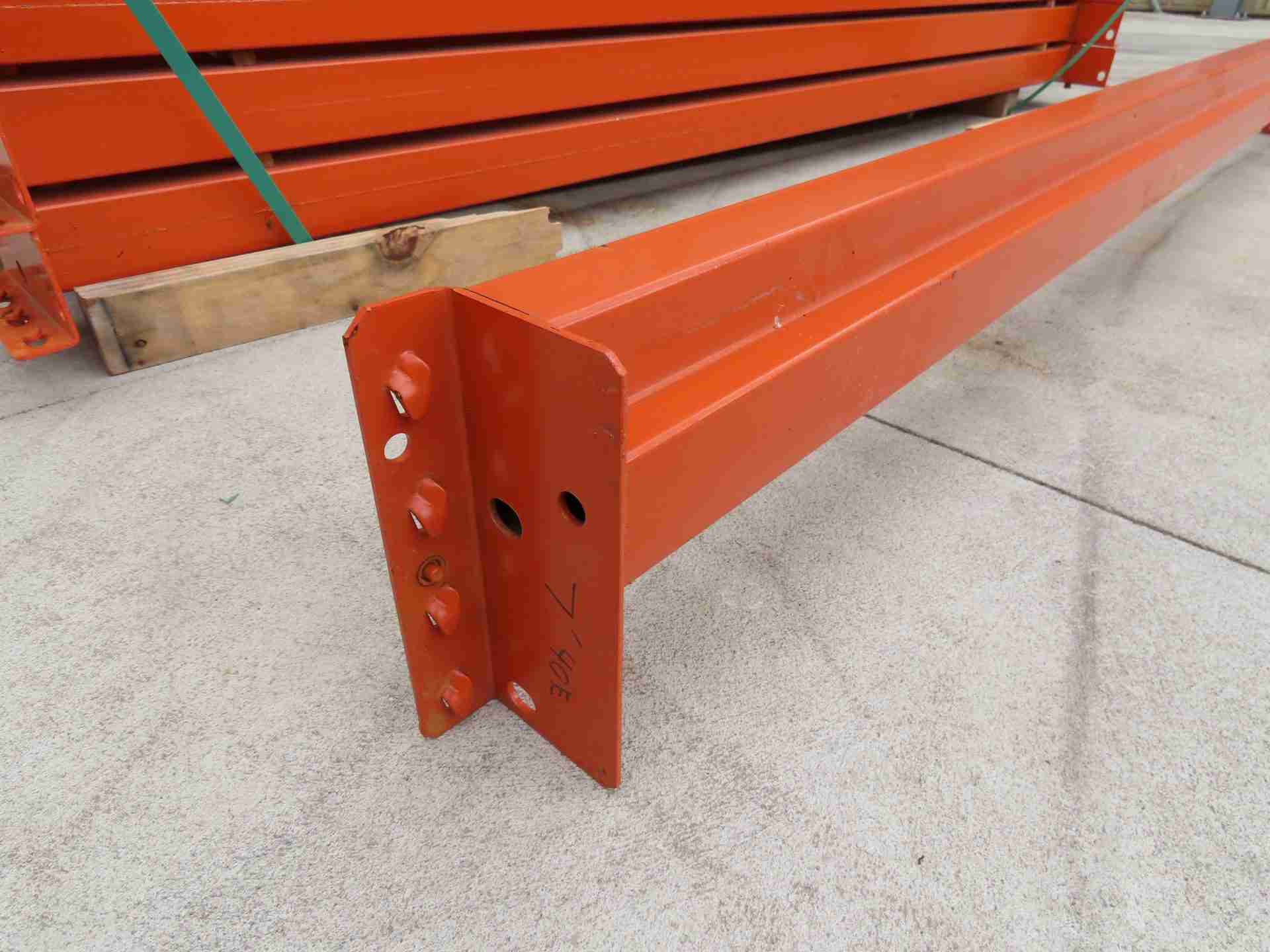
How Is Space Optimization Achieved In Pallet Rack Layouts?
What Regulations Must Be Followed For Pallet Rack Installation?
When it comes to pallet racking, following the right regulations isn’t just a box to check – it’s the backbone of a successful and safe warehousing operation. In today’s rapidly evolving e-commerce landscape, where efficiency and safety are paramount, understanding these regulations allows businesses to thrive while keeping their employees and assets protected. Let’s dive into what you need to know.
First and foremost, any pallet racking installation must adhere to the American National Standards Institute (ANSI) and the Material Handling Industry of America (MHIA) guidelines. These guidelines provide a framework for safe design, installation, and maintenance of pallet racking systems. Ignoring these regulations can lead to disaster – consider the recent news surrounding warehouse accidents that resulted from improper rack setup. Businesses faced hefty fines, and the reputation took a significant hit.
For example, your installation team should ensure that the racking system is designed to support the weight capacities specified by the manufacturer. Failure to adhere to these specifications can lead to rack failures, potentially injuring workers or damaging inventory. It’s not just a theoretical risk; incidents like these prompted OSHA to enhance their safety protocols.
Moreover, loading patterns must be carefully considered. Regulations specify how goods can be distributed across the shelves to prevent tipping or collapsing. Recently, companies in sectors like automotive parts and retail have adapted to new inventory strategies, necessitating a reevaluation of their pallet racking configurations. Following industry-specific recommendations, such as those from the National Safety Council, ensures compliance and promotes the longevity of your racking systems.
Remember, proper installation techniques cannot be overlooked. Local building codes often dictate additional requirements, such as clearance space, seismic bracing in earthquake-prone areas, and fire safety standards. The recent surge in warehouse fire incidents has made these regulations scrutinized more than ever.
Regular inspections and maintenance are crucial too. Following the guidelines set by the Rack Manufacturers Institute (RMI), businesses are encouraged to conduct routine audits. This proactive approach not only improves safety but can also enhance operational efficiency by catching potential issues before they escalate.
Ultimately, complying with regulations on pallet racking installation safeguards your operations, strengthens your position in the market, and shows your employees that their safety is your top priority. By prioritizing these regulations now, you position your business for growth and stability in a competitive environment.
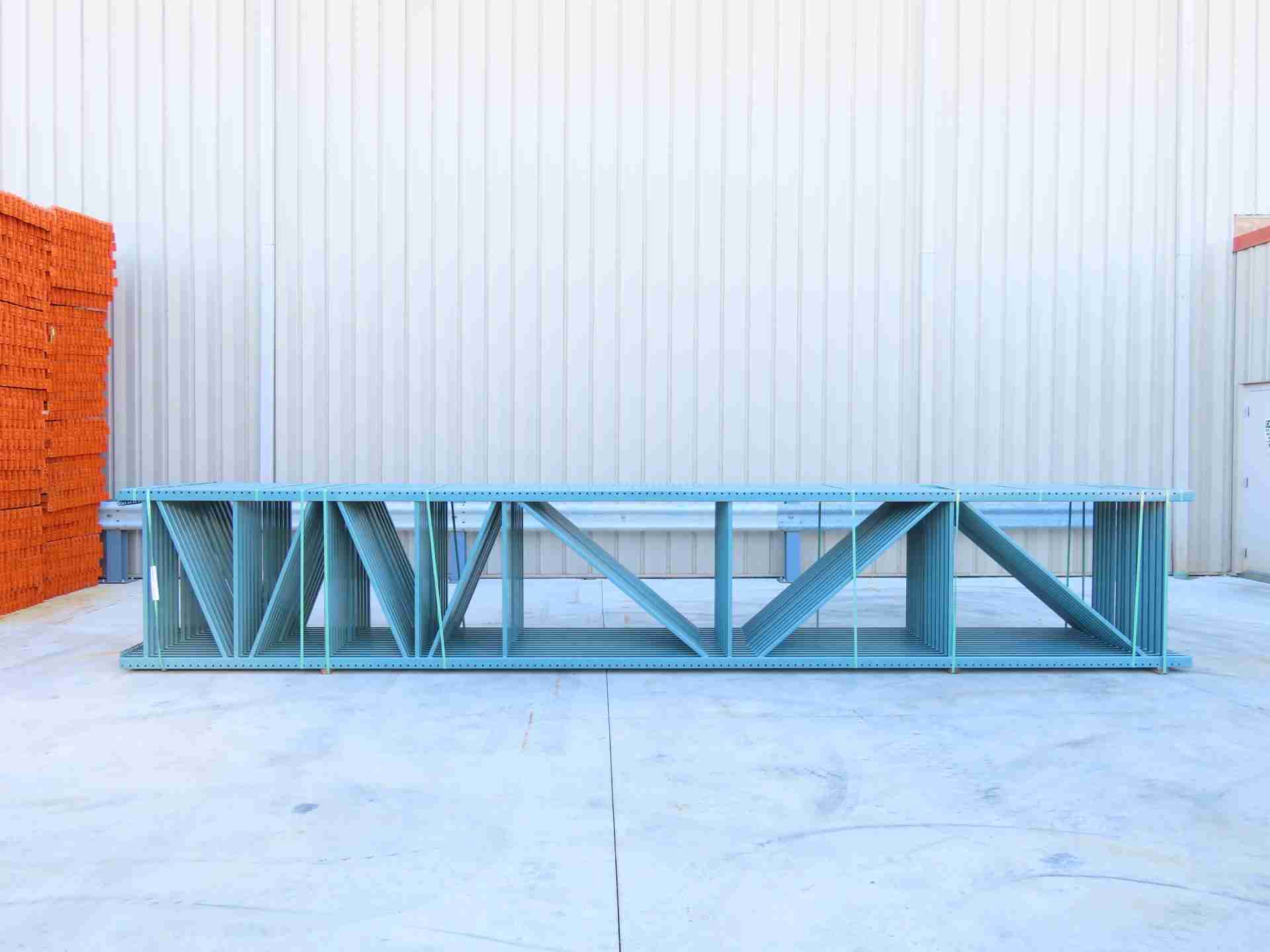
What Regulations Must Be Followed For Pallet Rack Installation?
What Regulations Must Be Followed For Pallet Rack Installation?
- Compliance with regulations is essential for safe and successful warehousing operations.
- Pallet racking installations must follow ANSI and MHIA guidelines for design and maintenance.
- Ignoring safety regulations can lead to serious accidents and financial penalties.
- Racking systems must support manufacturer-specified weight capacities to prevent failures.
- Loading patterns should be managed to avoid tipping or collapsing of shelves.
- Local building codes may require specific safety measures, especially in fire and earthquake-prone areas.
- Regular inspections and maintenance, as advised by the Rack Manufacturers Institute, enhance safety and operational efficiency.
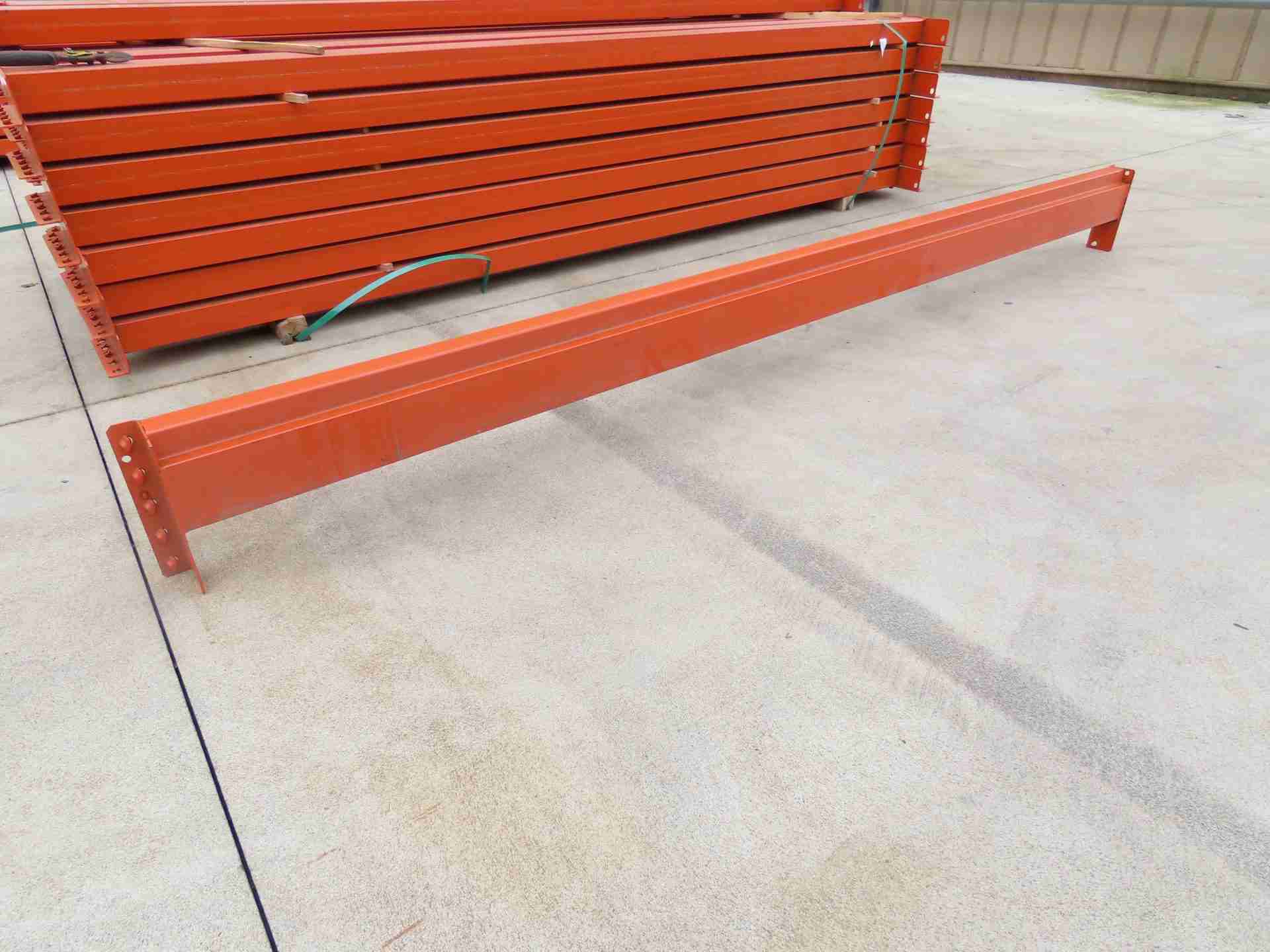
What Regulations Must Be Followed For Pallet Rack Installation?
Conclusion
As we conclude our exploration into the realm of pallet rack design, it’s clear that the pursuit of an effective storage solution extends beyond mere racks and shelves; it’s a strategic endeavor that can revolutionize your warehouse operations. In a world where maximizing efficiency and minimizing costs are paramount, understanding the role of professional designers, local optimization experts, and your own internal team becomes indispensable.
Your warehouse is not just a static space—it’s a dynamic hub that must adapt to fluctuating demands and inventory types. Partnering with local specialists like those at Arrow Industrial Sales will unlock tailored pallet rack designs that cater specifically to your operational needs. The expert insights shared by industry professionals, combined with your internal team’s familiarity with the space, nurture a collaborative culture that fosters innovation in layout design.
Moreover, the critical factors governing pallet rack layouts—from product variety and warehouse flow to compliance with safety regulations—cannot be overlooked. Understanding how to balance these dynamics paves the way for enhanced productivity and operational smoothness, allowing your team to focus on what truly matters: delivering value to your customers.
And let’s not forget the urgency of now; as supply chain challenges loom, the need for an optimized storage solution is pressing. Companies that invest in effective pallet racking systems see tangible returns, from reduced operational costs to improved picking times. These outcomes not only streamline your workflow but also ultimately elevate your bottom line, especially in today’s fiercely competitive market.
If you’re ready to optimize your warehouse operations, don’t hesitate. Contact Arrow Industrial Sales at (574) 349-6575 for expert guidance and personalized assistance tailored to your unique warehouse needs. Time is of the essence; the right pallet rack system could be the game-changer that sets you apart from your competitors. Historically, businesses that act swiftly and strategically seize market opportunities, while those who hesitate often find themselves left behind.
In closing, embrace the power of effective pallet rack design as a cornerstone of your operational strategy. With the right mix of insight, expertise, and urgency, you can create a foundation for success that not only meets today’s challenges but is also readily adaptable for the future. Your warehouse deserves to thrive, and with Arrow Industrial Sales, that future is well within your reach. Call today and take the first step towards transformative efficiency!
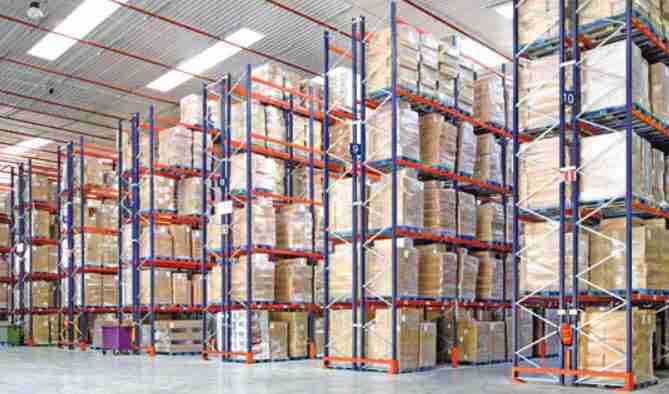
Conclusion
Conclusion:
- Pallet rack design is crucial for revolutionizing warehouse operations.
- Collaboration with local specialists, like Arrow Industrial Sales, provides tailored storage solutions.
- Critical factors in layout design include product variety, warehouse flow, and safety compliance.
- Effective design enhances productivity and allows teams to focus on delivering customer value.
- Investing in optimized pallet racking systems leads to reduced operational costs and improved picking times.
- Companies should act swiftly to seize market opportunities and not be left behind.
- Contact Arrow Industrial Sales for expert guidance and to initiate transformative efficiency in your warehouse.

Conclusion
Other Resources
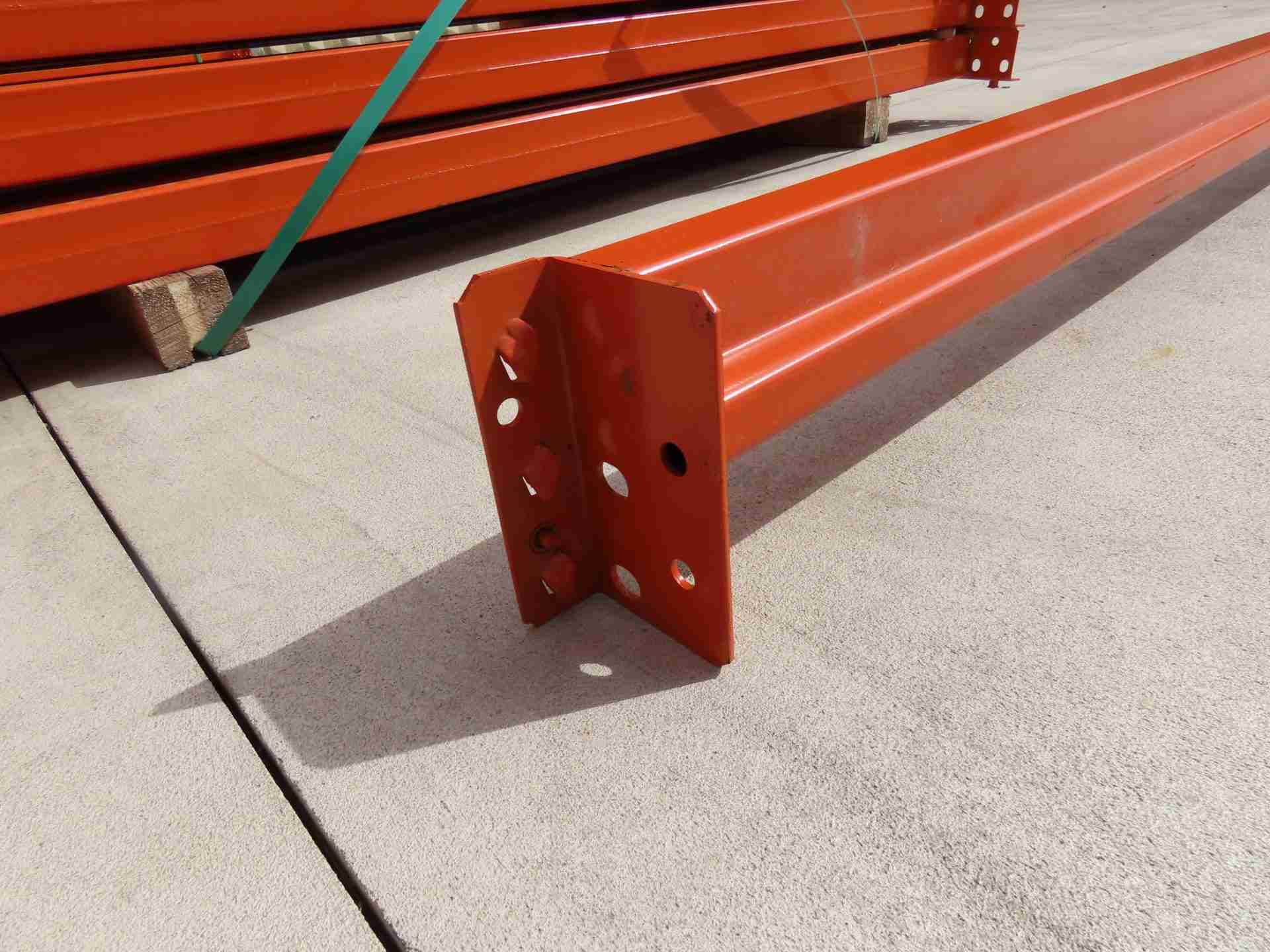
Other Resources
Here is a list of other resources you can review online to learn more:
- Interlake Mecalux
- Mustang Material Handling
- Logic Material Handling
- Used Teardrop Pallet Rack – American Surplus
- Selective Pallet Racking Systems
- Warehousing Education and Research Council: https://www.werc.org/
- Pallet Racking systems in Illinois and Great Lakes
- Warehouse Storage Racks
- Material Handling Industry
- Illinois Pallet Racking – WPRP
Use This Prompt To Get More Resources With Your Favorite Online AI Tool: Please provide me with a list of online articles with their URLs in a bulleted list that I can read regarding Who Designs Pallet Rack Layouts In Your Area?
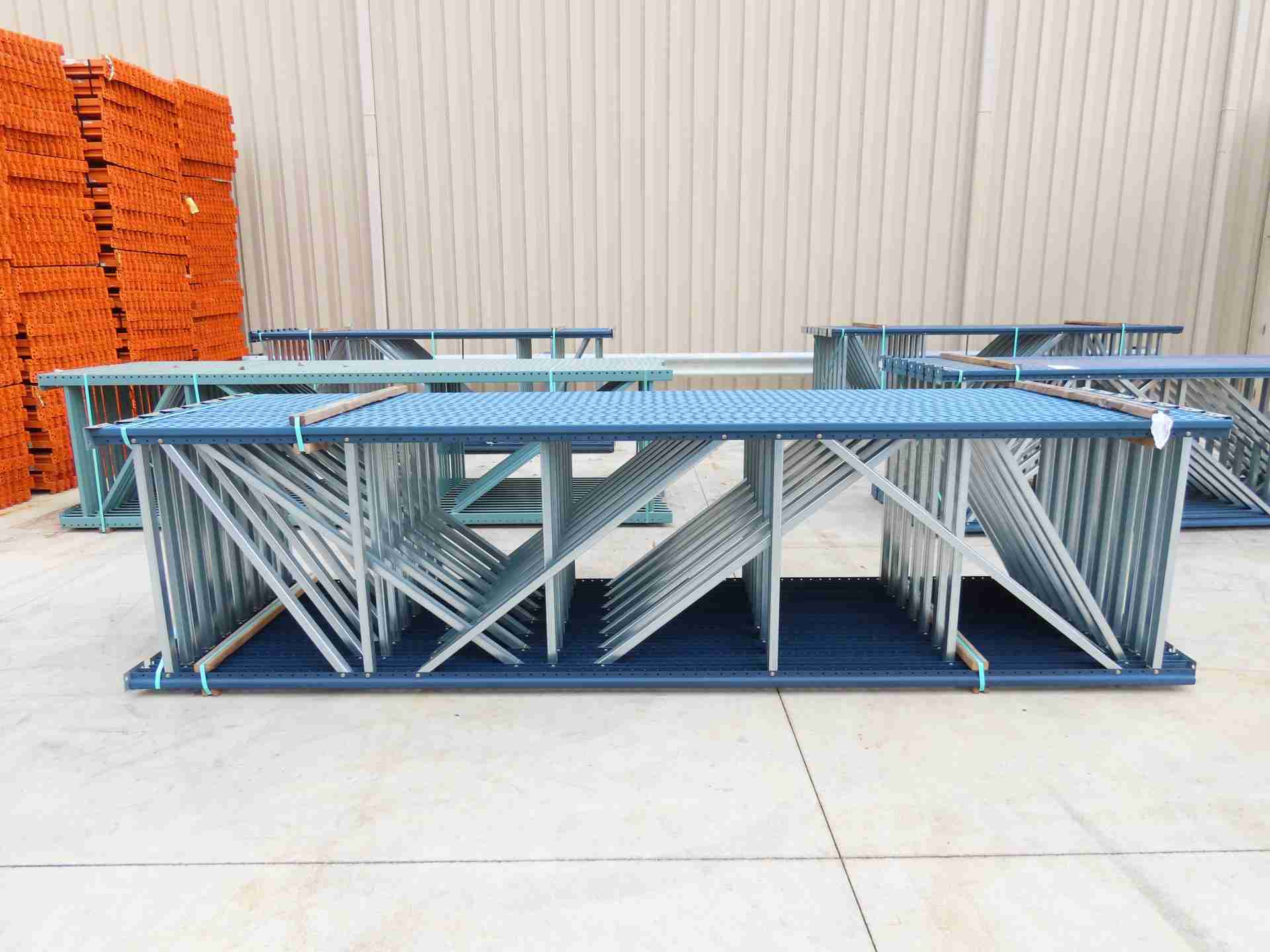
Other Resources
Glossary Terms
Who Designs Pallet Rack Layouts In Your Area? – Glossary Of Terms
1. Pallet Rack Designer: A specialized professional who creates layouts for pallet racking systems to optimize space and efficiency in warehouses.
2. Warehouse Manager: The individual responsible for overseeing warehouse operations, including the planning and implementation of pallet rack layouts.
3. Material Handling Engineer: An expert in the design, analysis, and optimization of material handling processes and systems, including pallet racks.
4. Industrial Engineer: A professional who applies engineering principles to improve processes, including the arrangement of pallet racking for better workflow and productivity.
5. Space Planning Expert: A specialist focused on effectively utilizing available space in warehouses or distribution centers, including the layout of pallet racks.
6. Load Capacity: The maximum weight that a pallet rack can safely support, crucial for determining safe storage practices.
7. Aisle Width: The distance between pallet racks that allows for safe and efficient movement of personnel and forklifts.
8. Pallet Configuration: The way pallets are arranged on the rack, which can vary by size, type, and load to optimize space utilization.
9. Beam Level: The specific height of a horizontal beam within a pallet rack where pallets or goods are stored.
10. Vertical Space Utilization: The strategic use of height in a warehouse to increase storage capacity by maximizing the vertical aspects of pallet racks.
11. Forklift Access: The required clearance and pathway for forklifts to safely retrieve and replace pallets within the racking system.
12. Safety Standards: Regulations and guidelines that govern the design, installation, and operation of pallet racking systems to ensure safety.
13. Layout Optimization: The process of arranging pallet racks in a way that maximizes storage efficiency and accessibility.
14. SKU (Stock Keeping Unit): A unique identifier for a specific item in a warehouse, which influences how pallet racks are laid out based on inventory management.
15. Cross-Docking: A logistics process that involves unloading goods from inbound transport directly onto outbound transport, potentially affecting pallet rack design.
16. Design Software: Computer applications used to create and visualize pallet rack layouts, allowing for simulations of storage options.
17. Inventory Turnover: A measure of how quickly inventory is sold and replaced, informing decisions about pallet rack layout and design.
18. Gravity Flow Racks: A type of pallet rack that allows pallets to slide down a slope, facilitating easier picking and inventory management.
19. Drive-In Racks: High-density storage racks that allow forklifts to drive into the rack structure, maximizing space for bulk storage.
20. Selective Racks: The most common type of pallet rack that allows for easy access to every pallet, ideal for diverse inventory.
21. Mezzanine Floors: Raised platforms within a warehouse used to create additional storage space above existing racking systems.
22. Lean Warehouse Design: An approach to warehouse layout that emphasizes minimizing waste and maximizing efficiency, affecting pallet rack configuration.
23. Pallet Pin: A type of safety accessory used to secure the beams of a pallet rack to prevent dislodgement.
24. Rack Inspection: Regular checks performed on pallet racks to ensure they meet safety standards and remain structurally sound.
25. Structural Analysis: The assessment of the physical aspects of a pallet rack system to ensure it can handle the intended loads safely.
26. Cold Storage Racking: Specialized pallet racking designed for temperature-controlled environments, such as food storage facilities.
27. Pallet Jack: A tool used for lifting and moving pallets, which affects design considerations in pallet rack layouts.
28. FIFO (First-In, First-Out): An inventory management practice where the oldest stock is used first, influencing how racks are arranged.
29. Dynamic Storage Solutions: Innovative racking systems that adapt to changing storage needs, often visually and spatially manipulated.
30. Consulting Services: Professional advisory services that assist businesses in developing effective pallet rack layouts suited for their specific requirements.
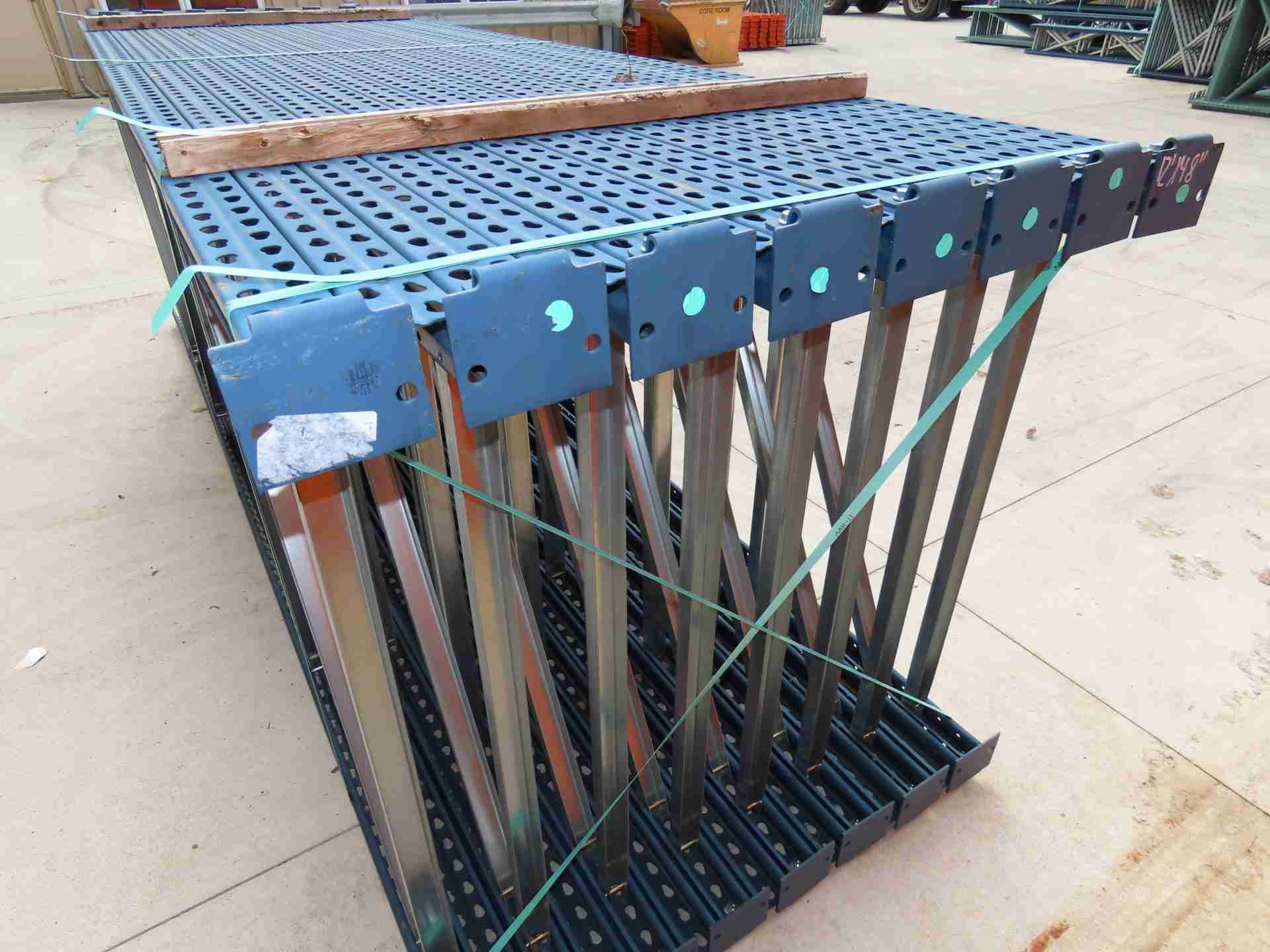
Glossary Of Terms
Other Questions
Who Designs Pallet Rack Layouts In Your Area? – Other Questions
If you wish to explore and discover more, consider looking for answers to these questions:
- What are the key benefits of optimizing pallet rack layouts?
- How can I find a warehouse design consultant in my area?
- What criteria should I look for when selecting a pallet rack system?
- How do I conduct a warehouse assessment for pallet racking?
- What are the latest trends in pallet racking systems?
- How do Pallet Rack configurations differ for e-commerce fulfillment?
- What costs should I consider when designing a pallet rack layout?
- What software tools are available for pallet rack design?
- How can technology improve pallet rack efficiency?
- What are the different types of pallet racking systems available?
- How often should I inspect pallet racking systems for safety?
- What are the common safety issues related to pallet racking?
- How should I train my staff on safe pallet rack practices?
- What are the implications of not following pallet rack regulations?
- How can I ensure my pallet rack system is adaptable for future growth?

Other Questions
Checklist
Who Designs Pallet Rack Layouts In Your Area? – A Checklist
Checklist for Optimizing Pallet Rack Layouts
1. Assess Your Needs
_____ Evaluate the variety and size of products handled.
_____ Determine specific storage requirements (bulky, heavy, small, etc. ).
_____ Identify peak demand periods and seasonal fluctuations.
2. Collaborate with Experts
_____ Consult local warehouse design specialists.
_____ Engage with manufacturers who offer design services.
_____ Partner with warehouse optimization companies for tailored solutions.
_____ Involve your internal team (warehouse managers, logistics coordinators) in the planning process.
3. Choose the Right Pallet Rack System
_____ Decide between selective, drive-in, drive-thru, or other racking systems based on inventory type.
_____ Consider modular racking systems for future adaptability.
_____ Factor in vertical space – choose taller racks to optimize height.
4. Implement Efficiency Best Practices
_____ Apply FIFO or LIFO methodologies to enhance workflow.
_____ Ensure clear aisles for forklift traffic – adjust widths based on equipment used.
_____ Optimize layout for smooth goods flow to prevent bottlenecks.
5. Adhere to Safety Regulations
_____ Follow ANSI and MHIA guidelines for racking design and installation.
_____ Verify weight capacity ratings for all racks.
_____ Install safety measures (e. g. , anchoring, guard rails, safety pins).
6. Monitor and Adjust
_____ Conduct regular audits and inspections of pallet racking systems.
_____ Assess the efficiency of space utilization periodically.
_____ Stay updated on local regulations and industry standards to ensure compliance.
7. Leverage Technology
_____ Explore the integration of warehouse management systems for real-time adjustments.
_____ Consider automated solutions (AGVs) for improving picking and storage efficiency.
8. Continuous Improvement
_____ Encourage feedback from your team regarding the layout and practices.
_____ Stay informed about industry trends to adapt your storage solutions accordingly.
Use this checklist to streamline the process of optimizing your pallet rack layouts and ensure your warehouse operates efficiently and safely!
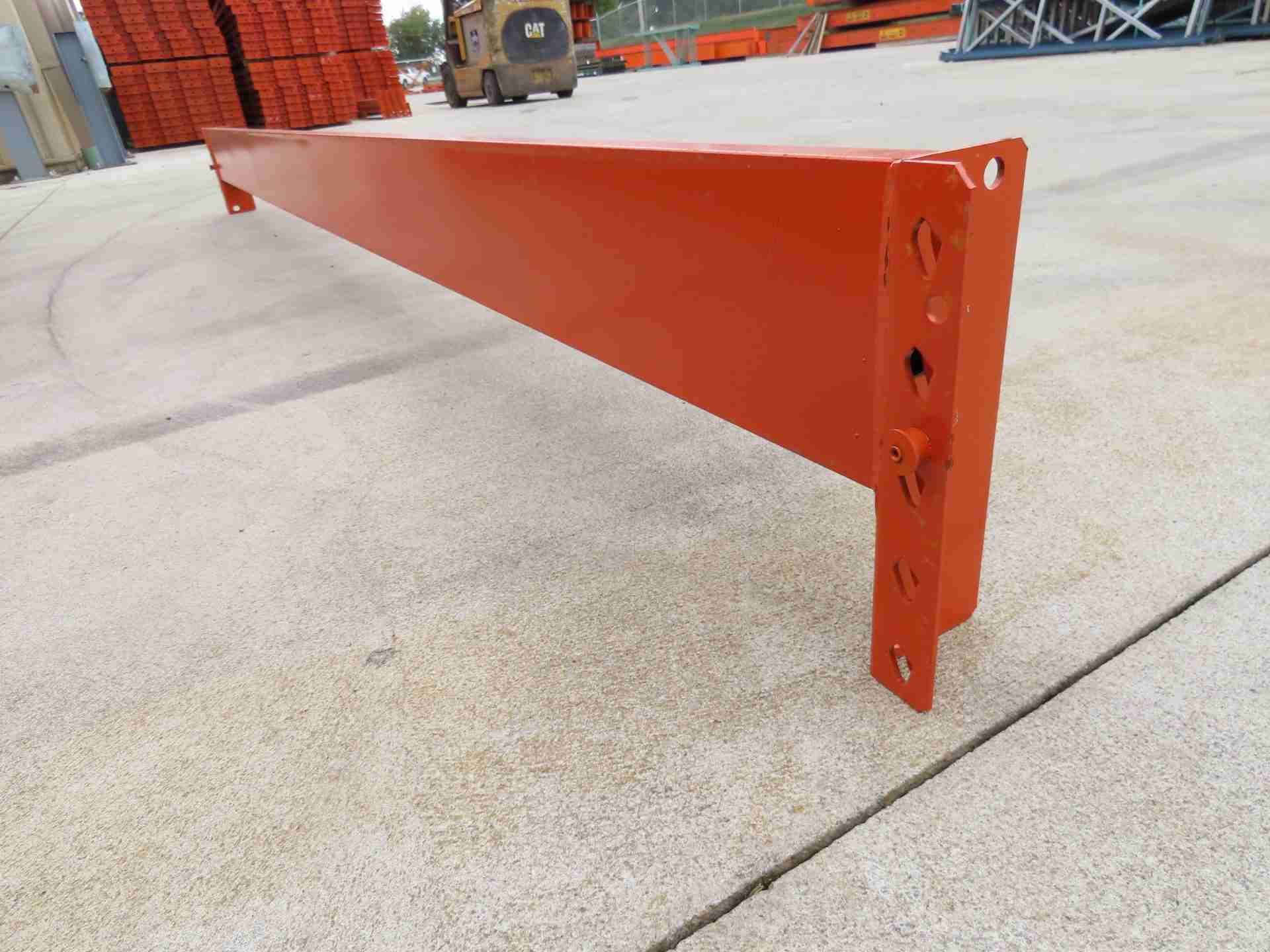
Checklist
At RackingWorld, we help guide you through selecting warehouse storage systems and racking.
Be sure to read our other related stories at RackingWorld to learn more about warehouse storage systems.
0 Comments