
Uncovering Local Rack Specifications Made Easy
By Tom Seest
At RackingWorld, we help guide you through selecting warehouse storage systems and racking.
Be sure to read our other related stories at RackingWorld to learn more about warehouse storage systems.
Where Can You Find Detailed Local Rack Specifications?
In a world where efficient warehousing can make or break a business, knowing where to find detailed local rack specifications is crucial for any supply chain manager. Understanding pallet racking configurations is not just a luxury—it’s a necessity. The right specifications can directly impact your overall productivity and, ultimately, your bottom line.
First, let’s talk about manufacturers. Many well-known pallet racking manufacturers offer extensive resources online. Companies like Steel King, Interlake Mecalux, and Haney Rack provide detailed specifications for their products right on their websites. These resources often include load capacities, installation guides, and even design tools to help you visualize your warehouse layout. For instance, by accessing Steel King’s site, you can download a comprehensive catalog that covers everything from standard pallet racking to specialized systems designed for unique situations.
Local suppliers can also be a goldmine for detailed rack specifications. Why? Because they won’t just sell you racks; they can offer insights tailored to your specific needs and circumstances. Ask them about local regulations that might affect your warehouse operations. During the recent surge in e-commerce, many companies found themselves needing to rapidly adapt their shelving setups to accommodate increased inventory. Local suppliers often have firsthand experience with the latest trends and can recommend the best solutions suited for your market’s demands.
Trade shows and industry conferences are another avenue to explore. Events like the ProMat and Modex expos frequently feature demonstrations, workshops, and sessions focused on the latest in pallet racking solutions. Attending these events not only gives you direct access to product specifications but also gives you the opportunity to network with industry experts who can provide insights that will save you time and money in your search for the right equipment.
Lastly, online forums and communities—think LinkedIn groups or Reddit’s warehouse management threads—can serve as a research tool. Professionals often share their experiences with different racking systems, offering real-world insights into what works and what doesn’t. For example, discussions about how the rise in e-commerce has altered common pallet racking strategies can reveal hidden challenges and solutions you might not have considered.
In summary, whether it’s through manufacturers, local suppliers, trade shows, or online communities, finding detailed local rack specifications is more than feasible—it’s essential for staying competitive. Embrace these resources, and watch as your operational efficiency soars. Your warehouse is not just a space; it’s an opportunity waiting to be optimized!
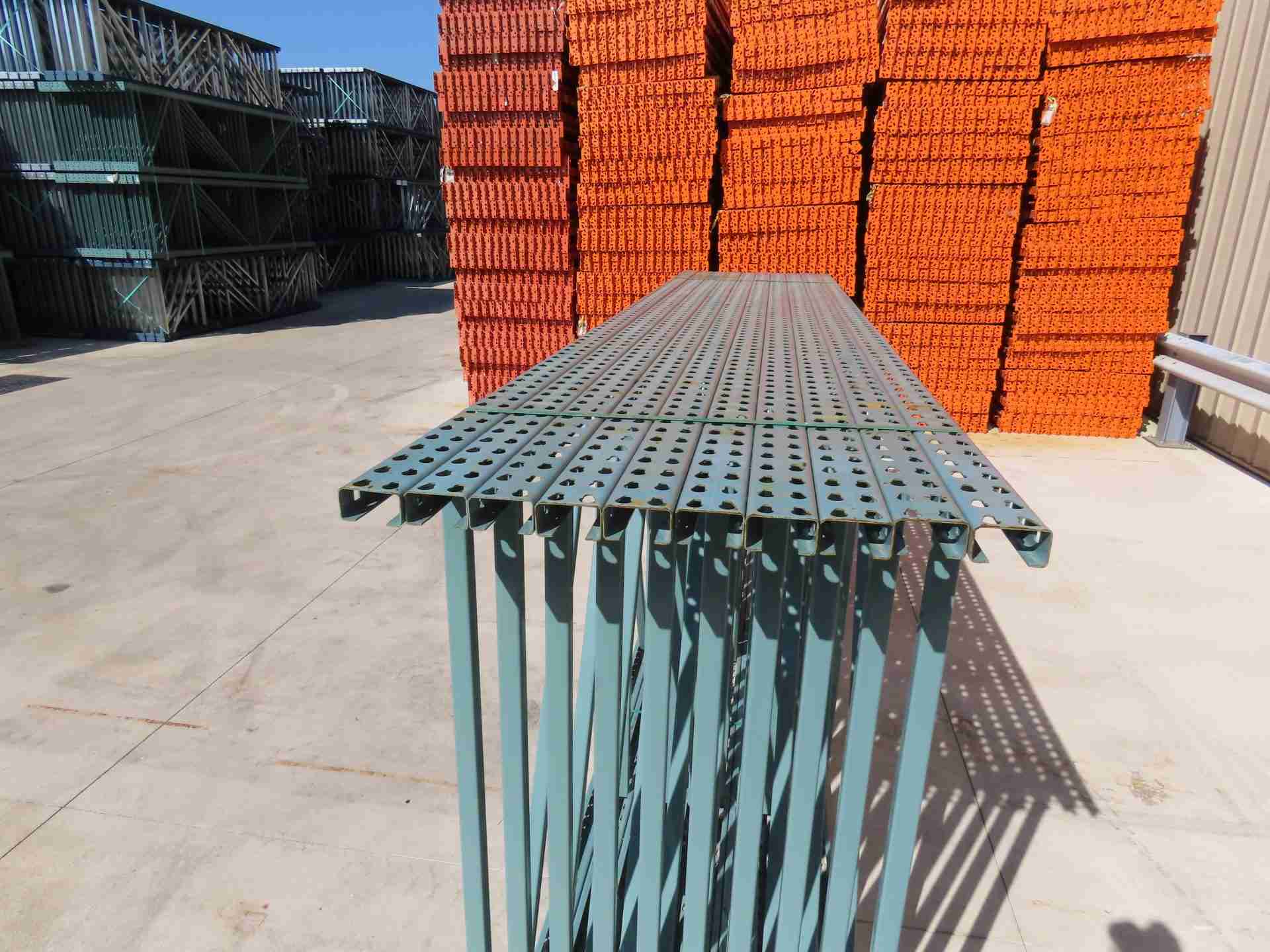
Where Can You Find Detailed Local Rack Specifications?
Where Can You Find Detailed Local Rack Specifications?
- Efficient warehousing is crucial for business success; understanding rack specifications is essential for supply chain managers.
- Well-known manufacturers like Steel King, Interlake Mecalux, and Haney Rack provide detailed product specifications online, including load capacities and installation guides.
- Local suppliers offer tailored insights and can provide information on local regulations affecting warehouse operations.
- Recent e-commerce trends necessitate rapid adaptations in shelving setups, which local suppliers can help navigate.
- Trade shows and conferences, such as ProMat and Modex, provide access to demonstrations and networking opportunities with industry experts.
- Online forums and communities (e.g., LinkedIn and Reddit) allow professionals to share experiences and insights on racking systems.
- Utilizing these various resources is essential for maintaining competitiveness and optimizing warehouse operations.
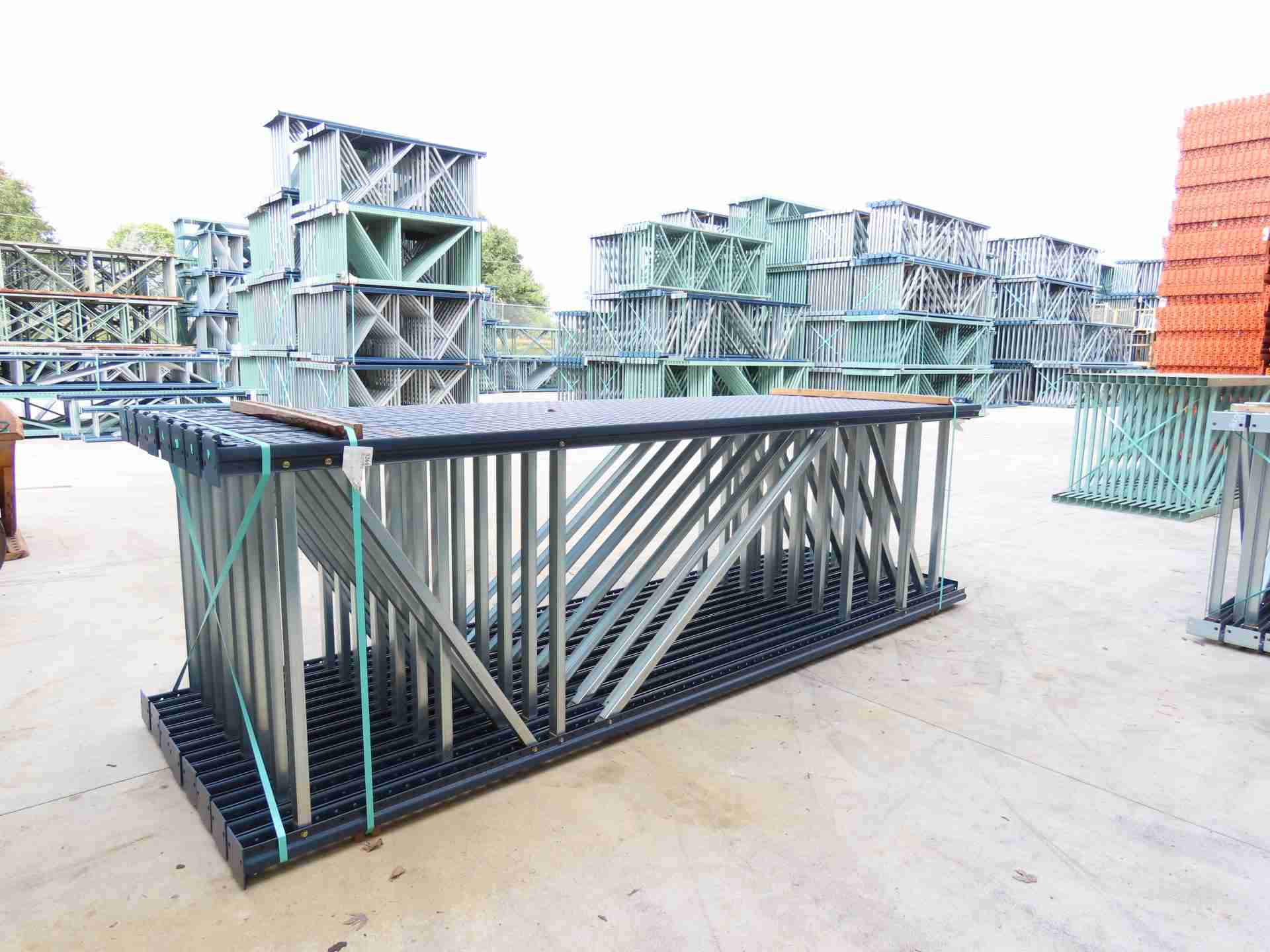
Where Can You Find Detailed Local Rack Specifications?
Table Of Contents
- Where Can You Find Detailed Local Rack Specifications?
- Where Can I Find Local Rack Specifications Online?
- What Are The Key Features Of Local Racks?
- How Do I Determine The Size Of My Local Racks?
- Are There Specific Standards For Local Rack Specifications?
- What Materials Are Commonly Used For Local Racks?
- How Do I Measure The Capacity Of Local Racks?
- Where Can I Access Manufacturer Specifications For Racks?
- Conclusion
- Other Resources
- Glossary Of Terms
- Other Questions
- Checklist
Where Can I Find Local Rack Specifications Online?
In the fast-moving world of warehousing and inventory management, the efficiency of your operations often hinges on one critical factor: your storage solutions. Pallet racking, the backbone of efficient inventory management, is more than just a practical necessity; it’s a strategic asset that can significantly enhance your bottom line. But how do you find the right rack specifications tailored to your local needs? Buckle up – it’s time to dive into the digital scene!
First, let’s explore industry-specific resources. Websites like Rack Manufacturers Institute (RMI) offer a treasure trove of information on local pallet racking specifications and standards. Their guidelines ensure that your racks not only meet safety regulations but also align with industry best practices. You can also access localized specifications through your regional trade associations, which often adapt national guidelines to suit local requirements.
Next on your search list should be online marketplaces that specialize in warehouse equipment. Sites like Material Handling Equipment Distributors Association (MHEDA) gather local suppliers where you can filter for pallet racking options in your area. This not only gives you access to current specifications but also exposes you to user reviews and testimonials that can guide your decision-making process. Knowing that your potential rack supplier has garnered positive feedback can alleviate fears, especially in a time when robust safety measures are more critical than ever.
Social media platforms are also a goldmine for real-time information. LinkedIn groups focused on warehouse operations are buzzing with professionals discussing the latest in pallet racking trends, specifications, and best practices. For instance, posts about the recent supply chain challenges caused by global events, such as geopolitical tensions affecting shipping routes, have heightened awareness around optimizing warehouse spaces, fueling discussions on effective rack configurations.
Moreover, don’t underestimate the sheer power of a Google search! With the right keywords, you can uncover local rack manufacturers and resellers who list specifications right on their websites. Keywords like “pallet racking specifications near me” can yield valuable results, leading you to businesses equipped to meet your unique needs—often just a stone’s throw away from your own operations.
Lastly, consider niche forums or online communities dedicated to warehousing solutions. These platforms often share real-world experiences regarding pallet racking setups, allowing you to tap into a wealth of user-generated knowledge. Here, industry veterans and novices alike engage in discussions that can guide you to specifications you may have never considered.
In summary, the hunt for local rack specifications doesn’t have to be daunting. With a little online savvy, you can quickly locate the ideal pallet racking options that will not only meet your immediate needs but also contribute to the long-term efficacy of your operations!
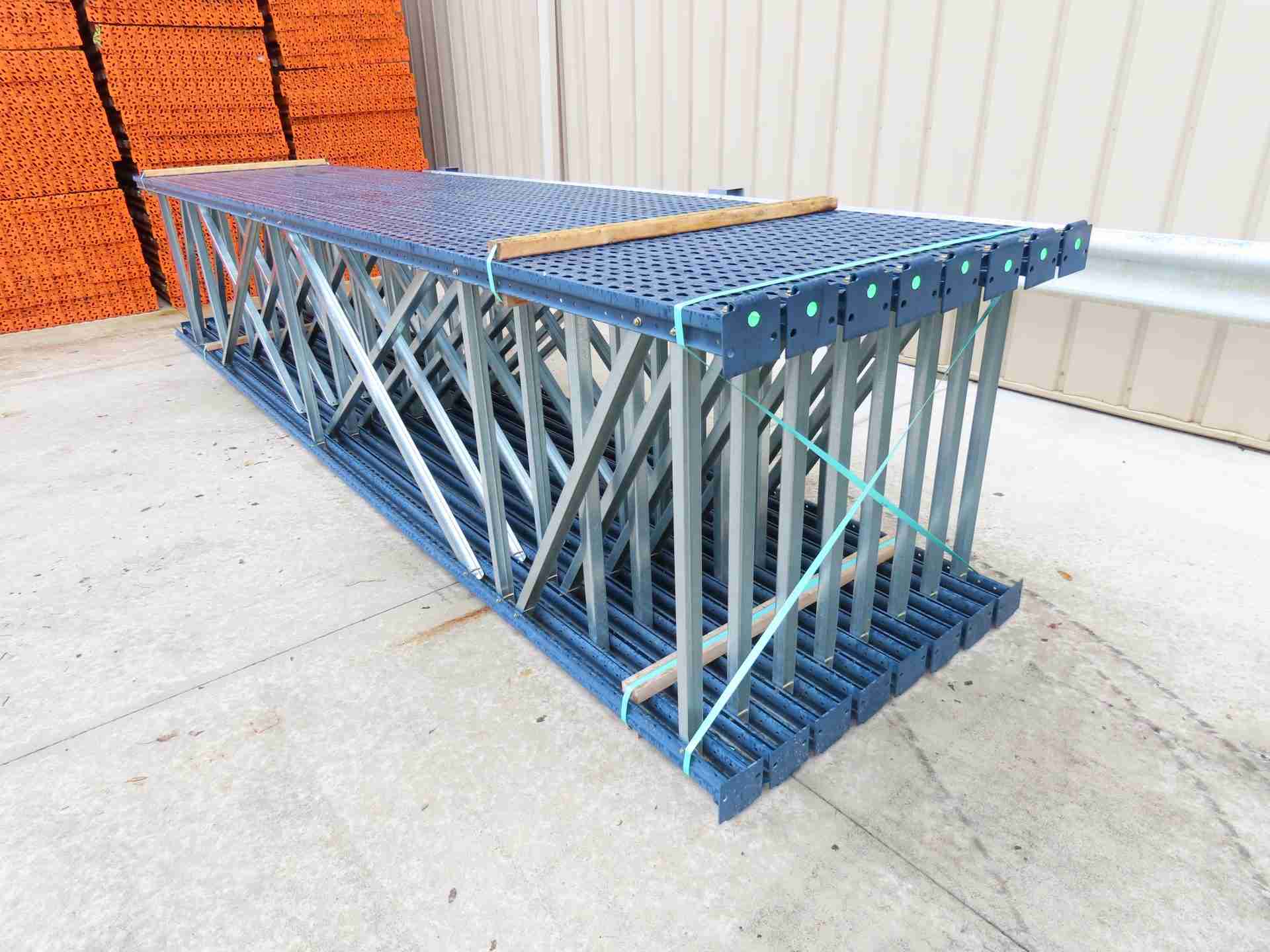
Where Can I Find Local Rack Specifications Online?
Where Can I Find Local Rack Specifications Online?
- Efficient storage solutions, like pallet racking, are crucial for inventory management and can boost profitability.
- Industry-specific resources, such as the Rack Manufacturers Institute (RMI), provide local pallet racking specifications and safety guidelines.
- Online marketplaces, like the Material Handling Equipment Distributors Association (MHEDA), offer access to local suppliers and customer reviews.
- Social media platforms, especially LinkedIn groups, are valuable for real-time discussions on pallet racking trends and challenges.
- A simple Google search with relevant keywords can help you find nearby rack manufacturers and specifications.
- Niche forums and online communities provide user-generated knowledge and real-world experiences regarding pallet racking setups.
- Using these resources effectively can simplify the search for suitable pallet racking options that enhance operational efficiency.
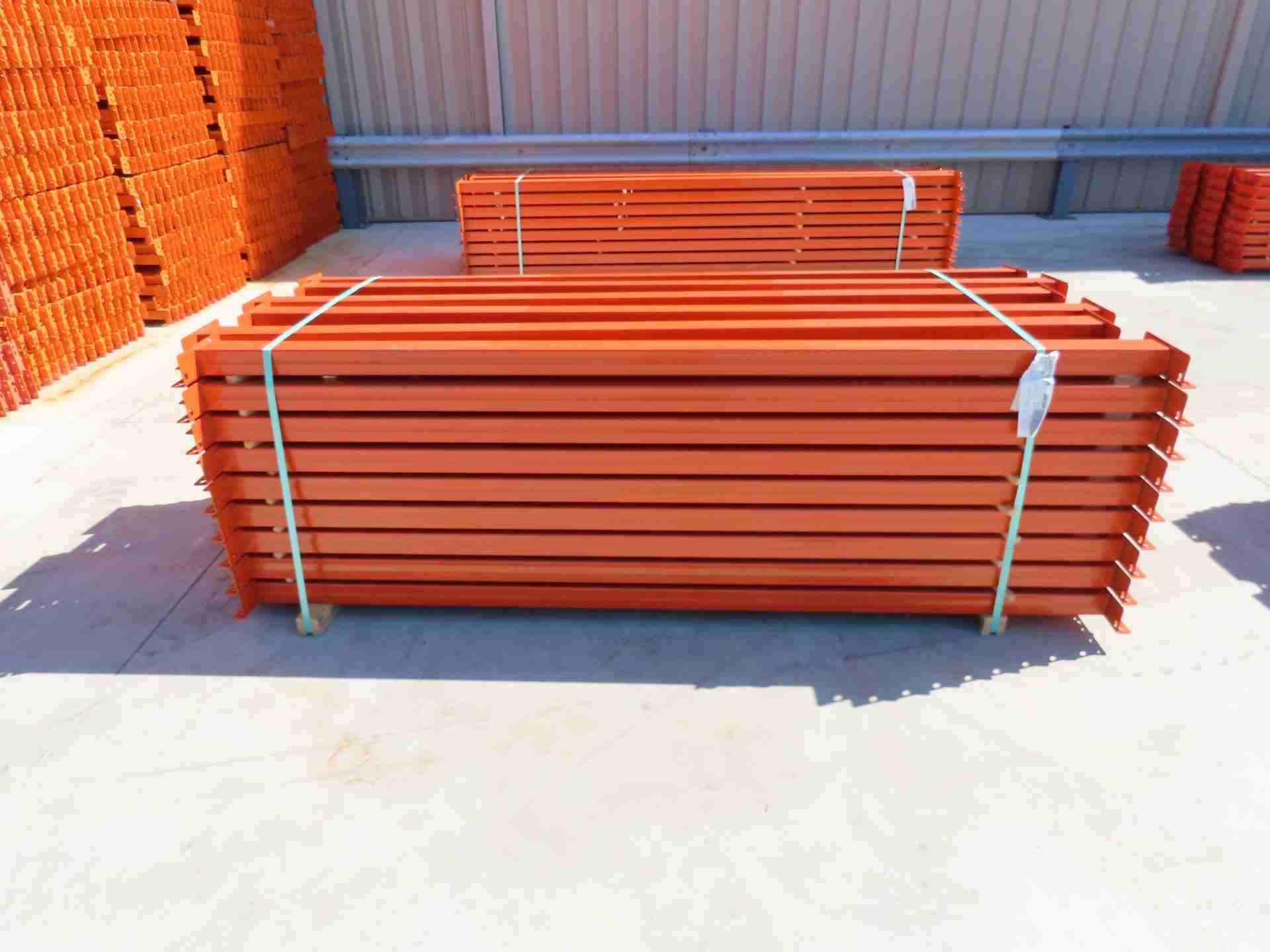
Where Can I Find Local Rack Specifications Online?
What Are The Key Features Of Local Racks?
In an ever-evolving marketplace, businesses are constantly seeking innovative solutions to optimize their operations, and local racks are leading the charge toward efficiency. A well-designed racking system can not only streamline your workspace but also enhance productivity, save costs, and maximize space utilization. Emphasizing local racks, it’s crucial to focus on key features that make them indispensable for businesses across various sectors.
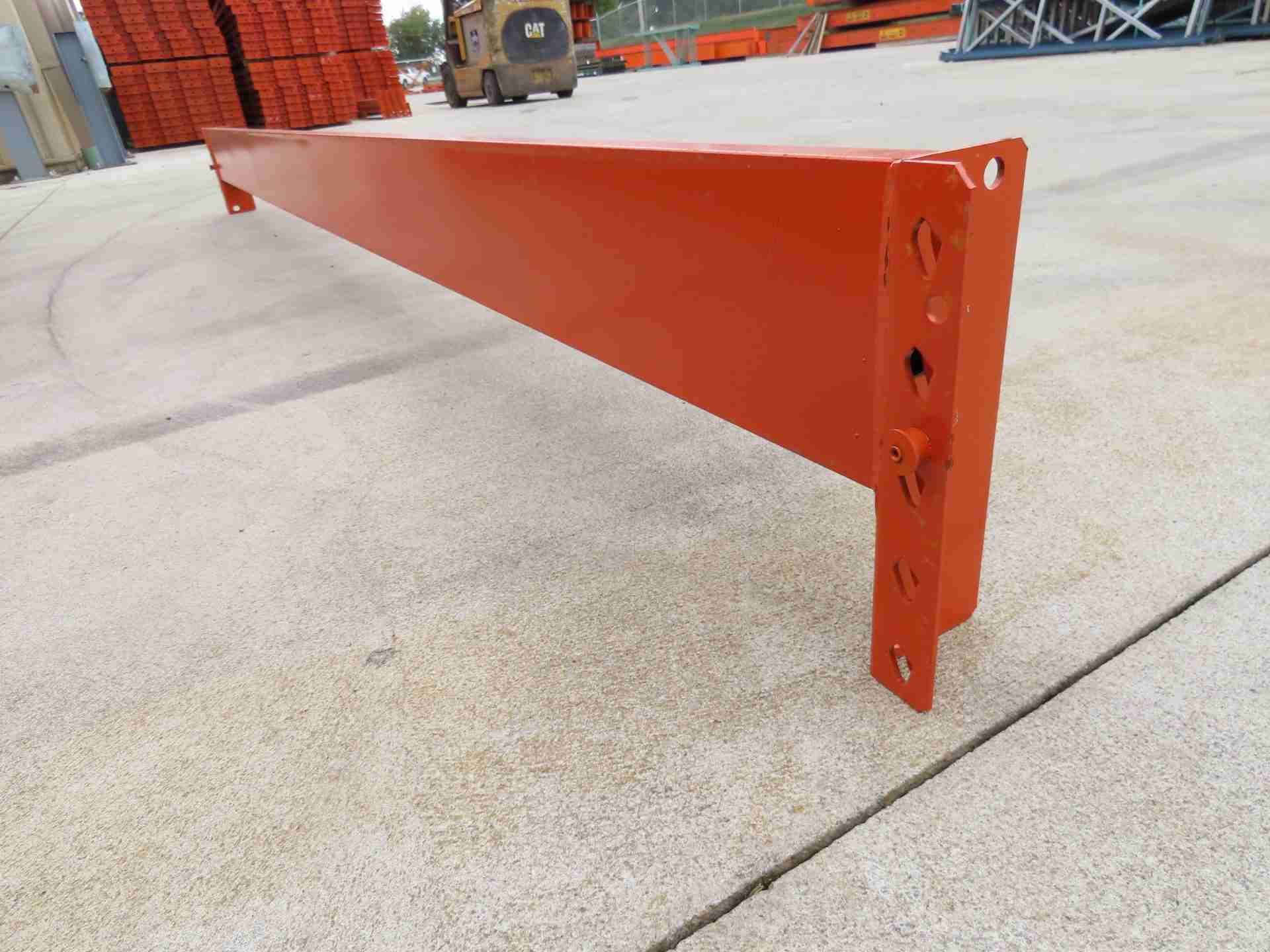
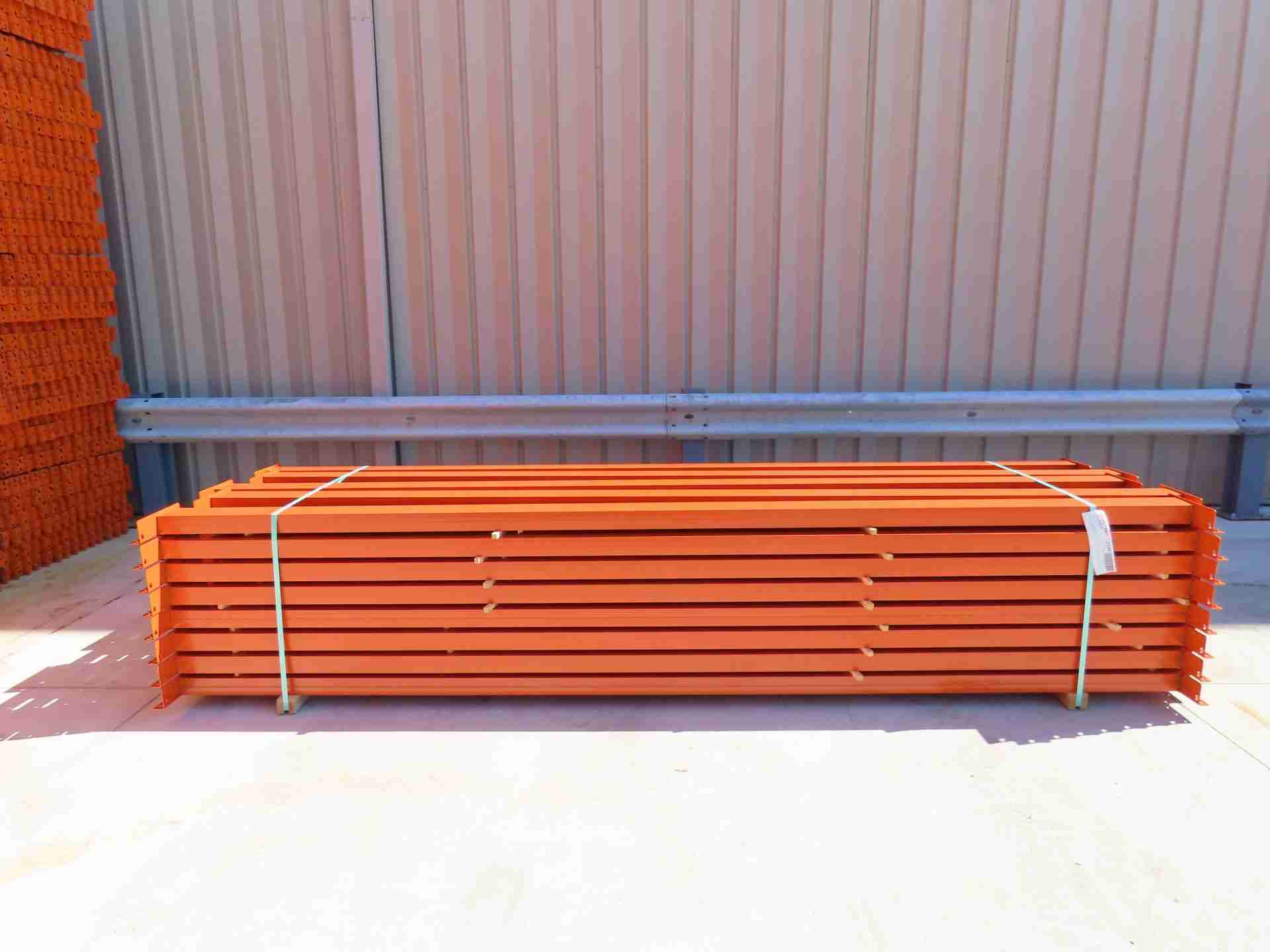
First and foremost, let’s talk about pallet racking. This key feature is a game changer for warehouses looking to store large quantities of goods in an organized manner. Pallet racks enable vertical storage, allowing businesses to leverage height rather than floor space. Imagine a retail operation that recently adopted pallet racking—by heightening their storage configuration, they maximized inventory space, which led to a 30% reduction in overhead costs. This case exemplifies how accessible product organization can drive profitability.
Another essential aspect of local racks is their adaptability. Modern local racking systems are designed to cater to the unique needs of diverse industries. Whether it’s a cold storage facility, a retail store, or manufacturing hubs, local racks can be customized to suit specific inventory types or workflows. For instance, during recent inventory shortages linked to disruptions in supply chains, businesses that had already invested in adaptable racking systems were better positioned to pivot and reprioritize, demonstrating resilience amid chaos.
Durability is also a feature that cannot be overlooked. Local racks are built to withstand the rigors of everyday warehouse life. Utilizing high-grade steel and robust components, these racks promise longevity, ultimately saving businesses money by reducing the need for frequent replacements. With the increased focus on sustainability and long-term investments, opting for robust local racking systems aligns perfectly with environmentally conscious practices.
Moreover, safety is a critical consideration. Local racks are designed with safety features that protect both the merchandise and workers. Systems often include safety pins and guardrails to prevent accidents and maintain order. As safety regulations tighten post-pandemic, investing in sturdy local racks ensures compliance and fosters a culture of responsibility within the warehouse.
In summary, the key features of local racks—such as advanced pallet racking, adaptability to industry needs, durability for long-term investment, and enhanced safety—position them as crucial assets for modern businesses. With these features in mind, organizations can maximize their operational efficiency, all while staying ahead in a competitive landscape. Don’t underestimate the impact of local racks; integrating them into your operation could be your best strategic move yet!
What Are The Key Features Of Local Racks?
What Are The Key Features Of Local Racks?
- Businesses seek innovative solutions for optimizing operations, with local racks enhancing efficiency.
- Pallet racking enables vertical storage, leading to organized inventory and significant cost reductions.
- Modern local racking systems are adaptable for various industries, catering to unique inventory and workflow needs.
- Durability is key, as local racks are built from high-grade materials, reducing replacement costs and aligning with sustainability goals.
- Safety features, such as safety pins and guardrails, protect merchandise and workers while ensuring compliance with regulations.
- Key features of local racks position them as essential assets for maintaining operational efficiency in a competitive landscape.
- Integrating local racks into operations represents a strategic move that can significantly enhance overall productivity.
What Are The Key Features Of Local Racks?
How Do I Determine The Size Of My Local Racks?
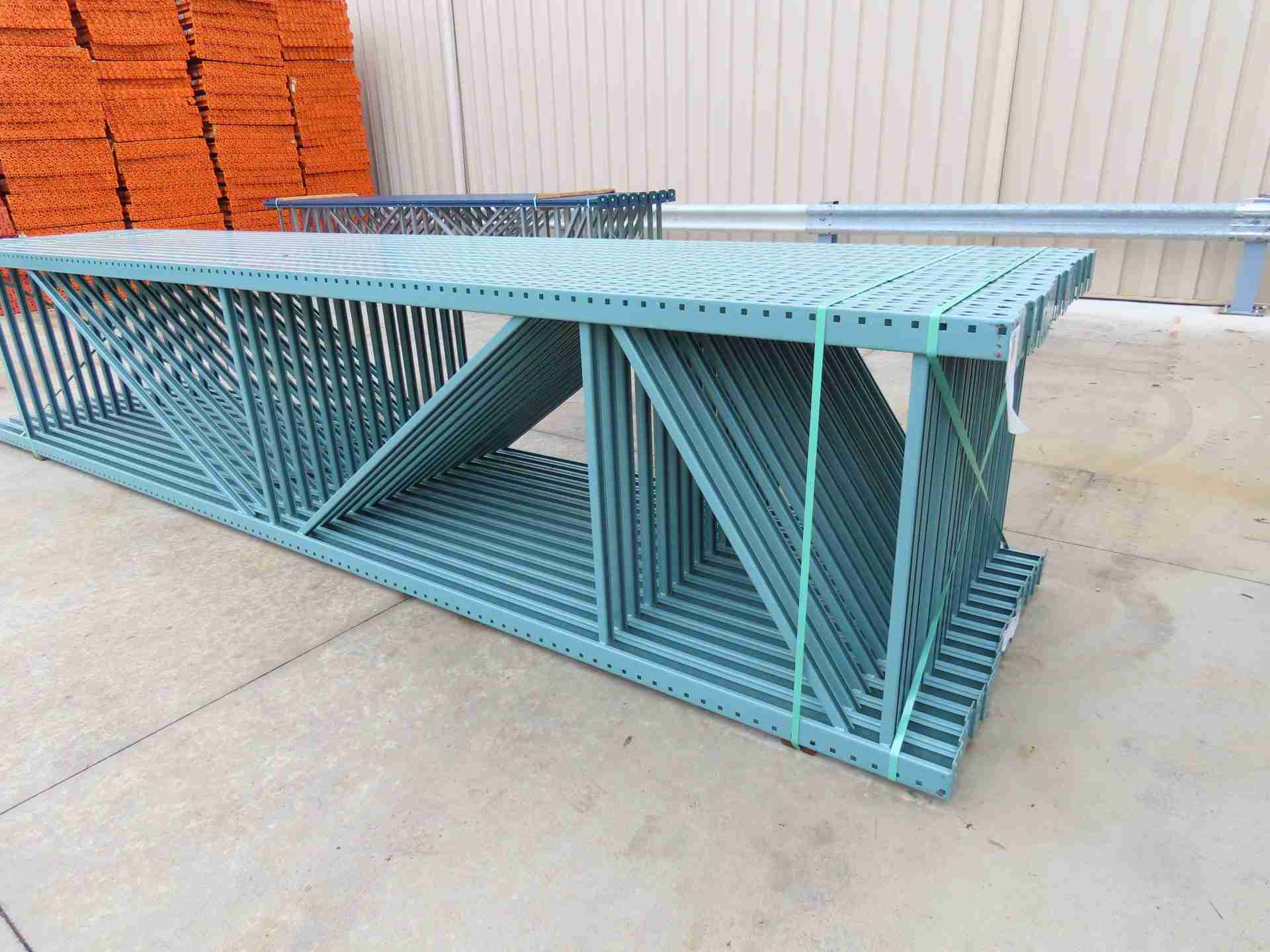
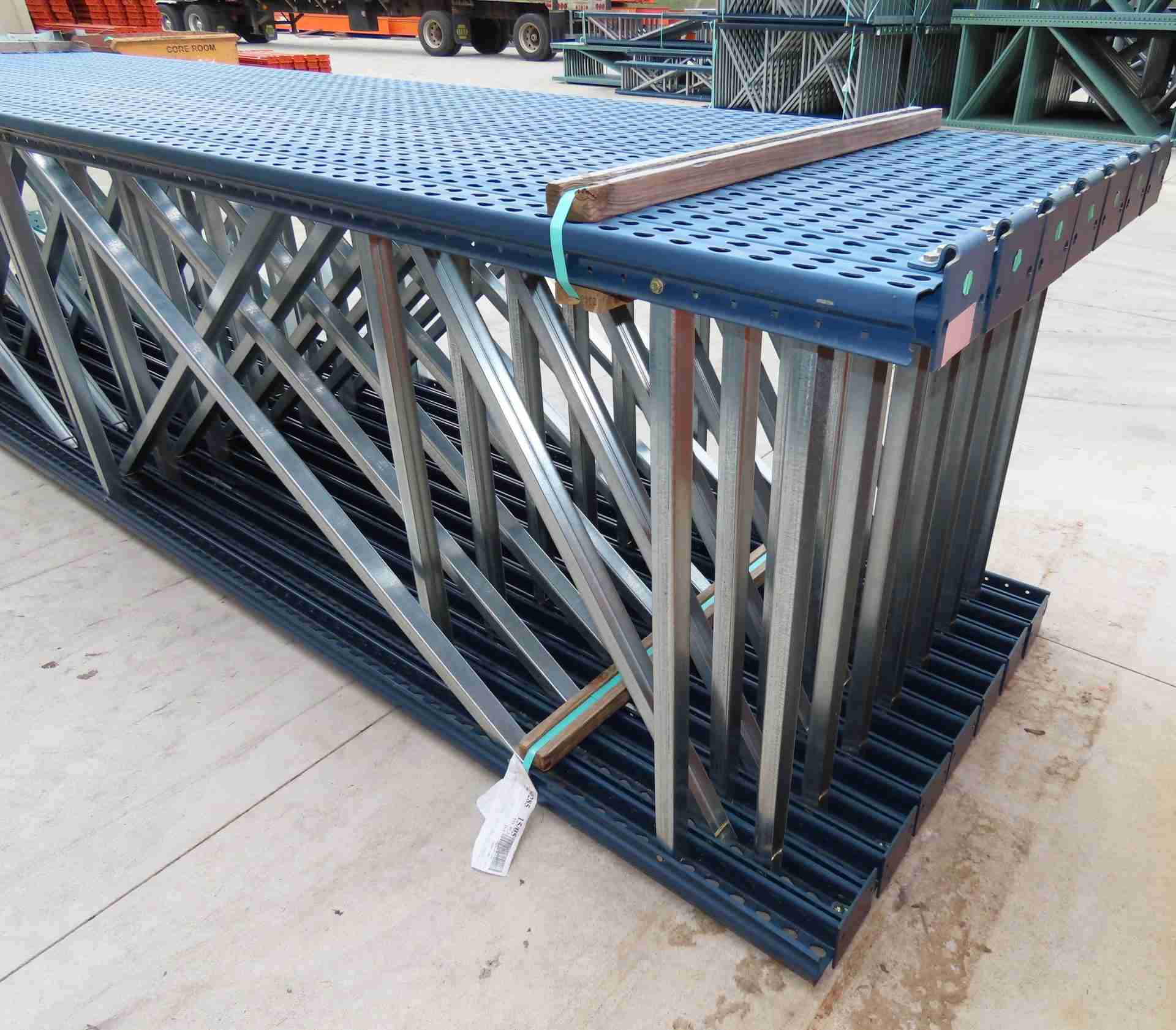
Determining the size of your local racks is not just a matter of measuring space; it’s a strategic decision that can significantly impact your bottom line. Whether you’re a burgeoning e-commerce startup or a well-established warehouse, the right pallet racking system can revolutionize your operational efficiency. In a world where supply chain challenges persist, and space is at a premium, making informed decisions about your racking setup is crucial.
Start with Your Inventory Needs
Before calculating the size of your local racks, take an inventory of what you’re storing. Are you dealing with bulky items like furniture or small components like electronics? For instance, if you’re managing a growing online furniture store, utilizing a selective pallet racking system can help maximize space while keeping your large items accessible.
Calculate Your Available Space
Next, look at your available space. This isn’t just about the square footage; consider vertical space too. Many businesses overlook the potential of height. With pallet racking systems that can reach up to 30 feet, you can effectively double your storage without expanding your footprint. Measure your warehouse’s ceilings, and don’t forget about any obstructions like lights or air ducts that can impact your racking capacity.
Assess Accessibility and Safety
Accessibility is paramount. Your pallet racking should allow easy access to products, enabling smoother workflows and improved picking times. If time is money—and it certainly is—think about how you can design your racks for optimal flow. A current example can be seen in logistics giants who are pivoting to automated systems. Even if you aren’t implementing full automation, consider lanes that facilitate quick access to high-turnover items.
Factor in Future Expansion
A wise business owner not only plans for the present but anticipates future growth. If you expect a surge in inventory, it pays to size up your pallet racking to handle future needs. Perhaps install modular racking systems that can be expanded easily as necessary. This foresight will save you from the expense of tearing down and reinstalling fixtures down the line.
Consult the Experts
Finally, when in doubt, consult with a specialist in pallet racking solutions. They can guide you through the process, taking into account the specificities of your business and regulatory requirements. Given the current supply chain challenges many businesses are encountering, having an expert on your side can help you navigate potential pitfalls and use your space most effectively.
Determining the size of your local racks is more than a numerical exercise; it’s about aligning your storage solutions with your overall business strategy. With the right approach, you can turn an ordinary warehouse into a lean, mean, inventory-handling machine!
How Do I Determine The Size Of My Local Racks?
How Do I Determine The Size Of My Local Racks?
- Determining local rack size impacts operational efficiency and bottom line.
- Start by assessing inventory needs based on the type of products stored.
- Calculate available space, considering both floor area and vertical height.
- Ensure accessibility to enhance workflows and picking times.
- Plan for future growth by opting for expandable modular racking systems.
- Consult experts to navigate specific business and regulatory requirements.
- Align storage solutions with business strategy for optimal inventory management.
How Do I Determine The Size Of My Local Racks?
Are There Specific Standards For Local Rack Specifications?
When it comes to pallet racking, business owners often find themselves navigating a maze of regulations and specifications. Understanding these parameters is crucial not just for compliance, but also for optimizing your warehouse’s efficiency and safety. Whether you’re storing seasonal inventory or managing consistent supplies, the right rack specifications can mean the difference between streamlined operations and potential mishaps.
First off, it’s essential to recognize that local and national standards govern the design and installation of pallet racking. For example, the American National Standards Institute (ANSI) provides guidelines that outline load capacities and safety considerations. Adhering to these standards not only ensures worker safety but also protects your investment from costly accidents and fines.
Consider the recent surge in e-commerce driven by the global pandemic. Companies have scrambled to adapt their storage solutions, often overlooking crucial safety standards in the race to increase capacity. A warehouse in Texas, for instance, faced significant fines due to non-compliance with local racking standards, leading to downtime and a damaged reputation. The moral of this story? Investing time in understanding rack specifications can safeguard your business from calamities like this.
Moreover, local specifications might differ based on your geographical area, so it’s vital to research and confirm what applies to your location. This could include understanding the seismic standards in earthquake-prone areas or load-bearing regulations influenced by regional construction practices. Installing a pallet racking system without taking these local stipulations into account is a gamble that could result in a total collapse of your shelving system, both physically and financially.
When selecting pallet racking, do not merely focus on the aesthetics of the system. Instead, ensure that your chosen racking solution reflects the load capacities that align with your inventory needs. For instance, if you plan on storing heavy machinery parts, be certain to opt for racks specifically designed for such weight. Consulting with a supplier who has extensive knowledge about local rack specifications can provide valuable insights tailored to your unique situation.
The awareness of local rack specifications can be your business’s insurance policy. By choosing reliable and compliant pallet racking solutions, you’re not just investing in a product; you’re investing in peace of mind. Don’t wait for an accident to remind you of the importance of adhering to standards – prioritize safety and efficiency today!
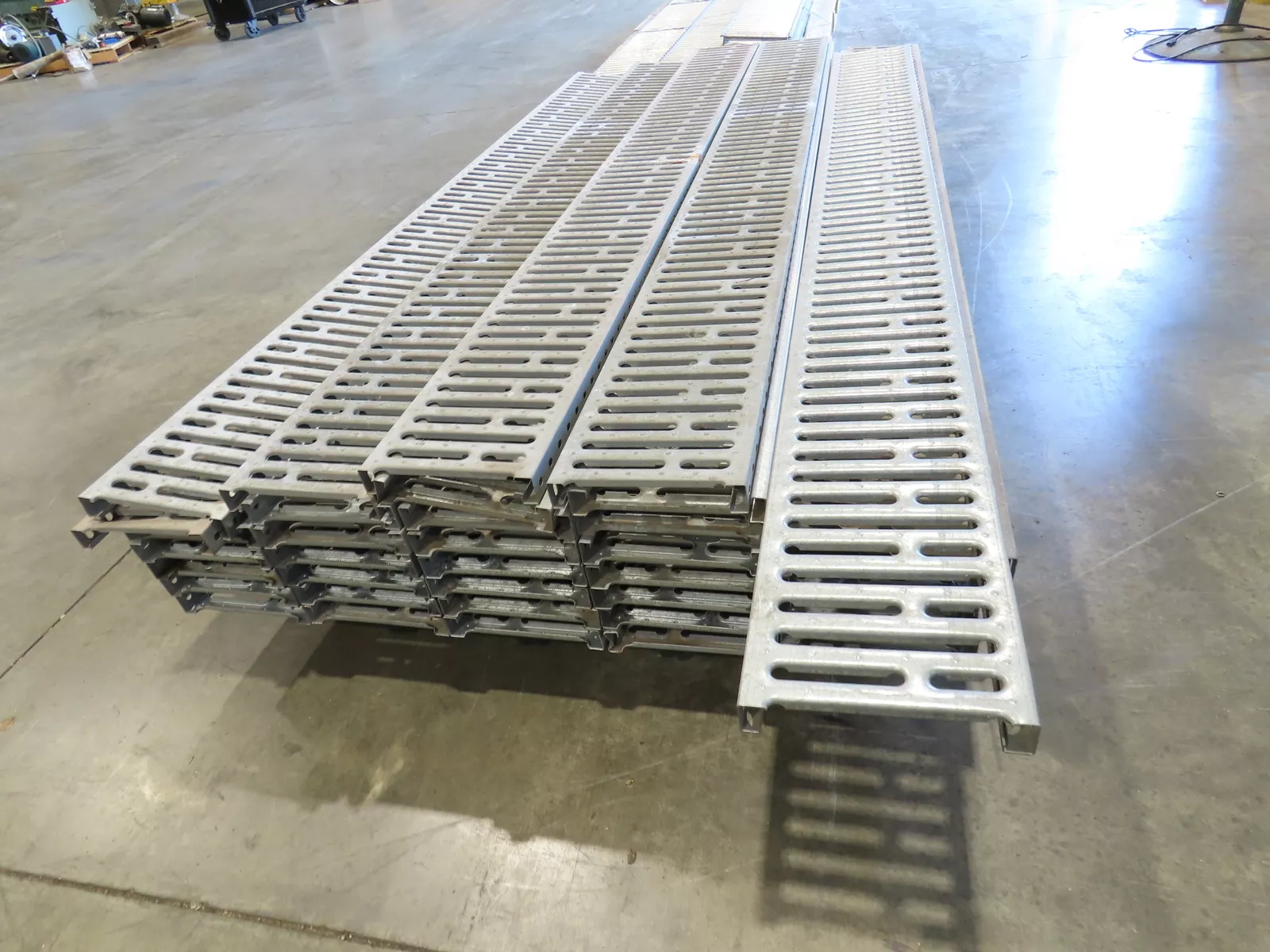
Are There Specific Standards For Local Rack Specifications?
Are There Specific Standards For Local Rack Specifications?
- Business owners must navigate various regulations and specifications for pallet racking to ensure compliance and optimize warehouse efficiency.
- Local and national standards, such as those from the American National Standards Institute (ANSI), govern the design and installation of pallet racking.
- Failure to adhere to safety standards can result in costly accidents, fines, and damage to a company’s reputation.
- Regional differences in specifications, such as seismic standards or load-bearing regulations, must be taken into account based on geographical location.
- When selecting pallet racking, prioritize load capacities over aesthetics to match inventory needs, especially for heavy items.
- Consulting knowledgeable suppliers can provide insights on local rack specifications tailored to specific business needs.
- Investing in reliable and compliant pallet racking solutions is crucial for safety and efficiency in warehouse operations.
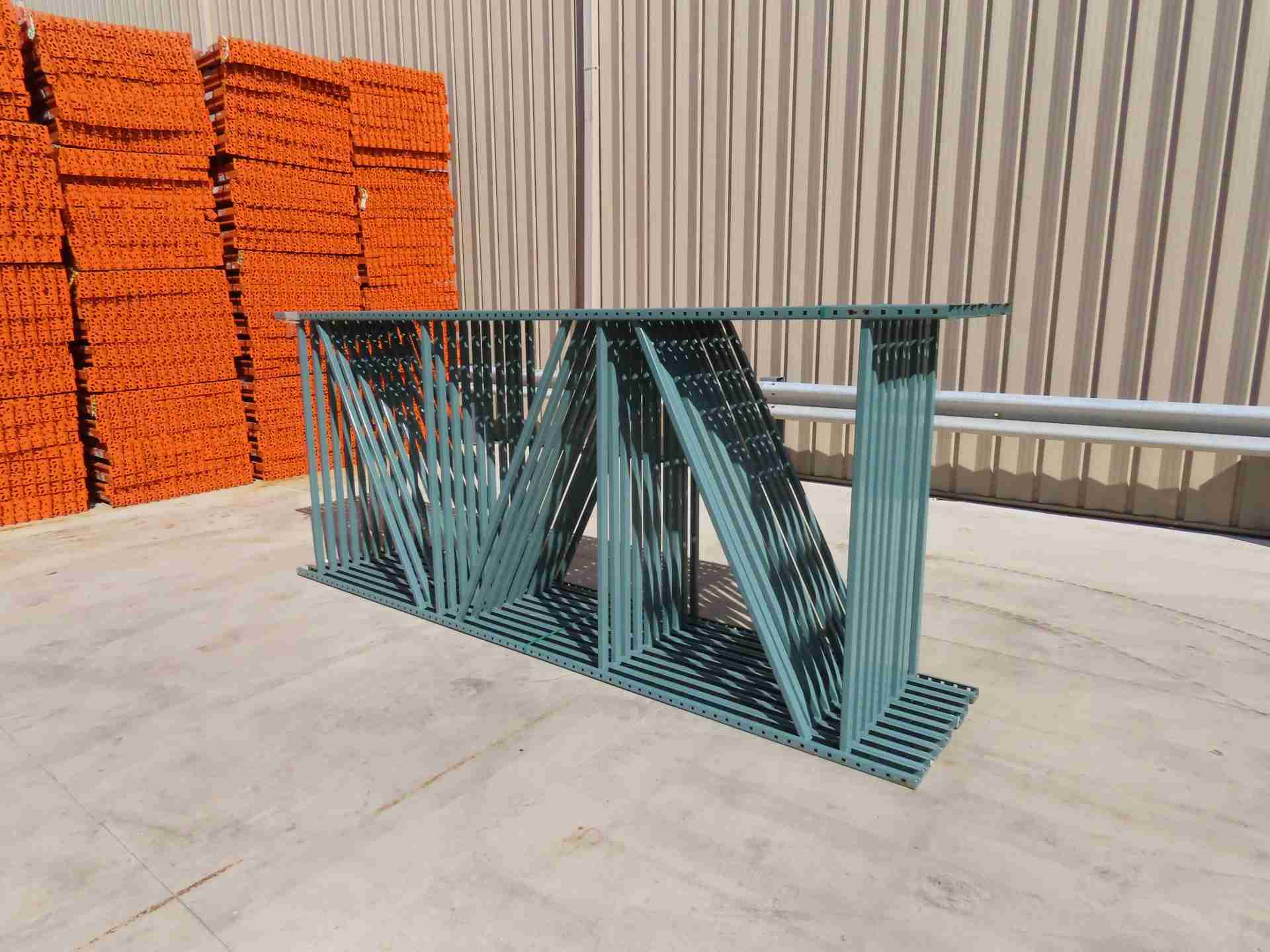
Are There Specific Standards For Local Rack Specifications?
What Materials Are Commonly Used For Local Racks?
When it comes to local racking solutions, the materials you choose can make all the difference between a chaotic storage environment and a streamlined operation. As businesses increasingly focus on efficiency and optimization, selecting the right materials for your racking system is paramount. We’ll explore the common materials used for local racks, so you can tailor your choices to meet your specific needs.
Steel
The heavyweight champion of racking materials is undoubtedly steel. Known for its unparalleled strength and durability, steel is often the backbone of pallet racking systems across various industries. These structures can withstand heavy loads and offer ease of customization. In recent months, as supply chain disruptions have made sourcing materials difficult, businesses have turned towards more resilient steel options that not only last but also help mitigate future shortages.
Aluminum
Next up is aluminum, an increasingly popular choice, particularly in environments that necessitate lightweight alternatives. Whether you’re operating in a warehouse, retail store, or manufacturing facility, aluminum racks are easy to assemble and reconfigure, making them a flexible option as your inventory needs change. Recent trends towards sustainability have propelled aluminum’s popularity, as it can be recycled and repurposed without losing quality.
Plastic
In today’s market, plastic may seem like an underdog material, but it’s vital to mention its rise in specific applications. Used for smaller, lighter racks, plastic is a top choice in pharmaceutical and food industries due to its resistance to chemicals and ease of cleaning. Events in the past year have shown that maintaining hygiene is more crucial than ever, pushing businesses to embrace plastic options that meet stringent health and safety standards.
Composite Options
Don’t overlook composite materials! Combining the best aspects of both wood and metal, composite racks are gaining traction in environments requiring both strength and aesthetic value. They offer a stylish alternative while ensuring practicality, especially in retail spaces where first impressions matter.
Conclusion
In choosing the right materials for your local racks, understanding the benefits and limitations of each option is critical. Given current trends in supply chain dynamics and a heightened focus on sustainability, the choices you make today will serve your business well into the future. As you consider pallet racking solutions, remember that investing in the appropriate material is not just about immediate needs—it’s about fostering long-term efficiency and success.
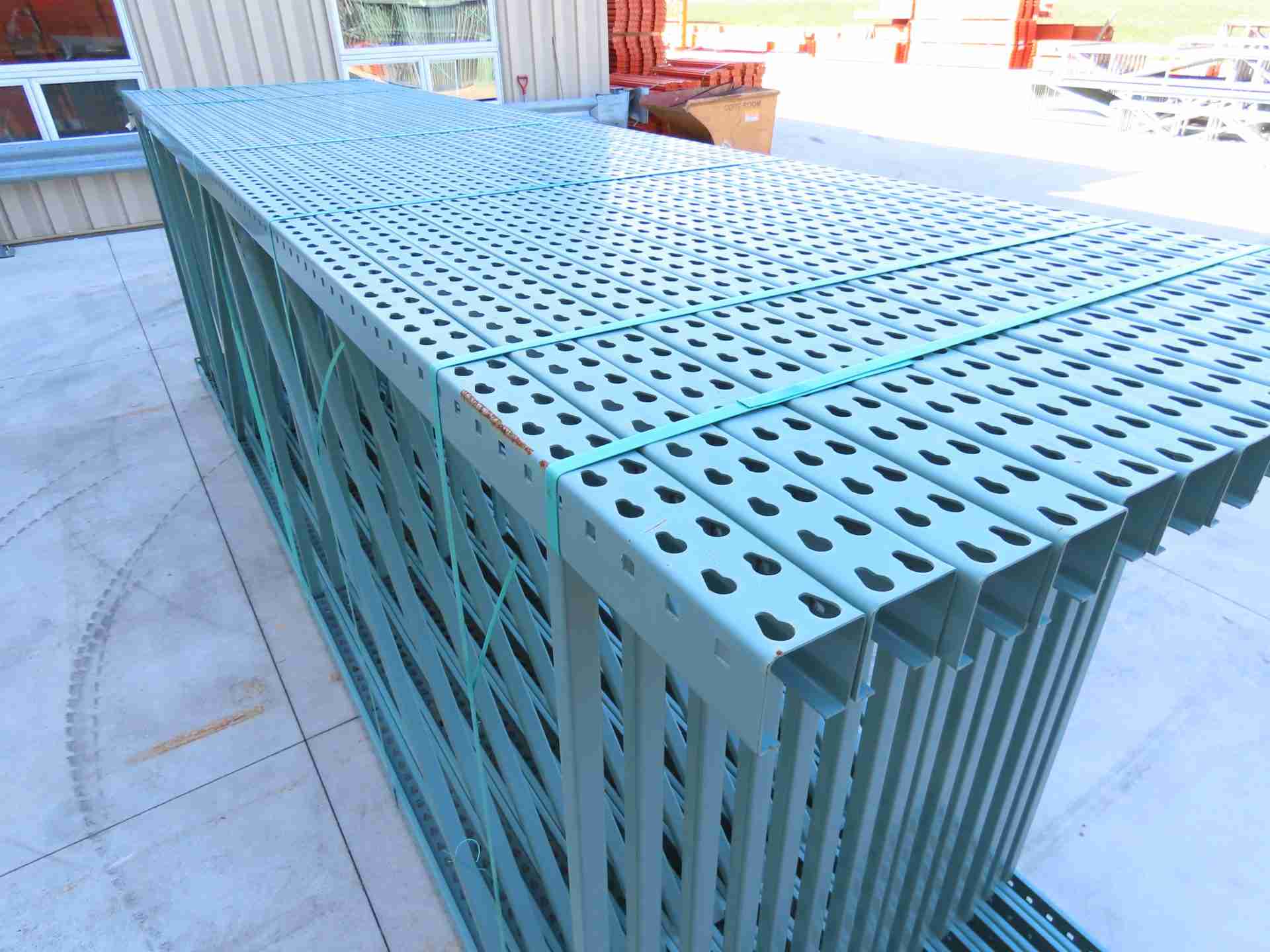
What Materials Are Commonly Used For Local Racks?
What Materials Are Commonly Used For Local Racks?
- Choosing the right materials for local racking systems is crucial for operational efficiency and organization.
- Steel: The strongest option for pallet racking, known for durability and heavy load capacity.
- Aluminum: A lightweight, flexible alternative that is easily reconfigurable and environmentally sustainable.
- Plastic: Ideal for smaller racks in industries like pharmaceuticals and food, valued for its hygiene and chemical resistance.
- Composite Options: Combining wood and metal properties, they offer aesthetic appeal and practicality, especially in retail.
- Understanding the benefits and limitations of each material is essential for making informed choices.
- Investing in appropriate materials supports long-term efficiency and addresses future challenges.
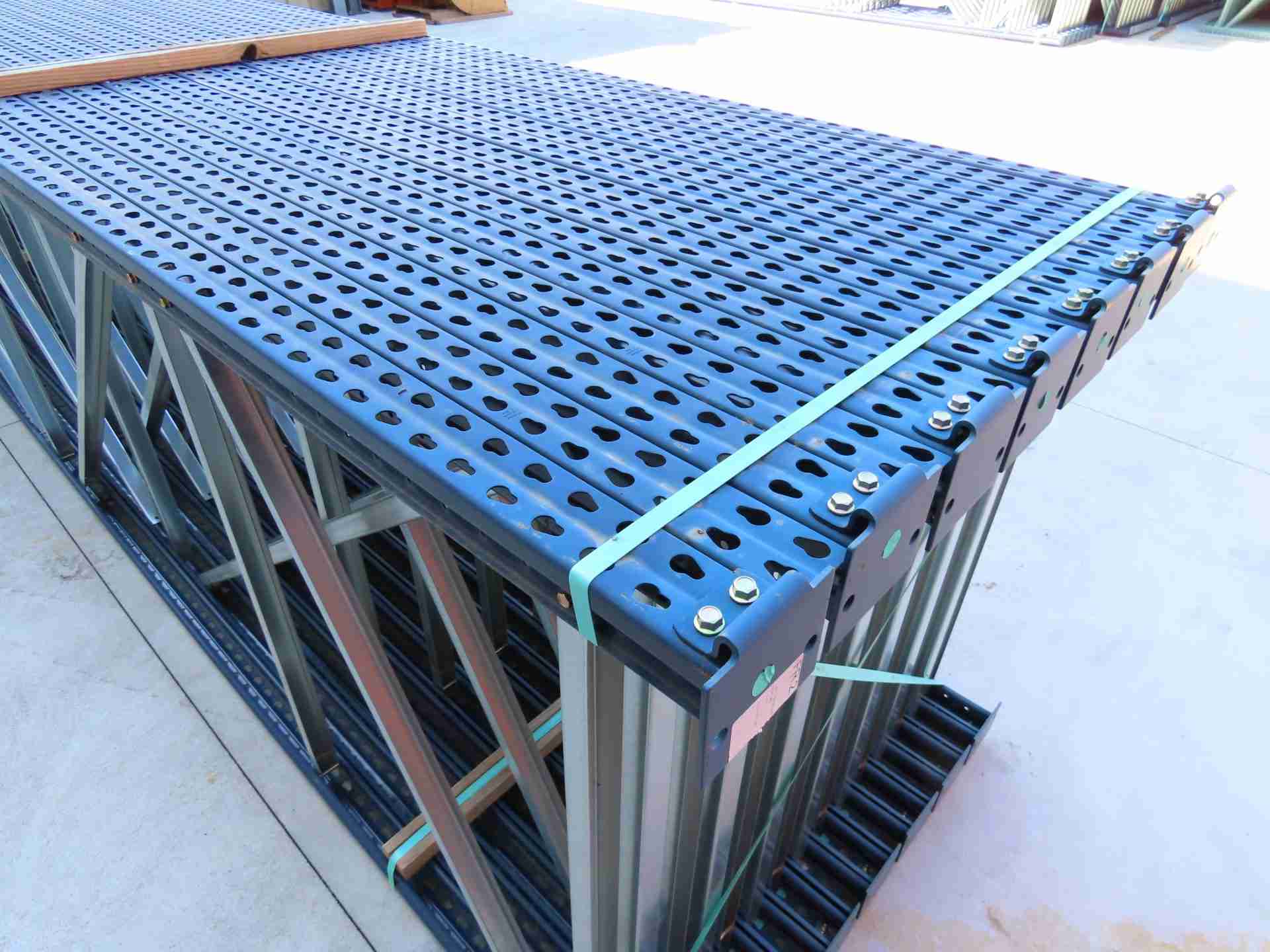
What Materials Are Commonly Used For Local Racks?
How Do I Measure The Capacity Of Local Racks?
To successfully maximize warehouse space, understanding how to measure the capacity of your local racks is paramount. Consider pallet racking systems — the backbone of efficient storage solutions. But what does it take to determine their true capacity? Let’s break it down in actionable steps that anyone can follow to ensure they are utilizing their facility’s potential to the fullest.
First, understand that every pallet rack has its limitations, often dictated by both design specifications and local building codes. Begin your assessment by identifying the dimensions of your racks. Measure the height, width, and depth of each section. For example, if you have a standard pallet racking system measuring 96 inches in height and 48 inches in width, it’s essential to recognize how many units or pallets can fit horizontally and vertically without exceeding the safe load limits.
Next, evaluate the weight capacity per level. Most racking systems will specify a maximum load per shelf, commonly ranging from 1,500 to 3,000 pounds. A recent report indicated that, with the rise of e-commerce, many businesses are shifting their inventory strategies. As demand for efficient storage solutions grows, it’s vital that companies take stock of whether their current racking solutions can handle the increased weight — especially when seasonality kicks in.
Once you have these measurements in hand, calculate the total capacity. Here’s a quick formula to guide you: multiply the number of levels by the number of pallets per level, then multiply that by the maximum weight capacity per pallet. So, if your rack has five levels that can each hold four pallets, and each pallet can handle 2,000 pounds, your total capacity becomes 5 * 4 * 2000 = 40,000 pounds. With this knowledge, you won’t just avoid overloading but can also forecast future inventory needs.
Additionally, keep tabs on local regulations and best practices surrounding pallet racking safety. With global supply chain challenges in the news, optimizing your storage solutions is more crucial than ever. Poor racking management can lead to costly accidents; for instance, a recent warehouse incident highlighted the dire consequences of neglecting proper capacity assessments.
In summary, measuring the capacity of your local racks is a balance between strategic planning and stringent adherence to safety standards. Whether adapting to the ever-demanding logistics landscape or simply optimizing your current layout, understanding pallet racking capacity is your gateway to operational efficiency. Remember, the more you know about what your racks can handle, the more effectively you can manage your inventory – driving your business forward.
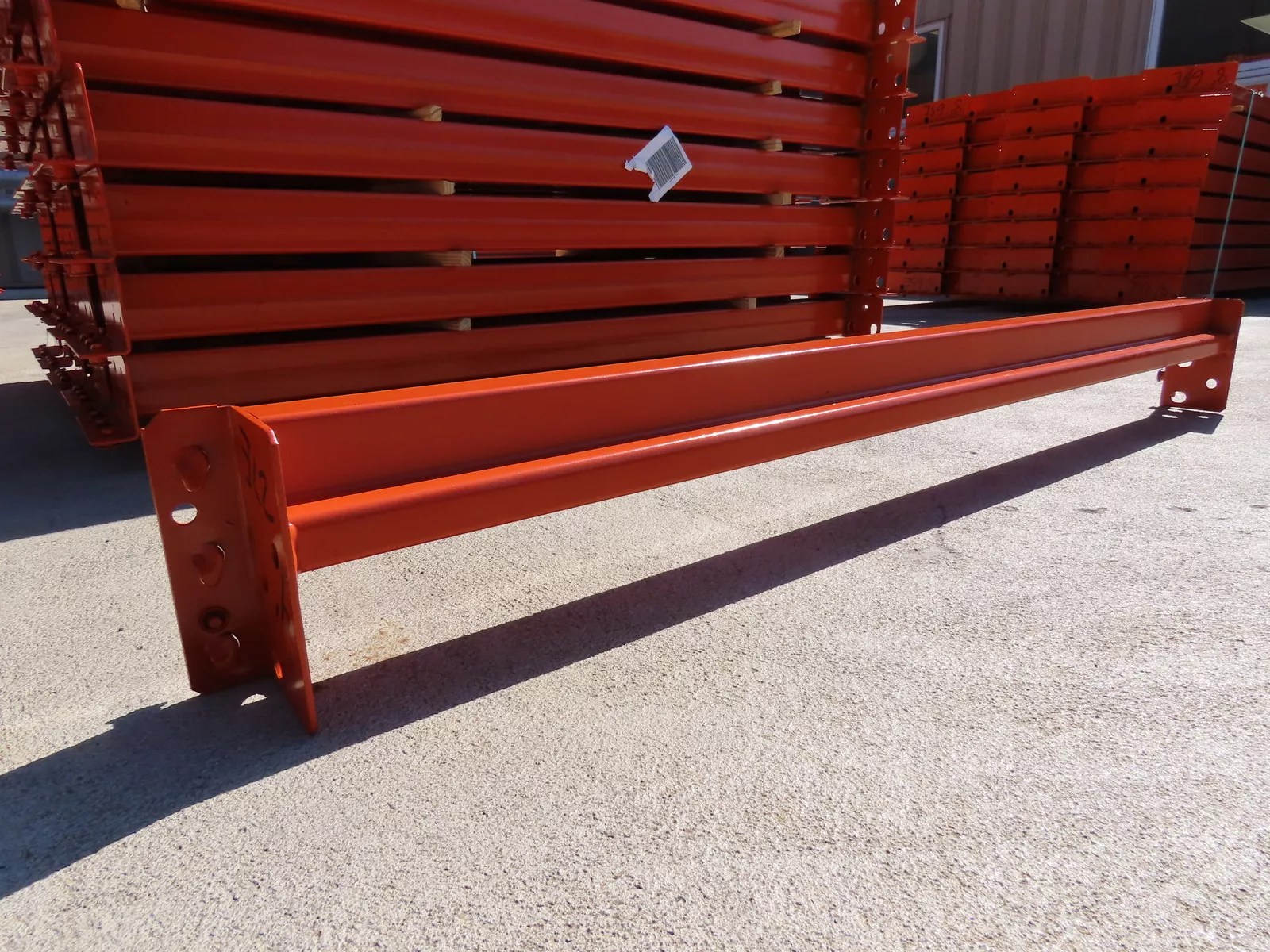
How Do I Measure The Capacity Of Local Racks?
How Do I Measure The Capacity Of Local Racks?
- Understanding the capacity of local racks is crucial for maximizing warehouse space.
- Pallet racking systems are essential for efficient storage solutions, with limitations based on design and local codes.
- Measure the height, width, and depth of each pallet rack to assess their dimensions.
- Evaluate the weight capacity per level, typically ranging from 1,500 to 3,000 pounds.
- Calculate total capacity using the formula: number of levels x pallets per level x maximum weight per pallet.
- Stay updated on local regulations and safety best practices to avoid costly accidents.
- Understanding pallet racking capacity aids in inventory management and operational efficiency.
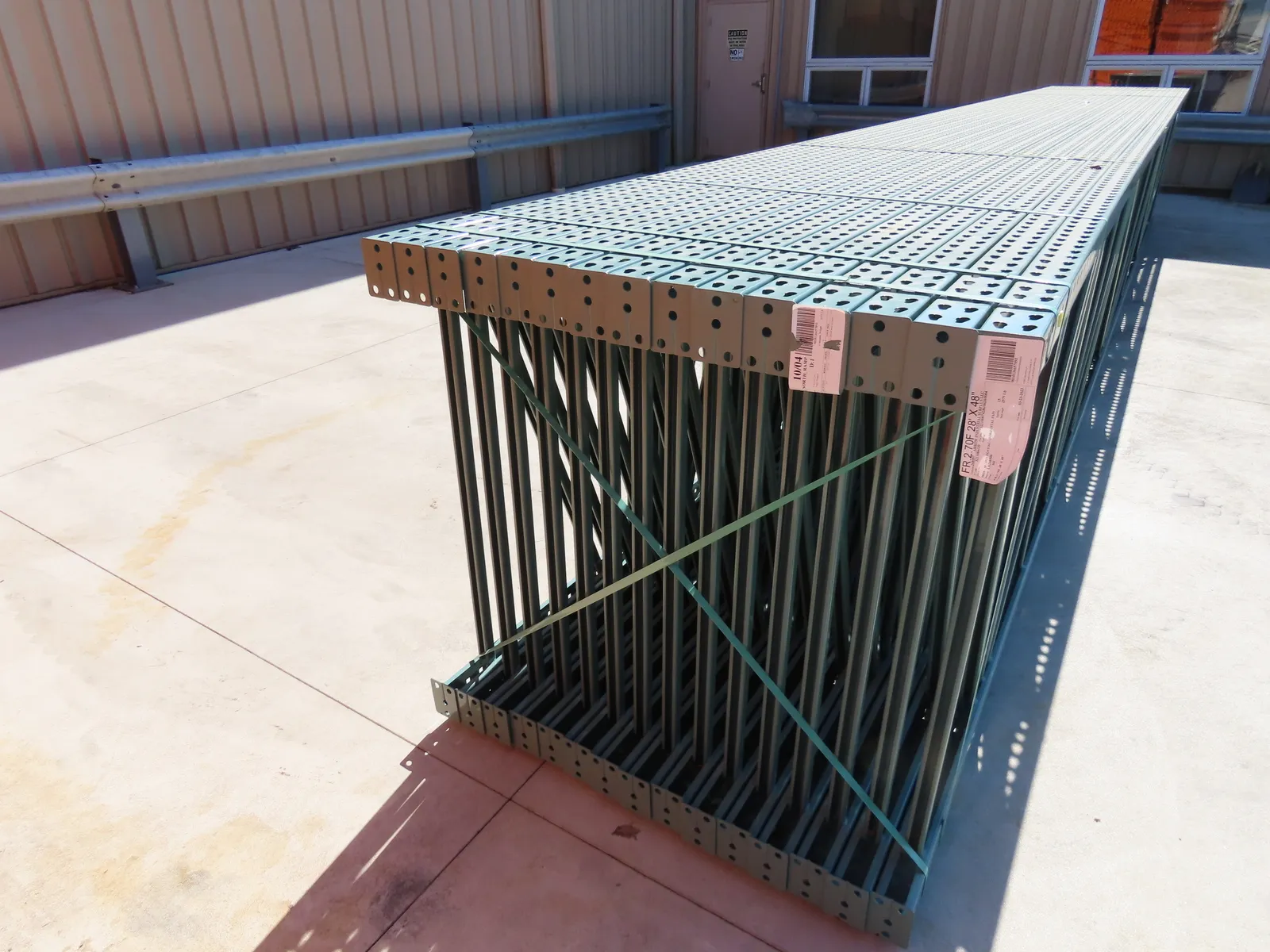
How Do I Measure The Capacity Of Local Racks?
Where Can I Access Manufacturer Specifications For Racks?
In today’s competitive landscape, understanding the specifics of your inventory storage solutions is crucial. Enter pallet racking systems, essential for optimizing warehouse space and enhancing operational efficiency. But where can you access detailed manufacturer specifications for these crucial assets?
First, let’s acknowledge the fact that the logistics sector is undergoing a seismic shift due to the rise of e-commerce and just-in-time inventory strategies. As businesses race to keep up, having the right tools—like pallet racking—is non-negotiable.
1. Manufacturer Websites
Most reputable manufacturers maintain comprehensive online resources. Companies like Interlake Mecalux, Toyota Material Handling, and Shelving.com provide specifications directly on their sites, including load capacities, dimensions, and various configurations suitable for different environments. Bookmark these pages to stay up-to-date with the latest innovation in pallet racking systems. In today’s fast-paced world, being proactive can save your business time and money.
2. Industry Trade Shows and Expos
Attending industry trade shows such as the MODEX or ProMat offers unparalleled access to manufacturer representatives who are eager to showcase their latest racking solutions. It’s a golden opportunity to discuss specifications that directly cater to your unique operational needs. Engaging with experts in person lets you ask pointed questions and get answers without delay.
3. Distributor Partnerships
Established distributors like Warehouse1 or Global Industrial can offer not just products but also insights. They often carry product catalogs that go well beyond standard specifications. Their sales teams are typically trained to help you find the perfect pallet racking solution tailored for your business model.
4. Online Forums and Industry Publications
Platforms like LinkedIn Groups and publications such as Modern Materials Handling provide great community-driven insights and discussions. Industry experts and your peers share experiences and, sometimes, even links to manufacturer specifications. Engage here, and you might discover a nugget of information that changes your approach to storage solutions.
5. Virtual Toolkits and Software
Some companies offer virtual simulation tools or mobile apps, like the Crown Equipment warehouse design tool, giving you instant access to specs for various racking configurations based on your warehouse layout and needs.
Accessing manufacturer specifications for pallet racking doesn’t need to be a headache. With the right sources and a proactive approach, you can uncover the information necessary to ensure your warehouse is equipped for peak performance in 2023 and beyond. Don’t settle for mediocrity; dive deep into these resources, and enhance your operational efficiency today!
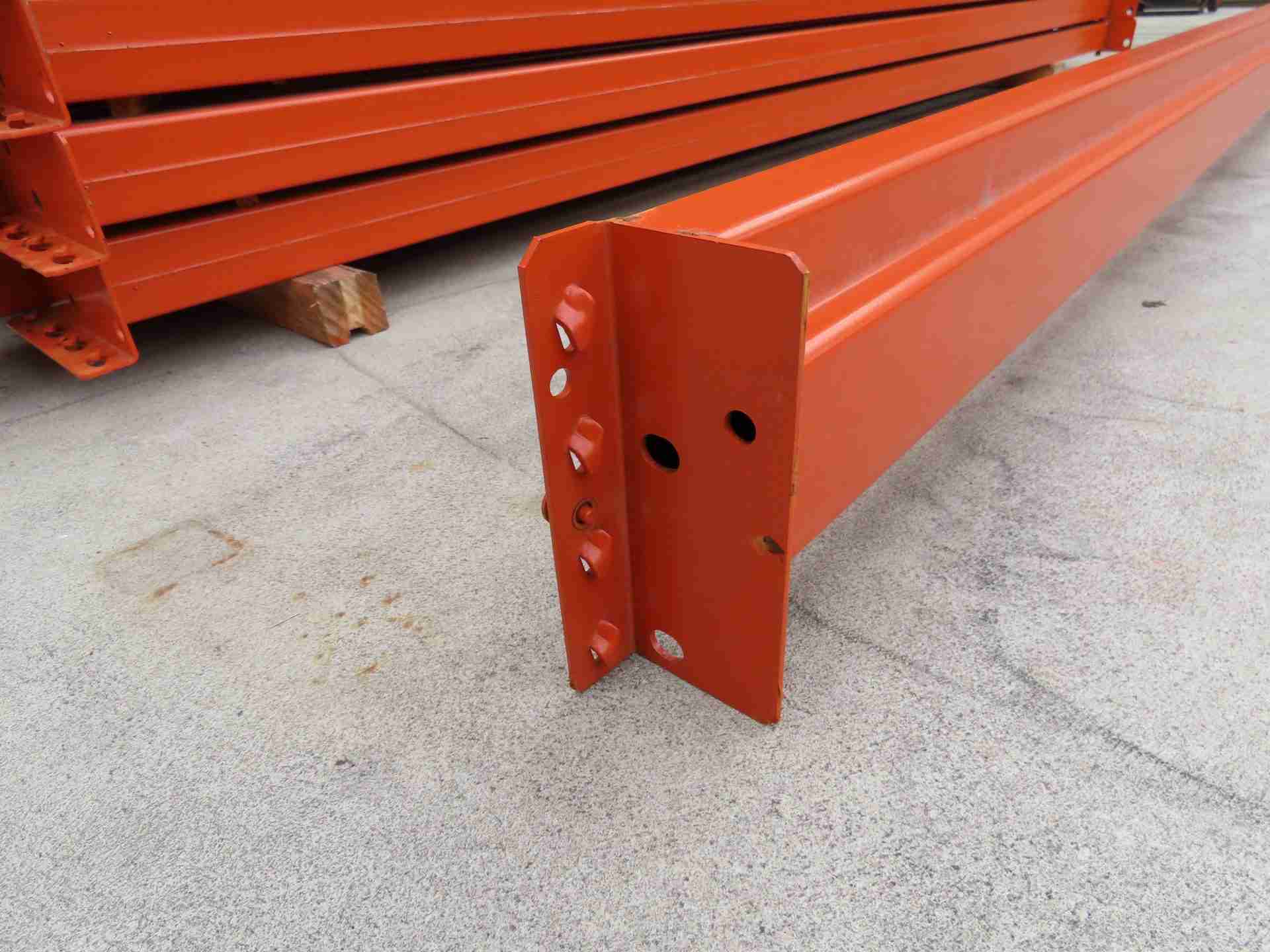
Where Can I Access Manufacturer Specifications For Racks?
Where Can I Access Manufacturer Specifications For Racks?
- Understanding inventory storage solutions is essential for optimizing warehouse space and operations.
- Pallet racking systems are crucial in today’s e-commerce-driven logistics sector.
- Manufacturer websites, like Interlake Mecalux and Toyota Material Handling, provide comprehensive specs including load capacities and dimensions.
- Industry trade shows such as MODEX or ProMat offer direct access to manufacturer representatives and tailored discussions.
- Distributor partnerships, like with Warehouse1, provide insights and extensive product catalogs tailored to your needs.
- Online forums and industry publications, like LinkedIn Groups and Modern Materials Handling, offer community-driven information and manufacturer specs.
- Virtual tools and software provide immediate access to racking configurations tailored to your warehouse layout.
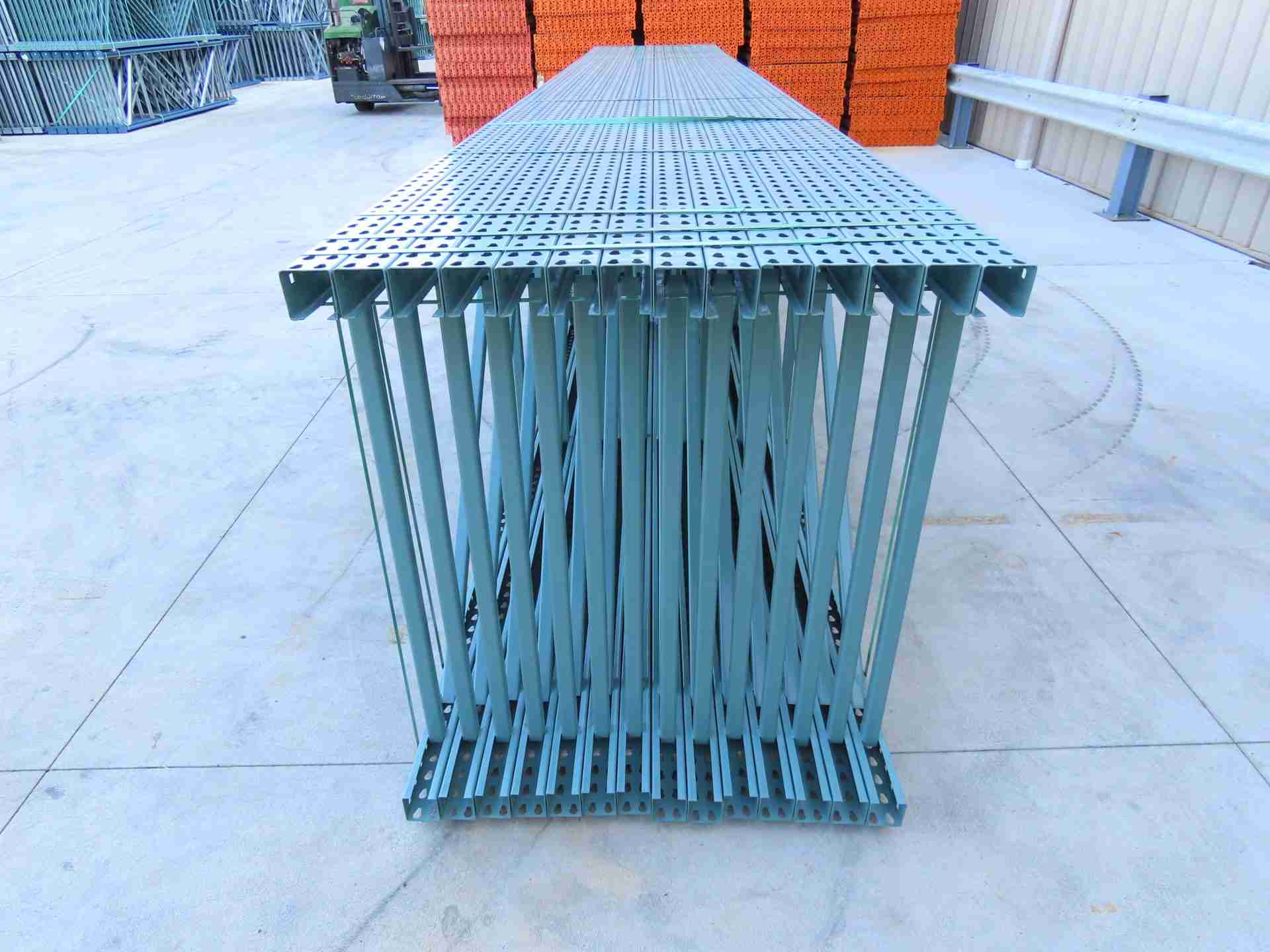
Where Can I Access Manufacturer Specifications For Racks?
Conclusion
In a fast-paced business environment, the efficiency of your operations is paramount. Understanding where and how to find local rack specifications is not merely beneficial—it’s essential for anyone looking to optimize their warehouse. As we’ve explored throughout this article, knowing the details of your pallet racking systems can significantly affect your productivity and overall profitability.
From leading manufacturers like Steel King and Interlake Mecalux to invaluable local suppliers and trade shows, myriad resources await to guide you in your pursuit of the perfect racking solutions. Engaging directly with local suppliers can provide tailored insights that digital resources may overlook, helping you navigate complex local regulations or current market trends firsthand. Meanwhile, attending industry expos can further deepen your understanding and allow you to leverage firsthand knowledge while creating valuable industry connections—elements that can save you time and money.
However, don’t underestimate the digital landscape that abounds with opportunities! Online forums, trade association resources, and social media platforms have emerged as treasure troves of collective experience and knowledge, offering a communal space to discuss best practices, innovations, and specifications. Here lies a wellspring of real-world insights that can shape your approach to inventory management, especially as consumer demands evolve.
But wait—none of this will serve your business unless you take immediate action! Whether you’re a supply chain manager in a multinational firm or a bustling e-commerce startup, now is the time to harness these resources and begin crafting a strategy that elevates your operational efficiency. The longer you delay, the more you risk falling behind your competitors who are already reaping the benefits of optimized racking solutions.
At Arrow Industrial Sales, we specialize in helping businesses navigate their racking needs with actionable solutions tailored for local operational demands. We invite you to reach out to us at (574) 349-6575. Our team of experts is ready to answer your questions, provide in-depth specifications, and help you find the right products for your unique situation.
Your warehouse is not just an area for storage; it holds the potential for revolutionizing your business’s efficiency. Don’t let inefficiency dictate your operations. Equip yourself with the knowledge of local rack specifications and partner with Arrow Industrial Sales to turn your warehousing system into a streamlined powerhouse. Act today—transform your space and amplify your success!
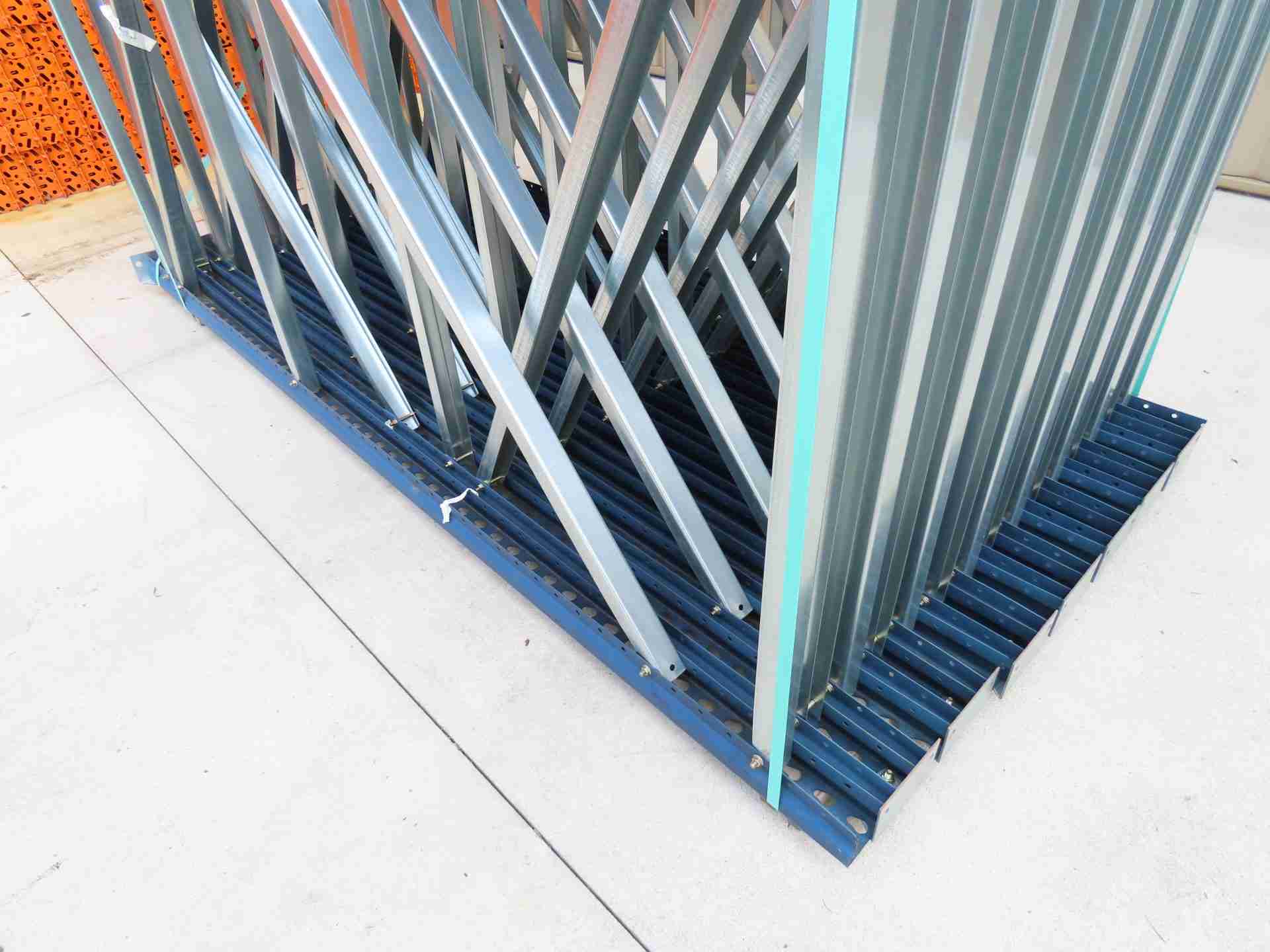
Conclusion
Conclusion:
- Efficiency in warehouse operations is crucial for productivity and profitability.
- Local rack specifications are essential for optimizing warehouse systems.
- Resources such as manufacturers and local suppliers are key in finding tailored racking solutions.
- Industry expos provide valuable knowledge and networking opportunities.
- Digital platforms offer a wealth of information on best practices and innovations in racking solutions.
- Immediate action is necessary to leverage resources for improved operational efficiency.
- Partnering with Arrow Industrial Sales can help navigate local operational racking needs effectively.
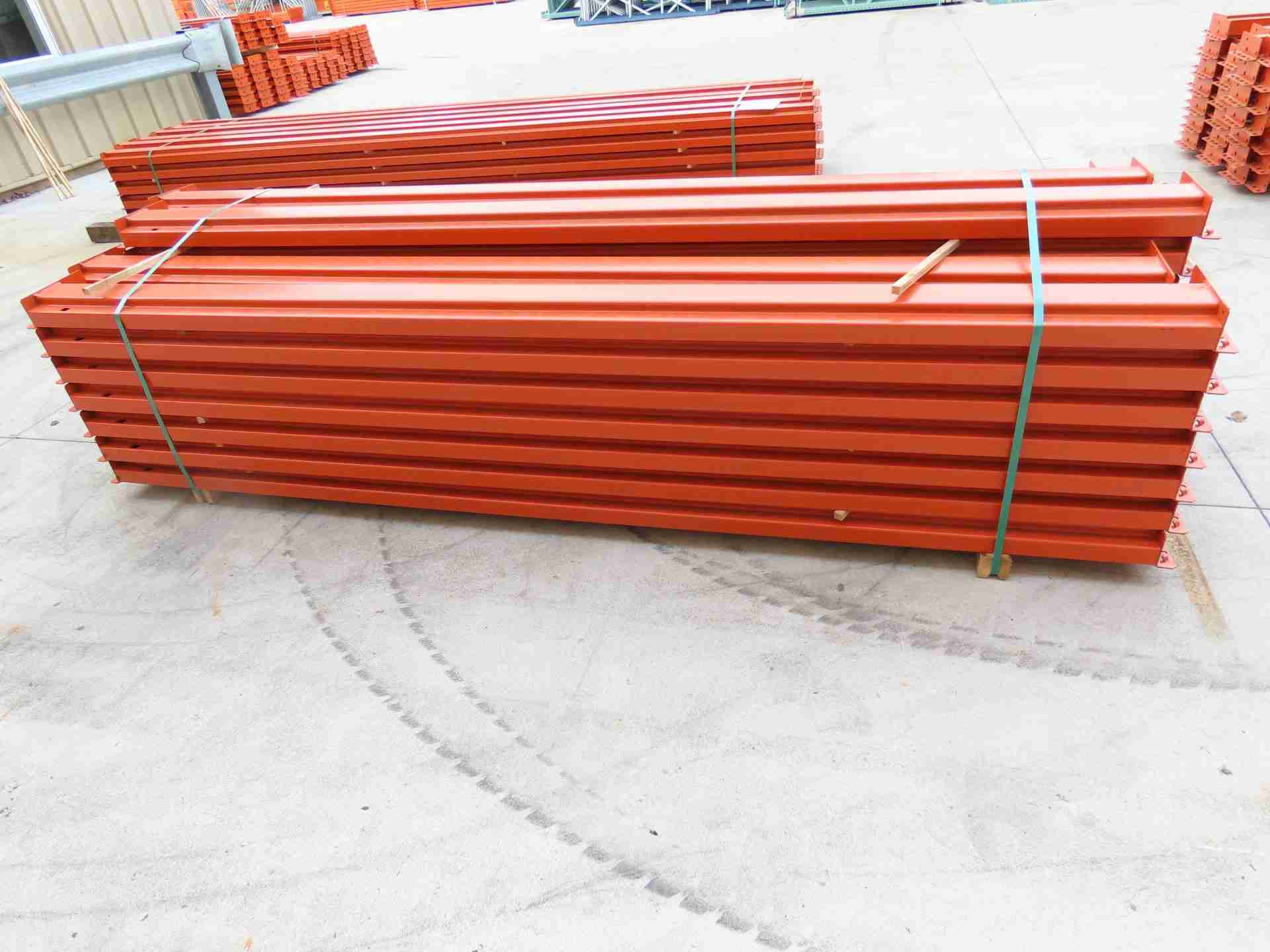
Conclusion
Other Resources

Other Resources
Here is a list of other resources you can review online to learn more:
- International Warehouse Logistics Association
- Used Teardrop Pallet Rack – American Surplus
- IWLA
- The Complete Pallet Rack Guide – Simply Rack
- Rack Manufacturers Institute
- Pallet Racking systems in Illinois and Great Lakes
- The Ultimate Pallet Racking Guide – Speedrack West
- Selective Racking
- IIWS Inc. Rack Installation Illinois & Rack Repairs Illinois
- IIWS Inc. Rack Installation Illinois & Rack Repairs Illinois
Use This Prompt To Get More Resources With Your Favorite Online AI Tool: Please provide me with a list of online articles with their URLs in a bulleted list that I can read regarding Where Can You Find Detailed Local Rack Specifications?
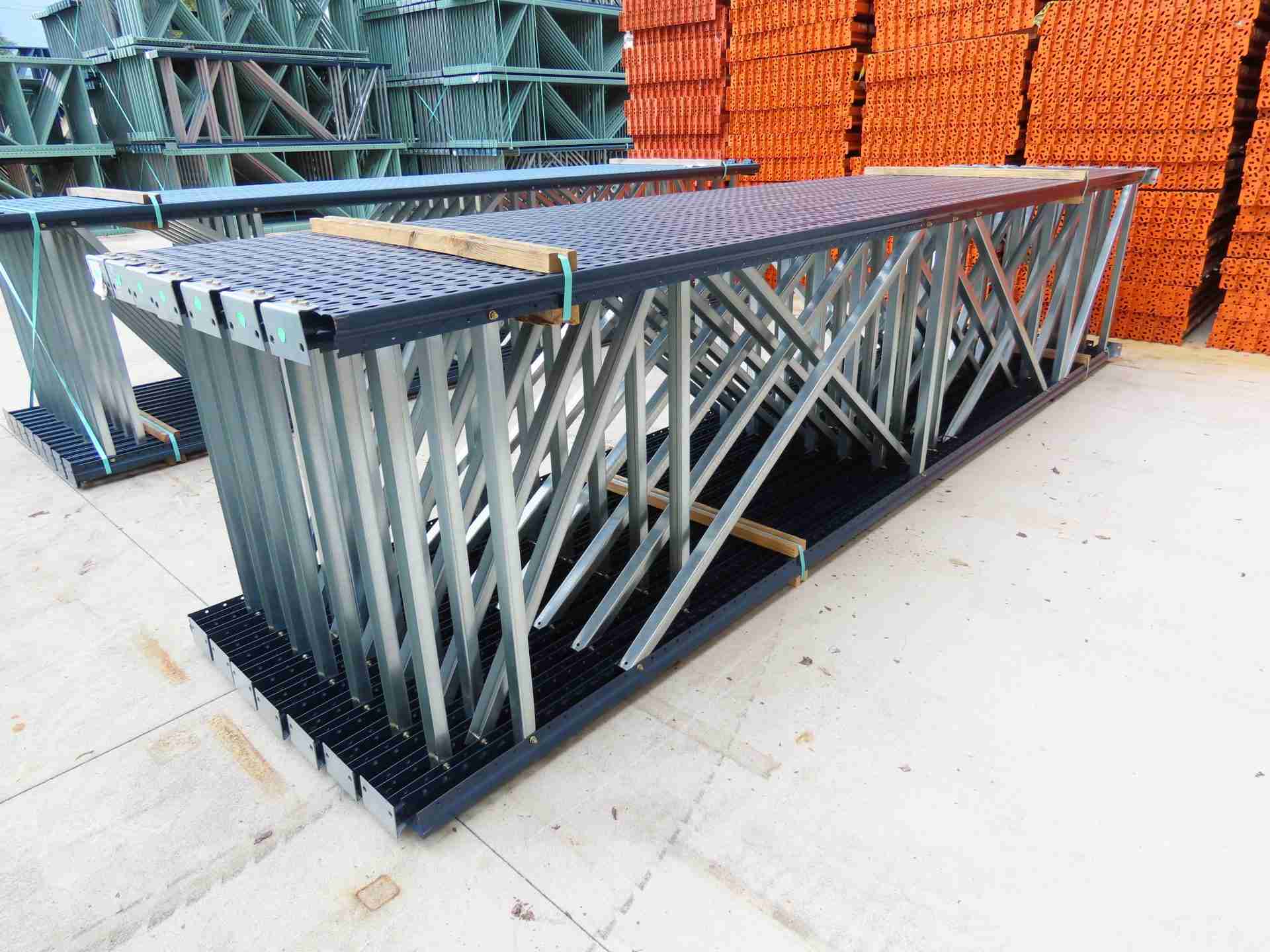
Other Resources
Glossary Terms
Where Can You Find Detailed Local Rack Specifications? – Glossary Of Terms
1. Rack Specifications: Description: Detailed guidelines and dimensions that outline the design and functionality of equipment racks.
2. Standard Rack Size: Description: Industry-standard dimensions for racks, typically measured in U (units), with a standard height of 42U (74 inches).
3. U Measurement: Description: The height unit used to measure rack-mounted equipment; one U is 1. 75 inches high.
4. Rack Units (U): Description: The vertical space in a rack that is allocated for mounting equipment, measured in U.
5. Load Capacity: Description: The maximum weight a rack can safely support, which is crucial for determining what equipment can be installed.
6. Rack Depth: Description: The measurement from the front to the back of the rack, which affects what equipment can fit inside.
7. Montage Configuration: Description: The arrangement of equipment within a rack, including horizontal and vertical placement.
8. Cooling Requirements: Description: Specifications related to temperature management within racks, essential for maintaining optimal equipment performance.
9. Power Distribution Unit (PDU): Description: A device that distributes electrical power to various devices mounted in a rack.
10. Cable Management: Description: Systems or accessories used to organize and control the cables within and around a rack.
11. Rack Accessories: Description: Additional hardware items designed to improve the functionality of racks, such as shelves, trays, and brackets.
12. Rack Mountable Equipment: Description: Any equipment designed to be installed directly into a rack, such as servers, switches, or routers.
13. Environmental Monitoring: Description: Systems used to track the conditions within a rack environment, such as temperature, humidity, and airflow.
14. Vertical Space Optimization: Description: Techniques used to maximize the use of vertical rack space, often by employing specialized mounting techniques.
15. Rack Layout: Description: The design and physical arrangement of equipment within a rack, aimed at maximizing efficiency and accessibility.
16. Weight Distribution: Description: The intentional arrangement of heavy and light equipment within a rack to maintain stability and integrity.
17. Installation Guides: Description: Manuals or documents that provide step-by-step instructions for installing equipment into racks.
18. Local Regulations: Description: Laws or guidelines that dictate specific safety or operational requirements for rack installations within a particular area.
19. Rack Standards: Description: Accepted norms and specifications set by organizations like EIA (Electronic Industries Alliance) or ISO (International Organization for Standardization).
20. Racking Systems: Description: Different types of rack installations, such as open-frame racks, enclosed racks, or wall-mounted racks.
21. EIA-310 Standard: Description: A standard that defines specifications for rack mounting of equipment, including dimensions and spacing.
22. Dynamic Load Testing: Description: A method for testing the ability of a rack to soport weight and stresses during operation.
23. End-of-Life Planning: Description: Procedures for assessing and managing the lifecycle of equipment stored in racks before decommissioning.
24. Rack-integrated Solutions: Description: Customized configurations that integrate various technologies into a single rack unit.
25. Local Dealers/Distributors: Description: Businesses that sell or provide information on rack systems and specifications within a specific geographical area.
26. Technical Support Services: Description: Services offered by manufacturers or distributors to assist with installation, maintenance, or troubleshooting.
27. Detailed CAD Drawings: Description: Technical drawings created using Computer-Aided Design software to provide precise specifications for racks.
28. Rack Alignment Tools: Description: Instruments used to ensure proper setup and leveling of racks to avoid operational issues.
29. Custom Rack Design: Description: Tailored solutions for specific needs or requirements that deviate from standard rack dimensions and configurations.
30. Compatibility Checking: Description: The process of verifying if certain equipment or accessories can fit or work well together within a rack environment.
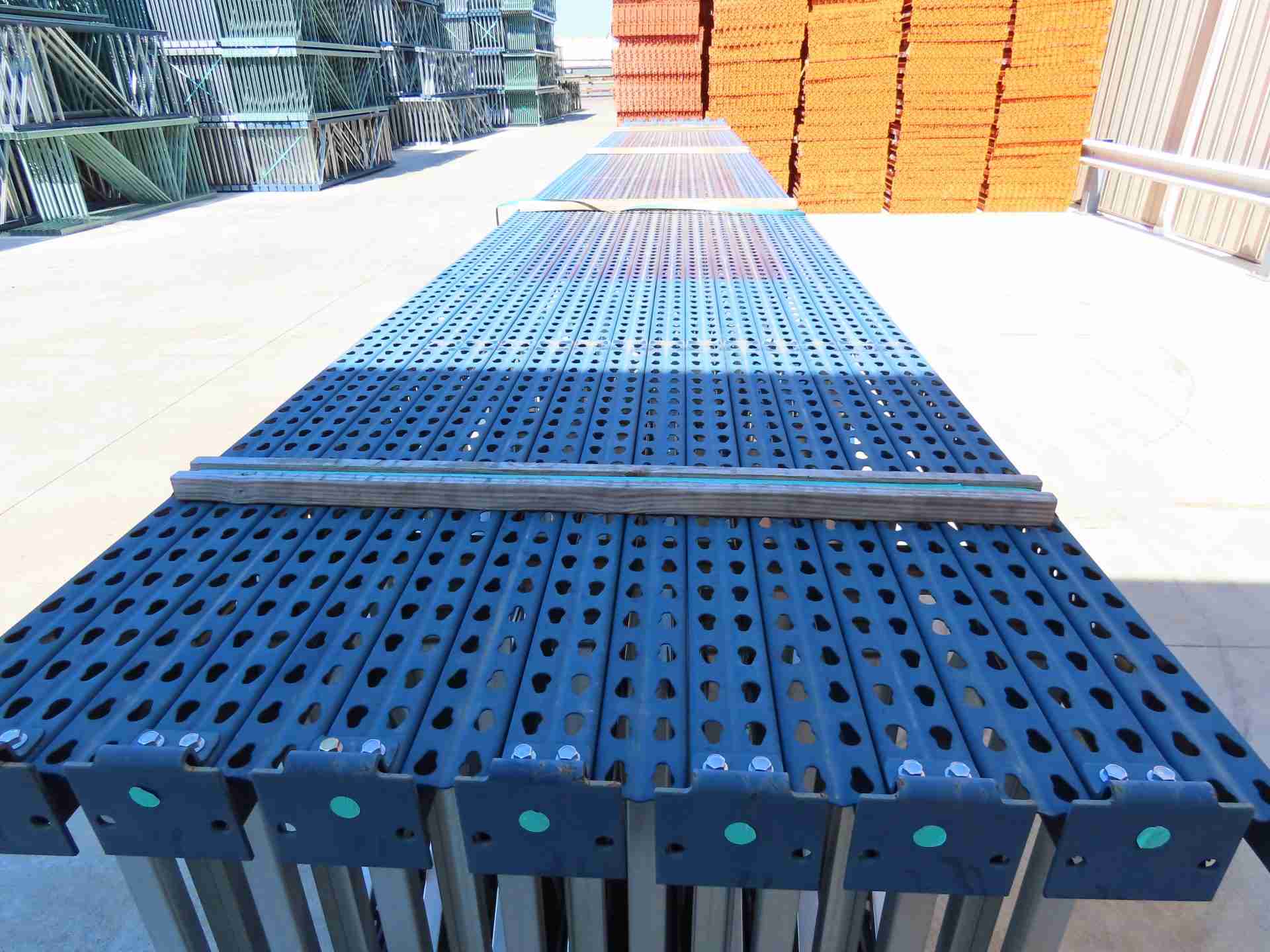
Glossary Of Terms
Other Questions
Where Can You Find Detailed Local Rack Specifications? – Other Questions
If you wish to explore and discover more, consider looking for answers to these questions:
- What are the different types of pallet racking systems available?
- How can I assess the durability of local racks?
- What factors should I consider when selecting a local rack supplier?
- How do local regulations vary regarding rack specifications?
- What are the common pitfalls when installing local racking systems?
- How can I optimize space in my warehouse with the right racking solutions?
- What are the latest trends in pallet racking design and technology?
- How can I ensure the safety of my pallet racking systems?
- What are some real-world case studies of effective rack implementations?
- Are there maintenance requirements for local racks I should be aware of?
- How do I troubleshoot issues with my existing racking system?
- What future developments can we expect in pallet racking systems?
- What role does software play in managing racking solutions?
- How do I choose between different materials for racking systems?

Other Questions
Checklist
Where Can You Find Detailed Local Rack Specifications? – A Checklist
Checklist: Finding Detailed Local Rack Specifications
This checklist is your guide to easily uncovering detailed local rack specifications. Use it to ensure that you are making informed decisions about your storage solutions.
Sources for Local Rack Specifications
_____ Manufacturer Websites
_____ Visit websites of well-known manufacturers (e. g. , Steel King, Interlake Mecalux).
_____ Download catalogs containing load capacities, installation guides, and design tools.
_____ Local Suppliers
_____ Reach out to local suppliers for tailored recommendations and insights.
_____ Inquire about local regulations affecting warehouse operations.
_____ Trade Shows and Industry Conferences
_____ Attend relevant events like ProMat and Modex.
_____ Network with industry experts for firsthand insights.
_____ Online Marketplaces and Directories
_____ Explore resources like Material Handling Equipment Distributors Association (MHEDA).
_____ Filter suppliers based on your geographical area for localized specifications.
_____ Social Media and Online Forums
_____ Participate in LinkedIn groups and Reddit threads related to warehouse management.
_____ Gather real-world insights and recommendations from professionals.
Key Features to Consider in Racks
_____ Pallet Racking Systems
_____ Ensure racks enable vertical storage for maximizing space.
_____ Adaptability
_____ Confirm that racking systems can be customized to fit your specific inventory needs.
_____ Durability
_____ Choose robust materials (like steel) for long-term investment and reduced replacement costs.
_____ Safety Features
_____ Verify that racks include safety pins, guardrails, and comply with safety regulations.
Measuring and Capacity Assessment
_____ Inventory Needs
_____ Assess the size and weight of items you plan to store.
_____ Available Space
_____ Measure both floor and vertical space (height limitations).
_____ Accessibility
_____ Ensure easy access to products for improved workflow.
_____ Future Expansion
_____ Plan for potential growth with modular rack systems.
Compliance and Standards
_____ Regulations
_____ Familiarize yourself with local and national standards (e. g. , ANSI guidelines).
_____ Load Capacities
_____ Always check the load capacities specified for your racking system.
Materials Selection
_____ Common Materials
_____ Evaluate options like steel, aluminum, plastic, and composites for your local racks.
_____ Sustainability
_____ Consider environmentally friendly materials that align with your company’s sustainability goals.
Accessing Manufacturer Specifications
_____ Direct Access
_____ Check manufacturer specifications often available on their official sites.
_____ Distributor Resources
_____ Utilize established distributors who can provide detailed product catalogs.
_____ Community Resources
_____ Engage in online forums and industry publications for community-driven insights.
_____ Virtual Tools
_____ Explore software or mobile apps that provide specifications based on your warehouse layout.
Follow-up Actions
_____ Create a list of potential suppliers and manufacturers based on this checklist.
_____ Schedule consultations or visits to suppliers and industry events.
_____ Keep a record of specifications and recommendations for future reference.
Use this checklist as a simple yet thorough approach to finding and understanding local rack specifications for your business needs. Optimize your warehouse operations and strategic decision-making today!
Checklist
At RackingWorld, we help guide you through selecting warehouse storage systems and racking.
Be sure to read our other related stories at RackingWorld to learn more about warehouse storage systems.
0 Comments