
Transform Your Space: A Journey Of Smart Choices And Lasting Impact
By Tom Seest
At RackingWorld, we help guide you through selecting warehouse storage systems and racking.
Be sure to read our other related stories at RackingWorld to learn more about warehouse storage systems.
When to Reconfigure Instead Of Relocate
When to Reconfigure Instead of Relocate
Sometimes, the thought of relocating can feel like a mountain you’re not sure you want to climb. You might think of the chaos, the expenses, and the uncertainty that comes with finding a new space. But hold up—before you pack your bags and call in the moving trucks, consider the option of reconfiguring your current setup. It might just save you a heap of trouble.
Picture this: your racking systems are straining under the weight of your growing inventory. Your current layout seems like a maze that even the best map couldn’t navigate. A relocation may promise a fresh start, but it can also lead to new headaches. Instead of uprooting everything, step back and ask yourself if a reconfiguration could streamline operations. Often, a little ingenuity can repurpose your existing racking systems to fit your needs without the hassle of a move.
Reconfiguring is about harnessing what you already have. It’s practical. You know your space, you know your tools, and you understand how your team works. That familiarity can lead to smart adjustments—like shifting aisles, optimizing shelf heights, or adding new components to your racking systems. This not only improves workflow but also boosts morale. Employees appreciate when their environment makes sense and enhances productivity.
Moreover, there’s an ethical side to consider. Relocating might mean new costs, increased environmental impact, and potential job losses if downsizing occurs. By choosing to reconfigure, you are making a responsible decision that values your current resources and your team. It’s a testament to trust—your commitment to evolving where you stand rather than chasing after new grounds unnecessarily.
In the spirit of hands-on experience, many seasoned operations managers could tell you stories of the success that came from an innovative reconfiguration. They’ve transformed cramped quarters into efficient spaces with just a few strategic changes. The trick is to view your layout not just as a physical space but as an opportunity to make things better.
So, next time you’re contemplating moving your operation, remember that sometimes, the best move is to reconfigure. It’s a chance to innovate without losing the roots that have brought you here. It’s time to take a good look around, roll up your sleeves, and make the most out of what you’ve already built. Doing so not only enhances your space but fosters a deeper sense of connection and belonging among your team. That’s the kind of transformation that feels good in your gut.
When to Reconfigure Instead Of Relocate
When to Reconfigure Instead Of Relocate
- Relocating can be overwhelming due to chaos, expenses, and uncertainty.
- Consider reconfiguring your current setup to streamline operations instead of moving.
- Existing racking systems can be repurposed to better fit your needs.
- Familiarity with your space allows for practical adjustments, enhancing workflow and morale.
- Reconfiguration is an ethical choice that minimizes costs, environmental impact, and job loss risks.
- Successful reconfigurations often lead to efficient spaces through strategic changes.
- Reconfiguring fosters team connection and belonging while optimizing existing resources.
When to Reconfigure Instead Of Relocate
Table Of Contents
- When to Reconfigure Instead Of Relocate
- When Is Reconfiguring Your Space More Beneficial Than Relocating?
- How Can Reconfiguration Save You Time and Resources?
- What Emotional Impacts Arise From Changing Your Environment?
- How Does Your Current Space Affect Your Productivity and Well-Being?
- How Can a Reconfigured Space Better Reflect Your Values?
- What Methods Can You Use to Evaluate the Need for Reconfiguration?
- Conclusion
- Other Resources
- Glossary Of Terms
- Other Questions
- Checklist
When Is Reconfiguring Your Space More Beneficial Than Relocating?
You know the feeling: that itch for change, that whisper in your ear telling you it might be time to pack up and move on. But before you start dreaming about a new address, consider reconfiguring your current space. For many, this can be a smarter path forward, one that embraces what you already have while minimizing the stress and expense of relocation.
Take a good look at your existing setup. Are your racking systems optimized for the work you do? Often, a little rearrangement can breathe new life into a space. By adjusting the layout, you can create a more efficient workflow that not only boosts productivity but also elevates morale. Imagine transforming cluttered corners into organized zones where tasks can flow seamlessly. The sense of accomplishment that comes from a well-thought-out reconfiguration can be immeasurable.
From a financial standpoint, relocating can be a hefty undertaking. You’ve got moving costs, deposits, and the potential of losing your sense of community—all for the unknown. Reconfiguring, on the other hand, often requires little more than a bit of sweat and creativity. It’s about working with what you’ve got, maximizing your investment in your current space, and fortifying your ties to the place you call home. Plus, it’s often the more sustainable option, reducing the environmental impact that comes with moving.
Then there’s the emotional aspect to consider. Think about the memories tied to your current location. The challenges shared, the victories celebrated. Reshaping your space is like giving your home a fresh coat of paint, reviving those spirits while still holding onto the history you’ve built. Communities are nurtured in familiar surroundings, where relationships grow deeper. Reconfiguring allows you to fortify that sense of belonging while introducing a new energy.
Reconfiguring your space isn’t just practical; it’s a chance to take ownership of your environment. It’s a statement that you’re not just going to pack up and leave when things get tough; you’re going to dig in and make it better. You have the tools to transform your space into something that reflects your needs and aspirations. With a little hands-on experience and some elbow grease, you can turn the everyday into something extraordinary. Embrace the challenge of reconfiguring, and you may find it leads to not just a better layout, but a stronger, more vibrant life right where you are.
When Is Reconfiguring Your Space More Beneficial Than Relocating?
When Is Reconfiguring Your Space More Beneficial Than Relocating?
- Consider reconfiguring your current space instead of relocating.
- Adjusting layout can enhance workflow, productivity, and morale.
- Reconfiguring often requires less expense and stress compared to moving.
- It maximizes investment in your existing space and strengthens community ties.
- Reshaping your space can evoke positive memories and emotional connections.
- Ownership of your environment reflects commitment to improvement.
- Reconfiguring leads to a more vibrant life by utilizing familiar surroundings.
When Is Reconfiguring Your Space More Beneficial Than Relocating?
How Can Reconfiguration Save You Time and Resources?
Reconfiguration can be a game changer in managing your resources efficiently and effectively. Picture this: you’re in a warehouse packed tighter than a sardine can, products stacked high, and time slipping through your fingers like grains of sand. Maybe it’s an ongoing struggle to find what you need when you need it. Now imagine a solution where rearranging your racking systems opens up not just space but also time.
When you take the plunge to reconfigure your operations, it’s like turning a light on in a dark room. You start seeing possibilities you never knew existed. Through smart adjustments to your racking systems, you create a more intuitive layout. This isn’t just about aesthetics—this is a solid strategy. You reduce the time spent searching for items and cut unnecessary motions. The gut feeling that you’re wasting precious hours transforms into a powerful sense of control and efficiency.
And let’s not overlook the dollars and cents. Every minute saved equates to savings in labor costs. By streamlining your operations, you allocate resources more effectively. That means your bottom line benefits, and you sleep better at night knowing you’re running a lean operation. There’s a thrill in knowing your processes are optimized, giving you the confidence to take on more business without feeling overwhelmed.
But it’s deeper than just time and money; it’s about ethics too. A well-configured system not only enhances productivity but also fosters a safer environment for all. Think about it—less clutter leads to fewer accidents. You’re not just rearranging metal shelves; you’re actively caring for your team. This commitment to safety builds trust and loyalty among your workforce, creating a culture where everyone feels valued.
The power of reconfiguration isn’t just a tale of efficiency; it’s a narrative of transformation. It embodies resilience, the kind we see in communities that adapt and thrive against the odds. You’re joining others who’ve realized that reconfiguring their racking systems isn’t just a technical adjustment; it’s a heartfelt commitment to improving daily operations.
So, lean into this change. Understand that reconfiguration is more than a practical move—it’s a chance to breathe new life into your operations, engage your team, and inspire a future where every resource is utilized to its fullest. Make that connection, embrace the challenge, and watch as your time and resources align better than ever before.
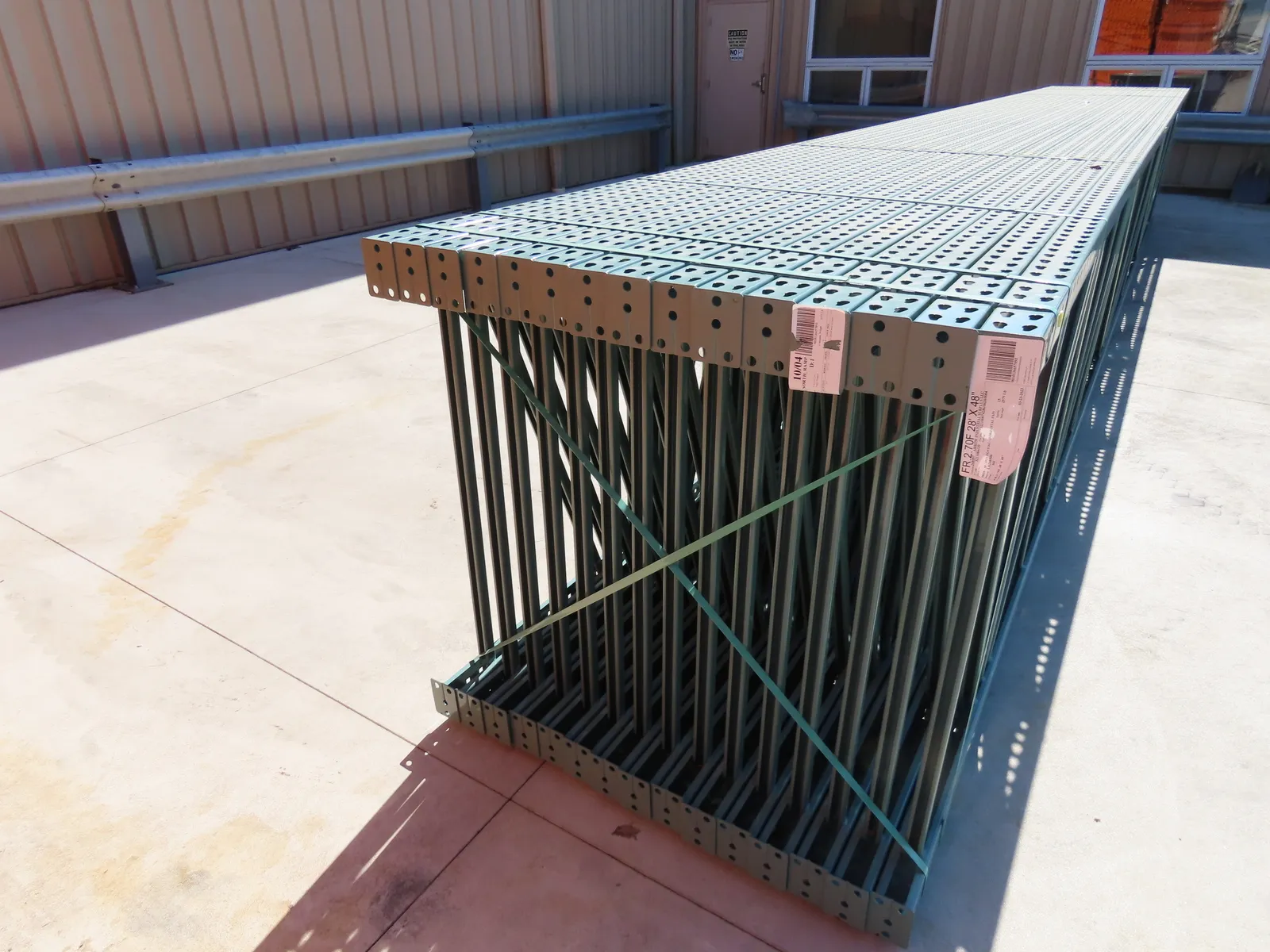
How Can Reconfiguration Save You Time and Resources?
How Can Reconfiguration Save You Time and Resources?
- Reconfiguration enhances resource management efficiency and effectiveness.
- Smart racking system adjustments create intuitive layouts, reducing search time.
- Streamlining operations leads to labor cost savings and improved bottom line.
- Optimized processes increase confidence to handle more business.
- A well-configured system enhances workplace safety by reducing clutter.
- Reconfiguration fosters a culture of trust and value among employees.
- It represents a commitment to transforming operations and utilizing resources fully.

How Can Reconfiguration Save You Time and Resources?
What Emotional Impacts Arise From Changing Your Environment?
Changing your environment can be a powerful catalyst for emotional growth and transformation. Many folks don’t realize how much our surroundings shape our mental state. It’s not just about seeing new sights; it’s about feeling something shift within us. Racking systems in a warehouse, for example, aren’t just steel frames for storage; they represent order in chaos, a way to make sense of the clutter. When we rearrange our physical space, it can mirror a deeper change, a reorganization of how we think and feel.
Imagine stepping into a fresh environment after a long time stuck in the same old routine. You’re out there, maybe in a new job, a different town, or even just a fresh coat of paint on your living room wall. It’s invigorating—like taking a deep breath after being underwater for too long. The initial excitement can be thrilling, but it’s important to recognize that change can also stir up fear and anxiety. The heart races as we confront the unknown, while our gut might tell us it’s time to take a leap of faith.
The emotional impact of this shift is significant. For some, it opens avenues for newfound creativity; for others, it lays bare vulnerabilities that we’ve worked hard to hide. Then there’s the social aspect. Being in a new environment forces us to interact with new people, fostering connections that can bring warmth and understanding during times of transition. Sharing stories over coffee or a casual chat on the job can create bonds that inspire trust and make the change feel less lonely.
Rationally, we can analyze that these adjustments can lead to personal growth. The lessons learned in the face of change—resilience, adaptability, and even the wisdom gained from setbacks—contribute to our development. The authority of lived experience tells us that facing discomfort can lead to a richer, fuller life. Each step into the unknown hones our instincts, teaching us more about ourselves than we could ever learn while mired in familiarity.
So, as you consider changing your environment, embrace the mixed bag of emotions it brings. Dive into the uncertainty and lean on others when the ride gets bumpy. Transforming your space, even with something as simple as reorganizing racking systems, can open up new ways to see the world and, ultimately, yourself. Take that step, trust the process, and let change lead you to a place where you can grow, reflect, and thrive.
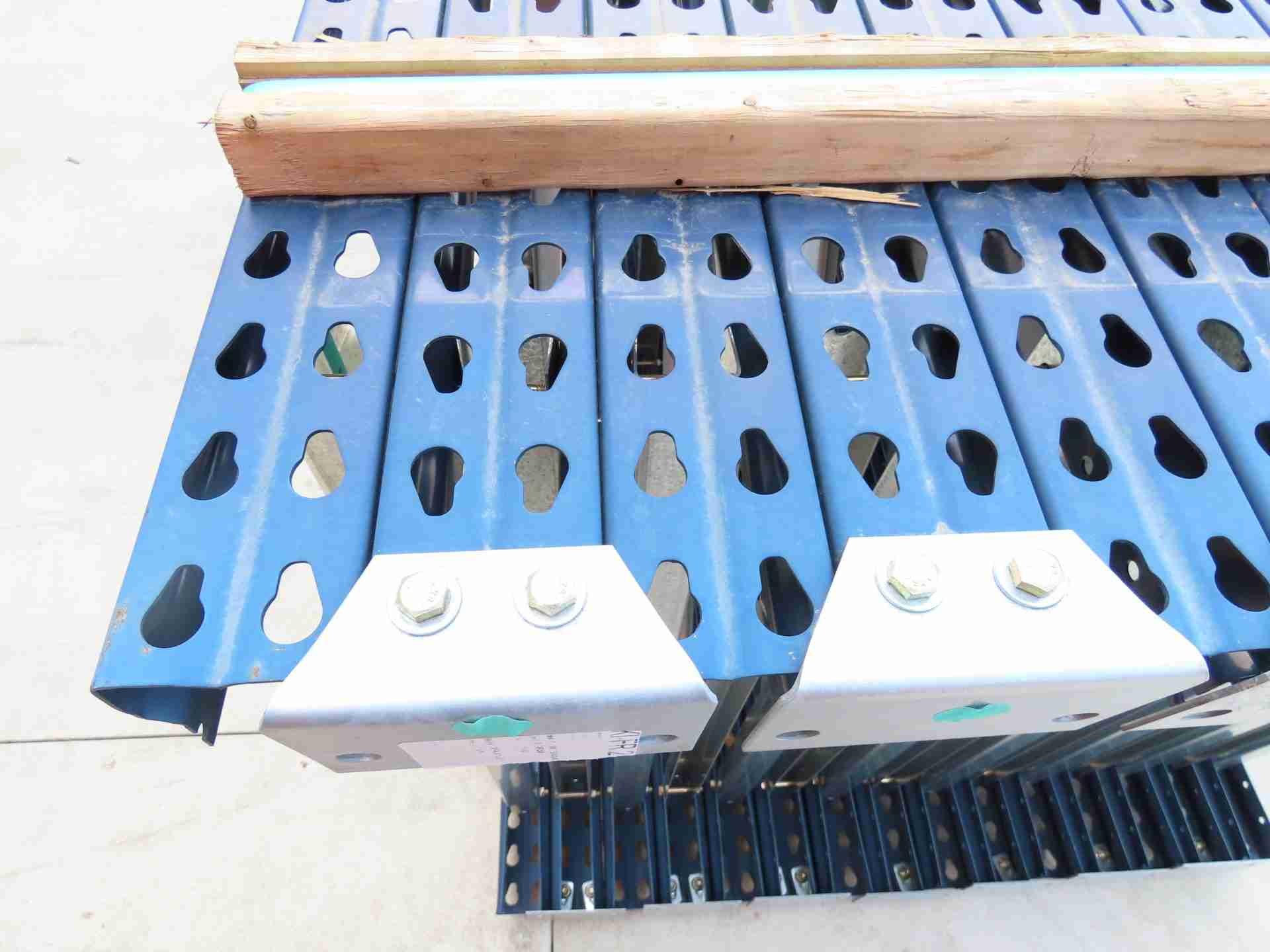
What Emotional Impacts Arise From Changing Your Environment?
What Emotional Impacts Arise From Changing Your Environment?
- Changing environments catalyzes emotional growth and transformation.
- Surroundings significantly influence mental states, impacting feelings beyond just visual experiences.
- Rearranging physical spaces can reflect deeper changes in thoughts and emotions.
- New environments invigorate but may also provoke fear and anxiety.
- These changes can foster creativity and reveal vulnerabilities.
- Social interactions in new settings create connections, making transitions feel less isolating.
- Embracing discomfort during change can enhance personal growth and self-awareness.
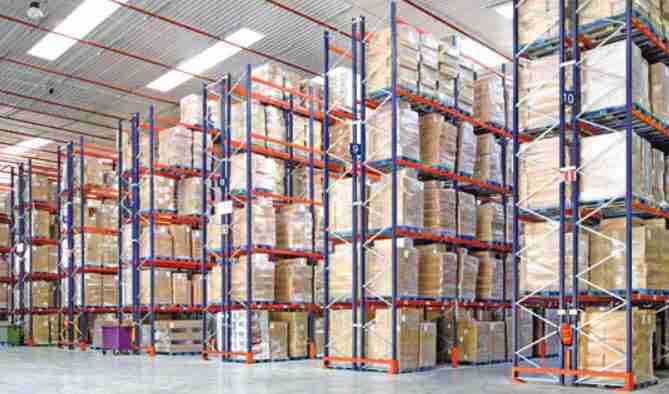
What Emotional Impacts Arise From Changing Your Environment?
How Does Your Current Space Affect Your Productivity and Well-Being?
Every workspace tells a story. Think about that cluttered desk you’ve been putting off cleaning. It’s not just a mess; it’s a reflection of your mind, of deadlines gnawing at you and ideas crowded together, vying for attention. When you step into a space dominated by chaos, it’s tough to feel grounded. A clean, organized area can transform your outlook, making you feel ready to tackle challenges head-on. By simply investing time in arranging Racking Systems for tools or materials, you create an environment that speaks to clarity and purpose, allowing your mind to flourish.
Rationally, there’s real science behind it all. Research shows that an orderly environment leads to sharper focus and better efficiency. When everything has its place, you spend less time searching and more time creating. A well-structured workspace isn’t just about aesthetics; it’s about performance. Think of it as the difference between a smooth-running engine and a car full of junk. You wouldn’t drive the latter, so why work in a space that makes you feel like you’re always in reverse?
Ethically, we owe it to ourselves to foster spaces that nurture our well-being. It’s not just about getting the job done; it’s about ensuring our emotional health is a priority. By investing in what makes us feel good—whether it’s comfortable seating, inviting colors, or proper lighting—we’re asserting that our mental well-being matters. This simple act of self-care can ripple into every aspect of our lives, improving relationships and boosting morale.
Narratively, think about the quiet strength of a friend who transformed their garage into a workshop. The transformation wasn’t just physical; they found a renewed sense of purpose as they created everything from furniture to gifts for loved ones. Their story ignites inspiration and reminds us that our environments shape our ambitions and creativity.
Socially, consider how sharing spaces with others brings its own set of challenges and opportunities. A well-designed workspace often fosters collaboration, encouraging ideas to flow freely. It builds a sense of community. When we invest in our shared environments, we’re not only enhancing our productivity, but we’re also nurturing connections that matter.
Whether you’re in a bustling office or a home nook, remember that your space is an extension of you. Let it uplift, inspire, and equip you with the tools to succeed. A few thoughtful changes can lead to a profound shift in how you feel and perform, propelling your journey forward.

How Does Your Current Space Affect Your Productivity and Well-Being?
How Does Your Current Space Affect Your Productivity and Well-Being?
- Every workspace reflects personal mental states and organizational challenges.
- A clean and organized space promotes clarity, focus, and efficiency.
- Orderly environments facilitate performance and creativity.
- Prioritizing emotional well-being through workspace design is essential for self-care.
- Transformative workspace changes can inspire personal purpose and creativity.
- Collaboration in well-designed spaces enhances community and idea sharing.
- Thoughtful adjustments in any workspace can significantly improve performance and well-being.
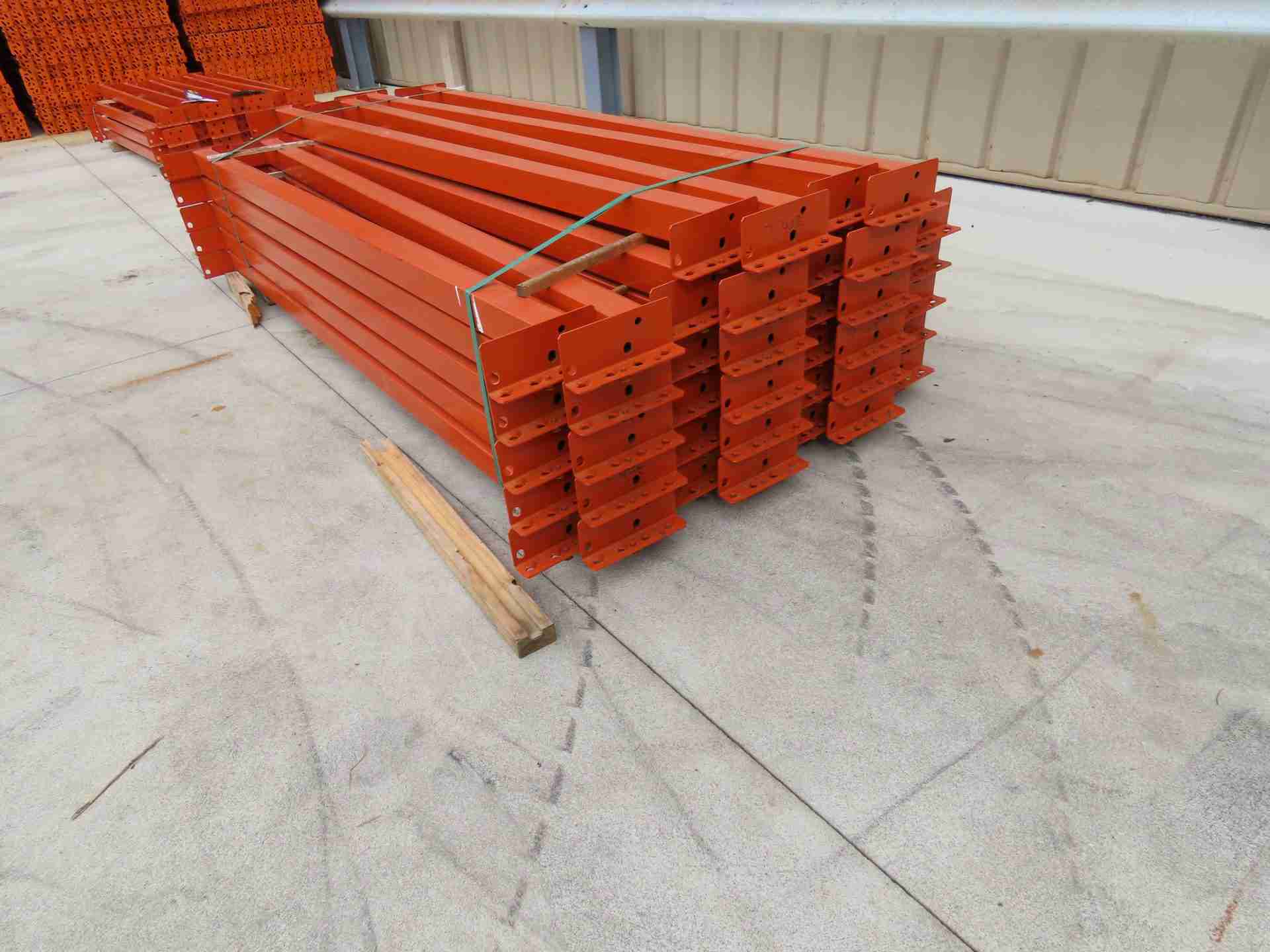
How Does Your Current Space Affect Your Productivity and Well-Being?
How Can a Reconfigured Space Better Reflect Your Values?
Reconfiguring your space isn’t just about aesthetics; it’s about carving out a place that mirrors who you are and what you value. Think about it—when you step into a room that resonates with your beliefs, it feels like an extension of yourself, doesn’t it? It sparks connection and draws out the best parts of you and your relationships.
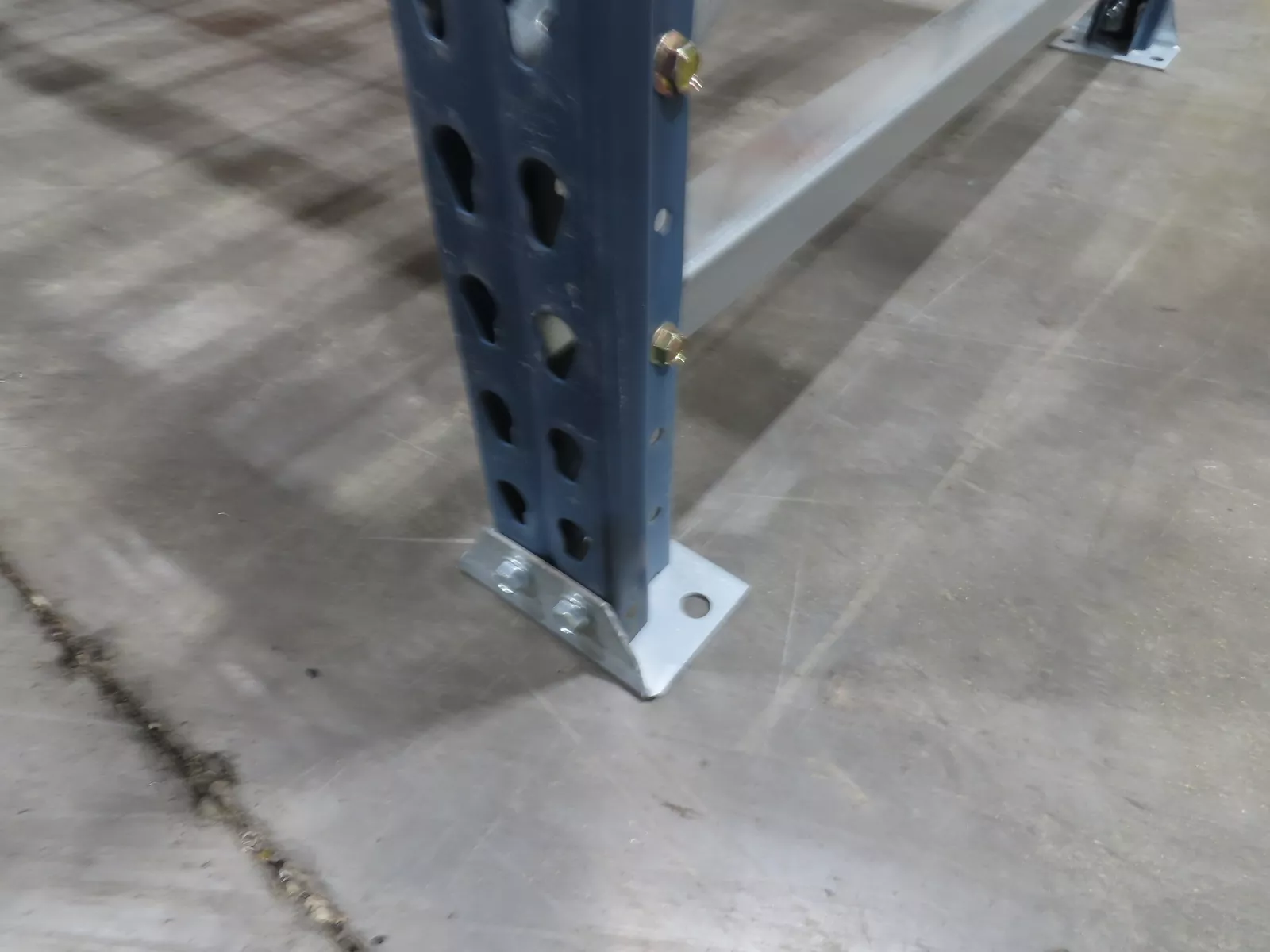
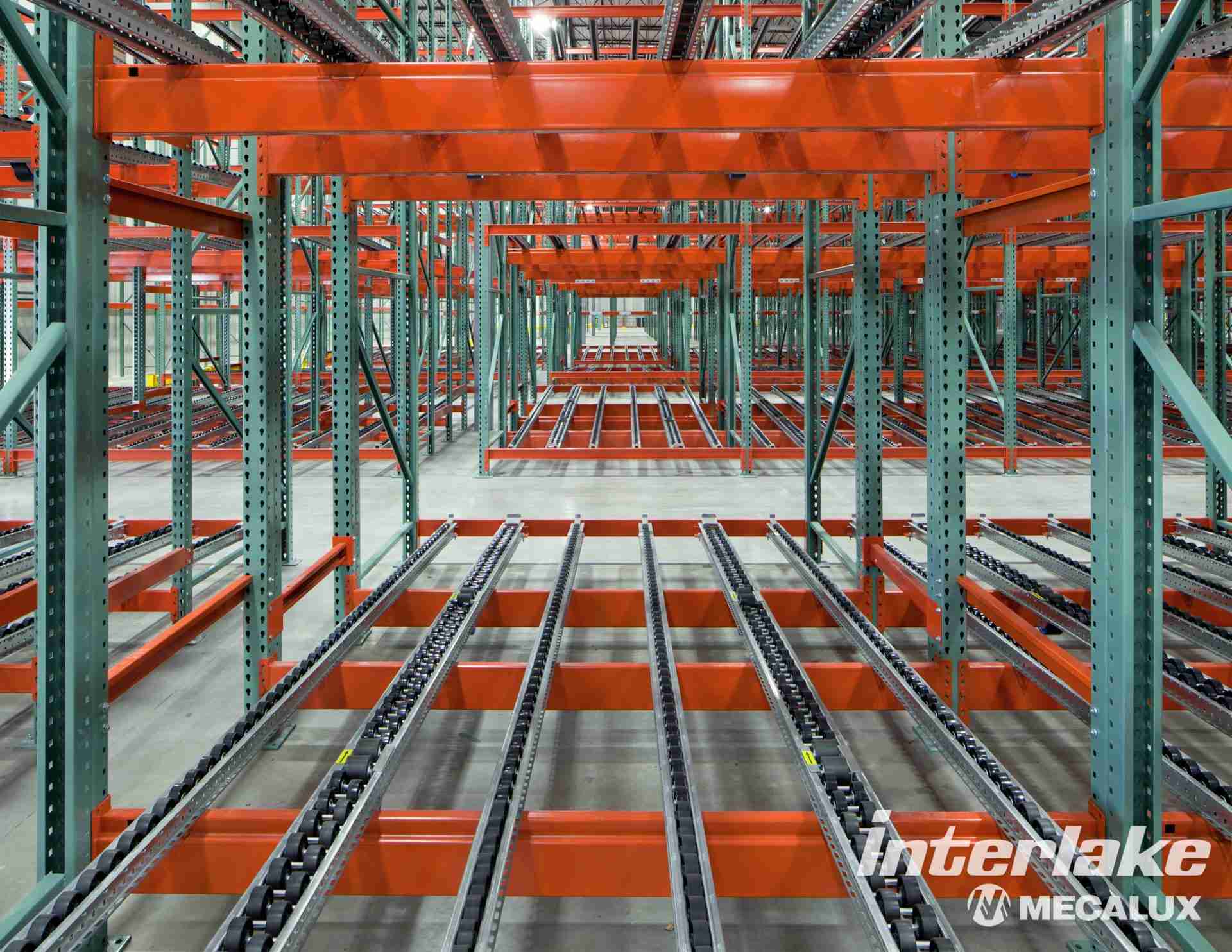
Picture an old garage, packed to the brim with junk. Now, envision transforming that space with some well-placed racking systems. Suddenly, that cluttered chaos becomes a structured haven. Each item has a home, and every time you enter, you’re greeted by the satisfaction of order. It’s a simple act that can shift your mindset. You’re no longer lost in the clutter; you’re reminded of your purpose, your values.
Spaces should reflect our heart’s labor. Each project, every shelf you install, not only organizes your tools but tells a story—your story. A well-kept workspace resonates with integrity and shows respect for your craft and the people who share your life. It inspires trust in those who walk through your door. They see the effort you’ve put into creating a space that speaks to dedication and hard work.
Think about the stories shared over a well-organized shop. Friends stop by to lend a hand, maybe share a beer, and every item has a tale attached. It transforms from workspace to a gathering spot, where connections flourish over shared passions. Reflecting on values becomes a communal experience when you invite others into that space.
Creating a reconfigured area isn’t just a task; it builds an ethical foundation—showing you care not just about how things look, but about fostering a culture of respect and camaraderie. It’s a straightforward approach: life gets busy, but when you take the time to align your environment with what you treasure, it pays off. You execute with grit, you build with soul, you create a space where people feel valued, connected, and inspired.
So, whether you’re organizing your garage or setting up a new workspace, remember that every square foot can be a testament to your values. Embrace that chance to make your space not just functional but a concrete representation of who you are. It’s more than just racking systems; it’s about building a place for growth, authenticity, and connection. Transform your space and, in turn, transform your life.
How Can a Reconfigured Space Better Reflect Your Values?
How Can a Reconfigured Space Better Reflect Your Values?
- Reconfiguring space reflects personal identity and values.
- A well-organized environment enhances connections and relationships.
- Transforming cluttered spaces into organized ones improves mindset.
- Each project in a workspace tells a personal story and represents integrity.
- A tidy space fosters trust and respect among those who share it.
- Creating an organized area builds a culture of respect and camaraderie.
- Every square foot should embody personal values, supporting growth and authenticity.
How Can a Reconfigured Space Better Reflect Your Values?
What Methods Can You Use to Evaluate the Need for Reconfiguration?
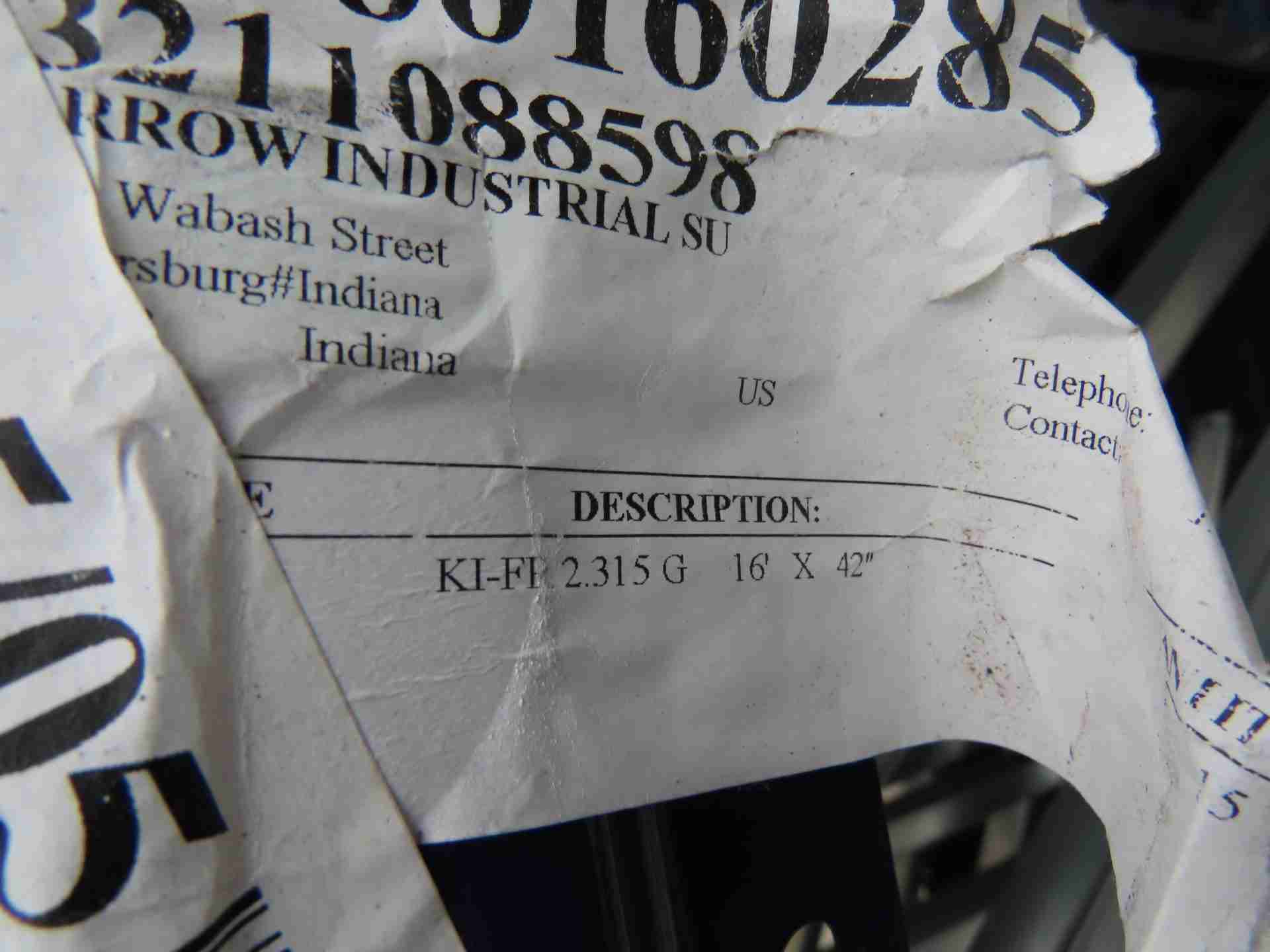
When it comes to figuring out whether your racking systems need a reconfiguration, you’ve got to call on a little common sense mixed with some keen observation. First and foremost, take a hard look at the flow of your operations. Are your materials moving smoothly from point A to B, or are they getting caught up like a bad jam in the machinery? Inefficiencies cost time and money, so observe how folks navigate the space. If they’re dodging obstacles like it’s an obstacle course, it’s a sign something needs tweaking.
Next, gather the team around the table. Tap into the wisdom of those on the front lines. Their hands-on experience can unveil issues you might overlook. Conversations about what works, and what doesn’t, can reveal gems of insight. When the crew feels heard, they’re more likely to buy into any changes made, fostering a sense of ownership over the workspace. This connection pulls everyone into a shared mission, making the logistics not just a task, but a team sport.
Don’t forget to consider the data. Use analytics to measure storage density, pick rates, and item retrieval times. Numbers don’t lie—you can pinpoint exactly where bottlenecks occur and inform your choices with concrete evidence. But remember, data is only part of the picture. Pair it with the input from your crew to strike a balance between the analytical and the experiential.
Then there’s the ethical angle. Think about safety and accessibility; a poorly configured racking system can lead to accidents or damage. Trust isn’t just about efficiency; it’s about ensuring everyone goes home safe at the end of the day. By prioritizing a configuration that supports safe practices, you foster a culture where everyone feels valued and cared for.
Lastly, consider the long-term vision. Are your racking systems adaptable for the future? As demand shifts, flexibility becomes essential. Share stories of how small changes in arrangement have led to big wins—like an unexpected spike that was easily handled with a tweak here and a rearrangement there. Crafting a narrative around these experiences not only fosters trust but also sparks confidence in action.
Evaluating the need for reconfiguration should feel less like a chore and more like a journey toward improvement. Whether it’s data crunching or having a candid chat over coffee, every method is a stepping stone toward making your workspace not just functional, but a hub of efficiency and camaraderie.
What Methods Can You Use to Evaluate the Need for Reconfiguration?
What Methods Can You Use to Evaluate the Need for Reconfiguration?
- Assess the flow of operations to identify inefficiencies and obstacles.
- Engage team members to gather insights from their hands-on experience.
- Utilize data analytics to measure key performance indicators like storage density and pick rates.
- Prioritize safety and accessibility to prevent accidents and ensure a supportive work environment.
- Consider future adaptability of racking systems to meet changing demands.
- Share success stories to inspire confidence and foster a collaborative culture.
- Treat reconfiguration as a journey toward continual improvement and enhanced efficiency.

What Methods Can You Use to Evaluate the Need for Reconfiguration?
Conclusion
Reconfiguring your space rather than relocating can be a refreshing path forward, embracing familiarity while sparing yourself chaos and expense. Many find themselves at a crossroads, tempted to upend their operations for something new. However, consider the potential of optimizing your current setup. Often, simple adjustments can breathe new life into your workspace. For instance, reimagining your racking systems can streamline processes and foster a more fluid workflow. This isn’t just smart but practical; you’re equipped with knowledge about your tools and team dynamics, allowing for intuitive improvements.
Moreover, the ethical implications of reconfiguration deserve attention. Relocating carries hidden costs—financial strain, increased environmental footprints, and the risk of job losses. By choosing to reconfigure, you demonstrate respect for your resources and your workforce, reaffirming your commitment to community and stability. It’s about evolving where you stand rather than chasing uncertain prospects.
Think of experienced managers who have successfully navigated their spaces with innovative reconfigurations. They’ve turned clutter into clarity, proving that resourcefulness and familiarity often lead to success. This approach isn’t just about making things work; it’s cultivating an environment where team morale flourishes alongside productivity. Employees engaged in a well-structured workspace feel valued and connected, enhancing their dedication to the mission.
On a personal level, changing your environment can significantly impact your emotional landscape. A freshly arranged space mirrors internal growth, helping you break free from stagnation. The stories and memories tied to your current location add depth to this transformation, reminding you of past challenges overcome and victories celebrated. It’s about honoring your journey while carving a path for new experiences.
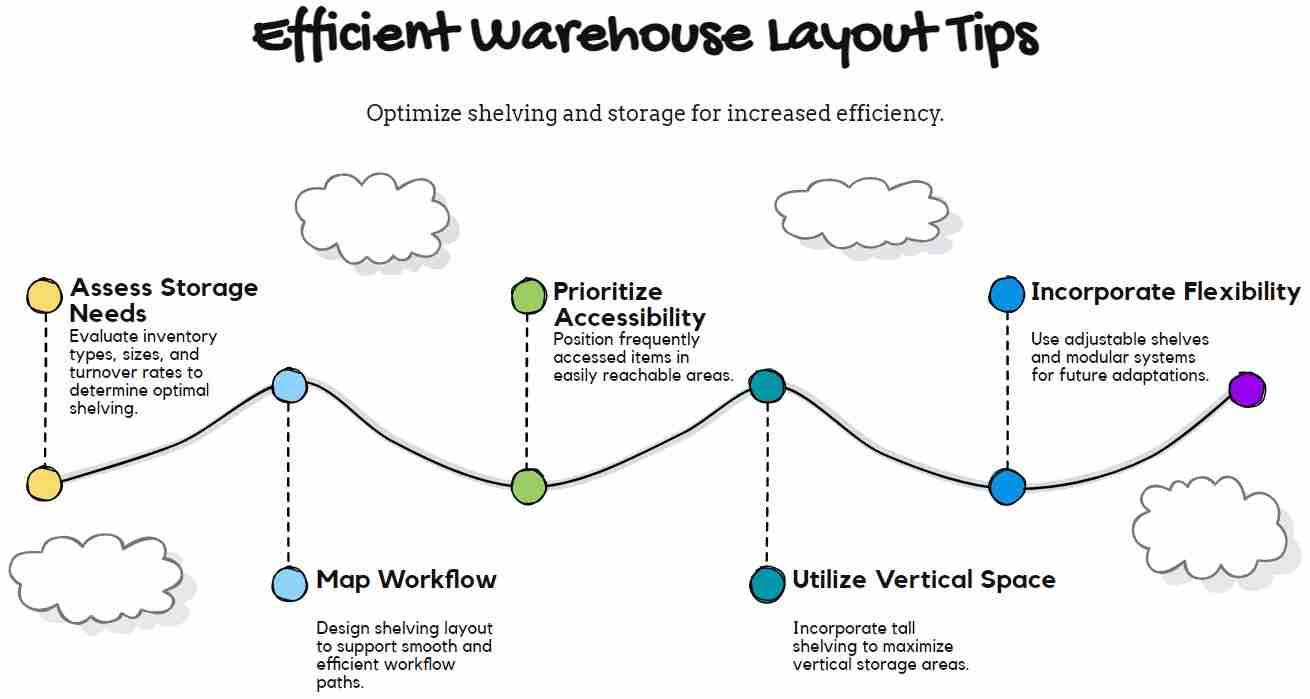
To make a meaningful reconfiguration, take a good hard look at your operations. Observe how your team interacts with their environment. Gather their insights—frontline perspectives are invaluable. By involving everyone in the process, you foster buy-in and create a sense of ownership that can lead to lasting improvements. Data can also inform your decisions, measuring flow efficiency and pinpointing areas for enhancement.
Ultimately, reconfiguration isn’t merely a logistical exercise; it’s about building a space that reflects your values and aspirations. It’s an opportunity to invest in your team and environment meaningfully. Embracing the challenge of reorganizing your space can lead to profound transformation, creating an efficient workplace that nurtures relationships and fosters growth. Rather than succumbing to the temptation of moving on, commit to making your current space work for you. With some elbow grease and thoughtful adjustments, you can enhance productivity and cultivate a thriving community right where you are.
Conclusion
Conclusion:
- Reconfiguring your space is a cost-effective way to embrace familiarity while avoiding chaos.
- Simple adjustments to your current setup can optimize and revitalize your workspace.
- Reimagining racking systems can streamline processes and improve workflow efficiency.
- Choosing to reconfigure reflects respect for resources, the environment, and workforce stability.
- Innovative reconfigurations can enhance team morale and productivity in a well-structured workspace.
- Gathering insights from your team can foster ownership and lead to lasting improvements.
- Reconfiguration represents an opportunity to reflect your values and aspirations while nurturing community growth.
Conclusion
Other Resources

Other Resources
Here is a list of other resources you can review online to learn more:
- Teardrop Industrial Shelving Rack
- RMI
- Storage Equipment Manufacturers’ Association
- Warehouse Racking Chicago, IL
- Warehouse Racking Systems: Beginner’s Guide to Rack Systems
- New Cantilever Racks and Racking Kits
- Cantilever Rack Configuration & Installation: A Comprehensive Guide – BMH
- NSC
- Warehouse Automation
- Teardrop Pallet Rack – Ridg-U-Rak
- Pallet Racking systems in Illinois and Great Lakes
- Pallet Rack Systems – New and Used Pallet Racking and Shelving Experts
- Selective Pallet Racking Systems – Container Systems
- National Safety Council
- Iowa Illinois Warehouse Racking
- ASSP
- Teardrop Racks – Pallet Rack World
- Crane Manufacturers Association Of America Inc.
- CA Wire
- Racking World
Use This Prompt To Get More Resources With Your Favorite Online AI Tool: Please provide me with a list of online articles with their URLs in a bulleted list that I can read regarding When to Reconfigure Instead Of Relocate
Other Resources
Glossary Terms
When to Reconfigure Instead Of Relocate – Glossary Of Terms
1. Adaptability: The ability to adjust to new conditions or changes in environment effectively.
2. Analysis: The process of examining components or data to understand a situation and inform decisions.
3. Cost-Benefit Analysis: A method for evaluating the financial implications of reconfiguring versus relocating.
4. Efficiency: The extent to which resources are used effectively without waste.
5. Footprint: The physical space occupied by an operation or facility, impacting reconfiguration decisions.
6. Infrastructure: The underlying framework or foundation necessary for operations, affecting reconfiguration feasibility.
7. Interdependence: The relationship between different departments or systems that may influence reconfiguration choices.
8. Logistics: The detailed coordination and implementation of complex operations, crucial in relocation vs. reconfiguration.
9. Market Conditions: External factors that influence business decisions, including the need for reconfiguring facilities.
10. Modularity: The design principle that allows for components to be rearranged or modified with ease.
11. Optimization: The process of making something as effective or functional as possible in its environment.
12. Productivity: The measure of efficiency in producing goods or services, often assessed during reconfiguration discussions.
13. Real Estate: Property that may be relocated or reconfigured based on operational needs and costs.
14. Scalability: The capacity of a business to grow and manage increased demand without needing to relocate.
15. Stakeholders: Individuals or groups with an interest in the decision-making process regarding relocation or reconfiguration.
16. Strategic Planning: The process of defining a company’s direction and making decisions on resource allocation.
17. Technology Integration: The alignment of new technology with existing operations, often a factor in reconfiguration.
18. Terrain Assessment: Evaluating the physical characteristics of a location that might affect relocation logistics.
19. Utilization Rate: The degree to which a facility or resource is being used, influencing the need to reconfigure.
20. Value Proposition: The promise of value to be delivered to customers, which can guide reconfiguration choices.
21. Workforce Alignment: Ensuring that employee skills and roles match the operational requirements after a change.
22. Workflow: The structured sequence of processes through which tasks are completed, impacting reconfiguration decisions.
23. Zoning Regulations: Legal restrictions that dictate how land can be used, affecting relocation options.
24. Resource Allocation: The distribution of resources to tasks or projects, crucial in deciding between reconfiguration and relocation.
25. Building Codes: Laws governing the construction and modification of buildings, relevant for reconfiguration plans.
26. Change Management: The approach to transitioning individuals and organizations to the desired state, especially during reconfiguration.
27. Compliance: Adhering to laws and regulations, which can influence the feasibility of reconfiguration or relocation.
28. Risk Assessment: The identification and evaluation of risks involved in relocating or reconfiguring operations.
29. Sustainability: The ability to maintain healthy conditions in business operations, impacting decisions on reconfiguration.
30. Competitive Advantage: An attribute that allows an organization to outperform its competitors, which can drive decisions about reconfiguration instead of relocation.

Glossary Of Terms
Other Questions
When to Reconfigure Instead Of Relocate – Other Questions
If you wish to explore and discover more, consider looking for answers to these questions:
- What are the upfront costs of reconfiguring versus relocating?
- How do you calculate the return on investment (ROI) for a reconfiguration?
- How long does a typical reconfiguration take from planning to completion?
- What are the common hidden costs associated with relocation that reconfiguration avoids?
- When is relocation clearly the better option than reconfiguration?
- What metrics should you track to decide if reconfiguration is needed (e.g., pick rates, travel time, storage density)?
- How do you measure improvements after a reconfiguration?
- What safety risks must be considered during and after a reconfiguration?
- Which regulatory or building-code issues (fire egress, load limits, OSHA) could affect reconfiguration plans?
- How will reconfiguration impact daily operations and customer service during implementation?
- What temporary solutions can keep operations running while reconfiguration is underway?
- How can you involve employees in the reconfiguration process to increase buy-in and surface practical insights?
- What training will staff need after reconfiguring the workspace?
- How can reconfiguration improve employee morale and retention, and how do you measure that?
- What are the environmental benefits of reconfiguring compared with relocating (carbon footprint, waste reduction)?
- How can you reuse or repurpose existing racking and materials safely and cost-effectively?
- When should you hire an external consultant or designer versus doing the reconfiguration internally?
- What tools, equipment, and parts are typically required for a racking-system reconfiguration?
- What maintenance, inspection, or certification steps are needed after a reconfiguration?
- How do insurance policies or liabilities change when you reconfigure storage systems?
- How do you ensure accessibility and ergonomic best practices in a reconfigured space?
- What layout principles (aisle width, slotting, shelf height) yield the biggest productivity gains?
- How can technology (WMS, barcode/RFID, warehouse analytics) support a reconfiguration?
- Should you combine reconfiguration with partial automation or is that a separate project?
- How do you prioritize which areas to reconfigure first for maximum impact?
- What are common pitfalls or mistakes companies make when reconfiguring their space?
- How do you build a phased reconfiguration plan to minimize disruption and cost?
- What financial incentives, grants, or tax implications might apply to reconfiguration or sustainability upgrades?
- How do you evaluate suppliers and installers for racking components and installation services?
- What are examples or case studies of successful reconfigurations and their measurable outcomes?
- How scalable is a reconfiguration—will it support growth or seasonal fluctuations?
- How should you handle obsolete inventory or excess materials during reconfiguration?
- How do you validate that a proposed reconfiguration will meet throughput and storage requirements?
- What emergency and evacuation considerations change with a new layout?
- How do you communicate reconfiguration plans to customers, vendors, and other stakeholders?
- What KPIs should management review before, during, and after reconfiguration?
- How can reconfiguration reflect company values (sustainability, community, safety) in practice?
- What are the long-term maintenance and lifecycle costs of a reconfigured system versus a new facility?
- How do you decide between minor tweaks, major reconfiguration, and full relocation?

Other Questions
Checklist
When to Reconfigure Instead Of Relocate – A Checklist
When to Reconfigure Instead of Relocate — Practical Decision Checklist
✅______ Company
✅______ Date
✅______ Prepared by
Triggers and Objectives
✅______ Pain points are clear (bottlenecks, congestion, long search times)
✅______ Growth is straining the current layout but not the building’s core limits
✅______ Goals can be met by improving flow, storage density, or accessibility
✅______ Desire to minimize disruption, cost, and risk of relocation
✅______ Commitment to leverage existing assets before moving
Operational Flow
✅______ Current process map completed (receiving → storage → picking → packing → shipping)
✅______ Aisle widths and travel paths are defined and free of recurring congestion
✅______ High-velocity items are positioned for shortest travel
✅______ Cross-traffic and dead ends are eliminated or minimized
✅______ Average search/pick time is measurable and targeted for reduction
✅______ Error rates linked to layout are identified
Space and Racking Optimization
✅______ Vertical space is utilized (shelf heights optimized to product)
✅______ Slotting by velocity/size/ABC class is implemented or planned
✅______ Standardized binning, labeling, and signage in place
✅______ Modular components or add-ons available for current racking
✅______ Clearances (sprinklers, egress, lift mast height) verified
✅______ Future adaptability considered (SKU mix, seasonality, growth)
People and Culture
✅______ Frontline feedback collected and incorporated
✅______ Change champions identified within teams
✅______ Training plan prepared for the new layout/processes
✅______ Reconfiguration improves morale and reduces daily friction
✅______ Schedule minimizes disruption to shifts and service levels
Safety and Compliance
✅______ Racking load ratings verified and posted
✅______ Seismic, fire, and egress requirements met
✅______ Lift/equipment turning radii and sightlines validated
✅______ Housekeeping plan reduces clutter and trip hazards
✅______ Ergonomic risks addressed (reach heights, lifts, steps)
✅______ Recent incident/near-miss data reviewed and mitigations defined
Financials
✅______ One-time reconfiguration costs estimated (materials, labor, downtime)
✅______ Relocation costs estimated for comparison (move, buildout, deposits)
✅______ Expected labor/time savings quantified (pick rate, travel, accuracy)
✅______ Payback period calculated and acceptable
✅______ Downtime and cutover plan costed
✅______ Lease terms, penalties, and incentives reviewed
Sustainability and Community
✅______ Reuse/repurpose of existing fixtures prioritized
✅______ Waste and disposal minimized; recycling plan in place
✅______ Transportation emissions avoided versus moving
✅______ Local workforce stability supported
✅______ Customer/community impact assessed
Data and Metrics
✅______ Baselines captured (e.g., pick lines/hr, order cycle time, dock-to-stock, accuracy, storage density)
✅______ Targets set for each KPI post-reconfiguration
✅______ Simple dashboard or cadence for tracking improvements established
✅______ Time-and-motion or heatmap study completed or planned
Implementation Plan
✅______ Detailed layout drawings and bill of materials completed
✅______ Phased approach with milestones and owners
✅______ Inventory staging/decant plan created
✅______ Vendor/installer schedules confirmed
✅______ Communication plan for all stakeholders
✅______ Contingency and rollback steps documented
✅______ Go-live validation checklist prepared
Ethical and Cultural Considerations
✅______ Plan demonstrably improves safety and well-being
✅______ Transparent communication builds trust with the team
✅______ Changes align with company values and craft standards
✅______ Shared spaces support collaboration and community
Post-Reconfiguration Audit
✅______ Go-live safety inspection passed
✅______ Team trained, SOPs updated, signage accurate
✅______ KPIs reviewed at 2, 6, and 12 weeks
✅______ Feedback loop active; quick wins documented
✅______ Continuous improvement backlog created and prioritized
Relocation Triggers (If any of these are true, reassess the decision)
✅______ Building height, power, docks, parking, or zoning fundamentally limit growth
✅______ Structural limitations prevent safe density increases
✅______ Payback for reconfiguration exceeds the acceptable threshold
✅______ Forecasted growth exceeds feasible capacity within 12–24 months
✅______ Landlord restrictions prevent necessary changes
✅______ Compliance gaps cannot be resolved in the current facility
Decision Snapshot
✅______ Count the checked boxes in sections 1–11: ______
✅______ Count the checked Relocation Triggers: ______
✅______ Decision: Reconfigure / Relocate
✅______ Next review date: ______

Checklist
At RackingWorld, we help guide you through selecting warehouse storage systems and racking.
Be sure to read our other related stories at RackingWorld to learn more about warehouse storage systems.
0 Comments