
Navigating The Chaos: Transforming Growth Into Opportunity
By Tom Seest
At RackingWorld, we help guide you through selecting warehouse storage systems and racking.
Be sure to read our other related stories at RackingWorld to learn more about warehouse storage systems.
When Growth Breaks Your Warehouse
Growth is the lifeblood of any business, a sign that dreams are turning into reality. But when that growth hits your warehouse, the excitement can quickly sour into chaos. It’s like a hand-me-down pickup truck that’s suddenly loaded down with too much gear—it can work for a while, but eventually, something’s gonna give. Racking systems, once the proud backbone of your operation, start to buckle under the weight of new inventory, leaving you scrambling to keep everything organized.
Picture the scene: warehouse workers are hustling, trying to locate products amid a labyrinth of misplaced items. Frustration mounts. Anxiety levels rise. You can almost feel the tension in the air as everyone races against the clock. It’s not just about losing time; it’s about the very pulse of your operation. The heart of the business starts skipping beats. Your loyal team, who put their sweat and grit into every shipment, now faces the daunting prospect of an overwhelmed system—one that was once efficient but now feels like an anchor dragging you down.
Rationally, the costs pile up. Spoilage from misplaced items, lost orders, inefficiencies in the picking process—all those dollars add up faster than you can say “logistics.” You know you need to act. Maybe it’s time for a reevaluation of your space; a restructure of your racking systems to regain control. Investing in better storage solutions might feel daunting, yet, it’s a necessary step toward restoring order and reliability.
Ethically, think about your workforce. As their leader, it’s your responsibility to provide them with the tools they need to succeed. A cramped and chaotic warehouse doesn’t just hurt productivity—it chips away at morale. Workers deserve an environment that supports rather than hinders their efforts. By making improvements, you’re not just investing in equipment; you’re investing in people.
The stories shared around a coffee break among colleagues about the struggles and victories in solving warehouse issues can forge deeper connections. When workers feel the weight of their contributions, they’re more likely to rally around solutions. Everyone has a role in this journey, reminding us that while growth brings challenges, it also ignites innovation and teamwork.
So when your warehouse starts to buckle under the pressure, it may be time to roll up those sleeves, gather your crew, and tackle the challenge head-on. The future of your business depends on acting decisively and thoughtfully to build a warehouse that thrives, not just survives.
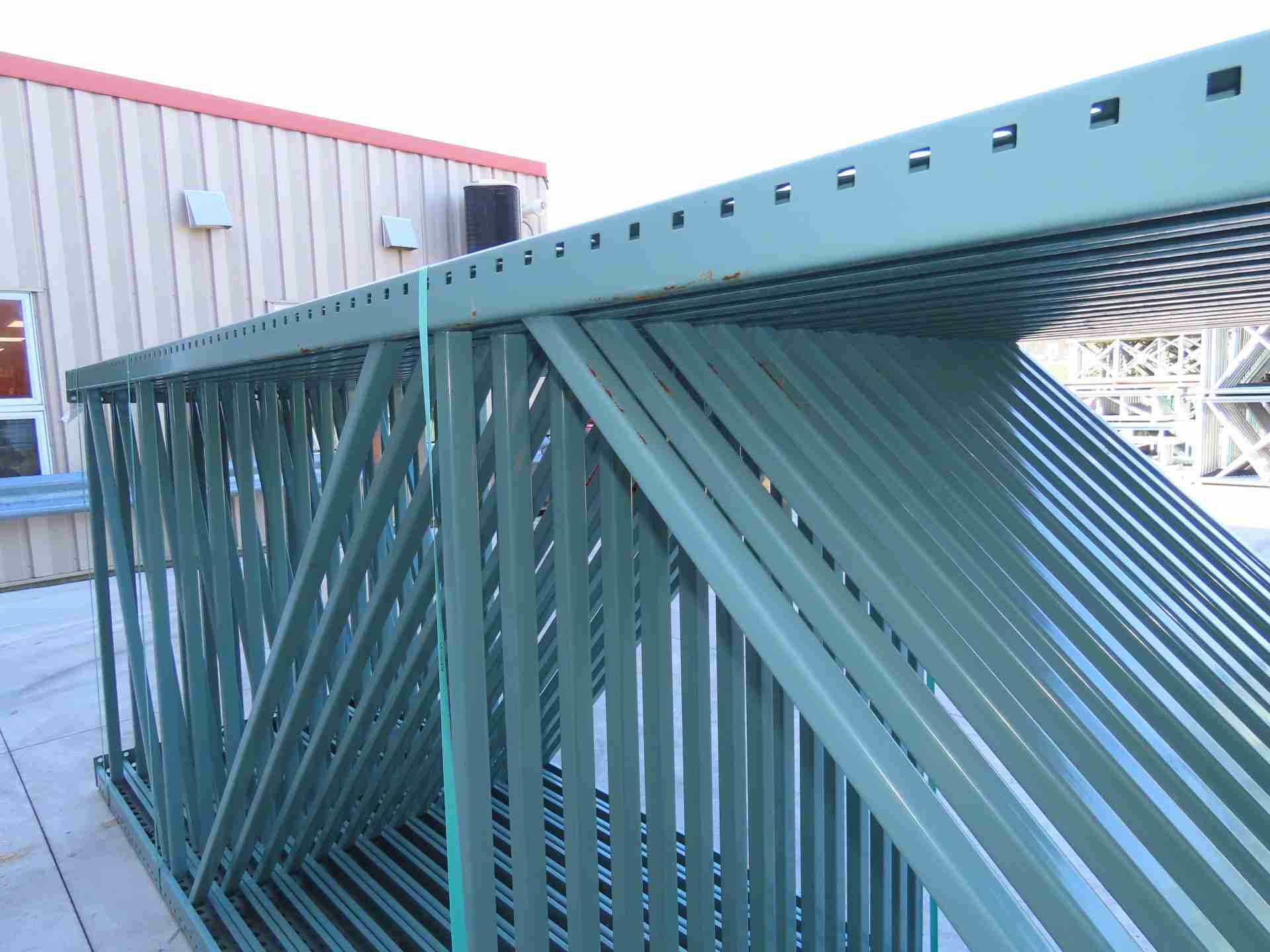
When Growth Breaks Your Warehouse
When Growth Breaks Your Warehouse
- Growth signifies progress but can lead to chaos in warehouse operations.
- Increased inventory can overwhelm racking systems, creating disorganization.
- Warehouse workers may experience heightened frustration and anxiety due to misplaced items.
- Operational inefficiencies result in financial losses from spoilage and lost orders.
- Investing in better storage solutions is essential for restoring order and efficiency.
- Providing a supportive work environment boosts morale and productivity among staff.
- Collaboration and teamwork are vital in overcoming challenges related to growth.
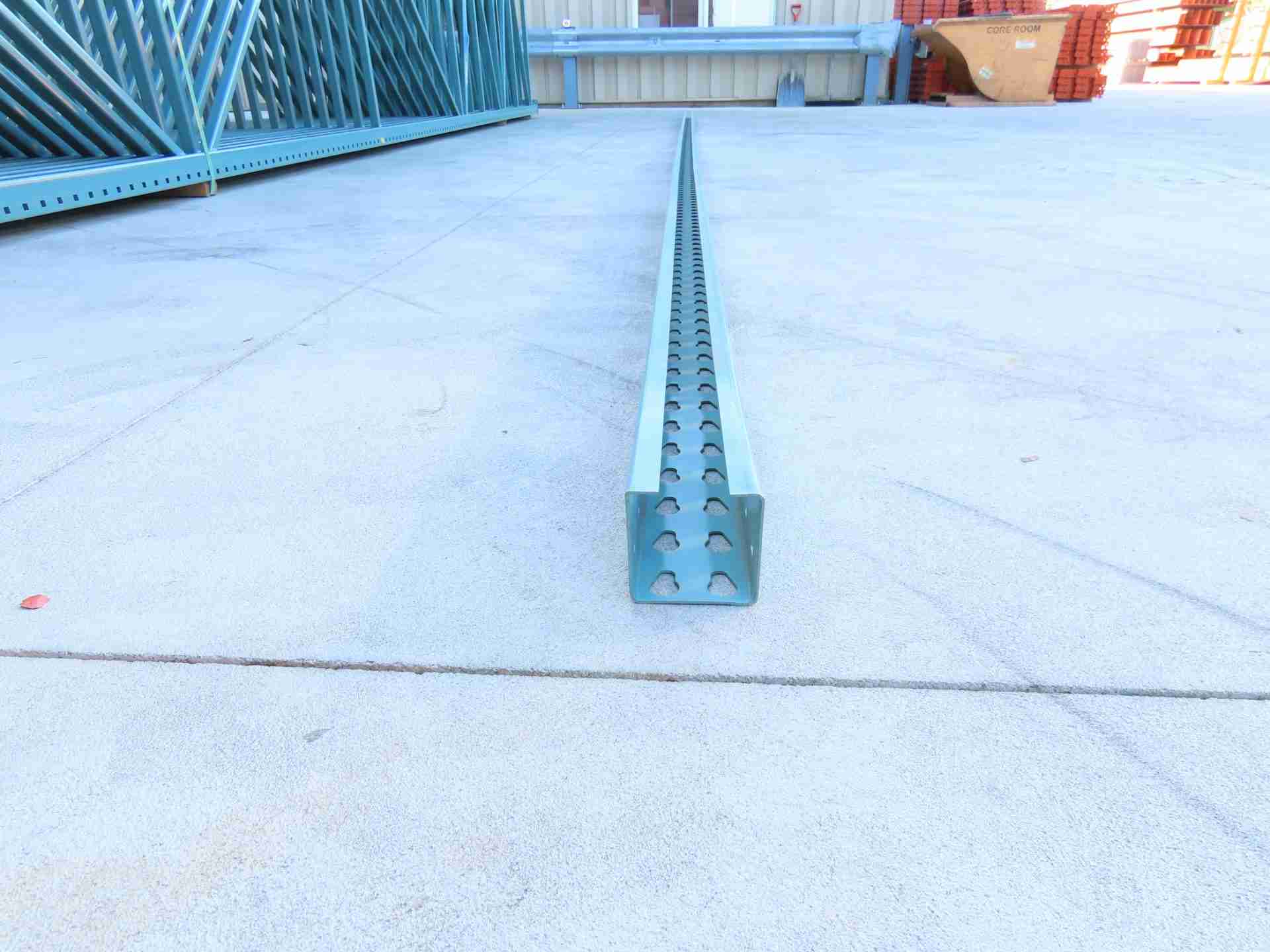
When Growth Breaks Your Warehouse
Table Of Contents
- When Growth Breaks Your Warehouse
- Is Your Warehouse Struggling to Keep Up with Demand?
- How Can You Optimize Space Effectively?
- Are Your Current Systems Causing Delays In Order Fulfillment?
- What Are the Hidden Costs Of Inventory Overflow?
- How Do You Handle Staff Shortages During Peak Times?
- Is Your Technology Scalable As Your Business Grows?
- Conclusion
- Other Resources
- Glossary Of Terms
- Other Questions
- Checklist
Is Your Warehouse Struggling to Keep Up with Demand?
In the hustle and bustle of warehouse life, there are days when the demand feels like a tidal wave crashing against your operational shores. You’re racing to keep up, yet the shelves seem to empty faster than you can restock them. It’s a familiar struggle for many, a reality that can gnaw at your confidence and wear out your team. The question lingers: Is your warehouse struggling to keep up with demand?
Visualize the organized chaos of a well-run warehouse, where racking systems stand tall, sturdy and efficient. Every item has its place, every inch of space is utilized, and the workflow flows like a well-tuned machine. However, when that system falters, the ripple effect can be disastrous. The pressure mounts, and what once felt manageable becomes an uphill climb. Your team, the backbone of the operation, starts to feel the weight of growing expectations. They need support, not merely in manpower but in systems that enable them to succeed rather than hold them back.
An efficient racking system can transform your warehouse from a place of struggle to a hub of productivity. Think about it: the moral responsibility you have to your team, to provide them with the tools they need to excel. This isn’t just about efficiency; it’s about respect for their hard work, their dedication, and their well-being. By investing in solutions that optimize space and streamline processes, you foster a sense of pride and accomplishment within your workforce.
Moreover, rationally speaking, a well-designed racking system can save you time and money. It reduces search times, minimizes product damage, and improves order fulfillment speed. These aren’t mere talking points; they are the lifeblood of a smooth operation. Each saved minute translates into higher satisfaction for your customers and, ultimately, better margins for your business.
You’re not alone in this fight. Countless warehouses have faced the same trials, and many have risen to the occasion through thoughtful investments and tweaks to their operations. Connect with your peers, learn from their experiences, and face this challenge head-on together. There’s a sense of camaraderie in sharing solutions that go beyond simply getting by.
As you reflect on your warehouse’s performance, consider not just the box-count but the human element behind those numbers. Make the right moves, and you’ll inspire confidence in your team that they can rise to meet any demand. It’s time to act and turn your warehouse into a partner in progress rather than a source of struggle.
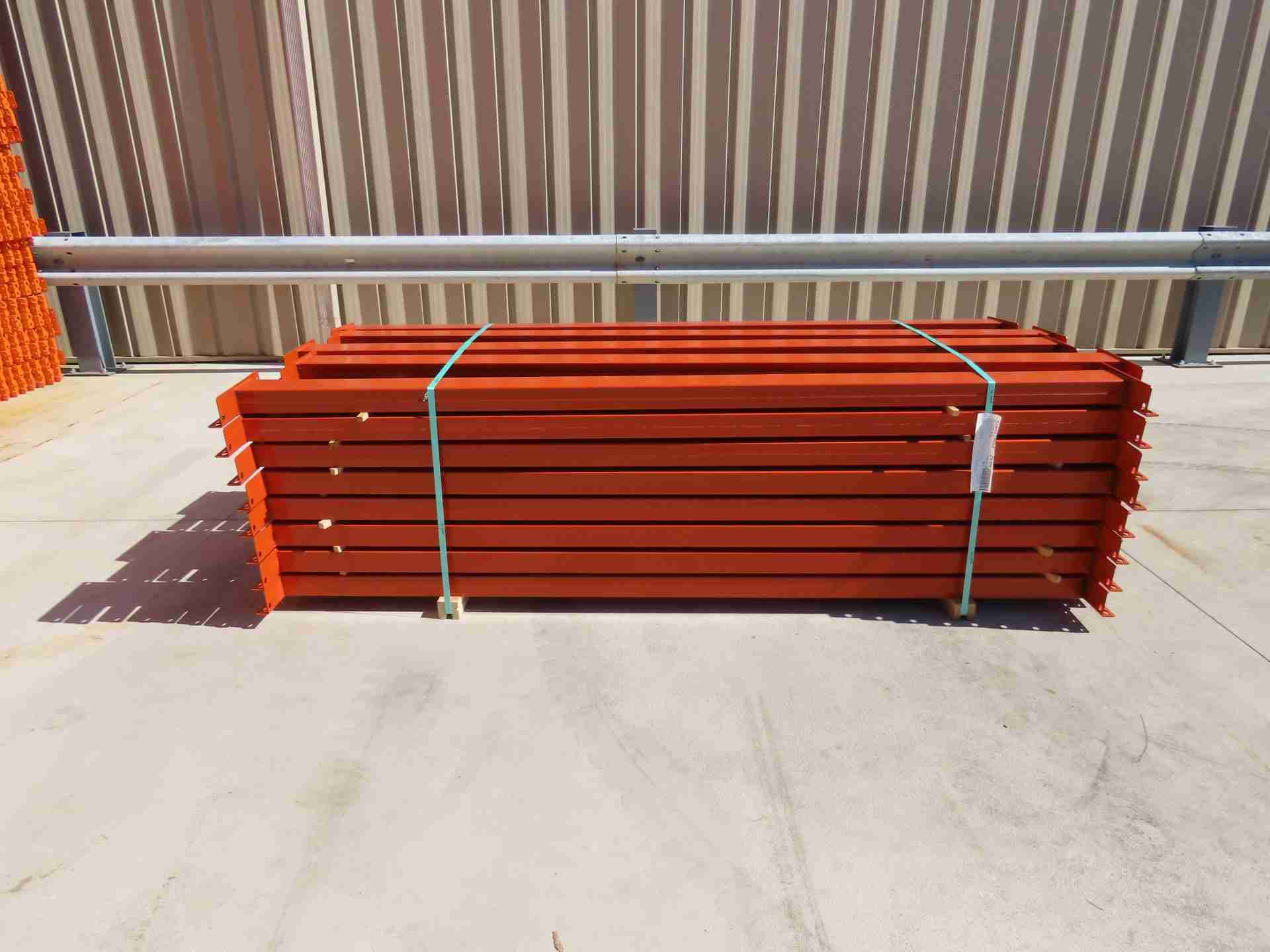
Is Your Warehouse Struggling to Keep Up with Demand?
Is Your Warehouse Struggling to Keep Up with Demand?
- Warehouse demand often feels overwhelming, leading to operational struggles.
- Efficient racking systems are essential for maintaining organization and workflow.
- When systems fail, pressure mounts, affecting team morale and productivity.
- Investing in effective solutions fosters team pride and well-being.
- A well-designed racking system saves time, reduces damage, and improves order fulfillment.
- Networking with peers can provide valuable insights in overcoming common challenges.
- Recognizing the human element is crucial for inspiring team confidence and performance.
Is Your Warehouse Struggling to Keep Up with Demand?
How Can You Optimize Space Effectively?
In the realm of optimizing space, the first thing to remember is simplicity. Whether it’s your garage, workshop, or office, clutter can creep in like weeds in a garden. You need to take a hard look at what you have and ask yourself, “Do I really need this?” This isn’t just about having room to swallow more stuff; it’s about making your daily life easier. Think of the time saved when you can find your tools right where you left them or when you can walk through a room without stepping over boxes.
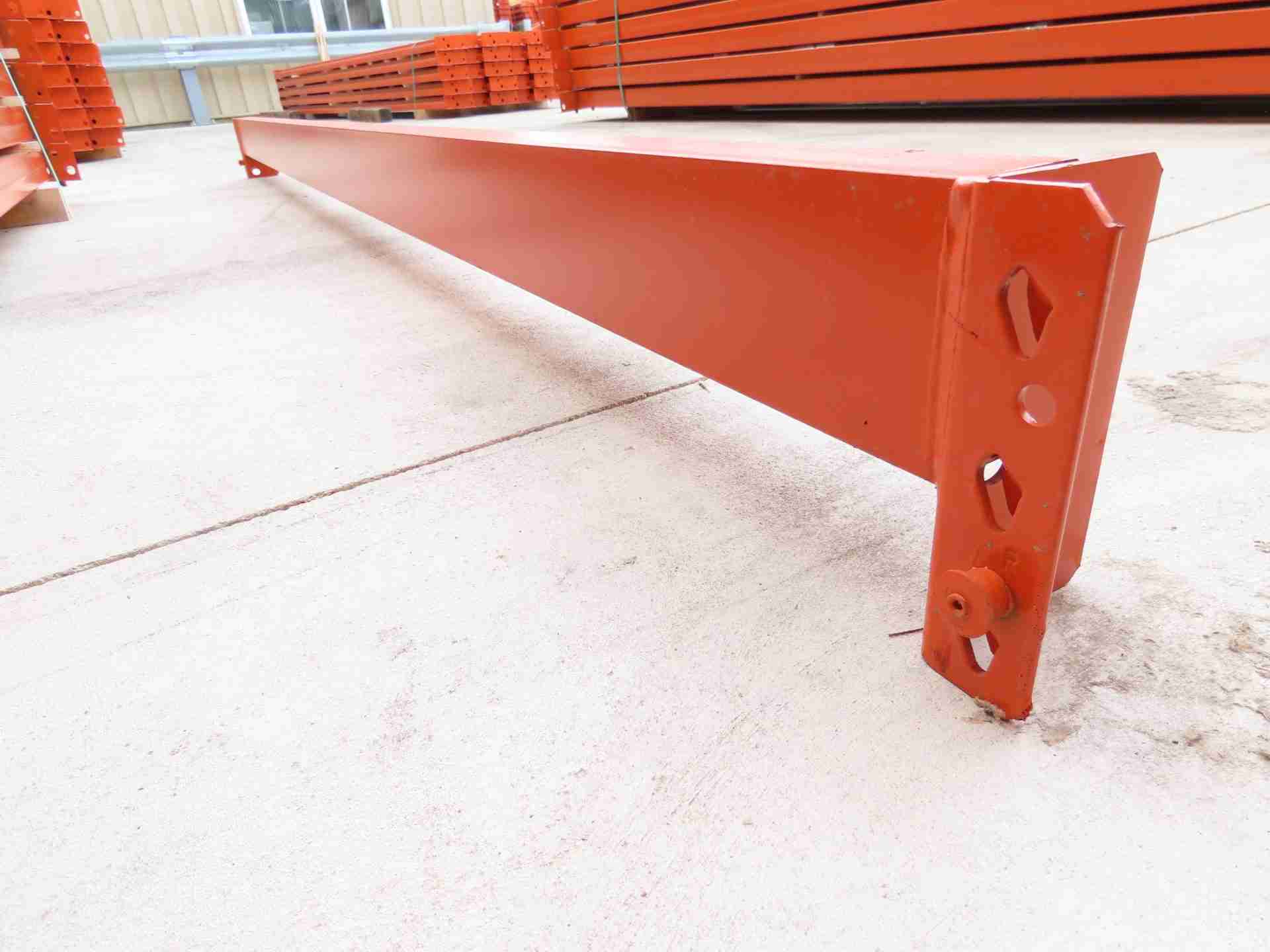
One effective method is using racking systems. These aren’t just fancy shelves; they’re the backbone of a well-organized space. A good racking system harnesses vertical space, putting items up high where you don’t often look. It transforms the chaos underneath into a functional area that serves your needs. Imagine mounting a rack on your garage wall and finding that long-forgotten fishing rod instead of tripping over it in the corner. That’s what it’s about—creating a sense of relief and freedom with every piece of equipment you organize.
Remember, space optimization isn’t a one-time event; it’s part of a lifestyle. Each item has its story—some may carry sentimental value, while others might inspire you to tackle a project. Be ruthless but fair; keep what matters. As you clear out the old and unwanted, you’ll find the rhythm of your space starts to flow again. It’s like cleaning out your mind; suddenly, you’re seeing clearly and thinking more effectively.
In the face of fast-paced lives and overflowing schedules, creating an organized, optimized space fosters a sense of control. It demonstrates respect for your time, yourself, and your surroundings. You’re sending a message that your environment should enhance your life, not contain it.
Moreover, sharing these tips with others can create a ripple effect. When your friends and family see how your optimized space makes life run a little smoother, they’re likely to want the same. It’s about fostering connections and inspiring others to reclaim their spaces too.
Take a step today. Measure your space, sketch a plan, and consider how a good racking system could make a world of difference. You’re not just organizing; you’re actively creating a sanctuary where you can thrive—both in your work and in your life.
How Can You Optimize Space Effectively?
How Can You Optimize Space Effectively?
- Optimizing space requires simplicity; assess what you truly need.
- Clutter can hinder daily life, impacting efficiency and ease of movement.
- Racking systems effectively utilize vertical space, organizing areas efficiently.
- Space optimization is an ongoing process, not a one-time task.
- Be selective about items retained; prioritize utility and sentiment.
- An organized space promotes a sense of control and enhances daily life.
- Sharing organization tips can inspire others to reclaim their spaces.

How Can You Optimize Space Effectively?
Are Your Current Systems Causing Delays In Order Fulfillment?
Order fulfillment can feel like navigating a maze, especially if your systems are tangled in old technology and inefficient processes. Think about the last time you placed an order: you expect speed, reliability, and a sense of trust that your goods will arrive on time. Now, imagine the frustration of your customers when they click “purchase” and experience delays due to clunky racking systems that are no longer playing nice with modern demands. When your warehouse’s flow is off, it doesn’t just upset the logistics; it erodes customer trust and impacts your bottom line.
In an industry where every second counts, outdated racking systems can be a silent killer of efficiency. Picture your team struggling to retrieve items from a jumbled mess. Each trip to the shelf feels like climbing a mountain, and those minutes lost stack up quickly. Customers start feeling like they’re not a priority, and when that happens, they’re quick to take their business elsewhere. We’ve all seen this dance before: the more complex the fulfillment process, the higher the chances of error, misunderstandings, and unhappy customers.
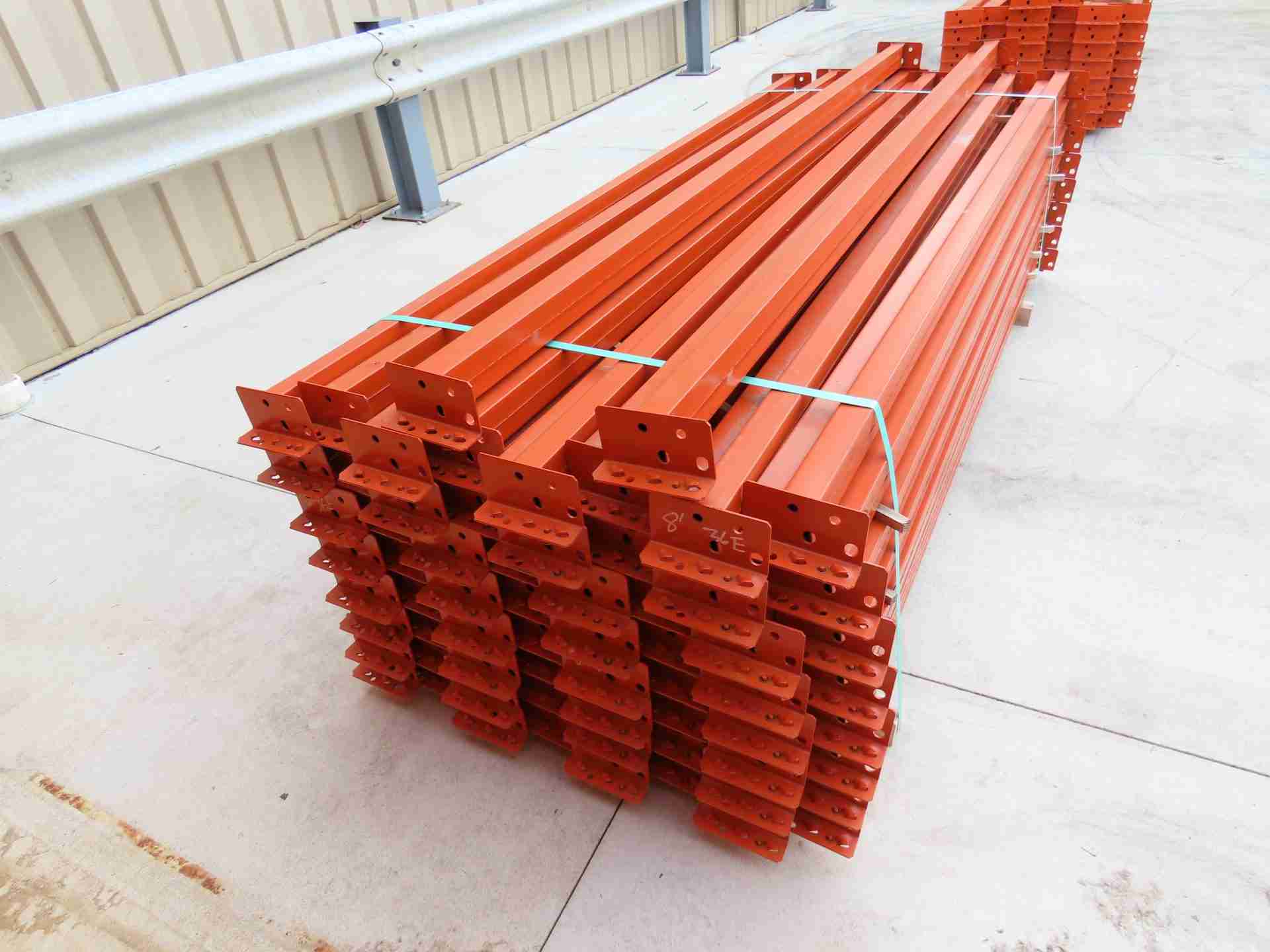
But there’s a way out. Investing in smarter racking systems doesn’t just optimize space; it transforms your entire workflow. Imagine the relief on your team’s faces as they navigate a streamlined setup, effortlessly finding exactly what they need when they need it. Your employees feel empowered and engaged, and that positivity trickles down to the customers, fostering loyalty that can withstand the ups and downs of the market.
Ethically, improving your systems is about more than just profit; it’s a commitment to your customers and your team. It says, “We care about your experience.” There’s authority in being a business that prioritizes efficiency and reliability – customers notice that and respond with their loyalty.
Every day you wait, you risk further delays, lost sales, and dissatisfied customers. It’s time to take a hard look in the mirror. Maybe it’s time to talk about racking systems that not only meet modern demands but also connect with the heart of your operation. Let’s face it: a well-organized warehouse doesn’t just streamline your order fulfillment; it builds a reputation of reliability that can resonate throughout your community. When you show that you’re committed to improving the way you operate, you’re not just filling orders; you’re filling the hearts and minds of your customers with confidence and trust.
Are Your Current Systems Causing Delays In Order Fulfillment?
Are Your Current Systems Causing Delays In Order Fulfillment?
- Order fulfillment can be complicated by outdated technology and processes.
- Delays from inefficient racking systems erode customer trust and affect profits.
- Every second counts; inefficient systems increase errors and misunderstanding.
- Investing in modern racking systems improves workflow and employee engagement.
- Prioritizing efficiency fosters customer loyalty and satisfaction.
- Improved operations demonstrate a commitment to customer experience and ethical business practices.
- A well-organized warehouse enhances reliability and builds community trust.

Are Your Current Systems Causing Delays In Order Fulfillment?
What Are the Hidden Costs Of Inventory Overflow?
When we delve into the costs of inventory overflow, it’s easy to visualize the financial aspect—how excess stock can eat away at profits. But let’s peel back the layers and dig deeper into what overflow truly means for a business. Picture a warehouse filled to the brim, racking systems towering with items that aren’t moving. Sure, you’ve invested in those products, but what’s lurking underneath the surface?
Every item that sits idle doesn’t generate revenue; it incurs costs. Think about space. Those racking systems that once offered efficiency become a burden when overcrowded. Stacking goods high may seem like a quick fix, but it complicates retrieval and increases the risk of damage. That’s not just product loss; it’s money down the drain. It’s a punch to the gut seeing hard-earned cash tied up in stock that’s not turning over.
Now let’s talk about the human side. Employees working in poorly organized spaces feel the strain too. They’re hustling to navigate a maze of overstock, leading to frustration, drops in morale, and potentially safety issues. An employee’s confidence wanes when they can’t find what they need, or worse, when they risk a workplace accident while maneuvering through chaos. Beyond that, think of the ethical implications: a company that can’t manage its inventory effectively may be turning away customers. A negative customer experience breeds distrust, and in this competitive market, trust is everything.
Businesses thrive on relationships. When inventory overflow hampers operations, it affects not just the staff but the broader social network—a ripple effect that can impact vendors, customers, and the community. Keeping shelves stocked is essential, but overstocks can mean missed opportunities. The heart of a business beats on its ability to engage with those it serves, and an excess of inventory can stifle that connection.
So as the dust settles on those racking systems stacked with overflow, remember this: it’s not only about what you have on hand but also how you manage it. Those hidden costs can sink a ship faster than a wave of customer complaints. Prioritize orderliness, manage your stock wisely, and reclaim the trust and goodwill that fuels your business. Every action taken to streamline inventory is a step towards resilience, establishing a legacy worth more than what’s merely on your shelves.

What Are the Hidden Costs Of Inventory Overflow?
What Are the Hidden Costs Of Inventory Overflow?
- Excess inventory can significantly reduce profits and incur hidden costs.
- Overstock complicates space management, retrieval, and can lead to product damage.
- Poor organization negatively impacts employee morale and confidence.
- Inventory overflow can create safety hazards for workers.
- Effective inventory management is essential for maintaining customer trust and satisfaction.
- Overflow affects not only the business but also relationships with vendors and the community.
- Streamlining inventory contributes to resilience and a positive business legacy.
What Are the Hidden Costs Of Inventory Overflow?
How Do You Handle Staff Shortages During Peak Times?
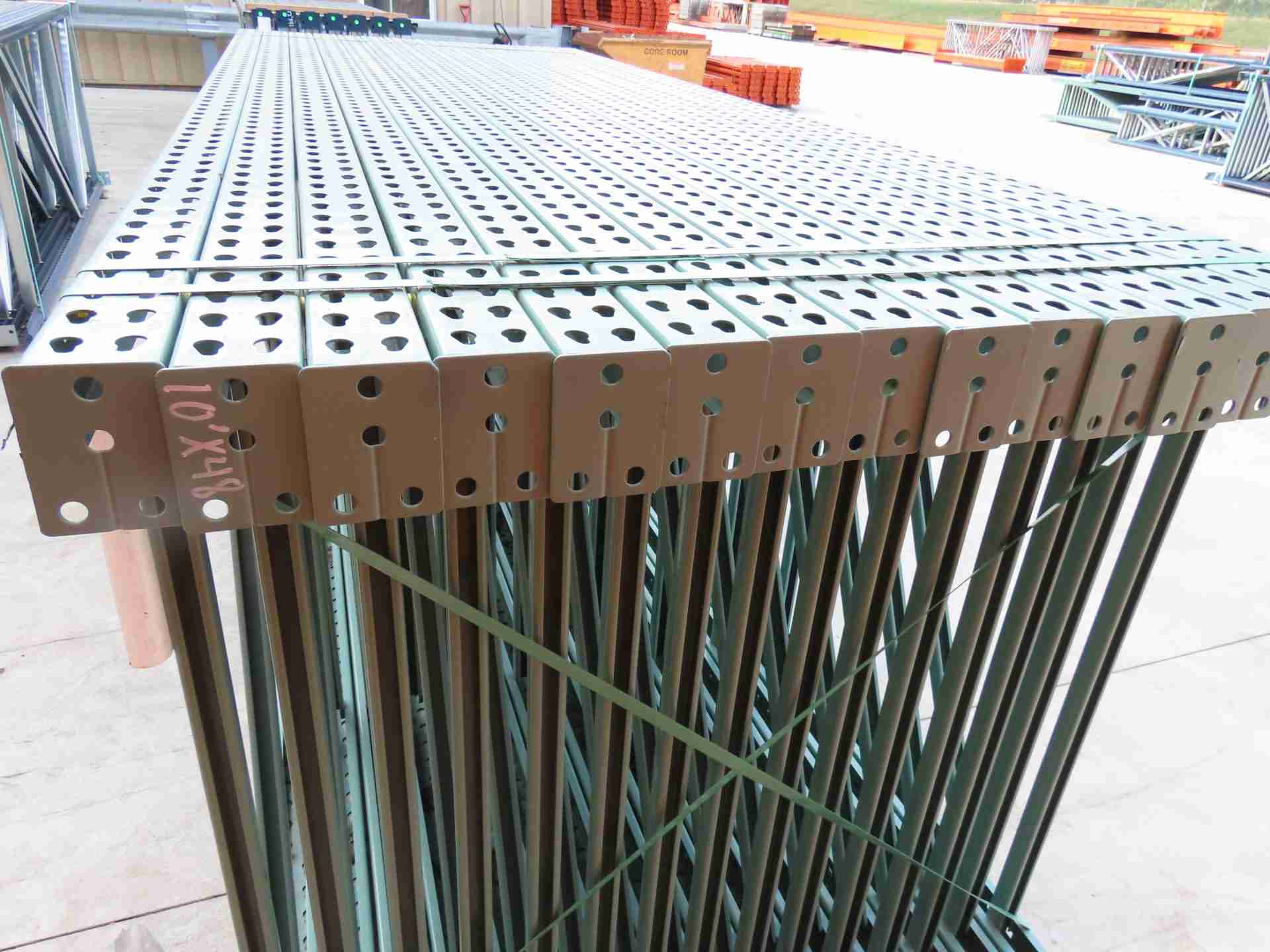
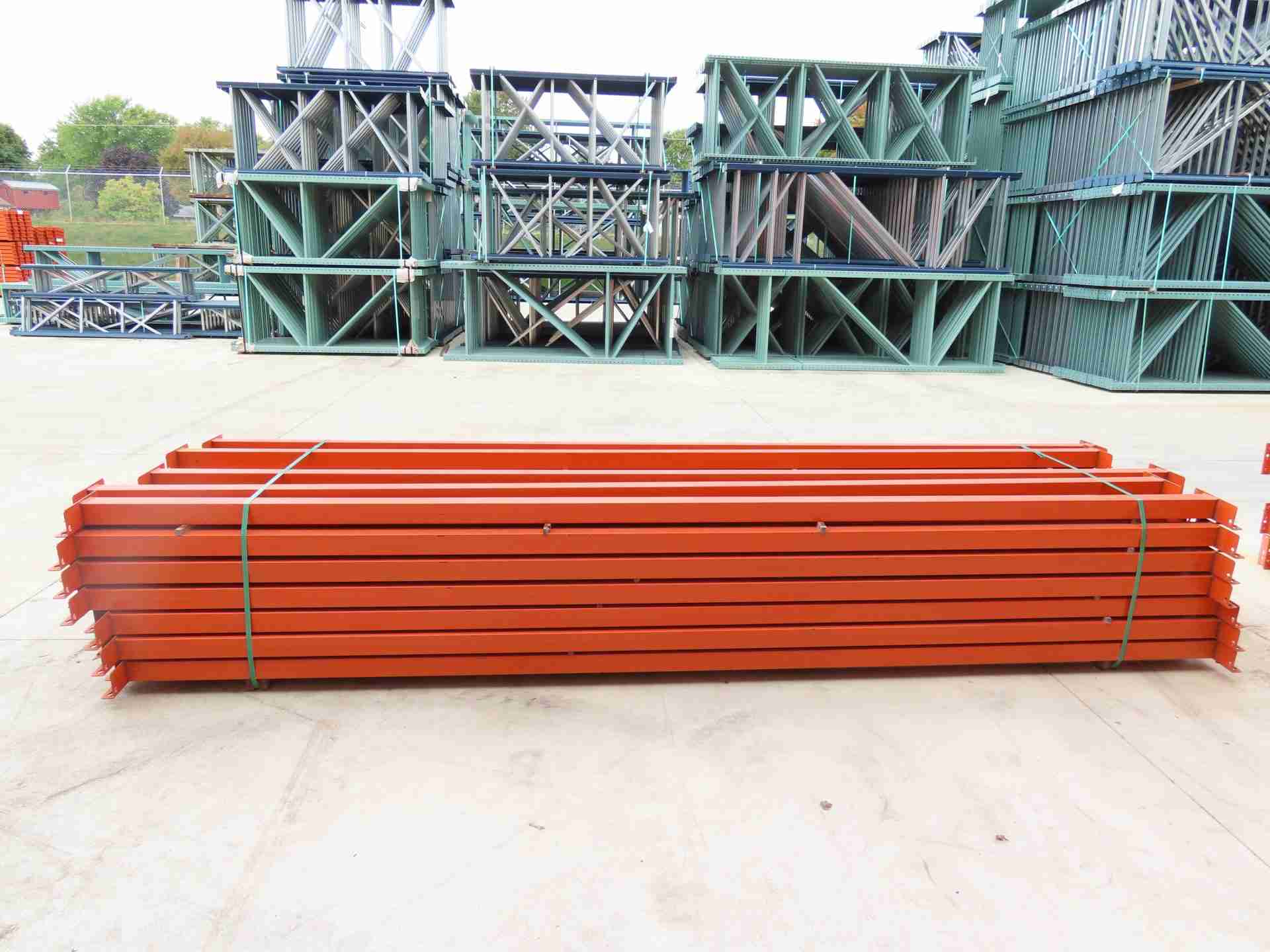
When peak times hit and staff shortages loom, it’s like a storm brewing on the horizon. You can pick up the tools in your belt, roll up your sleeves, and tackle it head-on. Imagine a warehouse, buzzing with activity, Racking Systems stuffed to the brim with products flying in and out. Now picture half the crew missing. It’s easy to feel overwhelmed, but experience teaches us that resilience can be born from chaos.
First off, it’s about priorities. In those crunch times, take a breath and assess what really needs to be done. It’s isn’t just about keeping the wheels turning; it’s about making sure that every hand on deck is engaged in the most critical tasks. Lean on the team you have. Remember that each person there is not just an employee; they’re your comrades in the trenches, sharing the load. Communicate openly with them, acknowledging the reality of the situation. It builds trust and fosters a sense of camaraderie—the kind that strengthens bonds and makes the hard work feel a little lighter.
Next, don’t shy away from stepping up yourself. When the crunch comes, leading from the front sets an example. Grab those boxes, organize those Racking Systems, and show your team that everyone is in it together. This isn’t about hierarchy; it’s about solidarity. When employees see their leader with dirt on their hands, it inspires them to dig deep as well. It’s an ethical responsibility—we owe it to each other not just to survive the peak time but to thrive through it.
Additionally, share stories from previous challenges. Remind your team of times when you’ve come through the fire together. Celebrate the wins, however small, to keep morale high. Emotional connections are forged through shared experiences; they remind everyone that tough times can lead to extraordinary outcomes.
Lastly, be adaptable. If a certain process isn’t working due to fewer hands, be willing to refashion it on the fly. Flexibility is key; it shows your team they’re not alone and that there’s always a way forward. By embracing each challenge with a touch of humility and practical knowledge, you not only get through peak times but emerge with a stronger, more connected team.
How Do You Handle Staff Shortages During Peak Times?
How Do You Handle Staff Shortages During Peak Times?
- Peak times can be challenging, especially with staff shortages, but resilience can emerge from chaos.
- Prioritize tasks and engage team members in critical work, fostering a sense of camaraderie.
- Lead by example during peak times, demonstrating solidarity rather than hierarchy.
- Share past challenges and celebrate small wins to maintain high morale and emotional connections.
- Embrace adaptability, adjusting processes as needed when faced with fewer team members.
- Communicate openly with your team, building trust and acknowledging realities.
- Approach challenges with humility and practical knowledge for a stronger, more connected team.
How Do You Handle Staff Shortages During Peak Times?
Is Your Technology Scalable As Your Business Grows?
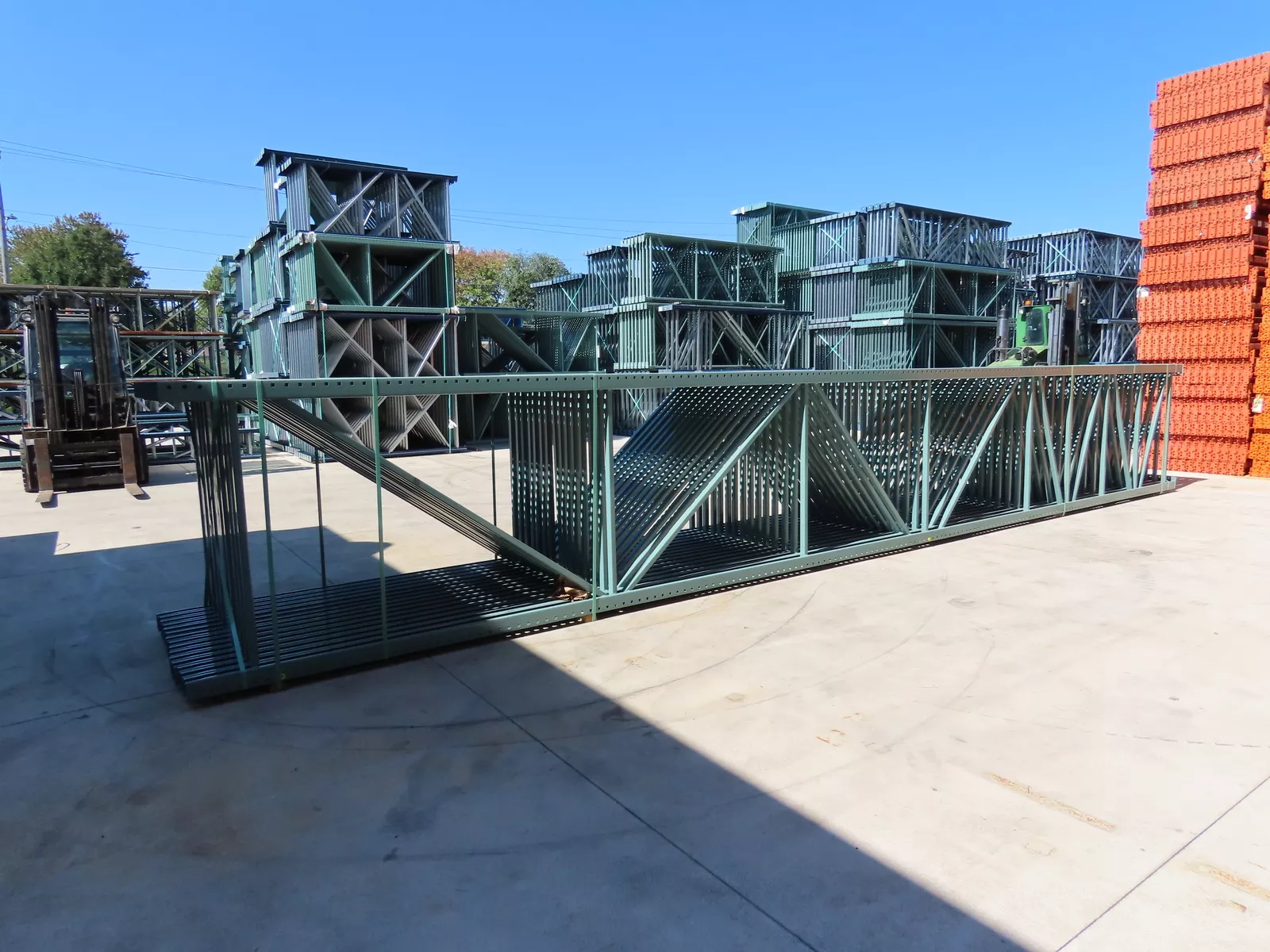
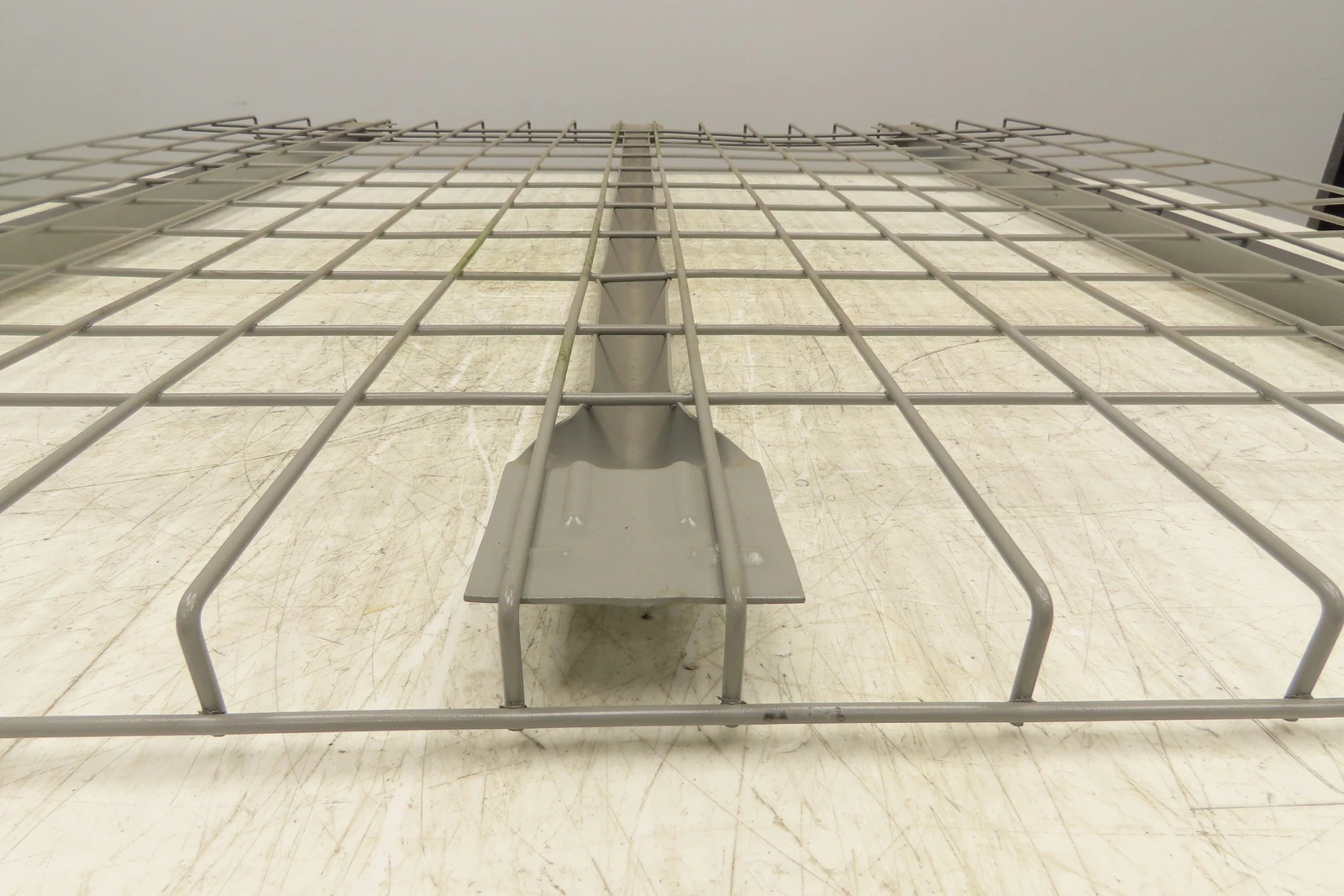
When you’re knee-deep in the grit of running a business, the last thing on your mind might be whether your technology can keep pace with your growth. Yet, that very question can mean the difference between thriving and just scraping by. Picture your operation as a bustling workshop, where every tool has its place—just like Racking Systems in a warehouse. They hold everything in line, maximizing space and efficiency. Your tech infrastructure should do the same for your business, adapting and expanding as you gain new customers and take on bigger challenges.
Consider the long hours spent pouring over plans, sketching out visions of success that stretch far beyond today. You’ve built something worthwhile, and every single component should be as strong as the foundation it stands on. It’s essential to choose systems that not only meet your current needs but also grow with you. When your technology is scalable, you’re not just investing in tools; you’re building a bridge to the future.
Think about the times when you’ve run into roadblocks—manual processes that took weeks, outdated software that couldn’t handle an influx of orders. Those missteps can leave you feeling frustrated and defeated. But scalable technology transforms that narrative. It ensures you don’t just react to growth, but you anticipate it. You invest in solutions that make your life easier, streamline operations, and allow you more time to engage with your team and clients.
The right technology doesn’t just serve a purpose; it reinforces your values and pledges to do better. It’s about ensuring everyone involved—your team, your customers, and even the broader community—benefits from your progress. Imagine a time when your peers are talking about how they struggled to keep up, while yours is the company that’s ahead of the curve, seamlessly adapting to new demands.
Your journey is filled with ups and downs, but let that journey lead you to technology that inspires confidence. When you choose scalable solutions, you are making a statement about your commitment to excellence, teamwork, and integrity. You’re not just keeping your head above water; you’re building a robust vessel that can sail through any storm. It’s about creating a legacy—one solid choice at a time, with the right tools at your side, just like a well-organized racking system ready for whatever comes next.
Is Your Technology Scalable As Your Business Grows?
Is Your Technology Scalable As Your Business Grows?
- Technology is crucial for business growth and can determine success versus struggle.
- Scalable tech infrastructure mirrors efficient racking systems, allowing for adaptability and expansion.
- Choosing technology that meets current and future needs is essential for building a strong foundation.
- Scalable solutions help anticipate growth and reduce frustrations from outdated processes.
- The right technology reinforces company values and benefits all stakeholders.
- Adopting scalable solutions shows commitment to excellence and teamwork.
- Building a legacy involves making informed technological choices that support long-term success.
Is Your Technology Scalable As Your Business Grows?
Conclusion
Growth can be exhilarating for any business, yet when it overwhelms the warehouse, it often leads to chaos rather than opportunity. The once-efficient system can transform into a cumbersome beast, making it a challenge for workers to locate essential items amidst the clutter. This struggle not only affects productivity but can also erode the morale of those who have dedicated themselves to the company’s success. Workers deserve an environment that supports their efforts; an organized, functional workspace is a testament to a leader’s responsibility to their team.
Financially, the hidden costs of inefficiency are serious. Misplaced items can lead to spoilage, lost orders, and wasted time – all of which can swiftly detract from profits. By investing in robust racking systems and other storage solutions, the warehouse can regain order, leading to improved productivity and reduced waste. It’s essential to consider how investment in better systems can drive both profit and employee satisfaction.
The narrative around working conditions plays a critical role. Employees feel more connected and valued when they can navigate their workspace comfortably and efficiently. This sense of well-being boosts engagement and fosters camaraderie. A team that works well together, feeling supported, can tackle any challenge. Sharing stories of triumph over chaos can turn struggles into bonding experiences, reinforcing the notion that teamwork fuels success.
Moreover, addressing issues such as inventory overflow or staff shortages during peak times exhibits not just smart business practices, but also an ethical commitment to the workforce and customer satisfaction. Addressing these challenges head-on can enhance trust and loyalty from customers who recognize a business’s dedication to reliability.
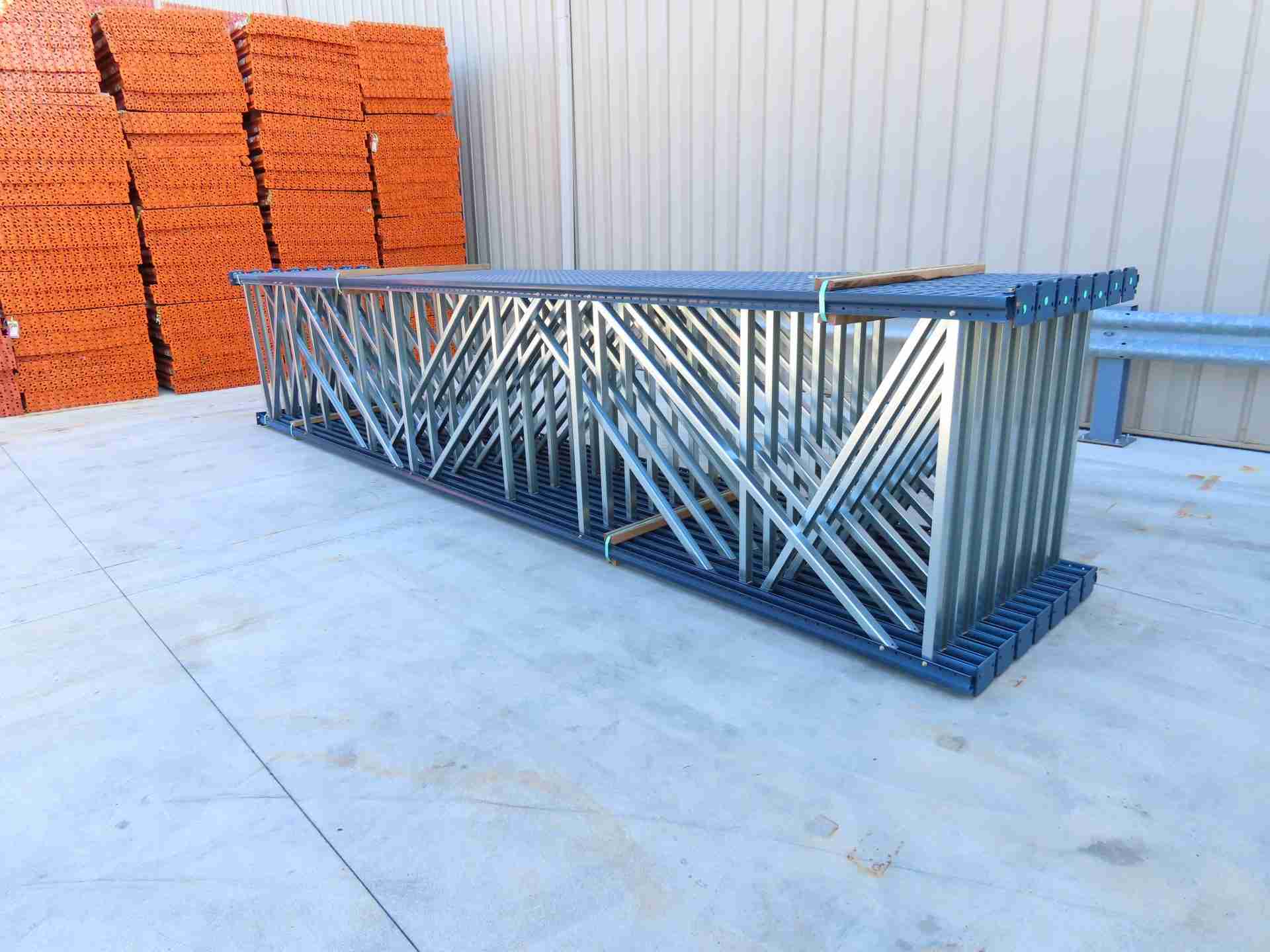
Equally important is ensuring that technology keeps pace with growth. Scalable systems represent a forward-thinking approach, allowing a business to adapt and thrive rather than simply surviving. They embody the commitment to excellence, creating a legacy of success. When every tool in the operation is optimized, from racking systems to the technology supporting them, a firm can forge ahead confidently, regardless of the challenges.
In conclusion, when growth threatens to overwhelm your warehouse, the solution isn’t simply to endure but to actively transform it into an opportunity for improvement. By reinforcing efficient practices and investing in people and systems—both physically and technologically—you pave the way for a resilient future. Each effort to optimize space, bolster team morale, and enhance operational efficiency sends a powerful message: your business is not just about surviving the current wave but riding toward a horizon ripe with potential.

Conclusion
Conclusion:
- Growth can lead to chaos in the warehouse, affecting productivity and morale.
- Hidden costs of inefficiency include spoilage, lost orders, and wasted time.
- Investing in robust racking systems and storage solutions can regain order and boost productivity.
- A well-organized workspace enhances employee engagement and teamwork.
- Addressing inventory overflow and staff shortages demonstrates ethical commitment and enhances customer loyalty.
- Scalable systems enable a business to adapt and thrive in a changing environment.
- Transforming warehouse challenges into opportunities reinforces the commitment to operational efficiency and team morale.
Conclusion
Other Resources

Other Resources
Here is a list of other resources you can review online to learn more:
- BMH
- The Complete Pallet Rack Guide – Simply Rack
- Wolter
- Storage Equipment Manufacturers Association
- Interlake Mecalux
- Warehouse Storage Racking in Illinois
- IIWS Inc. Rack Installation Illinois & Rack Repairs Illinois
- NSC
- Teardrop Pallet Rack – Ridg-U-Rak
- Pallet Racks, Pallet Racking, Pallet Shelves in Stock – ULINE
- WERC
- RMI
- Pallet Racking systems in Illinois and Great Lakes
- Iowa Illinois Warehouse Racking
- Mustang Material Handling
- Storage Equipment Manufacturers’ Association
- Selective Pallet Racking Systems – Container Systems
- Crane Manufacturers Association Of America Inc.
- Interlake Mecalux
Use This Prompt To Get More Resources With Your Favorite Online AI Tool: Please provide me with a list of online articles with their URLs in a bulleted list that I can read regarding When Growth Breaks Your Warehouse

Other Resources
Glossary Terms
When Growth Breaks Your Warehouse – Glossary Of Terms
1. Automation: The use of technology to perform tasks with minimal human intervention, increasing efficiency in warehouse operations.
2. Capacity: The maximum amount of goods a warehouse can store, often measured in square footage or cubic volume.
3. Fulfillment: The complete process of receiving, processing, and delivering orders to customers.
4. Inventory: The stock of goods and materials that a warehouse holds for sale or distribution.
5. Logistics: The detailed coordination of complex operations involving people, facilities, and supplies.
6. Order Picking: The process of selecting and gathering products from inventory to fulfill customer orders.
7. Palletization: The practice of stacking goods on pallets for ease of handling and storage.
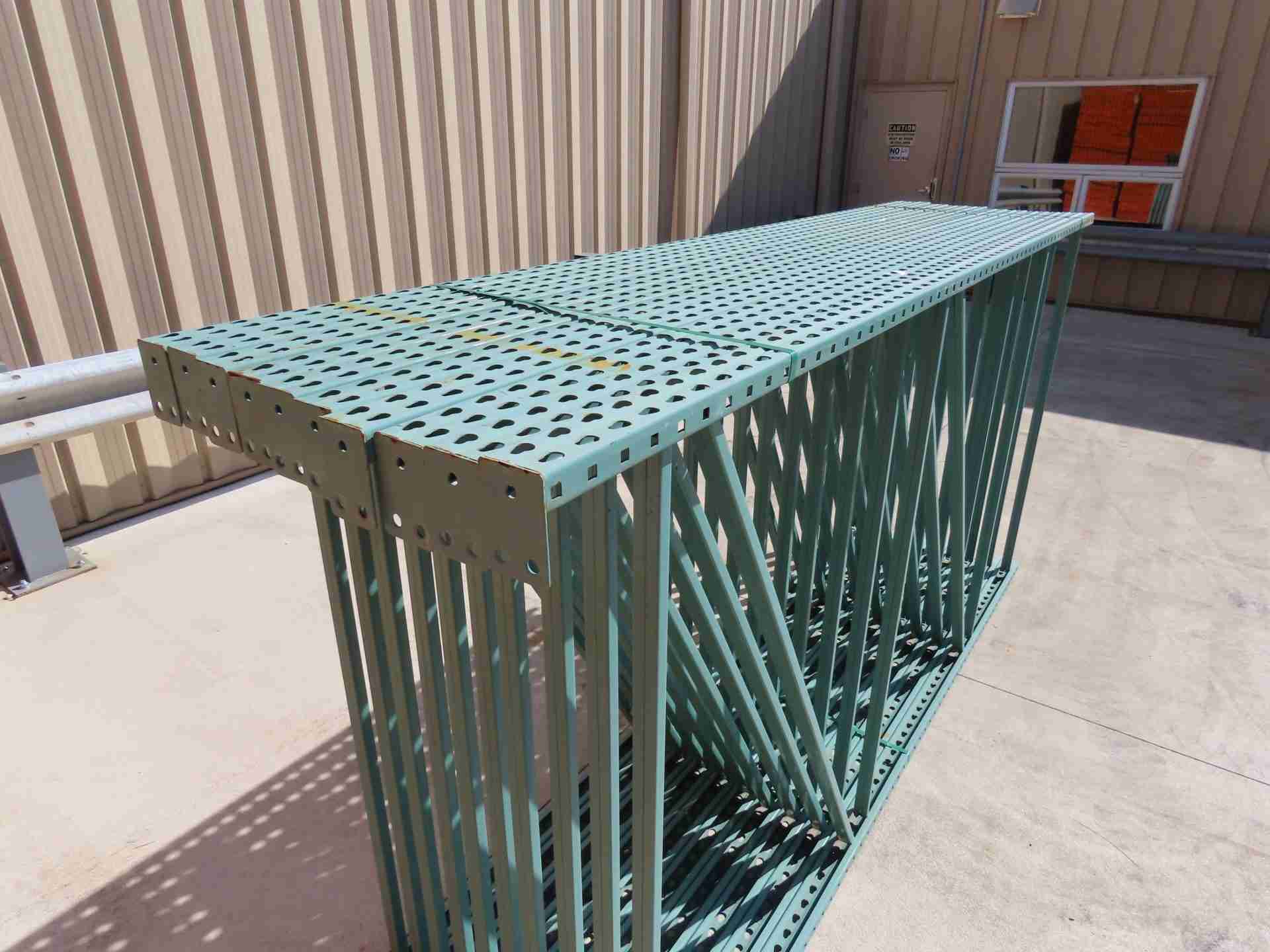
8. Racking: Systems used to store and organize goods in a warehouse, maximizing vertical and horizontal space.
9. SKU (Stock Keeping Unit): A unique identifier for each distinct product or item for sale in retail or warehousing.
10. Supply Chain: The network of suppliers, manufacturers, warehouses, and retailers involved in distributing goods to the final consumer.
11. Warehousing: The act of storing goods in a warehouse for short-term or long-term use.
12. Distribution Center: A specialized warehouse designed to receive, store, and distribute products to retailers or customers.
13. Lead Time: The total time it takes from placing an order to receiving the goods.
14. Replenishment: The process of restocking inventory to maintain supply levels and meet demand.
15. FIFO (First In, First Out): An inventory management method where the oldest stock is sold or used first.
16. LIFO (Last In, First Out): An inventory management method where the most recent stock is sold or used first.
17. Cross-Docking: A logistics process where products are directly transferred from inbound to outbound shipping with minimal storage time.
18. Consolidation: The practice of combining goods from multiple suppliers into a single shipment to reduce transportation costs.
19. Backlog: A buildup of unfulfilled orders due to insufficient inventory or processing capacity.
20. Safety Stock: Extra inventory kept on hand to mitigate the risk of stockouts.
21. Overhead: Ongoing costs associated with running a warehouse, including utilities, rent, and labor.
22. Demand Forecasting: The process of predicting future customer demand to inform inventory and supply chain decisions.
23. SKU Rationalization: The analysis and optimization of a product range by reducing the number of SKUs to improve efficiency.
24. Cycle Counting: An inventory audit technique where a subset of inventory is counted on a fixed schedule to maintain accuracy.
25. Returns Management: The process of handling the return of goods from customers, including restocking and processing refunds.
26. Lean Warehousing: An approach that focuses on minimizing waste and maximizing efficiency in warehouse operations.
27. Warehouse Management System (WMS): Software that supports the day-to-day operations of running a warehouse, including inventory tracking and order processing.
28. Cold Storage: Warehousing facilities designed to store temperature-sensitive products, such as food and pharmaceuticals.
29. E-commerce Fulfillment: The specific processes involved in fulfilling orders placed online, from storage to delivery.
30. Returns Processing: The workflow involved in handling returned goods, including inspection, restocking, and disposal if necessary.
Glossary Of Terms
Other Questions
When Growth Breaks Your Warehouse – Other Questions
If you wish to explore and discover more, consider looking for answers to these questions:
- What are the early warning signs that growth is overwhelming my warehouse?
- How do I accurately measure current warehouse capacity and utilization?
- Which KPIs should I track to identify and monitor fulfillment bottlenecks?
- What immediate actions can reduce order fulfillment delays?
- How do I calculate the ROI for upgrading racking systems or layout changes?
- What are typical costs (materials, labor, downtime) for a racking reconfiguration?
- How long does a racking upgrade or full layout redesign usually take?
- How do I prioritize which zones or SKUs to reorganize first?
- Which racking types work best for different product profiles (bulky, palletized, small parts)?
- When should I invest in automation (AS/RS, conveyors, robots) versus human-centered improvements?
- How do I evaluate and choose warehouse technology that scales with growth?
- What integration challenges should I expect between new racking/automation and existing WMS/ERP?
- How can I reduce excess inventory and avoid overflow without stockouts?
- What inventory management methods (ABC, just-in-time, EOQ) work best as volume grows?
- Which picking strategies (zone, batch, wave, single) will improve throughput for my operation?
- How do I improve picking accuracy and reduce returns?
- What staffing strategies can handle peak demand without long-term overstaffing?
- What training and change-management practices help teams adopt new systems quickly?
- How should I involve frontline workers in redesign decisions to boost buy-in and safety?
- What safety, ergonomic, and regulatory issues arise when increasing rack height or density?
- How does racking configuration affect warehouse safety inspections and insurance premiums?
- What maintenance schedules and inspections are required to keep racking systems safe and reliable?
- How do I minimize operational downtime during retrofit or reconfiguration projects?
- What temporary measures (cross-docking, pop-up storage, 3PL) can maintain service while upgrading?
- How do I finance major warehouse upgrades — capex vs. leasing vs. vendor financing?
- When is outsourcing to a 3PL preferable to upgrading internal warehouse capacity?
- How can I forecast future space and throughput needs more accurately?
- What data should I collect now to justify and guide future investments?
- How can I benchmark my warehouse performance against industry standards or competitors?
- What common pitfalls do companies encounter when scaling warehouse operations?
- How do temperature control, hazardous materials, or perishables change racking and process choices?
- What sustainability or energy-efficiency options should be considered during redesigns?
- How should reverse logistics and returns processing be incorporated into layout plans?
- How do I assess vendors and integrators for credibility, references, and long-term support?
- Are there low-cost, high-impact changes I can implement immediately to relieve congestion?
- What real-world case studies exist of similar businesses that successfully transformed their warehouses?
- At what point is relocation to a larger or differently configured facility a better option than refit?

Other Questions
Checklist
When Growth Breaks Your Warehouse – A Checklist
Demand and Throughput Signals
✅______ Daily order volume and line count tracked with week-over-week trend
✅______ Dock-to-stock time at or below target (e.g., < 8 hours)
✅______ Pick cycle time variance monitored; special-cause spikes addressed
✅______ Backorder rate within target; root causes logged
✅______ On-time ship rate meets promise window (e.g., ≥ 98%)
✅______ Overtime usage within plan; no chronic reliance on OT
✅______ Labor productivity (lines per labor hour) meeting standard
✅______ Bottlenecks identified by heat maps or time studies
Space and Layout
✅______ Storage utilization measured; sustained > 85% triggers action plan
✅______ Clear receiving, staging, and returns zones (no encroachment)
✅______ Aisle widths match equipment specs; no pinch points
✅______ ABC slotting implemented; high-velocity SKUs at golden zone
✅______ Vertical space utilization measured; safe top-of-rack clearance
✅______ Clear, durable location labels and signage end-to-end
✅______ Travel paths optimized; U- or through-flow by design
✅______ Replenishment aisles separated from picking where possible
Racking Systems Integrity and Fit
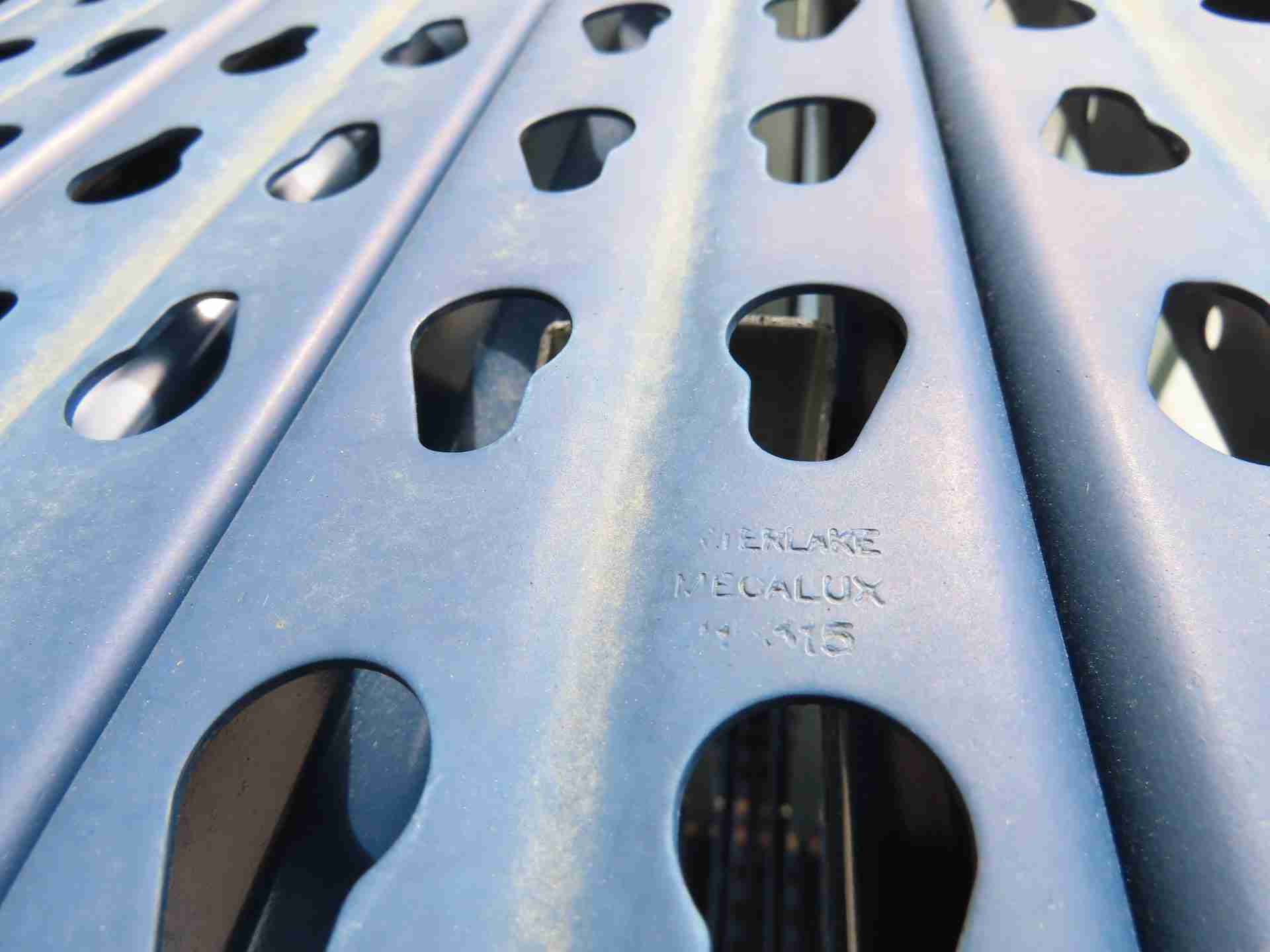
✅______ Rack type fits SKU profile (selective, push-back, pallet flow, carton flow, mezzanine)
✅______ Load ratings posted; beam deflection within spec
✅______ Pallet quality standards enforced; no broken or damaged pallets stored
✅______ Flue space maintained; row spacers and pallet stops used
✅______ Rack inspections performed on schedule; defects corrected
✅______ End-of-aisle and column protection installed
✅______ Seismic and insurance compliance verified
✅______ Pick-face ergonomics assessed; lifts and aids available
Inventory Health and Flow
✅______ Cycle counting program with ≥ 99.8% accuracy on A-items
✅______ FIFO/FEFO enforced; date codes visible at pick face
✅______ Aged and dead stock thresholds defined and actioned
✅______ Safety stock policy documented; reviewed to demand variability
✅______ Obsolescence, damage, and shrink tracked with causes
✅______ Replenishment min/max levels tuned and monitored
✅______ Returns triage process defined; salvage or dispose pathways clear
✅______ Supplier delivery reliability tracked; ASN accuracy measured
Order Fulfillment and Customer Promise
✅______ Perfect order metric tracked (complete, accurate, damage-free, on-time)
✅______ Root causes for delays logged (stockouts, slotting, congestion, system downtime)
✅______ Pick methods fit demand profile (discrete, batch, zone, wave/waveless)
✅______ Packing standards prevent damage; right-size packaging in use
✅______ Carrier cutoffs aligned with pick/pack capacity
✅______ Exception lanes and rework areas defined
✅______ QA checks at defined intercept points
✅______ Real-time order status visibility to service teams
Workforce and Peak Readiness
✅______ Cross-training matrix current; coverage for critical roles
✅______ Peak staffing model (internal + flex) with lead times secured
✅______ Standard work documented for all core tasks
✅______ Daily stand-up cadence with safety, quality, delivery, and cost metrics
✅______ Incentives tied to team performance and quality, not speed alone
✅______ Temp labor onboarding checklist and safety training ready
✅______ Ergonomic risk assessments completed; aids deployed
✅______ Morale pulse checks; recognition program active
Technology and Data Scalability
✅______ WMS/WES supports slotting, directed putaway, and replenishment
✅______ System capacity tested for peak order and user loads
✅______ Clean item/location master data; barcode/RFID standards enforced
✅______ Mobile scanning devices reliable; spare units available
✅______ Integrations (ERP, eCommerce, carriers) via stable APIs; error handling in place
✅______ Operational dashboards with live KPIs and alerts
✅______ Automation pilots evaluated (voice, pick-to-light, AMRs) with ROI
✅______ Uptime SLAs met; change management for releases
Safety and Compliance
✅______ PPE compliance audited; training refreshed on schedule
✅______ Clear egress routes; no blocked fire equipment
✅______ Sprinkler and ceiling clearance maintained
✅______ Forklift traffic plans and pedestrian walkways marked
✅______ Incident and near-miss reporting active; corrective actions tracked
✅______ Load signage and safe working loads posted
✅______ Housekeeping standards (5S) sustained
✅______ Regulatory and insurance inspections current
Financial Impact and Hidden Costs
✅______ Inventory carrying cost calculated and reviewed (e.g., 20–30% annually)
✅______ Space cost per pallet position known; alternatives compared
✅______ Cost per order and per line measured; trends reviewed
✅______ Spoilage and damage cost tracked; top drivers addressed
✅______ Expedite and premium freight monitored; triggers defined
✅______ Capex/Opex plan for storage and tech upgrades with payback analysis
✅______ Customer churn or SLA penalties tied to fulfillment issues quantified
✅______ Labor variance vs. plan analyzed weekly
Governance and Continuous Improvement
✅______ Single owner for warehouse transformation with charter
✅______ KPI board visible; tiered accountability meetings in place
✅______ Kaizen pipeline maintained; top 3 initiatives active
✅______ Standard audits (5S, safety, process) on cadence
✅______ Post-peak retrospectives conducted; actions closed
✅______ Supplier and carrier scorecards reviewed quarterly
✅______ Training refresh and certification program maintained
✅______ Customer feedback loop informs operational priorities
Go/No-Go Triggers for Action
✅______ Utilization > 85% for 4+ weeks
✅______ OT > 10% of labor hours for 4+ weeks
✅______ On-time ship < 98% for 2+ weeks
✅______ Order accuracy < 99.5% for 2+ weeks
✅______ Injury or near-miss trend increasing
✅______ Aged inventory > target by 20%+
✅______ System downtime causing missed cutoffs
✅______ Rack inspection reveals unresolved critical defects
Decision Framework for Upgrades
✅______ Problem clearly defined with baseline metrics
✅______ Options compared (process, racking, layout, tech, labor)
✅______ Pilot scope and success criteria set
✅______ Change impact on people, process, and tech assessed
✅______ Implementation plan with timeline and owner approved
✅______ ROI and payback validated post-implementation
Checklist
At RackingWorld, we help guide you through selecting warehouse storage systems and racking.
Be sure to read our other related stories at RackingWorld to learn more about warehouse storage systems.
0 Comments