
Transform Chaos Into Order: Smart Solutions For Overloaded Spaces
By Tom Seest
At RackingWorld, we help guide you through selecting warehouse storage systems and racking.
Be sure to read our other related stories at RackingWorld to learn more about warehouse storage systems.
What to Do When Your Warehouse Is Bursting At the Seams
When your warehouse is bursting at the seams, it’s time to roll up your sleeves and get to work. Many businesses reach a tipping point where the storage space just can’t handle the influx of goods anymore. Picture it: stacks of boxes teetering precariously, employees dodging carts like it’s an obstacle course. It’s stressful, it’s chaotic, and it’s a problem that needs solving—fast.
Start by examining your current setup. Racking systems are a game changer. These aren’t just shelves; they’re your front line in the battle against clutter. With the right racking systems, you can maximize vertical space, turn chaos into order, and make your warehouse more efficient. Not only does this help with organization, but it can also reduce the risk of damage to your products. When you can see everything clearly, you’ll know when stock is low or when something’s gone missing.
We understand that investing in new racking systems can feel daunting, especially when budgets are tight. But think about the long-term gains. Greater efficiency means faster order fulfillment, which leads to happy customers and repeat business. Building trust through reliability is key. When your customers know they can count on you, it fosters a loyalty that’s hard-earned and priceless.
Now, let’s get real. There are also those moments of hesitation—like the fear of turning your warehouse upside down with a big overhaul. Remember, every successful warehouse manager has faced these nerves. Maybe it’s time to think of these changes not as threats but as opportunities. Consider a phased approach to revamping. Start small, perhaps by reconfiguring just one section with those racking systems. Watch your team adapt, see how quickly things improve, and let that momentum build.
Engage your team in this process. Share the vision, encourage their input. When everyone’s invested, the burden becomes lighter. And there’s nothing quite like the camaraderie that develops when a group joins together to tackle a tough problem. Invite them to brainstorm solutions and celebrate the small wins along the way.
A warehouse shouldn’t just be a space to store items; it should be a hub of productivity. So, whether you’re tightening up logistics or redesigning your layout, remember that the heart of your operation is the people who keep it running. With the right changes, your overflowing warehouse can transform into a well-oiled machine.

What to Do When Your Warehouse Is Bursting At the Seams
What to Do When Your Warehouse Is Bursting At the Seams
- Examine current warehouse setup for efficiency.
- Implement racking systems to maximize vertical space and organization.
- Investing in racking can lead to long-term gains and increased order fulfillment.
- Consider a phased approach to revamping the warehouse layout.
- Engage the team in the process to encourage input and camaraderie.
- Celebrate small wins to maintain momentum during changes.
- Transform the warehouse into a hub of productivity focused on team functionality.

What to Do When Your Warehouse Is Bursting At the Seams
Table Of Contents
- What to Do When Your Warehouse Is Bursting At the Seams
- What Signs Indicate My Warehouse Is Overflowing?
- How Can I Efficiently Utilize Space?
- Are There Technology Solutions for Inventory Management?
- What Are the Costs Of Expanding My Warehouse?
- How Do I Prioritize Which Items to Keep?
- What Are Best Practices for Inventory Organization?
- Conclusion
- Other Resources
- Glossary Of Terms
- Other Questions
- Checklist
What Signs Indicate My Warehouse Is Overflowing?
You might think a full warehouse is a sign of success, but when those racking systems are bursting at the seams, it can spell trouble. Picture this: you walk into your warehouse and are immediately greeted by a maze of boxes. The path to the loading dock is barely visible, and finding what you need feels like an expedition. That’s not just clutter; it’s chaos, and it can have real consequences for your operation.
The first sign is a simple one: if you are struggling to find inventory, it’s time to take a serious look at your space. It shouldn’t be a scavenger hunt to locate a specific item. Your workers should be able to gather what they need efficiently, not waste precious hours digging through piles of inventory. An overflowing warehouse isn’t just an inconvenience; it’s a drain on productivity and morale. When your team is frustrated, it resonates through every aspect of your operation.
Next, consider your safety protocols. Racking systems are designed for a reason; overloading them can lead to accidents, injuries, and even costly damages. Remember the last time a box toppled over because it was stacked too high? It’s more than an eyesore; it’s an ethical issue. Keeping your warehouse organized isn’t just about ease—it’s about protecting your employees. An efficient, safe workspace fosters a culture of respect and responsibility.
And let’s not overlook the financial aspect. An overflowing warehouse can lead to longer lead times, delayed shipments, and ultimately, disappointed customers. In today’s competitive market, a strong reputation is everything. If you’re known for late deliveries and confused order processing, you’ll find your clients looking elsewhere. Rationally, keeping a sleek, organized warehouse can help to maximize your profitability and retain loyal customers.
Listening to your gut is just as crucial. If your instincts are telling you something feels off, it’s worth investigating. You might think it’s just the nature of the business, but deep down, you know that an overflowing warehouse is unsustainable. Trust that feeling, and take action before it leads to bigger issues down the road.
The signs are there, clear as day. Clutter, chaos, and confusion are not badges of honor but warnings. Evaluate your space, respect your workforce, and prioritize your clients. A healthy warehouse leads to a thriving business, and recognizing the signs of overflow is the first step in taking back control.
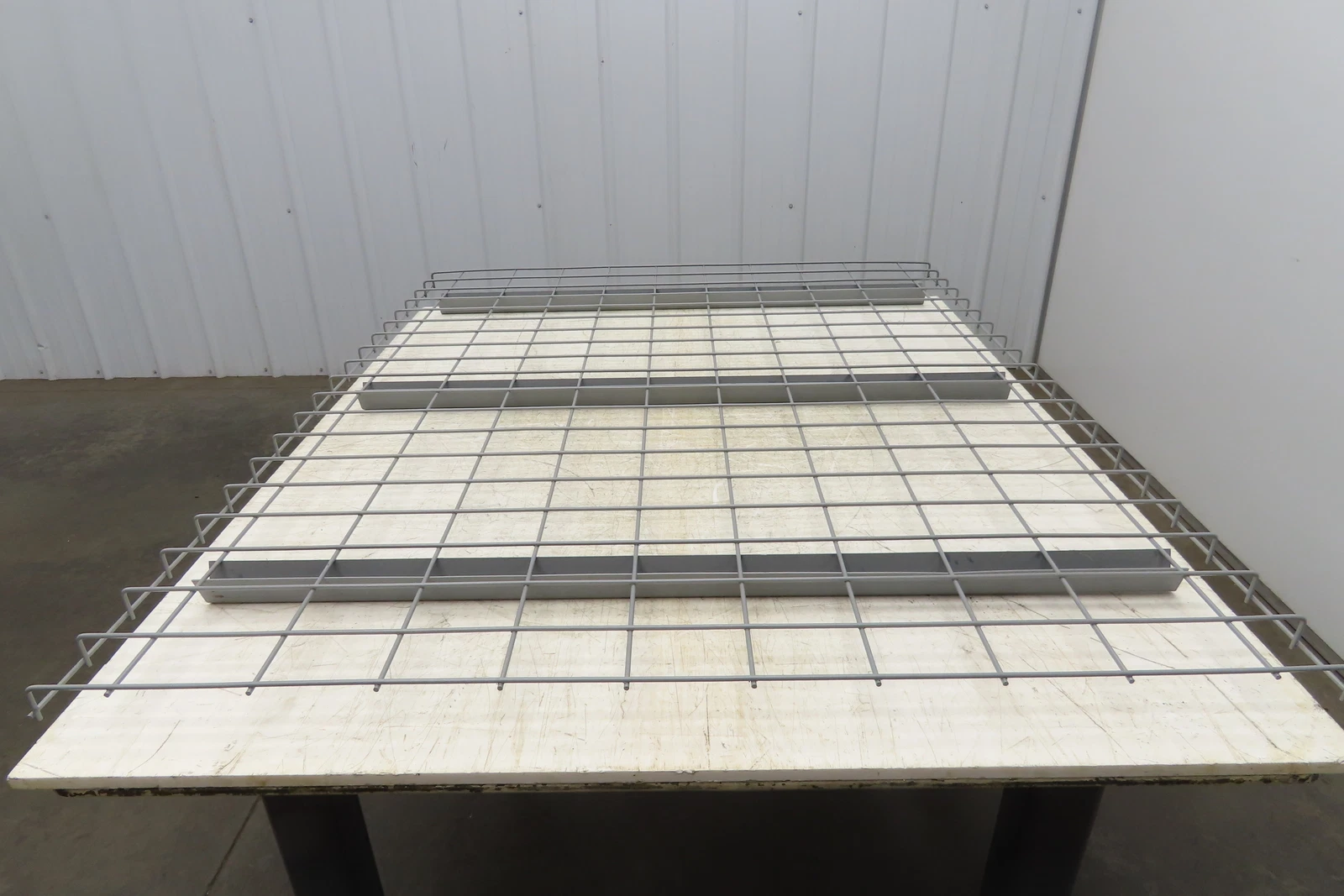
What Signs Indicate My Warehouse Is Overflowing?
What Signs Indicate My Warehouse Is Overflowing?
- A full warehouse can indicate problems rather than success.
- Struggling to find inventory signifies the need for spatial evaluation.
- An overflowing warehouse drains productivity and harms employee morale.
- Overloaded racking systems pose safety risks and ethical concerns.
- Financially, chaos in the warehouse leads to delays and dissatisfied customers.
- Intuition about warehouse issues should not be ignored; investigate concerns.
- Recognizing signs of an overflowing warehouse is essential for maintaining business health.

What Signs Indicate My Warehouse Is Overflowing?
How Can I Efficiently Utilize Space?
Efficiently utilizing space isn’t just about fitting things in; it’s about making every square inch work for you. Think of your garage or workshop as a blank canvas. Instead of letting tools pile up in a corner or collecting dust on shelves, consider installing racking systems that can transform vertical space into storage solutions. These systems can hold everything from lumber to spare tires, saving you the headache of digging through clutter when you need that one tool.
Imagine standing in your well-organized workshop, knowing exactly where everything is. That’s not just a matter of convenience; it’s about peace of mind. The emotional lift that comes from an orderly space isn’t to be underestimated. It can motivate you to tackle projects with a clearer head and a more energized spirit. And let’s not forget that a well-utilized space can foster creativity. Whether you’re crafting, building, or fixing, having an environment that’s optimized enables your best ideas to flourish.
From a practical standpoint, take stock of what you have. Evaluate which items you use daily versus those that just occupy space. This helps create a hierarchy of needs, laying the groundwork for a streamlined setup. You can repurpose areas that serve little purpose. Maybe the corner reserved for things you haven’t touched in years becomes a dedicated workspace. Emphasizing functionality over mere storage can lead to a newfound respect for the items and tools you’ve accumulated.
It’s about ethical stewardship too. Keeping your space organized translates to saving resources, time, and energy. Think of how much sanity you save by knowing where your tools are and not always having to repurchase lost items. You’re not just tossing stuff onto shelves; you’re creating a sustainable method of living and working that opens the door for others to adopt similar habits.
Finally, there’s a communal aspect to efficiently utilizing space. Share your methods with friends or neighbors facing the same overwhelming clutter. This isn’t just your battle; it’s one everyone understands. In fostering that sense of community, you create a network that encourages sharing tips and tricks, making the journey toward better organization feel less lonely. By making small changes each time you enter your space, you can inspire confidence in not just yourself, but also those around you to take on their own clutter with a renewed sense of purpose.
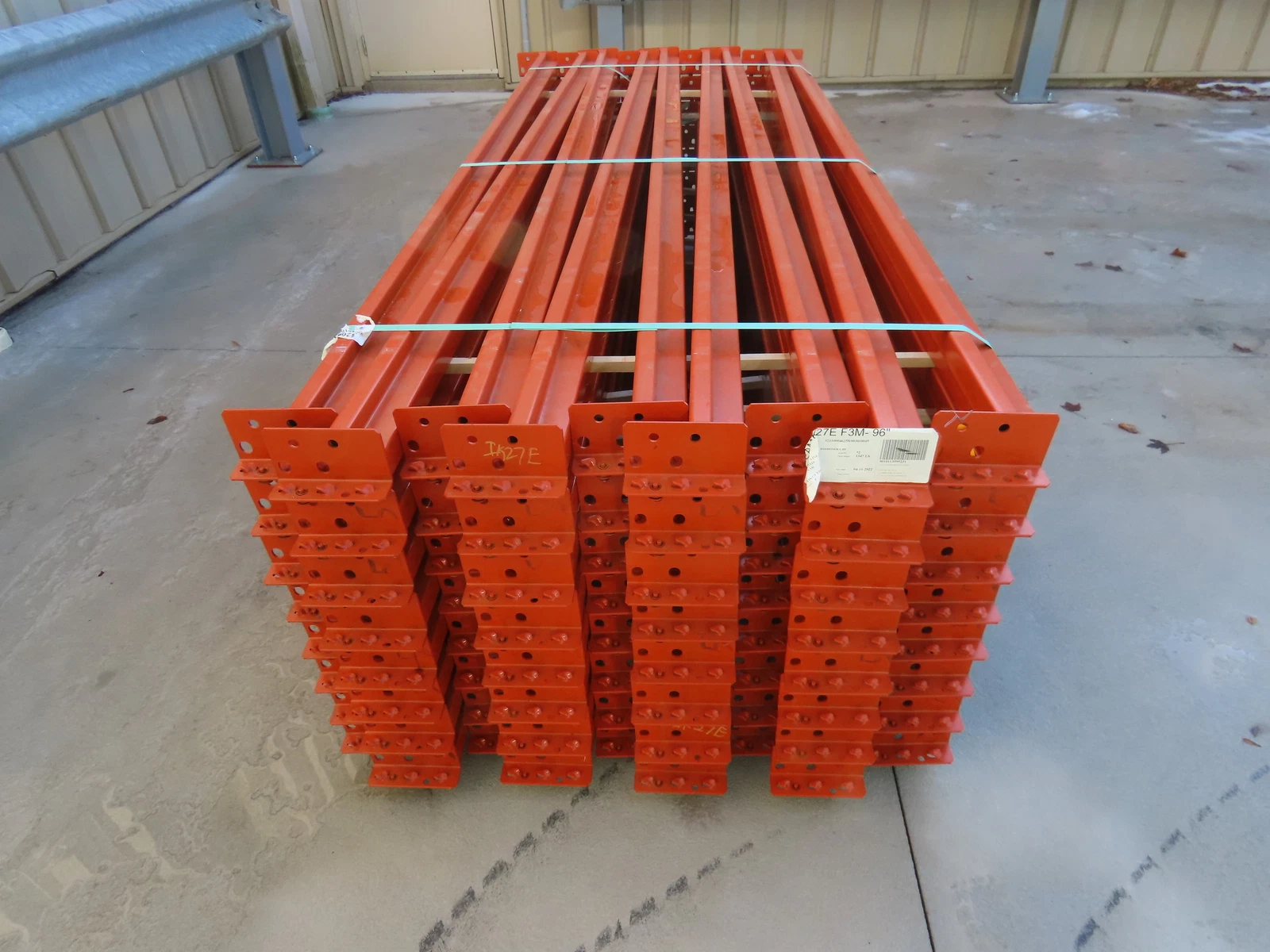
How Can I Efficiently Utilize Space?
How Can I Efficiently Utilize Space?
- Efficient space utilization transforms every square inch into functional storage.
- Racking systems can optimize vertical space to reduce clutter and improve accessibility.
- An organized workshop enhances peace of mind and motivates project engagement.
- Evaluate your belongings to distinguish between frequently used items and clutter.
- Repurpose underutilized spaces to create functional work areas.
- Organized spaces promote ethical stewardship by saving resources and reducing waste.
- Sharing organization strategies fosters community and encourages collective improvement.

How Can I Efficiently Utilize Space?
Are There Technology Solutions for Inventory Management?
When it comes to keeping track of stock, the old ways just don’t cut it anymore. The days of scribbling counts on a clipboard or jotting down figures in a dusty logbook can feel as obsolete as dial-up internet. Today’s businesses need technology solutions for inventory management that not only keep shelves stocked but also save time, reduce waste, and ultimately boost the bottom line.
Racking systems are just one piece of the puzzle. It’s more than just slapping some shelves together; it’s about maximizing every inch of your warehouse to create an efficient flow. Imagine walking into your storage area and seeing everything in its right place, neatly organized, and easy to access. It’s not just a dream; it’s achievable with the right tools. Technology like automated storage systems can take this efficiency up a notch, ensuring that high-demand items are always within reach, reducing the risk of stockouts at critical moments.
But let’s not overlook the heart of the matter: the people behind the process. Every employee knows the frustration of mismanaged inventory. It can feel like a never-ending cycle of waste and stress. Implementing a solid inventory management system shows that you care about your team. They deserve to work in an environment where accessing what they need is as straightforward as it should be. This shift builds a culture of trust and respect, allowing your workforce to focus on meaningful tasks instead of hunting for items in a chaotic storage area.
Rationally, updating to a modern inventory system can yield significant financial benefits. Think of the dollars tied up in overstock or the revenue lost because a popular item is out of reach. A technology solution streamlines operations, allowing businesses to respond swiftly to market demands. With real-time data at your fingertips, you can make informed decisions that avoid costly mistakes.
Moreover, there’s an ethical aspect to it. In today’s world, companies are expected to be responsible stewards of resources. Using technology to ensure that surplus inventory doesn’t go to waste aligns with a growing expectation from consumers who want to support businesses that are mindful of their impact.
Ultimately, investing in inventory management technology is a step towards building a more resilient and responsive business. When you invest in the right racking systems and digital tools, you equip your operation for long-term success, transforming challenges into opportunities for growth. It’s time to roll up your sleeves, look at what you have, and make a plan that sets your business apart. The results might just surprise you.
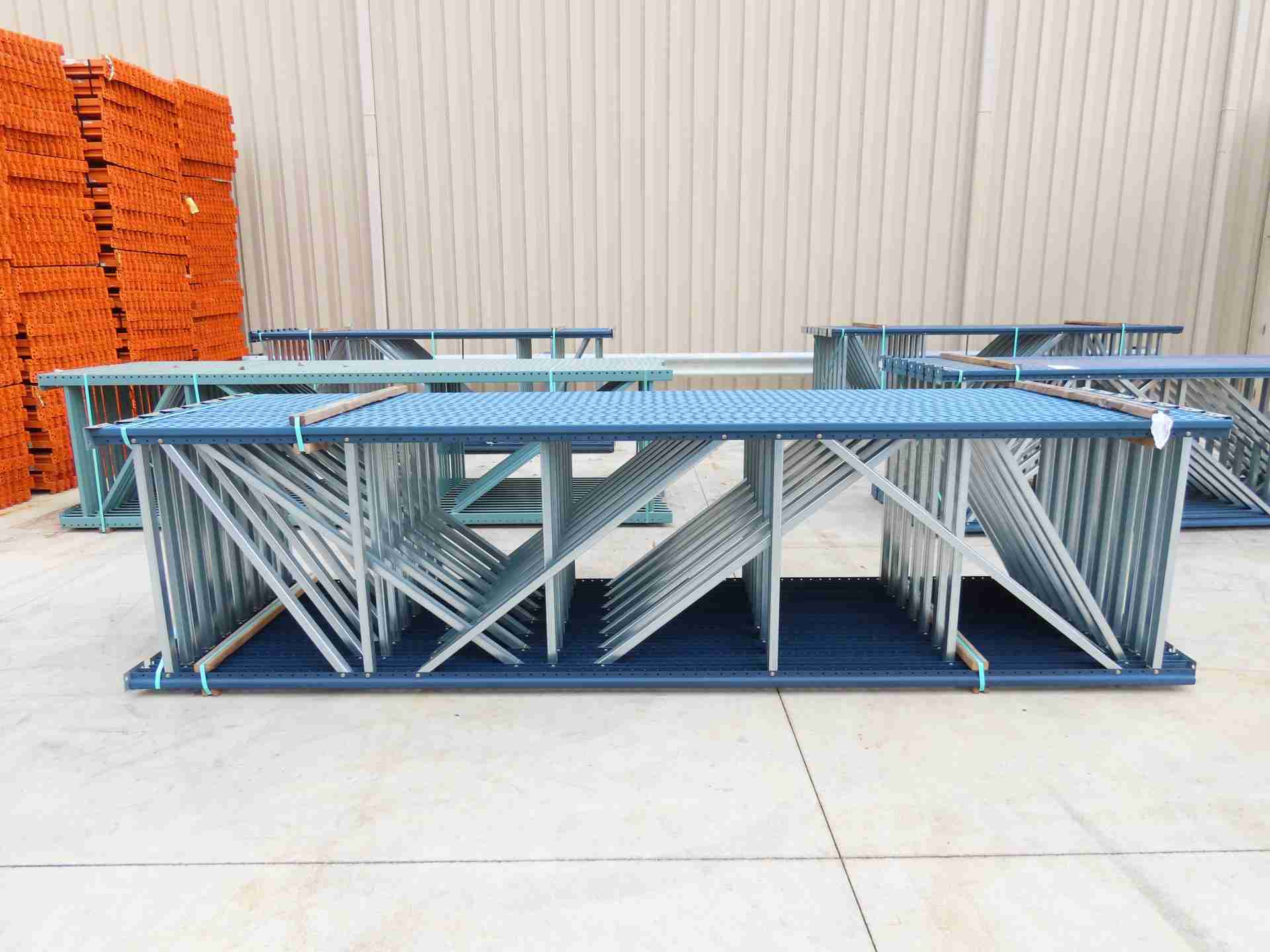
Are There Technology Solutions for Inventory Management?
Are There Technology Solutions for Inventory Management?
- Traditional inventory tracking methods are outdated and inefficient.
- Businesses require technology solutions for effective inventory management to save time and reduce waste.
- Racking systems maximize warehouse space and improve accessibility of products.
- Automated storage systems help manage high-demand items, reducing stockout risks.
- Implementing modern inventory systems fosters a supportive work environment for employees.
- Upgrading inventory management can lead to significant financial benefits and informed decision-making.
- Investing in technology aligns with ethical responsibility towards resource management and consumer expectations.

Are There Technology Solutions for Inventory Management?
What Are the Costs Of Expanding My Warehouse?
Expanding your warehouse is a significant step, and the costs can feel daunting at first glance. But let’s break it down and see what makes sense for your operation. First off, the financial aspect is real – you’re not just tossing money around. Investing in racking systems, for instance, can vastly improve your storage capacity. Think of it as upgrading your toolbox; the right racking can transform a chaotic space into an efficient, organized workplace, which ultimately saves time and reduces operational hiccups.
From a gut feeling, there’s something about watching your business grow that ignites a sense of pride. Picture your team working more efficiently because the items are well-organized and easily accessible. That kind of environment breeds confidence. When your workers can find what they need without rummaging through countless boxes, morale improves. An expanded warehouse signals growth, but it’s the day-to-day ease for your team that adds fuel to the fire of ambition.
Rationally, consider the long-term savings. Sure, the initial costs can seem intimidating—renovation work, new equipment, possibly hiring additional staff—but think about the increased productivity and how it can translate into higher profits. An upgraded racking system means fewer accidents, less time spent looking for misplaced items, and ultimately, faster shipping. It’s about adding layers of efficiency that stack up over time, leading to tangible returns on your investment.
Ethically, it matters how you approach this expansion. Supporting local contractors and businesses during your renovations strengthens community ties. When you source materials locally, you’re not just expanding your warehouse; you’re fueling the local economy. This isn’t just about growth; it’s about making choices that uplift those around you as you succeed.
Finally, there’s a social aspect that runs deep. Expanding your warehouse isn’t just an individual triumph; it’s a collective victory for your employees and community. Share the vision with your team. Invite their input; involve them in the process. When your crew feels invested in the growth, it fosters a connection that strengthens your company culture.
The costs of expansion are more than just dollars and cents. They reflect a promise to your team, your customers, and yourself—that you are ready for more. Taking this leap can invigorate your operation, providing the resources and organization needed to thrive. Each calculated step, from choosing racking systems to involving your workforce, lays the foundation for a warehouse that isn’t just bigger, but better.

What Are the Costs Of Expanding My Warehouse?
What Are the Costs Of Expanding My Warehouse?
- Expanding a warehouse involves significant costs that can seem daunting initially.
- Investing in racking systems enhances storage capacity and improves workplace organization.
- A well-organized environment boosts team efficiency and morale, fostering pride in business growth.
- Long-term savings from renovation and upgraded systems include increased productivity and faster shipping.
- Supporting local contractors during expansion strengthens community ties and boosts the local economy.
- Involving employees in the expansion process creates a collective triumph and strengthens company culture.
- The costs of expansion represent a commitment to growth and improvement for the business and its stakeholders.

What Are the Costs Of Expanding My Warehouse?
How Do I Prioritize Which Items to Keep?
When it comes to deciding what to hold onto, the process can feel as daunting as sorting through a lifetime of memories in an old attic. Start by thinking practically about your space and needs. Can you imagine your garage filled with racking systems designed for efficiency, yet cluttered with items that no longer serve you? It’s common to accumulate things—leftovers from life’s many chapters. But here’s where you should listen to your heart, head, and gut.
Begin with the emotional pull of items. Each object often carries weight—think of that worn toolbox handed down through generations. It speaks to a history that might inspire you to embark on your next DIY project. Yet, does it make sense if it’s just taking up space? Reflecting on the story behind each item can help you make clearer decisions. Ask yourself: Does this item inspire joy, memories, or creativity? If it doesn’t, it might be time to let go.
Now, for the rational mind. Consider practicality. Assess whether these items are functional. Are those old racking systems still fit for purpose? If they’ve rusted away or no longer hold the weight they once did, they’ve outlived their usefulness. Write down what you regularly use versus what just sits there collecting dust. This exercise not only clarifies what’s vital but also emphasizes how functionality can lead to a more efficient lifestyle.
Ethically, think about the impact of your choices. If something doesn’t serve you anymore, passing it on can create ripples of goodwill. You could donate tools to a local community center or sell items to someone who might appreciate them. It turns a potential waste into a resource for others, fostering a sense of community connection.
Lastly, consider your social circle. Each decision you make about what to keep can influence those around you. Share the process with family and friends; you’ll find shared stories and laughs in the memories tied to those items. Use this as an opportunity to cultivate deeper bonds, turning a chore into an event filled with connection. So while you might start alone on this journey, reaching out can inspire not just action but trust and camaraderie in tackling the clutter together. It’s about creating a space that reflects who you are today, not just where you’ve been.

How Do I Prioritize Which Items to Keep?
How Do I Prioritize Which Items to Keep?
- Deciding what to keep can be overwhelming, similar to sorting through an attic of memories.
- Evaluate your space and needs; prioritize efficiency by removing items that no longer serve you.
- Emotional value matters; reflect on the joy or memories that items inspire to determine their worth.
- Assess practicality; ensure items are functional and useful to avoid clutter.
- Consider the ethical impact of your choices; donate or sell items to benefit others and foster community.
- Involve your social circle; sharing the process can strengthen bonds and create shared memories.
- Focus on creating a space that reflects your current identity rather than just a collection of the past.

How Do I Prioritize Which Items to Keep?
What Are Best Practices for Inventory Organization?
When it comes to inventory organization, the heartbeat of any operation lies in the systems we put in place to keep things running smoothly. Racking systems stand out as a cornerstone of an effective organization strategy. They may not seem flashy, but they are the backbone that can turn chaos into order, and saving time means saving money.
First off, think of the heart of the matter: your workforce. A well-organized space fosters efficiency and morale. When your team can readily access what they need, it reflects respect for their time and effort. It’s about the sweat and grit they put in every day; making their tasks easier is an act of care for those who keep the wheels turning. Place the most frequently used items within arm’s reach, and consider the flow of your workspace. It’s not just about what looks good on paper, but about creating a rhythm that matches the daily hustle.
Then there’s the brain of the operation—it’s where common sense meets strategy. Rational organization means mapping out what you have, categorizing it, and employing racking systems that maximize your space. Vertical storage can free up valuable floor space, allowing for movement and accessibility. Also, labels are your best friend; they streamline the process and cut down on search times, which adds up to lost productivity. Inventory tracking software can also play a pivotal role in keeping tabs on what’s in stock, enabling quick responses to customer needs.
But let’s not forget the ethical angle: transparency and accountability are paramount. Reviewing stock regularly not only prevents oversupply or shortages, but it also builds trust within the team. Everyone knows what’s on hand, which empowers them to take ownership and pride in their work. It becomes a shared mission—a commitment to clarity and efficiency that nurtures a sense of unity.
The beauty of organized inventory lies in the stories behind every item on that shelf. Each box tells a tale of a customer served, a problem solved, or a project completed. By embracing racking systems and incentivizing smart inventory practices, you’re not just optimizing space; you’re fostering a culture. One where success is a collective effort and every detail matters, inspiring the kind of commitment that lifts everyone up and drives the whole operation forward.
In this journey of organization, what seems mundane is far more than just a task; it’s a pathway to pride, productivity, and connection.

What Are Best Practices for Inventory Organization?
What Are Best Practices for Inventory Organization?
- Effective inventory organization relies on robust systems for smooth operations.
- Racking systems are essential for turning chaos into order and saving time and money.
- A well-organized workspace enhances workforce efficiency and morale.
- Strategic organization includes categorizing inventory and maximizing vertical storage.
- Labels and inventory tracking software are crucial for streamlining processes and improving productivity.
- Transparency in stock management builds trust and encourages team ownership.
- Organized inventory fosters a culture of commitment, where every detail contributes to collective success.
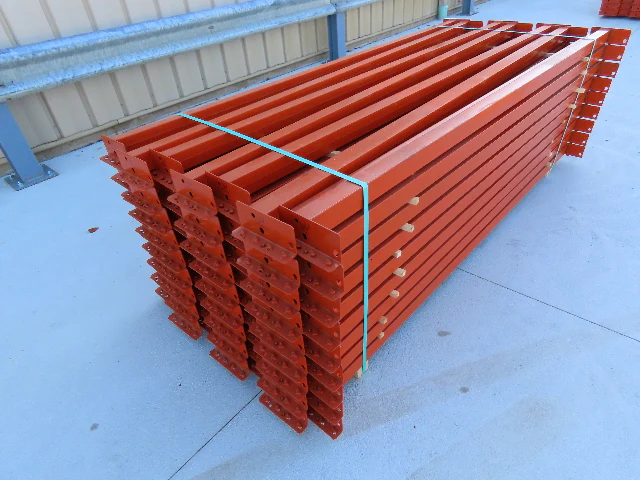
What Are Best Practices for Inventory Organization?
Conclusion
In the hustle and bustle of warehouse operations, recognizing when you’ve hit a wall can be a game-changer. As inventory piles up and space shrinks, it’s a signal to rethink and reorganize. A cluttered warehouse isn’t just an eyesore; it disrupts productivity and morale. Employees shouldn’t have to navigate a maze to find what they need. By investing in robust racking systems, businesses can turn chaos into order, maximizing not just storage but efficiency too. This investment isn’t merely about dollars; it’s about laying the groundwork for happy customers and a loyal clientele, who appreciate timely deliveries and smooth operations.
Driving this transition doesn’t have to be a daunting overhaul. A gradual approach can make a world of difference. Start by engaging your team, sharing a vision and inviting their ideas. When everyone has a stake in the changes, it lightens the load and fosters camaraderie. Working together to declutter and organize can reveal the collective strength of your workforce, transforming an overwhelming project into a shared goal.
Moreover, with modern technology, managing inventory becomes less of a chore and more of a streamlined process. Gone are the days of manual tracking; today’s solutions minimize errors, reduce waste, and ultimately boost profits. Employees see their work environment improve, leading to greater job satisfaction and motivation. Ethical stewardship is important as well; smart inventory management supports responsible resource use and contributes positively to the community.
Expanding your warehouse can be a vital step, but the costs require careful consideration. Upgrading storage systems presents an opportunity to enhance operations significantly, saving time and money in the long run. It’s about building a strong foundation for growth while supporting local economies through thoughtful investments. Communicating the expansion plan with the team encourages investment in the future, cultivating a culture where everyone feels part of the journey.
Finally, maintaining organization means prioritizing what stays and goes. Items should carry a purpose, inspiring creativity and utility. Letting go of the past clears space for the present, inviting a fresh perspective. By sharing this process with colleagues and friends, the act of decluttering becomes a communal effort — creating connections and fostering relationships.
In closing, a well-organized warehouse is more than a tidy space; it’s a vibrant hub of productivity and collaboration. It empowers teams, delights customers, and ultimately drives success. Taking proactive steps to create order amid chaos transforms not just the workspace but the entire operation, paving the way for a brighter, more efficient future.

Conclusion
Conclusion:
- Recognizing warehouse disorganization can prompt necessary changes.
- Investing in racking systems maximizes storage and efficiency, leading to improved morale.
- Gradual transitions involving team engagement foster camaraderie and shared goals.
- Modern technology streamlines inventory management, boosting job satisfaction and profitability.
- Thoughtful expansion and upgrading of storage systems require careful financial consideration.
- Maintenance of organization involves prioritizing items that serve a purpose.
- A well-organized warehouse enhances productivity, customer satisfaction, and overall operational success.

Conclusion
Other Resources

Other Resources
Here is a list of other resources you can review online to learn more:
- What is Selective Racking: Understanding Benefits & Options
- American Society of Safety Professionals
- BMH Equipment LLC
- Wolter
- IIWS Inc. Rack Installation Illinois & Rack Repairs Illinois
- Warehouse Racking Systems: Beginner’s Guide to Rack Systems
- Warehouse Racking Chicago, IL
- Selective Racking
- Rack Manufacturers Institute
- Pallet Racking systems in Illinois, Great Lakes
- Teardrop Racks – Pallet Rack World
- Used Teardrop Pallet Rack – American Surplus
- Total Warehouse
- CA Wire
- Warehouse Automation
- Bradford Systems
- Illinois Pallet Racking – Storage Solutions
- Selective Pallet Racking Systems
- Warehouse Racking Layout: The Ultimate Guide – Conger
Use This Prompt To Get More Resources With Your Favorite Online AI Tool: Please provide me with a list of online articles with their URLs in a bulleted list that I can read regarding What to Do When Your Warehouse Is Bursting At the Seams

Other Resources
Glossary Terms
What to Do When Your Warehouse Is Bursting At the Seams – Glossary Of Terms
1. Inventory: The goods and materials a warehouse holds for sale or distribution.
2. Space Optimization: Strategies used to maximize available storage area within a warehouse.
3. SKU: Stock Keeping Unit, a unique identifier for products to track inventory.
4. Palletizing: The process of stacking products on a pallet for more efficient storage and transport.
5. Cross-Docking: A logistics method where incoming goods are directly transferred to outgoing shipments without storage.
6. Overflow Storage: Additional storage space used when primary storage reaches capacity.
7. Lean Warehousing: A methodology aimed at reducing waste and improving efficiency in warehousing operations.
8. Racking: Shelving systems designed to hold inventory in a warehouse.
9. Automated Storage: A system that utilizes technology to store and retrieve goods without manual intervention.
10. Demand Forecasting: The practice of predicting future customer demand to optimize inventory levels.
11. Slotting: The arrangement of products within a warehouse to improve accessibility and efficiency.
12. Safety Stock: Extra inventory kept on hand to prevent stockouts during demand fluctuations.
13. Lead Time: The total time taken from placing an order to receiving the goods.
14. Cycle Counting: A periodic audit method where a portion of inventory is counted on a routine basis.
15. Fulfillment Center: A specialized warehouse designed to process and ship orders to customers.
16. Batch Picking: A warehousing technique where multiple orders are picked simultaneously to increase efficiency.
17. Just-In-Time (JIT): An inventory strategy that aligns order placement with production schedules to minimize excess stock.
18. Warehouse Management System (WMS): Software that helps manage and optimize warehouse operations.
19. Return Merchandise Authorization (RMA): The process of managing product returns and exchanges.
20. Inventory Turnover: A measure of how often stock is sold and replaced over a certain period.
21. Business Continuity Plan: A strategy to ensure operations continue during disruptions.
22. Bulk Storage: Storing large quantities of a product in a designated area of a warehouse.
23. Dock Door: The opening in a warehouse where loading and unloading of goods occurs.
24. Material Handling Equipment: Tools and equipment used for the movement, protection, and control of materials within a warehouse.
25. Aisle Space: The area between storage units that allows for access to goods.
26. Order Picking: The task of selecting items from inventory to fulfill customer orders.
27. Shipping Label: A document that provides information for the shipment of goods, including destination and contents.
28. Cold Storage: A temperature-controlled environment for storing perishable goods.
29. Returns Processing: The systematic handling of products returned by customers.
30. Waste Reduction: Efforts aimed at minimizing unnecessary materials or processes in warehousing operations.

Glossary Of Terms
Other Questions
What to Do When Your Warehouse Is Bursting At the Seams – Other Questions
If you wish to explore and discover more, consider looking for answers to these questions:
- How do I assess current space utilization and calculate wasted space?
- What types of racking systems are available and which is best for my operation?
- How much do different racking systems cost (purchase, installation, maintenance)?
- What is the expected ROI and payback period for installing new racking?
- How can I phase implementation to avoid major operational disruption?
- What layout changes maximize vertical space without compromising safety?
- How do I determine load capacities and weight limits for racks?
- What local codes, building permits, or fire regulations affect expansion?
- How will racking installation affect forklift routes and equipment workflows?
- What are best practices for slotting optimization and SKU placement?
- Which inventory management software features (barcode, RFID, real‑time tracking) do I need?
- How can automation (AS/RS, conveyors, pick‑to‑light) help, and when is it worth the investment?
- What low‑cost short‑term options exist (offsite storage, cross‑docking, temporary containers)?
- How do I calculate the true cost of overflow (labor, delays, damages, lost sales)?
- How should I prioritize which SKUs to keep, move, liquidate, or drop?
- What methods reduce slow‑moving and obsolete inventory effectively?
- Which KPIs should I track to measure space efficiency and productivity?
- What training and change‑management strategies help staff adapt to new systems?
- How do I involve employees in redesign to maintain morale and buy‑in?
- How often should inventory audits and cycle counts be performed?
- What safety protocols and PPE are required during reconfiguration and daily operations?
- How will expansion affect insurance coverage and premiums?
- What maintenance routines are needed to keep racking and equipment safe?
- How can I use demand forecasting and turnover data to optimize storage?
- What financing or leasing options exist for racking and expansion projects?
- When is it better to expand my physical warehouse versus outsourcing fulfillment?
- How do environmental controls (temperature, humidity) factor into storage changes?
- How should returns and reverse logistics be handled to prevent space build‑up?
- What are the logistics implications of consolidating suppliers or changing order frequency?
- How do mezzanines or multi‑level storage compare to high‑density racking in cost and complexity?
- What common mistakes occur during warehouse expansion and how can I avoid them?
- How long does a typical reconfiguration take and how do I schedule work around peak periods?
- Which metrics indicate improved customer satisfaction after reorganization?
- How can I responsibly dispose of or donate surplus equipment and inventory?
- Who should I consult (engineers, racking vendors, safety inspectors) before making major changes?

Other Questions
Checklist
What to Do When Your Warehouse Is Bursting At the Seams – A Checklist
Purpose
✅______ Rapid steps to transform an overloaded warehouse into a safe, organized, efficient operation.
Quick Baseline (Capture Before Changes)
✅______ Cubic space utilization % ______
✅______ Average pick time (minutes/order) ______
✅______ On-time ship % (OTIF) ______
✅______ Order accuracy % ______
✅______ Inventory turns (annual) ______
✅______ Lost-time incidents (12 months) ______
✅______ Damage/returns rate % ______
Confirm Signs of Overflow
✅______ Aisles or dock access blocked or narrowed
✅______ Excess floor stacking; pallets in non-storage zones
✅______ Frequent “can’t find it” incidents; long search times
✅______ Overloaded or improperly used racking
✅______ Increasing pick/pack errors or missed ship windows
✅______ Employee frustration, near-misses, or minor injuries
✅______ Growing backorders while overstock exists elsewhere
Immediate Safety Triage
✅______ Clear all egress paths and forklift aisles to spec width
✅______ Remove loads above rack weight or height limits
✅______ Secure unstable stacks; wrap/strap as needed
✅______ Post and verify rack load ratings; inspect for damage
✅______ Enforce PPE and safe stacking rules
✅______ Add rack protection (end guards, column protectors)
✅______ Schedule urgent rack inspections/repairs
Space Optimization Essentials
✅______ Measure vertical clear height; confirm sprinkler/clearance rules
✅______ Map current layout; define fast-, medium-, and slow-mover zones
✅______ Assign the “golden zone” (waist–shoulder) for high-frequency SKUs
✅______ Eliminate dead zones; convert corners and ends to usable slots
✅______ Standardize pallet footprints and packaging where possible
✅______ Create cross-aisles to improve flow and reduce travel
✅______ Implement clear location IDs (aisle–bay–level–position)
Racking Systems Plan (Phased)
✅______ Audit current racks: condition, capacity, configuration
✅______ Select fit-for-purpose systems (selective, pallet flow, push-back, drive-in, mezzanine)
✅______ Validate load calculations and seismic/permit requirements
✅______ Plan a pilot zone; time the cutover to minimize disruption
✅______ Add labeling, bin fronts, dividers, and safety stops
✅______ Document SOPs for putaway, replenishment, and picking in the new layout
✅______ Schedule post-install inspection and staff sign-off
Inventory Control & Technology
✅______ Establish ABC classification and slot by velocity/size
✅______ Implement barcoding (or RFID) for all SKUs and locations
✅______ Adopt a WMS or inventory app with real-time visibility
✅______ Set min/max levels, reorder points, and cycle count rules
✅______ Enable mobile scanning for receiving, putaway, and picking
✅______ Create dashboards for stockouts, overstock, and aging
✅______ Consider AS/RS or pick-to-light for high-volume areas
Organization Standards (5S)
✅______ Sort: Remove obsolete, damaged, and duplicate items
✅______ Set in order: Fixed homes, labels, visual guides, photos
✅______ Shine: Daily housekeeping schedule for aisles and racks
✅______ Standardize: Consistent containers, signage, and colors
✅______ Sustain: Weekly audits with scorecards and owners
Item Prioritization & Disposition
✅______ Define criteria: Demand, margin, lead time, criticality, condition
✅______ Tag items: Keep / Relocate / Rework / Liquidate / Donate / Recycle
✅______ Quarantine obsolete or unknown items; decide within 14 days
✅______ Engage approved outlets for liquidation/donation
✅______ Update master data to prevent reintroduction of dead stock
Workflow and Layout Refinements
✅______ Separate inbound, storage, picking, packing, and outbound lanes
✅______ Position high-velocity SKUs near shipping; reduce touches
✅______ Use dedicated staging for inbound QC and outbound consolidation
✅______ Right-size pick faces; add replenishment triggers
✅______ Balance zones to reduce congestion and bottlenecks
Team Engagement and Training
✅______ Share the vision, timeline, and benefits with all shifts
✅______ Appoint area champions; capture front-line input
✅______ Train on new locations, SOPs, and scanning tools
✅______ Run the pilot, gather feedback, iterate, then scale
✅______ Recognize quick wins and publish before/after metrics
Cost and ROI Validation
✅______ Build budget: Racking, equipment, IT, install, permits, training
✅______ Include MHE needs (forklifts, order pickers, carts)
✅______ Estimate gains: Throughput, labor hours saved, accuracy, damage reduction
✅______ Track payback period and cash flow impacts
✅______ Source locally when possible; confirm service/support SLAs
Customer and Service Impact
✅______ Protect shipping promises during transition with buffer capacity
✅______ Monitor OTIF, cycle time, and backlog daily
✅______ Communicate proactively on any temporary constraints
✅______ Use improved accuracy and speed to offer tighter lead times
Continuous Improvement Cadence
✅______ Daily: Housekeeping, safety checks, replenishment review
✅______ Weekly: 5S audit, cycle counts by class, KPI huddle
✅______ Monthly: Slotting refresh for A-items; review slow movers
✅______ Quarterly: Layout and rack capacity review; tech update; training refresh
✅______ Annually: Full physical, emergency drills, rack inspection
Go-Live Readiness (Final Check)
✅______ All locations labeled and scannable
✅______ SOPs current and posted at points of use
✅______ Team trained and certified where required
✅______ Safety signage and load charts visible
✅______ KPIs dashboard live; baseline captured
✅______ Contingency/rollback plan documented
Notes
✅______ Owner ____________________
✅______ Start date __________
✅______ Review date __________
Checklist
At RackingWorld, we help guide you through selecting warehouse storage systems and racking.
Be sure to read our other related stories at RackingWorld to learn more about warehouse storage systems.
0 Comments