
The Future Of Warehouse Storage According To Elon Musk
By Tom Seest
At RackingWorld, we help guide you through selecting warehouse storage systems and racking.
Be sure to read our other related stories at RackingWorld to learn more about warehouse storage systems.
What Storage Innovations Would Elon Musk Recommend for Warehouses?
When it comes to revolutionizing storage solutions, Tesla and SpaceX’s visionary leader, Elon Musk, consistently shatters conventional thinking. Given Musk’s penchant for pushing the boundaries of technology, one can only imagine the cutting-edge storage innovations he might recommend for warehouses. Let’s unpack some ideas that embody his forward-thinking ethos.
First on the agenda is an upgrade on traditional Pallet Racking systems. While these have served the industry for decades, the future demands a more adaptable solution. Musk would likely advocate for smart pallet racking systems equipped with IoT (Internet of Things) technology. Picture this: each rack equipped with sensors that monitor inventory levels in real-time, streaming data to a centralized dashboard. Not only does this minimize human intervention, but it also optimizes space utilization and inventory turnover. Companies like Amazon are already leveraging similar technology to streamline their vast distribution networks, leading us into a new era of operational efficiency.
Next, let’s talk about automation. Musk is no stranger to robotics, and his influence could steer warehouses towards fully automated systems. Imagine autonomous robots equipped with AI algorithms capable of navigating intricate warehouse layouts, picking and packing items faster than any human workforce could. In fact, recent investments by companies like GreyOrange in AI-driven robotics are already paving the way for this futuristic vision. The ripple effect? Reduced labor costs and a supercharged response time to market demands.
Furthermore, consider the integration of sustainable practices. Musk’s commitment to environmental sustainability informs everything he does. Therefore, he would likely recommend warehouses harnessing renewable energy sources to power their operations. By installing solar panels and battery storage systems, energy costs can plummet, benefiting the bottom line while promoting eco-friendliness. Companies such as Walmart are increasingly adopting solar technologies in their warehouses, setting the stage for a greener future.
Finally, Musk would probably advocate for modular warehouse designs that can scale and adapt to businesses’ changing needs. By leveraging containerized modular systems, companies can expand or contract their storage capabilities swiftly, responding to market fluctuations with ease. This approach aligns with trends in urban logistics, where space is at a premium.
Embracing these innovative storage solutions can transform warehouses into high-efficiency, smart facilities that echo Elon Musk’s visionary mindset. Innovate today, and you’ll not only stay ahead of the competition but also lead the charge toward a smarter, more sustainable future. So, ask yourself: are you ready to revolutionize your warehouse?
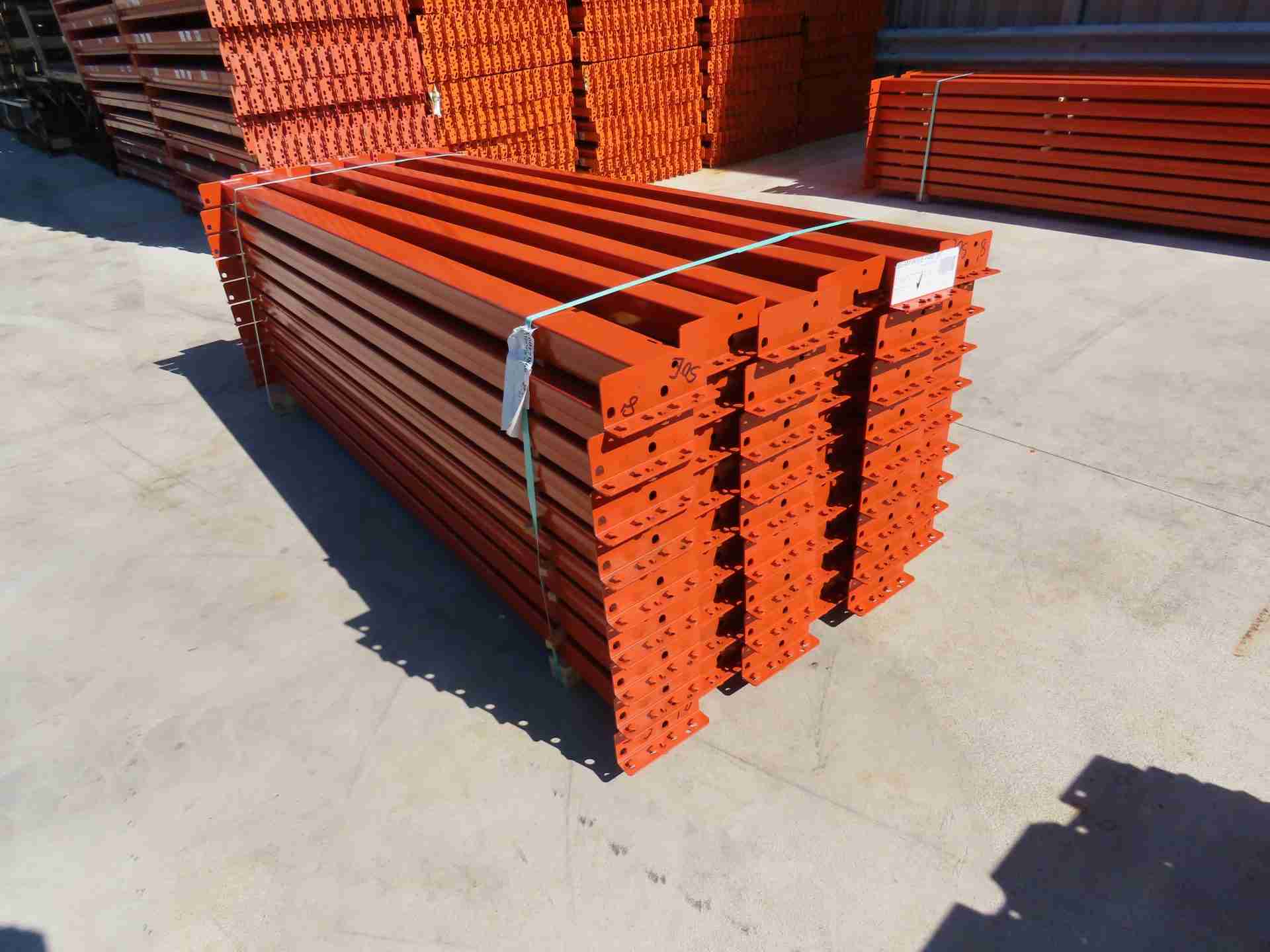
What Storage Innovations Would Elon Musk Recommend for Warehouses?
What Storage Innovations Would Elon Musk Recommend for Warehouses?
- Elon Musk is known for shattering conventional thinking in storage solutions.
- Proposes upgrading traditional pallet racking systems with IoT technology for real-time inventory monitoring.
- Advocates for fully automated warehouse systems using autonomous robots with AI capabilities.
- Supports integration of sustainable practices, such as renewable energy sources, in warehouse operations.
- Encourages modular warehouse designs that allow for scalable and adaptable storage solutions.
- Emphasizes the importance of innovation in transforming warehouses into efficient, smart facilities.
- Motivates industry players to lead in creating a smarter, sustainable logistics future.
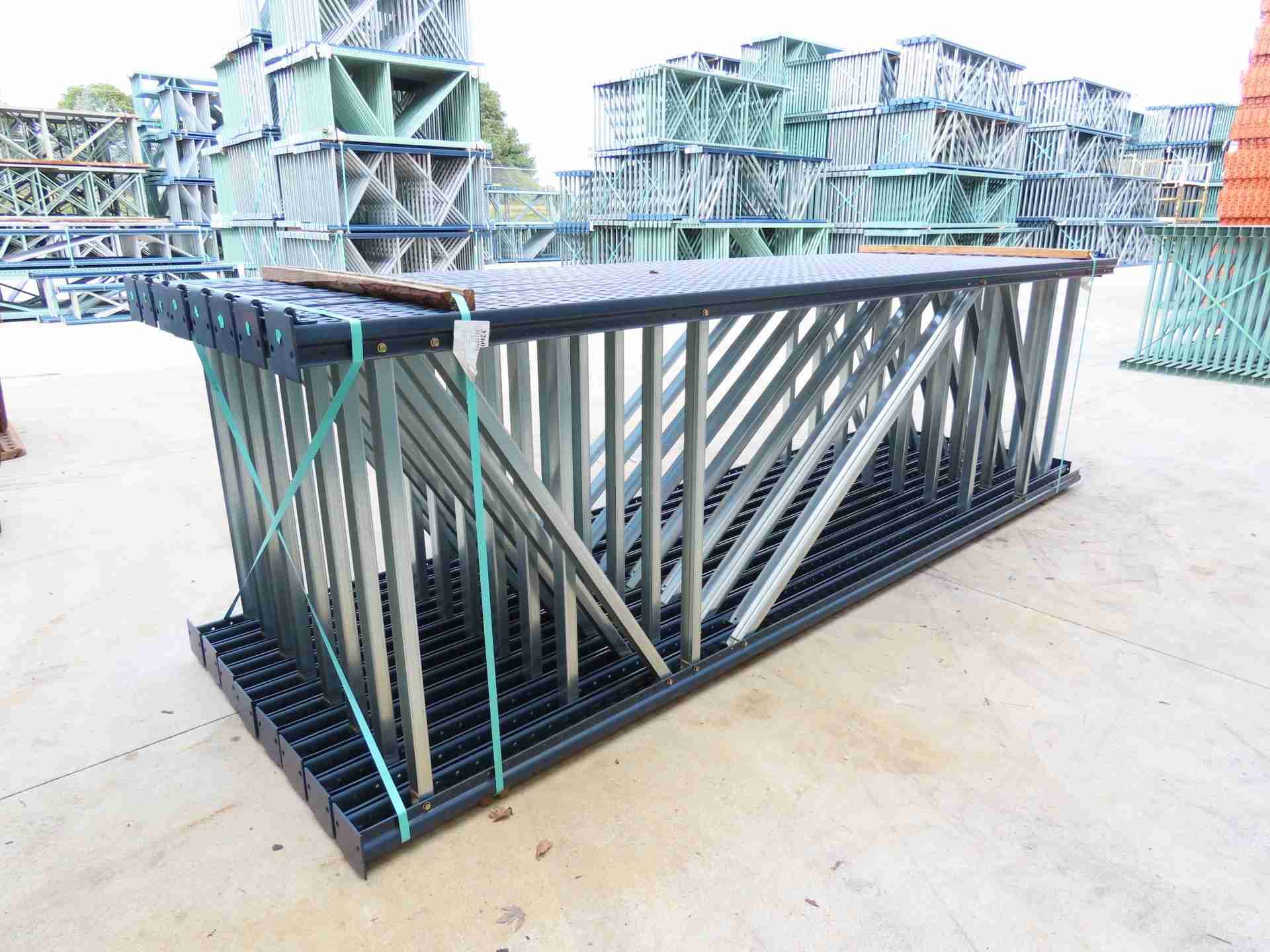
What Storage Innovations Would Elon Musk Recommend for Warehouses?
Table Of Contents
- What Storage Innovations Would Elon Musk Recommend for Warehouses?
- What Are The Latest Storage Technologies In Warehousing?
- How Can Automation Improve Warehouse Efficiency?
- What Role Does Ai Play In Warehouse Management?
- How Can Vertical Storage Systems Maximize Space?
- What Are The Benefits Of Modular Storage Solutions?
- How Can Robotics Enhance Inventory Management?
- Conclusion
- Other Resources
- Glossary Of Terms
- Other Questions
- Checklist
What Are The Latest Storage Technologies In Warehousing?
In the rapidly evolving world of warehousing, staying ahead of the curve has never been more crucial. Businesses are continuously seeking advancements that can streamline operations and boost efficiency. Among the plethora of innovations, some standout technologies are reshaping storage methodologies, with pallet racking leading the charge.
Pallet racking systems are no longer the static, robust frameworks of yesterday. Today, they evolve to integrate smart technologies that maximize space utilization and optimize inventory management. For instance, dynamic pallet racking systems are designed to adjust configurations on the fly, allowing for a mix of different product sizes. This is particularly beneficial for businesses grappling with an ever-changing inventory and fluctuating market demands. The recent shift towards online retail has made this flexibility essential, and companies like Amazon are already implementing such strategies to handle their massive SKU volumes efficiently.
Moreover, automated storage and retrieval systems (AS/RS) have entered the mainstream, taking efficiency to new heights. These systems combine robotics with pallet racking, allowing goods to be stored and retrieved with unprecedented speed and accuracy. Consider a warehouse outfitted with automated pallet shuttles that move within the racking system, reducing the time employees spend walking and searching for items. Amazon has openly discussed plans to scale up their robotics in inventory management, revealing a significant strategic shift that addresses rising consumer demands while reducing overhead costs.
Then there’s the explosion of data analytics, a game-changer that’s not just about storing items but also about making informed decisions. With the integration of IoT (Internet of Things) technologies into pallet racking systems, warehouses can now track inventory in real-time, viewing stock levels and location through smart dashboards. Forbes recently highlighted a logistics company that’s successfully used IoT technology to cut fulfillment times by 30%, showcasing the transformative potential of these advancements.
Lastly, the growing emphasis on sustainability has led to the creation of eco-friendly pallet racking solutions. Manufacturers are now designing systems using recycled materials, contributing to lower carbon footprints. Not only do these options meet increasing regulatory standards, but they also resonate with environmentally conscious consumers.
In a world where efficiency translates directly into profit, leveraging the latest storage technologies — from intelligent pallet racking systems to automated solutions and IoT integration — is not just an option, it’s a necessity. By adopting these innovations, your warehousing operations can significantly enhance productivity and ultimately, your bottom line. Now is the time to embrace the future of warehousing storage technology!
What Are The Latest Storage Technologies In Warehousing?
What Are The Latest Storage Technologies In Warehousing?
- The warehousing industry is rapidly evolving, making it essential for businesses to adopt new technologies.
- Pallet racking systems have advanced beyond traditional designs, integrating smart technologies for improved efficiency.
- Dynamic pallet racking adjusts configurations for varying product sizes, catering to fluctuating inventory demands.
- Automated Storage and Retrieval Systems (AS/RS) combine robotics with pallet racking, enhancing speed and accuracy in operations.
- Data analytics and IoT technologies enable real-time inventory tracking, facilitating informed decision-making and reduced fulfillment times.
- Eco-friendly pallet racking solutions made from recycled materials align with sustainability goals and trends among consumers.
- Embracing innovative storage technologies is essential for enhancing productivity and profitability in warehousing operations.
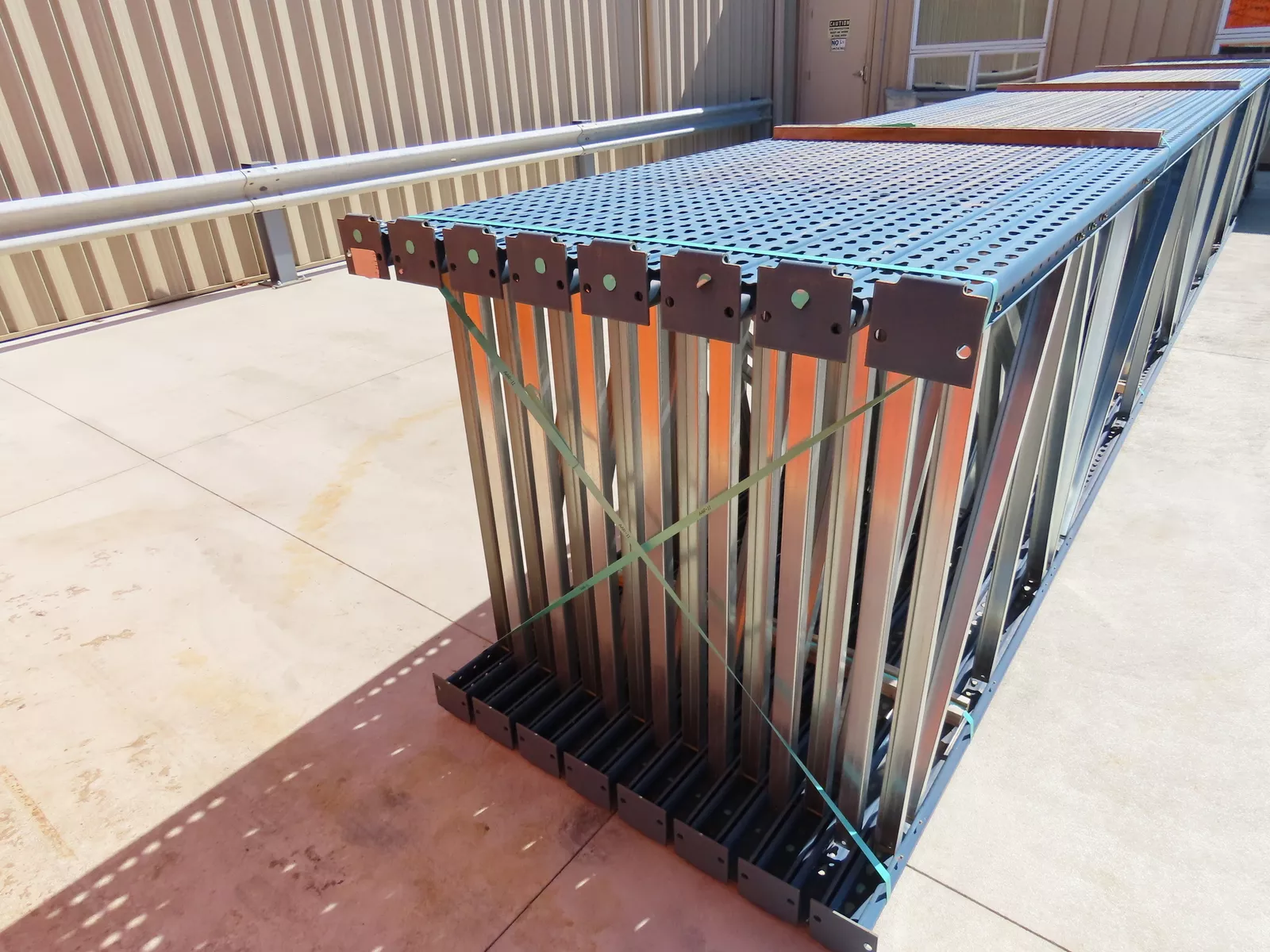
What Are The Latest Storage Technologies In Warehousing?
How Can Automation Improve Warehouse Efficiency?
In today’s fast-paced business landscape, the key to thriving in the world of logistics lies in leveraging automation to enhance warehouse efficiency. Automation is not just a trend; it’s a transformative force empowering companies to optimize their operations, reduce costs, and boost productivity.
Take pallet racking, for instance. This essential warehouse storage solution is often the backbone of efficient space utilization. Yet, combined with automation, the potential becomes boundless. Advanced automated pallet racking systems can implement sophisticated algorithms to maximize your storage capacity, streamline inventory management, and minimize the time workers spend navigating the aisles. For example, a leading retail giant has recently embraced automated pallet racking technologies, resulting in a staggering 30% increase in warehouse utilization. Such advancements mean less time and effort spent by staff retrieving products, translating directly into greater throughput.
Moreover, automation technologies such as Automated Guided Vehicles (AGVs) are revolutionizing the way goods move within warehouses. These intelligent machines not only transport pallets to designated locations but can also be programmed to refill pallet racking systems as needed. Imagine a facility where AGVs are seamlessly integrated into daily operations, dramatically reducing the time required for pallet handling. With fewer delays and enhanced accuracy, teams can pivot their focus from mundane tasks to higher-value activities that drive business growth.
Recent developments, particularly in the realm of AI and machine learning, further accentuate this movement. Real-time data analytics can inform inventory optimization, allowing for dynamic adjustments based on seasonal trends or sales spikes. This means you can effectively manage inventory levels and make data-driven decisions that can save your company thousands of dollars. Take the automotive sector, for example, which has experienced supply chain disruptions due to global events. Companies embracing automation are emerging from these challenges stronger and more efficient, ensuring they have the right parts in stock precisely when they are needed.
Moreover, robotic process automation (RPA) for repetitive tasks such as order picking and sorting can cut down labor costs and errors. By removing human error from the equation, businesses not only enhance output but also keep customer satisfaction rates soaring.
The integration of automation into warehouse operations is no longer optional—it’s essential. From optimizing pallet racking systems to implementing sophisticated AGVs and harnessing the power of data analytics, the efficiency gained is undeniable. As more companies recognize these advantages, the message is clear: to stay competitive and agile, embracing automation is the way forward.
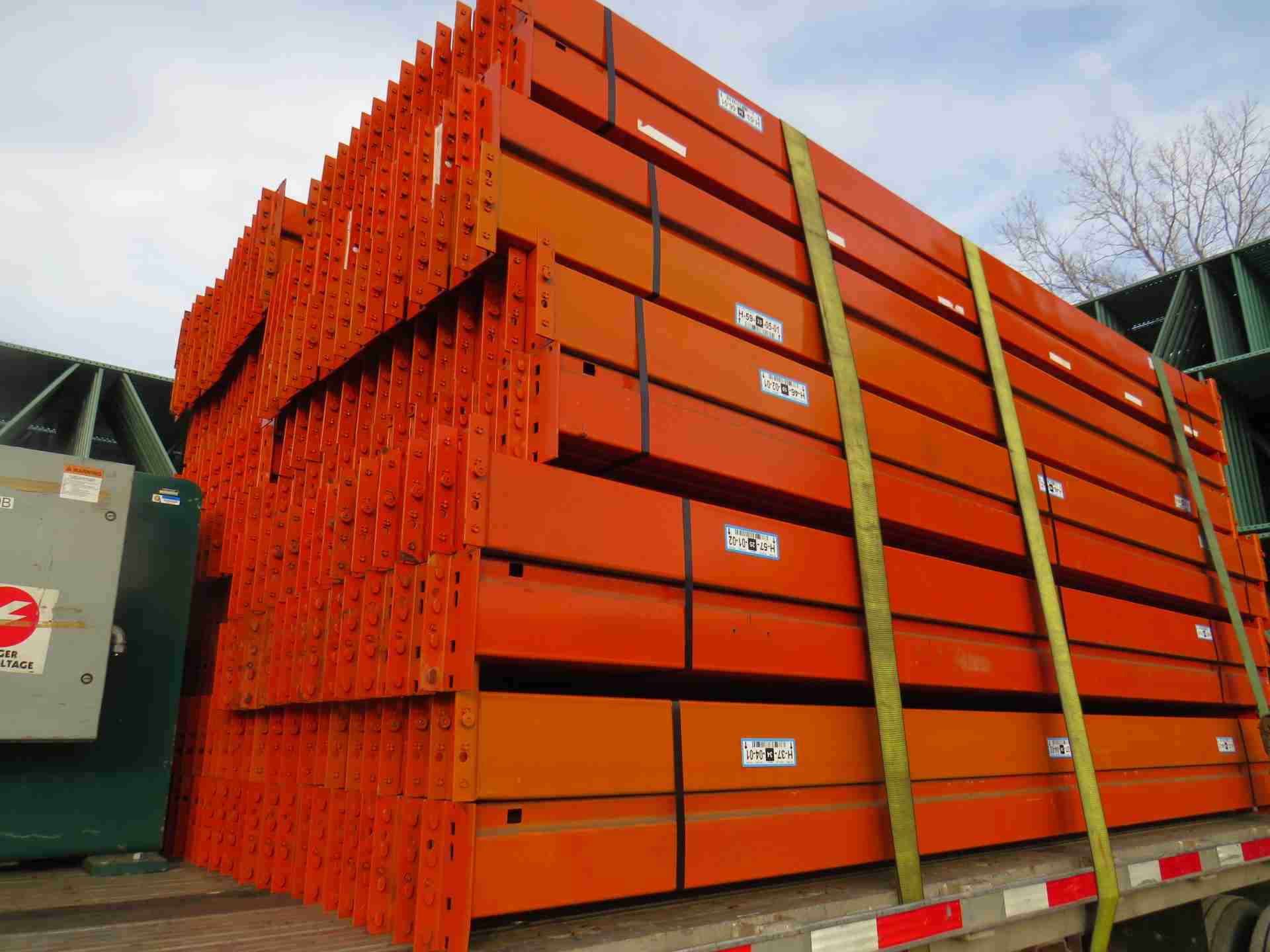
How Can Automation Improve Warehouse Efficiency?
How Can Automation Improve Warehouse Efficiency?
- Automation is crucial for enhancing warehouse efficiency in logistics.
- Automated pallet racking systems maximize storage capacity and streamline inventory management.
- A leading retailer achieved a 30% increase in warehouse utilization through automation.
- Automated Guided Vehicles (AGVs) are transforming goods movement within warehouses.
- Real-time data analytics allow for dynamic inventory optimization based on trends and sales spikes.
- Robotic process automation (RPA) reduces labor costs and errors in tasks like order picking.
- Embracing automation is essential for companies to remain competitive and efficient.
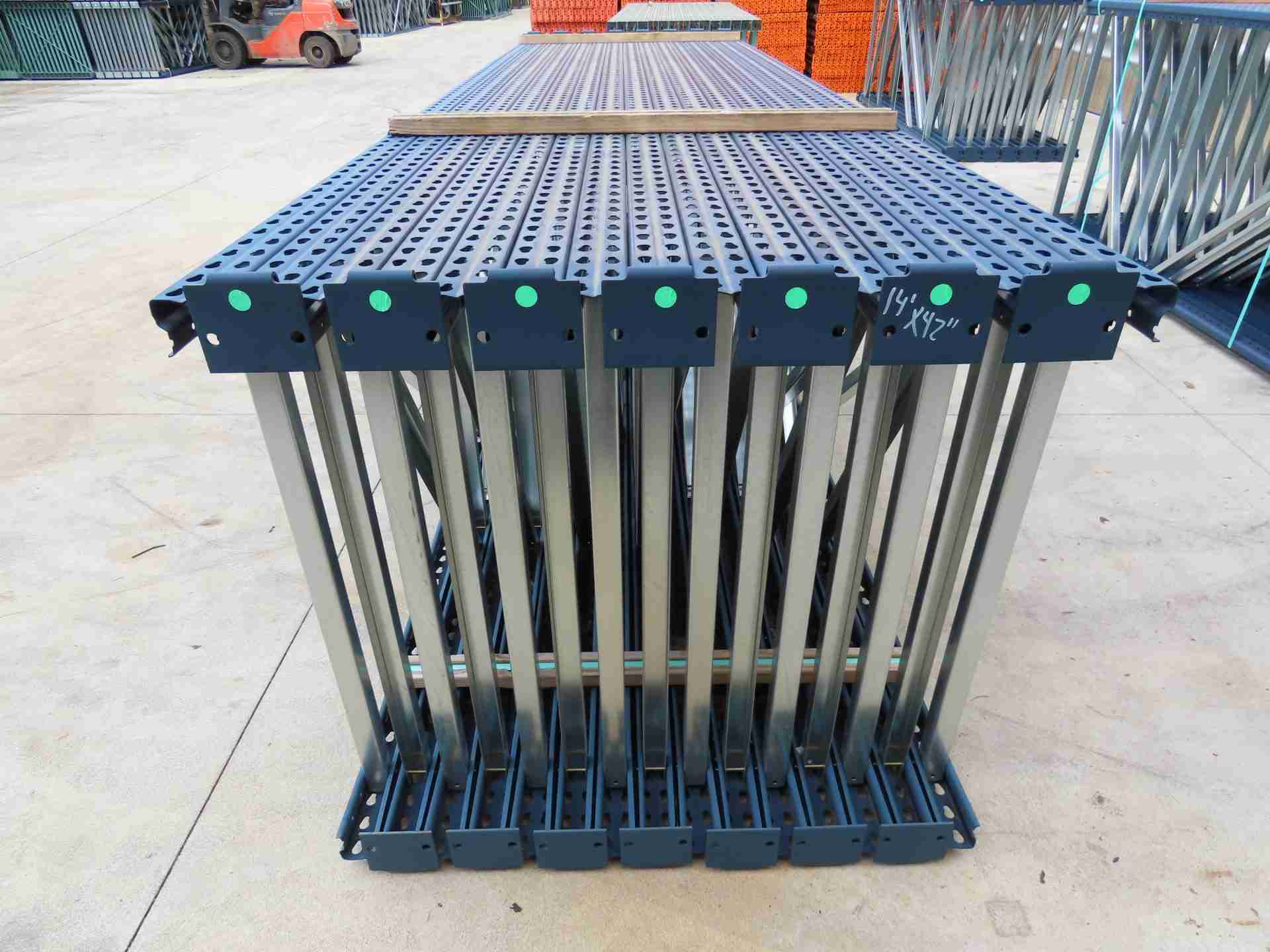
How Can Automation Improve Warehouse Efficiency?
What Role Does Ai Play In Warehouse Management?
In the fast-paced world of logistics and distribution, the stakes are higher than ever. The demand for efficiency, accuracy, and speed drives businesses to innovate continually. Enter AI — a game-changer that is redefining how warehouses operate.
At its core, AI enhances warehouse management by streamlining operations, reducing human error, and maximizing space utilization. For example, AI algorithms can predict inventory needs based on historical data, allowing businesses to maintain optimal levels of stock without overspending on excess inventory. This is particularly beneficial in environments where Pallet Racking systems are employed. By leveraging AI, companies can intelligently allocate space within their racking systems to maximize storage and improve accessibility, thereby accelerating picking processes.
Consider a recent case involving a major retailer facing inventory challenges during peak shopping seasons. By integrating AI into their warehouse management systems, they were able to analyze customer purchase patterns in real-time. This enabled them to adjust their inventory levels just in time, minimizing stockouts and excess for items stored on Pallet Racking. The result? A reported increase in order fulfillment rates by 30%, proving that effective use of AI can vastly improve operational efficiency.
AI technologies also play a vital role in optimizing logistics through automated systems. Robotic picking solutions, powered by AI, can perform tasks that were once labor-intensive. These robots navigate the warehouse, retrieve items from Pallet Racking, and prepare them for shipment, thereby reducing the workload on human staff and enhancing accuracy. Major logistics firms have started employing robots for these tasks, leading to improved speed and reducing mistakes that can lead to costly returns and customer dissatisfaction.
Additionally, AI-driven data analytics provide insights that were previously unimaginable. Imagine a warehouse manager who can now access clear data on the peak times for order picking or a sudden shift in product demand — all thanks to predictive analytics. This foresight allows managers to adjust labor dynamics and resources swiftly, optimizing workforce deployment and significantly boosting productivity.
In the ever-evolving landscape of warehouse management, AI stands as a beacon of innovation. Its integration not only supports smarter use of Pallet Racking systems but also captures real-time data that drives decision-making. As supply chains become more complex, investing in AI technology isn’t just a smart move — it’s a necessity for survival in today’s competitive marketplace. The question is, how will you leverage AI to revolutionize your warehouse operations?
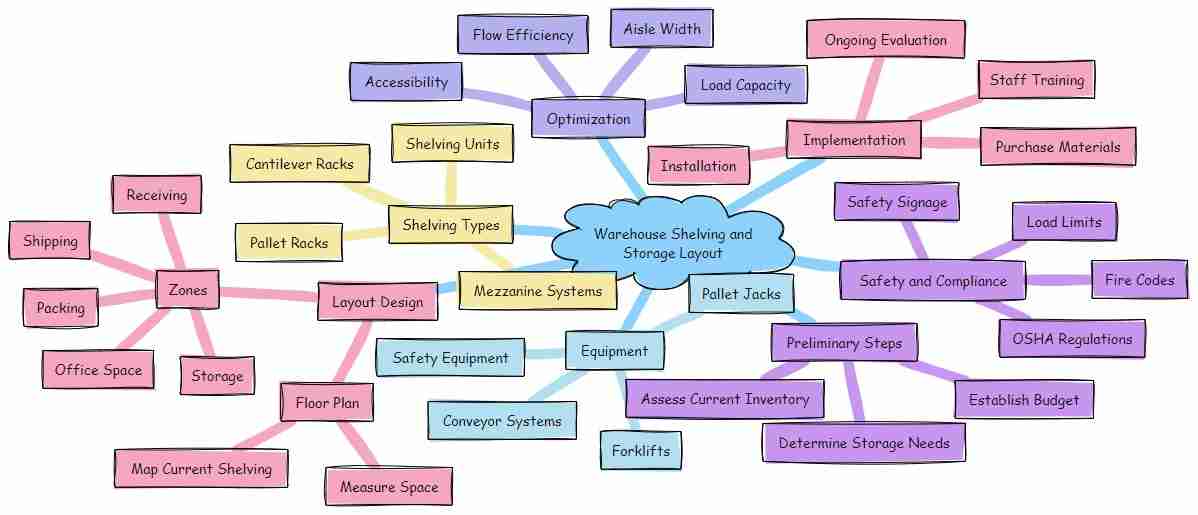
What Role Does Ai Play In Warehouse Management?
What Role Does Ai Play In Warehouse Management?
- AI is transforming warehouse management by improving efficiency, accuracy, and speed.
- AI algorithms predict inventory needs based on historical data, helping maintain optimal stock levels.
- Utilizing AI enhances space allocation in Pallet Racking systems for better storage and accessibility.
- Case study: A retailer increased order fulfillment rates by 30% using AI for real-time inventory analysis.
- Robotic picking solutions powered by AI reduce labor intensity and improve accuracy in logistics.
- AI-driven data analytics provide insights for better labor dynamics and resource allocation.
- Investing in AI technology is essential for survival in the competitive warehouse management landscape.
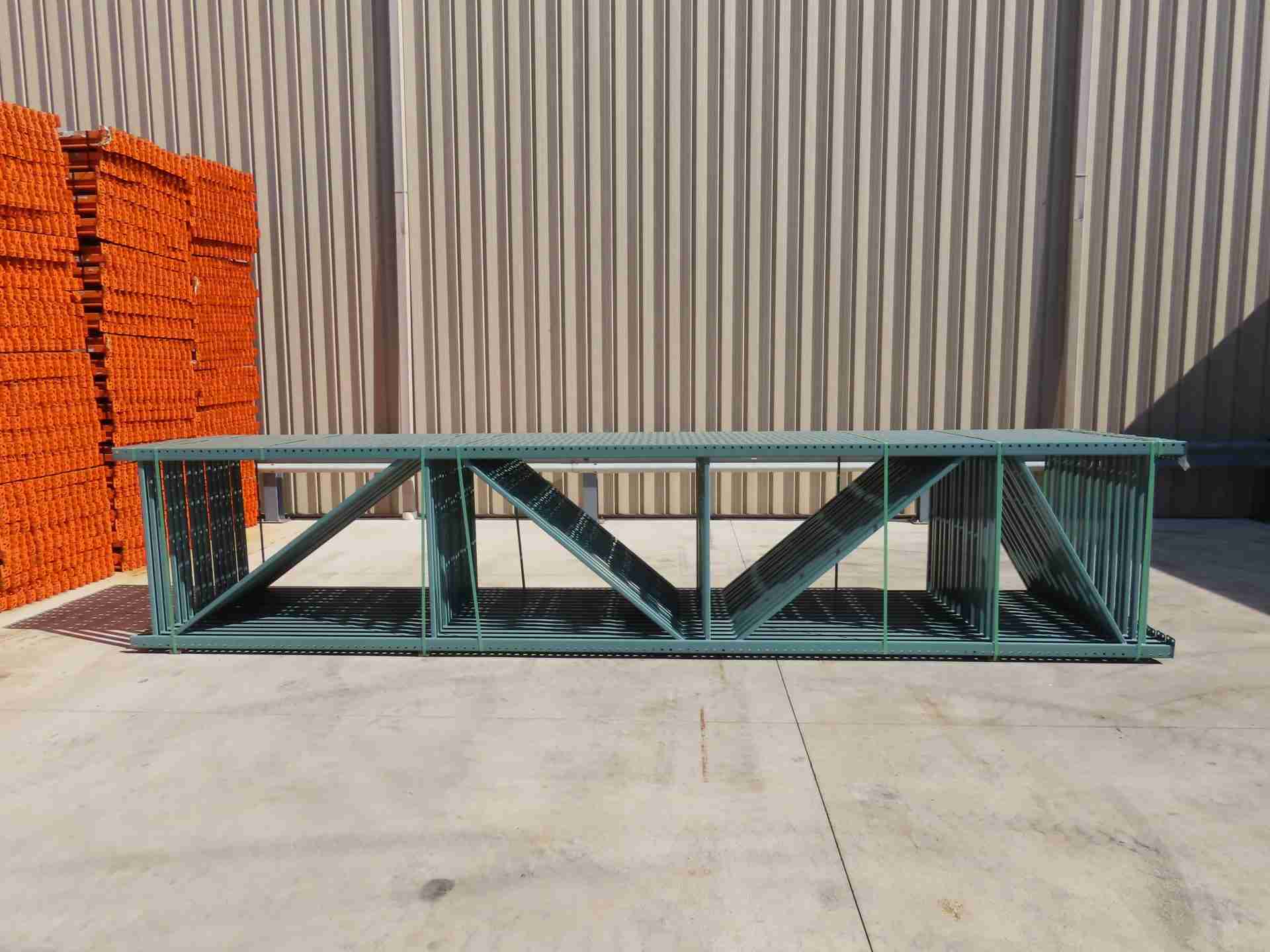
What Role Does Ai Play In Warehouse Management?
How Can Vertical Storage Systems Maximize Space?
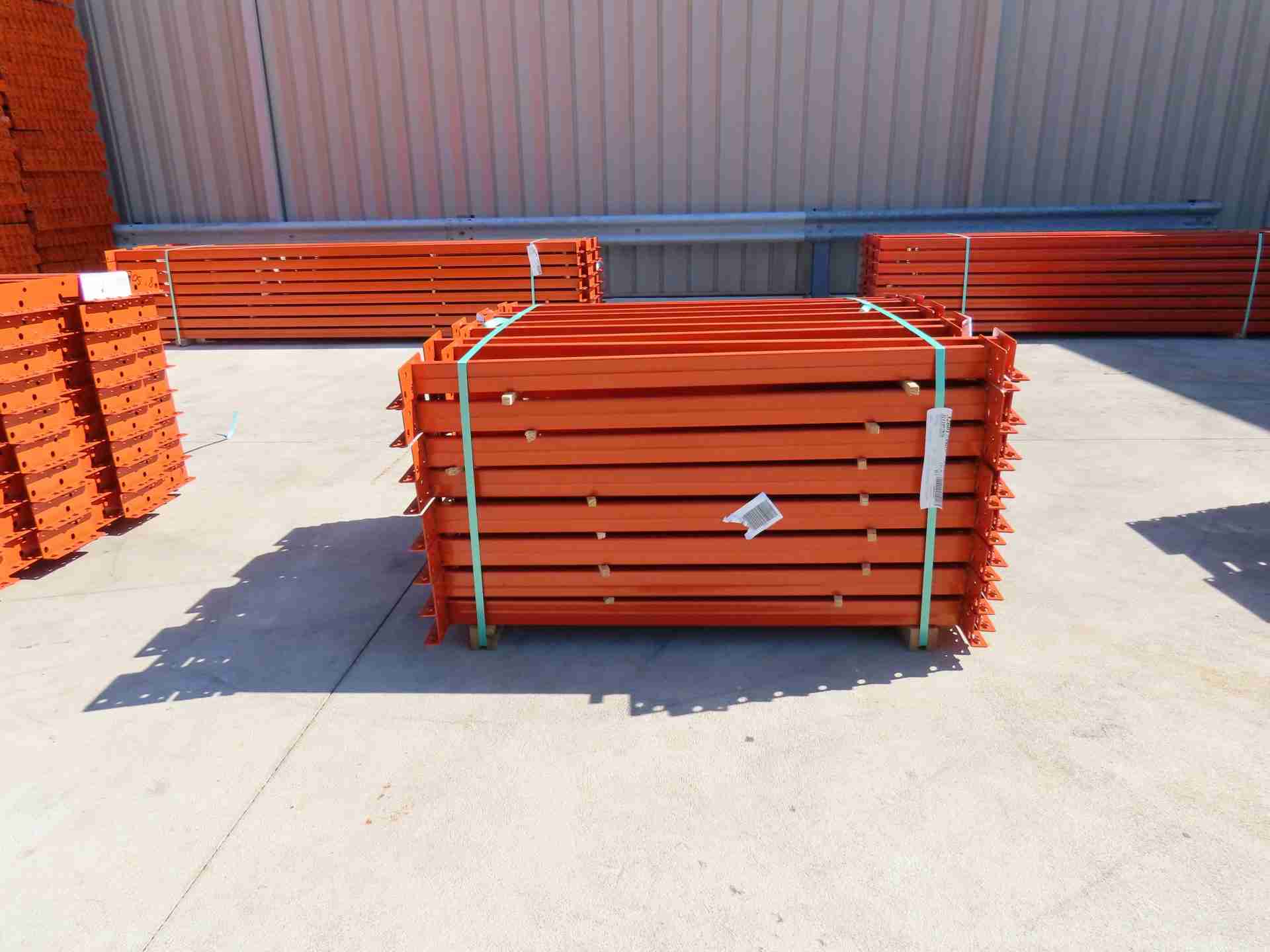
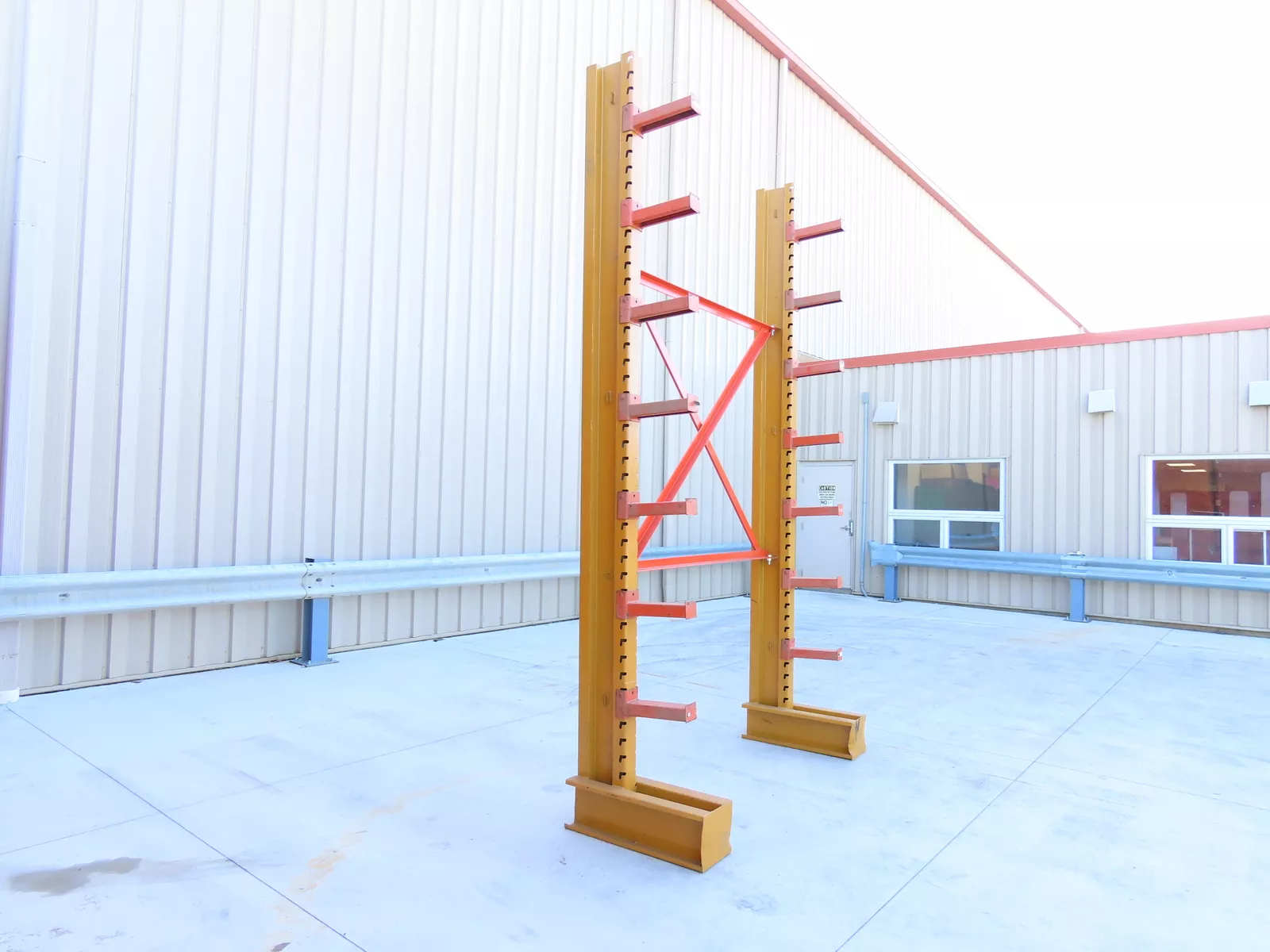
In today’s fast-paced, efficiency-driven world, businesses are constantly seeking innovative solutions to maximize available space. One of the most effective methods for optimizing storage capabilities is through the use of vertical storage systems. These systems leverage the vertical dimension of your warehouse or facility, allowing for increased storage while minimizing the floor footprint.
Consider the popularity of pallet racking; it has evolved significantly to not only accommodate heavy loads but also enhance storage agility. With pallet racking configured to utilize vertical space, companies can stack pallets higher, effectively interacting with underutilized cubic volume. For instance, a well-designed vertical pallet racking system capable of stacking goods up to 30 feet high can increase storage capacity by over 75% compared to traditional shelving methods. This is a critical advantage for sectors like retail, manufacturing, and logistics, particularly in today’s e-commerce landscape where space is at a premium.
Current events highlight the urgency of maximizing storage as supply chain disruptions make efficient warehousing vital. Brands faced with shifting consumer demands have turned to vertical systems to quickly accommodate inventory changes. Imagine a retail operation suddenly needing to stockpile essential goods due to a spike in demand. A vertical storage system enables rapid reorganization without sacrificing valuable floor space.
Moreover, vertical storage isn’t limited to just pallet racking; it encompasses various solutions such as automated retrieval systems and high-density shelving units. Take, for example, Amazon’s continued investment in automated warehousing solutions. By implementing vertical storage technology, the e-commerce giant optimizes its fulfillment centers, speeding up the delivery process while ensuring that space is utilized effectively. This trend illustrates how vertical systems not only save space but also enhance efficiency and responsiveness to market changes.
When businesses adopt vertical storage systems, it’s not just about maximizing physical space; it’s about unlocking potential. With correctly implemented vertical solutions, companies can streamline operations, reduce costs, and increase productivity. Furthermore, as urbanization continues to rise, and warehouses gravitate towards smaller footprints, vertical storage solutions will become indispensable.
Vertical storage systems, especially when integrated with pallet racking solutions, provide not just a method for organizing products but transform how businesses approach their warehousing strategies. By capitalizing on vertical space, organizations can thrive amidst the complexities of today’s marketplace. Don’t get left behind—embrace vertical storage and watch your efficiency levels soar!
How Can Vertical Storage Systems Maximize Space?
How Can Vertical Storage Systems Maximize Space?
- Businesses are seeking innovative solutions to maximize storage space in an efficiency-driven environment.
- Vertical storage systems utilize the vertical dimension of warehouses, increasing storage capacity while minimizing floor space.
- Pallet racking has evolved to stack goods higher, increasing storage capacity by over 75% compared to traditional shelving.
- Current supply chain disruptions highlight the importance of efficient warehousing, prompting a shift towards vertical storage solutions.
- Vertical storage options include automated retrieval systems and high-density shelving, enhancing efficiency and responsiveness.
- Correct implementation of vertical systems can streamline operations, reduce costs, and increase productivity for businesses.
- As urbanization increases, vertical storage solutions will become essential for organizations to thrive in today’s marketplace.

How Can Vertical Storage Systems Maximize Space?
What Are The Benefits Of Modular Storage Solutions?
In an increasingly fast-paced world, the need for efficient and adaptable storage solutions has never been greater. Whether you are a small business managing limited space or a large warehouse handling extensive inventory, modular storage solutions can offer significant advantages that can transform your operations.
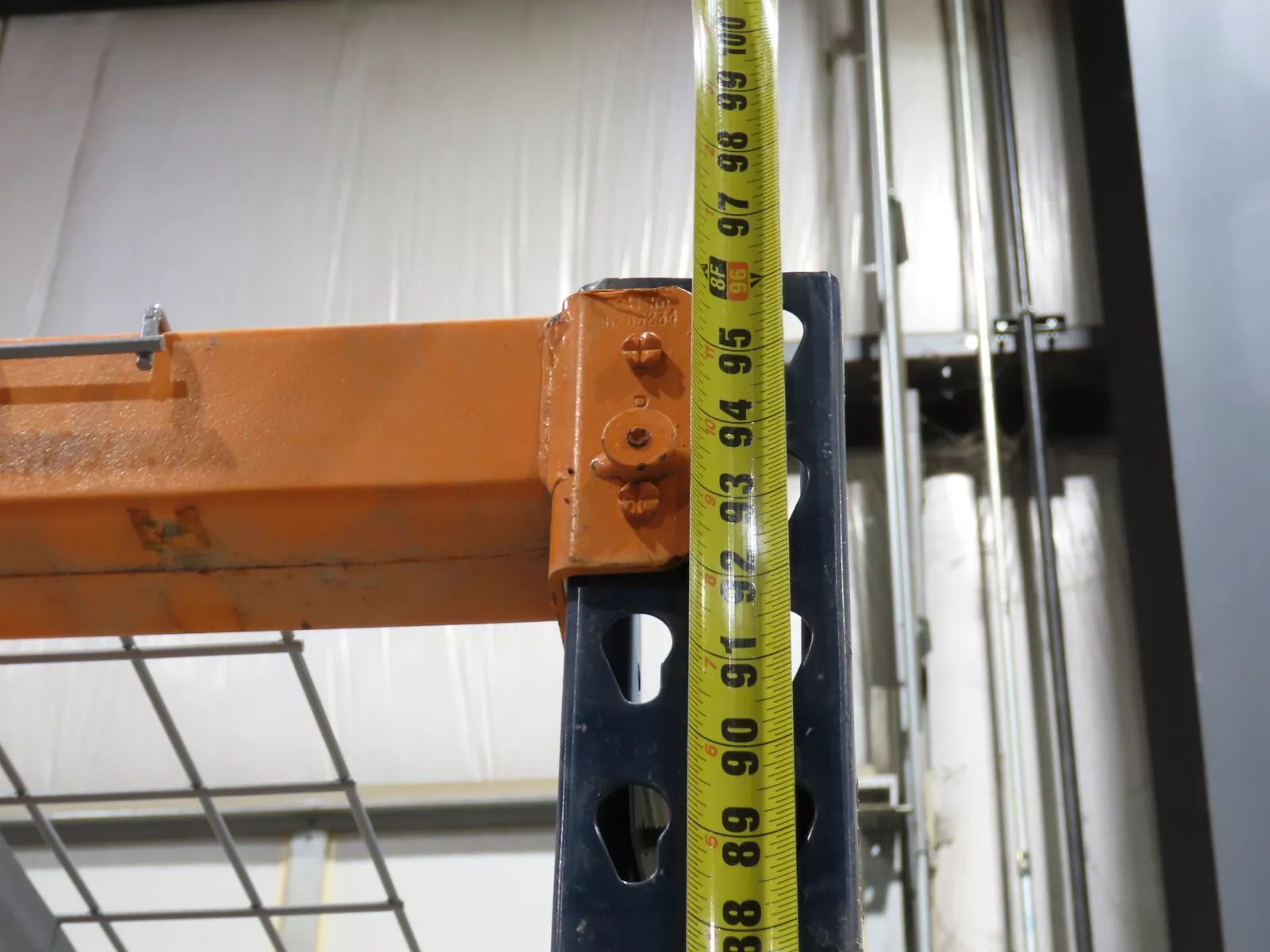
One of the standout features of modular storage systems is their adaptability. For instance, consider pallet racking systems, which can be reconfigured to accommodate changing inventory sizes or types. Businesses can easily expand or compress their storage systems based on seasonal demand or new product lines, thus leading to streamlined operations and reduced overhead costs. In recent months, as consumer buying habits have shifted dramatically due to economic changes, many retailers are realizing the importance of flexibility. Those leveraging modular systems like pallet racking to fluidly adjust their storage capacities are better positioned to meet fluctuating demands without extensive investments in new infrastructure.
But adaptability is just the tip of the iceberg. Cost-effectiveness is another compelling reason to opt for modular storage solutions. Traditional storage systems can require significant capital outlay and often don’t offer the best return on investment. In contrast, modular solutions can be phased into your space, enabling you to invest as you grow. For example, a burgeoning e-commerce business can start with basic pallet racking units and progressively add more, scaling its operations as sales increase—much like many businesses are doing in response to the ongoing e-commerce boom triggered by recent global shifts in shopping behavior.
Also, think efficiency. Modular systems often come with integrated features that enhance productivity. By using pallet racking in conjunction with automation tools, companies have reported improved picking rates and minimized handling times. In a time when operational efficiency can make or break a business, investing in a modular system can lead directly to increased productivity and higher profit margins.
Furthermore, let us not overlook the organizational benefits. A well-structured modular system keeps inventory neatly arranged and easily accessible, minimizing time wasted in searching for products and, thereby, enhancing customer satisfaction. In today’s market, where swift delivery is paramount, efficient organizational systems can give businesses a competitive edge.
Modular storage solutions—including innovative designs like pallet racking—empower businesses to thrive in an evolving landscape. By embracing adaptability, cost-effectiveness, and operational efficiency, companies can not only meet today’s challenges but also position themselves for future success. Don’t just store your products—store them smartly!
What Are The Benefits Of Modular Storage Solutions?
What Are The Benefits Of Modular Storage Solutions?
- The demand for efficient and adaptable storage solutions is growing in a fast-paced world.
- Modular storage systems, like pallet racking, are highly adaptable to changing inventory needs.
- Businesses can scale their storage systems in response to seasonal demand or new products.
- Cost-effectiveness is a key advantage of modular solutions, allowing gradual investment as businesses grow.
- Modular systems enhance operational efficiency through integrated features and automation tools.
- Organizational benefits include improved inventory accessibility and reduced search times, boosting customer satisfaction.
- Embracing modular storage empowers businesses to thrive and strategically position themselves for future success.
What Are The Benefits Of Modular Storage Solutions?
How Can Robotics Enhance Inventory Management?
In today’s fast-paced business environment, the pressure to optimize inventory management has never been more intense. Enter robotics—a game-changing solution that is transforming the way companies store and manage their stock. From high-speed automated retrieval systems to smart robots that navigate complex warehouse layouts, robotics is proving to be an essential asset for modern businesses looking to streamline operations.
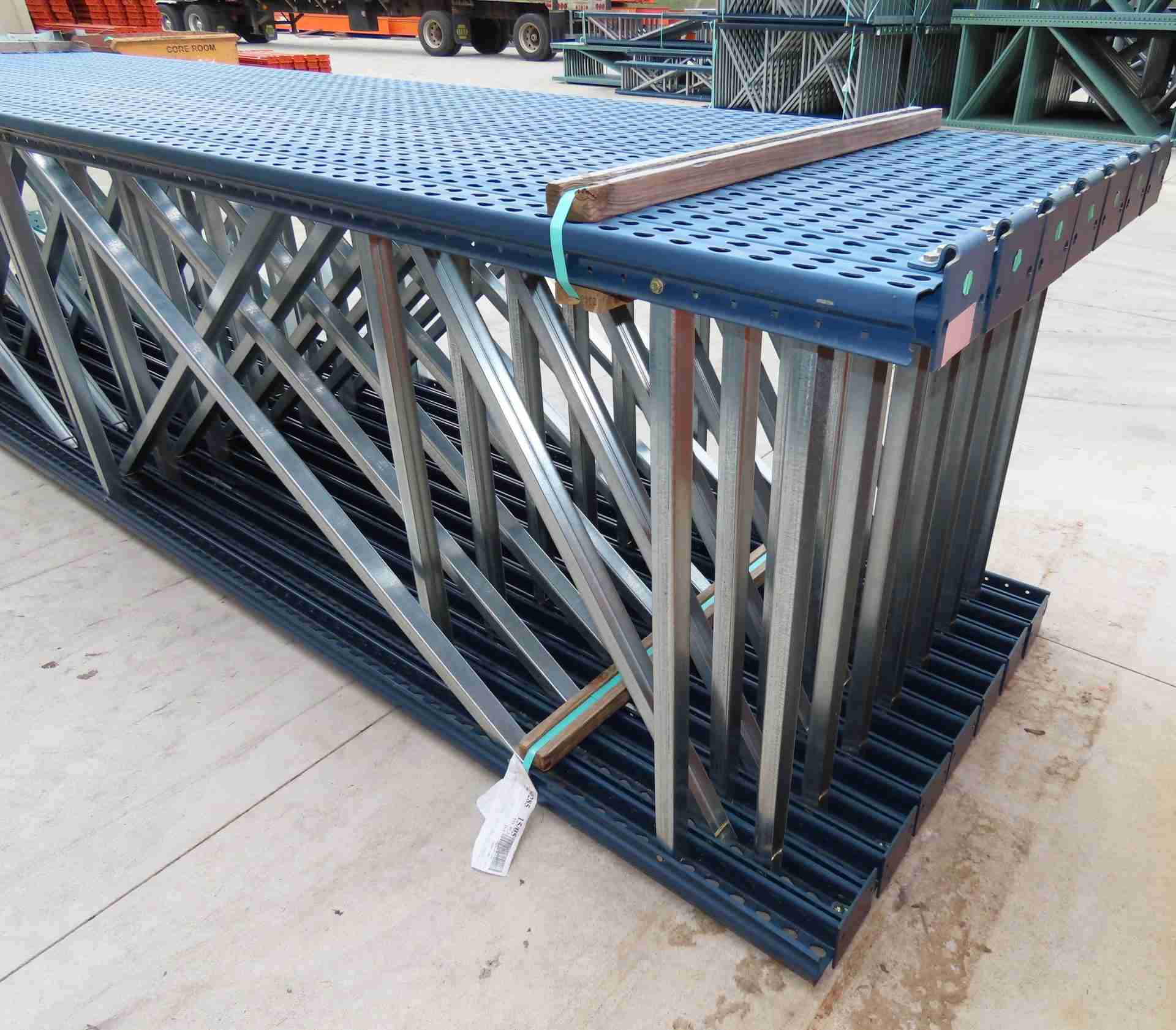
Consider the burgeoning interest in warehouse robotics, especially as companies grapple with supply chain disruptions highlighted by recent global events. For instance, Amazon has been leading the charge with its use of Kiva robots, which revolutionized the concept of pallet racking. These agile robots can move swiftly through aisles, fetching products from towering racks, thereby minimizing human labor and maximizing efficiency. The result? Quicker order processing times and reduced operational costs—essential advantages in a world where customer expectations are skyrocketing.
Moreover, robotics doesn’t just stop at picking and packing. Inventory management systems equipped with artificial intelligence (AI) can predict stock requirements with impressive accuracy, balancing supply with demand. For example, a major retailer recently reported a 25% reduction in excess inventory thanks to their AI-driven robotic solutions. They could seamlessly adapt to fluctuating consumer behaviors driven by seasonal trends, ensuring that hot ticket items were always in stock while preventing over-purchasing of less popular products.
Let’s also talk about safety—an often-overlooked aspect of inventory management. Automated robots can take on the riskier tasks of moving heavy pallets, significantly diminishing workplace accidents. This not only safeguards employee health but also frees up human workers to focus on higher-value tasks such as customer engagement and strategic planning.
As e-commerce giants race to enhance their logistics capabilities, some are even turning to drones to manage inventory in larger warehouses. Imagine a scenario where drones conduct real-time stock checks—flying through pallet racking systems, scanning barcodes, and updating inventory levels instantaneously. This level of automation not only boosts accuracy but also provides businesses with invaluable insights into their stock levels.
The integration of robotics in inventory management is not a fleeting trend—it’s the future. With its ability to optimize pallet racking systems, streamline operations, and enhance safety, businesses that embrace these technologies will not only stay competitive but will likely lead their industries into the next era of efficient inventory management. Don’t get left behind; invest in robotic solutions today and watch your operational efficiency soar.

How Can Robotics Enhance Inventory Management?
How Can Robotics Enhance Inventory Management?
- Robotics is revolutionizing inventory management in fast-paced business environments.
- Companies like Amazon utilize Kiva robots for efficient pallet racking and order processing.
- Robotic systems powered by AI can predict stock requirements, leading to significant reductions in excess inventory.
- Automated robots reduce workplace accidents by handling heavy lifting tasks, enhancing employee safety.
- Drones are being explored for real-time inventory checks, improving accuracy and insights into stock levels.
- The integration of robotics is seen as a future trend essential for maintaining competitiveness in industries.
- Investing in robotic solutions can significantly boost operational efficiency for businesses.
How Can Robotics Enhance Inventory Management?
Conclusion
In conclusion, the rapid advancement of warehouse storage technologies inspired by visionary thinkers like Elon Musk presents a clear imperative for businesses looking to thrive in the ever-evolving logistics landscape. Gone are the days of static, inflexible storage systems. Today, innovation beckons as we embrace smart, IoT-enabled pallet racking solutions that enhance operational agility, precisely monitor inventory levels, and drastically reduce human error. This technological revolution allows warehouses to operate with laser-sharp efficiency, akin to the sophisticated machinery employed in Musk’s ground-breaking projects.
Automation emerges as a game-changer in this transformative journey. With the potential to not only streamline inventory processes but also free human workers from monotonous tasks, storing and retrieving goods has never been so efficient. From autonomous robots navigating complex layouts to data-driven AI systems predicting stock needs, businesses that harness these techniques can enjoy significant savings and unparalleled productivity boosts.
Moreover, the integration of sustainable practices is a theme that should resonate deeply with today’s environmentally conscious consumer. By embracing renewable energy and eco-friendly materials in storage solutions, companies not only minimize their carbon footprint but also appeal to a demographic that increasingly weighs environmental impact in their purchasing decisions. Warehouses leveraging these innovations are not just preparing for the future; they are actively redefining it.
Today’s marketplace demands that organizations be adaptable. With modular storage solutions, businesses can respond to market fluctuations with remarkable ease, adjusting their storage capacities without hefty infrastructural investments. Vertical storage systems, too, are crucial for maximizing available space, showcasing how intelligent design can lead to staggering increases in functionality.
As a leader in the field, Arrow Industrial Sales is here to empower your warehousing strategies with top-tier equipment and expertise. Don’t wait for the competition to leave you behind—take the first step towards revolutionizing your warehouse operations today. Call us at (574) 349-6575 to explore how our innovative storage solutions can transform your warehouse into a beacon of efficiency and adaptability. The future of warehousing is bright, but only for those who act decisively. Don’t delay—seize the opportunity to innovate and lead in your industry!

Conclusion
Conclusion:
- Rapid advancements in warehouse storage technologies are driven by visionary thinkers like Elon Musk.
- Smart, IoT-enabled pallet racking solutions enhance operational agility and monitor inventory levels precisely.
- Automation streamlines inventory processes, freeing human workers from monotonous tasks for increased efficiency.
- Implementing data-driven AI systems and autonomous robots can lead to significant cost savings and productivity boosts.
- Integrating sustainable practices through renewable energy and eco-friendly materials minimizes carbon footprints.
- Modular storage solutions allow businesses to adapt swiftly to market changes without heavy investments.
- Arrow Industrial Sales offers innovative storage solutions to empower warehousing strategies and enhance efficiency.
Conclusion
Other Resources
Other Resources
Here is a list of other resources you can review online to learn more:
- What is Selective Pallet Racking
- Material Handling Safety
- Cantilever Rack Configuration & Installation: A Comprehensive Guide – BMH
- Interlake Mecalux
- Rack Manufacturers Institute
- The Ultimate Pallet Racking Guide – Speedrack West
- BMH Equipment LLC
- American Surplus
- Warehousing and Fulfillment
- Cantilever Rack Guide: Ordering Cantilever Racking
Use This Prompt To Get More Resources With Your Favorite Online AI Tool: Please provide me with a list of online articles with their URLs in a bulleted list that I can read regarding What Storage Innovations Would Elon Musk Recommend for Warehouses?
Other Resources
Glossary Terms
What Storage Innovations Would Elon Musk Recommend for Warehouses? – Glossary Of Terms
1. Automation: The use of technology to perform tasks without human intervention, improving efficiency and reducing labor costs in warehouses.
2. Robotics: The application of robots to handle goods and materials in warehouses, optimizing space and reducing the potential for human error.
3. AI (Artificial Intelligence): Algorithms and systems that analyze data to optimize storage strategies, inventory management, and logistics.
4. IoT (Internet of Things): The network of interconnected devices that can communicate status updates and data, leading to smarter inventory management.
5. Vertical Storage: Utilizing vertical space with shelving and racking systems to maximize storage capacity within a warehouse.
6. Automated Guided Vehicles (AGVs): Mobile robots that transport materials around the warehouse without human direction, enhancing efficiency.
7. Drones: Unmanned aerial vehicles used for inventory management and surveillance of large warehouse premises.
8. Smart Shelving: Shelving units equipped with sensors and IoT technology to track inventory levels and movements in real-time.
9. Blockchain: A decentralized ledger technology that can enhance transparency and security in warehouse transactions and tracking.
10. Big Data: Large sets of data analyzed to inform strategic decision-making regarding inventory and storage optimization.
11. 3D Printing: The manufacturing of products on-demand within the warehouse, reducing storage needs for bulky items.
12. Self-driving Forklifts: Autonomous forklifts designed to transport goods without a human operator, increasing operational efficiency.
13. Cloud Computing: Online storage and processing services that enable warehouses to manage data remotely and flexibly.
14. Energy Efficiency: Innovations aimed at reducing energy consumption in warehousing operations, such as LED lighting and solar panels.
15. Smart Inventory Management: Systems that use AI to predict demand and automate reordering to optimize stock levels.
16. Modular Design: Warehouse structures designed to be easily expanded or reconfigured as needed, allowing for greater flexibility.
17. Temperature-Controlled Storage: Warehouses equipped with climate control systems to store sensitive goods like pharmaceuticals or food items.
18. RFID (Radio Frequency Identification): A technology that uses radio waves to identify and track inventory automatically.
19. Pick-to-Light Systems: An order fulfillment process that uses lights to guide warehouse staff to the correct items quickly.
20. Cross-Docking: A logistics strategy in which products are directly transferred from incoming to outgoing shipping, reducing storage time.
21. Augmented Reality (AR): Technology that overlays digital information onto the physical environment, assisting in warehouse navigation and training.
22. Wearable Technology: Smart devices worn by warehouse employees to improve productivity and safety by tracking movements and providing real-time data.
23. Flexible Warehousing: Storage solutions that adapt to changing needs and inventory levels, often using shared spaces or dynamic agreements.
24. Last-Mile Delivery Optimization: Innovations that streamline the final delivery process, ensuring faster and more efficient transport from warehouse to customer.
25. Sustainability Practices: Strategies aimed at reducing the environmental impact of warehousing, such as eco-friendly materials and waste reduction.
26. Inventory Forecasting: Predictive analytics tools that assess historical data to forecast future inventory needs, aiding in storage decisions.
27. Automated Inventory Counting: Systems that use sensors and software to regularly check inventory levels, reducing manual efforts and errors.
28. Distribution Management Systems (DMS): Software that optimizes supply chain activities, including inventory control and warehouse management.
29. Smart Pallets: Pallets equipped with sensors and IoT technology for real-time tracking and data collection about the transported goods.
30. Space Optimization Software: Programs designed to analyze warehouse layout and improve space usage, enhancing overall efficiency.
Glossary Of Terms
Other Questions
What Storage Innovations Would Elon Musk Recommend for Warehouses? – Other Questions
If you wish to explore and discover more, consider looking for answers to these questions:
- What are some other innovative storage technologies that can be implemented in warehouses?
- How can I implement IoT technology in my warehouse operations?
- What are the potential costs associated with upgrading to smart pallet racking systems?
- How does automation affect workforce dynamics in warehouses?
- What are the best practices for integrating AI with existing warehouse management systems?
- How can companies measure the ROI of implementing automated solutions in their warehouses?
- What are the safety considerations when deploying robotics in warehousing?
- What trends are emerging in sustainable warehousing practices?
- How can small businesses take advantage of modular storage solutions effectively?
- What role does data analytics play in optimizing warehouse operations?
- How do vertical storage systems compare in effectiveness to traditional storage methods?
- What industries can benefit most from these storage innovations?
- How can the latest storage innovations help in managing seasonal fluctuations in inventory?
- What are the potential challenges of implementing these technologies?
- How can companies ensure they are keeping up with advancements in warehouse technology?
Other Questions
Checklist
What Storage Innovations Would Elon Musk Recommend for Warehouses? – A Checklist
1. Upgrade Pallet Racking Systems
_____ Assess the current pallet racking system for adaptability.
_____ Explore smart pallet racking systems with IoT technology.
_____ Implement sensors for real-time inventory monitoring.
_____ Create a centralized dashboard for streamlined data access.
2. Incorporate Automation
_____ Evaluate the potential for fully automated systems in your warehouse.
_____ Research and invest in AI-powered autonomous robots for picking and packing.
_____ Determine the space requirements for Automated Guided Vehicles (AGVs).
_____ Plan the integration of robotics for optimizing labor efficiency.
3. Embrace Sustainability
_____ Conduct an energy audit to assess current energy consumption and costs.
_____ Investigate the installation of renewable energy sources, such as solar panels.
_____ Explore battery storage systems to reduce energy costs.
_____ Research eco-friendly pallet racking solutions using recycled materials.
4. Implement Modular Storage Solutions
_____ Analyze current storage capacity and flexibility needs.
_____ Design modular racking systems that can be easily reconfigured.
_____ Create a phased implementation plan to expand storage as needed.
_____ Ensure your modular systems integrate with existing automation tools.
5. Utilize Vertical Storage Systems
_____ Measure available vertical space and assess the potential for higher stacking.
_____ Research vertical storage systems designed for your type of inventory.
_____ Plan for integrating automated retrieval systems to enhance efficiency.
_____ Monitor storage levels to ensure optimal use of vertical space.
6. Harness the Power of Data Analytics
_____ Implement IoT solutions for real-time inventory tracking and analytics.
_____ Leverage AI for predictive analytics to optimize inventory levels.
_____ Create reports on inventory turnover and space utilization.
_____ Use analytics to inform strategic decisions for inventory management.
7. Integrate Robotics for Enhanced Inventory Management
_____ Identify areas where robotics can be applied (e. g. , picking, packing, inventory checks).
_____ Implement AI-driven robotics solutions to manage stock requirements accurately.
_____ Develop protocols for safe operations of robots within the warehouse.
_____ Continuously monitor and adjust robotic systems for maximum efficiency.
8. Train Staff on New Technologies
_____ Create training programs for employees on new automation and robotics.
_____ Offer ongoing education on sustainable practices and technology integration.
_____ Encourage staff to provide feedback on new systems and processes.
9. Review and Adapt
_____ Set up regular reviews of technology and storage solutions.
_____ Analyze performance metrics and make necessary adjustments.
_____ Stay informed on industry trends and emerging technologies.
_____ Be prepared to pivot strategies based on market demands and innovations.
Final Thoughts
_____ Are you ready to transform your warehouse operations and lead the charge toward a smarter, more sustainable future?
Follow this checklist to make significant strides in modernizing your warehouse storage solutions, echoing the innovation-driven approaches championed by Elon Musk.

Checklist
At RackingWorld, we help guide you through selecting warehouse storage systems and racking.
Be sure to read our other related stories at RackingWorld to learn more about warehouse storage systems.
0 Comments