
Unlocking Hidden Efficiency In Warehouse Shelving
By Tom Seest
At RackingWorld, we help guide you through selecting warehouse storage systems and racking.
Be sure to read our other related stories at RackingWorld to learn more about warehouse storage systems.
What Secrets Could Optimize Your Warehouse Shelving Layout?
In today’s fast-paced supply chain environment, the efficiency of your warehouse shelving layout is both an art and a science that can make or break your bottom line. The secrets to optimizing your shelving layout lie not just in the configuration of Pallet Racking, but in a deeper understanding of inventory dynamics, market trends, and customer expectations.
Consider the current rise in e-commerce. As retailers pivot to meet ever-increasing online demand, their warehousing capabilities need to be agile. This requires a strategic rethink of how products are stored. By implementing dynamic shelving solutions, such as adjustable Pallet Racking systems, businesses can maximize cube utilization while maintaining flexibility. For instance, during peak sales seasons, a company can easily modify its layout from standard shelving to accommodate bulkier items or higher inventory levels. This adaptability ensures that space is utilized effectively, avoiding costly underutilization.
Moreover, technology plays an essential role in this optimization process. Modern inventory management systems can inform you about which products move quickly and which linger longer, allowing you to position high-demand items within easy reach. For example, a leading electronics retailer recently revamped its warehouse layout based on data analytics, relocating fast-moving items to the front of the warehouse and thereby slashing pick times by 30%. When customers expect faster shipping, every minute saved in the warehouse translates into competitive advantage.
Creating zones within your shelving layout is another strategic approach. By segmenting your warehouse into areas for receiving, storage, and dispatch, you minimize movement time and streamline operations. This concept is particularly relevant in sectors like food distribution, where time is of the essence and safety regulations are strict. Using targeted Pallet Racking specifically designed for perishables can ensure that products are stored appropriately while maintaining swift access for quick turnover.
Lastly, employee training on best practices for shelving and storage cannot be overlooked. Ensuring your staff understands the layout and can efficiently navigate the space contributes significantly to overall performance. For example, when a leading furniture distributor trained their team on optimal picking routes, they reported a measurable increase in order accuracy and fulfillment speed.
In summary, optimizing your warehouse shelving layout requires a multifaceted strategy. By leveraging intelligent design, technology, and employee engagement, businesses can transform their warehousing operations into a finely-tuned machine. Embrace these secrets today, and watch your efficiency—and profits—soar.
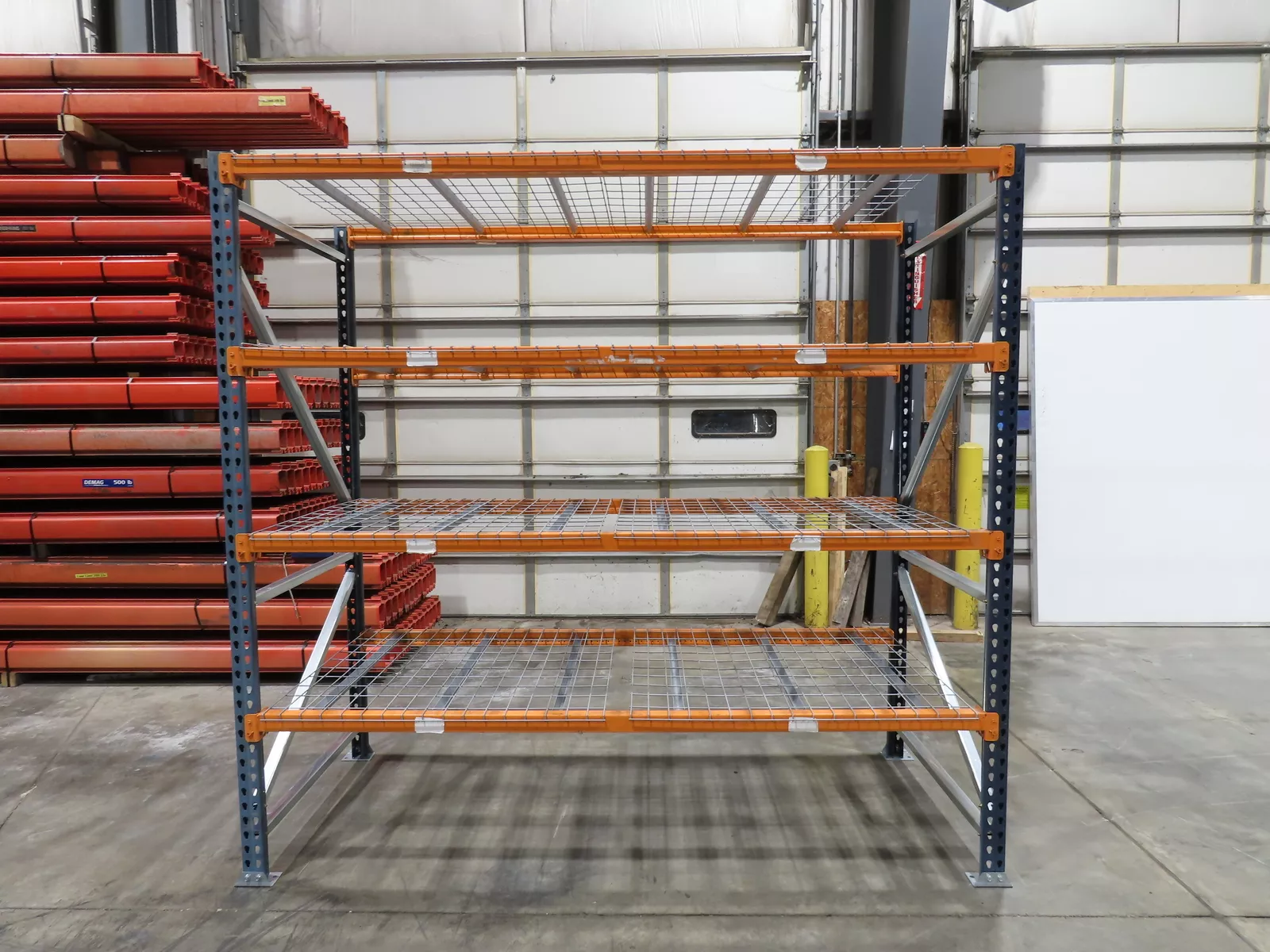
What Secrets Could Optimize Your Warehouse Shelving Layout?
What Secrets Could Optimize Your Warehouse Shelving Layout?
- Efficiency in warehouse shelving layout is crucial for profitability in today’s supply chain.
- Adapting to e-commerce growth requires strategic adjustments in product storage.
- Dynamic shelving solutions like adjustable Pallet Racking optimize space utilization and flexibility.
- Modern inventory management systems help identify high-demand products to improve accessibility.
- Creating zones for receiving, storage, and dispatch minimizes movement time and streamlines operations.
- Employee training on shelving and storage best practices enhances overall performance and accuracy.
- A multifaceted approach that combines design, technology, and employee engagement can transform warehousing efficiency.
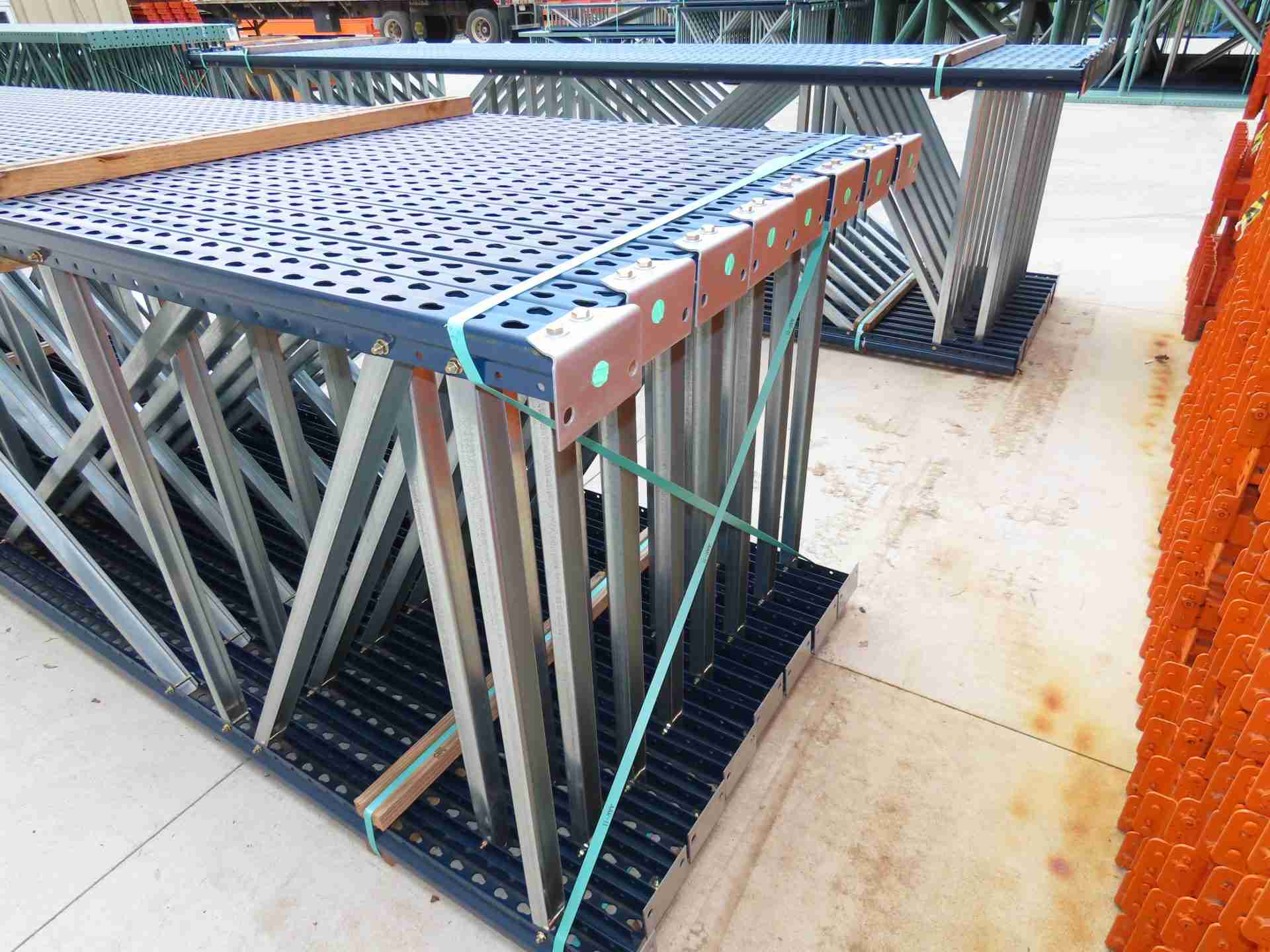
What Secrets Could Optimize Your Warehouse Shelving Layout?
Table Of Contents
- What Secrets Could Optimize Your Warehouse Shelving Layout?
- What Factors Should Be Considered For Shelf Layout Efficiency?
- How Can We Measure The Effectiveness Of Our Current Shelving?
- What Are The Benefits Of Using Vertical Space In Warehouses?
- How Can Inventory Turnover Impact Shelving Configurations?
- What Shelving Systems Are Best For Different Product Types?
- How Does Shelf Labeling Improve Pick Accuracy And Speed?
- Conclusion
- Other Resources
- Glossary Of Terms
- Other Questions
- Checklist
What Factors Should Be Considered For Shelf Layout Efficiency?
When it comes to maximizing the efficiency of your warehouse or retail space, the layout of your shelves is a pivotal element that can significantly impact your bottom line. A well-planned shelf layout can not only improve the speed of order fulfillment but also enhance customer experience. So, what factors should you keep in mind when designing this crucial area?
1. Flow of Goods: One of the first things to consider is the flow of goods. Arrange your shelves in such a way that it complements the process of receiving, storing, and shipping products. For example, if you have Pallet Racking, position frequently picked items closer to the packing area. This minimizes travel time, allowing employees to work more efficiently. In today’s fast-paced environment where same-day delivery has become a norm, even a few seconds saved can translate into significant savings.
2. Product Placement: Another important factor is product placement. Use data analytics to determine which items are frequently bought together and place them near each other. For instance, if data shows that tortilla chips often fly off the shelves alongside salsa, position those products in close proximity. This not only makes it easier for customers but can also boost sales, as customers may purchase more when they see related items nearby.
3. Accessibility: Ensure that your shelf layout adheres to good accessibility practices. Employees need to easily reach items to pick and pack orders quickly. Additionally, when designing retail spaces, provide ample space for customers to navigate the aisles. With the recent surge in online shopping and subsequent changes in consumer habits, your brick-and-mortar location should still make it easy for consumers to interact with products.
4. Flexibility: Today’s market is dynamic, and your layout should be able to adapt to shifts in demand. Implement modular shelving solutions to make reconfiguration a breeze. If you suddenly need to allocate more space to seasonal products, flexible shelving allows you to pivot quickly without extensive downtime.
5. Safety and Compliance: Beyond efficiency and sales, safety must not be overlooked. This is especially true if you’re utilizing heavy-duty Pallet Racking. Make sure that your layouts comply with safety regulations to prevent accidents. Employees must know how to operate within the space safely and effectively, ensuring both worker well-being and productivity.
In summary, an effective shelf layout is not just about aesthetics. By considering flow, product placement, accessibility, flexibility, and safety, you position your business to meet changing consumer demands and improve overall efficiency. It’s a strategic investment that pays dividends in the long run.
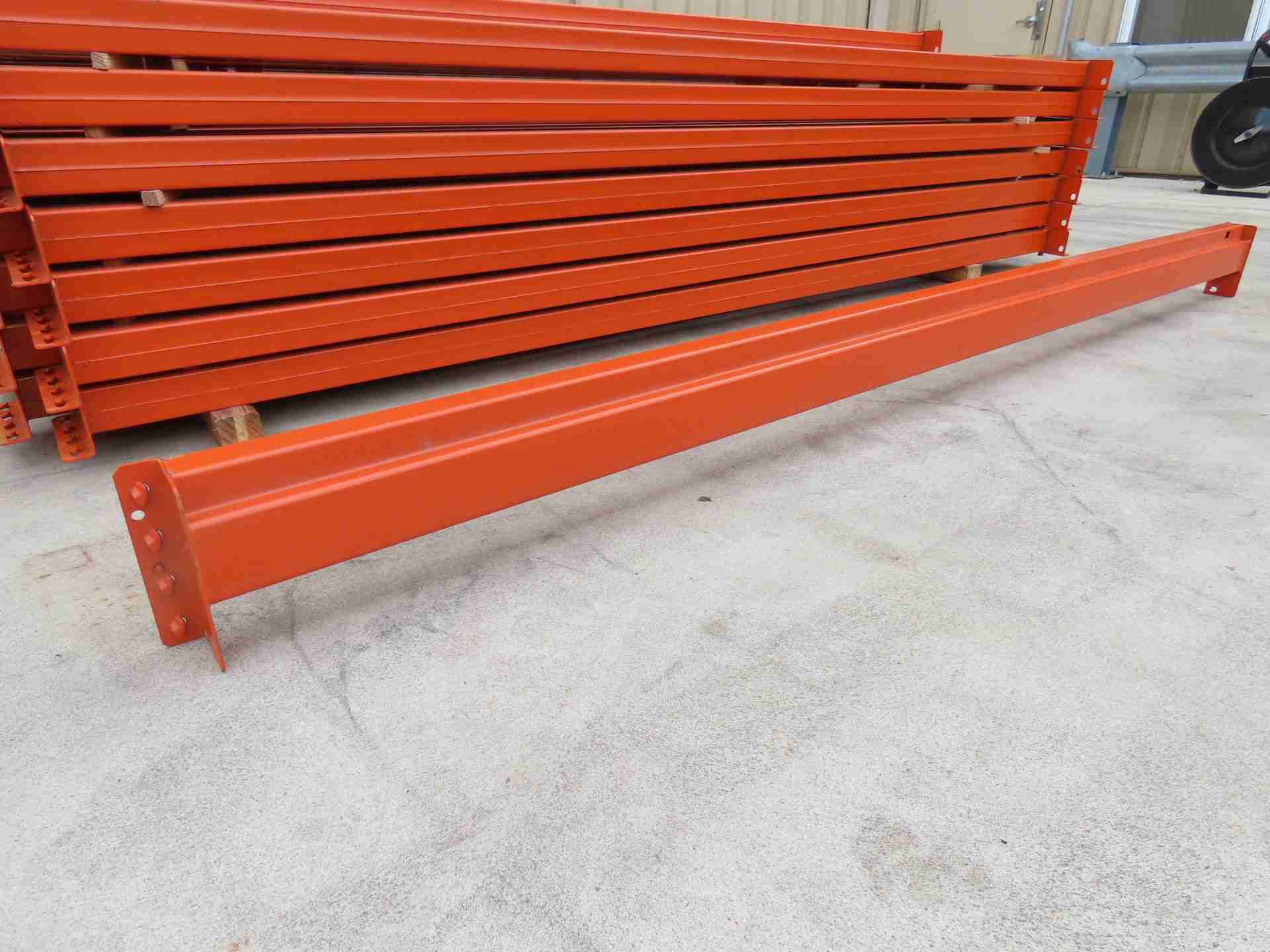
What Factors Should Be Considered For Shelf Layout Efficiency?
What Factors Should Be Considered For Shelf Layout Efficiency?
- Flow of Goods: Arrange shelves to enhance receiving, storing, and shipping processes; place frequently picked items near packing areas to minimize travel time.
- Product Placement: Use data analytics to place frequently bought items together, boosting customer convenience and potential sales.
- Accessibility: Ensure easy access for employees to pack orders and provide ample space for customers to navigate in retail spaces.
- Flexibility: Implement modular shelving to adapt easily to market changes and seasonal product demands.
- Safety and Compliance: Adhere to safety regulations, particularly with heavy-duty storage solutions, to ensure worker safety and productivity.
- Strategic Investment: An effective shelf layout improves efficiency and meets changing consumer demands, leading to long-term benefits.

What Factors Should Be Considered For Shelf Layout Efficiency?
How Can We Measure The Effectiveness Of Our Current Shelving?
In today’s competitive landscape, businesses must ensure that every aspect of their operations is optimized for maximum efficiency and profitability. When it comes to warehousing and storage, one critical component that often goes unnoticed is shelving—even more specific, your pallet racking systems. Measuring the effectiveness of your current shelving strategies isn’t just a good practice; it’s a necessity to stay ahead.
First, let’s assess your pallet racking by evaluating its utilization rate. Are your racks fully populated, or do you have empty slots waiting to be filled? A utilization rate of less than 85% can signal a need for reconfiguration or a complete system overhaul. For example, a recent survey conducted by Warehouse & Logistics News revealed that companies reorganizing their racking systems saw a 30% improvement in inventory accessibility, thus leading to quicker order fulfillment.
Next, consider the turnover rate of items on your pallet racks. Are products collecting dust, or are they flying off the shelves? Your shelving arrangement should facilitate the rapid movement of goods, especially in sectors like e-commerce, where customer demand can change daily. Amazon, for instance, has perfected their shelving inventory system to keep up with fluctuating consumer preferences, enabling them to maintain a staggering 5-second delivery promise.
Another lens through which to measure effectiveness is the overall ergonomics of your shelving. Are your staff easily able to access the products they need? If they’re wasting precious minutes navigating cumbersome pallet racks, you’re losing efficiency. The recent push for workplace safety regulations emphasizes the need for ergonomic designs to prevent injuries; thus, investing in adjustable racks can serve a dual purpose: enhancing efficiency and safeguarding your employees.
Furthermore, keep a keen eye on the technology surrounding your pallet racking. Are you using inventory management systems to track stock levels in real-time? Businesses integrating RFID technology are seeing reduced errors and improved order accuracy—an invaluable asset in maintaining a strong customer base. For example, Lowe’s has recently upgraded their inventory tracking systems, resulting in decreased stock discrepancies and increased customer satisfaction.
Lastly, don’t overlook your financial metrics. Calculate the cost-to-revenue ratio of your shelving and racking systems. If the maintenance and operational costs are far outweighing the benefits, it’s time for an upgrade. In a dynamic market where global supply chains are constantly evolving, aligning your pallet racking with current business objectives is crucial for sustainable growth.
In summary, by utilizing these strategies—utilization rates, turnover metrics, ergonomic considerations, technological integrations, and financial assessments—you can measure the effectiveness of your current shelving and ensure your operations remain a cut above the rest.
How Can We Measure The Effectiveness Of Our Current Shelving?
How Can We Measure The Effectiveness Of Our Current Shelving?
- Optimize warehouse operations for maximum efficiency and profitability.
- Evaluate pallet racking utilization rates; aim for over 85% to avoid the need for reconfiguration.
- Monitor inventory turnover rates to ensure rapid movement of goods, especially in fast-paced sectors like e-commerce.
- Assess shelving ergonomics to enhance staff efficiency and comply with workplace safety regulations.
- Integrate technology, such as inventory management systems and RFID, to reduce errors and improve order accuracy.
- Analyze financial metrics by calculating the cost-to-revenue ratio of shelving and racking systems.
- Implement a comprehensive approach using utilization rates, turnover metrics, ergonomics, technology, and financial assessments for optimal shelving effectiveness.
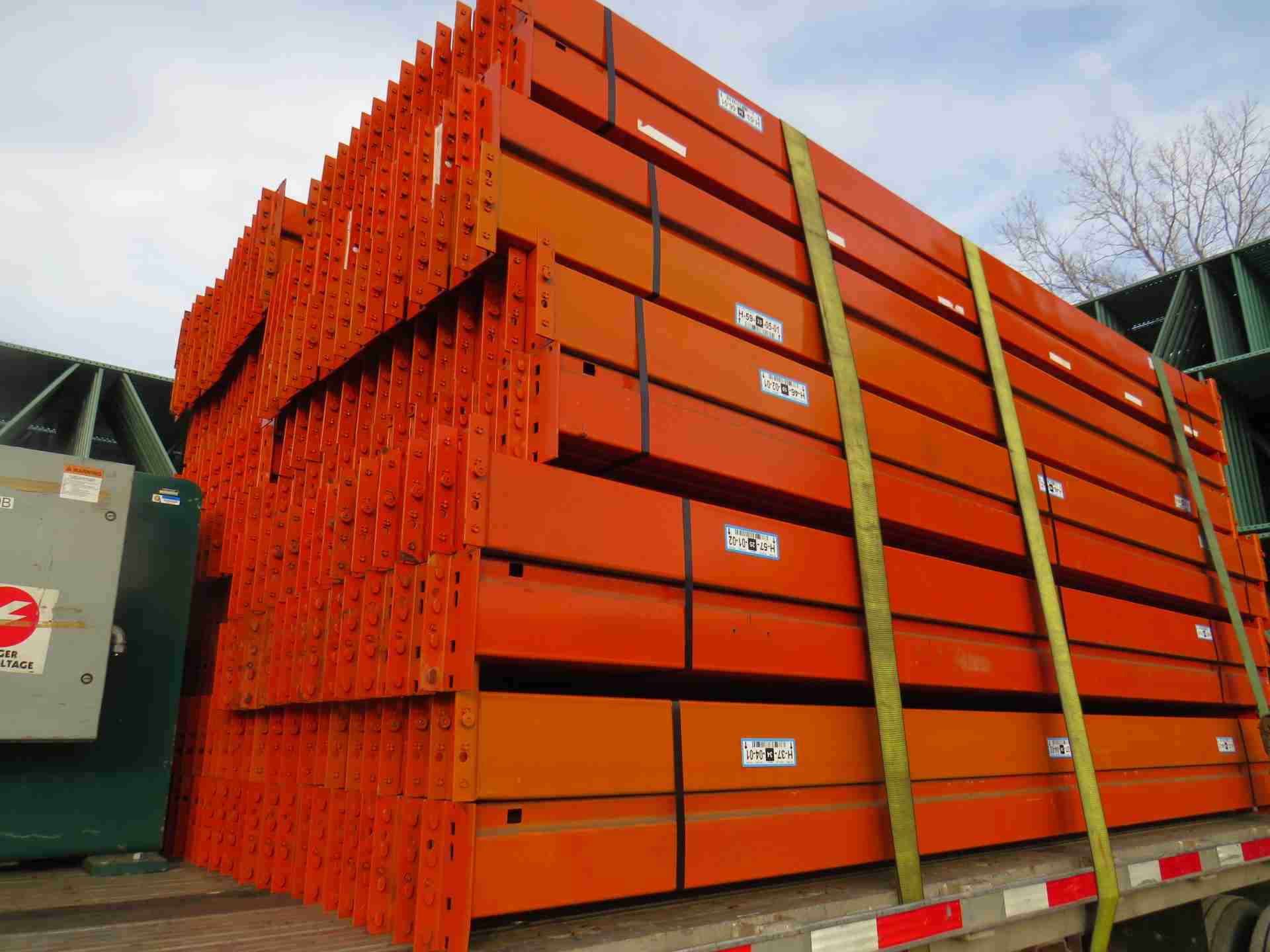
How Can We Measure The Effectiveness Of Our Current Shelving?
What Are The Benefits Of Using Vertical Space In Warehouses?
In today’s fast-paced and ever-evolving business landscape, maximizing warehouse efficiency is more crucial than ever. One of the most effective strategies to achieve this is by utilizing vertical space—an often-overlooked aspect of warehouse design. With escalating real estate costs and surging demand for storage and logistics solutions, it’s time to elevate your storage strategy.
Vertical space optimization begins with the implementation of robust systems like pallet racking. These systems allow for the stacking of products high above ground level, instantly multiplying the space available for storage. Instead of limiting your inventory to the square footage of your warehouse floor, imagine reaching for the sky! Companies that have effectively utilized vertical space, such as Amazon and Walmart, have drastically cut down on square footage costs while increasing their product offerings.
One compelling example is seen in the booming e-commerce sector, where rapid order fulfillment is not just an option; it’s a necessity. Warehouses that have embraced vertical storage solutions have seen a significant uptick in their picking efficiency. By implementing multi-tier pallet racking systems, these companies are able to house more inventory and expedite order processing time—two critical factors that determine customer satisfaction in a competitive market.
Furthermore, utilizing vertical space supports sustainability initiatives. As businesses strive to implement greener practices, reducing the footprint of operations becomes essential. A warehouse designed with vertical storage minimizes the land area required, addressing both urban sprawl concerns and environmental sustainability. With burgeoning awareness around eco-friendliness, customers are increasingly favoring businesses that demonstrate a commitment to sustainable practices.
Let’s not overlook the safety and organizational benefits that come with vertical storage solutions. By incorporating systems like pallet racking, warehouses reduce clutter on the floor, thereby minimizing accidents and improving worker productivity. Maintaining a clear workspace contributes directly to improved morale and efficiency, which, in turn, positively impacts the bottom line.
Moreover, current global supply chain challenges have underscored the need for flexible and agile warehouse operations. Adopting vertical space solutions prepares businesses for rapid fluctuations in inventory demands, making them more resilient in times of crisis.
The benefits of using vertical space in warehouses are manifold. From cost savings and enhanced efficiency to sustainability and worker safety, the advantages are clear. As companies navigate the complexities of modern logistics, taking advantage of vertical space and implementing strategic systems like pallet racking is not just smart; it’s essential for long-term success. Embrace this change today, and watch your business soar to new heights!

What Are The Benefits Of Using Vertical Space In Warehouses?
What Are The Benefits Of Using Vertical Space In Warehouses?
- Maximizing warehouse efficiency is crucial in the fast-paced business landscape.
- Utilizing vertical space through robust systems like pallet racking can significantly increase storage capacity.
- Companies like Amazon and Walmart have effectively reduced square footage costs and expanded product offerings by leveraging vertical storage.
- Vertical storage solutions enhance picking efficiency, especially critical in the booming e-commerce sector.
- Adopting vertical space supports sustainability by reducing operational footprints and aligning with eco-friendly practices.
- Vertical storage improves safety and organization within warehouses, leading to higher productivity and morale among workers.
- Leveraging vertical space makes warehouses more flexible and resilient in response to global supply chain challenges.
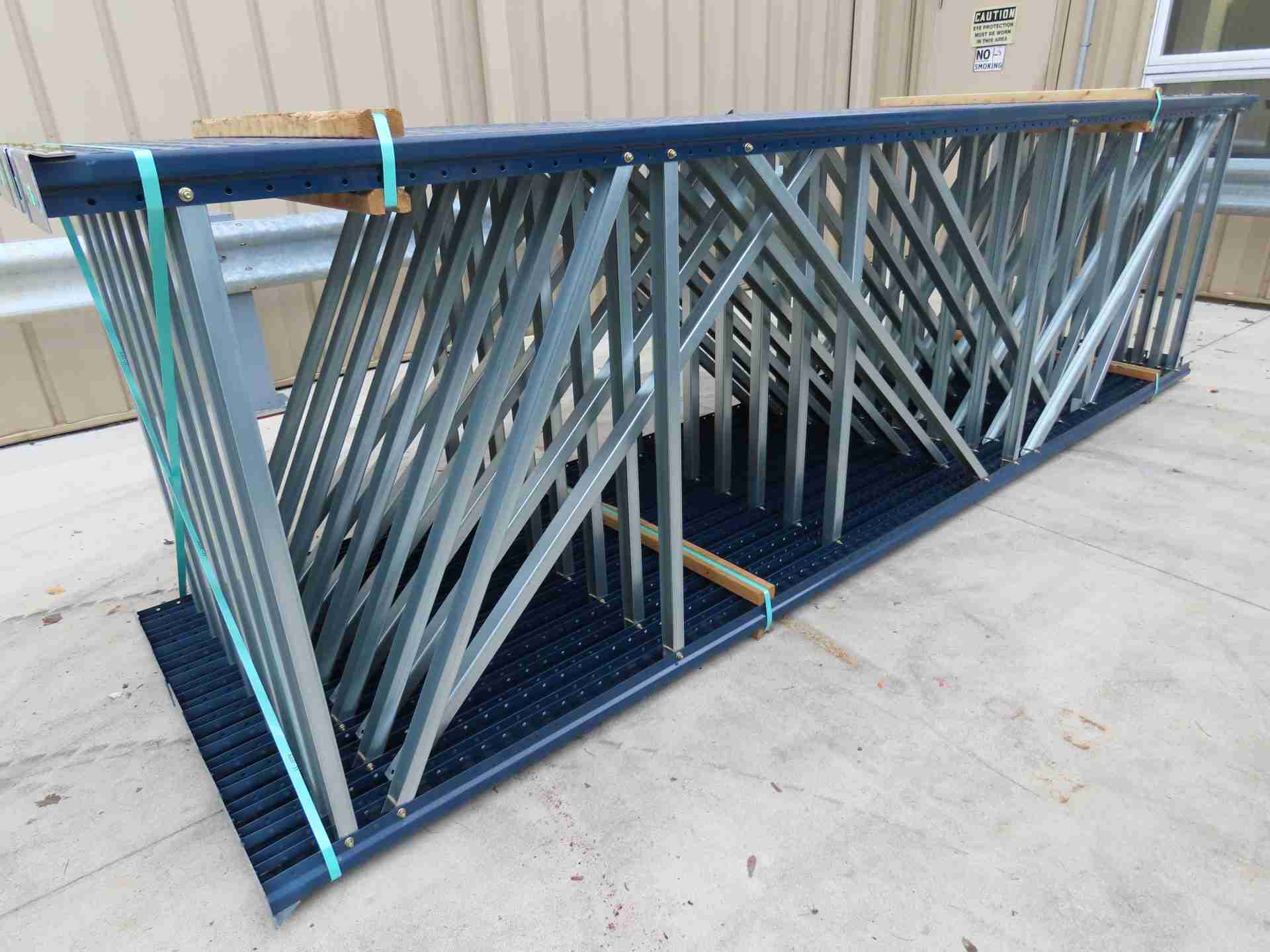
What Are The Benefits Of Using Vertical Space In Warehouses?
How Can Inventory Turnover Impact Shelving Configurations?
When it comes to maximizing profitability in warehousing and retail spaces, understanding the relationship between inventory turnover and shelving configurations can spell the difference between a well-oiled machine and revenue stagnation. Inventory turnover, a measure of how quickly inventory is sold and replaced, influences every aspect of your storage strategy—from how you arrange your shelves to the effectiveness of your pallet racking systems.
High inventory turnover means products are moving fast, leading to a demand for shelves that offer speed and accessibility. For retailers, this translates to prioritizing proximity to the checkout for popular items. Imagine a grocery store with top-selling items readily available on easily adjustable shelving, allowing staff to restock quickly without disrupting the shopping experience. In contrast, for slow-moving items, consider utilizing compact pallet racking systems that allow you to maximize storage while minimizing floor space. A vivid example of this can be seen with major discount retailers adapting their shelving configurations in response to shifting consumer buying patterns during the pandemic. As online shopping surged, retailers like Walmart pivoted their warehouse layouts to accommodate higher turnover rates, emphasizing quick stock replenishment and customer accessibility.
Moreover, a well-considered shelving configuration can directly impact your bottom line. For instance, if you’re a distributor of seasonal items, employing a flow rack system can help you optimize the shelf life of products while catering to quick movement during peak seasons. This could mean adjusting the layout post-holidays to clear out lingering inventory. Keeping an eye on turnover rates allows businesses to tailor their shelving expressions, ensuring slow-moving items don’t become liabilities.
Additionally, current trends in sustainability and eco-friendliness are reshaping how businesses think about their shelving configurations. Companies are now leaning toward modular pallet racking solutions that can be reconfigured easily without extensive renovation work. This agility not only reduces costs but allows businesses to transition their shelving setups in line with changing consumer behavior rapidly.
Ultimately, embracing the symbiotic relationship between inventory turnover and shelving configurations will empower businesses to enhance efficiency, optimize space, and maximize profits. In an era where consumer preferences shift at breakneck speed, a flexible and responsive shelving strategy is no longer a luxury; it’s a necessity. By innovating around these key principles, firms can not only stay afloat but thrive in today’s competitive landscape.
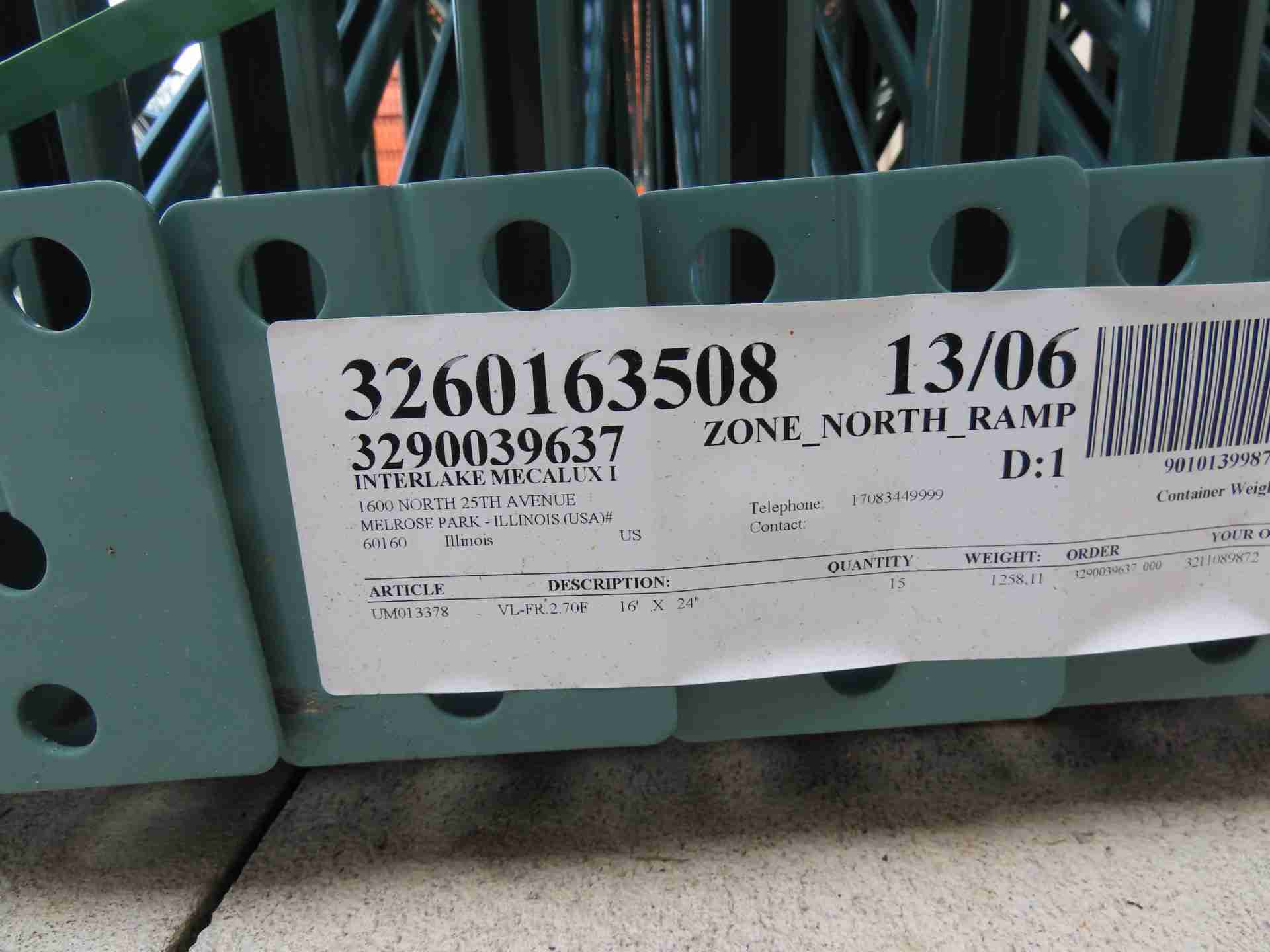
How Can Inventory Turnover Impact Shelving Configurations?
How Can Inventory Turnover Impact Shelving Configurations?
- Understanding inventory turnover and shelving configurations is crucial for maximizing profitability in warehousing and retail.
- High inventory turnover necessitates shelves that allow for quick access and efficient restocking.
- Retailers should prioritize the placement of popular items near checkouts to improve sales.
- Slow-moving items can be stored using compact pallet racking systems to maximize space efficiency.
- Businesses must adapt shelving configurations in response to consumer behavior changes, as demonstrated by major retailers during the pandemic.
- Sustainability trends are pushing companies towards modular pallet racking solutions for easier reconfiguration.
- A responsive shelving strategy is essential for enhancing efficiency, optimizing space, and maximizing profits in today’s dynamic market.
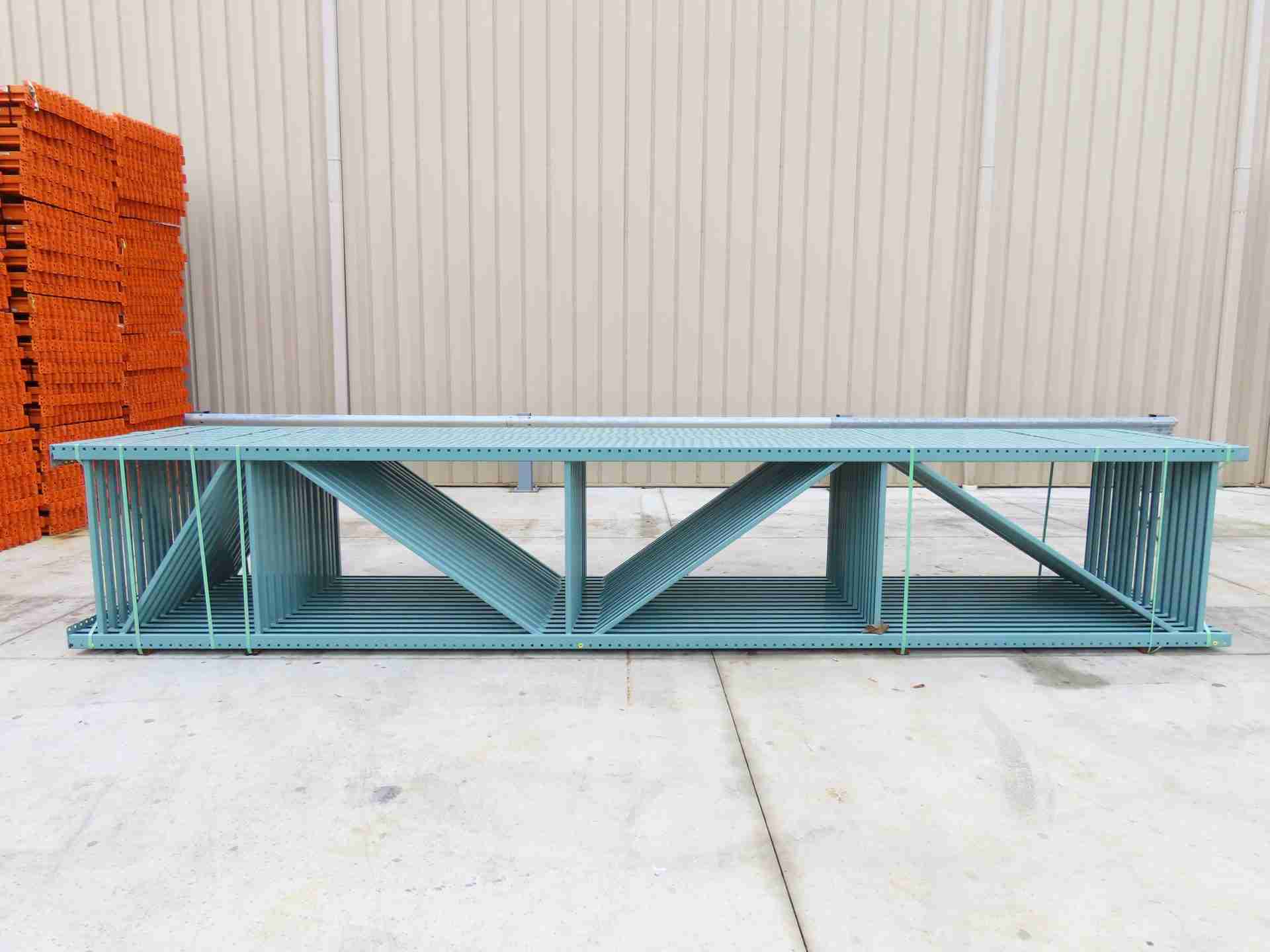
How Can Inventory Turnover Impact Shelving Configurations?
What Shelving Systems Are Best For Different Product Types?
When it comes to selecting a shelving system for your business, understanding the nuances of different product types is crucial. A savvy entrepreneur knows that the right choice can streamline operations, enhance accessibility, and ultimately boost profitability. Let’s dive into what shelving systems work best for various products.
Pallet Racking is the go-to solution for businesses dealing with bulk storage, especially in warehouses. This robust system allows for the efficient storage of heavy and bulky items on pallets, which other shelving options may struggle to accommodate. For example, if you’re running a logistics operation that handles various products, from appliances to building materials, pallet racking provides the ideal structure for maximizing vertical space while keeping the floor clear. In recent months, as supply chain disruptions eased, many companies have ramped up production to meet soaring demand. Investing in pallet racking is proving essential for those looking to maintain a competitive edge.
For smaller items, shelf racking might be the better option. Retailers selling electronics, toys, or cosmetics benefit significantly from this flexible system. It offers easy access and visibility, which is paramount in the retail landscape. As consumer spending has rebounded in various sectors amid economic recovery, businesses must optimize their shelf space to encourage impulse purchases, making this system a worthwhile investment.
Meanwhile, for very small items such as hardware or art supplies, bin shelving is unbeatable. These systems provide compartments that allow organization and quick retrieval. Retailers can arrange products alphabetically or by category, making it easy for customers to navigate the aisles. With a recent trend towards DIY projects at home, driven partly by the pandemic, bin shelving has found renewed popularity among suppliers looking to cater to avid hobbyists.
Additionally, if you sell items that vary in size and weight, consider mobile shelving. This adaptable option allows shelves to roll and maximize space in environments like libraries or archives—where every square foot counts. It’s incredibly beneficial in a busy workspace, ensuring quick access to inventory while maintaining an organized setup.
Selecting the right shelving system ultimately depends on your product type and business needs. By understanding the advantages of pallet racking, shelf racking, bin shelving, and mobile shelving, you’re setting your business up for success. As consumers continue to reshape buying behaviors, ensuring your storage solutions are streamlined and effective could give you that competitive edge you’ve been looking for. Embrace the right shelving system and watch your efficiency soar!

What Shelving Systems Are Best For Different Product Types?
What Shelving Systems Are Best For Different Product Types?
- Choosing the right shelving system streamlines operations and boosts profitability.
- Pallet racking is ideal for bulk storage, particularly in warehouses dealing with heavy items.
- Shelf racking suits smaller items, enhancing accessibility and visibility for retailers.
- Bin shelving is excellent for very small items, providing organization and quick retrieval.
- Mobile shelving is adaptable and maximizes space for items of varying sizes and weights.
- Understanding the right shelving systems helps align with product types and business needs.
- Effective storage solutions can provide a competitive edge as consumer behaviors evolve.

What Shelving Systems Are Best For Different Product Types?
How Does Shelf Labeling Improve Pick Accuracy And Speed?
In today’s fast-paced market, where efficiency and precision reign supreme, the importance of proper shelf labeling in warehouses and retail spaces cannot be overstated. Picture this: a bustling warehouse filled with Pallet Racking filled to the brim with stock. Now, envision the chaos that ensues when pickers are fumbling around, unsure where to grab the next item. This is where clear and coherent shelf labeling makes a world of difference.
Shelves, racks, and bins packed with products can quickly become a labyrinth of confusion without effective labels. Accurate shelf labeling serves as a roadmap, guiding pickers swiftly and accurately to the items they need. For instance, Amazon has long leveraged sophisticated labeling systems to enhance their picking processes, optimizing warehouse operations and dramatically reducing the time it takes to fulfill an order. They utilize color-coding and barcodes on their Pallet Racking systems to ensure pickers can instantly identify where specific products are located.
Consider a scenario during peak sales seasons, such as Black Friday or the holiday rush. High volumes of orders necessitate rapid picking, and any inefficiency can lead to delays, frustrated customers, and potential lost sales. Retailers that use advanced shelf labeling techniques report substantially improved pick speeds—some studies suggest increases of up to 30%. Through well-defined labels, employees can avoid the hassle of searching for products, leading to a smoother workflow.
But it isn’t just about speed. Accuracy plays a crucial role in maintaining inventory integrity. A single error in picking can lead to costly returns and unhappy customers. For example, during the pandemic, many retailers experienced unprecedented shipment volumes, resulting in a surge of order inaccuracies. Those utilizing precise shelf labeling systems were less affected, as their processes promoted a systematic approach to order fulfillment. By doing so, they were able to maintain service levels and customer satisfaction even in tumultuous times.
Moreover, digital advancements are enriching shelf labeling methods further. Emerging technologies like augmented reality can overlay visual cues onto real-world shelves, guiding pickers in real time. Companies that embrace such innovations are already positioning themselves ahead of the curve in enhancing their operational efficiency.
In summary, effective shelf labeling is not merely a function of good organization; it is a strategic advantage that significantly boosts both pick accuracy and speed. In an era where every second counts and precision is paramount, can you afford to overlook this essential component of your operational strategy?

How Does Shelf Labeling Improve Pick Accuracy And Speed?
How Does Shelf Labeling Improve Pick Accuracy And Speed?
- Proper shelf labeling is crucial for efficiency and precision in warehouses and retail environments.
- Effective labels act as a roadmap, helping pickers quickly locate items, thus reducing time spent searching.
- Companies like Amazon use advanced labeling systems, including color-coding and barcodes, to streamline their picking processes.
- During peak seasons, improved shelf labeling can increase pick speeds by up to 30%, enhancing workflow.
- Accurate labeling is vital for inventory integrity, preventing errors that could lead to shipping inaccuracies and customer dissatisfaction.
- Digital technologies, such as augmented reality, are enhancing shelf labeling methods and guiding pickers with real-time visual cues.
- Effective shelf labeling provides a strategic advantage, significantly improving both pick accuracy and speed in operations.

How Does Shelf Labeling Improve Pick Accuracy And Speed?
Conclusion
In today’s hyper-competitive environment, the strategic alignment of warehouse shelving layouts has never been more critical to business success. As revealed in this insightful article, optimizing your warehouse shelving is a blend of smart design, technology, and employee training. It’s about understanding the dynamic interplay of inventory turnover, product placement, and warehouse layout—keys to achieving unprecedented efficiency.
At Arrow Industrial Sales, we recognize that a well-planned shelving system is not merely a convenience; it’s an essential component of a robust business strategy. With e-commerce growth driving the need for adaptive warehousing solutions, companies are turning to versatile shelving options, such as adjustable Pallet Racking systems, that support flexible inventory management. By maximizing vertical space and streamlining processes, businesses can drastically cut costs while enhancing their operational capabilities.
Consider the advantages of thorough shelf labeling, which can significantly elevate pick accuracy and speed. When products are strategically placed and well-labeled, it reduces wasted time and boosts worker productivity—imperatives for surviving in today’s fast-paced consumer landscape. Furthermore, with safety regulations becoming increasingly stringent, partnering with a supplier who understands compliance is vital. Arrow Industrial Sales provides not just the products, but the expertise to ensure that your shelving solutions uphold safety while promoting efficiency.
Act now—don’t let inefficiencies hold your business back. With recent market upheavals, it’s more important than ever to reassess your warehouse systems. The clock is ticking, and every moment of indecision could cost you valuable time and resources. Our team at Arrow Industrial Sales is ready to provide tailored solutions that can propel your operations forward.
We invite you to take action today. Pick up the phone and call Arrow Industrial Sales at (574) 349-6575. Discover the secrets to optimizing your warehouse shelving layout and unlock hidden efficiencies that could transform your bottom line. Don’t let your competitors gain the upper hand; act now and seize the advantages of a well-structured and efficient shelving strategy. With Arrow Industrial Sales by your side, your pathway to enhanced efficiency is clearer than ever.
Conclusion
Conclusion:
- Strategic alignment of warehouse shelving is critical for business success.
- Optimizing shelving involves smart design, technology, and employee training.
- Adjustable Pallet Racking systems offer flexible inventory management solutions.
- Thorough shelf labeling enhances pick accuracy and worker productivity.
- Compliance with safety regulations is essential in warehouse operations.
- Arrow Industrial Sales provides expert solutions to improve shelving efficiency.
- Contact Arrow Industrial Sales to optimize your warehouse shelving and boost efficiency.
Conclusion
Other Resources
Other Resources
Here is a list of other resources you can review online to learn more:
- IIWS Inc. Rack Installation Illinois & Rack Repairs Illinois
- Chicago Pallet Racking
- Material Handling Industry
- What is Selective Racking: Understanding Benefits & Options
- Cantilever Rack Configuration & Installation: A Comprehensive Guide – BMH
- IWLA
- Warehouse Storage Racks
- The Ultimate Pallet Racking Guide – Speedrack West
- Shipping Boxes, Packaging Materials, Pallet Racking
Use This Prompt To Get More Resources With Your Favorite Online AI Tool: Please provide me with a list of online articles with their URLs in a bulleted list that I can read regarding What Secrets Could Optimize Your Warehouse Shelving Layout?
Other Resources
Glossary Terms
What Secrets Could Optimize Your Warehouse Shelving Layout? – Glossary Of Terms
1. Aisle Width: The distance between shelving units that allows for safe and efficient movement of staff and equipment.
2. Batch Picking: A method of order fulfillment where multiple orders are picked at once to streamline the process.
3. Beam Arrangement: The configuration of horizontal beams in a rack system, important for maximizing vertical space and load-bearing capacity.
4. Cross-Docking: A logistics practice where incoming goods are directly transferred to outbound shipping without storage, optimizing space and time.
5. Dynamic Storage: Shelving systems that allow for adjustable configurations to accommodate varying sizes and types of inventory.
6. End Cap Displays: Shelving at the end of aisles used for promotional products or high-demand items to enhance visibility and accessibility.
7. FIFO (First In, First Out): An inventory rotation method ensuring that the oldest stock is used first, minimizing spoilage or obsolescence.
8. Grid Layout: A shelving design that maximizes space utilization and efficiency by arranging aisles and shelves in a grid pattern.
9. Inventory Turnover: A measure of how quickly inventory is sold and replaced over time, indicating the efficiency of shelf layouts.
10. Just-in-Time (JIT): Inventory management strategy aimed at reducing carrying costs by receiving goods only as they are needed for production or sale.
11. Labeling: The practice of clearly tagging shelves and bins for easy identification of products and organization within the warehouse.
12. Modular Shelving: Adjustable shelving systems composed of interchangeable parts, allowing customization based on evolving storage needs.
13. Peak Season: A time during the year when product demand surges, requiring optimized layouts to handle increased inventory flow.
14. Queue Management: Organizing goods and staff operations to minimize wait times and inefficiencies in the picking process.
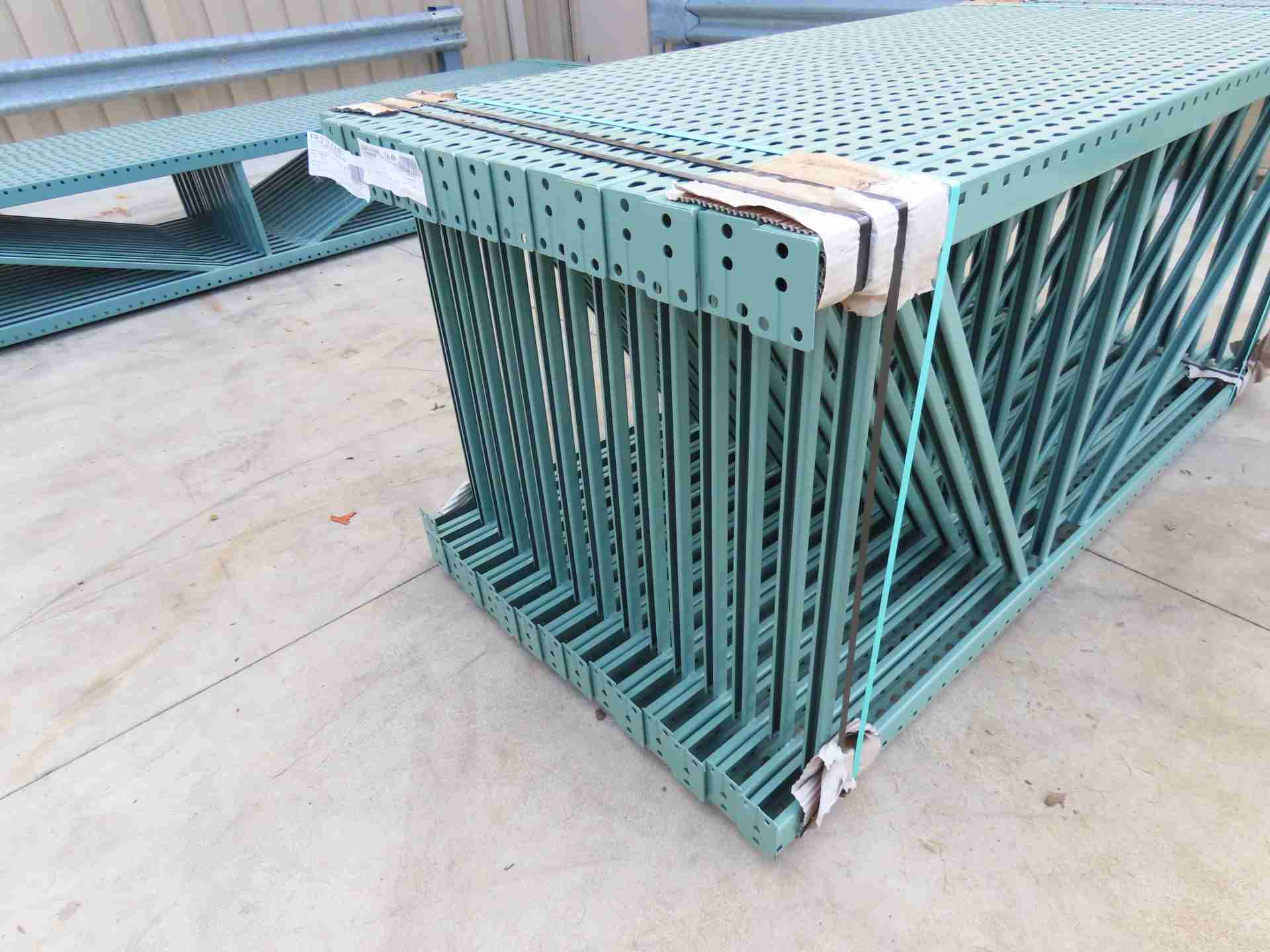
15. Racking Systems: Structures designed to hold, display, and organize goods within a warehouse, essential for optimizing vertical space.
16. Safety Stock: Extra inventory kept on hand to prevent shortages due to unexpected demand changes, influencing shelf space allocation.
17. SKU (Stock Keeping Unit): A unique identifier for each product, crucial for organizing and optimizing shelving layouts.
18. Space Utilization: A measurement of how effectively storage space is used, directly impacting warehouse efficiency.
19. Throughput: The rate at which items are processed through the warehouse, signifying the efficiency of shelving and picking systems.
20. Vertical Space: The height above the warehouse floor that can be utilized for storage, often underused in poor shelving layouts.
21. Warehouse Management System (WMS): Software that supports warehouse operations, including inventory tracking and optimizing shelving arrangements.
22. Zoning: The practice of assigning specific areas within the warehouse for particular categories of products to streamline access and inventory management.
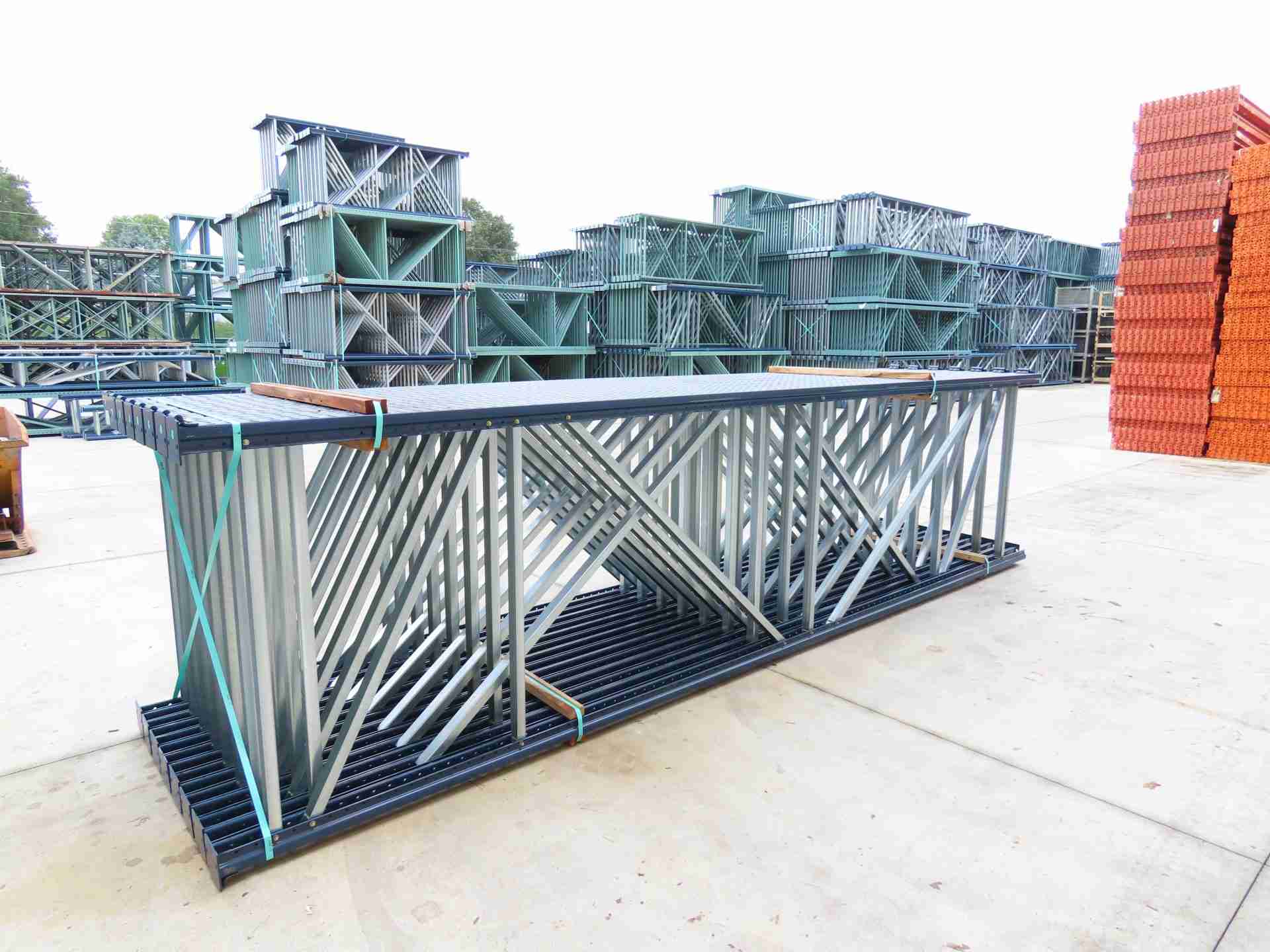
23. Pallet Racking: A type of shelving designed to hold pallets, maximizing space for bulk storage and easy retrieval.
24. Automation: Implementing technology and machinery to speed up picking and storage processes, often affecting layout plans significantly.
25. Flow Rack: A type of shelving that uses gravity to assist with product movement, ideal for high-traffic areas and FIFO systems.
26. Temperature Control: Adjusting the environment within the warehouse to accommodate sensitive goods, which can influence shelving arrangement.
27. Inventory Audit: A systematic review of stock levels and conditions, often revealing opportunities for layout optimization.
28. Picking Efficiency: The rate and accuracy at which items are selected from shelves, closely related to shelf layout and accessibility.
29. Accessibility: The ease with which products can be retrieved from shelving, impacting workflow and speed in the warehouse.
30. Standard Operating Procedure (SOP): Documented processes for warehouse operations, including shelving use and inventory management, aimed at enhancing efficiency.
Glossary Of Terms
Other Questions
What Secrets Could Optimize Your Warehouse Shelving Layout? – Other Questions
If you wish to explore and discover more, consider looking for answers to these questions:
- What are the key principles of effective warehouse shelving layout?
- How can technology be integrated into warehouse shelving systems?
- What types of shelving solutions are available for different products?
- What role does employee training play in optimizing warehouse shelving?
- How can businesses adapt their shelving layouts for seasonal fluctuations in demand?
- What are the best practices for maintaining safety in warehouse shelving systems?
- How can data analytics improve inventory management and shelving efficiency?
- What are the common mistakes to avoid when designing a warehouse shelving layout?
- How does shelving layout impact customer experience in retail environments?
- What are the costs associated with upgrading shelving systems?
- How can companies measure the return on investment (ROI) of new shelving systems?
- What ergonomic considerations should be taken into account when designing shelving layouts?
- How can businesses prepare their shelving systems for future scalability?

Other Questions
Checklist
What Secrets Could Optimize Your Warehouse Shelving Layout? – A Checklist
1. Evaluate Current Layout
_____ Assess the utilization rate of pallet racks (Aim for above 85%).
_____ Identify areas with high turnover and fast-moving items.
2. Analyze Product Dynamics
_____ Use data analytics to determine product pairings for optimal placement.
_____ Reorganize frequently bought items to reduce picking time.
3. Design for Flow
_____ Ensure the shelving layout supports the flow of receiving, storing, and shipping.
_____ Position frequently picked items closer to packing areas to improve efficiency.
4. Implement Flexible Solutions
_____ Consider adjustable or modular shelving systems for seasonal or fluctuating needs.
_____ Plan for quick reconfiguration during peak sales seasons.
5. Prioritize Accessibility
_____ Ensure employees can easily reach items to improve order fulfillment speed.
_____ Design retail spaces with ample room for customer movement.
6. Focus on Safety and Compliance
_____ Verify that shelving systems comply with safety regulations.
_____ Train staff on safe operation and navigation of shelving systems.
7. Integrate Technology
_____ Implement modern inventory management systems to track product movements.
_____ Consider using RFID technology to reduce errors and improve accuracy.
8. Create Zones
_____ Segment the warehouse into receiving, storage, and dispatch zones.
_____ Designate specific areas for perishables with appropriate racking systems.
9. Improve Ergonomics
_____ Assess the ergonomics of your shelving to facilitate efficient employee operations.
_____ Invest in adjustable racks to complement ergonomic practices in the workplace.
10. Monitor Financial Metrics
_____ Calculate cost-to-revenue ratios related to shelving systems.
_____ Evaluate the financial implications of current shelving arrangements and make adjustments as needed.
11. Invest in Labeling Systems
_____ Implement clear and coherent shelf labeling for easy product identification.
_____ Consider advanced labeling techniques, such as color-coding or barcoding.
12. Track Performance
_____ Monitor several performance metrics including pick accuracy, order fulfillment speed, and inventory turnover.
_____ Regularly reassess layouts and strategies based on performance data to drive continuous improvement.
Conclusion:
By systematically reviewing and implementing these strategies, you can create an optimized warehouse shelving layout that not only enhances efficiency but also boosts profitability. Embrace these steps and turn your warehouse into a finely-tuned operation!
Checklist
At RackingWorld, we help guide you through selecting warehouse storage systems and racking.
Be sure to read our other related stories at RackingWorld to learn more about warehouse storage systems.
0 Comments