
Discover The Best Safety Features Of Local Pallet Racks
By Tom Seest
At RackingWorld, we help guide you through selecting warehouse storage systems and racking.
Be sure to read our other related stories at RackingWorld to learn more about warehouse storage systems.
What Safety Features Do Local Pallet Racks Offer?
When it comes to warehouse operations, safety and efficiency should always reign supreme. With the growing complexities of supply chain management highlighted during recent global disruptions, businesses are revisiting their equipment choices. One such pivotal piece of equipment that has emerged as a champion of both safety and functionality is pallet racking.
Local pallet racks are designed not only to optimize space but to enhance safety across your entire inventory management process. The first line of defense in preventing accidents in warehouses is often the design of the pallet racking system itself. Many reputable providers implement features like upright protection to shield against potential collisions from forklifts. For instance, consider a scenario where a busy distributor relies heavily on their local pallet racks to store diverse products. A well-designed system equipped with guard rails and column protectors not only mitigates risks of damage to the racking but also ensures the safety of employees moving about the warehouse.
Moreover, the installation of heavy-duty end-of-aisle protectors is critical in high-traffic areas, often where significant operational activity occurs. These protectors act as sentinels, reducing the potential for accidents that can lead to injuries or costly repairs. It’s these pragmatic, yet effective solutions that, when integrated, can contribute to a dramatic decrease in workplace incidents.
In light of recent warehouse safety regulations and the industry’s ever-evolving best practices, businesses can no longer afford to take shortcuts. Local pallet racks often feature adjustable beam heights to cater to various storage needs, which also aids in maintaining stability and reducing the risk of overload. It’s essential for manufacturers to ensure that their products meet or exceed safety standards, providing peace of mind for business owners who want to safeguard their investments and workforce.
Furthermore, in these times of economic uncertainty, where supply chain disruptions can cripple operations, prioritizing safety features in your pallet racking can be a game changer. Not only does investing in resilient systems reduce potential hazards, but it can also enhance productivity by creating a smoother workflow.
While the primary function of pallet racking is to maximize storage capacity, savvy business owners recognize that robust safety features are non-negotiable. By opting for local pallet racks with advanced safety implementations, companies not only protect their assets and employees but also position themselves for long-term success in an unpredictable market. Investing in safety is not just about compliance; it’s a strategic move towards operational excellence.

What Safety Features Do Local Pallet Racks Offer?
What Safety Features Do Local Pallet Racks Offer?
- Safety and efficiency are paramount in warehouse operations, especially amidst complex supply chain challenges.
- Pallet racking serves as a crucial equipment choice that enhances safety and functionality in inventory management.
- The design of pallet racking systems, including features like upright protection, helps prevent accidents.
- Guard rails and column protectors play a significant role in safeguarding both racking systems and employees.
- Heavy-duty end-of-aisle protectors are essential in high-traffic areas to minimize accident risks and costly damages.
- Adjustable beam heights in local pallet racks support diverse storage needs and promote stability to avoid overloads.
- Investing in advanced safety features not only protects assets and employees but also contributes to strategic operational excellence.
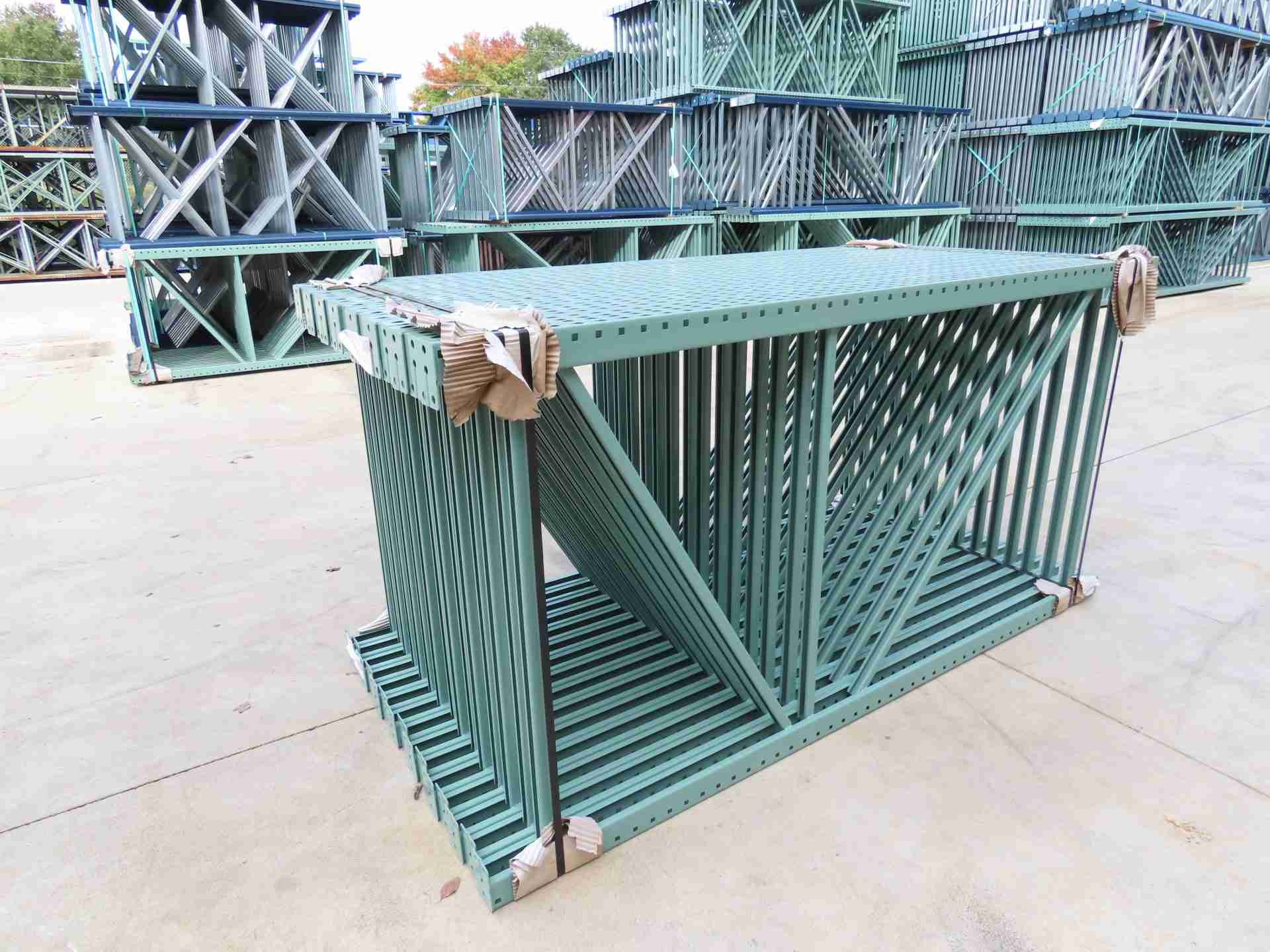
What Safety Features Do Local Pallet Racks Offer?
Table Of Contents
- What Safety Features Do Local Pallet Racks Offer?
- What Are The Main Safety Features Of Local Pallet Racks?
- How Do Pallet Racks Prevent Accidents And Injuries?
- What Materials Are Commonly Used In Pallet Rack Construction?
- How Do Local Regulations Affect Pallet Rack Safety Standards?
- What Is The Importance Of Regular Inspections For Pallet Racks?
- How Can Pallet Rack Design Impact Safety In Warehouses?
- Conclusion
- Other Resources
- Glossary Of Terms
- Other Questions
- Checklist
What Are The Main Safety Features Of Local Pallet Racks?
In the bustling world of warehousing and logistics, ensuring the safety and efficiency of operations is paramount. One of the critical components of this safety net is pallet racking. With the right system in place, businesses can optimize their storage capabilities while safeguarding their personnel and inventory. Here are the main safety features to consider in local pallet racks.
1. Structural Integrity
At the core of every safe pallet racking system is its structural integrity. Quality pallet racking is often constructed from high-grade steel, which offers superior strength and durability. For example, systems designed to handle heavy loads are engineered with wider base plates and deeper uprights to prevent tipping. As recent supply chain disruptions have highlighted the need for reliable warehousing solutions, investing in robust pallet racks has never been more crucial.
2. Load Capacity Labels
One of the simplest yet most effective safety features is clear load capacity labels strategically placed on each rack. These labels provide critical information, guiding employees to understand the maximum weight they can place on each level. Misloading is a common cause of accidents in warehouses. Educating staff with visual cues ensures that they abide by safety protocols, thus reducing the likelihood of costly mishaps.
3. Safety Pins and Footplates
To prevent accidents and injuries, modern pallet racks come equipped with safety pins and footplates. Safety pins lock beam connections and uprights in place, ensuring that the structure remains stable, even under heavy loads. Footplates add extra stability, securing the racking system to the ground. This design has gained traction, especially after a notorious warehouse collapse in 2022, which underscored the need for rigorous safety standards across the industry.
4. Aisle Width Considerations
The design of local pallet racks also accounts for the width of aisles between them. Maintaining appropriate aisle widths is essential for the safe operation of forklifts and other equipment. According to the current guidelines published by OSHA, a minimum clearance must be maintained to facilitate maneuverability and prevent accidents. Companies that prioritize these considerations not only enhance safety but also improve productivity.
5. Regular Maintenance and Inspection Protocols
Lastly, a robust safety feature in any pallet racking system involves routine maintenance and inspection protocols. It is essential to train staff to inspect racks regularly for any signs of wear, damage, or corrosion. Businesses that implement these protocols stand a better chance of preventing incidents. The ongoing discourse around warehouse safety standards, especially in light of recent federal inspections, emphasizes the urgency of these measures.
By prioritizing these vital safety features, local businesses can protect their assets, ensure employee safety, and boost overall operational efficiency. With the right pallet racking system in place, you reinforce your commitment to a safe and productive workplace. Don’t wait until it’s too late—secure your investment in quality racking today!
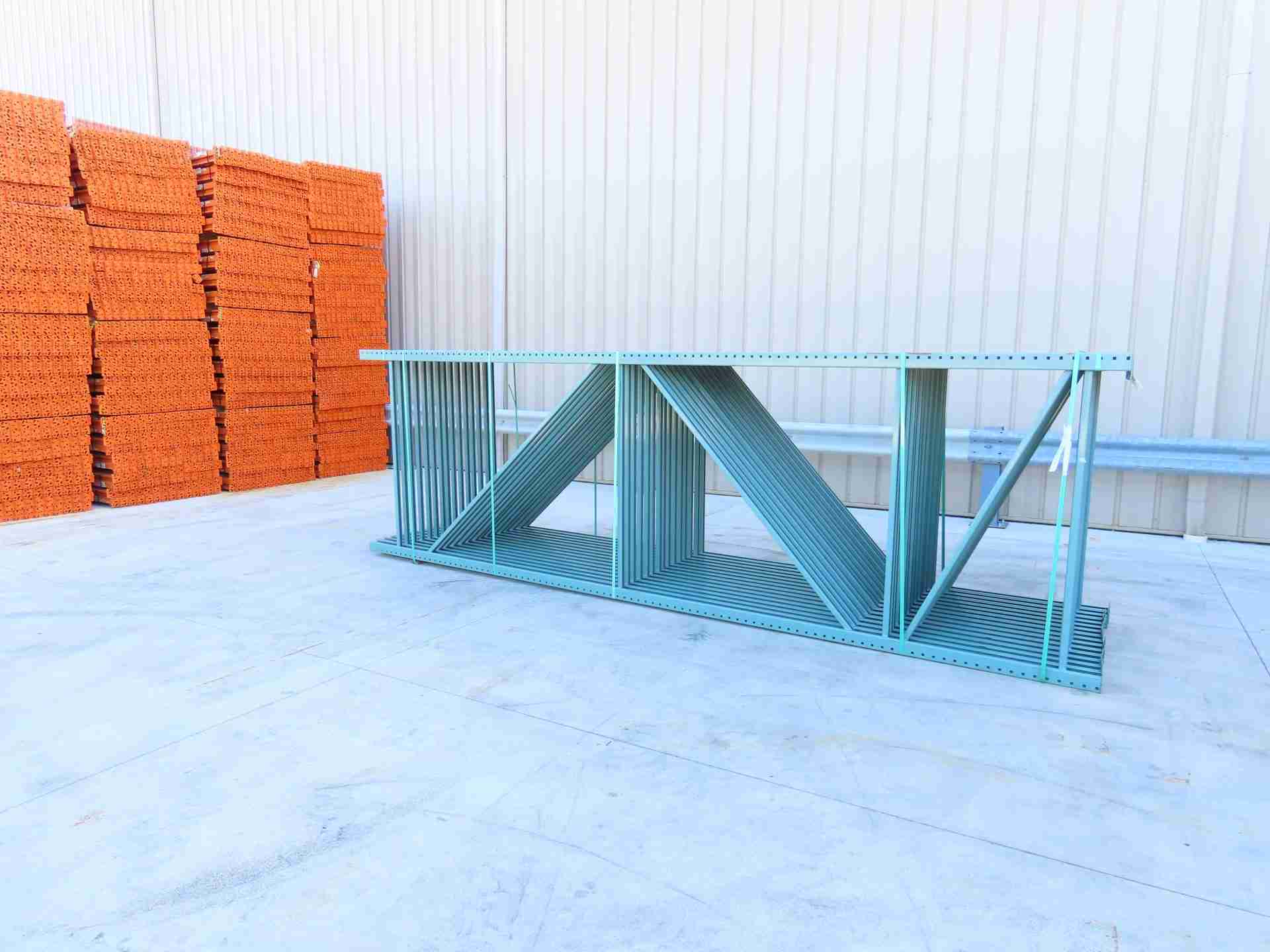
What Are The Main Safety Features Of Local Pallet Racks?
What Are The Main Safety Features Of Local Pallet Racks?
- Structural Integrity: High-grade steel construction ensures strength and durability; critical for handling heavy loads.
- Load Capacity Labels: Clear labels inform employees of maximum allowable weights, reducing the risk of misloading and accidents.
- Safety Pins and Footplates: Features that lock connections and secure racks to prevent instability and enhance safety.
- Aisle Width Considerations: Proper aisle dimensions are necessary for the safe operation of equipment and compliance with OSHA guidelines.
- Regular Maintenance and Inspection Protocols: Routine checks for wear and damage are vital for preventing incidents and ensuring safety.
- Investment in Safety: Prioritizing safety features protects assets and enhances workplace productivity.
- Commitment to Safety: Implementing robust racking systems underscores a business’s dedication to a safe working environment.
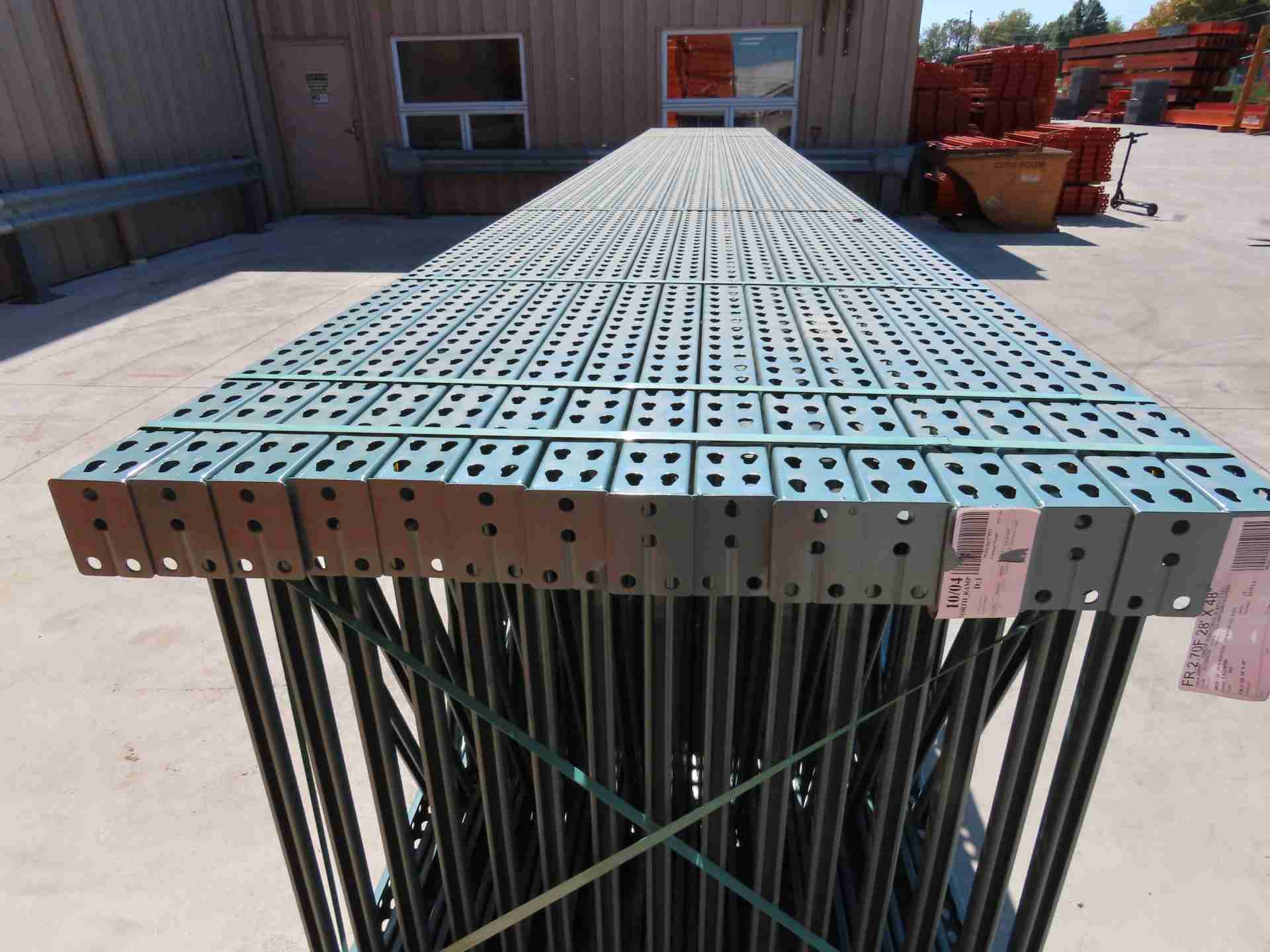
What Are The Main Safety Features Of Local Pallet Racks?
How Do Pallet Racks Prevent Accidents And Injuries?
In the bustling world of warehouses and distribution centers, preventing accidents and injuries isn’t just a priority; it’s a necessity. Enter pallet racking, the unsung hero of industrial safety. These sturdy storage systems are more than mere organizational tools; they are robust frameworks designed with safety at their core, mitigating risks that could otherwise lead to severe injuries or costly damages.
Pallet racking systems maximize storage efficiency while ensuring that goods are securely stored. By utilizing the vertical space in a warehouse, pallet racks minimize clutter on the ground level, reducing the hazards associated with tripping or falling over supplies. For instance, consider the recent increase in warehouse injuries reported by OSHA, which often stem from poor storage practices. A well-designed pallet rack system can directly combat these statistics by providing a safe, designated storage solution that keeps products off the ground and out of walkways.
Moreover, pallet racks are engineered to handle significant weight loads, which also plays a vital role in workplace safety. Take, for example, an automotive parts warehouse. By employing heavy-duty pallet racking capable of holding cumbersome components, companies can avoid stacking items on the floor or using unsafe shelving alternatives. This not only safeguards employees from injuries caused by top-heavy loads but also enhances productivity by streamlining the picking process.
Another safety facet of pallet racking is its adaptability to various operational needs. Modern racking systems can be customized to accommodate different pallet sizes and load weights, reducing the risk of improper handling and subsequent accidents. For instance, in the wake of recent supply chain challenges intensified by the global pandemic, many businesses have had to pivot rapidly. Those with flexible pallet racking systems could quickly adjust their storage solutions, maintaining organization and, crucially, safety.
Regular maintenance is the lifeblood of safety in any warehouse. The erection of pallet racking should follow strict guidelines to ensure structural integrity. Routine inspections and compliance checks not only keep the system operational but also enforce accountability among staff members. Thus, an effective pallet racking system becomes a dual investment: enhancing efficiency while bolstering the safety culture of an organization.
Insum, when it comes to preventing accidents and injuries in the warehouse, pallet racking stands as a benchmark of safety and efficiency, ensuring that businesses not only thrive but do so in a secure and responsible manner.
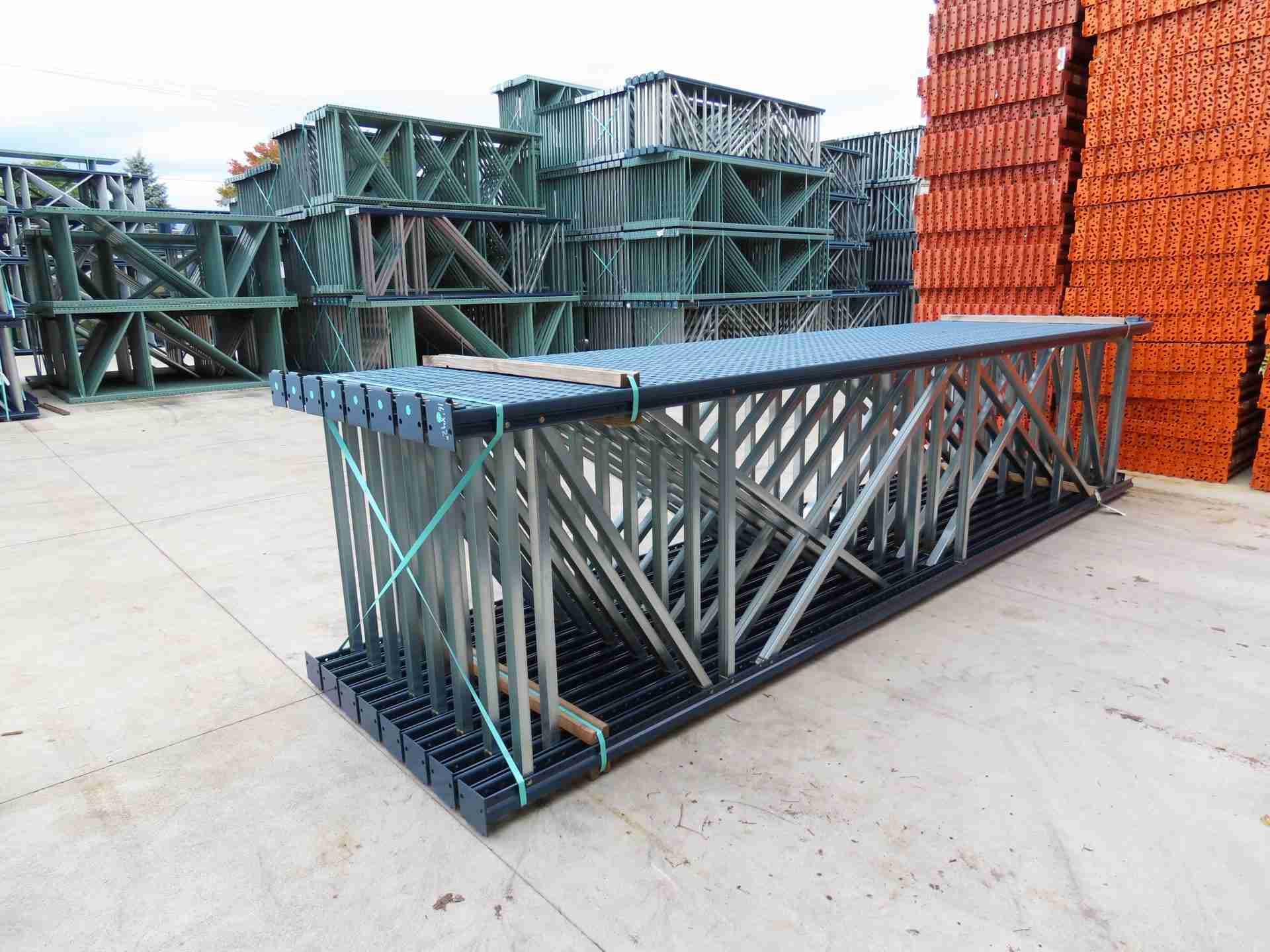
How Do Pallet Racks Prevent Accidents And Injuries?
How Do Pallet Racks Prevent Accidents And Injuries?
- Pallet racking is essential for preventing accidents and injuries in warehouses and distribution centers.
- These systems enhance storage efficiency by utilizing vertical space, reducing ground-level clutter and hazards.
- Pallet racks provide safe storage solutions that help mitigate the risk of workplace injuries, as evidenced by OSHA reports.
- Designed to handle heavy loads, pallet racking avoids unsafe stacking practices that could endanger employees.
- Modern pallet racking systems are adaptable to various operational needs, accommodating different pallet sizes and weights.
- Regular maintenance and inspections of pallet racking ensure structural integrity and promote a safety culture within organizations.
- Ultimately, pallet racking contributes to the overall safety and efficiency of warehouse operations, supporting business success.
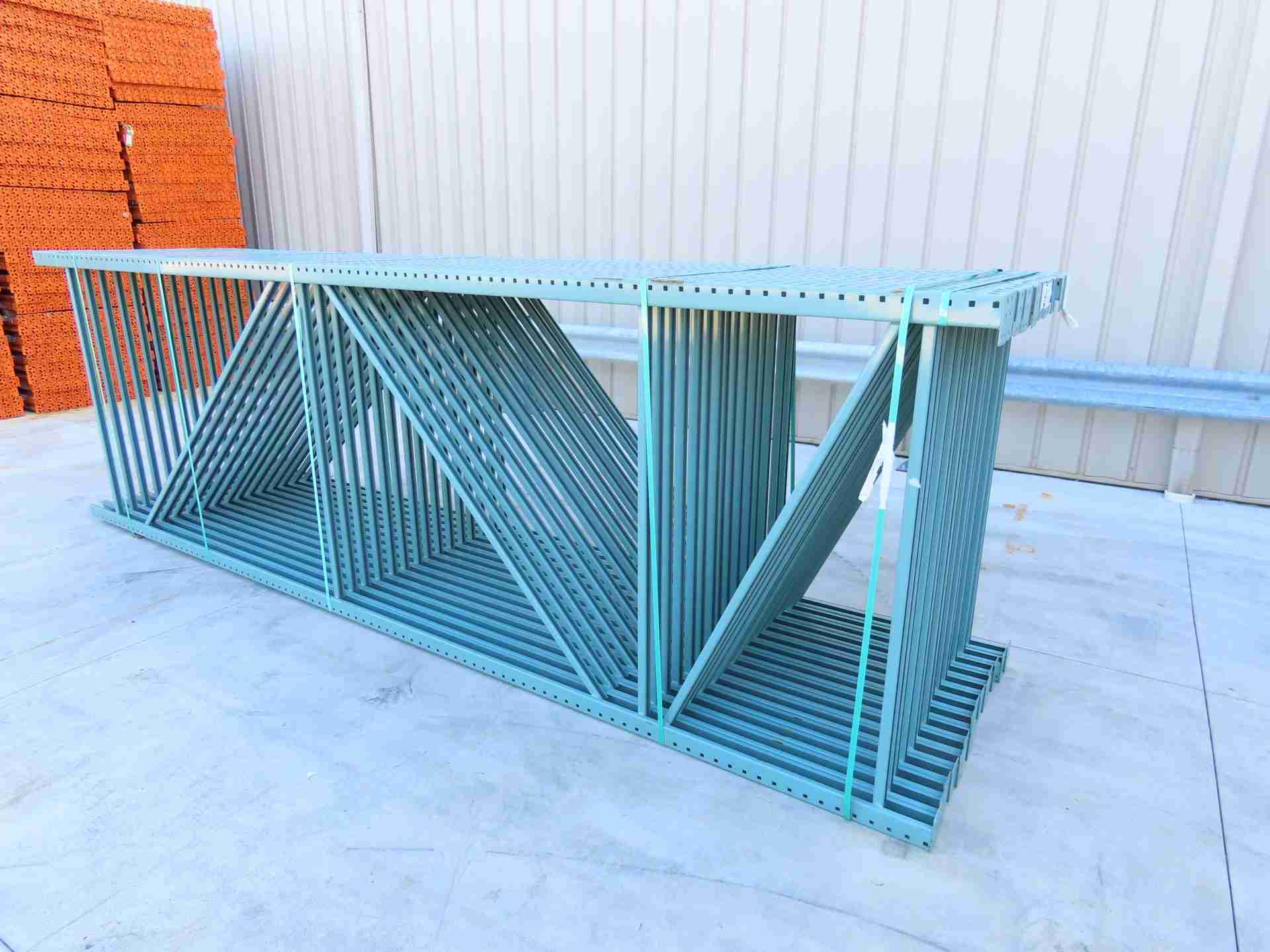
How Do Pallet Racks Prevent Accidents And Injuries?
What Materials Are Commonly Used In Pallet Rack Construction?
In the bustling world of warehousing and storage, the backbone of efficient operations is often the humble pallet racking system. These robust structures are not just mere shelves; they are meticulously engineered solutions crafted to withstand the demands of modern logistics. What materials are commonly used in pallet rack construction? Let’s delve into the components that make these systems not only functional but also a smart investment for any warehouse operation.
The primary material used in pallet racking systems is, unsurprisingly, steel. Steel’s impressive strength-to-weight ratio makes it the go-to choice for constructing sturdy racks designed to hold heavy loads. For instance, in a recent industry trend, manufacturers have shifted towards high-strength, cold-rolled steel, which enhances durability without significantly increasing weight. This focus on material efficiency has been accelerated by the global push for sustainability, as companies strive to minimize their carbon footprints while still providing reliable storage solutions.
Another popular option is wire mesh. Often used as the decking material, wire mesh allows for better visibility and airflow through the pallets, creating an environment less prone to moisture retention – a key factor in preventing product spoilage, particularly in food-related warehouses. This feature becomes increasingly relevant as businesses expand their e-commerce capabilities, necessitating swift and effective product rotation to meet customer demands.
Add in the versatility of wood, which has long been utilized for creating custom racks or as supplemental support in pallet racking systems, and you have a well-rounded selection of materials that cater to various industry needs. While wood might not provide the same longevity as steel, its cost-effectiveness makes it an appealing option for businesses just starting or those who require temporary solutions.
As we witness an industry-wide upward trend regarding the automation of warehouses, incorporating advanced materials such as aluminum and composite materials is on the rise. These materials are lighter and offer customizable solutions for businesses seeking to enhance operational efficiency without compromising on safety standards.
Remember, choosing the right materials for your pallet racking system is not just about sturdiness; it’s about finding a solution that integrates seamlessly with your operational requirements. For operations eyeing growth in 2024, be prepared to invest in the materials that make your pallet racking not just a storage solution, but a powerful ally in logistics efficiency. After all, in a world that’s constantly evolving, staying ahead means aligning your business with the best resources available.
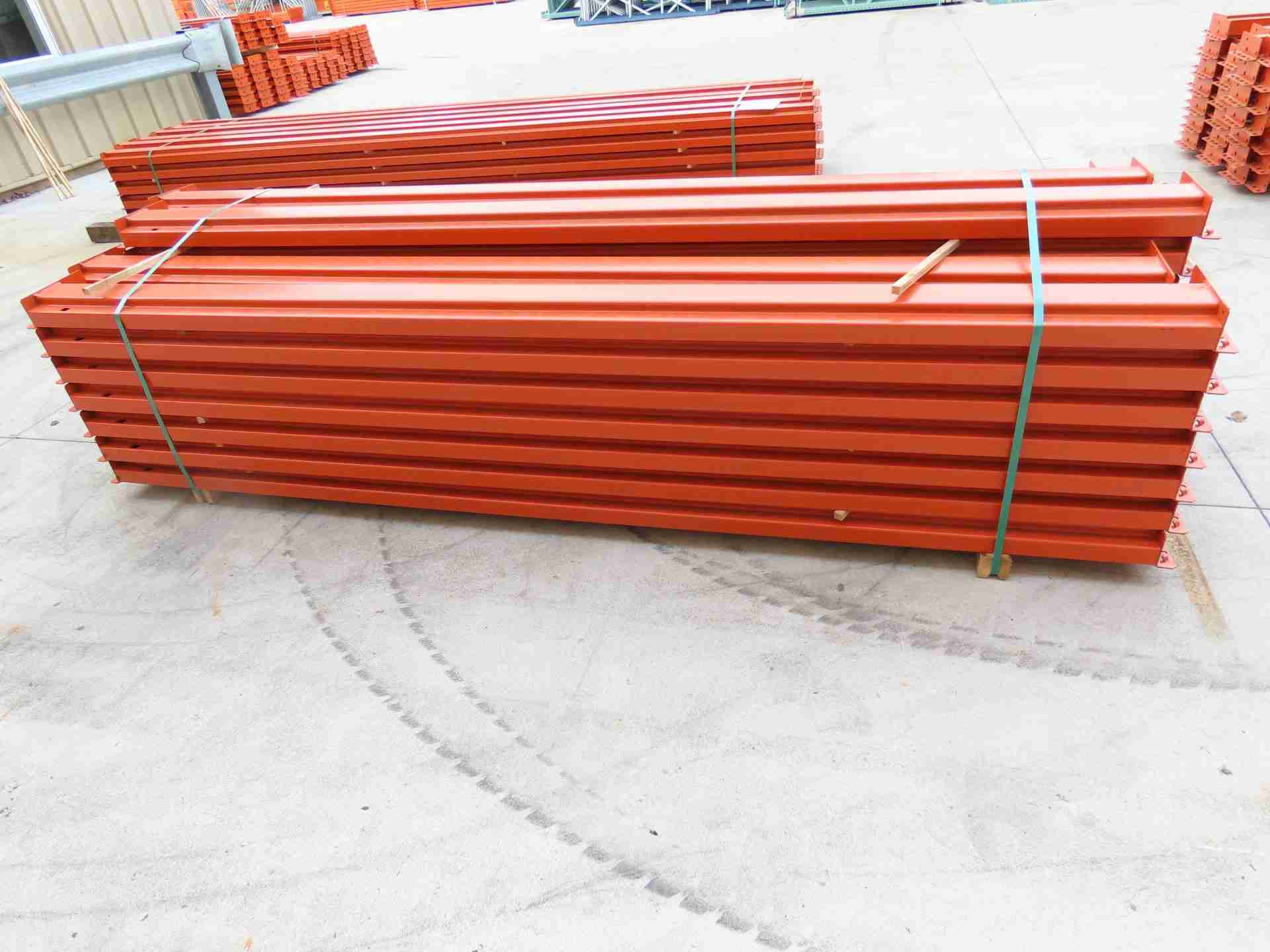
What Materials Are Commonly Used In Pallet Rack Construction?
What Materials Are Commonly Used In Pallet Rack Construction?
- Pallet racking systems are essential for efficient warehouse operations, acting as engineered solutions for modern logistics.
- Steel is the primary material used due to its strength-to-weight ratio, with a recent trend towards high-strength, cold-rolled steel for improved durability.
- Sustainability drives material choices, as companies aim to minimize their carbon footprints while maintaining reliability in storage solutions.
- Wire mesh is commonly used in decking to enhance visibility and airflow, reducing moisture retention and spoilage, especially in food-related warehouses.
- Wood is utilized for custom racks and as support in pallet racking systems, offering a cost-effective solution for businesses needing temporary options.
- There’s a rising trend towards using advanced materials like aluminum and composites, which provide lighter, customizable solutions for increased operational efficiency.
- Choosing the right materials for pallet racking is crucial for aligning with operational needs and enhancing logistics efficiency as businesses prepare for growth.
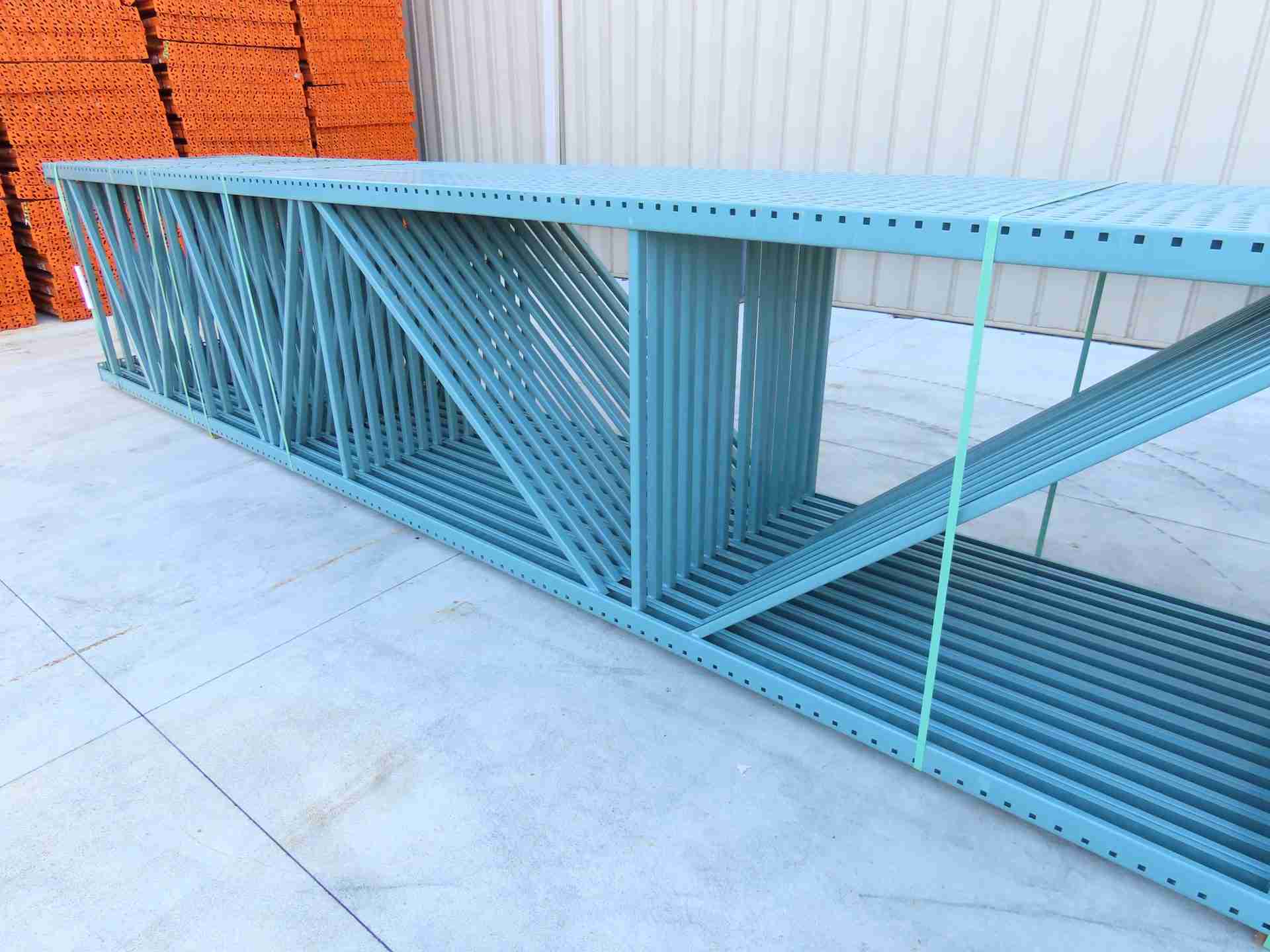
What Materials Are Commonly Used In Pallet Rack Construction?
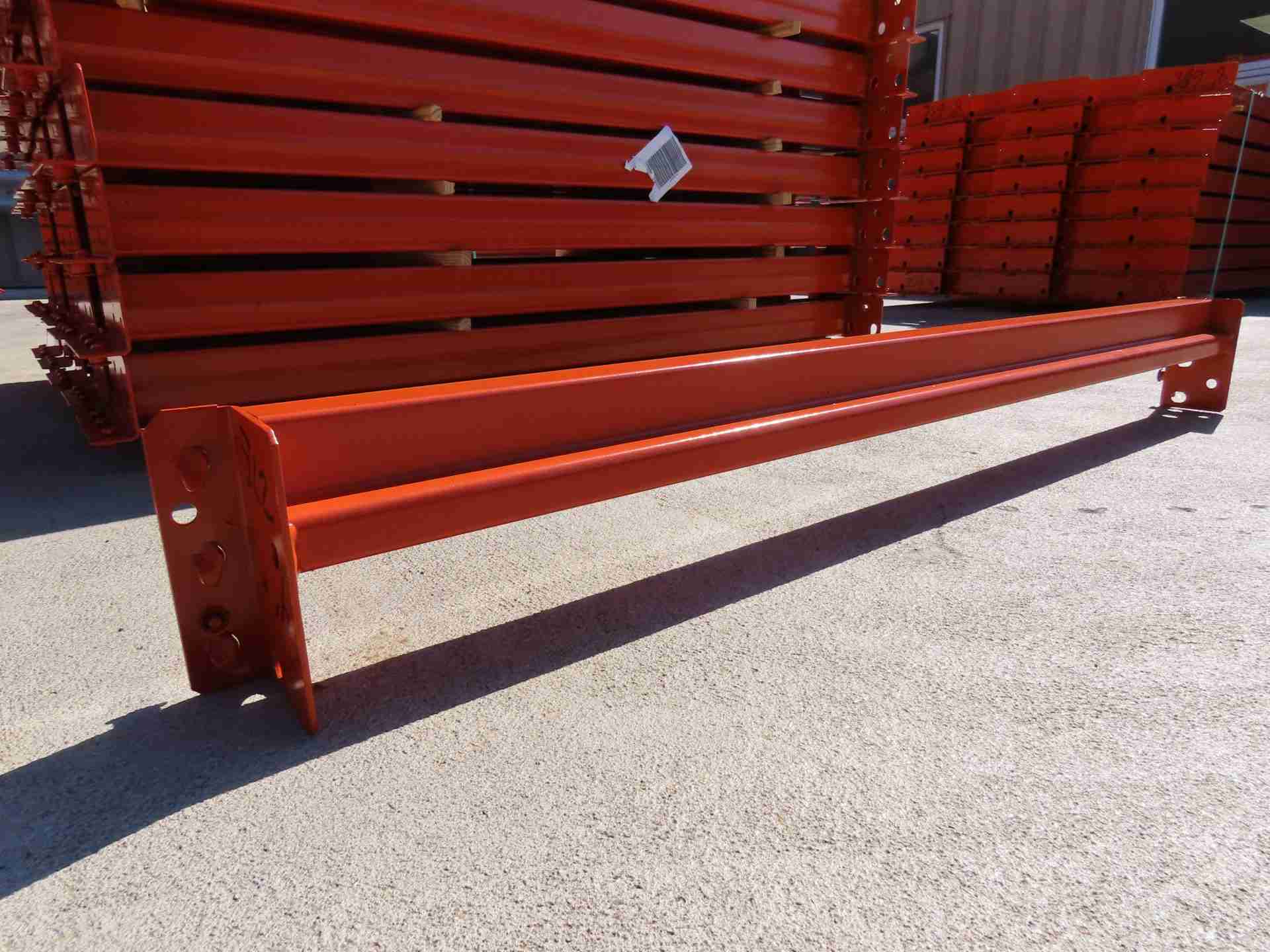
How Do Local Regulations Affect Pallet Rack Safety Standards?
When it comes to the operation of a warehouse or distribution center, ensuring safety and compliance is not merely an option; it’s a legal imperative. One of the key players in the safety game is pallet racking. Local regulations often dictate specific guidelines surrounding the installation, maintenance, and safety standards of pallet racking systems. Non-compliance can lead to hefty fines, operational disruptions, and worst of all, endanger the lives of employees.
Local jurisdictions have varying regulations that impact pallet racking systems. For instance, in California, the Department of Industrial Relations has stringent standards that require certain types of inspections and certifications for storage equipment, including pallet racks. Just recently, a major warehouse in the Bay Area faced fines exceeding $100,000 due to non-compliance with these regulations. The fines were the result of a safety audit that revealed insufficient bracing on their pallet racks, putting employees at risk.
Openness to local regulations is not just about avoiding fines; it can also drastically improve operational efficiency. In some states, regulations encourage businesses to adopt innovative safety practices. For example, New York’s safety codes mandate the use of guardrails in high-rack areas, promoting both safety and maintaining an organized workflow. When businesses align their pallet racking practices with these standards, they not only foster a safe working environment but also create a positive reputation within the community.
Let’s not forget the broader implications of these regulations on the supply chain. Many companies are now required to document their compliance with local pallet racking guidelines as part of their bidding process for large contracts. Failure to exhibit adherence can quickly disqualify suppliers from valuable partnerships. Recently, several manufacturers reported losing contracts due to non-compliance with safety guidelines related to pallet storage. In an age where transparency and accountability matter, understanding and adhering to local regulations surrounding pallet racking can serve as a competitive advantage.
The evolving landscape of workplace safety demands businesses remain vigilant and proactive. Regular training sessions, audits, and up-to-date knowledge of changing regulations can elevate a business’s safety protocols surrounding pallet racking. More than just avoiding penalties, these practices cultivate a culture of safety that resonates well beyond the loading dock. The bottom line? Investing in compliance and understanding local regulations isn’t just smart business—it’s an essential practice to safeguard both your workforce and your bottom line.
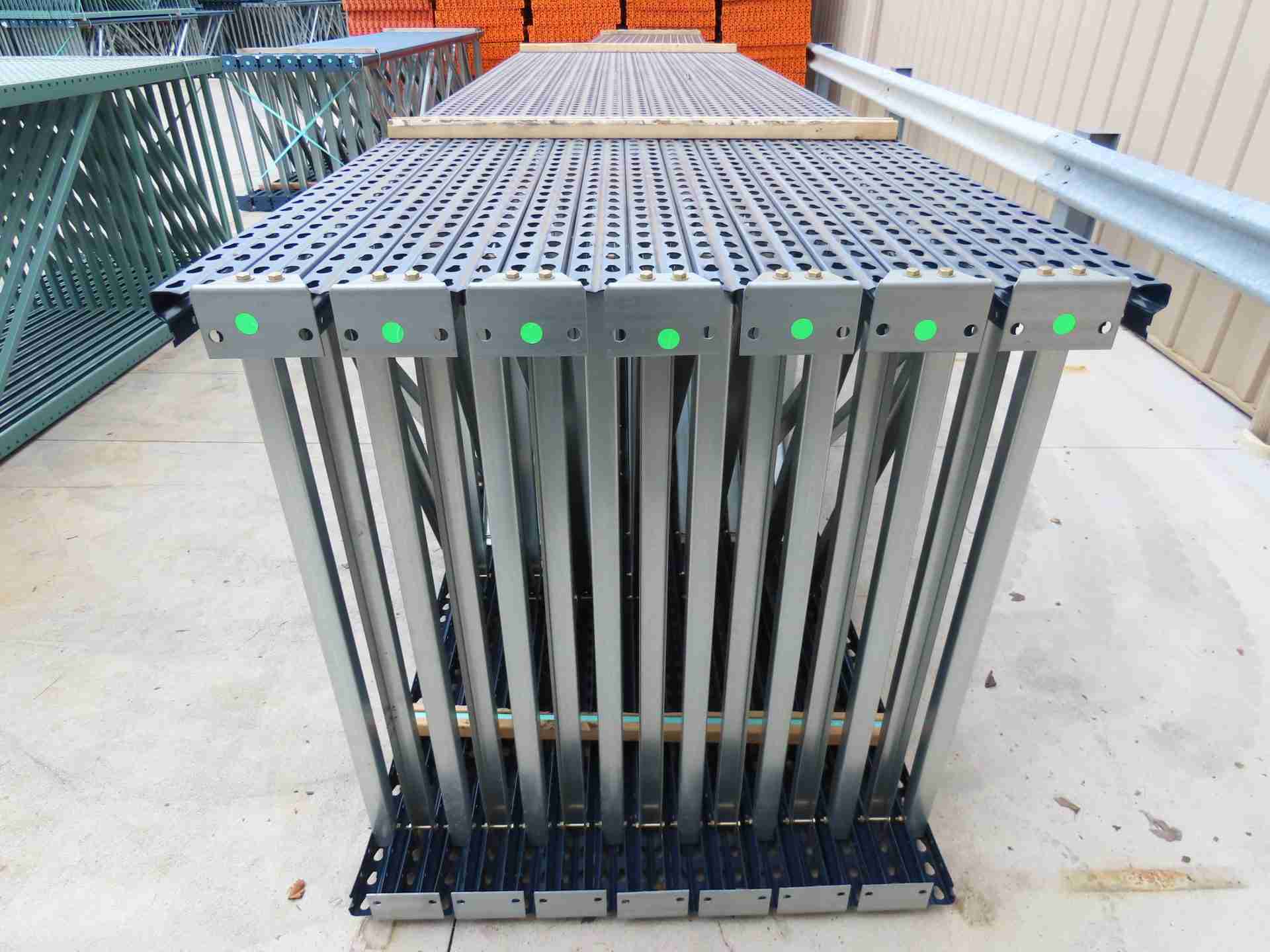
How Do Local Regulations Affect Pallet Rack Safety Standards?
How Do Local Regulations Affect Pallet Rack Safety Standards?
- Compliance with local warehouse safety regulations is legally mandatory.
- Pallet racking systems are crucial for warehouse safety, requiring proper installation and maintenance.
- Local regulations, like those in California, have stringent standards for pallet rack inspections and certifications.
- Non-compliance can lead to significant fines, such as a $100,000 penalty faced by a Bay Area warehouse.
- Aligning with regulations can enhance operational efficiency and improve safety practices, as seen in New York’s guardrail mandates.
- Documenting compliance is increasingly necessary for securing large contracts in the supply chain.
- Regular training and audits promote a culture of safety and safeguard employee welfare while benefiting the business.
How Do Local Regulations Affect Pallet Rack Safety Standards?
What Is The Importance Of Regular Inspections For Pallet Racks?
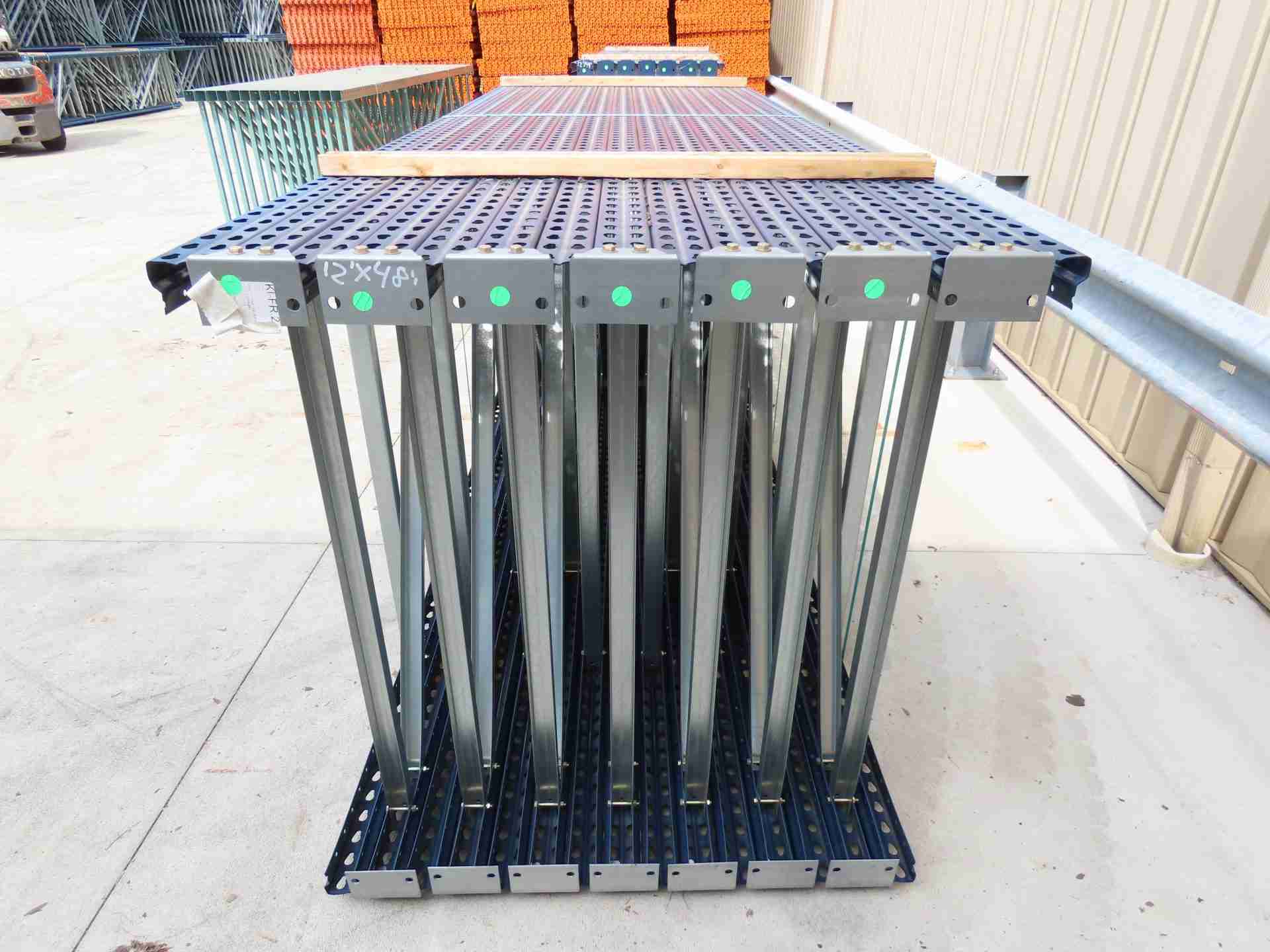
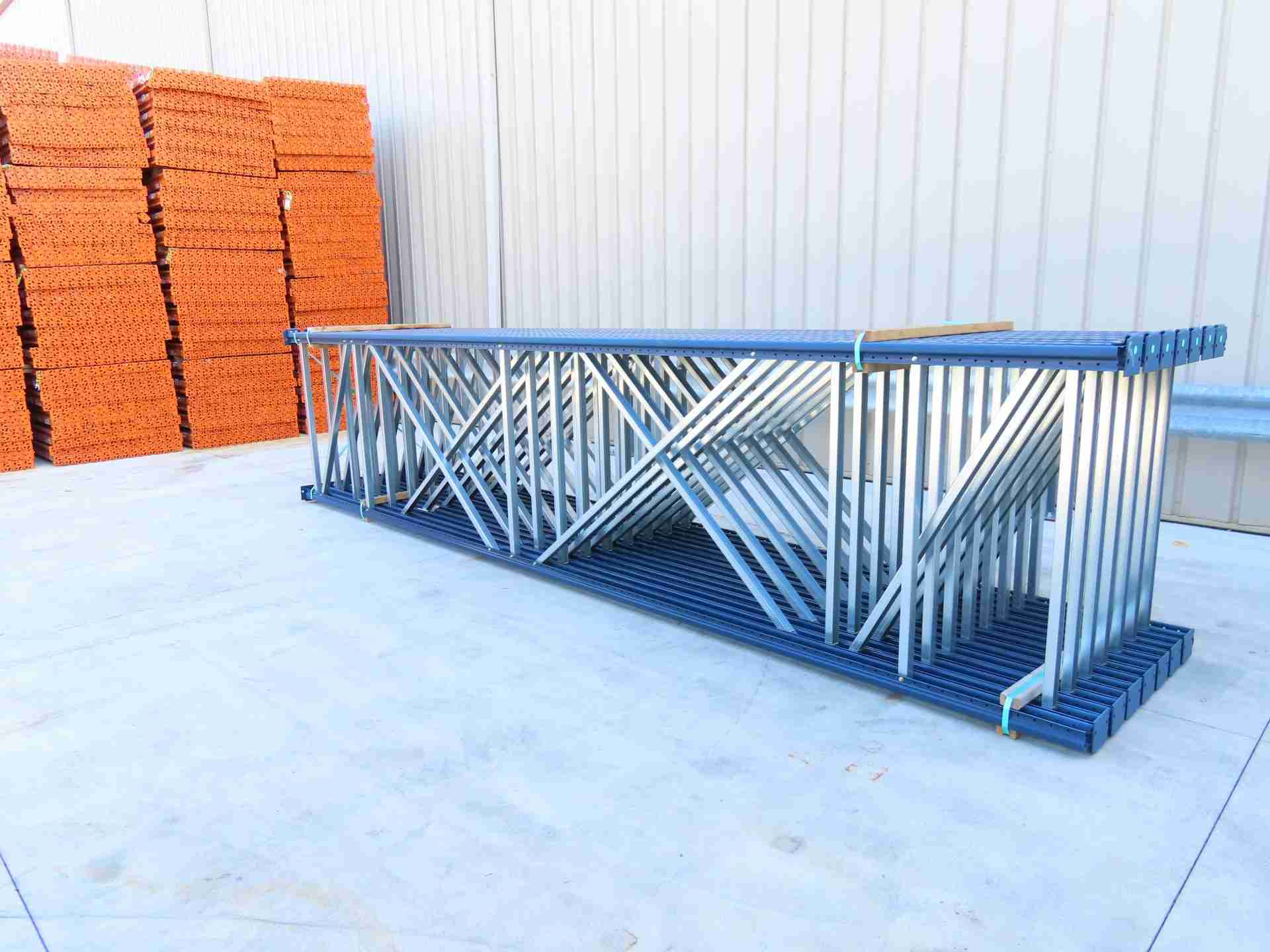
In the bustling world of warehousing and distribution, the backbone of efficiency often lies in the often-overlooked element of pallet racking. The significance of regular inspections for these systems cannot be overstated, especially as businesses navigate the complexities of supply chain management in today’s economic landscape.
Pallet racking systems are designed to maximize storage space while maintaining a smooth flow of operations. However, with heavy loads constantly being lifted, shifted, and stored, the structural integrity of these systems can be compromised over time. This is why regular inspections are vital. Just as professional athletes need routine check-ups to perform at their peak, so too do pallet racks require consistent assessments to ensure their operational safety and efficacy.
Consider the ramifications of neglecting routine inspections. A well-known warehouse in 2022 experienced a catastrophic failure of its pallet racking system, resulting in significant damage to goods and injuries to staff. This incident not only disrupted their operations but also led to costly legal proceedings and a tarnished reputation. By implementing a robust inspection protocol, such devastating outcomes can be mitigated.
Regular inspections help identify potential hazards such as misalignment, corrosion, or structural damage before they evolve into more serious issues. For instance, a slight adjustment in the alignment of racks may seem trivial, but if left unchecked, it can lead to catastrophic failures and hefty financial burdens. Inspections should also take into account the weight capacities as outlined by the manufacturer’s specifications. Exceeding these limits poses a serious risk; employees could face life-threatening situations, and businesses could incur astronomical losses.
Moreover, with the increasing push from regulatory bodies and insurance companies for compliant and safe working environments, failing to conduct regular inspections can lead to legal repercussions and increased insurance premiums. Businesses that prioritize safety demonstrate an unwavering commitment to their workforce. This not only boosts employee morale but also enhances customer trust and loyalty—two essential components in today’s competitive market.
As we look ahead, investing time and resources into regular inspections of pallet racking systems is an act of foresight. It safeguards your business operations and contributes to a culture of safety and responsibility. Make inspections a priority; it’s not just a best practice, it’s a necessity. After all, in the world of pallet racking, safety isn’t just an option—it’s the foundation of sustained success.
What Is The Importance Of Regular Inspections For Pallet Racks?
What Is The Importance Of Regular Inspections For Pallet Racks?
- Pallet racking systems are crucial for efficient warehousing and distribution.
- Regular inspections are essential to maintain structural integrity and safety of pallet racks.
- Neglecting inspections can lead to catastrophic failures, operational disruptions, legal issues, and reputational damage.
- Inspections can identify hazards like misalignment, corrosion, and damage before they escalate.
- Weight limits specified by manufacturers must be adhered to, as exceeding them poses serious risks.
- Failing to conduct inspections may result in legal consequences and higher insurance premiums.
- Investing in regular inspections fosters a culture of safety, boosts employee morale, and enhances customer trust.
What Is The Importance Of Regular Inspections For Pallet Racks?
How Can Pallet Rack Design Impact Safety In Warehouses?
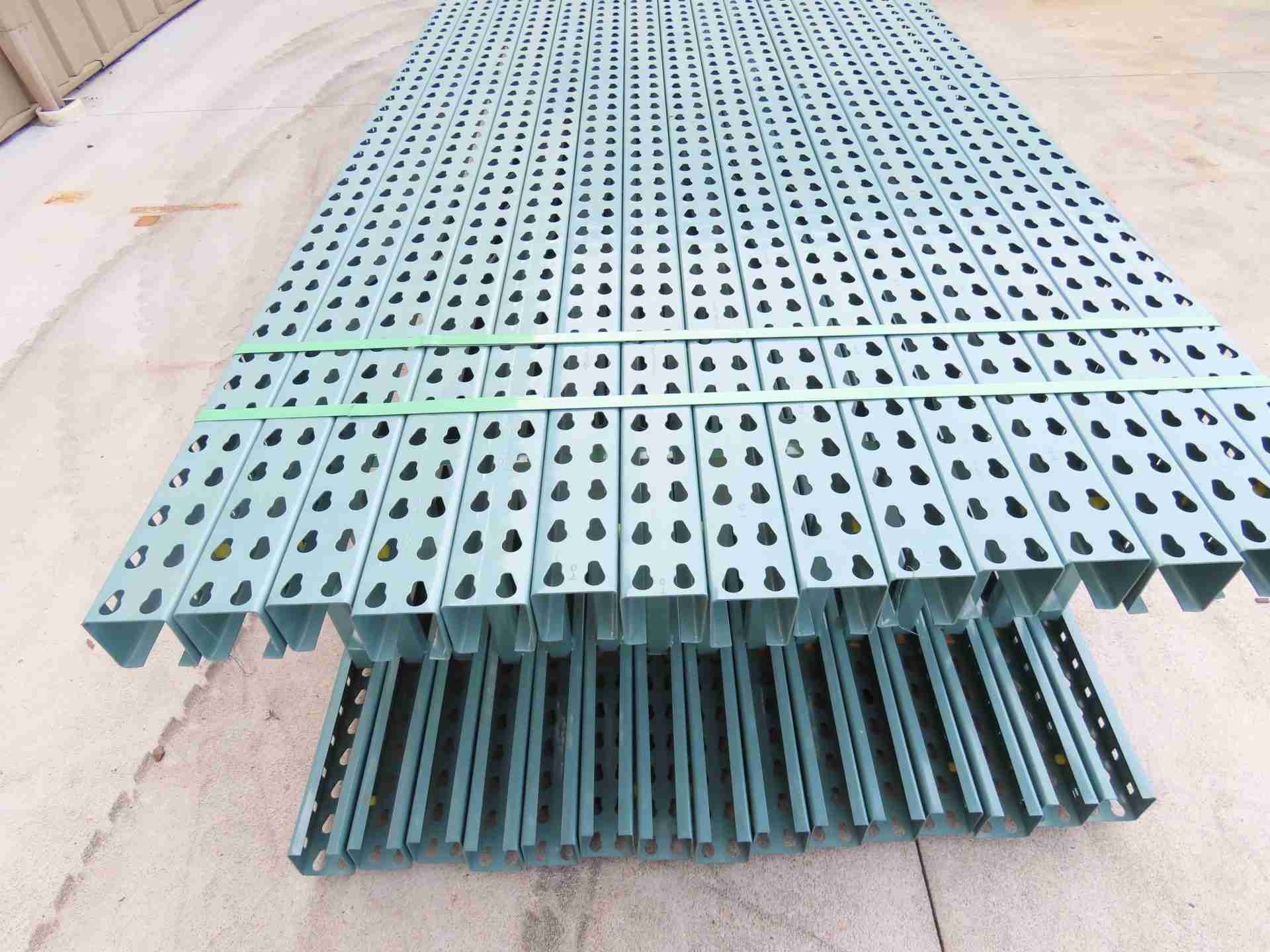
When it comes to warehouse operations, safety should always be paramount. The design of your pallet racking system plays a critical role in ensuring a safe environment for workers while also optimizing operational efficiency. If you think of pallet racking as just a way to store goods, think again. The right design can minimize accidents, reduce injuries, and enhance productivity.
Consider the hazards associated with improper pallet racking. For example, a poorly designed racking system can lead to overloading, which not only compromises the integrity of the structure but can also result in catastrophic failures. Just last year, a major logistics firm faced significant repercussions when a pallet racking collapse injured several employees and resulted in substantial downtime. Could that have been avoided with better design? Absolutely.
One of the key elements in pallet racking design is the choice of materials and configuration. Heavy-duty steel is often the material of choice for high-density racking systems. This not only provides better support for heavier loads but contributes to overall stability. It’s also imperative that the racking is configured in a way that allows for safe access. Aisles that are too narrow can impede movement, leading to collisions and other accidents.
Another essential factor is the height of your pallet racking. Statistically, the majority of warehouse injuries occur when employees are working at heights. Designing racking systems that limit the need for employees to reach too high while still maximizing storage space is crucial. Innovative solutions, such as push-back racking or drive-in systems, allow for high-density storage without jeopardizing safety. A recent report highlighted how modification of racking heights in one facility saved them not only in terms of employee welfare but also in operational costs.
Additionally, signage and warehouse layout are integral parts of an effective pallet racking design. Clearly marked aisles, load capacities, and safety procedures can significantly mitigate risks associated with storage systems. Take a page from leading companies that design their racking systems to incorporate safety features such as collision barriers and integrated inspections. These systems do not merely comply with safety regulations; they enhance the overall work environment.
In a world where warehouse efficiency and safety are paramount, prioritizing smart pallet racking design could mean the difference between a safe workplace and a potential disaster. Investing in intelligent racking solutions today means safeguarding your employees’ futures, protecting your assets, and paving the way for a more productive tomorrow. Don’t let your business be the next headline—take action now!

How Can Pallet Rack Design Impact Safety In Warehouses?
How Can Pallet Rack Design Impact Safety In Warehouses?
- Safety in warehouse operations is crucial; pallet racking design directly impacts safety and efficiency.
- Improper pallet racking can lead to hazards like overloading and structural failures, resulting in injuries and downtime.
- Using heavy-duty steel for racking systems enhances support and stability for heavier loads.
- Narrow aisles increase the risk of collisions; appropriate racking configuration is essential for safe access.
- Most warehouse injuries occur at heights; designing racking to minimize high reaching is vital for employee safety.
- Signage and warehouse layout, including marked aisles and load capacities, play a key role in reducing risks.
- Intelligent pallet racking design can safeguard employees, protect assets, and improve productivity, preventing potential disasters.
How Can Pallet Rack Design Impact Safety In Warehouses?
Conclusion
In a world where warehouse efficiency and safety are paramount, the importance of investing in local pallet racking systems cannot be overstated. At Arrow Industrial Sales, we understand that your warehouse’s very foundation hinges on a racking system that not only contributes to operational efficacy but also protects your most valuable assets—your employees and inventory. With global supply chain challenges and shifting market dynamics, the time has never been better to reassess and upgrade your storage solutions.
Safety features in local pallet racks are not merely add-ons; they are essential elements that ensure the security of your workplace. From robust structural designs made with high-grade steel to intuitive load capacity labels that guide your workforce, each feature plays a pivotal role in mitigating risks. Imagine a bustling distribution center where proper rack configuration minimizes clutter and maximizes space. This is precisely what a well-designed pallet racking system offers—a solution that combines practicality with robust safety protocols.
Regular inspections and adherence to local regulations should not be viewed as burdensome obligations, but rather as opportunities to elevate your operational standards. Compliant and regularly maintained racks protect your business from potentially crippling accidents while providing peace of mind that you are fostering a safe working environment. In fact, recent industry reports emphasize that a culture of safety not only boosts employee morale but also enhances customer trust—two critical components for sustained success.
The benefits extend beyond mere compliance. The right pallet rack features can position your company ahead of the competition, allowing for smoother workflows and increased productivity. Heavy-duty end-of-aisle protectors prevent accidents in high-traffic areas, while adjustable beam heights accommodate diverse storage needs, proving that safety and efficiency can indeed coexist.
But don’t wait for an incident to prompt action—take the proactive step of calling Arrow Industrial Sales today at (574) 349-6575. Our team of experts is ready to empower you with the information you need to make the best decisions for your warehouse operations. With constantly evolving best practices and safety regulations, the urgency to adopt a resilient racking solution has never been greater. Invest in local pallet racks that emphasize safety, productivity, and compliance, and transform your warehouse into a model of excellence. Ensure that you’re not just keeping up with industry standards, but setting them. Don’t let this chance pass you by—make safety your priority and lead your business towards long-term success.

Conclusion
Conclusion:
- Investment in local pallet racking systems is crucial for warehouse efficiency and safety.
- Arrow Industrial Sales emphasizes the importance of a racking system that protects employees and inventory.
- Safety features like structural designs and load capacity labels mitigate risks in the workplace.
- Regular inspections and compliance with local regulations enhance operational standards and safety.
- A culture of safety boosts employee morale and enhances customer trust.
- Advanced pallet rack features improve workflows and productivity while maintaining safety.
- Contact Arrow Industrial Sales for expert advice on adopting resilient racking solutions for your warehouse.
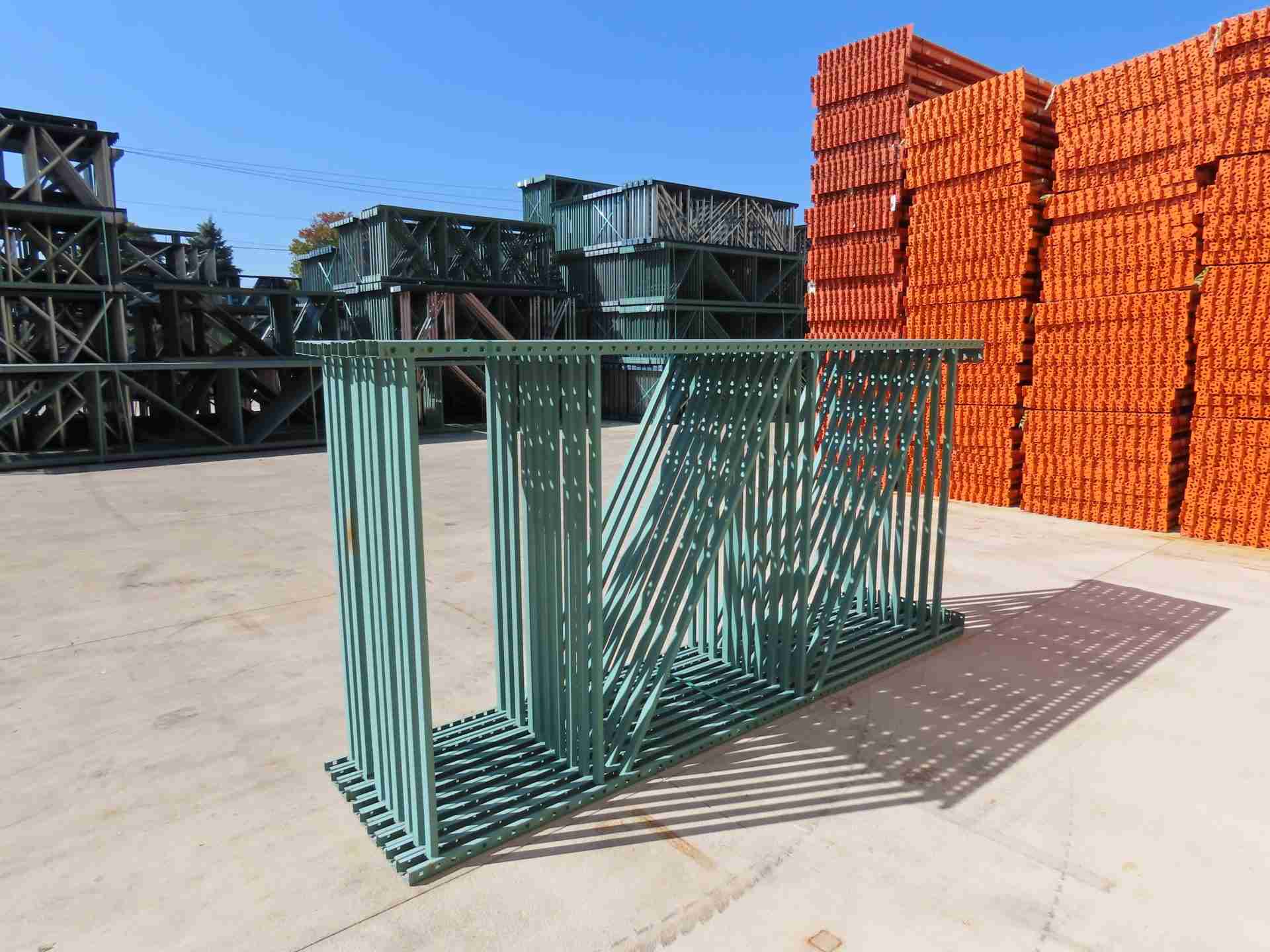
Conclusion
Other Resources
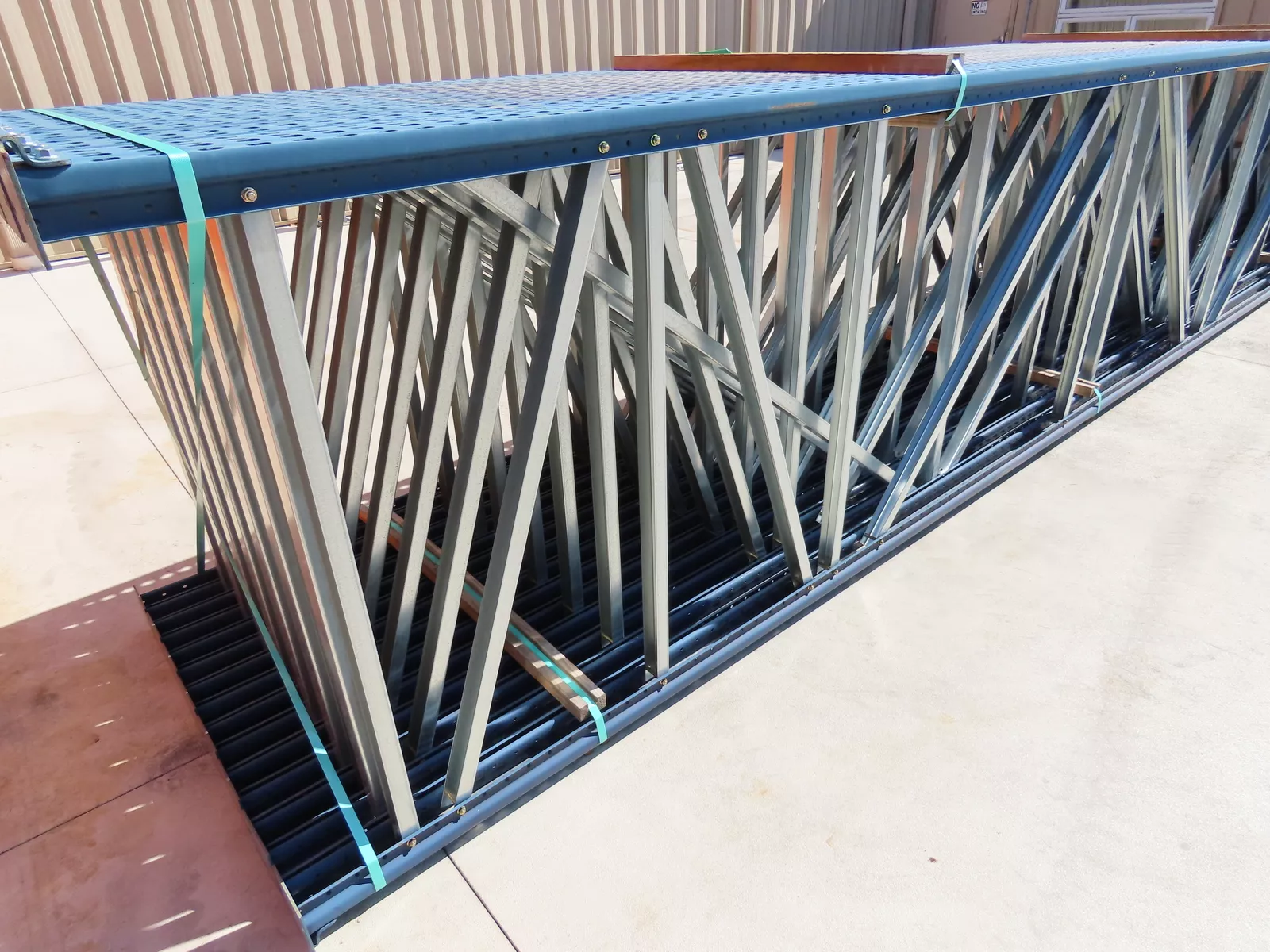
Other Resources
Here is a list of other resources you can review online to learn more:
- Warehouse Racking Layout: The Ultimate Guide – Conger
- Storage Equipment Manufacturers’ Association
- Chicago Pallet Racking
- Used Pallet Rack for Sale in Illinois – American Surplus
- Warehousing Education and Research Council: https://www.werc.org/
- Cantilever Rack Guide: Ordering Cantilever Racking
- Warehouse Storage Racks
- Pallet Racking 101: A Comprehensive Guide & Options Explained
- Teardrop Pallet Rack – Ridg-U-Rak
- American Surplus
Use This Prompt To Get More Resources With Your Favorite Online AI Tool: Please provide me with a list of online articles with their URLs in a bulleted list that I can read regarding What Safety Features Do Local Pallet Racks Offer?
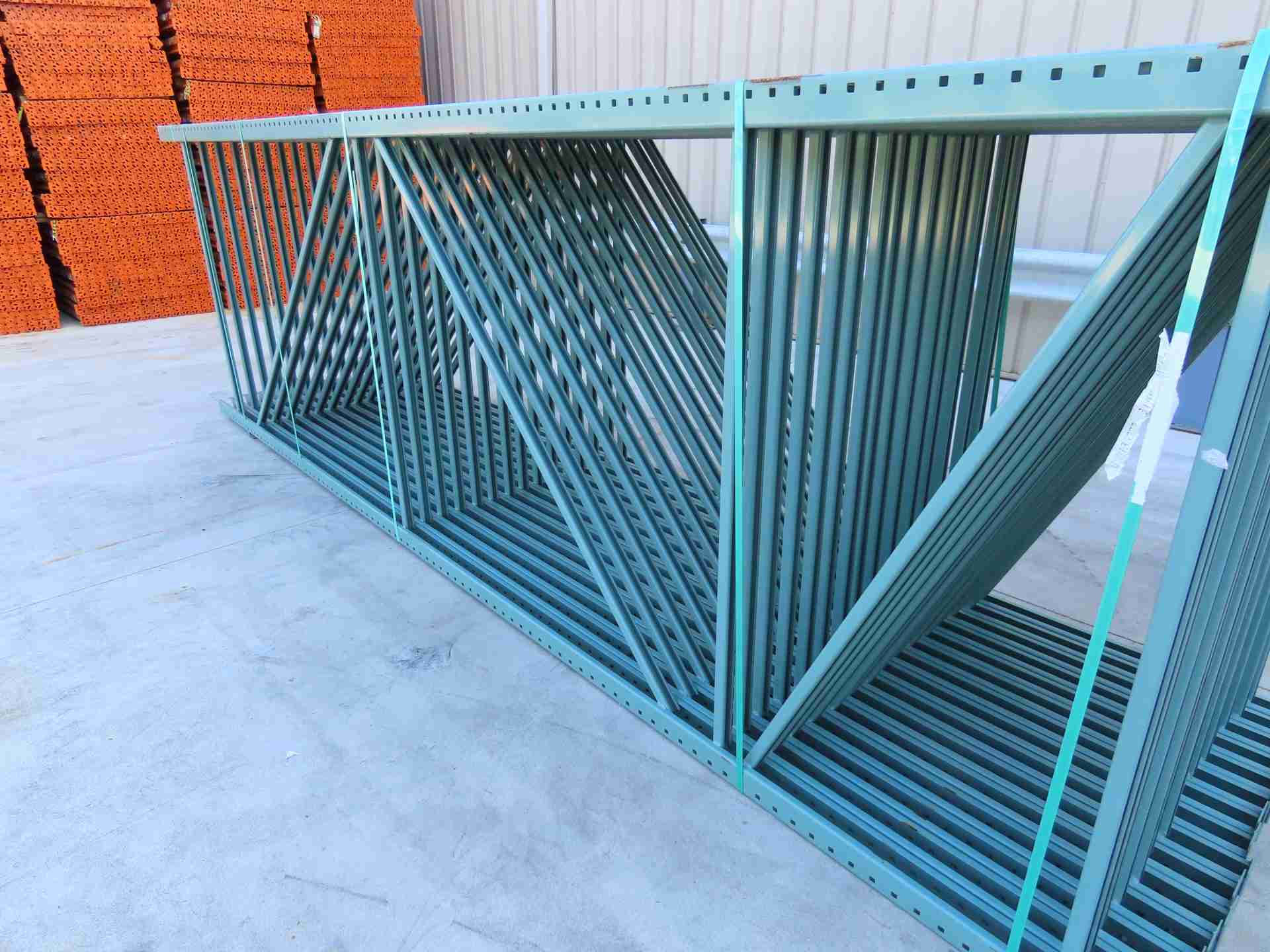
Other Resources
Glossary Terms
What Safety Features Do Local Pallet Racks Offer? – Glossary Of Terms
1. Pallet Rack: A structure designed for storing pallets of goods in warehouses, allowing for vertical space utilization.
2. Load Capacity: The maximum weight a pallet rack can safely support, ensuring that it does not collapse under load.
3. Upright Frame: The vertical components of a pallet rack that provide structural support and help distribute weight.
4. Cross Beam: Horizontal bars connecting two upright frames, providing a shelf for pallets to rest upon.
5. Guardrails: Safety barriers installed on pallet racks to prevent pallets from rolling off the edges.
6. Safety Clips: Devices that secure beams to upright frames, ensuring they remain in place during load handling.
7. End-of-Aisle Protection: Safety measures like bumper posts or barriers used at the ends of aisles to protect racks from collisions.
8. Rack Integrity Audits: Regular inspections to ensure the structural soundness of pallet racks and compliance with safety standards.
9. Load Signage: Labels indicating weight limits and proper loading guidelines to guide users in safe operations.
10. Sway Bracing: Diagonal supports added to racks to reduce lateral movement and increase stability.
11. Norm Compliance: Adherence to industry standards and regulations governing the design and use of pallet racks for safety.
12. Stability Indicators: Visual markers or signals that show whether a pallet rack is stable and safe for use.
13. Ergonomics: Design considerations to make the use of pallet racks safer and more comfortable for workers.
14. Base Plates: Heavy plates at the bottom of upright frames to improve stability and prevent tipping.
15. Strapping Systems: Additional security measures that tie down loads on racks to prevent tipping or falling.
16. Inspection Checklist: A detailed list used during safety audits to ensure all components of a pallet rack meet safety standards.
17. Tilt Prevention Devices: Mechanisms designed to prevent tilting of the load or pallet rack during use, enhancing safety.
18. Environmental Conditions: Assessment of factors like temperature and humidity that can affect the structural integrity of pallet racks.
19. Safety Training: Educational programs for employees on how to operate pallet racks safely to minimize risks.
20. Overloading Prevention: Features or protocols to stop excessive weight from being placed on any section of a pallet rack.
21. Forklift Compatibility: Design considerations that ensure pallet racks can be safely accessed by forklifts or other handling equipment.
22. Vertical Space Utilization: Effectively using the height of a warehouse for rack placement to maximize storage while maintaining safety.
23. Load Distribution: How weight is evenly spread across pallet racks to prevent structural failure.
24. Pallet Stability: Design elements that ensure pallets remain secured and stable during storage and handling.
25. Fallback Brackets: Brackets used to provide extra support to pallet racks during intense handling operations.
26. Color Coding: Using different colors in signage or rack components to quickly communicate safety information.
27. Emergency Procedures: Established guidelines for action in case of accidents involving pallet racks.
28. Restricted Access Areas: Designated zones around pallet racks that are off-limits for safety reasons, usually marked with signs.
29. Maintenance Protocol: A set of procedures for regular upkeep of pallet racks to ensure all safety features are optimal.
30. Emergency Stop Buttons: Safety devices located near pallet racks that can immediately halt operations in case of an emergency involving equipment or personnel.
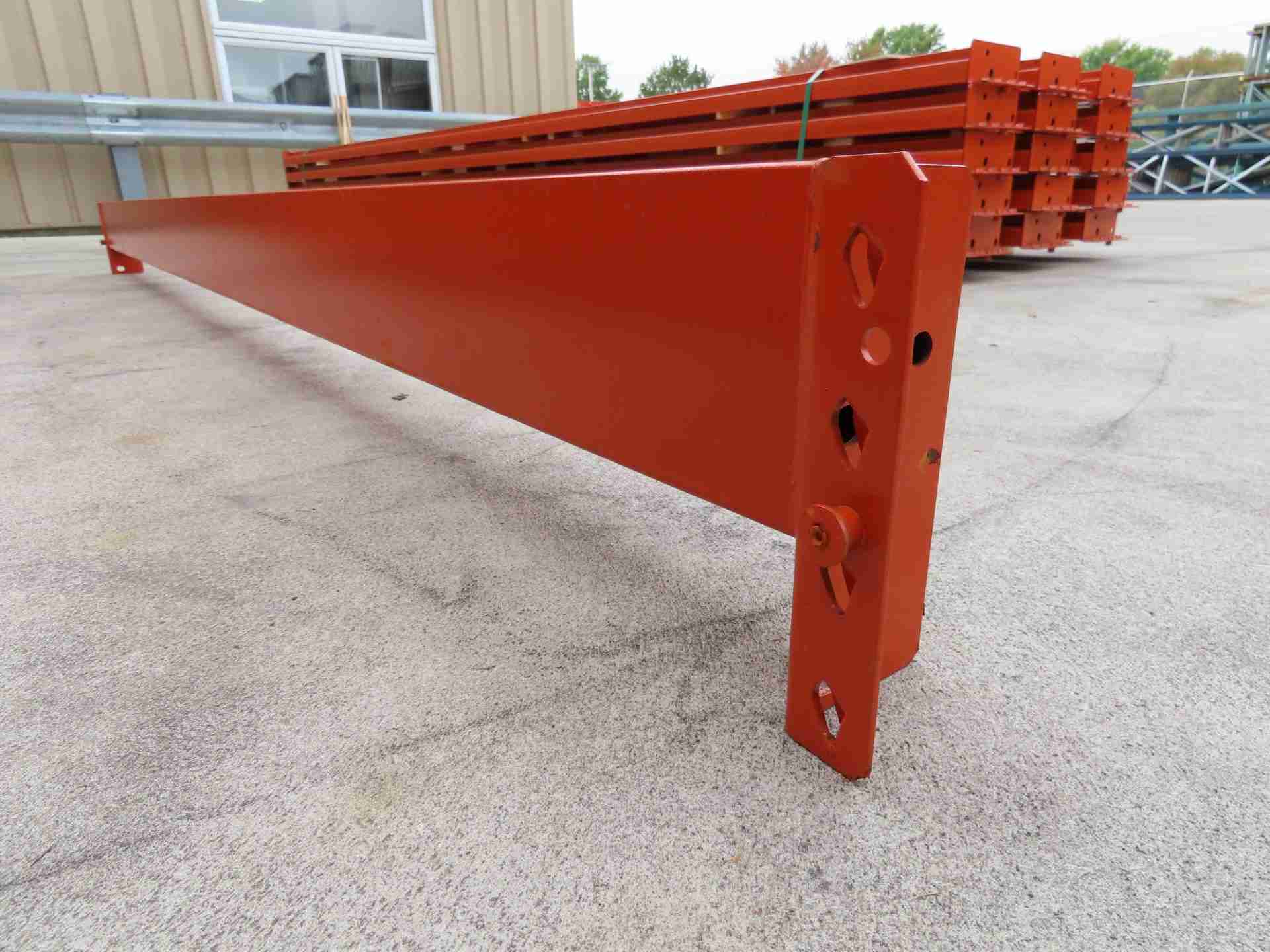
Glossary Of Terms
Other Questions
What Safety Features Do Local Pallet Racks Offer? – Other Questions
If you wish to explore and discover more, consider looking for answers to these questions:
- What types of pallet racks are available, and how do their safety features differ?
- How often should pallet racks be inspected for safety compliance?
- What specific local regulations impact pallet rack safety standards in my area?
- What are the consequences of failing to meet pallet rack safety standards?
- How can a business ensure they are compliant with local safety regulations?
- What training should employees undergo regarding pallet rack safety?
- What are common signs of wear or damage to look for in pallet racks during inspections?
- How does proper pallet rack design affect employee productivity as well as safety?
- Can pallet racks be customized for specific safety features, and what options are available?
- What role do insurance companies play in pallet rack safety compliance?
- What best practices can be implemented to maintain pallet rack safety over time?
- Are there specific pallet rack manufacturers known for better safety features?
Other Questions
Checklist
What Safety Features Do Local Pallet Racks Offer? – A Checklist
Checklist: Key Safety Features to Look for in Local Pallet Racks
Structural Integrity
_____ Ensure the pallet rack is constructed from high-grade steel for strength and durability.
_____ Check for wider base plates and deeper uprights designed to prevent tipping.
Load Capacity Labels
_____ Verify that clear load capacity labels are present on each rack level.
_____ Ensure that employees are educated on interpreting these labels to prevent misloading.
Safety Pins and Footplates
_____ Confirm the presence of safety pins to secure beam connections and uprights.
_____ Inspect footplates for stability and secured attachment to the ground.
Aisle Width Considerations
_____ Assess aisle widths to ensure they meet OSHA guidelines for forklift maneuverability.
_____ Consider the impact of aisle width on employee safety and operational efficiency.
Regular Maintenance and Inspection Protocols
_____ Implement regular inspection schedules to monitor for wear, damage, or corrosion.
_____ Train staff on appropriate inspection and maintenance practices to enhance safety.
Heavy-Duty End-of-Aisle Protectors
_____ Verify the installation of heavy-duty end-of-aisle protectors in high-traffic areas.
_____ Assess their condition to ensure they effectively mitigate collision risks.
Adjustable Beam Heights
_____ Check if the pallet rack allows adjustable beam heights for various storage needs.
_____ Ensure the adjustments are easy to make and secure to maintain stability.
Compliance with Local Regulations
_____ Stay informed of local regulations affecting warehouse safety and pallet rack standards.
_____ Regularly update safety practices to align with changing regulations.
Safety Features in Design
_____ Evaluate the overall design for features such as collision barriers and safety signage.
_____ Ensure the design minimizes risks associated with overloading and height access.
Employee Training and Awareness
_____ Conduct regular safety training sessions for employees regarding pallet rack usage.
_____ Promote a culture of safety through continuous education and reinforcement of protocols.
Conclusion
Investing in pallet racks with robust safety features is essential for protecting both employees and inventory while optimizing warehouse efficiency. Prioritize these safety elements to foster a safe working environment that meets industry standards.
Checklist
At RackingWorld, we help guide you through selecting warehouse storage systems and racking.
Be sure to read our other related stories at RackingWorld to learn more about warehouse storage systems.
0 Comments