
Maximizing Efficiency: The Role Of Warehouse Shelving In Lean Inventory
By Tom Seest
At RackingWorld, we help guide you through selecting warehouse storage systems and racking.
Be sure to read our other related stories at RackingWorld to learn more about warehouse storage systems.
What Role Does Warehouse Shelving Play In Lean Inventory Management?
When it comes to lean inventory management, warehouse shelving isn’t just a supportive element; it’s a game changer. Effective shelving solutions, particularly pallet racking systems, play an indispensable role in optimizing storage capacity, minimizing waste, and improving overall operational efficiency. With the ongoing global supply chain challenges, now more than ever, businesses must leverage every tool at their disposal to stay competitive.
Consider this: in a world where every inch of space counts, pallet racking offers a systematic way of organizing goods, ensuring that products are easily accessible and well-organized. Lean inventory management emphasizes the reduction of excess stock and streamlining processes. By employing pallet racking systems, you can maximize vertical storage, thereby minimizing the floor space required for inventory. This frees up valuable square footage for other critical operations, like staging or dispatching goods, thus enhancing throughput—all essential components in a rapidly responding supply chain.
Let’s take a quick dive into an example. A retail giant recently revamped its warehousing strategy after recognizing inefficiencies in its inventory holding practices. By reconfiguring its warehouses with specialized pallet racking solutions, the company reduced its overall storage costs by 25%. As shelves were arranged for easy access and quick sorting, inventory turnover rates saw a remarkable increase. This adjustment not only slashed down waste but also significantly boosted customer satisfaction by ensuring that high-demand products were consistently on hand. In today’s retail climate, where same-day delivery has become the standard expectation, the ability to respond swiftly is non-negotiable.
Moreover, in the age of automation and smart logistics, the advancements in pallet racking technology—such as adjustable and mobile systems—allow for enhanced flexibility and scalability. Businesses can easily adapt their storage solutions to meet changing demands without the hassle of a complete overhaul. As stock fluctuates due to market dynamics or seasonal changes, these smart racking systems provide companies the agility they need.
Effective warehouse shelving, particularly through the utilization of pallet racking, is a cornerstone of successful lean inventory management. It works not just to store inventory but to streamline and enhance the entire operational workflow. In a market defined by uncertainty, investing in smart shelving solutions sets companies apart, allowing them to not only survive but thrive amidst challenges. Transform your warehouse today and watch your lean inventory management rise to new heights!
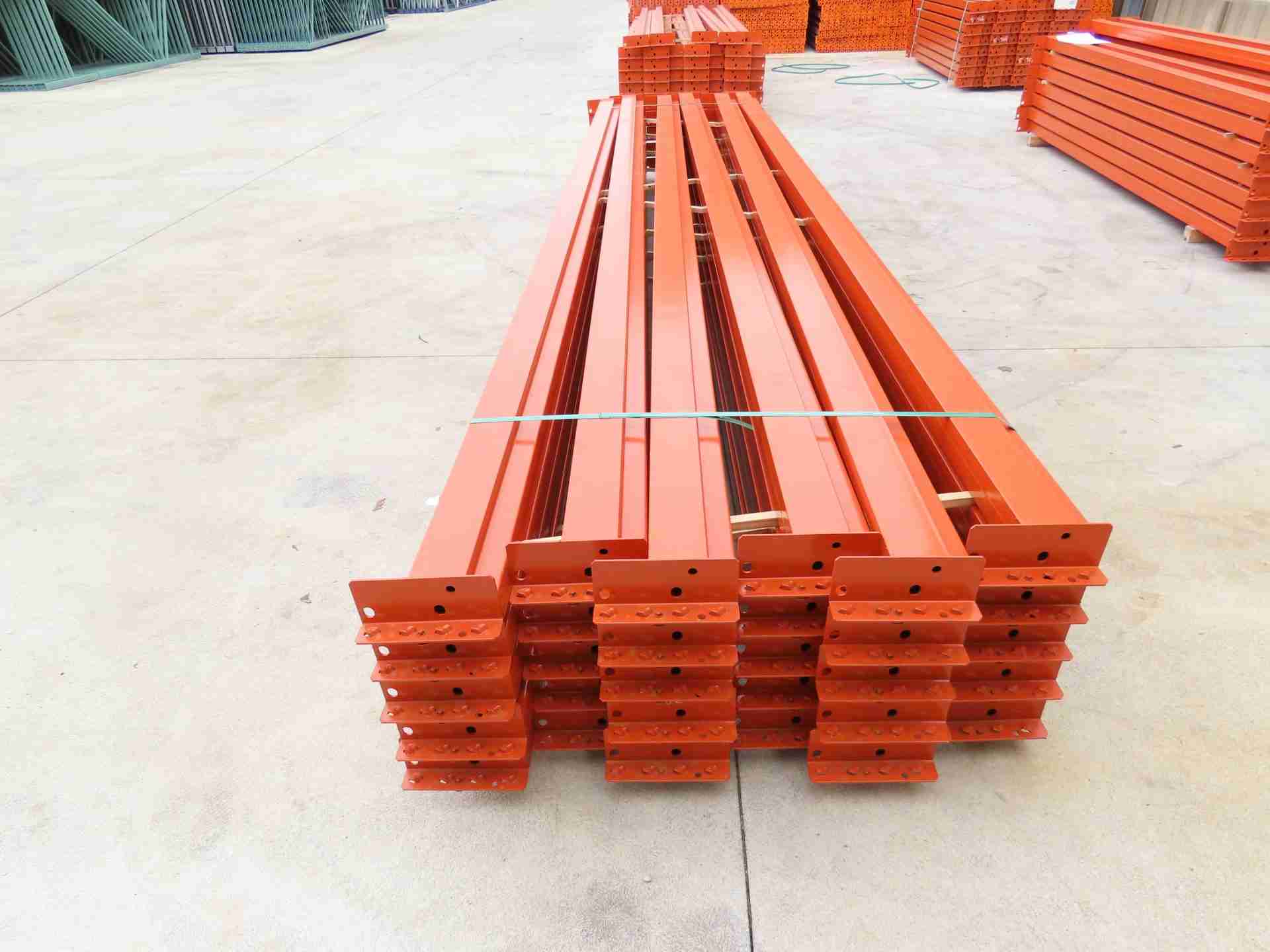
What Role Does Warehouse Shelving Play In Lean Inventory Management?
What Role Does Warehouse Shelving Play In Lean Inventory Management?
- Warehouse shelving, particularly pallet racking systems, is crucial for lean inventory management.
- Effective shelving optimizes storage capacity, reduces waste, and enhances operational efficiency.
- Pallet racking systematically organizes goods, making them easily accessible while minimizing floor space usage.
- A retail giant reduced storage costs by 25% after revamping its warehousing strategy with pallet racking.
- Improved shelving arrangements led to increased inventory turnover rates and higher customer satisfaction.
- Advancements in pallet racking technology provide businesses with flexibility and scalability in their storage solutions.
- Investing in smart shelving solutions is essential for thriving in today’s uncertain market conditions.

What Role Does Warehouse Shelving Play In Lean Inventory Management?
Table Of Contents
- What Role Does Warehouse Shelving Play In Lean Inventory Management?
- What Is The Importance Of Warehouse Shelving In Lean Management?
- How Can Shelving Improve Inventory Visibility And Accessibility?
- What Types Of Shelving Are Best For Lean Inventory Practices?
- How Does Warehouse Shelving Impact Space Utilization In Warehouses?
- What Role Does Shelving Play In Reducing Waste And Inefficiencies?
- How Can Shelving Solutions Support Just-In-Time Inventory Systems?
- Conclusion
- Other Resources
- Glossary Of Terms
- Other Questions
- Checklist
What Is The Importance Of Warehouse Shelving In Lean Management?
In today’s fast-paced business environment, companies are continuously seeking ways to streamline operations and eliminate waste. One critical aspect that often gets overlooked is warehouse shelving, specifically pallet racking systems. These structures are not merely about storage; they play a vital role in the lean management philosophy, which emphasizes efficiency, productivity, and continuous improvement.
Why is this crucial? For starters, effective pallet racking facilitates organization and accessibility. In a lean warehouse, every item—be it raw materials, components, or finished products—must be easily retrievable when needed. For instance, consider a company that incorporates a first-in, first-out (FIFO) inventory system using pallet racking. By ensuring that older stock is always at the front, they not only minimize waste but also keep their inventory fresh, which is essential in industries like food distribution.
Moreover, optimal warehouse shelving maximizes space utilization. A business that effectively designs its pallet racking can significantly increase its storage capacity without expanding its square footage. For example, if a retailer reallocates resources to a higher density storage solution, that extra space could allow them to stock additional inventory during peak seasons—perhaps right now as consumers are eager for holiday deals amidst supply chain fluctuations. This not only safeguards against stockouts but also enhances customer satisfaction, resulting in higher sales.
Lean management is synonymous with reducing cycle times, and the right shelving solution is a game changer here. By minimizing the distance between stored goods and pick locations, companies can cut down on unnecessary travel time. For a vivid illustration, imagine a distribution center where pallet racking is strategically positioned to ensure minimal movement. Workers can pick items more efficiently, leading to faster order fulfillment and a significant reduction in labor costs.
Current events underline the urgency of adopting lean practices. Supply chain disruptions due to unexpected global events, such as the pandemic, have forced many businesses to rethink their inventory strategies. Companies that have embraced robust warehouse shelving systems have demonstrated resilience, adapting quickly to fluctuating market demands. They’ve learned to pivot through uncertainty, showing that effective storage solutions are not a luxury—they are essential.
Warehouse shelving, particularly in the form of pallet racking, is a cornerstone of lean management. It is not just about storing goods; it’s about creating an environment that fosters efficiency and adaptability, empowering businesses to thrive even in challenging times. Embracing these systems is not merely an operational choice; it’s a strategic imperative.
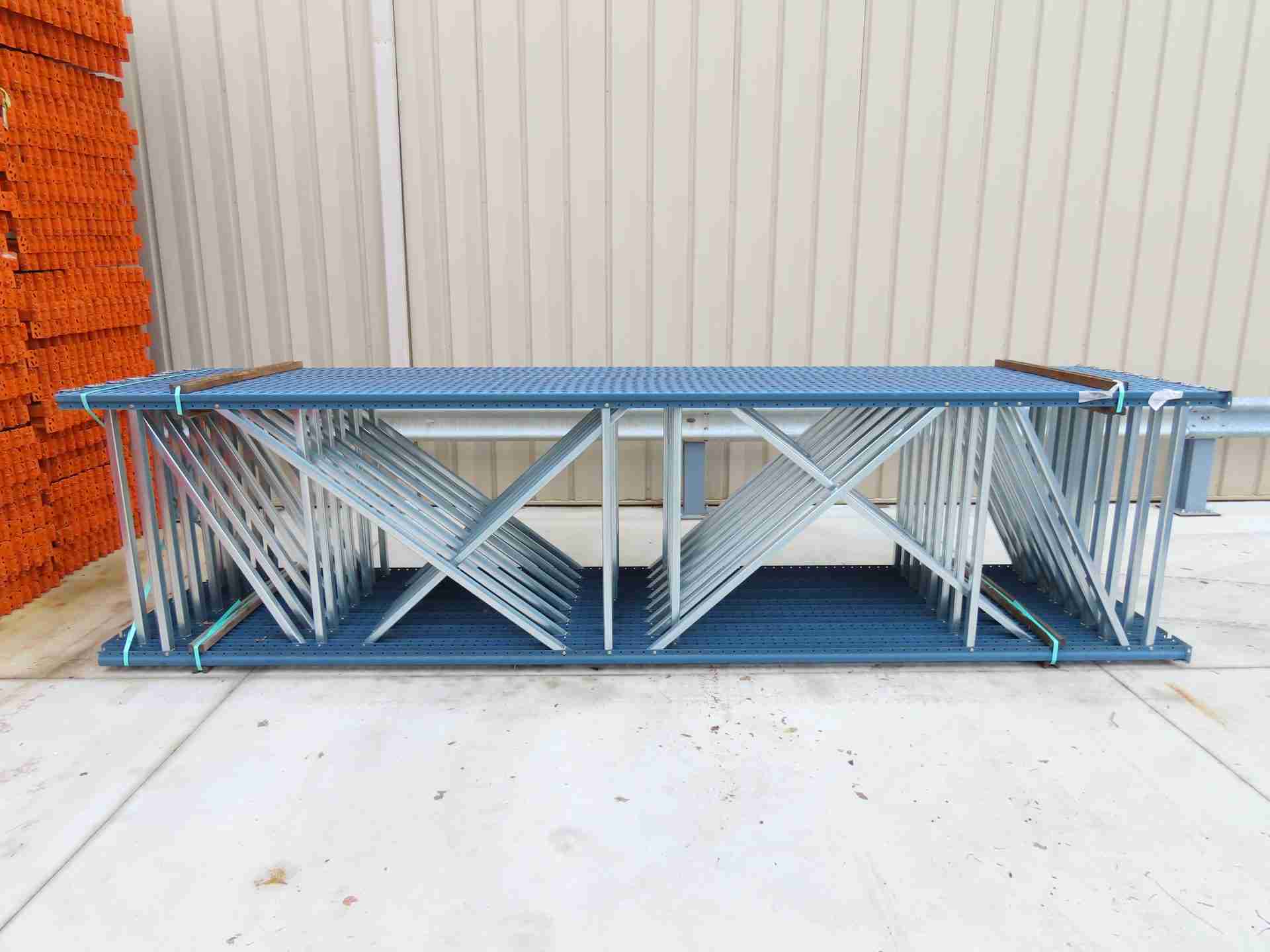
What Is The Importance Of Warehouse Shelving In Lean Management?
What Is The Importance Of Warehouse Shelving In Lean Management?
- Companies strive to streamline operations and reduce waste in a fast-paced business environment.
- Pallet racking systems play a crucial role in lean management, emphasizing efficiency and productivity.
- Effective pallet racking enhances organization and accessibility, facilitating easy retrieval of items.
- Optimal shelving maximizes space utilization, allowing for increased storage capacity without expanding square footage.
- Lean management reduces cycle times, with strategic racking minimizing travel distances for faster order fulfillment.
- Supply chain disruptions have prompted businesses to adopt robust shelving systems to remain resilient and adaptable.
- Warehouse shelving is a strategic imperative, fostering efficiency and adaptability in challenging times.
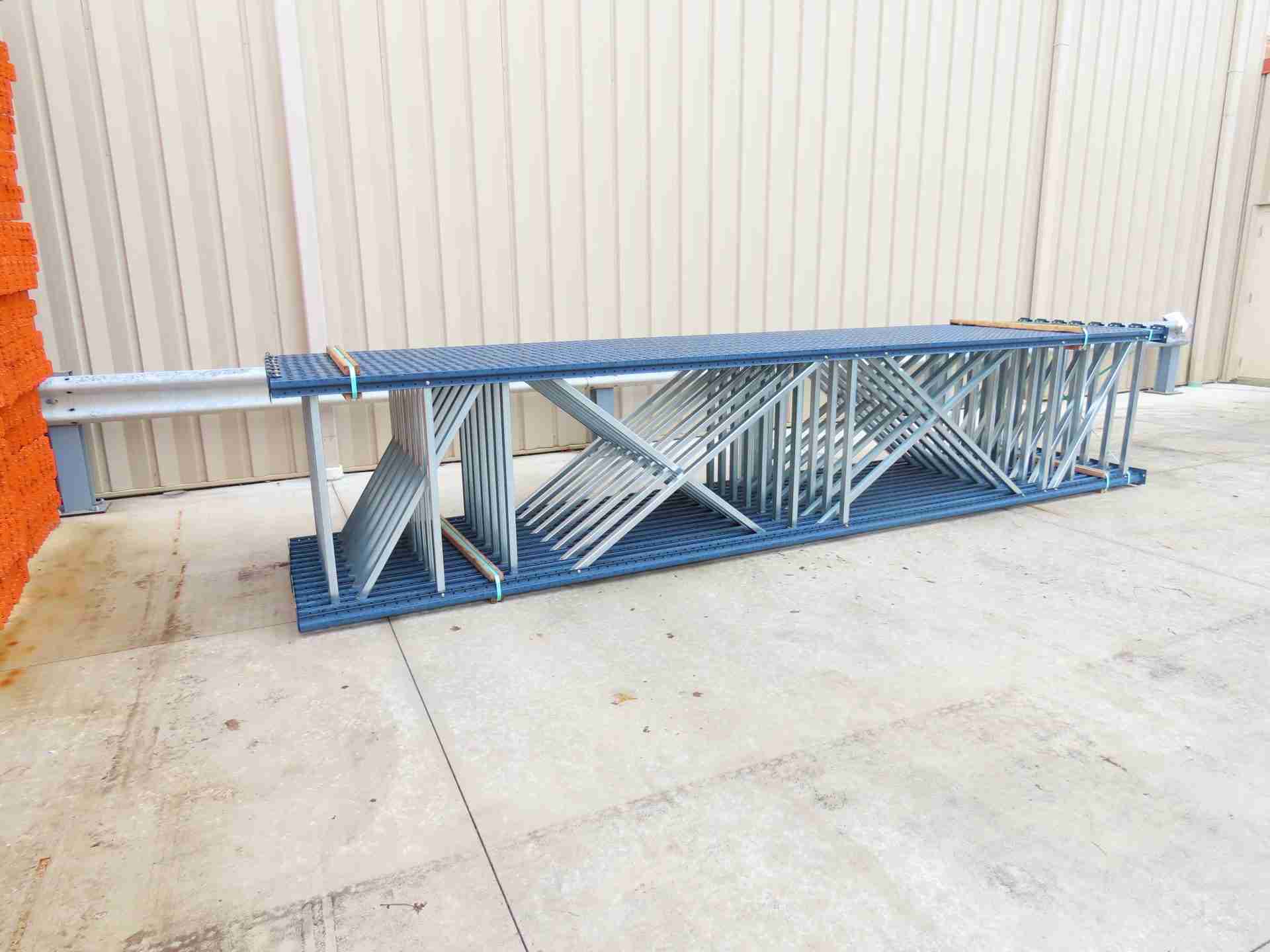
What Is The Importance Of Warehouse Shelving In Lean Management?
How Can Shelving Improve Inventory Visibility And Accessibility?
In the fast-paced world of inventory management, visibility and accessibility are paramount. Enter shelving solutions, your unsung hero in optimizing warehouse operations. The right shelving system has the power to revolutionize your inventory practices, enhancing both efficiency and accuracy. Let’s delve into how effective shelving can elevate your business, making your stock not just seen but also accessible.
Consider the modern warehouse equipped with Pallet Racking. This versatile system allows businesses to stack goods vertically, drastically reducing floor space while maximizing storage capacity. Imagine a scenario where a company, let’s say a popular e-commerce seller, has a bustling warehouse filled with a diverse range of products. Before implementing proper pallet racking, employees would spend countless hours searching through stacks of boxes, resulting in delayed shipments and frustrated customers. With strategic pallet racking in place, products are organized in a systematic manner, enhancing visibility. Each item is easy to spot and retrieve, leading to faster order fulfillment and a boost in customer satisfaction.
Furthermore, visibility is not just about sight—it’s about tracking your inventory effectively. Many innovative shelving systems now come with integrated technology, like RFID or barcode scanning. Picking up on the trend that businesses must adapt to a world increasingly governed by data, these advancements ensure that stock levels are continuously monitored. For instance, a recent report highlighted how companies utilizing smart shelving technologies saw inventory discrepancies drop by over 30%. Imagine that—the elimination of miscounts and misplaced items, all thanks to the right shelving solution.
Let’s take a leap into current events. As more businesses grapple with supply chain disruptions, having a robust shelving system becomes even more critical. Companies with organized, easily accessible inventory can pivot swiftly to changing demands. Those employing pallet racking are not just prepared; they are thriving. By ensuring that every item is in its rightful place and can be retrieved in seconds, businesses can respond to market shifts faster than ever.
In today’s competitive landscape, the conversation around inventory isn’t solely about what you have; it’s about how effectively you can access it. Remember, every square inch of your operation counts. Upgrade to a shelving solution that showcases your products while supporting your strategic goals. Visibility leads to accessibility, and in the world of sales, accessibility leads to sales—plain and simple. Invest in shelving systems that align with your inventory strategy, and watch your business flourish.
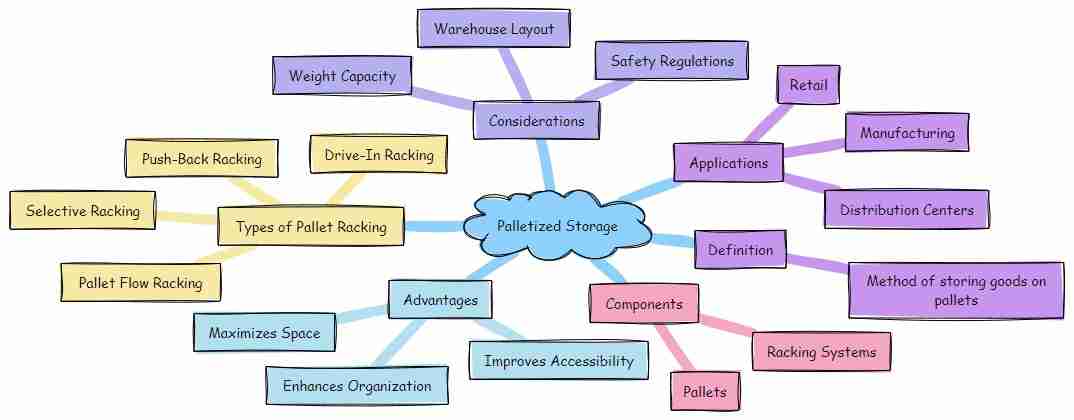
How Can Shelving Improve Inventory Visibility And Accessibility?
How Can Shelving Improve Inventory Visibility And Accessibility?
- Visibility and accessibility are key aspects of effective inventory management.
- Proper shelving solutions can optimize warehouse operations, enhancing efficiency and accuracy.
- Pallet racking allows for vertical stacking, maximizing storage capacity while reducing floor space.
- Strategic pallet racking improves product organization, leading to faster order fulfillment and increased customer satisfaction.
- Innovative shelving systems with integrated technology enhance inventory tracking, reducing discrepancies by over 30%.
- A robust shelving system is critical for businesses to adapt to supply chain disruptions and changing market demands.
- Effective shelving solutions can significantly impact sales by improving product accessibility and alignment with inventory strategies.

How Can Shelving Improve Inventory Visibility And Accessibility?
What Types Of Shelving Are Best For Lean Inventory Practices?
In today’s fast-paced business landscape, operational efficiency is paramount. Companies across various industries are revamping their inventory management systems to embrace lean principles—a methodology that minimizes waste while maximizing productivity. One of the most overlooked elements in this transformation is the shelving system. Choosing the right type of shelving can significantly streamline your lean inventory practices and improve your bottom line.
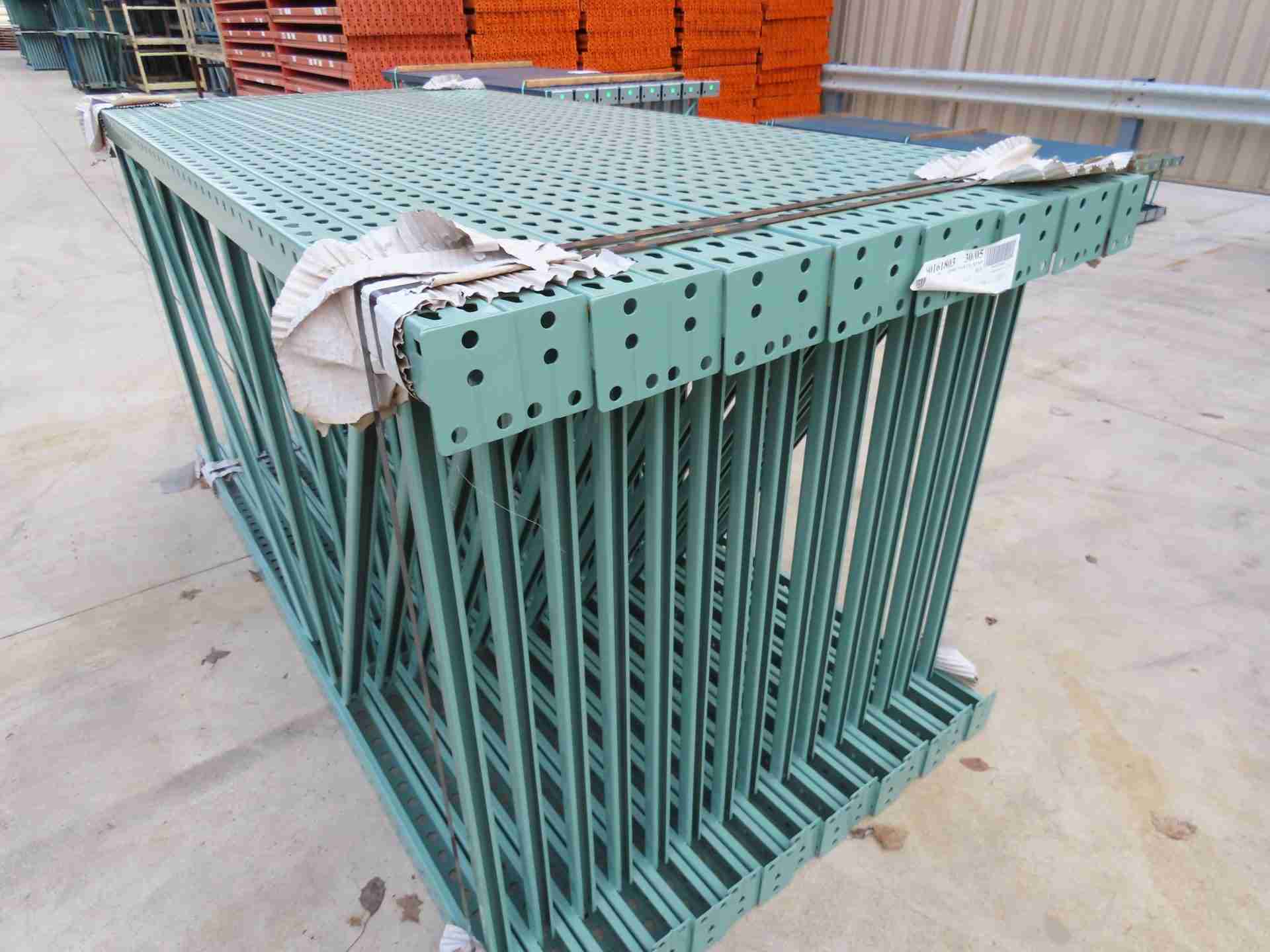
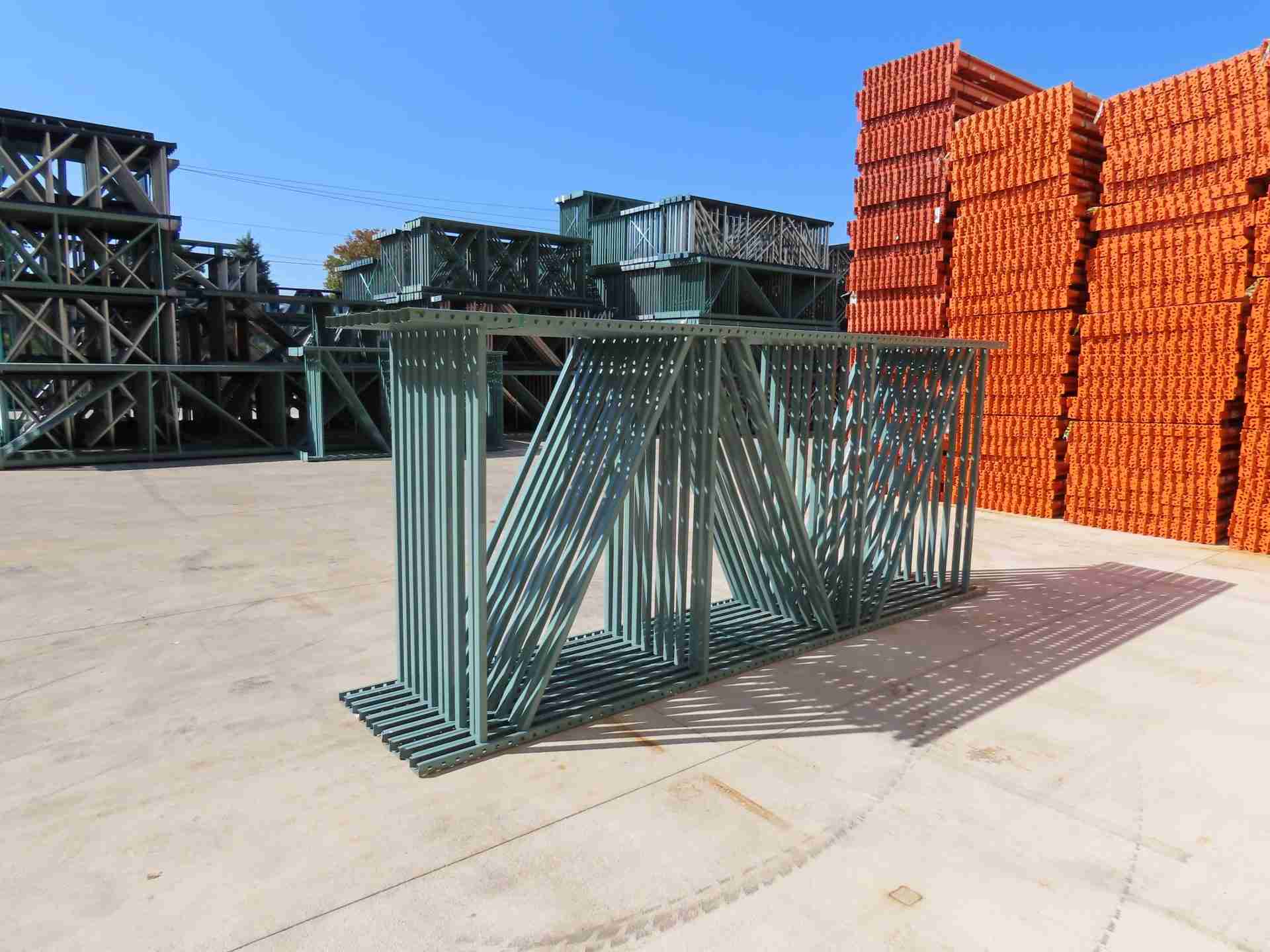
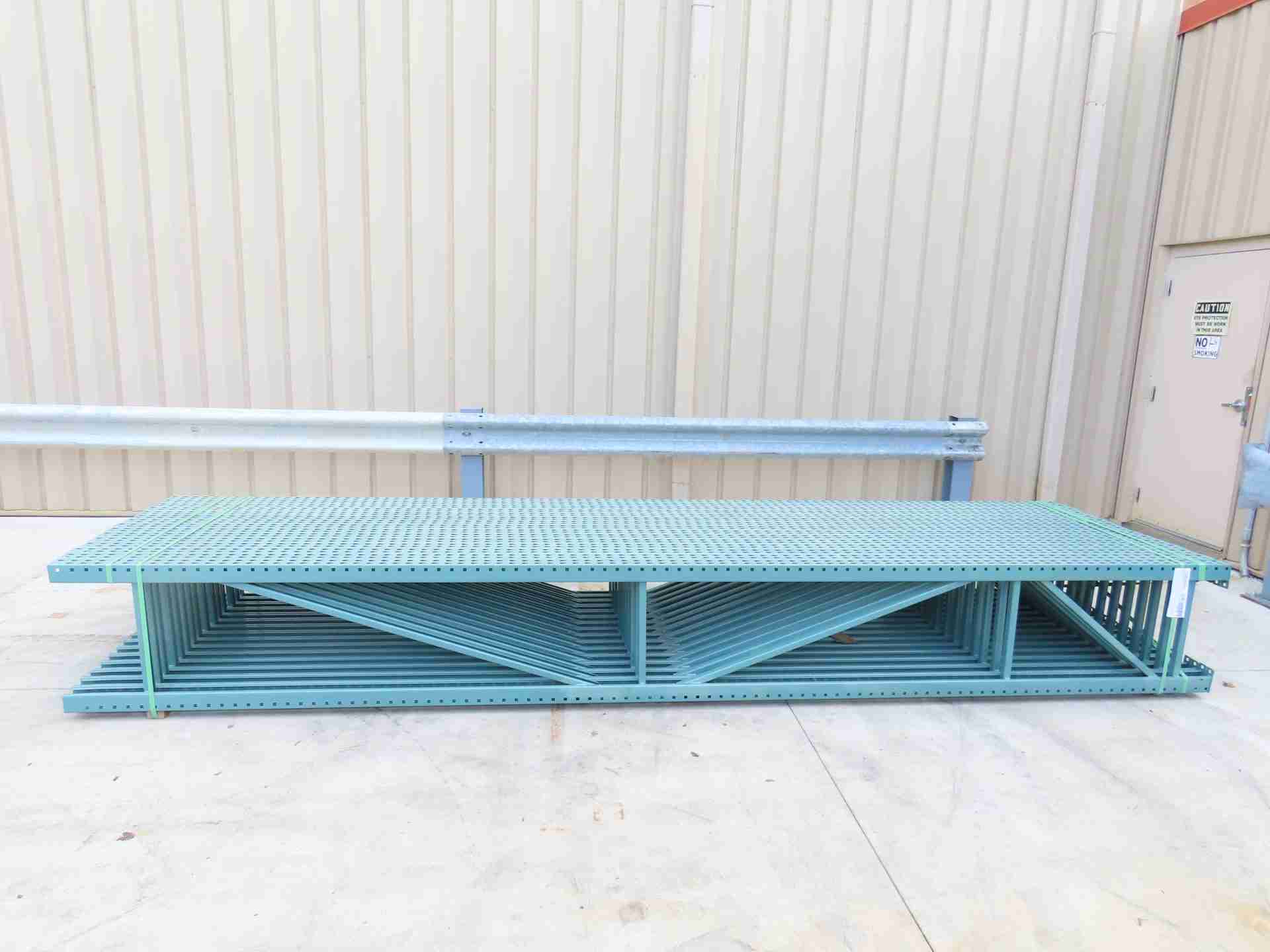
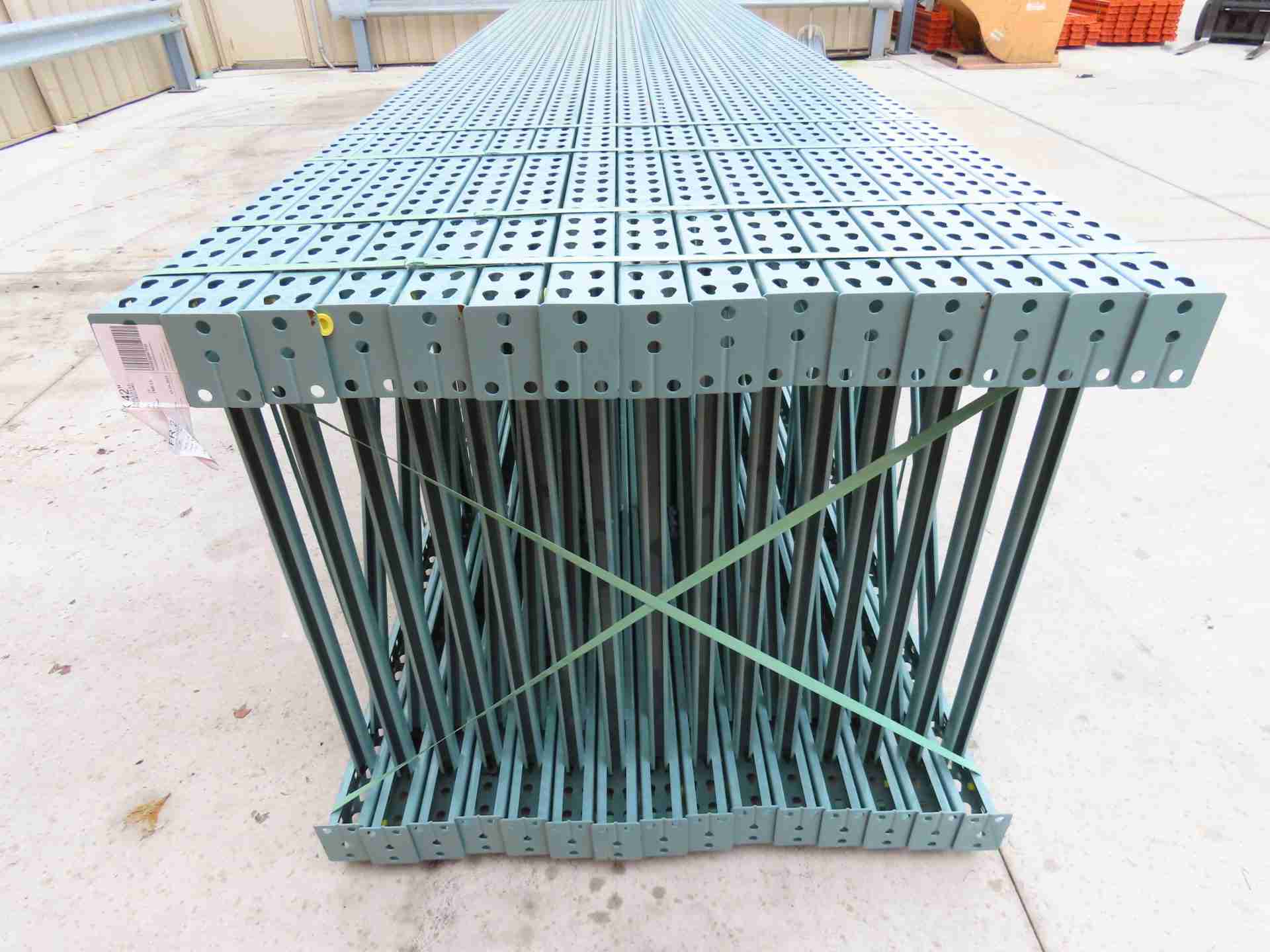
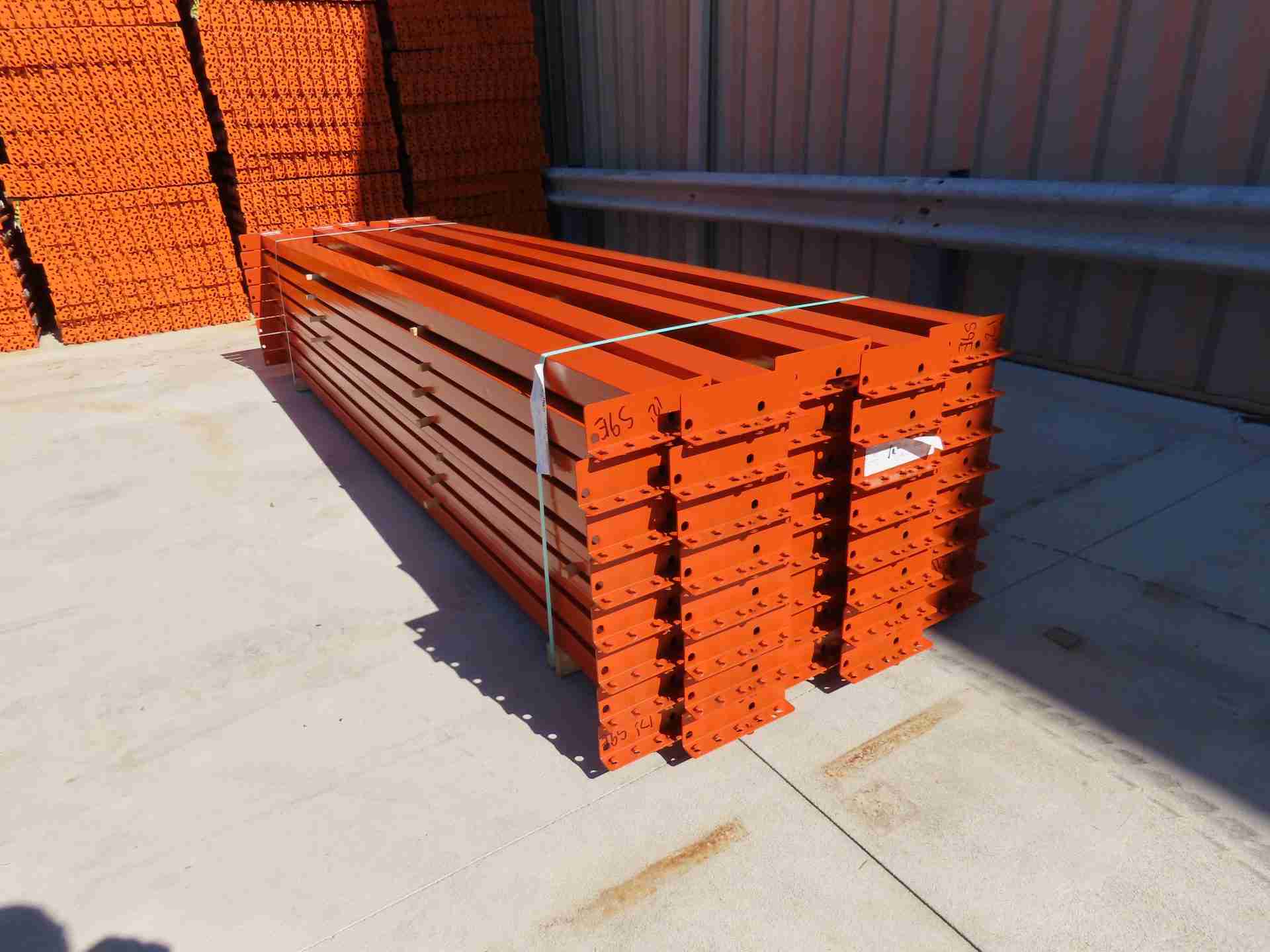
Pallet Racking: This versatile storage solution is a cornerstone for warehouses aiming to maximize space and organization. Pallet racking allows for vertical storage and is ideal for bulk items that are frequently moved in and out. Its adjustable nature means you can customize the height between shelves, accommodating various pallet sizes and further enhancing accessibility. In recent years, the surge in e-commerce has prompted many businesses to invest in advanced pallet racking systems that integrate with technology for real-time inventory management. This allows operators to respond swiftly to demand fluctuations—an essential feature for maintaining lean inventory.
For example, companies like Amazon have taken the concept of pallet racking to the next level. Their warehouses utilize a combination of pallet racking and advanced robotics to ensure rapid item retrieval and restocking, reducing lead times and improving customer satisfaction.
Static Shelving Systems: These are perfect for smaller items that don’t require pallet handling. Static shelving systems provide easy access to products and can aid in quick picking processes. They are particularly beneficial in retail environments where the visibility of stock is critical for enhancing sales. By implementing open shelving or modular storage, retailers can adopt lean practices, ensuring that inventory turnover stays high and stock levels are optimized.
Additionally, mobile shelving units present a viable option for businesses with fluctuating inventory levels. These units can be compacted or expanded, depending on current needs, allowing for flexible use of space.
Flow Racking: This is another powerful tool in the lean inventory arsenal. Flow racking systems are designed to ensure first-in, first-out (FIFO) inventory management, reducing waste from expired or obsolete goods. This system is widely utilized in sectors like food and beverage, where freshness is essential.
The shelving system you choose can have a profound impact on your lean inventory practices. From pallet racking to mobile and flow racking, each option plays a vital role in optimizing space, reducing waste, and enhancing efficiency. As businesses continue to navigate the complexities of supply chain management, investing in the right type of shelving will prove to be a crucial step toward achieving lean and mean operations.
What Types Of Shelving Are Best For Lean Inventory Practices?
What Types Of Shelving Are Best For Lean Inventory Practices?
- Operational efficiency is crucial in today’s fast-paced business environment.
- Companies are revamping inventory management systems to adopt lean principles that minimize waste.
- Choosing the right shelving system is vital for streamlining lean inventory practices.
- Pallet racking maximizes space and is ideal for bulk items, allowing vertical storage and adjustable heights.
- Static shelving systems are effective for smaller items and enhance visibility and quick access in retail settings.
- Flow racking supports FIFO inventory management, critical for perishable goods in the food and beverage industry.
- Investing in appropriate shelving options is essential for optimizing inventory and improving overall efficiency.

What Types Of Shelving Are Best For Lean Inventory Practices?
How Does Warehouse Shelving Impact Space Utilization In Warehouses?
In the fast-paced world of logistics and supply chain management, maximizing space utilization in warehouses has become a critical success factor. As businesses grapple with everything from e-commerce booms to fluctuating inventory demands, effective warehouse shelving solutions, such as pallet racking, become indispensable tools in their arsenal.
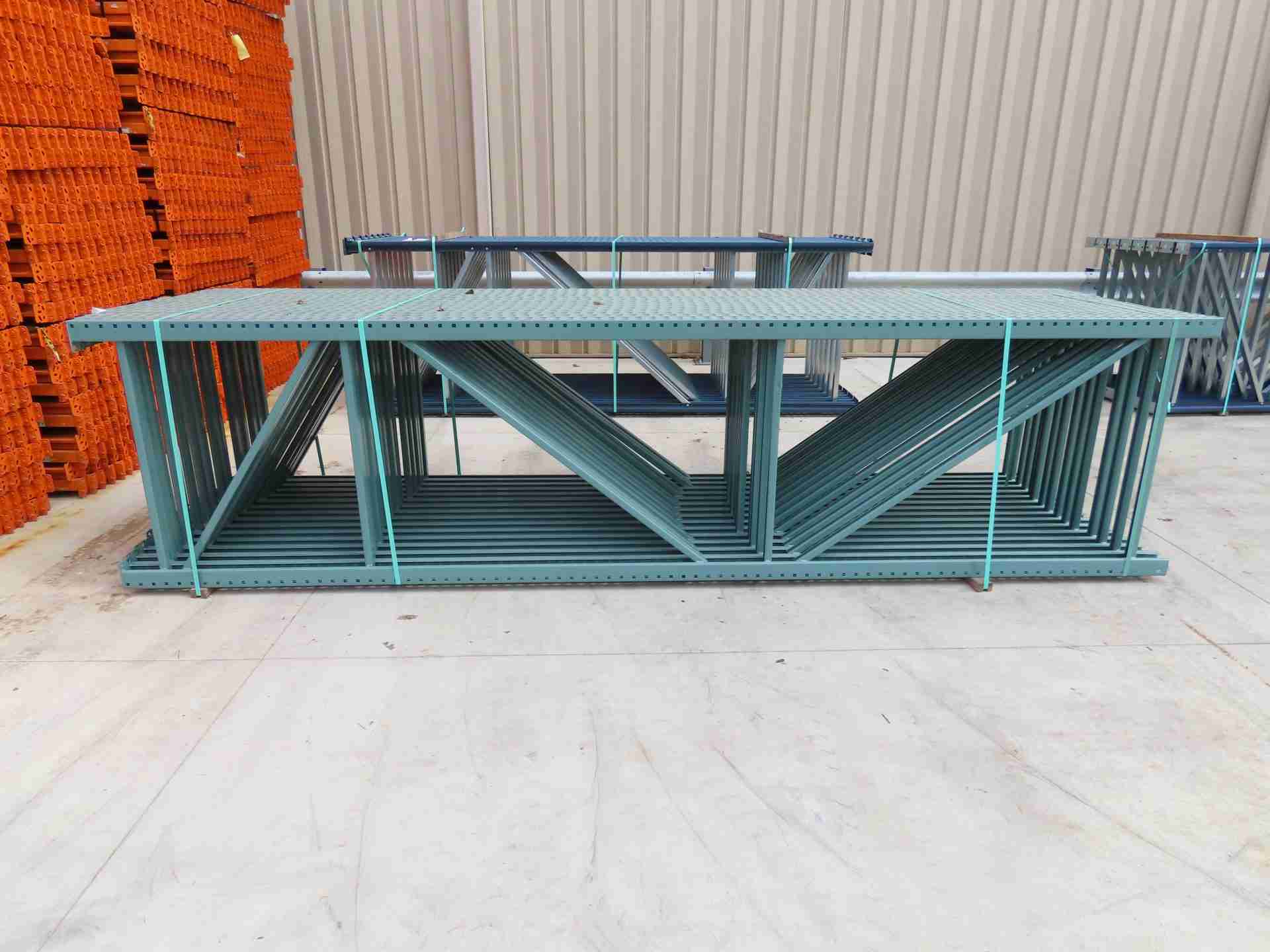
The right shelving system transforms your warehouse from a chaotic collection of products into an organized haven of productivity. Think about it: a well-structured pallet racking system can elevate your vertical storage, allowing you to stack inventory high and free up valuable floor space. For instance, imagine a typical warehouse where products are sprawled across the floor. The company struggles to keep track of inventory, leading to mistakes, delays, and ultimately, customer dissatisfaction. With an efficient pallet racking system, now your products are neatly organized, making it far easier to find what you need when you need it.
Consider the e-commerce titan Amazon, which has made headlines with its innovative warehousing strategies. Their use of advanced pallet racking and dynamic shelving solutions aids in handling thousands of orders at lightning speed. By optimizing vertical space and implementing a strategic layout, they reflect how effective shelving can lead to significant increases in efficiency and throughput. In today’s competitive landscape, the lessons from such industry leaders are invaluable.
Additionally, the COVID-19 pandemic has further underscored the need for efficient space utilization due to supply chain disruptions. Companies are shifting focus to just-in-time inventory management strategies, relying heavily on robust shelving like pallet racking to accommodate rapid changes in stock levels. Businesses must adapt—to do so without losing space or time can make or break their operational success.
Space cognitive design is part of the equation too. Employing pallet racking not only maximizes the cubic space in a warehouse but also allows for better organization via specific product placements. This system leads to faster picking times and fewer errors, enhancing customer satisfaction, which is paramount in today’s market where every minute counts.
Warehouse shelving solutions profoundly impact space utilization. Investing in advanced systems, such as pallet racking, does more than improve organization; it also boosts efficiency, leading to increased profitability. Whether you’re a small business looking to scale or a major operation managing vast inventories, prioritizing your warehouse shelving strategy is non-negotiable in today’s ever-evolving market landscape.

How Does Warehouse Shelving Impact Space Utilization In Warehouses?
How Does Warehouse Shelving Impact Space Utilization In Warehouses?
- Maximizing space utilization in warehouses is critical for success in logistics and supply chain management.
- Effective shelving solutions like pallet racking can transform disorganized warehouses into productive spaces.
- Pallet racking systems enhance vertical storage, freeing up floor space and improving inventory tracking.
- Industry leaders like Amazon utilize advanced pallet racking and dynamic shelving to boost efficiency and order handling.
- The COVID-19 pandemic has highlighted the necessity for effective space utilization and just-in-time inventory management.
- Space cognitive design through pallet racking allows for better organization, resulting in faster picking and fewer errors.
- Investing in advanced shelving solutions leads to improved organization, efficiency, and increased profitability for businesses.
How Does Warehouse Shelving Impact Space Utilization In Warehouses?
What Role Does Shelving Play In Reducing Waste And Inefficiencies?
In the bustling world of logistics and inventory management, effective shelving is more than just a means to store goods—it’s the backbone of operational efficiency. Picture this: a warehouse brimming with products, yet chaos reigns because of disorganized shelving. This inefficiency leads to delays, wasted time, and ultimately, increased costs that can cripple a business. But with strategic shelving solutions, these situations can be transformed into streamlined operations that both reduce waste and enhance productivity.
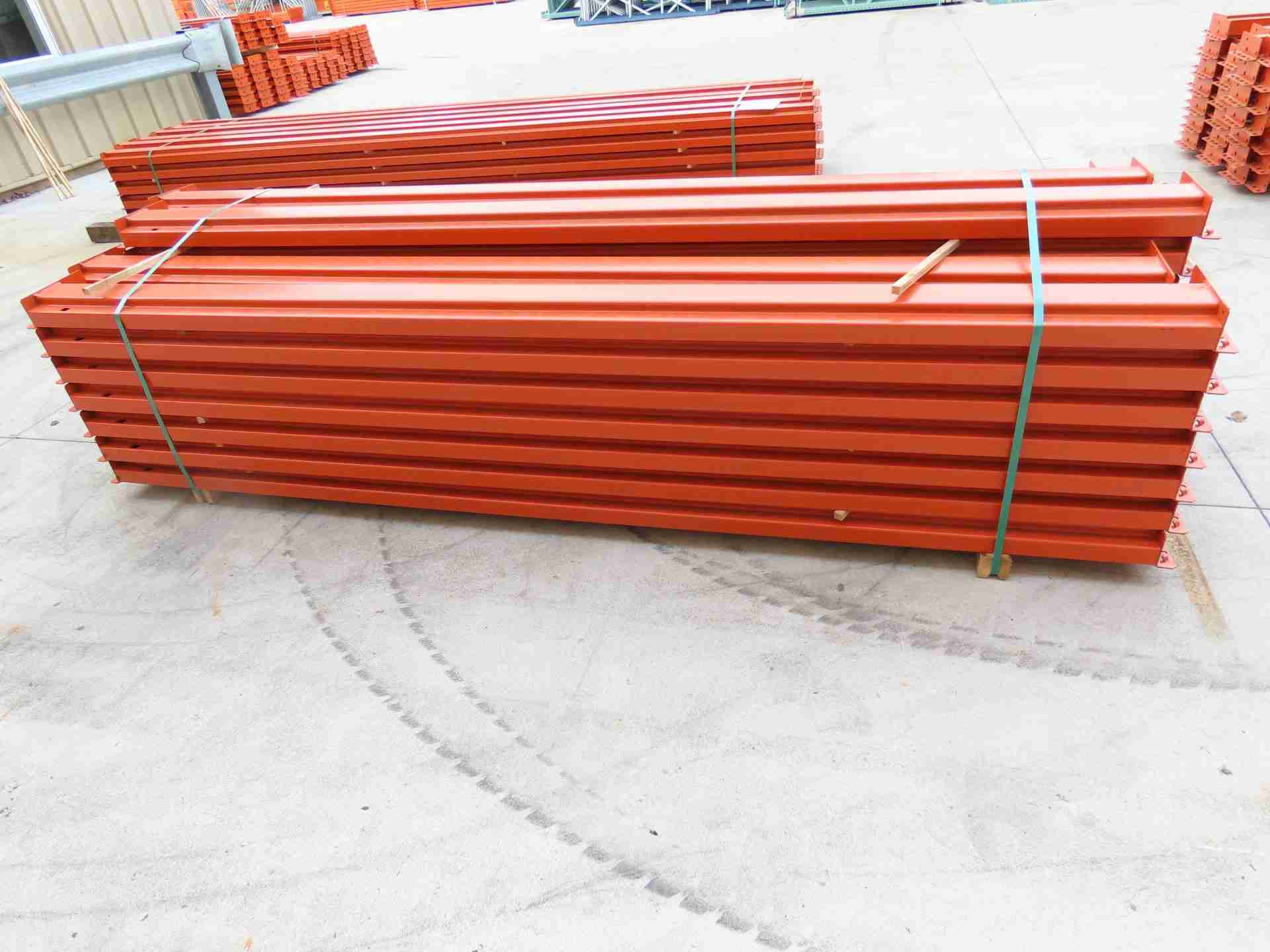
Consider pallet racking systems, a classic example of smart shelving. These systems are designed to maximize vertical space, allowing businesses to store more items without expanding their floor footprint. By utilizing pallet racking, warehouses have seen reductions in square footage costs—an essential factor as real estate prices soar in urban areas. Companies like Amazon and Walmart invest heavily in optimizing their shelf space with advanced racking systems to meet booming consumer demand, especially as e-commerce continues to grow post-pandemic.
Moreover, a well-organized shelving system contributes to inventory accuracy, reducing the likelihood of overstocking or stockouts. When products are neatly arranged on suitable shelves, employees can quickly locate items, cutting down on search time significantly. The impact of this can be seen in recent supply chain dilemmas; for instance, during the global shortages spurred by events like the COVID-19 pandemic, the ability to quickly access and manage inventory through efficient shelving practices was the difference between a resilient operation and one bogged down by inefficiencies.
Additionally, consider sustainability. As businesses aim to enhance their green credentials, optimized shelving reduces waste by minimizing leftover materials and energy consumption. Efficient shelving practices lead to fewer resources being used in inventory management. Take IKEA, for example, which has dedicated efforts toward sustainability in its warehouse design. By prioritizing intelligent shelving layouts, the company not only maximizes space but also reduces its carbon footprint.
In summary, shelving plays a crucial role in reducing waste and inefficiencies across industries. From pallet racking options that enhance vertical storage to thoughtfully designed retail shelving that improves customer experience, every inch matters. As we navigate an increasingly complex market, investing in smart shelving solutions will be a cornerstone for businesses aiming to thrive, not just survive. Effective shelving is not an option—it’s a necessity for success in today’s fast-paced environment.
What Role Does Shelving Play In Reducing Waste And Inefficiencies?
What Role Does Shelving Play In Reducing Waste And Inefficiencies?
- Effective shelving is essential for operational efficiency in logistics and inventory management.
- Disorganized shelving can lead to chaos, resulting in delays, wasted time, and increased costs.
- Pallet racking systems maximize vertical space, allowing for more efficient storage without expanding floor area.
- Companies like Amazon and Walmart invest in advanced racking systems to meet growing consumer demand, especially post-pandemic.
- A well-organized shelving system improves inventory accuracy and reduces the likelihood of overstocking or stockouts.
- Effective shelving contributes to sustainability by reducing material waste and energy consumption.
- Investing in smart shelving solutions is crucial for businesses to succeed in a complex and competitive market.

What Role Does Shelving Play In Reducing Waste And Inefficiencies?
How Can Shelving Solutions Support Just-In-Time Inventory Systems?
In today’s fast-paced business landscape, the demand for efficiency and adaptability is more critical than ever. Enter just-in-time (JIT) inventory systems, designed to reduce waste and optimize stock levels. But what good is your JIT strategy if your storage solutions aren’t streamlined for success? Here’s where innovative shelving solutions, particularly pallet racking, can be a game changer.
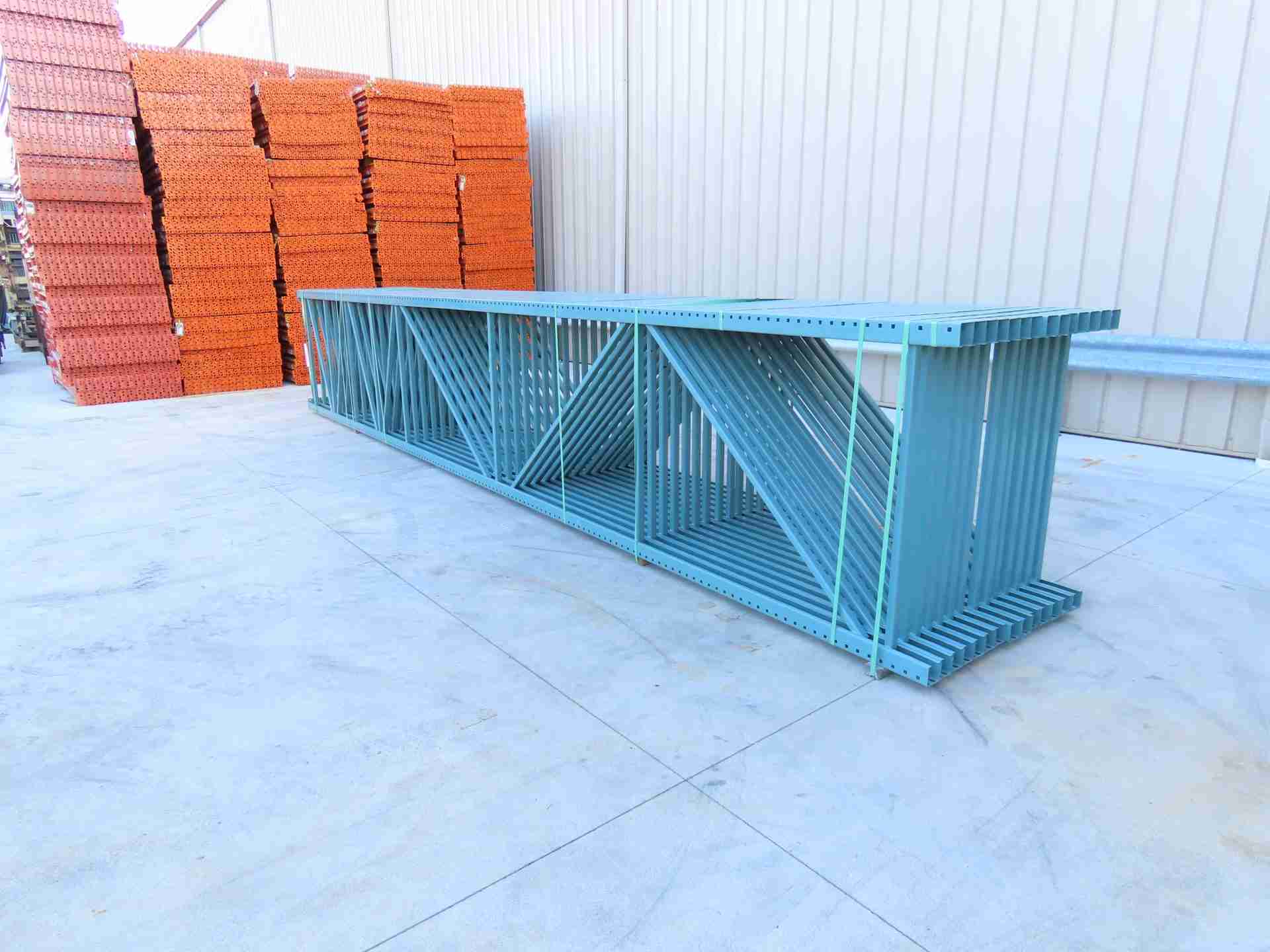
Imagine this: you own a warehouse filled with products—from electronics to small parts. Your goal is to minimize holding costs while ensuring that products are available exactly when customers demand them. This is where pallet racking shines. A well-implemented pallet racking system not only maximizes vertical space but also allows for easy access to goods. This is crucial for JIT systems, which rely on swift inventory turnover.
In a recent survey by the Warehousing Education and Research Council, 75% of logistics professionals indicated that their pallet racking systems significantly improved their JIT processes. For instance, a company specializing in automotive parts transformed its inventory management by incorporating high-density pallet racking. As a result, they reduced lead times from weeks to just days, significantly enhancing their customer satisfaction ratings—not to mention saving thousands in operational costs.
Moreover, the rising focus on sustainability in logistics has prompted several industries to re-evaluate their warehousing solutions. Governments and NGOs are increasingly implementing regulations that encourage eco-friendly practices. A robust pallet racking system supports this shift by enabling efficient space utilization, which can lead to decreased energy consumption and reduced carbon footprints. In 2022, legislation in the EU mandated stricter sustainability guidelines for supply chains, making it imperative for companies to adapt their storage solutions.
Let’s not forget about the role of technology in modern JIT systems. Advanced pallet racking solutions can integrate with automated inventory management systems, providing real-time data on stock levels and accelerations in product flow. Consider a retail giant that implemented smart racking technology, allowing instant updates on inventory status. As a consequence, they not only met customer demands with unprecedented speed but also minimized the risk of stockouts, a common pitfall in traditional systems.
Investing in strategic shelving solutions like pallet racking is no longer a luxury; it is a necessity for businesses committed to the just-in-time philosophy. By optimizing your storage capacity and integrating technology, you’re not just freeing up space—you’re laying the groundwork for a more responsive, efficient inventory system that can adapt to the ever-changing market landscape. Embrace the power of tailored shelving solutions, and watch your inventory management soar to new heights.

How Can Shelving Solutions Support Just-In-Time Inventory Systems?
How Can Shelving Solutions Support Just-In-Time Inventory Systems?
- The demand for efficiency and adaptability in today’s business landscape is driving the adoption of just-in-time (JIT) inventory systems.
- Streamlined storage solutions, particularly pallet racking, are essential for optimizing JIT strategies.
- Pallet racking maximizes vertical space and facilitates easy access to goods, crucial for quick inventory turnover.
- A recent survey indicated that 75% of logistics professionals saw significant improvements in JIT processes due to effective pallet racking.
- Sustainable warehousing solutions are increasingly important, with regulations promoting eco-friendly practices influencing industry changes.
- Advanced pallet racking systems can integrate with automated inventory management for real-time stock data and flow acceleration.
- Investing in pallet racking is essential for businesses implementing JIT philosophy, enabling efficiency and adaptability in inventory management.
How Can Shelving Solutions Support Just-In-Time Inventory Systems?
Conclusion
In the landscape of modern logistics, effective warehouse shelving is not merely an accessory; it is a pivotal element for companies striving to adopt lean inventory management while maximizing efficiency and profitability. As we’ve explored throughout this article, innovations in shelving, particularly through advanced pallet racking systems, enable businesses to reach unparalleled levels of operational excellence. These systems transform chaotic storage environments into organized landscapes where every item is accessible and accounted for, a critical factor in today’s fast-paced market.
The shift towards lean inventory management has never been more urgent. As supply chain challenges become the norm, organizations must leverage every available tool to stay competitive. Effective pallet racking not only enhances space utilization—capable of converting vertical airspace into essential storage but also minimizes waste associated with disorganization and overstocking. A case in point: companies that have adopted strategic shelving solutions have reported storage cost reductions of up to 25%, alongside significant improvements in inventory turnover and customer satisfaction.
Moreover, the adaptability of modern shelving systems to embrace technology ensures that businesses can pivot to meet fluctuating market demands effortlessly. Real-time inventory tracking through integrated RFID and barcode systems reduces discrepancies and empowers swift decision-making, essential in a market where responsiveness is king. It is evident that the right shelving solution creates a streamlined environment conducive to reduced cycle times and enhanced productivity.
However, the importance of investing in optimal shelving strategies transcends mere functional benefits. Organizations that prioritize effective shelving solutions position themselves not just as survivors in a volatile business environment but as leaders ready to excel. The examples set by market giants like Amazon underscore the significant competitive advantages derived from intelligent warehouse design that incorporates advanced shelving systems.
Time is of the essence; the pressure to adopt lean inventory management is palpable in today’s corporate climate. Every moment spent in outdated inventory practices could mean lost opportunities and revenue. We encourage you to take action—call Arrow Industrial Sales at (574) 349-6575. Equip your operations with state-of-the-art shelving solutions that will not only enhance your efficiency but also give you the competitive edge required to thrive in an ever-changing marketplace. Empower your business to embrace the future of inventory management today; your success story starts with a single call.
Conclusion
Conclusion:
- Effective warehouse shelving is crucial for lean inventory management and optimizing efficiency and profitability.
- Advanced pallet racking systems improve organization and accessibility in chaotic storage environments.
- The urgency for lean inventory management is heightened by ongoing supply chain challenges.
- Pallet racking enhances space utilization and can reduce storage costs by up to 25% while improving inventory turnover.
- Modern shelving systems utilize technology like RFID and barcode integration for real-time inventory tracking.
- Investing in optimal shelving strategies can position organizations as leaders in a competitive market.
- Timely adoption of modern inventory practices is essential to avoid lost opportunities; contact Arrow Industrial Sales for advanced shelving solutions.
Conclusion
Other Resources
Other Resources
Here is a list of other resources you can review online to learn more:
- Teardrop Uprights
- Interlake Mecalux
- Pallet Racking systems in Illinois, Great Lakes
- CA Wire
- Selective Racking
- The Ultimate Pallet Racking Guide – Speedrack West
- Teardrop Industrial Shelving Rack
- American Surplus
- Warehouse Racking Layout: The Ultimate Guide – Conger
- Cantilever Rack Guide: Ordering Cantilever Racking
Use This Prompt To Get More Resources With Your Favorite Online AI Tool: Please provide me with a list of online articles with their URLs in a bulleted list that I can read regarding What Role Does Warehouse Shelving Play In Lean Inventory Management?
Other Resources
Glossary Terms
What Role Does Warehouse Shelving Play In Lean Inventory Management? – Glossary Of Terms
1. Lean Inventory: A strategy aimed at minimizing waste and maintaining efficiency in inventory management through reduced stock levels and improved flow.
2. Warehouse Shelving: Structures used to store goods in a warehouse, designed for easy access and organization to enhance space utilization.
3. Space Utilization: The effective use of warehouse space to maximize storage capacity and streamline inventory flow.
4. FIFO (First In, First Out): An inventory practice where the oldest stock is sold or used first, helping reduce waste and manage expiration dates.
5. LIFO (Last In, First Out): An inventory management method where the most recently added stock is used or sold first, often used in specific industries.
6. Kaizen: A Japanese term meaning “continuous improvement,” focused on increasing efficiency and reducing waste in processes.
7. Just-In-Time (JIT): An inventory strategy that aligns production with demand, reducing excess inventory through timely deliveries.
8. Stock Keeping Unit (SKU): A unique identifier for each distinct product and service that can be purchased, used for inventory tracking.
9. Pull System: An inventory control approach where production and inventory restocking are based on actual customer demand, minimizing overproduction.
10. Cross-Docking: A logistics practice where products are directly transferred from inbound to outbound shipping, reducing storage time and costs.
11. Vertical Storage: Utilizing vertical space in warehouses with tall shelving units to maximize storage capacity and improve accessibility.
12. Overstock: Inventory that exceeds the desired level, leading to increased holding costs and potential waste.
13. Cycle Count: A periodic inventory auditing technique where a subset of inventory is counted on a rotating schedule to ensure accuracy.
14. Lead Time: The total time taken from the initiation of an order until its arrival, crucial for inventory planning and management.
15. Kanban: A visual signaling system used in lean manufacturing and inventory control to manage workflow and inventory levels efficiently.
16. Inventory Turnover: A metric that measures how often inventory is sold and replaced over a specific period, indicating inventory management efficiency.
17. Order Picking: The process of retrieving products from shelves to fulfill customer orders, optimized by effective shelving systems.
18. Batch Picking: A method where multiple orders are picked simultaneously for efficiency, often facilitated by strategic shelving layouts.
19. Storage Density: The amount of product that can be stored in a given area, enhanced by appropriate shelving solutions.
20. Product Segmentation: The organization of products into categories based on demand, size, or type to improve inventory management and accessibility.
21. Modular Shelving: Adjustable shelving systems that can be reconfigured based on changing inventory needs and volumes.
22. Safety Stock: Extra inventory held to mitigate the risk of stockouts due to variability in supply and demand.
23. ABC Analysis: A methodology for categorizing inventory into three groups (A, B, and C) based on importance and value, guiding shelving organization.
24. Order Fulfillment: The complete process of receiving, processing, and delivering customer orders, heavily influenced by warehouse shelving and layout.
25. Last-Mile Delivery: The final step in the logistics process where products are delivered to the end customer, influenced by efficient inventory management.
26. Shelf Life: The length of time products remain saleable or usable, critical for managing perishable goods in shelving.
27. Ergonomics: Designing workstations and shelving layouts to improve employee comfort and efficiency during stock handling.
28. Inventory Accuracy: The degree to which the physical inventory matches the recorded inventory data, essential for effective stock management.
29. Demand Forecasting: The process of predicting future customer demand to optimize inventory levels and shelving arrangements.
30. Returns Management: The process of handling and processing returned goods, often necessitating efficient shelving solutions for re-stocking and categorization.
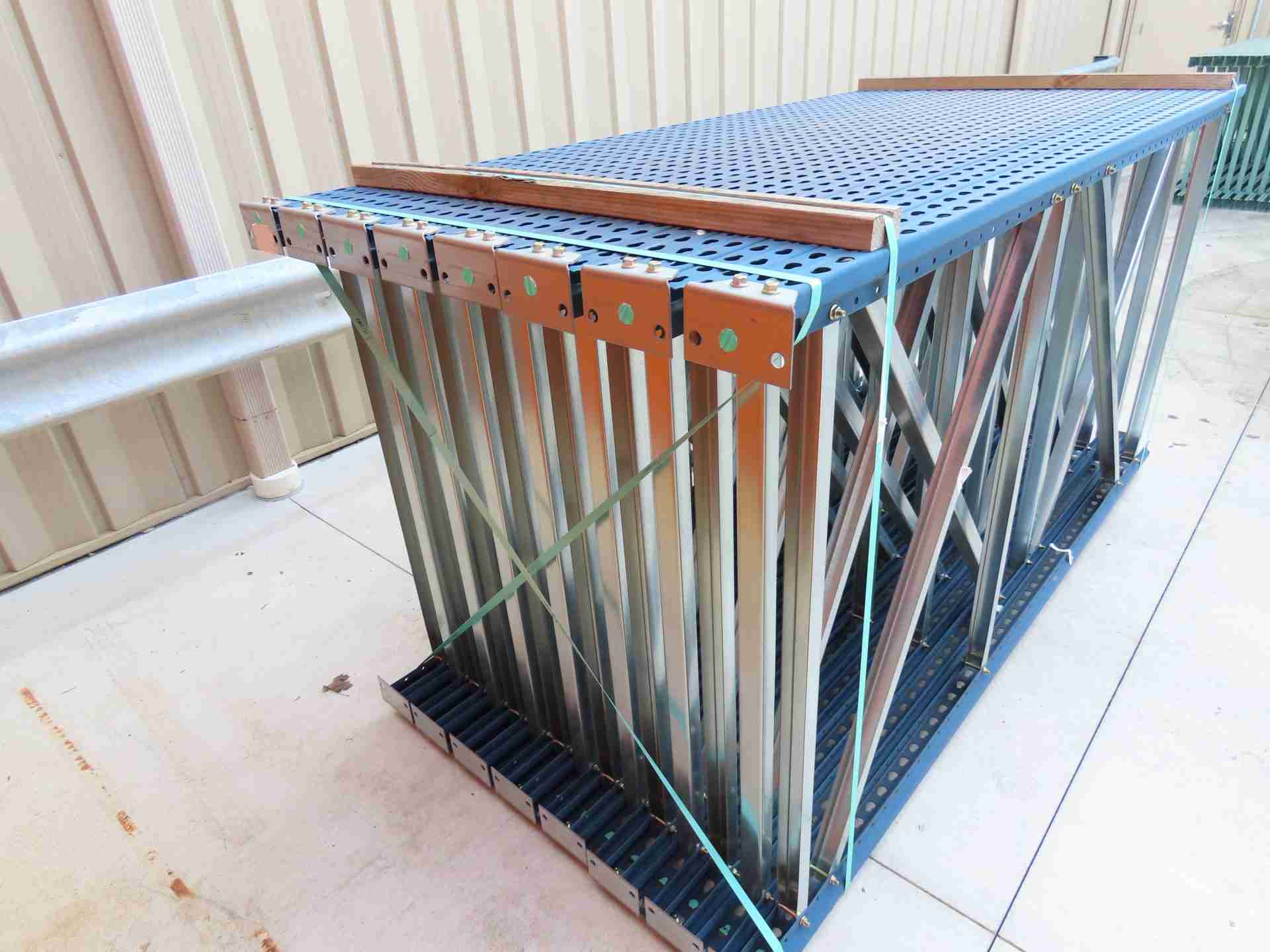
Glossary Of Terms
Other Questions
What Role Does Warehouse Shelving Play In Lean Inventory Management? – Other Questions
If you wish to explore and discover more, consider looking for answers to these questions:
- What are the key benefits of implementing pallet racking systems?
- How can businesses measure the effectiveness of warehouse shelving in lean management?
- What other types of shelving can enhance inventory management besides pallet racking?
- How does warehouse shelving influence employee productivity in a warehouse environment?
- What role do automated systems play in optimizing warehouse shelving?
- How can business owners assess their current shelving needs?
- What factors should be considered when designing a warehouse shelving layout?
- What are the common mistakes to avoid when choosing shelving solutions?
- How can businesses adapt their shelving strategies during inventory spikes?
- What is the relationship between shelving design and workplace safety?
- How does warehouse shelving contribute to sustainability efforts in logistics?
- What trends in shelving technology should businesses be aware of?
- How can small businesses benefit from implementing efficient shelving systems?
- What specific case studies highlight successful shelving implementations?
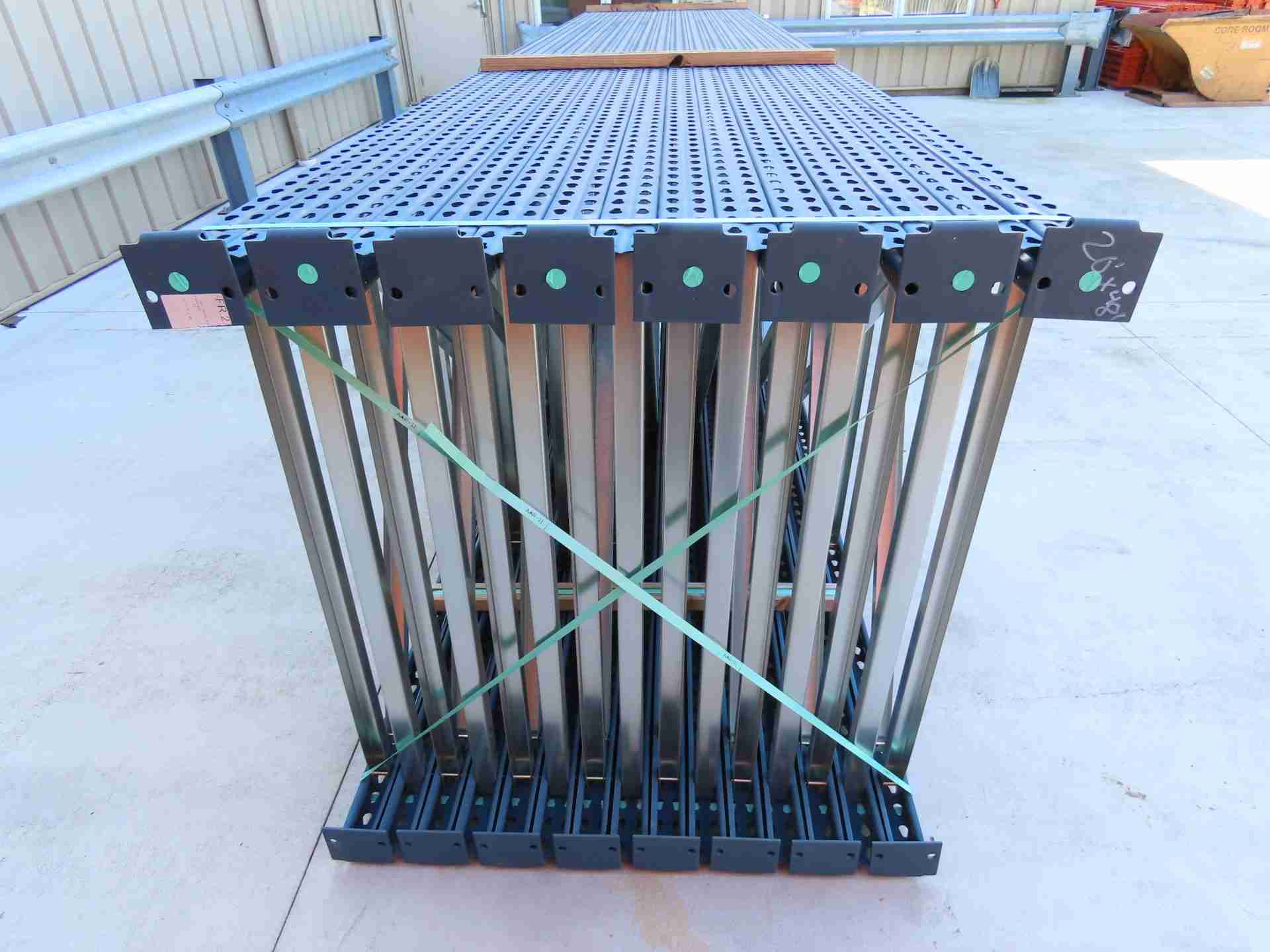
Other Questions
Checklist
What Role Does Warehouse Shelving Play In Lean Inventory Management? – A Checklist
1. Assess Your Current Shelving System
_____ Evaluate the type of shelving currently in use (e. g. , pallet racking, static shelving, flow racking).
_____ Identify any issues or inefficiencies in your current shelving layout.
_____ Determine the level of accessibility for items stored on your shelves.
2. Optimize Space Utilization
_____ Ensure you are maximizing vertical storage opportunities.
_____ Look for areas where additional shelving or improved organization can be implemented.
_____ Regularly track and adjust shelving configurations to align with inventory levels.
3. Enhance Inventory Visibility
_____ Implement shelving solutions that offer clear visibility of products.
_____ Utilize technology like RFID or barcode scanning to improve inventory tracking.
_____ Create a logical organization system (e. g. , FIFO) to facilitate easy access to older stock.
4. Implement Lean Practices
_____ Integrate a first-in, first-out (FIFO) inventory management approach using your shelving system.
_____ Minimize cycle times by positioning shelving close to pick locations.
_____ Utilize mobile shelving options to adjust layouts in response to changing inventory needs.
5. Invest in Advanced Shelving Solutions
_____ Research and consider adjustable and mobile shelving systems that offer flexibility.
_____ Look into smart shelving systems with integrated technology for real-time inventory management.
_____ Benchmark your shelving capabilities against industry leaders and competitors.
6. Monitor and Evaluate Efficiency
_____ Track order fulfillment times to assess the impact of your shelving system on efficiency.
_____ Conduct regular audits to ensure your shelving systems are utilized effectively.
_____ Measure improvements in inventory accuracy and accessibility after implementing new shelving solutions.
7. Foster a Culture of Continuous Improvement
_____ Encourage team feedback on shelving layout and effectiveness.
_____ Stay informed about new shelving technologies and methodologies in lean inventory management.
_____ Regularly revisit and refine shelving strategies to meet evolving business demands.
By following this checklist, your business can enhance its warehouse shelving strategy, ultimately leading to improved efficiency, reduced waste, and better customer satisfaction in lean inventory management.
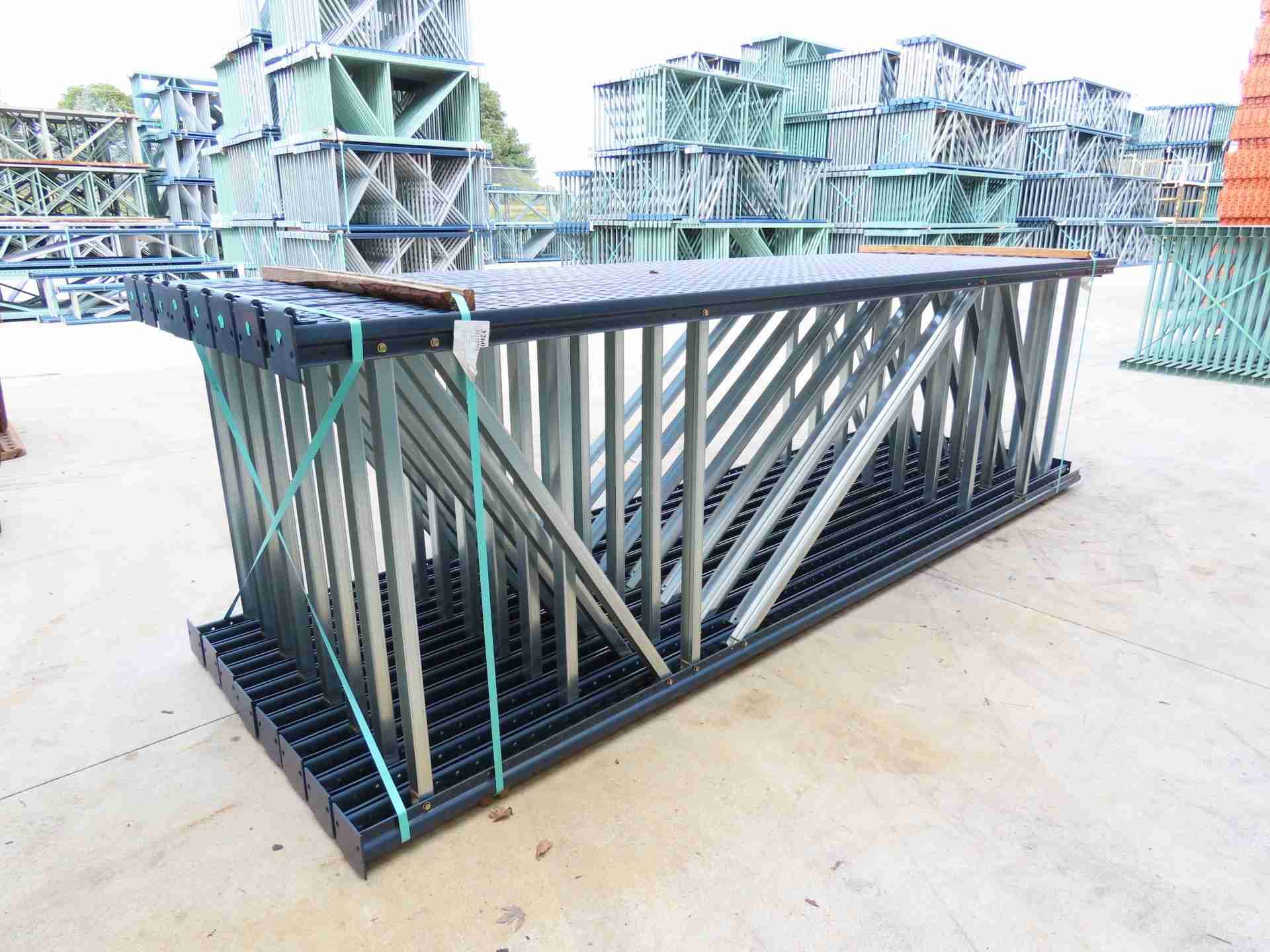
Checklist
At RackingWorld, we help guide you through selecting warehouse storage systems and racking.
Be sure to read our other related stories at RackingWorld to learn more about warehouse storage systems.
0 Comments