
Efficient Storage Solutions For Large-Scale Operations
By Tom Seest
At RackingWorld, we help guide you through selecting warehouse storage systems and racking.
Be sure to read our other related stories at RackingWorld to learn more about warehouse storage systems.
What Organizational Tips Would Martha Stewart Offer for Warehouses?
When it comes to warehouse organization, who better to draw inspiration from than Martha Stewart? Known for her unmatched prowess in tidiness and aesthetics, Martha’s principles can elevate warehouse management from chaotic to charmingly organized, ensuring your operations run smoothly and efficiently. Here are key organizational tips inspired by her methodologies that you can implement today.
1. Strategic Layout with Pallet Racking:
Martha Stewart emphasizes the importance of functionality in aesthetics. In a warehouse setting, consider utilizing pallet racking systems to maximize vertical space. This not only frees up valuable ground area but also creates an organized appearance. For instance, using selective pallet racking allows for easy access to your most frequently picked items, ensuring productivity remains high. As retailers face challenges due to supply chain disruptions in light of global events, this strategic organization can help make your warehouse more responsive and agile.
2. Labeling Mastery:
One of Martha’s key strategies is the power of labeling—an indispensable component for any warehouse. By clearly labeling racks, bins, and shelving, you reduce confusion and speed up the picking process. Use color-coded labels that match predefined categories for quick recognition. For example, during the pandemic, many companies adopted a rapid response inventory system. Applying Martha’s labeling techniques can significantly enhance your logistical efficiency, making it even easier to manage stock levels.
3. Seasonal Organization:
Much like Martha plans her events and decorations around the seasons, a warehouse should also adopt a seasonal organizational strategy. Regularly rotate inventory based on demand fluctuations. For example, if your warehouse handles holiday goods, organize those items in a more accessible manner as the season approaches. This dynamic approach can lead to increased sales opportunities right when timing is critical.
4. Cleanliness Is Key:
Martha believes in the adage that cleanliness is next to godliness, and this rings especially true in a warehouse environment. Implement regular cleaning schedules to maintain a tidy, organized workspace. A clean warehouse not only boosts employee morale—it also diminishes safety risks. Post-COVID, companies are more conscious than ever of sanitation practices. Following Martha’s lead in cleanliness can help foster trust with your employees and customers alike.
5. Embrace Technology:
Finally, in true Martha Stewart fashion, it’s vital to leverage technology for organization. Utilize warehouse management systems (WMS) that streamline processes, provide real-time visibility, and simplify inventory management. As businesses pivot to meet the demands of increased e-commerce, having a sophisticated WMS can transform your operation.
By implementing these organizational strategies that echo Martha Stewart’s timeless principles, you can create a warehouse environment that is not only functional but also reflects an aesthetic sensibility. In a world where efficiency and appearance matter more than ever, taking inspiration from Martha can lead you to a more organized and successful operation.

What Organizational Tips Would Martha Stewart Offer for Warehouses?
What Organizational Tips Would Martha Stewart Offer for Warehouses?
- Draw inspiration from Martha Stewart for effective warehouse organization.
- Utilize pallet racking systems to maximize vertical space and improve functionality.
- Implement clear, color-coded labeling on racks and bins to enhance efficiency.
- Adopt seasonal organization by rotating inventory based on demand fluctuations.
- Maintain cleanliness with regular cleaning schedules to boost morale and safety.
- Leverage technology, such as warehouse management systems, for streamlined operations.
- Combine functionality with aesthetics to create a more organized and appealing warehouse environment.
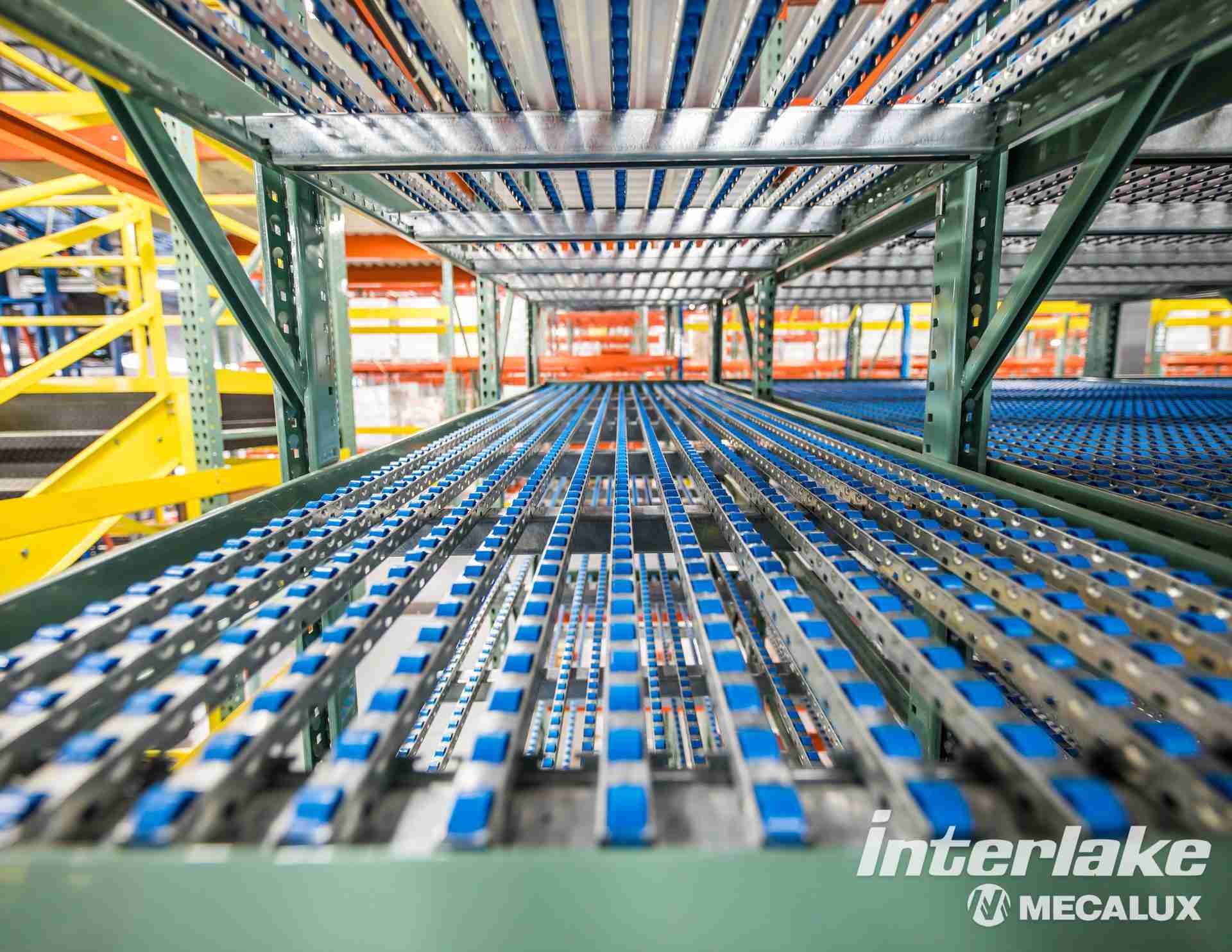
What Organizational Tips Would Martha Stewart Offer for Warehouses?
Table Of Contents
- What Organizational Tips Would Martha Stewart Offer for Warehouses?
- How Can Storage Solutions Improve Warehouse Efficiency?
- What Role Does Labeling Play In Warehouse Organization?
- How Can Inventory Management Be Optimized In A Warehouse?
- What Are The Best Practices For Organizing Warehouse Space?
- How Can Workflow Be Improved With Better Organization?
- What Innovative Storage Methods Does Martha Recommend?
- Conclusion
- Other Resources
- Glossary Of Terms
- Other Questions
- Checklist
How Can Storage Solutions Improve Warehouse Efficiency?
In the fast-paced world of e-commerce and distribution, warehouses operate under immense pressure to maximize efficiency and cut costs. One of the most impactful ways to achieve this is through the strategic implementation of advanced storage solutions. Among these, pallet racking stands out as a pivotal component that can transform an ordinary warehouse into a powerhouse of productivity.
Consider this: with the rise of online shopping and the subsequent need for rapid fulfillment, warehouse space is at a premium. Inefficient storage practices lead to wasted time, increased labor costs, and ultimately, diminished customer satisfaction. This is where pallet racking shines. Designed to optimize vertical space, pallet racking systems allow for the storage of goods at various heights, making it possible to store more items than traditional shelving units. More products equal more sales potential, and for any business, that’s a direct pathway to higher profits.
Let’s look at a real-world example. Companies like Amazon have revolutionized the supply chain landscape by employing sophisticated pallet racking systems in their fulfillment centers. These systems not only enhance storage capacity but also streamline picking processes. When everything is organized, warehouse staff can locate items quickly—reducing the time spent searching for products dramatically. For instance, Amazon’s innovative systems can cut down on picking times by up to 30%. What does that mean for your bottom line? Less time spent per order equals more orders processed and faster delivery times, leading to happier customers and increased loyalty.
Moreover, with current global supply chain disruptions, businesses are realizing that efficient warehouse management is more crucial than ever. By investing in pallet racking, companies can adapt more quickly to fluctuating inventory levels and unexpected demand surges. For instance, during recent events caused by the pandemic, retailers that had already optimized their storage solutions were far more agile in responding to increased online orders compared to those stuck with outdated systems.
Finally, it’s essential to think about the safety aspect. Modern pallet racking systems can be designed with safety features to reduce the risk of accidents, which not only protects your employees but also minimizes costly downtime.
Investing in pallet racking and other innovative storage solutions isn’t just a matter of convenience; it’s a necessity for driving warehouse efficiency in today’s competitive environment. By making this smart choice, you’re positioning your business for accelerated growth and sustainability—so why wait? Upgrade your storage solutions and watch your productivity soar.
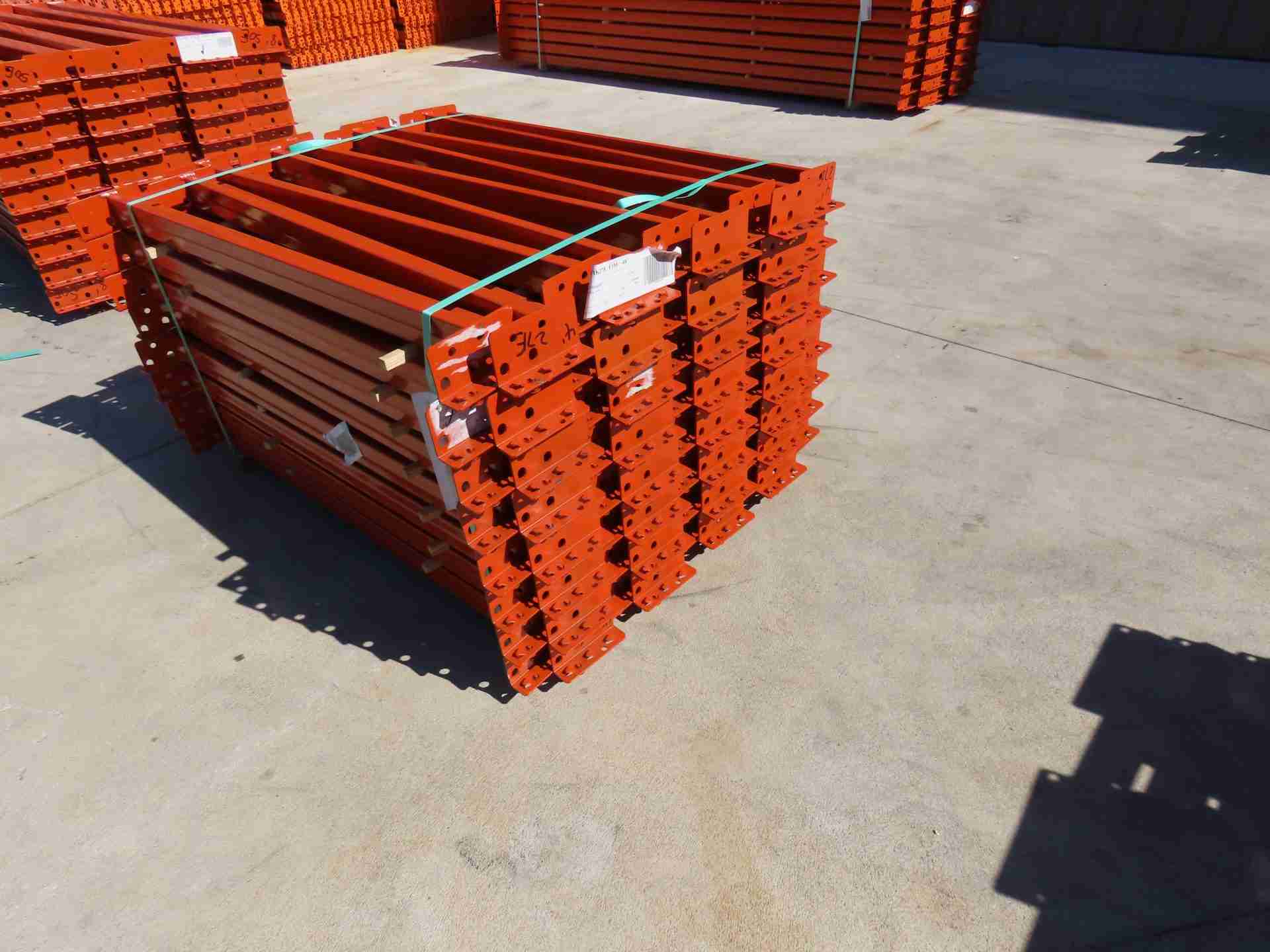
How Can Storage Solutions Improve Warehouse Efficiency?
How Can Storage Solutions Improve Warehouse Efficiency?
- E-commerce warehouses face pressure to maximize efficiency and reduce costs.
- Pallet racking is a key storage solution that improves warehouse productivity.
- Efficient use of vertical space allows for more product storage compared to traditional shelving.
- Companies like Amazon utilize advanced pallet racking systems to enhance storage capacity and streamline operations.
- Optimized systems can reduce picking times by up to 30%, resulting in faster order processing and delivery.
- Investing in pallet racking helps businesses adapt to fluctuating inventory and demand, especially during supply chain disruptions.
- Modern pallet racking includes safety features that protect employees and minimize downtime.

How Can Storage Solutions Improve Warehouse Efficiency?
What Role Does Labeling Play In Warehouse Organization?
In the bustling world of modern warehousing, efficiency is king. One of the unsung heroes of warehouse organization is labeling. Imagine navigating a vast complex filled with rows of pallet racking without a clear signpost in sight; chaos would quickly ensue. Yet, with proper labeling, warehouses can achieve an unprecedented level of organization, driving productivity like never before.
Labeling serves as the foundation of an organized warehouse. It goes beyond merely sticking a tag on a shelf. It is about creating a systematic approach that enhances both visibility and accessibility. For example, when every pallet racking unit is clearly marked with its contents, destination, and any special handling instructions, workers can drastically reduce the time spent searching for items. Consider an automotive parts warehouse; if each section of pallet racking is labeled by part number and vehicle compatibility, assemblers can pull the necessary components swiftly, preventing costly delays on production lines.
Labeling also plays a critical role in inventory management. The latest technology, such as QR codes and RFID tags, allows warehouses to implement real-time tracking systems. When paired with a thorough labeling strategy, these tools can provide instant access to inventory levels besides streamlining the restocking process. This not only minimizes the risk of stockouts but also ensures that hot-selling products are readily available when demand strikes, much like we witnessed during the lockdowns when online shopping surged.
Furthermore, labeling can enhance safety protocols within a warehouse. Clear labels can indicate hazardous materials, weight restrictions, and aisle pathways. An organized labeling system helps workers navigate the premises safely, reducing the likelihood of accidents. This is especially relevant today as many warehouses are increasing their operational footprints due to e-commerce growth. As companies scale up, they must prioritize safety and organization, making efficient labeling not just beneficial, but essential.
Labeling is not just a minor detail; it is a powerful tool that can redefine the operational landscape of a warehouse. By investing time and resources into a comprehensive labeling strategy, warehouse managers can unlock peak efficiency and safety. So, whether you’re just starting your warehouse operations or looking to improve an existing system, remember: effective labeling is your secret weapon in the race towards organizational excellence. The right approach can make all the difference on the path to maximizing productivity and responsiveness in an ever-evolving market.

What Role Does Labeling Play In Warehouse Organization?
What Role Does Labeling Play In Warehouse Organization?
- Efficiency is crucial in modern warehousing, where labeling plays a vital role.
- Proper labeling enhances organization, boosting productivity and minimizing chaos.
- Systematic labeling improves visibility and accessibility, reducing item search time.
- In inventory management, technologies like QR codes and RFID tags enable real-time tracking.
- Clear labeling enhances safety by indicating hazardous materials and navigation pathways.
- As e-commerce grows, efficient labeling becomes essential for operational scaling and safety.
- Investing in a comprehensive labeling strategy is key to maximizing efficiency and responsiveness.

What Role Does Labeling Play In Warehouse Organization?
How Can Inventory Management Be Optimized In A Warehouse?
In today’s fast-paced business environment, optimizing inventory management in a warehouse is not just a luxury; it’s an absolute necessity. Picture your warehouse as the nerve center of your operation, pulsating with activity. To maximize efficiency and profit margins, it’s essential to embrace both innovative strategies and smart technology—starting with the backbone of your storage solution: pallet racking.
Pallet racking systems, the unsung heroes of warehouse organization, can dramatically improve your inventory management. By utilizing vertical space more effectively, warehouse managers can streamline operations and enhance accessibility. For example, a company that integrated a selective pallet racking system saw a significant reduction in picking times, empowering their workforce to fulfill orders faster and increase customer satisfaction ratings.
The next step in optimization is real-time inventory tracking. Advanced warehouse management systems (WMS) can automatically update stock levels as items are received or shipped. This technology minimizes the chance of stockouts and overstock situations, which can cripple your bottom line. During recent supply chain disruptions, businesses that had invested in a robust WMS were better insulated against stock shortages, allowing them to adapt swiftly while competitors faltered.
Moreover, inventory turnover should take center stage. The key to having optimal levels of stock that satisfy demand without straining finances lies in understanding your sales patterns. Analyze historical data to identify peak seasons and adjust inventory purchases accordingly. For instance, retailers showcasing seasonal products made a pivot during the last holiday season, using predictive analytics to ensure they stocked up on best-selling items—resulting in unprecedented sales and reduced surplus after the holidays.
Another technique is employing Lean management principles. This approach encourages eliminating waste through efficient workflows and continuous improvement. A USA-based e-commerce company successfully implemented Lean strategies and reported a staggering 25% increase in overall productivity while reducing lead times. Picture what this could mean for your warehouse: less clutter, higher efficiency, and procedures that morph continuously to improve operations.
Lastly, foster a culture of training and upskilling among your warehouse staff. Employees well-versed in inventory management principles create a more resilient operation. Ongoing training not only enhances their skills but also boosts morale, encouraging them to contribute innovative solutions to potential issues.
By focusing on these key strategies—leveraging pallet racking, utilizing real-time tracking, examining turnover, embracing Lean principles, and investing in your workforce—you can transform your warehouse into a well-oiled machine. With these concrete steps, you’ll position your business for growth in today’s competitive market, ultimately driving your profits to new heights.

How Can Inventory Management Be Optimized In A Warehouse?
How Can Inventory Management Be Optimized In A Warehouse?
- Optimizing inventory management is crucial for maximizing efficiency and profit margins in warehouses.
- Pallet racking systems enhance warehouse organization by utilizing vertical space, improving accessibility, and reducing picking times.
- Real-time inventory tracking through advanced warehouse management systems (WMS) minimizes the risk of stockouts and overstock situations.
- Understanding sales patterns and analyzing historical data aid in maintaining optimal inventory levels and adjusting purchases accordingly.
- Implementing Lean management principles helps eliminate waste, improve workflows, and increase overall productivity.
- Fostering a culture of training and upskilling among warehouse staff enhances resilience and encourages innovative solutions.
- By combining these strategies, businesses can transform their warehouses and drive profits in a competitive market.
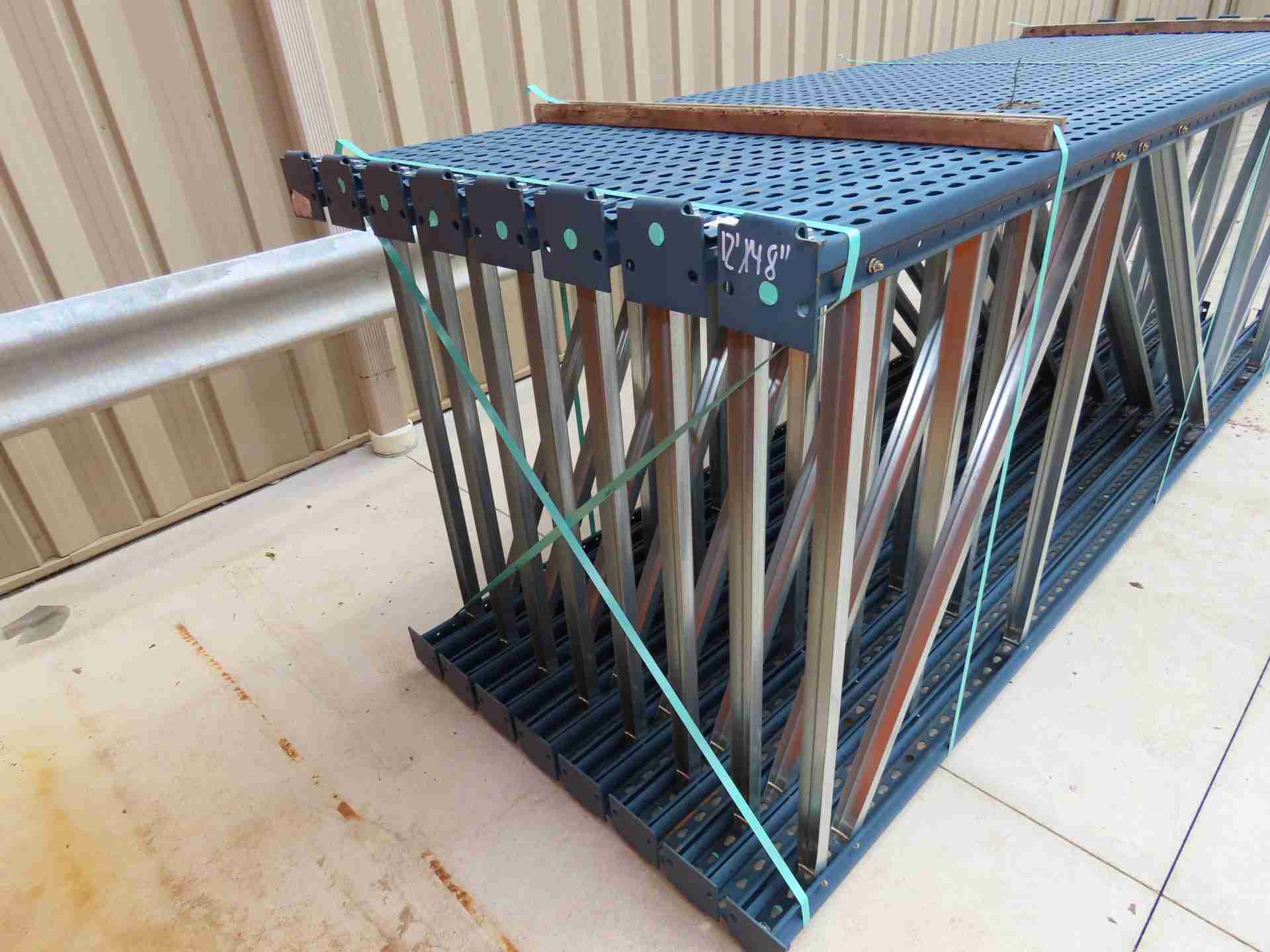
How Can Inventory Management Be Optimized In A Warehouse?
What Are The Best Practices For Organizing Warehouse Space?
In today’s fast-paced business environment, efficient warehouse organization isn’t just a luxury—it’s a necessity. With ever-increasing demands from e-commerce and global supply chains, optimizing your warehouse space can significantly impact your bottom line. Here are some essential best practices to keep your warehouse running like a well-oiled machine.
1. Adopt Pallet Racking Systems:
Pallet racking is the cornerstone of effective warehouse management. By utilizing vertical space, pallet racking helps maximize your storage capacity, driving down costs. For instance, by implementing a selective pallet racking system, you can access pallets quickly, ensuring faster order fulfillment. In the world of warehousing, time is money, and those precious seconds gained can translate into substantial savings.
2. Implement a Layout that Supports Workflow:
Design your warehouse layout with workflow in mind. Establish clear zones for receiving, storage, picking, and shipping to minimize travel time for your staff. For example, placing frequently ordered items near the shipping area can reduce the distance workers need to travel, enhancing efficiency. The recent surge in online shopping due to events like the pandemic underscores the importance of having a streamlined warehouse layout that can adapt to changing demands.
3. Regularly Audit and Analyze Storage Practices:
Continuous improvement is key to maintaining an organized warehouse. Regular audits of your storage practices can identify bottlenecks and underutilized space. Use warehouse management systems (WMS) that incorporate data analytics to monitor inventory turnover, helping you adjust your storage solutions accordingly. A well-planned audit can unveil opportunities for adjustments, like transferring items to higher racking spaces based on seasonal demand.
4. Standardize Labeling and Tracking:
Ensure that your warehouse is equipped with a standardized labeling system. By using barcode scanning technology, employees can easily track inventory levels and locations. This not only streamlines operations but also minimizes the risk of errors. An effectively labeled warehouse allows employees to find what they need without unnecessary delays, and that directly impacts the customer experience—a factor increasingly crucial in a post-pandemic world.
5. Train Staff Regularly:
Finally, no amount of organization can be effective without well-trained staff. Regular training sessions to familiarize employees with warehouse processes and new technologies will foster a culture of efficiency. Encourage feedback to continually refine practices based on frontline insights.
By incorporating these best practices in warehouse organization—especially the strategic use of pallet racking—you’ll not only improve efficiency but also enhance customer satisfaction, ensuring your business continues thriving in a competitive landscape. Remember, the way you organize your warehouse today shapes your success for tomorrow.
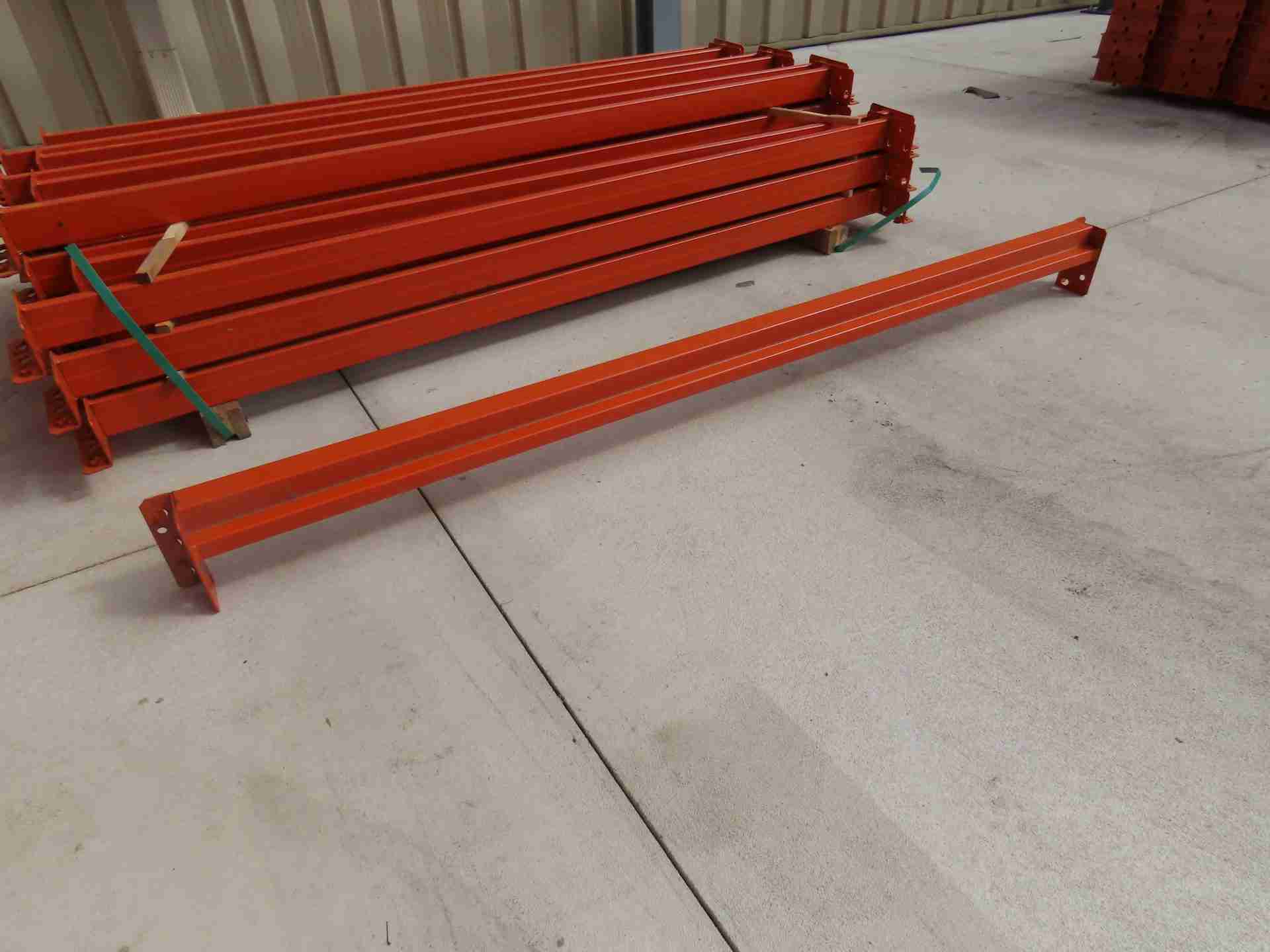
What Are The Best Practices For Organizing Warehouse Space?
What Are The Best Practices For Organizing Warehouse Space?
- Efficient warehouse organization is crucial in today’s fast-paced business environment.
- Implement pallet racking systems to maximize storage capacity and reduce costs.
- Design warehouse layout with clear zones to support workflow and minimize staff travel time.
- Conduct regular audits and analyze storage practices to identify bottlenecks and optimize space usage.
- Standardize labeling and tracking with barcode technology to streamline operations and reduce errors.
- Provide regular training for staff to enhance efficiency and adapt to new technologies.
- Incorporating these best practices improves efficiency, enhances customer satisfaction, and supports business success.
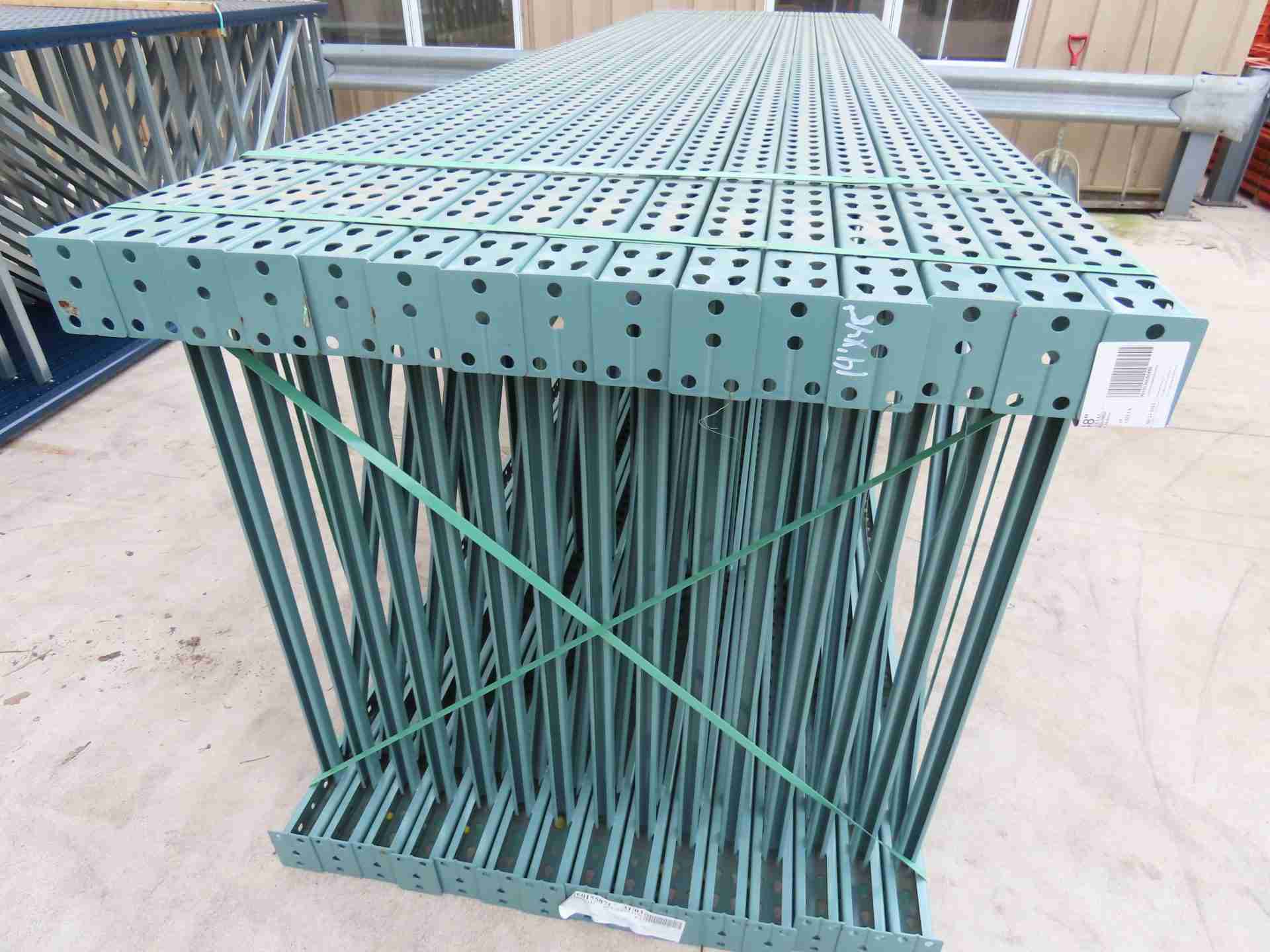
What Are The Best Practices For Organizing Warehouse Space?
How Can Workflow Be Improved With Better Organization?
In today’s fast-paced business landscape, efficiency isn’t merely an option—it’s a necessity. Organizations are constantly searching for that elusive competitive edge, and one of the most powerful methods to sharpen your edge is through enhanced workflow organization. Streamlining operations often begins with a pivotal yet overlooked aspect: physical space management. Let’s discuss how clever strategies, like effective pallet racking systems, can elevate your workflow to new heights.
Consider your warehouse or workspace. Disorganization isn’t just an eyesore—it’s a significant detractor from productivity. Inadequately arranged storage areas can lead to lost time as employees rummage through piles of materials or products. Research from industry experts indicates that well-structured environments can boost employee efficiency by up to 20%. For example, a logistics company recently reorganized its pallet racking system, upgrading to adjustable shelving that allowed for better inventory visibility. The result? They reduced the time employees spent searching for items by 40%. Imagine what that could mean for your bottom line.
This can be particularly salient regarding global supply chain disruptions that businesses have faced—think driver shortages, congestion at ports, and inventory management nightmares. A strategic overhaul of how you arrange stored items can cushion your business against this volatility. When every inch of warehouse space is utilized effectively, you can pivot quicker, fulfilling customer demands without the chaos that often ensues during high-pressure moments.
Additionally, proper organization isn’t just physically beneficial; it psychologically influences your workforce. A tidy and ordered environment promotes discipline and focus. That means fewer mistakes and less wasted time on mundane activities. Take a moment to reflect on companies that have embraced lean methods, such as Toyota with its Just-In-Time model. By prioritizing efficient storage solutions like pallet racking, they not only kept pace with demands but also created a culture that thrives on organization.
Moreover, utilizing technology with your organizational strategies can further enhance your workflow. Implementing software that tracks inventory levels in real-time complements your physical setups. Drones and robotic inventory systems are changing the game in warehouses, ensuring that every pallet racking unit is optimized for operational excellence.
To improve workflow, step back and evaluate your organizational strategies. Adopt innovative pallet racking systems, harness technology, and foster a culture that values organization. When you do, you’ll find a pathway not just to greater efficiency but to sustained growth and success in the tumultuous business world we navigate today.
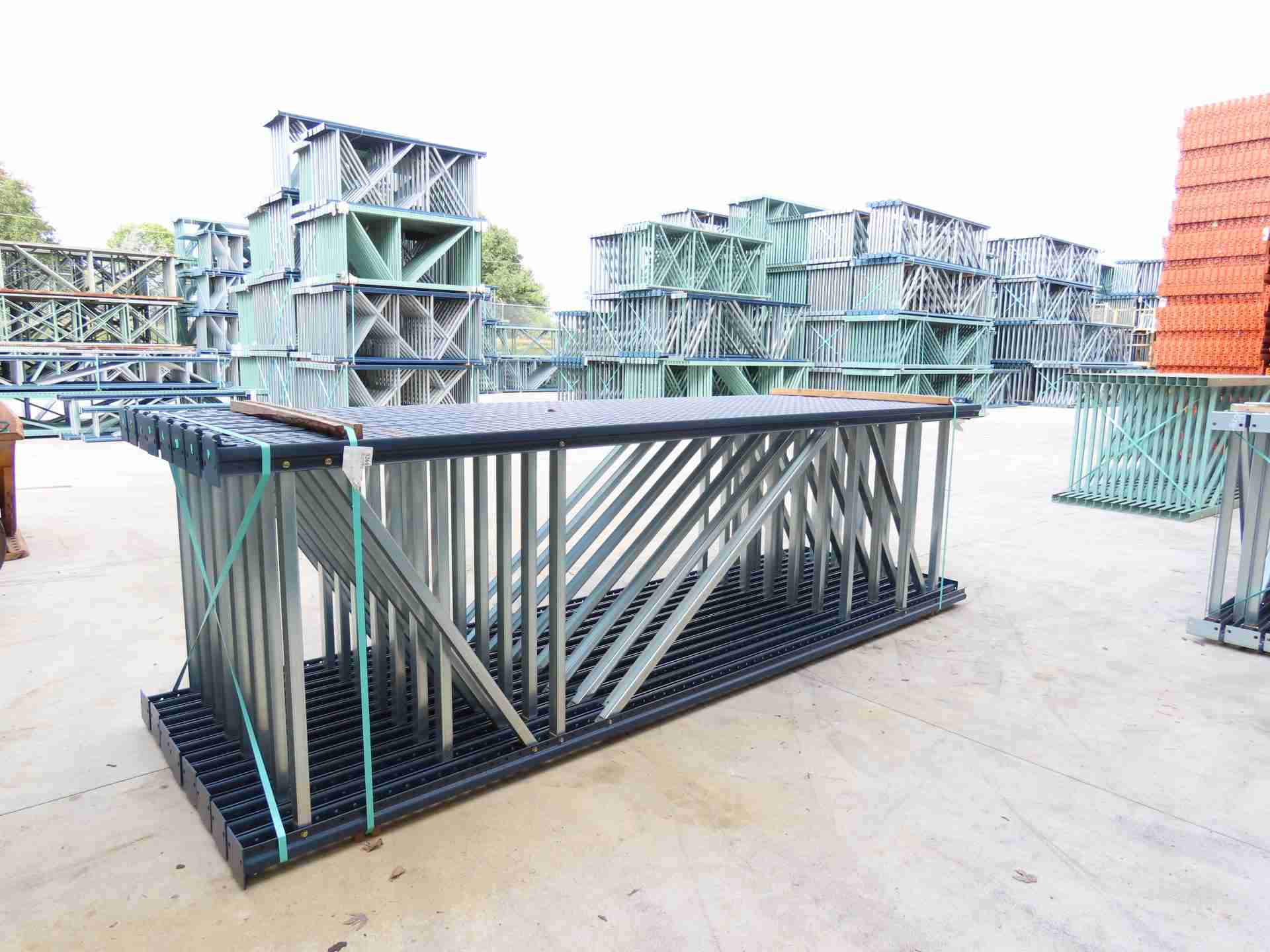
How Can Workflow Be Improved With Better Organization?
How Can Workflow Be Improved With Better Organization?
- Efficiency is essential in today’s fast-paced business environment, driving organizations to seek competitive advantages.
- Enhanced workflow organization, particularly through effective physical space management, is crucial for improving operations.
- Disorganization in storage areas hinders productivity, causing wasted time and diminishing efficiency, potentially by up to 20%.
- Reorganizing warehouse systems using adjustable pallet racking can significantly reduce item-search time, as seen in a logistics company that improved efficiency by 40%.
- Proper organization can mitigate the effects of supply chain disruptions, enabling swift fulfillment of customer demands during crises.
- A tidy workspace enhances employee focus and discipline, leading to fewer mistakes and increased productivity; companies like Toyota exemplify lean methods in practice.
- Integrating technology, such as real-time inventory tracking and automated systems, can further optimize organizational strategies and enhance overall workflow.
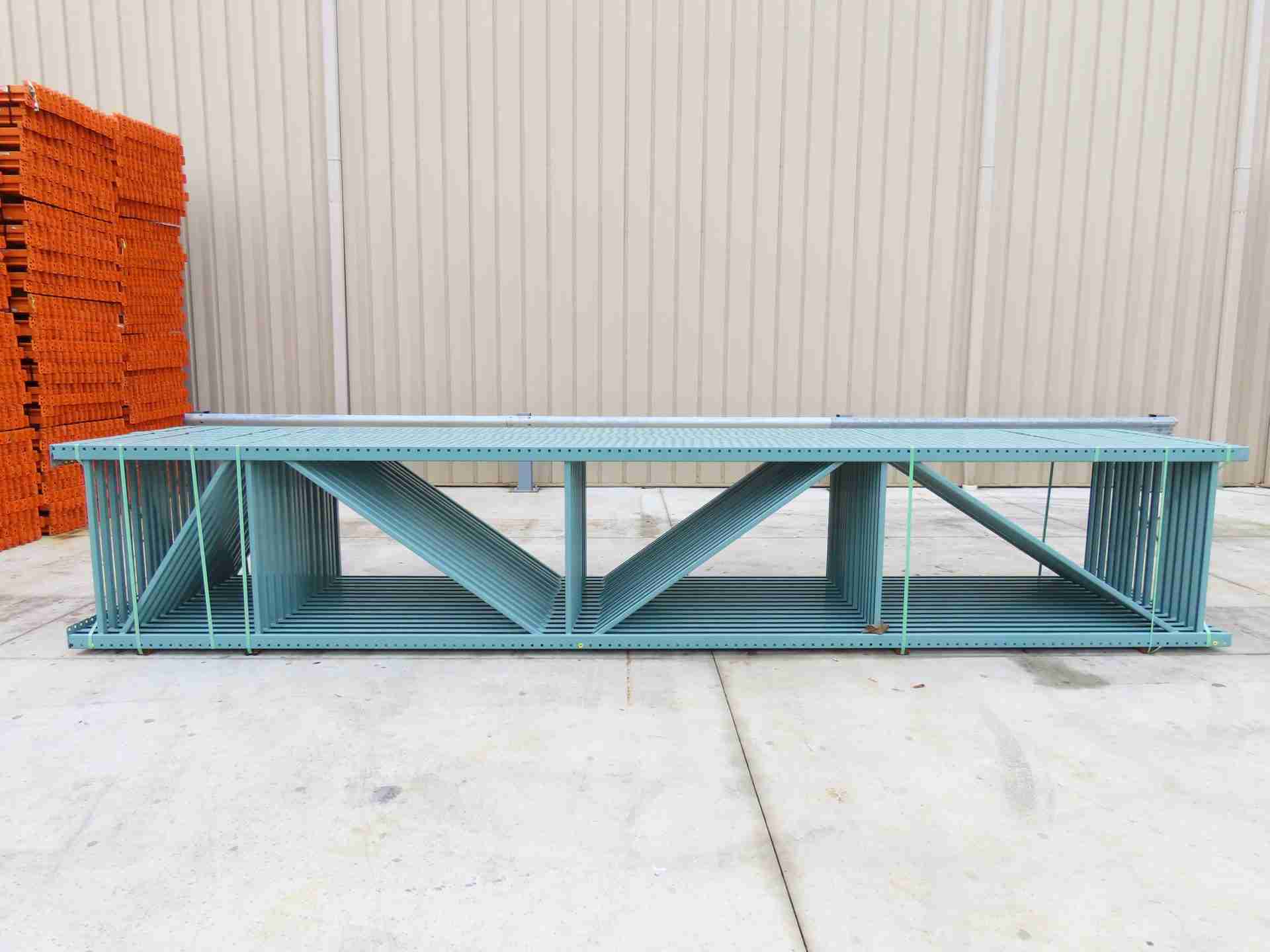
How Can Workflow Be Improved With Better Organization?
What Innovative Storage Methods Does Martha Recommend?
When it comes to optimizing your storage space and enhancing efficiency in your operations, no one does it quite like Martha. Her unique strategies won’t just create space; they’ll transform the way you manage your inventory. Let’s dive into some innovative storage methods that can make a substantial impact on your business—and ultimately on your bottom line.
One of Martha’s go-to recommendations is implementing Pallet Racking systems. These are not just any racks; they are the backbone of efficient warehouse management. By effectively utilizing vertical space, pallet racking allows businesses to store more products without expanding their footprint, which is crucial in today’s economy where real estate costs are soaring. Imagine a warehouse that traditionally housed 50 pallets now comfortably managing 100—all because of smart vertical storage solutions! This method not only maximizes storage but also streamlines the picking process, making order fulfillment faster than ever.
In conjunction with pallet racking, Martha also endorses the use of Mobile Shelving Systems. These ingenious mobile units slide on tracks, enabling you to compact storage when space is at a premium. As recent supply chain challenges have shown, flexibility is paramount—not just in your delivery methods, but in how you store and access inventory. Mobile shelving allows businesses across various sectors — from retail to manufacturing — to adapt to fluctuating inventory levels seamlessly.
Another innovation that Martha highlights is Warehouse Management Software (WMS). This isn’t just any software; it’s a powerhouse that syncs perfectly with physical storage methods, including pallet racking systems. Utilizing WMS with real-time tracking capabilities, businesses can monitor stock levels, manage reordering, and analyze inventory turnover—all from the palm of your hand. Given the rise in e-commerce and the pressing need for accuracy in fulfillment, this integrated approach ensures that your storage operations are as nimble as they are efficient.
Lastly, Martha advocates for Lean Inventory Practices. Keeping your inventory as minimal as possible allows you to maintain a clean and efficient workspace. By strategically placing high-turnover items at the most accessible points in your pallet racking setup, you can improve productivity and reduce wasted time searching for products.
In summary, reinventing your storage methods isn’t just about getting organized; it’s about positioning your business for success. By adopting Martha’s innovative strategies—including pallet racking, mobile shelving, advanced WMS, and lean inventory practices—you’ll not only stay ahead of the competition but flourish in today’s ever-changing landscape. And remember, a well-organized space reflects a well-organized mind—let Martha guide your journey to operational excellence.

What Innovative Storage Methods Does Martha Recommend?
What Innovative Storage Methods Does Martha Recommend?
- Martha offers innovative strategies for optimizing storage space and enhancing operational efficiency.
- Implementing Pallet Racking systems maximizes vertical space, allowing businesses to store more products without expanding their footprint.
- Pallet racking helps streamline the picking process, speeding up order fulfillment and improving warehouse management.
- Mobile Shelving Systems provide flexible storage solutions that adapt to changing inventory levels, crucial amidst recent supply chain challenges.
- Warehouse Management Software (WMS) integrates with physical storage methods, enabling real-time tracking and inventory management.
- Lean Inventory Practices focus on minimizing inventory to maintain a clean workspace and improve productivity.
- Adopting these strategies positions businesses for success and operational excellence in a competitive landscape.

What Innovative Storage Methods Does Martha Recommend?
Conclusion
In the demanding landscape of modern warehousing, every operation must strike a balance between efficiency and effectiveness, and who better to draw inspiration from than Martha Stewart? By harnessing her organizational wisdom, you can revolutionize not only your storage capacity but also the operational success of your warehouse. As we have seen, implementing strategic layouts through pallet racking systems maximizes valuable vertical space, shaping a streamlined and organized environment that directly boosts productivity.
Labeling emerges as another cornerstone of efficient warehouse management. By adopting Martha’s techniques for clear, systematic labeling, you can minimize confusion, expedite the picking process, and significantly enhance logistical operations. This clarity is crucial, particularly in our rapidly evolving e-commerce landscape where adaptability and speed are paramount.
Moreover, embracing seasonal organization allows businesses to pivot swiftly to meet fluctuating demand, ensuring your warehouse remains agile and responsive. Regular audits of storage practices, along with innovative inventory management solutions, empower organizations to fine-tune processes continually, creating a truly efficient, adaptable workspace that aligns with market needs.
As the emphasis on cleanliness and safety grows, implementing a routine cleaning schedule ensures your employees not only feel safe but also motivated, fostering an environment where productivity flourishes. And we cannot overlook the transformative power of technology. By integrating sophisticated warehouse management systems, you can gain real-time visibility into inventory levels, making informed decisions that drive operational excellence.
At Arrow Industrial Sales, we understand that optimizing your warehouse isn’t just about aesthetics; it’s a strategic approach to ensuring sustained growth. As a trusted partner in providing state-of-the-art storage solutions, we invite you to explore how our innovative pallet racking systems and advanced organizational strategies can elevate your warehouse operations.
Don’t let timeliness slip through your fingers—clients seeking superior efficiency will be looking for partners who can rise to the occasion. Call Arrow Industrial Sales today at (574) 349-6575 to take the first step toward revamping your warehousing operations. With urgency and intention, let’s transform your space into a streamlined powerhouse of productivity. Your journey to organizational excellence begins now!

Conclusion
Conclusion:
- Modern warehousing requires a balance between efficiency and effectiveness.
- Inspiration from Martha Stewart’s organizational methods can enhance storage and operational success.
- Pallet racking systems optimize vertical space, improving productivity.
- Clear, systematic labeling reduces confusion and accelerates the picking process.
- Seasonal organization allows quick adaptation to fluctuating demands.
- Regular storage audits and inventory management improve workspace efficiency.
- Integrating technology aids in real-time inventory visibility, enhancing decision-making.
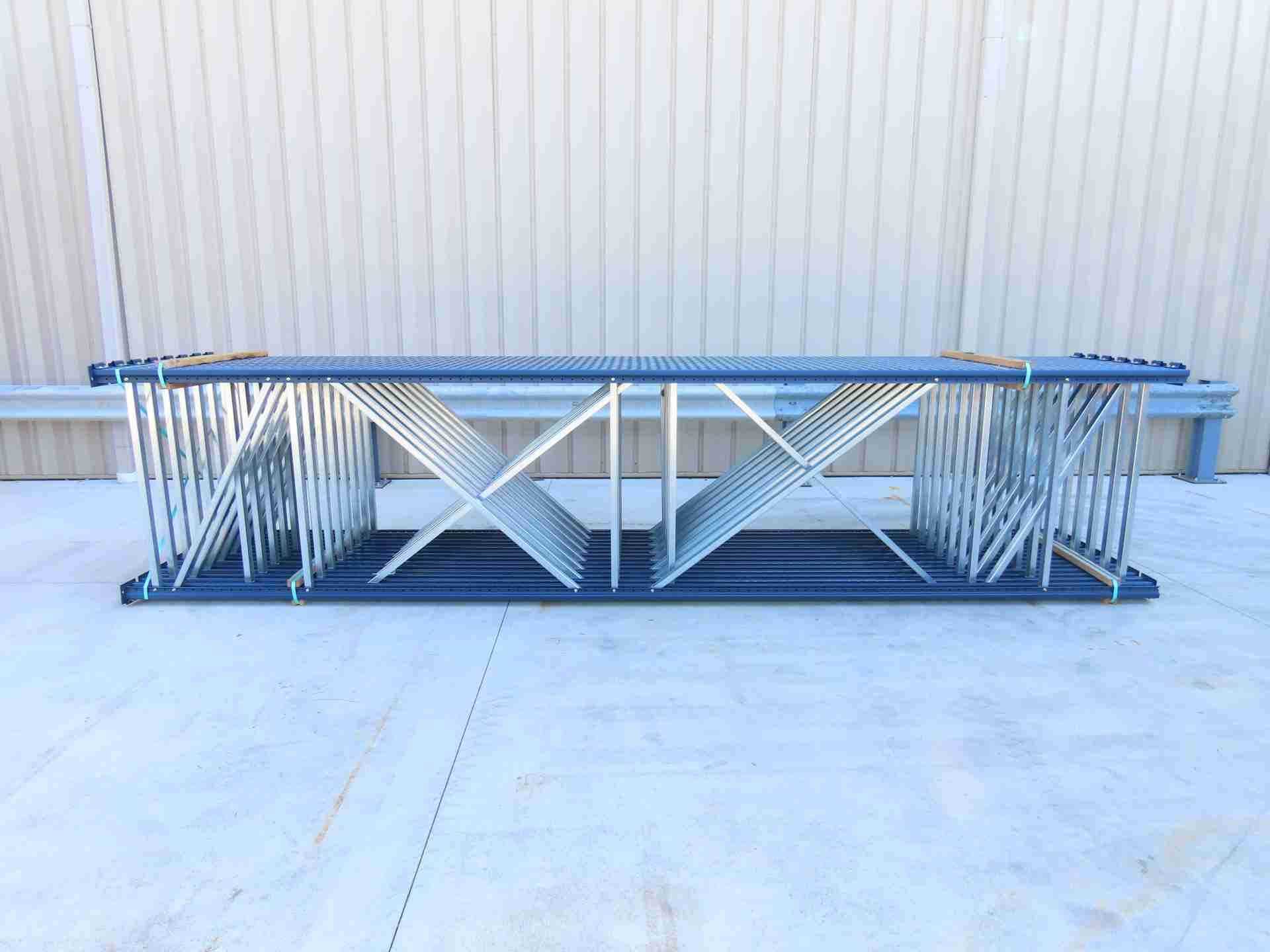
Conclusion
Other Resources

Other Resources
Here is a list of other resources you can review online to learn more:
- New Cantilever Racks and Racking Kits
- Pallet Racking systems in Illinois, Great Lakes
- Chicago Pallet Racking
- Bradford Systems
- Selective Pallet Racking Systems – Container Systems
- Intro to Warehouse Racks & Warehouse Racking Systems – ShipBob
- Cantilever Racking Specialists – Get the Right Racks
- Pallet Racking 101: A Comprehensive Guide & Options Explained
- IIWS Inc. Rack Installation Illinois & Rack Repairs Illinois
- Selective Racking
Use This Prompt To Get More Resources With Your Favorite Online AI Tool: Please provide me with a list of online articles with their URLs in a bulleted list that I can read regarding What Organizational Tips Would Martha Stewart Offer for Warehouses?
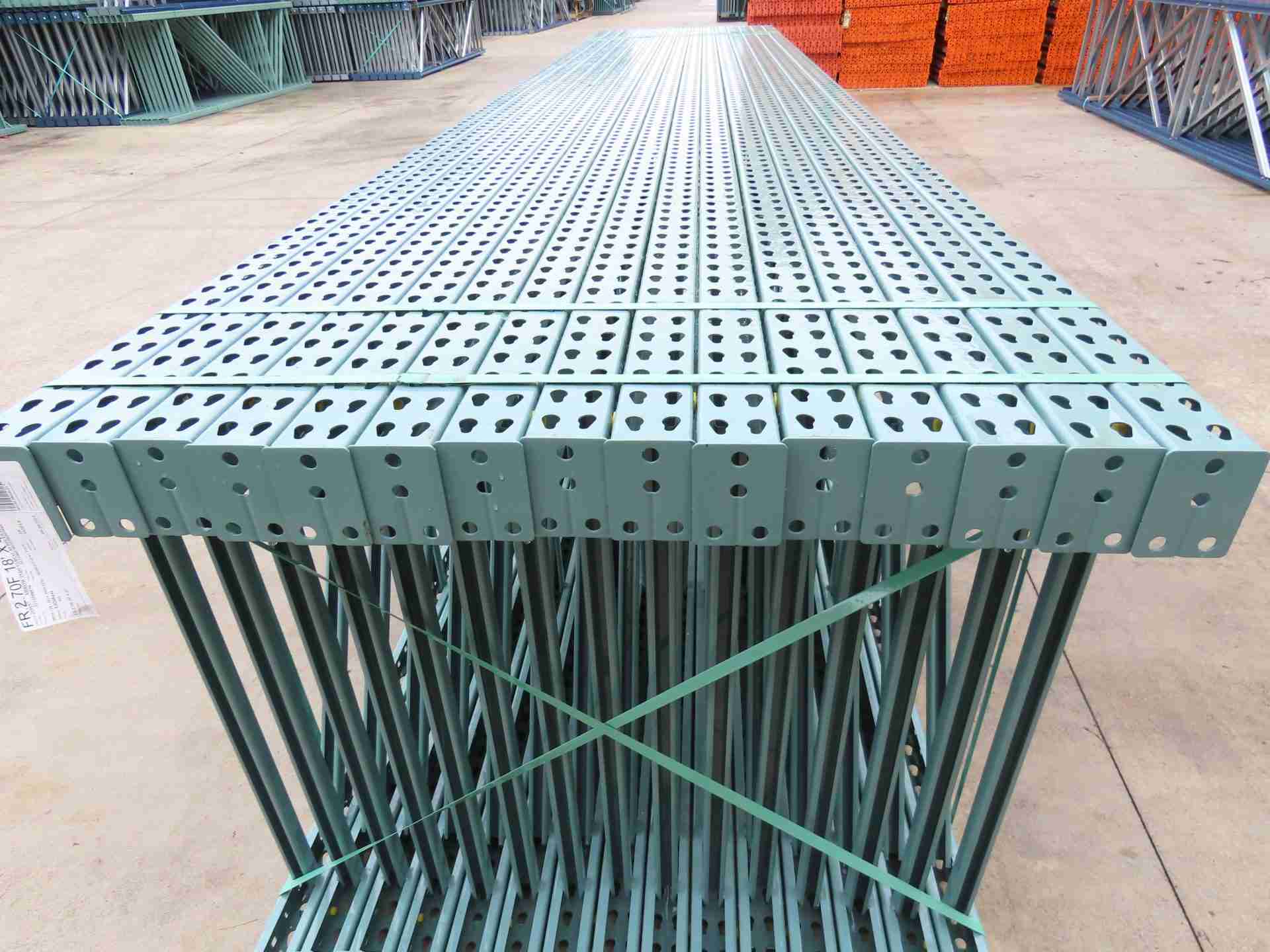
Other Resources
Glossary Terms
What Organizational Tips Would Martha Stewart Offer for Warehouses? – Glossary Of Terms
1. Aisle: A designated pathway between shelving units that allows for easy access and navigation throughout the warehouse.
2. Inventory Management: The process of tracking and controlling stock levels, organizing products, and ensuring timely restocking.
3. FIFO (First In, First Out): An inventory management principle that promotes using older stock before newer stock to minimize waste and ensure freshness.
4. Labeling: Clearly marking storage locations and products to facilitate quick identification, retrieval, and restocking.
5. Shelving Units: Sturdy structures used to store goods vertically, maximizing space and helping to keep items organized.
6. Bins: Containers used for sorting and storing smaller items, making them easy to locate and access.
7. Flow: The movement of goods through the warehouse, which should be organized for efficiency and reduced handling time.
8. Cross-Docking: A logistics strategy where incoming goods are directly transferred to outbound transportation with minimal storage time.
9. Accessibility: The ease with which products can be reached and retrieved, crucial for maintaining efficiency in warehouse operations.
10. Zoning: The practice of dividing the warehouse into sections based on product categories or frequency of use for smarter organization.
11. Safety Protocols: Guidelines for maintaining a safe working environment, including proper equipment use and workspace organization.
12. Cleaning Schedule: A regular timetable for maintaining cleanliness to prevent hazards and ensure a professional appearance.
13. Technology Integration: The use of software and tools to streamline inventory tracking, order processing, and warehouse management.
14. Receiving Area: A designated space for handling incoming shipments, inspecting goods, and managing returns effectively.
15. Packing Station: An area equipped for packaging orders efficiently, ensuring items are prepared for shipment properly.
16. Quality Control: Procedures to ensure that all items meet established standards before they are stored or shipped out.
17. Periodic Audits: Regular checks to assess inventory accuracy, ensuring the physical count matches record counts.
18. Decluttering: The process of removing unnecessary or outdated items to enhance organization and make room for new inventory.
19. Standard Operating Procedures (SOP): Detailed instructions that outline consistent methods for various warehouse tasks, improving efficiency.
20. Training Programs: Educational initiatives aimed at instructing warehouse staff on best practices and safety measures.
21. Ergonomics: Designing workspaces that reduce strain and improve comfort for employees, enhancing productivity.
22. Order Picking: The process of selecting and preparing items for shipment based on customer orders, often optimized for speed and efficiency.
23. Stock Rotation: The practice of organizing inventory to ensure older items are used or sold before newer stock.
24. Delivery System: A structured method for managing outgoing shipments to ensure timely and accurate deliveries.
25. Space Utilization: Efficiently using available warehouse space to maximize storage without overcrowding or causing confusion.
26. Visual Management: Implementing visual cues like signs and color coding to facilitate quicker decision-making and orientation within the warehouse.
27. Waste Reduction: Strategies aimed at minimizing material waste and improving resource efficiency in warehouse operations.
28. Backup Supplies: Keeping extra stock of essential items to prevent disruptions in operations due to low inventory.
29. Team Collaboration: Encouraging communication and cooperation among employees to enhance productivity and streamline processes.
30. Continuous Improvement: The ongoing effort to enhance warehouse practices, systems, and methodologies for better efficiency and effectiveness.
These terms and descriptions embody organizational strategies that can make a warehouse efficient, safe, and effective, reflecting the principles Martha Stewart advocates in her approach to organization and design.
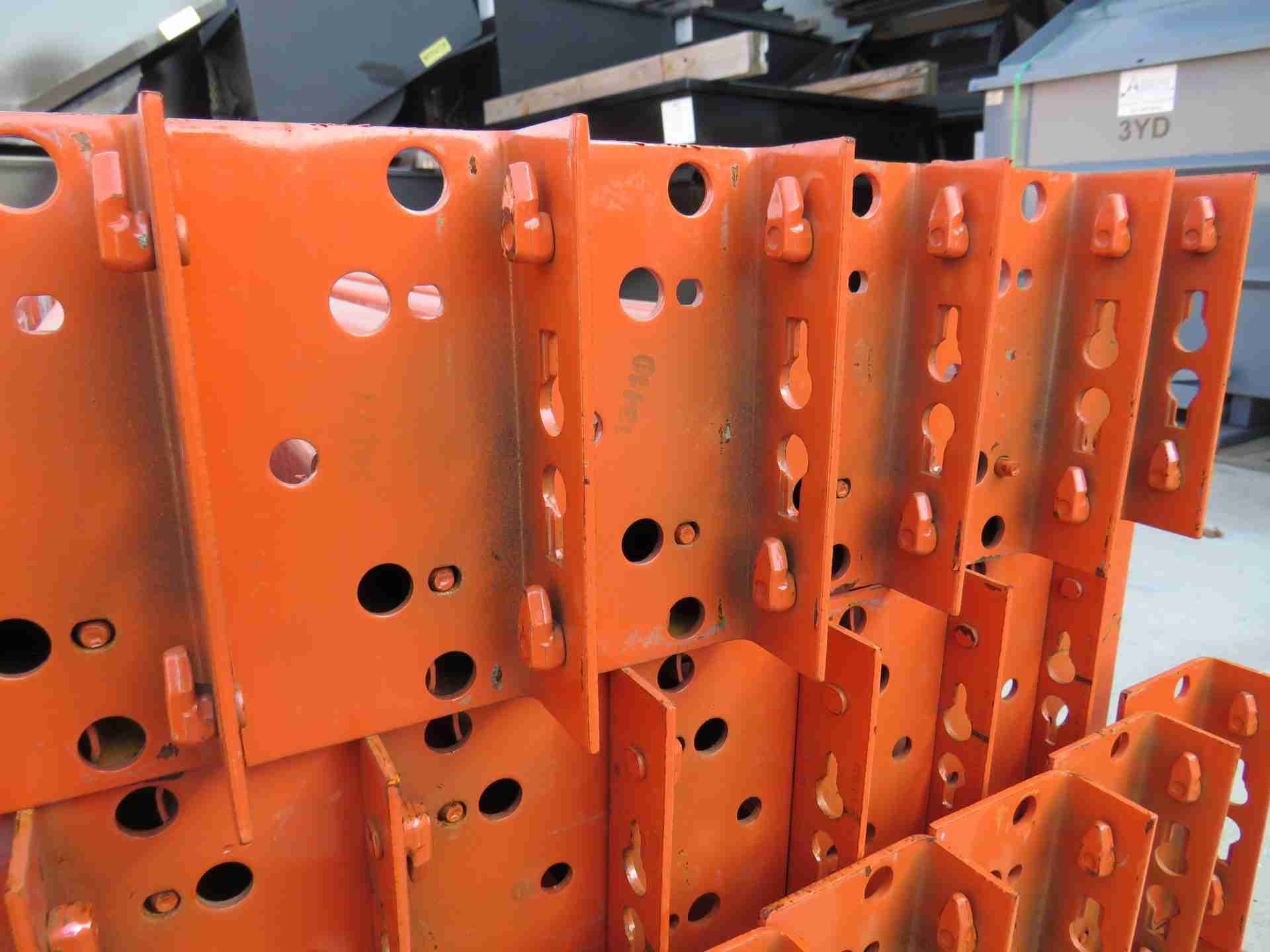
Glossary Of Terms
Other Questions
What Organizational Tips Would Martha Stewart Offer for Warehouses? – Other Questions
If you wish to explore and discover more, consider looking for answers to these questions:
- What are the key benefits of pallet racking systems in warehouse organization?
- How can seasonal inventory trends influence warehouse organization?
- What safety protocols should be implemented alongside warehouse organization strategies?
- How can technology further enhance warehouse efficiency?
- What are the common pitfalls in warehouse organization to avoid?
- How can employee training improve warehouse efficiency and safety?
- What types of labeling systems are most effective in warehouses?
- How can businesses measure the effectiveness of their warehouse organization strategies?
- What trends are emerging in warehouse organization and management?
- How can workflow impact overall warehouse productivity?
- What role does inventory turnover play in warehouse organization?
- How often should warehouses reassess their organization methods?
- What are some cost-effective ways to implement organizational changes in a warehouse?
Other Questions
Checklist
What Organizational Tips Would Martha Stewart Offer for Warehouses? – A Checklist
Strategic Layout
_____ Implement pallet racking systems to maximize vertical space.
_____ Design warehouse layout with workflow in mind (zones for receiving, storage, picking, and shipping).
_____ Consider using selective pallet racking for frequently picked items.
Labeling Mastery
_____ Create a comprehensive labeling strategy for racks, bins, and shelving.
_____ Utilize color-coded labels that match predefined categories for quick recognition.
_____ Implement modern technology (QR codes, RFID tags) for real-time inventory tracking.
Seasonal Organization
_____ Regularly rotate inventory based on demand fluctuations.
_____ Organize seasonal items for easy accessibility as relevant time periods approach.
Cleanliness and Maintenance
_____ Establish and follow regular cleaning schedules.
_____ Ensure that the warehouse is kept tidy to boost employee morale and safety.
Embrace Technology
_____ Invest in warehouse management systems (WMS) to streamline processes.
_____ Utilize technology for real-time tracking and inventory management.
_____ Explore automated systems, such as drones or robotics for inventory management.
Training and Workforce Development
_____ Provide regular training sessions for employees on organization practices and new technologies.
_____ Encourage employee feedback to refine processes and improve efficiency.
Best Practices for Organizing Space
_____ Audit storage practices regularly to identify bottlenecks and underutilization.
_____ Standardize labeling systems and processes.
_____ Apply Lean management principles to eliminate waste and enhance efficiency.
Innovative Storage Methods
_____ Implement mobile shelving systems for adaptable storage solutions.
_____ Optimize inventory levels to maintain minimal stock while ensuring availability.
Continuous Improvement
_____ Analyze historical data to adjust inventory purchases based on sales trends.
_____ Foster a culture of continuous improvement within the organization.
By incorporating these organizational strategies inspired by Martha Stewart, you can enhance efficiency, improve workflow, and create a well-organized warehouse environment.

Checklist
At RackingWorld, we help guide you through selecting warehouse storage systems and racking.
Be sure to read our other related stories at RackingWorld to learn more about warehouse storage systems.
0 Comments