
Optimizing Warehouse Shelving For Efficiency
By Tom Seest
At RackingWorld, we help guide you through selecting warehouse storage systems and racking.
Be sure to read our other related stories at RackingWorld to learn more about warehouse storage systems.
What Factors Should You Consider for Warehouse Shelving Design?
When it comes to maximizing efficiency and productivity in your warehouse, the design of your shelving plays a crucial role. A well-thought-out shelving strategy can mean the difference between a streamlined operation and a chaotic mess. So, what factors should you consider for optimal warehouse shelving design? Let’s dive in.
1. Storage Needs: The first step is understanding your specific storage requirements. Will you be using standard boxes, pallets, or specialized equipment? This is where pallet racking comes into the mix. If you frequently handle bulk goods, choose heavy-duty pallet racking systems that can accommodate the weight and dimensions of your inventory. For example, the recent surge in e-commerce has prompted many businesses to adapt by utilizing wider aisles and more versatile pallet racking solutions, enhancing both accessibility and space utilization.
2. Layout Configuration: Your warehouse layout is paramount. Think in terms of flow—how products enter and exit the space. Utilize different shelving styles based on the flow of goods. For instance, if your operation sees a high volume of incoming and outgoing items, consider deploying a first-in-first-out (FIFO) system. This ensures that older stock is used before newer deliveries, minimizing waste.
3. Accessibility: The ease of access to your products can significantly impact your operational time. High shelves may require forklifts, while low shelving allows for manual retrieval. A hybrid approach often works best, implementing pallet racking, which supports both heavy loads and easy reachability. Design your aisles to facilitate smooth traffic—creating wider lanes where necessary, especially in light of new safety regulations following events like the COVID-19 pandemic, where accessibility has been prioritized.
4. Safety Standards: Speaking of safety, your shelving design must comply with industry regulations. This ensures not only the protection of your product but also the safety of your employees. Invest in sturdy shelving systems and consider regular safety audits to spot potential hazards beforehand. Incorporating safety signage and training employees on best practices can further mitigate risks.
5. Growth Potential: Lastly, consider your future needs. A system that meets current demands may quickly become inadequate if your business experiences growth—especially amidst today’s fast-changing market trends. Opt for modular shelving solutions that can be easily expanded or reconfigured as your inventory requirements evolve.
In a world where efficiency is king, paying careful attention to these factors in your warehouse shelving design can yield remarkable results. By aligning storage practices with current operational demands, you can transform your warehouse into a powerhouse of productivity!
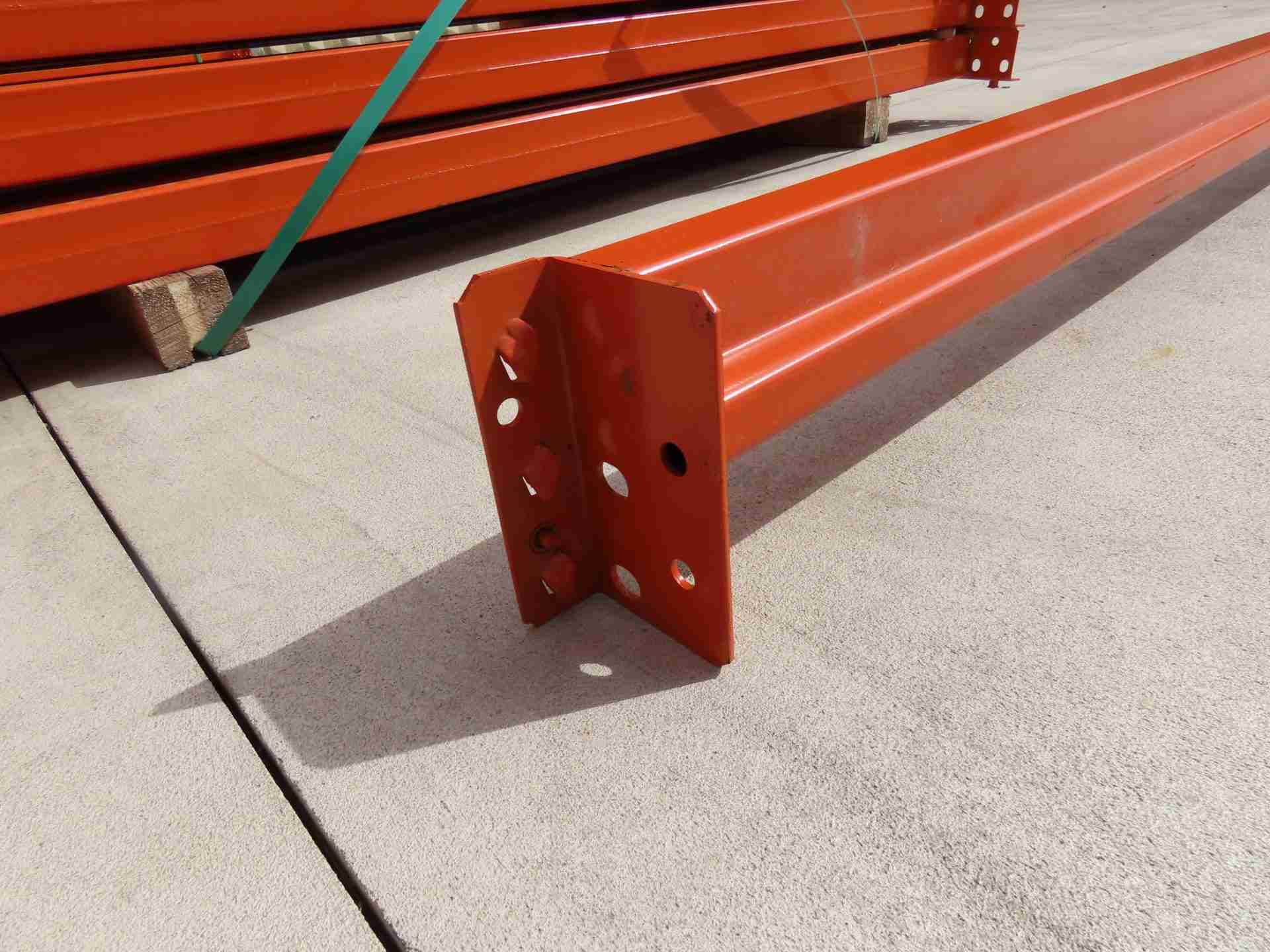
What Factors Should You Consider for Warehouse Shelving Design?
What Factors Should You Consider for Warehouse Shelving Design?
- Storage Needs: Understand specific storage requirements; choose appropriate racking systems based on product type and weight.
- Layout Configuration: Design warehouse layout for flow of goods; consider FIFO systems for high incoming/outgoing volumes.
- Accessibility: Ensure ease of access to products; implement a hybrid approach with pallet racking and wider aisles for better traffic flow.
- Safety Standards: Comply with industry regulations to protect products and employees; conduct regular safety audits and training.
- Growth Potential: Plan for future needs; opt for modular shelving that can be expanded or reconfigured as inventory changes.
- Efficiency: A well-designed shelving system can enhance organizational productivity and reduce chaos in the warehouse.
- Alignment: Align storage practices with operational demands for optimal performance in a fast-paced market.
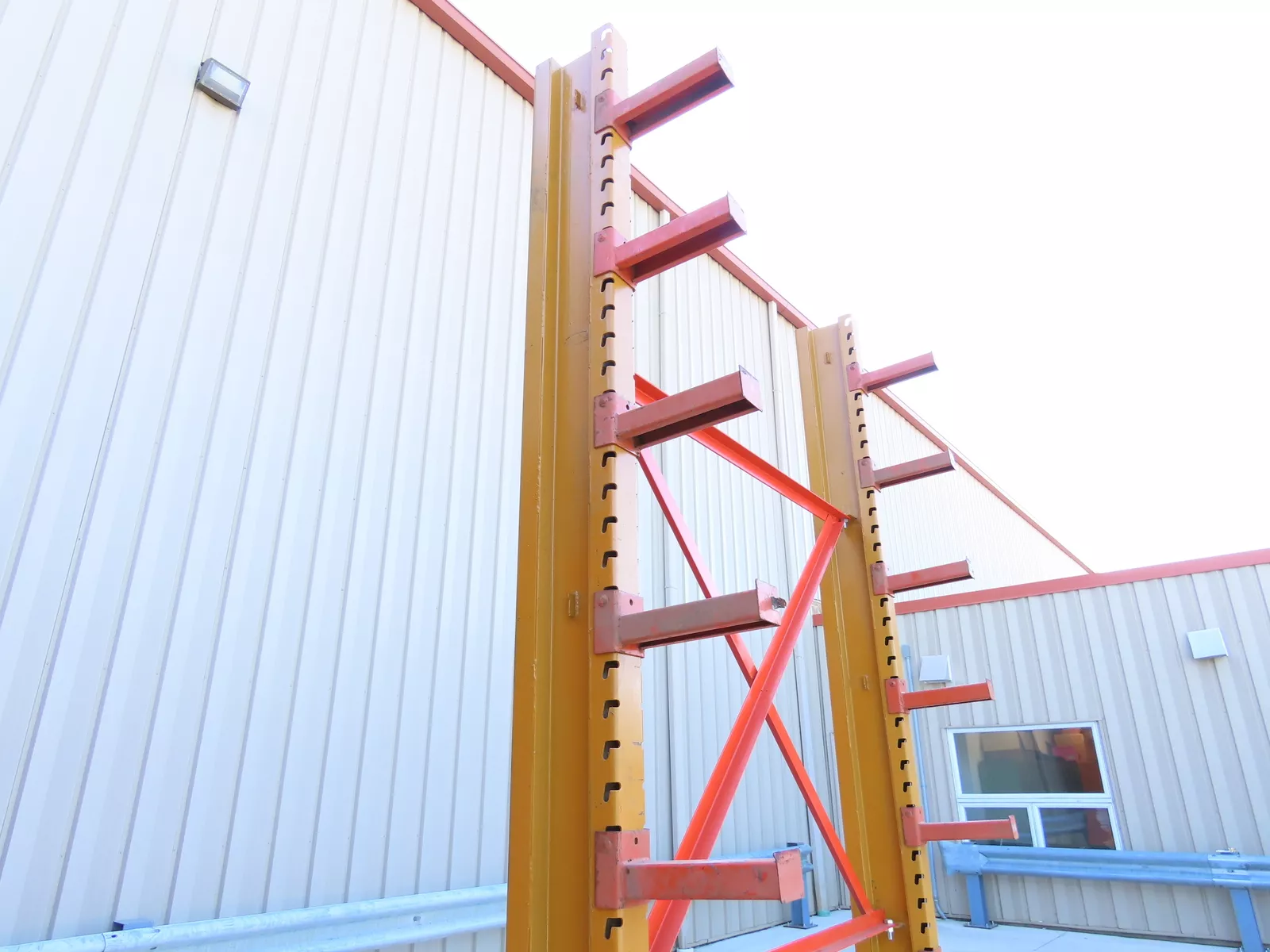
What Factors Should You Consider for Warehouse Shelving Design?
Table Of Contents
- What Factors Should You Consider for Warehouse Shelving Design?
- What Are The Basic Types Of Warehouse Shelving Systems Available?
- How Do I Determine The Weight Capacity For Each Shelving Unit?
- What Dimensions Should I Consider For Optimal Shelving Layout?
- How Can I Maximize Vertical Space In My Warehouse?
- What Are The Safety Regulations For Warehouse Shelving Design?
- How Do I Assess The Flow Of Goods In My Shelving Design?
- Conclusion
- Other Resources
- Glossary Of Terms
- Other Questions
- Checklist
What Are The Basic Types Of Warehouse Shelving Systems Available?
In the booming world of eCommerce and logistics, understanding the various types of warehouse shelving systems is crucial for optimizing space and maximizing efficiency. Whether you’re managing a small retail operation or a massive distribution center, choosing the right shelving can dramatically improve your productivity. Here are the basic types of warehouse shelving systems available, tailored to meet diverse needs.
Pallet Racking: The Cornerstone of Storage Solutions
One of the most popular types of shelving in modern warehouses is pallet racking. This industrial-grade storage system allows you to stock and retrieve goods quickly and efficiently. With vertical space being a premium in any warehouse, pallet racking systems extend upwards, using a structure of beams and frames to create a series of vertical and horizontal levels—ideal for businesses with a high volume of goods. An example of successful implementation is Amazon’s massive network of fulfillment centers, which rely heavily on pallet racking to station thousands of packages for rapid distribution.
Cantilever Racks: Perfect for Long Items
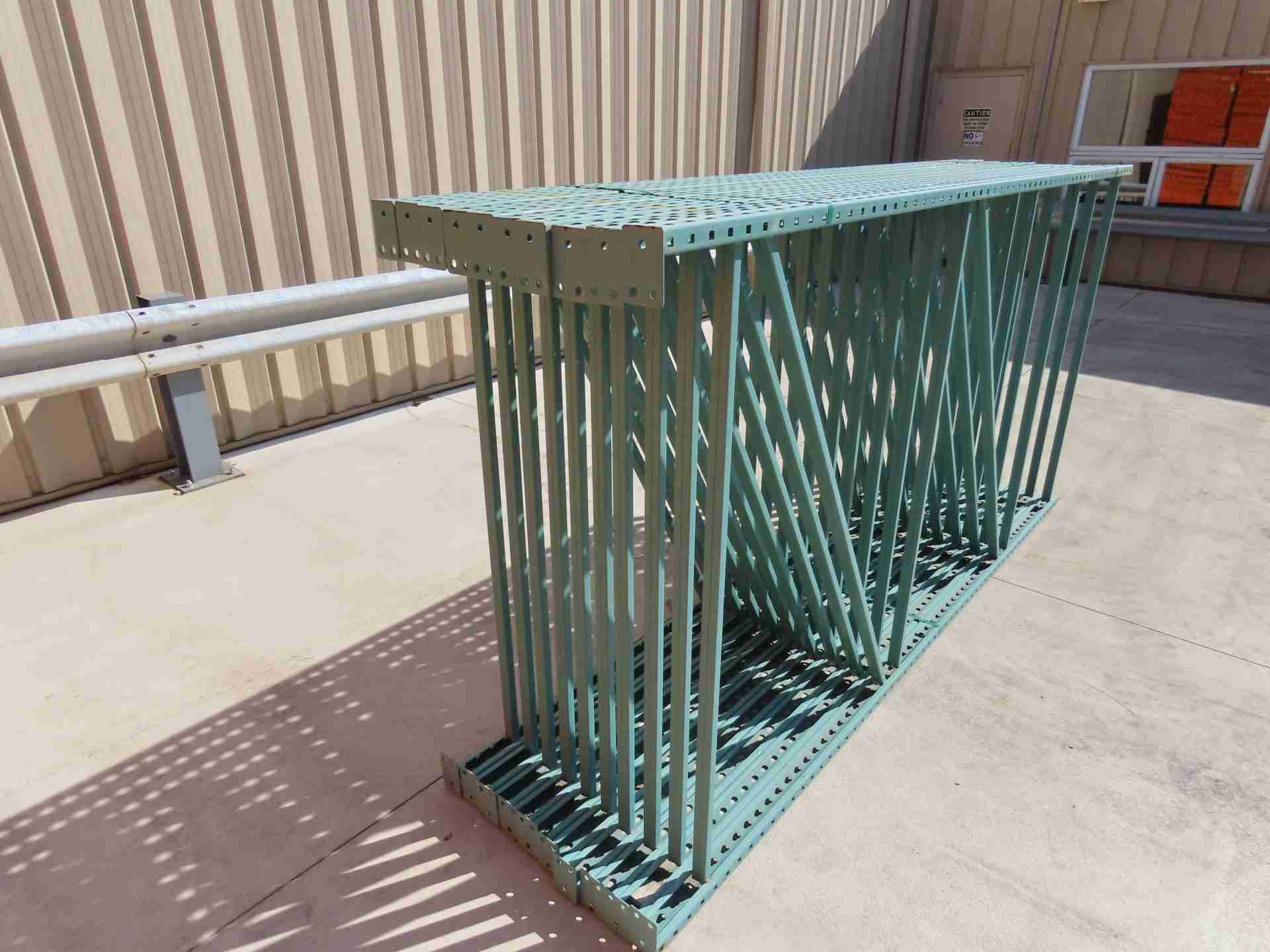
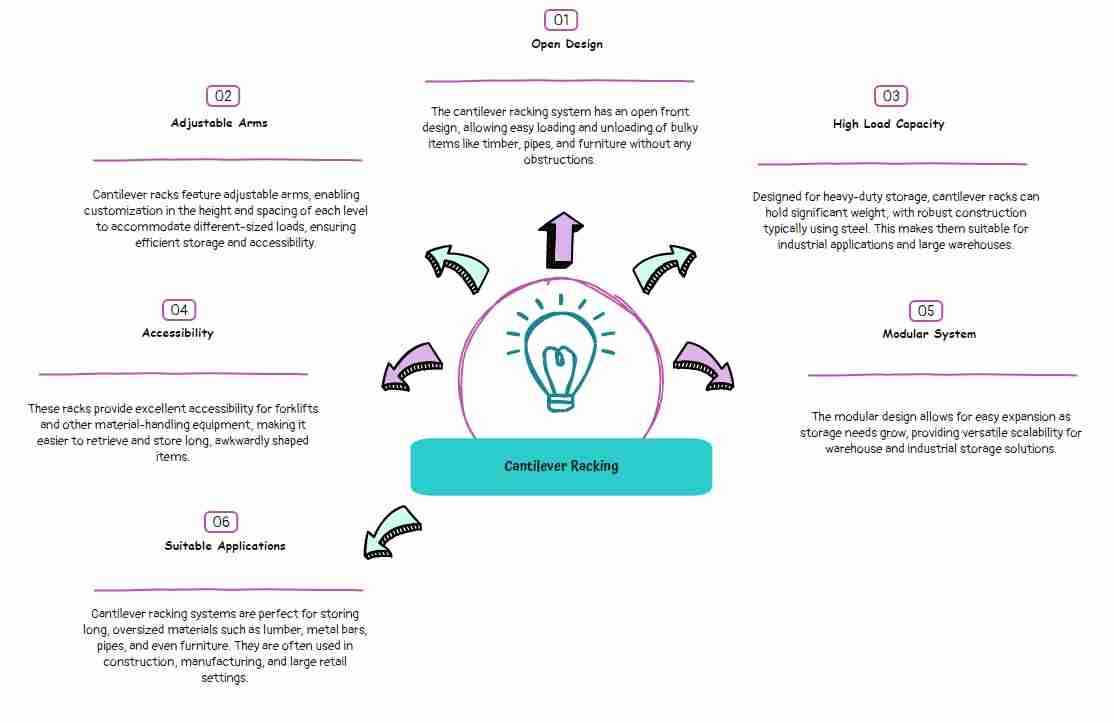
For businesses that deal with long and bulky items, cantilever racks are a must-have. These racks feature arms extending from a central column, enabling you to store items like timber, pipes, or furniture. The open design means that accessing inventory is simpler, making it perfect for hardware stores or manufacturing facilities needing easy access to oversized products.
Shelving Units: Versatile and Compact
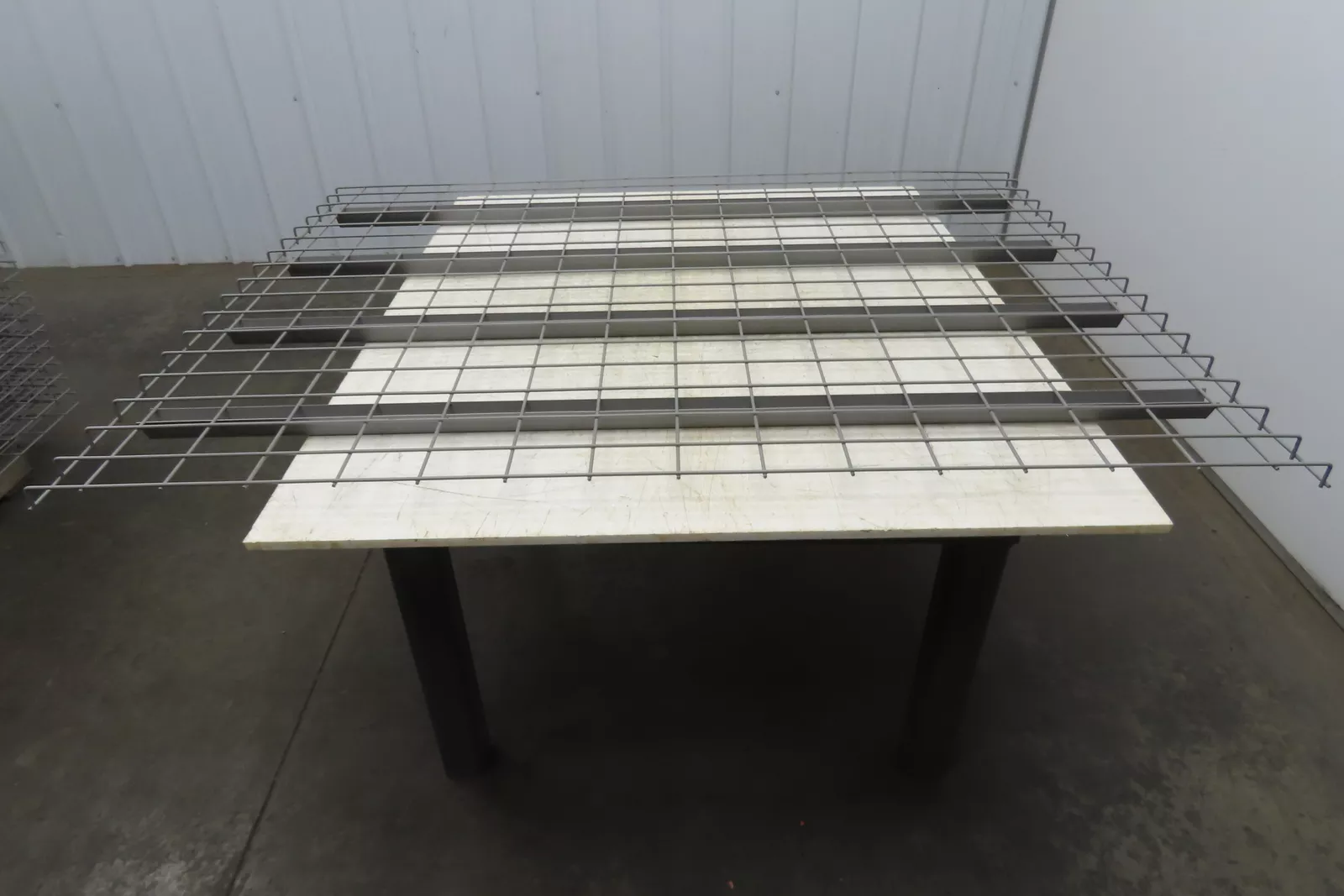
If you’re confined by space but need maximum organization, shelving units could be your best bet. These systems come in various sizes and configurations, from wire shelving for light storage to heavy-duty metal shelving for more robust applications. Retail environments frequently use shelving units to display products aesthetically while ensuring they remain accessible. Take the recent success of small local retailers enhancing their online platforms with coordinated, organized shelving—it’s a game-changer!
Drive-In Racks: Optimizing Space Utilization
For high-density storage needs, drive-in racks can take your warehouse to the next level. These systems allow forklifts to drive into the rack structure, which is typically designed for first-in-last-out (FILO) inventory management. As we’ve seen in current supply chain discussions highlighted by global logistics experts, employing drive-in racks can dramatically reduce the amount of floor space used while increasing storage capacity.
Conclusion: Choose Wisely!
Choosing the right type of shelving system for your warehouse may seem daunting, but knowing your options empowers you to make informed decisions. With the right strategy in place, your warehouse could become a beacon of efficiency, propelling your business to new heights. Regardless of the industry challenges we face today, investing in the right shelving solutions is key to thriving in tomorrow’s fast-paced marketplace.
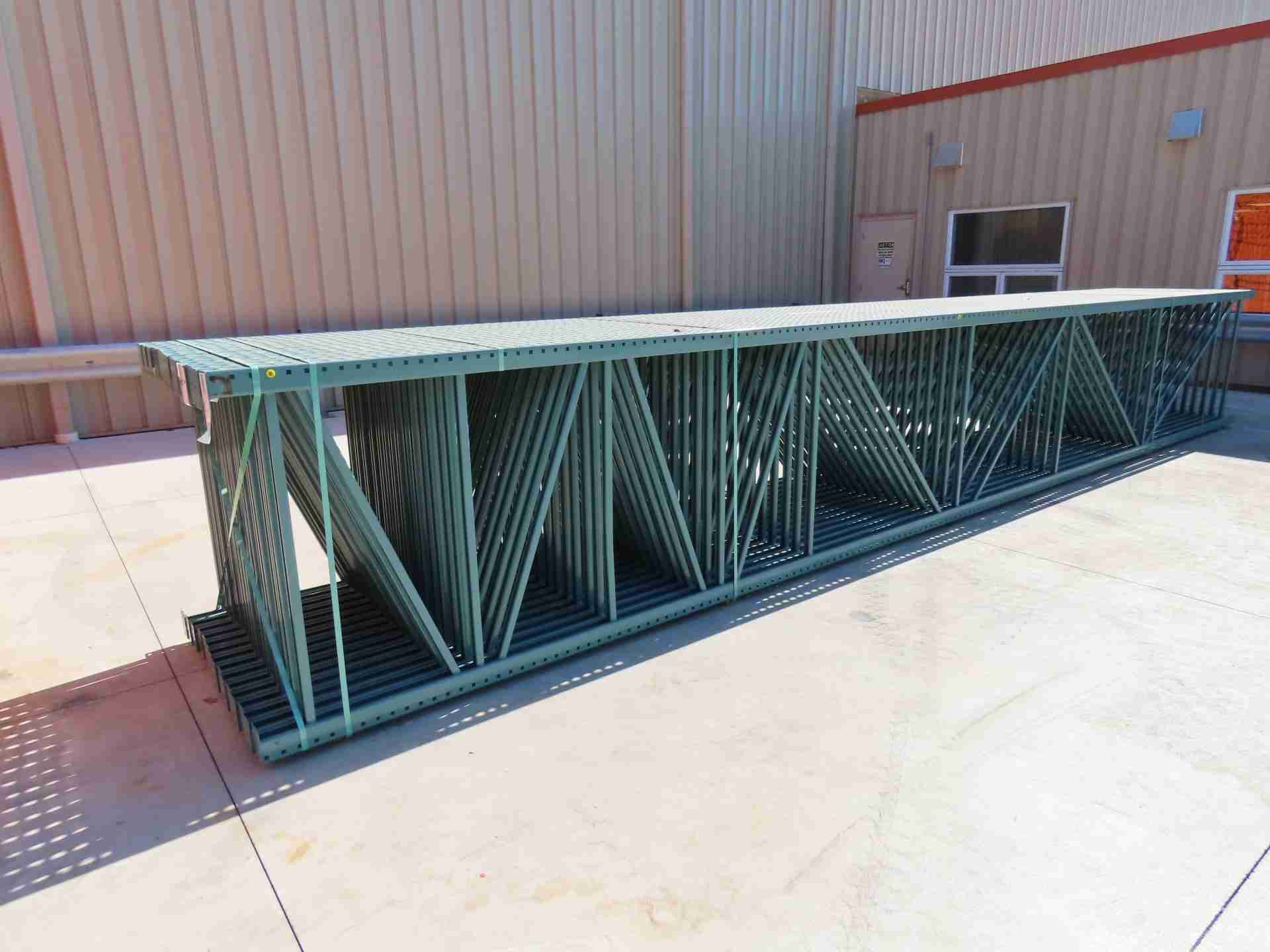
What Are The Basic Types Of Warehouse Shelving Systems Available?
What Are The Basic Types Of Warehouse Shelving Systems Available?
- Understanding various types of warehouse shelving systems is crucial for optimizing space and efficiency in eCommerce and logistics.
- Pallet racking, a popular industrial-grade storage system, allows for quick and efficient stock retrieval and vertical space utilization.
- Cantilever racks are ideal for storing long and bulky items, providing easy access for businesses dealing with oversized products.
- Shelving units offer versatility and compact organization, suitable for various sizes and configurations, often used in retail environments.
- Drive-in racks enhance space utilization through first-in-last-out (FILO) inventory management and increased storage capacity.
- Choosing the right shelving system empowers informed decisions and can lead to increased efficiency in warehouse operations.
- Investing in appropriate shelving solutions is vital for thriving in today’s fast-paced marketplace despite industry challenges.
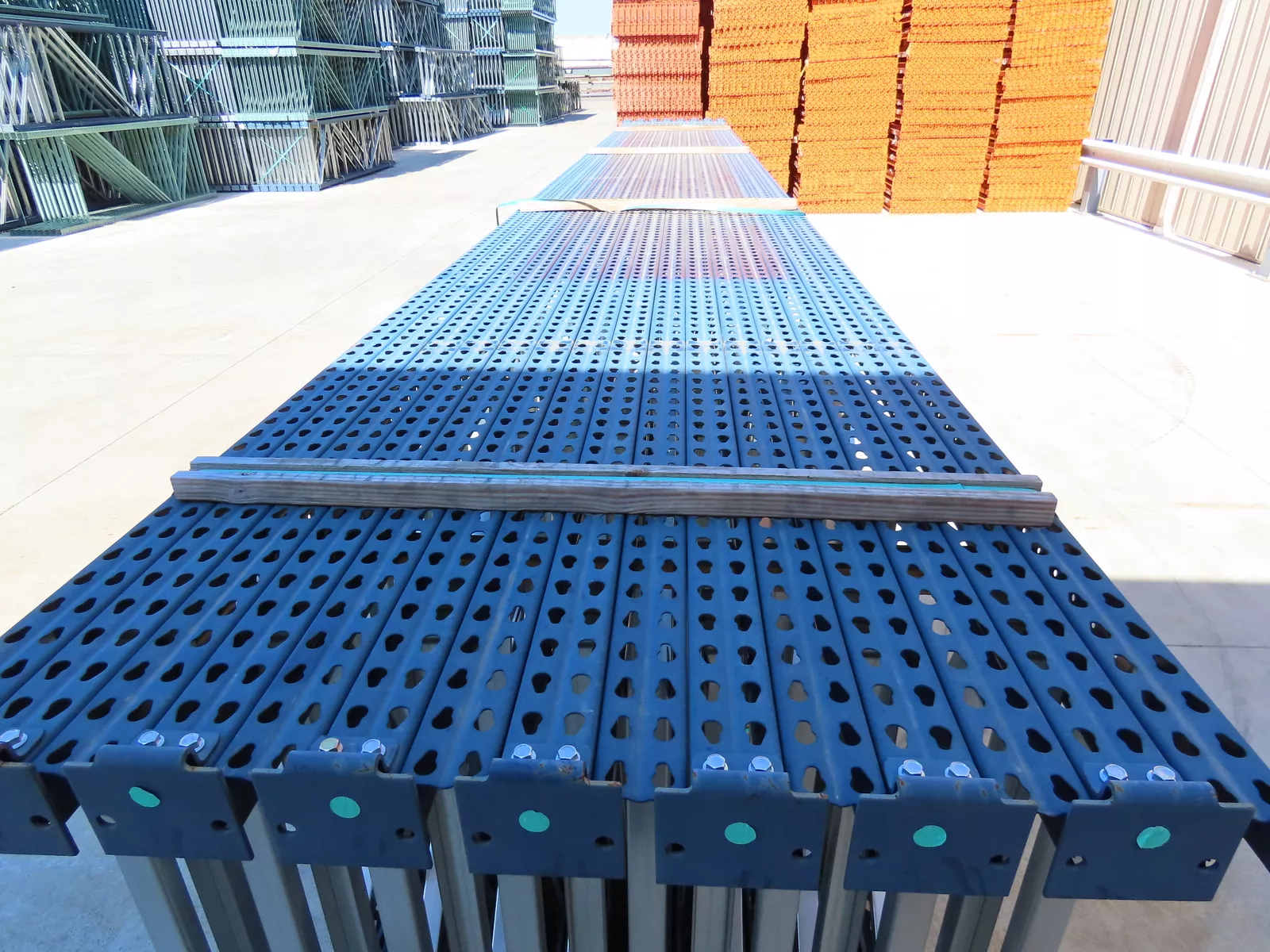
What Are The Basic Types Of Warehouse Shelving Systems Available?
How Do I Determine The Weight Capacity For Each Shelving Unit?
When it comes to setting up your storage solutions, one of the most crucial aspects to consider is the weight capacity of each shelving unit. This is not just a matter of convenience; it’s an essential factor that can safeguard your investments, protect your workforce, and ensure your operations run smoothly. Determining the correct weight capacity isn’t as complicated as it may seem, and by following a few key guidelines, you can optimize your space and avoid catastrophic failures.
First, understand that the weight capacity for shelving units varies significantly based on the type of shelving. For instance, when utilizing pallet racking systems, it’s vital to know the specific load data provided by the manufacturer. Most manufacturers will indicate the maximum load each shelf can support, so be sure to consult this information before purchasing. As a practical example, consider a warehouse that transitioned to a new pallet racking system to accommodate increased e-commerce demands. By carefully analyzing the weight capacity of each shelf, they were able to avoid any overloading issues, thus maintaining efficiency during peak seasons.
Next, you’ll want to assess what products will be stored on the shelves. Heavy items like machinery parts or bulk materials will require stronger supports compared to lighter items such as packaging materials. Let’s say you’re in the fast-moving consumer goods (FMCG) sector, and you decide to store a mix of dry goods and beverages. Analyzing the unit weight and considering the frequency of restocking can help determine the best shelving options to use in conjunction with your pallet racking.
Moreover, it’s important to note that environmental factors can also impact the weight capacity of your shelving units. For example, humidity can weaken certain materials, affecting their load-bearing capabilities. With recent weather patterns becoming increasingly unpredictable, it’s crucial you factor this into your decision-making process.
Lastly, don’t overlook the importance of adhering to local safety regulations and standards, which often dictate maximum allowable weights for shelving units. When recently implementing new racking systems, businesses across the country have prioritized safety audits to ensure compliance, thus protecting both employees and inventory.
In summary, to determine the weight capacity for each shelving unit effectively, consult manufacturer specifications, assess your stored items, consider environmental impacts, and adhere to safety regulations. By doing so, you can create a safe and efficient storage environment that meets your business needs.

How Do I Determine The Weight Capacity For Each Shelving Unit?
How Do I Determine The Weight Capacity For Each Shelving Unit?
- Weight capacity of shelving units is crucial for safeguarding investments and workforce safety.
- Variable weight capacity based on shelving type; consult manufacturer’s load data.
- Example: A warehouse upgraded pallet racking to meet e-commerce demands by analyzing shelf weight capacity.
- Assess stored products; heavier items require stronger supports compared to lighter goods.
- Environmental factors, like humidity, can affect load-bearing capabilities of shelving materials.
- Adhere to local safety regulations which dictate maximum allowable weights for shelving units.
- Effective determination of weight capacity leads to a safe and efficient storage environment.
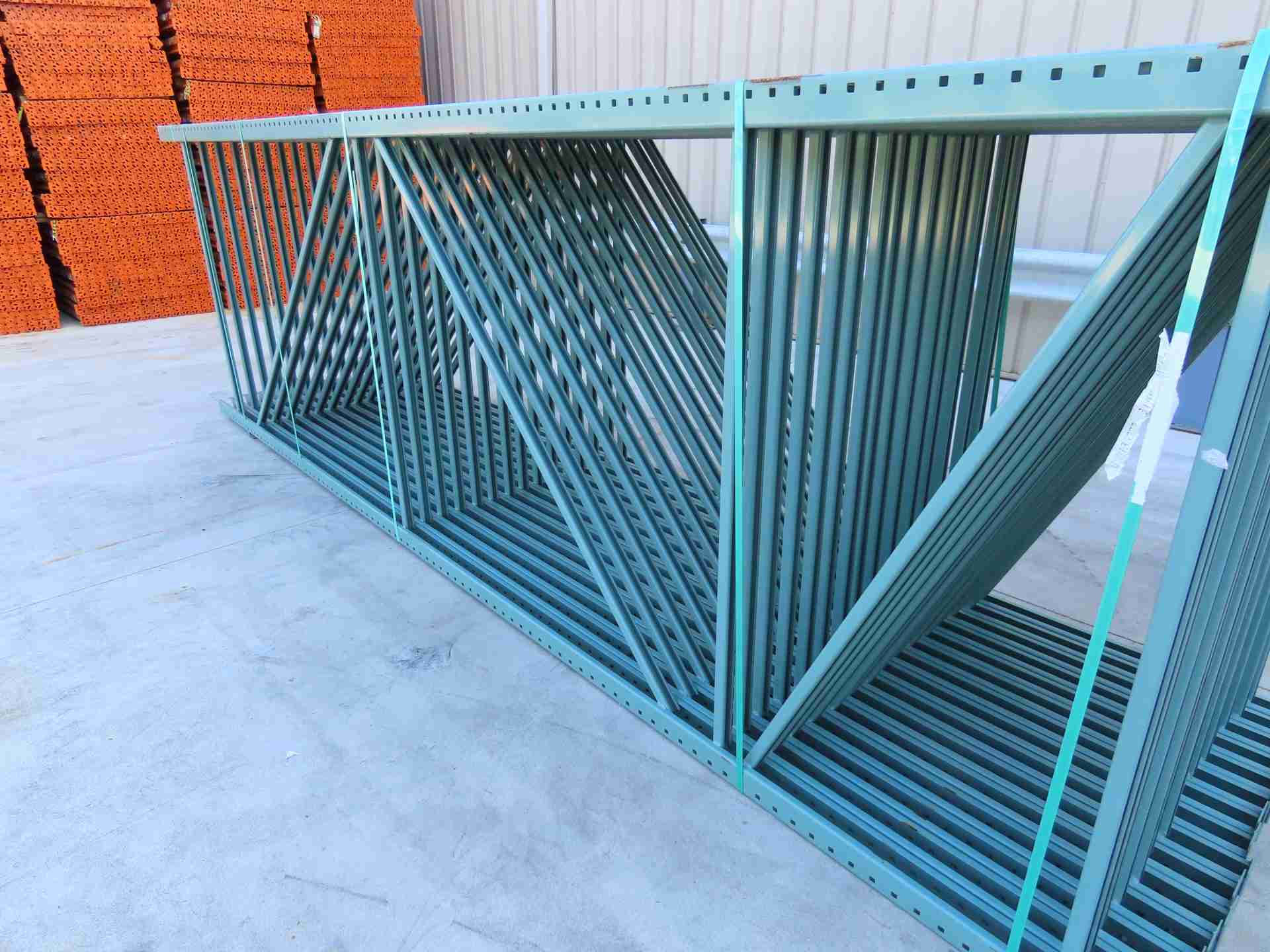
How Do I Determine The Weight Capacity For Each Shelving Unit?
What Dimensions Should I Consider For Optimal Shelving Layout?
In the world of logistics and warehousing, the efficiency of your shelving layout can make or break your operation. When designing your space, understanding the dimensions that matter is crucial, especially if you’re utilizing pallet racking, a system that can either streamline your workflow or create chaos if not implemented correctly.
First and foremost, consider the height of your pallet racking units. In recent years, companies have increasingly turned to taller pallet racks to maximize vertical space. However, this height must be balanced with the reach capability of your workforce and the equipment they use. For instance, if your team primarily relies on standard forklifts, overly high racks could lead to safety risks or time wastage as employees struggle to retrieve items. Aim for a height that optimizes storage while remaining within safe operational limits. A good rule of thumb is to keep pallet heights within the range of 15 to 20 feet for most operations, depending on your specific machinery and workforce capabilities.
Next, let’s talk about depth and width. Width isn’t just about fitting your shelves into the warehouse; it’s also about accessibility. A common mistake is creating aisles that are too narrow. While tighter aisles might save space, they can severely limit movement and increase time spent per task. In a recent study conducted amid the ongoing supply chain challenges exacerbated by global events, warehouses with optimized layouts reported a 20% increase in picking efficiency. Often, a width of 48 inches for aisles is a sweet spot that accommodates both safety and efficiency.
Additionally, consider the depth of the pallets. Standard sizes vary globally, but aligning your pallet racking to accommodate the most frequent sizes used in your operations (commonly 48” x 40”) ensures that you can take full advantage of your available storage. This alignment can minimize wasted space and maximize your storage capabilities.
Finally, factor in future growth when planning your shelving layout. Warehouse dynamics can shift, and anticipating how you’ll integrate new stock or even automation technologies is critical. Some experts recommend leaving an extra 10-15% of your warehouse space open for flexibility in expansion.
In summary, when it comes to shelving layout, integrating the right dimensions for pallet racking not only enhances operational efficiency but also safeguards against future upheavals in your supply chain. Whether you focus on height, width, depth, or overall scalability, the layout you choose today sets the stage for tomorrow’s success. Embrace these principles, and watch your operation thrive.

What Dimensions Should I Consider For Optimal Shelving Layout?
What Dimensions Should I Consider For Optimal Shelving Layout?
- Efficient shelving layout is crucial for logistics and warehousing operations.
- Consider the height of pallet racking; aim for 15 to 20 feet to optimize storage while ensuring safety.
- Narrow aisles can limit movement; a width of 48 inches is recommended for safety and efficiency.
- Align pallet racking to accommodate standard pallet sizes (commonly 48” x 40”) to maximize storage capability.
- Plan for future growth by leaving 10-15% of warehouse space open for flexibility and expansion.
- Integrating proper dimensions in shelving layout enhances operational efficiency and prepares for supply chain changes.
- Implementing these principles can lead to significant improvements in warehouse operations.
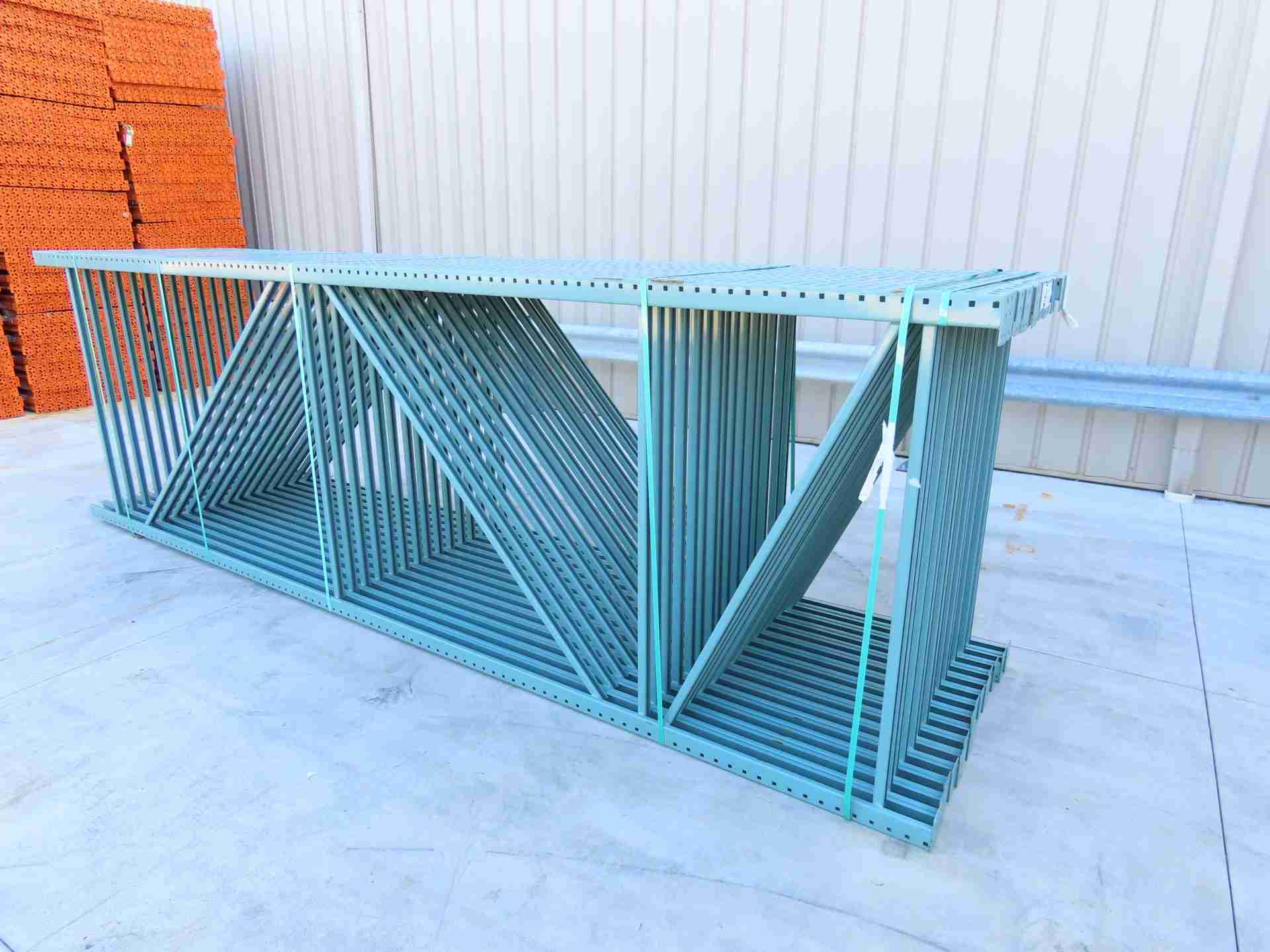
What Dimensions Should I Consider For Optimal Shelving Layout?
How Can I Maximize Vertical Space In My Warehouse?
Maximizing vertical space in your warehouse is not just a suggestion; it’s a necessity in today’s fast-paced economy where efficiency translates directly to profitability. As businesses grapple with rising costs and supply chain disruptions, creatively leveraging every inch of vertical real estate can lead to substantial gains.
Start with pallet racking. This method allows you to stack products high while keeping them accessible. Modern pallet racking solutions provide adjustable shelves, which allow you to customize arrangements based on your inventory—perfect for accommodating seasonal fluctuations in stock levels. For instance, imagine a retailer needing extra space for holiday inventory. By switching from traditional shelving to a robust pallet racking system, they can utilize their vertical space to house heavier and bulkier items without compromising accessibility.
Next, consider using vertical lift modules (VLMs). These are automated storage solutions that optimize vertical space even further. They retrieve items quickly while minimizing the floor space used. Companies like Amazon are already implementing such technologies to meet the demands of rapid delivery times and maximize storage efficiency. By adopting similar systems, your warehouse can stay competitive.
Utilize mezzanine flooring as well—this is a game changer in the world of vertical space optimization. Adding a mezzanine can effectively double your usable space without the need for costly building expansions. Picture this: a small-manufacturing operation needing to expand their storage capabilities without uprooting their entire workflow. By adding a mezzanine, you create an entire new level dedicated to storing raw materials, keeping the ground floor open for production activities.
Don’t overlook the power of vertical storage units, such as cabinets and shelving units that capitalize on upwards space. Innovatively designed vertical carousels can help you store high-turnover items in a compact space—think of how grocery chains manage their backrooms with quick access to items while stacking them high.
Lastly, regularly reassess your layout and invest in training for your staff. A well-practiced team can effectively utilize vertical storage solutions, enhancing workflow and reducing retrieval times. As businesses are now leaning towards smarter warehousing techniques due to global supply chain complexities, adopting these strategies will not just keep you relevant but propel you ahead of the competition.
In a landscape where every square foot counts, it’s time to think vertically. With the right strategies and tools, your warehouse can transform from a cramped storage area into a model of efficiency and productivity.
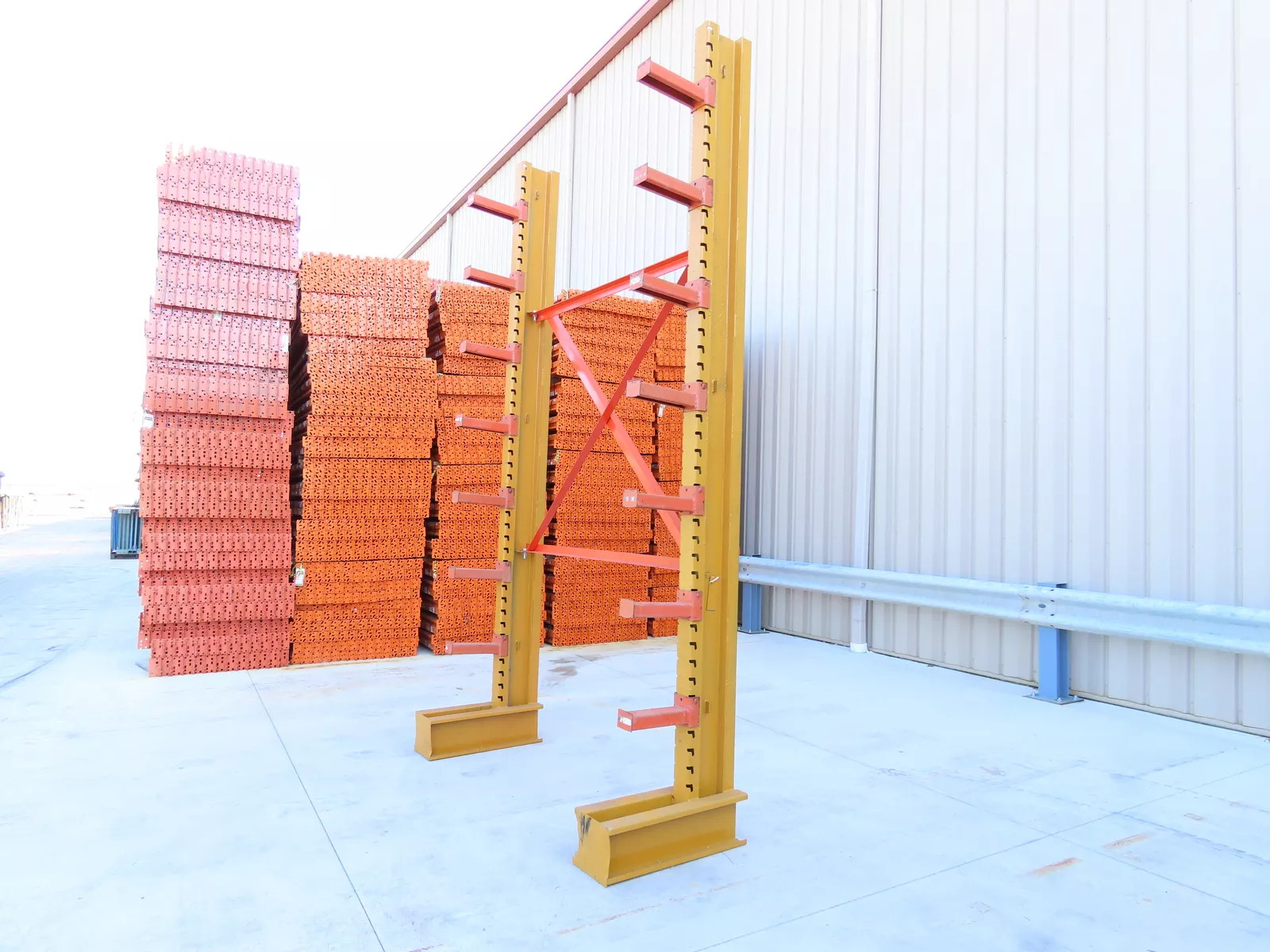
How Can I Maximize Vertical Space In My Warehouse?
How Can I Maximize Vertical Space In My Warehouse?
- Maximizing vertical space in warehouses is essential for efficiency and profitability amid rising costs and supply chain challenges.
- Pallet racking allows for high stacking of products while maintaining accessibility, with adjustable shelves for inventory customization.
- Vertical lift modules (VLMs) are automated solutions that optimize vertical storage and reduce floor space while ensuring quick retrieval of items.
- Mezzanine flooring can effectively double usable space, allowing for expansion without costly building expansions.
- Vertical storage units, including cabinets and innovative carousels, help maximize upwards space and ensure quick access to high-turnover items.
- Regularly reassessing layouts and investing in staff training enhances the utilization of vertical storage solutions and improves workflow.
- Implementing vertical storage strategies transforms warehouses into efficient and productive environments, crucial for staying competitive.
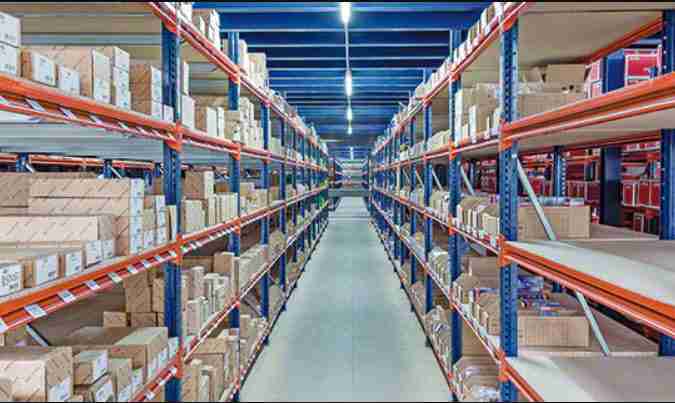
How Can I Maximize Vertical Space In My Warehouse?
What Are The Safety Regulations For Warehouse Shelving Design?
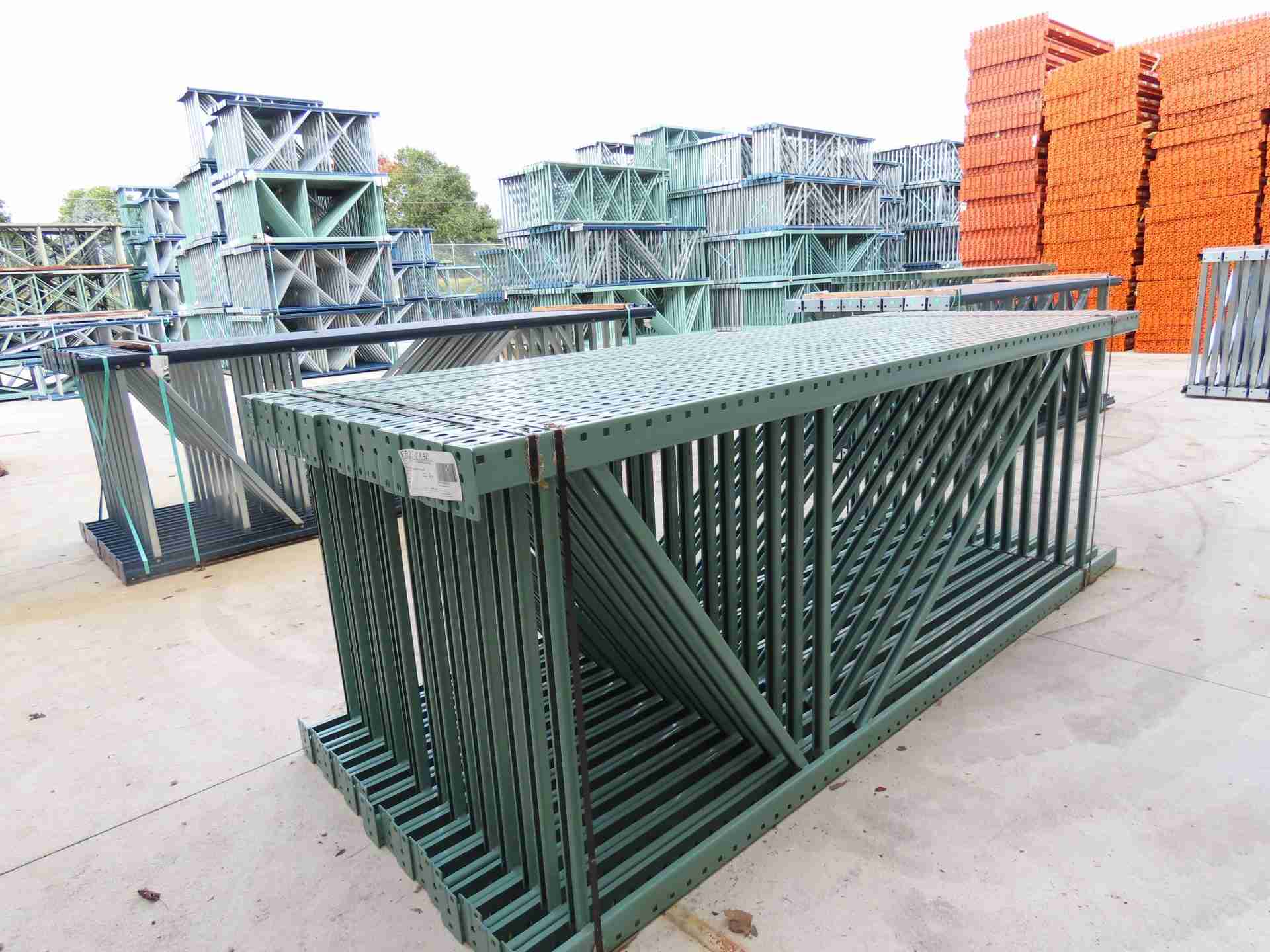
When it comes to warehouse shelving design, safety isn’t just a box to check—it’s the backbone of operational efficiency and risk management. As we witness the rapid evolution of logistics and e-commerce, adhering to safety regulations has never been more crucial. Let’s break down these regulations, focusing particularly on the most widely utilized system: pallet racking.
First and foremost, compliance with the Occupational Safety and Health Administration (OSHA) standards is non-negotiable. The guidelines state that pallet racking must be adequately spaced and anchored to prevent tipping, which becomes increasingly vital as warehouses stockpile inventory at higher and higher levels. For instance, consider the alarming recent reports from several high-profile distribution centers where improperly configured pallet racking resulted in dangerous collapses. These incidents not only jeopardized worker safety but also highlighted the financial repercussions tied to lost inventory and legal fees.
Beyond OSHA, the American National Standards Institute (ANSI) sets forth specific standards for safe pallet racking configuration and maintenance. For example, the ANSI/RMI (Rack Manufacturers Institute) standards emphasize the importance of load limits on pallet racks. Failing to adhere to these regulations puts your entire operation at risk. Imagine the scenario: a busy warehouse where workers are blissfully unaware that they are overloading the racks. The moment those racks buckle under the weight, the consequences can be catastrophic—not just for the inventory, but for the people working around it.
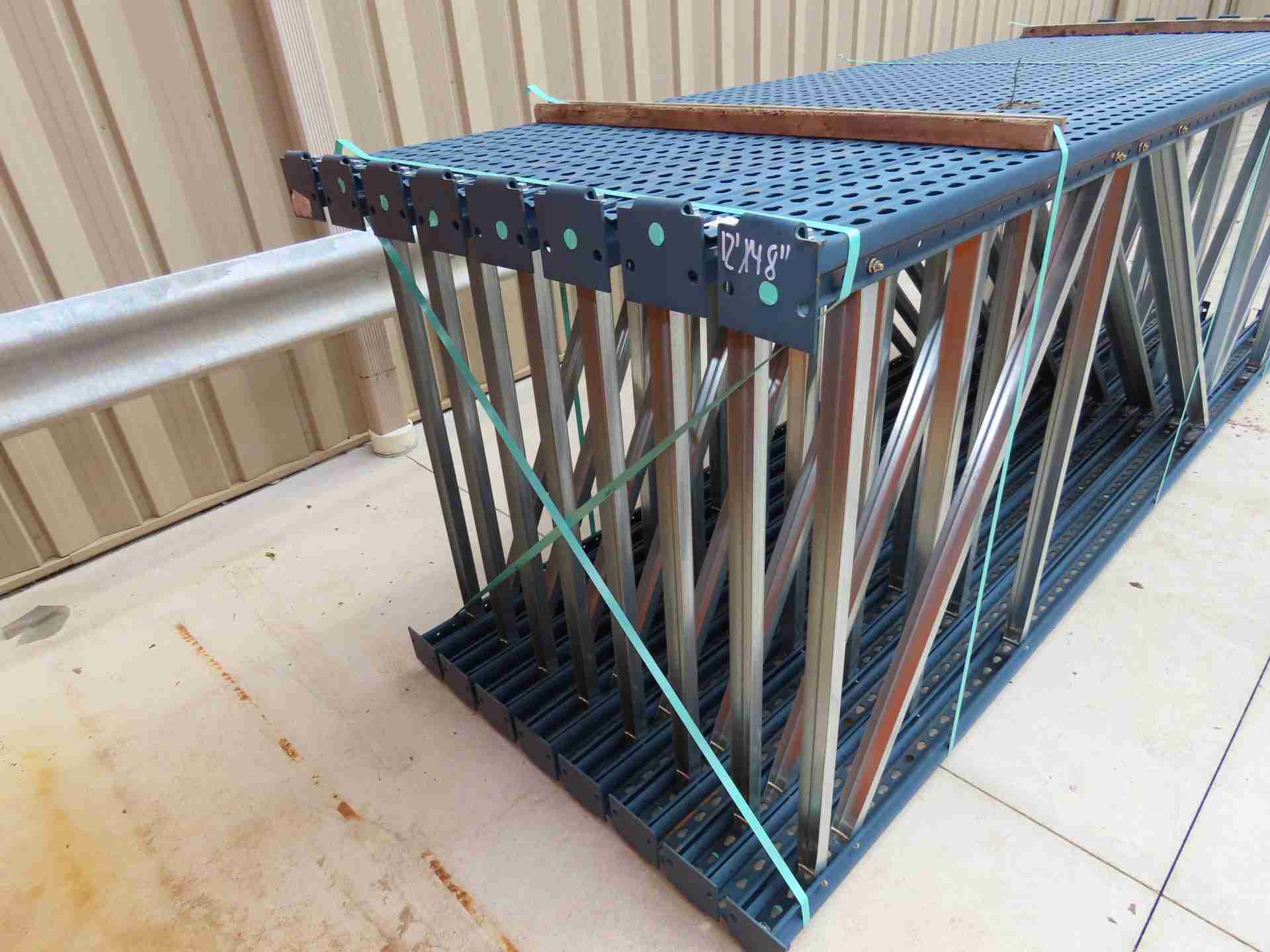
Moreover, active risk assessment and training are key components of safety regulations. Regular inspections of pallet racking systems should be conducted, and employees must be trained to recognize the signs of wear and tear. Simple actions, such as ensuring that beams and frames are correctly secured, can prevent tragic accidents from occurring. Equipping your workforce with knowledge is as important as the physical structure of your racks.
Further adding to the urgency, industry professionals have called attention to the rising prevalence of e-commerce-driven warehousing, which often necessitates stricter guidelines due to heightened activity and inventory variation. With the upcoming holiday season amplifying the demand, warehouse managers must not only focus on maximizing space but also adhere to stringent safety protocols.
Safety regulations are not just rules—they are an investment in your company’s longevity and reputation. By prioritizing the safety of your pallet racking systems and ensuring compliance with regulatory standards, you are not just protecting your workers, but also your bottom line. Remember, a well-maintained warehouse isn’t just a safe warehouse; it’s a thriving one.
What Are The Safety Regulations For Warehouse Shelving Design?
What Are The Safety Regulations For Warehouse Shelving Design?
- Safety is essential for operational efficiency and risk management in warehouse shelving design.
- Compliance with OSHA standards is critical for pallet racking safety, including adequate spacing and anchoring.
- Recent incidents of pallet racking collapses highlight the dangers of improper configuration and the financial risks involved.
- The ANSI/RMI standards outline safe pallet racking configuration, emphasizing adherence to load limits.
- Regular inspections and employee training on racking systems are key to mitigating safety risks.
- The rise of e-commerce demands stricter safety guidelines due to increased warehouse activity and inventory variation.
- Prioritizing safety regulations is an investment in a company’s longevity, protecting both workers and the bottom line.
What Are The Safety Regulations For Warehouse Shelving Design?
How Do I Assess The Flow Of Goods In My Shelving Design?
In today’s fast-paced retail environment, the flow of goods in your shelving design can be the difference between a thriving business and one that struggles. Understanding how to assess this flow is crucial for maximizing efficiency and profits. One effective method is to analyze your current shelving setup, focusing on elements like accessibility and organization.
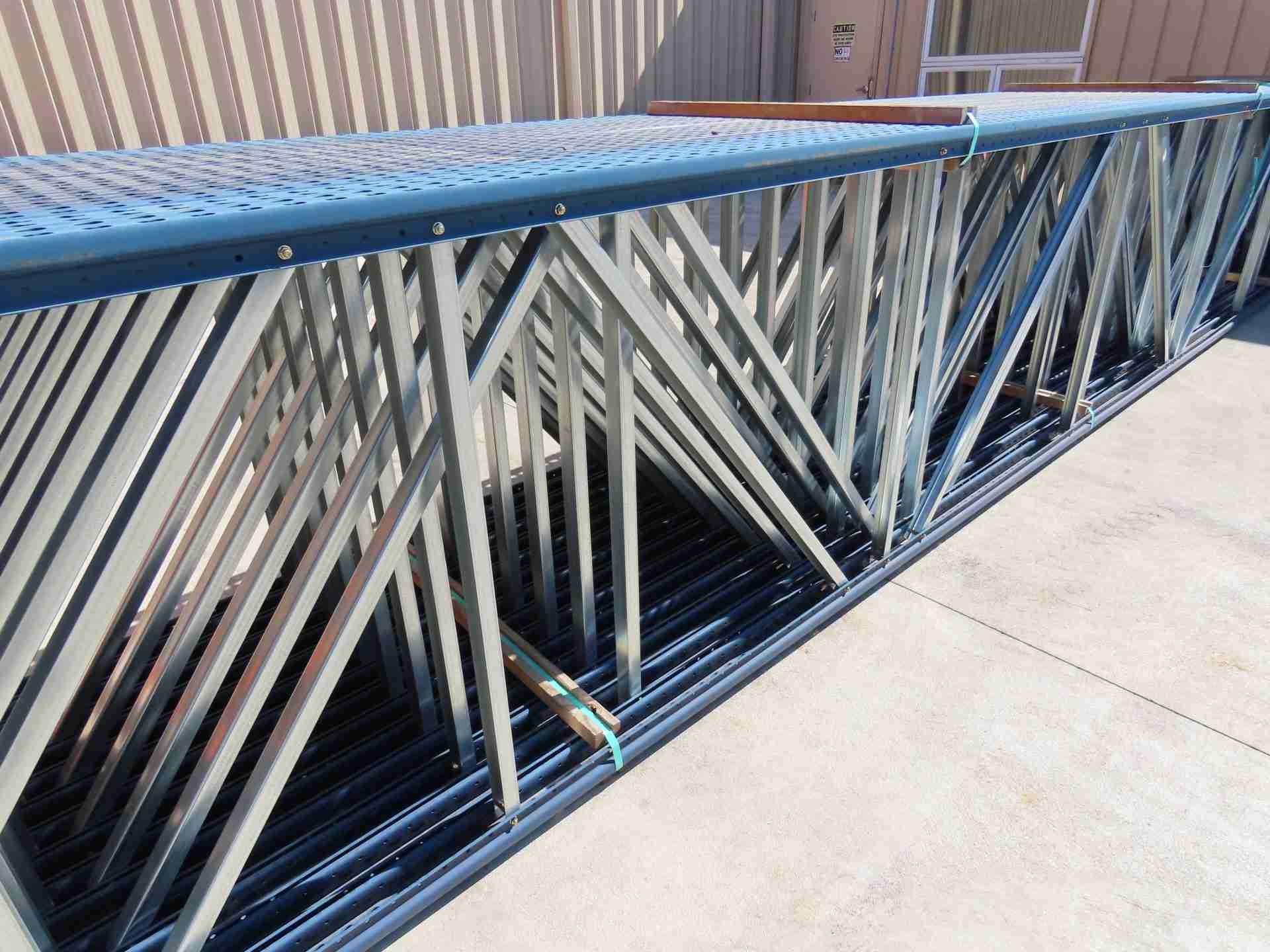
Consider the use of pallet racking as a cornerstone of your shelving design. Why? Because pallet racking maximizes vertical space and allows you to store a greater quantity of goods without sacrificing accessibility. Imagine your warehouse or retail store. You have limited floor space, but with a strategic pallet racking system, you can stack goods higher, facilitating a smoother movement. This high-density storage solution not only optimizes the available space but also ensures that inventory is easy to access. For instance, if you’re managing seasonal products that quickly cycle in and out, employing pallet racking can help you minimize the time your team spends restocking shelves and retrieving items.
Next, evaluate the layout of your shelving. Is it conducive to a seamless flow of goods? Think about how customers or employees navigate your space. For retailers, a clear, logical path encourages shoppers to explore more products. You want to create a journey that invites interaction while ensuring that popular items are easily reached. If you have merchandise that turns fast, placement on lower pallets makes it accessible. For instance, if the latest tech gadget is among the bestsellers this holiday season, positioning it at eye level can significantly boost impulse buys.
Furthermore, incorporate technology to assess the flow of goods. Many businesses are leveraging inventory management software to track sales patterns and optimize their shelving designs accordingly. If you notice certain items consistently flying off the shelves, design your pallet racking to keep those goods within reach.
Lastly, don’t overlook the importance of regular reassessment. Markets are changing swiftly—what worked six months ago may not work today. Adjusting the flow of goods through analytics and customer feedback can help you stay ahead of the curve. During economic downturns or shifts in consumer behavior, being responsive gives you the edge over competitors who might be slow to adapt.
Mastering the flow of goods in your shelving design isn’t just about aesthetics; it’s about implementing a strategic system that ensures efficiency, increases sales potential, and enhances customer experience. Just like a finely-tuned machine, a well-assessed shelving design can lead to impressive results and sustained profitability.
How Do I Assess The Flow Of Goods In My Shelving Design?
How Do I Assess The Flow Of Goods In My Shelving Design?
- The flow of goods in shelving design is crucial for retail success and efficiency.
- Analyzing current shelving setups for accessibility and organization can maximize profits.
- Pallet racking is recommended as it utilizes vertical space and enables more accessible inventory storage.
- A well-designed layout encourages customer navigation and interaction with products.
- Placing high-demand items at eye level can enhance impulse purchases and sales.
- Incorporating inventory management technology helps optimize shelving based on sales patterns.
- Regular reassessment of shelving designs is vital to adapt to market changes and consumer behavior.
How Do I Assess The Flow Of Goods In My Shelving Design?
Conclusion
In an era where warehouse efficiency dictates the success of businesses, the design of your shelving systems is of paramount importance. As highlighted throughout this article, a strategic, well-analyzed shelving framework can transition your operations from chaotic to streamlined, ultimately enhancing productivity and profitability. The call to action is clear: understanding and implementing effective shelving solutions should be the priority in your operational strategy.
It begins with a deep dive into your unique storage needs. Are you handling heavy machinery or light box shipments? The type of shelving system you choose—be it heavy-duty pallet racking, versatile cantilever racks, or compact shelving units—can drastically influence both accessibility and inventory flow. As demands change and the eCommerce landscape evolves, so too should your approach to shelving design. Consider your layout configuration carefully; a well-structured flow of goods minimizes waste and enhances operational time. By deploying systems tailored to your inventory turnover—like first-in-first-out (FIFO)—you can effectively reduce losses and optimize stock management.
Safety, too, cannot be an afterthought. Compliance with OSHA and ANSI regulations protects your workforce and inventory. Ensuring sturdy construction and regular safety audits can mitigate risks that could lead to potential disasters, both human and financial. By fostering a culture of safety alongside efficiency, you are investing in the future of your warehouse operations.
Crucially, understanding the weight capacity and dimensions of your shelving units allows you to maximize vertical space. The opportunity for growth is ever-present in today’s swiftly changing market landscape. Choosing modular shelving that can adapt to your future needs ensures that your operation remains agile and competitive.
As you absorb these insights, the urgency to act becomes evident. Warehouse managers must align their shelving decisions with evolving business challenges and operational demands. The efficiency of your warehouse is a competitive advantage you cannot afford to overlook in this fast-paced economy.
Ready to transform your warehouse into a model of efficiency? Don’t hesitate! Call Arrow Industrial Sales at (574) 349-6575 today for tailored shelving solutions that meet your specific needs. Your operational excellence hinges on these pivotal decisions, so take action now and watch your business soar to new heights! Your time is now—optimize your warehouse storage and elevate your productivity!
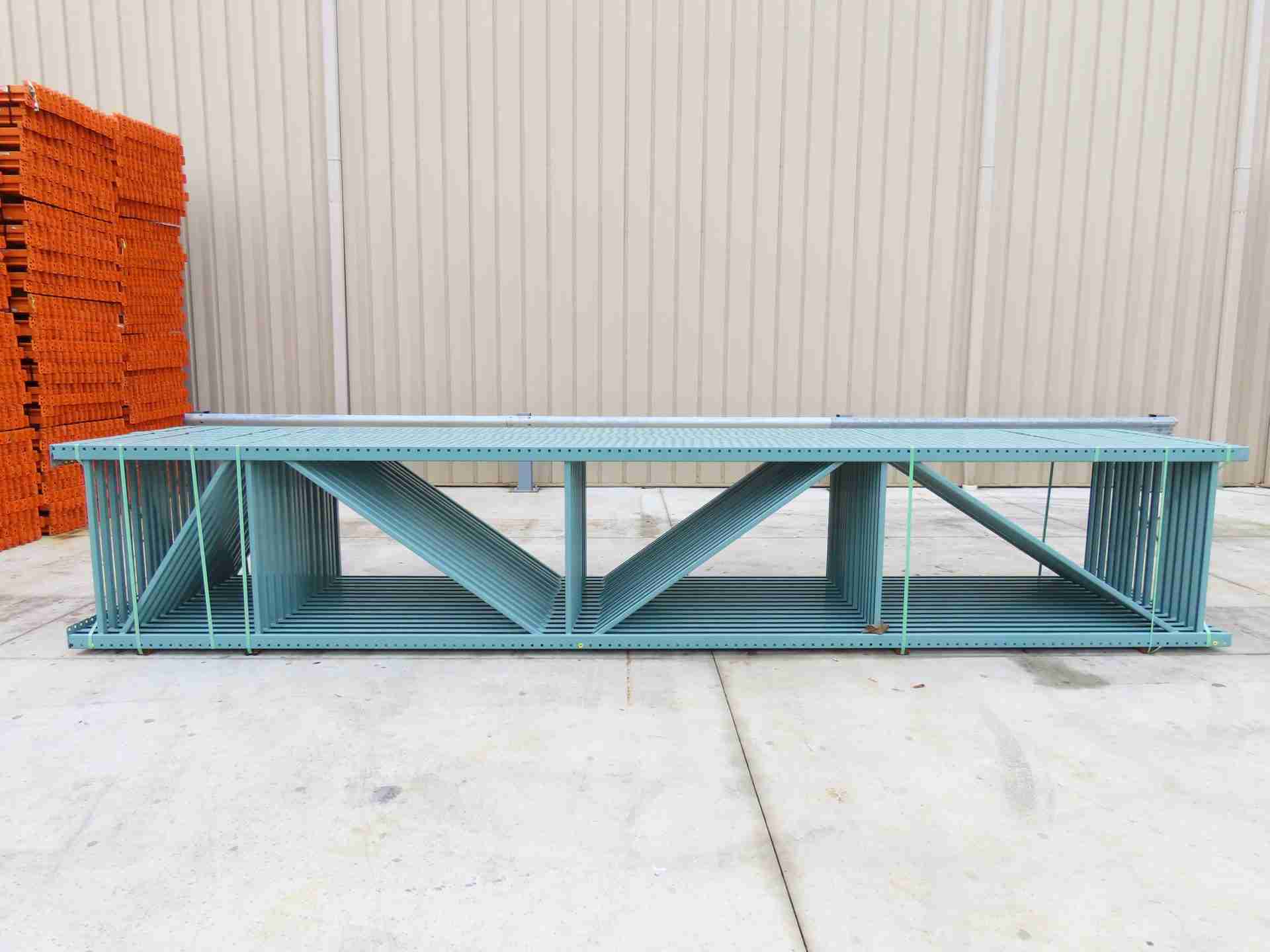
Conclusion
Conclusion:
- The design of shelving systems is crucial for warehouse efficiency and overall business success.
- A strategic shelving framework can streamline operations, enhancing productivity and profitability.
- Assess your unique storage needs to choose the appropriate shelving, such as heavy-duty or compact units.
- A well-structured layout minimizes waste and improves the flow of goods in the warehouse.
- Prioritize safety and compliance with OSHA and ANSI regulations to protect both personnel and inventory.
- Maximize vertical space with shelving that adapts to changing inventory needs and market demands.
- Contact Arrow Industrial Sales for tailored shelving solutions to optimize productivity.
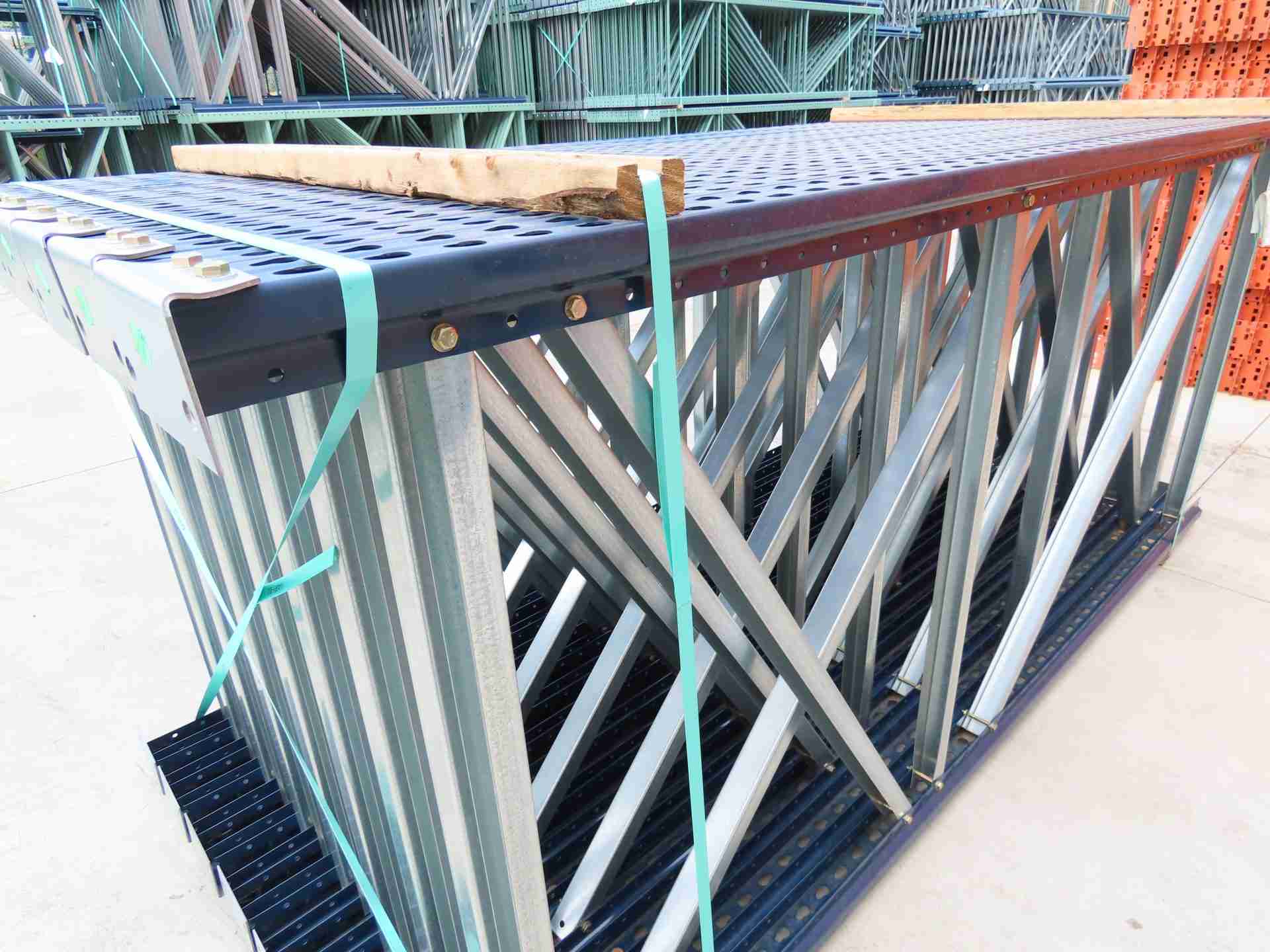
Conclusion
Other Resources
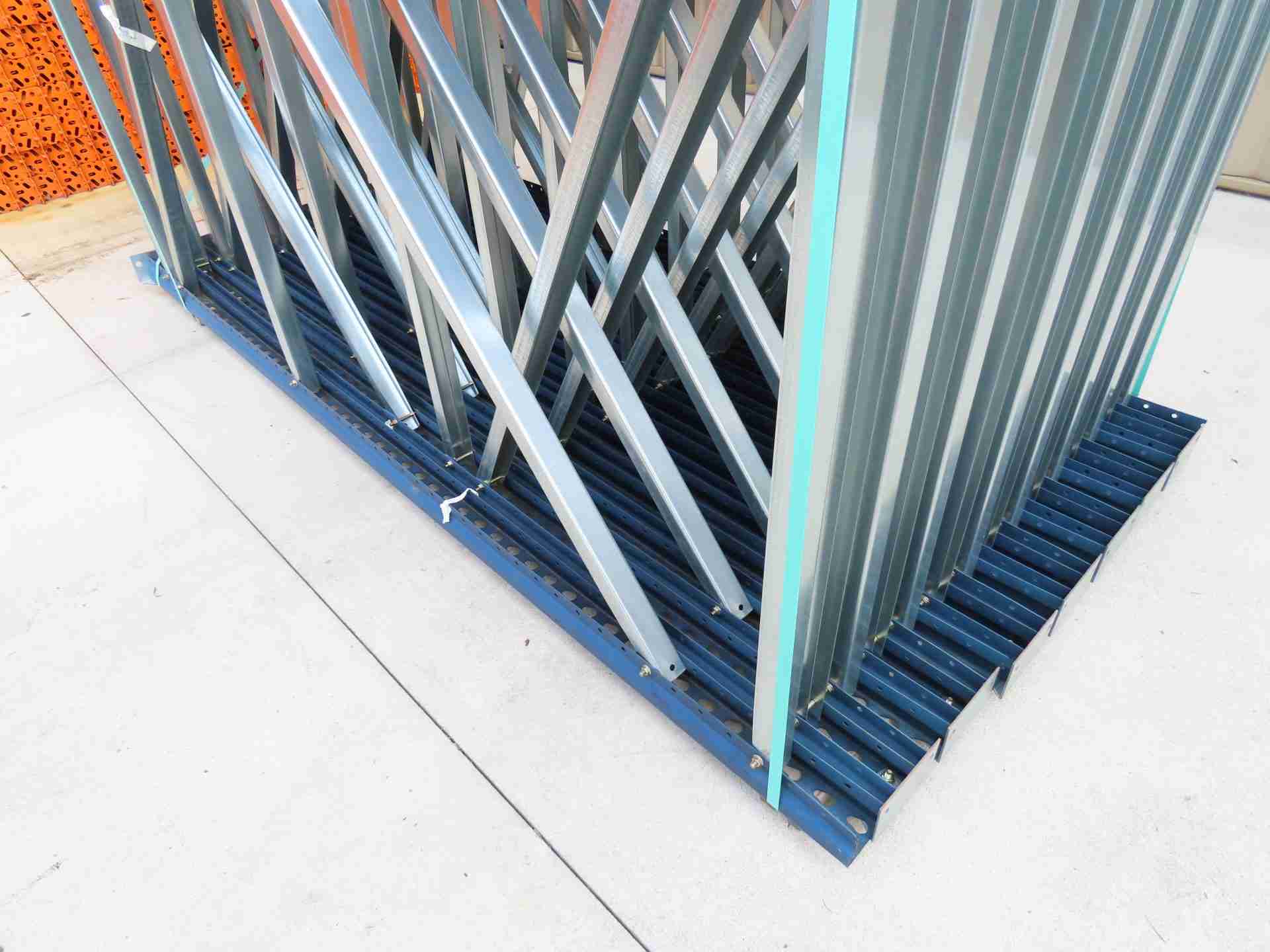
Other Resources
Here is a list of other resources you can review online to learn more:
- BMH Equipment LLC
- Illinois Pallet Racking – WPRP
- New Cantilever Racks and Racking Kits
- SEMA
- Selective Pallet Racking Systems
- Bradford Systems
- Rack Manufacturers Institute
- CMMA
- NSC
Use This Prompt To Get More Resources With Your Favorite Online AI Tool: Please provide me with a list of online articles with their URLs in a bulleted list that I can read regarding What Factors Should You Consider for Warehouse Shelving Design?
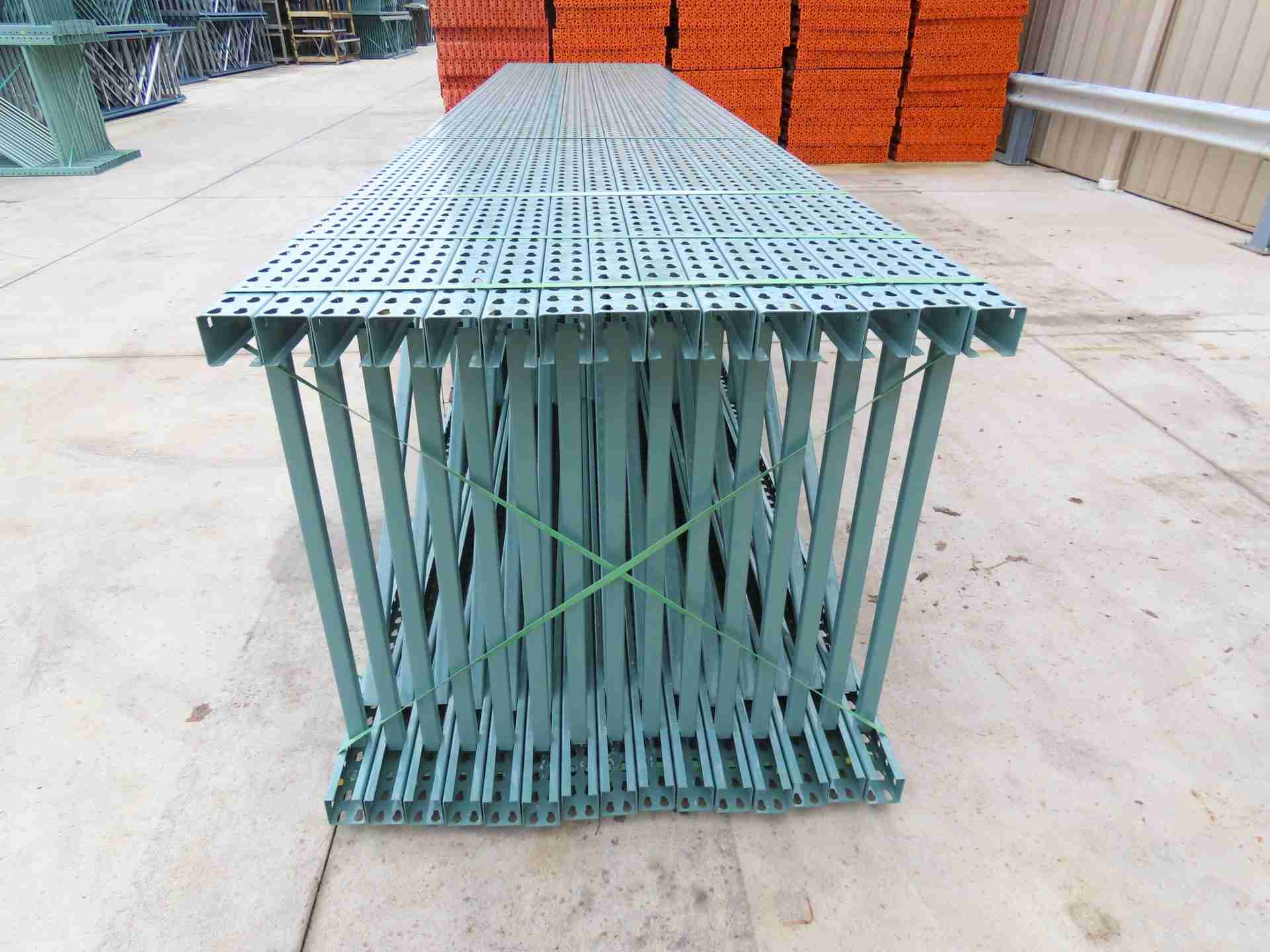
Other Resources
Glossary Terms
What Factors Should You Consider for Warehouse Shelving Design? – Glossary Of Terms
1. Aisle Width: The space between shelving units that allows for safe and easy navigation of equipment and personnel.
2. Load Capacity: The maximum weight that a shelving unit can safely support, critical for preventing collapse and ensuring safety.
3. Shelving Material: The substance from which shelving is made, typically steel, wood, or plastic, which affects durability and weight capacity.
4. Accessibility: The ease with which items can be retrieved from shelving, influencing shelving layout and design.
5. Vertical Space Utilization: The effective use of height in warehouse shelving to maximize storage without unnecessary floor space consumption.
6. Modular Design: A flexible shelving design that can be easily reconfigured to accommodate changing storage needs.
7. Pallet Racking: Heavy-duty shelving designed to hold pallets of goods, often used in industrial warehouses.
8. FIFO (First In, First Out): A storage method where the oldest inventory is sold first, influencing layout and shelving depth.
9. LIFO (Last In, First Out): A storage strategy where the newest inventory is sold first, affecting how products are organized on shelves.
10. Inventory Turnover: The rate at which inventory is sold and replaced, guiding shelving organization for efficient stock management.
11. Ergonomics: The study of how people interact with equipment, influencing shelving height, depth, and access procedures to reduce strain.
12. Shelf Depth: The distance from the front to the back of a shelf, affecting how items are stored and accessed.
13. Inventory Control: The process of managing stock levels, which can dictate shelving design to facilitate easy monitoring and retrieval.
14. Safety Standards: Regulations governing the design and installation of shelving systems to ensure a safe working environment.
15. Weight Distribution: The even placement of items on shelves to maintain stability and prevent tipping or collapsing.
16. Heavy-Duty Shelves: Shelves designed to bear significant weight, typically reinforced for stability in industrial settings.
17. Shelf Height: The vertical distance of shelving units, which influences accessibility and usability for different inventory types.
18. Product Segregation: Organizing different types of products apart from each other to streamline picking and minimize cross-contamination.
19. Cross-Docking: A logistics practice of unloading materials from incoming trucks and loading them onto outbound trucks, impacting shelving proximity to docks.
20. Temperature Sensitivity: Considerations for materials that require specific climate control, influencing shelf location within a warehouse.
21. Planning and Layout: The process of designing the arrangement of shelving units in a warehouse to optimize workflow and space efficiency.
22. Mobile Shelving: Shelving units mounted on wheels that can be moved to create temporary aisles when needed.
23. Cantilever Racking: A type of shelving ideal for storing long or bulky items such as lumber and pipes, featuring arms that extend outward.
24. Pick Zones: Designated areas within a warehouse that streamline the retrieval process for fast-moving inventory.
25. SKU (Stock Keeping Unit): A unique identifier for each product in inventory, guiding shelving organization for easy identification.
26. Flow Rack System: A type of shelving that uses gravity to slide goods toward the picking area, promoting FIFO inventory management.
27. End Caps: Shelving units placed at the end of aisles, used for display or additional storage space.
28. Static Shelving: Fixed shelving that does not move or change configuration, typically offering stability for stored items.
29. Weight Testing: The process of evaluating shelves to ensure they can support specified loads safely.
30. Shelving Configuration: The arrangement and style of shelves (e. g. , back-to-back, single-sided) tailored to organizational needs and space constraints.
Glossary Of Terms
Other Questions
What Factors Should You Consider for Warehouse Shelving Design? – Other Questions
If you wish to explore and discover more, consider looking for answers to these questions:
- What are the benefits of using modular shelving solutions?
- What are the best practices for maintaining warehouse shelving systems?
- How can technology improve warehouse shelving design and efficiency?
- What is the impact of e-commerce on warehouse shelving needs?
- How do I choose the right shelving system for specific types of inventory?
- What are the costs associated with different types of shelving systems?
- How should I plan for seasonal changes in inventory and space needs?
- What are the common mistakes to avoid when designing warehouse shelving?
- How do I train employees on best practices for shelving and inventory management?
- What role do safety audits play in warehouse shelving design?
- How can I integrate automation within my warehouse shelving layout?
- What factors influence the choice between static vs. mobile shelving systems?
Other Questions
Checklist
What Factors Should You Consider for Warehouse Shelving Design? – A Checklist
1. Understand Your Storage Needs
_____ Identify inventory types (e. g. , standard boxes, pallets, specialized equipment).
_____ Choose appropriate shelving systems (e. g. , heavy-duty pallet racking for bulk goods).
_____ Assess adaptation needs for evolving inventory, particularly in e-commerce.
2. Optimize Warehouse Layout Configuration
_____ Analyze product flow (incoming and outgoing).
_____ Implement a first-in-first-out (FIFO) or first-in-last-out (FILO) system as needed.
_____ Ensure adequate aisle spacing for efficient movement.
3. Ensure Accessibility
_____ Design shelving for ease of access (high vs. low shelving considerations).
_____ Evaluate the need for forklifts or manual retrieval methods.
_____ Create wider aisles to facilitate smooth traffic flow and comply with safety regulations.
4. Adhere to Safety Standards
_____ Confirm compliance with OSHA and ANSI regulations.
_____ Conduct regular safety audits and inspections.
_____ Train employees on safety practices and the correct use of shelving systems.
5. Plan for Growth Potential
_____ Consider modular shelving solutions for flexibility.
_____ Allocate extra space for future inventory growth (recommend 10-15% extra).
6. Selection of Shelving Types
_____ Evaluate different shelving types suitable for your operation:
_____ Pallet Racking: Vertical storage for high-volume goods.
_____ Cantilever Racks: For long, bulky items.
_____ Shelving Units: Versatile and compact solutions for retail spaces.
_____ Drive-In Racks: High-density storage optimization.
7. Determine Weight Capacity
_____ Consult manufacturer specifications for load limits.
_____ Assess product weights and storage requirements.
_____ Consider environmental factors affecting load capacity (e. g. , humidity).
8. Optimize Shelving Layout Dimensions
_____ Balance pallet racking height with workforce reach capabilities (recommended height range: 15-20 feet).
_____ Ensure aisle widths are adequate (recommended width around 48 inches).
_____ Align pallet depth with standard sizes used in operations.
9. Maximize Vertical Space
_____ Utilize pallet racking to stack goods effectively.
_____ Introduce vertical lift modules (VLMs) or mezzanine flooring for additional storage.
_____ Invest in innovative vertical storage units (e. g. , vertical carousels).
10. Assess Flow of Goods
_____ Analyze the current shelving setup for accessibility and organization.
_____ Utilize inventory management software to track sales patterns and optimize layouts.
_____ Regularly review and adjust your shelving design based on market trends.
By following this checklist, you can enhance the efficiency and safety of your warehouse shelving design, positioning your operation for improved productivity and adaptability.

Checklist
At RackingWorld, we help guide you through selecting warehouse storage systems and racking.
Be sure to read our other related stories at RackingWorld to learn more about warehouse storage systems.
0 Comments