
Revolutionizing Warehouse Efficiency With Jeff Bezos
By Tom Seest
At RackingWorld, we help guide you through selecting warehouse storage systems and racking.
Be sure to read our other related stories at RackingWorld to learn more about warehouse storage systems.
What Can Jeff Bezos Teach Us About Streamlining Warehouse Shelves?
In the cutthroat world of e-commerce and logistics, streamlining operations isn’t just a goal; it’s a necessity for survival. Enter Jeff Bezos, a titan of industry whose approach to efficiency offers invaluable lessons for any warehouse manager looking to maximize productivity and profitability.
A pivotal concept in optimizing warehouse space is pallet racking. This is more than just a simple shelving system; it’s a structured method that allows businesses to utilize vertical space effectively. Bezos revolutionized Amazon’s warehousing strategy by implementing innovative pallet racking systems, which allowed his fulfillment centers to store a wider array of products while minimizing floor space consumption. Imagine a battlefield where each square foot is a soldier in your army of efficiency; with proper pallet racking, you can deploy more soldiers without increasing your footprint.
But how do you translate this into your own operations? Start by evaluating the types of products you are storing. Analyze their turnover rates—identify fast-movers and slow-movers. Fast-moving items should be placed within easy reach on your pallet racks, while slow-moving inventory can go deeper in your warehouse. This not only saves time during picking but ensures that your workforce isn’t wasting energy on unnecessary movements.
A case in point is the surge in demand driven by the pandemic, compelling many businesses to reassess their storage strategies. Companies like Shopify have adopted advanced pallet racking systems to handle increased order volumes, allowing them to keep pace with thriving competitors. The result? Greater throughput and less wasted space—a win-win in any logistics game.
Moreover, consider technology’s role in this equation. Automated systems and software can track inventory levels and optimize shelf space dynamically. Look at Amazon’s use of machine learning; by analyzing patterns in consumer behavior, they can predict storage needs and adjust pallet placement accordingly. Gaining insights into when to reorder stock or change shelf arrangements can save significant time and labor costs.
Now, let’s not forget the psychological aspect of an organized space. A tidy warehouse yields greater employee satisfaction. Words spread fast in today’s workforce, and a well-organized environment attracts top talent—people want to work where they can be effective. By implementing an efficient pallet racking layout, you improve morale, leading to happier, more productive employees.
There’s a wealth of knowledge to be extracted from Bezos’ operational strategies. Whether you’re a small warehouse operation or managing multi-location logistics, the principles of effective pallet racking and inventory management stand as cornerstone elements to amplifying your efficiency and boosting your bottom line. Embrace these methods, and watch your warehouse transform into a beacon of productivity.
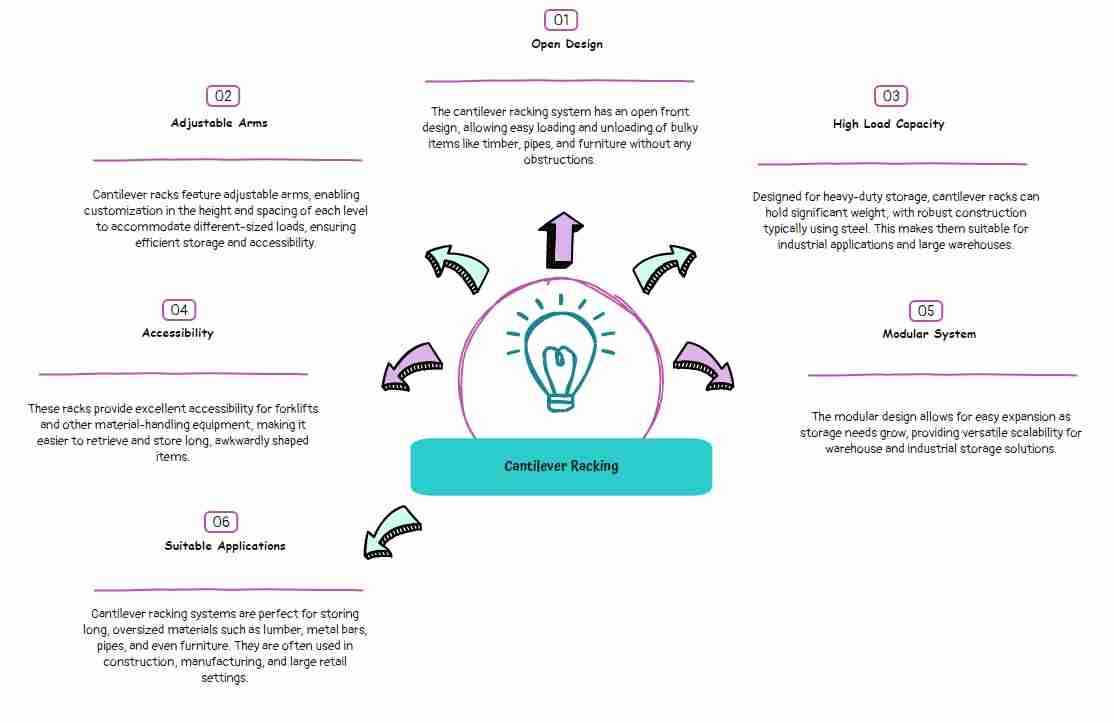
What Can Jeff Bezos Teach Us About Streamlining Warehouse Shelves?
What Can Jeff Bezos Teach Us About Streamlining Warehouse Shelves?
- Streamlining operations in e-commerce and logistics is essential for survival.
- Jeff Bezos has revolutionized warehousing by implementing innovative pallet racking systems, maximizing vertical space use.
- Evaluate products by their turnover rates to optimize storage; fast-moving items should be easily accessible, while slow movers can be deeper in the warehouse.
- Increased demand during the pandemic forced businesses like Shopify to adopt advanced pallet racking, resulting in greater throughput.
- Technology plays a crucial role; automation and software can dynamically manage inventory and shelf space based on consumer behavior.
- An organized warehouse contributes to employee satisfaction, attracting top talent and improving morale.
- The principles of effective pallet racking and inventory management are crucial for boosting warehouse efficiency and profitability.
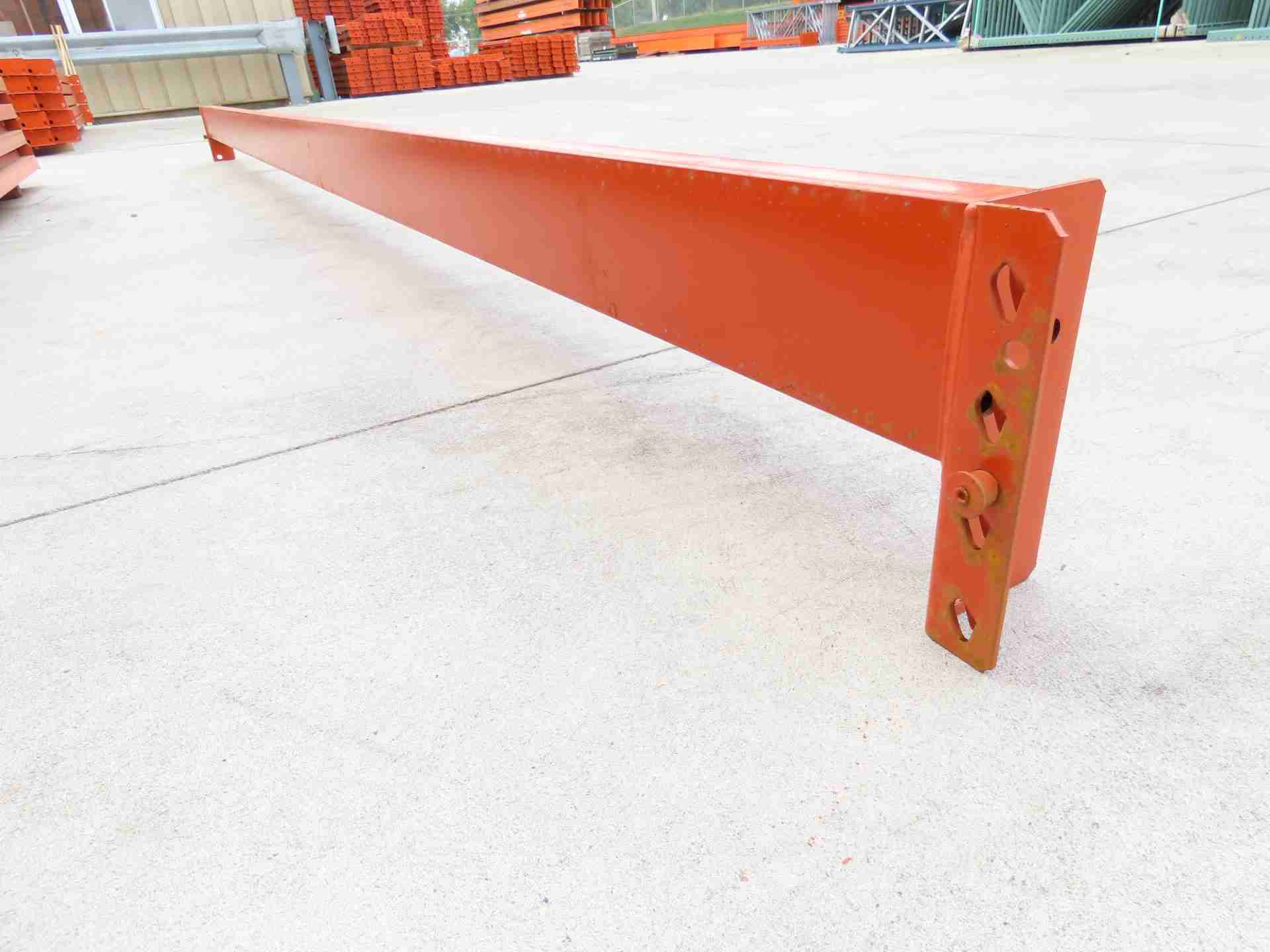
What Can Jeff Bezos Teach Us About Streamlining Warehouse Shelves?
Table Of Contents
- What Can Jeff Bezos Teach Us About Streamlining Warehouse Shelves?
- What Are Jeff Bezos’ Key Strategies For Warehouse Efficiency?
- What Technology Does Amazon Use For Inventory Management?
- How Does Automation Impact Warehouse Shelf Management?
- What Role Does Data Play In Optimizing Warehouse Layout?
- How Can Small Businesses Implement Bezos’ Warehouse Ideas?
- What Are The Benefits Of Using Vertical Space In Warehouses?
- Conclusion
- Other Resources
- Glossary Of Terms
- Other Questions
- Checklist
What Are Jeff Bezos’ Key Strategies For Warehouse Efficiency?
In the cutthroat world of e-commerce, warehouse efficiency is no longer just a buzzword; it’s a critical pillar of success. Jeff Bezos, the architect of Amazon’s impressive logistics network, has laid out strategies that are not only revolutionary but are also highly replicable across various industries. Let’s dive into the techniques that have propelled Amazon to the forefront of the e-commerce arena.
Embracing Advanced Technology
One of Bezos’ standout strategies is the integration of cutting-edge technology within warehouses. Think of Amazon’s state-of-the-art robotics systems. These machines can navigate a vast array of products quicker than any human could dream of, ensuring that orders are processed with lightning speed. Robotics streamline the entire picking and packing process, which directly impacts shipping times. In fact, Amazon recently announced an expansion in warehouse automation aimed at reducing delivery times to just one day for Prime members, an endeavor that represents a commitment to customer satisfaction.
Utilizing Pallet Racking Systems
A practical example of Bezos’ efficiency strategy is the implementation of sophisticated pallet racking systems. These systems create vertical storage solutions, maximizing space and allowing for swift access to products. By organizing inventory in a way that minimizes the distance traveled by pickers, Amazon can fulfill orders more quickly than ever. The strategic design of pallet racking not only optimizes space but also contributes to a smoother workflow, ultimately enhancing productivity.
Data-Driven Decision Making
Another strategy Bezos employs is the relentless pursuit of data. Every single action taken within an Amazon warehouse generates data that can be analyzed to enhance efficiency. For instance, by studying peak times for order fulfillment, warehouses can adjust staffing needs or optimize product placement within the pallet racking systems based on demand trends. This continuous feedback loop ensures that efficiency is always improving.
Focus on Employee Training
Moreover, investing in employee training cannot be overstated. A workforce that is skilled in using automated systems and understands the layout of the warehouse, particularly how to efficiently navigate pallet racking, can significantly boost performance. By arming employees with the right knowledge, they become an asset rather than a liability.
Streamlined Supply Chain Management
Finally, Bezos understands the importance of a seamless supply chain. With initiatives like Amazon Prime Air—where drones are poised to make deliveries—Amazon is not only enhancing its current warehouse capabilities but also setting the stage for future innovations.
In summary, by marrying technology with effective warehouse design, leveraging data, and prioritizing employee expertise, Bezos creates an unshakeable efficiency that rivals all competitors. The lessons drawn from Amazon can transform any warehouse operation, yielding faster delivery times, improved customer loyalty, and ultimately, increased profits.
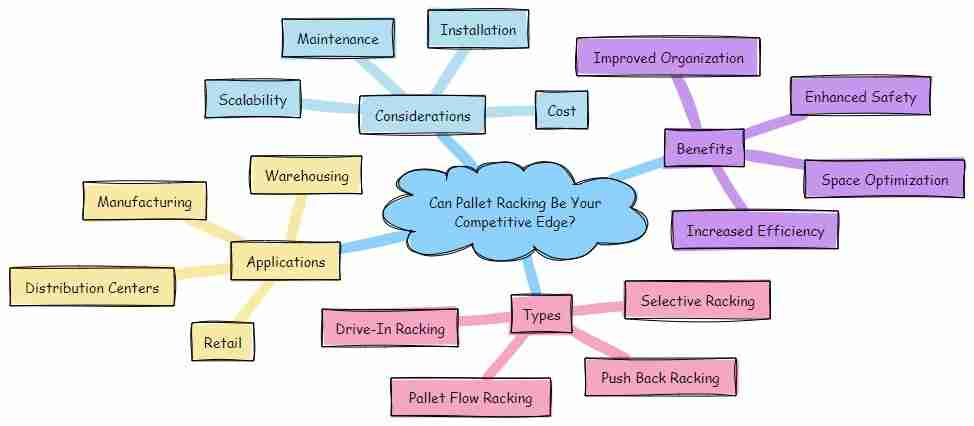
What Are Jeff Bezos’ Key Strategies For Warehouse Efficiency?
What Are Jeff Bezos’ Key Strategies For Warehouse Efficiency?
- Warehouse efficiency is essential for success in e-commerce, highlighted by Jeff Bezos’ Amazon logistics strategies.
- Integration of advanced technology, including robotics, increases order processing speed and reduces delivery times.
- Utilization of sophisticated pallet racking systems maximizes space and enhances workflow for quicker order fulfillment.
- Data-driven decision making improves warehouse efficiency by analyzing actions and adjusting staffing and product placement.
- Investment in employee training boosts performance by equipping staff with knowledge of automated systems and warehouse layout.
- Streamlined supply chain management, including innovations like Amazon Prime Air, prepares for future delivery improvements.
- The combination of technology, effective design, data utilization, and trained staff leads to unmatched operational efficiency.
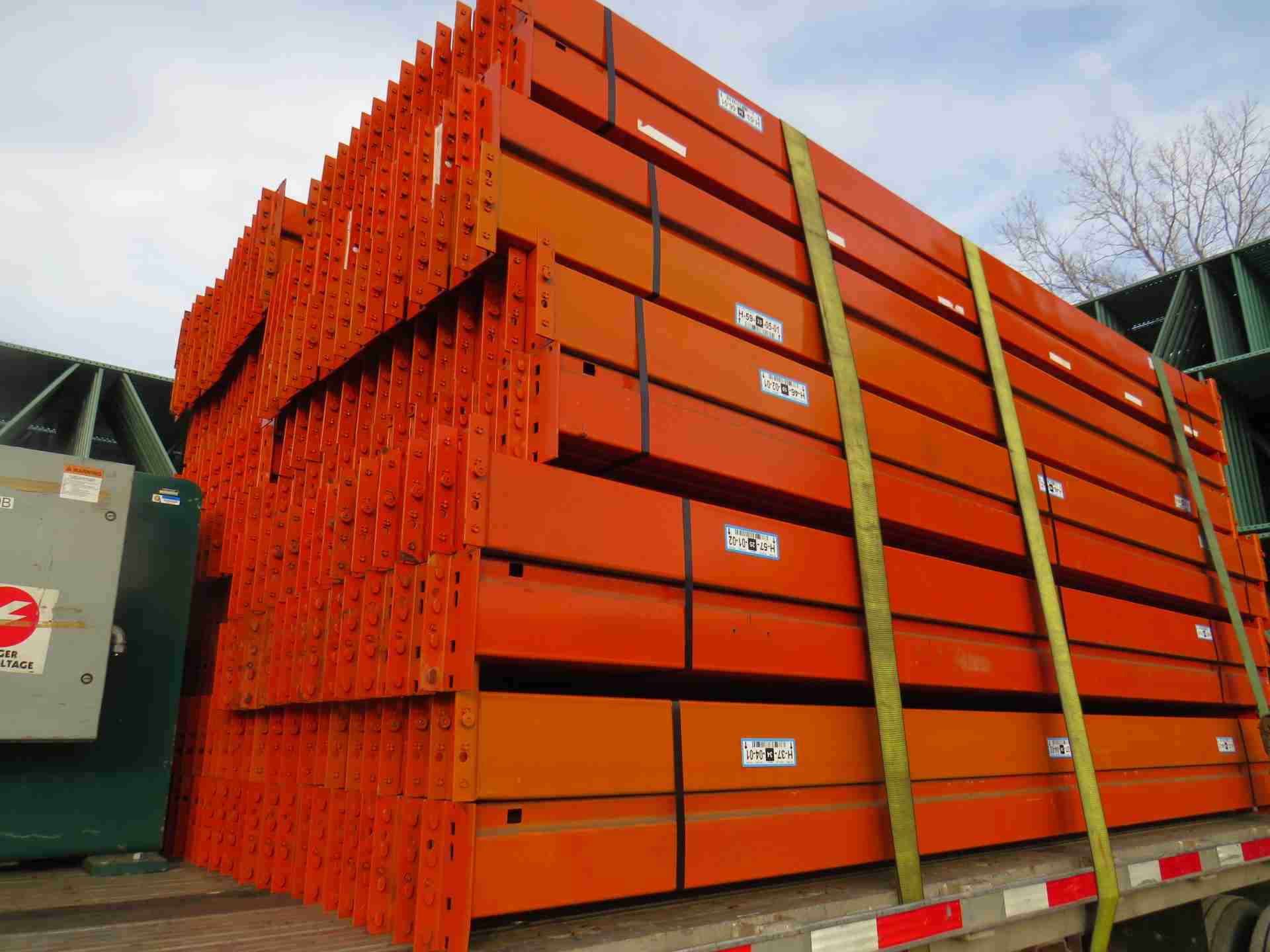
What Are Jeff Bezos’ Key Strategies For Warehouse Efficiency?
What Technology Does Amazon Use For Inventory Management?
In the fast-paced world of e-commerce, few companies can rival Amazon’s efficiency in inventory management. The secret sauce behind their success lies in a sophisticated blend of cutting-edge technology and innovative practices that ensure customer satisfaction while minimizing operational costs.
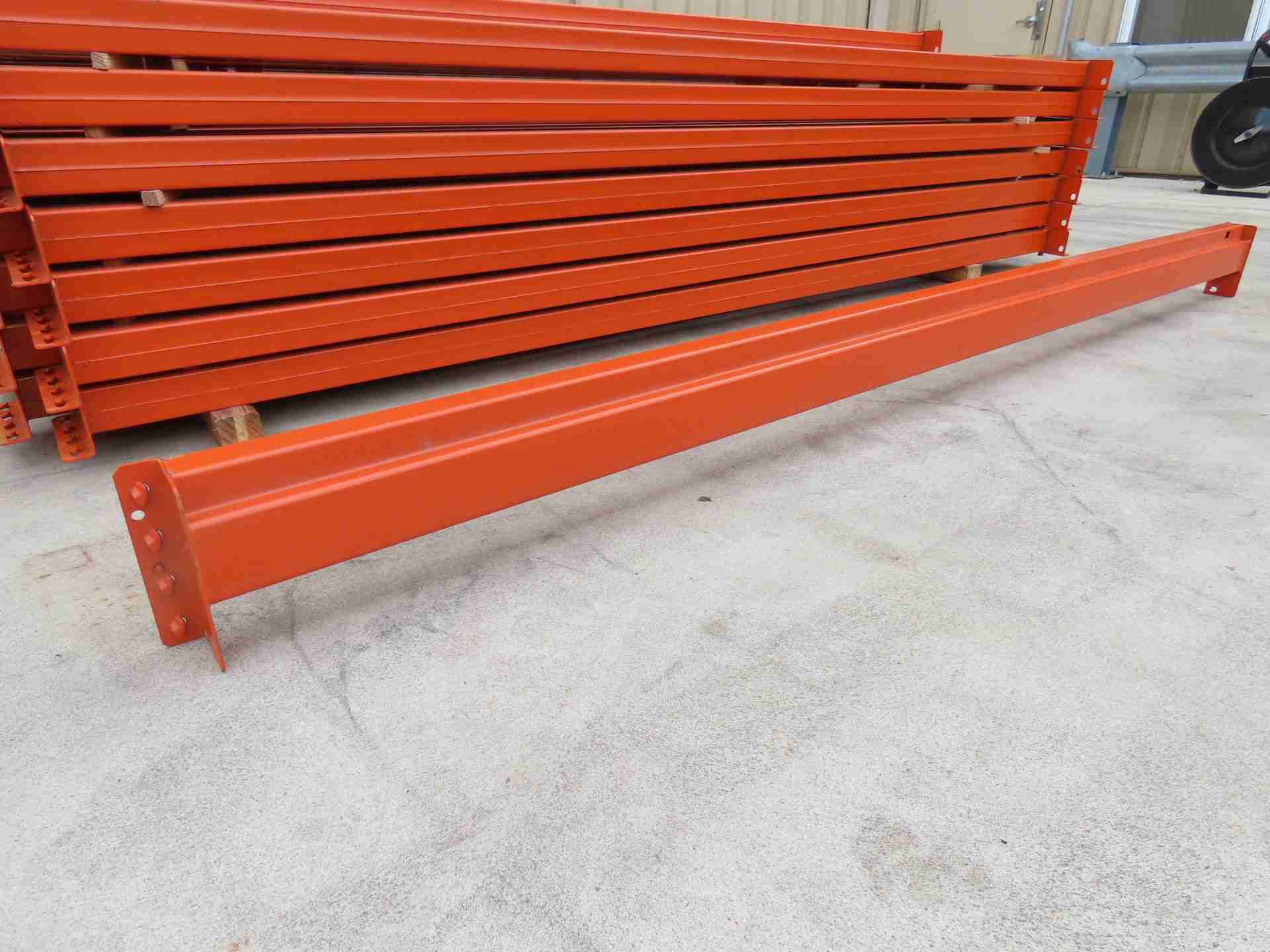
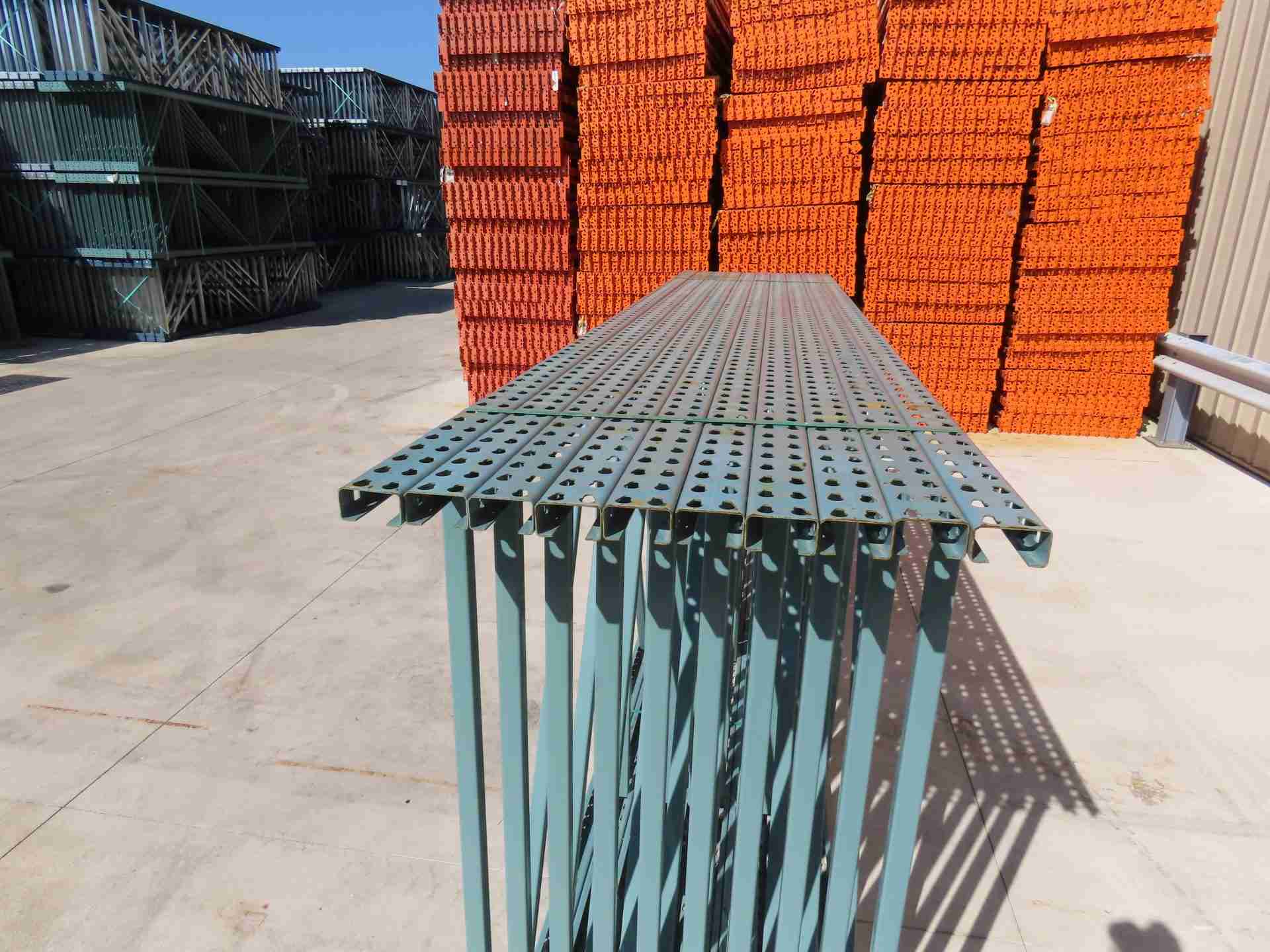
First and foremost, Amazon employs advanced automation technologies that streamline warehousing processes. Their distribution centers are filled to the brim with Pallet Racking systems, allowing for optimal use of vertical space and easy accessibility of products. This is not just about stacking; it’s about employing smart layouts that allow for quick retrieval of items. Each pallet can be identified and tracked precisely, making it effortless to locate items, reducing the time spent in fulfillment.
In addition to physical infrastructure, Amazon leverages robust inventory management software that employs algorithms designed to predict demand patterns. This software analyzes historical data, market trends, and even social media activity to forecast what products will fly off the shelves. For example, during the spike in demand for home exercise equipment witnessed in early 2020, Amazon’s inventory management system quickly adapted, ensuring that high-demand items were prioritized and readily available.
Moreover, Amazon has initiated partnerships with IoT (Internet of Things) providers. This collaboration allows for the use of smart devices that track inventory levels in real-time. With sensors placed on pallets and shelves, Amazon can monitor stock more effectively, reducing the risk of overstocking or running out of popular products. The integration of IoT not only enhances accuracy but also provides transparency throughout the supply chain, enabling Amazon to make informed decisions swiftly.
Artificial Intelligence (AI) plays a pivotal role in Amazon’s inventory management game. The company employs machine learning models that suggest optimal inventory levels, helping to balance supply with customer demand dynamically. Recent advancements have allowed these AI systems to learn from shifting consumer behavior, adapting quickly to new trends—a move that sets Amazon apart as a true market leader.
In response to current events, including supply chain disruptions and fluctuations in consumer buying behavior due to geopolitical tensions, Amazon’s technology-driven inventory management strategy ensures that they remain resilient. The combination of robust Pallet Racking systems, smart IoT devices, and predictive AI algorithms creates a fortress of efficiency, one that competitors can only aspire to emulate.
In sum, Amazon’s technological prowess in inventory management is not merely a competitive edge; it’s a fundamental part of its operational DNA that delivers unparalleled customer experiences. By continually innovating and adapting, Amazon stands as a beacon of what modern inventory management should look like.
What Technology Does Amazon Use For Inventory Management?
What Technology Does Amazon Use For Inventory Management?
- Amazon excels in inventory management through advanced technology and innovative practices.
- The company utilizes automation technologies to streamline warehousing processes, optimizing vertical space with Pallet Racking systems.
- Robust inventory management software predicts demand patterns by analyzing historical data and market trends.
- Partnerships with IoT providers allow real-time tracking of inventory levels, enhancing monitoring and reducing stock risks.
- Artificial Intelligence (AI) employs machine learning models to suggest optimal inventory levels based on customer demand dynamics.
- Amazon’s technology-driven strategy ensures resilience against supply chain disruptions and changing consumer behaviors.
- Continuous innovation in inventory management contributes to exceptional customer experiences, positioning Amazon as a market leader.
What Technology Does Amazon Use For Inventory Management?
How Does Automation Impact Warehouse Shelf Management?
In today’s fast-paced retail environment, where efficiency and precision are paramount, automation has become the lifeblood of effective warehouse shelf management. The buzz is real, and it’s reshaping the very foundation of how businesses operate. When you think about the traditional labor-intensive processes of managing shelf space, consider automation as the all-seeing eye that optimizes every inventory rotation.
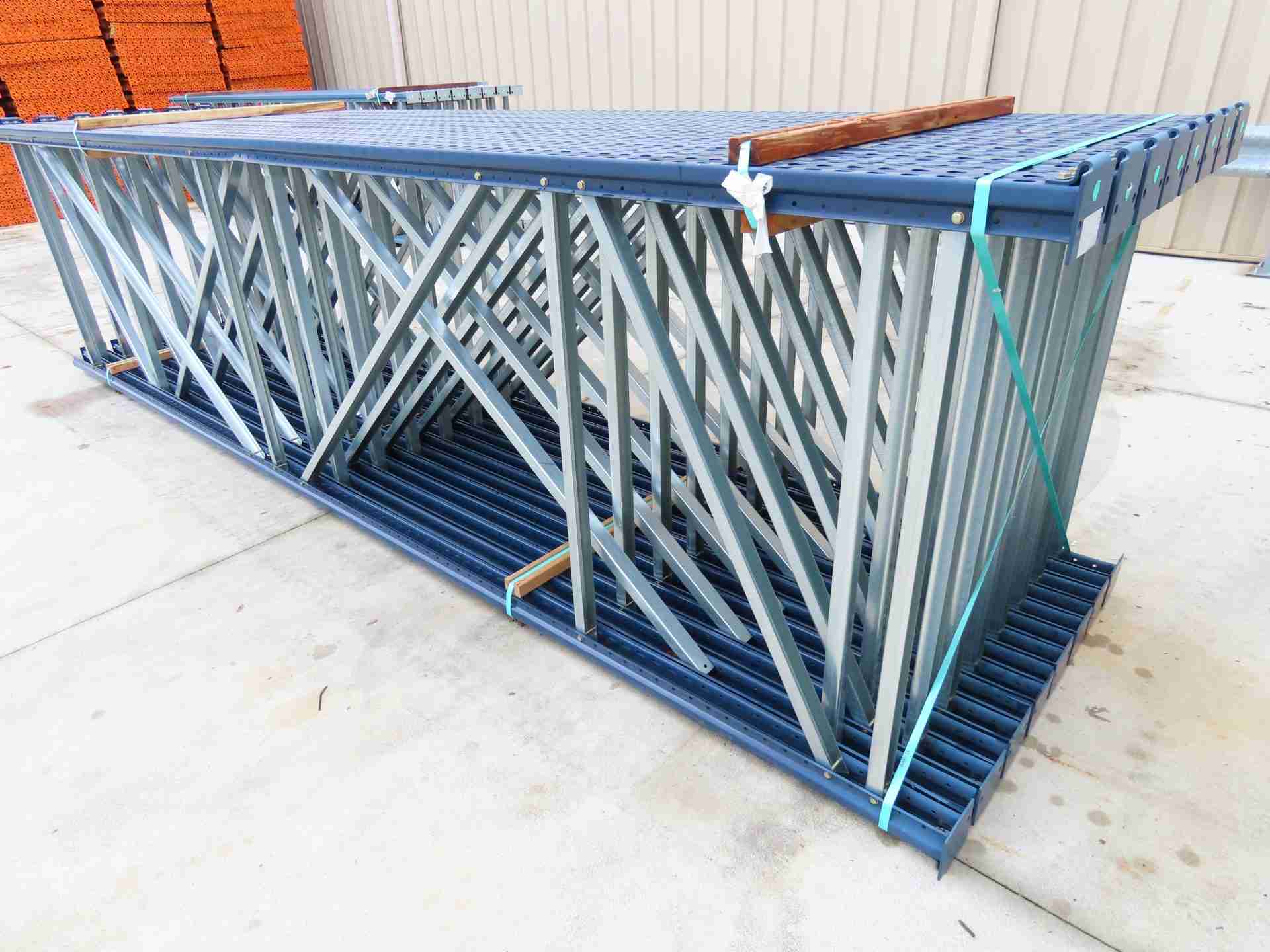
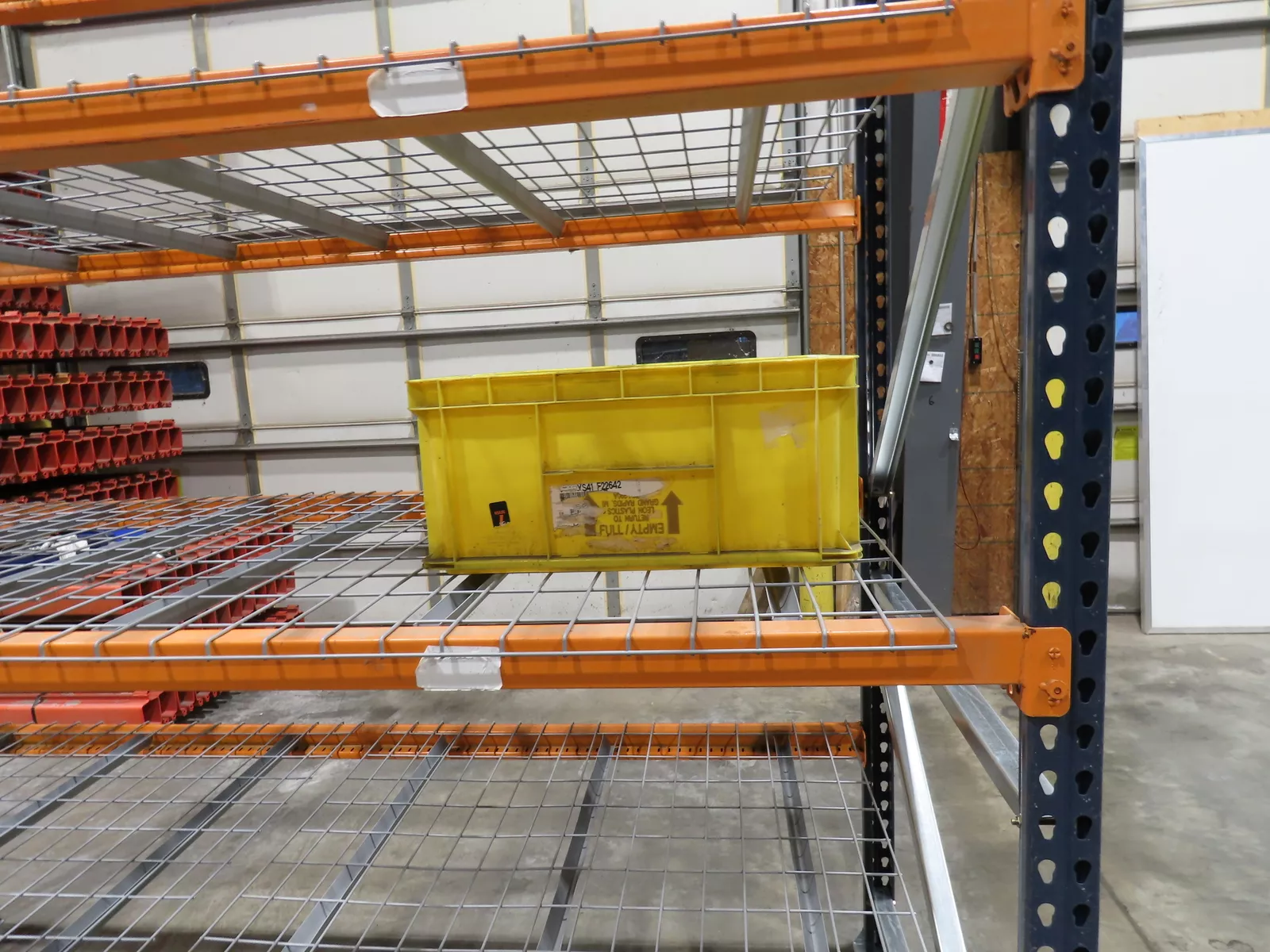
Let’s dive into an example that highlights the significance of automation: imagine a mid-sized e-commerce firm struggling to meet rising consumer demands. Orders are piling up, and the complexity of managing pallet racking systems is increasing. By integrating automated shelving solutions, this company shifts from a reactive approach to a proactive strategy. Automated guided vehicles (AGVs) and robotic arms not only streamline the placing and retrieving of goods but also maximize the potential fixed in pallet racking structures. This shift allows the warehouse staff to focus on high-value tasks, ultimately increasing productivity by double digits.
Moreover, the impact of automation on shelf management extends beyond mere efficiency. Take the recent global supply chain disruptions caused by geopolitical tensions and the pandemic; organizations that had embraced automation found themselves better prepared to navigate uncertainties. Rather than relying solely on manual intervention, automated systems allow for real-time inventory tracking and data analysis. This means businesses can swiftly adapt their warehouse layouts or restock according to demand fluctuations, ensuring that every shelf, every pallet racking unit, is utilized to its full potential.
The tech tools available today are not just gimmicks—they’re game-changers. Artificial Intelligence (AI) dashboards can analyze inventory movements, predict restock levels, and suggest optimal shelf placements to boost accessibility. For example, consider Amazon’s fulfillment centers where automated solutions are intrinsically woven into their warehouse strategies. They’ve revolutionized how goods are stored and retrieved, keeping shelves stocked and orders flowing at lightning speed.
By embracing these technologies, companies ensure that their warehouse environments are agile enough to respond to sudden spikes in demand—an absolute necessity in a world where customers expect instant gratification. The impact of automation on warehouse shelf management is clear: it’s not just about efficiency; it’s about survival in a competitive landscape. In the race against time, those who leverage technology will not only keep pace but will also set the stage for what’s next. With a well-oiled automated system in place, your warehouse can become a powerhouse of productivity, harnessing the true potential of every inch of space.
How Does Automation Impact Warehouse Shelf Management?
How Does Automation Impact Warehouse Shelf Management?
- Automation is crucial for effective warehouse shelf management in today’s fast-paced retail environment.
- Automation optimizes inventory rotation, shifting from labor-intensive processes to more efficient strategies.
- A mid-sized e-commerce firm demonstrates how automated shelving can enhance productivity by utilizing automated guided vehicles (AGVs) and robotic arms.
- Companies embracing automation have been better equipped to handle global supply chain disruptions and adapt to demand fluctuations.
- Advanced technology, such as AI dashboards, can analyze inventory, predict restock levels, and suggest optimal shelf placements.
- Automated solutions have transformed warehousing practices, as evidenced by Amazon’s fulfillment centers, enabling rapid stock management and order fulfillment.
- Embracing automation is vital for survival in a competitive landscape, allowing businesses to respond swiftly to customer demands and maximize productivity.
How Does Automation Impact Warehouse Shelf Management?
What Role Does Data Play In Optimizing Warehouse Layout?
In today’s fast-paced supply chain landscape, data has emerged as the lifeblood for businesses striving to refine their warehouse operations. The right warehouse layout can mean the difference between profit and loss, and leveraging data effectively is key in achieving that perfect arrangement.
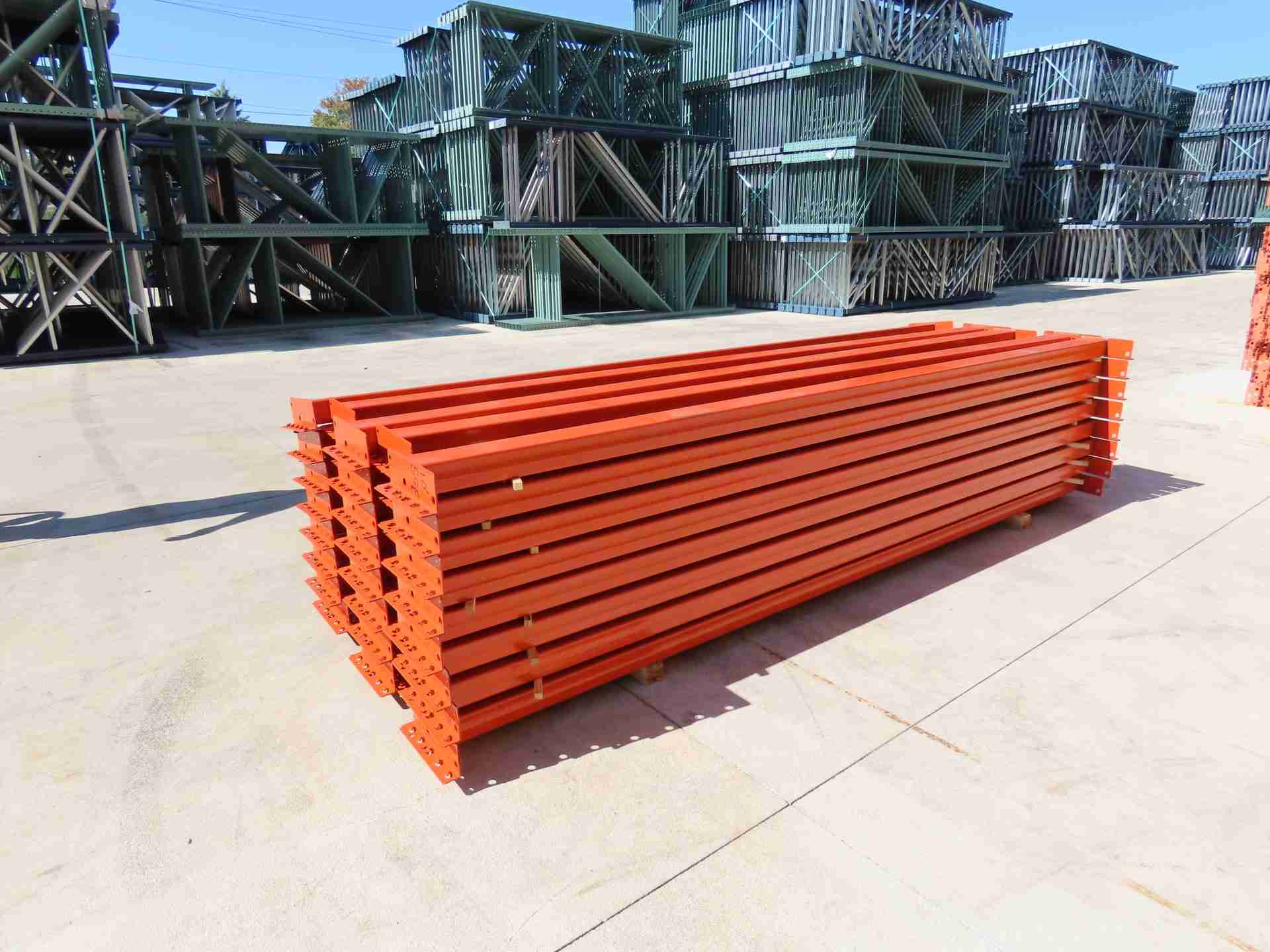
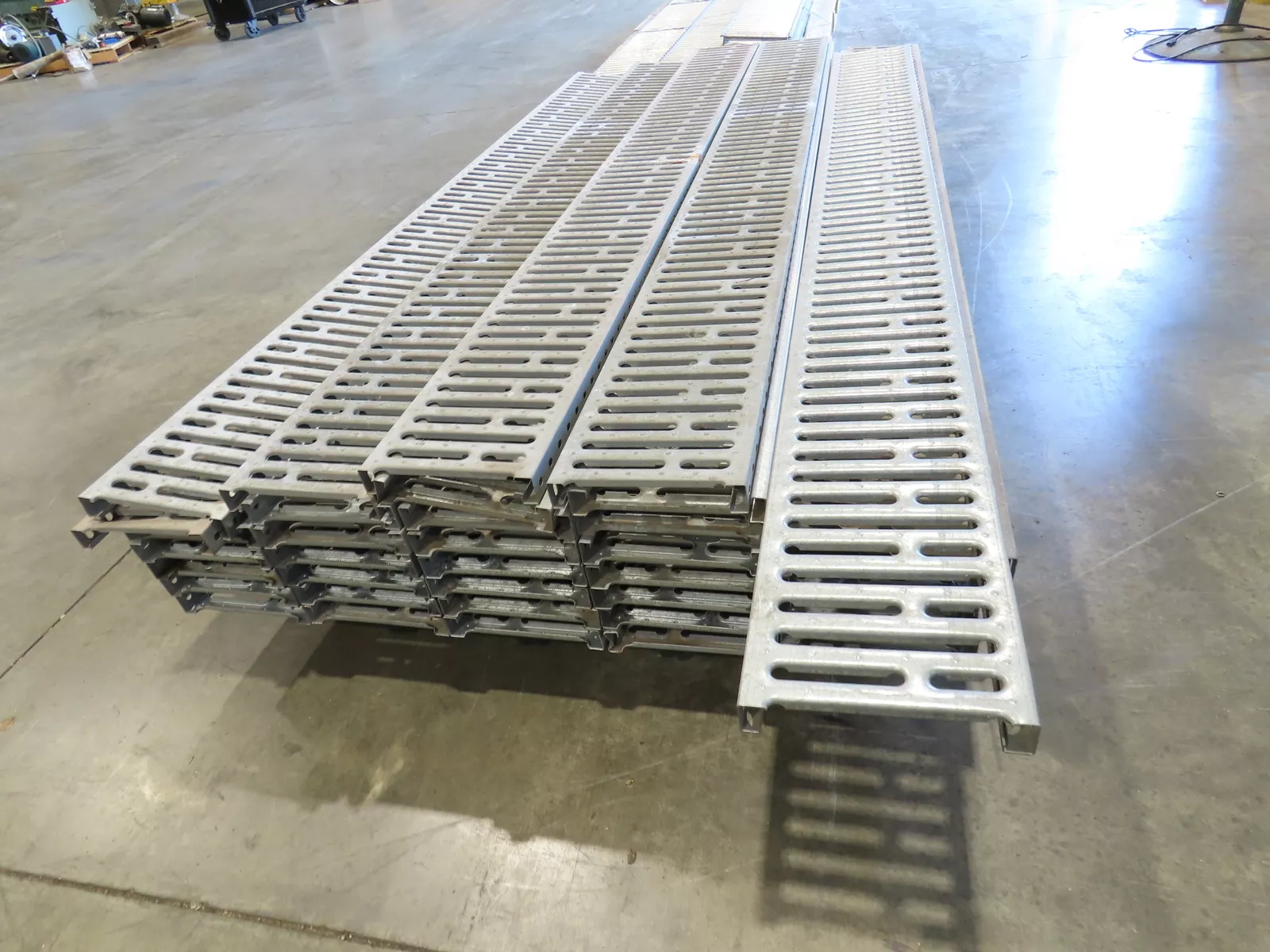
First, let’s consider pallet racking systems. These systems are fundamental to maximizing vertical space in warehouses, and the right layout can optimize product accessibility while minimizing the time workers spend retrieving items. By harnessing data analytics, businesses can identify which products are flying off shelves and which are stuck gathering dust. For example, analyzing sales velocity and picking frequency allows you to position fast-moving items at eye level in your pallet racking units, thereby reducing retrieval time and increasing efficiency.
Data visualization tools can play a significant role here. Imagine a distribution center that processes thousands of SKUs daily. Without data, product placement is often a shot in the dark. However, with historical movement data at your fingertips, you can create a heat map of product demand, placing high-turnover items in easily accessible locations and relegating less popular items to less convenient spots. This strategic use of data minimizes operational bottlenecks and enhances overall productivity.
Moreover, current trends show a shift toward integrating Internet of Things (IoT) technology within warehouse systems. For instance, smart sensors and RFID tags can provide real-time data on inventory levels and warehouse traffic patterns. This granular data can lead to proactive adjustments in layout, reducing congestion during peak hours. A warehouse with limited visibility into its operations might experience delays, but an innovative layout informed by real-time data can streamline processes and enhance customer satisfaction, a crucial element as e-commerce continues to surge post-pandemic.
Furthermore, seasonal fluctuations can drastically affect warehouse efficiency. Analysis of past sales during peak seasons allows businesses to preemptively adjust their layouts. Picture a company that sells holiday décor. By analyzing data from previous years, they can restructure their pallet racking ahead of the season to accommodate the anticipated spike in demand, ensuring that products are organized for rapid retrieval as orders flood in.
The optimization of warehouse layout through data analytics is not merely a trend — it’s a necessity. By strategically utilizing data, particularly in arranging pallet racking and anticipating market demands, businesses can transform their operations into a lean, agile, and customer-centric machine. Embrace data, or risk being left behind.
What Role Does Data Play In Optimizing Warehouse Layout?
What Role Does Data Play In Optimizing Warehouse Layout?
- Data is crucial for enhancing warehouse operations in today’s supply chain landscape.
- Efficient pallet racking systems maximize vertical space and optimize product accessibility.
- Data analytics can identify sales trends, allowing fast-moving items to be placed for quick retrieval.
- Data visualization tools enable the creation of heat maps for strategic product placement based on demand.
- Integration of IoT technology, like smart sensors, provides real-time inventory and traffic data.
- Analyzing seasonal sales patterns allows preemptive layout adjustments for peak demands.
- Optimizing warehouse layout through data analytics is essential for agile and customer-focused operations.
What Role Does Data Play In Optimizing Warehouse Layout?
How Can Small Businesses Implement Bezos’ Warehouse Ideas?
In the ever-evolving landscape of retail and fulfillment, it’s evident that small businesses can glean invaluable insights from the innovative strategies pioneered by large e-commerce giants like Amazon. One key area ripe for application is warehouse optimization, particularly through concepts such as pallet racking.
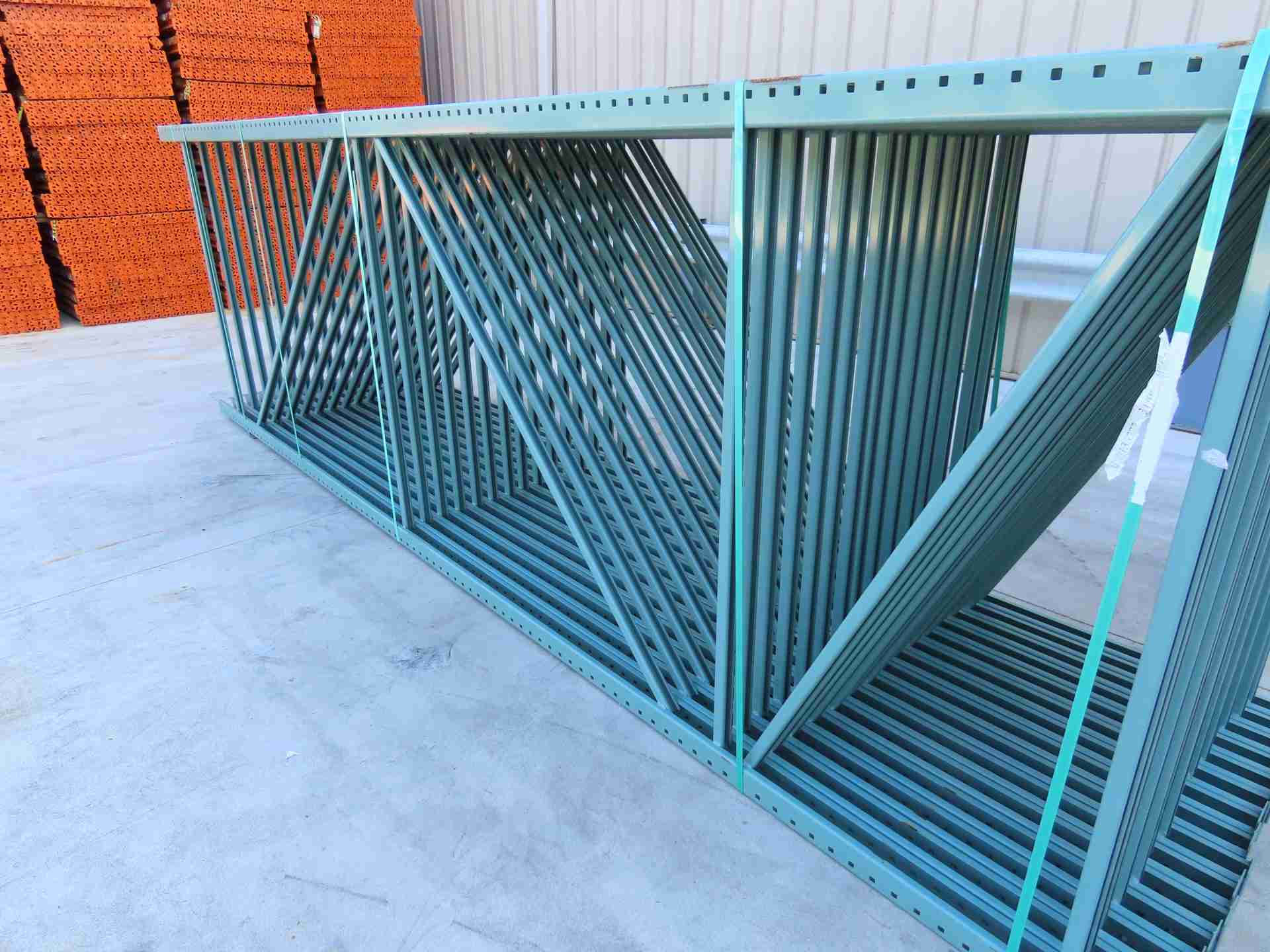
Pallet racking systems are far from a novel notion; they are often the backbone of efficient inventory management. However, small businesses can adopt and tailor these systems to amplify their operational capacity without incurring the colossal expenses associated with large-scale infrastructures. Recent data shows that up to 75% of warehouse space can be utilized more effectively, yielding a significant uptick in productivity and reducing the overhead costs that tend to plague small operators.
For instance, consider a small e-commerce company that specializes in artisanal goods. By installing a straightforward pallet racking system, they can organize their products based on turnover rates or seasonal demand. This strategic arranging allows quick access to high-demand items while storing slower-moving inventory at the back. When a surge of demand occurs—like during the recent holiday shopping season—the business can fulfill orders faster and more efficiently, mimicking the rapid response cycles of larger competitors.
Additionally, small businesses can leverage technology to enhance their pallet racking systems. Implementing barcode scanning technologies or RFID can streamline inventory tracking, making it easier to conduct accurate counts and manage stock levels effectively. This is particularly crucial given the ongoing global supply chain disruptions, where real-time data can help a business navigate shortages or unexpected surpluses.
Moreover, take a page from Amazon’s playbook by developing a streamlined order-picking process akin to their Kiva robots. While using robots may be out of reach for many small business owners, implementing a systematic picking pathway can reduce the time and movement involved in gathering products. For example, organizing inventory so that the most oft-picked items are located near the packing station not only speeds up order fulfillment but enhances the overall customer experience.
While small businesses may not have the resources of giants like Amazon, they have the agility to implement sophisticated warehouse strategies. By adopting pallet racking systems combined with technology and optimizing their order-picking processes, businesses can improve efficiency, respond quicker to market demands, and fulfill their promise to customers—turning their operations into well-oiled machines that stand toe-to-toe with industry leaders. It’s about working smarter, not necessarily bigger.
How Can Small Businesses Implement Bezos’ Warehouse Ideas?
How Can Small Businesses Implement Bezos’ Warehouse Ideas?
- Small businesses can learn from large e-commerce companies like Amazon to optimize operations.
- Pallet racking systems are effective for inventory management, maximizing warehouse space utilization by up to 75%.
- Implementing pallet racking enables better organization of products based on turnover and seasonal demand.
- Technology, including barcode scanning and RFID, can enhance inventory tracking and management in small businesses.
- A streamlined order-picking process can speed up fulfillment, similar to Amazon’s Kiva robots, even without robotics.
- Agility allows small businesses to adopt sophisticated warehouse strategies despite limited resources.
- By optimizing their operations, small businesses can improve efficiency and compete effectively with larger companies.

How Can Small Businesses Implement Bezos’ Warehouse Ideas?
What Are The Benefits Of Using Vertical Space In Warehouses?
In today’s fast-paced and ever-evolving business environment, the importance of maximizing warehouse efficiency cannot be overstated. One of the most effective strategies to enhance your warehouse operations is by leveraging vertical space. By utilizing vertical space through methods such as pallet racking, businesses can significantly improve their storage capacity, streamline workflows, and ultimately increase profitability.
Consider this: traditional horizontal storage methods can lead to inefficient use of valuable floor space, which is often at a premium. By transitioning to vertical storage solutions like pallet racking, companies can multiply their storage capacity without the need to expand their physical footprint. With the recent surge in e-commerce and the rapid growth of businesses looking to meet customer demands, many companies have successfully adopted these vertical solutions to stay competitive. Just look at the trend in online retailers, such as Amazon, which emphasizes the significance of efficient warehouse layouts that rely heavily on vertical storage.
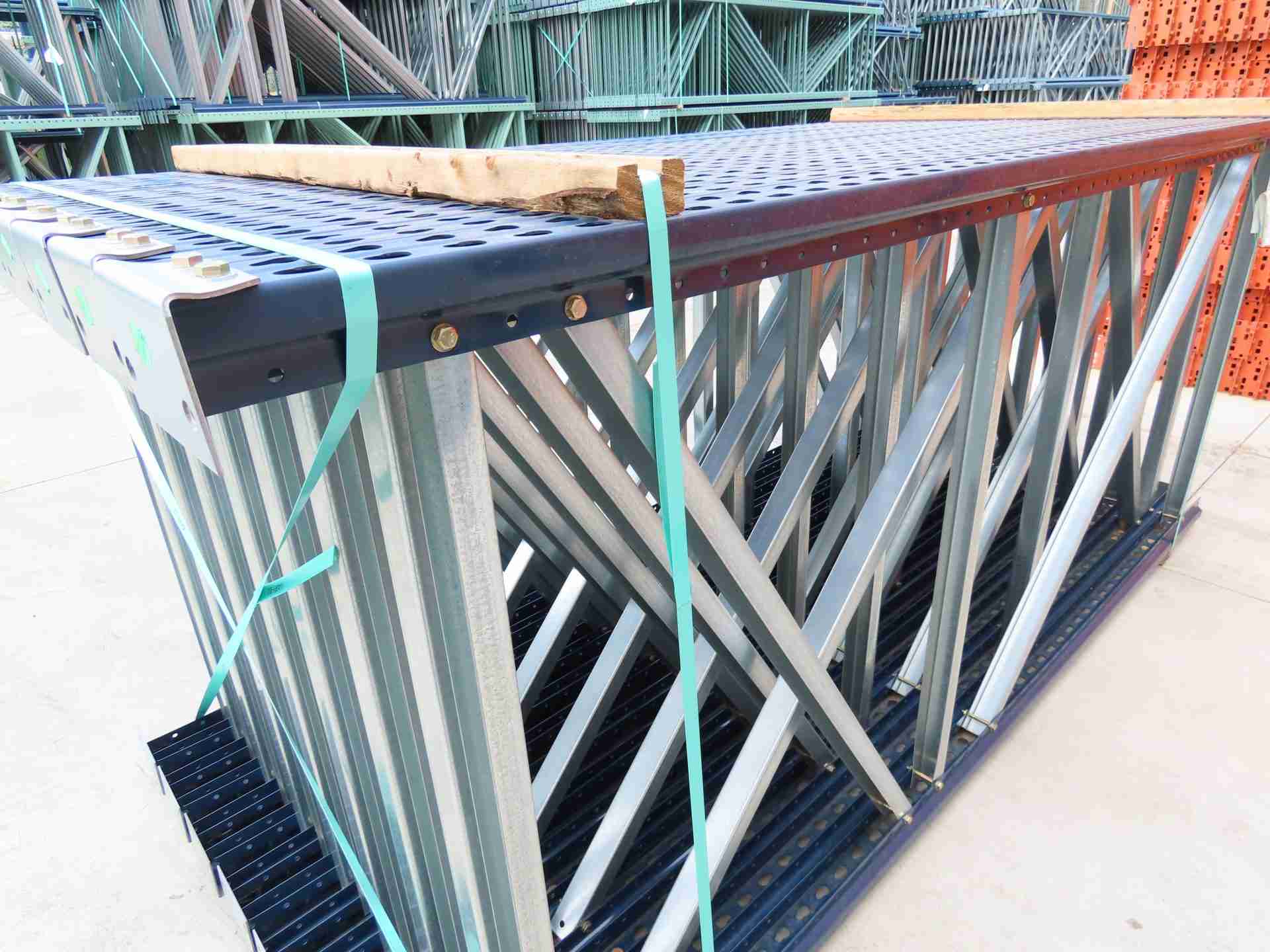
Pallet racking systems, for instance, allow you to stack goods safely and securely, reaching impressive heights that traditional shelving simply cannot offer. This means you can store more products in the same amount of space, which can lead to lower lease costs and higher employee productivity. Imagine a warehouse that can accommodate double the inventory without a corresponding increase in rent—it’s not just a dream; it’s a reality made possible through smart warehouse design.
Moreover, vertical space utilization also facilitates better organization and inventory management. By placing frequently accessed items at eye level and higher, employees spend less time searching for products and more time fulfilling orders, which translates to shorter lead times and happier customers.
On top of that, consider the added safety benefits. Organized, high-density pallet racking systems can reduce clutter and minimize the risk of accidents, contributing to a safer working environment. With OSHA regulations becoming increasingly stringent, investing in vertical space not only makes good business sense but also aids in maintaining compliance.
In an age where operational efficiency can make or break a business, harnessing the full potential of vertical space with solutions like pallet racking is no longer optional—it’s essential. Companies that embrace these strategies will not only survive but thrive, reaping the rewards of increased inventory capacity, improved workflow, and enhanced safety. Don’t wait for your competition to outpace you; now is the time to elevate your warehouse management to new heights!
What Are The Benefits Of Using Vertical Space In Warehouses?
What Are The Benefits Of Using Vertical Space In Warehouses?
- Maximizing warehouse efficiency is crucial in today’s fast-paced business environment.
- Leveraging vertical space through methods like pallet racking can enhance storage capacity and workflow.
- Transitioning from horizontal to vertical storage can save valuable floor space and reduce the need for physical expansion.
- Vertical storage solutions are increasingly adopted by businesses to remain competitive amidst e-commerce growth.
- Pallet racking systems enable safe and high stacking of goods, increasing inventory without raising rent costs.
- Utilizing vertical space enhances organization, leading to faster order fulfillment and improved customer satisfaction.
- Investing in vertical systems supports a safer work environment and compliance with OSHA regulations, making it essential for business success.

What Are The Benefits Of Using Vertical Space In Warehouses?
Conclusion
As we’ve explored throughout this article, the path toward optimized warehouse efficiency is paved with the strategic lessons exemplified by industry titans like Jeff Bezos. In an era where time is money, and operational agility is crucial, the principles derived from Bezos’ methodologies are not just advantageous—they are imperative for survival and success in the fast-paced e-commerce landscape.
Firstly, the implementation of advanced pallet racking systems stands as the cornerstone of efficient warehouse management. By maximizing vertical space, companies can drastically decrease their physical footprint while simultaneously increasing storage capacity. Imagine harnessing every inch of your warehouse to not only accommodate more inventory but also streamline access for rapid fulfillment—transforming your operation into an agile powerhouse that can pivot in response to market demands.
Moreover, integrating cutting-edge technology into your operations is vital. The use of automation and robust inventory management software allows for real-time tracking, data-driven decision-making, and predictive analytics. Today, leveraging automated systems does more than simplify processes; it empowers your team to focus on high-value tasks, ultimately enhancing productivity and employee morale.
But it doesn’t stop there. The psychological impact of an organized, technology-enhanced workspace cannot be underestimated. A well-structured warehouse not only improves efficiency but also attracts and retains top talent—a significant asset in today’s labor market. Employees thrive in a well-organized environment, creating a win-win scenario for both business operations and workforce satisfaction.
For small businesses, these strategies are within reach. By embracing scalable solutions like pallet racking and modern inventory technologies, you can compete head-to-head with larger corporations. A well-designed warehouse is no longer a luxury; it’s essential for those looking to thrive in a competitive landscape.
Now, time is of the essence! Don’t let inefficiency stymie your growth. At Arrow Industrial Sales, we’re eager to help you dive into these transformative strategies. Our team is prepared to guide you through implementing effective pallet racking solutions tailored to your needs.
Take action today—call Arrow Industrial Sales at (574) 349-6575 for a consultation that could reshape your warehouse operations and ultimately enhance your bottom line. The future of warehouse efficiency awaits, and it starts with a simple phone call. Don’t wait for tomorrow; elevate your warehouse and reach new heights today!
Conclusion
Conclusion:
- Optimize warehouse efficiency using strategic lessons from Jeff Bezos.
- Implement advanced pallet racking systems to maximize vertical space and storage capacity.
- Utilize automation and inventory management software for real-time tracking and predictive analytics.
- An organized, technology-enhanced workspace improves workforce satisfaction and attracts talent.
- Small businesses can leverage scalable solutions to compete with larger corporations.
- Arrow Industrial Sales offers guidance in implementing effective pallet racking solutions.
- Contact Arrow Industrial Sales for a consultation to enhance your warehouse operations today.
Conclusion
Other Resources
Other Resources
Here is a list of other resources you can review online to learn more:
- IWLA
- Rack Manufacturers Institute
- Used Teardrop Pallet Rack – American Surplus
- Warehouse Racking Systems: Beginner’s Guide to Rack Systems
- Illinois Pallet Racking – Storage Solutions
- Intro to Warehouse Racks & Warehouse Racking Systems – ShipBob
- National Safety Council
- Wolter
- ASSP
- Storage Equipment Manufacturers Association
Use This Prompt To Get More Resources With Your Favorite Online AI Tool: Please provide me with a list of online articles with their URLs in a bulleted list that I can read regarding What Can Jeff Bezos Teach Us About Streamlining Warehouse Shelves?
Other Resources
Glossary Terms
What Can Jeff Bezos Teach Us About Streamlining Warehouse Shelves? – Glossary Of Terms
1. Automation: The use of technology to perform tasks with minimal human intervention, allowing for faster and more accurate operations in warehouses.
2. Lean Inventory: A methodology that focuses on reducing waste and optimizing the flow of goods, ensuring only necessary items are stocked.
3. SKU (Stock Keeping Unit): A unique identifier for each distinct product and service that can be purchased, crucial for managing inventory effectively.
4. Just-In-Time (JIT): An inventory strategy that aligns raw-material orders with production schedules to minimize holding costs and reduce waste.
5. Fulfillment Center: A type of warehouse where products are stored and shipped directly to customers, emphasizing speedy delivery.
6. Cross-Docking: A logistics practice where incoming goods are directly transferred to outgoing vehicles with minimal storage time.
7. Pick and Pack: A fulfillment process where items are picked from shelves based on orders and packed for shipment.
8. Inventory Turnover: A ratio that shows how many times inventory is sold and replaced over a period, indicating efficiency in managing stock levels.
9. Dynamic Slotting: An inventory management practice that optimally assigns storage locations based on demand patterns and product characteristics.
10. Warehouse Management System (WMS): Software that helps manage warehouse operations, including inventory tracking, order fulfillment, and labor management.
11. Batch Picking: A picking method where multiple orders are gathered simultaneously before the items are sorted for individual packaging.
12. Barcode Scanning: The use of barcode technology to track products, which speeds up inventory management and reduces errors.
13. Order Fulfillment: The entire process of receiving, processing, and delivering customer orders efficiently.
14. Cycle Counting: An inventory auditing technique where a portion of the inventory is counted on a specific day, ensuring accuracy without a full inventory count.
15. Stockout: A situation where inventory is unavailable when there’s demand, potentially leading to lost sales and customer dissatisfaction.
16. Lead Time: The period between initiating a process and its completion, critical for managing supply chain operations effectively.
17. Value Stream Mapping: A visual tool used to analyze and improve the flow of information and materials in a process.
18. Kitting: The assembly of different products into a ready-to-ship package, streamlining the fulfillment process.
19. Last-Mile Delivery: The final step in the delivery process, focusing on getting packages from a transportation hub to the final customer.
20. Reorder Point (ROP): The inventory level at which a new order should be placed to restock before running out of a product.
21. Shelf Optimization: The practice of arranging products on shelves to maximize efficiency, accessibility, and sales potential.
22. Work Cell: A designated area in a warehouse designed for efficient workflow, often grouped by task or product type.
23. Packaging Optimization: Designing packaging to minimize waste and maximize space utilization while protecting products during transit.
24. Predictive Analytics: The use of statistical algorithms and machine-learning techniques to identify the likelihood of future outcomes based on historical data.
25. Inventory Accuracy: A measure of how closely the recorded inventory matches the actual physical inventory, critical for effective management.
26. Material Handling: The movement, protection, and control of materials throughout the manufacturing and warehouse process.
27. Vendor-Managed Inventory (VMI): A practice where suppliers manage the inventory levels of their products within the retailer’s warehouse.
28. FIFO (First In, First Out): An inventory management method where the oldest stock is sold first to avoid obsolescence and spoilage.
29. Metrics Dashboard: A visual display of key performance indicators (KPIs) used to monitor warehouse efficiency and performance.
30. Omnichannel Fulfillment: A strategy that integrates multiple sales channels (e. g. , in-store, online) to provide customers with a seamless shopping experience.
Glossary Of Terms
Other Questions
What Can Jeff Bezos Teach Us About Streamlining Warehouse Shelves? – Other Questions
If you wish to explore and discover more, consider looking for answers to these questions:
- What specific pallet racking systems did Jeff Bezos implement at Amazon?
- How can small businesses afford and implement advanced technology similar to Amazon?
- What other companies have successfully adopted Bezos’ strategies for warehouse efficiency?
- What are the potential drawbacks or challenges of using pallet racking systems?
- How does the integration of AI change the way warehouses manage inventory?
- What tools can help small businesses analyze their inventory turnover rates?
- What role does employee feedback play in optimizing warehouse operations?
- How can businesses ensure the safety of employees while maximizing vertical space?
- What training programs exist for employees to learn about automated systems?
- What metrics should businesses monitor to gauge the effectiveness of their warehouse strategies?
- How do seasonal demand fluctuations impact inventory management in warehouses?
- What are the best practices for organizing a warehouse with limited space?
- How can collaboration and communication within teams improve warehouse efficiency?

Other Questions
Checklist
What Can Jeff Bezos Teach Us About Streamlining Warehouse Shelves? – A Checklist
1. Assess Your Current Layout
_____ Evaluate your existing warehouse layout.
_____ Identify areas where space is underutilized.
2. Implement Pallet Racking Systems
_____ Choose appropriate pallet racking solutions for your products.
_____ Maximize vertical space to enhance storage capacity.
3. Categorize Your Inventory
_____ Analyze turnover rates of products.
_____ Place fast-moving items within easy reach and slow-moving ones deeper in the warehouse.
4. Leverage Technology
_____ Consider incorporating automation in your inventory management process.
_____ Utilize inventory management software for data-driven decisions.
_____ Explore IoT devices for real-time inventory tracking.
5. Create a Data-Driven Warehouse Strategy
_____ Use data analytics to identify patterns in product movement.
_____ Adjust warehouse layout based on historical data and forecasting.
6. Invest in Employee Training
_____ Train employees on warehouse operations and pallet racking usage.
_____ Encourage a culture of continuous improvement and efficiency.
7. Enhance Supply Chain Management
_____ Streamline your supply chain processes.
_____ Assess partnerships that can improve logistics and inventory flow.
8. Utilize Automation Technologies
_____ Explore the use of Automated Guided Vehicles (AGVs) and robotics.
_____ Implement smart shelving solutions to increase efficiency.
9. Design Proactive Picking Paths
_____ Organize inventory by frequency of picking.
_____ Create clear pathways for faster order fulfillment routes.
10. Optimize Seasonal Layout Adjustments
_____ Analyze past sales for seasonal spikes and adjust layout accordingly.
_____ Anticipate inventory needs well in advance of peak seasons.
11. Maintain an Organized Work Environment
_____ Foster a tidy and organized warehouse for improved morale.
_____ Regularly review and implement safety protocols.
12. Monitor and Improve Continually
_____ Set up a system for continuous feedback and monitoring of processes.
_____ Periodically review the effectiveness of your warehouse strategy and make necessary adjustments.
By following this checklist, you can begin to implement the efficiency strategies inspired by Jeff Bezos that can lead to significant improvements in your warehouse operations.
Checklist
At RackingWorld, we help guide you through selecting warehouse storage systems and racking.
Be sure to read our other related stories at RackingWorld to learn more about warehouse storage systems.
0 Comments