
Maximizing Efficiency With Heavy-Duty Warehouse Shelving
By Tom Seest
At RackingWorld, we help guide you through selecting warehouse storage systems and racking.
Be sure to read our other related stories at RackingWorld to learn more about warehouse storage systems.
What Are The Top Shelving Solutions for Heavy-Duty Warehouse Items?
When it comes to maximizing space and efficiency in a heavy-duty warehouse, the right shelving solutions can make all the difference. The challenge is not just to store items but to store them in a way that enhances productivity and safety. Let’s delve into the top shelving solutions that promise to transform your warehousing operations.
Pallet Racking is the heavyweight champion of warehouse shelving solutions. These versatile systems are designed to hold heavy loads, making them ideal for businesses that deal with bulky items. By utilizing vertical space, pallet racking not only maximizes your warehouse’s storage capacity but also optimizes picking efficiency. For example, many companies have recently adopted selective pallet racking systems, which allow for direct access to every pallet in the rack. This setup not only speeds up the picking process but also reduces the time your staff spends searching for materials.
Another effective solution is Drive-In Racks. These racks come with lanes that allow forklifts to drive directly into the rack structure. It’s a fantastic option for high-density storage, permitting you to store a large number of pallets in a minimal footprint. This system is especially advantageous in sectors like food and beverage where products often share a short shelf-life, allowing quicker rotation and fulfillment.
For a more streamlined approach, consider Cantilever Racking. This shelving solution is excellent for storing longer items like lumber, pipes, and steel bars. With its open design, accessing products becomes effortless—eliminating the need for cumbersome handling and reducing the risk of injury to workers. Many businesses are making the shift to cantilever racking to address these specific needs, showcasing a trend towards greater awareness of efficiency and safety.
Additionally, Automated Storage and Retrieval Systems (AS/RS) are taking the world of warehousing by storm. This state-of-the-art technology uses automated cranes or shuttles to store and retrieve goods with unmatched speed and accuracy. Recent developments have highlighted how AS/RS can reduce labor costs and increase throughput, offering a competitive edge in industries facing labor shortages.
In today’s fast-paced market, the need for adaptable and robust shelving solutions is crucial. Whether you need the unmatched strength of pallet racking, the high-density capabilities of drive-in racks, the utility of cantilever systems, or the revolutionary efficiency of AS/RS, investing in the right shelving solution will undoubtedly boost your warehouse operations. Don’t just store—store smart! Embrace the future of warehousing with solutions tailored to your heavy-duty needs.
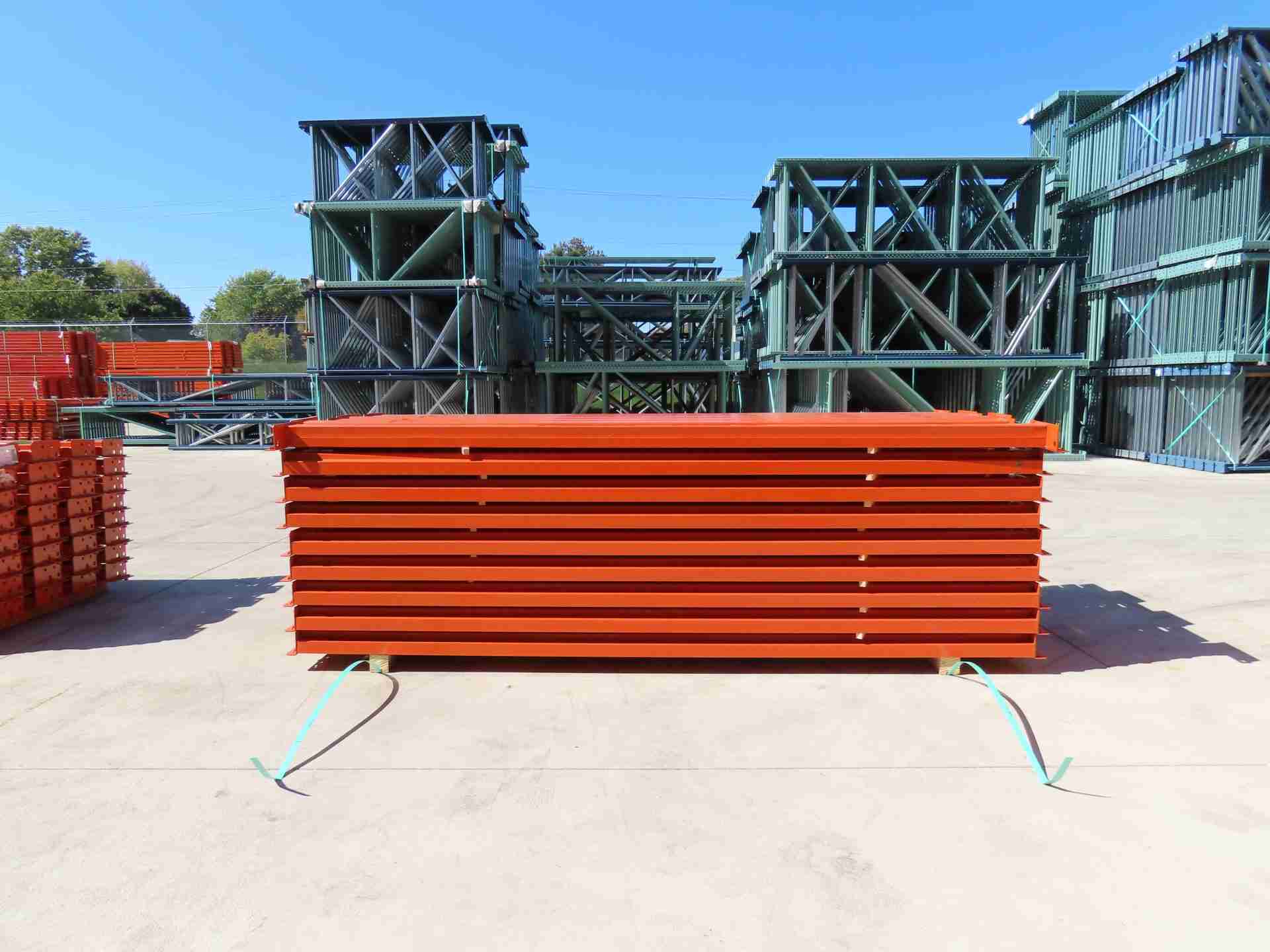
What Are The Top Shelving Solutions for Heavy-Duty Warehouse Items?
What Are The Top Shelving Solutions for Heavy-Duty Warehouse Items?
- Pallet Racking is ideal for heavy loads and maximizes storage capacity by utilizing vertical space.
- Selective pallet racking allows direct access to every pallet, speeding up the picking process and reducing search time.
- Drive-In Racks offer high-density storage and are particularly useful in sectors with products that have a short shelf life.
- Cantilever Racking is designed for storing longer items, making access easier and reducing handling risks.
- Automated Storage and Retrieval Systems (AS/RS) utilize cranes or shuttles for fast and accurate storage and retrieval.
- AS/RS can significantly reduce labor costs and increase throughput, providing a competitive advantage.
- Investing in the right shelving solutions is crucial for maximizing efficiency and safety in warehouse operations.

What Are The Top Shelving Solutions for Heavy-Duty Warehouse Items?
Table Of Contents
- What Are The Top Shelving Solutions for Heavy-Duty Warehouse Items?
- What Shelving Systems Best Support Heavy-Duty Items?
- How Do I Choose Heavy-Duty Shelving?
- What Materials Are Ideal For Heavy-Duty Shelving?
- Are Industrial Racks Suitable For Heavy Loads?
- How Much Weight Can Warehouse Shelving Hold?
- What Features Should I Look For In Heavy-Duty Shelving?
- Conclusion
- Other Resources
- Glossary Of Terms
- Other Questions
- Checklist
What Shelving Systems Best Support Heavy-Duty Items?
When it comes to storing heavy-duty items, you need to think beyond mere aesthetics; you need a storage solution that embodies strength, durability, and efficiency. Enter pallet racking, the powerhouse of warehouse shelving systems. This shelving style is the unsung hero of industrial storage, making it the go-to choice for businesses that need to manage bulky, heavy loads.
Pallet racking systems are designed to handle significant weight capacities without sacrificing safety or accessibility. Constructed from high-strength steel, these systems can support a significant amount of weight, so whether you’re storing stacks of lumber, bags of concrete, or industrial components, you can rest assured that your items are secure.
For example, global supply chains have recently faced unprecedented challenges, causing businesses to rethink their storage solutions. Many companies have adopted pallet racking systems to optimize their warehouse environments. If you look at industry giants like Amazon or Walmart, you’ll find them heavily utilizing pallet racking in their fulfillment centers, enabling efficient movement of goods and maximizing storage capacity.
Moreover, pallet racking systems are highly customizable. You can find various designs such as selective, drive-in, and push-back racks, tailored for specific storage needs. This adaptability is crucial in today’s fast-paced environment, where changing inventory levels are the norm. For instance, if your business suddenly needs to store heavier items due to a surge in demand, the modular nature of pallet racking allows you to adjust configurations quickly and efficiently.
Additionally, have you considered the economic aspect? Investing in quality pallet racking not only enhances storage efficiency but can also significantly reduce labor costs. With well-organized shelving systems, employees spend less time searching for items, thereby speeding up order processing times. This translates directly into higher customer satisfaction—a key differentiator in today’s competitive market.
Let’s also remember that safety is paramount. Properly installed pallet racking systems can help prevent accidents, which may arise from improper storage solutions. When businesses prioritize safe storage environments, they not only protect their employees but also ensure their assets remain unscathed.
As we navigate the complexities of today’s economy, the need for robust and reliable shelving solutions remains clear. Embracing pallet racking is a strategic move that can bolster your operational efficiency, safeguard your workforce, and optimize your inventory management. Now is the time to elevate your storage strategy, ensuring you’re not just keeping up but setting the pace in your industry.
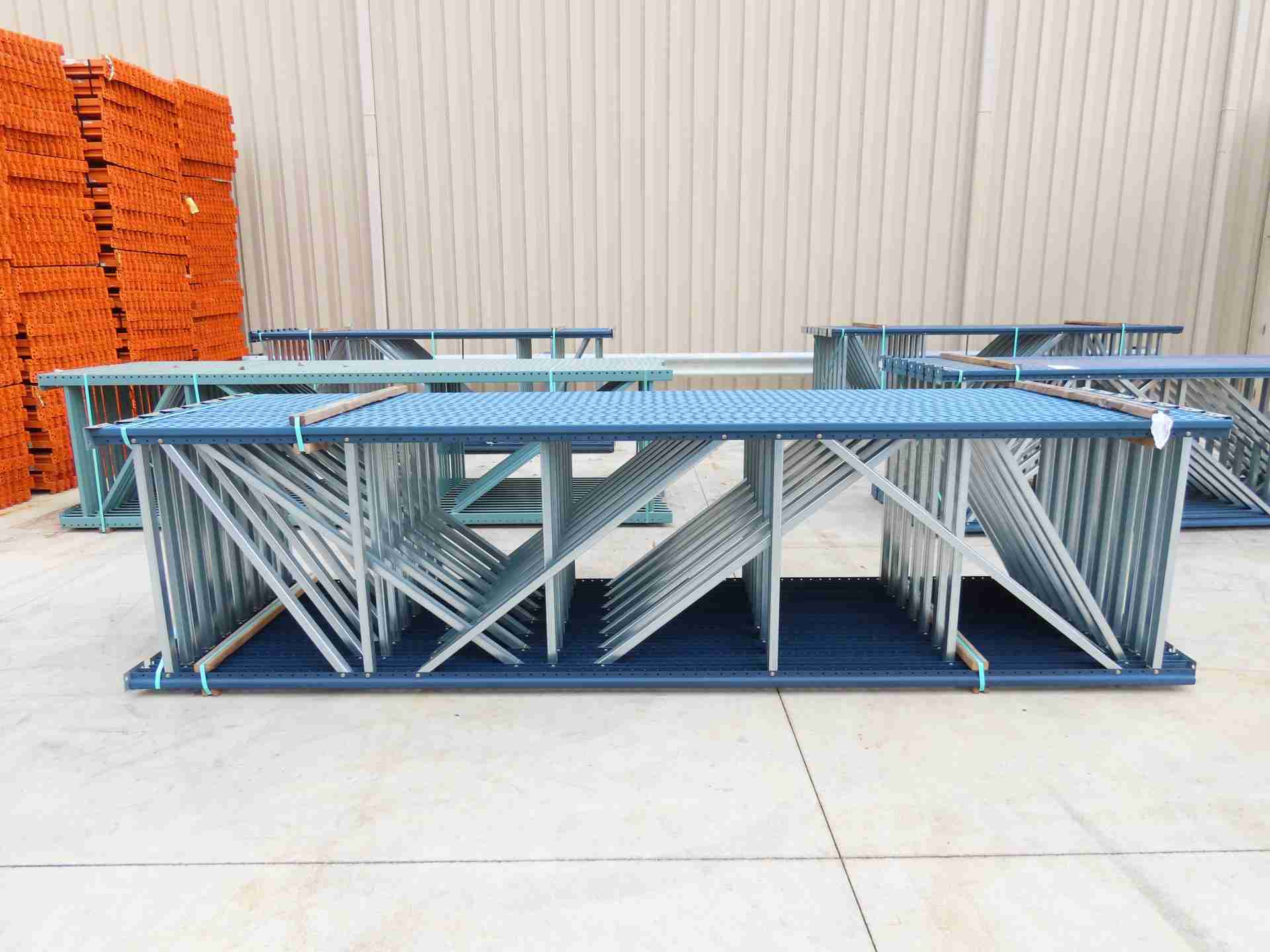
What Shelving Systems Best Support Heavy-Duty Items?
What Shelving Systems Best Support Heavy-Duty Items?
- Pallet racking is a strong and durable storage solution for heavy-duty items.
- Designed to handle significant weight, pallet racking ensures safety and accessibility.
- Widely adopted by companies like Amazon and Walmart to optimize warehouse environments.
- Available in various customizable designs, such as selective, drive-in, and push-back racks.
- Investing in pallet racking can enhance storage efficiency and reduce labor costs.
- Proper installation of pallet racking systems helps prevent accidents and maintains safety.
- Pallet racking strengthens operational efficiency and inventory management in today’s economy.

What Shelving Systems Best Support Heavy-Duty Items?
How Do I Choose Heavy-Duty Shelving?
Selecting the right heavy-duty shelving is more crucial than most people realize. In today’s fast-paced environment, where e-commerce demands efficiency and warehouse space comes at a premium, this decision can make or break your operational success.
First, you need to assess your inventory needs. Are you dealing with bulky items or smaller, but numerous products? If you’re in a sector like construction or manufacturing, where heavy tools and materials are the norm, consider investing in pallet racking systems. Pallet racking allows for stacked storage and gives you the flexibility to scale as your inventory grows. For instance, during the recent supply chain disruptions, companies that had invested in robust pallet racking systems reported less downtime and more streamlined workflows, clearly demonstrating the benefits of sturdy storage solutions.
Next, think about your available space. Heavy-duty shelving comes in diverse configurations, so you need to know your dimensions inside and out. Measure your warehouse space and analyze the layout. Vertical storage options can maximize your square footage; pallet racking systems can rise high, making them ideal for tight spaces. In urban areas, where square footage is often limited and costs are high, your shelving choice can significantly impact your bottom line.
Don’t forget about weight limits. Heavy-duty shelving must be engineered to handle the load you plan to put on it. For instance, if your business handles metal parts or heavy boxes that weigh over a thousand pounds each, standard shelving won’t cut it. Invest in heavy-duty, reinforced shelving designed specifically for your load requirements. Remember, a strong shelf today is a sustainable investment for tomorrow.
Speaking of investment, let’s talk budget. Allocate your funds wisely. While it’s tempting to skimp on shelving upfront to cut costs, consider the long term. Investing in high-quality heavy-duty shelving can prevent mishaps and damages that result from cheaper solutions giving way under pressure. Current trends show that businesses prioritizing durability in their storage solutions are seeing increased ROI.
Finally, explore the options available online, but don’t be swayed by looks alone. Choose a reputable supplier who can offer insight into best practices, installation, and warranty support. Your shelving is more than just a storage solution; it’s a cornerstone of your operational efficiency. Remember, smart shelving isn’t just about putting things away; it’s about creating an organized, profitable space.

How Do I Choose Heavy-Duty Shelving?
How Do I Choose Heavy-Duty Shelving?
- Selecting the right heavy-duty shelving is critical for operational success, especially in e-commerce and high-demand environments.
- Assess your inventory needs; consider pallet racking systems for bulky or numerous items, particularly in construction and manufacturing.
- Analyze your available space; use vertical storage options to maximize square footage, especially in urban areas where space is limited and costly.
- Be mindful of weight limits; invest in heavy-duty, reinforced shelving to handle loads that exceed typical shelving capabilities.
- Allocate your budget wisely; long-term investments in high-quality shelving prevent mishaps and increase ROI.
- Choose a reputable supplier for heavy-duty shelving; look for guidance on best practices, installation, and warranty support.
- Smart shelving goes beyond storage; it contributes to organizational efficiency and profitability in your operations.

How Do I Choose Heavy-Duty Shelving?
What Materials Are Ideal For Heavy-Duty Shelving?
When it comes to heavy-duty shelving, the materials you choose can make or break your operation. Heavy-duty shelving is more than just a storage solution; it’s a cornerstone of efficiency and productivity in your workspace. To ensure your shelving stands the test of time—both in strength and functionality—consider the following materials that have proven to be ideal for heavy-duty applications.
Steel: Without question, steel is the champion of heavy-duty shelving materials. Its unparalleled strength and durability make it an excellent choice for any workspace that requires robust support. Steel shelving can handle substantial weight loads and is resistant to bending or warping, even under the most strenuous conditions. Consider a high-quality pallet racking system; these structures are designed specifically to support pallets and heavy items, making them a must-have for warehouses and industrial settings. The return on investment from steel is significant since it tends to have a longer lifespan compared to other materials, reducing replacement costs down the line.
Wood: Although less common in freight-heavy environments, industrial-grade plywood and certain hardwoods can offer surprisingly strong shelving options. While these may not be as suited for dynamic loads like pallet racking, they work wonderfully in environments where aesthetic appeal meets functionality—think creative studios or retail displays. If treated correctly, wooden shelves can withstand heavy loads and provide a warm, inviting feel to your space.
Plastic: Polypropylene and polyethylene are revolutionizing the shelving panorama. These materials are lightweight, resistant to chemicals, and appropriate for environments that require cleanliness—think laboratories or food storage. Heavy-duty plastic shelving units, although not as weight bearing as steel, can still compensate for moderate to heavy loads, making them an ideal choice for diverse settings.
Composite Materials: Finally, composite materials have emerged as a formidable player in the heavy-duty shelving arena. These are engineered to provide a combination of strength, weight reduction, and resistance to environmental conditions. For example, a composite shelving unit may feature a steel frame combined with a resin-infused surface, which offers both durability and ease of cleaning—perfect for various industrial applications, especially in light manufacturing.
As we adapt to evolving market needs and current events, remember that investing in high-quality materials today ensures your shelving solutions are not just functional but are also resilient enough to withstand the rigors of tomorrow’s demands. Embrace the best materials for heavy-duty shelving, and watch your operations soar to new heights.
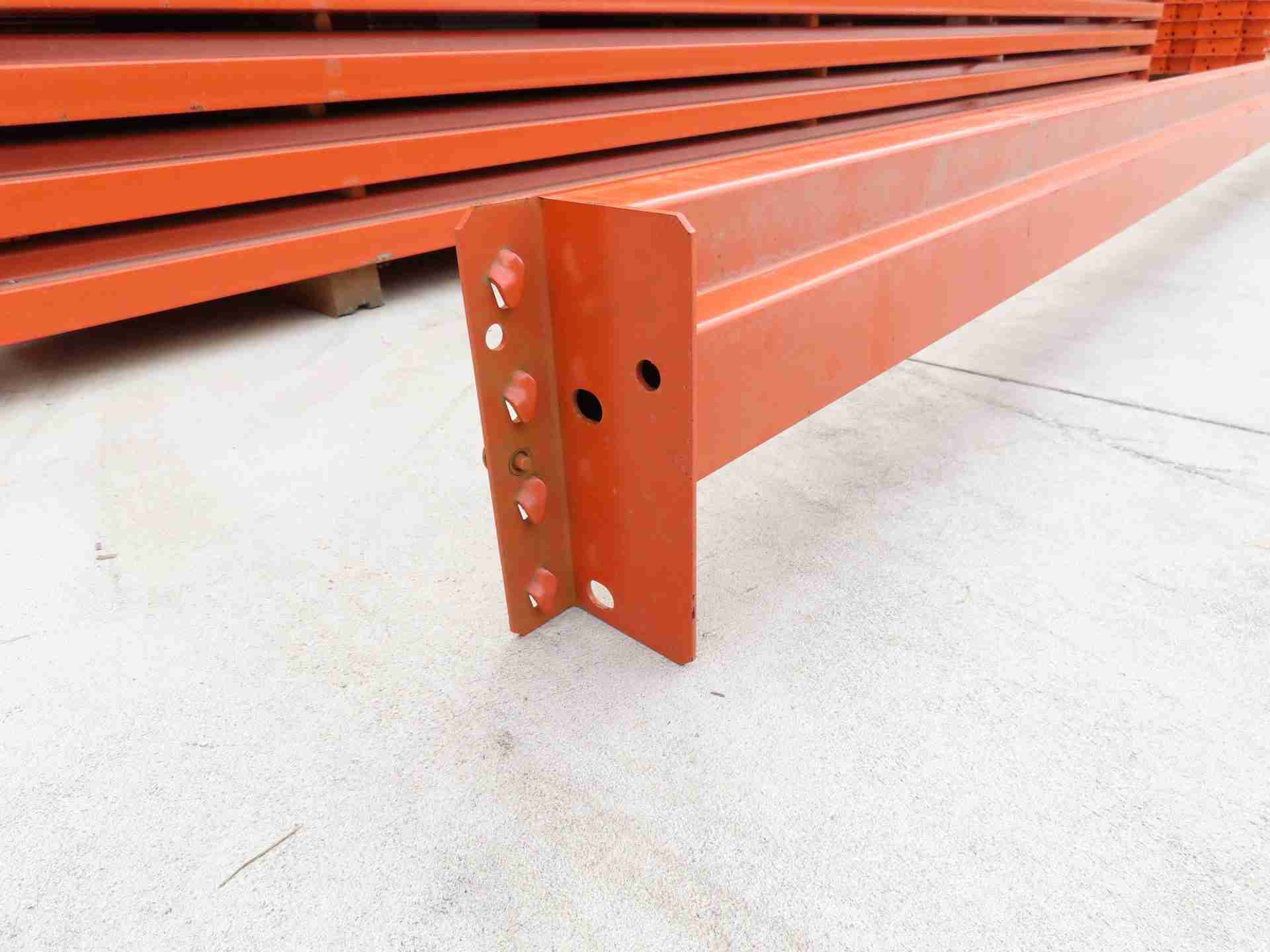
What Materials Are Ideal For Heavy-Duty Shelving?
What Materials Are Ideal For Heavy-Duty Shelving?
- Choosing the right materials for heavy-duty shelving is crucial for operational efficiency and productivity.
- Steel is the top material for heavy-duty shelving due to its strength, durability, and ability to support substantial weight loads.
- High-quality pallet racking systems are ideal for warehouses, providing robust support for pallets and heavy items.
- Wood options, such as industrial-grade plywood and hardwoods, are less common, but can serve well in aesthetic-focused environments.
- Plastic materials like polypropylene and polyethylene are lightweight, chemical-resistant, and suitable for cleanliness-required settings.
- Composite materials combine strength, reduced weight, and resistance to environmental conditions, making them versatile for industrial applications.
- Investing in high-quality materials today prepares your shelving solutions for future demands and challenges.
What Materials Are Ideal For Heavy-Duty Shelving?
Are Industrial Racks Suitable For Heavy Loads?
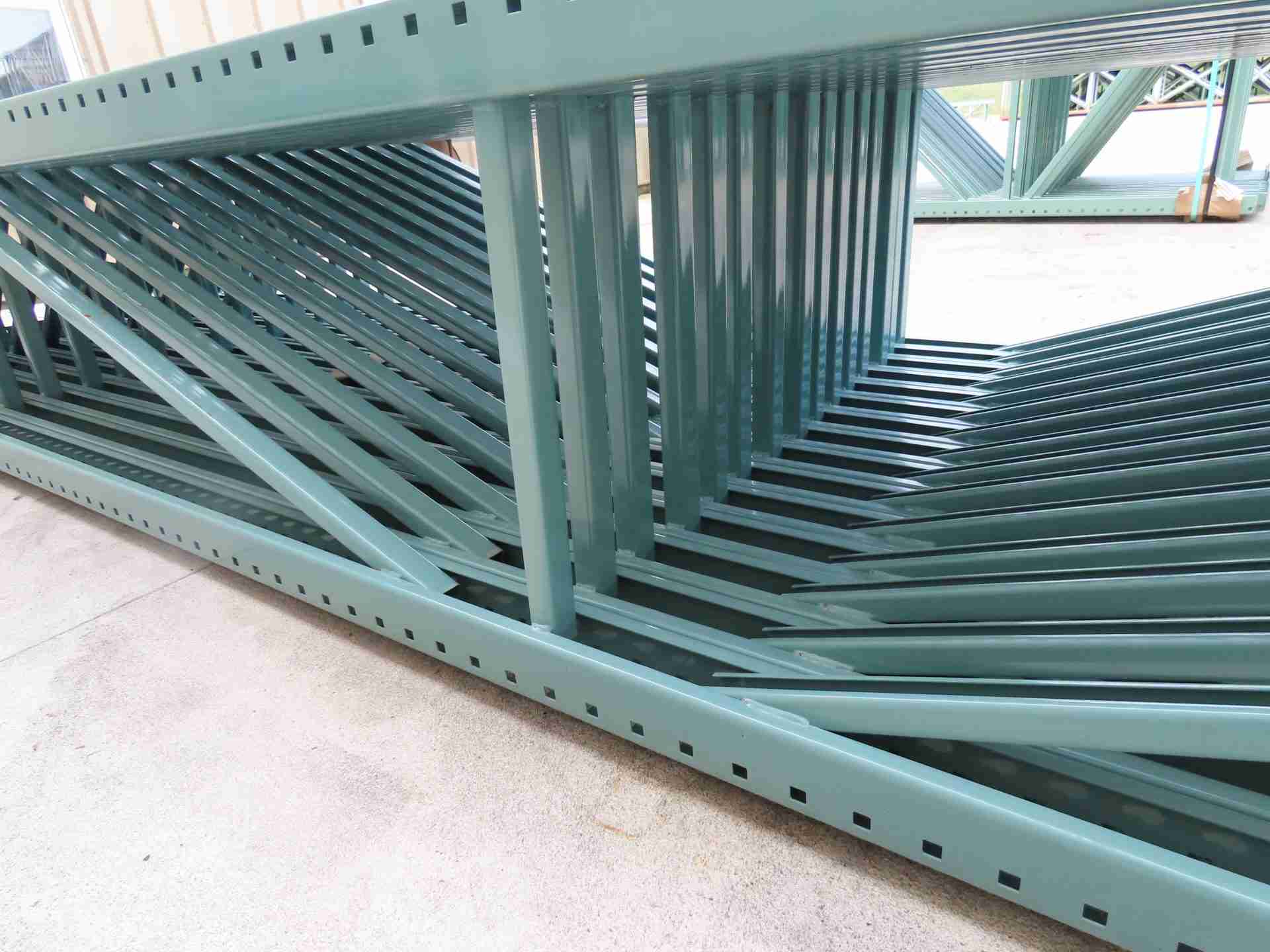
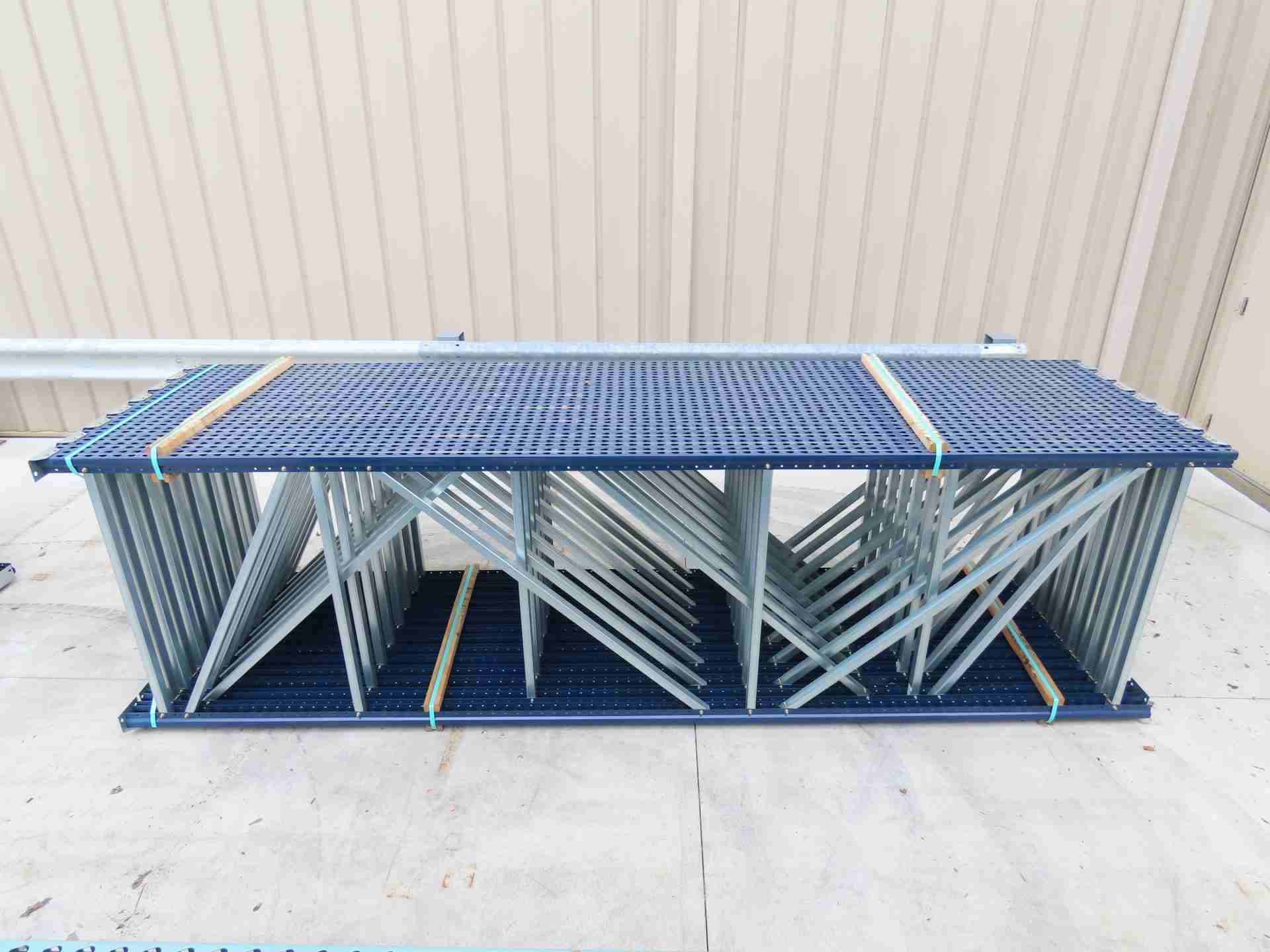
When it comes to managing heavy loads in your warehouse or storage facility, the right infrastructure is crucial. Enter pallet racking—perhaps the most effective solution for optimizing space while ensuring safety and stability. But are industrial racks truly suited for heavy loads? The answer is a resounding yes, provided you choose the right system for your specific needs.
Let’s look at the current trend in e-commerce, which continues to surge post-pandemic. Retail giants are scrambling to streamline their operations, and one key factor is how they store merchandise. With consumer expectations soaring, these companies are investing in robust industrial racks that can support immense weight without compromising safety. For instance, if you’re buying pallet racking from a reputable supplier, you’ll find racks engineered to hold thousands of pounds per level, making them indispensable for bulk storage. Just think about the loads stored in Amazon warehouses—pallet racking systems are integral to their logistics operations, ensuring they can handle massive inventories efficiently.
One standout type of pallet racking is the selective rack, which offers easy access to individual pallets while supporting heavy and varied loads. On the other hand, drive-in pallet racking allows for high-density storage with limited aisles, maximizing space usage and supporting weight-heavy items. This combination is a winning strategy many businesses are adopting today, especially considering the increasing importance of supply chain efficiency.
As recent events have highlighted, such as the global supply chain disruptions faced in the last few years, warehouses that equipped themselves with robust industrial racks were significantly better positioned to adapt. Their ability to withstand heavy loads meant they could pivot quickly to accommodate shifts in demand without risking safety or inventory loss.
However, not all industrial racks are created equal. It’s crucial to examine weight limits, material strengths, and the type of pallets you’ll be using. A poorly designed or improperly installed system can lead to disastrous consequences, including product damage and workplace injuries. When investing in pallet racking, always look for systems that comply with the latest safety standards and regulations.
Industrial racks are indeed suitable for heavy loads, making them an essential investment for any business looking to optimize their storage solutions. By choosing the right pallet racking system, you’re not just saving space—you’re also enhancing safety and operational efficiency in an ever-demanding market. Don’t underestimate the clout of a sturdy rack in ensuring the success of your logistics strategy!
Are Industrial Racks Suitable For Heavy Loads?
Are Industrial Racks Suitable For Heavy Loads?
- Pallet racking is essential for managing heavy loads in warehouses and storage facilities.
- Industrial racks can support significant weight when the right system is chosen for specific needs.
- The surge in e-commerce post-pandemic is driving investment in robust industrial racks by major retailers.
- Selective racks provide easy access to individual pallets, while drive-in racks maximize space with high-density storage.
- Warehouses with strong industrial racks were better positioned to adapt during recent global supply chain disruptions.
- Not all industrial racks are equal; it’s important to consider weight limits, material strengths, and pallet types.
- Choosing the right pallet racking system enhances safety and operational efficiency in a demanding market.
Are Industrial Racks Suitable For Heavy Loads?
How Much Weight Can Warehouse Shelving Hold?
In the dynamic world of modern warehousing, one question looms as critically as the shelves themselves: “How much weight can warehouse shelving hold?” With supply chains tightening and efficiency demands climbing, every ounce of capacity counts. The answer isn’t simple, but understanding the factors at play can make your storage decisions seem remarkably clear.
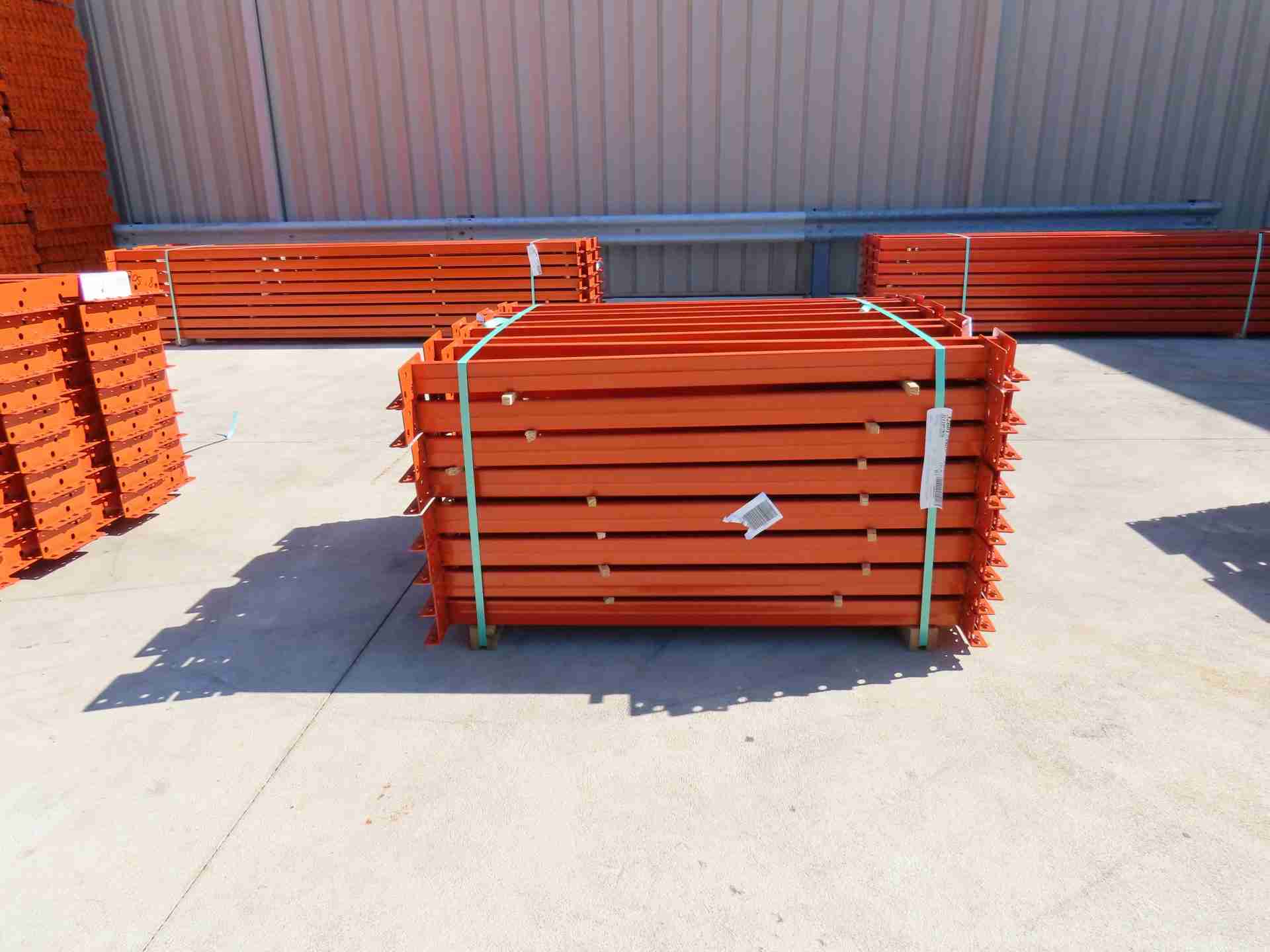
First off, let’s talk specifics—pallet racking systems. This essential warehouse infrastructure isn’t merely about holding items; it’s about optimizing space and maximizing weight capacity. Standard pallet racking can typically hold between 1,000 to 3,500 pounds per shelf, depending on its design and the type of rack used. Heavy-duty racks, specifically engineered for substantial weight loads, can support up to 5,000 pounds per shelf. As we pivot toward the future of supply chain management, having the right pallet racking not only shapes your storage capabilities but also enables flexibility in inventory practices.
Take, for example, the surge in e-commerce driven by recent global events. With consumers clamoring for faster delivery, warehouses are forced to adapt quickly. Companies are rethinking their layouts and investing in premium shelving systems. Those who strategically place their heavy-duty pallet racking systems can transform their operations from cumbersome to seamless, ensuring that they can swiftly move high volumes of stock while keeping weight capacity firmly in check.
Additionally, it’s crucial to remember that the total weight capacity is influenced not just by the racks but by the distribution of weight on the shelves. An evenly distributed load enhances stability and safety, while a miscalculated weight can lead to catastrophic failures. To put it into perspective, consider how many businesses were caught off guard during the pandemic when supplies ran low and logistics faltered. Companies with fortified racking solutions and proactive weight management could react nimbly, seizing market opportunities that competitors missed.
In today’s fierce economic climate, asking how much weight your warehouse shelving can hold isn’t merely an operational inquiry; it’s a strategic consideration. Wise decision-makers understand that investing in robust, capacity-driven pallet racking will pay dividends, particularly as industries evolve and consumer behavior continues to shift.
Think ahead—success in warehousing hinges on preparation, flexibility, and understanding the weight beneath your feet. Don’t let your investment in shelving and racking become an afterthought. The right choices create pathways for growth and stability in your bottom line. Make the decision that aligns with your vision, and watch your operations soar.

How Much Weight Can Warehouse Shelving Hold?
How Much Weight Can Warehouse Shelving Hold?
- The weight capacity of warehouse shelving is critical for optimizing storage efficiency in a dynamic supply chain landscape.
- Standard pallet racking typically supports between 1,000 to 3,500 pounds per shelf, while heavy-duty racks can handle up to 5,000 pounds.
- E-commerce growth demands warehouses to adapt their layouts and invest in premium shelving systems for faster delivery capabilities.
- Strategically placing heavy-duty racks can streamline operations and maintain weight capacity effectively.
- Weight distribution on shelves impacts stability and safety; even loads enhance safety, while miscalculations can lead to failures.
- Investing in robust pallet racking solutions enables companies to respond agilely to market changes and logistics challenges.
- Successful warehousing relies on preparation, flexibility, and strategic decisions regarding weight capacity in shelving and racking systems.
How Much Weight Can Warehouse Shelving Hold?
What Features Should I Look For In Heavy-Duty Shelving?
When considering heavy-duty shelving, particularly if you’re looking to optimize storage in a warehouse or workshop, the right features can make all the difference in maximizing efficiency and ensuring safety. The key to selecting the most suitable shelving lies in understanding the functionality that supports your specific needs.
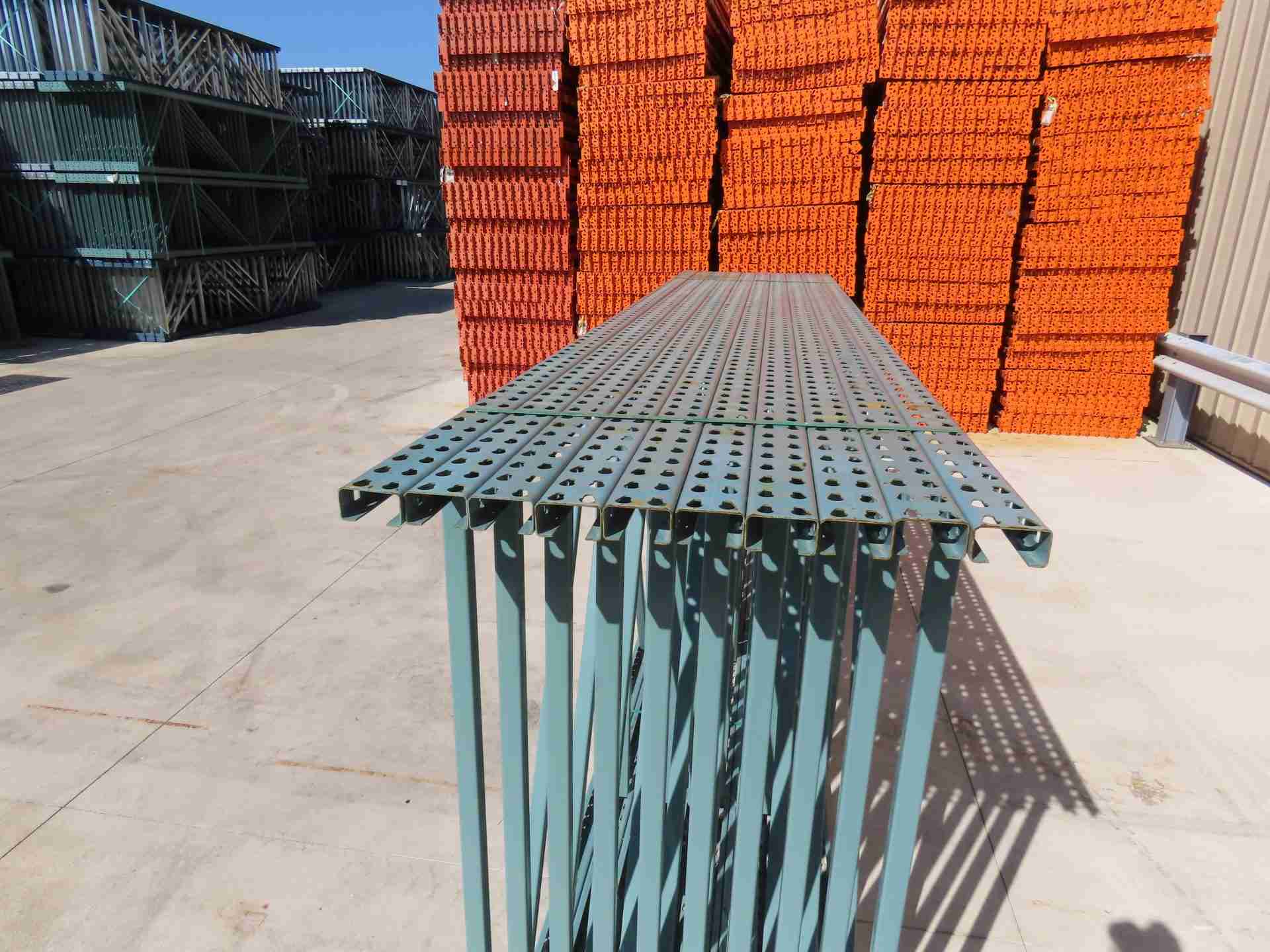
First and foremost, load capacity is critical. Heavy-duty shelving is designed to hold substantial weight, and you need to ensure that the shelves you choose can handle your inventory without bending or collapsing. For instance, if you are dealing in industrial sectors, look for shelving that can accommodate pallet racking systems, as these are engineered to support loads that exceed 3,000 pounds per section. Companies like Rackman and Steel King offer robust solutions tailored to different sectors, ensuring that your investment is secured with reliability.
Next, consider the material of the shelving. Steel is the gold standard for heavy-duty applications because it provides the necessary strength and durability that other materials simply can’t match. Recent news about supply chain challenges emphasizes the importance of investing in quality materials. Shelving made from inferior substances not only risks the safety of your stored items but can also be more vulnerable to damage, leading to costly replacements.
Modularity is another feature to prioritize. In the fast-paced modern environment, the ability to adapt your shelving to accommodate changing inventory and processes is invaluable. Modular shelving offers flexibility, allowing your setup to evolve over time without a complete overhaul. For example, systems from companies like Modular Systems and Spacesaver enable businesses to reconfigure their shelving according to their shifting needs—whether it’s increasing storage for an influx of pallet racking or streamlining organization for efficiency.
Additionally, look for safety features. Shelving should come equipped with appropriate bracing and must be anchored properly to the floor—this is particularly crucial in zones prone to earthquakes or heavy machinery usage. Safety standards are pivotal; ensure that the shelves comply with OSHA regulations, as neglecting this can lead to dire consequences.
Lastly, think about ease of assembly. Time is money, and complex installation can cost your business both. Heavy-duty shelving systems from suppliers that provide clear guidelines and tools for assembly will save you headaches and allow you to return to what you do best.
In summary, investing in heavy-duty shelving requires careful consideration of load capacity, material, modularity, safety features, and ease of assembly. By choosing wisely, you can create a practical storage solution that stands the test of time and enhances your operational efficiency.
What Features Should I Look For In Heavy-Duty Shelving?
What Features Should I Look For In Heavy-Duty Shelving?
- Load capacity is critical; ensure shelves can handle substantial weight without bending or collapsing.
- Choose steel shelving for durability and strength, as it outperforms other materials.
- Modularity allows shelving to adapt to changing inventory and processes, offering flexibility over time.
- Safety features such as appropriate bracing and proper anchoring are essential, especially in hazardous environments.
- Compliance with OSHA regulations is crucial to avoid safety risks and legal issues.
- Ease of assembly is important; choose suppliers that provide clear guidelines and tools for installation.
- Investing wisely in heavy-duty shelving enhances operational efficiency and provides a practical storage solution.
What Features Should I Look For In Heavy-Duty Shelving?
Conclusion
Conclusion: Elevate Your Heavy-Duty Warehouse with Arrow Industrial Sales
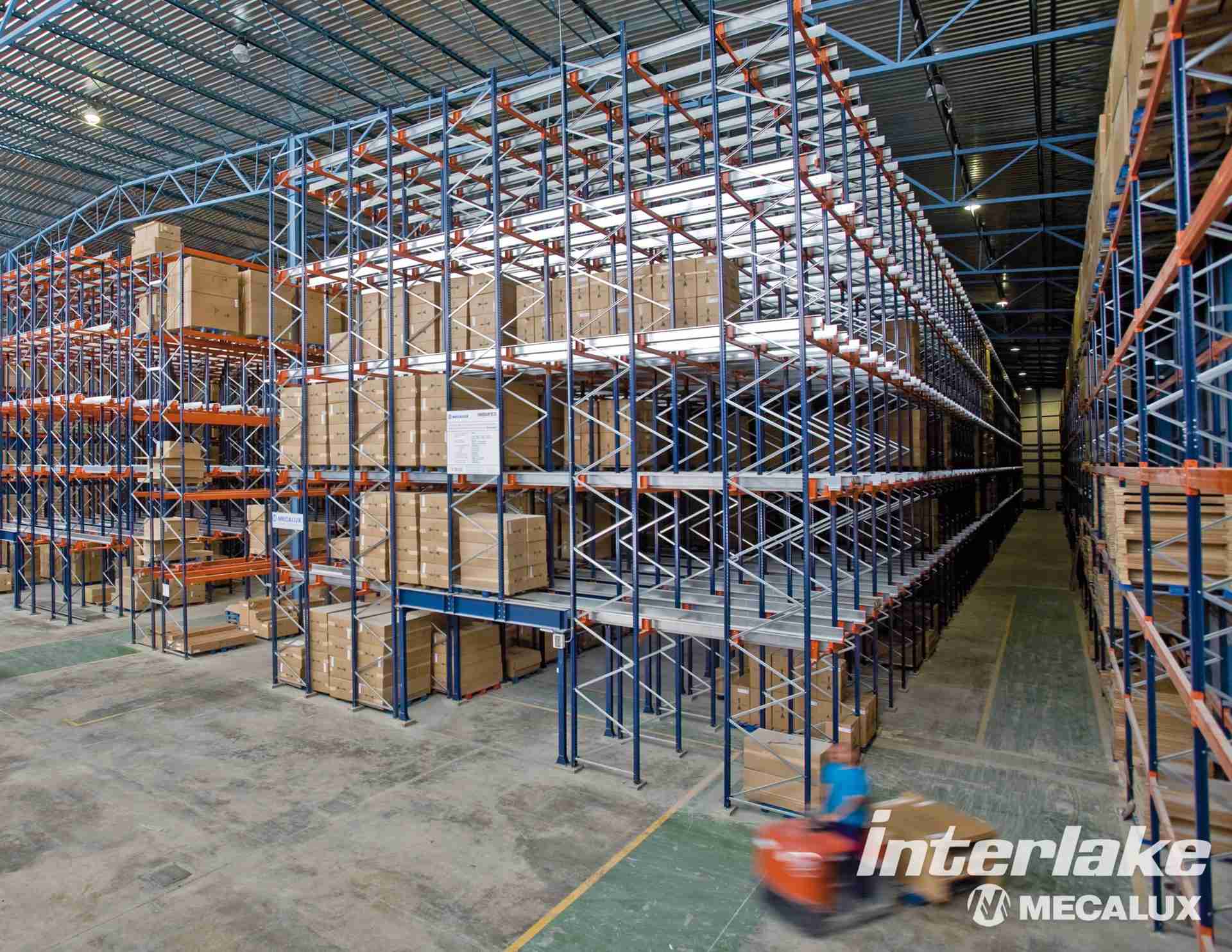
In an era where efficiency, safety, and adaptability are the linchpins of warehouse success, choosing the right heavy-duty shelving solutions is an absolutely essential decision for any business. Companies are continuously inundated with challenges that arise from dealing with bulky items, limited space, and the ongoing pressures of rising consumer expectations. That’s why the insights shared in this article are invaluable—highlighting the top-tier shelving solutions like pallet racking, drive-in racks, cantilever systems, and the revolutionary Automated Storage and Retrieval Systems (AS/RS).
From maximizing vertical storage to optimizing workflows, investing in robust shelving is not just about proper item organization; it’s about propelling your business into a new realm of operational efficiency. Each shelving solution—from the massive load-bearing capabilities of pallet racking to the streamlined design of cantilever racks—offers specific benefits tailored to meet heavy-duty demands. The material selection—be it durable steel, versatile wood, or innovative composites—plays a crucial role in long-term performance and safety.
However, understanding the features that matter most is paramount. Load capacity, adaptability, safety compliance, and ease of assembly should inform your decision-making process significantly. These factors will not only mitigate the risks of injuries and inventory damage but will also deliver substantial returns on your investment over time.
As we’ve established, the landscape is constantly shifting, and the need to re-evaluate storage strategies has never been greater. With the fast-paced demands of today’s marketplace, the urgency to act cannot be overstated. Whether you’re in the construction sector, retail, or manufacturing, now is the opportune moment to assess your current shelving systems and invest wisely before your competition outpaces you.
Take the first step toward revolutionizing your warehouse operations today! Call Arrow Industrial Sales at (574) 349-6575. Our team of experts is ready to answer your questions, guide you through your options, and provide tailored recommendations to suit your unique needs. Don’t let this vital opportunity slip away—enhance your storage strategy now, and secure a brighter, more efficient future for your warehouse operations. The time to act is NOW!
Conclusion
Conclusion:
- Choosing the right heavy-duty shelving solutions is essential for warehouse success.
- Challenges such as bulky items, limited space, and rising consumer expectations necessitate effective storage strategies.
- Key shelving solutions include pallet racking, drive-in racks, cantilever systems, and Automated Storage and Retrieval Systems (AS/RS).
- Investing in robust shelving not only organizes items but also enhances overall operational efficiency.
- Important factors to consider include load capacity, adaptability, safety compliance, and ease of assembly.
- Timely reassessment of shelving systems is crucial to stay competitive in fast-paced markets.
- Contact Arrow Industrial Sales for expert guidance and tailored storage solutions to improve warehouse operations.
Conclusion
Other Resources
Other Resources
Here is a list of other resources you can review online to learn more:
- Teardrop Uprights
- Warehouse Racks, Warehouse Racking in Stock – ULINE
- ASSP
- Pallet Rack Systems – New and Used Pallet Racking and Shelving Experts
- Teardrop Racks – Pallet Rack World
- Pallet Racking 101: A Comprehensive Guide & Options Explained
- Selective Rack – Raymond West
- Mustang Material Handling
- Shipping Boxes, Packaging Materials, Pallet Racking
- Selective Racking
Use This Prompt To Get More Resources With Your Favorite Online AI Tool: Please provide me with a list of online articles with their URLs in a bulleted list that I can read regarding What Are The Top Shelving Solutions for Heavy-Duty Warehouse Items?

Other Resources
Glossary Terms
What Are The Top Shelving Solutions for Heavy-Duty Warehouse Items? – Glossary Of Terms
1. Adjustable Shelving: Shelving units that can have their heights adjusted based on the size of inventory, providing adaptability and flexibility.
2. Bulk Storage: Large-scale storage method used for bulk items, allowing for minimal organization and easy accessibility.
3. Cantilever Rack: A shelving system consisting of arms extending from a vertical frame, ideal for storing long items like lumber and pipes.
4. Heavy-Duty Shelving: Robust shelving designed to support significant weight, often used for larger, bulkier products.
5. Load Capacity: The maximum weight a shelving unit can safely hold, crucial for ensuring safety and efficiency.
6. Metal Shelving: Shelving made of metal, renowned for its strength, durability, and resistance to corrosion, making it ideal for warehouses.
7. Pallet Racking: A storage system that utilizes pallets stacked vertically; enhances space utilization and accessibility for heavy items.
8. Shelving Unit: A standalone structure with multiple shelves for storing or displaying goods, available in various sizes and designs.
9. Static Shelving: Fixed shelving units that do not adjust or move; typically used for stable storage solutions.
10. Dynamic Shelving: Shelving that can easily be rearranged or adjusted to accommodate changing inventory needs.
11. Rack Safety Pins: Small metal pins used to secure shelves in a racking system, preventing shelves from slipping or detaching.
12. Warehouse Automation: The use of technology to automate storage solutions, optimizing the efficiency of heavy-duty shelving systems.
13. Wire Shelving: Shelving made from wire grid or mesh, allowing for visibility and airflow while providing sturdy support.
14. Mobile Shelving: Shelving systems that can be easily moved within a warehouse, maximizing space and versatility.
15. Shelf Bracing: Reinforcement added to shelves to increase their rigidity and support heavier loads.
16. Shelf Load Sharing: An arrangement that distributes weight evenly across shelves to maximize storage safety and efficiency.
17. Vertical Storage: Maximizing the use of vertical space in a warehouse through tall shelving units or racks.
18. Overstock Racking: Shelving or racking specifically designed for storing surplus inventory above regular stock levels.
19. Mixed-Flow Rack: A shelving system that allows a mix of different product sizes, accommodating varying inventory types.
20. End Caps: The side panels of shelving units, often used to close off the ends of a shelving run and maximize space use.
21. Shelving Accessories: Additional components like dividers, bins, or labels that enhance the functionality of shelving units.
22. Load Bars: Bars used to secure shelves and distribute weight across shelving systems, often used in racking setups.
23. Freestanding Shelves: Independent shelving units that aren’t attached or anchored to walls, offering flexibility in arrangement.
24. Height Adjustment: The process of changing the height of shelves to accommodate different product sizes.
25. Forklift-Compatible Racks: Racking systems designed for easy access via forklifts, enabling effective handling of heavy items.
26. Inventory Management: The process of tracking and managing inventory levels, using shelving systems to facilitate organization.
27. Span Racks: A type of shelving that offers open access to items stored, ideally suited for bulky or heavy products.
28. Capacity Planning: The strategy of determining the optimal amount of shelving required to store expected inventory levels effectively.
29. Labeling Systems: Techniques or tools used to tag shelves for easy identification and retrieval of stored items.
30. Safety Compliance: Adhering to regulations and standards for safe shelving practices, ensuring the structural integrity of heavy-duty storage solutions.
Glossary Of Terms
Other Questions
What Are The Top Shelving Solutions for Heavy-Duty Warehouse Items? – Other Questions
If you wish to explore and discover more, consider looking for answers to these questions:
- What are the different types of pallet racking systems available?
- How can I ensure the safety of heavy-duty shelving?
- What are the installation requirements for heavy-duty shelving?
- Can heavy-duty shelving be customized for specific needs?
- What maintenance is required for heavy-duty shelving systems?
- How do I assess the durability of shelving materials?
- What are some common mistakes to avoid when choosing warehouse shelving?
- How do labor costs affect the total price of shelving solutions?
- What industry standards should heavy-duty shelving comply with?
- How do I determine the best layout for my shelving systems?
Other Questions
Checklist
What Are The Top Shelving Solutions for Heavy-Duty Warehouse Items? – A Checklist
Assess Your Inventory Needs
_____ Identify if you are storing bulky items or numerous smaller products.
_____ Consider the weight and dimensions of items you plan to store.
Evaluate Your Space
_____ Measure your warehouse dimensions accurately.
_____ Analyze the warehouse layout for vertical storage opportunities.
Determine Weight Limits
_____ Check the maximum weight capacity of different shelving systems.
_____ Ensure shelving can handle your specific load requirements.
Set a Budget
_____ Allocate funds for quality shelving rather than opting for the cheapest options.
_____ Factor in potential long-term savings from durability and efficiency.
Explore Material Options
_____ Consider steel for its strength and longevity.
_____ Review other materials like wood, plastic, and composite for specific applications.
Review Available Shelving Types
_____ Research various shelving types such as pallet racking, drive-in racks, and cantilever racks.
_____ Determine which style best fits your operational needs.
Check Customization and Modularity Features
_____ Look for shelving systems that can be easily reconfigured as inventory needs change.
_____ Ensure the shelving system can accommodate future expansions.
Focus on Safety Features
_____ Verify that shelving systems comply with safety standards (e. g. , OSHA).
_____ Check for features like proper bracing and anchoring.
Supplier Reputation
_____ Research and choose suppliers with a strong reputation for quality products.
_____ Verify the availability of installation support and warranty options.
Evaluate Ease of Assembly
_____ Look for systems that offer detailed assembly instructions and necessary tools.
_____ Consider the time investment for setup when choosing a system.
User-Friendliness
_____ Check if the shelving allows for easy access to stored items.
_____ Assess how well the shelving minimizes disruption and enhances workflow.
Maintenance Considerations
_____ Review maintenance requirements for chosen materials (e. g. , steel vs. wood).
_____ Plan for potential wear and tear, and ensure easy access for maintenance.
By utilizing this checklist, you can confidently choose the right heavy-duty shelving solutions tailored to your warehouse needs, enhancing both efficiency and safety in your operations!
Checklist
At RackingWorld, we help guide you through selecting warehouse storage systems and racking.
Be sure to read our other related stories at RackingWorld to learn more about warehouse storage systems.
0 Comments