
Maximizing Efficiency And Savings With Warehouse Shelving Upgrades
By Tom Seest
At RackingWorld, we help guide you through selecting warehouse storage systems and racking.
Be sure to read our other related stories at RackingWorld to learn more about warehouse storage systems.
What Are The Cost-Effective Ways to Upgrade Your Warehouse Shelving?
In today’s fast-paced business environment, efficiency is the name of the game. Your warehouse is an extension of your business; a well-optimized space not only enhances productivity but also ultimately impacts your bottom line. One underappreciated yet pivotal aspect of optimization is warehouse shelving. Specifically, exploring cost-effective ways to upgrade your pallet racking systems can lead to substantial improvements in your operations.
First, let’s talk about evaluating your existing shelving. Are your pallet racks still serving your needs? If your inventory has grown or changed, old setups may be less effective than they once were. A simple yet effective measure is to conduct a thorough inventory audit. Identify which items are fast-moving, and consider adjusting your racking to store these high-demand products closer to pick locations. This adjustment can streamline operations and reduce labor costs.
Next, think about your current pallet racking configuration. Often, reconfiguring your space can lead to better space utilization without the need for purchasing new systems. For example, if you have used selective pallet racking, you might want to explore alternatives like drive-in or push-back systems. These options can increase your storage density substantially. With current supply chain challenges seen worldwide, increasing capacity becomes critical—not just for today but for future growth.
Moreover, investing in add-ons can be a wise approach. Adding accessories such as wire decking or pallet supports can improve safety and efficiency. For instance, using wire decking allows for better visibility of inventory and makes access easier for your employees, reducing the chances of errors. During a time when many companies are adjusting to the aftermath of supply chain disruptions, ensuring your warehouse can adapt flexibly gives you a significant edge.
Another option is to consider pre-owned pallet racking. In an economy where budgets can feel tight, opting for refurbished equipment is a savvy move. Marketplaces abound with used racking systems that are not just cost-effective but also compliant with safety standards, ensuring you don’t sacrifice quality for savings.
Lastly, don’t overlook the importance of regular maintenance and inspections for your existing racks. Simple upkeep can extend the life of your shelving and prevent costly replacements down the line. Incorporating a routine check-up can save money and prevent potential safety issues—an invaluable investment in today’s regulatory landscape.
So, as you seek to upgrade your warehouse shelving, keep these cost-effective strategies in mind. Optimization doesn’t have to break the bank; sometimes, a little creativity goes a long way in adding value to your operations.
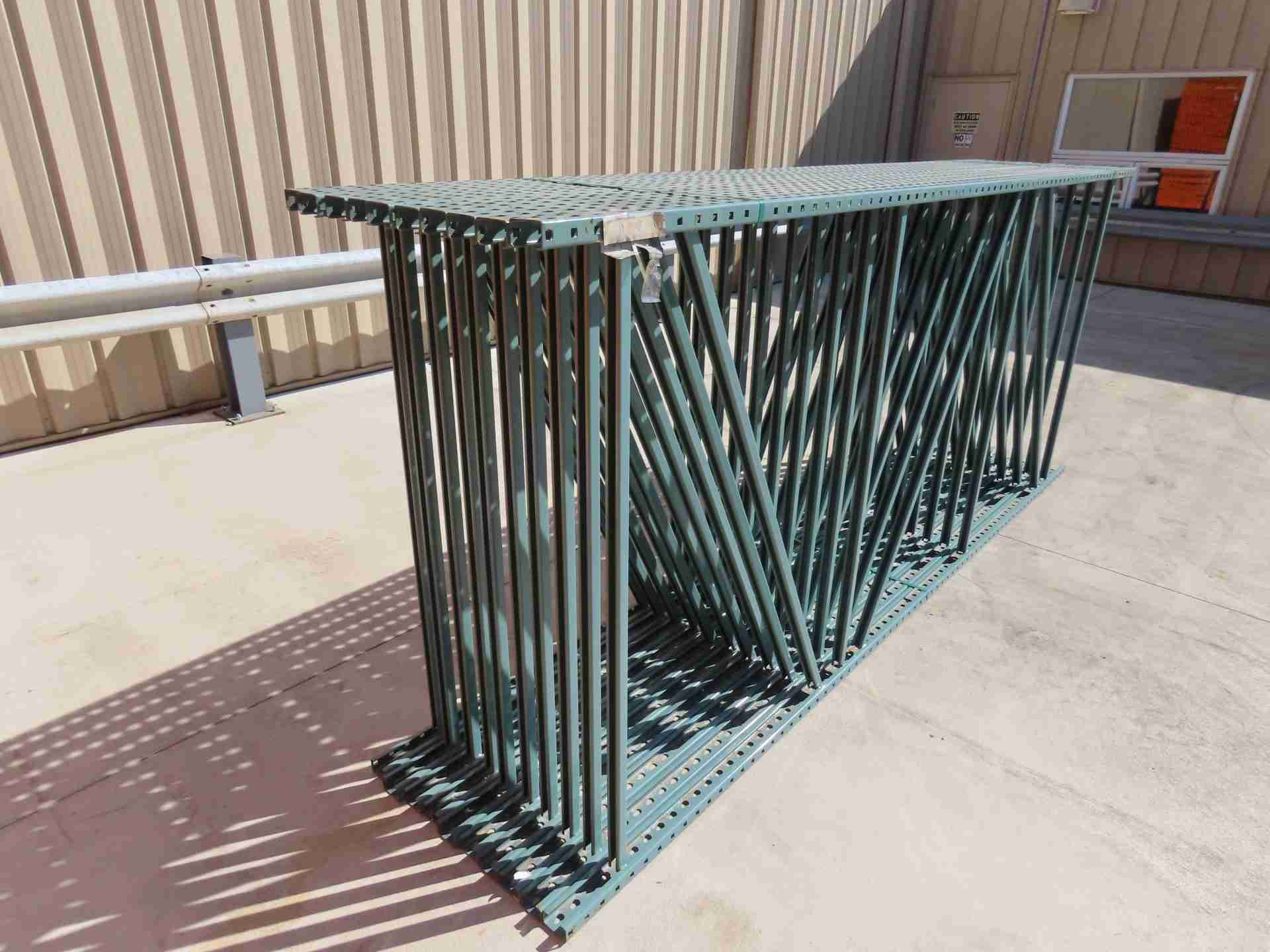
What Are The Cost-Effective Ways to Upgrade Your Warehouse Shelving?
What Are The Cost-Effective Ways to Upgrade Your Warehouse Shelving?
- Efficiency is crucial in today’s fast-paced business environment, impacting productivity and the bottom line.
- Evaluate existing pallet racks to ensure they meet current inventory needs through thorough audits.
- Reconfiguring current pallet racking can enhance space utilization without the need for new systems.
- Investing in add-ons like wire decking can improve safety, efficiency, and inventory visibility.
- Consider pre-owned pallet racking as a cost-effective, budget-friendly option that meets safety standards.
- Regular maintenance and inspections of existing racks can extend their lifespan and prevent costly replacements.
- Cost-effective strategies for optimizing warehouse shelving can add significant value without substantial expenditure.

What Are The Cost-Effective Ways to Upgrade Your Warehouse Shelving?
Table Of Contents
- What Are The Cost-Effective Ways to Upgrade Your Warehouse Shelving?
- What Are The Benefits Of Upgrading Warehouse Shelving?
- How Do I Assess My Current Shelving Needs?
- What Materials Should I Consider For Shelving Upgrades?
- How Can I Maximize Storage Space With Existing Shelving?
- What Are The Budget-Friendly Shelving Options Available?
- Should I Prioritize Vertical Space In My Shelving Layout?
- Conclusion
- Other Resources
- Glossary Of Terms
- Other Questions
- Checklist
What Are The Benefits Of Upgrading Warehouse Shelving?
In today’s fast-paced business environment, optimizing operational efficiency is not just a luxury—it’s a necessity. One powerful way to enhance productivity is by upgrading warehouse shelving systems, particularly with advanced solutions like pallet racking. The benefits of making this upgrade are far-reaching and impactful, influencing everything from inventory management to employee morale.
Maximize Space Utilization
Modern pallet racking systems are designed to utilize vertical space, allowing you to store more goods in less square footage. This is especially crucial in the current climate where real estate prices are skyrocketing, and every square foot counts. For example, retailers who upgraded to high-density pallet racking saw a space utilization improvement of up to 40%, translating directly into higher revenue potential without the costs associated with expanding their physical footprint.
Improve Inventory Management
An upgraded shelving system enhances visibility and accessibility, significantly reducing time spent locating items. Real-time inventory management becomes seamless when products are clearly organized with pallet racking, allowing businesses to adopt just-in-time strategies that reduce excess stock and minimize holding costs. Current events, such as supply chain disruptions, make accurate inventory management more critical than ever. Companies that maintain orderly systems can respond faster to shortages or spikes in demand.
Boost Employee Safety
Safety is paramount in warehouse operations. Upgraded pallet racking systems are often designed with safety features that adhere to the latest safety standards. Ergonomically designed shelving allows for safer access to stored items, reducing the risk of accidents and injuries. For instance, an organization in manufacturing that implemented updated racking systems reported a 25% reduction in workplace incidents, leading to lower insurance premiums and a happier workforce.
Enhance Order Fulfillment Speed
In an era where customers expect rapid delivery, upgrading your shelving can streamline picking processes. With pallet racking, items are easier to categorize and retrieve, allowing workers to fulfill orders with incredible speed. Consider the impact on your business’s bottom line: a logistics company that improved its shelving saw the time taken for order picking cut in half, enabling faster turnaround times and improved customer satisfaction.
Future-Proof Your Warehouse
Finally, upgrading warehouse shelving is an investment in the future. As your business grows, your shelving needs will evolve. Modular pallet racking systems can be easily reconfigured to accommodate changes, ensuring your warehouse continues to meet evolving market demands.
In a competitive landscape, investing in upgraded warehouse shelving not only enhances efficiency and safety but ultimately empowers your business to thrive. Make the decision today to innovate your storage solutions and position your company at the forefront of operational excellence.
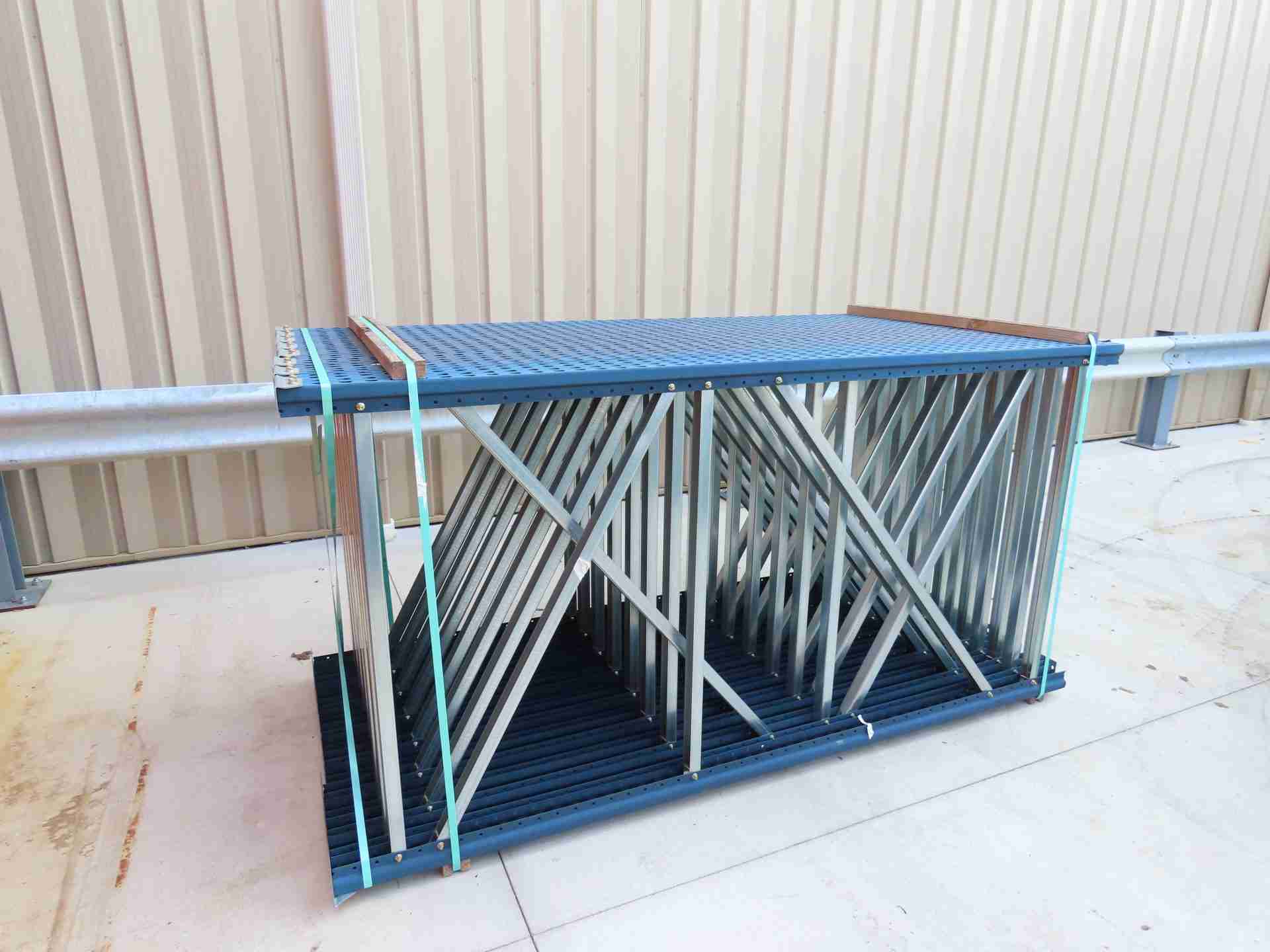
What Are The Benefits Of Upgrading Warehouse Shelving?
What Are The Benefits Of Upgrading Warehouse Shelving?
- Enhancing operational efficiency through upgraded warehouse shelving systems is essential in today’s business environment.
- Modern pallet racking maximizes vertical space, leading to up to 40% improvement in space utilization.
- Improved shelving enhances inventory visibility and accessibility, allowing for effective just-in-time inventory management.
- Upgraded racking systems incorporate safety features that reduce workplace incidents by up to 25%.
- Upgrading shelving enhances order fulfillment speed, significantly reducing picking times and boosting customer satisfaction.
- Modular pallet racking systems allow for easy reconfiguration, adapting to evolving shelving needs as businesses grow.
- Investing in upgraded shelving solutions positions businesses for operational excellence and a competitive advantage.
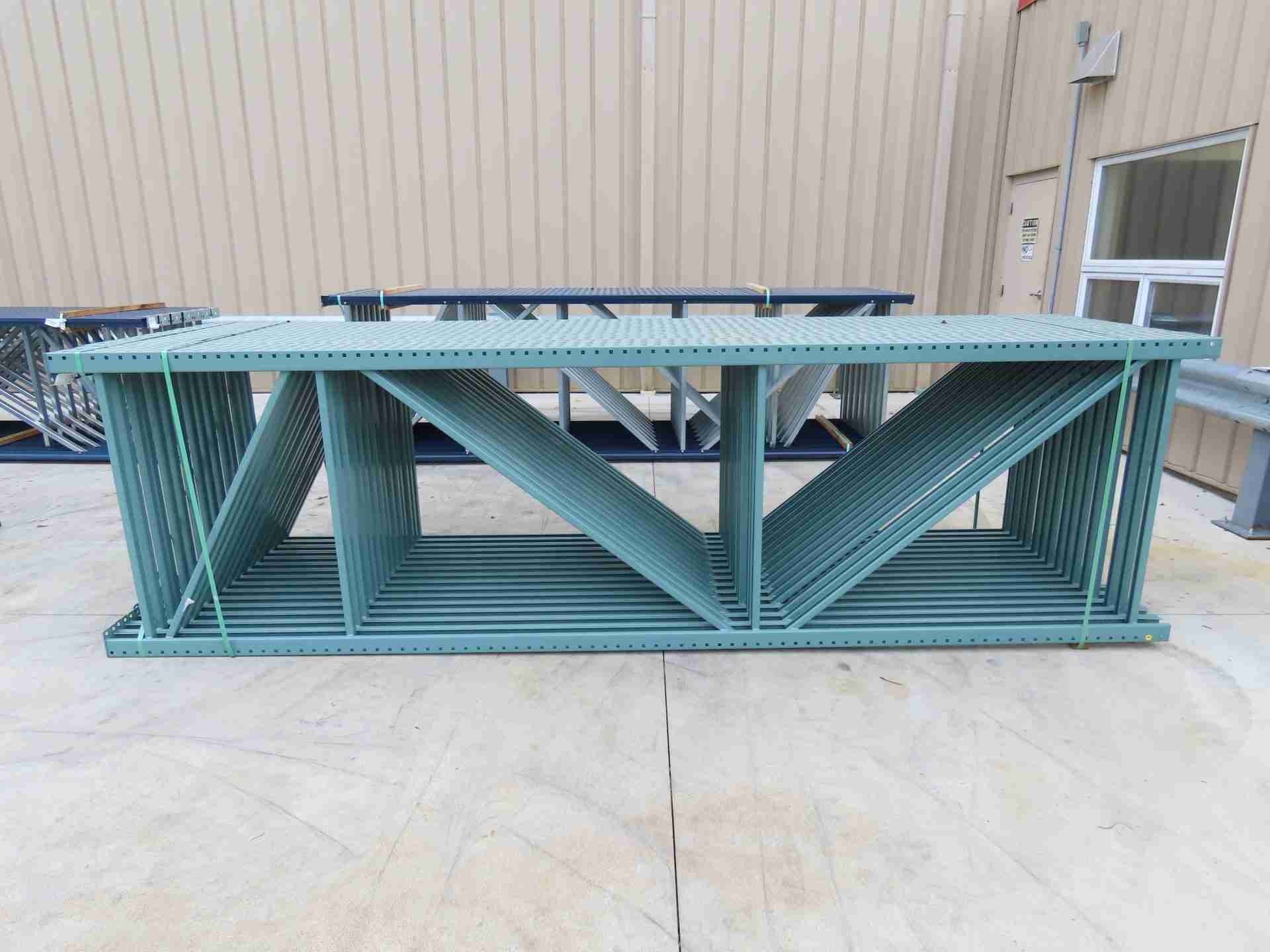
What Are The Benefits Of Upgrading Warehouse Shelving?
How Do I Assess My Current Shelving Needs?
When you’re running a business, understanding your shelving needs is not merely a matter of organizing products; it’s a critical factor for maximizing efficiency and profitability. Evaluating your current shelving setup requires a systematic approach that balances the immediate needs of your operation with future growth.
Start by conducting an inventory analysis. What do you currently have on hand? Take a detailed inventory of your products and categorize them—fast movers, slow movers, seasonal stock, and dead inventory. For instance, if you own a warehouse that specializes in e-commerce fulfillment, you’ll need your fast-moving items—think trending electronics—to be easily accessible. Utilizing Pallet Racking systems can streamline this process, allowing you to optimize vertical space while making sure the items you sell the most are within arm’s reach.
Next, consider your storage capacity. Walk through your storage area and note how much empty space you truly have versus what is cluttered. Are you relying mainly on static shelving, or could a more dynamic model, like adjustable shelving or modular systems, better serve your needs? If your business sees fluctuating seasonal demands—think of the recent resurgence of outdoor activities post-pandemic—you may need to implement a more flexible shelving solution that can adapt as your inventory changes.
Current events can also influence your shelving needs. With the supply chain disruptions caused by recent global events, many businesses are pivoting toward increased on-hand inventory. As a result, you may find your existing shelving inadequate for your expanded stock. If you had once relied on just-in-time inventory, consider how you can integrate more robust Pallet Racking systems to accommodate this shift.
Don’t forget about workflow efficiency. Analyze how your employees interact with your storage spaces. Long retrieval times can eat into your bottom line. If you have to navigate through a maze of shelves to obtain the items you need, it might be time to reassess. A well-structured shelving system can drastically improve workflow and enhance employee morale by reducing the physical strain and time wasted on inefficient layouts.
Lastly, look to the future. As your business plans for growth or diversification—perhaps launching new product lines or expanding e-commerce—consider how your shelving strategy aligns with those goals. Ensure your shelving isn’t just a band-aid solution but a cornerstone of your operational efficiency. Investing in quality shelving solutions today is a strategic move for tomorrow’s success. Remember, optimal shelving is about more than just storage; it’s about creating an agile, productive, and profitable operation.
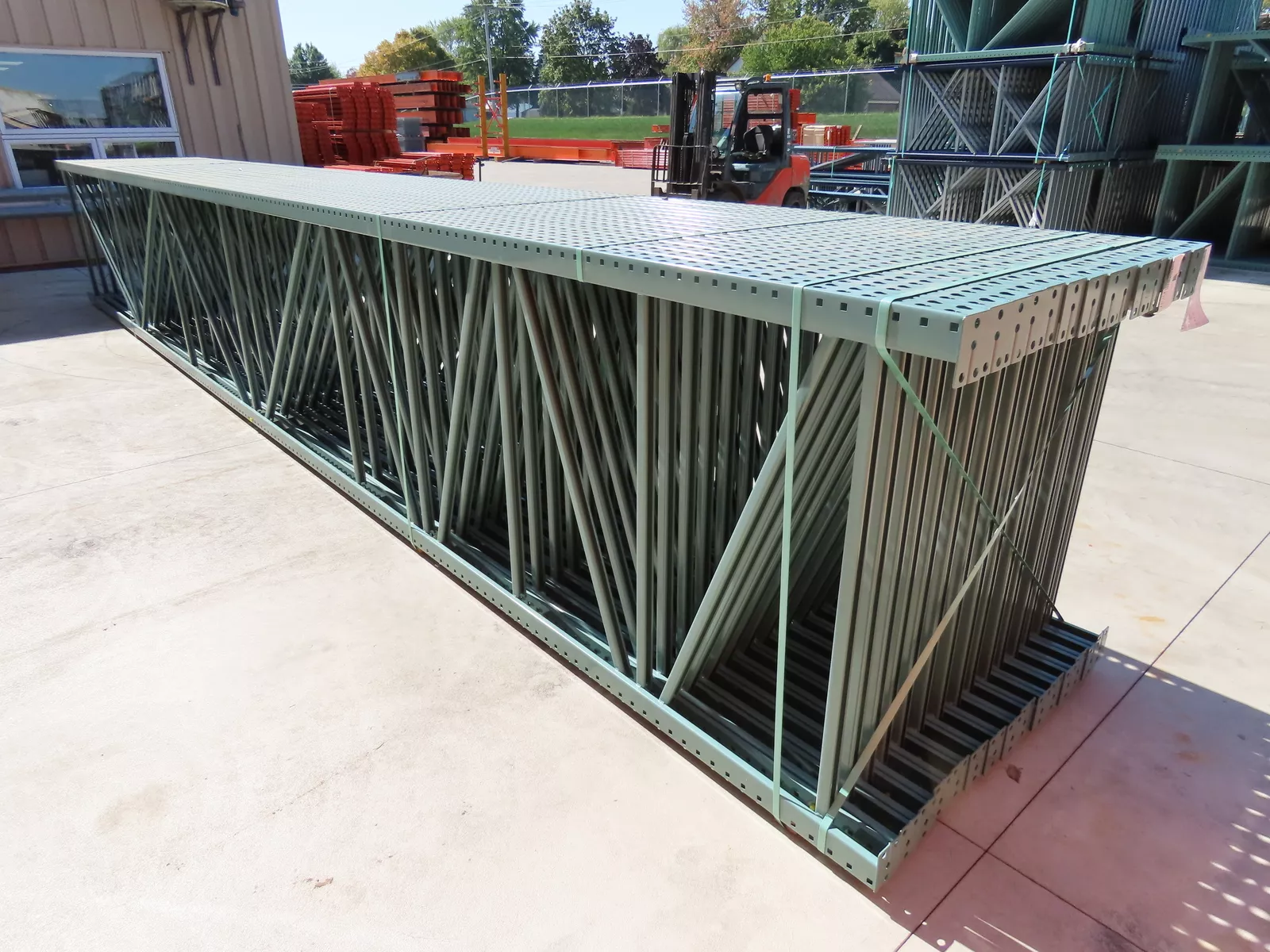
How Do I Assess My Current Shelving Needs?
How Do I Assess My Current Shelving Needs?
- Understanding shelving needs is crucial for maximizing business efficiency and profitability.
- Conduct a detailed inventory analysis to categorize products (fast movers, slow movers, seasonal stock, dead inventory).
- Evaluate storage capacity; consider dynamic shelving options like adjustable or modular systems for fluctuating demands.
- Adapt shelving strategies due to supply chain disruptions and increased inventory needs.
- Prioritize workflow efficiency by assessing employee interactions with shelving to reduce retrieval times.
- Plan for future growth and diversification in shelving strategies to align with business goals.
- Invest in quality shelving solutions as a foundation for operational efficiency and long-term success.
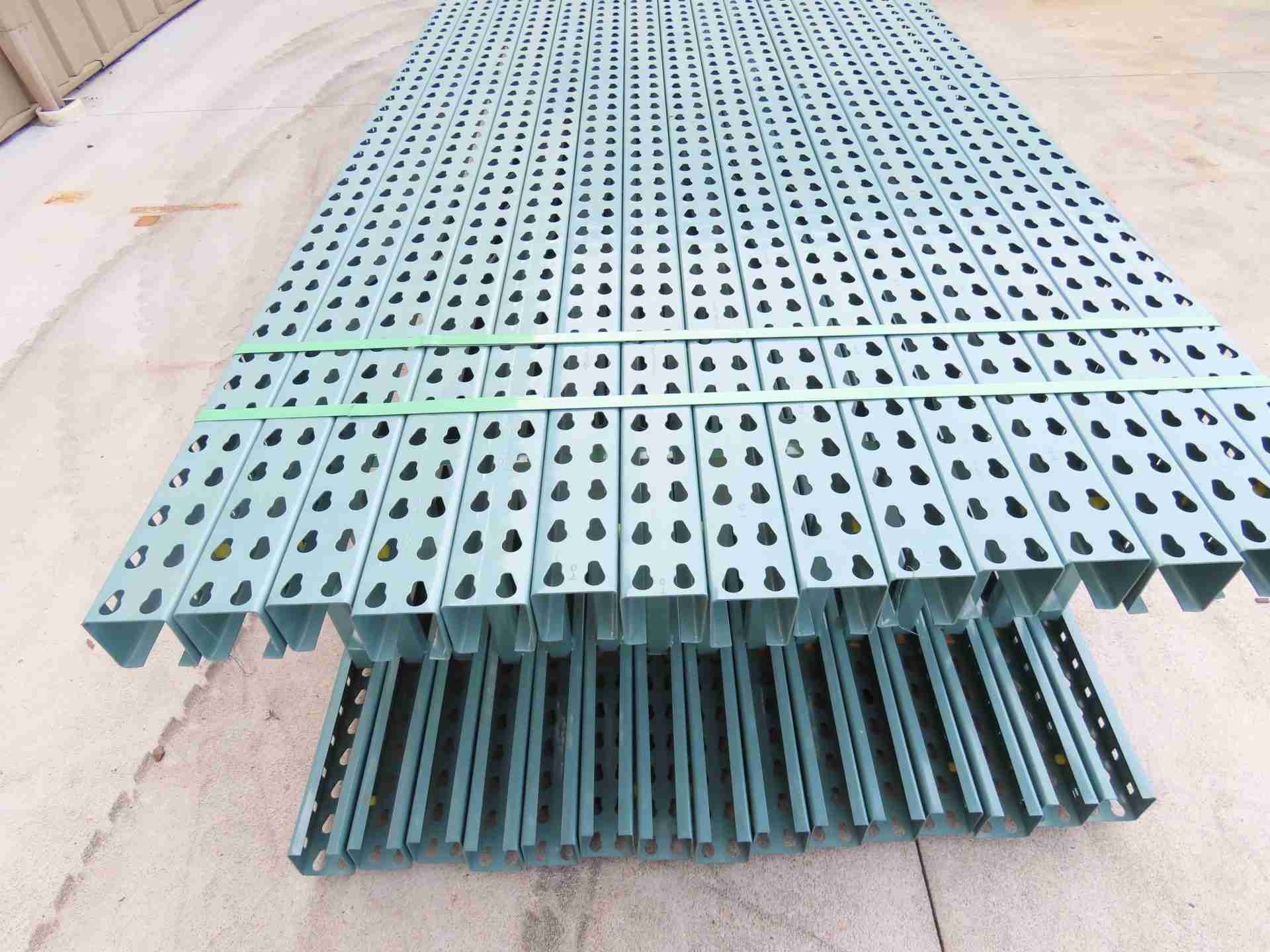
How Do I Assess My Current Shelving Needs?
What Materials Should I Consider For Shelving Upgrades?
When the time comes to enhance your shelving solutions, the materials you choose can fundamentally alter your space’s functionality and aesthetic appeal. Understanding your options can help you make a standout impression while maximizing utility.
Pallet Racking: If you’re looking to optimize storage in a warehouse or large retail space, pallet racking systems are your best bet. This robust system allows you to stack pallets high, creating a vertical storage solution that frees up valuable floor space. Recent trends, especially in e-commerce, have highlighted the importance of adaptable storage solutions. As online shopping spikes, businesses are pivoting towards pallet racking to accommodate increasing inventory levels.
Wood: For a more traditional look, solid wood shelves provide both durability and warmth. They can be crafted into stunning designs that not only serve practical purposes but also elevate the overall design of your space. Custom wood shelves crafted from hardwood like oak or maple can stand the test of time and add an extra layer of sophistication to any environment. Think about how a chic, rustic wood shelf can enhance your brand’s image while seamlessly fitting into modern trends towards sustainability and organic materials.
Metal: In contemporary settings, metal shelving can bring a sleek, industrial vibe that resonates with modern consumers. Steel or aluminum shelves offer unmatched strength and longevity, making them perfect for high traffic areas. Plus, with the rising demand for minimalist aesthetics, metal shelving can perfectly align with current market trends, enhancing visibility and ease of access in retail displays.
Glass: If your goal is to create an airy, open feel, look no further than glass shelving. This option is ideal for retail shops or home displays where showcasing products is key. Glass shelves can make a space feel larger and more inviting, while also providing a modern look that’s hard to beat. Consider the recent embrace of transparent design elements in cafés and boutiques; they encourage shoppers to interact with products in a way that feels accessible and appealing.
When upgrading your shelving materials, think about the message you want to convey. By choosing wisely, you’ll not only enhance your storage solutions but also align with current market trends, attract customers, and boost your bottom line. Whether you’re leaning towards pallet racking for heavy-duty needs or wood for its classic charm, each material has its unique advantages that can transform your space. So, make an informed choice and watch your organization thrive!
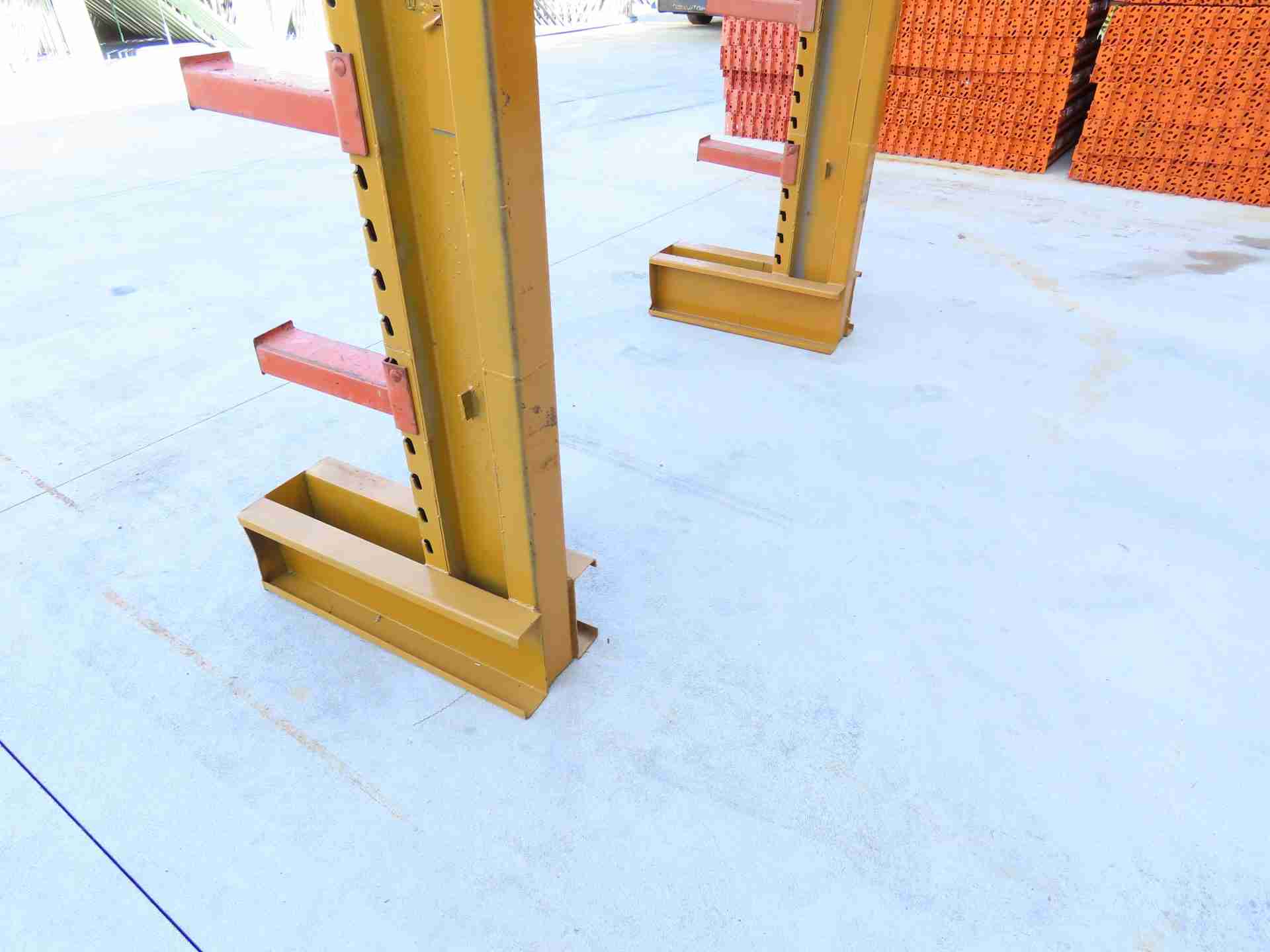
What Materials Should I Consider For Shelving Upgrades?
What Materials Should I Consider For Shelving Upgrades?
- Choosing the right shelving materials impacts both functionality and aesthetic appeal.
- Pallet Racking is ideal for optimizing storage in warehouses and retail spaces, especially with rising e-commerce demands.
- Solid wood shelves offer durability and a classic look, enhancing both practicality and design in various spaces.
- Custom hardwood shelves can add sophistication and align with sustainability trends.
- Metal shelving provides a modern, industrial aesthetic and is suitable for high-traffic areas.
- Glass shelving creates an airy atmosphere, making spaces feel larger while showcasing products effectively.
- Making informed material choices can enhance storage solutions, attract customers, and improve business outcomes.
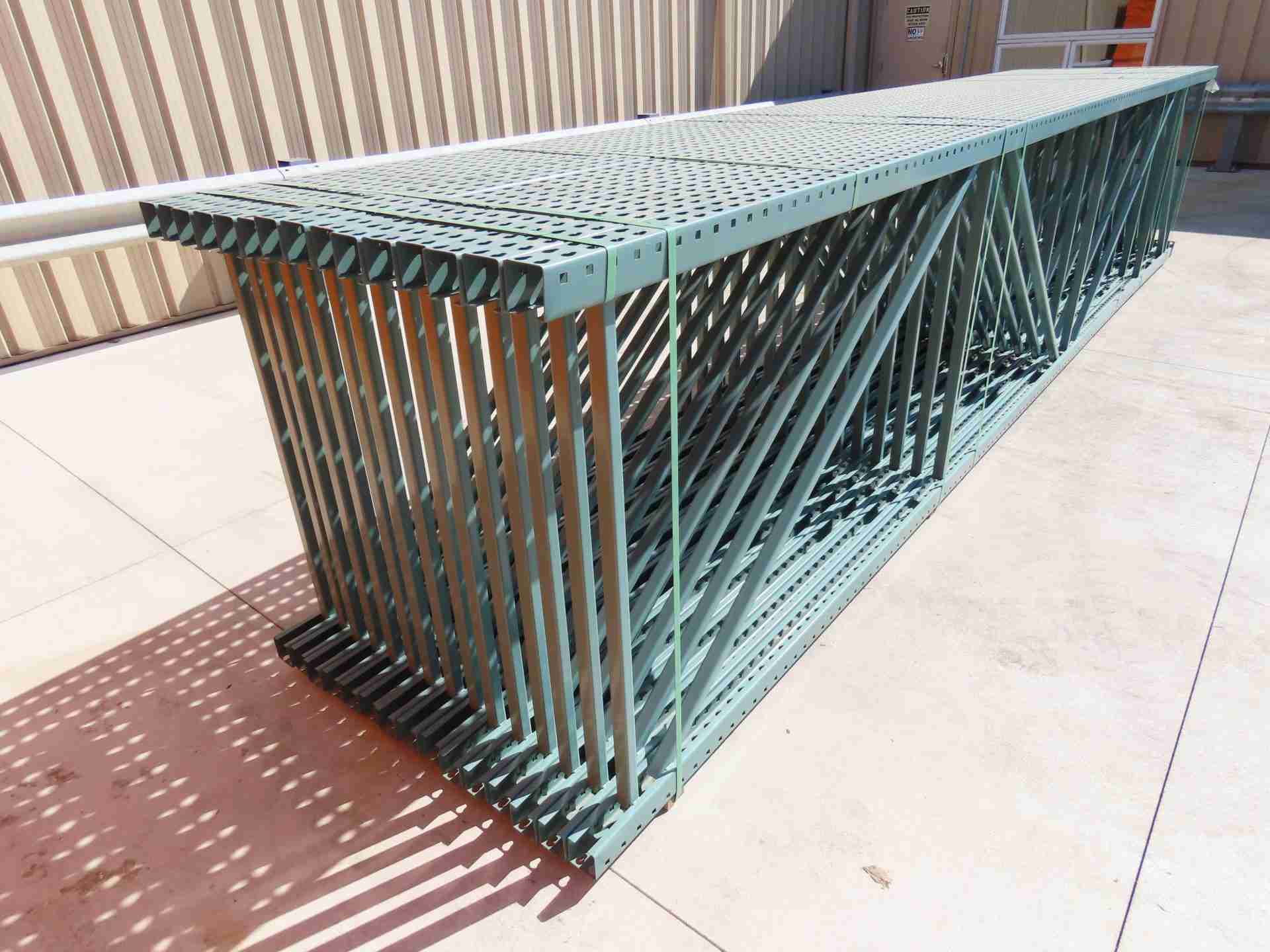
What Materials Should I Consider For Shelving Upgrades?
How Can I Maximize Storage Space With Existing Shelving?
In today’s fast-paced world, where efficiency is king, maximizing your storage space is not just a necessity; it’s a strategic advantage. Whether you’re managing a bustling retail operation or a home garage brimming with unused items, optimizing existing shelving through smart practices can lead to significant improvements in accessibility, organization, and ultimately, profitability.
First, let’s consider the potential of pallet racking systems. These versatile storage solutions can transform your existing shelving units into a powerhouse for maximizing vertical space. By utilizing pallet racks instead of conventional shelving, you can create a tiered system that allows for more items to be stored in the same footprint. This means taking advantage of height rather than simply horizontal space. Recently, supply chain disruptions have caused businesses to rethink their inventory strategies. Adopting pallet racking isn’t just a wise move; it’s a necessary step toward ensuring you have the space to capture larger inventory levels without overflowing.
Next, assess the items you’re storing frequently and those that are rarely touched. Implementing a FIFO (First In, First Out) system with your shelving can enhance organization and efficiency. Labeling shelves not only increases retrieval speed but also empowers your team to manage stock levels effectively. Retailers like Target have successfully used strategic labeling and signage to maintain order in their distribution centers, ensuring that popular items are always within reach, keeping customers satisfied.
Moreover, consider adjusting the height of your shelves. If you have items that are infrequently accessed, why not store them on higher shelves? This practice opens up valuable floor space for more frequently necessary goods. Use sturdy ladders or step stools for safety and ease—think about putting seasonal items or surplus stock up high. You’re not just clearing space; you’re turning it into a well-oiled machine of efficiency.
Finally, create designated zones for different product types. Storing similar items together not only maximizes space but also speeds up operations. For example, within a warehouse’s shelving system, dedicated zones for electronics, clothing, or perishables can streamline picking processes. Look at the recent innovations in logistics; companies that capitalize on zoning have seen significant reductions in order fulfillment time.
In this ever-evolving world, standing still means falling behind. Whether you’re in retail, distribution, or maintaining personal storage, optimizing existing shelving using strategies like pallet racking, effective labeling, and thoughtful zoning can transform chaos into operational excellence. Dive in and watch your efficiency soar!
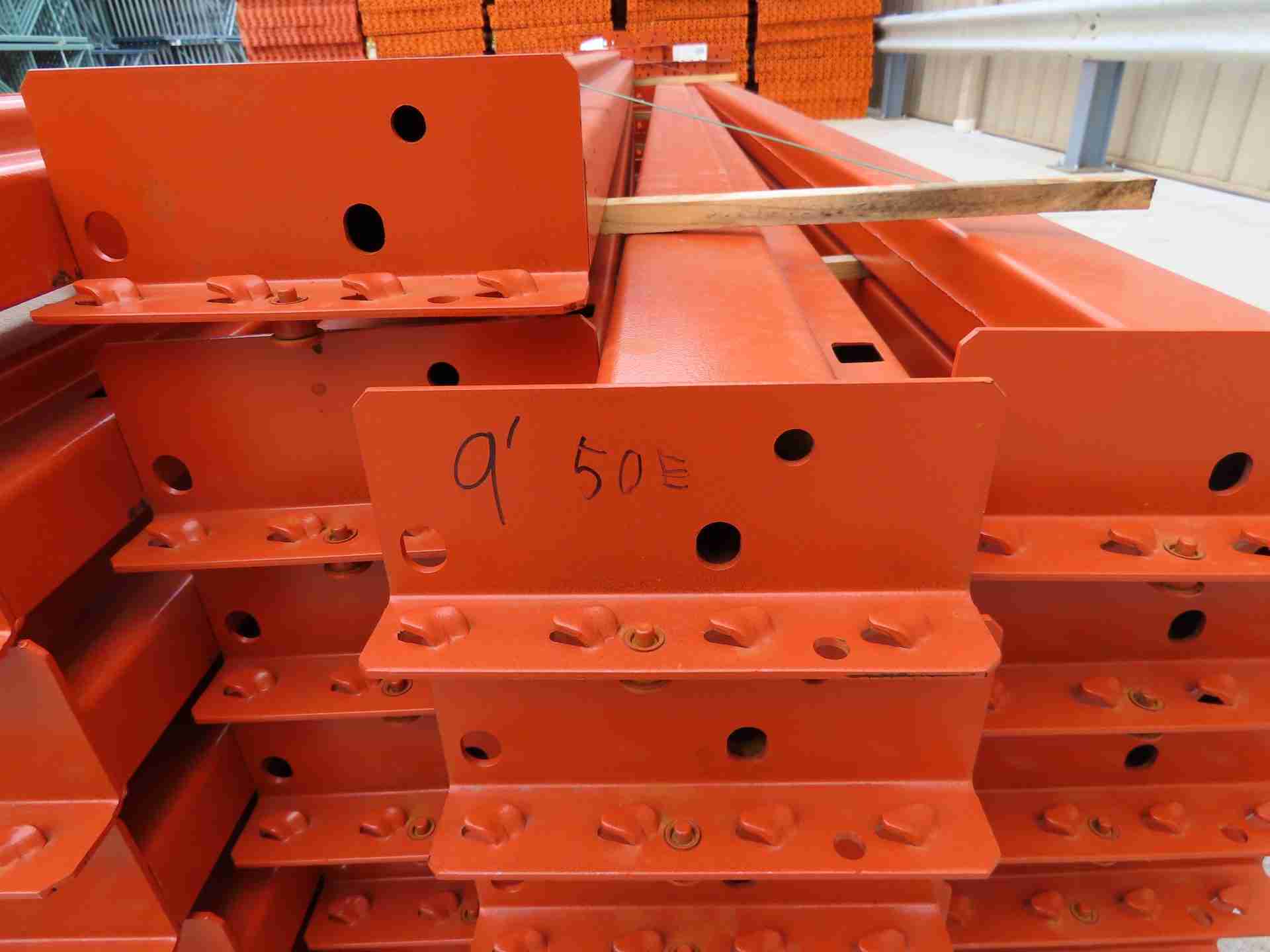
How Can I Maximize Storage Space With Existing Shelving?
How Can I Maximize Storage Space With Existing Shelving?
- Efficient storage space management is essential for both businesses and home organization.
- Pallet racking systems can optimize vertical space and accommodate larger inventory levels.
- Implementing a FIFO (First In, First Out) system improves organization and efficiency.
- Labeling shelves enhances retrieval speed and helps manage stock levels effectively.
- Adjusting shelf heights can free up floor space for frequently accessed items.
- Creating designated zones for similar products can streamline operations and reduce fulfillment times.
- Adopting smart storage practices can lead to significant improvements in operational efficiency.
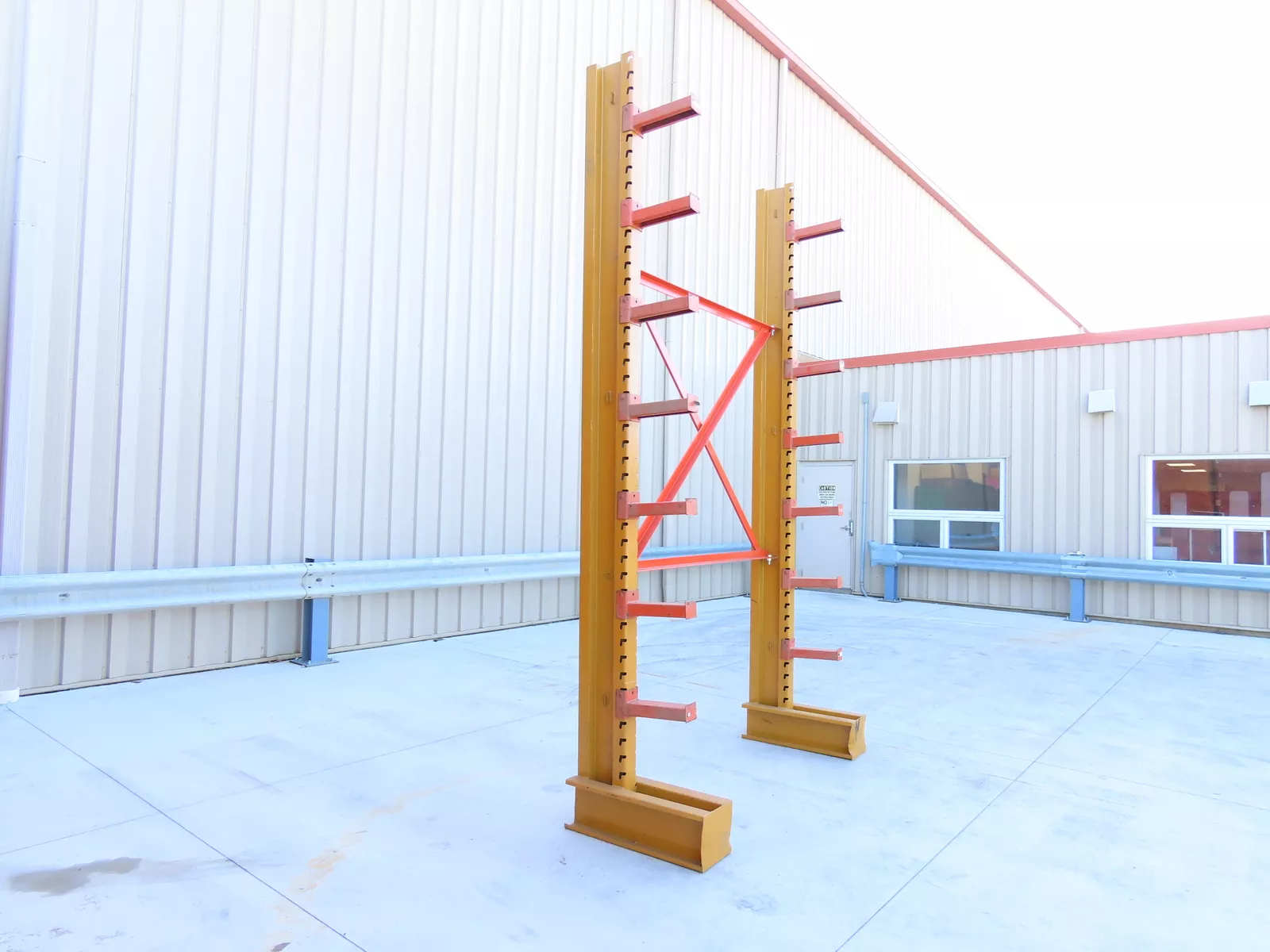
How Can I Maximize Storage Space With Existing Shelving?
What Are The Budget-Friendly Shelving Options Available?
In today’s fast-paced world, where every penny counts, businesses and homeowners alike are on the lookout for budget-friendly shelving solutions that don’t compromise on quality or durability. Enter the realm of pallet racking—an indispensable option that combines functionality with cost-effectiveness, making it a favorite among savvy consumers.
Pallet racking systems are not just for warehouses. They are versatile enough to suit any space that requires organized storage—whether you are looking to declutter your garage, set up an efficient stockroom for your retail business, or create a stunning display for your crafts in a home office. Imagine a sleek pallet rack transforming a chaotic space into an orderly, easy-to-navigate environment, all without breaking your bank.
These shelving options typically consist of heavy-duty metal frames designed to hold pallets or other large items. They are adjustable, allowing you to customize the height of the shelves based on your specific storage needs. With a start-up investment as low as $150 for a single unit, pallet racking is a game-changer that gives you more bang for your buck.
Consider what’s happening in the retail landscape right now. As e-commerce continues to grow, many brick-and-mortar businesses are pivoting to streamline operations. This means optimizing storage solutions, and pallet racking is key to maximizing vertical space. Retailers are finding that not only is this shelving cost-efficient, but it also dramatically improves inventory management. For example, a local furniture store recently overhauled its stockroom with pallet racks, leading to a 30% increase in efficiency—an astronomical gain in productivity for minimal investment.
Beyond commercial usage, pallet racking has made its way into residential spaces. DIY enthusiasts are repurposing these structures in their homes, integrating them into innovative shelving systems for the kitchen, living room, or garage. With a bit of creativity—perhaps adding some paint and decorative storage bins—you can have an aesthetically pleasing and functional storage solution that sings to your budget.
In addition to pallet racking, don’t overlook other thrift-friendly options: reclaimed wood shelves, modular shelving units, and wire racks. All of these can enhance your space without hefty price tags.
In a world where solutions must fit tight budgets, the effective use of pallet racking is a resource you can’t ignore. Maximize your space smartly—your wallet will thank you.
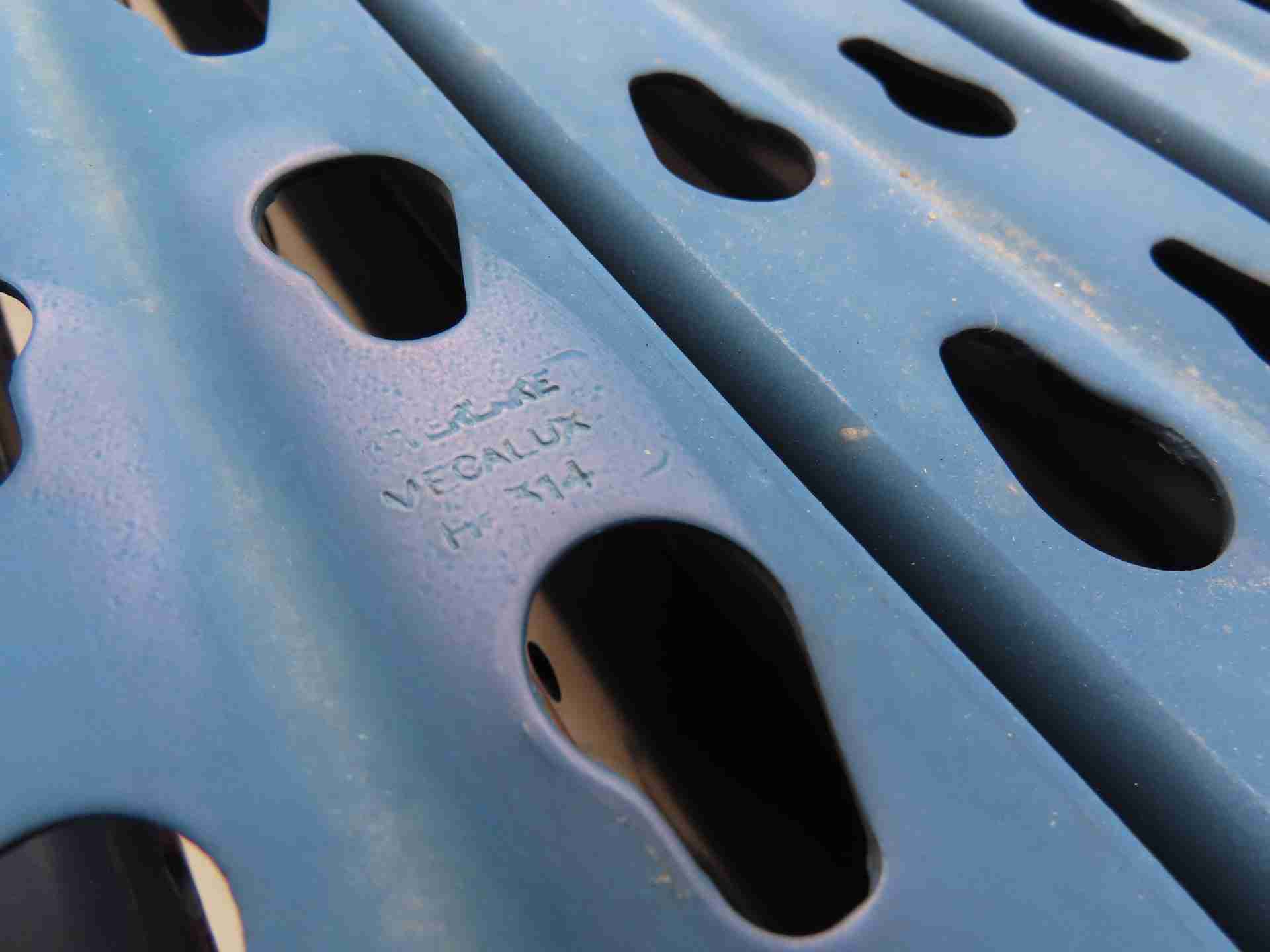
What Are The Budget-Friendly Shelving Options Available?
What Are The Budget-Friendly Shelving Options Available?
- Pallet racking is a budget-friendly shelving solution that offers quality and durability for both businesses and homeowners.
- The systems are versatile and can be used in various spaces like garages, stockrooms, and home offices.
- Pallet racks consist of heavy-duty metal frames and are adjustable to fit specific storage needs.
- Investing in pallet racking starts as low as $150 for a single unit, providing excellent cost-effectiveness.
- The rise of e-commerce has led retailers to streamline operations with pallet racking for better inventory management.
- DIY enthusiasts are creatively repurposing pallet racks for residential use, enhancing aesthetics and functionality.
- Other thrift-friendly shelving options include reclaimed wood shelves and modular units, which can also maximize space efficiently.
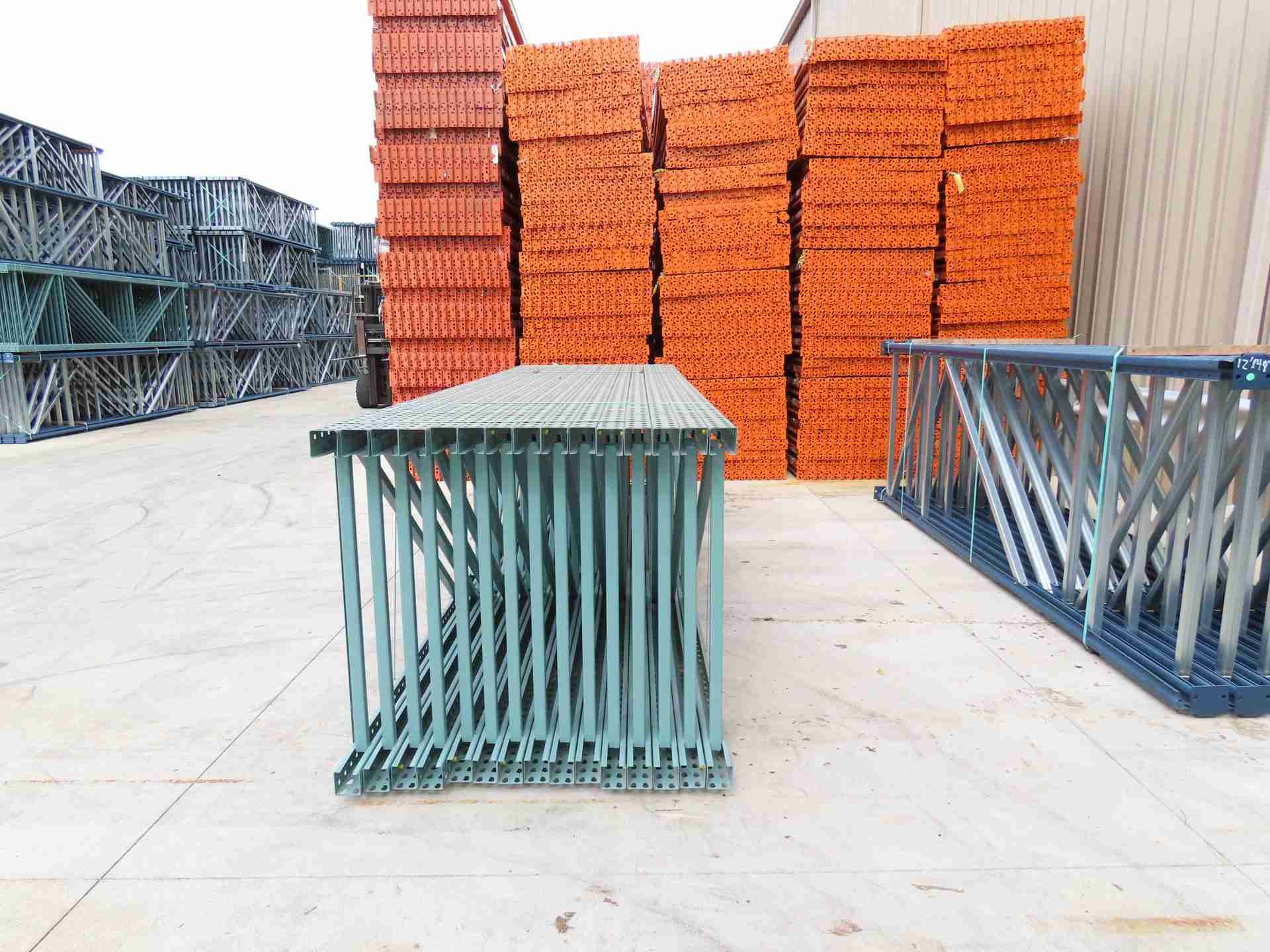
What Are The Budget-Friendly Shelving Options Available?
Should I Prioritize Vertical Space In My Shelving Layout?
In today’s fast-paced, high-demand retail and warehouse environments, every square foot of space matters. As businesses grapple with rising operational costs and the need for efficiency, the question about whether to prioritize vertical space in your shelving layout becomes both critical and timely.
Think about it: the right shelving setup can dramatically improve your storage capacity, leading not only to better organization but also to increased revenue potential. Take pallet racking for example. With its ability to utilize otherwise wasted vertical space, pallet racks can double or even triple your storage capabilities. This means that instead of expanding your warehouse footprint—an expensive and often tedious process—you can simply look upward.
Consider recent developments in e-commerce. Companies like Amazon are constantly seeking ways to optimize their supply chains. Their fulfillment centers often utilize vertical shelving solutions to maximize their available space, ensuring products can be stored efficiently while being easily accessible. Imagine replicating that model in your business: a streamlined, efficient shelving layout that leverages verticality.
For instance, let’s say you run a retail shop selling home goods. By investing in high-quality vertical shelving, you could display an array of products without sacrificing valuable floor space. This could free up room for promotional displays or customer areas, ultimately driving foot traffic and boosting sales. The essence here is simple: when you prioritize vertical space, you become a master manipulator of real estate—a foolproof strategy in a world where location truly matters.
However, vertical shelving isn’t just about quantity; it’s also about quality. High-density storage solutions like mobile racks can help you maximize the vertical space even further, creating a dynamic system that can easily adapt to your shifting inventory needs. Companies are recognizing the importance of flexibility in their shelving solutions, especially as economic environments change rapidly.
Lastly, consider the end result—your customers. Whether they’re walking through a retail space or navigating your warehouse, an organized, well-structured shelving layout enhances their experience. As you create a visually appealing and accessible environment, you not only boost your operational efficiency but also solidify customer loyalty.
The decision to prioritize vertical space in your shelving layout is not just a matter of convenience; it’s a strategic move aligned with current market trends. Embrace the vertical. Optimize your space. Transform your business.

Should I Prioritize Vertical Space In My Shelving Layout?
Should I Prioritize Vertical Space In My Shelving Layout?
- In today’s retail and warehouse environments, maximizing every square foot is essential for efficiency and cost management.
- Effective shelving layouts can enhance storage capacity, organization, and revenue potential; pallet racking exemplifies this by utilizing vertical space.
- E-commerce companies like Amazon optimize supply chains with vertical shelving to improve space management and accessibility.
- Investing in vertical shelving in retail spaces allows for more product display while freeing up floor space for promotions and customer areas.
- High-density storage solutions like mobile racks increase the adaptability and efficiency of vertical shelving systems to meet changing inventory demands.
- An organized shelving layout enhances customer experience, improving operational efficiency and fostering loyalty.
- Prioritizing vertical space is a strategic decision that aligns with current market trends, encouraging businesses to optimize space and transform operations.
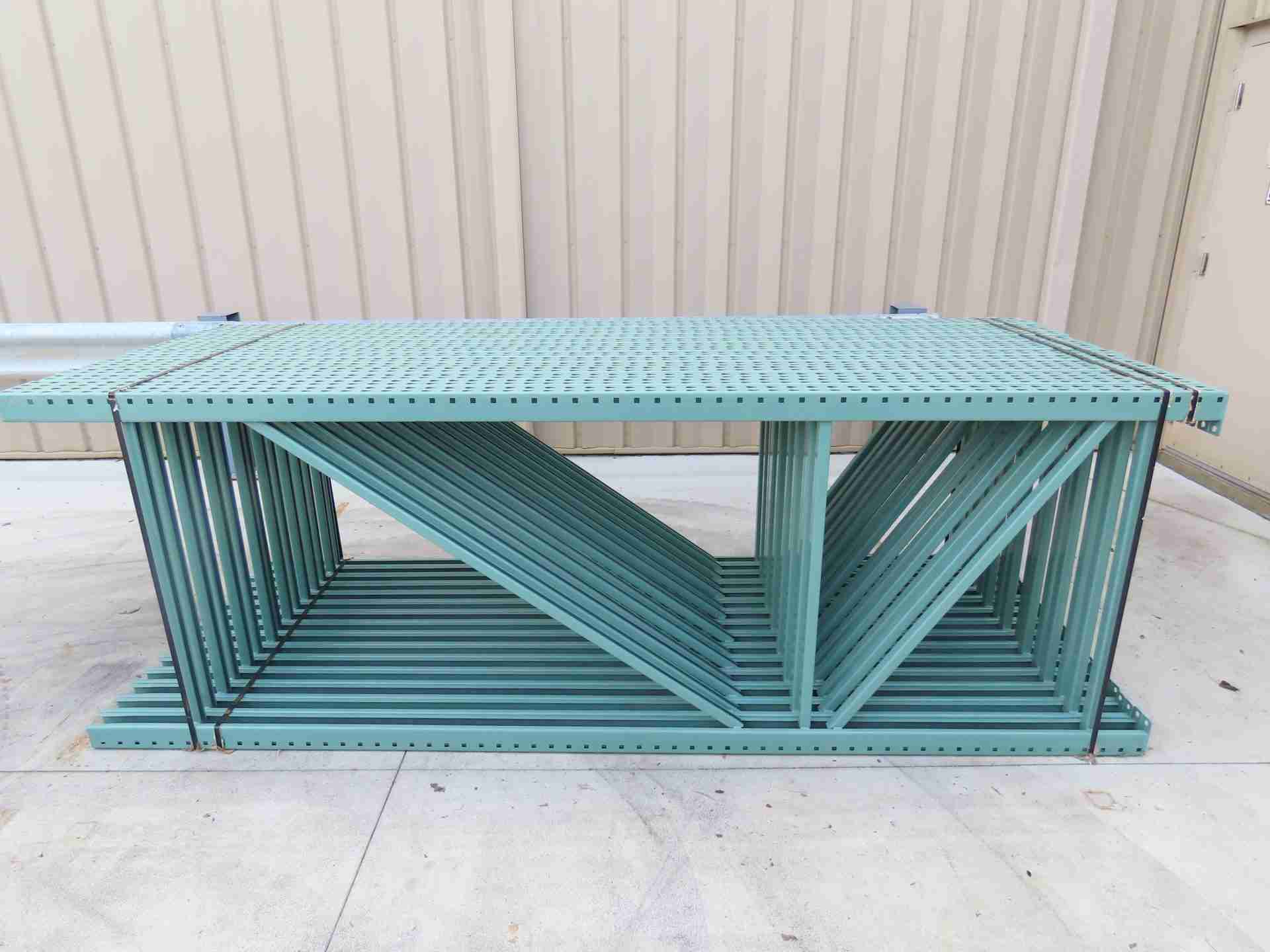
Should I Prioritize Vertical Space In My Shelving Layout?
Conclusion
In today’s competitive landscape, maximizing warehouse efficiency is not just beneficial; it’s essential for survival. Taking a closer look at your shelving systems offers an incredible opportunity to enhance productivity while reducing costs. Through thoughtful upgrades, you can significantly transform your operational capabilities and set your business on a path to success.
Start by assessing your current shelving setup. Are your pallet racks optimized to handle the inventory you have today and the inventory you want to accommodate tomorrow? This is your moment to identify what’s truly working for you and what’s not. Evaluate your storage configurations and consider if reconfiguring existing racks could unlock greater efficiency without incurring the expense of new systems. Often, a simple shift can lead to remarkable improvements—like repositioning fast-moving items to minimize retrieval times.
Consider adding features that enhance safety and visibility in your warehouse. Investing in accessories such as wire decking and pallet supports can provide a safer working environment. You’ll not only streamline operations but also reduce employee turnover by fostering a safer workplace.
Additionally, don’t overlook the power of pre-owned pallet racking systems. In a budget-conscious environment, refurbished racks offer a practical solution to enhance your storage without sacrificing quality. They often comply with safety standards and can be an astute financial decision.
Regular maintenance is another vital aspect that can extend the life of your existing racks, preventing costly replacements down the line. Just as you would review other operational elements, a routine check for wear and tear can save you both money and potential safety hazards.
As you contemplate these cost-effective strategies for upgrading your shelving, remember that time is of the essence. The marketplace is ever-evolving, and delays can mean missed opportunities. Don’t let your competition get the edge—sharpen your efficiency today!
To explore personalized solutions tailored to your warehouse needs, reach out to Arrow Industrial Sales at (574) 349-6575. Our experts are ready to walk you through options that align with your goals and help you maximize both efficiency and savings. Don’t wait; the time to optimize your operations is now. Let us help you build the future of your business today!
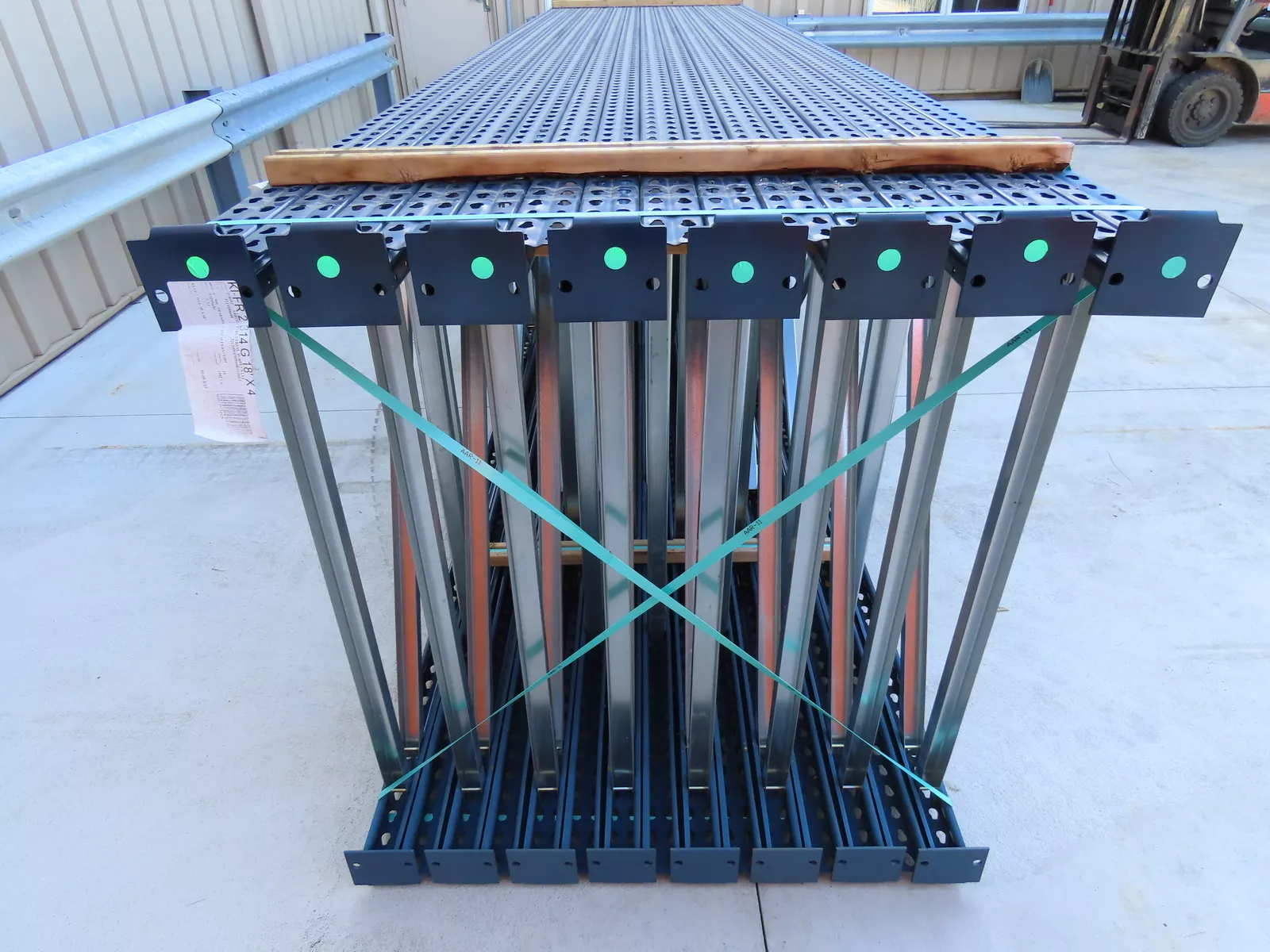
Conclusion
Conclusion:
- Maximizing warehouse efficiency is essential for survival in today’s competitive landscape.
- Assess your current shelving setup to determine if it meets your current and future inventory needs.
- Reconfiguring existing racks may enhance efficiency without needing expensive new systems.
- Implement accessories like wire decking and pallet supports to improve safety and visibility.
- Consider pre-owned pallet racking systems as a budget-friendly solution without compromising on quality.
- Regular maintenance of racks can extend their lifespan and prevent costly replacements.
- Act quickly to enhance efficiency and stay competitive in a rapidly evolving marketplace.
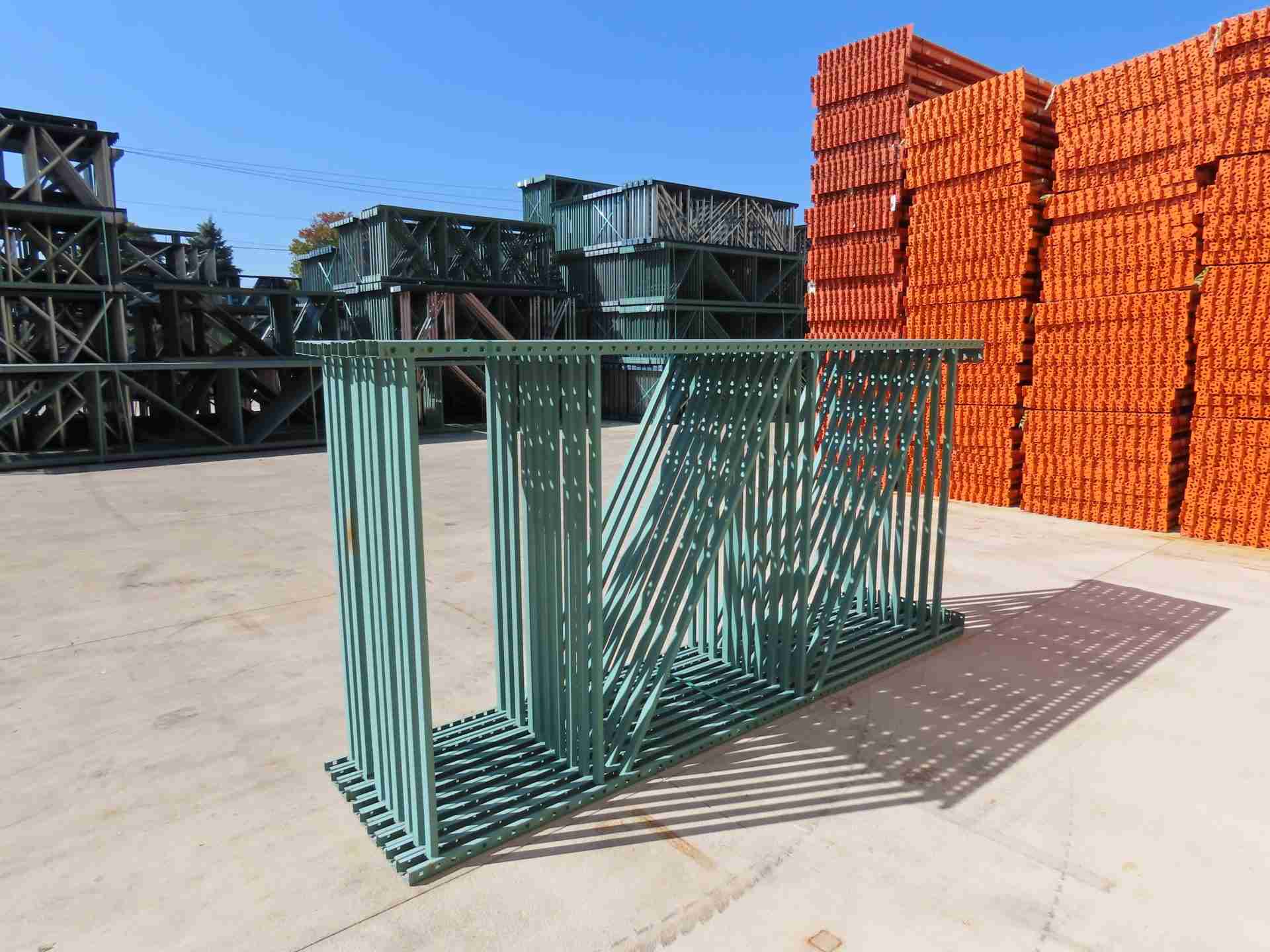
Conclusion
Other Resources
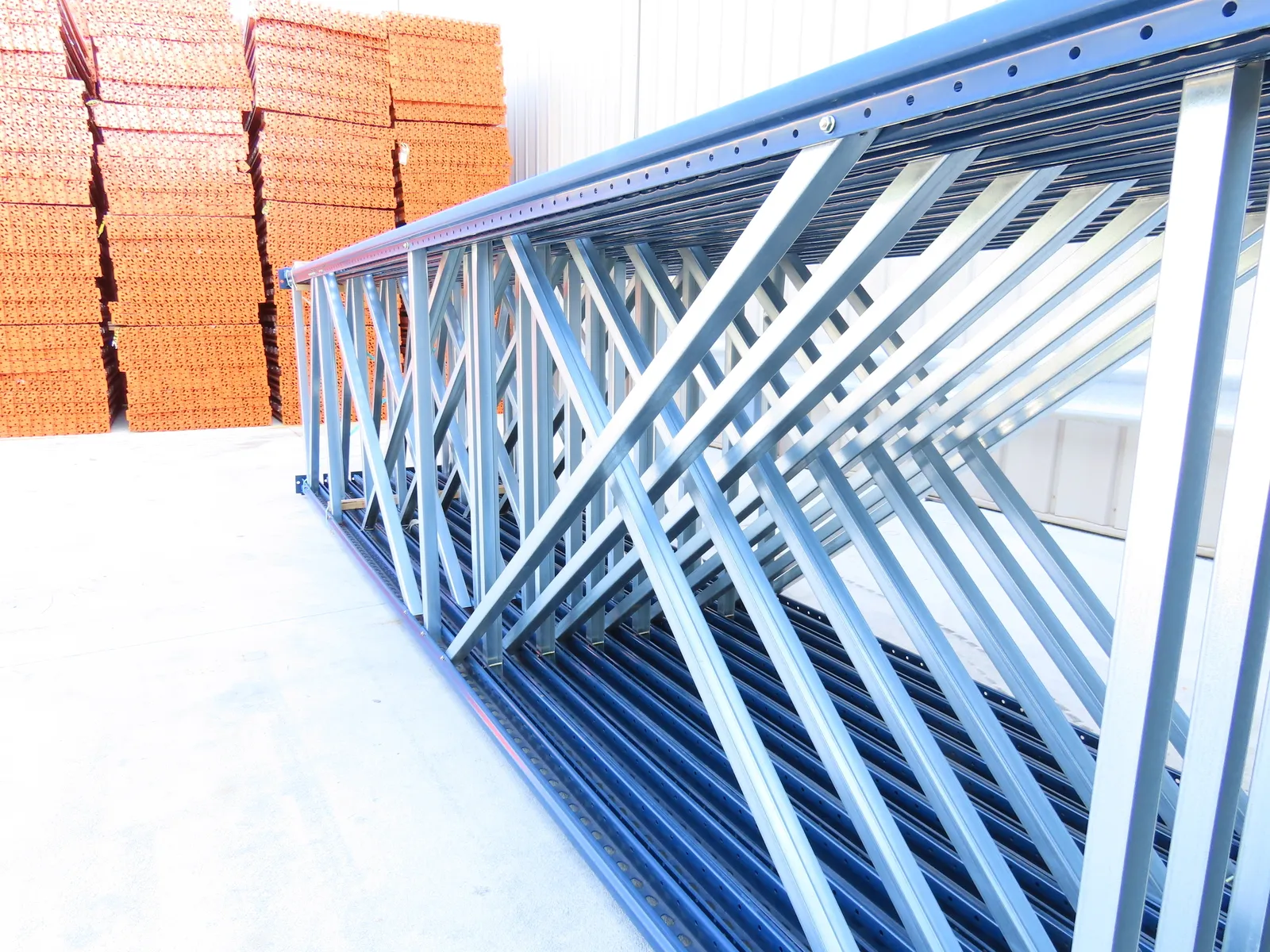
Other Resources
Here is a list of other resources you can review online to learn more:
- Teardrop Uprights
- Mustang Material Handling
- Warehouse Racking Systems: Beginner’s Guide to Rack Systems
- Used Pallet Rack for Sale in Illinois – American Surplus
- Chicago Pallet Racking
- Teardrop Industrial Shelving Rack
- Overhead Lifting
- Pallet Racking 101: A Comprehensive Guide & Options Explained
- IIWS Inc. Rack Installation Illinois & Rack Repairs Illinois
- Rack Manufacturers Institute
Use This Prompt To Get More Resources With Your Favorite Online AI Tool: Please provide me with a list of online articles with their URLs in a bulleted list that I can read regarding What Are The Cost-Effective Ways to Upgrade Your Warehouse Shelving?
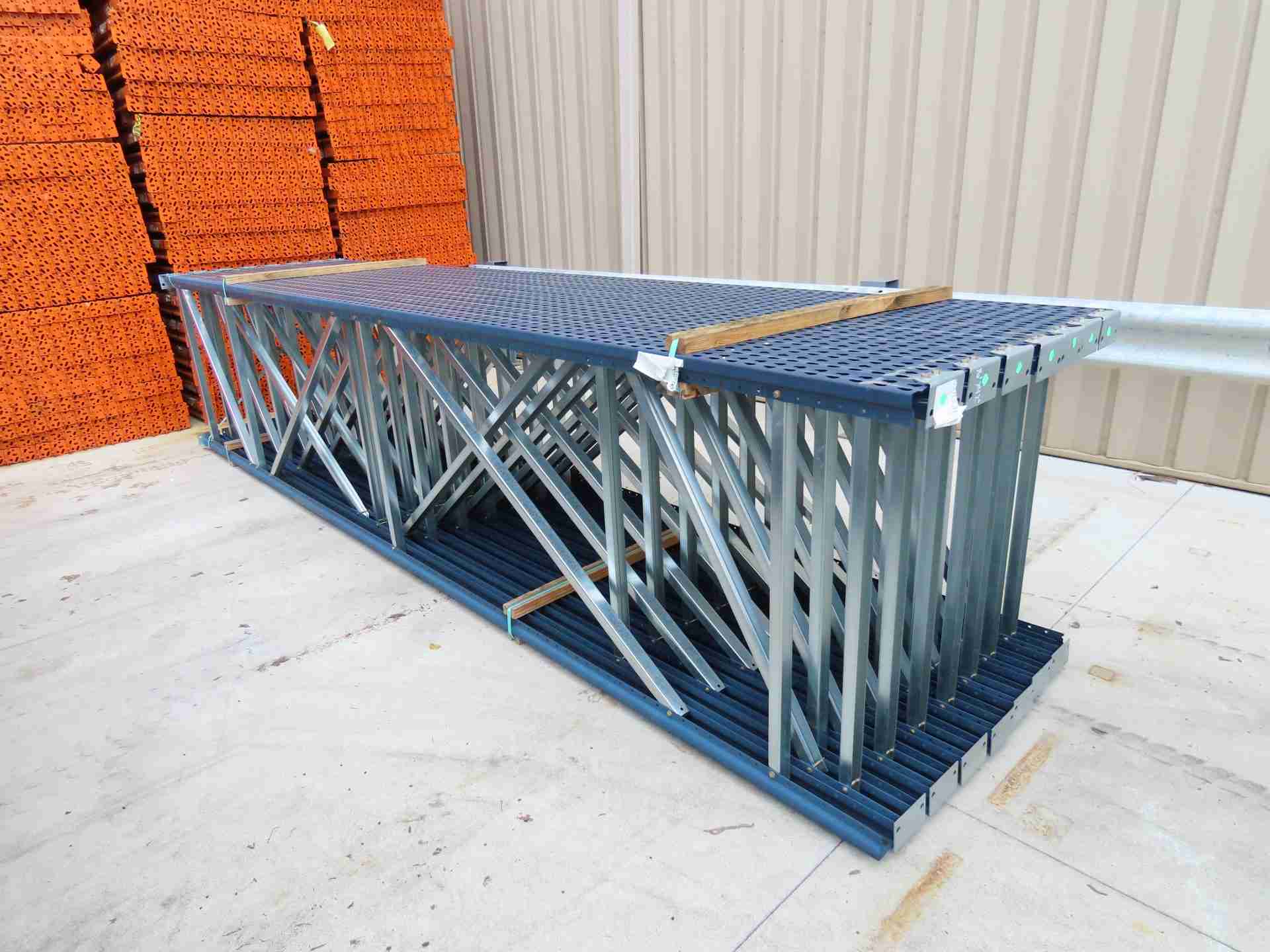
Other Resources
Glossary Terms
What Are The Cost-Effective Ways to Upgrade Your Warehouse Shelving? – Glossary Of Terms
1. Adjustable Shelving: Shelving units that can be modified in height and configuration to accommodate various products, maximizing storage efficiency.
2. Boltless Shelving: A type of shelving that requires no bolts or tools for assembly, allowing for quick adjustments and modifications.
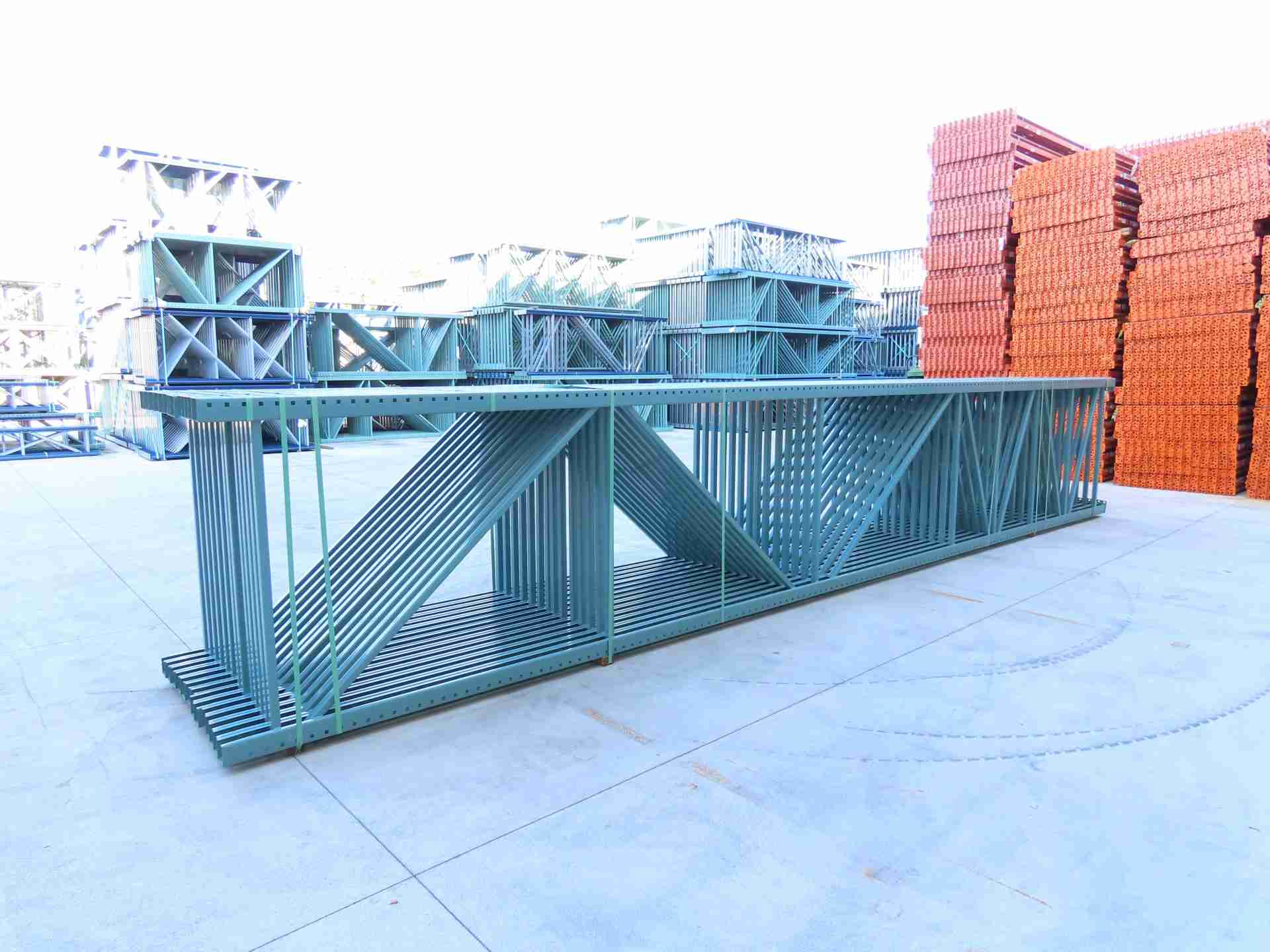
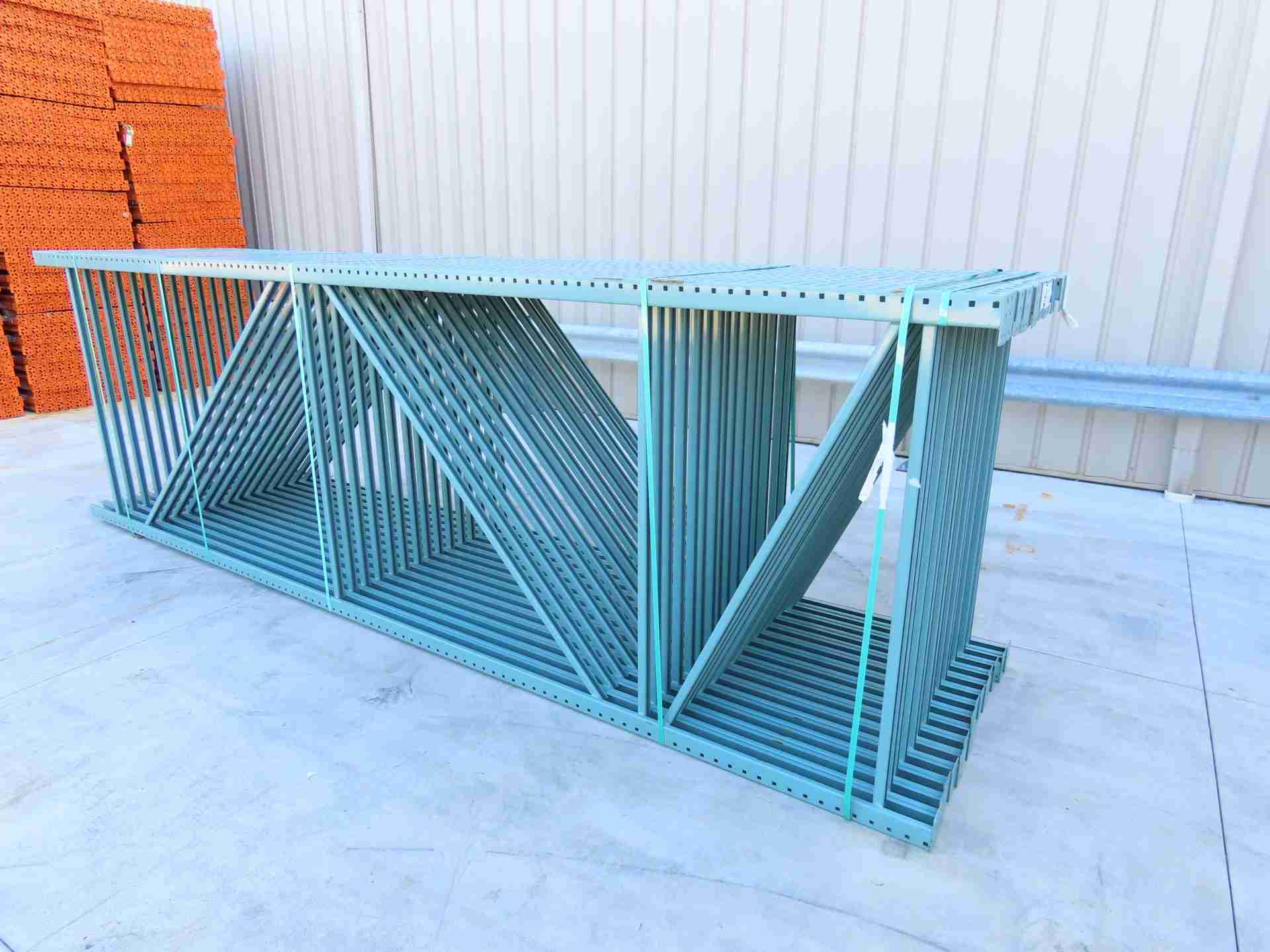
3. Pallet Racking: A storage system designed for high-density storage of palletized materials, optimizing space and accessibility in warehouses.
4. Shelving Units: Individual sections of shelving designed to hold items, can vary in size, material, and load capacity.
5. Decommissioning: The process of taking old or obsolete shelving out of service to make room for new installations or upgrades.
6. Vertical Space Utilization: The strategic use of height in a warehouse to store items, often achieved through taller shelving units or stacking systems.
7. Modular Shelving: Shelving systems composed of pre-fabricated modules that can be assembled in various configurations depending on storage needs.
8. Resin-coated Shelving: Shelving made from steel that has been coated with a resin for protection against corrosion and chemical exposure.
9. Wire Shelving: Open-grid shelving made from thin metal wires, which promotes airflow and is often used in damp environments.
10. Used Equipment: Second-hand shelving units or equipment that can be more affordable alternatives to buying new.
11. Mobile Shelving: Shelving units mounted on wheels that can be moved easily to create more space or improve access to items.
12. Heavy-duty Shelving: Shelving designed to support heavier loads, often used for industrial and commercial storage.
13. Inventory Management System: A software solution that helps track inventory levels, orders, sales, and deliveries to optimize storage and shelving layout.
14. Custom Shelving Solutions: Tailored shelving designs created to fit specific warehouse spaces or unique inventory needs.
15. Labeling Systems: Organizational tools that involve tags or stickers that identify products, helping to streamline storage and retrieval processes.
16. Cantilever Racking: A type of racking used for storing long or bulky items that extend beyond a standard shelf unit.
17. FIFO (First In, First Out): An inventory management method that ensures older stock is used first, influencing shelving design for accessibility.
18. Shelf Dividers: Accessories that separate items on shelving, allowing for better organization and preventing damage to products.
19. Cost-Benefit Analysis: An evaluation tool used to assess the costs and benefits associated with upgrading shelving to determine its viability.
20. Long Span Shelving: Shelving designed for larger items and heavier loads, offering longer shelf lengths and increased strength.
21. Return on Investment (ROI): A measure used to evaluate the profitability of an investment, relevant to shelving upgrades and their impact on efficiency.
22. Space Optimization: The practice of maximizing usable space within a warehouse through effective shelving design and layout planning.
23. Safety Standards: Guidelines and regulations that ensure shelving systems are safe, including weight limits and structural integrity.
24. Maintenance Costs: Ongoing expenses associated with the upkeep of shelving units, which can influence decision-making around upgrades.
25. Refurbished Shelving: Previously used shelving that has been restored to like-new condition, often providing a cost-effective option.
26. Height Restrictions: Local building codes or regulations that dictate how high shelving units can be installed, impacting design decisions.
27. Forklift Access: The necessary pathways and clearances needed for forklifts to maneuver around shelving units for effective inventory management.
28. Overstock Storage: Areas designated for excess inventory, which may require specific shelving solutions to handle bulk items.
29. Ergonomic Design: Shelving created with user comfort and efficiency in mind, reducing strain during loading and unloading.
30. Inventory Turnover Rate: A metric that reflects how often inventory is sold or used, influencing shelving choices to ensure efficient product access.
These terms can help you understand key concepts and strategies when considering upgrades to warehouse shelving in a cost-effective manner.
Glossary Of Terms
Other Questions
What Are The Cost-Effective Ways to Upgrade Your Warehouse Shelving? – Other Questions
If you wish to explore and discover more, consider looking for answers to these questions:
- What are the key indicators that my current shelving system is outdated?
- How often should I conduct an inventory audit to assess my shelving needs?
- What specific safety standards should my upgraded shelving systems meet?
- How can I determine the most suitable pallet racking configuration for my warehouse?
- What factors should I consider when choosing materials for my new shelving system?
- How can I efficiently implement an inventory management system alongside shelving upgrades?
- What are the long-term cost implications of investing in refurbished shelving systems?
- How do I know which shelving accessories would be beneficial for my operations?
- What maintenance tasks should I include in my regular shelving inspections?
- Are there specific budget constraints I should anticipate when upgrading my warehouse shelving?
- How can leveraging vertical space impact my overall operational profitability?
- What are examples of businesses that successfully improved efficiency through shelving upgrades?
- How does climate change and sustainability affect my choice of shelving materials?
- What role does employee feedback play in assessing shelving effectiveness?
- Can I integrate technology (like RFID) with my shelving solutions for better tracking?
Other Questions
Checklist
What Are The Cost-Effective Ways to Upgrade Your Warehouse Shelving? – A Checklist
1. Conduct an Inventory Audit:
_____ Assess current inventory and identify fast-moving vs. slow-moving items.
_____ Adjust shelving to place high-demand products closer to pick locations.
2. Evaluate Pallet Racking Configuration:
_____ Consider reconfiguring existing shelving layouts for better space utilization.
_____ Explore alternative shelving options (e. g. , drive-in or push-back systems) for increased storage density.
3. Invest in Add-Ons:
_____ Identify and purchase accessories like wire decking or pallet supports for added safety and efficiency.
_____ Ensure better visibility of inventory with appropriate shelving enhancements.
4. Consider Pre-Owned Equipment:
_____ Explore marketplaces for refurbished pallet racking that meet safety standards.
_____ Evaluate the cost-effectiveness of used systems compared to new ones.
5. Regular Maintenance:
_____ Implement a routine check-up schedule for existing shelving.
_____ Prioritize inspections to prolong the life of your racks and avoid costly replacements.
6. Maximize Vertical Space:
_____ Utilize pallet racking to create tiered storage for efficient vertical space use.
_____ Consider modular or adjustable shelving systems for dynamic needs.
7. Organize for Efficiency:
_____ Implement a FIFO (First In, First Out) system for better inventory management.
_____ Label shelves clearly to enhance retrieval speed and improve inventory turnover.
8. Create Zoning:
_____ Designate specific areas for different product types to streamline operations.
_____ Ensure items are grouped by similarity to optimize workflow.
9. Choose the Right Materials:
_____ Evaluate options like metal, wood, or glass based on durability and aesthetic appeal.
_____ Select materials that align with your business branding and functional needs.
10. Adapt for Future Needs:
_____ Consider how shelving can adjust to future growth or changes in inventory demands.
_____ Focus on flexible shelving solutions that can accommodate fluctuations in stock levels.
11. Budget-Friendly Options:
_____ Research cost-effective shelving solutions, like pallet racking, reclaimed wood shelves, or modular systems.
_____ Leverage DIY options to enhance storage without overspending.
12. Focus on Employee Safety:
_____ Implement ergonomic shelving designs or safety features that adhere to regulations.
_____ Regularly train employees on safe operation and maintenance of shelving systems.
By following this checklist, you can systematically approach your warehouse shelving upgrades, ensuring maximized efficiency, improved inventory management, and significant cost savings.
Checklist
At RackingWorld, we help guide you through selecting warehouse storage systems and racking.
Be sure to read our other related stories at RackingWorld to learn more about warehouse storage systems.
0 Comments