
Mastering Shelving: Avoid These Common Mistakes
By Tom Seest
At RackingWorld, we help guide you through selecting warehouse storage systems and racking.
Be sure to read our other related stories at RackingWorld to learn more about warehouse storage systems.
What Are The Common Mistakes to Avoid When Setting Up Shelving?
When it comes to setting up shelving, especially in commercial spaces, it’s easy to overlook critical factors that can lead to costly mistakes. Let’s delve into some common pitfalls you should avoid to maximize efficiency and safety in your organization—whether you’re in the warehousing game or simply looking for storage solutions at home.
1. Ignoring Load Capacities
First and foremost, understand the weight capacities of your shelving units. For instance, pallet racking systems are designed for heavy loads, but if misused, could lead to structural failure. Imagine filling a shelving unit beyond its limits—there’s a reason why each rack has specifications. In 2023, several retailers experienced product losses due to rack collapses caused by overloading. Always consult manufacturer guidelines and ensure that your shelving can handle the weight you plan to place on it.
2. Poor Layout Planning
The placement of your shelving can significantly impact workflow. A common mistake is failing to adequately plan the layout. If your shelves are haphazardly arranged, it can lead to inefficiencies, increased picking times, and even employee injuries. Consider a current trend: many businesses are adopting lean inventory principles. By utilizing a logical, organized layout, you not only streamline operations but also promote safety—cutting down on accidents that can stem from cluttered aisles.
3. Neglecting Accessibility
Accessibility is key when designing your shelving setup. People often underestimate how crucial it is to ensure that items can be easily reached. Relying solely on high shelves can lead to accidents if employees are forced to use unsafe methods to retrieve items. Consider recent advancements in ergonomic design—such as employing lift systems or multi-tiered shelving that allow access without the need for ladders. These innovations not only ensure safety but also enhance productivity.
4. Skimping on Quality
When it’s time to set up and invest in shelving, do not skimp on quality. Cheap shelving might save a few dollars upfront, but it can lead to issues down the line—think about increased maintenance costs and potential hazards. Recent supply chain disruptions have also made it clear that investing in sturdy, reliable shelving can pay off long-term, even as prices fluctuate.
5. Failing to Regularly Inspect Shelving
Finally, neglecting regular inspections is a rookie error. Shelving, particularly pallet racking, needs to be routinely checked for wear and tear. Setting up a systematic inspection schedule will help you identify weak points before they become a serious problem, saving you money and trouble later.
Successfully setting up shelving requires foresight, planning, and consistent upkeep. Avoiding these common mistakes can turn a storage headache into a streamlined solution that supports your operational goals effectively.
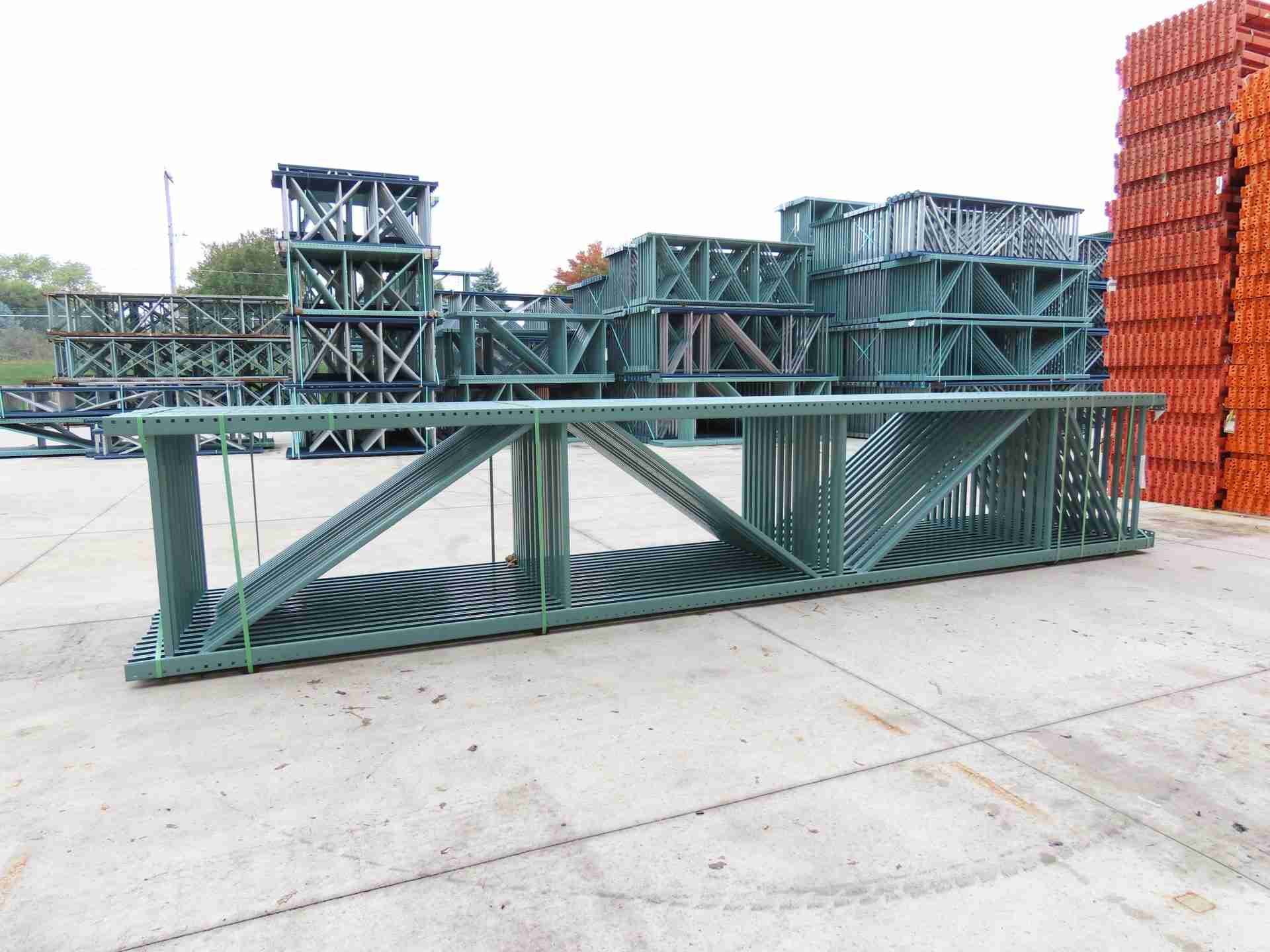
What Are The Common Mistakes to Avoid When Setting Up Shelving?
What Are The Common Mistakes to Avoid When Setting Up Shelving?
- Ignoring Load Capacities: Understand weight limits of shelving units to prevent structural failures; consult manufacturer guidelines.
- Poor Layout Planning: Proper placement enhances workflow; organized layouts reduce picking times and safety risks.
- Neglecting Accessibility: Ensure items are easy to reach; consider ergonomic designs like lift systems for safety and efficiency.
- Skimping on Quality: Invest in durable shelving to avoid higher maintenance needs and potential hazards over time.
- Failing to Regularly Inspect Shelving: Implement a regular inspection schedule to identify weaknesses and maintain safety.
- Streamlined Solutions: Effective shelving setup leads to improved organizational efficiency and operational goal support.
- Costly Mistakes: Avoiding common pitfalls can save money and enhance safety in both commercial and home settings.
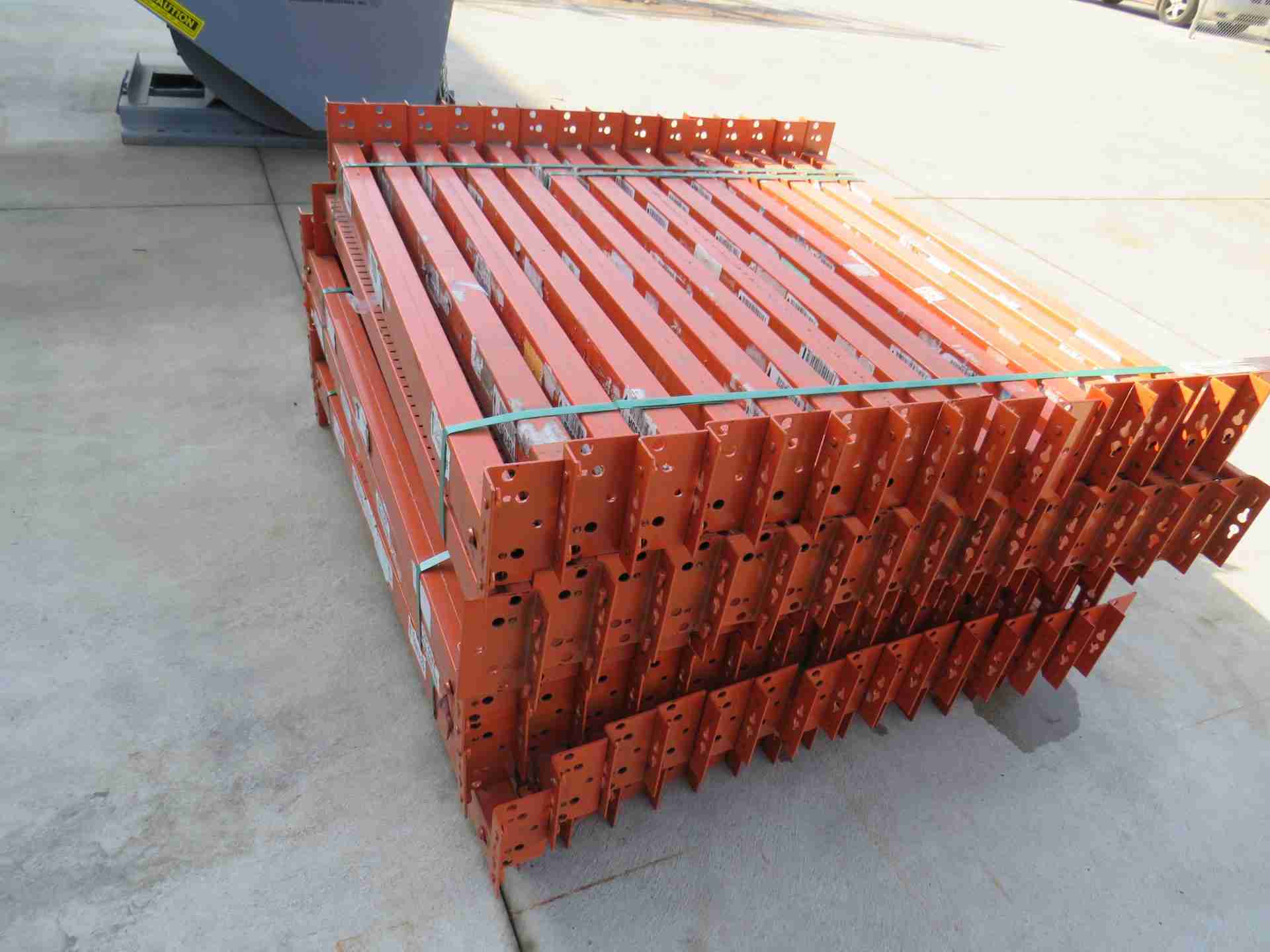
What Are The Common Mistakes to Avoid When Setting Up Shelving?
Table Of Contents
- What Are The Common Mistakes to Avoid When Setting Up Shelving?
- What Is The Best Height For Installing Shelves?
- How Do I Choose The Right Shelf Material?
- What Tools Are Necessary For Shelf Installation?
- How Many Shelves Should I Install In A Space?
- What Are The Common Weight Limits For Shelves?
- How Do I Ensure Shelves Are Level During Installation?
- Conclusion
- Other Resources
- Glossary Of Terms
- Other Questions
- Checklist
What Is The Best Height For Installing Shelves?
When it comes to installing shelves, the age-old question remains: what is the optimal height? Striking the perfect balance between accessibility and aesthetic appeal can transform not just a room, but an entire area’s functionality, whether it’s a cozy home office or a bustling retail space.
Let’s begin with the golden rule of shelf height: accessibility is key. Research indicates that the average person can comfortably reach up to 60 inches from the floor without a step stool. This means that your most-used items—books, kitchen utensils, or decorative pieces—should ideally reside within this range. But wait, we must also consider who will be using the space. If children will access your shelves, lower heights around 36 inches are more suitable, while for adults or higher storage needs, aim for the 66-to-72-inch range.
Consider the context of your installation. In home offices, durable pallet racking systems can provide a sturdy solution for those aiming to maximize storage potential without sacrificing valuable floor space. How often do we see people overwhelmed by clutter? Installing shelves too high can lead to underutilization of storage space, resulting in chaos instead of order. A modestly placed shelf can encourage better organization, promoting efficiency in daily tasks.
No discussion on shelf height would be complete without acknowledging current trends. With the rise of open-concept living, the market has shifted toward multipurpose shelving solutions. The height of your shelves should not only cater to practicality but should also blend seamlessly with your existing décor. Imagine hosting friends in your newly styled living room, where your taste and organization shine through. Elevating a shelf too high—perhaps aligning with the ceiling—might make a room feel uninviting and cluttered rather than spacious and airy.
In retail spaces, the conversation around shelf height takes on another dimension. When designing displays, remember that products placed at eye level enjoy the highest visibility and, consequently, sales. Studies suggest that 80% of purchases are made from eye level, so make strategic choices in your shelf installation.
In summary, the best height for installing shelves hinges on accessibility, context, and the intended audience. Embrace practicality while channeling aesthetic appeal. After all, whether you’re in a cozy apartment or managing a warehouse with pallet racking, installation choices impact both daily life and business efficiency. Elevate your shelving strategy—literally and figuratively—for maximum results!

What Is The Best Height For Installing Shelves?
What Is The Best Height For Installing Shelves?
- The optimal shelf height balances accessibility and aesthetic appeal.
- Average reach is 60 inches; items should be placed within this range for usability.
- Consider user demographics: lower shelves (around 36 inches) for children, higher (66-72 inches) for adults.
- In home offices, durable pallet racking systems can maximize storage without taking up floor space.
- Avoid placing shelves too high to prevent underutilization and clutter.
- In retail, products at eye level have the highest visibility and sales potential.
- Choose a height that combines practicality with aesthetic harmony in the space.
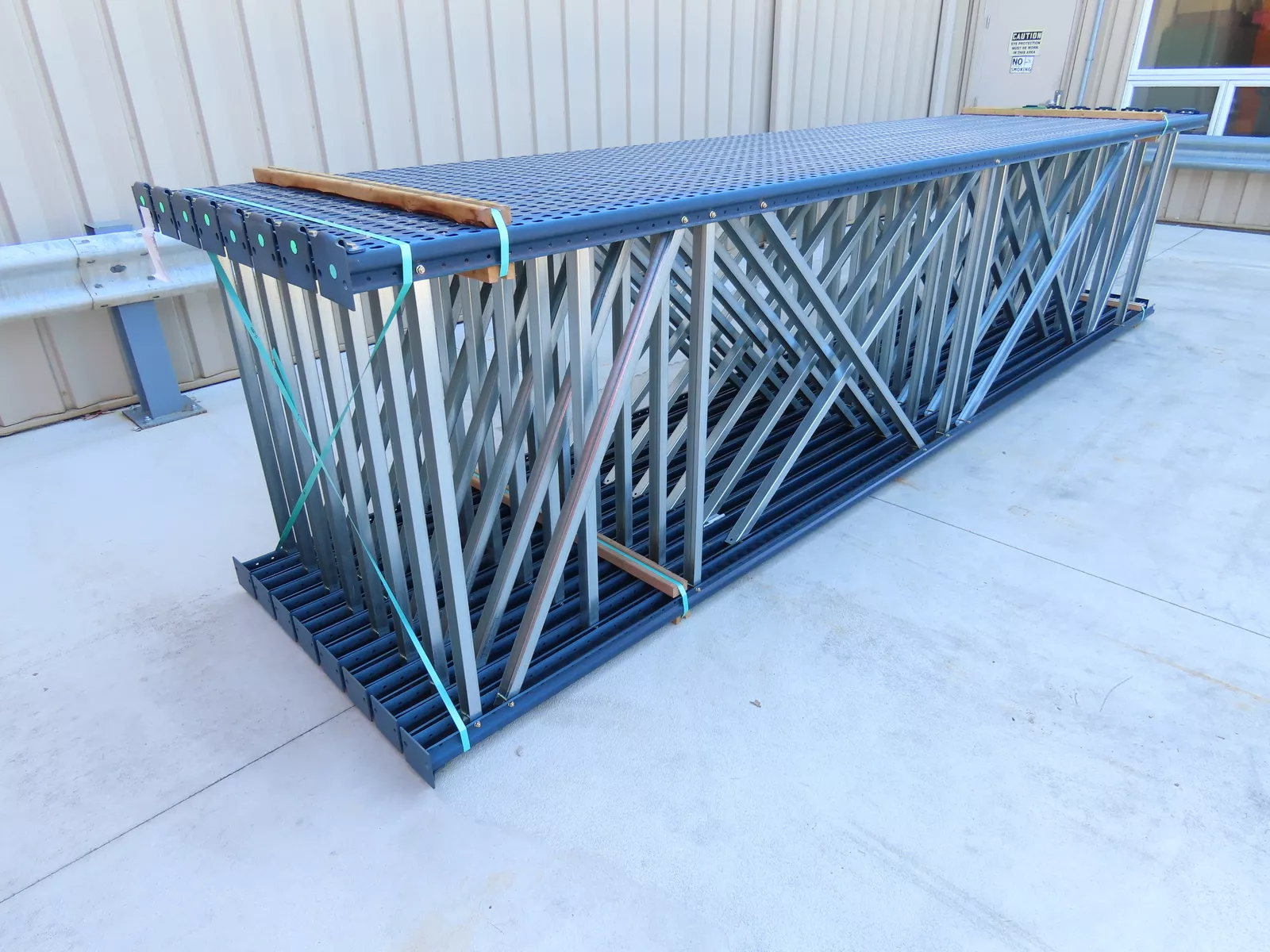
What Is The Best Height For Installing Shelves?
How Do I Choose The Right Shelf Material?
When it comes to selecting shelf materials, the decision goes beyond mere aesthetics; it’s a critical factor that can enhance productivity and safety in your business. Whether you’re outfitting a warehouse or a retail store, the right choice can make all the difference. Let’s break down the essentials that will guide you through this crucial process.
First, consider the type of products you’re storing. Are they heavy or light? Are they bulk items or intricately designed retail products? For heavy-duty storage, pallet racking systems are often your best bet. These sturdy frameworks allow for maximization of vertical space and can handle hefty loads. A company like Rackley can provide innovative pallet racking solutions that are both durable and adaptable to your specific needs. In today’s supply chain landscape, where efficiency is paramount, investing in robust shelf materials is more crucial than ever.
Next, factor in the environment. Will your shelves be outdoors, in a cold-storage facility, or in a controlled indoor environment? For outdoor storage, weather-resistant materials like treated steel or aluminum are wise choices. Conversely, if your shelves are housed in a climate-controlled area, versatile options like engineered wood, particle board, or even plastic can suffice.
Additionally, think about maintenance and hygiene. In light of current health trends, businesses are increasingly aware of the importance of cleanliness. Materials that resist bacteria and are easy to clean, such as stainless steel, are invaluable, especially for food storage and medical supplies. Take a look at how major retailers are adjusting their shelving selections to fit these new standards—innovation often leads to improved customer confidence.
Then, let’s not overlook the aesthetic aspect—this is especially vital for retail spaces. Floating shelves made of reclaimed wood can add character and charm, drawing customers in with allure. A polished appearance can contribute to the overall shopping experience, fostering a unique brand identity.
Finally, budget is always a consideration. Quality materials often come with a higher upfront cost, but they pay off over time through durability and decreased replacement frequency. View your shelving as an investment rather than an expense; the right choice can boost efficiency and contribute to a more organized work environment.
Choosing the right shelf material is not a task to be taken lightly. Weigh your needs, consider the environment, and don’t skimp on quality. Your storage solutions should reflect the standards of your brand and help you navigate an ever-changing business landscape, ensuring you’re always ready for what’s next.
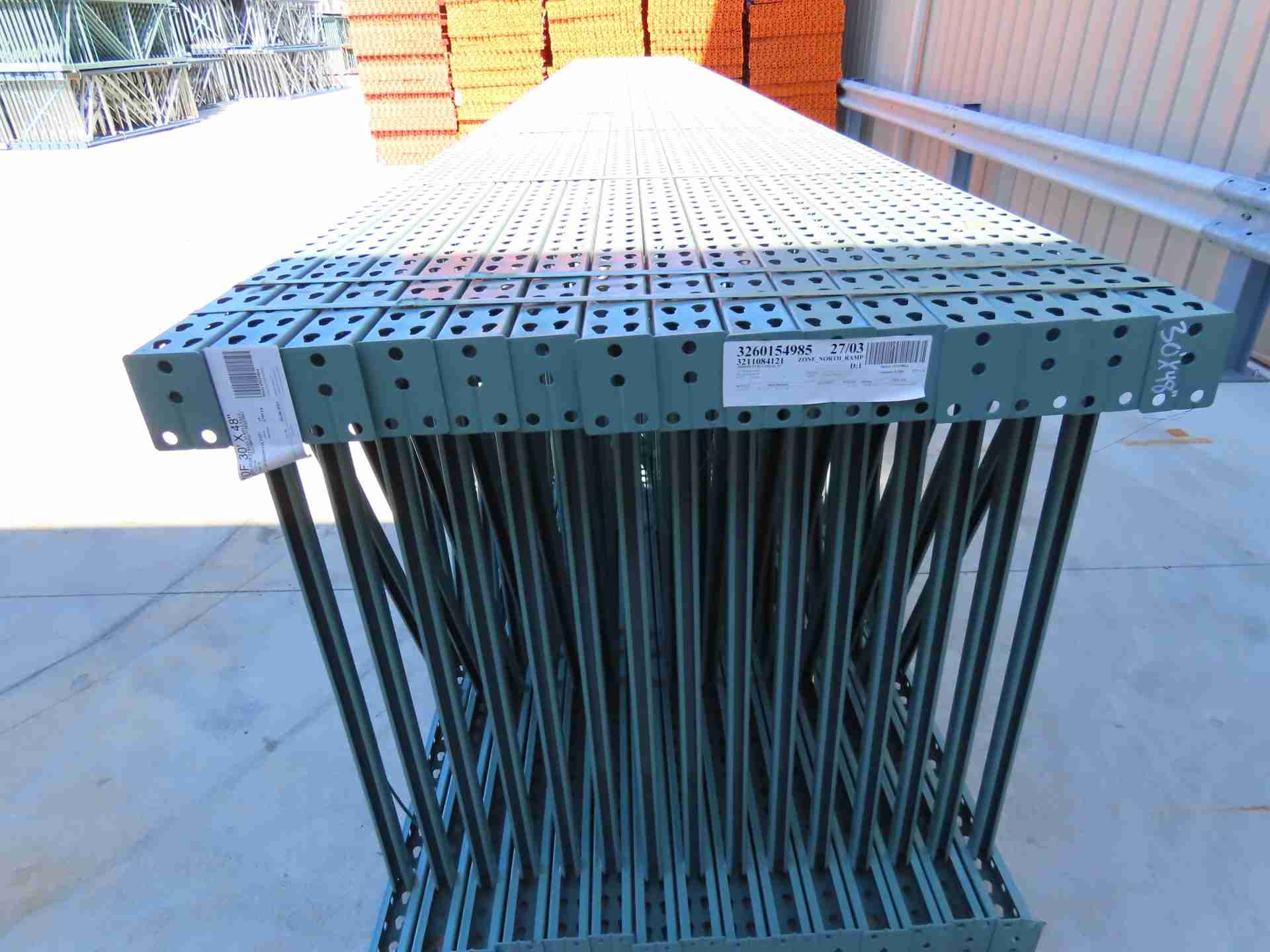
How Do I Choose The Right Shelf Material?
How Do I Choose The Right Shelf Material?
- Selecting shelf materials is crucial for enhancing productivity and safety in various business environments, such as warehouses and retail stores.
- Consider the type of products being stored: heavy-duty storage may require pallet racking systems for better vertical space utilization.
- Evaluate the storage environment; use weather-resistant materials like treated steel for outdoor storage and versatile options like engineered wood for controlled indoor spaces.
- Prioritize maintenance and hygiene with materials that resist bacteria and are easy to clean, such as stainless steel, especially for food and medical supplies.
- Aesthetic appeal is important for retail spaces; options like floating shelves made of reclaimed wood can enhance customer attraction and brand identity.
- Keep budget considerations in mind; investing in quality materials may have a higher upfront cost but leads to long-term savings through durability.
- Carefully weigh your needs and quality standards to ensure your storage solutions align with your brand while being adaptable to change.
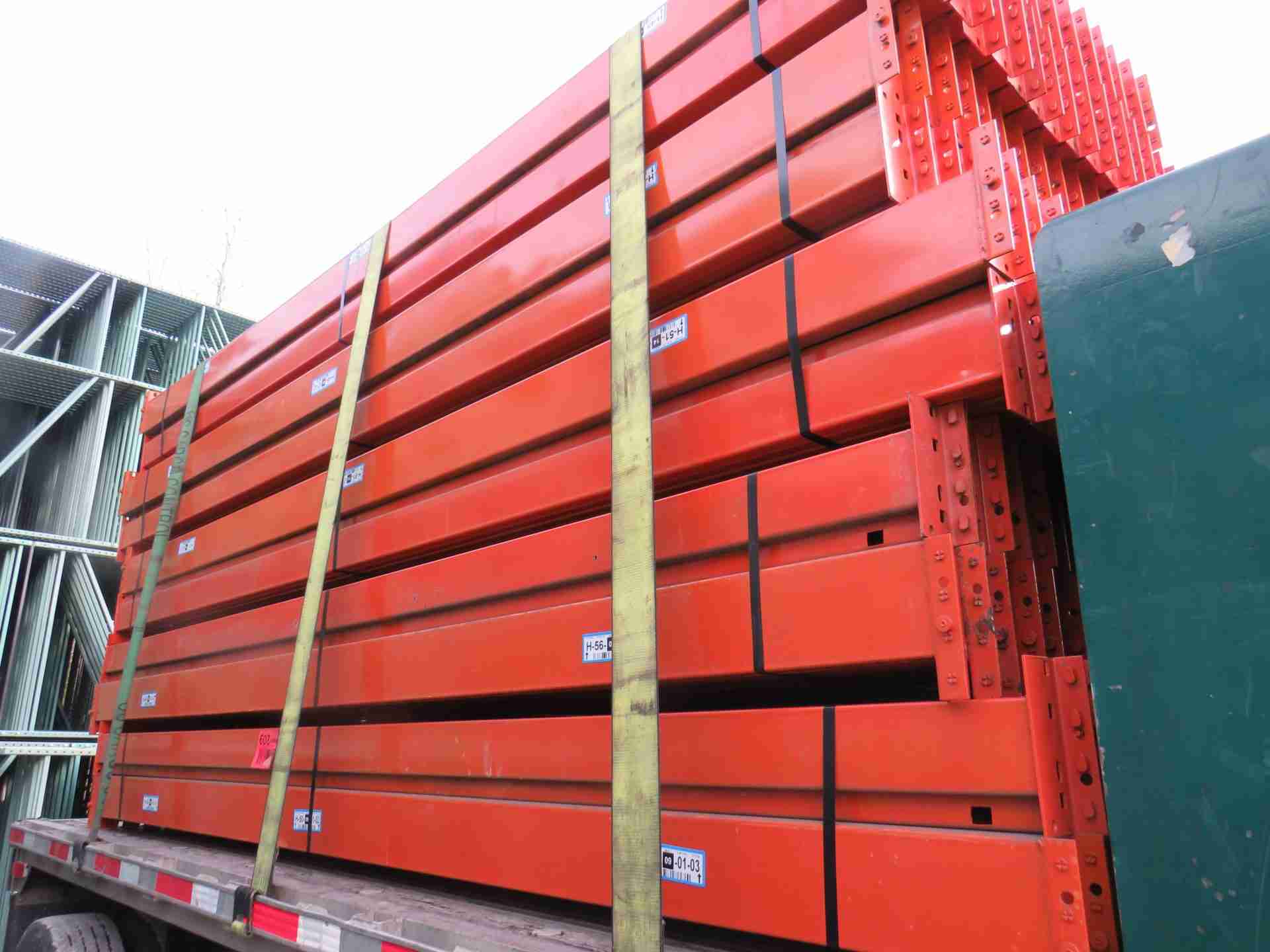
How Do I Choose The Right Shelf Material?
What Tools Are Necessary For Shelf Installation?
Setting up a new shelving system in your home, office, or warehouse requires more than just a vision; it takes the right tools to turn that vision into a reality. Are you ready to elevate your storage game? Let’s dive into the must-have equipment that ensures a seamless installation process.
First and foremost, you’ll need a quality level. Whether you’re installing standard shelves or pallet racking, accuracy is key. A level guarantees that your shelves are straight and creates a professional look while preventing any unfortunate spills of your prized possessions. Imagine arriving home after a long workday, only to find your favorite books scattered on the floor because an unlevel shelf collapsed. Save yourself from that headache!
Next, grab a drill or screwdriver. A cordless drill is ideal for quick setups, especially if you’re tackling a large project involving pallet racking. This versatile tool will allow you to efficiently attach brackets, securely hold shelves, and fortify your installation against future wear and tear. As someone who values practicality, having an efficient drill in your toolbox can substantially reduce installation time, giving you more hours in the day to focus on what truly matters.
For accurate measurements, an angle finder is a game-changer, especially if you’re working in a room with tricky angles or fitting shelving into smaller spaces. This tool helps ensure that your installations align perfectly, allowing you to utilize every inch of available space effectively. In today’s age of maximizing storage, where every square foot counts, missing out on this could mean wasted opportunity.
A stud finder is another essential tool you’ll want in your arsenal. When it comes to installing heavy duty pallet racking, securing each leg to a stud can significantly enhance stability. Using a stud finder helps you avoid potential disasters caused by mounting shelves just on drywall, which could lead to injury and expensive damages—especially when the racking begins to sag under the weight of a substantial inventory.
Lastly, don’t overlook a tape measure. This often-underestimated tool can guide your design, ensuring that every shelf fits perfectly within your space. With current trends in home improvement looking towards functional organization, accurately measuring before you buy or install can save you the pain of returns or mismatched components.
Equipping yourself with these essential tools ensures not only an effective shelf installation but also positions you for successful, long-term functionality of your organizational systems. Remember, investing in the right tools is not just about convenience; it’s about creating an efficient and visually appealing environment that reflects professionalism and care.
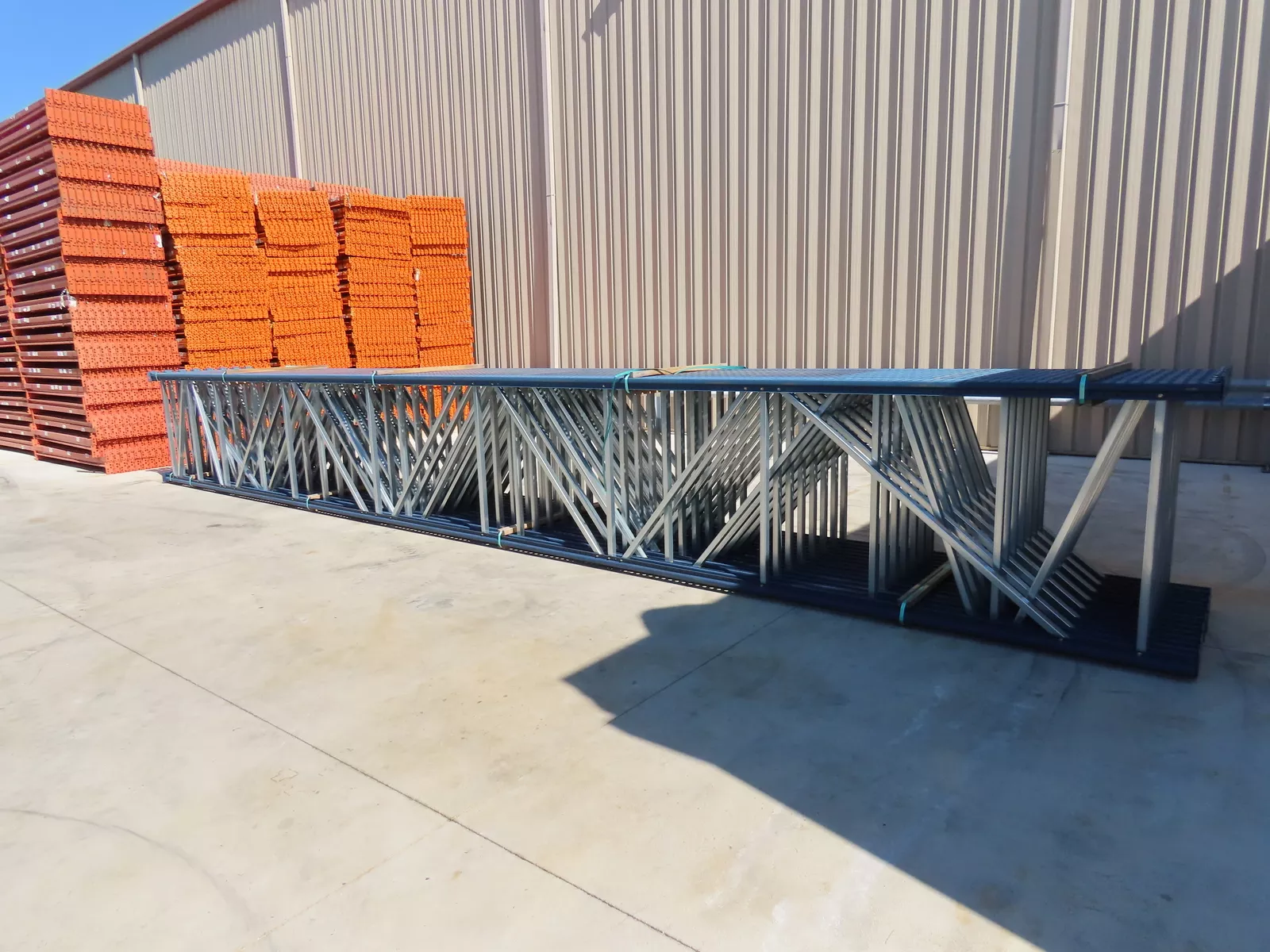
What Tools Are Necessary For Shelf Installation?
What Tools Are Necessary For Shelf Installation?
- Setting up a shelving system requires the right tools for effective installation.
- A quality level ensures shelves are straight, preventing spills and creating a professional look.
- A cordless drill is ideal for quick setups, especially for large projects like pallet racking.
- An angle finder helps achieve accurate measurements in tricky spaces, maximizing storage potential.
- A stud finder enhances stability for heavy-duty installations by securing shelves to wall studs.
- A tape measure ensures shelves fit perfectly, avoiding returns or mismatched components.
- Investing in these tools promotes an efficient, visually appealing, and organized environment.
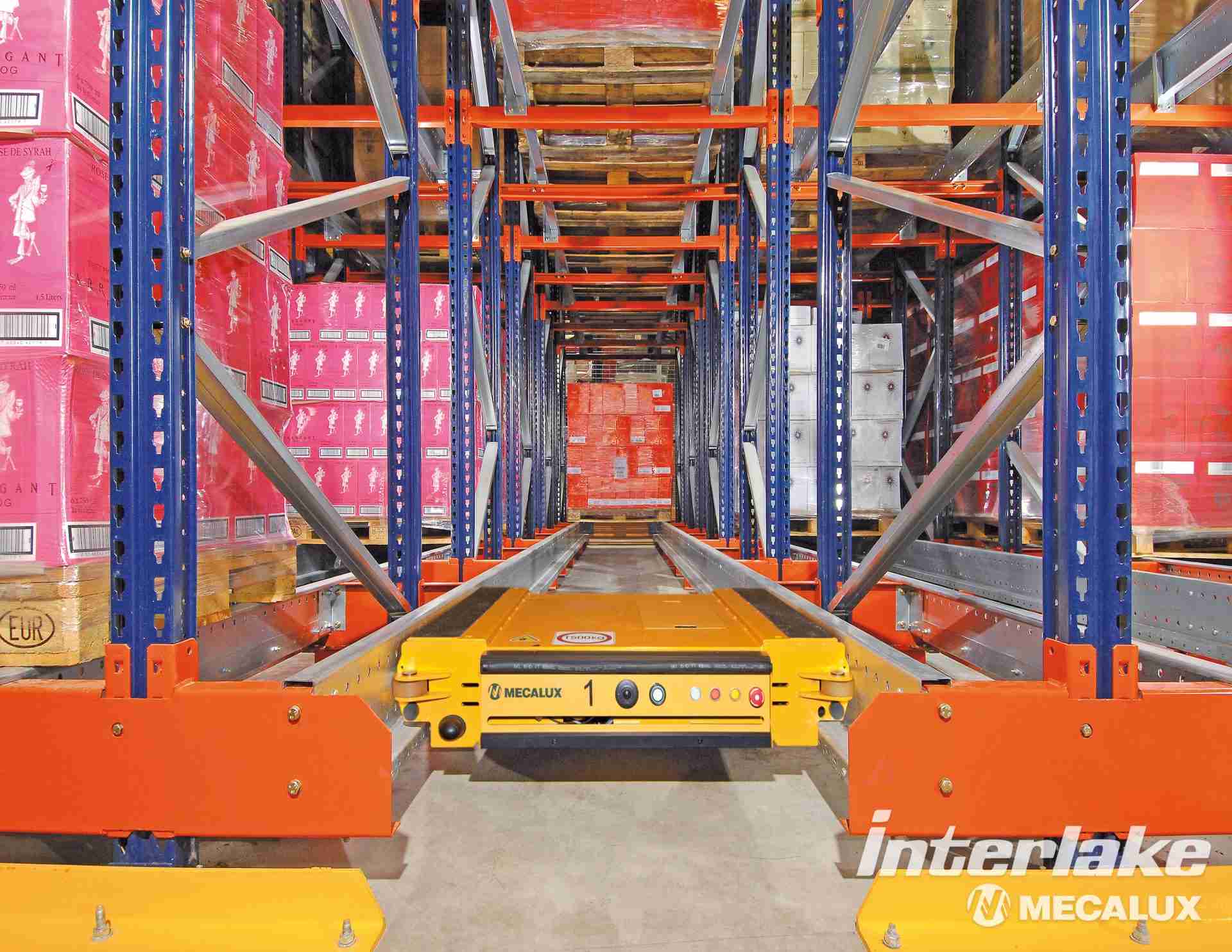
What Tools Are Necessary For Shelf Installation?
How Many Shelves Should I Install In A Space?
When it comes to maximizing your storage potential, the question isn’t just about how many shelves you should install; it’s about strategic shelving that aligns with your unique needs. In a world where space is limited and efficiency is paramount, particularly in warehouses and retail environments, having the right shelving solution can make a big difference.
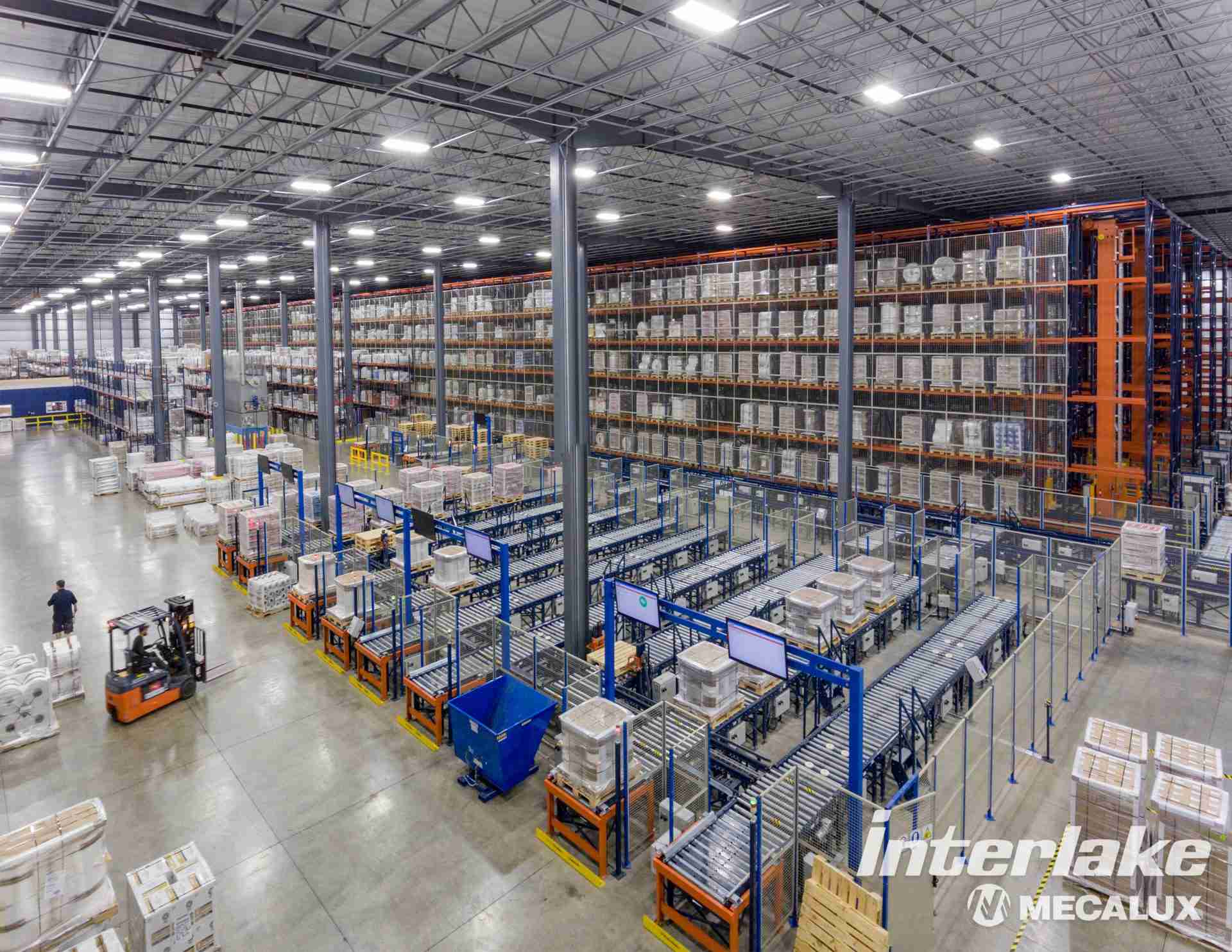
Pallet racking, for example, has become a favored option for optimizing vertical space in warehouses, thanks to its robust design and adaptability. Imagine a large-scale operation—say, a regional distribution center for a major e-commerce retailer. By implementing a well-planned pallet racking system, they not only double their storage capacity but also reduce the time employees spend on retrieving goods. This directly correlates to increased productivity and ultimately, higher profits.
But before you rush to install rows of shelves, consider these factors. First, assess the type of items you need to store. Are they lightweight, or do they require heavy-duty support? Each type of item demands a different approach to shelving. For instance, delicate items such as electronics might need more careful placement, possibly warranting additional shelving to prevent damages.
Second, think about accessibility. If employees struggle to reach items on high shelves, or if they have to sift through an overstuffed space, efficiency plummets. It doesn’t matter whether you’re shelving products in a retail shop or warehouses; poorly designed shelving can cost you time and money. Current trends demonstrate that businesses prioritizing ergonomics and ease of access see better employee satisfaction and retention—think about that as you plan your layout.
Next, consider the potential for growth. It’s essential to plan your shelving with foresight. If your inventory expands or your business model pivots, will your shelving accommodate these changes? Opting for adjustable shelves or a modular pallet racking system allows for flexibility, ensuring your setup remains effective in a changing landscape.
Lastly, don’t overlook aesthetics, especially in consumer-facing environments. In recent years, brands have shifted to creating experiences in-store, and attractive shelving can enhance the overall presentation of your products. Striking the right balance between function and form will not only elevate your storage but also enrapture customers.
In summary, the number of shelves to install shouldn’t be a haphazard decision. Analyze your needs, anticipate future growth, maintain accessibility, and keep aesthetics in mind. With a thoughtful approach, your shelving can transform from mere storage solutions into powerful assets for your business.

How Many Shelves Should I Install In A Space?
How Many Shelves Should I Install In A Space?
- Maximizing storage requires strategic shelving tailored to unique needs in limited spaces.
- Pallet racking is popular for optimizing vertical space in warehouses due to its robust design and adaptability.
- A well-planned pallet racking system can double storage capacity and improve retrieval efficiency, leading to higher productivity and profits.
- Assess the type of items for storage to determine the appropriate shelving approach, considering weight and fragility.
- Ensure accessibility to shelving; poorly designed layouts can negatively impact efficiency and employee satisfaction.
- Plan shelving with future growth in mind by opting for adjustable or modular systems to accommodate changes in inventory.
- Aesthetics matter in consumer-facing environments; attractive shelving enhances product presentation and customer experience.
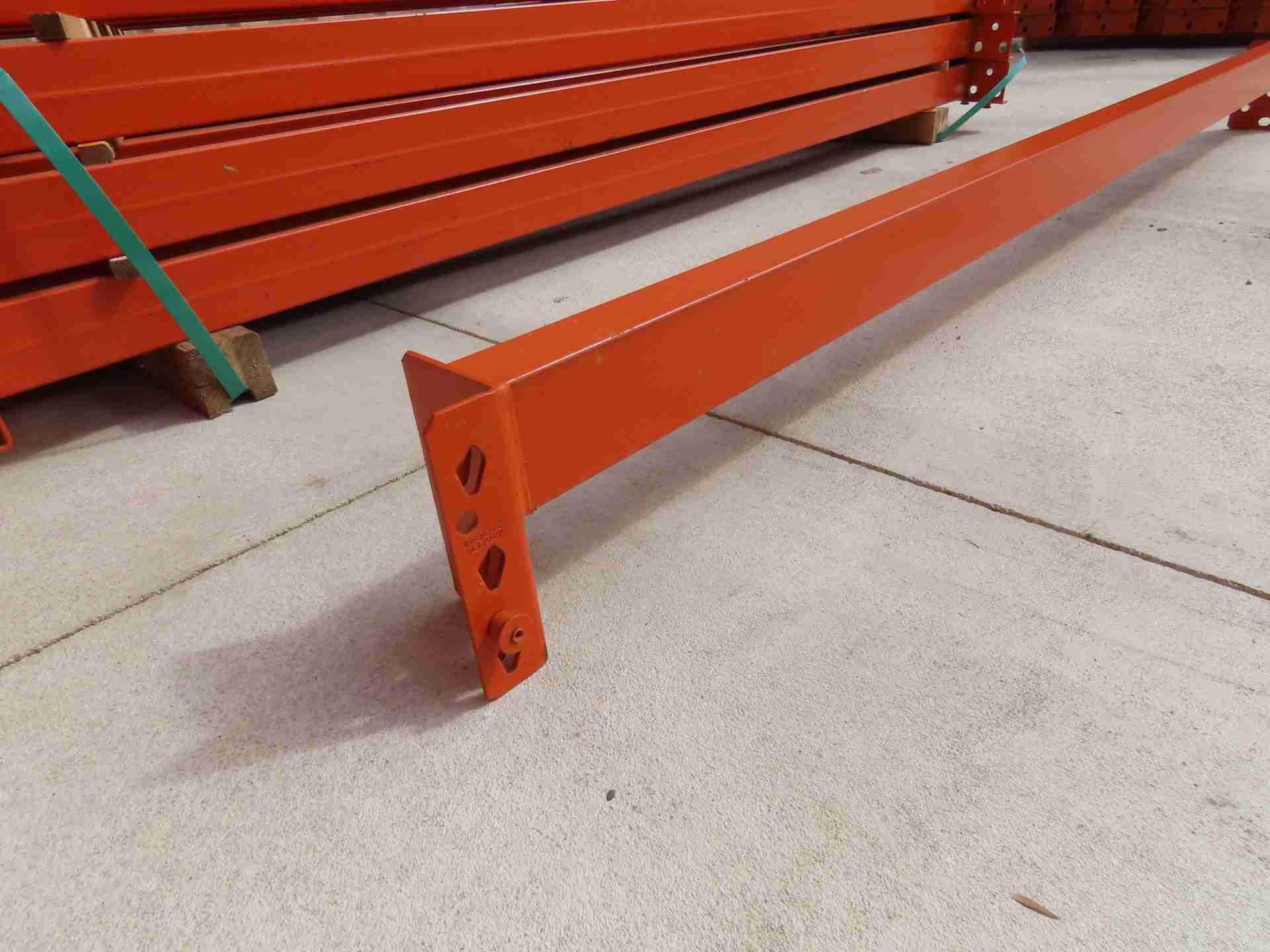
How Many Shelves Should I Install In A Space?
What Are The Common Weight Limits For Shelves?
Understanding weight limits for shelves is crucial for efficient organization and safety in both home and commercial environments. The shelf weight capacity can vary widely, depending on the type of shelf and its intended use. Let’s delve into the common weight limits associated with various shelving options, and why getting this right matters—especially in light of recent supply chain challenges that have made inventory management more critical than ever.
When it comes to pallet racking, a popular choice in warehouses and retail settings, the weight limits can be impressive. Standard pallet racks typically support between 1,500 to 2,500 pounds per shelf, making them ideal for bulk storage of heavy items. For instance, if you’re managing a warehouse that stocks electronics during peak shopping seasons, each shelf can hold numerous boxes, saving space and improving accessibility. Recent global shipping disruptions have underscored the importance of efficient warehousing solutions—choosing pallet racking can be a game changer.
In contrast, lighter-duty shelving—like that found in your garage or home office—typically has lower weight limits. These shelves might support anywhere from 50 to 300 pounds depending on the material and construction. For example, a well-constructed wooden shelving unit designed for general home use may easily hold books, collectibles, or pantry items without succumbing to the inevitable wear and tear of daily life.
Metal shelving, often seen in commercial spaces, usually boasts sturdier performance. While lighter units may handle up to 500 pounds, heavy-duty metal shelves can reach weight capacities of 1,000 pounds or more. Businesses that rely on these shelves to store tools or metal parts will benefit not only from their strength but also from their resilience—perfect for meeting the demands of today’s economy, which continually pushes for higher efficiency.
Retailers are also embracing innovative shelving solutions. With the rise of e-commerce, click-and-collect services wanted more fluidity and flexibility—leading many stores to invest in modular systems that can change configurations and weight capacities as needed. For stores preparing for an influx of holiday shoppers, knowing each shelf’s weight limit ensures that inventory distribution is optimized and that the risk of accidents is minimized.
Selecting the right shelving system hinges on understanding the common weight limits associated with each type. With the right information, you can enhance safety, maximize storage potential, and adapt quickly to changing market demands. Don’t let your shelves buckle under pressure; choose wisely to unlock their full potential!

What Are The Common Weight Limits For Shelves?
What Are The Common Weight Limits For Shelves?
- Understanding shelf weight limits is vital for organization and safety in homes and commercial spaces.
- Shelf weight capacity varies based on type and intended use, influencing inventory management.
- Pallet racking supports significant weight (1,500 to 2,500 pounds per shelf), ideal for warehouses and bulk storage.
- Lighter-duty shelving in home settings typically holds 50 to 300 pounds, suitable for books and household items.
- Metal shelving in commercial spaces can carry up to 1,000 pounds or more, offering strength and resilience.
- Retailers are adopting modular shelving systems for flexibility, optimizing inventory for peak shopping seasons.
- Choosing the right shelving system enhances safety, maximizes storage, and adapts to market demands.

What Are The Common Weight Limits For Shelves?
How Do I Ensure Shelves Are Level During Installation?
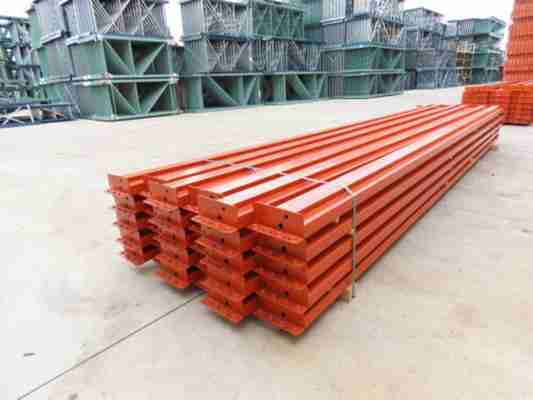
When it comes to maximizing efficiency in your warehouse or storage space, the importance of level shelves cannot be overstated. If you’re investing in pallet racking, understanding how to ensure your shelves are level during installation is crucial not just for aesthetic reasons, but for safety and productivity as well. Imagine the embarrassment—and potential loss—of a product cascade due to unsteady racking. With meticulous attention to detail, you can avoid this scenario.
Start with a Solid Foundation
Before diving into the installation, ensure that your floor is flat and structurally sound. Utilize a level to check your foundation thoroughly. Remember the case of a local distributor who faced severe delays just weeks ago when they neglected this step; the uneven floor led to misalignments, resulting in costly returns and a tarnished reputation.
Utilize Quality Tools
Invest in a reliable level—whether it’s a trusty bubble level or a laser level, having the right tools at hand can make all the difference. A laser level can project a straight line across distance, making it easier to align your pallet racking with the precision necessary to maintain stability. For DIYers and professionals alike, this is not just a suggestion; it’s a best practice that can save time and hassle down the road.
Adjustable Feet Are Your Best Friends
Many modern pallet racking systems come equipped with adjustable feet. Take advantage of this feature. after placing your racking in the designated area, use these feet to fine-tune your setup. If you come across unevenness as you begin loading items onto the shelves, don’t just overlook it. Adjust those feet until everything sits just right. This attention to detail ensures that your racking system not only looks good but functions efficiently—that’s the kind of quality that distinguishes everyday operations from exceptional ones.
Check Level Frequently
After installation, don’t fall into complacency. Check the level of your shelves directly after installing them and periodically thereafter. Changes in your storage conditions—whether from loading and unloading or natural shifts in your environment—can affect the integrity of your racking. With recent weather patterns causing unforeseen shifts in many warehouses across the country, now is not the time to turn a blind eye.
By investing the time and effort into ensuring your pallet racking is level during installation, you’re investing in the longevity and efficiency of your operation. Take pride in a job done right, and your business will reap the rewards for years to come.
How Do I Ensure Shelves Are Level During Installation?
How Do I Ensure Shelves Are Level During Installation?
- Level shelves are essential for maximizing efficiency in warehouses and storage spaces.
- Ensuring shelves are level during pallet racking installation is crucial for safety and productivity.
- Start with a flat and structurally sound floor, using a level to check the foundation thoroughly.
- Invest in quality tools like a bubble level or laser level for precise alignment during installation.
- Utilize adjustable feet on modern pallet racking systems to fine-tune setups for stability.
- Regularly check the level of shelves after installation to adapt to changes from loading and environmental shifts.
- Investing in proper installation ensures the longevity and efficiency of operations, benefiting the business over time.

How Do I Ensure Shelves Are Level During Installation?
Conclusion
In the complex landscape of shelving solutions, avoiding common pitfalls is essential to foster efficiency, safety, and productivity within your space. At Arrow Industrial Sales, we understand that knowing the right approach can mean the difference between a cluttered workplace and an organized haven that drives your operations forward. By incorporating fundamental principles, you can turn your shelving setup into an asset rather than a liability.
Firstly, understanding load capacities is non-negotiable. Misjudging the weight limits of your shelving can lead to catastrophic failures that cost time, money, and potentially jeopardize safety. Always consult your manufacturer’s guidelines and make informed decisions to ensure longevity in your shelving strategy.
Next, layout planning is paramount. A well-thought-out arrangement promotes workflow efficiency while reducing hazards such as workplace injuries. Implementing modern inventory strategies like lean principles will streamline your space and foster safety, creating a haven for productivity.
Accessibility must not be an afterthought. Ensuring that items are easily reachable mitigates the risk of accidents and enhances workflow. Employing ergonomic designs can lead to impressive boosts in productivity at your workplace. Don’t underestimate how much a well-planned shelving setup can transform both the safety and efficiency of your environment.
Quality counts. While the temptation to skimp on shelving costs is prevalent, investing in durable materials will save you on future replacements and maintenance while contributing to your operational efficiency. Remember, in our current global climate, where supply chain disruptions are common, robust shelving is your best defense.
Regular inspections are a vital, yet often overlooked, aspect of shelving maintenance. Establishing a routine checkup schedule will allow you to catch vulnerabilities before they escalate into emergencies, safeguarding your inventory and your employees.
At Arrow Industrial Sales, we have the expertise and a wide array of products designed to help you avoid these mistakes. With our seasoned team, we provide actionable solutions tailored to your specific needs, propelling your shelving strategy to new heights.
Don’t let inefficiencies be the bottleneck to your success! Call Arrow Industrial Sales at (574) 349-6575 to discuss how we can assist you in crafting the perfect shelving solution for your business. The time to enhance your shelving setup is now—act quickly to secure your investment in safety and efficiency!

Conclusion
Conclusion:
- Avoiding common pitfalls in shelving solutions is essential for efficiency, safety, and productivity.
- Understanding load capacities is crucial to prevent costly failures and ensure safety.
- Well-planned layout promotes workflow efficiency and reduces workplace hazards.
- Accessibility of items enhances workflow and mitigates the risk of accidents.
- Investing in quality shelving materials saves future replacement costs and supports operational efficiency.
- Regular inspections can catch vulnerabilities before they become emergencies, protecting inventory and employees.
- Arrow Industrial Sales offers expertise and tailored solutions to enhance your shelving strategy.

Conclusion
Other Resources

Other Resources
Here is a list of other resources you can review online to learn more:
- International Warehouse Logistics Association
- Interlake
- Overhead Lifting
- Warehouse Racking System: Powerful Guide to Optimise, 2024
- Rack Manufacturers Institute
- What is Cantilever Racking? – AK Material Handling Systems
- Teardrop Uprights
- BMH
- Warehouse Racking Systems: Beginner’s Guide to Rack Systems
- Interlake Mecalux
Use This Prompt To Get More Resources With Your Favorite Online AI Tool: Please provide me with a list of online articles with their URLs in a bulleted list that I can read regarding What Are The Common Mistakes to Avoid When Setting Up Shelving?

Other Resources
Glossary Terms
What Are The Common Mistakes to Avoid When Setting Up Shelving? – Glossary Of Terms
1. Load Capacity: The maximum weight a shelf can hold. Failing to consider this can lead to collapses.
2. Stud Finder: A tool used to locate framing studs in walls to securely anchor shelves. Ignoring stud placement can result in unstable shelves.
3. Leveling: Ensuring shelves are straight and even. Unlevel shelves can lead to items rolling off or falling.
4. Depth: The measurement from the front to the back of a shelf. Insufficient depth can restrict storage capacity.
5. Width: The measurement of a shelf’s horizontal length. Shelves that are too wide may sag if not properly supported.
6. Spacing: The distance between shelves. Improper spacing can limit storage options or make reaching items difficult.
7. Material: The substance used to construct the shelving (e. g. , wood, metal, plastic). Choosing the wrong material can affect durability and aesthetics.
8. Anchor Types: Hardware used to secure shelves to walls. Using inappropriate anchors can compromise stability.
9. Overloading: Placing too much weight on a shelf. This can lead to bending, breaking, or failing of the shelf.
10. Shelf Brackets: Supports used to hold shelves. Installing the wrong type can lead to insufficient support.
11. Configuration: The arrangement of shelves. Poor configuration can waste space and hinder accessibility.
12. Wall Type: The structure of the wall where shelves are mounted (e. g. , drywall, concrete). Not accounting for wall type can lead to inadequate support.
13. Accessibility: The ease with which items on shelves can be reached. Poor accessibility can make shelves impractical.
14. Aesthetics: The visual appeal of the shelving arrangement. Ignoring aesthetics can lead to a cluttered or unappealing space.
15. Functionality: The practical use of shelves. Misjudging the intended function can lead to inefficient setups.
16. Lighting: The availability of light around shelves. Poor lighting can make it hard to see and access items.
17. Safety: The condition of ensuring shelves do not pose a risk. Neglecting safety can lead to injuries from falling items.
18. Vertical Space: The height available for shelving. Overlooking vertical space can limit storage efficiency.
19. Tools: Equipment necessary for installing shelves (e. g. , drill, screwdriver). Not having the right tools can cause delays and improper installations.
20. Support System: The overall framework that holds the shelves. A weak support system can jeopardize the stability of the shelving.
21. Clearance: The space between shelves or between the shelves and the ceiling. Insufficient clearance can cause items to get stuck or compartments to feel cramped.
22. Organization: The method of arranging items on shelves. Poor organization can make it difficult to find items.
23. Ventilation: Air circulation around shelves. Poor ventilation can lead to moisture buildup and mold growth.
24. Design: The overall plan or blueprint for shelving. An inadequate design can lead to functional and aesthetic flaws.
25. Shelf Life: The expected duration that a shelf will remain functional. Ignoring shelf life can lead to premature failure.
26. Finish: The surface treatment of shelving (e. g. , paint, varnish). Choosing an unsuitable finish can impact durability or appearance.
27. Height Adjustment: The ability to change the height of the shelves. Fixed heights can limit flexibility and usability.
28. Pull-Out Shelves: Shelves designed to slide out for easier access. Not incorporating pull-out shelves can hinder usability.
29. DIY vs. Professional: The choice between self-installation or hiring experts. Choosing incorrectly can lead to improper setup.
30. Planning: The process of strategizing shelf placement and design. Minimal planning can lead to mistakes and poor outcomes.

Glossary Of Terms
Other Questions
What Are The Common Mistakes to Avoid When Setting Up Shelving? – Other Questions
If you wish to explore and discover more, consider looking for answers to these questions:
- What safety measures should be taken when installing shelving?
- How can I determine the best shelving material for my specific needs?
- What are the benefits of adjustable shelving systems?
- How do I properly maintain and clean my shelving units?
- What are the best practices for labeling shelves for organization?
- How do I handle shelving in small or unconventional spaces?
- What types of shelving are best for outdoor storage?
- Are there specific regulations I need to follow for commercial shelving setups?
- How can I optimize shelf height for maximizing storage in a small area?
- What are the latest trends in shelving design and materials?

Other Questions
Checklist
What Are The Common Mistakes to Avoid When Setting Up Shelving? – A Checklist
1. Check Load Capacities:
_____ Consult manufacturer guidelines for weight limits of shelving units.
_____ Ensure shelving is tailored for the load to be stored (e. g. , pallet racking for heavy items).
2. Plan Layout Effectively:
_____ Map out the shelving layout before installation.
_____ Consider workflow, accessibility, and potential hazards related to cluttered aisles.
3. Ensure Accessibility:
_____ Design shelving with easy access in mind.
_____ Avoid placing frequently used items on high shelves.
_____ Utilize ergonomic designs (e. g. , lift systems or multi-tier shelving).
4. Invest in Quality Shelving:
_____ Choose sturdy, reliable shelving that meets your storage demands.
_____ Avoid compromising on quality to prevent future maintenance issues.
5. Implement Regular Inspections:
_____ Establish a schedule for routine checks of shelves for wear and tear.
_____ Pay attention to any signs of structural weakness or load issues.
6. Determine Optimal Shelf Height:
_____ Aim to place items within a comfortable reaching range (around 60 inches for average adult).
_____ Adjust height based on the target audience (lower for children, higher for adults).
7. Choose Appropriate Shelf Materials:
_____ Assess the type of products (heavy or light) to inform material selection.
_____ Consider environmental factors (indoor, outdoor, temperature) for material durability.
8. Select the Right Tools for Installation:
_____ Have a level to ensure shelves are straight and even.
_____ Use a drill for quick assembly and adjustment.
_____ Include an angle finder and stud finder for accurate installation.
_____ Don’t forget a tape measure for precise measurements.
9. Assess the Number of Shelves Needed:
_____ Evaluate the types and quantities of items to be stored.
_____ Factor in accessibility and potential growth for flexibility in storage.
10. Understand Common Weight Limits:
_____ Familiarize yourself with weight limits for different shelving types.
_____ Choose shelving suited to the specific items being stored to prevent accidents.
11. Ensure Shelves Are Level During Installation:
_____ Start with a flat, solid foundation for optimal installation.
_____ Utilize adjustable feet on shelving systems to fine-tune leveling.
_____ Check for level accuracy during and after installation regularly.
By following this checklist, you can avoid common shelving mistakes and create a more efficient and safe storage solution, whether at home or in a commercial space.
Checklist
At RackingWorld, we help guide you through selecting warehouse storage systems and racking.
Be sure to read our other related stories at RackingWorld to learn more about warehouse storage systems.
0 Comments