
Maximizing Warehouse Efficiency With Smart Shelving Practices
By Tom Seest
At RackingWorld, we help guide you through selecting warehouse storage systems and racking.
Be sure to read our other related stories at RackingWorld to learn more about warehouse storage systems.
What Are The Best Practices for Organizing Warehouse Shelves Effectively?
In today’s fast-paced world, efficiency is everything. When it comes to warehousing, organizing your shelves isn’t just about aesthetics—it’s about optimizing performance, reducing costs, and enhancing your bottom line. One of the most effective ways to achieve these goals is by implementing a robust system of pallet racking, which can dramatically streamline your operations.
Maximize Vertical Space
First and foremost, leverage vertical storage by using pallet racking systems. Many businesses underestimate the potential of their vertical space, resulting in wasted square footage. By stacking pallets high and utilizing heavy-duty racking systems, you can significantly increase your storage capacity. For example, a recent study noted that warehouses using effective vertical space management can increase their storage capacity by up to 50%. This means fewer trips to additional suppliers and less floor space dedicated to inventory.
Categorize and Label
Next, categorization is key. Implement the ABC analysis method—organizing items based on their sales volume. High-velocity items (A) should be closer to packing areas, while slower-moving items (C) can be placed higher or further away. This strategic positioning reduces picking times and enhances productivity. Label each rack clearly to reduce the time spent searching for products. Make sure these labels are visible from a distance; color-coding can be particularly effective here.
Regularly Review and Refine
Adopt a culture of continuous improvement. Regularly review your layout and inventory turn rates. Surprises in demand can happen, like the unexpected surge of home office furniture during the pandemic. Rethink your organization strategy based on these shifts. For instance, during the height of e-commerce growth, companies that quickly adapted their pallet racking to meet changing demands saw significant increases in order fulfillment rates.
Training and Accountability
Don’t overlook the human element. Train your staff on proper inventory management techniques and the importance of maintaining an organized warehouse. Assign accountability for sections of the warehouse; having designated “owners” helps ensure that areas stay organized and discrepancies are quickly noted. A well-informed team is your greatest asset.
Utilize Technology
Lastly, consider integrating technology, such as a Warehouse Management System (WMS). A WMS can provide insights into your inventory’s performance and the effectiveness of your layout. With data-driven decisions, your organization can pivot faster than those relying solely on intuition.
By employing these best practices, you can create an efficient, organized warehouse that not only saves time but also increases profitability. In a competitive landscape, mastering your logistics can set you light-years ahead of the rest.
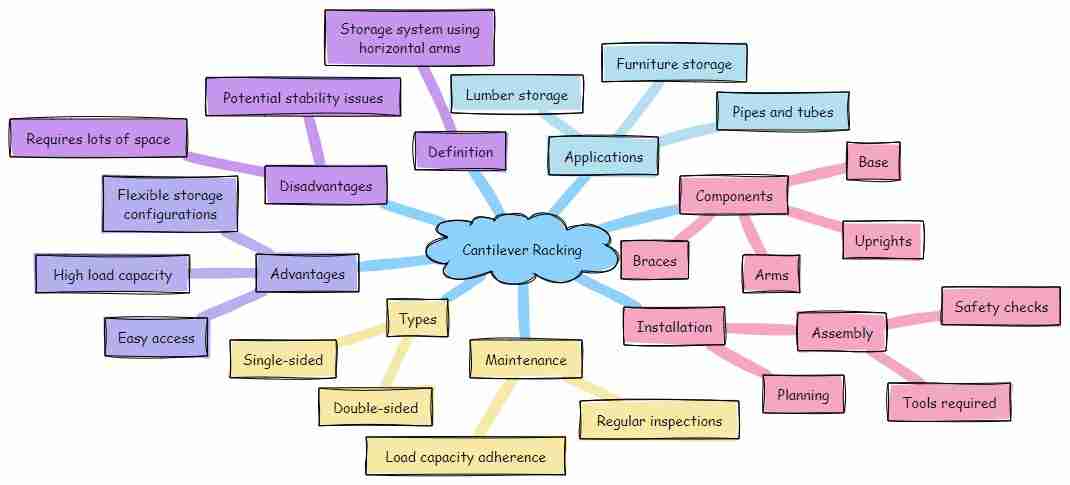
What Are The Best Practices for Organizing Warehouse Shelves Effectively?
What Are The Best Practices for Organizing Warehouse Shelves Effectively?
- Maximize Vertical Space: Utilize pallet racking systems to increase storage capacity by up to 50% through effective vertical space management.
- Categorize and Label: Use the ABC analysis for item categorization and label racks clearly to reduce search times, employing visible and color-coded labels for efficiency.
- Regularly Review and Refine: Foster a culture of continuous improvement by reviewing layout and inventory turnover, adapting strategies to shifts in demand.
- Training and Accountability: Train staff on inventory management and assign responsibility for warehouse sections to maintain organization and track discrepancies.
- Utilize Technology: Integrate a Warehouse Management System (WMS) for data-driven insights into inventory performance and layout effectiveness.
- Enhance Efficiency: Focus on organizing shelves to optimize performance, reduce costs, and improve the bottom line.
- Master Logistics: Implement best practices to create a well-organized warehouse that saves time and boosts profitability in a competitive landscape.

What Are The Best Practices for Organizing Warehouse Shelves Effectively?
Table Of Contents
- What Are The Best Practices for Organizing Warehouse Shelves Effectively?
- What Are The Key Factors For Effective Warehouse Shelf Organization?
- How Do I Determine The Optimal Layout For My Warehouse Shelves?
- What Shelving Systems Work Best For Maximizing Space?
- How Can I Improve Inventory Visibility On Warehouse Shelves?
- What Role Does Labeling Play In Shelf Organization?
- How Often Should I Reorganize My Warehouse Shelves?
- Conclusion
- Other Resources
- Glossary Of Terms
- Other Questions
- Checklist
What Are The Key Factors For Effective Warehouse Shelf Organization?
In today’s fast-paced business environment, efficient inventory management is not just an operational concern; it’s a strategic competitive advantage. Effective warehouse shelf organization hinges on several key factors that streamline processes, reduce costs, and enhance productivity.
1. Understand Your Inventory Needs
Before you dive into the intricacies of warehouse shelf organization, it’s vital to analyze your inventory. Are your products bulky, seasonal, or perishable? Identify your operational flow and categorize items by popularity or turnover rates. For example, high-turnover items should be positioned at eye level for easy access, thereby minimizing picking time and boosting efficiency.
2. Maximize Space with Pallet Racking
Pallet racking is a cornerstone of effective warehouse organization. Choosing the right type of pallet racking—be it selective, drive-in, or push-back—can significantly enhance the use of vertical space. For instance, a beverage distributor may utilize drive-in pallet racking to store large quantities of beverages efficiently and ensure quick retrieval during peak seasons. This optimizes storage capacity while maintaining accessibility, a crucial factor in today’s distribution landscape.
3. Implement an Effective Labeling System
An intuitive labeling system transforms chaos into order. Clearly labeled shelves and bins not only enhance the retrieval process but also facilitate inventory audits. For example, using color-coded labels can indicate item categories, such as cold storage items versus dry goods, making it simpler for staff to navigate the warehouse quickly. Additionally, given the current global supply chain disruptions, having a robust labeling system is essential to track inventory effectively, ensuring that you can adapt to sudden shifts in demand.
4. Invest in Technology
The days of manual processes are gone. Integrating warehouse management systems (WMS) can automate inventory tracking, streamline order fulfillment, and optimize storage. For instance, a recent trend shows businesses using RFID technology to monitor inventory in real-time. This approach minimizes errors and enhances visibility, crucial in a market where efficiency is paramount.
5. Regularly Review and Adapt
A static shelving system is a recipe for inefficiency. Regular assessments of your warehouse setup ensure that it adapts to changing inventory patterns and business needs. Seasonal adjustments, for instance, can be made to accommodate promotional merchandise or new product lines, ensuring your organization remains agile in a fluctuating marketplace.
In summary, effective warehouse shelf organization is more than an operational necessity; it’s a powerful driver of success. By understanding your inventory, maximizing space with pallet racking, implementing a solid labeling system, investing in technology, and continually adapting your strategies, you can position your warehouse for optimal performance and profitability. In a world marked by change, these factors are your keys to remaining ahead of the competition.
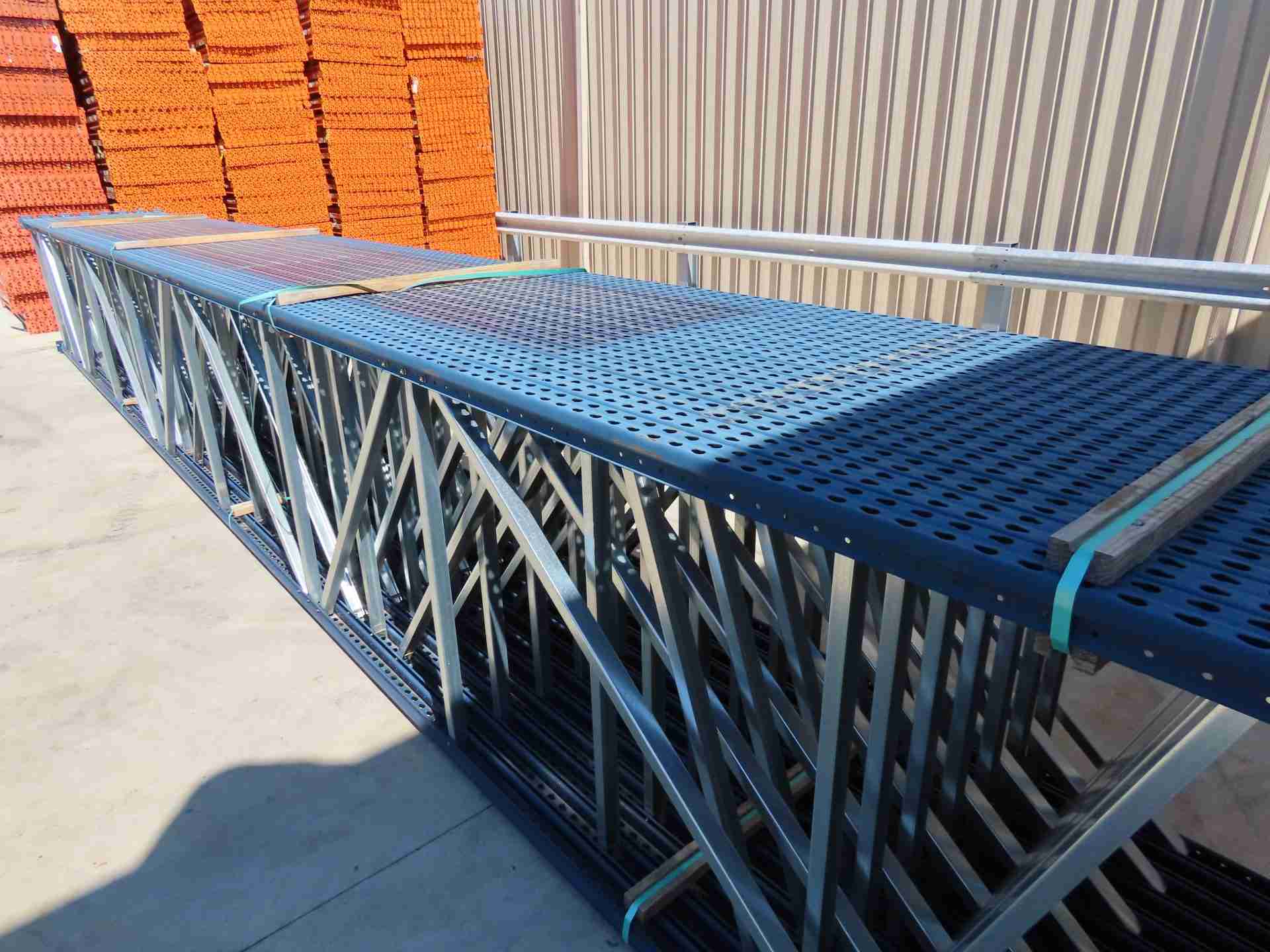
What Are The Key Factors For Effective Warehouse Shelf Organization?
What Are The Key Factors For Effective Warehouse Shelf Organization?
- Efficient inventory management is a strategic competitive advantage in today’s fast-paced business environment.
- Analyze inventory needs by considering product characteristics and categorize items by popularity to enhance access and efficiency.
- Pallet racking, such as selective or drive-in, maximizes vertical space and storage capacity while ensuring quick retrieval of items.
- An effective labeling system helps organize the warehouse, aids retrieval, and facilitates inventory audits, especially during supply chain disruptions.
- Investing in technology, like warehouse management systems and RFID, automates tracking and optimizes order fulfillment, reducing errors.
- Regular reviews and adaptations of the shelving system ensure it meets changing inventory patterns and business needs.
- Effective warehouse organization is crucial for optimal performance and profitability, helping businesses stay ahead of the competition.
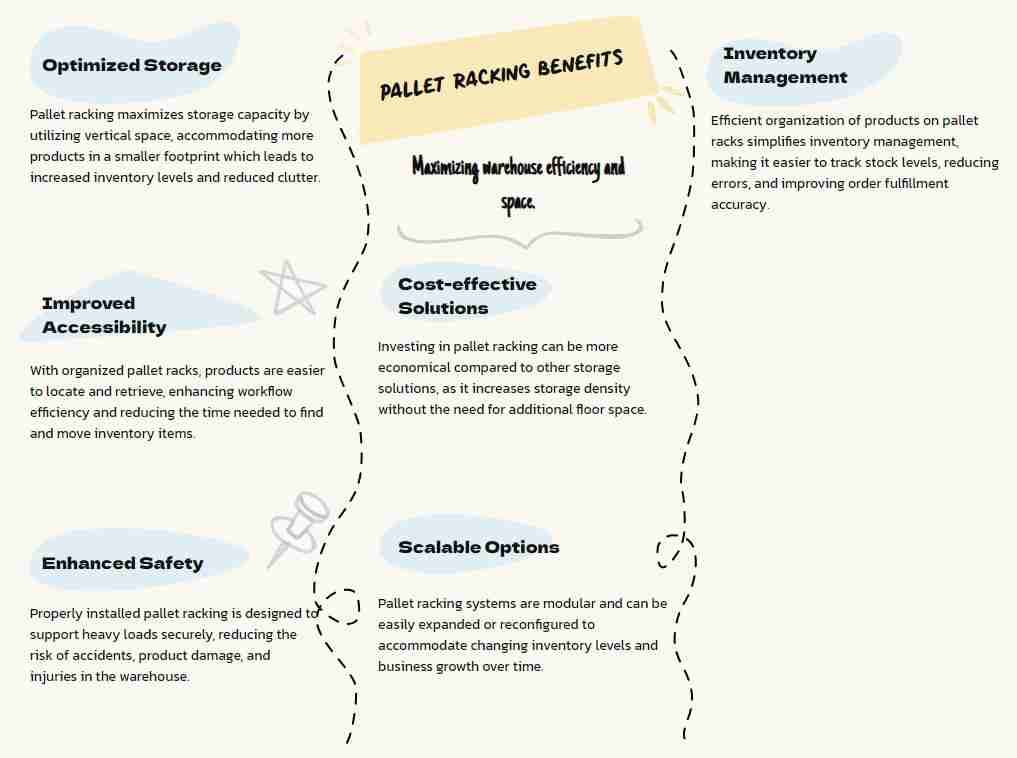
What Are The Key Factors For Effective Warehouse Shelf Organization?
How Do I Determine The Optimal Layout For My Warehouse Shelves?
When it comes to maximizing efficiency in your warehouse, an optimal layout for your shelves is not just a luxury; it’s a necessity. The way your products are organized and accessed can dramatically affect your bottom line. The right layout can minimize travel time, reduce labor costs, and ultimately enhance your customer satisfaction. So, how do you determine that sweet spot for your warehouse shelves?
First, consider your inventory. Are you working with bulk items that require pallet racking or are you managing smaller, diverse SKU counts? If you’re using pallet racking, think about how you can arrange these units for the fastest picking times. For example, place your most frequently sold products at eye level and closer to the shipping area, as this will cut down on time spent searching for items. This simple tweak can significantly boost productivity.
Next, traditional flow should be a cornerstone of your design. Utilize a “first-in, first-out” system wherever possible. This approach is crucial, especially in industries where product shelf life matters, such as food and pharmaceuticals. With the recent disruptions in supply chains caused by global events, having a clear, logical layout will position you to tackle these challenges head-on. Don’t let expired inventory haunt your bottom line; a smart system will keep you ahead of the game.
Let’s also not overlook technology. Implementing inventory management software can provide you with real-time data that identifies which items are moving fast and which ones are stagnant. This data can inform your decisions regarding layout. For instance, if certain items are often ordered together, placing them near each other will provide a seamless picking experience, streamlining operations.
Consider the role of accessibility in your layout. Your staff should be able to navigate your warehouse with ease, and that means avoiding cluttered aisles and confusing shelving arrangements. Engaging your team in discussions about their day-to-day experiences can also uncover layout improvements your high-level perspective may have missed. Empower your staff by involving them in these decisions, leading to a higher commitment to maintaining the system.
Lastly, always be open to change. The marketplace is dynamic, and your layout should be adaptable to fluctuating demands. Seasonal items, new product lines, and evolving customer preferences may require you to rethink your warehouse layout. Keep your eyes on trends.
In summary, an effective warehouse layout is a blend of strategic organization, technology use, and continuous adaptation to changing circumstances. When you put your customers and your efficiency first, the results will speak for themselves. Investing in the right shelving strategy—like pallet racking—will pave the way for significant growth and operational success.

How Do I Determine The Optimal Layout For My Warehouse Shelves?
How Do I Determine The Optimal Layout For My Warehouse Shelves?
- Optimizing warehouse shelving layout is essential for efficiency and profitability.
- Consider inventory type, such as bulk items needing pallet racking versus diverse SKU counts.
- Arrange frequently sold products at eye level and near shipping areas to reduce picking time.
- Implement a “first-in, first-out” system to manage product shelf life effectively.
- Utilize inventory management software for real-time insights on product movement.
- Ensure accessibility by avoiding cluttered aisles and incorporating staff feedback on layout changes.
- Stay adaptable to marketplace changes and evolving customer preferences to maintain an effective layout.

How Do I Determine The Optimal Layout For My Warehouse Shelves?
What Shelving Systems Work Best For Maximizing Space?
When it comes to maximizing space in warehouses, retail stores, or home garages, the key is to adopt a shelving system that not only enhances accessibility but also optimizes an area’s full potential. In today’s fast-paced world, where every square inch counts more than ever, you need a solution that aligns with your operational efficiency goals.
One of the most effective solutions is Pallet Racking. This versatile system allows businesses to take advantage of vertical space, moving inventory upwards rather than sprawling it across the floor. According to recent industry reports, companies that implement pallet racking can often increase their storage efficiency by as much as 30%. This is crucial in a climate where supply chains are still recovering and the demand for inventory management best practices is heightened.
Another remarkable shelving system making waves lately is modular shelving. As e-commerce continues its explosive growth, businesses are adapting their storage needs to accommodate a larger variety of products. Modular shelving offers flexibility, as each unit can be adjusted or expanded based on changing inventory levels. Imagine being able to reconfigure your shelving arrangement swiftly in response to market trends! With modular systems, businesses can shift from displaying clothing in retail to storing bulk packages of consumer goods as needed.
For those in urban living spaces, wall-mounted shelving systems are a game-changer. In cities where square footage is at a premium, utilizing vertical wall space can transform a cramped apartment into a functional haven. This is particularly pertinent as more individuals choose to live in cities, a trend accelerated by the ongoing shifts in work and lifestyle freedoms since 2020. Adding sleek, stylish shelves that are both decorative and practical can redefine a small area and give the illusion of more space.
Lastly, let’s not overlook specific designs tailored for specialized industries. For instance, cold-storage pallet racking systems are pivotal for grocery chains as they adapt to the increased demand for perishables. The ability to maximize vertical cubic space in a refrigerated environment ensures that fresh products are always available—an essential factor as consumer preferences shift toward healthier eating.
Whether you opt for pallet racking, modular units, or wall-mounted systems, the magic of maximizing space lies in the value of the right shelving solutions. As businesses and individuals adapt to ever-changing demands, investing in smart shelving becomes not just a choice but a necessity for success. Don’t just store—strategically store!
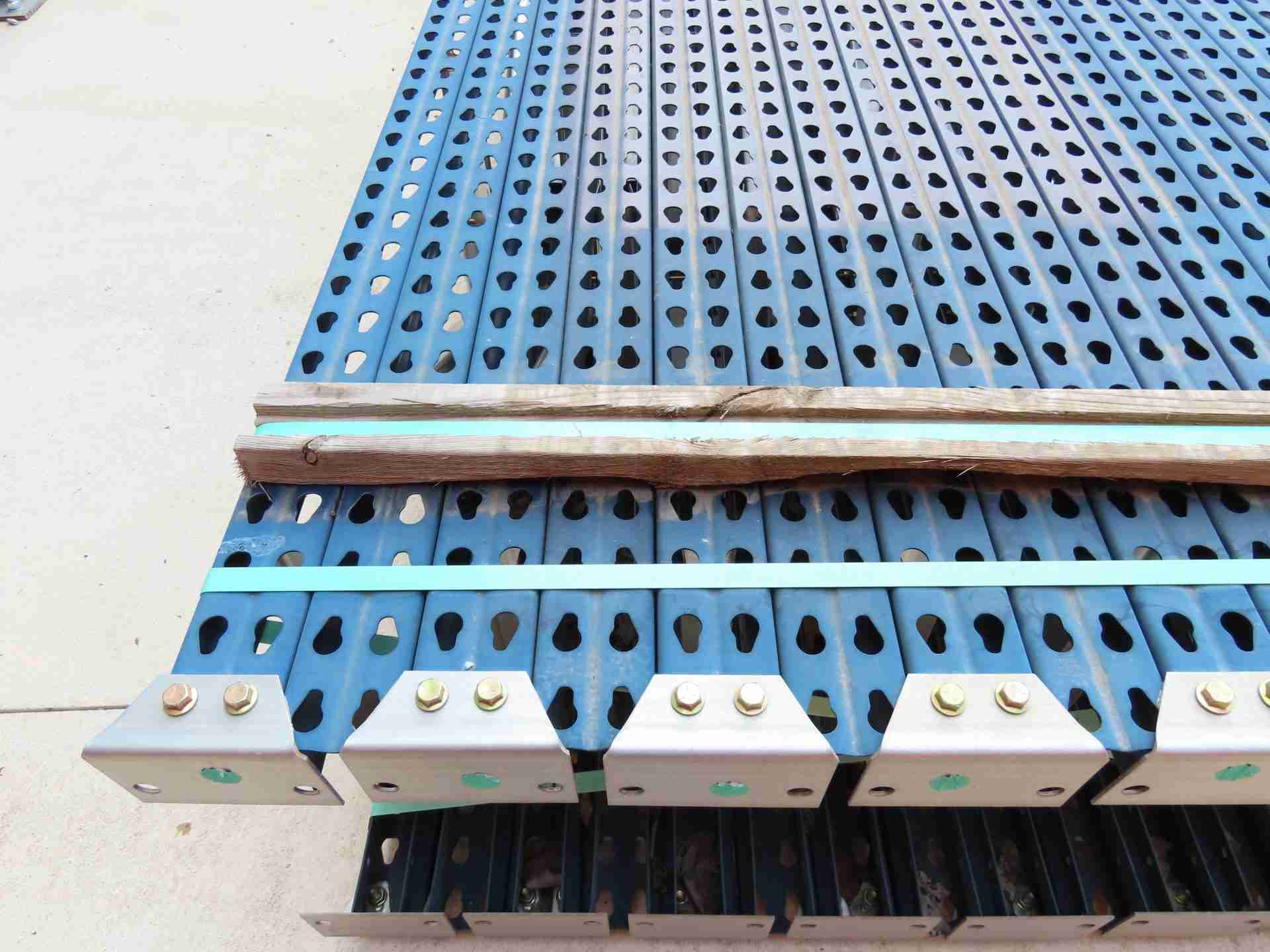
What Shelving Systems Work Best For Maximizing Space?
What Shelving Systems Work Best For Maximizing Space?
- Maximizing space in warehouses, retail stores, and garages requires an effective shelving system that improves accessibility and efficiency.
- Pallet racking helps utilize vertical space, increasing storage efficiency by up to 30% and catering to current supply chain demands.
- Modular shelving allows flexibility in storage solutions, enabling quick reconfiguration based on changing inventory levels and market trends.
- Wall-mounted shelving systems are ideal for urban living spaces, maximizing vertical space and enhancing functionality in small areas.
- Specific designs, such as cold-storage pallet racking, are essential for industries that require specialized inventory management, like grocery chains.
- Investing in smart shelving solutions is necessary for businesses and individuals to adapt to evolving requirements and achieve success.
- Effective shelving goes beyond mere storage; it emphasizes strategic organization and optimization of available space.
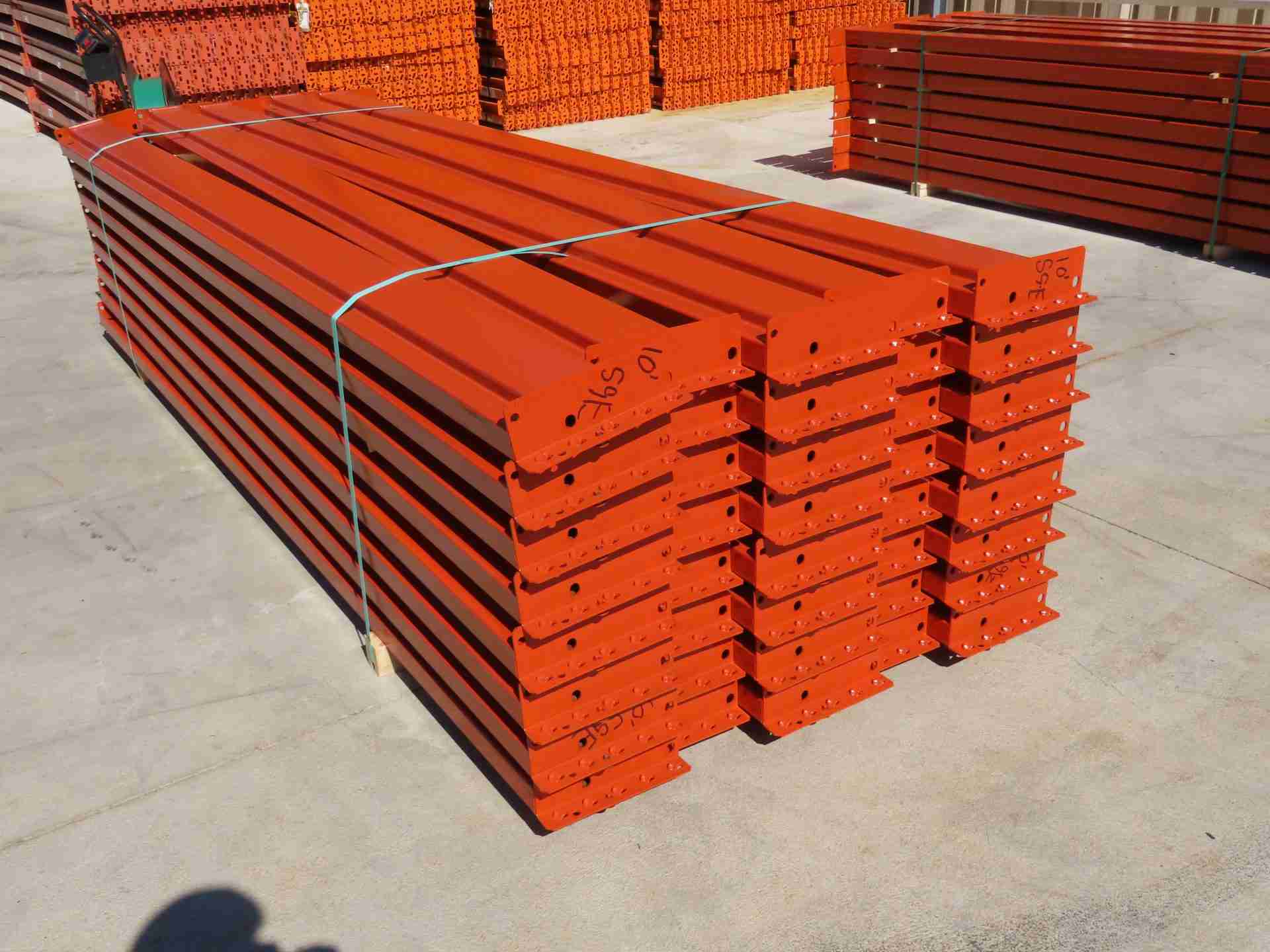
What Shelving Systems Work Best For Maximizing Space?
How Can I Improve Inventory Visibility On Warehouse Shelves?
In the fast-paced world of logistics, improving inventory visibility on warehouse shelves is not merely a formality; it’s a vital necessity. When you consider that 30% of warehouse workers’ time is lost searching for items, a well-structured inventory visibility system becomes a game-changer. So, how can you bolster that visibility and maximize efficiency? Here are proven methods to elevate your operational game.
First off, invest in quality Pallet Racking systems. These are the backbone of any organized warehouse. Consider adjustable racking options that allow you to customize your storage layout according to your inventory’s changing needs. This flexibility not only maximizes space but also enhances accessibility. For example, when Apple introduced its new product line last year, it revamped its warehouse design, incorporating modular pallet racking. The result? A 20% reduction in picking times.
Next, adopt advanced inventory management software. Invest in technology that provides real-time tracking capabilities. Cloud-based platforms can deliver updates directly to your mobile device. With powerful systems available today, you’ll be able to see where each product is located at all times, thus limiting the risk of stockouts or overstocking. The pandemic has accelerated the shift to e-commerce, urgently demanding better inventory practices. Companies that ignored technology in the past are now scrambling to catch up, often at an exorbitant cost.
Integrating barcode scanners or RFID tags can drastically improve visibility, as well. By embedding these technologies into your inventory management strategy, you’ll gain an instant overview of stock levels. A case in point: Walmart uses RFID technology extensively, resulting in a staggering 30% improvement in inventory accuracy. This level of visibility not only eases the frustrations of warehouse staff searching for items but also allows for faster shipping and improved customer satisfaction.
Moreover, embrace the power of data analytics. Your inventory management system should provide insights into trends, like seasonal demand fluctuations. For example, if historical data indicates that winter gear sells out in September, prepare accordingly by visualizing stock levels, ensuring visibility during peak seasons.
Lastly, foster a culture of organization within your workforce. Provide training sessions on the importance of inventory visibility. Jaw-dropping statistics show that 85% of workforce productivity is tied to how organized their workspace is. Encourage employees to maintain the integrity of the inventory system, ensuring all items are stored neatly on the right pallet racks and easily identifiable.
Enhancing inventory visibility on warehouse shelves is a multi-faceted approach involving strategic investment in Pallet Racking, technology, analysis, and employee engagement. In doing so, you’ll not only streamline operations but also position yourself to thrive in an increasingly competitive landscape.
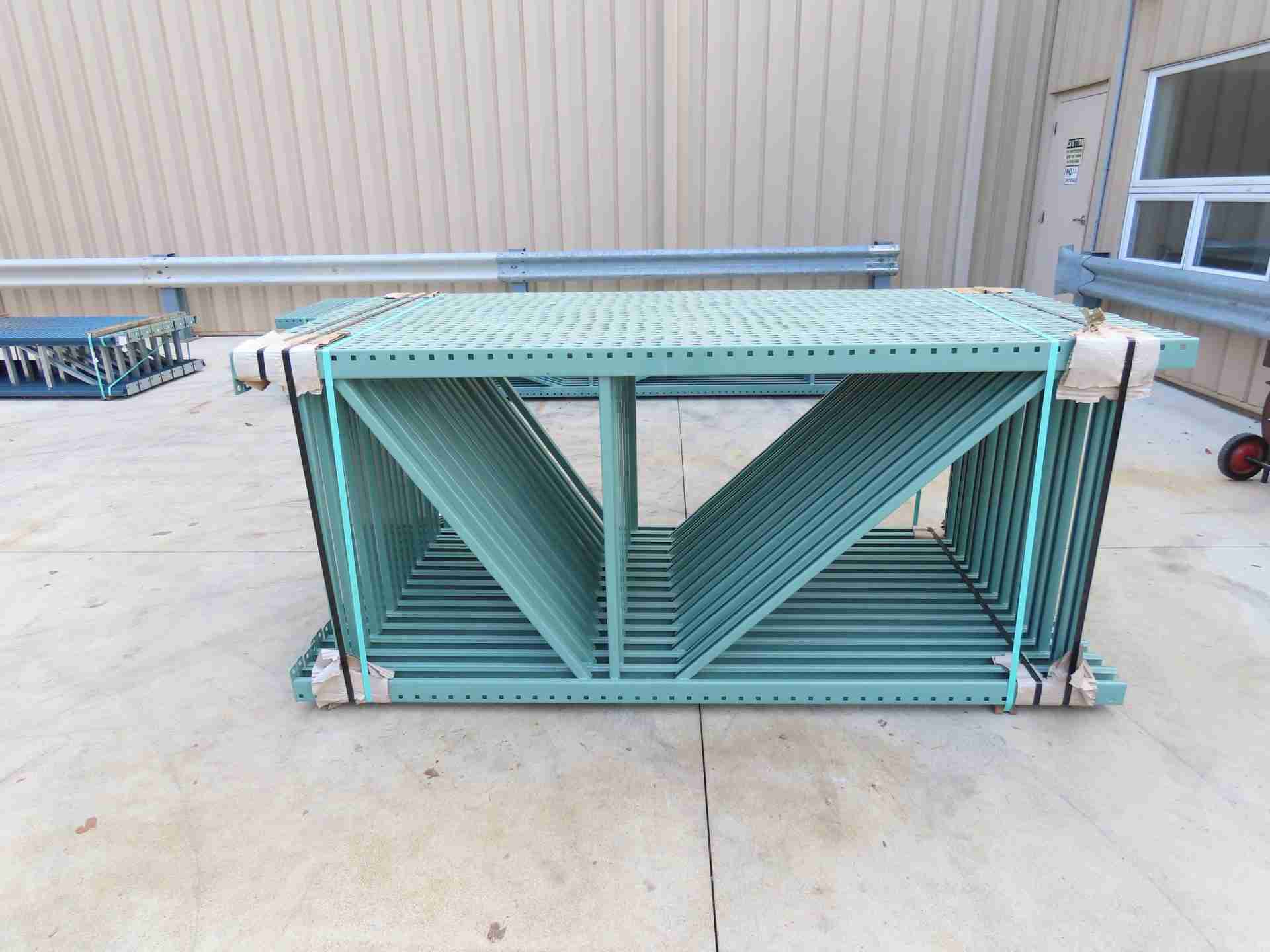
How Can I Improve Inventory Visibility On Warehouse Shelves?
How Can I Improve Inventory Visibility On Warehouse Shelves?
- Improving inventory visibility is crucial in logistics, with 30% of warehouse workers’ time wasted searching for items.
- Invest in quality Pallet Racking systems for organized storage and enhanced accessibility; adjustable racking can customize layouts.
- Adopt advanced inventory management software that offers real-time tracking and updates to optimize inventory handling.
- Utilize barcode scanners or RFID tags for instant stock level overviews; Walmart’s use of RFID led to a 30% improvement in inventory accuracy.
- Leverage data analytics to gain insights into demand trends and prepare accordingly for peak seasons.
- Foster a culture of organization among employees through training, as 85% of productivity is linked to workspace organization.
- Enhancing inventory visibility requires strategic investments in equipment, technology, analysis, and employee engagement for streamlined operations.

How Can I Improve Inventory Visibility On Warehouse Shelves?
What Role Does Labeling Play In Shelf Organization?
In the bustling world of retail and warehousing, where efficiency and accuracy dictate the bottom line, labeling isn’t just an afterthought; it’s a crucial ingredient in the recipe for success. Imagine entering a vast warehouse filled with products stacked high—what if every aisle lacked clear, informative signage? Chaos would ensue, leading to lost time, dwindling profits, and frustrated staff. This is where labeling steps in, transforming the chaotic into the organized and the inefficacious into the efficient.
Consider pallet racking systems, a popular solution for maximizing storage space. Each shelf and layer can hold a vast array of products, but without appropriate labels, you risk turning your strategic setup into a maze. Imagine a warehouse employee, racing against the clock, desperately looking for a specific item. If each pallet’s label is clear and concise—indicating not just the product name but its location, SKU, and even expiration date—products can be located quickly and accurately. This leads to faster order fulfillment, ultimately enhancing customer satisfaction and loyalty.
Labeling is even more critical in today’s fast-paced eCommerce environment, where competitors are just a click away. Take, for example, a recent surge in demand for online grocery delivery due to external events—like the pandemic. Supermarkets that adopted robust labeling strategies were able to maintain stock accuracy and speed up delivery times, showcasing their prowess in inventory management. By clearly labeling shelves with not just product names but also popularity indicators (like “Best Seller: Organic Avocados”), they captured customers’ attention and drove sales.
Furthermore, effective labeling can act as a silent sales tool. In brick-and-mortar stores, strategic labels can highlight promotional deals or seasonal items, guiding shoppers directly to what they may not even know they want. For instance, a shelf labeled “Fall Essentials” filled with pumpkin spice items, decorative gourds, and warm blankets can lead to impulse buys that boost the bottom line.
As you can see, labeling plays a multifaceted role in shelf organization, especially in the context of pallet racking systems where space and efficiency are paramount. We’ve entered an era where clarity and precision in labeling can set your business apart in a crowded market. Investing time and resources into smart labeling strategies can yield significant returns, fostering a streamlined operation and delighted customers. Don’t let your organization fall victim to disarray; embrace effective labeling and watch your operations flourish.
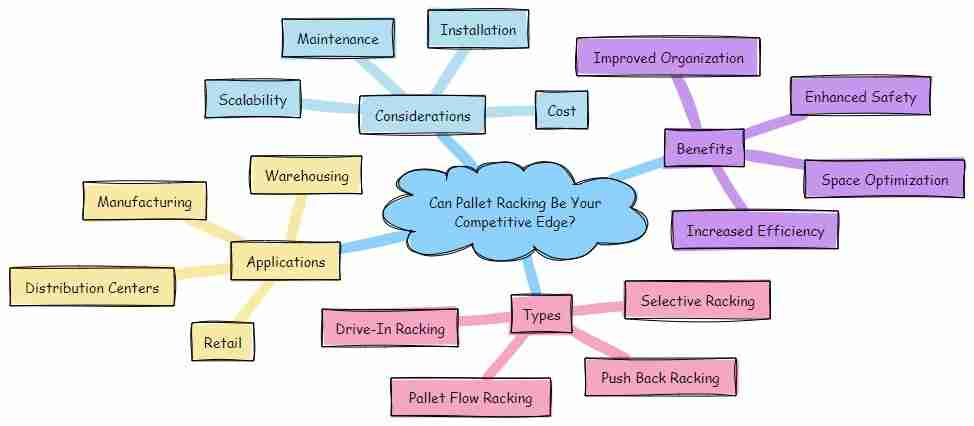
What Role Does Labeling Play In Shelf Organization?
What Role Does Labeling Play In Shelf Organization?
- Labeling is essential for efficiency and accuracy in retail and warehousing.
- Proper labeling prevents chaos in warehouses and enhances product location speed.
- Clear labels on pallets improve order fulfillment and customer satisfaction.
- Robust labeling strategies are vital in the fast-paced eCommerce environment.
- Strategic labels can highlight promotions and enhance shopper engagement.
- Effective labeling is crucial for maximizing storage space in pallet racking systems.
- Investing in smart labeling can lead to streamlined operations and increased profits.

What Role Does Labeling Play In Shelf Organization?
How Often Should I Reorganize My Warehouse Shelves?
In the fast-paced world of logistics and inventory management, the question isn’t just how often you should reorganize your warehouse shelves, but rather how much efficiency you can reclaim by doing so. The right timing can make all the difference in maximizing your space and streamlining your operations. If you’re still shrugging it off, consider the consequences: increased picking times, unfulfilled orders, and potentially irate customers. So, let’s dive into a strategic approach to warehouse organization, focusing on the crucial element of pallet racking.
First Up: The Pulse Check
Start by scheduling periodic assessments of your warehouse layout—at least every six months. This is a baseline that allows you to lose the clutter and realign your stock based on seasonal trends and sales data. Just last year, many retail giants revamped their storage systems to cater to the surge in online shopping—a trend that continues as consumers favor convenience.
For instance, if your pallets are consistently held back in off-peak seasons or your fast-movers are languishing at the back, it’s time to rethink your configuration and prioritize those items within your pallet racking systems. By analyzing sales data regularly, you’re not merely reacting; you’re predicting—and that’s the hallmark of a savvy business.
Consider Events and Trends
Moreover, keep an eye on current events that might affect your supply chain. The rise of e-commerce due to the shifting purchasing paradigms during the pandemic has pressed warehouses to adapt quickly. Many businesses saw success after reorganizing their aisles to position high-demand items closer to dispatch areas. Pay attention to market trends—what’s in vogue today could be obsolete tomorrow.
Seasons Adjustments
Planning a full-blown reorganization isn’t just about the calendar; consider the seasons too. As product demand shifts, it’s key to update your layout accordingly. For instance, if you handle seasonal goods, perform a major reorganizing blitz at the end of each season to make room for the next batch. It’s analogous to shifting your wardrobe from winter to summer clothing—you’re not merely cleaning, you’re optimizing.
In essence, refining your warehouse organization isn’t a one-time affair. The focus should be on maintaining an agile approach, with strategic reorganizations every six months, all while adapting to market changes and consumer behaviors. Remember, effective pallet racking isn’t merely a fixture; it’s the backbone of a thriving inventory system. Stay proactive, stay organized, and watch your efficiency soar.

How Often Should I Reorganize My Warehouse Shelves?
How Often Should I Reorganize My Warehouse Shelves?
- Reorganizing warehouse shelves can significantly improve efficiency and maximize space.
- Regular assessments of warehouse layout should be scheduled at least every six months.
- Adapting to seasonal trends and sales data is crucial for effective inventory management.
- High-demand items should be positioned closer to dispatch areas for quicker access.
- Market trends and current events can influence the supply chain and warehouse organization.
- Seasonal reorganizations are essential to accommodate changing product demands.
- Maintaining an agile approach with ongoing evaluations ensures long-term efficiency and organization.
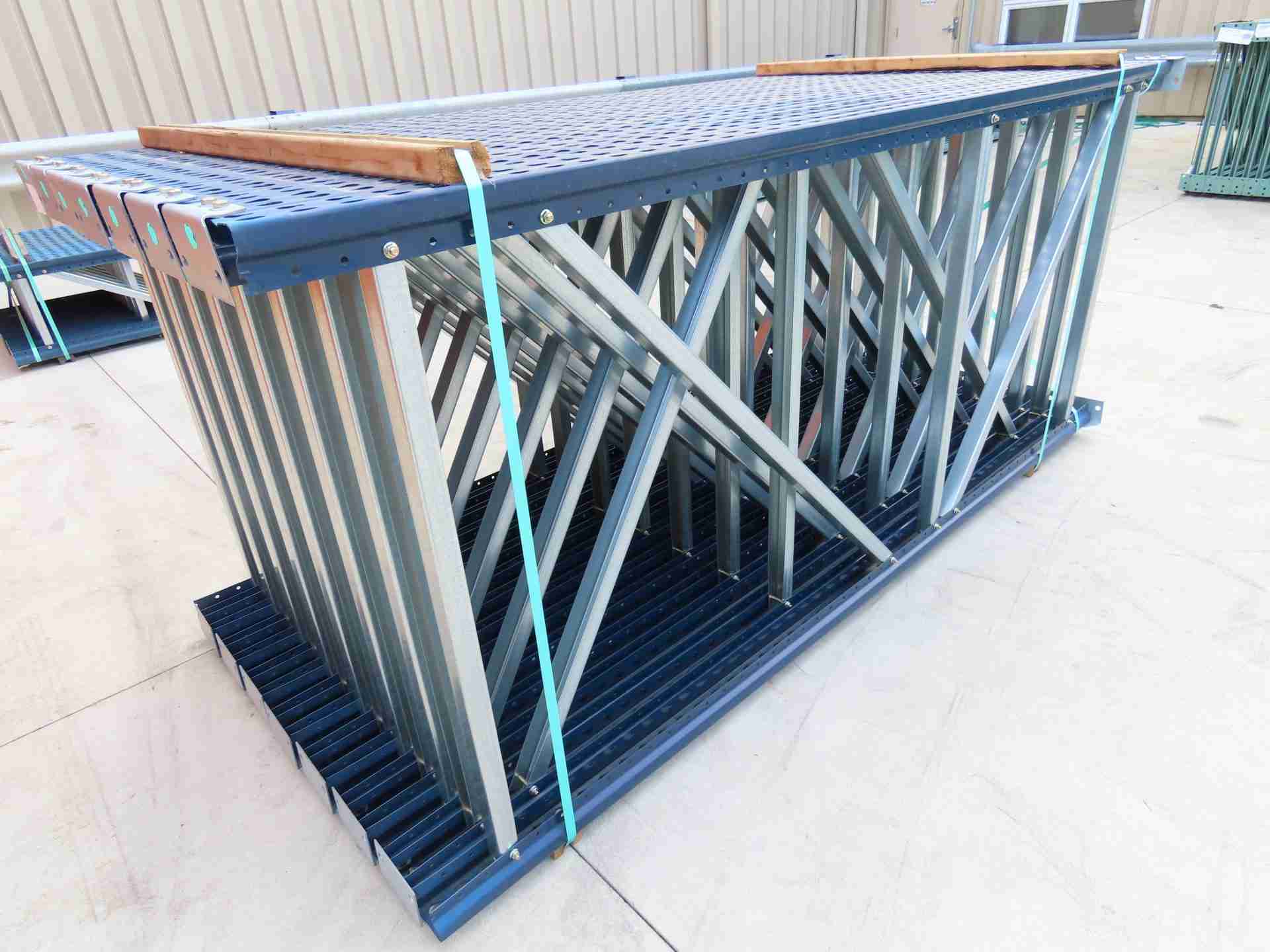
How Often Should I Reorganize My Warehouse Shelves?
Conclusion
At Arrow Industrial Sales, we understand that mastery of warehouse operations is pivotal in today’s competitive climate. As we’ve explored, effective warehouse shelf organization involves a fusion of strategic planning, innovative shelving systems, and an ongoing commitment to adaptability. The myriad of insights laid out—from maximizing vertical space with robust pallet racking systems to leveraging advanced inventory management technologies—presents a comprehensive roadmap for optimizing your warehouse efficiency.
The art of efficient shelving isn’t merely about storing things neatly; it’s about transforming your operational capacity into a streamlined powerhouse. By ensuring that high-velocity items are easily accessible and by embracing organizational systems that promote clarity—such as intelligent labeling practices—you can significantly reduce picking times and enhance overall productivity. Moreover, integrating technology into your inventory processes allows for real-time insights that empower you to make data-driven decisions swiftly, ensuring that your logistics remain agile amidst market fluctuations.
Continuous evaluation of your warehouse layout is also non-negotiable. Regular assessments every six months, coupled with seasonal adjustments in response to demand shifts, will keep your inventory systems responsive and relevant. In our fast-changing marketplace, those who proactively reorganize their shelving and storage strategies not only stay ahead of emerging challenges but elevate their operational effectiveness to new heights.
Now is the time to take candid action. Reach out to Arrow Industrial Sales at (574) 349-6575 to delve deeper into the best practices highlighted in this article. Don’t allow inefficiencies to linger in your warehouse. With our expert guidance, you can implement effective shelving solutions that resonate with your unique operational needs. Whether you’re seeking to maximize storage space with state-of-the-art pallet racking or striving to refine inventory visibility with strategic labeling, Arrow Industrial Sales stands ready to assist you in unlocking your warehouse’s full potential.
Act now—your path to an organized, efficient, and profitable warehouse is just a call away. We have the tools and expertise to propel you forward in a landscape where the stakes are higher than ever. Join the ranks of businesses optimizing their operations with Arrow Industrial Sales and watch your efficiency soar!
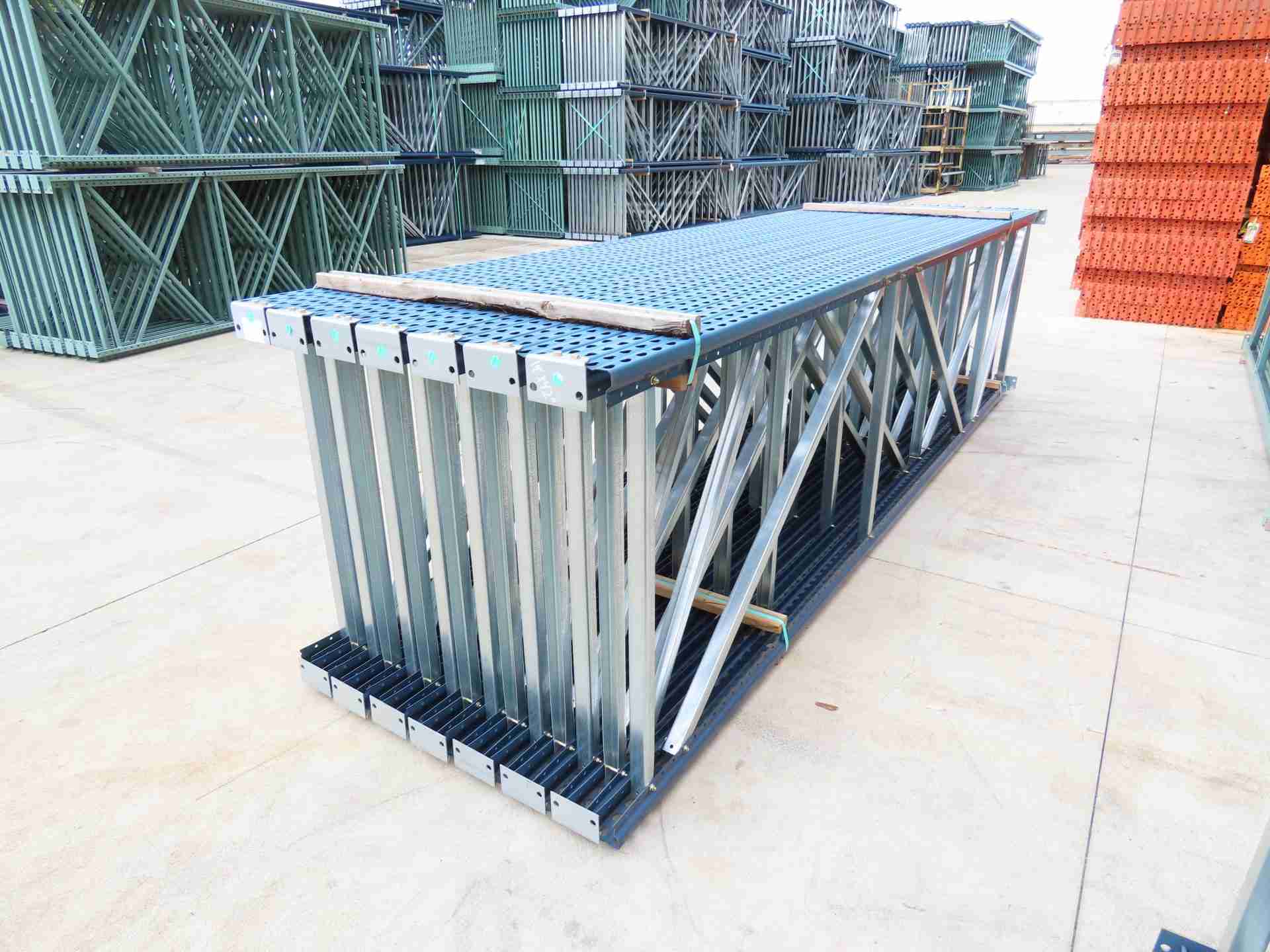
Conclusion
Conclusion:
- Mastery of warehouse operations is crucial for competitiveness.
- Effective shelf organization combines strategic planning and innovative shelving.
- Maximizing vertical space and using advanced inventory tech is key to optimization.
- Efficient shelving enhances operational capacity and productivity.
- Regular assessment and seasonal adjustments of warehouse layout are essential.
- Arrow Industrial Sales offers expert guidance for implementing efficient shelving solutions.
- Contact Arrow Industrial Sales to enhance your warehouse’s organization and efficiency.

Conclusion
Other Resources

Other Resources
Here is a list of other resources you can review online to learn more:
- Heavy-Duty Cantilever Storage Racks
- Shipping Boxes, Packaging Materials, Pallet Racking
- MHI
- Illinois
- Pallet Rack Systems – New and Used Pallet Racking and Shelving Experts
- The Ultimate Pallet Racking Guide – Speedrack West
- Interlake Mecalux
- Teardrop Racks – Pallet Rack World
- What is Selective Racking: Understanding Benefits & Options
- Intro to Warehouse Racks & Warehouse Racking Systems – ShipBob
Use This Prompt To Get More Resources With Your Favorite Online AI Tool: Please provide me with a list of online articles with their URLs in a bulleted list that I can read regarding What Are The Best Practices for Organizing Warehouse Shelves Effectively?

Other Resources
Glossary Terms
What Are The Best Practices for Organizing Warehouse Shelves Effectively? – Glossary Of Terms
1. Aisle: A passage between shelves for easy access to stored items.
2. ABC Analysis: Inventory categorization technique that divides items into three categories (A, B, C) based on their importance and turnover rates.
3. Barcoding: A system that uses barcodes to track inventory, facilitating efficient stock management and order fulfillment.
4. Bin Location: A designated space within the warehouse for a specific item, often identified with a unique code or number.
5. Bulk Storage: The practice of storing large quantities of products in a single area to maximize warehouse space usage.
6. Cross-Docking: A logistics strategy where incoming goods are directly transferred to outbound shipping without being stored.
7. FIFO (First In, First Out): An inventory management method where the oldest stock is sold or used first to reduce the risk of obsolescence.
8. Inventory Management: The process of overseeing and controlling stock levels, orders, and storage in the warehouse.
9. Labeling System: A method to visually identify items and their locations, improving organization and retrieval efficiency.
10. Lean Warehousing: A philosophy aimed at minimizing waste while maximizing productivity through efficient processes and layouts.
11. Lot Number: A unique identifier assigned to a specific quantity of items produced or purchased at the same time, useful for tracking and recalls.
12. Order Picking: The process of retrieving items from shelves to fulfill customer orders, requiring an efficient organization to optimize time.
13. Pallet Racking: A storage system designed to hold palletized items, providing easy access and maximizing vertical space.
14. Pick Ticket: A document used to guide warehouse staff in the picking process, listing items to be collected for fulfillments.
15. Quality Control: Processes implemented to ensure that products meet certain standards and specifications before being shipped.
16. Reorder Point: The inventory level at which a new order is triggered to replenish stock before it runs out.
17. Safety Stock: Extra inventory held to prevent stockouts due to unforeseen demand fluctuations or supply chain disruptions.
18. SKU (Stock Keeping Unit): A unique identifier assigned to each product or item in inventory, aiding in organization and management.
19. Space Utilization: The effectiveness of how storage space in a warehouse is used, important for maximizing available space.
20. Standard Operating Procedures (SOP): Established guidelines and protocols for various warehouse tasks, ensuring consistency and efficiency.
21. Storage Density: The amount of product stored in a given volume of space, often targeted for improvement in warehouse design.
22. Supply Chain Management: The management of the flow of goods from suppliers to consumers, encompassing all aspects of logistics and distribution.
23. Vertical Storage: Utilizing vertical space to store items at various heights, often employing racks or shelving units to maximize capacity.
24. Waste Reduction: Strategies aimed at minimizing excess inventory, handling, and storage costs to streamline warehouse operations.
25. Workstation Design: The arrangement of tools and supplies in a picking or packing area, optimized for efficiency and workflow.
26. Cycle Counting: An inventory auditing procedure where a subset of stock is counted on a specific day, improving accuracy without disrupting operations.
27. Kitting: The process of assembling individual items into a ready-to-ship package, often requiring organized shelving for components.
28. Temperature Control: Managing the environment within the warehouse to safeguard temperature-sensitive items, essential for certain products.
29. Automated Storage and Retrieval Systems (AS/RS): Technology-driven systems that automatically store and retrieve items, enhancing efficiency and accuracy.
30. Shipping and Receiving Area: Designated zones in a warehouse where goods are dispatched and received, requiring effective organization to ensure smooth operations.

Glossary Of Terms
Other Questions
What Are The Best Practices for Organizing Warehouse Shelves Effectively? – Other Questions
If you wish to explore and discover more, consider looking for answers to these questions:
- What are the specific types of pallet racking systems available?
- How can I effectively categorize my inventory for optimal organization?
- What tools or software can I use to track my warehouse inventory?
- How do I train my staff on warehouse shelf organization best practices?
- What are the leading technology solutions for warehouse management?
- How do I implement a labeling system in my warehouse?
- What are the signs that indicate it’s time to reorganize my warehouse?
- How can I measure the efficiency of my current warehouse layout?
- What are common mistakes to avoid in warehouse organization?
- How can I adjust my warehouse strategy for seasonal demands?
- What impact does labeling have on employee productivity in the warehouse?
- Are there industry benchmarks for warehouse shelving efficiency I should know about?
- What role does employee feedback play in improving warehouse organization?

Other Questions
Checklist
What Are The Best Practices for Organizing Warehouse Shelves Effectively? – A Checklist
1. Understand Your Inventory Needs
_____ Analyze the types of products in your inventory (bulky, seasonal, perishable).
_____ Categorize items based on sales volume and turnover rates.
_____ Position high-turnover items at eye level for quick access.
2. Maximize Vertical Space
_____ Implement pallet racking systems suitable for your inventory type (selective, drive-in, push-back).
_____ Ensure heavy-duty racking is used to stack pallets high and reduce wasted space.
_____ Regularly assess and adjust rack arrangements to optimize storage and accessibility.
3. Implement a Clear Labeling System
_____ Use clear, visible labels for all shelves and racks.
_____ Consider color-coding labels for easy categorization.
_____ Include important information such as product name, location, SKU, and expiration date on labels.
4. Adopt Technology for Inventory Management
_____ Integrate a Warehouse Management System (WMS) for real-time tracking.
_____ Use barcode scanners or RFID technology for improved accuracy and visibility.
_____ Analyze data to keep track of inventory trends and adapt accordingly.
5. Regularly Review and Adapt
_____ Schedule periodic evaluations of warehouse layout at least every six months.
_____ Monitor inventory turn rates and reposition items based on seasonal demand and sales data.
_____ Use trending data to inform strategic organizational adjustments.
6. Train Your Team
_____ Provide regular training sessions on inventory management best practices.
_____ Assign accountability for specific sections of the warehouse to promote organization.
_____ Engage employees in discussions on layout improvements based on their experiences.
7. Maintain an Organized Environment
_____ Foster a culture of organization; encourage neat storage and label maintenance.
_____ Implement a visual system to quickly identify areas requiring attention or reorganization.
_____ Engage in proactive communication with your team regarding changes in inventory.
8. Stay Flexible and Adaptable
_____ Continuously adapt your shelving strategy to the changing marketplace and consumer preferences.
_____ Be responsive to current events affecting inventory management.
_____ Conduct seasonal reorganizing efforts to keep your space optimized and efficient.
By following this checklist, you can create an organized and efficient warehouse system that maximizes your storage capacity, enhances productivity, and improves overall organizational performance.

Checklist
At RackingWorld, we help guide you through selecting warehouse storage systems and racking.
Be sure to read our other related stories at RackingWorld to learn more about warehouse storage systems.
0 Comments