
Transforming Operations: Essential Insights For Optimal Warehouse Flow
By Tom Seest
At RackingWorld, we help guide you through selecting warehouse storage systems and racking.
Be sure to read our other related stories at RackingWorld to learn more about warehouse storage systems.
Warehouse Flow Audits: What to Look For
In the heart of every warehouse beats a rhythm, a flow shaped by countless hands working together to meet demands. When tackling warehouse flow audits, it’s about more than just efficiency; it’s the lifeblood of the operation. Start with the racking systems, those towering structures that hold everything together. Inspect each row and level; are they positioned for optimal accessibility? A well-thought-out racking system minimizes travel time and frustration, allowing your team to retrieve goods quickly. You see, when folks can move with purpose, morale rises, and that’s contagious.
Next, take a good look at how products flow through the space. Observe the pathways—wide enough for forklifts, clean enough to prevent accidents, and intuitive enough that even a newcomer can find their way. Inefficiencies can be like a tangled fishing line; you clear one knot only to find another waiting. Engage your team in this audit. Their hands-on experience is invaluable; they know where the bottlenecks lurk and can pinpoint the annoyances that slow them down. This isn’t just an assessment; it’s a conversation among teammates who share a common goal.
Don’t overlook safety markings and signage. Clear labels empower workers to navigate confidently, while visible pathways ensure nobody’s left guessing. Ethical practices don’t just keep your team safe; they also resonate with a sense of pride. In a world driven by profits, valuing your team’s well-being speaks volumes about your commitment. When your employees feel cared for, they’re more likely to go that extra mile.
Finally, gather your crew for a debrief. Share the findings from the audit and invite their input on potential changes. It’s not just about crunching numbers or moving pallets; it’s about cultivating a culture. Stories matter here—whether it’s how a simple adjustment streamlined tasks or when someone went above and beyond to help a teammate. Building camaraderie strengthens the warehouse community, making it a place where everyone thrives.
A warehouse flow audit is about creating a connected, efficient, and safe environment. It’s an invitation to inspire and empower your crew. So gear up, roll up those sleeves, and get to work—you’re not just improving operations; you’re uplifting a team and creating a legacy that works for everyone.

Warehouse Flow Audits: What to Look For
Warehouse Flow Audits: What to Look For
- Warehouse flow audits are essential for efficiency and overall operation health.
- Begin with inspecting racking systems for optimal accessibility to reduce travel time.
- Evaluate product flow pathways to ensure they are wide, clean, and intuitive for workers.
- Engage team members to identify inefficiencies and bottlenecks based on their experience.
- Ensure clear safety markings and signage to promote confidence and safety among workers.
- Conduct a debrief with the team to share audit findings and gather input for improvements.
- A warehouse flow audit fosters a culture of collaboration and enhances team morale.

Warehouse Flow Audits: What to Look For
Table Of Contents
- Warehouse Flow Audits: What to Look For
- What Inefficiencies Are Hidden In Your Warehouse Operations?
- How Do You Measure Employee Productivity In Your Facility?
- Are Your Inventory Levels Optimized for Demand?
- What Safety Issues Could Be Impacting Your Workflow?
- How Does Warehouse Layout Affect Operational Efficiency?
- Are Your Technologies Integrated for Seamless Operations?
- Conclusion
- Other Resources
- Glossary Of Terms
- Other Questions
- Checklist
What Inefficiencies Are Hidden In Your Warehouse Operations?
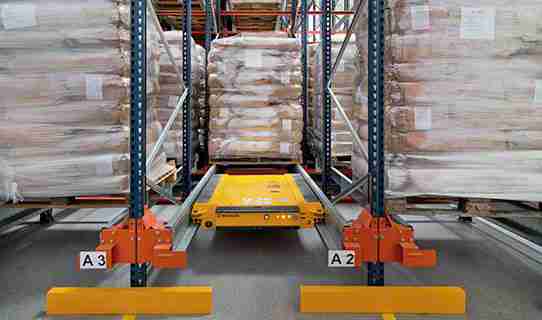
Warehouse operations can sometimes feel like a never-ending hurdle race. Amidst the racking systems, moving pallets, and the ticking clock, inefficiencies creep in. They’re often invisible but pack a punch that affects your bottom line and drains your energy. Picture this: employees running back and forth, trying to locate a product in a maze of disorganized racking systems. This scenario isn’t just a logistical nightmare; it plays on the heart, stirs frustration, and can sap motivation.
Let’s get into the nitty-gritty. You’ve invested in the latest racking systems, believing they’ll transform your workflow. Yet, without proper organization or inventory management, these systems can become a chaotic jumble of shelves filled with items barely hanging on, sometimes literally. When employees spend more time searching for products than fulfilling orders, it’s not just about lost hours; that inefficiency brings a genuine emotional toll. People feel overwhelmed, stressed, and undervalued in an environment that should foster success and teamwork.
Rationally speaking, consider the numbers. If your workforce is tied up in inefficiencies, those hours add up quickly, leading to higher operational costs and ultimately fewer satisfied customers. When your team can’t find what they need, orders are delayed, and accuracy suffers. This lack of efficiency doesn’t just hurt the bottom line; it tarnishes your reputation. Nobody wants to be known as the place that makes customers wait while their products gather dust.
Ethically, there’s a call to action here. Your workforce deserves better than to stumble through a maze of clutter and confusion. Investing in better management systems and training brings a sense of dignity and respect to the role each worker plays. It’s about fostering a supportive culture where everyone feels they contribute meaningfully to the success of the team.
Finally, let’s not underestimate the power of narrative. Your warehouse is a microcosm of the larger company culture. When you address inefficiencies, you’re not just fixing a problem; you’re telling a story of progress, innovation, and care. Inspire trust in your workforce by showing them that you’re committed to improvement. Together, confronting and correcting these issues can turn your warehouse into a well-oiled machine. The journey may be tough, but every step toward better organization, clearer workflows, and empowered employees is worth it.
What Inefficiencies Are Hidden In Your Warehouse Operations?
What Inefficiencies Are Hidden In Your Warehouse Operations?
- Warehouse operations often face inefficiencies that affect productivity and employee morale.
- Disorganized racking systems lead to longer search times for products, stressing employees.
- Investing in modern racking systems requires proper organization and inventory management to be effective.
- Inefficiencies contribute to increased operational costs and delayed customer orders.
- Improving warehouse operations enhances employee dignity and fosters a supportive culture.
- Addressing inefficiencies reflects a company’s commitment to progress and innovation.
- Organized workflows create a more effective workspace, benefiting both employees and customers.

What Inefficiencies Are Hidden In Your Warehouse Operations?
How Do You Measure Employee Productivity In Your Facility?
Measuring employee productivity in your facility can feel like trying to catch smoke with your bare hands. It’s slippery and elusive. Yet, the truth is, tangible markers exist for assessing how effectively your team is getting things done. Start by looking at the racking systems in your warehouse. These systems don’t just hold inventory; they tell a story about workflow efficiency. When products are organized well, it reduces the time spent searching for items. It’s like knowing where every tool is in your garage—if it’s organized, you can grab what you need and get back to work.
Engaging with your employees is key to understanding productivity. Have regular check-ins, not just about quotas but about what’s working. Share stories about times when a small change—a new process, or a tweak in the racking system—made a world of difference. People resonate with stories because they see their experiences in them. This builds a bridge of trust. When they feel listened to, your team is more likely to put in that extra effort from the gut.
Don’t overlook the numbers, though. KPIs—Key Performance Indicators—can tell you how many units are moved per hour, the order accuracy, or the downtime. These figures give you a hard, rational look at productivity. Having concrete data allows decisions to be made based on facts, trimming the fat and optimizing tasks. You want your employees to feel valued, and knowing that their efforts contribute to a larger goal can be incredibly motivating.
Cultivating a culture of recognition also pays off. When employees exceed their performance targets within the racking systems, celebrate that. Not just with a simple pat on the back, but by shining a light on their achievements in team meetings. This fosters a sense of camaraderie and encourages others to pull together, pushing one another to succeed.
Lastly, consider the ethical aspect. Fair workloads lead to better morale. When you balance tasks so that no one feels overwhelmed or left behind, you create a more productive environment. A strong team is built on shared effort and support. Measure productivity with the heart, head, and gut approach. By integrating emotional connections, rational assessments, and ethical considerations, you’ll not only gauge how well your employees perform but also inspire them to be even better. The productivity you achieve will reflect the commitment and unity of your workforce, all anchored around the smart use of systems that facilitate their success.

How Do You Measure Employee Productivity In Your Facility?
How Do You Measure Employee Productivity In Your Facility?
- Assess employee productivity using tangible markers, focusing on workflow efficiency.
- Organized racking systems minimize search time for items, improving operational speed.
- Engage employees with regular check-ins to understand what works and share impactful stories.
- Utilize Key Performance Indicators (KPIs) for concrete data on productivity metrics.
- Foster a culture of recognition by celebrating individual achievements in team settings.
- Ensure fair workloads to improve morale and productivity among team members.
- Adopt a holistic approach to measuring productivity by integrating emotional, rational, and ethical considerations.

How Do You Measure Employee Productivity In Your Facility?
Are Your Inventory Levels Optimized for Demand?
When you open the doors to your warehouse every morning, are you greeted by perfectly balanced inventory, or do you find a chaotic mix of understock and overstock? Racking systems can only do so much without the right inventory levels to complement them. Imagine your shelves filled to the brim with products that customers want—each item carefully selected to meet the pulse of demand. It’s a comforting thought, isn’t it? Yet, many businesses find themselves fighting an uphill battle against outdated stock, resulting in wasted space and lost revenue.
Think about it in terms of your own life. You wouldn’t hold onto things you no longer need, would you? Likewise, inventory that’s sitting idle is like a dusty old toolbox that you never touch. That’s cash gathering dust instead of working for you. When you tune into the rhythms of your market—seasonal trends, local demand shifts, and even sudden spikes in interest—you can optimize your racking systems to cut waste and fill those shelves with what sells.
This isn’t just about dollars and cents; it’s about making ethical choices that reflect the needs of your community. A well-managed inventory can mean faster response times for clients and a reliable supply of what they need when they need it. You’re not just moving products; you’re fostering connections, building trust, and ensuring that your business stands as a pillar in your community.
Rationally, we know that overstock means more than just clutter; it translates to increased holding costs and potential markdowns that eat into your margins. Let’s say a new product launches and people can’t get enough. If your racking systems are overloaded with items that don’t move, you could miss that golden opportunity. Conversely, running low on popular items can throw a wrench into your plans, leaving customers frustrated.
Share your story. Think about how others in your industry have faced this challenge and emerged stronger. Their experiences can inspire confidence that it is possible to optimize inventory levels. You’re not alone in this struggle—every business has walked this tightrope. By taking a hard look at your inventory levels today, you can prepare your racking systems for tomorrow’s demand, ensuring you’re not just keeping the doors open, but thriving. So roll up your sleeves, take stock, and get ready to build a stronger, more responsive business.

Are Your Inventory Levels Optimized for Demand?
Are Your Inventory Levels Optimized for Demand?
- Optimal inventory levels are crucial for effective racking systems.
- Many businesses struggle with outdated stock, leading to wasted space and revenue loss.
- Idle inventory reduces cash flow, similar to unused tools collecting dust.
- Understanding market trends helps optimize inventory and reduce waste.
- A well-managed inventory promotes community trust and quicker client response times.
- Overstock leads to increased holding costs and missed sales opportunities for new products.
- Analyzing inventory levels prepares businesses for future demand and enhances operational efficiency.

Are Your Inventory Levels Optimized for Demand?
What Safety Issues Could Be Impacting Your Workflow?
Safety is the backbone of any workflow, yet it often goes unnoticed until a crisis strikes. From the ground up, the efficiency of any operation can hinge on the safety measures in place, especially when it comes to racking systems. These steel giants hold countless products, materials, and hopes. When they are not properly maintained or utilized, they can become not just a risk but a fear lurking in the shadows of daily operations.
Imagine a bustling warehouse, the hum of machinery, and the chatter of workers. Everything seems to flow smoothly, but beneath the surface, a safety issue is brewing. An improperly anchored racking system might tip during a rush, spilling its contents and endangering lives. It’s not just about the physical danger; it’s about the emotional toll it takes on workers who dread the thought of potential accidents. Every employee deserves to feel secure in their workspace, to trust that the systems in place won’t betray them.
Rationally, the statistics speak volumes. Workplaces that prioritize safety see lower accident rates and higher productivity. An effective racking system not only organizes but safeguards against chaos. Think of the costs associated with accidents—medical bills, legal fees, and lost time. When you invest in the safety of racking systems, you’re not just enhancing productivity; you’re protecting livelihoods. It’s a smart business decision that resonates with everyone’s bottom line.
Ethically, prioritizing safety fosters a culture of respect and care. When management shows commitment to worker safety, it builds trust. Employees are more likely to feel valued and engaged, leading to higher morale. This culture becomes a narrative that encourages workers to look out for one another, deepening connections. It’s more than just protocols; it’s about fostering a community where everyone is responsible for each other’s well-being.
From a social standpoint, safety issues impact not just individuals but families and communities. A trusted workplace extends its influence beyond its walls. The community watches and knows which businesses care for their people. Those who treat their employees well build reputations that attract talent and customers alike.
Ensuring the safety of racking systems isn’t merely a checkbox on a compliance list; it’s a commitment to a work environment where every individual can contribute without fear. It’s time to take this seriously, for the sake of your workflow and the people who power it. Let’s not just work safely—let’s work with purpose.

What Safety Issues Could Be Impacting Your Workflow?
What Safety Issues Could Be Impacting Your Workflow?
- Safety is essential in workflows but often overlooked until a crisis occurs.
- Properly maintained racking systems are crucial for preventing risks and accidents.
- Accidents due to safety issues can lead to physical dangers and emotional stress for workers.
- Prioritizing safety results in lower accident rates and increased productivity.
- Investing in safety protects livelihoods and reduces associated costs like medical bills and legal fees.
- Fostering a culture of safety builds trust, increases employee morale, and encourages community responsibility.
- Commitment to safety enhances a company’s reputation, attracting talent and customers.

What Safety Issues Could Be Impacting Your Workflow?
How Does Warehouse Layout Affect Operational Efficiency?
In the world of warehousing, the layout isn’t just a matter of aesthetics; it’s the backbone of operational efficiency. Imagine stepping into a warehouse where every aisle looks like it was designed with purpose. Racking systems lined up strategically, allowing goods to flow seamlessly from point A to B. This isn’t just about moving boxes; it’s about creating a rhythm that resonates through the entire operation. When workers can navigate the space easily, it’s like a well-tuned engine, purring along without unnecessary friction.
Think about it. A well-planned layout minimizes wasted steps and time. Picture a forklift operator who knows exactly where to go, avoiding dead ends and bottlenecks. It’s a stark difference from a chaotic maze where one wrong turn can mean lost productivity and frayed nerves. The rational side of this story is clear: optimizing pathways and organizing racking systems means more efficiency and quicker turnarounds. It’s not only about getting the job done; it’s about doing it smartly.
On an emotional level, there’s something reassuring about walking into a warehouse that feels orderly. Employees take pride in knowing their workspace is set up for success. This boosts morale and fosters a collective sense of purpose. When workers feel supported by their environment, they’re not just clocking in; they’re becoming part of a team that values their contributions. The ethical implications are profound—creating a safe, efficient workspace respects the workers’ efforts and well-being, reducing stress and potential injuries.
The social dynamics of a well-laid warehouse can’t be ignored either. A layout that promotes collaboration encourages team interaction, fostering a community spirit. Workers share tips on the best routes or techniques for loading and unloading that make the day run smoother. They become the storytellers of their successes and challenges, learning from one another and growing as a unit.
Ultimately, investing in a thoughtful warehouse layout is a commitment to excellence. It reflects a dedication to efficiency, safety, and ultimately the people behind the operations. This isn’t just about where things are stored; it’s about crafting a workplace where every detail plays a role in the larger narrative of success. When racking systems are designed with care, they become more than shelves; they become pillars of productivity, supporting the weight of ambition and hard work.

How Does Warehouse Layout Affect Operational Efficiency?
How Does Warehouse Layout Affect Operational Efficiency?
- Warehouse layout is crucial for operational efficiency and not merely aesthetic.
- Strategically aligned racking systems enable seamless goods flow and minimize wasted time.
- A well-planned layout enhances employee navigation and reduces productivity loss.
- Orderly workspaces boost employee morale and a sense of collective purpose.
- A safe, efficient layout reduces stress and potential injuries among workers.
- Collaborative layouts foster team interaction and knowledge sharing among employees.
- Investing in thoughtful warehouse design reflects a commitment to excellence and productivity.

How Does Warehouse Layout Affect Operational Efficiency?
Are Your Technologies Integrated for Seamless Operations?
In today’s fast-paced world, the importance of integrated technologies can’t be overstated. Picture a bustling warehouse, where every second counts, and you’re juggling Racking Systems filled with inventory. Suddenly, one piece of software doesn’t talk to another. That translates to wasted hours, missed shipments, and frustrated workers who know they could do better if everything just lined up right. It’s not just about efficiency; it’s about peace of mind. When your tools work seamlessly together, you can focus on what really matters—serving your customers.
Think about your operation as a well-oiled machine. You wouldn’t expect a car to run if the engine doesn’t connect to the fuel system, would you? The same principle applies here. From inventory management to order processing, every technology must integrate like cogs in a larger wheel, ensuring smooth, frictionless motion. Integrating technologies means real savings—cutting down on errors and retraining staff, allowing you to channel both time and resources into growth rather than cleanup.
Emotionally, there’s pride in a job well done. When your team knows they have the right tools—tools that communicate and collaborate—they feel a sense of capability and urgency. Every product that moves smoothly off those Racking Systems feels like a victory. It fosters a culture of reliability, reducing stress and uncertainty and inspiring trust among your staff. They aren’t just clocking in; they’re part of something bigger, a team that knows how to make things happen.
On the ethical front, investing in seamless technology isn’t just smart; it’s responsible business. It shows your commitment to not just profitability, but to your team’s well-being. Staff know you care about their frustrations and are willing to tackle challenges head-on—this builds loyalty and morale.
Share stories, gather anecdotes from the team: how a simple upgrade improved delivery times, or how a new app eliminated double-checking items. These narratives resonate with everyone involved, reminding them they’re part of a living, breathing operation working towards common goals.
Technology integration isn’t a luxury; it’s the backbone of modern operations. When you embrace it, you empower your team, nurture customer relationships, and build a resilient foundation for future growth. Let’s make sure every cog is turning, every tool is ready, and every worker knows that together, we can achieve something remarkable.

Are Your Technologies Integrated for Seamless Operations?
Are Your Technologies Integrated for Seamless Operations?
- Importance of integrated technologies in fast-paced environments, like warehouses.
- Lack of communication between software leads to wasted time and frustrated workers.
- Seamless integration enhances efficiency and allows focus on customer service.
- All technologies must function together smoothly, akin to cogs in a machine.
- Integration results in cost savings by reducing errors and training needs.
- Investing in technology shows commitment to employee well-being and builds loyalty.
- Technology integration is essential for empowering teams and supporting growth.

Are Your Technologies Integrated for Seamless Operations?
Conclusion
In the world of warehouse operations, every day presents a fresh opportunity for transformation. A warehouse is more than just a storage facility; it’s a bustling community where teamwork and efficiency lay the groundwork for success. Conducting a thorough warehouse flow audit is the first step in ensuring that operations run smoothly. By scrutinizing racking systems for accessibility and observing product pathways, you can identify inefficiencies that often go unnoticed—those hidden obstacles that lead to frustration and wasted time. When employees can navigate their environment confidently, morale skyrockets, creating a positive ripple effect throughout the team.
Investing in workplace safety is not merely a compliance obligation; it is an ethical imperative. Clear safety signage and well-maintained equipment instill confidence and respect among employees. When your team knows that their wellbeing is valued, their dedication to the job is amplified, elevating their commitment to productivity. Furthermore, involving employees in discussions about changes fosters a sense of ownership and camaraderie, making them active participants in their environment. This collaboration is grounded in the belief that every voice matters and that positive change is achievable through collective insight.
Emotional connections within the workforce are powerful. When workers share stories about overcoming daily hurdles, they weave a narrative that celebrates achievements and defines collective identity. Productivity metrics provide a rational backdrop to these stories, revealing the tangible impact of well-organized workflows. Understanding that it’s not just about numbers but about fostering human connections can inspire employees to go the extra mile.
Inventory management plays a crucial role as well. Striking the right balance between supply and demand is akin to tuning an instrument: a well-oiled machine requires harmony. Overly stocked shelves can hinder operations, while understocked items leave your customers frustrated. By paying attention to demand patterns, you not only enhance operational efficiency but also build trust with your clientele.
Incorporating integrated technologies streamlines operations further. When software systems communicate effortlessly, both operational flow and employee satisfaction improve. This foundational investment in technology isn’t just operational savvy; it’s a show of respect for the people behind the processes. It inspires a culture where people feel equipped and valued, fostering loyalty that is essential for long-term success.
Ultimately, creating a responsive and safe warehouse environment is more than just an operational necessity—it’s about building a legacy, nurturing a workplace where every team member feels empowered to contribute. By focusing on the heart, head, and gut of operations, warehouses can evolve into efficient, cohesive communities that thrive on teamwork and shared success. With every change and improvement, you not only streamline processes but also elevate the spirit of collaboration.

Conclusion
Conclusion:
- Every day in warehouse operations presents opportunities for transformation.
- A warehouse is a community where teamwork and efficiency are essential for success.
- Conducting a warehouse flow audit identifies hidden inefficiencies.
- Investing in workplace safety enhances employee morale and productivity.
- Emotional connections and shared stories among workers shape collective identity.
- Effective inventory management balances supply and demand to enhance customer trust.
- Integrating technologies improves operational flows and fosters a culture of respect and loyalty.

Conclusion
Other Resources

Other Resources
Here is a list of other resources you can review online to learn more:
- Selective Pallet Racking Systems – Container Systems
- Warehouse Racking Systems: Beginner’s Guide to Rack Systems
- Selective Pallet Racking Systems
- What is Selective Pallet Racking
- Chicago Pallet Racking
- Logic Material Handling
- IIWS Inc. Rack Installation Illinois & Rack Repairs Illinois
- Iowa Illinois Warehouse Racking
- International Warehouse Logistics Association
- Chicago Pallet Racking
- Cantilever Rack Configuration & Installation: A Comprehensive Guide – BMH
- Used Pallet Rack for Sale in Illinois – American Surplus
- Rack Manufacturers Institute
- Teardrop Pallet Rack – Ridg-U-Rak
- Cantilever Racks Chicago
- RMI
- Storage Equipment Manufacturers’ Association
- Storage Equipment Manufacturers Association
- Cantilever Racking Specialists – Get the Right Racks
Use This Prompt To Get More Resources With Your Favorite Online AI Tool: Please provide me with a list of online articles with their URLs in a bulleted list that I can read regarding Warehouse Flow Audits: What to Look For
Other Resources
Glossary Terms
Warehouse Flow Audits: What to Look For – Glossary Of Terms
1. Audit: A systematic examination of processes, records, and practices to ensure compliance and efficiency.
2. Warehouse: A large building where goods are stored for distribution or sale.
3. Inventory: The complete list of goods and materials in stock within a warehouse.
4. SKU: Stock Keeping Unit; a unique identifier for each product in inventory.
5. Receiving: The process of accepting goods into the warehouse, involving inspection and documentation.
6. Putaway: The act of relocating received goods to their designated storage locations.
7. Picking: The process of selecting items from inventory to fulfill customer orders.
8. Packing: The act of preparing products for shipment, including boxing and labeling.
9. Shipping: The process of sending goods to customers or other destinations.
10. Cycle Count: A method of auditing inventory in regular intervals, as opposed to a full inventory count.
11. Layout: The arrangement and organization of space within the warehouse for efficiency.
12. Workflow: The sequence of processes involved in the movement and handling of goods.
13. Safety Procedures: Established protocols to ensure a safe working environment in the warehouse.
14. Ergonomics: The design of the workspace to fit workers’ needs and improve comfort and safety.
15. Barcoding: The use of barcodes to identify and track inventory items throughout the warehouse.
16. RFID: Radio Frequency Identification; a technology used for tracking inventory through radio waves.
17. Stock Rotation: The practice of organizing goods in a way that ensures older stock is used before newer stock.
18. Damaged Goods: Items that have been harmed or rendered unsellable, often requiring special handling.
19. Order Fulfillment: The complete process from receiving an order to delivering it to the customer.
20. Return Process: The procedure for handling returned goods from customers, including inspection and restocking.
21. Flow Efficiency: The measure of how smoothly goods move through the warehouse process.
22. Performance Metrics: Data points used to evaluate and improve warehouse performance.
23. Lead Time: The total time taken from receiving an order to delivering it to the customer.
24. Storage Solutions: Methods and systems used to organize and store goods effectively.
25. Cross-Docking: A logistics practice where incoming goods are directly transferred to outgoing shipments without long-term storage.
26. Space Utilization: The effective use of available warehouse space for maximum capacity and efficiency.
27. Compliance: Adhering to legal, regulatory, and safety standards in warehouse operations.
28. WMS: Warehouse Management System; software used to manage inventory and warehouse operations.
29. Inventory Turnover: A measure of how many times inventory is sold and replaced over a specific period.
30. Continuous Improvement: An ongoing effort to enhance processes, products, or services within the warehouse environment.

Glossary Of Terms
Other Questions
Warehouse Flow Audits: What to Look For – Other Questions
If you wish to explore and discover more, consider looking for answers to these questions:
- How often should a warehouse flow audit be conducted?
- What is the minimum checklist for a comprehensive warehouse flow audit?
- Which KPIs best measure warehouse flow and how are targets set?
- How do you quantify the ROI of changes identified in an audit?
- What tools and technologies are most useful for conducting an audit (e.g., WMS, barcode scanners, RFID, analytics)?
- How do you benchmark your warehouse performance against industry standards?
- Which racking inspection standards and regulations should be followed?
- How frequently should racking and pallet systems be inspected and maintained?
- What are the most common hidden bottlenecks and how are they diagnosed?
- How do you conduct a slotting optimization study and what data is required?
- What are the best picking strategies for different order profiles (zone, batch, wave, pick-to-light)?
- How do you measure and improve pick accuracy?
- What staffing models best support peak and off-peak demand?
- How should training and onboarding be structured to reduce inefficiencies?
- What change-management practices minimize disruption when implementing audit recommendations?
- How do you involve frontline workers in audit design and continuous improvement?
- Which safety metrics should be tracked and reported after an audit?
- What immediate safety fixes should be prioritized vs. long-term investments?
- How do warehouse layout changes impact throughput and travel time quantitatively?
- What simulation or modeling approaches can validate layout or process changes before rollout?
- How should inventory policies (reorder points, safety stock, EOQ) be adjusted based on audit findings?
- What cycle-counting or inventory-auditing regimes reduce shrinkage and inaccuracies?
- How do you optimize inventory levels for seasonal demand and promotions?
- What metrics indicate poor supplier performance that affects warehouse flow?
- How can returns (RMA) processes be improved to reduce rework and delays?
- When is automation (AS/RS, conveyors, robots) justified versus process or labor changes?
- How do you evaluate integration needs between WMS, ERP, TMS, and other systems?
- What data collection methods produce the most reliable baseline measurements?
- How should you prioritize audit findings when budget and floor space are limited?
- What are common failure modes during implementation and how can they be mitigated?
- How do you measure long-term cultural change and employee engagement after an audit?
- What lighting, ergonomics, and environmental factors influence productivity and safety?
- How do insurance and regulatory compliance requirements influence audit recommendations?
- What documentation and reporting format is most useful for executives and operations teams?
- How do you set up continuous monitoring and periodic re-audits to sustain improvements?
- What quick wins can be implemented within a day, week, or month to show progress?
- How do you estimate the capital and operational costs of proposed changes?
- Which vendors or consultants should be considered for specialized assessments (structural racking, safety, automation)?
- How do you account for special environments (cold storage, hazardous materials) in flow audits?
- What metrics should be included in a post-implementation validation plan?

Other Questions
Checklist
Warehouse Flow Audits: What to Look For – A Checklist
Pre-Audit Preparation
✅______ Define audit scope (receiving, storage, picking, packing, shipping)
✅______ Map current process flows and handoffs end-to-end
✅______ Pull last 90 days of KPIs (accuracy, cycle time, OTIF, utilization, safety)
✅______ Walk the floor at multiple times/shifts to observe real conditions
Racking Systems and Storage
✅______ Confirm layout supports accessibility to high-velocity SKUs
✅______ Verify beam locks, anchors, row spacers, and safety bars are installed
✅______ Check for damage: bent uprights, beam deflection, missing components
✅______ Ensure posted load capacity plaques match current loads
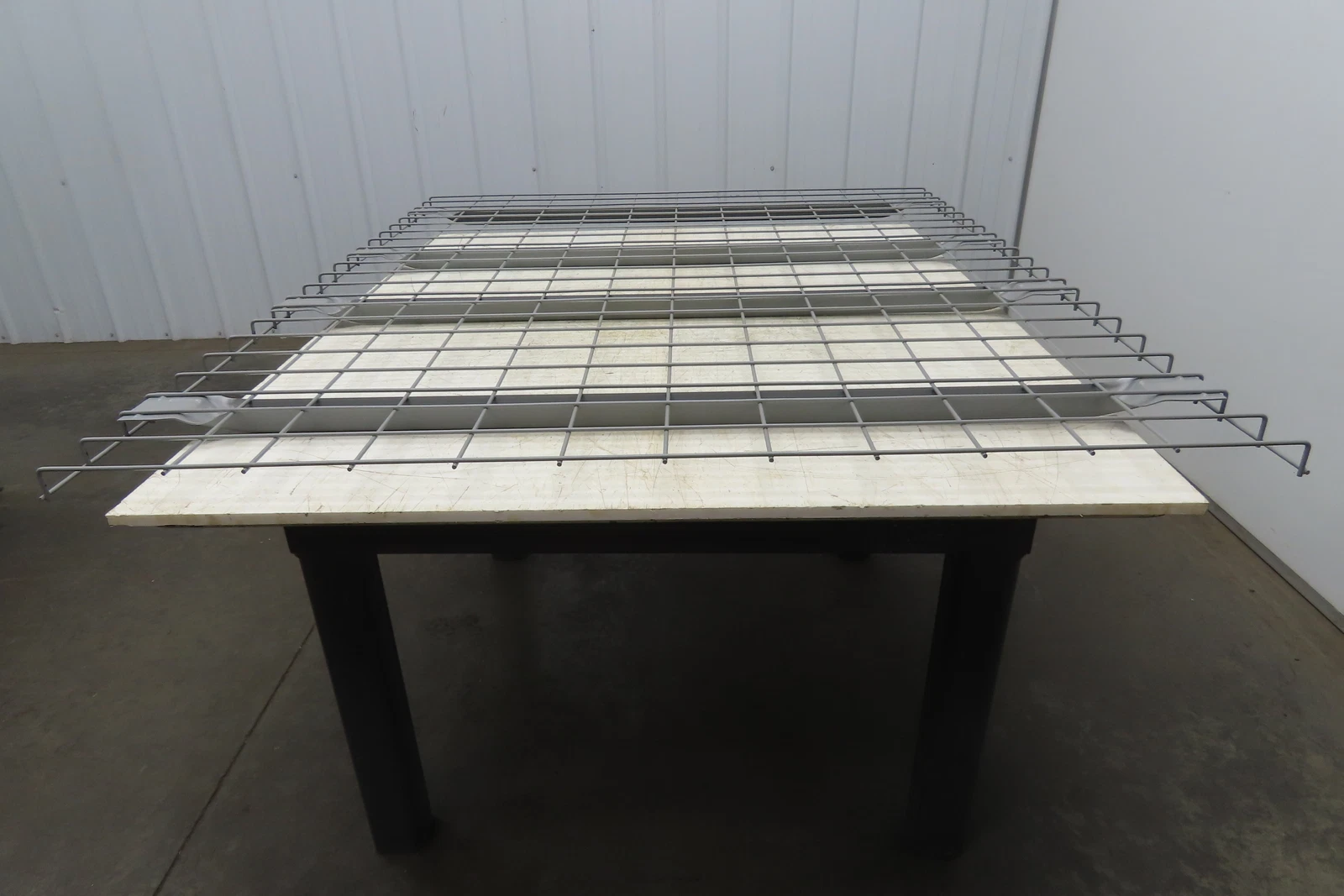
✅______ Validate pallet fit (no excessive overhang; wire decking is secure)
✅______ Place heavy/bulky SKUs at safe ergonomic levels; reserve top levels for lighter goods
✅______ Confirm dedicated locations for quarantine, returns, and hazmat
✅______ Assess slotting by velocity, cube, and pick frequency (ABC/XYZ)
Layout, Flow, and Pathways
✅______ Define and mark one-way versus two-way aisles
✅______ Ensure aisle widths meet MHE turning and passing requirements
✅______ Maintain clear separation of pedestrian and vehicle traffic
✅______ Minimize cross-traffic between receiving-to-putaway routes and picking
✅______ Provide adequate staging space: inbound, replenishment, and outbound lanes
✅______ Identify and size cross-dock lanes
✅______ Identify bottleneck hotspots (dock doors, pack lines, end caps)
Housekeeping and 5S
✅______ Sort: remove obsolete items and excess packaging
✅______ Set in order: fixed homes for tools, pallets, and totes
✅______ Shine: floors are clean, spills addressed, waste removed
✅______ Standardize: visual cues and standards are consistent
✅______ Sustain: audits are scheduled; ownership is assigned
Safety
✅______ Aisle markings, guardrails, mirrors, and speed limits are in place
✅______ Pedestrian walkways are marked and unobstructed
✅______ Emergency exits, extinguishers, and eyewash are accessible and inspected
✅______ Dock safety: restraints, chocks/jack stands, and dock plates are maintained
✅______ Battery charging and propane areas are ventilated and signed
✅______ PPE is available and used; training records are current
✅______ Near-miss and incident reporting is active and reviewed
✅______ Rack inspections are documented per standard frequency
Signage, Labeling, and Visual Management
✅______ Location and bin labels are legible, scannable, and consistent
✅______ Wayfinding and zone signs are clear for new employees
✅______ Floor tape and color standards are applied and maintained
✅______ Load capacity and safety signage is posted at each bay
✅______ SOPs and standard work are posted at point of use
✅______ Andon and visual dashboards are visible for key metrics
Inventory Management
✅______ Inventory accuracy ≥ target; cycle counting is on schedule
✅______ FIFO/FEFO is practiced and auditable
✅______ Reorder points, mins/maxes, and safety stock are validated
✅______ Aging and slow/no-move items are identified with an action plan
✅______ Obsolescence/disposition process is defined and executed
✅______ Lot/serial traceability is in place where required
✅______ Replenishment triggers are timely; no frequent stockouts at pick faces
Picking, Packing, and Shipping
✅______ Picking method fits the demand profile (discrete, batch, wave, or zone)
✅______ Pick paths are optimized to minimize travel and backtracking
✅______ Replenishment occurs off-peak; no pick/replen conflicts
✅______ Cart/tote design supports the SKU mix and ergonomics
✅______ Pack stations are standardized: tools, materials, QC checklist
✅______ Weight/dimension capture is accurate; labels are readable
✅______ Outbound staging lanes are by carrier, route, and time window
✅______ Returns are segregated with a clear triage workflow
Labor, Productivity, and Culture
✅______ Standard work is documented; training is up to date
✅______ Cross-training matrix is current; coverage exists for peaks and absences
✅______ Workload is balanced; no chronic overburden hotspots
✅______ Daily huddles include safety/KPI review and team input
✅______ Recognition of improvements and achievements is visible
✅______ Feedback loop for frontline ideas includes closure on actions
Equipment and Maintenance
✅______ MHE inspections are logged; uptime is within target
✅______ Spare batteries and chargers are sufficient and safe
✅______ Conveyors, scales, printers, and scanners are maintained; PM is on schedule
✅______ Critical spares are stocked; calibration records are current
✅______ Pallet quality standards are enforced; damaged pallets are removed
Technology and Integration
✅______ WMS, ERP, and TMS are fully integrated; no duplicate data entry
✅______ Real-time inventory visibility and location accuracy are achieved
✅______ RF coverage and scanner uptime meet target; label quality is high
✅______ Replenishment and pick tasks are generated by system rules
✅______ EDI/API error queues are monitored and near zero
✅______ Role-based permissions are set; audit trails are enabled
✅______ Operational dashboards are actionable; alerts drive response
Key Performance Metrics to Capture
✅______ Dock-to-stock time
✅______ Putaway accuracy %
✅______ Pick accuracy % and order accuracy %
✅______ Lines/units picked per labor hour
✅______ Order cycle time (order release to ship)
✅______ Fill rate and OTIF %
✅______ Inventory accuracy % and shrink %
✅______ Space utilization % and rack occupancy %
✅______ Travel time/distance per pick
✅______ Damage rate and return reasons
✅______ Safety: TRIR, near-miss rate, corrective action closure time
Post-Audit Actions
✅______ Prioritize top issues by impact/effort; assign owners and due dates
✅______ Implement quick wins within 30 days
✅______ Pilot layout/slotting changes and validate with KPIs
✅______ Update SOPs and training to reflect changes
✅______ Set review cadence and the next audit date
✅______ Communicate results and celebrate improvements with the team

Checklist
At RackingWorld, we help guide you through selecting warehouse storage systems and racking.
Be sure to read our other related stories at RackingWorld to learn more about warehouse storage systems.
0 Comments