
Illuminate Your Path: Harnessing Visibility For Unmatched Success
By Tom Seest
At RackingWorld, we help guide you through selecting warehouse storage systems and racking.
Be sure to read our other related stories at RackingWorld to learn more about warehouse storage systems.
Visibility As a Competitive Advantage
In the game of business, visibility isn’t just a luxury; it’s a critical lifeline. The clearer your operations are, the better your decision-making becomes. Think about racking systems in a warehouse. By organizing products in a way that everything is visible and easily accessible, you save time searching for items and reduce mistakes. This isn’t just efficient; it’s a recipe for trust. Customers don’t just want to see what you’re selling; they want to know you can deliver.
When the operations behind the scenes run smoothly, it shows. It speaks volumes about your dedication and professionalism. A visible approach doesn’t just reflect your product; it reveals your mindset. When employees can see everything laid out systematically, from tools to inventory, it boosts morale and fosters a team atmosphere. They feel empowered and engaged, knowing that their work contributes to a larger picture. This creates a culture of ownership and accountability, which ripples through your entire operation.
Let’s not forget the financial side of things. Being visible in how you handle your resources means less waste and lower costs. Imagine your bottom line swelling because you’ve optimized every element of your work environment. You’re not just maintaining a warehouse; you’re building a machine that keeps running smoothly and brings in profits month after month.
And there’s ethics to consider. In a world where transparency is becoming more crucial, demonstrating visibility in your processes can set you apart. It shows your customers and partners that you have nothing to hide. This builds rapport and reliability — traits that are indispensable in fostering long-term relationships.
Visibility can also create a narrative that resonates with your audience. Picture a customer walking through your operations, seeing how you stack products on your racking systems with purpose and precision. They witness firsthand the care and planning that goes into every detail. It stirs something fundamental in them — a sense of connection to the way you run your business, sparking loyalty that can’t be bought.
Ultimately, embracing visibility is about more than just being seen; it’s about being understood. It fosters a community where everyone, from employees to customers, feels part of the journey. When you make visibility a cornerstone of your operations, you don’t just compete; you thrive.

Visibility As a Competitive Advantage
Visibility As a Competitive Advantage
- Visibility is essential for effective decision-making in business operations.
- Organizing products in a visible and accessible manner increases efficiency and builds customer trust.
- Smooth operations reflect professionalism and enhance employee morale, fostering a team atmosphere.
- A visible approach promotes a culture of ownership and accountability among employees.
- Visibility in resource management reduces waste and lowers costs, positively impacting profits.
- Transparent processes establish rapport and reliability, vital for long-term relationships with customers and partners.
- Embracing visibility creates a sense of community and engagement, allowing businesses to thrive.

Visibility As a Competitive Advantage
Table Of Contents
- Visibility As a Competitive Advantage
- What Does Visibility Mean for Your Business Success?
- Are You Missing Out on Opportunities Due to Lack Of Visibility?
- What Role Does Visibility Play In Customer Loyalty?
- How Can Visibility Differentiate You From Competitors?
- Are Your Marketing Strategies Optimized for Visibility?
- How Would Increased Visibility Impact Your Sales?
- Conclusion
- Other Resources
- Glossary Of Terms
- Other Questions
- Checklist
What Does Visibility Mean for Your Business Success?
In the hustle of running a business, visibility can often feel like a buzzword tossed around without real weight. But if you take a moment to peel back the layers, you’ll find that visibility isn’t just a marketing concept; it’s the lifeblood of your success. It’s about being seen, heard, and understood in a crowded marketplace. When your business is visible, you’re not just a name on a list; you become a trusted player, a go-to solution for your customers.
Think of your Racking Systems. The shelves that keep things organized and accessible are much like your business presence. If your racking is hidden away in the corner, folks will struggle to see what you’ve got. But when those systems are well-placed, strategically visible, and easy to navigate, you’re letting customers know exactly what they can expect. They can depend on you, and that reliability builds trust.
Visibility isn’t just about what you offer; it’s about the relationships you cultivate along the way. Each interaction is a chance to tell your story—a narrative that invites your audience in, making them feel part of something bigger. When customers can relate to your journey, they’re more likely to engage, share, and support your business. So go ahead, don’t shy away from sharing your ups and downs. Those real-life experiences resonate more than any polished ad ever will.
On a rational level, when customers can find you easily, it improves your chances of not just closing a deal, but fostering long-term loyalty. Every click, every visit, and every interaction drives home the message that you’re not just here to sell; you’re here to serve. That kind of awareness in your business model leads to better decisions because you know your audience, their needs, and can adapt accordingly. Your visibility becomes the foundation for informed choices, positioning you as an authority in your field.
Ethically, being visible means remaining accountable. It requires transparency in how you operate, the products you offer, and the values you stand by. Customers are smart; they want to see the heart of your business. When you show them your commitment to quality and service, you not only gain their trust but their loyalty as well.
In the grander scheme of things, your visibility contributes to a vibrant community filled with mutual respect and collaboration. It’s about elevating one another—your success helps uplift others, and together you forge a network that thrives on shared resources and insights. Embrace visibility, and you’ll find it’s not just good for business; it’s good for the soul.

What Does Visibility Mean for Your Business Success?
What Does Visibility Mean for Your Business Success?
- Visibility is essential for business success, going beyond just a marketing term.
- Being visible establishes trust and positions a business as a reliable solution in the marketplace.
- Proper organization and strategic visibility, like well-placed racking systems, enhance customer expectations.
- Building relationships through storytelling engages customers and fosters loyalty.
- Easy accessibility improves the likelihood of closing deals and making informed business decisions.
- Transparency and accountability are key ethical components of maintaining visibility.
- Visibility contributes to a collaborative community where businesses uplift each other.

What Does Visibility Mean for Your Business Success?
Are You Missing Out on Opportunities Due to Lack Of Visibility?
In the world of hard work and industry, visibility isn’t just about being seen; it’s about being recognized for the effort and expertise you put into your craft. Picture this: you’re a seasoned pro, proficient in optimizing Racking Systems in warehouses, using your hands and wits to keep operations running smoothly. But without the right visibility, those skills and experiences can get lost in the shuffle, leaving you and your potential contributions unnoticed. Don’t let your hard work fade into the background like old blueprints left in a dusty corner.
When your achievements aren’t visible, it’s like having a perfectly organized storage facility without a signpost. You know what you have is valuable, yet others may never see it unless you shine a light on it. This isn’t just about self-promotion; it’s an earnest call to make sure your contributions matter to the team and the larger operations. It’s about ethics, too—every worker deserves recognition for their toil and innovation.
The gut feeling tells you that being overlooked can be disheartening, but it’s time to transform that feeling into action. Think of the times you’ve come up with solutions to streamline processes, enhance safety, or drive efficiency. Your insights into Racking Systems can lead to significant savings in time and resources. If you don’t share that knowledge, you risk not just your own progress but the possibilities for collective improvement.
There’s also a narrative here. Consider the worker who took an extra minute to highlight a new method for stacking that saved equipment and manpower. They didn’t wait for an invitation to present their ideas; they took the initiative. By sharing their expertise, they sparked change and earned respect, converting their quiet dedication into a powerful voice for innovation. That could be your story, too.
Trust is built on visibility, and when your colleagues see you stepping up and sharing your know-how, they’re more likely to turn to you for guidance. This creates a community of learning and growth, where everyone’s skills are appreciated, not just the loudest voices in the room.
Don’t let opportunities slip through your fingers because of lack of visibility. Embrace the chance to showcase what you do best. Speak up, share your triumphs, and foster the connections that can pave the way for new opportunities. It’s time to put your hard-earned experience to work and ensure you’re recognized for the craftsmanship that drives industry forward.

Are You Missing Out on Opportunities Due to Lack Of Visibility?
Are You Missing Out on Opportunities Due to Lack Of Visibility?
- Visibility in the workplace is crucial for recognition of effort and expertise.
- Proficiency in optimizing Racking Systems is valuable but can become unnoticed without proper visibility.
- Achievements must be highlighted to prevent valuable contributions from being overlooked.
- Every worker deserves acknowledgment for their hard work and innovative ideas.
- Sharing knowledge can lead to efficiencies and improvements for the individual and the team.
- Taking initiative in sharing expertise can foster respect and drive change within the workplace.
- Building trust through visibility can create a community that values all contributions, not just the most vocal.
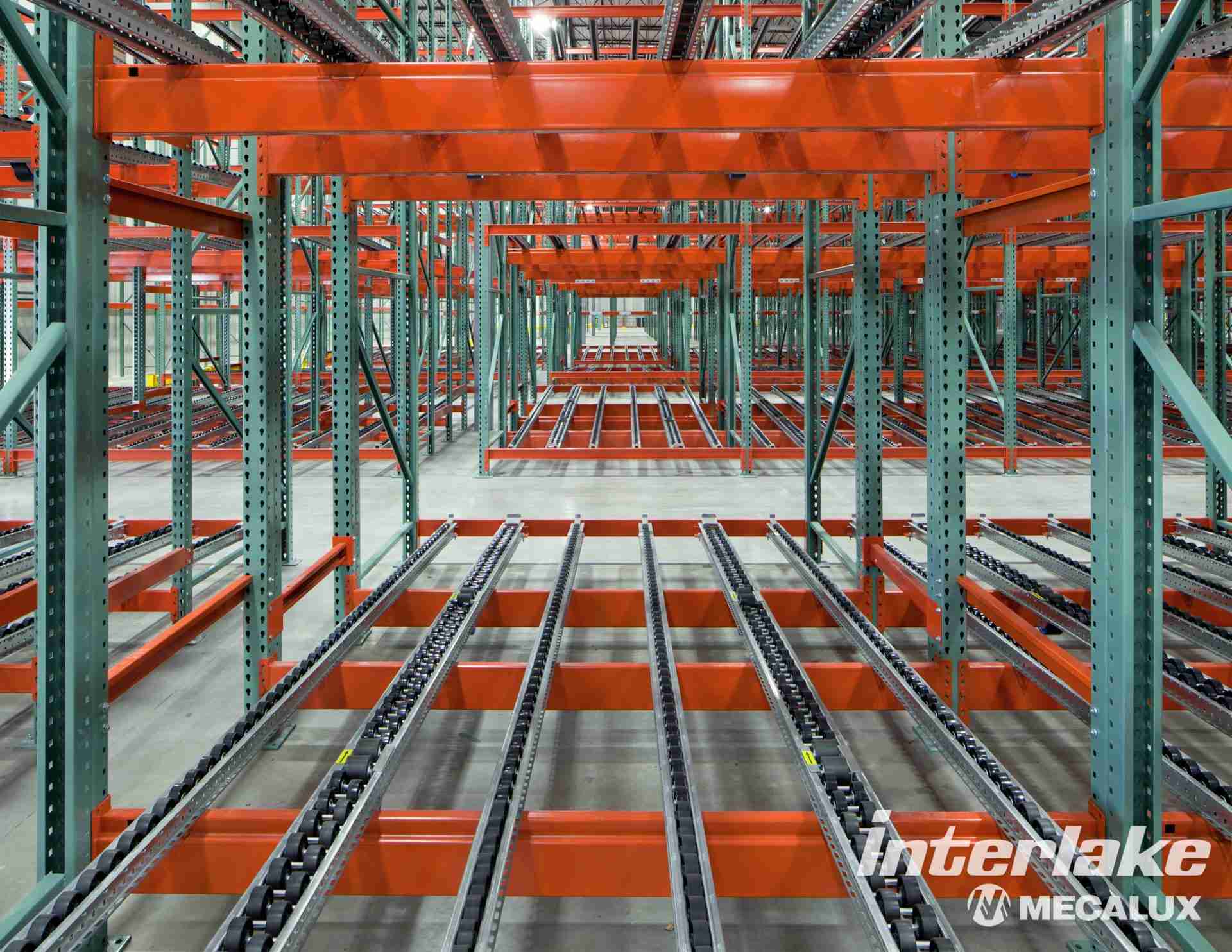
Are You Missing Out on Opportunities Due to Lack Of Visibility?
What Role Does Visibility Play In Customer Loyalty?
Visibility is more than just being seen; it’s about being understood and felt in a world bustling with choices. When customers can clearly see the value in what you offer, it goes beyond a mere transaction; it becomes a relationship built on trust and loyalty. Imagine walking into a store where the layout is simple, products are easily accessible, and the staff knows their stuff. That’s visibility in action—customers feel welcomed, informed, and confident in their choices.
Think about how visibility works with racking systems in a warehouse. When goods are organized and clearly labeled, it creates an efficient environment that customers appreciate. This isn’t just practical; it resonates emotionally. Customers see the effort put into making their experience easier. They know that each racking system is not just an arrangement of products but a testament to your commitment to keeping their needs front and center. This visibility fosters a connection that’s hard to break.
Rationally, consumers want to know they’re making wise choices. When your business is visible—transparent in its processes, honest about its products—they feel a sense of security. Ethical visibility means communicating clearly about your values and practices, building credibility with customers. This isn’t just good business; it’s the right thing to do. When people know what you stand for, they’re more likely to stand by you.
Moreover, storytelling plays an essential role here. Share the journey of your products, the craftsmanship, and the people behind them. This narrative makes your brand relatable, creating bonds that go beyond mere transactions. For instance, when customers hear how a local supplier was supported through your platform, it resonates on a personal level; they feel part of a bigger story.
Lastly, in a world driven by social connections, visibility allows customers to share their experiences with others. A seamless, open presence invites referrals. When customers feel seen and heard, they’re likely to talk about it. This word-of-mouth reputation builds your authority in the field, proving that you’re more than just another option; you’re a trusted partner in their journey.
In essence, visibility fuels customer loyalty by providing clarity and cultivating relationships grounded in trust and community. It’s about being there—clearly, consistently, and meaningfully—making every customer feel valued.

What Role Does Visibility Play In Customer Loyalty?
What Role Does Visibility Play In Customer Loyalty?
- Visibility encompasses being understood and felt, not just seen, enhancing customer experience.
- Clear value leads to relationships based on trust and loyalty instead of mere transactions.
- Effective store layouts and knowledgeable staff contribute to customers feeling welcomed and confident.
- Organized, clearly labeled racking systems in warehouses create efficient and emotionally resonant environments.
- Transparent business practices build customer security and ethical visibility, enhancing credibility.
- Storytelling about products and their journey creates relatable connections and personal bonds with customers.
- Increased visibility fosters social sharing and referrals, establishing a trustworthy reputation in the community.

What Role Does Visibility Play In Customer Loyalty?
How Can Visibility Differentiate You From Competitors?
In today’s bustling marketplace, visibility is more than just a buzzword; it’s the lifeline that connects you to your customers. Picture a warehouse full of racking systems stacked high, but if nobody can see your products or services, you might as well be selling ice to penguins. That lack of visibility not only makes it tough for customers to find you, but it also breeds mistrust. When people don’t know what you stand for or how you can benefit them, it creates a gap where competition can swoop in.
Now, think about a time when you found a service or product that just clicked. Whether it was the straightforward information on a website or a friendly face at a local shop, visibility turned that moment into a trust-building experience. You felt a connection because the business was open and inviting, presenting itself clearly and confidently. That’s what differentiates a leader from a follower. When you establish that clear, authentic visibility, you’re not just a name in the crowd; you become a community staple.
Let’s get a little deeper. By showcasing not only your products but also who you are as a company, you build an ethical relationship with your audience. They want to know what you believe in, how you treat your employees, and what your commitment to quality entails. Sharing the story behind your racking systems, perhaps highlighting local partnerships or environmentally sustainable practices, connects rational thinking with emotional resonance. Customers increasingly support businesses they trust, and transparency is a powerful tool.
Moreover, the social proof gained from increased visibility can’t be overlooked. When people see others talking about you or sharing their positive experiences, it creates a ripple effect that draws more eyes your way. The more active and engaged you are in promoting your visibility—be it through social media, web pages, or community outreach—the more people will start to talk about you. This word-of-mouth is invaluable in a sea of competitors.
Ultimately, visibility isn’t just about being seen; it’s about fostering genuine connections. It’s about turning strangers into advocates. By sharing your journey and showing up consistently, you invite customers into your world, achieving the clarity and trust that stand as a bulwark against the competition. If you’re visible and relatable, you create not just customers but a loyal community that keeps coming back, ready to champion your brand.

How Can Visibility Differentiate You From Competitors?
How Can Visibility Differentiate You From Competitors?
- Visibility is crucial for connecting with customers in a competitive market.
- A lack of visibility leads to mistrust and can drive customers to competitors.
- Effective visibility creates trust-building experiences and fosters connections.
- Showcasing company values and practices builds ethical relationships with customers.
- Transparency about products and practices enhances customer loyalty.
- Social proof from visibility generates positive word-of-mouth and attracts more attention.
- Genuine connections through visibility can transform customers into brand advocates.

How Can Visibility Differentiate You From Competitors?
Are Your Marketing Strategies Optimized for Visibility?
When it comes to marketing, many folks are caught up in the flash and the glitz, but the reality is far simpler—if your strategies aren’t getting eyeballs on your brand, you might as well be talking to a wall. Think of it this way: just like a warehouse needs proper racking systems to make the most of its space, your marketing needs to be structured and visible to yield the best results. If you can’t see what’s out of reach, how can you plan for more?
Consider the last time you felt truly heard or understood. Maybe it was a neighbor who listened to your troubles or a friend who shared your struggles. In marketing, it’s all about resonating with your audience on that level—finding that common ground and speaking directly to their wants and needs. When your message hits home, it fosters a genuine connection. You’re not just another business; you’re part of the community, part of their story.
Also, think about the foundation of trust. People today are savvy; they can sniff out insincerity. If your marketing lacks authenticity, it will fall flat quicker than a poorly assembled racking system. Showcase real people, real stories, and ethical practices. Highlight the craftsmanship behind your products or services—show how your solutions make life easier or tackle a problem head-on. When you align your values with your marketing strategies, it builds credibility, and that’s something people are willing to rally behind.
Let’s not forget about data—take a hard, analytical look at how your strategies perform. Numbers don’t lie, and if your marketing efforts aren’t translating into visibility, it’s essential to adjust your approach. This is where rational thinking kicks in. Utilize insights and metrics to tweak messaging, target audiences, and platforms where you engage. You want your brand to pop up wherever folks are looking.
Lastly, consider the power of community. When your audience interacts with your brand and sees others doing the same, it creates a ripple effect—a movement, if you will. Encourage dialogue; invite feedback. When customers feel like they belong, they become your most passionate advocates.
Putting this all together means ensuring that your marketing strategies are optimized for visibility. It’s about creating an experience for your audience that resonates emotionally while also being grounded in solid, rational practices. Create a narrative that not only gets noticed but inspires action. With the right structure in place, your brand won’t just be present; it’ll thrive, just like a well-organized warehouse ready to meet any challenge head-on.

Are Your Marketing Strategies Optimized for Visibility?
Are Your Marketing Strategies Optimized for Visibility?
- Marketing strategies must focus on visibility to attract attention to your brand.
- Resonate with your audience by understanding their needs and fostering genuine connections.
- Authenticity is essential; showcase real stories and practices to build trust.
- Align your values with marketing strategies for greater credibility and community engagement.
- Utilize data and analytics to assess performance and adjust marketing approaches.
- Encourage interaction and feedback from your audience to cultivate a sense of belonging.
- Optimize marketing to create emotionally resonant experiences that inspire action.

Are Your Marketing Strategies Optimized for Visibility?
How Would Increased Visibility Impact Your Sales?
In the world of business, visibility isn’t just a buzzword; it’s the lifeblood of sales. If you think about it, what good is a top-notch product if nobody knows it exists? A company might have the best racking systems in the market, designed for efficiency and safety, but without the right visibility, these innovations go unnoticed. It’s like having a high-performance engine in a car that nobody sees on the road.
From the heart’s perspective, consider the stories behind those racking systems. Every unit represents someone’s hard work, dreams, and daily grind. When you increase visibility, you’re not just showcasing products; you’re connecting with your customers’ struggles and triumphs. You’re showing that you understand their needs and are there to support them. This emotional connection builds loyalty. Customers are more likely to choose brands that resonate with their own experiences.
Rationally, it’s simple math. Higher visibility translates to more prospects seeing your products. Increased exposure means more opportunities for sales conversations, for building relationships based on trust. When you shine a light on your racking systems, you also educate your audience on their benefits—showing them how these systems can streamline operations, reduce costs, and ultimately save time. That’s a compelling reason for business leaders to take action.
From an ethical standpoint, being visible also means being transparent. Today’s consumers appreciate honesty, and they want to know who they’re doing business with. If your racking systems come with a story of sustainable sourcing or fair labor practices, shout that from the rooftops. Customers support brands that align with their values, and visibility allows you to showcase that ethical commitment.
In a narrative sense, think about how visibility can tell a story. Sharing customer testimonials and success stories about your racking systems can inspire others facing similar challenges. These relatable tales, told through blogs, videos, or social media posts, can captivate an audience and encourage them to reach out.
Finally, the social appeal is undeniable. As people see others using your racking systems and sharing their experiences, a community forms. This not only builds a powerful network of advocates but also encourages potential customers to jump on board with your brand, inspired by the stories and successes of their peers. Increased visibility creates a ripple effect—each new connection fostering more opportunities for growth and sales.

How Would Increased Visibility Impact Your Sales?
How Would Increased Visibility Impact Your Sales?
- Visibility is essential for sales; even the best products need awareness to succeed.
- Emotional connections with customers through visibility enhance brand loyalty.
- Higher visibility leads to more prospects and opportunities for sales conversations.
- Visibility educates audiences on product benefits, such as efficiency and cost reduction.
- Transparency in visibility aligns with consumer values and fosters trust.
- Customer testimonials and success stories enhance narrative visibility and inspire others.
- Increased visibility creates a community that encourages advocacy and drives growth.

How Would Increased Visibility Impact Your Sales?
Conclusion
Visibility in business is more than a buzzword; it’s a clear path to success, connecting you with customers and building solid relationships. Think of visibility like keeping a warehouse organized—when everything’s laid out correctly, you save time and reduce errors, which brings trust and confidence from your customers. They aren’t just looking for products; they want assurance that you can deliver on your promises. A systematized approach reflects your commitment and professionalism, boosting morale among employees who thrive in an organized environment.
The benefits of visibility extend to your bottom line, too. By being transparent and structured in your operations, you minimize waste and lower costs. This creates a cycle of efficiency that not only sustains but enhances profitability. In a world where consumers value honesty and transparency, being visible in your processes fosters trust and lasting relationships.
Every interaction with customers is a chance to share your narrative—a story that invites them to engage with your brand deeply. When they see the care behind your products and the thought that goes into your operations, they feel a connection that breeds loyalty. It’s not just about selling; it’s about making your customers feel part of a broader mission, building a community where everyone shares in the success.
Moreover, visibility also means accountability. When you showcase your operations and the ethics behind how you do business, you build credibility. Customers today appreciate transparency; they want to know what you stand for. Sharing your successes and your challenges, your triumphs and failures, creates a genuine dialogue that resonates on multiple levels.
The impact of increased visibility on sales is profound. Without visibility, even the best products can go unnoticed, like high-performance engines sitting in a garage. Increased exposure opens up opportunities, allowing your audience to learn how your offerings can solve their problems. When customers recognize the value in your products, they’re more likely to make a purchase, fostering ongoing relationships that can lead to increased advocacy.
In essence, embracing visibility is about making sure your hard work gets recognized. It’s about turning potential into tangible success through clarity and connection. When you make visibility a cornerstone of your operations, you not only compete—you thrive, crafting a space where customers and employees alike feel valued and engaged. Embrace the opportunity to shine a light on your efforts, and watch as visibility transforms your business journey.

Conclusion
Conclusion:
- Visibility in business fosters customer connections and builds strong relationships.
- An organized approach saves time, reduces errors, and instills trust in customers.
- Transparency minimizes waste, lowers costs, and enhances profitability.
- Every customer interaction is an opportunity to share your brand’s story and build loyalty.
- Visibility promotes accountability and builds credibility through shared successes and challenges.
- Increased exposure helps customers recognize the value of your products, driving sales.
- Embracing visibility ensures hard work is acknowledged, leading to a thriving business environment.

Conclusion
Other Resources
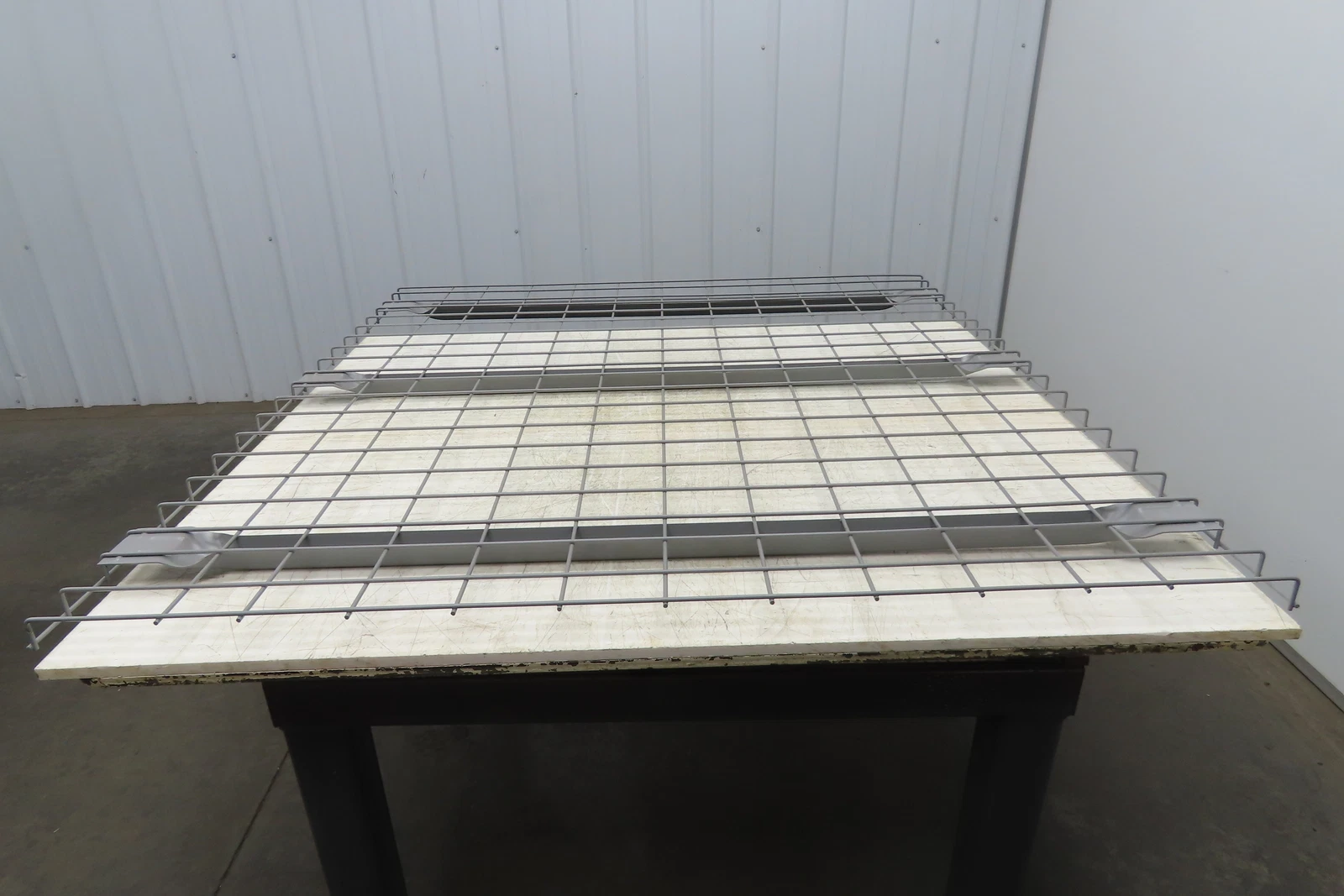
Other Resources
Here is a list of other resources you can review online to learn more:
- Heavy-Duty Cantilever Storage Racks
- Crane Manufacturers Association Of America Inc.
- Cantilever Racking Specialists – Get the Right Racks
- Material Handling Industry
- Warehouse Racks, Warehouse Racking in Stock – ULINE
- Pallet Rack Systems – New and Used Pallet Racking and Shelving Experts
- Cantilever Rack Guide: Ordering Cantilever Racking
- Selective Pallet Racking Systems
- Illinois
- Warehouse Racking Chicago, IL
- ASSP
- Warehouse Storage Racks
- Used Pallet Rack for Sale in Illinois – American Surplus
- Rack Manufacturers Institute
- Warehouse Storage Racking in Illinois
- National Safety Council
- Teardrop Racks – Pallet Rack World
- Teardrop Pallet Rack – Ridg-U-Rak
- Teardrop Uprights
- What is Selective Pallet Racking
Use This Prompt To Get More Resources With Your Favorite Online AI Tool: Please provide me with a list of online articles with their URLs in a bulleted list that I can read regarding Visibility As a Competitive Advantage

Other Resources
Glossary Terms
Visibility As a Competitive Advantage – Glossary Of Terms
1. Accessibility: The ease with which consumers can access and interact with a product or service.
2. Brand Awareness: The level of consumer consciousness and recognition of a brand within the market.
3. Competitive Intelligence: The process of gathering, analyzing, and utilizing information about competitors to enhance strategic decision-making.
4. Customer Insights: Understanding and analyzing customer behavior, preferences, and needs to inform business strategies.
5. Differentiation: The act of distinguishing a product or service from competitors, often through unique features or branding.
6. Engagement: The emotional connection and interaction between consumers and a brand, product, or service.
7. Market Positioning: The strategy used to define how a brand or product is perceived in relation to competitors in the marketplace.
8. Omnichannel: An integrated approach to customer experience across multiple channels, such as online and offline.
9. Perception: The way consumers interpret and view a brand or product, significantly influencing their purchasing decisions.
10. Reputation Management: The practice of maintaining and improving the perception of a brand or company in the eyes of consumers.
11. ROI (Return on Investment): A performance measure used to evaluate the efficiency and profitability of an investment.
12. Search Engine Optimization (SEO): The process of optimizing a website to improve its visibility in search engine results.
13. Social Proof: The influence that the actions and feedback of others have on an individual’s decisions and behaviors.
14. Target Audience: A specific group of consumers identified as the intended market for a product or service.
15. Transparency: The quality of being open and honest about business practices, which can enhance brand trust.
16. User Experience (UX): The overall experience a user has with a product or service, encompassing usability and satisfaction.
17. Value Proposition: A statement that outlines the unique benefits and value a product or service offers to customers.
18. Visual Identity: The visual elements of a brand, including logo, colors, and imagery, that create a recognizable appearance.
19. Word of Mouth: The organic promotion of a product or service through personal conversations and recommendations among consumers.
20. Analytics: The systematic analysis of data to understand consumer behavior and improve business strategies.
21. Brand Loyalty: The tendency of consumers to continue purchasing from a brand due to positive experiences and satisfaction.
22. Competitive Benchmarking: The practice of comparing business processes and performance metrics to industry bests or competitors.
23. Content Marketing: A strategic approach focused on creating and distributing valuable content to attract and engage a target audience.
24. Lead Generation: The process of identifying and attracting potential customers for future sales.
25. Market Analysis: The assessment of market dynamics, including trends, competition, and consumer behavior, to inform strategic decisions.
26. Positioning Statement: A concise declaration that articulates how a brand addresses consumer needs compared to competitors.
27. Social Media Presence: The visibility and engagement of a brand across various social media platforms.
28. Stakeholder Engagement: The practice of involving key individuals and groups in decision-making processes that affect them.
29. Trend Analysis: The evaluation of patterns and changes in consumer behavior and market conditions over time.
30. Unique Selling Proposition (USP): A factor that differentiates a brand’s offering from competitors, highlighting a unique benefit.
Glossary Of Terms
Other Questions
Visibility As a Competitive Advantage – Other Questions
If you wish to explore and discover more, consider looking for answers to these questions:
- What specific metrics should I track to measure visibility improvements?
- How do I calculate the ROI of visibility initiatives?
- Which technologies (WMS, barcode, RFID, RTLS, cameras) deliver the biggest visibility gains for racking systems?
- What are quick, low-cost actions I can take to increase operational visibility today?
- How long does it typically take for increased visibility to impact sales and profitability?
- How do I design racking layout and labeling to maximize visibility and picking efficiency?
- What are common implementation pitfalls and how can I avoid them?
- How do I get employee buy-in and sustain engagement around visibility practices?
- What training is required for staff to maintain visible, organized operations?
- Which KPIs tie visibility improvements directly to the bottom line (e.g., pick time, error rate, inventory accuracy)?
- How can visibility reduce waste and operating costs in warehouses?
- How should visibility be integrated into broader marketing and brand storytelling?
- How much transparency is appropriate without exposing sensitive or competitive information?
- How can I use customer and employee stories to demonstrate visibility ethically?
- What case studies or examples show measurable results from visibility initiatives?
- How do I scale visibility improvements across multiple sites or a growing operation?
- What role do audits and continuous improvement cycles play in maintaining visibility?
- How do I prioritize visibility investments when budget is limited?
- How can visibility improve customer loyalty and retention in measurable ways?
- Which marketing channels best amplify operational transparency (social, video, on-site tours, certifications)?
- How do I communicate visibility improvements to stakeholders and justify the spend?
- How does increased visibility affect compliance, safety, and regulatory requirements?
- What metrics should I use to track the impact of visibility on lead generation and conversion?
- How can visibility be used to differentiate the brand in a crowded market?
- What are the privacy and legal considerations when sharing operational visuals or employee stories?
- How do I measure improvements in employee morale and accountability tied to visibility?
- What tools help translate warehouse visibility into actionable analytics for decision‑making?
- How do I integrate visibility data with suppliers, distributors, and retail partners?
- What realistic timelines and milestones should I set when rolling out visibility projects?
- How can I turn visibility successes into repeatable processes and documented best practices?

Other Questions
Checklist
Visibility As a Competitive Advantage – A Checklist
Strategy and Positioning
✅______ Clear, differentiating value proposition is documented and visible across channels
✅______ Ideal customer profiles and core use cases are defined and shared with teams
✅______ Key messages emphasize reliability, transparency, and outcomes
Operational Visibility
✅______ Work areas follow a 5S/visual management standard (labeling, layout, signage)
✅______ Inventory, tools, and assets are organized and easily accessible
✅______ Real-time status boards show orders, WIP, backlogs, and constraints
✅______ Standard operating procedures are documented and visible at point of use
✅______ Issue escalation paths and owners are posted and understood
✅______ Cycle counts and audits are scheduled and tracked
Financial and Resource Visibility
✅______ Unit economics, margins, and cost drivers are visible to decision-makers
✅______ Waste sources are identified with targets and owners for reduction
✅______ Capacity planning and utilization dashboards are reviewed weekly
Ethical Transparency
✅______ Supplier practices, safety standards, and sourcing are disclosed
✅______ Claims are substantiated with data; errors are corrected publicly
✅______ Privacy, data use, and customer communication policies are posted
Customer Experience and Loyalty
✅______ Pricing, lead times, and availability are clear before purchase
✅______ Order status tracking and proactive updates are provided
✅______ Onboarding, returns, and support processes are simple and visible
✅______ Post-purchase follow-up collects feedback and invites reviews
✅______ Loyalty and referral programs are easy to find and join
Marketing and Discoverability
✅______ Website communicates who you serve, what you do, and proof of results
✅______ SEO basics: fast site, descriptive titles, structured data, internal links
✅______ Google Business Profile is complete, updated, and consistent with NAP
✅______ Content plan publishes case studies, FAQs, and how-to guides regularly
✅______ Social channels show behind-the-scenes operations and team expertise
✅______ Email and SMS cadences are consistent and value-driven
Differentiation and Storytelling
✅______ Origin story and mission are shared with specific, concrete examples
✅______ Process transparency (e.g., racking layout logic and QA steps) is showcased
✅______ Sustainability, community, or workforce initiatives are highlighted
✅______ Visual proof (before/after photos, walkthroughs, and demos) is available
Social Proof and Community
✅______ Testimonials include measurable outcomes and named roles/industries
✅______ Case studies cover challenge, approach, impact, and lessons learned
✅______ User-generated content is curated and credited
✅______ Partner spotlights and co-marketing amplify reach
✅______ Review response playbook ensures timely, empathetic engagement
Data, Metrics, and Feedback Loops
✅______ Visibility KPIs tracked: reach, impressions, branded search, share of voice
✅______ Pipeline KPIs tracked: inquiries, time to quote, quote to close, cycle time
✅______ Reputation KPIs tracked: review volume, rating, NPS/CSAT, referral rate
✅______ UTMs and call tracking attribute traffic and conversions by channel
✅______ Monthly review ritual: insights → decisions → documented actions
Sales Impact Readiness
✅______ ROI calculators and TCO comparisons are available and accurate
✅______ Battlecards clarify how you outperform competitors
✅______ Demo scripts and sample layouts/specs are standardized
✅______ Objection handling library cites data, stories, and ethics
✅______ Proposal templates summarize value, timeline, and proof on one page
Team Engagement and Culture
✅______ Daily/weekly huddles surface operational visibility wins and blockers
✅______ Idea pipeline lets employees propose improvements with owners and dates
✅______ Recognition program rewards visible contributions and innovations
✅______ Cross-training improves coverage and reduces single-point dependencies
Risk and Compliance
✅______ Safety metrics and procedures are posted and reviewed frequently
✅______ Regulatory and certification statuses are current and displayed
✅______ Business continuity and incident response plans are documented
30–60–90 Day Visibility Action Plan
✅______ 30 days: Fix NAP/GBP consistency; publish two proof-rich case studies; add order status updates; implement 5S in one pilot area
✅______ 60 days: Launch review/request flow; publish behind-the-scenes video tour; deploy KPI dashboards; standardize demo/proposal kits
✅______ 90 days: Roll 5S/visual management across operations; run partner co-marketing campaign; release ROI calculator; host customer roundtable
Quick Audit Score (Optional)
✅______ 0–1 items per section checked: Low visibility risk—prioritize basics
✅______ 2–3 items per section checked: Building momentum—systematize habits
✅______ 4–5 items per section checked: Strong foundation—scale and refine

Checklist
At RackingWorld, we help guide you through selecting warehouse storage systems and racking.
Be sure to read our other related stories at RackingWorld to learn more about warehouse storage systems.
0 Comments