
Revealing The Hidden Impact Of Lost Pallets On Business And Community
By Tom Seest
At RackingWorld, we help guide you through selecting warehouse storage systems and racking.
Be sure to read our other related stories at RackingWorld to learn more about warehouse storage systems.
The True Cost Of Lost Pallets
Without a doubt, the loss of pallets can have a profound impact on the bottom line of any operation. When those wooden or plastic platforms go missing, it feels like throwing money straight into the wind. Think of all the resources that went into acquiring those pallets—labor, materials, and logistics—only for them to vanish into thin air. It’s not just about the financial hit; it’s about the ripple effect that lost pallets have on the entire supply chain.
When a business relies on efficient racking systems, each pallet is a key player in maintaining order and flow. Every time a pallet goes missing, that infrastructure becomes less effective. Workers scramble to fill gaps, slowing down productivity. It’s frustrating when a system designed to streamline operations becomes bogged down due to preventable losses. This struggle is felt by everyone on the floor, from the warehouse manager trying to meet shipping deadlines to the dock workers who just want a smooth operation. The emotional weight of lost pallets compounds on top of daily pressures, turning what should be a straightforward task into a chaotic scramble.
But there’s a deeper issue too—ethical considerations. Each pallet that’s lost usually represents something bigger: an investment made by real people, working hard to support their families. When pallets are misplaced or stolen, they disrupt the livelihoods tied to that inventory. Think about the small business owner investing everything they have to make their mark. Losing pallets could mean missed orders, delayed deliveries, and ultimately, a dent in their reputation.
We also need to consider the collective impact. When warehouses face challenges from lost pallets, they often pass those costs onto consumers. Rising prices hit all of us in the pocket. It’s a slippery slope that begins in the warehouse and winds its way to our shopping carts.
So, how do we take action? We should foster a culture of accountability and transparency around pallet management. Engaging everyone in the process—from the warehouse supervisor to the delivery driver—creates a sense of shared responsibility, leading to smarter practices and fewer losses. By standing together, we can preserve the integrity of our operations and, in turn, support the livelihoods intertwined with them. A little effort today can lead to substantial savings tomorrow. It’s time to address the true cost of lost pallets, not just on the balance sheet but for everyone who plays a part in getting products into our hands.
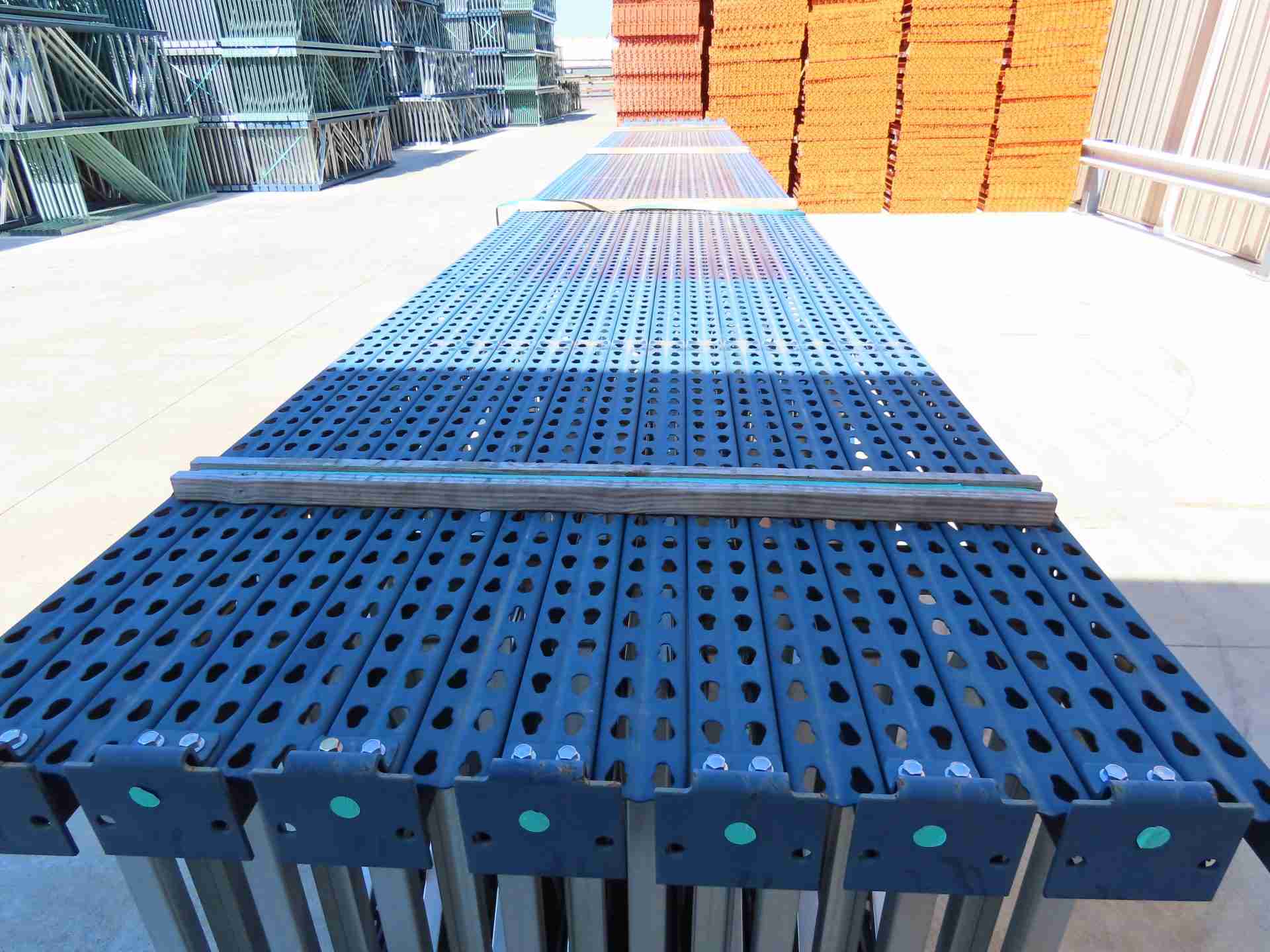
The True Cost Of Lost Pallets
The True Cost Of Lost Pallets
- Loss of pallets significantly impacts operational finances, equating to a waste of resources invested in procurement.
- Missing pallets disrupt supply chain efficiency, affecting productivity and creating frustration among workers.
- Emotional strain arises from pallet losses, complicating routine tasks for warehouse staff.
- Lost pallets represent ethical concerns, representing investments crucial for individuals and businesses.
- Small business owners face reputational risks and operational setbacks due to the loss of pallets.
- Warehouse losses lead to increased costs for consumers, resulting in higher prices overall.
- Promoting accountability and transparency in pallet management can minimize losses and support all stakeholders involved.

The True Cost Of Lost Pallets
Table Of Contents
- The True Cost Of Lost Pallets
- What Are the Hidden Costs Of Lost Pallets?
- How Do Lost Pallets Impact Profits?
- What Are the Environmental Effects Of Lost Pallets?
- How Can We Prevent Pallet Loss In Supply Chains?
- What Is the Emotional Toll Of Wasted Resources?
- How Do Customers Perceive Brands with Pallet Loss Issues?
- Conclusion
- Other Resources
- Glossary Of Terms
- Other Questions
- Checklist
What Are the Hidden Costs Of Lost Pallets?
Hidden costs of lost pallets can add up quickly, impacting not just the bottom line but the daily grind of operations. Picture this: a worker on the floor, hustling to get shipments out the door, only to find that a crucial pallet has gone missing. It’s a frustrating setback that disrupts the workflow and requires scrambling to find a solution. The stress ripples through the team, and the clock keeps ticking. Each minute lost translates into lost revenue, pushing deadlines further away.
Now consider the racking systems—those metal skeletons that hold everything up and keep things organized. When pallets disappear, it’s not just about the money; there’s chaos in the racking systems. What should be a seamless operation gets tangled in uncertainty. Workers are forced to spend time searching for those lost pallets instead of focusing on what really matters. This inefficiency mounts, leading to overtime costs, exhausted employees, and missed opportunities for growth.
Emotionally, lost pallets symbolize a bigger issue—trust in the process. When pallets are taken for granted, it signals a breakdown in the rhythm of the workplace. It’s more than inventory management; it’s about respect for the hard work that goes into every load. Each pallet represents a promise to clients that products will arrive on time, every time. Losing that trust, even temporarily, can tarnish reputations that took years to build.
Rationally, the numbers tell a compelling story. Inventory losses mean higher replacement costs, increased administrative headaches, and potential penalties from clients for delayed shipments. The trust that once existed begins to fray, replaced by the uncertainty of figuring out what’s missing and why.
Ethically speaking, it raises questions around accountability and responsibility: Who should be on the hook for these losses? With a well-structured approach, organizations can foster a culture where every member understands the value of their work, from the person stacking pallets to the manager overseeing them.
The truth is, lost pallets impact us all, from laborers on the ground pouring their sweat into the job to management balancing the books. It’s a shared burden that calls for action—not just band-aid fixes but real, sustainable solutions. Investing in training, better tracking technology, and reinforcing workplace norms can bring back that smooth flow of operations, lifting everyone involved. Understanding the hidden costs of lost pallets isn’t just about finances; it’s about creating a community of respect, responsibility, and resilience.

What Are the Hidden Costs Of Lost Pallets?
What Are the Hidden Costs Of Lost Pallets?
- Lost pallets lead to significant hidden costs that affect both operations and financial outcomes.
- Missing pallets disrupt workflow, causing stress among team members and delaying shipments.
- Chaos ensues in racking systems, resulting in inefficiency and increased overtime costs.
- Lost pallets erode trust in workplace processes and respect for employees’ efforts.
- Inventory losses incur higher replacement costs and potential penalties for delayed shipments.
- Accountability for losses raises ethical concerns regarding responsibility within organizations.
- Addressing lost pallets requires sustainable solutions, including training and improved tracking technology.
What Are the Hidden Costs Of Lost Pallets?
How Do Lost Pallets Impact Profits?
Lost pallets can significantly dent a business’s bottom line, but the impact goes deep, touching every aspect of operations. Picture a bustling warehouse filled with goods, a well-oiled machine fueled by efficient Racking Systems. When pallets go missing, that machine starts to stutter. Orders are delayed, inventory management becomes a nightmare, and employees are left scrambling. This isn’t just about lost crates; it’s about the trust customers place in a business to deliver on their promises.
On a practical level, every lost pallet translates to wasted resources—money that’s already been spent on goods, transportation, and labor. It’s not just the cost of replacing those pallets; it’s the ripple effect that lowers overall productivity. Employees feel the pressure; when they’re working harder to make up for lost items, morale can take a hit. A disheartened workforce may lead to more mistakes and even higher turnover.
But the impact isn’t only financial. It’s a matter of ethics too. In a world where consumers are more socially aware than ever, businesses that can’t keep track of their inventory may find themselves losing the moral high ground. A sustainable operation that keeps tabs on every product fosters trust. Customers care about where their products are coming from and how responsible the companies handling them are.
Think of the stories behind those pallets—each one represents not just items but the livelihoods of people who rely on timely deliveries. From the families waiting for essential goods to the dedicated workers overseeing warehouse operations, every lost pallet signifies missed opportunities and disrupted lives. It’s a human issue, not just a numbers game.
And let’s not underestimate the power of authority. Companies known for their stringent inventory control are entrusted with more than just customers; they gain partnerships, recommendations, and loyalty that can’t be bought. It’s the confidence that comes from knowing that products will arrive intact, on time, every time.
Lost pallets impact profits far beyond the dollar signs on a balance sheet. They weave a narrative of responsibility and community, tied together by the people who depend on seamless logistics in their daily lives. Addressing this issue isn’t just smart business; it’s a commitment to doing right by both customers and employees alike. Taking action to reduce pallet loss creates a more reliable operation, ultimately ensuring that everyone involved feels the positive effects.

How Do Lost Pallets Impact Profits?
How Do Lost Pallets Impact Profits?
- Lost pallets significantly impact a business’s bottom line and overall operations.
- Missing pallets cause delays in orders and create challenges in inventory management.
- Financial losses arise from wasted resources, including goods, transportation, and labor.
- Employee morale can suffer due to increased pressure and workload, leading to mistakes and potential turnover.
- The issue of lost pallets is also an ethical concern for businesses in a socially aware consumer market.
- Each lost pallet disrupts lives and signifies missed opportunities beyond mere financial costs.
- Companies with strong inventory control build customer trust and loyalty, enhancing their market position.

How Do Lost Pallets Impact Profits?
What Are the Environmental Effects Of Lost Pallets?
Picture a warehouse filled to the brim with stacked racking systems, the kind that keeps businesses running smoothly. Now imagine those sturdy wooden pallets—once the backbone of transporting goods—lying abandoned in a field or dumped in a landfill. These lost pallets represent not just waste but a cascade of environmental repercussions that extend beyond their humble origins.
When those pallets are discarded or forgotten, they don’t just disappear. They contribute to the mountains of waste that choke our landfills. It’s easy to overlook the impact of this seemingly minor oversight, but the reality is stark. Wooden pallets take years to decompose, leaching chemicals into the earth as they rot away. This isn’t just an eyesore; it’s a burden on our soil and waterways, affecting local ecosystems and potentially harming wildlife. Every lost pallet is a small piece of our collective negligence toward the environment, and it’s time we take notice.
Moreover, think about the energy it takes to produce new pallets. Each one requires resources—trees, water, fossil fuels. When we lose pallets, we’re not just wasting wood; we’re wasting these resources as well. It’s not just about minimizing waste; it’s about understanding the ripple effect our actions have. When businesses and consumers alike promote reusing and recycling these pallets, it becomes a small but powerful act of stewardship. By choosing to repair or repurpose pallets instead of tossing them aside, we change our relationship with the environment. We forge a connection that fosters responsibility.
Lost pallets can also impact community dynamics. Communities thrive on sustainable practices. When local businesses take the initiative to reclaim and recycle these materials, it builds trust and a sense of shared responsibility. It inspires others to take part, creating a culture of environmental awareness. Engaging with this issue can spark conversations that remind us all of our role in nurturing our planet.
Addressing the environmental effects of lost pallets isn’t just about regulations or policy; it’s about common sense and community spirit. Reusing and recycling isn’t merely a trend; it’s our responsibility. So, the next time you spot a lonely pallet collecting dust, think about the journey it once made and the impact its loss has on our world. Let’s reclaim these overlooked treasures and turn them into opportunities for ourselves and the environment, ensuring our communities thrive for generations to come.
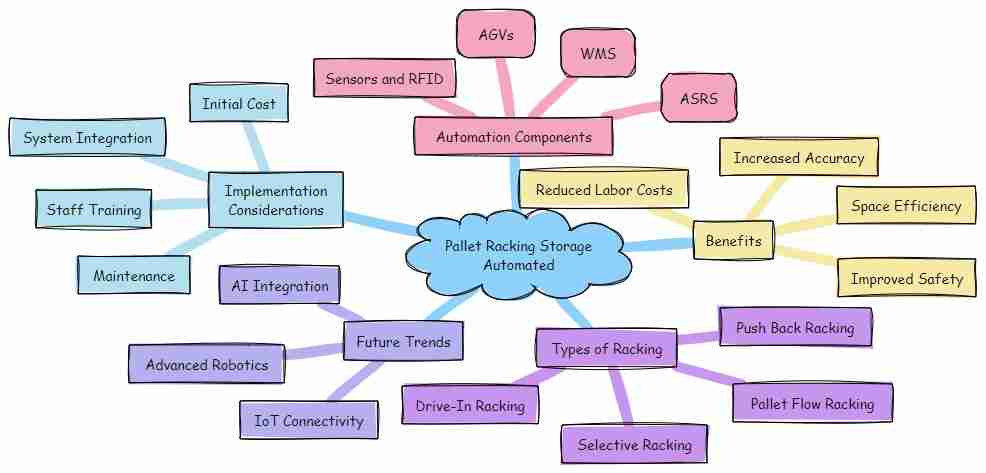
What Are the Environmental Effects Of Lost Pallets?
What Are the Environmental Effects Of Lost Pallets?
- Wooden pallets, once vital for transport, often end up abandoned, contributing to environmental waste.
- Discarded pallets take years to decompose and leak chemicals into the soil, harming ecosystems.
- Producing new pallets depletes resources such as trees, water, and fossil fuels.
- Reusing and recycling pallets fosters environmental stewardship and responsibility.
- Communities benefit from sustainable practices, building trust and awareness through recycling initiatives.
- Addressing pallet waste requires a community spirit and common sense, not just regulations.
- Engaging with the issue of lost pallets can create opportunities for environmental improvement.
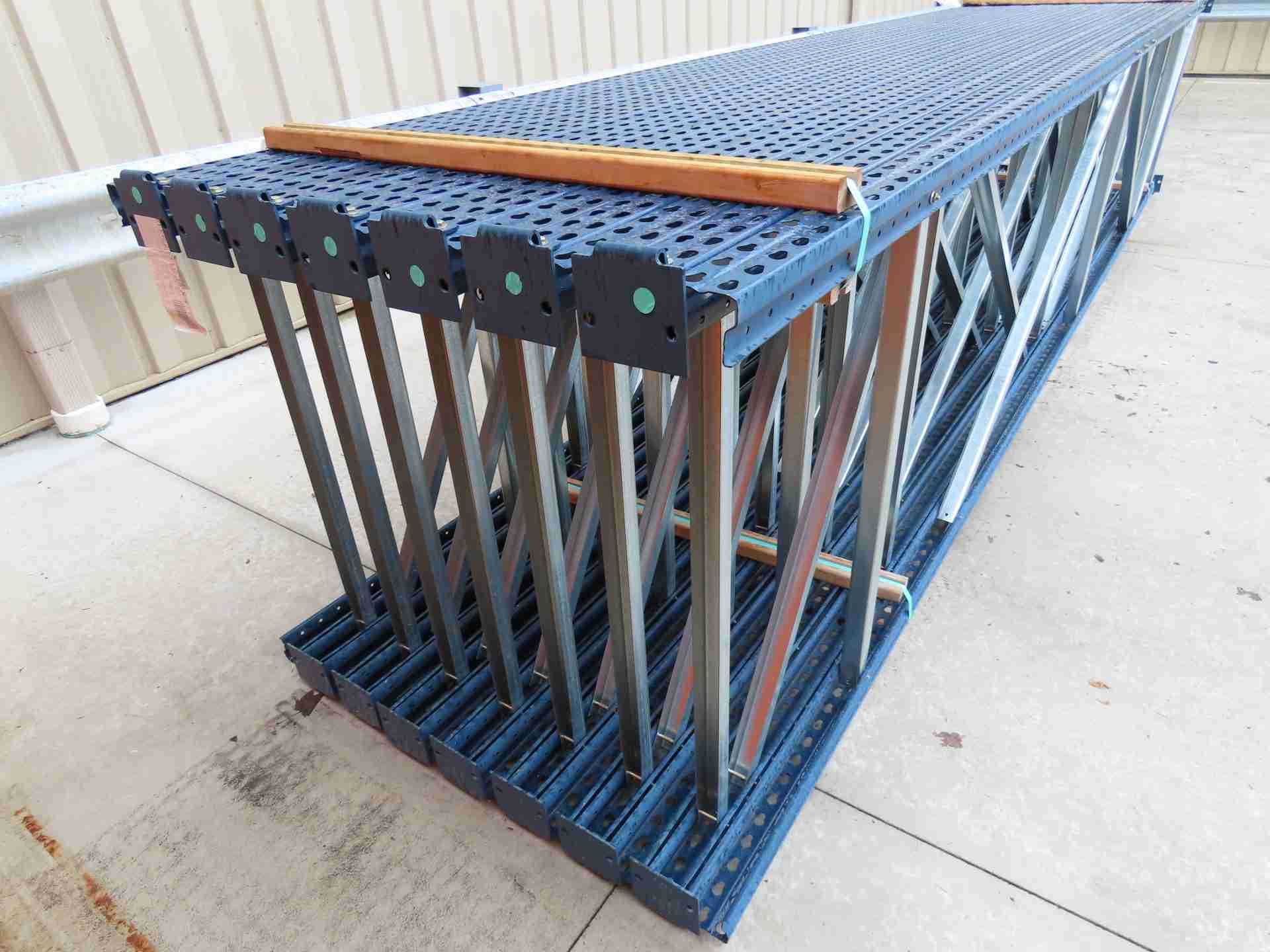
What Are the Environmental Effects Of Lost Pallets?
How Can We Prevent Pallet Loss In Supply Chains?
Racking Systems are the backbone of any warehouse, and when it comes to preventing pallet loss, they can also be your strongest ally. Picture a bustling distribution center, where workers are moving goods quickly and efficiently, but suddenly, a misplaced pallet creates chaos. It’s not just about lost inventory; it’s about the ripple effect. Every missing pallet can mean delays, unhappy customers, and wasted resources, which can hit the bottom line hard.
To tackle this issue, we need to look at our systems with a critical eye. Start by investing in proper Racking Systems that’re designed for your specific needs. Think of them as the skeleton of your operation, supporting the weight of your entire supply chain. Sturdy, organized rack systems will help keep pallets in line, making it easier to see what’s where, ensuring less chance for error.
Next, foster a culture of accountability among your team. When everyone understands the value of maintaining an efficient system, they naturally take pride in their work. Sharing stories—both successes and mishaps—can create a bond among team members and emphasize the importance of every single pallet. Engage employees in regular training to refresh their understanding of best practices. This isn’t just about preventing loss; it’s about building a tight-knit crew who feel responsible for their shared space and resources.
Now let’s not forget the emotional toll of pallet loss. Each missing pallet can represent hours of hard work and the team’s collective effort to meet supply demands. Ensure your employees know the impact of their work. When individuals see their roles as significant to the bigger picture, they’re more likely to be vigilant. Remind them that every pallet saved contributes to the overall success of the business and, ultimately, their livelihoods.
Implementing regular audits for your Racking Systems not only enhances organization but also brings peace of mind. A structured approach to inventory management creates trust within the team. Using technology can be a game-changer, too. Consider tracking systems that provide real-time data, helping everyone stay on the same page and reducing the chance of human error.
With the right mindset, Racking Systems, and community spirit, reducing pallet loss in supply chains becomes not just a goal, but a shared mission. It’s about creating a seamless flow that fosters pride, responsibility, and ultimately, success in the day-to-day grind. This is where hands-on experience meets humility—because together, we can ensure that every pallet counts.

How Can We Prevent Pallet Loss In Supply Chains?
How Can We Prevent Pallet Loss In Supply Chains?
- Racking Systems are essential for warehouse efficiency and preventing pallet loss.
- Misplaced pallets can lead to inventory loss, delays, unhappy customers, and wasted resources.
- Invest in specialized Racking Systems to support operational needs and minimize errors.
- Foster a culture of accountability among team members to enhance efficiency and pride in work.
- Emphasize the emotional impact of pallet loss to motivate employees and highlight their contributions.
- Regular audits of Racking Systems improve organization and trust within the team.
- Implement technology for real-time tracking to reduce human error and maintain inventory accuracy.

How Can We Prevent Pallet Loss In Supply Chains?
What Is the Emotional Toll Of Wasted Resources?
The emotional toll of wasted resources weighs heavy on many shoulders. Whether it’s the stack of unused materials in the corner of a warehouse or the crushed dreams of an entrepreneur whose vision fell flat due to overspending, the effects resonate across individuals and communities alike. Racking systems meant for efficiency sit idle, collecting dust, while the potential of those resources fades into melancholy. This isn’t just about money; it’s about hope, ambition, and the very essence of what it means to work hard.
When resources are squandered, it’s not merely the budget that takes a hit; it’s also morale. Employees invest their passion and energy into projects, only to see them fall through the cracks because of mismanagement or neglect. It’s enough to make anyone second-guess their effort, leaving a trail of frustration and disillusionment. You know the feeling when you’ve worked late, only to find that your labor has been in vain. That’s the gut punch of wasted resources.
On the rational side, the numbers tell a stark story. Businesses lose billions annually in inefficiencies. Racked up costs from unnecessary purchases, storage fees, and the environmental impact of discarding unused materials highlight a disconnect between our goals and our actions. Each wasted item represents not just lost capital, but the time and effort it took to obtain it. If we can manage our resources better, we become not just more profitable but more ethical stewards of our planet and our communities.
From a narrative standpoint, consider the story of a small business owner who scrimped and saved to invest in the right tools. When those tools aren’t utilized, it embodies a tragedy of unfulfilled potential. Each piece of equipment—like those racking systems—stands as a testament to dreams once held high, now overshadowed by neglect. These stories remind us of our shared experiences, fostering connection through the common struggle of making ends meet and doing better.
Socially, wasted resources create ripples. They affect families, neighborhoods, and economies. Money that could have been used to support local schools, fund community projects, or buy groceries instead dissipates into the ether of careless consumption. This shared understanding compels us to act, rallying for responsible resource management, creating a sense of community ownership, and ultimately nurturing a space where every effort counts and every resource has its place. Together, we can learn from past missteps and invest wisely, ensuring that what we build doesn’t just survive but thrives, benefiting everyone along the way.

What Is the Emotional Toll Of Wasted Resources?
What Is the Emotional Toll Of Wasted Resources?
- Wasted resources impose an emotional burden on individuals and communities, affecting hope and ambition.
- Unused materials and idle equipment symbolize unmet potential and contribute to frustration and disillusionment.
- Businesses lose billions annually due to inefficiencies, which highlights a disconnect between goals and actions.
- Each wasted item represents not just financial loss but also the time and effort spent acquiring it.
- Stories of small business owners illustrate the tragedy of unutilized tools, fostering shared experiences of struggle.
- Wasted resources impact families and local economies, diverting funds from essential community needs.
- A collective understanding emphasizes the importance of responsible resource management for community well-being.

What Is the Emotional Toll Of Wasted Resources?
How Do Customers Perceive Brands with Pallet Loss Issues?
When a brand experiences pallet loss issues, it’s not just a number on a spreadsheet; it’s a story of mismanagement that touches everyone involved. Picture this: A hardworking customer walks into a store, hoping to find that trusted product, only to learn it’s out of stock because pallets went missing in transit. The frustration quickly rises. They invested their time and trust in this brand, and now they feel the sting of disappointment. It’s not just about the product; it feels personal.
Brands are built on trust, and when pallets go missing, that foundation begins to crack. Customers start to question the reliability of the brand; they wonder if their needs are truly valued. In the world of racking systems, efficient supply chain management is key. Customers expect that if they order a product, it should arrive when promised, intact and ready for use. These racking systems, designed for efficiency, highlight issues that can arise when things are out of control.
Every lost pallet represents waste—waste of resources, time, and effort. It also signifies a breach of the implicit contract between the brand and its customers. Emotionally, this can lead to feelings of betrayal. When consumers see a brand struggling to manage its inventory, they may feel as though their loyalty is taken for granted. A business not acknowledging its pallet problems risks losing more than just stock; it risks losing its customer base.
On the rational side, the issues with pallets can point to larger systemic failures within a company. Customers looking to support businesses that reflect their values will seek brands with efficient, ethical practices. They want to back companies that respect their time and investment. If a brand regularly faces pallet loss issues, customers may see a lack of competence, driving them to competitors who operate more reliably.
In connecting with their audience, brands must tell the story of the solutions they implement to combat pallet loss. Sharing real, tangible steps taken to improve logistics or customer service builds credibility. When a business opens up about its challenges, it shows humility and encourages loyalty. By fostering a sense of community, where customers feel their experiences are heard and acknowledged, brands can strengthen relationships even amid adversity.
Ultimately, it’s about creating an environment where customers feel confident—a space where their needs are met and errors are owned up to. When companies take accountability for their pallet loss issues, they don’t just regain trust; they foster a loyal customer base ready to stand by them through thick and thin.
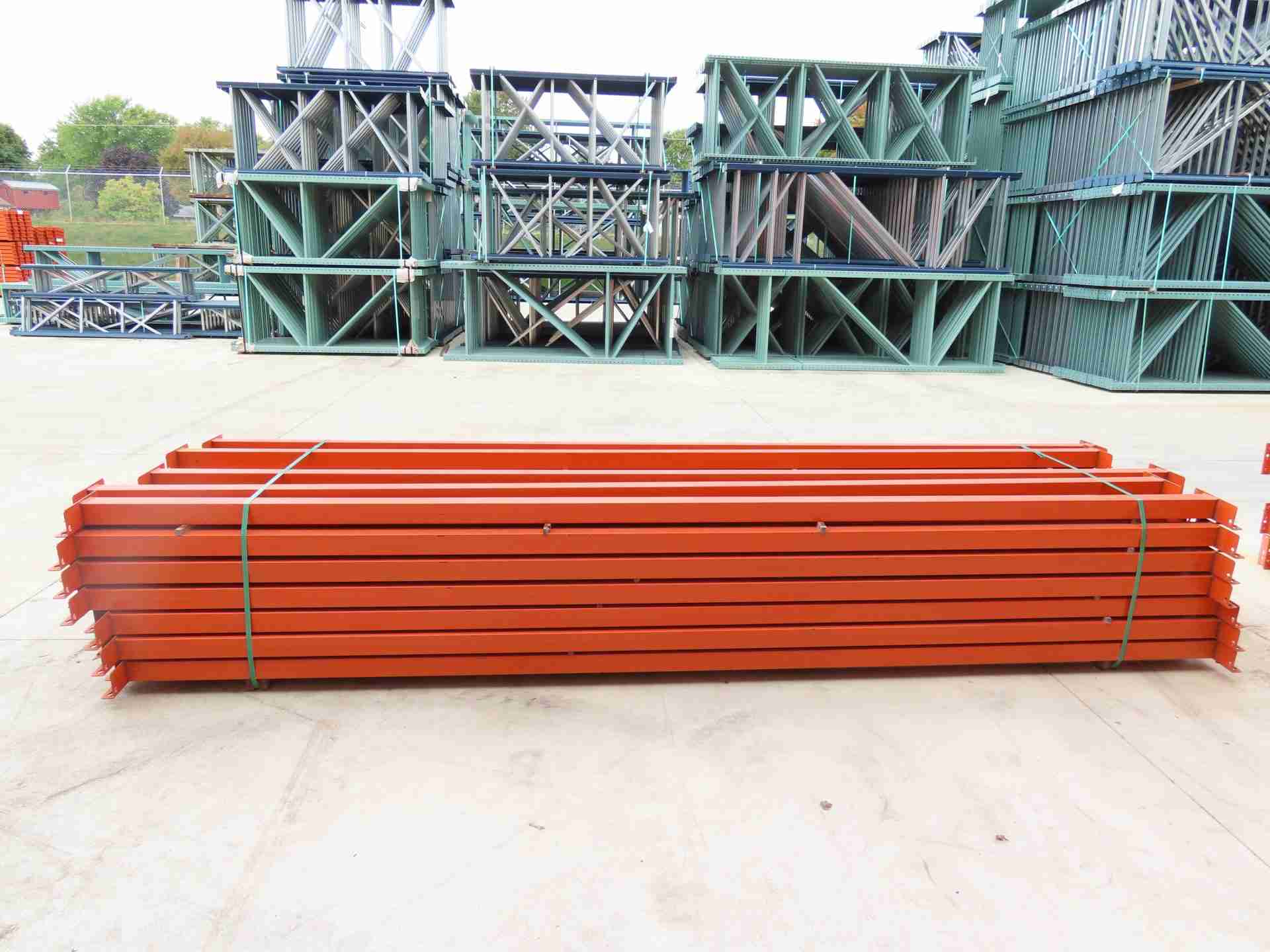
How Do Customers Perceive Brands with Pallet Loss Issues?
How Do Customers Perceive Brands with Pallet Loss Issues?
- Pallet loss issues reflect mismanagement, impacting customer trust and experience.
- Missing products lead to frustration and disappointment among customers.
- Brands risk their credibility as customers question their reliability and commitment.
- Lost pallets signify waste and a breach of the trust between the brand and customers.
- Frequent pallet issues may indicate larger systemic failures within a company.
- Brands should communicate solutions and improvements to regain customer loyalty.
- Accountability for pallet loss can foster trust and a loyal customer base.
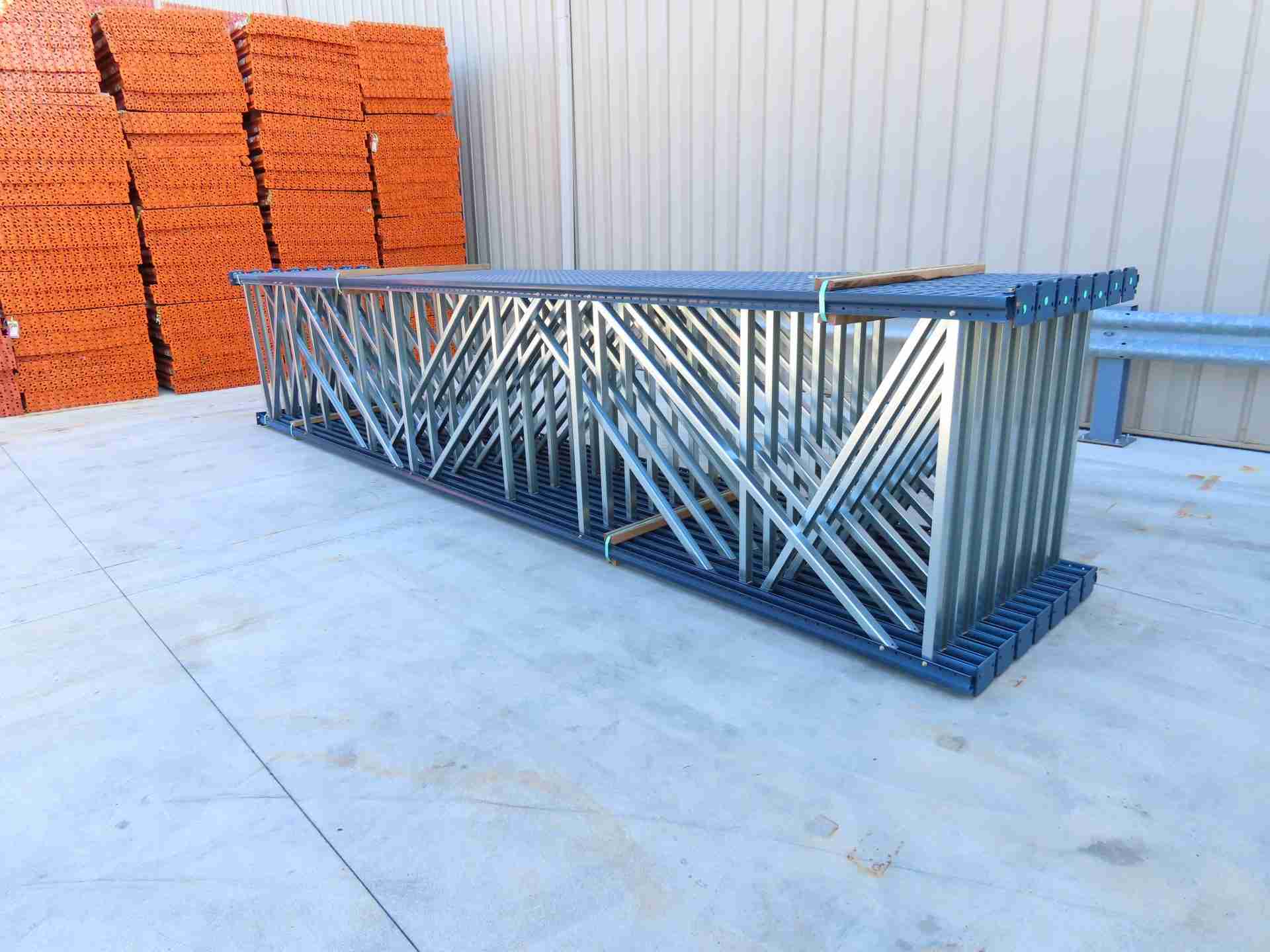
How Do Customers Perceive Brands with Pallet Loss Issues?
Conclusion
The true cost of lost pallets extends far beyond immediate financial losses. When pallets go missing, businesses confront not just the tangible impacts on their bottom line but also a complex web of emotional, ethical, and social repercussions that can shake the very foundations of their operations. Imagine the workers on the warehouse floor, each day striving for efficiency, only to be hampered by the chaos that a missing pallet brings. Frustration mounts as employees scramble to adapt, pushing productivity to its limits while draining morale. The emotional toll is evident—each lost pallet represents more than just inventory; it symbolizes trust, commitment, and the collective effort of a team that depends on the smooth flow of their operations.
The ethical dimensions of lost pallets come into play too. For many, pallets are tangible investments made by individuals striving to provide for their families, making the consequences of loss deeply personal. Small businesses, in particular, feel the strain as delays and missed shipments can tarnish reputations and threaten their very existence. This ripple effect doesn’t just stop at individual businesses; it shapes the prices consumers pay, turning lost pallets into a communal issue felt in every household.
To combat this pressing issue, fostering a culture of accountability is paramount. Engaging every member of the supply chain—from warehouse supervisors to delivery drivers—creates a shared sense of responsibility that can dramatically reduce losses. Implementing practical solutions like better tracking technologies and regular audits not only improve operational efficiency but restore trust among team members and customers alike. It’s about respect for every role played in this process, reminding workers that their contributions matter.
Moreover, addressing pallet loss isn’t merely about improving logistics—it’s a reflection of a brand’s integrity and commitment to ethical practices. Customers today seek transparency and respect from the brands they support; they want assurance that their needs are prioritized. A brand that openly acknowledges and addresses its pallet issues cultivates loyalty, turning challenges into opportunities for reinforcing relationships with consumers.
Ultimately, the true cost of lost pallets encompasses emotional burdens, ethical responsibilities, and the communal bonds that are strengthened through collective action. By making a concerted effort to value and minimize losses, businesses not only enhance their operations but also enhance their communities, ensuring the longevity of both their enterprises and the legacies of the individuals who work within them.
Conclusion
Conclusion:
- The cost of lost pallets includes financial losses and emotional, ethical, and social repercussions.
- Missing pallets create chaos in operations, frustrating employees and lowering morale.
- Lost pallets symbolize the trust and commitment of a team, impacting their collective effort.
- For many, pallets represent personal investments, making the loss deeply impactful.
- Small businesses suffer reputational damage due to delays caused by lost pallets.
- Cultivating a culture of accountability and implementing tracking technologies can reduce losses.
- Addressing pallet loss reflects a brand’s integrity and can strengthen consumer loyalty.

Conclusion
Other Resources

Other Resources
Here is a list of other resources you can review online to learn more:
- Warehousing Education and Research Council: https://www.werc.org/
- Selective Racking
- Pallet Rack Systems – New and Used Pallet Racking and Shelving Experts
- Cantilever Rack Guide: Ordering Cantilever Racking
- Intro to Warehouse Racks & Warehouse Racking Systems – ShipBob
- Selective Rack – Raymond West
- Total Warehouse
- Overhead Lifting
- Chicago Pallet Racking
- Illinois Pallet Racking – Storage Solutions
- Cantilever Racking Specialists – Get the Right Racks
- RMI
- What is Selective Pallet Racking
- Iowa Illinois Warehouse Racking
- NSC
- ASSP
- Warehouse Storage Racking in Illinois
- Illinois
- IIWS Inc. Rack Installation Illinois & Rack Repairs Illinois
- SEMA
Use This Prompt To Get More Resources With Your Favorite Online AI Tool: Please provide me with a list of online articles with their URLs in a bulleted list that I can read regarding The True Cost Of Lost Pallets
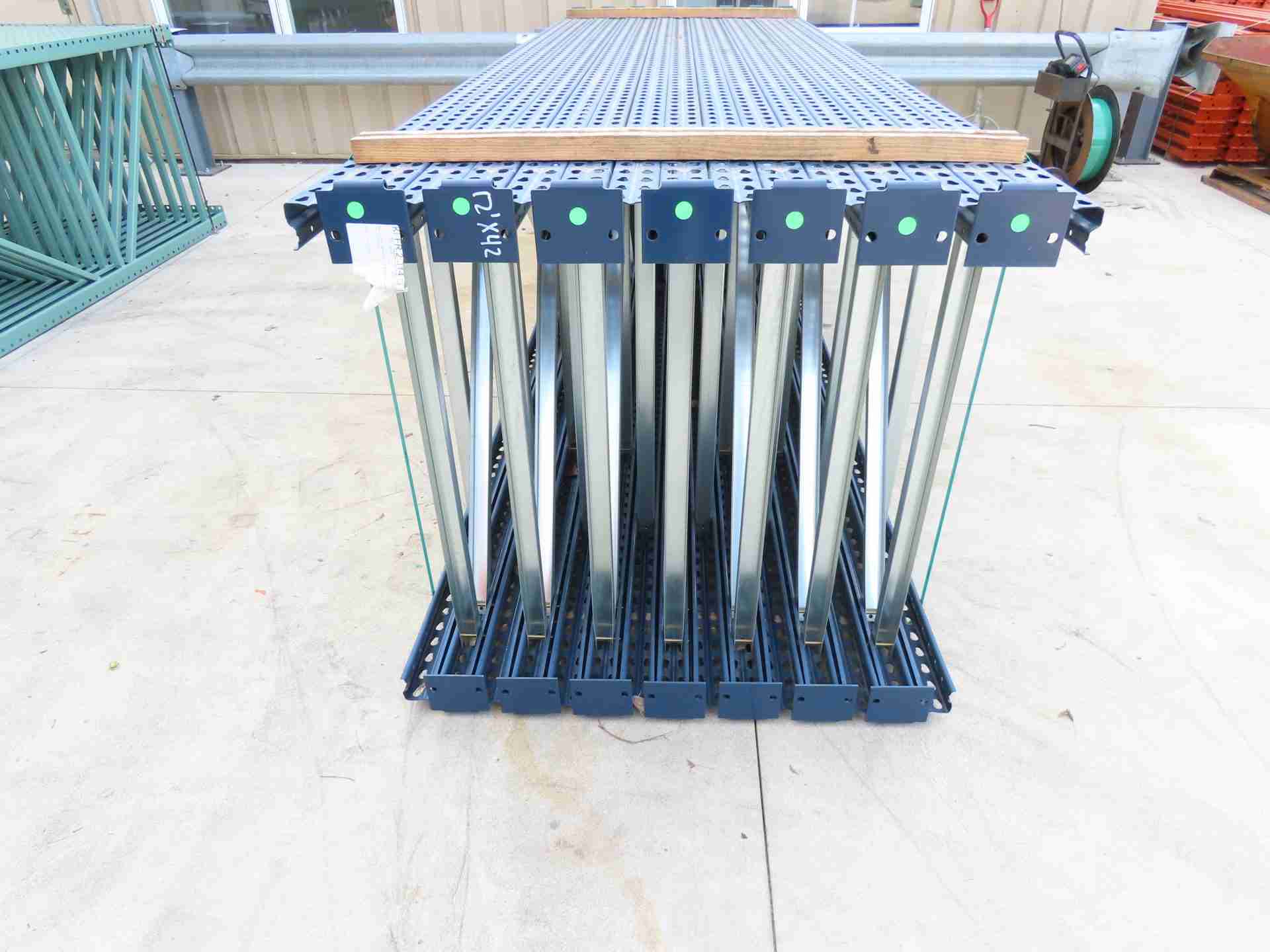
Other Resources
Glossary Terms
The True Cost Of Lost Pallets – Glossary Of Terms
1. Pallet: A flat transport structure used to support goods during handling and storage.
2. Supply Chain: The complete network of organizations, people, activities, information, and resources involved in supplying a product or service.
3. Logistics: The detailed coordination of complex operations involving people, facilities, and supplies in the supply chain.
4. Inventory: The goods and materials a business holds for the purpose of resale.
5. Loss Rate: The percentage of pallets that are unaccounted for, stolen, or damaged within a specific timeframe.
6. Replacement Cost: The expense incurred to replace lost or damaged pallets.
7. Sustainability: Practices that ensure resources are used responsibly and remain available for future generations.
8. Efficiency: The ability to accomplish a task with minimal waste of time and resources.
9. Tracking System: A method or technology used to monitor the location and status of pallets throughout the supply chain.
10. Return on Investment (ROI): A measure used to evaluate the efficiency of an investment, calculated as the net profit divided by the initial cost.
11. Waste Management: The process of treating solid wastes and offers solutions for recycling items that don’t belong in a landfill.
12. Asset Management: The systematic process of deploying, operating, maintaining, upgrading, and disposing of assets cost-effectively.
13. Pallet Pooling: A system where pallets are shared among different companies to reduce costs and improve sustainability.
14. Capitalization: The process of determining the total value of company assets, including pallets.
15. Industry Standards: Established norms or criteria within specific sectors to ensure quality and efficiency.
16. Theft Prevention: Measures implemented to reduce the likelihood of pallet theft in operations.
17. Disposal: The process of discarding or recycling pallets that are no longer usable.
18. Cost Analysis: The process of evaluating the costs associated with lost pallets to understand the financial impact.
19. Supply Chain Disruption: Any unplanned event that negatively affects the normal flow of goods through the supply chain.
20. Procurement: The process of acquiring goods or services, including pallets for shipping and storage needs.
21. Quality Control: Measurements and procedures to ensure pallets meet specific standards before and after use.
22. Load Capacity: The maximum weight a pallet can safely support without failure.
23. Compliance: Adhering to laws and regulations governing the handling and transportation of goods.
24. Reusability: The ability to reuse pallets multiple times before disposal.
25. Cost-Benefit Analysis: A process of comparing the strengths and weaknesses of alternative options in terms of costs and benefits.
26. Transportation Costs: Expenses incurred in the movement of pallets and goods from one location to another.
27. Rework: The process of correcting defective pallets or products, leading to additional costs.
28. Returnable Packaging: Containers and pallets designed to be reused in the supply chain.
29. Pallet Design: The engineered structure of pallets that affects their durability and usability.
30. Inventory Turnover: A measure of how many times inventory is sold or used in a given time period, connected to pallet usage efficiency.

Glossary Of Terms
Other Questions
The True Cost Of Lost Pallets – Other Questions
If you wish to explore and discover more, consider looking for answers to these questions:
- What is the average total cost (replacement, labor, downtime, penalties) of a lost pallet?
- How do lost pallets quantitatively affect revenue, margins, and operating costs?
- How do pallet losses vary by industry, region, or company size?
- Who is legally or contractually responsible when pallets are lost: shipper, carrier, receiver, or third party?
- Do common insurance policies cover lost pallets and how are claims handled?
- What tracking technologies (RFID, barcodes, GPS, IoT) are most effective and cost-efficient?
- What is the expected ROI and payback period for pallet-tracking and management systems?
- How do racking system design and warehouse layout influence pallet loss risk?
- Which KPIs should organizations monitor to detect and reduce pallet loss (shrink rate, return rate, cycle counts)?
- What operational procedures (loading, unloading, cross-docking) most commonly lead to pallet loss?
- How frequently should pallet audits and cycle counts be performed?
- What employee training, accountability, or incentive programs reduce pallet loss and how should they be structured?
- How do pallet pooling and leasing services work and when are they more economical than owning pallets?
- How do different pallet materials (wood, plastic, metal) compare in loss rates, durability, recyclability, and lifecycle cost?
- When is it better to repair or refurbish a pallet versus replacing it?
- What environmental regulations and standards (e.g., ISPM-15) affect pallet reuse, export, and disposal?
- How many lost pallets contribute to a company’s carbon footprint and how can that be measured?
- What are the safety, pest, and contamination risks associated with abandoned or damaged pallets?
- How should companies account for lost pallets financially (write-offs, inventory adjustments, accruals)?
- What contractual terms, penalties, or incentives can be included in supplier/carrier agreements to reduce pallet loss?
- How can WMS/ERP systems be integrated with pallet tracking and racking controls?
- What analytics or predictive models can identify hotspots or patterns of pallet loss?
- How can blockchain or digital ledgers be used to establish chain-of-custody for pallets?
- What are low-cost solutions suitable for small businesses to prevent pallet loss?
- How do pallet losses affect customer satisfaction, brand perception, and long-term loyalty?
- Are there industry benchmarks for acceptable pallet shrinkage and loss rates?
- What are successful case studies or best-practice examples of companies that dramatically reduced pallet loss?
- How should businesses handle recovered or abandoned pallets (redistribution, donation, resale)?
- What community programs or partnerships exist for recycling and repurposing pallets?
- What are the upfront and ongoing costs (hardware, software, maintenance, training) of a full pallet management program?
- How can companies create a culture of accountability around pallets without damaging employee morale?
- What internal controls, access restrictions, or physical security measures deter pallet theft?
- How can carriers and third-party logistics providers be audited or rated for pallet stewardship?
- What legislative or regulatory trends could affect pallet management and liability in the near future?
- How do seasonal peaks, promotions, or supply chain disruptions influence pallet loss?
- What metrics demonstrate the emotional or cultural impact of wasted resources on staff engagement and retention?

Other Questions
Checklist
The True Cost Of Lost Pallets – A Checklist
Header
✅______ Site
✅______ Period covered
✅______ Process owner(s)
✅______ Target loss rate (%)
✅______ Review cadence (weekly or monthly)
Baseline and Metrics
✅______ Establish opening pallet balance and inventory by type (wood, plastic, pooled).
✅______ Calculate true cost per pallet (purchase, handling, storage, repair, replacement).
✅______ Map loss hotspots (dock, yard, production, staging, outbound, returns, customer sites, 3PLs).
✅______ Define KPIs: loss rate, recovery rate, repair rate, OTIF impact, and overtime linked to pallet issues.
✅______ Set a financial impact baseline (monthly or quarterly) and track variance.
✅______ Assign owners for each hotspot and KPI.
Process Controls
✅______ Standardize pallet intake and issue procedures (documented SOPs).
✅______ Require pallet counts on BOL, POD, and transfer documents.
✅______ Implement gate checks for all inbound and outbound pallet counts.
✅______ Define pallet exchange rules with customers and carriers.
✅______ Create designated, labeled pallet staging zones.
✅______ Enforce end-of-shift reconciliation for pallet moves.
✅______ Quarantine and tag damaged pallets; route to repair or recycle.
✅______ Log all exceptions and investigate within 24–48 hours.
Technology and Tracking
✅______ Use barcode or RFID tagging for pallet pools and high-risk lanes.
✅______ Integrate pallet transactions into WMS/TMS.
✅______ Enable real-time dashboards for pallet balances by location.
✅______ Set automated alerts for abnormal losses or count discrepancies.
✅______ Utilize dock door scanners or mobile devices for scan-in/scan-out.
✅______ Review data accuracy and close open transactions weekly.
People and Culture
✅______ Provide onboarding and quarterly refresher training on pallet SOPs.
✅______ Communicate the cost and impact of pallet loss to all teams.
✅______ Define a clear RACI for pallet handling and reconciliation.
✅______ Offer recognition and incentives for recovery and compliance.
✅______ Provide an anonymous channel to report theft or non-compliance.
✅______ Brief drivers and temporary staff on site rules before the first shift.
Physical Security
✅______ Secure the perimeter (fencing, lighting, cameras) around pallet storage.
✅______ Control yard and dock access; maintain a driver and vendor sign-in log.
✅______ Lock high-value pallet stacks or use caged areas.
✅______ Post anti-theft and authorized-use signage at docks and yards.
✅______ Conduct random spot checks of departing vehicles.
✅______ Retain video for incident investigations per policy.
Racking Systems and Layout
✅______ Inspect racks weekly for damage; repair promptly.
✅______ Post weight ratings and train on load limits.
✅______ Maintain clear aisles; mark return lanes and staging areas.
✅______ Use visual labels for slots and zones; keep slotting maps updated.
✅______ Schedule preventive maintenance for racks and MHE.
✅______ Remove stray pallets from travel paths each shift.
Supplier, Carrier, and Customer Alignment
✅______ Include pallet terms in contracts (ownership, exchange, chargebacks).
✅______ Verify pool provider SLAs (loss thresholds, billing accuracy).
✅______ Require PODs with pallet counts for all deliveries and returns.
✅______ Audit 3PL sites for pallet controls quarterly.
✅______ Set recovery programs and pickup schedules with customers.
✅______ Scorecard partners on pallet accuracy and timeliness.
Financial Controls
✅______ Reconcile pallet balances monthly by site and by partner.
✅______ Investigate variances and implement corrective actions.
✅______ Track repair versus replacement costs and ROI on controls and technology.
✅______ Allocate costs to departments to drive accountability.
✅______ Forecast pallet needs for peaks to avoid spot buys.
✅______ Report results to leadership with trends and actions.
Environmental Stewardship
✅______ Prioritize repair and reuse before replacement.
✅______ Recycle end-of-life pallets via certified partners.
✅______ Track diversion-from-landfill metrics.
✅______ Source from sustainable suppliers where feasible.
✅______ Repurpose scrap wood safely; document disposal practices.
✅______ Share outcomes with the community and employees.
Customer Experience and Brand
✅______ Link stockouts and delays to pallet root causes in incident logs.
✅______ Use standard communication templates for affected customers.
✅______ Implement service recovery (expedites or credits) when pallet loss causes failure.
✅______ Monitor OTIF, cancellations, and NPS against pallet performance.
✅______ Publicize improvements to reinforce reliability and trust.
Continuous Improvement
✅______ Hold a monthly loss review with cross-functional stakeholders.
✅______ Run kaizen events on top hotspots and lanes.
✅______ Pilot, measure, and scale new controls (technology and process).
✅______ Benchmark loss rates and practices against peers and industry.
✅______ Update SOPs and training after each improvement cycle.
Peak Readiness (Seasonal or Project)
✅______ Pre-build pallet inventory with safety stock by type and site.
✅______ Train surge labor on pallet SOPs before peak start.
✅______ Add temporary secure storage for overflow.
✅______ Increase audit frequency and exception monitoring.
Quick Win Starter Set (Check These First)
✅______ BOL/POD pallet counts enforced on every load.
✅______ End-of-shift pallet reconciliation in staging and docks.
✅______ Designated, labeled pallet zones with 5S visuals.
✅______ Gate checks for all exits; random spot checks weekly.
✅______ Damaged pallet quarantine and repair loop active.
✅______ Dashboard live for balances and alerts.
Checklist
At RackingWorld, we help guide you through selecting warehouse storage systems and racking.
Be sure to read our other related stories at RackingWorld to learn more about warehouse storage systems.
0 Comments