
Unlocking Efficiency: Transform Your Space, Elevate Your Profit
By Tom Seest
At RackingWorld, we help guide you through selecting warehouse storage systems and racking.
Be sure to read our other related stories at RackingWorld to learn more about warehouse storage systems.
The Roi Of Adding Pallet Positions
The Return on Investment (ROI) of adding pallet positions can start off as just numbers on a spreadsheet, but at its core, it’s about understanding the pulse of your operation. Every small step in optimizing racking systems can lead to significant changes down the line. It’s not just about efficiency; it’s about providing a better working environment that fosters teamwork and morale among the crew.
Picture a warehouse floor, bustling with activity. With every additional pallet position, you increase the potential of your space, giving your team the room to operate efficiently. Fewer trips to retrieve items mean time saved and reduced frustration. It’s easier on the back, easier on the mind, and when a crew feels good in the trenches, that energy translates into productivity. When employees see that their management is investing in improvements, it creates a bond rooted in mutual respect and trust.
Then there’s the bottom line. Consider the financials: more pallet positions mean you can store more products without expanding your square footage. This means increased sales potential without the hefty price tag that often comes with new construction or leases. Your racking systems can become a competitive advantage, allowing your business to respond to customer demands swiftly without the chaos that often comes with overcrowded or inefficient setups.
And let’s face it, operating with a well-organized storage plan sends a message to everyone, from employees to clients. It shows you value efficiency and quality – traits that resonate deeply in any industry. The ethical appeal here rests in being responsible stewards of resources. It’s not just about profit margins; it’s about the morale of your team and the trust of your customers. When you can show that your operations are lean, well-planned, and thoughtful, you position your business as one that cares about more than just the bottom line.
Every pallet position tells a story of growth, of facing challenges head on, and of making the best use of what you have. When you invest in your racking systems, you’re not just looking to fill space; you’re building a foundation for a thriving operation. There’s a sense of commitment in each decision, reinforcing trust and inspiring confidence within your employees. So, consider the ROI of those pallet positions not merely in dollars but in the lives you’re impacting daily on and off the warehouse floor.

The Roi Of Adding Pallet Positions
The Roi Of Adding Pallet Positions
- The ROI of adding pallet positions reflects the operational health of a warehouse.
- Optimizing racking systems enhances efficiency and promotes teamwork and morale.
- More pallet positions lead to increased space utilization and time savings for employees.
- Investing in improvements fosters mutual respect and trust between management and staff.
- Increased storage capacity boosts sales potential without the costs of expansion.
- A well-organized storage plan enhances brand perception and demonstrates responsibility.
- Each pallet position symbolizes growth and a commitment to efficient operations and employee well-being.

The Roi Of Adding Pallet Positions
Table Of Contents
- The Roi Of Adding Pallet Positions
- What Are the Hidden Costs Of Not Adding Pallet Positions?
- How Do Pallet Positions Impact Operational Efficiency?
- Can Optimizing Pallet Positions Reduce Waste Significantly?
- What Is the Potential Increase In Revenue From More Pallet Positions?
- How Do Pallet Positions Affect Inventory Accuracy and Management?
- Are There Case Studies Demonstrating Roi From Pallet Position Changes?
- Conclusion
- Other Resources
- Glossary Of Terms
- Other Questions
- Checklist
What Are the Hidden Costs Of Not Adding Pallet Positions?
When you run a warehouse, every square foot counts. Over time, ignoring the need for additional pallet positions can lead to a domino effect that impacts every aspect of your operation. Imagine this: you’re at the end of a long day, and your team is struggling to find space to store the latest shipment. Instead of flowing seamlessly, your racking systems become a maze. This isn’t just a minor inconvenience; it’s a can of worms that can lead to escalating downtime, misplaced inventory, and frustrated employees.
Emotionally, think about the weight of that frustration. Each misplaced pallet wastes time and energy, which could be spent on more productive endeavors. Your workforce deserves a space where they can do their jobs without unnecessary stress, and you deserve the peace of mind that comes with knowing your operations are efficient. Each moment lost digging through the chaos chips away at morale, lending a sense of defeat to what should be a thriving environment.
From a rational standpoint, consider the expenses that pile up. The costs of inefficiency aren’t just in lost labor but also in missed opportunities. Clients expect timely deliveries, and when you’re fumbling around trying to locate items, that expectation falters. Delayed shipments can lead to unhappy customers and lost contracts. And let’s be clear: a single lost contract can mean a significant hit to your bottom line. As busy operators, we need to think critically about our limitations, yet we also have to be proactive in addressing them.
Ethically, it’s about responsibility—both to your customers and your employees. When you take shortcuts on storage solutions, you’re not just cutting corners; you’re risking the livelihoods of everyone in your supply chain. Every stakeholder, from your immediate team to the customers waiting on orders, deserves an environment that supports them.
Socially, adding pallet positions may seem like an operational decision, but it speaks volumes. It demonstrates a commitment to improvement and efficiency, a trait that can amplify your reputation in the industry. Other businesses notice when you operate smoothly, and that reputation can create partnerships down the line.
Adding adequate pallet positions isn’t merely about optimizing space; it’s about ensuring your operation, your people, and your values thrive. The hidden costs aren’t just financial—they resonate deeply within the heart of your business. Take the steps necessary to support your team and your future.

What Are the Hidden Costs Of Not Adding Pallet Positions?
What Are the Hidden Costs Of Not Adding Pallet Positions?
- Every square foot in a warehouse is crucial for efficient operations.
- Insufficient pallet positions can lead to operational chaos, downtime, and employee frustration.
- Misplaced pallets waste time, impacting morale and productivity.
- Inefficiencies result in direct financial losses and missed business opportunities.
- Risking storage solutions can jeopardize the livelihoods of employees and stakeholders.
- Enhancing pallet positions reflects a commitment to efficiency and can improve industry reputation.
- Investing in adequate storage supports the operational success and well-being of the workforce.

What Are the Hidden Costs Of Not Adding Pallet Positions?
How Do Pallet Positions Impact Operational Efficiency?
Pallet positions in a warehouse are more than just a way to store goods; they’re the backbone of operational efficiency. Imagine a bustling warehouse, the air filled with the sounds of machinery and the clatter of goods being moved. A well-thought-out pallet position can make the difference between a smooth, flowing operation and chaos.
When pallets are properly arranged within racking systems, it’s like setting the stage for a well-rehearsed play. Each item has its place, allowing workers to access goods quickly without unnecessary backtracking. This isn’t just about saving time; it’s about creating a sense of flow. Workers can get in, do their jobs, and leave the warehouse feeling accomplished rather than frustrated. That’s a real boost to morale.
Now, let’s talk numbers. The rational side of pallet positioning highlights its impact on productivity. When pallets are positioned thoughtfully, the entire workforce operates like a finely tuned engine. Items are easier to locate, leading to faster picking times, reduced labor costs, and ultimately, higher profit margins. A streamlined operation not only keeps orders on time but minimizes the risk of errors, creating an environment where customers feel valued and respected.
Then there’s the ethical angle. Adjusting pallet positions isn’t just about maximizing profits; it’s also about creating a safer work environment. Properly organized racks reduce hazards and minimize accidents, showing a commitment to the well-being of every team member. This translates into trust—when workers feel safe and cared for, they’re more likely to invest their loyalty in the company.
Consider the stories we hear from those on the floor. “I remember when we switched our pallet layouts,” one worker might say. “It was like flipping a switch. Suddenly, we were all working together, each person knowing where to go and what to do.” This narrative resonates; it’s not just about positions on a floor plan but about the camaraderie built through shared experiences and challenges.
Let’s not forget the social appeal. A well-organized racking system can foster a sense of pride among employees. When they see a tidy warehouse where every item has a designated spot, they feel part of something bigger—a seamless operation that values efficiency and teamwork. It’s this sense of belonging that drives them to go above and beyond, enhancing overall performance.
In essence, attention to pallet positions isn’t just a task; it’s an investment in the heart of the operation, fostering trust, connection, and efficiency that benefits everyone involved.

How Do Pallet Positions Impact Operational Efficiency?
How Do Pallet Positions Impact Operational Efficiency?
- Pallet positions are crucial for operational efficiency in a warehouse.
- Proper arrangement allows quick access to goods, enhancing workflow and employee morale.
- Thoughtful pallet positioning improves productivity, reduces labor costs, and increases profit margins.
- Organization leads to fewer errors and timely order fulfillment, enhancing customer satisfaction.
- Properly organized racks contribute to a safer work environment, building trust among employees.
- A well-organized system fosters pride and teamwork among workers, driving higher performance.
- Investing in pallet positioning strengthens trust, connection, and efficiency across the operation.

How Do Pallet Positions Impact Operational Efficiency?
Can Optimizing Pallet Positions Reduce Waste Significantly?
Optimizing pallet positions isn’t just about moving boxes around; it’s about breathing new life into a business, making operations smoother, and ultimately reducing waste in a world where every scrap counts. Picture this: a bustling warehouse filled with rows of racking systems designed for efficiency. You can feel the pulse of hard work and dedication in the air. Each pallet has a purpose, but when they’re not correctly positioned, it’s like trying to catch water with a sieve.
With the right pallet positions, you create a seamless flow. Your team can move faster, reaching products without the frustrating back-and-forth that wastes time and, yes, money. It speaks to the heart of the matter—nobody likes to feel they’re spinning their wheels. Every minute saved is another minute spent on what truly matters. The workers can spend more time improving their craft rather than navigating a maze of haphazardly placed goods.
On a rational level, optimizing these positions maximizes space usage and limits damage to products, meaning fewer losses down the line. Imagine cutting down on lost items and the costs associated with them. It’s not just about saving a few bucks here and there; it’s about creating a culture of efficiency that everyone can buy into. Statistics show that efficient racking systems can increase storage capacity by a whopping percentage, transforming what once seemed a chaotic layout into a streamlined operation.
Ethically, it feels good to know that employing better racking systems isn’t just a win for the balance sheet; it’s a step towards sustainability. When waste is reduced, so is the strain on our resources. It sends a message that your business values not only its bottom line but the world we operate in. This is something every worker can feel proud of, sharing stories about how their operation isn’t just efficient, but also responsible.
The narrative is clear: when we optimize pallet positions, we’re not merely reshaping a storage area; we’re crafting a meaningful approach to work. It’s about fostering a sense of community in the workplace—where every individual contributes, and their efforts are recognized in the larger framework of success. When a team sees the tangible benefits of their hard work—the more organized space, reduced waste, and a thriving environment—they’re more likely to stay engaged. That connection inspires trust and builds a reputation, inviting customers to partner with a proven, reliable operation.
Optimizing pallet positions is about pulling together, rolling up sleeves, and making every inch of that warehouse count. Wasting less and working smarter isn’t just smart business; it’s a rallying cry for everyone invested in the journey.

Can Optimizing Pallet Positions Reduce Waste Significantly?
Can Optimizing Pallet Positions Reduce Waste Significantly?
- Optimizing pallet positions enhances operational efficiency and reduces waste.
- Proper pallet placement fosters a seamless flow, allowing teams to work faster.
- Maximized space usage leads to fewer product damages and losses.
- Efficient racking systems significantly increase storage capacity.
- Improved organization contributes to a culture of efficiency and employee engagement.
- Enhancing pallet positions supports sustainability and responsible resource management.
- Creating an organized environment builds trust and attracts customers to the business.

Can Optimizing Pallet Positions Reduce Waste Significantly?
What Is the Potential Increase In Revenue From More Pallet Positions?
When you think about adjusting your warehouse operations, the first thing that might come to mind is the amount of space you have. But it’s not just about the square footage; it’s about how efficiently that space is utilized. Racking systems can revolutionize your inventory management. Imagine squeezing more pallet positions into the same footprint. It’s not a dream—it’s a practical reality that can boost your bottom line.
Picture a bustling warehouse where every inch counts. More pallet positions mean more products on hand, ready to meet demand. This simple shift can lead to a significant uptick in revenue. Instead of waiting for more shipments to arrive, you’ve got stock ready to move. That responsiveness to customer needs doesn’t just keep your shelves full; it builds trust with your clients, proving that you can deliver quality and speed. When customers know they can count on you, they keep coming back, and that loyalty translates into dollars.
On the rational side, let’s break down the numbers. If you can increase your pallet positions by even just 20% through smarter racking systems, that opens the door to a substantial increase in inventory turnover. More turnover means more sales. As products move faster, you can reinvest those profits back into your operation, whether that’s upgrading equipment, hiring new talent, or exploring new market opportunities. It’s a cycle of growth that pays off in the long run.
Ethically speaking, increasing your capacity doesn’t mean overstretching your resources. It’s about using what you have wisely—operating sustainably and effectively without overwhelming your staff or cutting corners. Investing in smarter racking systems can optimize your workflow, making life easier for everyone involved.
It’s all tied to a simple narrative: working hard to grind out an edge in a competitive market. By making these adjustments, you’re not just improving efficiency; you’re transforming your business into a well-oiled machine that attracts both employees and customers. The impact ripples through the community as you hire more folks and contribute to the local economy. Your warehouse becomes a trusted base of operations, known for reliability and efficiency.
So, if you’re ready to roll up your sleeves and dive in, think about those racking systems. They aren’t just storage solutions; they’re the keys to unlocking potential growth and revenue. More pallet positions aren’t just a statistic—they’re your ticket to thriving in a fast-paced world.
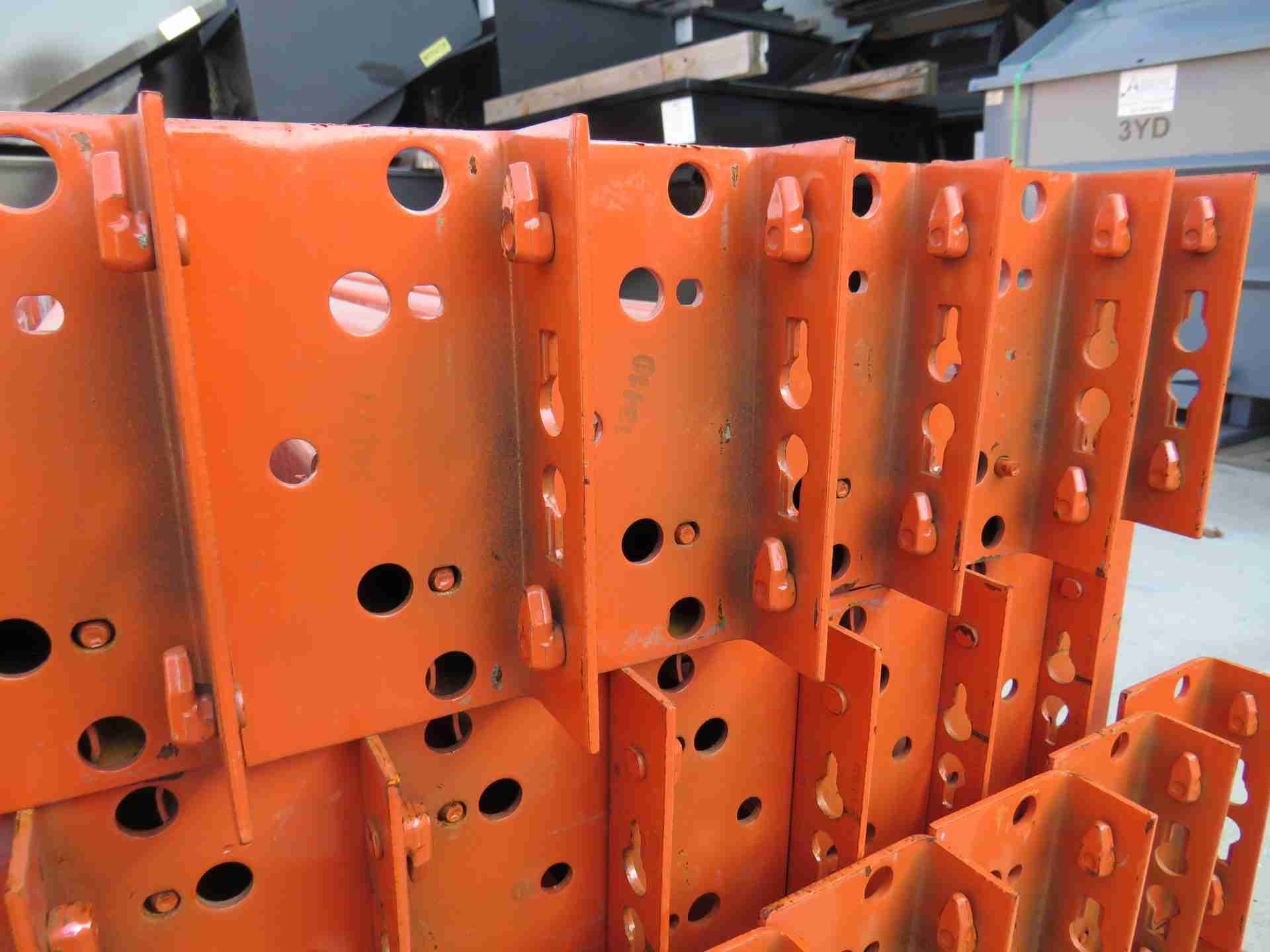
What Is the Potential Increase In Revenue From More Pallet Positions?
What Is the Potential Increase In Revenue From More Pallet Positions?
- Efficient space utilization in warehouses is crucial, not just the amount of space available.
- Racking systems can significantly enhance inventory management by increasing pallet positions.
- More pallet positions lead to higher product availability, improving customer responsiveness and trust.
- A 20% increase in pallet positions can substantially boost inventory turnover and sales.
- Faster product movement allows for reinvestment into operations, fostering growth.
- Using resources wisely ensures sustainable operations without overwhelming staff.
- Enhancements in efficiency can contribute positively to the local economy and community trust.

What Is the Potential Increase In Revenue From More Pallet Positions?
How Do Pallet Positions Affect Inventory Accuracy and Management?
Pallet positions play a critical role in inventory accuracy and management that often gets overlooked amidst the hustle of daily operations. Think about it: in a bustling warehouse, every second counts. Misplacing a pallet can lead to cascading errors that disrupt not just one person’s day but can throw a wrench in a whole team’s workflow. We’ve all felt the frustration of searching for a product that should’ve been right where it was supposed to be. That gut feeling of anger, mixed with embarrassment, is something every worker dreads.
Racking systems are designed with specific layouts for a reason. They optimize not just space but also the flow of goods. When pallets are positioned correctly, you’re not just saving time; you’re fostering a culture of teamwork and accountability. Everyone knows their responsibilities, but when a pallet is in the wrong spot, that clarity is lost. Suddenly, you’re not just managing inventory; you’re managing chaos.
From a rational standpoint, proper pallet positioning minimizes the risk of overstocking or stockouts—both scenarios that can impact your bottom line. It’s all about smart decisions backed by clear data. When you understand where each item belongs, you can make informed choices that improve efficiency. This isn’t just about checking boxes; it’s about creating a streamlined operation that meets customer demands while also respecting your workforce’s time and effort.
On an ethical level, the integrity of your inventory speaks volumes about your operation. Customers rely on knowing that when they place an order, it’ll be fulfilled accurately and on time. By maintaining a disciplined approach to pallet placement, you’re not just improving accuracy; you’re establishing trust with your clientele. It’s the difference between “just another supplier” and a dependable partner.
Perhaps most importantly, the story of your warehouse is in its people. Each worker plays an integral role in this grand narrative. Training teams to understand the importance of pallet positions fosters a sense of ownership and pride. They’re not just moving boxes; they’re part of a larger mission to deliver excellence.
Doing inventory management right isn’t just about efficiency; it’s about building relationships—between your workforce, your systems, and your customers. It all starts with the simple act of positioning pallets correctly. So let’s roll up our sleeves and get to it, because when everyone is on the same page, we’re not just placing pallets; we’re building a foundation for success.

How Do Pallet Positions Affect Inventory Accuracy and Management?
How Do Pallet Positions Affect Inventory Accuracy and Management?
- Pallet positions are vital for inventory accuracy and management, often overlooked in daily operations.
- Misplacing a pallet can disrupt workflows and cause frustration among workers.
- Proper racking systems optimize space and improve the flow of goods.
- Correct pallet placement fosters teamwork and accountability within the workforce.
- Minimizing overstocking and stockouts through proper pallet positioning impacts profitability.
- Maintaining disciplined pallet placement builds trust with customers by ensuring timely and accurate order fulfillment.
- Training teams on the importance of pallet positions enhances ownership and pride in their work.

How Do Pallet Positions Affect Inventory Accuracy and Management?
Are There Case Studies Demonstrating Roi From Pallet Position Changes?
Are There Case Studies Demonstrating ROI From Pallet Position Changes?
When it comes to racking systems in warehouses, shifting around pallet positions isn’t just a game of Tetris; it’s a strategic move that can have a significant impact on your bottom line. Picture a bustling warehouse, with pallets neatly organized in a way that optimizes space and workflow. That’s not just a pretty sight—it’s smart business. Studies have shown that well-planned pallet positioning can lead to increased efficiency, reduced labor costs, and ultimately, a solid return on investment (ROI).
Take, for example, a mid-sized warehouse that decided to rethink its racking systems. With pallets previously stacked haphazardly based on intuition rather than strategy, picking times were slower than molasses in January. Once the team took a step back and reassessed their layout, they identified the most frequently picked items and adjusted the pallet positions accordingly. The results were striking—order fulfillment times plummeted, and labor hours dropped significantly. What was once a frantic scramble turned into a smooth flow of productivity, demonstrating that sometimes, the simplest of changes can lead to monumental results.
Moreover, this isn’t just about numbers on a spreadsheet; it’s about people. Employees felt the positive impact of these changes in their daily work. They reported fewer frustrations, easier access to goods, and a more organized environment that fostered a sense of pride in their workspace. This shift not only benefited the business financially but also boosted morale. When workers see their environment improving because of calculated decisions, it breeds a culture of efficiency and accountability that resonates throughout the company.
From an ethical standpoint, investing in smarter racking systems and pallet positions isn’t just good for business—it’s good for the people behind the work. Studies illustrate that when organizations prioritize efficiency and the happiness of their employees, they create a sustainable model that ensures long-term success.
The narrative is clear: changing pallet positions isn’t merely about maximizing space; it’s about optimizing workflow, uplifting employee spirits, and enhancing overall performance. With case studies revealing tangible benefits, it’s time to take a hard look at how you’re arranging your racking systems. The potential for greater ROI is not just a numbers game—it’s a human one, where every streamlined process contributes to a more effective and fulfilling work environment. When you align your operations with thoughtful decisions, you’re not just moving pallets; you’re laying the groundwork for a thriving operation. Embrace the change, and watch as both productivity and satisfaction flourish.

Are There Case Studies Demonstrating Roi From Pallet Position Changes?
Are There Case Studies Demonstrating Roi From Pallet Position Changes?
- Strategic pallet positioning in warehouses can significantly impact profitability.
- Effective organization leads to improved efficiency and reduced labor costs.
- A case study of a mid-sized warehouse showed marked improvements in order fulfillment times after repositioning pallets based on frequency of access.
- Employees experienced increased satisfaction and productivity due to a more organized work environment.
- Investing in efficient racking systems positively influences employee morale and workplace culture.
- Prioritizing efficiency and employee happiness contributes to long-term organizational success.
- Optimizing pallet positions is essential for enhancing overall performance in a warehouse setting.

Are There Case Studies Demonstrating Roi From Pallet Position Changes?
Conclusion
The key to unlocking efficiency in any warehouse operation lies in optimizing pallet positions. It’s not merely a matter of numbers or spreadsheets; it’s about tapping into the very heartbeat of the workspace. Every pallet added represents a move toward enhancing operational flow, which in turn, fosters a sense of connection among the crew. When the team can navigate their tasks without unnecessary backtracking or chaos, it reduces both physical and mental strain, ultimately boosting morale.
Investing in additional pallet positions provides a dual benefit—financial and emotional. More space means the possibility of storing more products, enhancing sales potential without the costs associated with expansion. This can translate directly into improved customer relationships, as a well-organized operation translates to better service and reliability.
However, ignoring the necessity for more pallet positions can trigger a downward spiral. Cluttered racking systems lead to misplaced goods, frustration, and wasted time. Such chaos chips away at employee morale and productivity; the foundational values of teamwork, accountability, and respect can falter when stress levels rise due to inefficient setups.
On the rational side, optimizing pallet positions isn’t just about immediate gains; it fosters a culture of sustainability and ethical responsibility. Every improved layout not only maximizes space but also shows that the company values the well-being of its workers and customers alike. A fresh perspective on racking systems creates an environment where everyone thrives—less waste, reduced risks, and a consistently smooth operation.
The narrative of improving pallet positions extends beyond mere logistics—it’s also deeply rooted in a sense of community. Workers take pride in a well-organized warehouse, feeling part of something larger. That collective effort instills loyalty, ensuring the operation runs like a finely-tuned machine that not only meets but exceeds customer expectations.
In essence, enhancing pallet positions is about building a foundation for a vibrant and successful operation. It speaks to everyone involved, improving not just the efficiency of everyday tasks but also creating an atmosphere where trust, accountability, and morale flourish. Quality work is borne from a quality environment, and with well-executed pallet strategies, we can ensure that both employees and the business benefit, driving forward the shared mission of success and reliability.

Conclusion
Conclusion:
- Optimizing pallet positions enhances operational flow and crew connection.
- Additional pallet positions improve both financial performance and employee morale.
- Cluttered racking systems can lead to misplaced goods and wasted time.
- Inefficient setups negatively impact employee morale and foundational values.
- Better pallet layouts promote sustainability and ethical responsibility.
- A well-organized warehouse fosters a sense of community and collective pride among workers.
- Improving pallet positions builds trust, accountability, and a positive work environment.

Conclusion
Other Resources

Other Resources
Here is a list of other resources you can review online to learn more:
- Pallet Racking systems in Illinois and Great Lakes
- Cantilever Racking Specialists – Get the Right Racks
- Pallet Racking systems in Illinois, Great Lakes
- Selective Pallet Racking Systems
- Pallet Racks, Pallet Racking, Pallet Shelves in Stock – ULINE
- American Society of Safety Professionals
- Pallet Racking 101: A Comprehensive Guide & Options Explained
- Illinois Pallet Racking – Storage Solutions
- Warehousing Education and Research Council: https://www.werc.org/
- The Ultimate Pallet Racking Guide – Speedrack West
- IWLA
- Teardrop Uprights
- WERC
- Logic Material Handling
- Shipping Boxes, Packaging Materials, Pallet Racking
- Illinois
- Chicago Pallet Racking
- Warehouse Automation
- Teardrop Racks – Pallet Rack World
- Cantilever Rack Guide: Ordering Cantilever Racking
Use This Prompt To Get More Resources With Your Favorite Online AI Tool: Please provide me with a list of online articles with their URLs in a bulleted list that I can read regarding The Roi Of Adding Pallet Positions

Other Resources
Glossary Terms
The Roi Of Adding Pallet Positions – Glossary Of Terms
1. ROI: Return on Investment; a measure used to evaluate the efficiency of an investment relative to its cost.
2. Pallet Position: A designated space for a pallet within a warehouse or storage facility.
3. Efficiency: The ability to achieve maximum productivity with minimum wasted effort or expense.
4. Inventory Management: The process of ordering, storing, and utilizing a company’s inventory.
5. Warehouse Optimization: Strategies implemented to improve the overall efficiency and functionality of a warehouse.
6. Cost-Benefit Analysis: A process of comparing the costs and benefits associated with a particular investment or decision.
7. Cargo Handling: The act of moving, storing, and transporting goods within a warehouse or loading dock.
8. Space Utilization: Measuring the effectiveness of space used in a warehouse or facility.
9. Throughput: The amount of material or items passing through a system or process in a given time period.
10. Automation: The use of technology to perform tasks with minimal human intervention, often improving efficiency.
11. SKU (Stock Keeping Unit): A unique identifier for each distinct product and service that can be purchased.
12. Lean Warehousing: A methodology to minimize waste within a warehouse while maximizing productivity.
13. Supply Chain: The entire network of entities involved in producing, distributing, and selling a product.
14. Inventory Turnover: A ratio that shows how many times inventory is sold and replaced over a period.
15. Lead Time: The amount of time that passes from the start of a process until its completion.
16. Positioning Strategy: A plan to effectively place products in warehouses for optimal access and efficiency.
17. Labor Costs: Expenses incurred by a company related to the workforce, including wages and benefits.
18. Order Fulfillment: The complete process of preparing and delivering a customer’s order.
19. Pallet Configuration: The arrangement of products on pallets during storage or transportation.
20. Storage Density: The ratio of storage space utilized compared to the total available space.
21. Just-in-Time (JIT): An inventory strategy that aims to increase efficiency by receiving goods only as they are needed.
22. Safety Stock: Extra inventory held to prevent stockouts and manage sudden increases in demand.
23. Obsolescence: The state of being no longer useful or relevant, often in relation to outdated inventory.
24. Freight Costs: Expenses associated with transporting goods from one location to another.
25. Inventory Accuracy: The degree to which inventory records reflect the actual quantity of stock on hand.
26. Dock Operations: Activities performed at the loading docks of a warehouse, including loading and unloading.
27. Stockout: A situation where inventory is unavailable when demand arises, leading to lost sales.
28. Distribution Center: A warehouse specifically designed to facilitate the distribution of goods to end customers.
29. Pallet Jack: A type of hand-operated equipment used to lift and move pallets within a warehouse.
30. Forecasting: Predicting future demand for products to optimize inventory levels and ordering processes.

Glossary Of Terms
Other Questions
The Roi Of Adding Pallet Positions – Other Questions
If you wish to explore and discover more, consider looking for answers to these questions:
- What is the typical payback period after adding X pallet positions?
- How do you calculate ROI specifically for pallet position additions?
- What are the upfront costs (materials, installation, engineering) of adding pallet positions?
- Are there common hidden or ongoing costs (maintenance, inspections, repairs) to expect?
- How will adding pallet positions impact labor costs and labor productivity?
- How much additional revenue can be realistically expected from a given percentage increase in pallet positions?
- What metrics or KPIs should be tracked before and after implementation to measure success?
- How does increasing pallet density affect order picking speed and accuracy?
- What trade-offs exist between maximizing pallet positions and maintaining accessibility for picking?
- How does pallet position optimization differ for various picking methods (piece pick, case pick, pallet pick)?
- What are the safety implications of adding more pallet positions and how are those mitigated?
- What load ratings and engineering checks are required for new racking configurations?
- How will changes to pallet positions affect equipment requirements (forklifts, reach trucks, narrow-aisle equipment)?
- What is the expected disruption to operations during installation and how can it be minimized?
- How do pallet position changes interact with fire codes, sprinklers, and egress requirements?
- Are there insurance or regulatory impacts from altering racking systems or increasing storage density?
- How should inventory slotting be re-evaluated when adding pallet positions?
- What software or WMS changes are needed to support new pallet layouts and location tracking?
- How do pallet size, weight, and SKU characteristics affect optimal pallet positioning?
- Can optimizing pallet positions reduce product damage or waste, and by how much?
- How do temperature-controlled or hazardous-material storage environments change pallet position strategy?
- Are there case studies or benchmarks relevant to my industry or facility size?
- What are typical ROI ranges seen in case studies (percent improvement, labor hours saved, revenue uplift)?
- How scalable are racking changes—can they be phased as business grows?
- What financing or leasing options exist for racking upgrades and how do they affect ROI?
- How does adding pallet positions affect inventory turnover and carrying costs?
- How should depreciation, tax implications, and capital expenditure accounting be considered?
- What level of staff training is required after reconfiguring pallet positions?
- How can slotting and pallet position changes be tested or simulated before physical changes?
- What are the best practices for selecting racking vendors and installers?
- How long do racking systems typically last and what warranties or lifecycle costs should be expected?
- How do increased pallet positions impact seasonal surge capacity and peak throughput?
- What environmental or sustainability benefits can be claimed from improved space utilization?
- How do you balance maximizing pallet positions with emergency access, maintenance, and cleaning requirements?
- What performance targets (e.g., picks per hour, order accuracy) are reasonable after optimization?

Other Questions
Checklist
The Roi Of Adding Pallet Positions – A Checklist
Baseline and Goals
✅______ Define target outcomes (capacity, lead time, labor hours, accuracy, revenue)
✅______ Current pallet positions ______
✅______ Target pallet positions ______
✅______ Current space utilization % (cubic, not just floor) ______
✅______ Average order lines/day ______
✅______ Picks/hour (weighted) ______
✅______ Average travel time/order (min) ______
✅______ Labor cost/hour (fully loaded) ______
✅______ Inventory accuracy % ______
✅______ Dock-to-stock time (hrs) ______
✅______ Damage rate % ______
✅______ OTIF (on-time ship) % ______
✅______ External storage cost/month $______
✅______ Lease rate ($/sq ft/year) $______
✅______ Missed orders or chargebacks/month $______
Hidden-Cost Audit of Not Adding Positions
✅______ Quantify overtime tied to congestion $______/month
✅______ Lost productivity from excess travel (hrs/month) ______
✅______ Inventory search/recovery time (hrs/month) ______
✅______ Expedited freight due to delays $______/month
✅______ Customer churn or penalties from late/short shipments $______/month
✅______ Damage/write-offs from poor stacking or overflow $______/month
✅______ Temporary storage or offsite shuttling $______/month
Design and Slotting Plan
✅______ ABC velocity analysis completed (A/B/C % of lines and cube)
✅______ Golden zone defined for A-items (ergonomic height bands set)
✅______ Fast-mover pallet positions located closest to pick/ship points
✅______ Travel paths minimized (U- or through-flow defined)
✅______ Aisle widths matched to equipment turning radius
✅______ Replenishment triggers and min/max per SKU set
✅______ FIFO/FEFO rules mapped to locations
✅______ Cross-dock and staging zones sized and placed
✅______ Peak volume scenarios validated (seasonality, promotions)
Equipment, Layout, and Compliance
✅______ Rack type selected (selective, double-deep, drive-in, pushback, pallet flow)
✅______ Beam levels and clear heights verified against load and sprinkler codes
✅______ Floor load capacity and rack anchors verified
✅______ Forklift/reach truck compatibility confirmed (height, weight, aisle)
✅______ Fire code, egress, and sprinklers checked for new density
✅______ Seismic and wind requirements reviewed (where applicable)
Systems, Labels, and Data
✅______ WMS locations and bin schema built for new positions
✅______ Location barcodes printed and posted
✅______ Cycle counting method aligned to new layout
✅______ Slotting rules configured in WMS (or documented for manual process)
✅______ Pick paths and waves updated
✅______ Master data (dimensions, weights, stackability) verified for top SKUs
People, Training, and Morale
✅______ Floor team involved in layout walk-throughs
✅______ Training delivered for new routes, safety zones, and rules
✅______ Feedback loop set (daily stand-ups during ramp)
✅______ Recognition plan for productivity and accuracy gains
✅______ Break areas and ergonomic considerations reviewed
Financial Model
✅______ Added pallet positions ______
✅______ All-in cost per new position (rack, install, permits, sprinklers, WMS, downtime) $______
✅______ Total project capex $______
✅______ One-time implementation costs (training, labeling, temporary labor) $______
✅______ Annualized cost (capex amortization and maintenance) $______/year
Annual Benefit Estimate
✅______ Labor hours saved/year from travel reduction ______ hrs x $______ = $______
✅______ Picking productivity gain (%) ______ → labor $ saved $______
✅______ Inventory accuracy improvement (%) ______ → error/shortage $ avoided $______
✅______ Damage reduction $______/year
✅______ Avoided offsite storage/lease expansion $______/year
✅______ Increased throughput capacity (%) ______ → incremental gross margin $______/year
✅______ Reduced overtime/expedites $______/year
✅______ Total quantified annual benefits $______/year
ROI and Payback
✅______ Net annual benefit = total benefits − annualized cost $______/year
✅______ Payback period = capex ÷ net annual benefit ______ months
✅______ NPV/IRR calculated (if applicable) ______ / ______
Pilot, Cutover, and Stability
✅______ Pilot zone selected and measured pre/post
✅______ Changeover plan with downtime window approved
✅______ Inventory move plan and sequencing documented
✅______ Old locations blocked or retired in WMS
✅______ Safety walk and signage completed
✅______ Go-live support schedule set (supervisors, IT, maintenance)
Before/After Metrics to Capture
✅______ Picks/hour Before ______ → After ______
✅______ Travel time/order (min) Before ______ → After ______
✅______ Order cycle time (hrs) Before ______ → After ______
✅______ Inventory accuracy % Before ______ → After ______
✅______ Damage rate % Before ______ → After ______
✅______ OTIF % Before ______ → After ______
✅______ Labor cost/order Before $______ → After $______
✅______ Capacity utilization % Before ______ → After ______
30/60/90-Day Audit
✅______ 30-day review: hotspots, congestion; re-slot as needed
✅______ 60-day review: confirm KPI trend; lock standards
✅______ 90-day review: finalize ROI; update SOPs; share wins with team
Risk and Contingency
✅______ Supplier lead times for racking and permits buffered
✅______ Backup storage or staging plan during install
✅______ Equipment rental contingency (extra lifts, scanners)
✅______ Weather/seasonal surge plan aligned with cutover
Proof Pack (for Clients and Stakeholders)
✅______ Photos or diagram of before/after layout
✅______ KPI charts with deltas and savings
✅______ Crew testimonials on workflow and morale
✅______ Case snapshot summarizing ROI and payback
✅______ Lessons learned and next-phase roadmap

Checklist
At RackingWorld, we help guide you through selecting warehouse storage systems and racking.
Be sure to read our other related stories at RackingWorld to learn more about warehouse storage systems.
0 Comments