
Unlocking Potential: Why Overcrowded Warehouses Weigh Us Down
By Tom Seest
At RackingWorld, we help guide you through selecting warehouse storage systems and racking.
Be sure to read our other related stories at RackingWorld to learn more about warehouse storage systems.
The Psychology Of Full Warehouses
The Psychology Of ‘Full’ Warehouses
A full warehouse isn’t just a sea of racking systems filled to the brim with inventory; it’s a testament to hard work, dedication, and a sense of purpose. For the folks who keep these operations running, it’s more than a job; it’s a livelihood forged through sweat, strategy, and foresight. When you walk through those aisles, you can feel the weight of responsibility in the air. Each box holds a story, each pallet a promise, and this bustling space is where ambition meets reality.
Emotionally, the sight of stocked shelves ignites pride. There’s a sense of accomplishment knowing that every item represents a connection to customers out there, relying on you to have what they need when they need it. This isn’t just about stuff sitting around. It’s about making life a little easier for someone else—whether that’s a family looking for household goods or a business waiting on crucial supplies. There’s beauty in that trust, in fulfilling a promise to deliver.
Rationally, consider the efficiency of a well-organized operation. When racking systems are utilized wisely, it reduces wasted space and maximizes resources. It’s strategic thinking at its finest—every inch matters in a game where margins are thin. An empty jack in the warehouse isn’t a sign of success; it’s a challenge waiting to be met. Filling that warehouse isn’t just good business; it drives innovation and fosters a culture of proactive problem-solving where every employee feels they play a vital role.
Ethically, there’s a commitment to sustainability and community. A full warehouse doesn’t mean hoarding resources; it means being ready to respond. It’s about knowing that while items are stored away, plans are also laid to ensure they get where they need to go. It’s an acknowledgment of responsibility—not just to the company, but to the environment and the people whose lives are touched by these goods.
Socially, warehouses are often the unsung heroes of industry. The people behind those walls are a community themselves—each member bringing unique skills and knowledge to the table. Sharing stories about late nights working to meet tight deadlines or finding clever ways to improve workflows creates a bond that goes beyond the workplace. Every filled shelf in a warehouse stands as a monument to teamwork, resilience, and the tenacity that defines blue-collar life.
Ultimately, a full warehouse isn’t just inventory; it’s a rallying call for action, a proud display of resourcefulness, and a commitment to serve that resonates deeply with all who work within its walls.

The Psychology Of Full Warehouses
The Psychology Of Full Warehouses
- A full warehouse symbolizes hard work, dedication, and purpose.
- Stocked shelves evoke pride and represent connections to customers.
- Efficient organization maximizes resources and reduces waste.
- A filled warehouse fosters innovation and proactive problem-solving.
- Commitment to sustainability and community is essential for operations.
- Warehouse staff form a community, sharing skills and experiences.
- A full warehouse represents resourcefulness and a commitment to serve.
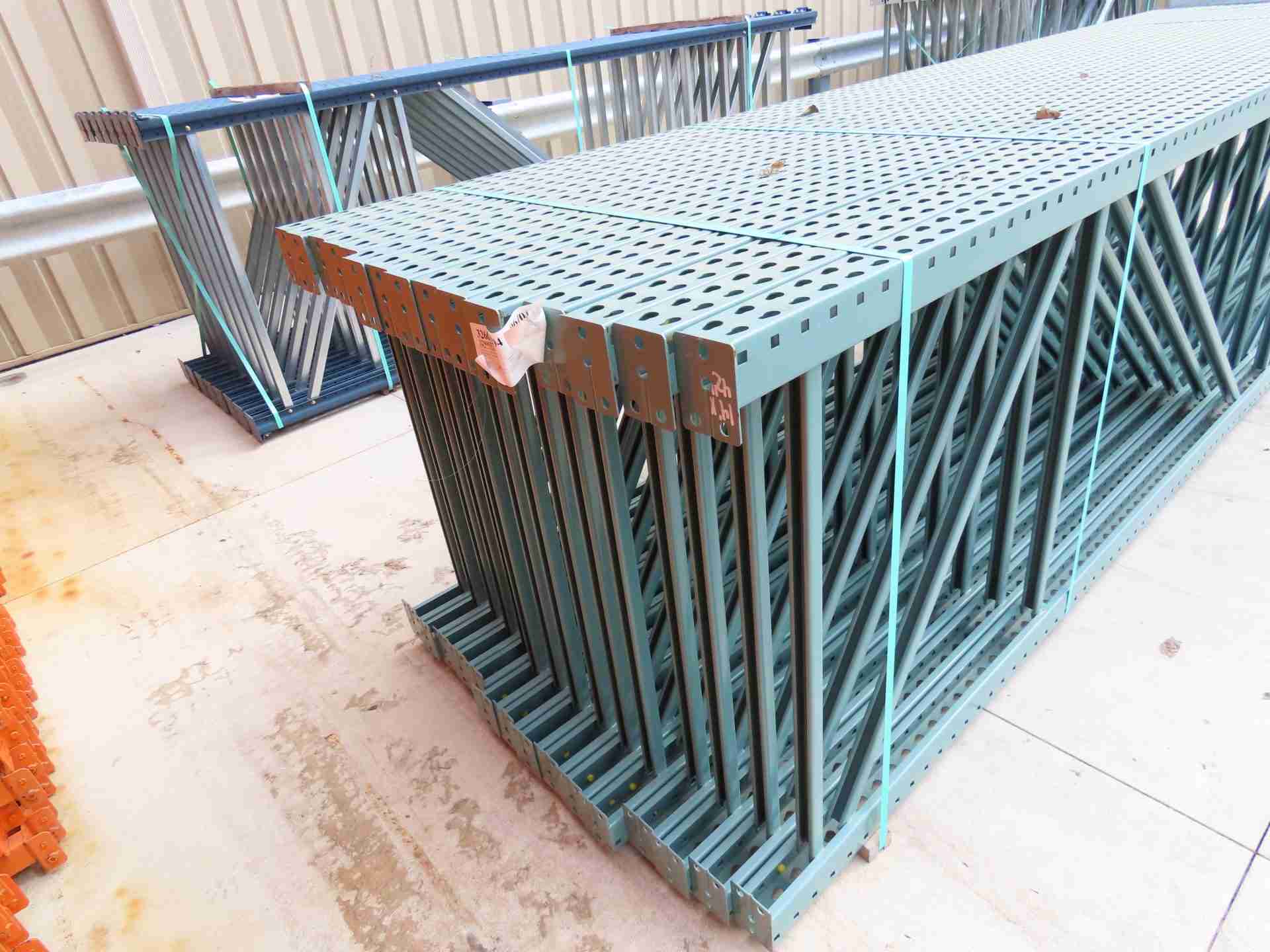
The Psychology Of Full Warehouses
Table Of Contents
- The Psychology Of Full Warehouses
- What Emotions Arise When We See a Crowded Warehouse?
- How Does Clutter Affect Our Productivity?
- Are We Overwhelmed By the Abundance Of Goods?
- What Psychological Impact Does Excess Inventory Have?
- Do We Equate Full Warehouses with Success?
- How Does Scarcity Mindset Play a Role In Inventory?
- Conclusion
- Other Resources
- Glossary Of Terms
- Other Questions
- Checklist
What Emotions Arise When We See a Crowded Warehouse?
Walking into a crowded warehouse, the first thing that hits you is the sheer scale—the towering racking systems filled to the brim with boxes, the hum of machinery, and the bustle of workers moving with purpose. It’s a scene that stirs something deep within. You see people hustling, each one playing a crucial role in keeping the wheels of commerce turning. This environment fosters a sense of community; you can feel the camaraderie among the workers, each with their hands on the gritty reality of getting the job done.
But there’s also a sense of overwhelm. The chaos of so much activity can make you feel small, dwarfed by the enormity of the task at hand. You might wonder if the goods will get sorted and shipped on time. This feeling isn’t unfounded—every box on those racking systems tells a story, a promise made to consumers waiting for their items. The weight of responsibility hangs in the air, reminding each worker that their contribution matters, directly impacting countless lives beyond the warehouse walls.
Then comes a stirring of pride. Each aisle packed with products represents hard work, dedication, and the sweat of those who loaded each shelf. You can almost hear the echoes of laughter and shouts of encouragement amidst the clanging and beeping of machines. It’s here, in this lively setting, that you witness resilience in action. Workers adapt and overcome challenges, forming a bond built on shared experiences, and in turn, you feel a connection to that grit.
Ethically, the presence of a bustling warehouse elicits thoughts on responsibility and sustainability. With so many goods moving in and out, the interplay between efficiency and environmental impact is clear. Questions swirl about how to maintain balance, fostering a sense of urgency for more sustainable practices. It’s a reminder that the choices made within these walls ripple out into communities, highlighting the ethical obligations of not just the corporation but every individual involved.
Finally, this crowded space ignites a call to action. It’s an invitation to appreciate the unseen labor that fills our lives with convenience. It encourages us to recognize the effort behind the scenes and to advocate for better working conditions and fair practices. The warehouse may be a hub of hustle and bustle, but it’s also a microcosm of a larger world, urging us to be a part of the change for the better.
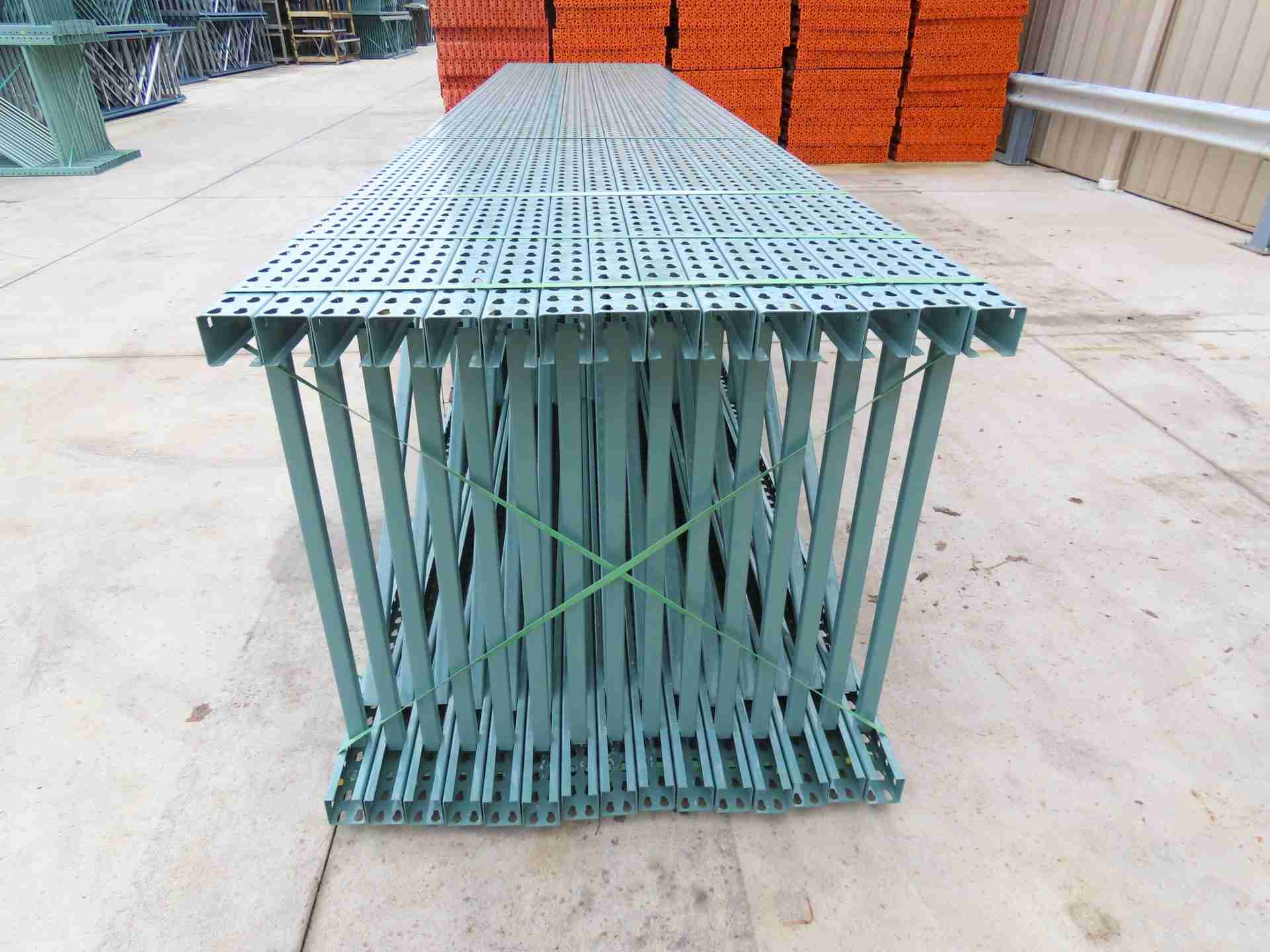
What Emotions Arise When We See a Crowded Warehouse?
What Emotions Arise When We See a Crowded Warehouse?
- The warehouse’s scale is impressive, filled with towering racking systems and active workers.
- A strong sense of community and camaraderie is evident among the workers, each contributing to the overall effort.
- The chaotic environment can feel overwhelming, creating concern about timely sorting and shipping of goods.
- Each box represents a promise to consumers, highlighting the weight of responsibility on the workers.
- Pride emerges from the hard work and dedication evident in the packed aisles, fostering resilience among workers.
- Ethical considerations arise regarding sustainability, emphasizing the need for balance between efficiency and environmental impact.
- The setting advocates for greater recognition of unseen labor and improved working conditions, urging participation in positive change.
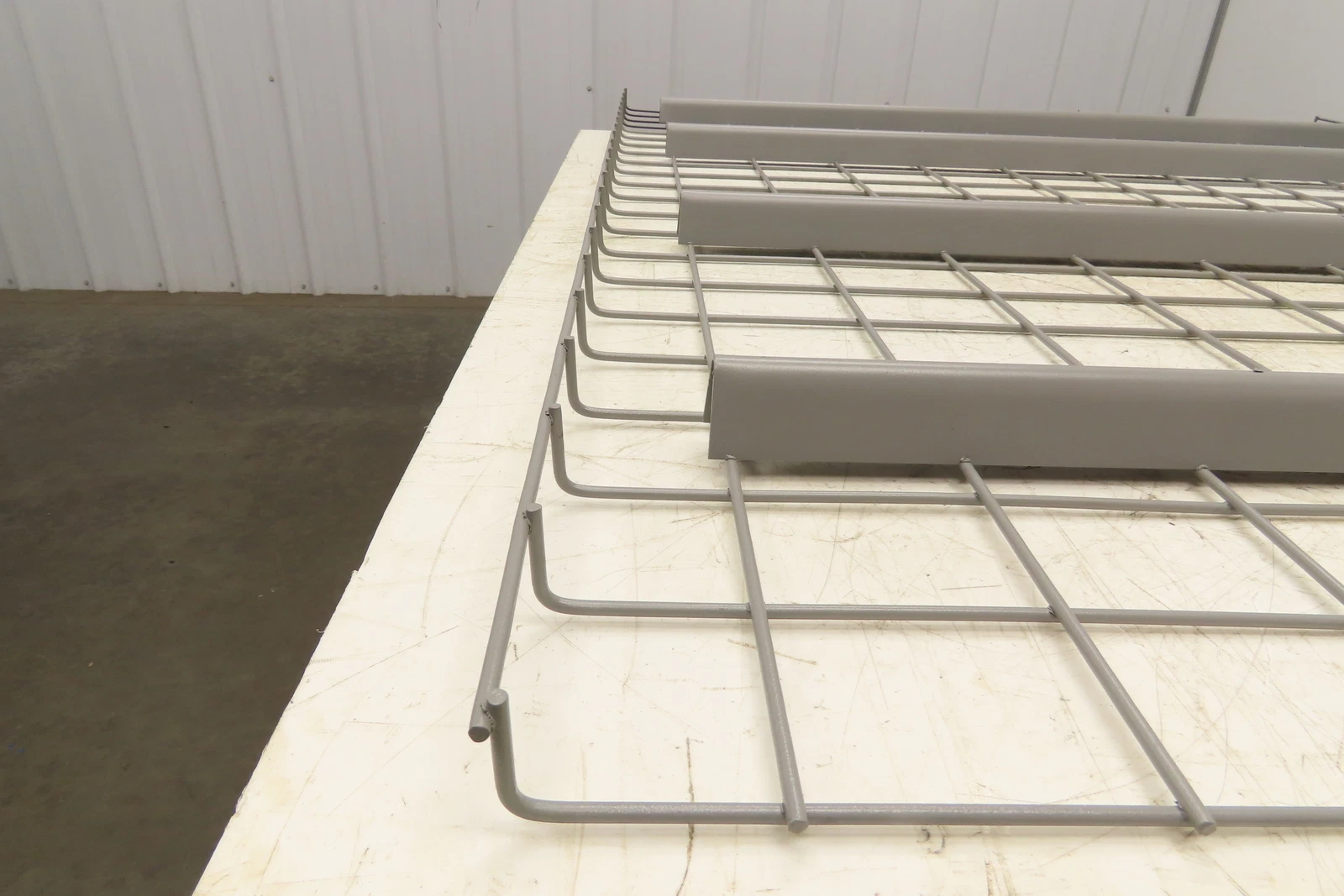
What Emotions Arise When We See a Crowded Warehouse?
How Does Clutter Affect Our Productivity?
Clutter can sneaky its way into our lives, like a slow leak in a tire, quietly draining our productivity before we even notice. Picture this: you wake up, ready to tackle the day, but before you even get your coffee, you’re greeted by chaos. Clothes piled high, papers scattered all over the kitchen table, and tools from last week’s project still lingering like uninvited guests. It’s enough to make you want to crawl back under the covers.
This disarray isn’t just an eyesore; it hits us in the gut. Studies have shown that clutter can trigger feelings of stress and anxiety. When your environment is in turmoil, it’s hard to focus on what really matters. Racking systems for organizing tools and materials might seem like a luxury, but for those of us who work with our hands, they can be game-changers. Imagine walking into your workshop or garage and seeing everything in its rightful place, organized and accessible. You breathe a little easier, your mind unclutters, and suddenly you’re ready to dive into creative problem-solving or tackle that project you’ve been putting off.
Rationally, the argument for decluttering is crystal clear. A clean workspace can boost concentration and efficiency. It allows for a clear line of sight to your goals, cutting through distractions and keeping you on track. When every tool and piece of equipment is properly racked and stored, you save invaluable time searching for what you need. That time could be spent on productive work, whether it’s finishing a job early or taking a moment to appreciate some well-deserved downtime.
Moreover, clutter can affect relationships. It’s not just about your personal space; it spills into your interactions with others. When a workspace is disheveled, it can lead to tension at home or within teams. Nobody wants to feel like they’re swimming upstream when it comes to communication and collaboration. When we take pride in a tidy environment, we inspire others to do the same, creating a shared sense of responsibility and accomplishment.
Tackling clutter isn’t just about aesthetics; it’s about reclaiming our mental space and enhancing our productivity. Whether you invest in proper racking systems or simply commit to a bit of daily tidying, the benefits ripple outwards, touching every aspect of our lives. The journey to a cleaner, more organized life starts with a single step—or in this case, a single tidy shelf.

How Does Clutter Affect Our Productivity?
How Does Clutter Affect Our Productivity?
- Clutter gradually decreases productivity, akin to a slow tire leak.
- Disarray leads to increased stress and anxiety, impacting focus.
- Organizing tools with proper racking systems enhances accessibility.
- A clean workspace boosts concentration and efficiency.
- Saved time from searching for tools can be used for productive work.
- Clutter affects personal relationships and team dynamics.
- Decluttering is essential for mental clarity and improved productivity.
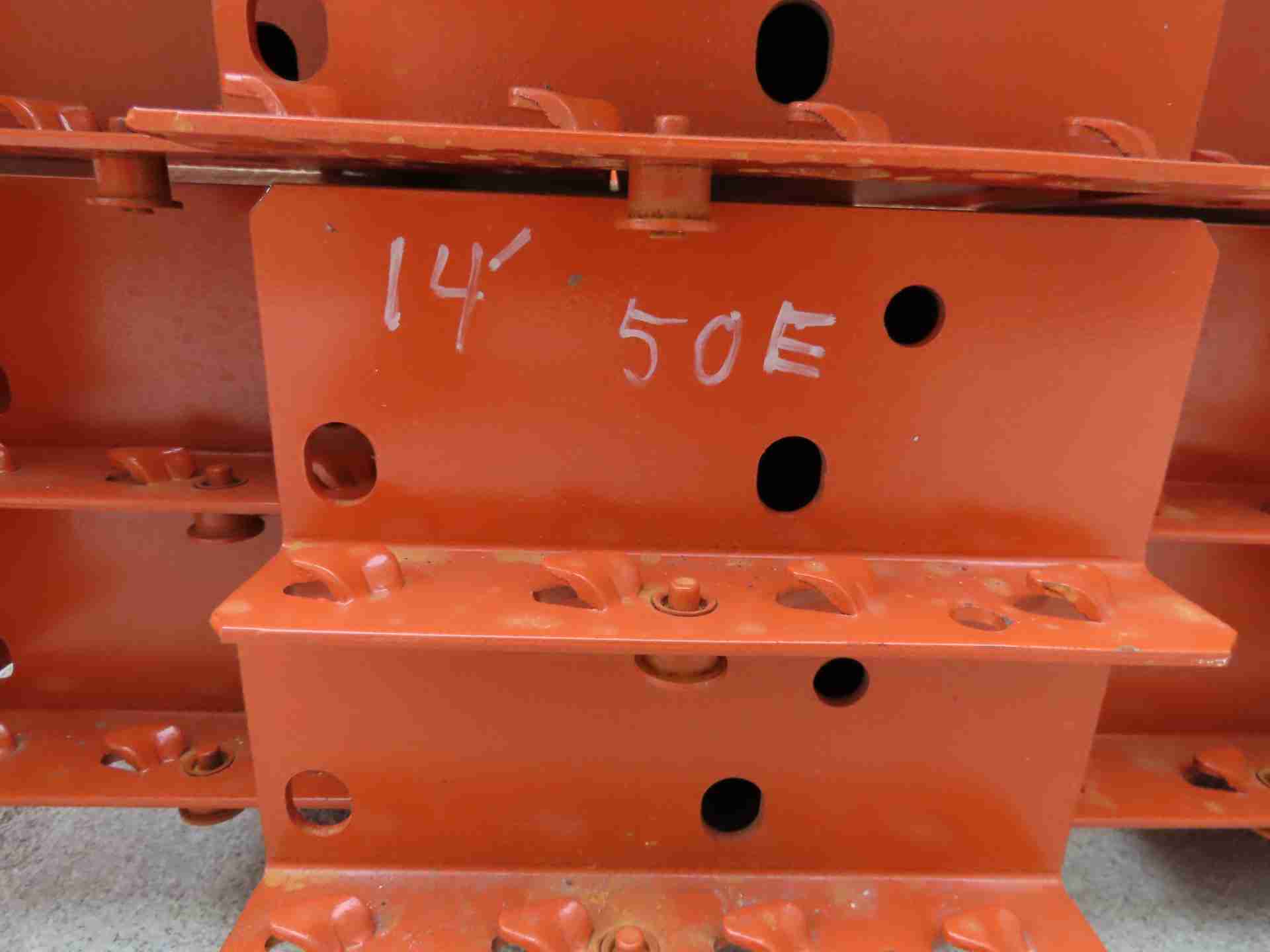
How Does Clutter Affect Our Productivity?
Are We Overwhelmed By the Abundance Of Goods?
In a world where warehouses brim with products under racking systems designed to hold more than we could ever need, it’s easy to scratch our heads and wonder if we’ve gone too far. We’ve created a society bustling with abundance, yet many find themselves feeling an emptiness that speaks louder than the goods surrounding them. This disconnect doesn’t just sound the alarm—it whispers to our hearts, nudging us to reflect on what truly matters.
Take a moment to think about a time when you felt truly fulfilled. Perhaps it wasn’t during a shopping spree but rather a meal shared with family, the laughter echoing louder than the clinking of glasses. It’s these experiences that create lasting memories, not the latest gadget on sale. While the shelves overflow, our desire for connection remains unquenched. This heartfelt observation should stir us to reconsider our relationship with material goods.
Rationally speaking, we’re drowning in choices. The advertisements flash before our eyes, promising happiness through ownership, while the reality is a cluttered living space and a nagging sense of dissatisfaction. We often purchase items with the hope of bettering our lives but find ourselves in a cycle where the thrill is short-lived. On the other hand, simplifying our lives can lead to clarity and contentment. Imagine freeing up space—both physically and mentally—by prioritizing experiences over possessions. It’s a heavier lift to change habits, but it can relieve the burden we carry.
Ethically, we must ask ourselves: are these endless goods created sustainably? The promise of convenience often comes at the expense of the environment and the well-being of workers. As consumers, we hold power in our pockets. Choosing quality over quantity can support ethical practices and encourage businesses to prioritize sustainability. The narrative shifts from mere consumption to responsible stewardship.
Socially, we’re all in this together. By sharing stories and inviting conversations about our consumer choices, we foster understanding and connection. When we gather around tables instead of shopping malls, we rebuild our communities and strengthen ties that matter.
In this era bursting with goods, let’s take a moment to step back, breathe, and decide what we want to fill our lives with—meaningful moments or material possessions. The path may be less traveled, but it leads to a richer existence, grounded in what truly feeds our souls.
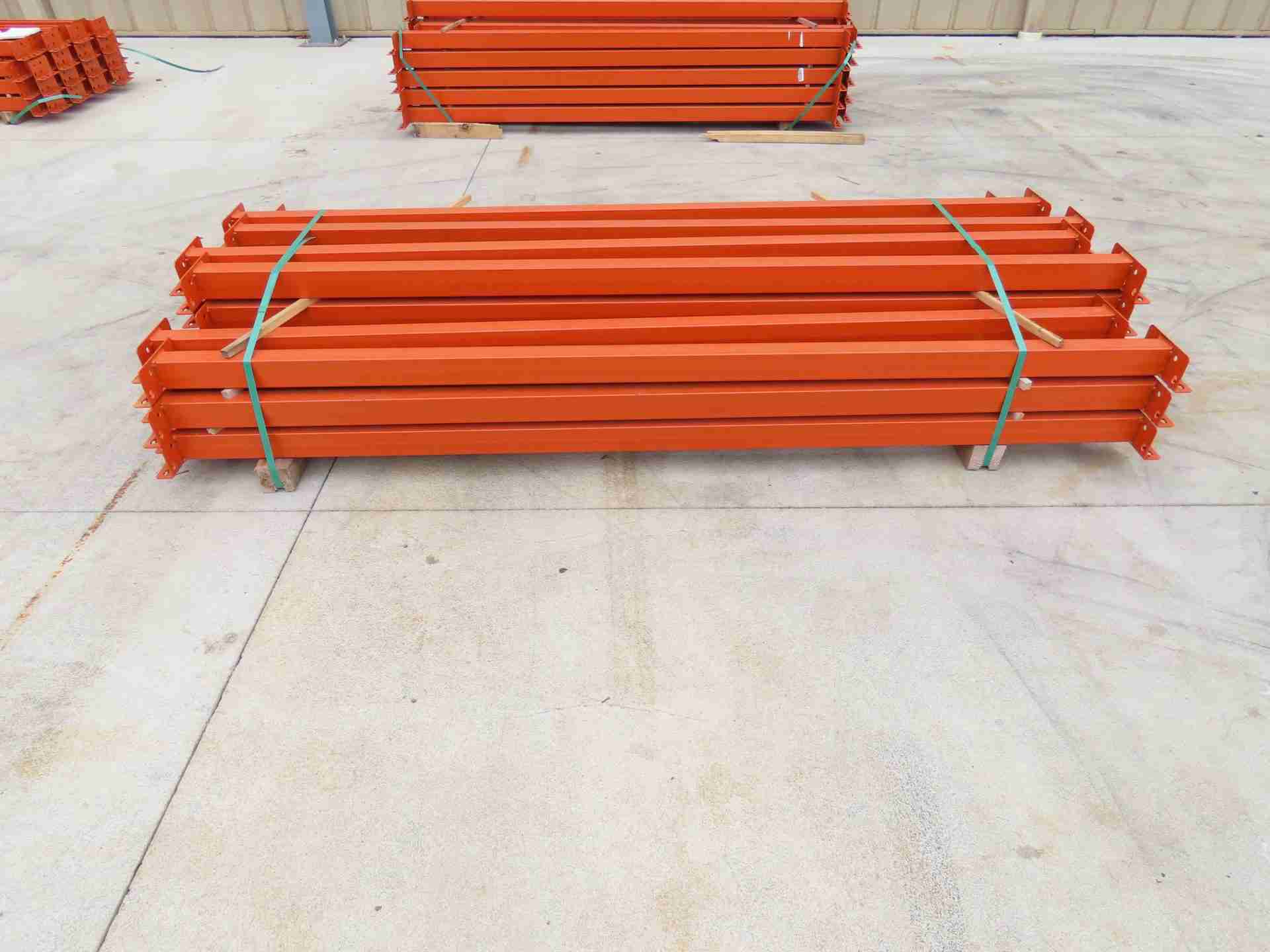
Are We Overwhelmed By the Abundance Of Goods?
Are We Overwhelmed By the Abundance Of Goods?
- Society is filled with abundance, yet many feel an emptiness amidst material goods.
- True fulfillment often comes from experiences, like shared meals, rather than possessions.
- The overwhelming number of choices leads to dissatisfaction rather than happiness.
- Simplifying lives by prioritizing experiences over possessions can bring clarity and contentment.
- Consumers must consider the sustainability of goods and support ethical practices.
- Fostering conversations about consumer choices can rebuild community connections.
- Choosing meaningful moments over material possessions leads to a richer existence.

Are We Overwhelmed By the Abundance Of Goods?
What Psychological Impact Does Excess Inventory Have?
Excess inventory sits in your warehouse like a weight pressing down on your shoulders. It’s not just a matter of overflowing racking systems; it’s about what that inventory represents—money tied up, choices unmade, stress simmering just below the surface. Picture this: you walk into your space, and instead of feeling pride in your stock, you feel a twinge of anxiety. Each item stacked high is a reminder of decisions that didn’t pan out; they whisper failures, missed opportunities, and the burden of wasted resources.
On the surface, the logical mind sees the inventory just as numbers, a balance sheet, and potential profit margins. But let’s look deeper. The emotional impact runs thicker than any line on a spreadsheet; it affects your employees’ morale. When workers see excessive stock, they might question job security. It breeds uncertainty and can foster a toxic atmosphere. Everyone feels it: the discontent, the lack of enthusiasm for tackling the day’s work. Efficiency takes a hit, and productivity wanes as people become disengaged from the task at hand.
Ethically, excess inventory raises questions about responsibility. How did we get here? Reflect for a moment on the choices that led to this surplus. Ethical stewardship calls for mindful purchasing and inventory management strategies that respect the team’s efforts and the resources at hand. It’s about fostering a culture that values sustainability over excess, where every item has its purpose and every decision reflects shared responsibility.
Storytelling comes into play when you engage teams in understanding the bigger picture. When everyone knows the risks tied to excess inventory, they can rally around solutions. They can share their ideas, their frustrations, and eventually their successes in whittling down that overwhelming stockpile. Such collaboration builds trust and strengthens bonds, creating a community that thrives on shared goals rather than the burden of excess.
Ultimately, the psychological impact is about consequence and action. Embrace the challenge of managing your stock. Engage with your racking systems and streamline your processes. Tap into that human instinct to solve problems and innovate. Seek to redefine what success looks like—not just in numbers, but in the harmony and energy of your workplace. As you take steps to address excess inventory, you cultivate a sense of accomplishment that resonates through every aspect of your business, inspiring confidence, trust, and renewed commitment.
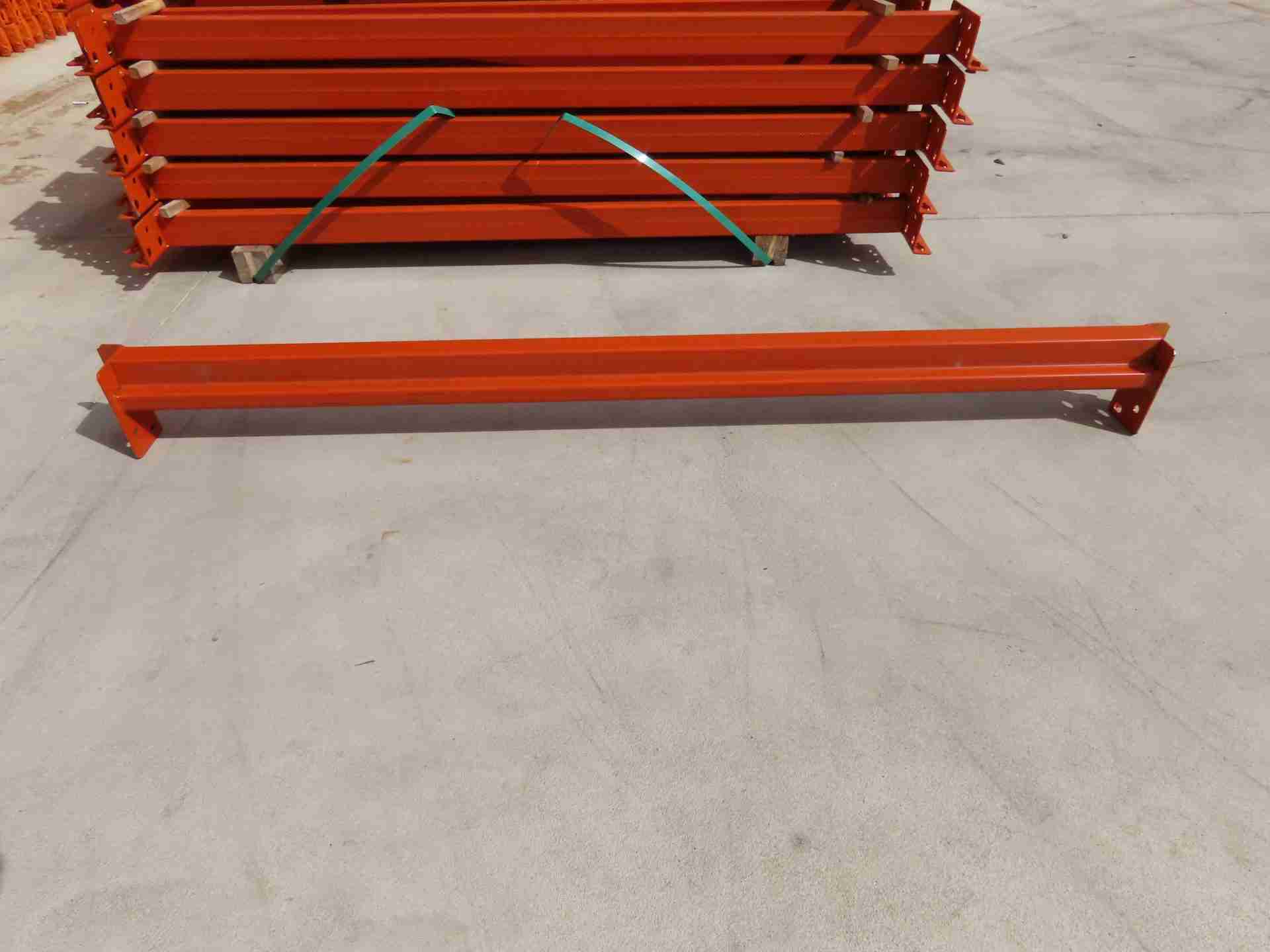
What Psychological Impact Does Excess Inventory Have?
What Psychological Impact Does Excess Inventory Have?
- Excess inventory creates stress and anxiety, symbolizing money tied up and poor decisions.
- Overflowing stock affects employee morale, breeding uncertainty and disengagement.
- High inventory levels can foster a toxic work environment, decreasing productivity.
- Ethical inventory management requires mindfulness and respect for resources and team efforts.
- Fostering a culture of sustainability values each item’s purpose and shared responsibility.
- Engaging teams through storytelling helps develop solutions and strengthens community bonds.
- Managing inventory effectively redefines success, promoting harmony and commitment in the workplace.
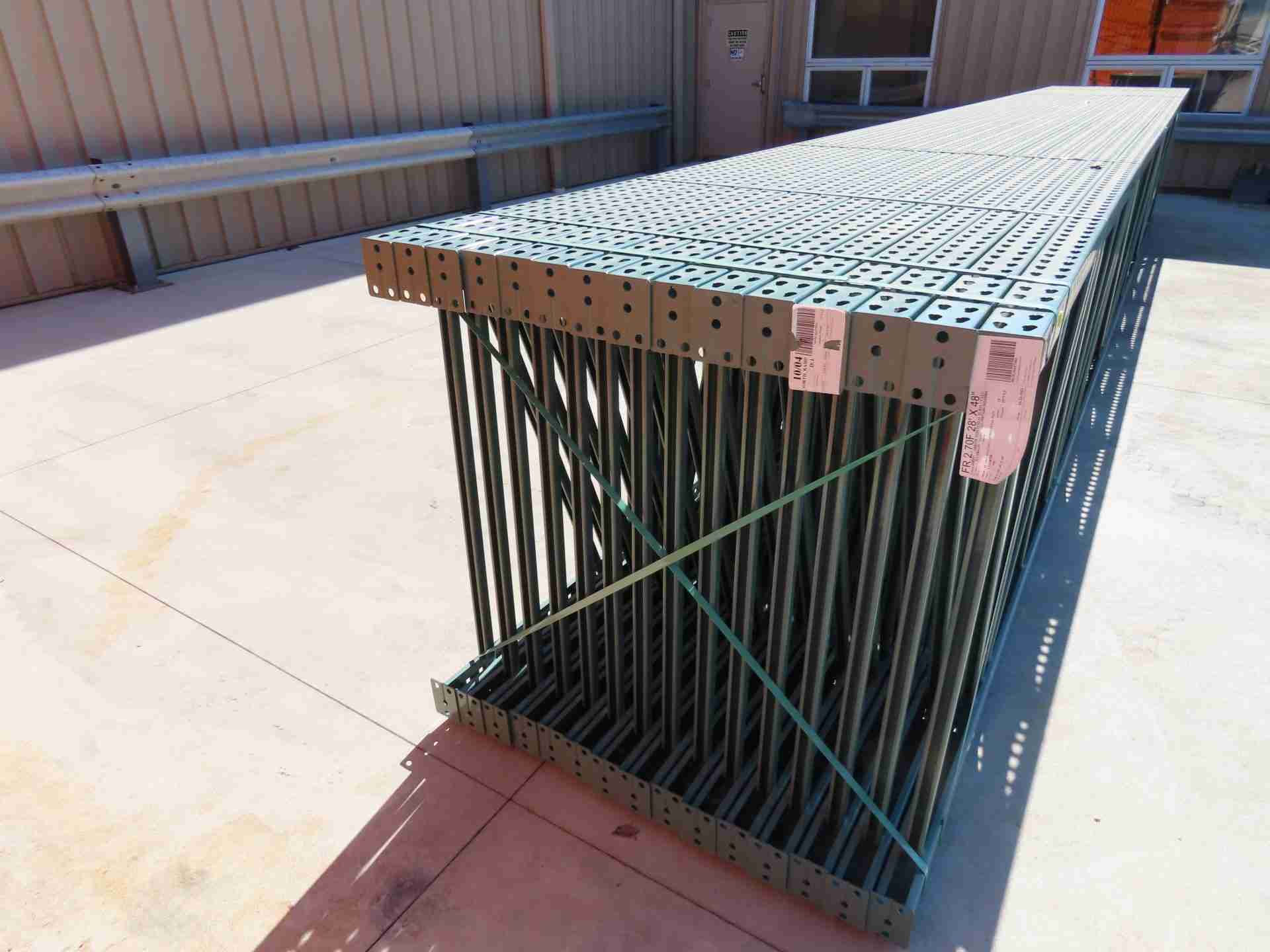
What Psychological Impact Does Excess Inventory Have?
Do We Equate Full Warehouses with Success?
When we look at a bustling warehouse, brimming with inventory and neatly arranged racking systems, it’s easy to equate that fullness with success. The visual impact can be compelling. A full warehouse creates an image of thriving operations, ready to deliver on promises and meet demand. Yet, beneath that shiny surface, the story may be much different.
Consider this: a warehouse packed to the rafters might lead to stress rather than satisfaction. For the dedicated workers toiling away, the burden of managing that inventory can feel overwhelming. Those racking systems, designed to maximize space, often become symbols of pressure. Each box and pallet represents a task, a deadline, a looming expectation. Instead of a sanctuary for efficiency, the warehouse can feel like a pressure cooker. It sparks an unrelenting race to keep up, where success is calculated not in profits but in how quickly the next shipment can be processed.
But let’s think about what really defines success. Is it merely the number of items stacked high, or is it the relationship built with both customers and employees? When businesses shift their focus from sheer volume to quality and agility, that’s when true success emerges. A well-organized warehouse, where the racking systems are optimized, isn’t just full; it’s functional. Workers feel pride in their space, confident that they can find what they need without frustration. This connection fosters a deeper loyalty, not just to the job but to the company’s mission.
It’s also about ethics and sustainability. A warehouse crammed with unnecessary stock often leads to waste and inefficiency. Today’s consumers care about the impact of their purchasing decisions. When businesses align with these values, they not only build trust but create a community of likeminded supporters. A lean operation doesn’t just reduce clutter; it builds a narrative of responsibility that resonates on a personal level.
Fullness can mislead, while smart management and a clear vision point toward genuine fulfillment. It’s not just about having more; it’s about having what matters. By considering the heart of the operation—the human element—and committing to ethical practices, businesses can inspire confidence and action. Success is not measured in square footage filled, but in the relationships nurtured and the value created.
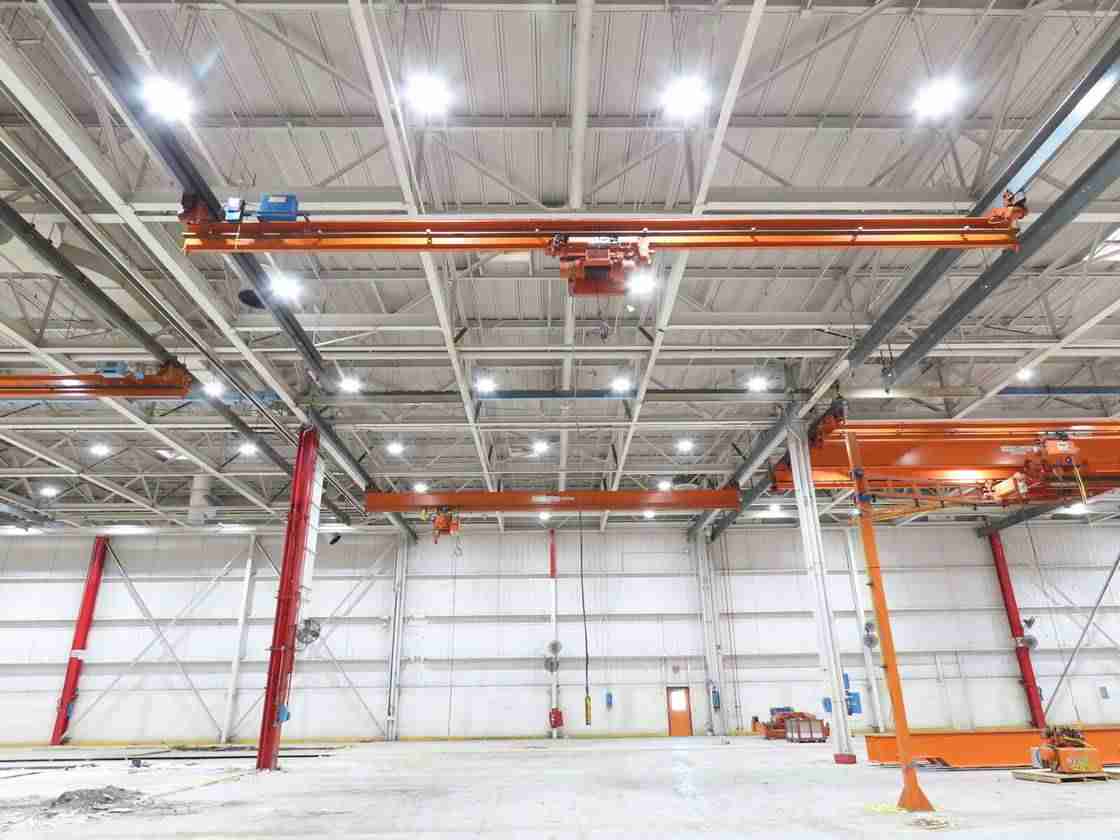
Do We Equate Full Warehouses with Success?
Do We Equate Full Warehouses with Success?
- A full warehouse often symbolizes success but can indicate underlying stress for workers.
- Overwhelming inventory can create pressure, turning efficiency into a race against deadlines.
- True success involves building relationships with customers and employees, not just accumulating items.
- A functional warehouse prioritizes organization and worker satisfaction over sheer volume.
- Ethics and sustainability are crucial; excessive stock leads to waste, misaligning with consumer values.
- A lean operation fosters community trust and resonates with responsible practices.
- Genuine fulfillment stems from nurturing relationships and creating real value, not just filling space.
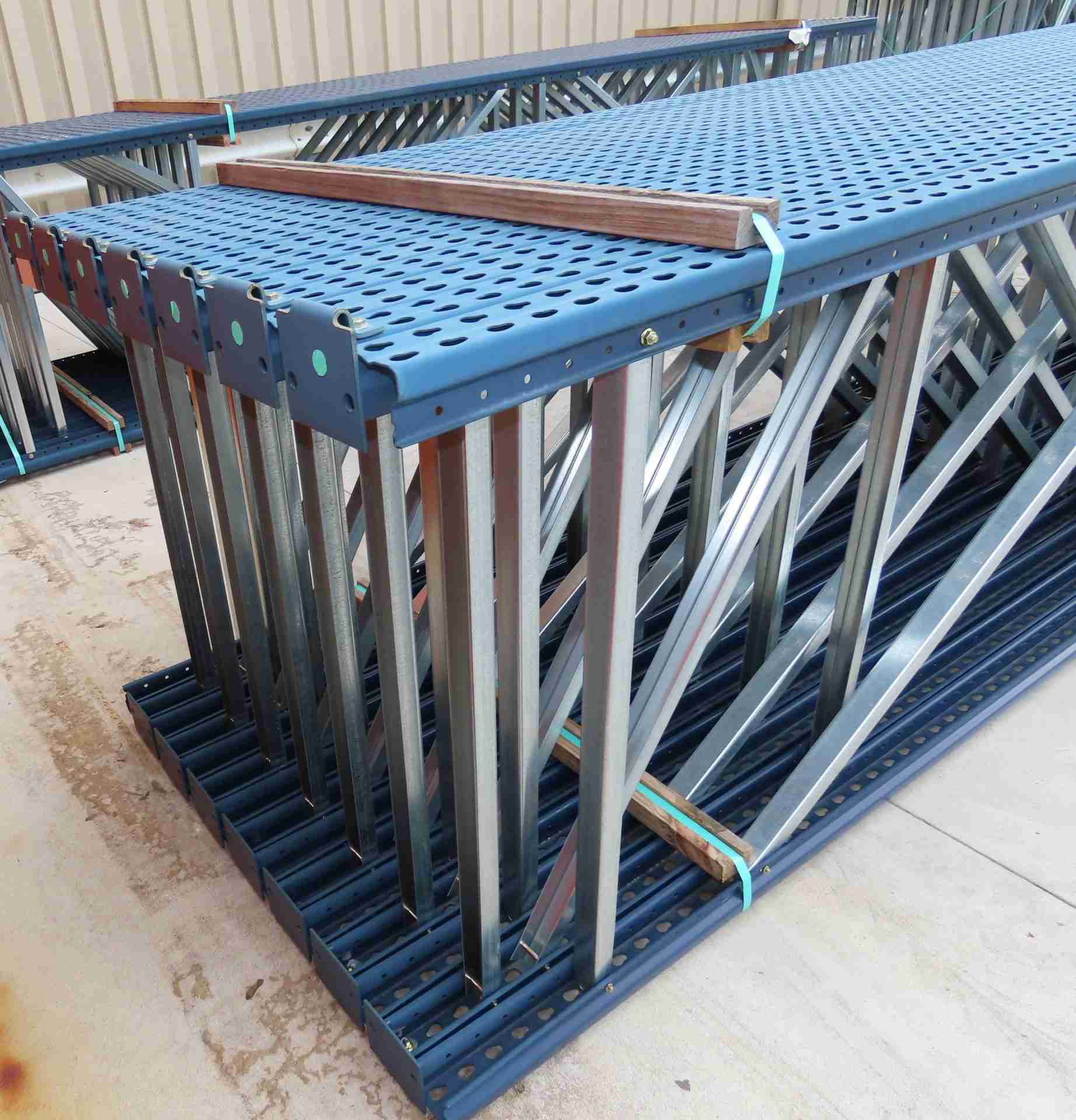
Do We Equate Full Warehouses with Success?
How Does Scarcity Mindset Play a Role In Inventory?
In the hustle and bustle of managing inventory, the scarcity mindset can hit harder than a cold wind on an early winter morning. It can shape not just how we see our stock, but how we run our businesses altogether. Picture this: a warehouse filled with tools, raw materials, and products, neatly organized in racking systems. You might think all is well, but if the fear of running out is looming overhead, it can create an atmosphere thicker than a foggy day.
When scarcity takes hold, decisions become frantic and reactive rather than strategic. You start overordering to counteract that gut-wrenching feeling of emptiness on the shelves. This impulse not only bloats your expenses but also crowds out the valuable inventory you truly need, taking up precious space that could be better utilized. It’s a classic trap: in the grip of scarcity, we lose sight of what we have.
Now, let’s talk emotions. Imagine seeing a bare spot where your popular items should be. The disappointment from customers, the stress bubbling in your gut, and the pressure to keep the lights on—it’s all too real. This is where ethical responsibility kicks in. A business that operates on a scarcity mindset risks losing loyalty. Customers want assurance that the essential items are always available, and if they’re constantly left wanting, they might take their business elsewhere.
The rational side gets involved when we think about inventory turnover. A well-thought-out strategy beats wild guesswork. Understanding your stock levels through accurate forecasting reduces the chaos of uncertainty. Invest time in robust systems that allow for real-time monitoring and utilize those racking systems effectively. Deploy technology where you can; it’s like having an extra set of hands that helps navigate inventory waters with more ease.
There’s a narrative here—every business has moments of struggle, but acknowledging the role of a scarcity mindset can be a pivotal point of change. Sharing stories within your industry fosters a sense of community and connection. Leaning on shared experiences can highlight best practices and lessons learned, turning anxiety into actionable plans.
Tackling the scarcity mindset not only stabilizes your inventory but also builds a foundation of trust with your customers. When you commit to smart inventory management, you’re not just keeping track of stock; you’re paving a path forward for your business and community. Shift the mindset from scarcity to abundance, and watch how opportunities unfold before your eyes.

How Does Scarcity Mindset Play a Role In Inventory?
How Does Scarcity Mindset Play a Role In Inventory?
- The scarcity mindset negatively affects inventory management and business operations.
- Fear of running out leads to frantic, reactive decision-making and overordering.
- Overordering increases expenses and limits space for essential inventory.
- Emotional impacts include customer disappointment and stress for business owners.
- Businesses risk losing customer loyalty without assurance of item availability.
- Strategic planning and accurate forecasting improve inventory turnover and reduce chaos.
- Shifting from a scarcity to an abundance mindset fosters trust and opens new opportunities.
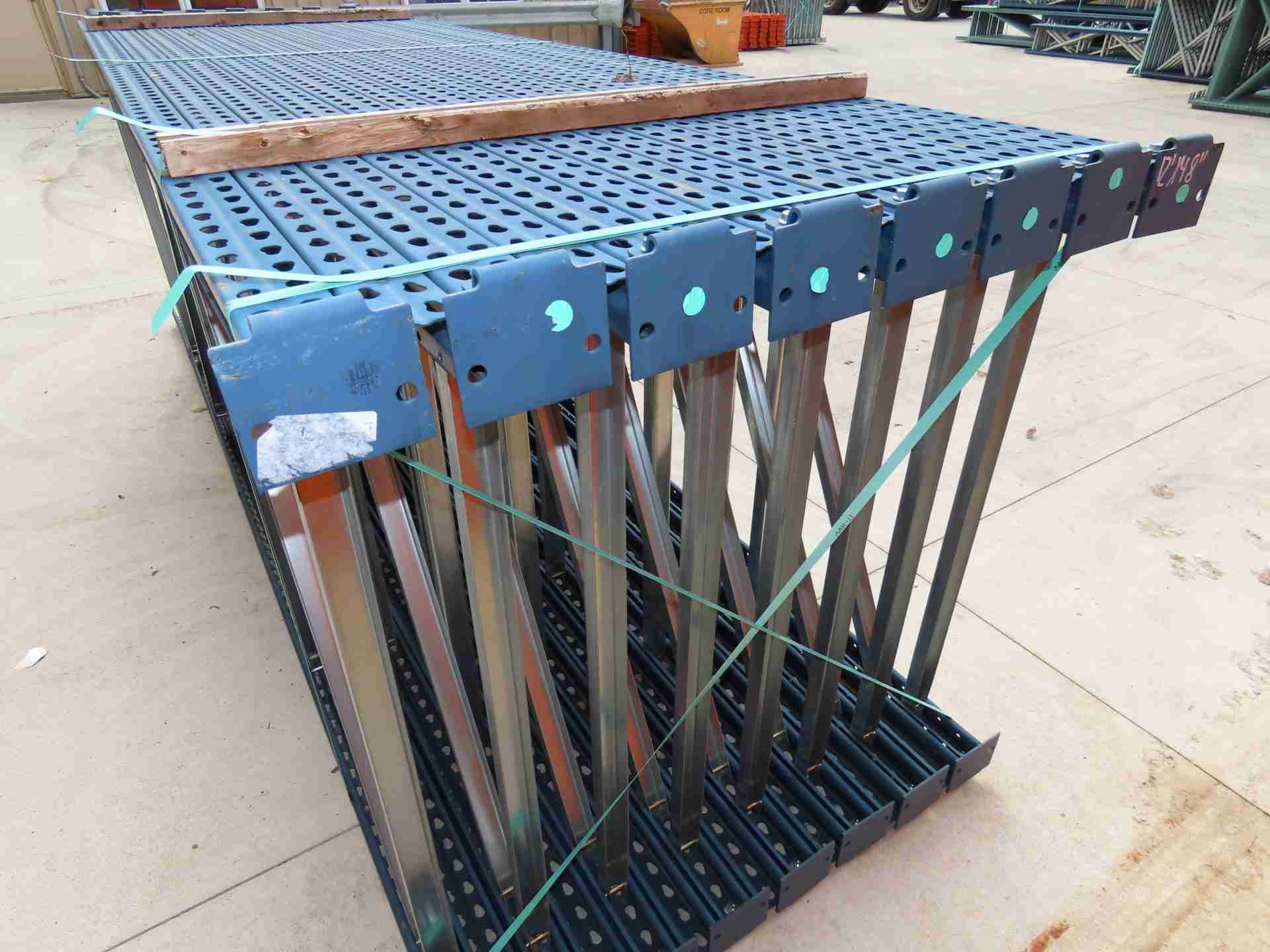
How Does Scarcity Mindset Play a Role In Inventory?
Conclusion
The expanse of a fully stocked warehouse speaks volumes, standing as a testament to the hard work and dedication of its workforce. It holds the weight of responsibility, with each item on the shelf representing a promise to customers waiting for those goods. This bustling environment fosters a sense of pride and accomplishment—knowing that the inventory is not merely stock but a lifeline for others, a vital connection to people relying on timely deliveries. The emotional tug of seeing those packed aisles is palpable, igniting feelings of purpose derived from delivering necessary items to families and businesses alike.
Rationally, a well-managed warehouse maximizes space and resources, reflecting strategic foresight. Each inch of racking utilized effectively tells a story of efficiency and innovation, as workers earnestly strive to zero in on challenges and improve their practices. Clutter begs for attention, draining productivity and corroding morale, while organized spaces breathe life back into teams, inspiring focused engagement. The psychological impact is not insignificant; when workers grapple with excessive inventory, anxiety can replace pride. It’s about more than just numbers on a balance sheet; it’s securing jobs and fostering a positive workplace culture.
Ethically, the responsibility of managing inventories goes beyond immediate profits. It’s about recognizing the broader implications of their goods on the community and environment. By maintaining a balanced inventory that meets needs without excess, companies reflect their commitment to sustainability, reinforcing trust with consumers who value ethical practices.
Socially, warehouses embody a community where each employee shares their unique skills and experiences, fostering bonds that contribute to resilience and camaraderie. Working late shifts to meet deadlines creates shared narratives and a sense of belonging, underscoring the blue-collar spirit of collaboration.
Ultimately, a full warehouse isn’t just about inventory abundance; it’s a rallying point. It represents resourcefulness, solidarity, and the commitment to serve. By countering the pressures of a scarcity mindset and fostering a culture of proactive problem-solving, businesses can transform their operational challenges into strengths. As workers band together to streamline processes and effectively manage stock, they not only lift burdens from their shoulders but also elevate the entire community around them, realizing that success is about quality and connectivity, not just quantity.
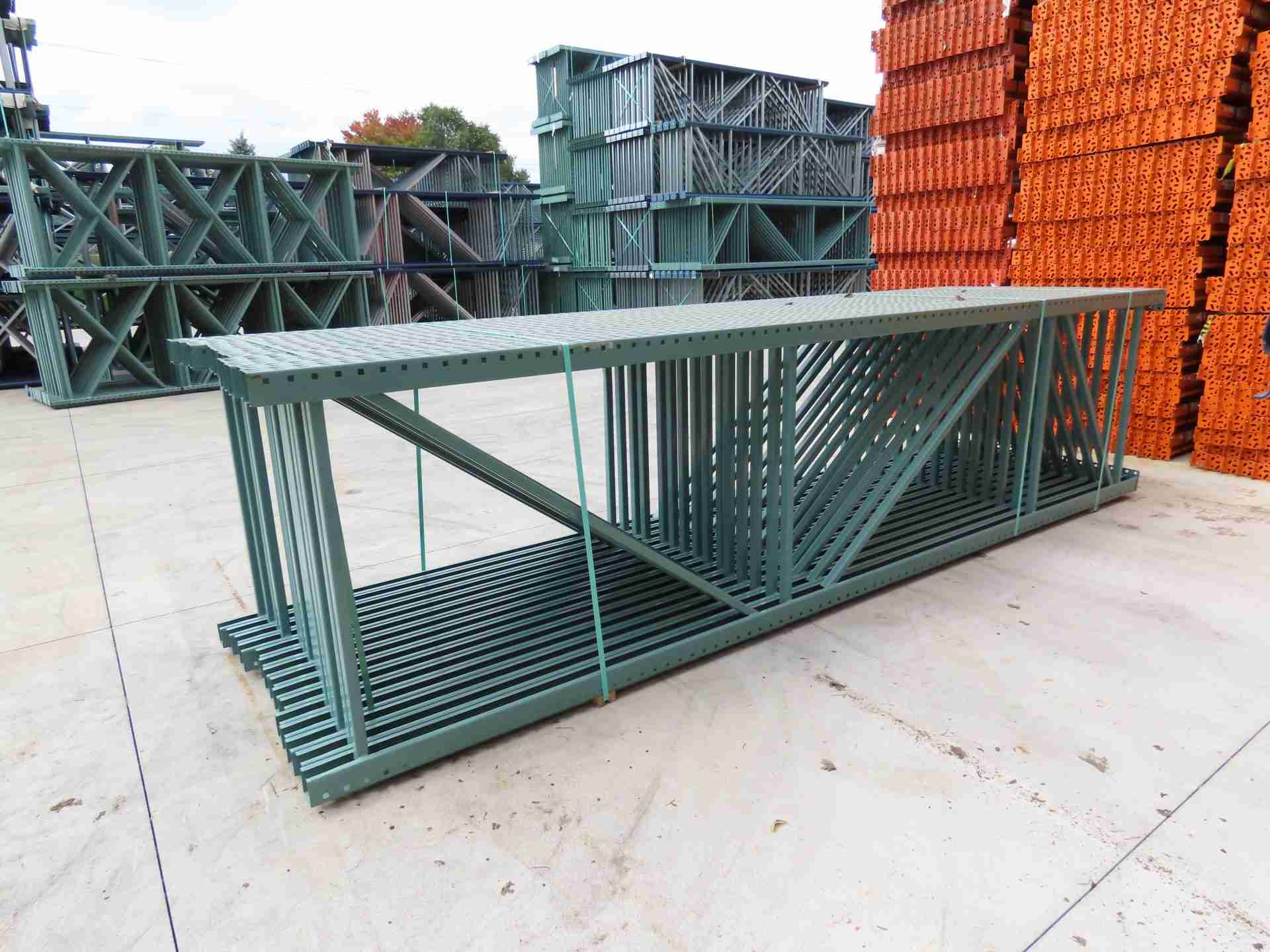
Conclusion
Conclusion:
- A fully stocked warehouse symbolizes the hard work and dedication of its workforce.
- Each item on the shelf represents a promise to customers, fostering pride and purpose.
- A well-managed warehouse maximizes space and resources, reflecting efficiency and innovation.
- Clutter diminishes productivity and morale, while organization boosts engagement and focus.
- Ethical inventory management emphasizes sustainability and community impact over immediate profits.
- Warehouses promote a sense of camaraderie among employees, fostering collaboration and resilience.
- A full warehouse is a symbol of resourcefulness and connection, transforming challenges into strengths.
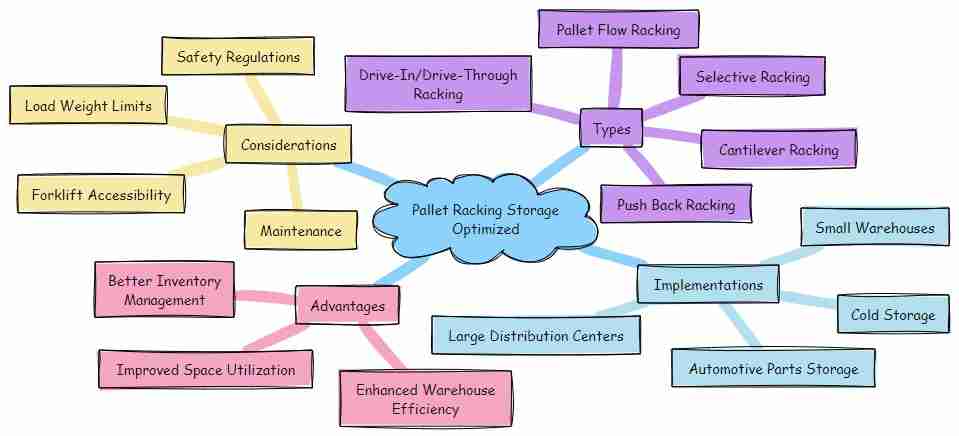
Conclusion
Other Resources
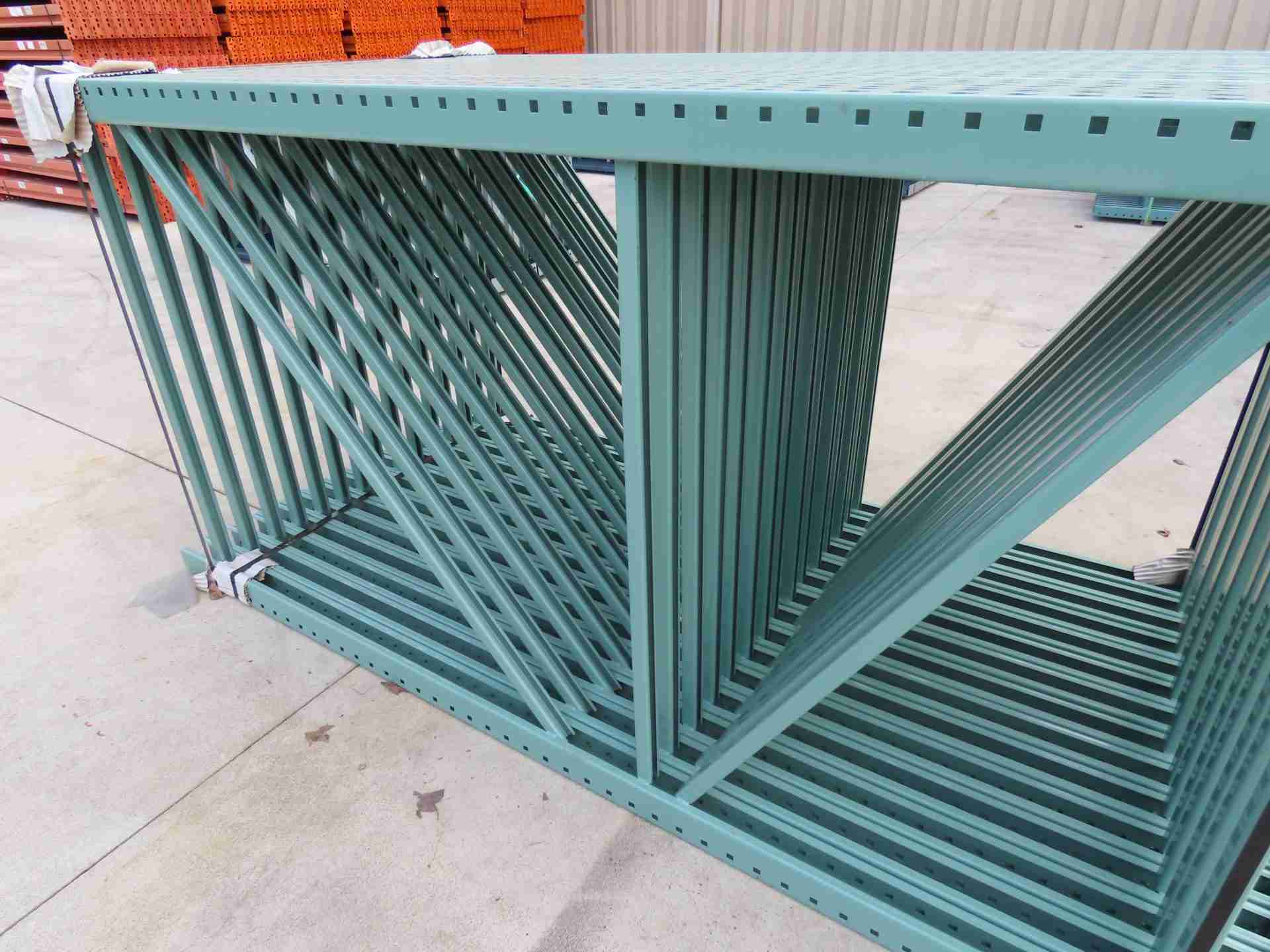
Other Resources
Here is a list of other resources you can review online to learn more:
- New Cantilever Racks and Racking Kits
- Used Pallet Rack for Sale in Illinois – American Surplus
- Used Teardrop Pallet Rack – American Surplus
- Pallet Racks, Pallet Racking, Pallet Shelves in Stock – ULINE
- What is Selective Racking: Understanding Benefits & Options
- Selective Racking
- National Safety Council
- Logic Material Handling
- Teardrop Racks – Pallet Rack World
- Selective Rack – Raymond West
- Shipping Boxes, Packaging Materials, Pallet Racking
- Total Warehouse
- IWLA
- Selective Pallet Racking Systems
- Warehouse Racking System: Powerful Guide to Optimise, 2024
- Warehouse Racking Systems: Beginner’s Guide to Rack Systems
- What is Cantilever Racking? – AK Material Handling Systems
- IIWS Inc. Rack Installation Illinois & Rack Repairs Illinois
- Mustang Material Handling
- Warehouse Storage Racking in Illinois
Use This Prompt To Get More Resources With Your Favorite Online AI Tool: Please provide me with a list of online articles with their URLs in a bulleted list that I can read regarding The Psychology Of �Full� Warehouses
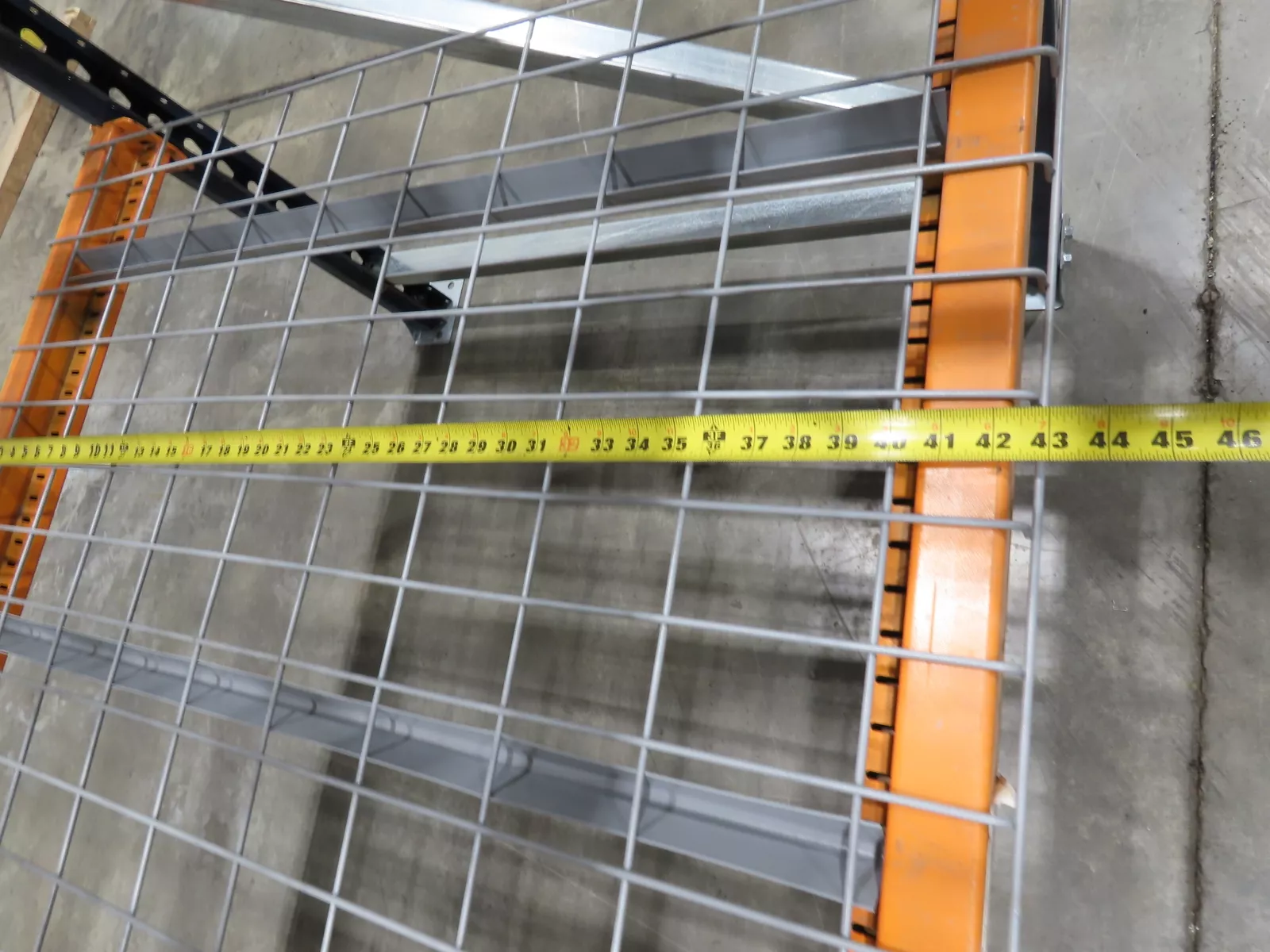
Other Resources
Glossary Terms
The Psychology Of �Full� Warehouses – Glossary Of Terms
1. Abandonment: The emotional response of feeling neglected or rejected, often linked to the perception of unused space in warehouses.
2. Adaptation: The process of adjusting management strategies in response to changes in warehouse capacity and demand.
3. Capacity: The maximum amount of goods a warehouse can store, influencing operational efficiency and psychological perception of ‘fullness. ‘
4. Cognitive Dissonance: A psychological conflict resulting from simultaneously holding contradictory beliefs about warehouse utilization versus necessity.
5. Coping Mechanisms: Strategies employed by warehouse managers to deal with stress related to overcapacity and inefficiency.
6. Decision-Making: The cognitive process involved in determining how to manage inventory levels and warehouse space effectively.
7. Efficiency: The ability to optimize storage and retrieval processes in a warehouse, impacting perceptions of space usage.
8. Emotional Labor: The effort required to manage feelings and expressions in response to warehouse operations and stakeholder expectations.
9. Fulfillment: The process of managing customer orders, directly influenced by the perceived capacity and organization of warehouses.
10. Inventory Management: The systematic approach to sourcing, storing, and selling products, crucial for maintaining optimal warehouse function.
11. Neuroeconomics: A field that explores how psychological factors influence decision-making in operational contexts like warehousing.
12. Overcapacity: A state where a warehouse holds more inventory than it can effectively manage, leading to psychological stress.
13. Perception: The interpretation of warehouse fullness, which can influence decision-making and operational strategies.
14. Productivity: The measure of efficiency within a warehouse, affected by how ‘full’ space is utilized and perceived.
15. Resilience: The ability to recover from disruptions in warehouse operations, influencing emotional responses to overcrowding.
16. Space Optimization: The practice of maximizing the use of available storage areas in a warehouse to improve capacity and efficiency.
17. Stress Management: Techniques used to handle the anxiety related to managing a full warehouse and operational challenges.
18. Supply Chain: The network involved in the production and distribution of goods, directly related to warehouse management.
19. Team Dynamics: The interactions and relationships among warehouse staff that can be impacted by inventory challenges.
20. Transformational Leadership: A leadership style that encourages innovation in warehouse management and space utilization.
21. Utilization Rate: A metric for assessing how effectively warehouse space is used, influencing strategy and operations.
22. Vendor Relations: The relationships with suppliers that can affect inventory levels and warehouse management practices.
23. Warehouse Layout: The physical arrangement of space within a warehouse, impacting efficiency and psychological feelings of ‘fullness. ‘
24. Warehouse Management System (WMS): Software that supports warehouse operations, crucial for efficient tracking and inventory control.
25. Yield Management: The process of analyzing data to maximize revenue from stored goods, influencing how warehouses perceive fullness.
26. Emotional Intelligence: The capability to recognize and manage emotions within the warehouse environment, enhancing team effectiveness.
27. Flow Management: The systematic control of goods movement within a warehouse to optimize space and reduce bottlenecks.
28. Just-in-Time: An inventory strategy that minimizes stock levels in warehouses, impacting the psychological perception of capacity.
29. Risk Assessment: The identification and evaluation of potential issues in warehouse management relating to inventory levels and space.
30. Work-Life Balance: The equilibrium between work demands in warehouse operations and personal life, affected by stress from ‘full’ conditions.
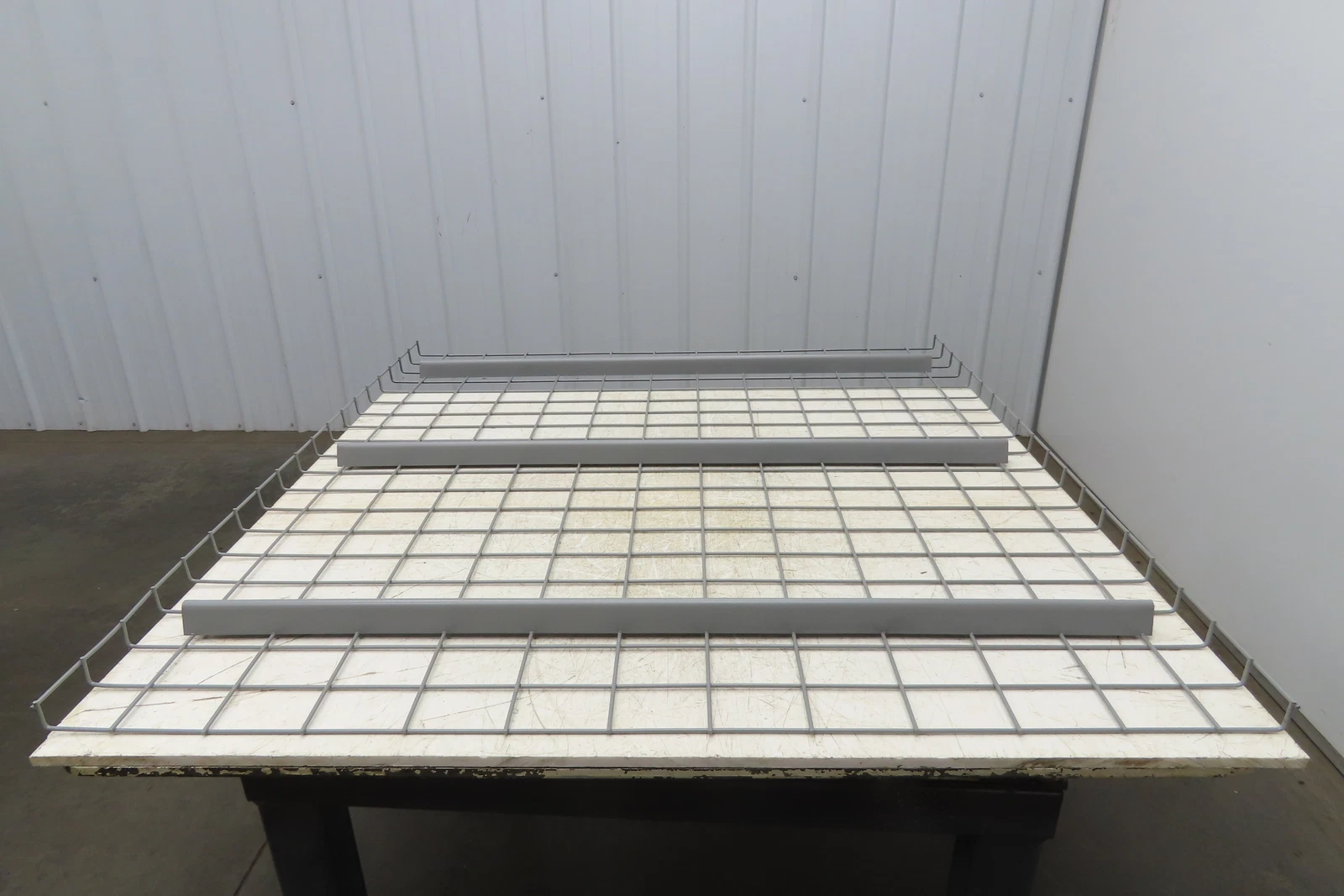
Glossary Of Terms
Other Questions
The Psychology Of �Full� Warehouses – Other Questions
If you wish to explore and discover more, consider looking for answers to these questions:
- What are the primary causes of a “full” or overcrowded warehouse?
- How does overcrowding affect worker safety and injury rates?
- What measurable effects does clutter have on productivity and cycle times?
- Which KPIs best indicate excess inventory (days of inventory, turnover, carrying cost)?
- What is the true financial cost of holding excess inventory?
- How can companies balance safety stock needs with lean inventory practices?
- What forecasting methods reduce the risk of overstocking?
- How do returns and reverse logistics contribute to warehouse overcrowding?
- What role can warehouse management systems (WMS) and automation play in solving overstock?
- Which physical layout and slotting strategies improve space utilization?
- How effective are 5S, Kaizen, Kanban, and other lean methods in warehouse decluttering?
- How do full warehouses influence employee morale and retention?
- What training, staffing, and shift changes reduce stress in crowded facilities?
- How should leaders communicate inventory goals to frontline staff to gain buy-in?
- How can companies measure and track the psychological impact of excess inventory on workers?
- What ethical considerations arise from holding large amounts of stock (waste, sourcing, disposal)?
- How can excess inventory be repurposed, resold, or liquidated responsibly?
- What sustainability practices reduce the environmental impact of overstocked warehouses?
- Are full warehouses a reliable indicator of business success or profitability?
- How do marketing, promotions, and consumer behavior drive inventory bloat?
- When is a just-in-time approach preferable to a just-in-case strategy—and vice versa?
- Which metrics and ROI measures justify investments in decluttering and optimization projects?
- How do lead times, supplier reliability, and procurement policies affect stocking decisions?
- What contingency planning is needed for critical items during disruptions or demand spikes?
- How does a scarcity mindset shape procurement and operational decision-making?
- What processes reduce obsolescence, shrinkage, and spoilage in crowded storage?
- How can frontline employees be engaged to propose and implement inventory improvements?
- What case studies demonstrate successful transitions from overstocked to efficient warehouses?
- How should companies redesign racking systems and storage equipment to optimize capacity?
- What legal, tax, or regulatory implications arise from holding or disposing of large inventories?
- How do seasonal demand patterns and promotions best get planned to avoid temporary overcrowding?
- What communication and morale strategies help teams cope during inventory reduction drives?
- How can organizations align warehouse inventory strategies with broader corporate sustainability and CSR goals?

Other Questions
Checklist
The Psychology Of �Full� Warehouses – A Checklist
Purpose, Promise, and Pride
✅______ Inventory levels reflect current customer commitments, not fear-based stocking
✅______ Each major SKU has a clear purpose, target days on hand (DOH), and an exit plan if demand shifts
✅______ The team understands how today’s stock supports customers this week and this quarter
✅______ Wins are shared to reinforce pride in service and reliability—not sheer volume
Emotional Climate and Overwhelm
✅______ Routine pulse checks track morale, stress, and sense of overwhelm
✅______ Excess stock is framed as a solvable systems issue, not individual failure
✅______ Backlogs and hot spots are visible daily with owners assigned
✅______ Work pacing and task rotation support focus and momentum
Organization and Space Use
✅______ Racking locations are labeled, maps are current, and slotting is up to date
✅______ Fast movers are positioned for the shortest travel; slow movers are placed higher or farther
✅______ Dead zones, empty jacks, and bottlenecks are flagged and resolved weekly
✅______ Visual cues (color tags and boards) highlight aging, stuck, or obsolete inventory
✅______ Put-away and pick paths are simple, consistent, and auditable
Inventory Health
✅______ Targets exist for turnover and days on hand by family and SKU
✅______ Aging thresholds trigger actions (discount, rework, return, donate) with assigned owners
✅______ Obsolete or slow SKUs are flagged monthly with a documented exit playbook
✅______ Cycle counts reconcile system versus reality with timely root cause fixes
✅______ Overstock drivers are logged (forecast error, minimum order quantity, promotion miss, supplier shift) and addressed
Demand, Forecasting, and Scarcity Mindset
✅______ Forecasts blend recent demand, seasonality, and known events and campaigns
✅______ Reorder points reflect lead time and variability—no gut-feel overrides without notes
✅______ Safety stock policies are documented, reviewed quarterly, and right-sized
✅______ Fear-based “just-in-case” buys are reviewed and reversed or justified with data
✅______ One-in/one-out checks are applied before adding new SKUs or variants
Efficiency and Flow
✅______ Touches per order are measured and reduced; batch sizes are right-sized
✅______ Dock-to-stock time is tracked with targets and weekly reviews
✅______ Location sizes and pack quantities match demand patterns
✅______ Exception handling (shortages, damages, mispicks) is visible and resolved the same day
✅______ Daily standups remove blockers and confirm priorities
Sustainability and Ethical Stewardship
✅______ Surplus disposition prioritizes redeploy, resell, repair, recycle, and donate
✅______ Packaging and handling choices minimize waste and rework
✅______ Supplier reviews include ethical and sustainability criteria
✅______ KPIs include waste, write-offs, and rework—not just volume moved
Communication, Storytelling, and Community
✅______ Visual boards show goals, flow metrics, aging stock, and customer impact stories
✅______ Cross-shift updates ensure continuity on hot items and constraints
✅______ Frontline ideas are captured and acted on within two weeks with feedback shared
✅______ Customer feedback loops are posted and discussed to reinforce purpose
Success Redefined
✅______ Success metrics emphasize fill rate, lead time, accuracy, and team engagement—not “fullness”
✅______ Lean, functional space is recognized and rewarded
✅______ Monthly experiments reduce clutter and improve flow, with learnings documented
Right-Sizing Action Plan
✅______ Top 10 overstock SKUs are identified with owners, actions, and due dates
✅______ 30/60/90-day reduction targets are set for aging inventory categories
✅______ Purchase freezes and minimum order quantity (MOQ) renegotiations are initiated where justified by demand data
✅______ Slotting refresh is scheduled and completed on cadence
✅______ Post-mortems are completed for large forecast or inventory variances with corrective actions
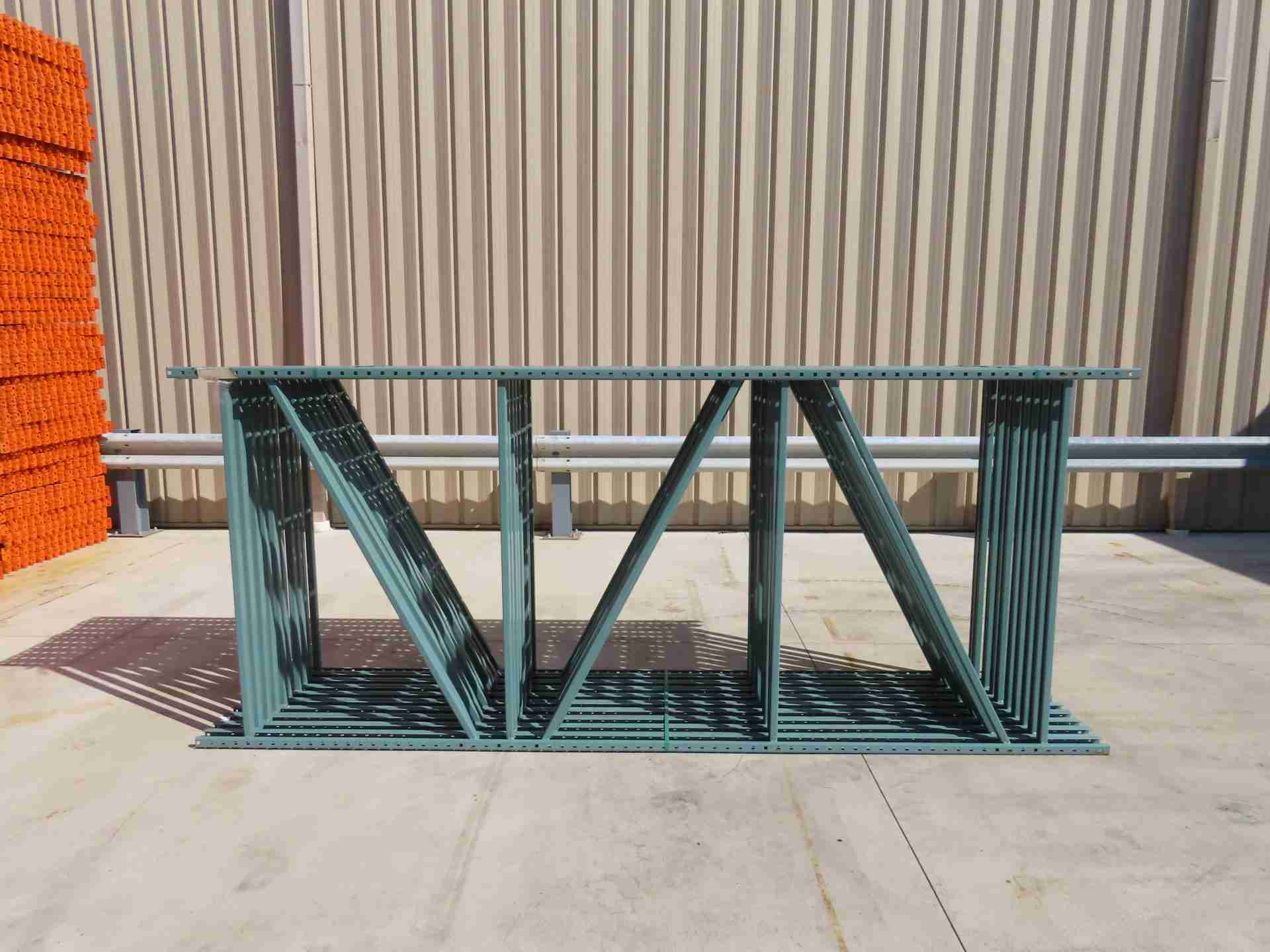
Checklist
At RackingWorld, we help guide you through selecting warehouse storage systems and racking.
Be sure to read our other related stories at RackingWorld to learn more about warehouse storage systems.
0 Comments