
Unlocking Potential: Overcoming Scalability Challenges In Rack Design
By Tom Seest
At RackingWorld, we help guide you through selecting warehouse storage systems and racking.
Be sure to read our other related stories at RackingWorld to learn more about warehouse storage systems.
The Hidden Scalability Limits Of Basic Rack Layouts
The Hidden Scalability Limits of Basic Rack Layouts
When we talk about racking systems, most folks don’t realize they’re staring down a silent enemy in the warehouse world. You might think, “Just stack ’em high and save some space,” but that thinking can lead to overloading and chaos. Here’s the thing: basic rack layouts might seem like the quick and easy solution, but they come with hidden scalability limits that could choke your operations when things ramp up.
Imagine you’re in the thick of it, the orders are stacking up faster than you can fill them. In those frantic moments, it’s tempting to look at those basic rack setups as the end-all-be-all. You might feel a swell of pride as you see the aisles full, but let’s face it—those layers of boxes could come crumbling down if you’re not careful. The fundamental flaw in these systems is the one-size-fits-all approach, which might save a few bucks upfront but often leads to backbreaking inefficiencies down the road.
There’s a harsh reality here: when your current setup suddenly becomes a bottleneck, it’s not just a logistical headache; it’s morale-crushing. The stress runs down to every worker on the floor. You start thinking about what could’ve been done differently as you trip over mismanaged inventory. People get frustrated, productivity dips, and that sense of teamwork? It can take a serious hit.
This isn’t just about dollars and cents; it touches on ethics too. How can we expect our teams to perform when the tools we’ve provided—those basic racks—fail to meet their needs? It feels unfair to put dedicated workers in a position to struggle when smarter racking solutions are out there. It breeds a culture of frustration instead of empowerment.
What many don’t realize is that investing in proper racking systems isn’t just an operational decision—it’s a commitment to your workforce. You’re telling them that their labor matters, that you believe in their ability to perform at their best. By rethinking your approach now, you’re not just saving space; you’re building an environment where trust can flourish.
As you scale up, remember that the racking systems you start with can either hold you back or propel you forward. When the stakes are high, so should be your choices. Don’t let the hidden limits of basic rack layouts hold your team back from success. Embrace smarter solutions and foster an environment where growth isn’t just a goal but a reality.

The Hidden Scalability Limits Of Basic Rack Layouts
The Hidden Scalability Limits Of Basic Rack Layouts
- Basic rack layouts can create hidden scalability limits in warehouse operations.
- Overloading basic racks may lead to chaos, inefficiencies, and logistical headaches.
- One-size-fits-all designs save money upfront but cause significant future challenges.
- Inadequate racking systems can negatively impact employee morale and productivity.
- Relying on basic racks can breed frustration and diminish teamwork among workers.
- Investing in proper racking solutions signifies a commitment to employee well-being and performance.
- Choosing smarter racking options can facilitate growth and create a more effective work environment.

The Hidden Scalability Limits Of Basic Rack Layouts
Table Of Contents
- The Hidden Scalability Limits Of Basic Rack Layouts
- What Are the Unseen Costs Of Basic Rack Layouts?
- How Do Rack Limitations Affect Growth?
- Can a Basic Rack Setup Stifle Innovation?
- What Happens When Scalability Needs Arise?
- How Do Rack Layouts Influence Team Productivity?
- Are You Aware Of the Hidden Risks In Basic Layouts?
- Conclusion
- Other Resources
- Glossary Of Terms
- Other Questions
- Checklist
What Are the Unseen Costs Of Basic Rack Layouts?
In the world of warehousing, the racking systems we choose often feel like simple decisions. We focus on what’s visible and immediate: how much space we need, the weight limits, and the initial costs. Yet, behind these basic rack layouts lie unseen costs that creep into our operational efficiencies, employee morale, and even our bottom line.
Picture this: a warehouse stocked with products, yet the layout forces employees to claw through cramped aisles, making needless trips back and forth. That inefficiency chips away at productivity, which, in a busy environment, translates to lost time and energy—something tangible that roots in each employee’s gut. Morale dips as frustration builds, and with it, the passion employees once had turns into resignation. This isn’t just about racks; it’s about the day-to-day reality that affects lives.
Let’s think rationally for a moment—investment in better racking systems might seem steep upfront. But the cost of mismanagement is far steeper. A product lost during a disorderly pick process or a missed shipping deadline often brings a ripple effect of customer disappointment. In the long run, that drives loyal customers away and diminishes the company’s reputation within the industry. It’s a hard lesson—one that many learn too late.
Ethically, we owe it to our team to create an environment that respects their time and well-being. When we adopt well-considered racking systems, we’re not just organizing products; we’re organizing lives. Workers deserve to feel valued through thoughtful design that considers their every step.
Authority comes from understanding; while many may suggest simple layouts as the quickest fix, seasoned veterans know that investing in the right solutions saves headaches later. Wisely crafted racking systems lead to smoother operations, paving the way for expansion and adaptability as business needs grow.
Consider the stories of warehouses that adapted to change, discovering their investments paid off in saved hours, reduced accidents, and happier staff. They inspire a can-do spirit that rallies the troops, fostering a culture of pride in their work, where every item finds its home swiftly and efficiently.
So, as we look at our basics in racking systems, let’s not turn a blind eye to what lies beneath the surface. Let us choose wisely, for those choices will shape not just our profits, but the very heart and soul of our workplaces.

What Are the Unseen Costs Of Basic Rack Layouts?
What Are the Unseen Costs Of Basic Rack Layouts?
- Racking system selection in warehousing involves visible factors like space, weight limits, and costs.
- Unseen costs from poor racking layouts negatively impact operational efficiency and employee morale.
- Cramped aisles lead to inefficiencies, wasting employee time and lowering morale.
- Investing in better racking systems can prevent costly mismanagement and boost customer satisfaction.
- Creating a respectful work environment through thoughtful racking design values employees’ time and well-being.
- Effective racking systems facilitate smoother operations and future adaptability for business growth.
- Successful warehouse adaptations demonstrate improved efficiency, safety, and team morale through wise investments.

What Are the Unseen Costs Of Basic Rack Layouts?
How Do Rack Limitations Affect Growth?
In a bustling warehouse, you might see racks towering with products, each slot brimming with potential, but what happens when those racking systems reach their limit? The truth is, when a warehouse’s racking capacity hits a wall, it doesn’t just stall the flow of goods—it can choke the very lifeblood of a business. A limitation on rack space can lead to inefficiencies that disrupt workflows and create bottlenecks, leaving employees scrambling instead of focusing on what they do best: serving customers.
Consider the small business owner who has poured their heart and soul into growing their venture. The excitement of seeing orders roll in can quickly turn to frustration when limited racking systems mean they can’t keep up with demand. Each empty shelf space feels like a lost opportunity. The emotional weight of that realization can be heavy, but it’s one that many have experienced. When a warehouse can’t expand because of rack constraints, it feels like a chain around the ankle, holding back what could be potential growth.
From a practical standpoint, efficient racking systems allow companies to maximize their space—think of it as building upward instead of outward. Each rack, when used wisely, provides a solid foundation for increased inventory turnover, better organization, and ultimately, greater profit margins. A well-designed racking system can be the difference between a business that merely survives and one that thrives. When businesses understand their spatial limitations, they can make informed decisions about how to optimize storage, leading to improved operational efficiencies.
Ethically, we must consider our workforce. A cluttered, poorly organized space can lead to accidents or low morale among workers. No one wants to feel like they’re trapped in chaos, fighting against a tidal wave of disorganization. By investing in effective racking systems, businesses can demonstrate they care about both their products and their people, fostering a culture of safety and respect.
In real life, we’ve all seen what happens when one can’t adapt to limitations. It’s a story played out in every workshop, every garage. An operation stifled by inadequate space can reflect a lack of foresight and preparation. But those who have learned to navigate these challenges often transform their limitations into stepping stones. By networking, sharing solutions, and prioritizing efficiency, a sense of community emerges, driving each player toward collective growth.
Racking limitations may constrain physical growth, but faced head-on, they can also inspire innovation and resilience. So before the next order arrives, consider your space, your racks, and the future they hold.

How Do Rack Limitations Affect Growth?
How Do Rack Limitations Affect Growth?
- Warehouse racking limitations can disrupt the flow of goods and efficiency, impacting business operations.
- Small business owners may struggle to keep up with demand due to inadequate racking systems, leading to missed opportunities.
- Efficient racking maximizes space, enhances inventory turnover, and improves profit margins.
- Well-designed racking systems contribute to a business’s overall success and operational efficiency.
- A disorganized warehouse can adversely affect worker morale and safety, emphasizing the need for effective racking solutions.
- Challenges presented by racking limitations can drive innovation and resilience within a business community.
- Consideration of racking systems is crucial for preparing for future demand and growth opportunities.
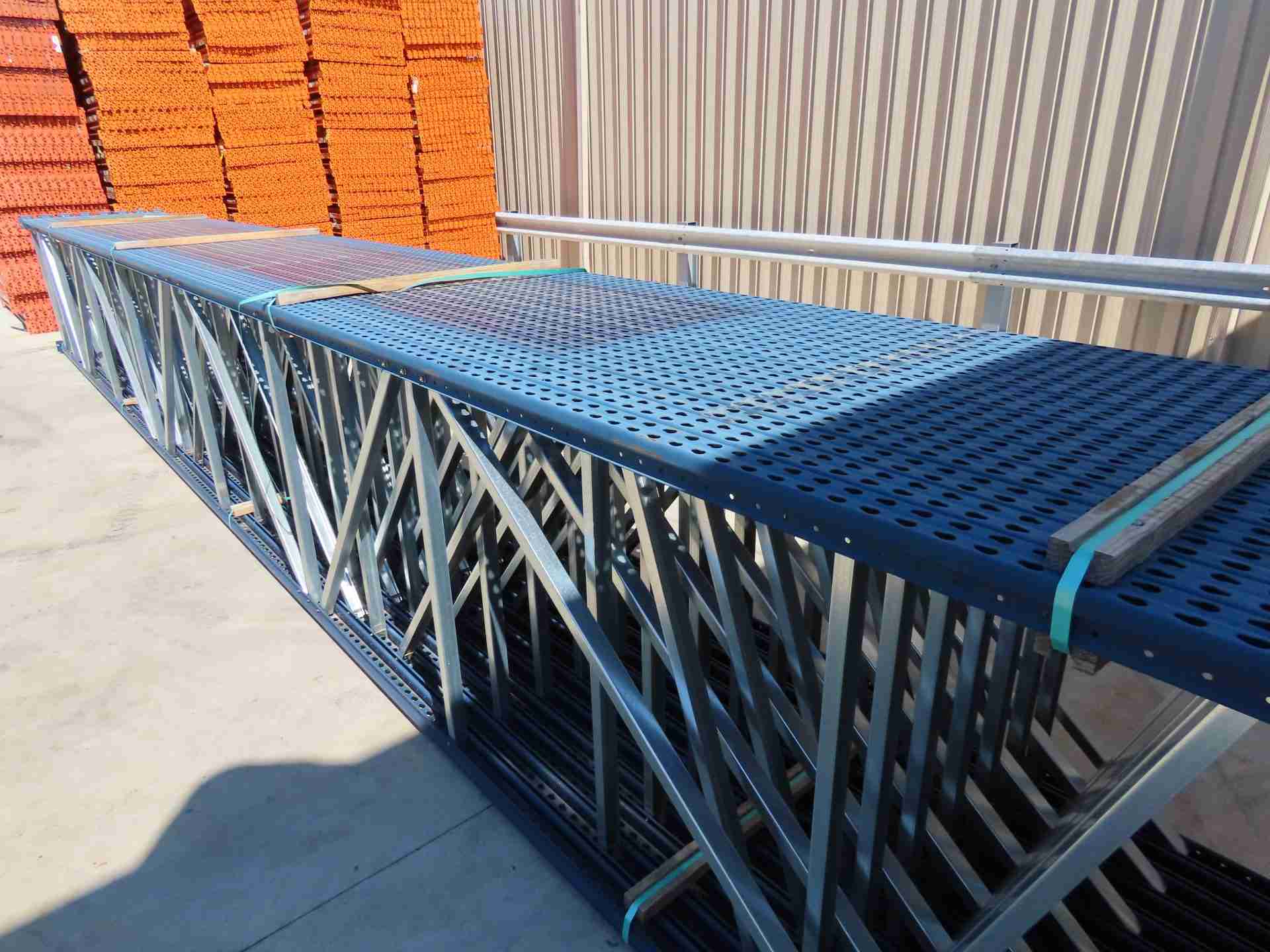
How Do Rack Limitations Affect Growth?
Can a Basic Rack Setup Stifle Innovation?
When it comes to racking systems in warehouses and production floors, it’s easy to see just the steel and bolts. But beyond these basic setups lies the heart of an organization’s ability to innovate. Picture a facility where racks are so rigidly defined and cluttered that creativity can’t thrive. Employees may find themselves boxed in, physically and mentally. There’s a certain weight—an unspoken heaviness—in a workspace that feels more like a prison than a launchpad for new ideas.
At the gut level, think about the frustrations that arise from a basic rack setup. Workers navigate these narrow aisles, trapped in a routine that stifles their passion. They yearn for flexibility and adaptability, qualities that a rigid racking system can choke off. When you limit space, you limit possibilities. Each time a new idea is squashed under the weight of outdated infrastructure, it chips away at morale and breeds resentment. Employees need to feel empowered, not just as cogs in a machine, but as vital contributors to a thriving enterprise.
Rationally, a well-designed racking system should, in theory, support the flow of goods and optimize efficiency. But if it lacks the versatility to adapt to changing demands, you might as well be dragging anchors. A basic setup failing to encourage innovation won’t just impact productivity; it can lead to misallocation of resources and ultimately hurt the bottom line.
Ethically, companies bear a responsibility to foster environments where innovation can blossom. A stifling space can be perceived as a betrayal of that responsibility, breaking trust between employees and employers. By investing in modular or dynamic racking systems, organizations signal their commitment to growth—not only in profits but in the potential and aspirations of their workforce.
Think of the narrative woven into a successful transformation. A facility that took a bold step to revamp its racking setup can become a thriving hub of creativity, where each worker feels a sense of ownership over their role. They can walk into a space that adapts to their needs, inspiring trust in leadership and confidence in the company’s direction.
A basic rack setup may offer stability, but it risks suffocating the vibrant spirit of innovation that propels companies forward. A small investment in rethinking how we store and organize can yield immense dividends—not just in efficiency, but in enthusiasm and ingenuity that breathe life into every corner of the workplace.

Can a Basic Rack Setup Stifle Innovation?
Can a Basic Rack Setup Stifle Innovation?
- Traditional racking systems often inhibit creativity, making workspaces feel restrictive.
- Rigid setups can lead to frustration and a lack of motivation among employees.
- A well-designed racking system should support efficiency but must also be adaptable to changing needs.
- Stifling environments can damage trust between employees and employers.
- Investing in dynamic racking systems reflects a company’s commitment to employee development and company growth.
- Revamping racking systems can transform workplaces into hubs of creativity, instilling a sense of ownership among employees.
- Reassessing storage and organization strategies can enhance both efficiency and employee morale.

Can a Basic Rack Setup Stifle Innovation?
What Happens When Scalability Needs Arise?
When scalability needs arise, it often feels like a fire alarm has gone off in a crowded building. You know you need to act, and fast. Imagine a small shop that’s bustled with customers suddenly swells to twice its size. The racking systems that once seemed sufficient now look like they might buckle under the weight of demand. The shelves that were once the pride of the operation now feel like a ticking time bomb, causing a spike in anxiety among workers and management alike.
In these moments, the pressure can lead to pushback. Employees worry about job security, owners ponder about financial strain, and customers start to notice if their favorites are out of stock or, worse yet, if service slows down. This isn’t just about boxes on a shelf; it’s about livelihoods. When everyone pulls together to ramp up operations, that’s not just an ethical commitment—it’s a community in action. The sweat on their brows isn’t just from the labor; it’s from the weight of responsibility to each other and to their customers.
Stories abound of small businesses that faced similar challenges. A local bakery one year faced a holiday rush they hadn’t anticipated. The owner, sensing the urgency, gathered the team to brainstorm a solution. They quickly restructured their racking systems to maximize space, turning old delivery carts into makeshift displays. What could’ve been chaos became a rallying moment; customers were delighted by the new offerings and the team found a renewed sense of purpose in their work.
When tackled head-on, scalability becomes a catalyst for growth rather than a stumbling block. It’s about recognizing the moment and mobilizing the resources at hand. Trust in the team grows as you collectively tackle the demands—the key is open communication. Each voice matters in shaping the solution.
The gut feeling says it’s going to be a tough road ahead, but that’s where the most profound connections are forged. When faced with challenges, there’s more strength in collaboration than in individual efforts. The knitting together of talents transforms obstacles into opportunities, leading to stronger community ties, better strategies, and ultimately, a blueprint for success. Embracing scalability isn’t just a business adjustment; it’s a pledge to each other, to do better, serve better, and always push forward together.
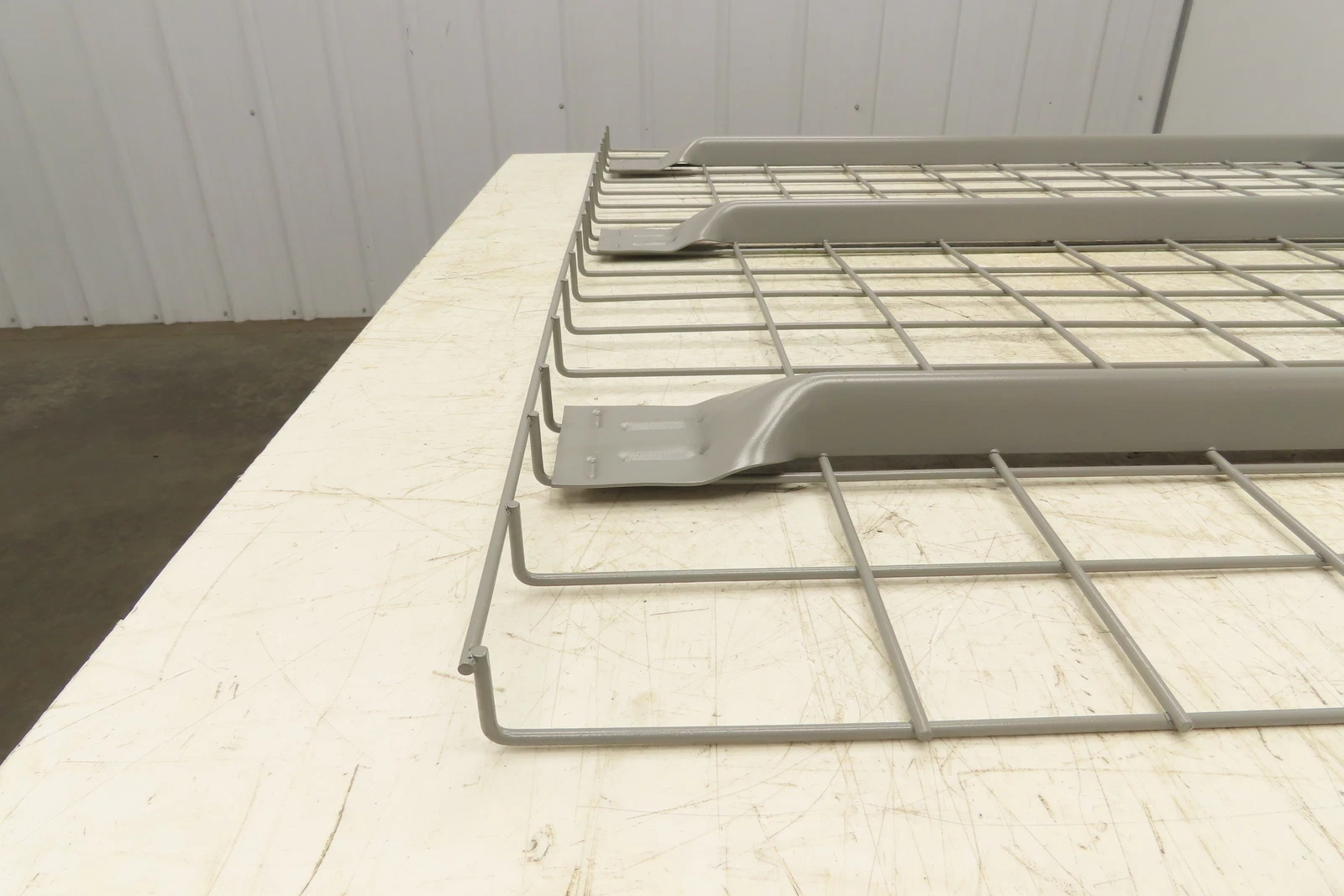
What Happens When Scalability Needs Arise?
What Happens When Scalability Needs Arise?
- Scalability demands immediate action, similar to a fire alarm in a crowded building.
- Increased customer volume can cause existing systems to feel inadequate, leading to anxiety among staff and management.
- Pressure from scalability can result in worry over job security for employees and financial concerns for business owners.
- Successful response to scalability reflects a commitment to community and shared responsibility among team members.
- Examples of small businesses adapting to challenges include quick restructuring of racking systems and innovative displays.
- Open communication is crucial for building trust and finding solutions collectively during scaling challenges.
- Collaboration transforms obstacles into opportunities, fostering stronger community ties and strategies for long-term success.

What Happens When Scalability Needs Arise?
How Do Rack Layouts Influence Team Productivity?
In any warehouse or shop floor, the racking systems aren’t just metal shelves; they are the backbone of efficiency. When you step inside a well-organized space, it’s the rack layout that catches your eye first. It’s the smart arrangement of those racks that determines how quickly a team can respond to a task and how smoothly operations flow. A haphazard setup breeds chaos; people bumping into each other, searching for tools, or wasting precious time navigating clutter.
On a gut level, an effective rack layout creates a sense of belonging and pride among workers. Picture this: a team member confidently reaching for the right tool in record time, knowing where everything is, feeling in control of their environment. That’s not just convenience; it’s empowerment. It fosters a sense of ownership, as employees see the fruits of a thoughtfully designed space in both their productivity and morale.
From the head’s perspective, the rational benefits of a strategic rack layout are clear. Research shows that well-organized racking can increase operational efficiency by as much as 30%. When racks are placed within easy reach and categorized logically, teams minimize movement and confusion, resulting in smoother workflows. It’s about cutting out the noise—fewer distractions lead to a sharper focus on the task at hand.
Ethically speaking, investing in proper rack layouts shows a commitment to your employees’ well-being. It’s about more than just making profits; it’s a promise to provide a safe, efficient, and enjoyable work environment. Teams that feel cared for and valued often go above and beyond, translating to higher retention rates and stronger teamwork.
Authority figures—from seasoned professionals to equipment suppliers—understand this well. Their insights can guide a business toward selecting the right racking systems tailored to specific needs, ensuring both safety and functional efficiency. Their expertise backs the decision-making process, offering reassurance that the investment will pay off in spades.
Ultimately, the narrative of a business is written in the way it operates. Productive rack layouts tell a story of diligence, respect, and a shared purpose. It’s about creating a space where every worker can thrive, earning that sense of camaraderie that comes from overcoming challenges together, one rack at a time.
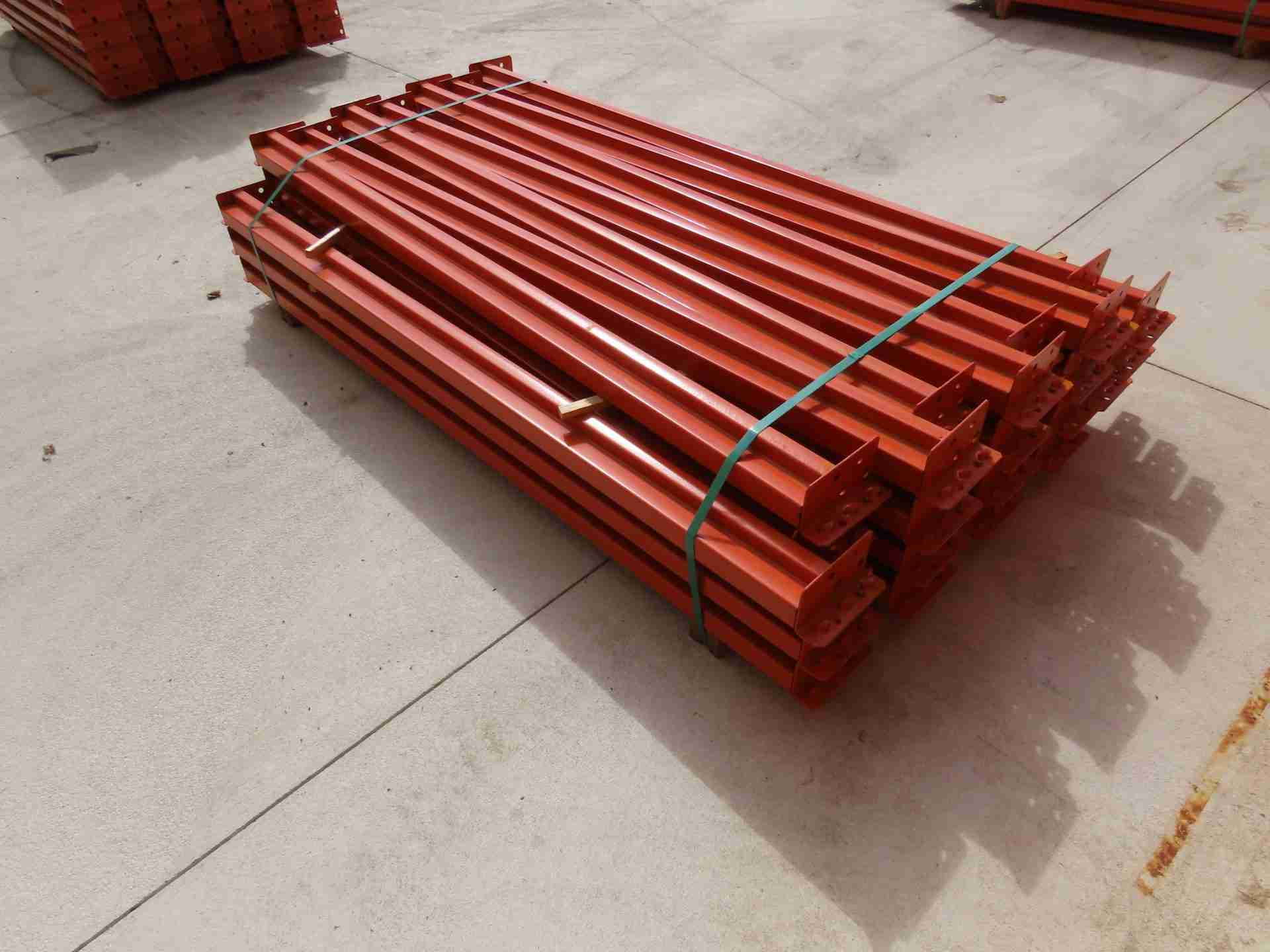
How Do Rack Layouts Influence Team Productivity?
How Do Rack Layouts Influence Team Productivity?
- Racking systems are essential for efficiency in warehouses and shop floors.
- A well-organized rack layout enhances response times and operational flow.
- Effective layouts foster a sense of belonging and empowerment among workers.
- Strategic rack arrangements can increase operational efficiency by up to 30%.
- Investing in rack layouts reflects a commitment to employee well-being and safety.
- Expert insights help businesses choose the right racking systems for specific needs.
- Productive rack layouts contribute to a positive work environment and teamwork.

How Do Rack Layouts Influence Team Productivity?
Are You Aware Of the Hidden Risks In Basic Layouts?
Picture a worker in a bustling warehouse, moving swiftly between racking systems. Everything seems in order—aisles clear, stock neatly organized. But hidden risks lurk just beneath the surface, risks that can turn a well-oiled machine into a chaotic nightmare. It’s the small details that often get overlooked: improper spacing between racks, inadequate signage, and the way that layout shapes the flow of the day-to-day grind.
Let’s break it down. A misplaced racking system may not only bottleneck movement but can also lead to accidents. Imagine a heavy load falling off a poorly designed rack because someone couldn’t see the warning signs—or worse yet, couldn’t see the person standing below. Emotionally, the thought of someone’s injury hits hard; rationally, it’s just plain bad business. A facility with safe, efficient layouts invites productivity, while a careless one fosters anxiety and fear.
From an ethical standpoint, it’s our duty to provide a safe working environment. Every worker deserves to clock in knowing they can return home unscathed. When management treats layout as a mere operational detail, it sends the message that efficiency trumps safety; this is a dangerous narrative.
Consider the authority behind empirical data. Studies show that well-thought-out layouts decrease accidents and enhance efficiency. Hundreds of workers have shared their stories—frustrations over cramped spaces, injuries from poorly thought out racking systems, lost productivity because the path from point A to B is a maze. By prioritizing the right layout, you’re not just following protocols; you’re building morale and community trust.
Think of your own experiences. Every time you stack or retrieve, do you feel that subtle discomfort about your surroundings? Those gut feelings matter. Trust your instincts and speak up if something doesn’t feel right. It’s about taking action together. Engage your coworkers in conversations about layout. Share a story, brainstorm solutions, and remind one another that safety can coexist with productivity.
Layouts aren’t just about efficiency; they are about people—real lives navigating spaces. Let’s ensure those spaces are as safe as they are productive, creating an environment where everyone can thrive.

Are You Aware Of the Hidden Risks In Basic Layouts?
Are You Aware Of the Hidden Risks In Basic Layouts?
- Warehouse layouts can hide risks that disrupt efficiency and safety.
- Improper racking systems can lead to accidents, such as falling loads.
- Safe layouts promote productivity, while poor designs lead to anxiety.
- Creating a safe work environment is an ethical responsibility of management.
- Empirical data shows that thoughtful layouts reduce accidents and improve efficiency.
- Workers should engage in conversations about layout to enhance safety and productivity.
- Layouts should prioritize the safety and well-being of all employees.

Are You Aware Of the Hidden Risks In Basic Layouts?
Conclusion
In the realm of warehousing, the choice of racking systems often goes beyond mere convenience; it influences the very essence of a business’s operational integrity and workforce morale. Basic rack layouts might seem appealing due to their simplicity, but they can harbor hidden limitations, particularly when growth knocks on the door. As demands escalate, these setups can become bottlenecks, leading to frustrating inefficiencies that undermine productivity and employee morale. When workers feel the weight of a chaotic workspace, it can stifle their spirit, turning enthusiasm into resignation.
The common temptation to opt for quick-fix solutions can breed what feels like a silent epidemic in the workplace. Those racks, stacked high with promises of efficiency, may crumble under the pressure of real-world demands. It’s not just about keeping shelves full; it’s about fostering an environment where team members feel empowered and valued. Investing in smarter racking solutions recognizes the worth of every employee’s contribution and demonstrates a commitment to creating a safe, efficient, and thoughtful workspace.
Moreover, a well-designed racking system isn’t merely a functional choice; it’s a declaration of respect toward the workforce. When organizations prioritize effective layouts, they signal a desire to elevate the work experience, ensuring that each worker can navigate their tasks with ease and confidence. This is essential not only for operational success but for cultivating a culture where individuals can thrive and innovate, breaking free from constraints that often inhibit creativity.
As we reflect on the implications of limited rack capabilities, it’s clear that the potential for growth hinges on how businesses choose to address these challenges. Those that fail to adapt risk stunting not only their operations but also the spirit of their teams. Alternatively, organizations that embrace change and encourage open dialogue can transform pressures into opportunities.
In this high-stakes environment, trusting and empowering employees can lead to innovative solutions, where challenges become catalysts for collaboration. Every adjustment made offers not just improved efficiency but a heartfelt commitment to the individuals who drive the operation forward. The choices made today about racking systems will shape not only the bottom line but the very fabric of the workplace, ensuring that both the company and its people grow and succeed together.
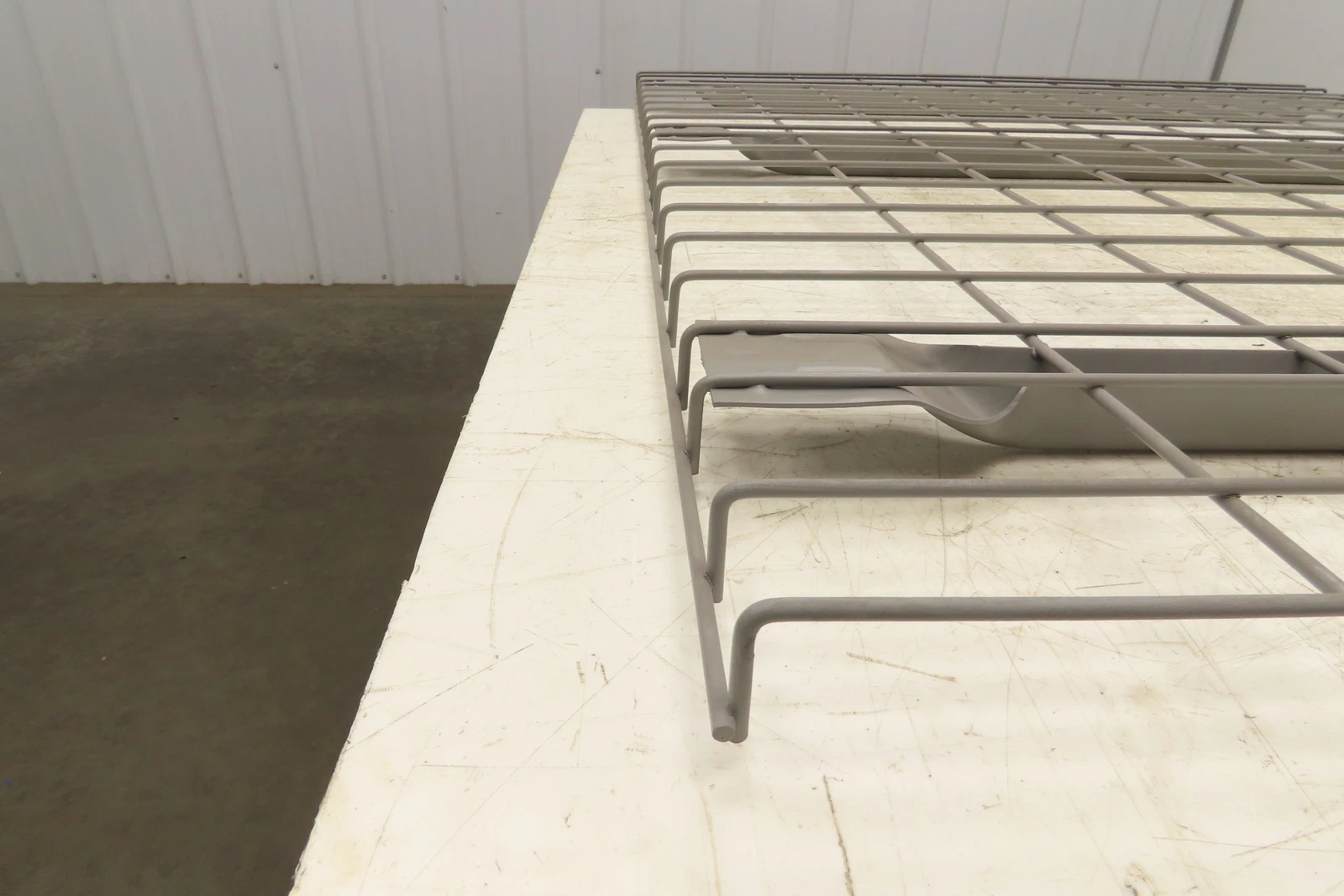
Conclusion
Conclusion:
- The choice of racking systems impacts business operational integrity and workforce morale.
- Basic rack layouts can become bottlenecks, hindering productivity as demands increase.
- Quick-fix racking solutions may lead to inefficiencies and frustration among employees.
- Investing in smarter racking solutions fosters an empowered and valued workforce.
- Effective racking systems signal respect towards employees and enhance the work experience.
- Organizations that adapt their racking choices can encourage innovation and collaboration.
- The decisions made today about racking will influence both company performance and workplace culture.

Conclusion
Other Resources
Other Resources
Here is a list of other resources you can review online to learn more:
- Chicago Pallet Racking
- Teardrop Industrial Shelving Rack
- Total Warehouse
- Selective Rack – Raymond West
- WERC
- Pallet Racks, Pallet Racking, Pallet Shelves in Stock – ULINE
- IWLA
- What is Selective Racking: Understanding Benefits & Options
- Selective Pallet Racking Systems – Container Systems
- Warehouse Racking Layout: The Ultimate Guide – Conger
- Storage Equipment Manufacturers Association
- Teardrop Industrial Shelving Rack
- What is Cantilever Racking? – AK Material Handling Systems
- IIWS Inc. Rack Installation Illinois & Rack Repairs Illinois
- Pallet Racking systems in Illinois and Great Lakes
- Mustang Material Handling
- Wolter
- Selective Racking
- Used Pallet Rack for Sale in Illinois – American Surplus
- Illinois Pallet Racking – Storage Solutions
Use This Prompt To Get More Resources With Your Favorite Online AI Tool: Please provide me with a list of online articles with their URLs in a bulleted list that I can read regarding The Hidden Scalability Limits Of Basic Rack Layouts

Other Resources
Glossary Terms
The Hidden Scalability Limits Of Basic Rack Layouts – Glossary Of Terms
1. Scalability: The ability of a system to increase capacity and performance as demand grows.
2. Rack Layout: The arrangement of servers and equipment in a rack within data centers or server rooms.
3. Density: The amount of computing power or equipment contained in a given space within a rack.
4. Cooling: The methods used to maintain optimal temperature levels for equipment in a server rack.
5. Power Distribution: The process of distributing electrical power to the servers and equipment in a rack.
6. Thermal Management: Techniques used to control heat generation and dissipation in a server environment.
7. U Space: Rack unit measurement that indicates the height of equipment in a rack, typically one U equals 1. 75 inches.
8. Overprovisioning: The practice of allocating more resources than necessary to ensure adequate performance under peak loads.
9. Underutilization: A situation where computing resources are not being fully used, leading to inefficiencies.
10. Load Balancing: Distributing workloads across multiple resources to optimize resource use and avoid overload.
11. Redundancy: The inclusion of extra components, such as power supplies or networks, to provide backup in case of failure.
12. Rack-Mountable: Equipment designed to be installed in standard server racks for efficient space use.
13. Cable Management: The organized arrangement of cables to improve airflow and accessibility in the rack.
14. Vertical Space: The height available in the rack for placing equipment, affecting overall density.
15. Horizontal Space: The width and depth of the rack that can impact airflow and cooling effectiveness.
16. Environmental Monitoring: The tracking of temperature, humidity, and other conditions in a server environment.
17. Server Virtualization: The technique of running multiple virtual servers on a single physical server to maximize resource use.
18. Network Architecture: The design and layout of a network infrastructure that connects servers and storage.
19. Power Efficiency: The measure of how effectively power is used by the equipment in a rack.
20. High Availability: A design approach that ensures a system remains operational and accessible with minimal downtime.
21. Equipment Lifecycle: The stages of a piece of equipment’s existence, from procurement through decommissioning.
22. Out-of-Band Management: Remote management of hardware outside the primary data network for enhanced control.
23. Airflow Management: Techniques to direct and optimize airflow in a rack to prevent hotspots.
24. Hot Aisle/Cold Aisle: A layout strategy that arranges racks in alternating rows to enhance cooling efficiency.
25. Data Center Infrastructure: The physical and virtual components that support data center operations, including racks.
26. Asset Management: The process of tracking and managing hardware resources throughout their lifecycle.
27. Firmware: The software programmed into hardware devices to control their functions and operations.
28. Network Redundancy: Systems put in place to ensure ongoing networking capabilities in case of failure.
29. Electrical Load: The total power consumption of all devices operating within a rack.
30. Capacity Planning: The process of assessing future needs to ensure that capacity aligns with anticipated demand.

Glossary Of Terms
Other Questions
The Hidden Scalability Limits Of Basic Rack Layouts – Other Questions
If you wish to explore and discover more, consider looking for answers to these questions:
- What are the different types of racking systems and which is best for my operation?
- How do I calculate usable storage capacity versus theoretical capacity?
- What is the total cost of ownership (TCO) and ROI for upgrading from basic racks to modular systems?
- What hidden costs should I expect (maintenance, downtime, insurance, training)?
- How do rack layouts affect pick rates, order accuracy, and fulfillment speed?
- Which safety standards and local regulations apply to racking and layout design?
- How do I assess floor loading and structural constraints before reconfiguring racks?
- What metrics and methods can identify current scalability limits?
- When is it better to retrofit existing racks versus replace them entirely?
- What are best practices for aisle width, traffic flow, and equipment clearances?
- How can I integrate automation (conveyors, AS/RS, robots) with existing racking?
- How do rack choices influence ergonomics, worker fatigue, and injury risk?
- What training and change-management steps are required when changing layouts?
- Which KPIs should I track to measure the success of a racking redesign?
- How do I design for seasonal peaks or temporary surges in demand?
- What are the risks and signs of rack overloading, and how do I prevent them?
- How do modular or adjustable racking systems compare in flexibility and cost?
- What low-cost upgrades can small businesses implement to improve scalability?
- How should I evaluate vendors, warranties, and installation quality?
- How do racking layouts impact inventory accuracy and warehouse management systems?
- Which software or simulation tools can model layout changes and throughput?
- How do handling vehicles (forklifts, reach trucks) shape racking design choices?
- What labeling, signage, and lighting improvements boost safety and efficiency?
- What inspection, maintenance schedules, and recordkeeping extend rack lifespan?
- How do racking layouts affect fire suppression, emergency egress, and sprinkler coverage?
- What are the insurance implications of different racking configurations?
- How do I balance storage density with accessibility for fast-moving SKUs?
- What real-world case studies show measurable benefits from racking upgrades?
- How can I solicit worker input and pilot layout changes with minimal disruption?
- What environmental or sustainability factors should influence racking choices?
- How can I phase implementation and budget upgrades to avoid operational downtime?
- How do seismic, wind, temperature, or humidity conditions affect racking design?
- What are the options and trade-offs for multi-level storage (mezzanines, catwalks)?
- How should I store and handle mixed pallet sizes, irregular loads, or bulk items?
- What recordkeeping and compliance documentation should be maintained for inspections?
- How do racking decisions change when using shared warehouses or 3PL partners?

Other Questions
Checklist
The Hidden Scalability Limits Of Basic Rack Layouts – A Checklist
Header
✅______ Facility/area
✅______ Reviewer
✅______ Date
✅______ Peak season(s)
✅______ Current SKU count
✅______ Current order lines per day
✅______ Storage utilization percentage (current and peak)
Capacity and Load Management
✅______ All racks display clear load ratings; no labels obscured or missing
✅______ Actual pallet/load weights verified against rack beam and column ratings
✅______ Pallet dimensions and deflection within rack manufacturer tolerances
✅______ Reserve vs. active storage capacity right-sized for demand
✅______ Buffer space exists for inbound surges and returns
✅______ Measured storage utilization below defined peak threshold (for example, under 85%)
✅______ Planned capacity for 12–24 months documented with trigger points for expansion
Layout and Flow
✅______ Aisle widths meet equipment turning and code requirements
✅______ One-way and two-way travel paths defined and marked
✅______ High-velocity items positioned to minimize travel distance
✅______ Egress routes and staging zones are clear and unobstructed
✅______ Cross-traffic at pick and put zones minimized
✅______ Dock-to-storage paths separate pedestrians and forklifts
✅______ Visual line of sight at intersections maintained
Flexibility and Modularity
✅______ Racking is modular (adjustable beam levels and reconfigurable bays)
✅______ Changeover time for re-slotting (hours or days) is acceptable and resourced
✅______ Space reserved for pilots (for example, new SKUs, packaging, processes)
✅______ Mix of storage types (selective, carton flow, pallet flow, cantilever) matches SKU profiles
✅______ Seasonal or promotional reconfiguration plan exists
✅______ Quick-add capacity options identified (for example, mezzanine, over-dock, short-term overflow)
Inventory Strategy and Slotting
✅______ ABC/velocity analysis is current (within the last quarter)
✅______ Slotting aligns pick faces with demand and unit of measure
✅______ Case, each, and pallet handling are physically separated where beneficial
✅______ Replenishment paths do not interrupt active picking
✅______ Dead stock and obsolete SKUs identified and removed or consolidated
✅______ Labeling and location naming are consistent and scannable
Productivity and Labor
✅______ Standard work and engineered standards exist for picking, put-away, and replenishment
✅______ Average pick path length and touches per order are tracked and trending
✅______ Travel waste hotspots identified and addressed
✅______ Ergonomic reaches, lifts, and heights meet guidelines
✅______ Tools and consumables are point-of-use to reduce motion
✅______ Training is current for all equipment and zones
Safety and Compliance
✅______ Racks anchored per manufacturer and local code
✅______ Damaged uprights and beams are tagged and repaired or removed
✅______ Rack protection in place (end-of-aisle protection, column guards, bollards)
✅______ Decking, netting, or backstops installed where fall risk exists
✅______ Clearances maintained for sprinklers and fire protection
✅______ Signage for load limits, travel direction, and PPE is visible
✅______ Rack inspection schedule documented, with last inspection date
Risk and Resilience
✅______ Seismic and wind considerations verified where applicable
✅______ Contingency plan for peak overflow and upstream and downstream disruptions
✅______ Alternates identified for critical consumables (pallets, totes, labels)
✅______ Redundancy for critical zones (for example, receiving and packing) to avoid single points of failure
✅______ Incident and near-miss data feed layout improvements
Technology and Data
✅______ WMS and bin-location accuracy audited (cycle count accuracy target met)
✅______ Real-time location and scan compliance monitored
✅______ Travel heatmaps or time-motion data inform layout changes
✅______ Slotting software or rules engine supports re-optimization
✅______ Dashboard tracks KPIs (UPH, lines per hour, OTIF, dock-to-stock)
Scalability Triggers and Governance
✅______ Defined thresholds to add bays, levels, or shifts, or move to a new storage type
✅______ Capex and opex model for incremental versus step-change investments
✅______ Vendor and installer partners prequalified for rapid deployment
✅______ Change control process for layout modifications (owner, review, sign-off)
✅______ Decommissioning and disposal plan for obsolete equipment
Team Experience and Culture
✅______ Frontline feedback loop for congestion, mispicks, and safety concerns
✅______ Morale indicators tracked (turnover, absenteeism, surveys)
✅______ Idea pipeline for continuous improvement with recognition
✅______ Roles and responsibilities clear at zone boundaries
✅______ Communication boards and visual management are up to date
Quality and Customer Impact
✅______ Mispick and damage root causes linked to specific locations and flows
✅______ Pack-out accuracy checks placed at appropriate choke points
✅______ Returns processing space and flow prevent contamination of good stock
✅______ Time-to-ship and order cycle time monitored against SLAs
✅______ Layout supports value-added services without disrupting core flow
Maintenance and Housekeeping
✅______ 5S standards defined and audited for each zone
✅______ Preventive maintenance (PM) schedule for lift trucks, conveyors, and safety devices
✅______ Floor markings, labels, and signage maintained and legible
✅______ Spill kits and cleanup procedures accessible
✅______ Lighting levels adequate for reading labels and safe operation
Scorecard (Optional)
✅______ Total checks passed
✅______ Total checks applicable
✅______ Percent compliance
✅______ Top 5 gaps to close now
✅______ Owners and due dates
Key Metrics to Capture
✅______ Average pick path distance per order
✅______ Lines per hour by zone
✅______ Dock-to-stock time
✅______ Storage utilization percentage (average and peak)
✅______ Cycle count accuracy (%)
✅______ Incidents and near misses per 200,000 hours
Action Plan
✅______ Priority 1
✅______ Priority 2
✅______ Priority 3
✅______ Review date and next audit

Checklist
At RackingWorld, we help guide you through selecting warehouse storage systems and racking.
Be sure to read our other related stories at RackingWorld to learn more about warehouse storage systems.
0 Comments