
Unlocking Efficiency And Growth: Transforming Space Into Profit
By Tom Seest
At RackingWorld, we help guide you through selecting warehouse storage systems and racking.
Be sure to read our other related stories at RackingWorld to learn more about warehouse storage systems.
The Hidden Roi Of Narrow Aisle Systems
The hidden ROI of narrow aisle systems isn’t just numbers and charts; it’s about real people and their day-to-day grind. Picture a warehouse bustling with workers, all hustling to get their jobs done efficiently. When racking systems are designed to maximize every inch, it turns out to be a game changer. You’ve got more products packed into less space, reducing clutter and confusion. This isn’t just about lifting these pallets; it’s about lifting the burden off the shoulders of the folks doing the heavy lifting.
Think about it—narrow aisle systems can significantly ramp up your storage capacity. Less square footage wasted means you’re not just saving overhead; you’re investing in an efficient operation. With a smarter layout, you’ll see that higher throughput isn’t just a buzzword—it becomes a reality. Workers can move quicker, grab what they need without the hassle of tripping over a yard or wasting time navigating through cramped spaces. Less time hunting for tools and inventory means more time focusing on what truly matters—getting the job done.
But there’s more to it than just logistics. There’s also the heart of the operation—the crew. A well-organized space fosters morale. When people can easily find what they need, it shows respect for the effort they put in every day. It makes them feel valued, like their time and sweat matter. Happy workers stick around, and that’s good news for the bottom line. It’s an ethical investment in your team; the productivity and loyalty that comes from valuing their hustle creates a positive ripple effect.
The authority in these systems is undeniable. Companies with narrow aisle racking have redefined efficiency in their warehouses, proving that adaptability is key. Those who embrace this shift stand as a testament to what’s achievable with common-sense strategies paired with the right equipment.
Now, let’s not forget the social aspect. In a world where everyone is looking for an edge, being part of a facility that prioritizes these systems doesn’t just enhance your credibility; it connects you with others in the industry who see the value in smarter operations. Trust grows in spaces where efficiency is a shared goal, creating connections that last beyond the warehouse walls.
Investing in narrow aisle systems is like finding that last piece of the puzzle—once it clicks into place, everything falls into a seamless flow, driving not just profits, but a unified team striving for success.

The Hidden Roi Of Narrow Aisle Systems
The Hidden Roi Of Narrow Aisle Systems
- Narrow aisle systems enhance efficiency in warehouses, benefiting both operations and workers.
- Maximized racking designs increase storage capacity, reducing clutter and confusion.
- Efficient layouts allow workers to move faster and decrease time spent searching for tools and inventory.
- Organized workspaces boost morale and show respect for employees, leading to increased loyalty.
- Companies implementing narrow aisle systems demonstrate adaptability and redefine warehouse efficiency.
- Being part of a facility with these systems fosters industry connections and enhances credibility.
- Investing in narrow aisle systems contributes to a more productive, unified team and overall business success.
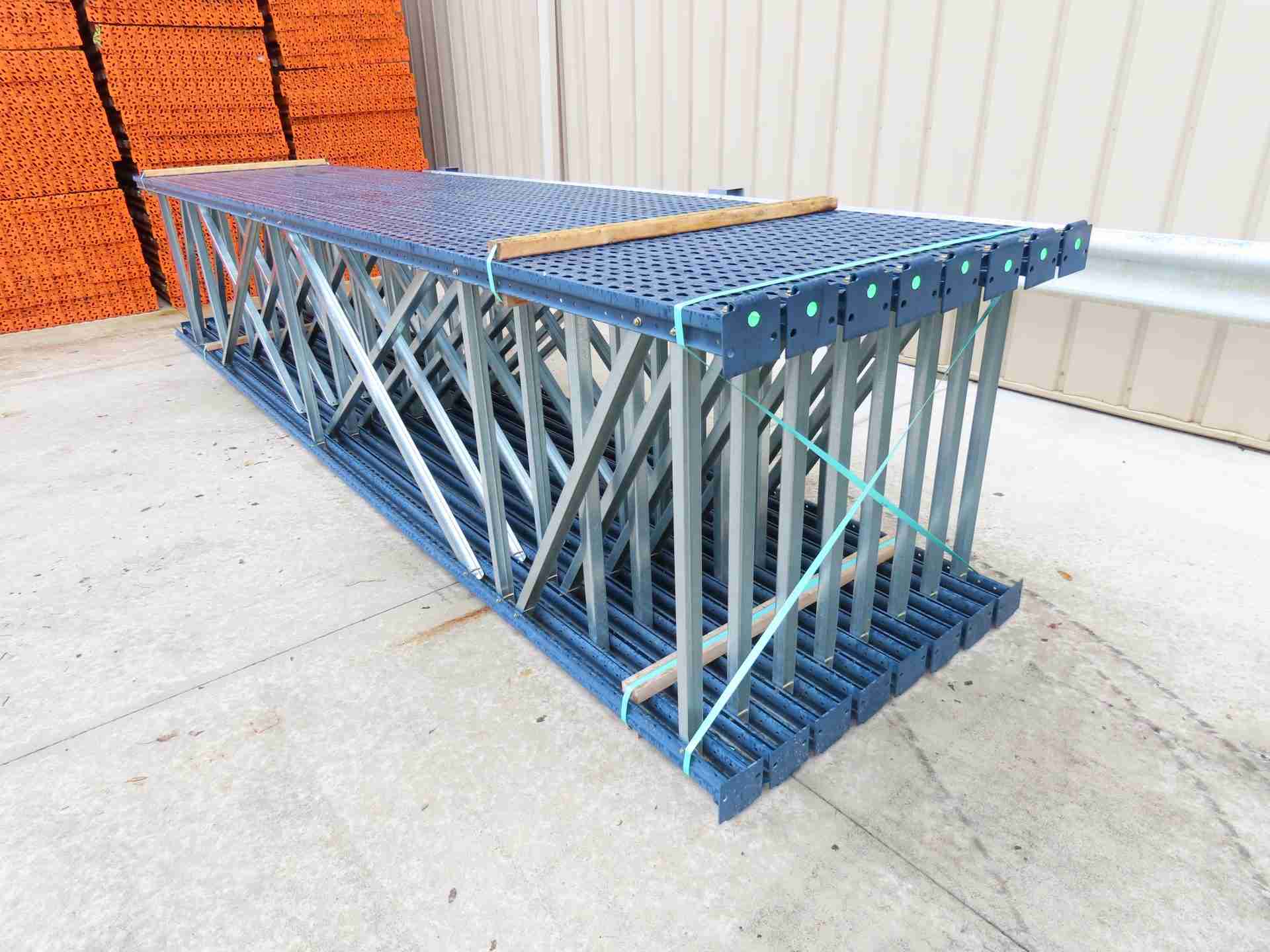
The Hidden Roi Of Narrow Aisle Systems
Table Of Contents
- The Hidden Roi Of Narrow Aisle Systems
- What Are the Emotional Benefits Of Narrow Aisle Systems?
- How Can Narrow Aisle Systems Reduce Costs Effectively?
- What Ethical Considerations Arise with Space Optimization?
- How Do Narrow Aisle Systems Improve Worker Satisfaction?
- What Real-Life Success Stories Exist for Narrow Aisle Systems?
- How Can Narrow Aisle Systems Enhance Safety In Warehouses?
- Conclusion
- Other Resources
- Glossary Of Terms
- Other Questions
- Checklist
What Are the Emotional Benefits Of Narrow Aisle Systems?
Narrow aisle systems, akin to an efficient toolbox in a bustling workshop, can drive a practical change in a workplace’s atmosphere. Picture a warehouse where every inch matters; these systems are designed to maximize space without sacrificing accessibility. The emotional benefits of utilizing racking systems in narrow aisles extend far beyond just organization; they cultivate a sense of belonging and purpose among workers.
In a bustling environment, employees often feel overwhelmed by clutter and chaos. Introducing narrow aisle systems addresses these feelings directly. There’s something reassuring about knowing where every tool and item is located. It’s like having a well-arranged toolbox, where each tool is precisely where it should be. This organization helps reduce stress and fosters a more harmonious workspace, allowing employees to focus on their tasks without the emotional weight of disarray.
From a rational standpoint, narrow aisle systems offer the clear advantage of maximizing storage capacity. By condensing aisles, businesses can store more goods in the same footprint. This not only improves efficiency but also enhances job security for employees. Knowing that the company is operating at peak efficiency inspires confidence in workers, reassuring them that their place in the company is valued and safe.
The ethical appeal of these racking systems cannot be overlooked. They demonstrate a commitment to sustainability, as optimized space means fewer resources wasted on unnecessary expansions or relocations. Workers can take pride in being part of a forward-thinking operation that prioritizes both productivity and environmental responsibility. This shared mission bolsters team spirit, reinforcing a connection among staff where everyone works towards a common goal.
Nothing builds rapport quite like shared experiences. When employees collaborate to implement narrow aisle systems, they bond over the physical act of transforming their workspace. They share stories, lend a hand, and collectively celebrate a job well done. This narrative creates a lasting emotional connection, encouraging camaraderie that extends beyond the warehouse floor.
Moreover, the introduction of narrow aisle systems enhances safety. Less clutter and well-organized pathways reduce the risk of accidents. This protection fosters a deeper emotional bond between the company and its employees, as safety is a fundamental part of workplace psychology. Workers feel valued and secure, knowing that their well-being is a priority.
In essence, narrow aisle systems not only make practical sense but also enrich the emotional landscape of a workplace. They promote a culture of trust and cooperation, where employees take pride in their environment, ultimately leading to a more robust, resilient operation for everyone involved.
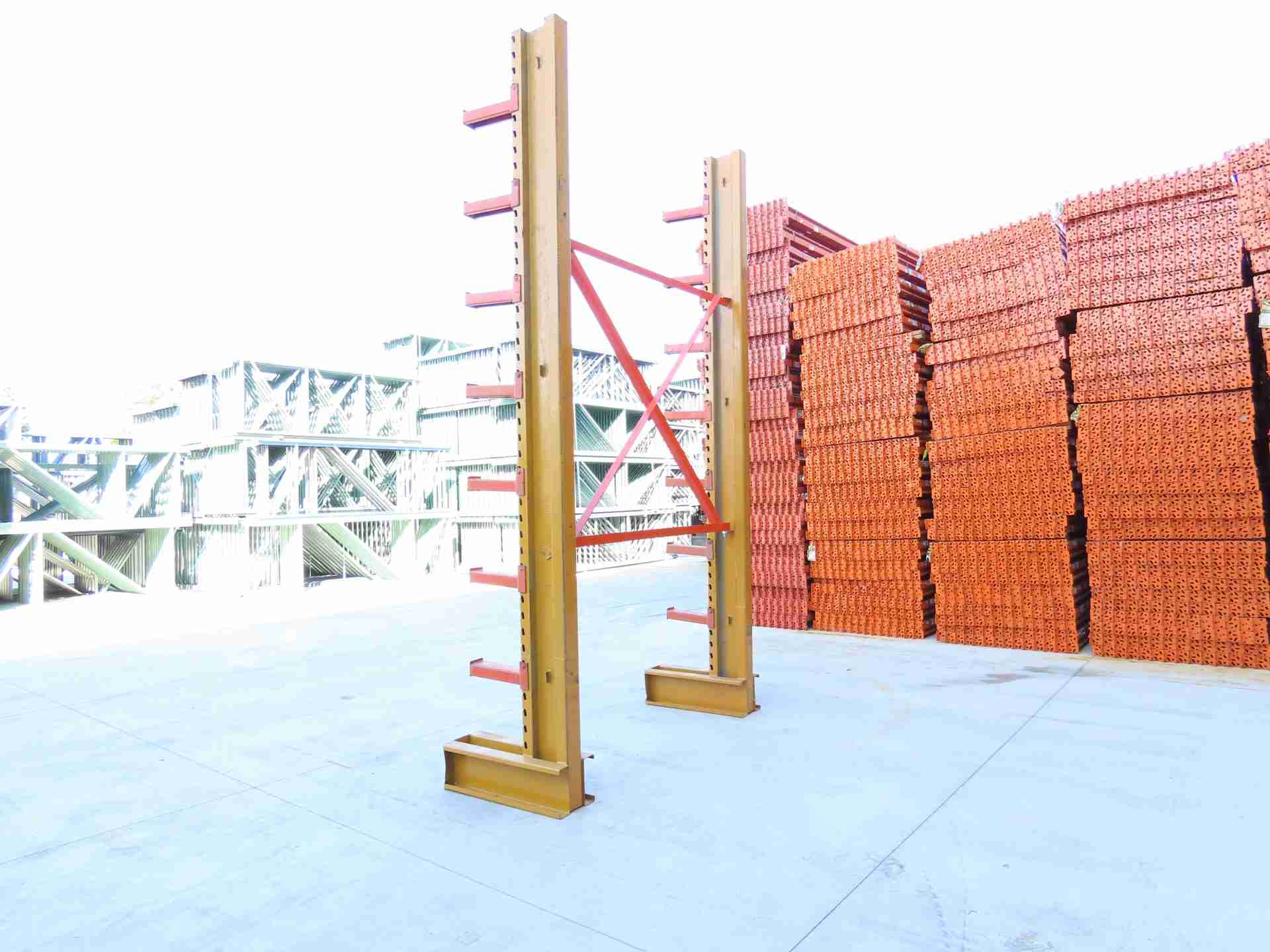
What Are the Emotional Benefits Of Narrow Aisle Systems?
What Are the Emotional Benefits Of Narrow Aisle Systems?
- Narrow aisle systems maximize warehouse space without compromising accessibility.
- They alleviate clutter-induced stress, fostering a harmonious workplace atmosphere.
- Improved storage capacity enhances operational efficiency and job security for employees.
- These systems promote sustainability by reducing resource waste and unnecessary expansions.
- Collaboration on system implementation strengthens team bonds and camaraderie.
- Enhanced organization and safety protocols reduce accident risks in the workplace.
- Narrow aisle systems cultivate a culture of trust, cooperation, and employee pride.

What Are the Emotional Benefits Of Narrow Aisle Systems?
How Can Narrow Aisle Systems Reduce Costs Effectively?
Narrow aisle systems have become a game-changer in the warehousing world, helping businesses not just save a few bucks but truly transform the way they operate. Imagine stepping into a warehouse where every inch of space is optimized. With narrow aisle racking systems, you can squeeze in more products without the need for an expansive footprint. This isn’t just some highfalutin theory; it’s a practical solution that makes sense, both for the bottom line and for daily operations.
Picture this: a small business that’s been struggling to keep up with inventory demands. They’ve been paying hefty rent for space they simply don’t use efficiently. After introducing narrow aisle systems, they see not only an increase in storage capacity but also a boost in productivity. Employees can navigate the aisles quickly and easily, reducing downtime and frustration. No more ducking and weaving through cramped passages—just smooth sailing. That’s when the heart of the matter kicks in. Employees feel better, morale rises, and the whole workplace vibrates with a can-do spirit.
From a financial perspective, the numbers don’t lie. Reduced operational costs lead to healthier profit margins. When you take into account the savings from lower rental costs and increased inventory turnover, the math works out in your favor. That’s rational and sound reasoning—solid evidence that investing in narrow aisle solutions pays dividends. Moreover, there’s an ethical angle here; when warehouses operate efficiently, it’s not just the company benefiting. It’s a ripple effect that enhances the local economy, creates jobs, and fosters community growth. It’s about doing right by your employees and your customers.
And let’s not forget the authority of experience. Many businesses that have embraced these systems share testimonials of improved workflow and decreased operational headaches. They serve as proof that these systems are tried and true. It’s not just talk; it’s backed by those who know the struggle of working in tight spaces and the relief that comes with efficient racking systems.
As you step into the future of warehousing, think about the choices you make. Narrow aisle systems aren’t just a practical solution; they represent a commitment to smarter operations and a brighter business outlook. Embrace this change, and watch as costs shrink and productivity soars—it’s a story worth telling.

How Can Narrow Aisle Systems Reduce Costs Effectively?
How Can Narrow Aisle Systems Reduce Costs Effectively?
- Narrow aisle systems optimize warehouse space, allowing for increased product storage without expanding the physical footprint.
- These systems enable small businesses to better manage inventory demands, leading to reduced rental costs and improved productivity.
- Employees experience increased morale due to easier navigation and reduced frustration in the workspace.
- Operational cost reductions contribute to healthier profit margins for businesses adopting narrow aisle systems.
- The efficient operation of warehouses has positive ripple effects on local economies, creating jobs and fostering community growth.
- Numerous businesses report testimonials endorsing the effectiveness of narrow aisle systems in improving workflow and minimizing operational challenges.
- Narrow aisle systems symbolize a commitment to smarter operations and enhanced business outlooks, promising reduced costs and increased productivity.

How Can Narrow Aisle Systems Reduce Costs Effectively?
What Ethical Considerations Arise with Space Optimization?
Space optimization isn’t just about fitting more into less; it’s about understanding the deep-rooted implications of how we use what we have. When we talk about racking systems, for instance, we’re not merely discussing steel beams and shelves. We’re tackling the lives they impact, the safety they provide, and the ethics wrapped up in our everyday choices. It’s a straightforward idea: better use of space can lead to efficiency, but at what cost?
Consider the workers who navigate these optimized spaces daily. Racking systems might save time and space, but if they’re poorly designed or mishandled, the risk to those workers increases. Errors in design can lead to accidents, injuries, or worse, turning a seemingly smart decision into a moral dilemma. We must ask ourselves if improving efficiency justifies creating an environment that may place someone’s life at risk. The gut feeling here is clear: the well-being of individuals should always take precedence over profit margins or output.
Then there’s the aspect of fairness. Some might argue that the pursuit of optimizing space can result in unequal access—who benefits most from these racking systems? In many warehouses, large corporations streamline operations at the cost of small businesses struggling to compete. It’s the little guy who gets squeezed out, often leaving communities in dire straits. There’s a story here, one that resonates deeply in the blue-collar heart of any trade. When you know the weight of a family’s reliance on a local job, you start seeing the bigger picture; it’s not just about maximizing cubic footage.
Moreover, we need to think about sustainability. In our drive for optimization, are we being responsible stewards of our environment? Racking systems made from unsustainable materials or methods that harm our planet lead us down a path that future generations might curse us for walking. Solid, ethical choices have to be at the forefront of our innovations as we wrestle with these challenges. When we choose the right materials or methods, we show our commitment to not just our profits, but our planet and people too.
Space optimization is a blend of art and responsibility, where each decision requires us to engage our hearts, heads, and guts. Building trust with our teams and communities means crafting solutions that prioritize safety, equity, and stewardship. The aim is to construct spaces that don’t just serve our needs today but do so while ensuring tomorrow’s well-being. Ultimately, it’s about creating environments that nurture us all, fostering a sense of community and shared purpose in an often unyielding landscape.
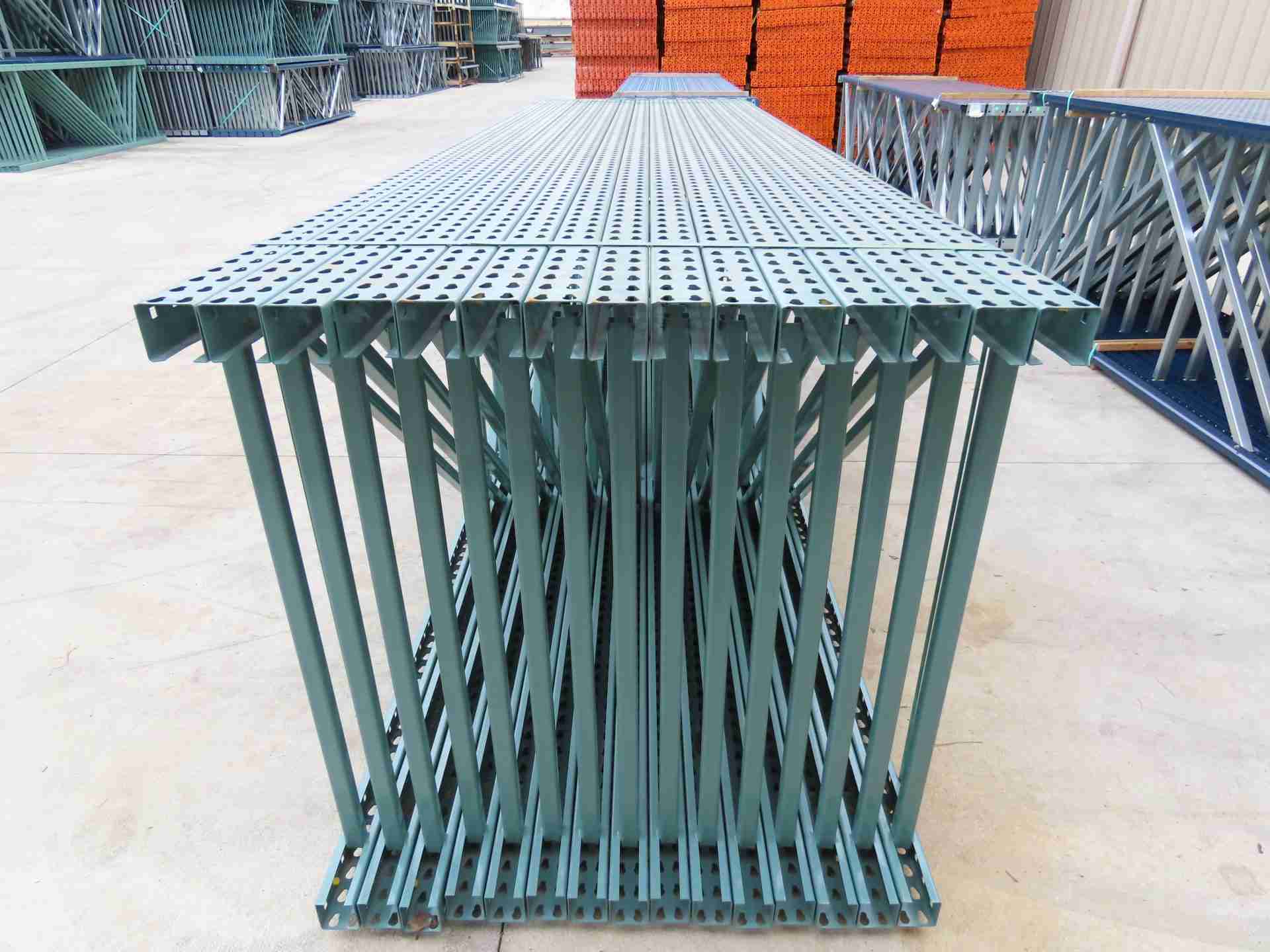
What Ethical Considerations Arise with Space Optimization?
What Ethical Considerations Arise with Space Optimization?
- Space optimization involves understanding the implications of resource use beyond mere efficiency.
- Well-designed racking systems can enhance efficiency but may increase risks to workers if improperly managed.
- Ethical considerations are paramount; individual well-being should take precedence over profit margins.
- Optimizing space can lead to unequal access, often benefiting large corporations at the expense of small businesses.
- Sustainability must be prioritized to avoid harmful environmental impacts from racking systems.
- Decisions in space optimization should reflect a commitment to people, communities, and ethical practices.
- The goal is to create safe, equitable environments that foster community and support long-term well-being.
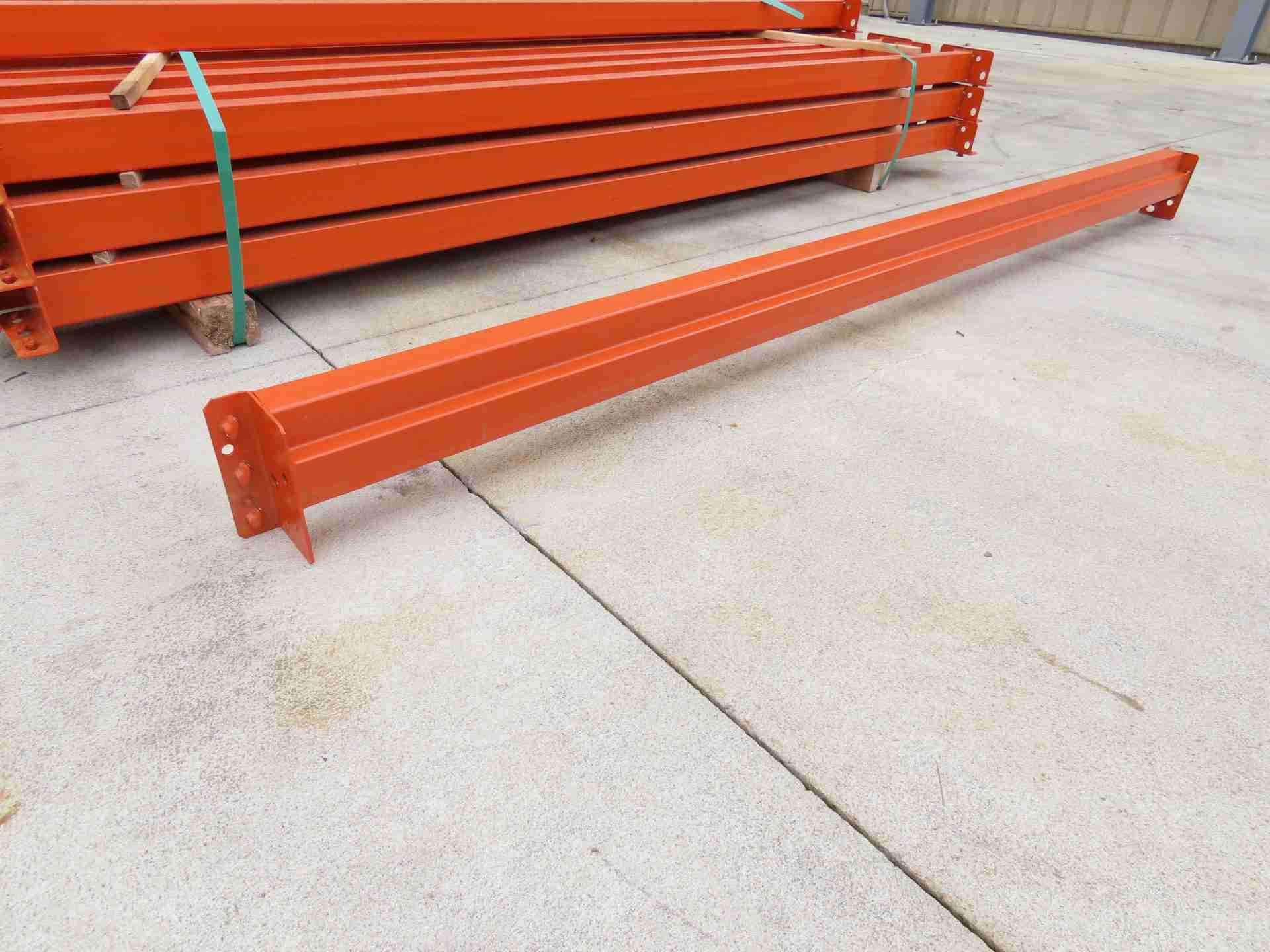
What Ethical Considerations Arise with Space Optimization?
How Do Narrow Aisle Systems Improve Worker Satisfaction?
Narrow aisle systems are changing the game for warehouses, not just in efficiency but in boosting worker satisfaction, and it’s all about the experience on the ground. Picture this: you’re navigating those tight spaces, dodging obstacles, and hustling between towering racking systems, and it feels like you’re part of a well-oiled machine. The thrill of moving quickly, the sense of accomplishment—when you can zip through the aisles without a hitch, your morale gets a serious lift.
Now, let’s not kid ourselves; working in a warehouse isn’t all sunshine and rainbows. The demands are high, the pace can be relentless, and safety is a constant concern. But here’s where a solid narrow aisle system steps in, showing that it’s not just about the layout but how it makes people feel. A well-designed space reduces the risk of accidents, which means workers can focus on their tasks without the nagging worry of collisions or spills. When safety is prioritized, trust builds among the team. Workers know their well-being matters, and that’s powerful.
From the perspective of the head—the rational side—we can see real data backing this up. Companies that invest in narrow aisle setups report lower turnover rates. Happy workers stick around. It’s a simple but strong link: better environments produce better outcomes. When the aisles are clear and organized, it cuts down on wasted time and frustration. Workers can find what they need without digging through piles. Less hassle equals more productivity, and it’s rewarding to see those numbers rise at the end of the month.
Then, there’s the gut feeling. There’s something fulfilling about working in an efficient space where every item has its place. You walk into a well-organized warehouse and feel that surge of pride. It’s like a badge of honor to haul boxes in an environment that supports you, rather than hinders you.
Ethically speaking, investing in narrow aisle systems shows that companies value their workers’ experiences. It’s an acknowledgment that satisfied employees are the backbone of success. This creates a culture where teamwork thrives—everyone is pulling in the same direction, driving home the point that a happy crew makes for a successful operation.
In a world that often overlooks the human element, narrowing those aisles brings folks back to what matters: efficiency blended with care, racking systems designed not just for space, but for people—creating a place where everyone can feel proud to contribute.
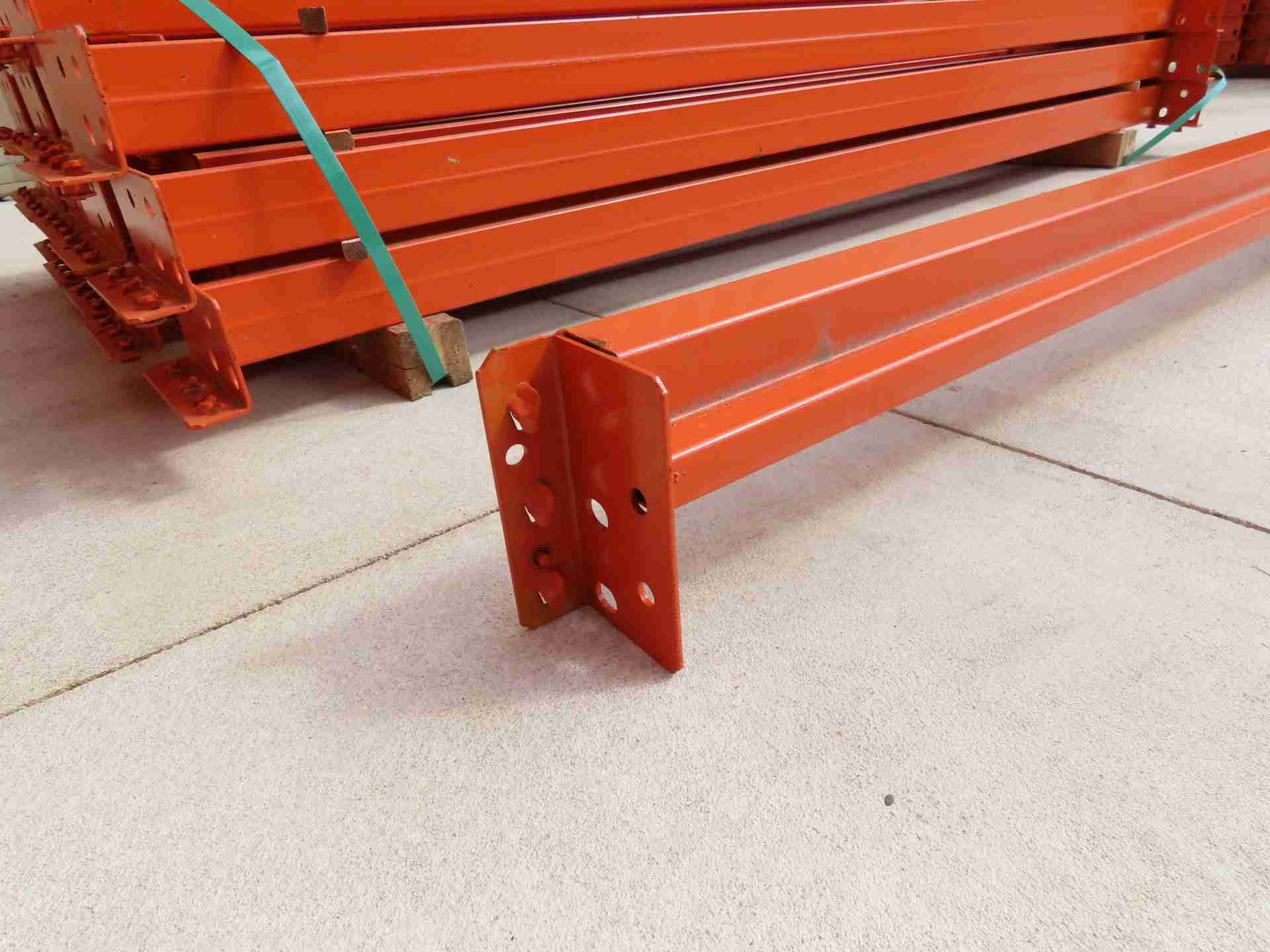
How Do Narrow Aisle Systems Improve Worker Satisfaction?
How Do Narrow Aisle Systems Improve Worker Satisfaction?
- Narrow aisle systems enhance warehouse efficiency and worker satisfaction.
- Navigating tight spaces in well-designed layouts boosts worker morale and productivity.
- Safety concerns are mitigated, allowing workers to focus without fear of accidents.
- Investment in narrow aisles correlates with lower employee turnover rates.
- Clear and organized aisles reduce frustration and save time in inventory management.
- Efficient spaces foster pride and a sense of accomplishment among workers.
- Companies that prioritize worker experience cultivate teamwork and success.
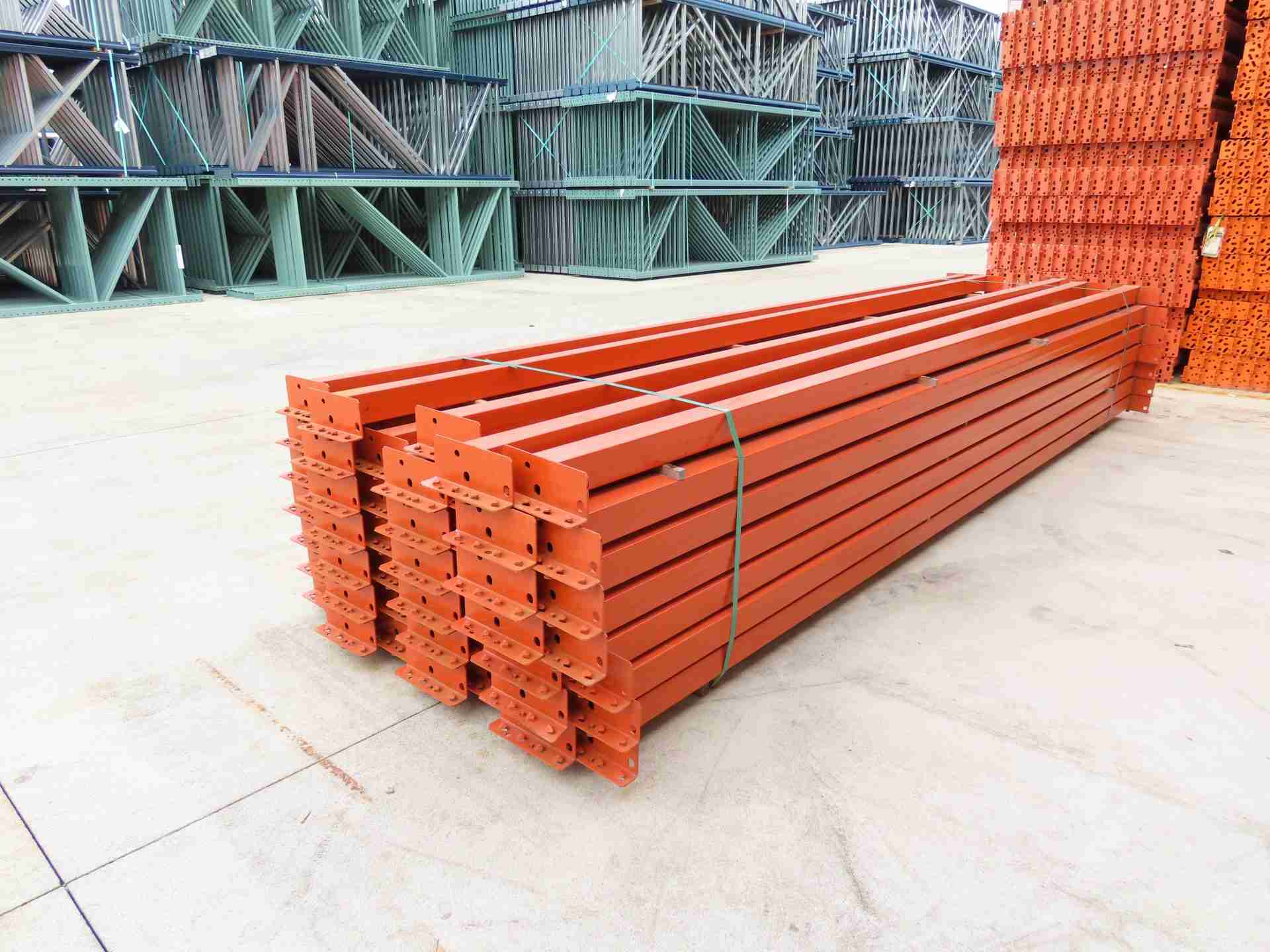
How Do Narrow Aisle Systems Improve Worker Satisfaction?
What Real-Life Success Stories Exist for Narrow Aisle Systems?
When you think about racking systems in a warehouse, it often brings to mind visions of towering shelves, busy forklifts, and the organized chaos of products moving in and out. But behind the steel frameworks and machinery lies a deeper story about the businesses that rely on narrow aisle systems to thrive. Picture a small family-owned distribution center struggling to keep up with growing demand. They had racks cluttered with inventory, paths too wide that didn’t make sense. Enter narrow aisle systems: a practical solution that transformed their workspace. By switching to this efficient layout, they were able to increase their storage capacity while reducing the time it took to pick orders. It’s more than just numbers; it’s about how they could finally breathe easier and focus on what made them passionate—to serve their community.
This isn’t just about efficiency; it’s about people and the ripple effects of smart decisions. Workers felt a renewed sense of pride, knowing they were part of a solution that kept their jobs secure. A warehouse’s pulse beats in the rhythm of its employees, and with better organization, morale shot up. Colleagues started giving a hand to one another, fostering a work environment grounded in support rather than frustration. They shared their experiences, finding camaraderie through the common goal of success.
In a world that often prioritizes profits over people, choosing narrow aisle systems is an ethical commitment to doing things smartly. Business owners discovered that, by investing in these racking systems, they weren’t just improving their bottom line; they were creating jobs and strengthening families, one order at a time. They transformed their operations, inviting others in the community to elevate their practices too.
The real magic happens when you see the impact beyond the warehouse walls. Other local businesses took notice—some even adopted similar systems, sparking a movement of efficiency and growth. Word spread like wildfire as they became community champions. There’s a sense of responsibility that comes with such choices: a duty to the workforce and a commitment to better the neighborhood.
When folks come together to adopt smart, efficient solutions like narrow aisle systems, it creates a collective wave of growth and resilience. Every success story acts as a brick in the foundation of a strong economy, where businesses and communities rise hand in hand, proving that even the smallest changes can lead to remarkable outcomes.
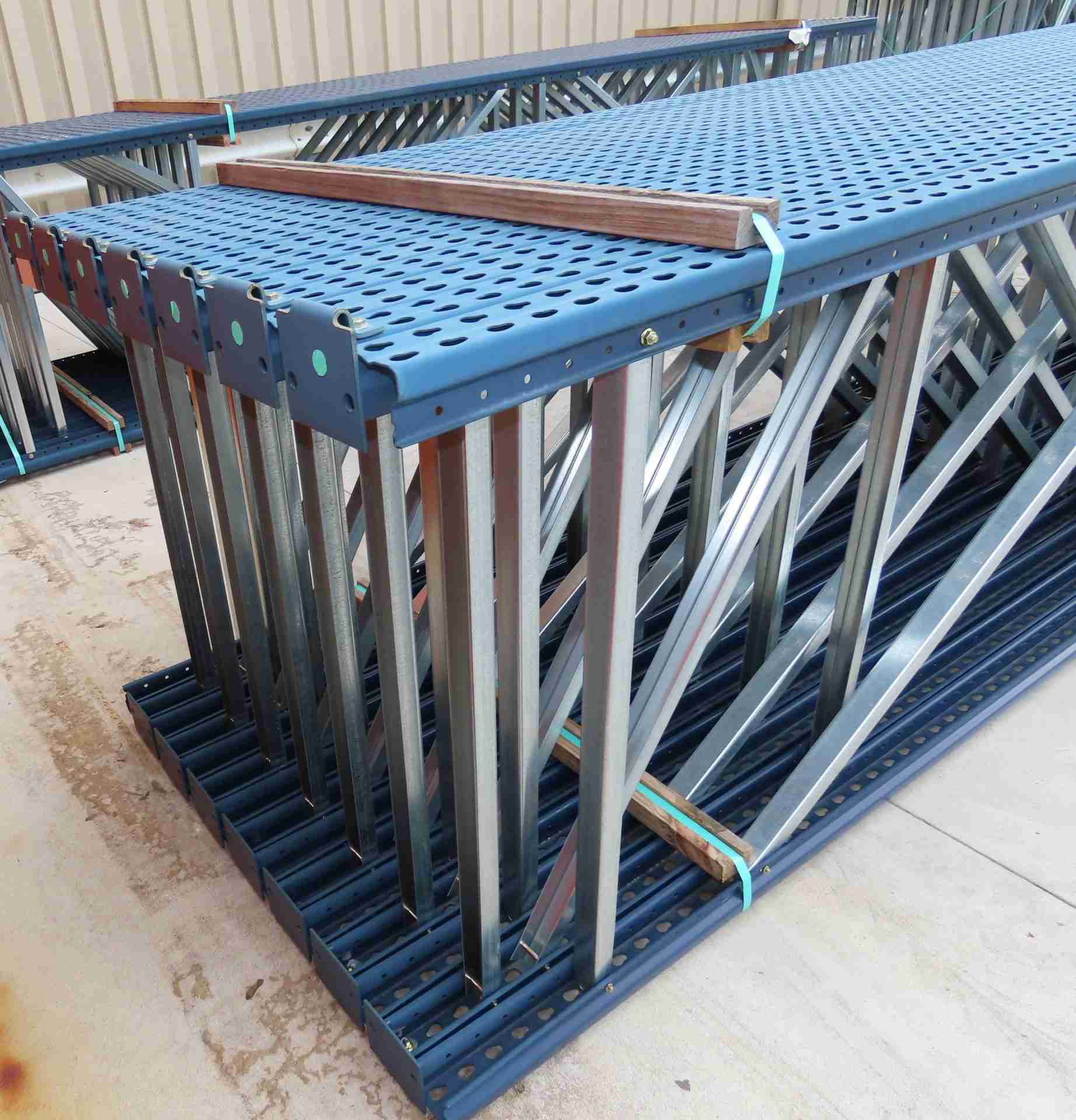
What Real-Life Success Stories Exist for Narrow Aisle Systems?
What Real-Life Success Stories Exist for Narrow Aisle Systems?
- Narrow aisle systems enhance storage capacity and order picking efficiency in warehouses.
- Such systems enable smaller distribution centers to meet growing demand more effectively.
- Improved organization boosts employee morale and fosters a supportive work environment.
- Adopting these systems demonstrates an ethical commitment to workforce and community well-being.
- Investing in narrow aisle systems can create jobs and strengthen local families.
- Successful implementations encourage other businesses to adopt similar efficient practices.
- Collective adoption of smart solutions promotes economic growth and community resilience.

What Real-Life Success Stories Exist for Narrow Aisle Systems?
How Can Narrow Aisle Systems Enhance Safety In Warehouses?
In the bustling world of warehouses, where every inch matters, narrow aisle systems rise to the challenge, enhancing safety in ways that resonate deeply with those on the front lines. Picture a warehouse floor buzzing with activity, where workers navigate the tight spaces between high racking systems. This isn’t just about keeping things tidy; it’s about creating an environment that respects the people who work there.
Narrow aisle systems optimize space, allowing for a greater storage capacity without cramming too much into every corner. This isn’t just a number on a spreadsheet; it’s about enabling workers to move freely and safely. When aisles are tight and racking systems are utilized to their full potential, the risk of accidents goes down. Workers can focus on their tasks rather than worrying about dodging equipment or tripping over poorly placed pallets, fostering an atmosphere where safety isn’t just a policy—it’s a practice.
Rationally, investing in narrow aisle systems and proper racking setups makes sense. Fewer accidents lead to lower insurance costs, reduced downtime, and improved morale. When workers feel safe, they perform better. They take pride in their work, knowing their employer has their backs. This isn’t just about efficiency; it’s about building a culture of care. It’s an ethical responsibility that companies should embrace, knowing that their people are their greatest asset.
The narrative of safety begins with the smallest detail. A worker recalls a time their foot caught on a stray pallet in a wide aisle, leading to a tumble and a sprained ankle. That memory lingers, prompting a shift in how facilities choose to design their spaces. By investing in narrow aisle systems with well-planned racking systems, organizations show respect for the workers’ well-being, turning those scars into stories of empowerment and safety measures taken.
Community and connection play pivotal roles in these changes. When teams come together to discuss the layout of their work environment, they become invested in the solution. Families are kept safe at home when workers return unscathed, and that connection strengthens. By prioritizing safety through clever design, companies become not just leaders in efficiency, but champions of workplace well-being, earning trust from employees who understand that their safety is a priority, not an afterthought.

How Can Narrow Aisle Systems Enhance Safety In Warehouses?
How Can Narrow Aisle Systems Enhance Safety In Warehouses?
- Narrow aisle systems enhance safety in warehouses by optimizing space and storage capacity.
- These systems reduce the risk of accidents, allowing workers to navigate tight spaces freely and safely.
- Investing in narrow aisle systems lowers insurance costs, decreases downtime, and boosts employee morale.
- Workers feel valued and perform better in an environment that prioritizes their safety.
- Design choices in warehouse layouts can significantly impact worker well-being and safety perceptions.
- Community involvement in layout discussions fosters a sense of ownership and commitment to safety.
- Prioritizing safety through thoughtful design builds trust and demonstrates a company’s care for its employees.

How Can Narrow Aisle Systems Enhance Safety In Warehouses?
Conclusion
Narrow aisle systems are more than just practical solutions for warehouse efficiency; they’re transformative tools that enrich the labor experience and strengthen team dynamics. Imagine a warehouse, alive with the hustle of dedicated workers, but previously bogged down by clutter and frustrating navigation. By maximizing space through narrow aisle racking, companies can significantly enhance storage capacity, allowing for a more organized workforce. This change isn’t just about numbers; it lifts the daily burden off employees, enabling them to access what they need swiftly and safely—less time wrestling with disarray means more focus on productivity.
A well-organized warehouse instills pride among workers. When employees can find their tools and inventory with ease, it fosters a sense of respect and validates their efforts. Happy workers lead to lower turnover, creating a culture where loyalty and morale thrive. Ethically, investing in these systems conveys appreciation for employee contributions and wellbeing, producing a positive feedback loop where motivation breeds more productivity.
Moreover, adopting narrow aisle systems positions companies as forward-thinking leaders within their industry. Evidence shows that those who embrace this innovative layout are not only enhancing efficiency but also establishing connections with others in the field, sharing best practices that further reinforce industry standards. Building a community where everyone is working toward a common goal creates lasting bonds, transforming the workplace into a supportive environment.
As businesses prioritize the comfort and safety of their employees, they create spaces designed for productivity and cohesion. Narrow aisle systems reduce clutter and the potential for accidents, cultivating a workspace where workers can feel secure and valued. This respect for their wellbeing reinforces the message that they are integral to the company’s success.
Investing in these setups is ultimately about nurturing an ecosystem that benefits everyone involved—workers, the organization, and even the broader community. Efficient warehouses lead to healthier profit margins and job creation, contributing to a vibrant local economy. These systems act as the glue that holds together the fabric of a collaborative operation, where shared experiences lead to camaraderie and a unified mission. The embrace of narrow aisle systems is not just a strategic choice; it’s a commitment to building a better workplace and, by extension, a better community.
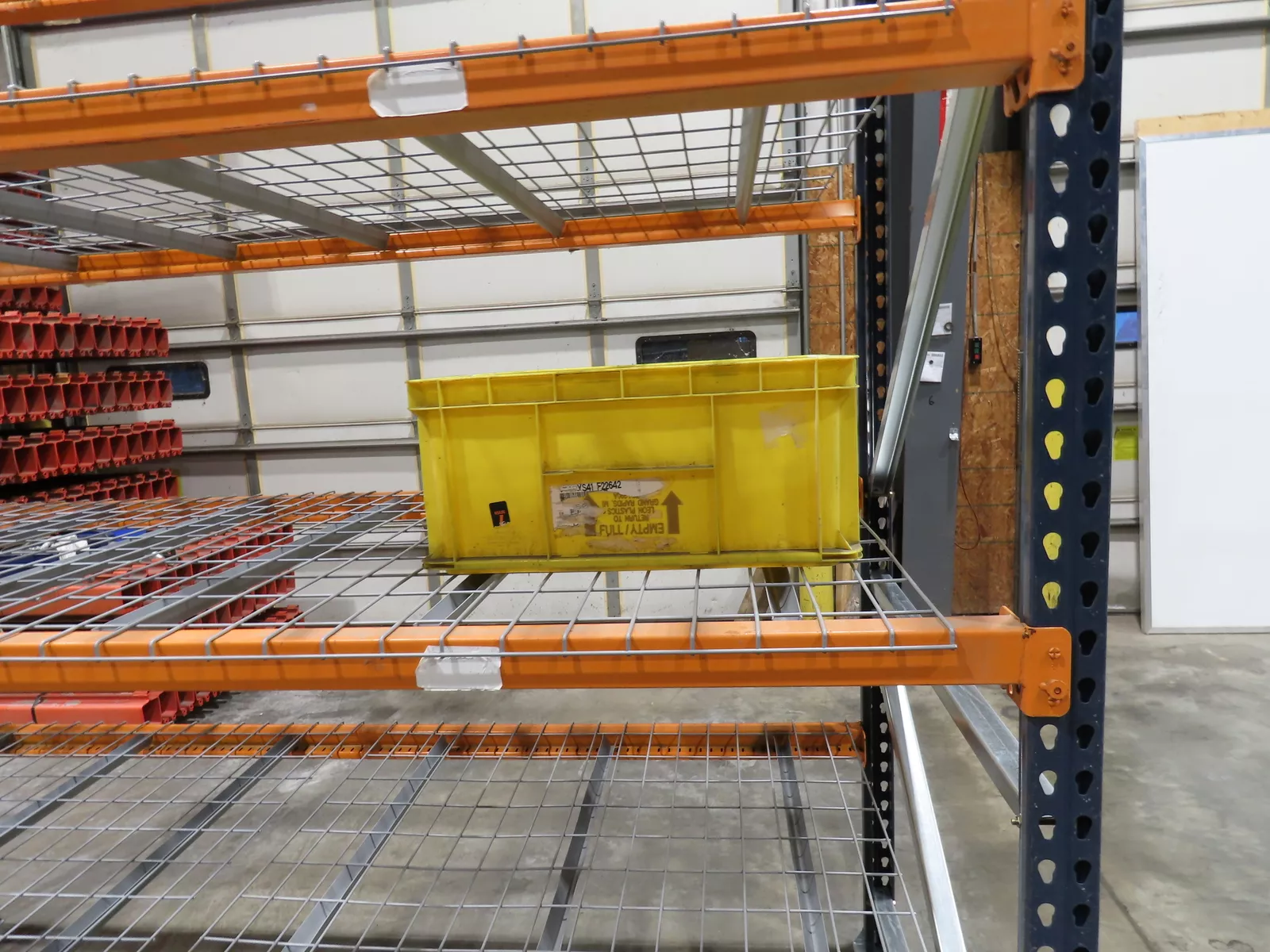
Conclusion
Conclusion:
- Narrow aisle systems enhance warehouse efficiency and employee experience.
- They maximize space through narrow aisle racking, improving storage capacity and organization.
- Well-organized workplaces empower employees, fostering pride and respect.
- Investing in these systems reduces turnover and promotes loyalty and morale.
- Narrow aisle systems position companies as innovative leaders and encourage industry best practices.
- These systems enhance safety and comfort, creating a secure work environment.
- Ultimately, they contribute to healthier profit margins and a thriving local economy.
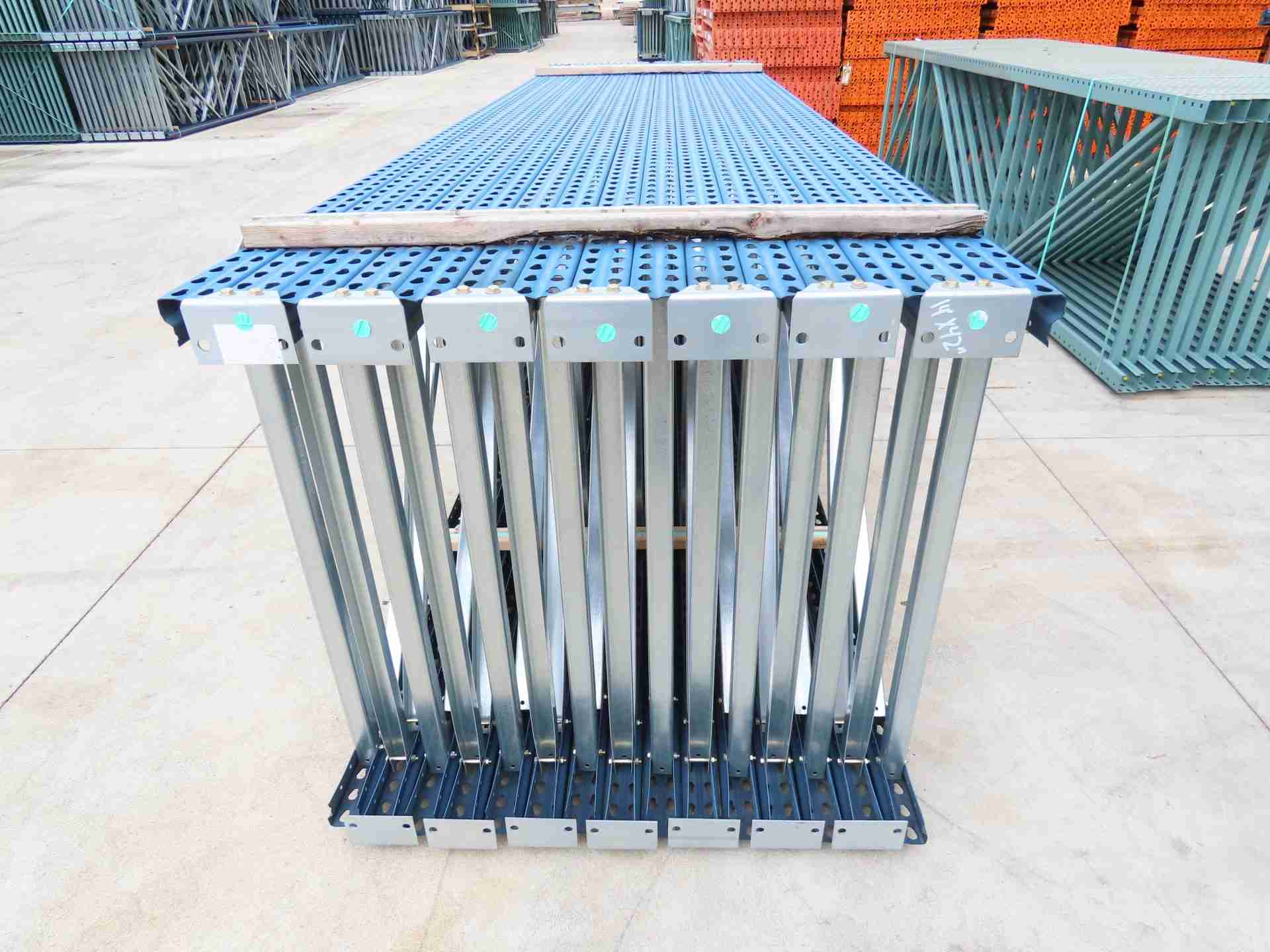
Conclusion
Other Resources
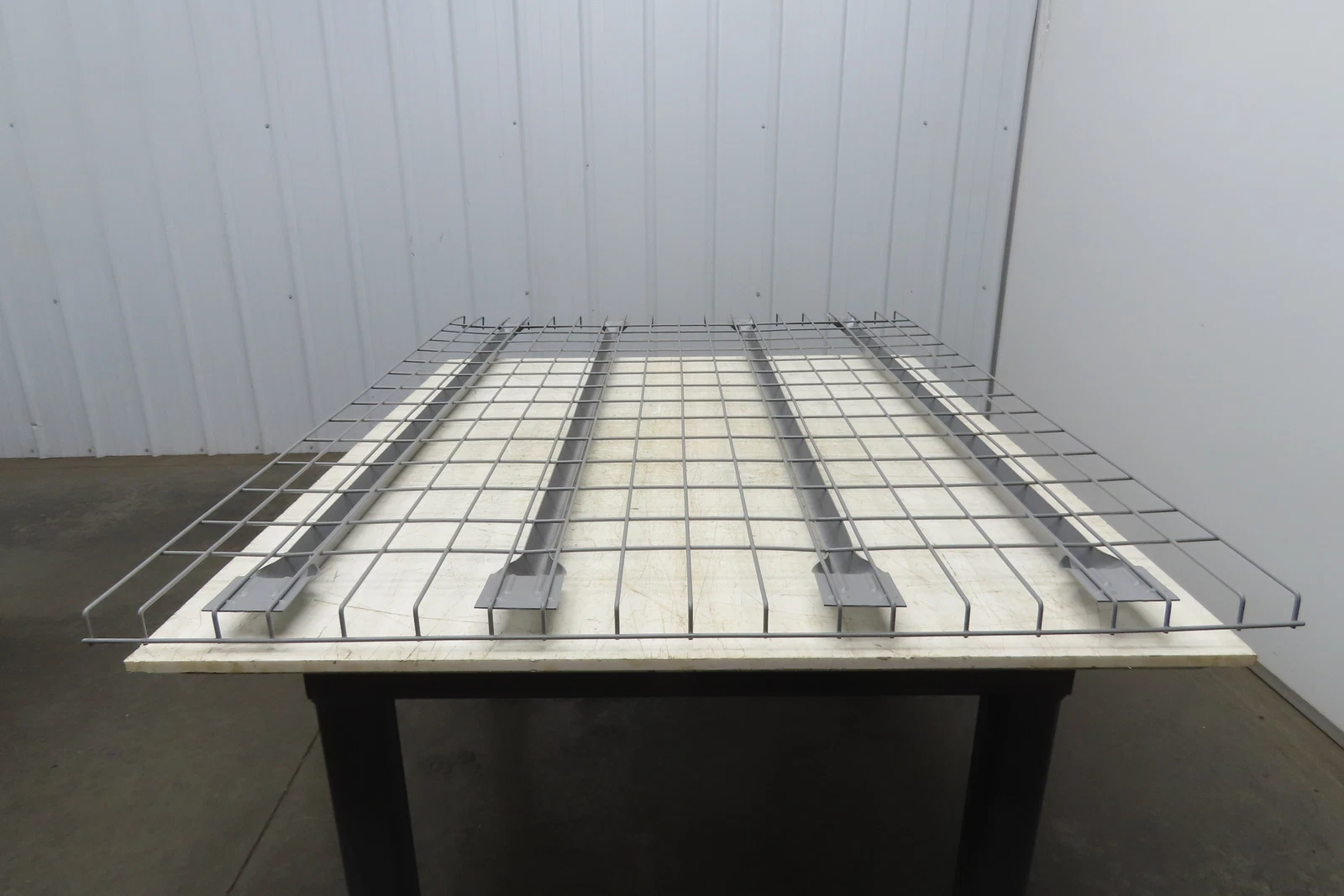
Other Resources
Here is a list of other resources you can review online to learn more:
- What is Selective Pallet Racking
- Warehouse Storage Racks
- Arrow Industrial Sales
- CA Wire
- The Ultimate Pallet Racking Guide – Speedrack West
- MHI
- Total Warehouse
- Teardrop Industrial Shelving Rack
- Teardrop Pallet Rack – Ridg-U-Rak
- Pallet Rack Systems – New and Used Pallet Racking and Shelving Experts
- Iowa Illinois Warehouse Racking
- Rack Manufacturers Institute
- Selective Racking
- What is Selective Racking: Understanding Benefits & Options
- CMMA
- Warehouse Racks, Warehouse Racking in Stock – ULINE
- Interlake Mecalux
- Pallet Racking systems in Illinois and Great Lakes
- BMH
- Warehouse Racking Chicago, IL
Use This Prompt To Get More Resources With Your Favorite Online AI Tool: Please provide me with a list of online articles with their URLs in a bulleted list that I can read regarding The Hidden Roi Of Narrow Aisle Systems
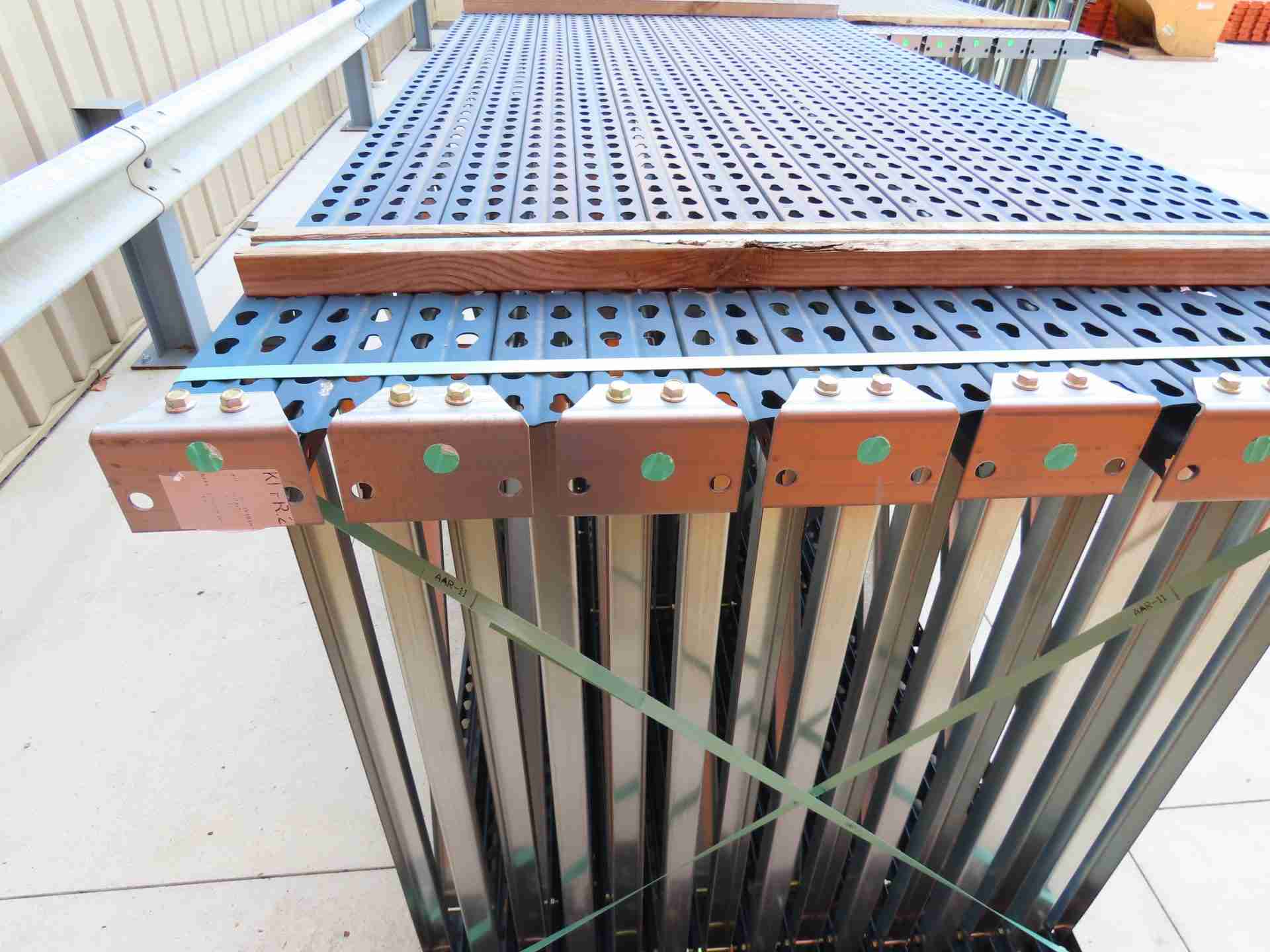
Other Resources
Glossary Terms
The Hidden Roi Of Narrow Aisle Systems – Glossary Of Terms
1. Narrow Aisle Systems: Warehouse layouts designed to maximize storage space by minimizing aisle widths.
2. ROI (Return on Investment): A financial metric used to evaluate the profitability of an investment relative to its cost.
3. High-Density Storage: Storage strategies that optimize space by arranging products closely together.
4. Automation: The use of technology to perform tasks without human intervention, often increasing efficiency in narrow aisle systems.
5. Pallet Racking: Shelving systems designed to store goods in pallets within warehouse environments.
6. Forklift: A powered industrial vehicle used to lift and move materials over short distances, particularly in narrow aisles.
7. Inventory Management: The process of overseeing and controlling stock levels and storage locations for optimal efficiency.
8. Space Utilization: The effective use of available space in warehouses to increase storage capacity.
9. Warehouse Management System (WMS): Software that supports warehouse operations, including inventory tracking and order fulfillment.
10. Lean Warehousing: A methodology aimed at eliminating waste and improving processes in warehouse management.
11. SKU (Stock Keeping Unit): A unique identifier for each distinct product and service that can be purchased.
12. Order Picking: The process of selecting and collecting items from inventory to fulfill customer orders.
13. Ergonomics: The study of efficient and safe work processes in warehouse environments, enhancing worker productivity.
14. Aisle Width: The distance between storage units in a warehouse, critical for maneuverability of equipment.
15. Capacity Planning: The process of determining the production capacity needed to meet changing demands.
16. Throughput: The amount of material or items passing through a system during a given period, critical in assessing efficiency.
17. Utilization Rate: A measure of how effectively space and resources are being used within the warehouse.
18. Inventory Turnover: The ratio that indicates how many times inventory is sold and replaced over a specific period.
19. Satellite Racking: A storage solution that allows for deeper storage with minimal aisle space, enhancing storage efficiency.
20. Picking Accuracy: The degree to which order picking matches customer specifications, crucial for customer satisfaction.
21. Staging Area: A designated space in a warehouse for temporarily holding products before shipping or processing.
22. Safety Stock: Additional inventory held to mitigate stockouts and ensure supply continuity.
23. Material Handling: The movement, protection, and positioning of materials in warehouse operations.
24. Slotting Optimization: The strategic placement of products within a warehouse to maximize picking efficiency.
25. Inventory Accuracy: The degree to which recorded inventory matches actual physical inventory.
26. Cross-Docking: A logistics practice where incoming goods are directly transferred to outbound shipments without storage.
27. Dynamic Storage: Flexible storage systems that adapt to changing inventory needs and patterns.
28. Picking List: A document used to guide warehouse staff in selecting items from inventory for order fulfillment.
29. FIFO (First In, First Out): An inventory management method where the oldest stock is sold first.
30. Pallet Shuttle: An automated system that moves pallets within racking systems to optimize storage and retrieval efficiency.

Glossary Of Terms
Other Questions
The Hidden Roi Of Narrow Aisle Systems – Other Questions
If you wish to explore and discover more, consider looking for answers to these questions:
- What is the typical ROI and payback period for installing narrow aisle systems?
- How do you accurately calculate the ROI for a narrow aisle retrofit?
- What are the upfront costs (equipment, installation, design) and ongoing costs (maintenance, training)?
- How much additional storage capacity can be achieved in percent or cubic feet?
- What specific productivity metrics improve (pick rate, throughput, travel time) and by how much?
- What types of forklifts and handling equipment are required for narrow aisle operations?
- Can existing racking be retrofitted, or is full replacement usually necessary?
- How long does a typical installation take and how much operational downtime should be expected?
- What are common implementation challenges and how are they mitigated?
- How do narrow aisle systems integrate with warehouse management systems (WMS) and automation (AGVs, conveyors)?
- What training programs are needed for operators and supervisors?
- How do narrow aisle layouts affect worker ergonomics and injury rates?
- What safety standards and regulations apply (OSHA, fire codes, local building codes)?
- How do narrow aisles impact emergency evacuation and access for first responders?
- What are the risks of product damage or rack damage, and how can they be reduced?
- How do you decide optimal aisle widths for different product sizes and weights?
- What types of products, industries, or SKUs benefit most from narrow aisle systems?
- How do narrow aisle systems perform in special environments (cold storage, hazardous materials, high humidity)?
- What are the effects on inventory accuracy and stock visibility?
- How do narrow aisle systems affect labor needs—do they reduce headcount or reallocate labor?
- What measurable impact do these systems have on employee satisfaction and turnover?
- Are there case studies or quantified success stories with before-and-after data?
- How do narrow aisle systems compare with alternatives (mezzanines, high-density mobile racking, multi-tier systems)?
- What financing, leasing, or tax incentive options are available for such investments?
- How sustainable are different racking materials and what is the environmental footprint?
- What maintenance schedules and lifecycle costs should be budgeted for racking and equipment?
- How scalable and future-proof are narrow aisle systems for business growth or SKU changes?
- What layout design tools or experts should be engaged to plan narrow aisle implementation?
- How do narrow aisles affect picking strategies (batch picking, zone picking, wave picking)?
- What technology add-ons (pick-to-light, voice picking, RFID) work best in narrow aisles?
- How do narrow aisle systems affect insurance premiums and liability exposure?
- What worker safety equipment or sensors are recommended for narrow aisle operations?
- How do seasonal demand spikes or returns handling influence the effectiveness of narrow aisle layouts?
- What are the potential negative impacts (congestion, slower cross-aisle movement) and how are they managed?
- How should a company measure success after implementation—what KPIs and timeline?
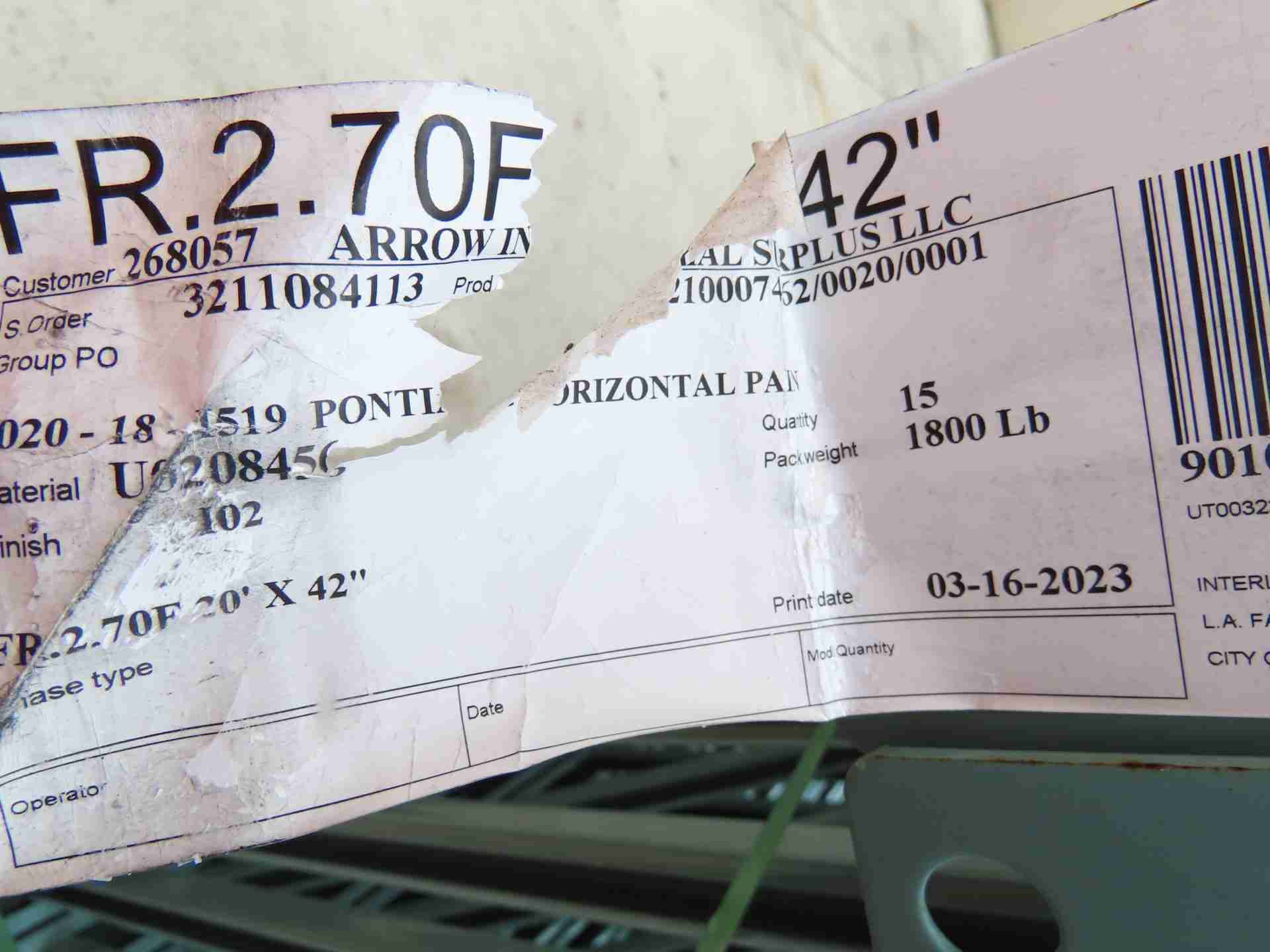
Other Questions
Checklist
The Hidden Roi Of Narrow Aisle Systems – A Checklist
The Hidden ROI of Narrow Aisle Systems — Readiness and ROI Checklist
Strategic Alignment
✅______ Defined goals for capacity, throughput, SKU growth, and service levels
✅______ Baseline metrics captured (see Metrics Snapshot below)
✅______ ROI model built (CapEx, MHE, IT, training, rent, utilities, maintenance)
✅______ Payback period, NPV, and IRR validated with finance
Space and Layout
✅______ Current aisle widths measured and mapped
✅______ Target narrow-aisle widths set and code compliant
✅______ Rack elevations optimized to clear height and fire protection
✅______ Slotting analysis completed; fast and slow movers zoned
✅______ Clear egress routes and staging areas preserved
✅______ Lighting and visibility verified for narrow aisles
✅______ Location labels, signage, and floor markings planned
Equipment and Technology
✅______ VNA, turret, or order picker specifications selected for load and height
✅______ Guidance system evaluated (wire, rail, camera, or hybrid)
✅______ Power strategy defined (battery type, chargers, change or opportunity charging)
✅______ Fleet telemetry and impact monitoring enabled
✅______ WMS/WES configured for new location schema and tasks
✅______ RF, voice, and pick-to-light tested for performance in narrow aisles
Operations and Productivity
✅______ Standard work designed to minimize travel and congestion
✅______ Replenishment rules timed to off-peak windows
✅______ Batch, cluster, and wave pick methods aligned to the SKU profile
✅______ Putaway logic prioritizes proximity for fast movers
✅______ Dedicated zones for kitting and value-add tasks established
People and Culture
✅______ Frontline input incorporated in layout and process design
✅______ Operator training and certification plan defined
✅______ Change management plan in place (briefings, champions, feedback)
✅______ Ergonomics checked (pick heights, assists, step platforms)
✅______ Morale and retention metrics tracked
Safety and Compliance
✅______ Professional rack design reviewed; load plaques in place
✅______ Rack protection (end guards, column protectors) installed
✅______ Pallet quality standards defined and enforced
✅______ Aisle traffic rules set (one-way, speed limits, crossings)
✅______ Routine rack and aisle inspections scheduled
✅______ Emergency access, drills, and signage confirmed
Sustainability and Ethics
✅______ Material choices evaluated for recycled and recyclable content
✅______ Energy impacts modeled (LEDs, charging strategy, motion sensors)
✅______ Densification offsets new construction or expansion
✅______ Vendor and sourcing standards reviewed
✅______ Worker well-being and equitable impact considered
Financial Impact
✅______ Space cost savings quantified (rent, deferral of expansion)
✅______ Labor hour reduction per order or line estimated
✅______ Inventory accuracy and shrink improvements modeled
✅______ Damage, claims, and insurance impacts estimated
✅______ Sensitivity analysis completed (volume, labor rates, interest)
Proof and Credibility
✅______ References and case studies vetted with site visits or calls
✅______ Benchmark against peers and associations completed
✅______ Vendor SLAs, uptime, and support model confirmed
Implementation Plan
✅______ Pilot in a controlled bay or aisle executed with clear KPIs
✅______ Go-live ramp plan aligned to seasonality and peaks
✅______ Contingency plans for equipment downtime and backlog
✅______ 30/60/90-day stabilization plan defined
✅______ Formal go/no-go gates and sign-offs set
Ongoing Governance
✅______ Daily 5S checks and housekeeping standardized
✅______ Weekly aisle and rack audit cadence
✅______ Monthly safety and morale pulse checks
✅______ Quarterly slotting and layout re-optimization
✅______ Annual ROI and KPI review with continuous improvement roadmap
Success Metrics Snapshot (Fill In Baseline and Current)
✅______ Storage density (locations per sq ft) Baseline ___ Current ___
✅______ Pick productivity (lines per labor hour) Baseline ___ Current ___
✅______ Average travel time per order (minutes) Baseline ___ Current ___
✅______ Dock-to-stock time (hours) Baseline ___ Current ___
✅______ Inventory accuracy (%) Baseline ___ Current ___
✅______ Damages per 1,000 lines Baseline ___ Current ___
✅______ Recordable incidents (rate) Baseline ___ Current ___
✅______ Employee turnover (%) Baseline ___ Current ___
✅______ Space cost per order ($) Baseline ___ Current ___
✅______ Payback achieved (months) Target ___ Actual ___
Checklist
At RackingWorld, we help guide you through selecting warehouse storage systems and racking.
Be sure to read our other related stories at RackingWorld to learn more about warehouse storage systems.
0 Comments