
Unlocking Value: Why Dense Storage Is Smart, Ethical, And Essential
By Tom Seest
At RackingWorld, we help guide you through selecting warehouse storage systems and racking.
Be sure to read our other related stories at RackingWorld to learn more about warehouse storage systems.
The Financial Case for Dense Storage
When you step into a warehouse teeming with the hustle and bustle of daily operations, it’s easy to see how a few adjustments can lead to monumental savings. Racking systems are the backbone of this efficiency, transforming chaos into order and maximizing every square foot of valuable real estate. The simple act of organizing your storage with high-density racking systems can save businesses thousands each year. It’s not just about fitting more in; it’s about making every inch work harder for you.
Picture it: You walk through a facility filled to the brim, where traditional racking leaves aisles narrow and unused spaces glaringly obvious. Now, imagine a setup that not only stacks but organizes, consolidating goods within reach while keeping costs down. The transition to denser storage isn’t merely an operational decision; it can signify commitment to efficiency and cost-effectiveness. Your bottom line thrives on these choices, turning saved space into extra cash flow that can be reinvested where it truly counts—like your people or your products.
On an emotional level, consider the camaraderie formed when a team collaborates to improve productivity. Employees benefit from a more organized workspace, reducing stress and fostering a sense of pride in their surroundings. The financial benefits become intertwined with a culture of teamwork and responsibility. When staff feel empowered in their environment, it reflects in their performance and commitment to the company’s success.
Rationally, the numbers speak volumes. Investing in dense storage can yield significant returns. A comparison of initial costs against ongoing operational savings paints a sharp picture of why this isn’t just a trend but a necessity. Efficiency leads to speed, and speed translates to better service and satisfied customers, creating a reputation that reverberates through the market.
From an ethical standpoint, making the choice to utilize space efficiently speaks to a broader responsibility. It’s about considering the environmental impact. Denser storage means a smaller footprint, less energy consumption, and a sustainable future. Every square foot saved contributes to a greener planet, appealing to customers who value corporate responsibility.
Lastly, consider the stories shared among industry peers. When businesses embrace effective racking systems, they share experiences that foster community and innovation. These narratives build a foundation of trust, where each success story adds weight to the financial case for dense storage. There’s a reason folks are discussing it at trade shows and over coffee—because it works. It connects the heart, head, and gut to a single, powerful truth: investing in dense storage isn’t just smart; it’s essential.

The Financial Case for Dense Storage
The Financial Case for Dense Storage
- High-density racking systems optimize warehouse space, turning chaos into order and increasing efficiency.
- Organizing storage can result in significant annual savings for businesses.
- Effective racking helps reduce narrow aisles and underutilized spaces, improving accessibility.
- Investment in dense storage enhances financial performance and allows reinvestment in workforce and products.
- A well-organized workspace fosters team collaboration, reduces stress, and enhances employee pride.
- Investing in efficient storage solutions contributes to faster service and increased customer satisfaction.
- Utilizing space wisely supports corporate responsibility by minimizing environmental impact and promoting sustainability.

The Financial Case for Dense Storage
Table Of Contents
- The Financial Case for Dense Storage
- What Are the Financial Benefits Of Implementing Dense Storage?
- How Can Dense Storage Optimize Resource Allocation?
- What Cost Savings Can Dense Storage Deliver for Businesses?
- How Does Dense Storage Impact the Bottom Line In the Long Term?
- What Are the Risks Of Not Adopting Dense Storage Solutions?
- How Can Dense Storage Improve Inventory Management Efficiency?
- Conclusion
- Other Resources
- Glossary Of Terms
- Other Questions
- Checklist
What Are the Financial Benefits Of Implementing Dense Storage?
Implementing dense storage solutions brings a host of financial benefits that can impact businesses on multiple levels, from the bottom line to long-term sustainability. Imagine a warehouse packed to the brim, but instead of chaos, order reigns. This transformation is driven by smart racking systems that maximize every inch of space. For many, investing in dense storage is a matter of survival; it’s about doing more with less, which is a mantra every hard worker understands.
Looking at the numbers, the financial upsides become stark. Increasing storage density often leads to reduced rental costs. If a company can store more products in less square footage, that’s money saved on every lease. More importantly, fewer storage-related expenses mean more resources for innovation and growth. This isn’t just about squeezing in an extra pallet; it’s about unlocking the potential of underutilized areas. Racking systems tailor-made for dense storage can turn a cramped corner into a revenue-generating powerhouse.
Then there’s the labor aspect. Efficient use of space translates directly into operational efficiencies. Employees can move faster when items are organized and easily accessible. This means higher productivity and less downtime. When workers aren’t wasting hours navigating clutter, they can focus on what really matters—servicing customers and driving sales. This leads to a significant return on investment, and over time, the savings pile up.
The ethical appeal of dense storage can’t be overlooked, either. In an era where sustainability matters more than ever, maximizing space means less waste. Fewer resources are needed to build new warehouses or expand existing ones. It’s a way to honor our responsibility to the planet while still pushing for profit. Companies that adopt these practices often find themselves viewed more favorably by consumers and partners, leading to enhanced brand reputation.
This isn’t just theory; it’s a narrative that many in the industry can relate to. Picture a small business owner who struggled to keep up with skyrocketing demand. After installing smart racking systems, that same owner watched their workspace transform, profits rise, and stress decrease. This kind of story resonates—it’s proof that change is possible and profitable.
In sum, the financial benefits of implementing dense storage are multifaceted. From direct cost savings and enhanced efficiency to ethical advantages and brand loyalty, dense storage isn’t just a business strategy; it’s a clear path toward a more successful, sustainable future. Embracing this solution is about instilling confidence in one’s operations and taking tangible steps toward growth.

What Are the Financial Benefits Of Implementing Dense Storage?
What Are the Financial Benefits Of Implementing Dense Storage?
- Implementing dense storage solutions offers financial benefits impacting businesses from the bottom line to sustainability.
- Smart racking systems optimize space, turning crowded areas into efficient storage setups.
- Increased storage density can lead to reduced rental costs and more resources for innovation.
- Efficient space usage enhances operational efficiencies, boosting employee productivity and reducing downtime.
- Maximizing space contributes to sustainability by reducing waste and resource consumption for expansion.
- Companies adopting dense storage practices often enjoy improved brand reputation among consumers and partners.
- Success stories illustrate the profitable impact of implementing smart storage solutions in businesses.

What Are the Financial Benefits Of Implementing Dense Storage?
How Can Dense Storage Optimize Resource Allocation?
In today’s fast-paced world, the art of resource allocation is about more than just making the most of what you have; it’s about maximizing every square foot and dime spent. Dense storage solutions have become the bread and butter for businesses that know how to get the most bang for their buck. Think of racking systems that stack goods tightly yet safely, transforming a crowded warehouse into an organized powerhouse of efficiency. When space is utilized effectively, businesses don’t just save room—they free up resources for innovation and growth.
Picture the tired warehouse manager, surrounded by towering piles of unsorted goods. It’s a headache, and it’s wasteful. By implementing a smart racking system, that chaos turns into clarity. Each box has its place, easily located and retrieved. The result? Less time hunting for items and more time focusing on the big picture—serving customers and fostering relationships that matter. Dense storage isn’t about cramming things in; it’s about thoughtful arrangement, turning inefficiency into streamlined success.
But let’s talk numbers. Dense storage techniques can drastically reduce costs related to space and labor. A well-designed storage system allows companies to hold more inventory without the need for additional square footage. This isn’t just good sense; it’s a lifeline in a competitive market where every dollar counts. Firms can allocate budget resources to areas that truly make an impact: training employees, developing products, or enhancing services. More space means more possibilities, and who wouldn’t want a bigger piece of that pie?
Moreover, there’s an ethical dimension to using dense storage. Every inch of space saved means less environmental impact; fewer resources spent on construction and heating. When businesses choose dense storage, they’re not only looking out for their bottom line but also stepping up for the planet. This builds trust with consumers who care about sustainability; it’s a win-win.
Engaging with dense storage solutions connects businesses to a broader community. Sharing success stories of increased efficiency with fellow business owners fosters a spirit of collaboration. When companies succeed with racking systems, they set examples, encouraging others to rethink how they approach resource allocation. It’s about creating a culture where everyone benefits from being smarter and savvier with their resources.
Dense storage isn’t just a method—it’s a movement. It’s a call to action for businesses to embrace change, optimize resources, and build a brighter future, one box at a time.

How Can Dense Storage Optimize Resource Allocation?
How Can Dense Storage Optimize Resource Allocation?
- Resource allocation involves maximizing space and budget effectively.
- Dense storage solutions, like racking systems, enhance warehouse efficiency.
- Effective space utilization frees up resources for innovation and growth.
- Smart racking systems minimize time spent searching for items.
- These techniques reduce costs related to space and labor, providing competitive advantage.
- Implementing dense storage has environmental benefits, contributing to sustainability.
- Engagement with dense storage fosters collaboration and community among businesses.

How Can Dense Storage Optimize Resource Allocation?
What Cost Savings Can Dense Storage Deliver for Businesses?
Dense storage solutions can significantly enhance cost savings for businesses, and it all boils down to how effectively you can maximize your available space. Racking systems, designed to intelligently arrange inventory, allow you to pack more into less, turning an underutilized area into a powerhouse of productivity. This isn’t just about squeezing in another shelf; it’s about rethinking how business operates on a fundamental level.
Imagine walking into a warehouse where products are neatly stacked in towering rows, each item accessible with little more than a well-placed forklift. This setup cuts down on wasted time—no more wandering down aisles looking for missed items. Instead, every moment spent retrieving stock becomes efficient. Think about the dollar signs accumulating as labor costs drop and delivery times shorten, leaving you with happier customers who keep coming back for more.
The rational benefits are clear. A dense storage strategy minimizes overhead costs, which means every square foot of your facility works harder to generate profit. Businesses often find that once they recalibrate their operations with the right racking systems, they can reduce their storage expenditures significantly. The math doesn’t lie: less space means lower rent, and more efficient layouts lead to fewer manpower costs. That’s money back in the pocket, which can be reinvested into other areas—perhaps in better tools, employee training, or even just a few more coffee breaks to keep morale high.
Yet, this isn’t just a numbers game; it’s about keeping your team engaged in a working environment that feels organized and manageable. Everyone knows the frustration of chaos; it’s disheartening. A tidy workplace, where people can find what they need without fuss, fosters a sense of pride and efficiency. That shared feeling of accomplishment can ripple through a company, enhancing teamwork and boosting productivity.
Consider the ethical side as well. By embracing smart storage solutions, you’re demonstrating responsibility not just to your bottom line but to your community. Efficient use of resources and reduced waste reflect a company that’s investing in a sustainable future. Customers rally behind businesses that prove they care about more than just profit—those with purpose tend to earn loyalty that money can’t buy.
In a world where every dollar counts, investing in dense storage isn’t merely a necessity; it’s a strategic decision that reverberates through every corner of your operation. Your wallet will thank you—and so will your loyal customers.

What Cost Savings Can Dense Storage Deliver for Businesses?
What Cost Savings Can Dense Storage Deliver for Businesses?
- Dense storage solutions improve cost savings by maximizing available space.
- Racking systems optimize inventory arrangement, enhancing productivity in underutilized areas.
- Efficient setups reduce time spent retrieving stock, improving operational efficiency.
- Minimizing overhead costs allows facilities to generate more profit per square foot.
- Tidy workplaces foster teamwork, engagement, and employee morale.
- Smart storage reflects corporate responsibility and commitment to sustainability.
- Investing in dense storage is a strategic decision benefiting both finances and customer loyalty.

What Cost Savings Can Dense Storage Deliver for Businesses?
How Does Dense Storage Impact the Bottom Line In the Long Term?
Dense storage solutions significantly impact a business’s bottom line, not just in dollars and cents but in how they relate to their space, efficiency, and overall operations. From the ground up, it’s about making every square foot count. Imagine a warehouse where every inch is utilized, thanks to racking systems designed to maximize vertical space. This isn’t just about storing more goods; it’s about transforming how a business operates.
Consider a small manufacturer struggling with limited floor space. By implementing dense storage, they can double their inventory capacity. That means fewer missed sales opportunities because the items are on hand when customers come calling. The rational approach is undeniable: more product on the shelves leads to increased sales. It’s not merely a financial calculation—it’s about knowing that a business can meet demand, keeping trust with customers who rely on your ability to deliver.
Yet, there’s an ethical angle too. With efficient use of space, companies can reduce their carbon footprint through smarter logistics. Less time moving goods means less fuel burned and a nod to sustainability. Business owners who care about their community and the environment demonstrate a commitment to responsible growth, making a sound choice that resonates with both employees and customers alike.
Engaging racking systems also foster connection among staff. When everything has its place, order emerges. This simplicity leads to streamlined workflows, where employees can focus on their tasks without wasting time hunting for misplaced items. A safe, organized workspace enhances job satisfaction and morale, allowing workers to take pride in the operation they are a part of.
On a narrative level, think of the veteran factory manager who recalls the chaotic days of cluttered aisles. They remember how frustrations with inefficiency led to missed deadlines and lost contracts. But the story changed with the introduction of dense storage practices. Over time, as they embraced change, they witnessed firsthand how structured organization fostered not just productivity but camaraderie among the team.
In the long term, investing in dense storage isn’t just about financial outcomes; it’s about building a legacy of reliability, efficiency, and respect—respect for the space, the environment, and the people involved in the process. It’s the beating heart and gut instinct of a thriving business, grounded in the wisdom of hands-on experience and the humility to evolve.

How Does Dense Storage Impact the Bottom Line In the Long Term?
How Does Dense Storage Impact the Bottom Line In the Long Term?
- Dense storage solutions enhance a business’s efficiency and bottom line by maximizing space utilization.
- Implementing dense storage can double inventory capacity, reducing missed sales opportunities.
- Increased product availability fosters customer trust and meets demand effectively.
- Efficient space use contributes to sustainability by reducing carbon footprint through smarter logistics.
- Organized workspaces lead to improved employee morale and streamlined workflows.
- Adopting dense storage practices transforms organizational culture, fostering productivity and teamwork.
- Long-term investments in dense storage build a legacy of efficiency, reliability, and respect for space and the environment.
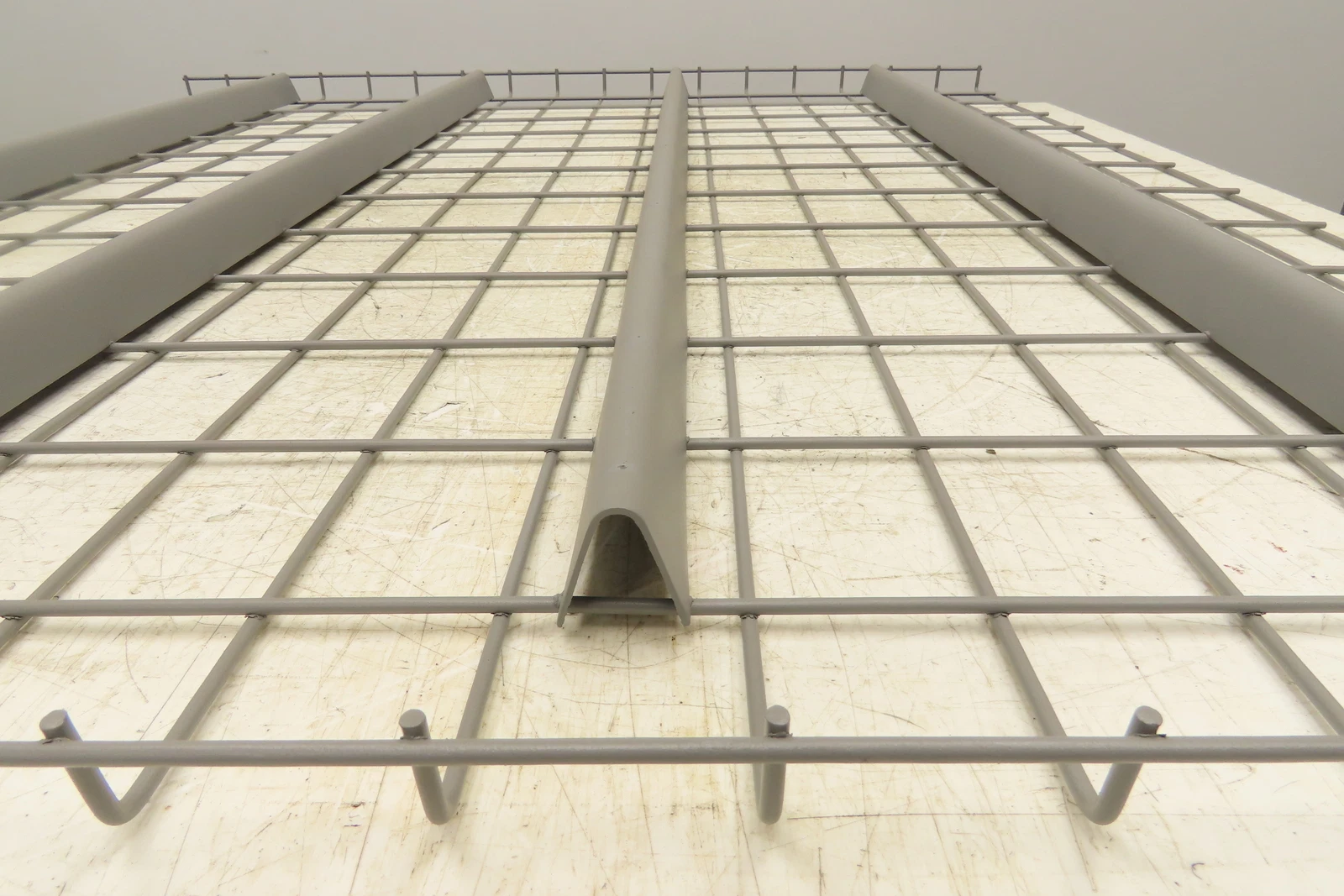
How Does Dense Storage Impact the Bottom Line In the Long Term?
What Are the Risks Of Not Adopting Dense Storage Solutions?
In today’s world, where space comes at a premium, not adopting dense storage solutions can lead to significant risks that extend beyond mere inconvenience. Picture a bustling warehouse filled with products. Without racking systems designed for optimal density, the floor space could quickly become cluttered, making it difficult to find what you need when time is of the essence. The headaches mount—the lost productivity, the frustrated employees, and the looming specter of customer dissatisfaction. It’s more than just a mess; it impacts the bottom line.
From a financial perspective, poor storage methods result in wasted resources. Think about the capital tied up in excess space and inefficient layouts. That money could be better spent on improving operations or investing in new technology. Let’s say a business is running at half capacity due to inadequate storage. Each item piled up instead of neatly stored translates to lost revenue. Without a streamlined approach, profits dwindle while costs rise—a hard pill to swallow for any hardworking owner.
Ethically, there’s responsibility towards your team. No one wants to navigate through a maze of disorganized inventory. It’s demoralizing, and it sends a message that a company doesn’t appreciate their time or effort. Workers thrive in environments where they feel supported, and organized spaces foster pride and ownership in their work. The decision to invest in dense storage solutions isn’t just a numbers game; it’s about creating a workplace that values efficiency and respect.
Narratively speaking, consider the story of a company that clung to outdated storage practices out of fear of change. Month after month, they watched competitors surge ahead, utilizing racking systems that allowed for efficient, organized storage. Their reluctance cost them partnerships, clients, and ultimately, their place in a thriving market. It’s a cautionary tale of stagnation versus evolution.
Socially, there’s a broader picture to consider. Embracing dense storage solutions can elevate entire industries. By adopting smart practices, businesses can contribute to sustainable operations and responsible resource management. It reflects a commitment not just to profitability, but to community and environmental stewardship.
In short, neglecting dense storage solutions is not just a tactical oversight; it’s a calculated risk that could impact every facet of your operation. Embrace the shift, invest wisely, and watch your business thrive by reclaiming productivity, fostering team spirit, and building a legacy of resilience and success.

What Are the Risks Of Not Adopting Dense Storage Solutions?
What Are the Risks Of Not Adopting Dense Storage Solutions?
- Dense storage solutions are essential to optimize space in warehouses and prevent clutter.
- Poor storage methods lead to lost productivity, employee frustration, and customer dissatisfaction.
- Inefficient layouts result in wasted financial resources and potential revenue loss.
- Organized workspaces enhance employee morale and foster a sense of ownership.
- Reluctance to adopt new storage practices can hinder competitiveness and lead to lost business opportunities.
- Implementing dense storage solutions supports sustainable operations and responsible resource management.
- Neglecting effective storage is a calculated risk that affects all aspects of business operations.

What Are the Risks Of Not Adopting Dense Storage Solutions?
How Can Dense Storage Improve Inventory Management Efficiency?
When you think about inventory management, it might just seem like a numbers game: counting what you have, ordering what you need, and making sure nothing gets lost in the shuffle. But the heart of the matter is efficiency, and that’s where dense storage comes into play. Imagine a warehouse bustling with activity, but instead of aisles packed with pallets, there’s a smarter approach at work. Racking systems rise vertically, maximizing every inch of space, allowing you to reach your stock without the hassle of wandering through endless rows.
Let’s be real for a moment. Every minute spent searching for an item is time and money down the drain. When a worker can easily locate what they need, trust grows. Trust in the system that promises they won’t waste their day scrambling for mismanaged inventory. That’s not just good for the bottom line; it boosts morale. Workers feel empowered, knowing that the tools and systems in place support their efforts. They can take pride in swift service, knowing they play a role in keeping the business running smoothly.
Now, there’s a strong ethical argument too. In our fast-paced world, being efficient means using resources wisely. Dense storage minimizes wasted space, and with every inch earning its keep, you’re not just serving your company; you’re also supporting sustainable practices. Less wasted energy, fewer transport costs, and a commitment to responsibility—those are values worth standing by.
Consider how racking systems transform the mundane into the remarkable. Picture yourself in a well-organized facility, where everything is designed to flow seamlessly. It’s not just about hitting targets; it’s about creating a place where people want to work. When individuals can find what they need and fulfill orders quicker, customers take notice. They feel it in the speed of service and the reliability of stock on hand.
Let’s not forget the power of narrative here. Every success story of a business improving its inventory management through dense storage seems to echo across industries. These stories resonate because they tap into a universal truth: efficiency equals success. It’s relatable. Business owners everywhere know that mastering their inventory can make or break them. By investing in intelligent storage solutions, they aren’t just upgrading their warehouses—they’re investing in their future.
Ultimately, dense storage isn’t just a pragmatic decision; it’s a leap toward creating an operation that’s not only profitable but also human-centered. When you value clarity in your inventory management, you inspire confidence not just in your team, but in your clients and community as well.

How Can Dense Storage Improve Inventory Management Efficiency?
How Can Dense Storage Improve Inventory Management Efficiency?
- Inventory management focuses on efficiency, with dense storage offering a smarter approach.
- Vertical racking systems maximize space, reducing time spent searching for items.
- Efficient systems build trust among workers, enhancing morale and productivity.
- Dense storage promotes sustainable practices by minimizing wasted space and energy.
- Well-organized facilities improve order fulfillment speed, positively impacting customer satisfaction.
- Success stories across industries highlight the relationship between efficiency and business success.
- Investing in intelligent storage solutions creates profitable, human-centered operations.

How Can Dense Storage Improve Inventory Management Efficiency?
Conclusion
Dense storage solutions are reshaping the landscape of warehouse management by marrying financial prudence with ethical responsibility. Imagine stepping into a bustling facility where every inch is purposeful, where high-density racking systems turn chaotic storage into streamlined efficiency. By optimizing space, businesses don’t just stack more; they transform how operations function, resulting in substantial cost savings. Each square foot saved translates directly to reduced rental expenses, allowing companies to allocate resources where they’re truly needed – whether it’s investing in innovation, employee training, or enhancing customer service.
On an emotional level, this change fosters a culture of teamwork and pride among employees. An organized workspace alleviates stress, empowering workers to focus on their core tasks without the chaos of a cluttered environment. When people feel supported in their roles, their commitment to delivering exceptional service naturally grows. Rationally, the numbers tell a compelling story: businesses that adopt dense storage methodologies report higher efficiency and a marked increase in productivity. A well-planned racking system ensures that employees spend less time searching for products and more time fulfilling orders, boosting customer satisfaction.
The ethical implications cannot be overlooked. By embracing space efficiency, companies are not only enhancing their own profitability but also engaging in practices that contribute to a sustainable future. Each inch of space saved reduces the need for new construction and minimizes energy consumption, aligning business operations with environmental stewardship. Customers and partners increasingly favor organizations that demonstrate a commitment to responsible resource management, forging deeper connections built on trust and reliability.
Furthermore, dense storage engenders a sense of shared community among industry peers. As businesses exchange success stories of improved efficiency through tailored racking solutions, they cultivate a collective wisdom that champions innovation and collaboration. These narratives underscore a straightforward yet profound truth: the journey toward operational excellence doesn’t just benefit individual companies; it elevates entire industries.
Neglecting to adopt dense storage solutions poses significant risks—it risks lost productivity, dwindling profits, and employee morale. The warehouse manager’s tale of chaos can quickly become one of lost opportunity and frustration if change is resisted. By prioritizing smart storage practices, businesses not only streamline operations but also craft their legacy as leaders in their fields.
Investing in dense storage is more than a smart decision; it’s an essential move towards building a more effective, responsible, and community-oriented operation. This approach to business isn’t merely about fitting more into less; it’s about creating a thriving, sustainable ecosystem where efficiency translates to long-term success, underscoring a commitment to both profit and purpose.

Conclusion
Conclusion:
- Dense storage solutions merge financial prudence with ethical responsibility in warehouse management.
- High-density racking systems optimize space, leading to streamlined operations and substantial cost savings.
- Reduced rental expenses allow businesses to invest in innovation, employee training, and customer service enhancements.
- An organized workspace fosters teamwork and pride among employees, improving commitment to service.
- Businesses adopting dense storage methodologies report increased productivity and customer satisfaction.
- Space efficiency contributes to sustainability, reducing the need for new construction and energy consumption.
- Failing to implement dense storage solutions risks lost productivity and employee morale, while investing in it builds a responsible and community-oriented operation.

Conclusion
Other Resources

Other Resources
Here is a list of other resources you can review online to learn more:
- Warehouse Automation
- Storage Equipment Manufacturers Association
- Crane Manufacturers Association Of America Inc.
- Rack Manufacturers Institute
- Warehouse Racking System: Powerful Guide to Optimise, 2024
- IIWS Inc. Rack Installation Illinois & Rack Repairs Illinois
- Rack Manufacturers Institute
- Teardrop Industrial Shelving Rack
- Logic Material Handling
- Chicago Pallet Racking
- Selective Racking
- Warehouse Storage Racking in Illinois
- Intro to Warehouse Racks & Warehouse Racking Systems – ShipBob
- ASSP
- Storage Equipment Manufacturers’ Association
- Selective Rack – Raymond West
- Cantilever Racks Chicago
- Pallet Racking systems in Illinois and Great Lakes
- IWLA
- Pallet Racking systems in Illinois, Great Lakes
Use This Prompt To Get More Resources With Your Favorite Online AI Tool: Please provide me with a list of online articles with their URLs in a bulleted list that I can read regarding The Financial Case for Dense Storage

Other Resources
Glossary Terms
The Financial Case for Dense Storage – Glossary Of Terms
1. Asset Utilization: Efficiency of using available space to store assets.
2. Capacity Planning: Process of determining storage needs based on demand forecasts.
3. Cost-Benefit Analysis: Evaluation of the financial advantages versus costs of implementing dense storage.
4. Density: Amount of data or inventory stored per unit of space.
5. Return on Investment (ROI): Measure of the profitability of investments in dense storage solutions.
6. Efficiency: Maximizing output while minimizing inputs and wasted space.
7. Inventory Management: Controlling and overseeing ordering, storage, and use of inventory.
8. Space Optimization: Strategies to maximize the effective use of available space.
9. Warehouse Layout: Arrangement of storage areas to enhance efficiency and access.
10. Scalability: Ability to increase storage capacity as demand grows.
11. Throughput: Rate at which items are processed and stored in a system.
12. Asset Turnover: Financial ratio indicating the efficiency of using assets to generate revenue.
13. Just-in-Time (JIT): Inventory system aimed at reducing storage costs by receiving goods only as they are needed.
14. Cost Reduction: Strategies employed to decrease operational expenses in storage.
15. Sustainability: Practices to minimize environmental impact in storage operations.
16. Storage Systems: Various methods and technologies employed to store goods efficiently.
17. Technology Integration: Incorporating advanced technologies to enhance storage capabilities and management.
18. Space Allocation: Distribution of storage areas based on operational requirements and priorities.
19. Data Storage: Method of saving digital information, often requiring efficient space usage.
20. Inventory Turnover Rate: Frequency at which inventory is replaced over a period.
21. Load Management: Balancing the amount of products stored to avoid overloading storage systems.
22. Cost per Stored Unit: Calculation of expenses related to each unit of storage.
23. Dynamic Storage: Flexible storage systems that adapt to changing inventory levels.
24. First-In, First-Out (FIFO): Inventory rotation method ensuring older stock is used before newer stock.
25. Automated Storage: Systems that use technology to manage and retrieve stored items without manual intervention.
26. Inventory Accuracy: Measure of correctness in tracking and managing storage counts.
27. Physical Space Constraints: Limitations in actual storage space that affect capacity and operation.
28. Data Management: Organization and maintenance of data in storage systems.
29. Supply Chain Efficiency: Effectiveness of processes from procurement to storage and distribution.
30. Capital Expenditure (CapEx): Funds used by a company to acquire, upgrade, and maintain storage infrastructure.

Glossary Of Terms
Other Questions
The Financial Case for Dense Storage – Other Questions
If you wish to explore and discover more, consider looking for answers to these questions:
- What is the typical upfront cost to install dense racking systems per square foot?
- How do I calculate the return on investment (ROI) and payback period for dense storage?
- What are the ongoing maintenance and inspection costs for dense storage systems?
- How much can dense storage realistically reduce my warehouse footprint or leased space?
- Which types of racking systems (e.g., pallet racking, push-back, drive-in, mobile) are best for different inventory profiles?
- How does dense storage affect picking speed and order fulfillment times?
- What are the labor cost implications—does denser storage increase or decrease staffing needs?
- How does dense storage integrate with existing warehouse management systems (WMS) and inventory software?
- Can dense storage be combined with automated systems (AS/RS, conveyors, robotics)?
- What are the safety risks associated with denser storage and how are they mitigated?
- How do dense racking systems affect fire suppression, sprinkler design, and fire code compliance?
- Are there building code, OSHA, or local regulatory requirements specific to dense storage?
- What are floor load and structural requirements for installing high-density racking?
- How long does installation typically take and what operational downtime should be expected?
- What is the impact on forklift traffic patterns and equipment requirements?
- How does dense storage affect inventory accuracy and shrinkage rates?
- What picking strategies work best with dense storage (e.g., FIFO, LIFO, zone picking)?
- How scalable and adaptable are dense storage systems as business needs change?
- When is dense storage not a good fit—what are the limitations or contraindications?
- How do I choose between retrofit options and full replacement of existing racking?
- What are common causes of load or rack failure and how can they be prevented?
- What training do employees need for operating in a denser storage environment?
- How does dense storage influence workplace ergonomics and injury risk?
- What warranty and service options should I require from racking suppliers?
- How do suppliers compare on quality, lead time, and total cost of ownership?
- Are there financing, leasing, or tax incentive options available for purchasing racking?
- How can I quantify environmental benefits—energy savings and carbon footprint reductions?
- Are there certifications or sustainability programs that recognize efficient space use?
- How does dense storage affect pest control, cleaning, and general facility maintenance?
- What metrics and KPIs should be tracked pre- and post-implementation to measure success?
- Can dense storage solutions support temperature-controlled or hazardous materials?
- What are the insurance implications—do premiums change with denser storage?
- How are emergency egress and access for first responders impacted by denser layouts?
- What is the expected service life of typical racking components and salvage value?
- How should I plan inventory turnover and replenishment cycles with denser storage?
- What case studies or industry benchmarks exist for businesses similar to mine?
- How do dense storage solutions affect supplier lead times and inventory buffers?
- What are the costs and logistics of relocating or reconfiguring dense racking?
- How will denser storage impact customer service levels and order accuracy?
- What are best practices for layout design to maximize density while maintaining accessibility?
- How do weight distribution and pallet patterns change in high-density configurations?
- What data or measurements should I collect to model the financial case before investing?
- How do I evaluate trade-offs between space savings and flexibility for seasonal demand?

Other Questions
Checklist
The Financial Case for Dense Storage – A Checklist
Baseline and Goals
✅______ Define objectives (space savings, cost reduction, speed, sustainability, customer service)
✅______ Capture current space utilization (sq ft used vs. available; vertical clear height vs. used)
✅______ Record facility costs (rent/lease per sq ft, utilities, insurance)
✅______ Measure operations (pick rate, travel time/order, labor hours/order, dock-to-stock time)
✅______ Track accuracy (inventory accuracy (%), order accuracy (%), stockouts/backorders)
✅______ Note equipment utilization (forklifts, reach trucks, pallets, totes)
✅______ Assess customer KPIs (OTIF, lead time, returns due to errors)
✅______ Establish financial targets (payback period, ROI, cash flow impact)
✅______ Set sustainability targets (energy use, footprint reduction, emissions)
Opportunity Assessment
✅______ Identify unused vertical space and over-wide aisles
✅______ Analyze SKU profile (ABC velocity, cube, weight, handling class, seasonality)
✅______ Map hot zones and congestion points
✅______ Evaluate slotting quality and replenishment frequency
✅______ Confirm floor load, clear heights, sprinkler coverage, and egress constraints
✅______ Check MHE compatibility (mast heights, aisle widths, turning radius)
✅______ Verify IT/WMS readiness for new locations and slotting logic
✅______ Benchmark against peer facilities
Business Case and Financial Modeling
✅______ Quantify space savings (percent densification and sq ft avoided)
✅______ Calculate rent avoidance or expansion deferral value
✅______ Estimate labor savings (reduced travel, picks/hour improvement)
✅______ Model inventory carrying cost impact (more on-hand vs. better turns)
✅______ Include equipment impacts (fewer lifts, batteries, maintenance)
✅______ Project accuracy gains (error cost reduction, fewer returns)
✅______ Estimate utility savings (lighting/HVAC for a smaller footprint)
✅______ Include sustainability/brand gains (RFP scoring, customer preference)
✅______ Build total cost (racking, installation, permits, IT, training, downtime)
✅______ Compute payback, NPV, IRR, and sensitivity scenarios
✅______ Document risks and mitigations
Solution Design
✅______ Select storage types per SKU class (selective, double-deep, push-back, drive-in/through, pallet flow, carton flow, mobile, mezzanine, AS/RS)
✅______ Define aisle strategy (widths, one-way vs. two-way, travel paths)
✅______ Create slotting plan (golden zone, velocity-based, family grouping)
✅______ Plan replenishment triggers and min/max levels
✅______ Specify labeling, signage, and location schemas
✅______ Align MHE and pick methods (fork type, pick-to-light/voice, RF)
✅______ Validate code/insurer requirements (sprinkler coverage, egress, seismic anchors)
✅______ Allow for growth and reconfiguration
Vendor and Procurement
✅______ Shortlist vendors (credentials, references, similar installations)
✅______ Compare designs, load calculations, and stamped drawings
✅______ Evaluate lead times, installation plan, and disruption minimization
✅______ Review warranties, service, and spare parts availability
✅______ Align on total life-cycle cost, not just CapEx
✅______ Secure permits and approvals
Implementation Plan
✅______ Pilot a representative zone and validate KPIs
✅______ Phase rollout to maintain service levels
✅______ Plan inventory re-slotting sequence and buffer staging
✅______ Prepare IT/WMS configuration and data loads
✅______ Train teams (slotting, locations, new SOPs, exception handling)
✅______ Define acceptance criteria and go/no-go checkpoints
✅______ Schedule cutover and stabilization support
Operations and Culture
✅______ Establish 5S and visual controls for locations and aisles
✅______ Standardize work for picking, replenishment, and cycle counting
✅______ Create daily Gemba/audit routines to sustain density gains
✅______ Set up feedback loops for continuous improvement
✅______ Recognize teams for efficiency and accuracy gains
Sustainability and Ethics
✅______ Quantify footprint avoided (sq ft and emissions)
✅______ Track energy use changes (pre- vs. post-implementation)
✅______ Optimize packaging and pallet reuse in the new design
✅______ Document sustainability outcomes for stakeholders
Ongoing Measurement
✅______ Monitor core KPIs (space utilization, picks/hour, travel time, labor/order)
✅______ Track accuracy (inventory accuracy (%), order accuracy (%), shrink/damage)
✅______ Measure service (OTIF, lead time, backorders)
✅______ Review cost metrics (rent avoided, labor savings, utilities, maintenance)
✅______ Set cadence for performance reviews and re-slotting
✅______ Maintain a CI backlog with owner and due dates
Risks of Not Adopting: Quick Audit
✅______ Quantify cost of the status quo (excess rent, labor waste, errors)
✅______ Identify safety/insurability concerns from clutter and congestion
✅______ Note customer impacts (late orders, lost sales, churn)
✅______ Compare against competitor capabilities and space utilization
✅______ Capture expansion capital that could be deferred
Story and Proof for Stakeholders
✅______ Take before/after photos and layout drawings
✅______ Document pilot metrics and testimonials from floor staff
✅______ Publish a one-page case summary (problem, action, results)
✅______ Share learnings with peers and customers
Quick Numbers Worksheet
✅______ Current facility size (sq ft): ______
✅______ Usable clear height (ft) / used height (ft): ______ / ______
✅______ Target densification (%): ______
✅______ Rent/lease cost ($/sq ft/year): ______
✅______ Annual space savings ($): target densification × facility size × rent = ______
✅______ Current picks/hour: ______; target: ______
✅______ Labor hours saved/day: ______
✅______ Fully loaded labor rate ($/hr): ______
✅______ Annual labor savings ($): ______
✅______ CapEx (racking, installation, IT) ($): ______
✅______ Downtime cost ($): ______
✅______ Total investment ($): ______
✅______ Estimated annual savings ($): ______
✅______ Payback (months): total investment ÷ (annual savings ÷ 12) = ______
✅______ Estimated emissions reduction (mtCO2e/year): ______

Checklist
At RackingWorld, we help guide you through selecting warehouse storage systems and racking.
Be sure to read our other related stories at RackingWorld to learn more about warehouse storage systems.
0 Comments