
Maximizing Space, Minimizing Waste: A Sustainable Future Awaits
By Tom Seest
At RackingWorld, we help guide you through selecting warehouse storage systems and racking.
Be sure to read our other related stories at RackingWorld to learn more about warehouse storage systems.
The Economics Of Vertical Storage
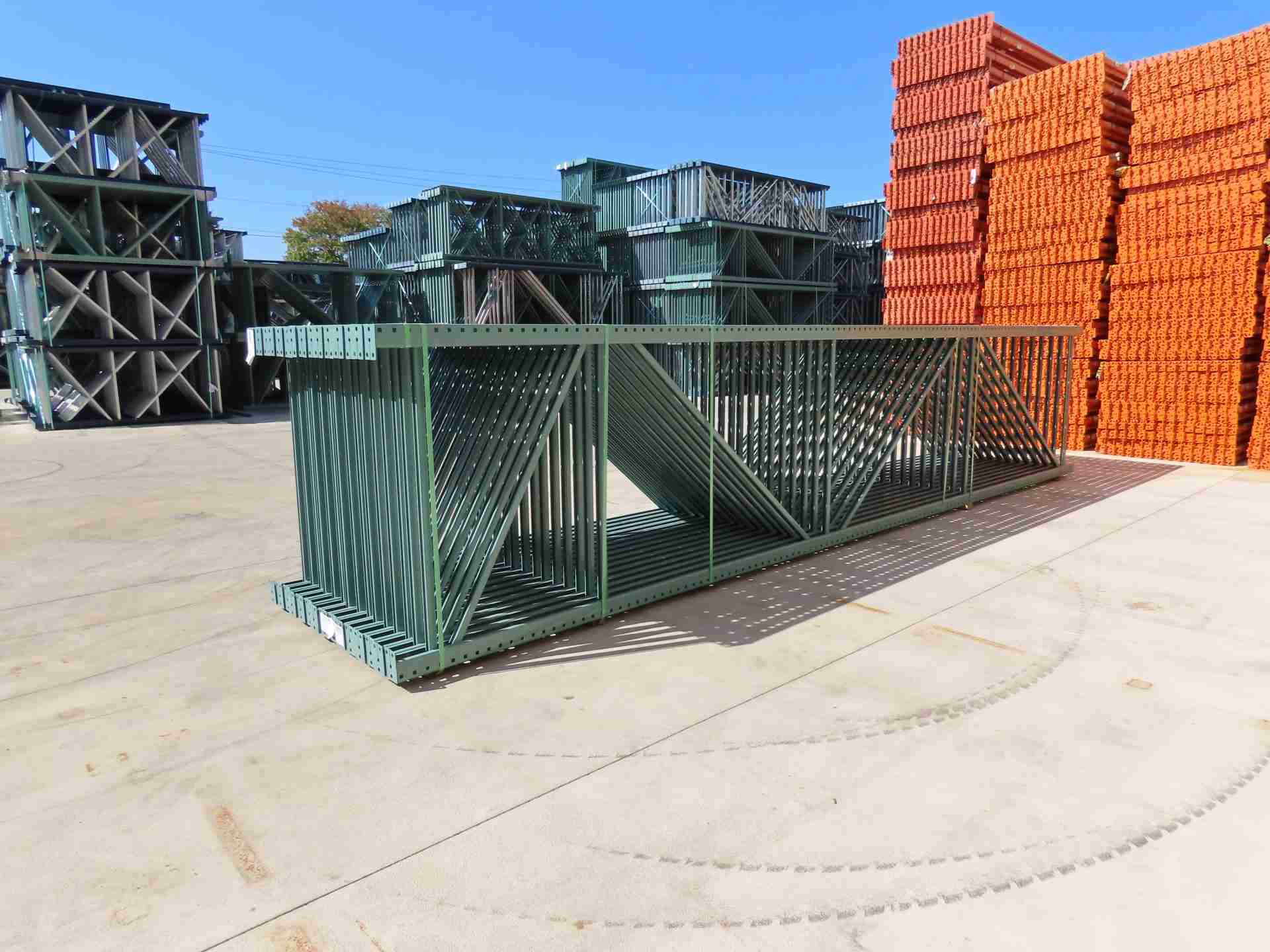
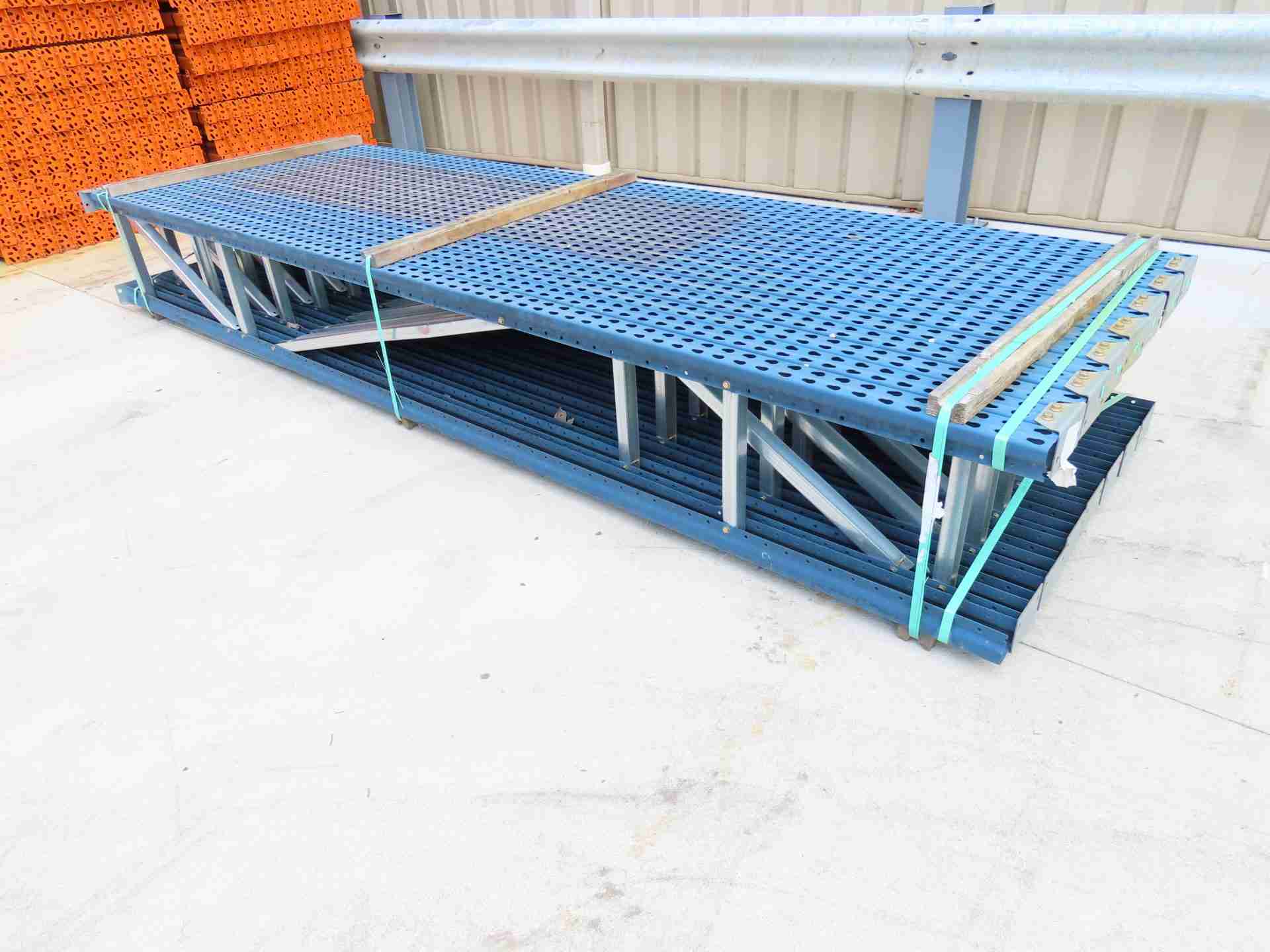
In an era where every square foot counts, the rise of vertical storage solutions is not just a trend; it’s a necessity. Imagine a bustling warehouse, filled to the brim with goods yet losing money on wasted space. That’s where racking systems come into play, turning cluttered chaos into streamlined efficiency. By utilizing vertical space, businesses can maximize their storage capability without the hefty price tag of expanding their footprint.
From the shop floor to the corner of the warehouse, the everyday worker understands the value of keeping things organized. A well-implemented racking system not only declutters the workspace but also helps in picking orders with speed and accuracy. This translates directly to the bottom line, as quicker turnaround times mean more satisfied customers and an increase in sales. Picture the crew working seamlessly, accessing items easily and reducing accidental damage. This is the heart of productivity—when people feel they can do their job without the burden of disarray, they’re more engaged and efficient.
On a rational level, the investment in vertical storage pays off. Companies have reported a significant return on investment (ROI) due to reduced rental costs and optimal inventory management. A small upfront cost for a racking system can offset long-term storage costs that can eat away at profits. Plus, in an age where environmental concerns are at the forefront, efficient storage reduces the need for new buildings, making it an ethical choice that minimizes our urban footprint.
Stories abound from those who’ve transformed their spaces with these systems. There’s Bob, a warehouse manager who was drowning in a sea of boxes. After implementing vertical solutions, he not only silenced the chaos but also fostered a sense of pride among his team. They weren’t just workers anymore; they became stewards of an organized environment. When you hear these stories from the ground up, it resonates—a reminder that thoughtful changes in daily operations can spark real-world transformation.
Ultimately, vertical storage is not just about fitting more into less. It’s about fostering a culture of efficiency and responsibility. It builds trust among team members, inspires confidence in leadership practices, and cultivates a strong work ethic. By embracing these changes, organizations can not only save money but also strengthen their community, proving that when we work smarter, everyone benefits.
The Economics Of Vertical Storage
The Economics Of Vertical Storage
- The rise of vertical storage solutions is essential for maximizing space efficiency in warehouses.
- Racking systems help organize cluttered workspaces, improving order-picking speed and accuracy.
- Increased efficiency leads to quicker turnaround times, enhancing customer satisfaction and sales.
- Investments in vertical storage yield significant ROI by reducing rental costs and optimizing inventory management.
- Efficient storage minimizes the need for new buildings, addressing environmental concerns.
- Successful implementations foster team pride and a sense of ownership over a well-organized environment.
- Vertical storage promotes a culture of efficiency, responsibility, and community within organizations.
The Economics Of Vertical Storage
Table Of Contents
- The Economics Of Vertical Storage
- What Are the Costs Associated with Vertical Storage Solutions?
- How Does Vertical Storage Improve Space Efficiency?
- What Environmental Benefits Does Vertical Storage Offer?
- Can Vertical Storage Enhance Productivity In Warehouses?
- What Are the Long-Term Savings From Investing In Vertical Storage?
- How Do Vertical Storage Systems Affect Employee Safety?
- Conclusion
- Other Resources
- Glossary Of Terms
- Other Questions
- Checklist
What Are the Costs Associated with Vertical Storage Solutions?
Vertical storage solutions have emerged as a game-changer for businesses looking to optimize their space and streamline operations. However, before diving headfirst into the world of racking systems, it’s essential to understand the costs associated with these systems, as they can impact both the wallet and the workplace culture.
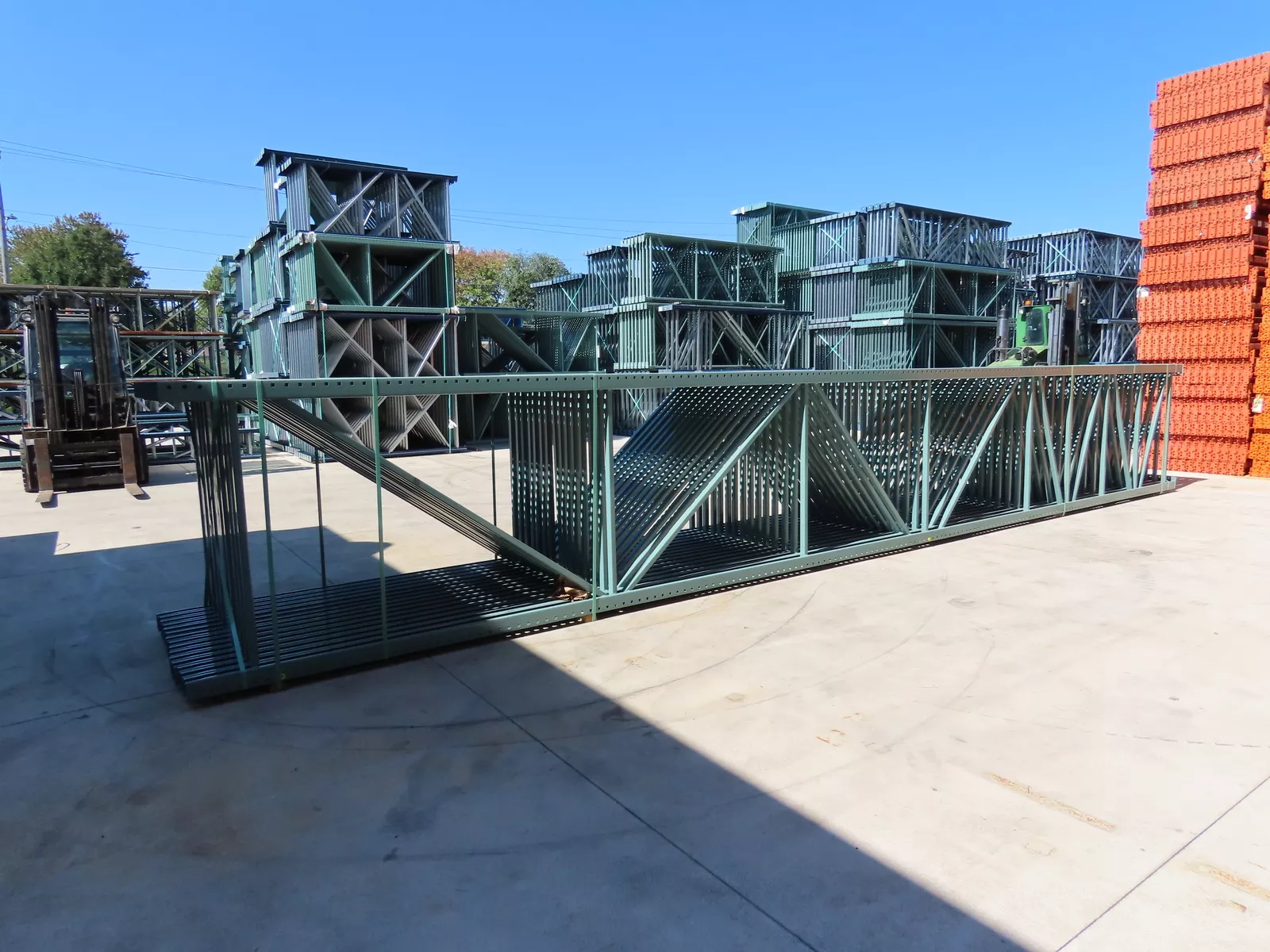
To start, let’s consider the obvious financial investment. The initial cost of purchasing racking systems can vary widely depending on the type and size needed. Heavy-duty rack systems constructed for industrial use might come at a premium, but they’re built to last. Investing in high-quality racks means less frequent replacements and repairs, translating to long-term savings. It’s like buying a good pair of work boots; spend a little more upfront, and you’ll save on blisters and sore feet down the line.
But it’s not just about the price tag. Think about safety and efficiency. Overhead storage can reduce clutter on the floor, and that means fewer accidents and injuries. An organized space contributes to employees feeling secure and valued. When teams work in an efficient environment, productivity spikes. Imagine the relief of having a space where you can find tools and materials without the hassle—less time searching and more time creating.
Then, there’s the ethical side to consider. As businesses are held to higher standards, vertical storage can help in creating a safer, more sustainable workplace. Lesser space usage can lead to an overall reduction in energy consumption. This is not only good for the environment; it also paints a positive picture of the company’s values, something today’s workforce deeply cares about. It’s about creating a legacy where employees feel proud to be part of a responsible organization.
Moreover, testimonials and case studies from businesses that have integrated vertical storage illustrate benefits beyond mere dollars and cents. When employees talk about how their work life improved thanks to a well-organized system, it builds trust within the company. Fellow workers share their experiences in break rooms and online forums, making the decision to implement racking systems feel less like a gamble and more like a sure thing.
Considering all these angles, the costs associated with vertical storage solutions become more than just numbers on a balance sheet. By investing in the right racking systems, companies aren’t just addressing storage issues; they’re fostering an environment that emphasizes safety, productivity, and pride. And in a world where each dollar counts, making the right choice can lead to a thriving operation—one that employees and management can rally around together.

What Are the Costs Associated with Vertical Storage Solutions?
What Are the Costs Associated with Vertical Storage Solutions?
- Vertical storage solutions optimize space and streamline operations for businesses.
- Initial costs of racking systems vary significantly based on type and size; heavy-duty options are more expensive but durable.
- Investing in quality racks leads to long-term savings from reduced maintenance and replacements.
- Overhead storage decreases floor clutter, enhancing safety and improving employee efficiency.
- Vertical storage promotes sustainability by reducing energy consumption and aligning with corporate values.
- Employee testimonials highlight improved work life, fostering trust and positive culture within the company.
- Investing in racking systems supports a thriving work environment, boosting safety, productivity, and employee pride.
What Are the Costs Associated with Vertical Storage Solutions?
How Does Vertical Storage Improve Space Efficiency?
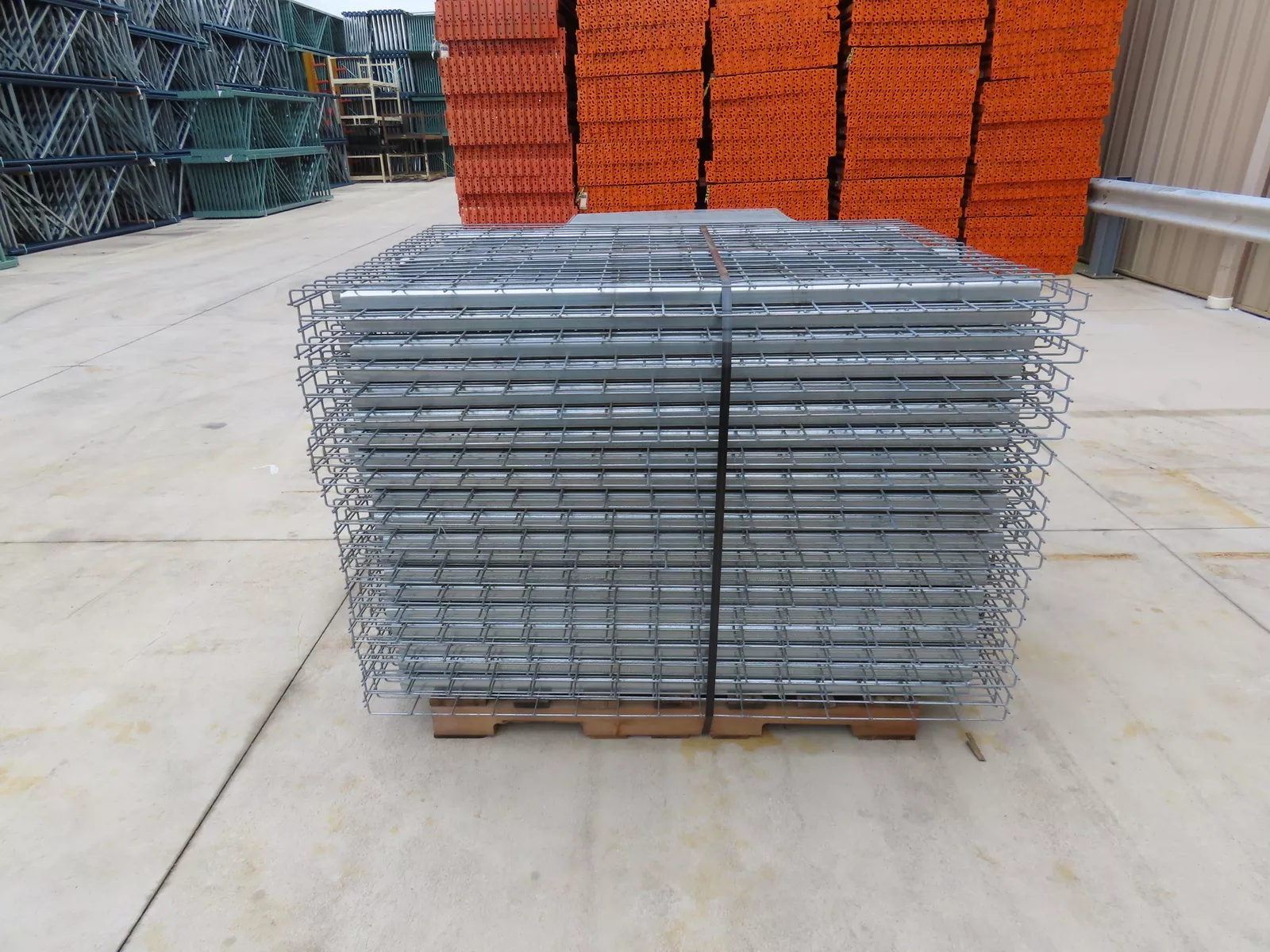
Vertical storage is a game-changer for maximizing space efficiency in any work environment. Imagine walking into a warehouse, a garage, or even a small workshop, where every inch of space is critically needed. That’s where racking systems come into play, turning wasted vertical air into valuable storage area.
Think about the way we’ve always made do, stacking boxes on top of each other, praying they won’t topple over. It’s a familiar scene, one that brings a bit of nostalgia but also frustration. But when you introduce vertical storage, everything changes. Racking systems are designed to capitalize on height, allowing you to store more while taking up less floor space. It’s like finding an extra room in your home when you thought you had none left.
From the rational standpoint, vertical storage is a no-brainer. It allows for organized storage, making it easy to find what you need without digging through piles of clutter. Imagine saving hours that would otherwise be wasted searching for tools or supplies. This efficiency leads to increased productivity and ultimately impacts the bottom line. It’s common sense: the better you organize, the more you can focus on the work that matters.
On an ethical note, embracing vertical storage means adopting practices that are sustainable and mindful of our resources. When you’re maximizing space, you’re not just optimizing for profit; you’re making smarter choices that can lead to less waste and a smaller environmental footprint. That’s a win for everyone—both economically and socially.
Connecting with others is a natural part of our work life. Sharing stories of how racking systems transformed a once-chaotic space into an organized haven fosters camaraderie among workers. When we see the tangible benefits of vertical storage firsthand, it becomes more than just a method; it evolves into a shared achievement, reinforcing trust within the team.
Vertical storage isn’t just about practicality; it’s about creating an environment where people can thrive. It tells a story of efficiency, teamwork, and respect for the tools we use—the very essence of work itself. With the right racking systems, not only do we save space, but we also carve out new opportunities for success, standing a little taller in the face of everyday challenges.
How Does Vertical Storage Improve Space Efficiency?
How Does Vertical Storage Improve Space Efficiency?
- Vertical storage maximizes space efficiency in various environments such as warehouses and workshops.
- Racking systems convert unused vertical space into valuable storage, enhancing organization.
- Organized storage reduces time spent searching for tools and supplies, boosting productivity.
- Adopting vertical storage practices promotes sustainability and reduces waste.
- Shared experiences of improved organization foster team camaraderie and trust.
- Vertical storage creates environments that promote efficiency and teamwork.
- Effective racking systems provide opportunities for greater success and challenge navigation.

How Does Vertical Storage Improve Space Efficiency?
What Environmental Benefits Does Vertical Storage Offer?
In today’s world, where space is becoming increasingly precious, vertical storage emerges as a smart solution that not only addresses the practical needs of storage but also offers a host of environmental benefits. Picture this: racking systems towering high, maximizing every inch of space, reducing the need for sprawling storage facilities that often demand vast amounts of land and resources. This isn’t just about making the most of what we have; it’s about using less and getting more.
Let’s break it down. First, vertical storage is a champion of efficiency. By utilizing height instead of width, businesses can store more in a smaller area, leading to less energy consumption for heating and cooling. Imagine a warehouse where every square foot is utilized, cutting down on the carbon footprint associated with large, underused spaces. This means fewer emissions and a responsible approach to resource management, appealing not just to the wallet but to our collective conscience.
Using vertical storage systems also encourages a significant reduction in transportation needs. When stock is optimally stored, products can be accessed more quickly, reducing the time spent shuttling goods back and forth. Less transportation means fewer trucks on the road, lowering greenhouse gas emissions and air pollution. This is the kind of concrete change that can rejuvenate our tired planet while boosting a sense of community responsibility.
Let’s talk about waste reduction. Vertical racking systems often promote better inventory management. When things are organized and easily visible, there’s less chance of overstocking or wasting products that go unused. It’s a nod to sustainability, an acknowledgment that every item has its place and purpose, which resonates with anyone who’s ever dealt with the frustration of clutter. It’s a straightforward, hands-on way to foster environmental stewardship without the need for grand gestures.
Engagement with vertical storage also opens doors. Businesses can boast their eco-friendly practices, appealing to a growing consumer base that values sustainability. People like to know where their products come from and how they’re stored. When companies invest in these systems, they’re not just making a smarter business move; they’re telling their customers they care about the planet, creating trust and loyalty.
In essence, embracing vertical storage isn’t just a clever hack; it’s a step toward a sustainable future, reflecting humility in our approach to resources. It’s about standing tall for the environment, one rack at a time.
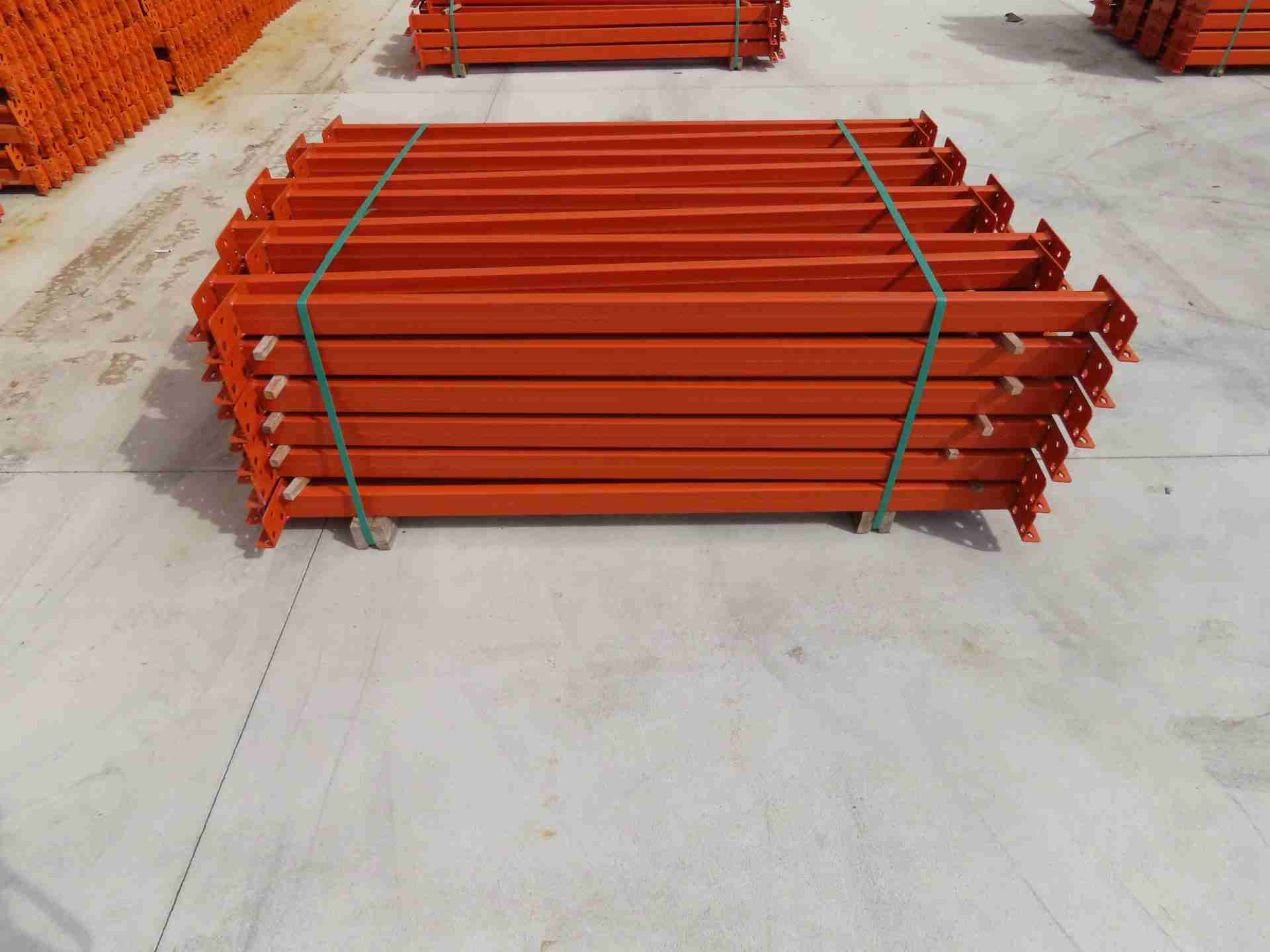
What Environmental Benefits Does Vertical Storage Offer?
What Environmental Benefits Does Vertical Storage Offer?
- Vertical storage optimizes space, reducing the need for large storage facilities.
- Utilizes height over width, leading to energy savings for heating and cooling.
- Decreases carbon footprint by minimizing underused spaces.
- Reduces transportation needs, lowering greenhouse gas emissions and air pollution.
- Enhances inventory management, reducing waste and overstocking.
- Promotes eco-friendly practices, building trust and loyalty with consumers.
- Represents a sustainable approach to resource management.
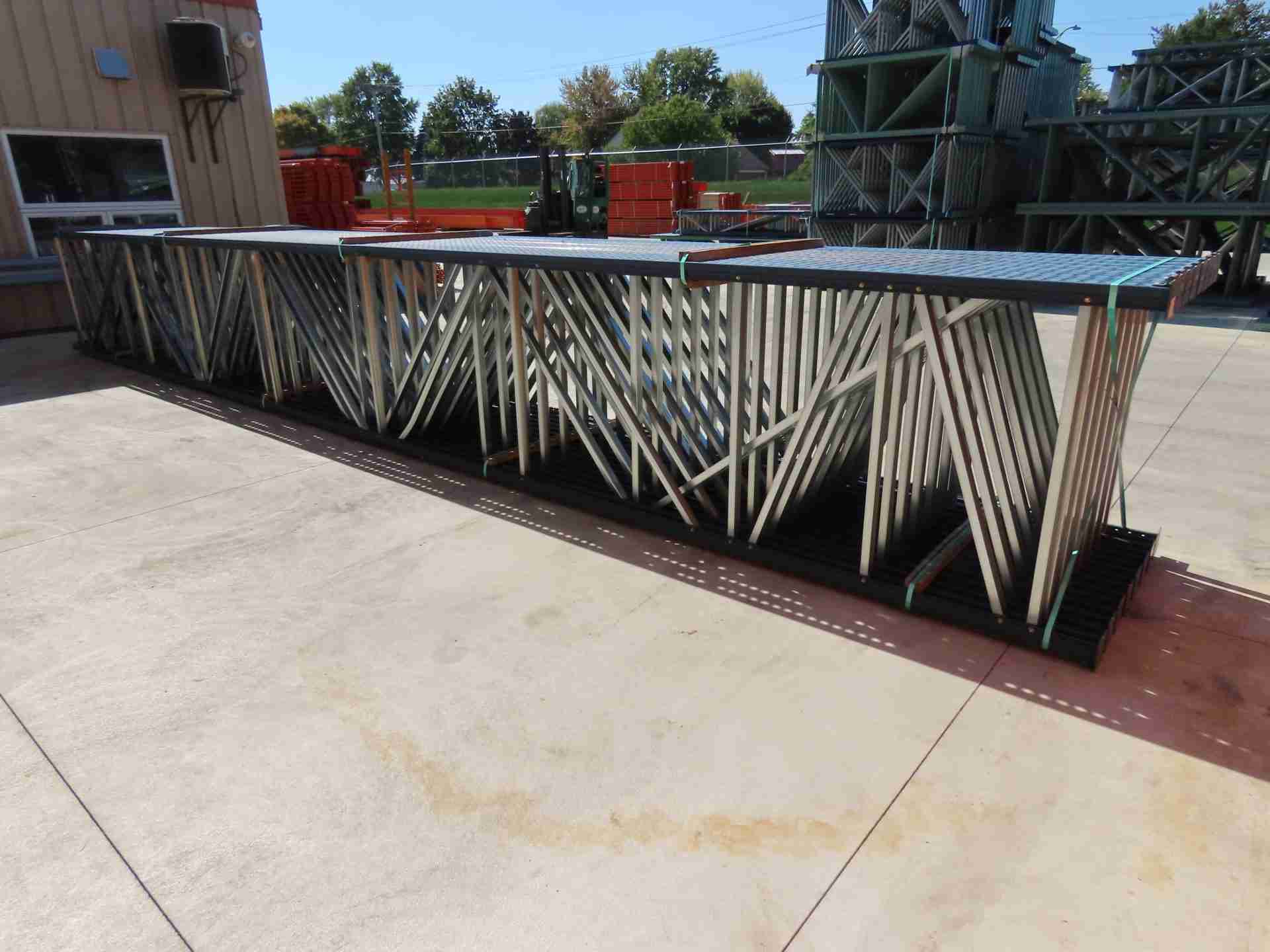
What Environmental Benefits Does Vertical Storage Offer?
Can Vertical Storage Enhance Productivity In Warehouses?
In the bustling world of warehousing, every inch of space matters. Racking systems designed for vertical storage can transform how a warehouse operates. Think about it—how often have you walked into a warehouse and seen stacks of boxes piled high, making it nearly impossible to find what you need quickly? This doesn’t just waste time; it dampens the spirit of workers who know they’re running against the clock but can’t find the tools to get the job done. It’s frustrating and can create a sense of helplessness.
Now, imagine a warehouse where everything is neatly organized, efficiently shelved within reach. Racking systems that maximize vertical space mean items are stored high and accessed safely without the monkey business of climbing over heaps of product. This isn’t just a pipe dream; it’s a reality that many warehouse operators are embracing. Rationally speaking, this enhanced organization translates directly into productivity. Employees spend less time searching and more time fulfilling orders. The numbers back this up—studies consistently show that companies adopting vertical storage solutions see a measurable uptick in efficiency and a drop in operational costs.
On the ethical side, fostering a safer workplace should be a priority. A well-organized racking system reduces the risk of accidents caused by clutter or improper lifting techniques. Workers confidently maneuver around their environment, knowing that safety protocols are upheld and that they’re valued. When staff feels safe, they’re naturally more motivated, leading to better output with a genuine sense of camaraderie.
Narratively, consider the story of a warehouse manager who faced continuous delays and dissatisfaction from both staff and clients. After implementing vertical storage solutions, he noticed a remarkable shift—not only did deliveries become more punctual, but morale soared as employees found pride in their workspaces. The transformation inspired a culture of collaboration and accountability, where everyone was aligned towards common goals.
Finally, socially, we must recognize that the warehouse reflects the community it serves. A well-oiled operation contributes to local economies, creating jobs and opportunities. When warehouses operate efficiently through smart choices like vertical storage, it uplifts not just the business but the entire neighborhood. This sense of connection solidifies trust—trust in the operation, the people behind it, and the commitment to continuous improvement.
Investing in racking systems for vertical storage isn’t merely a choice; it’s an impactful step towards enhancing productivity, fostering a positive workforce, and nurturing community growth. Choose wisely, and watch as transformation unfolds.
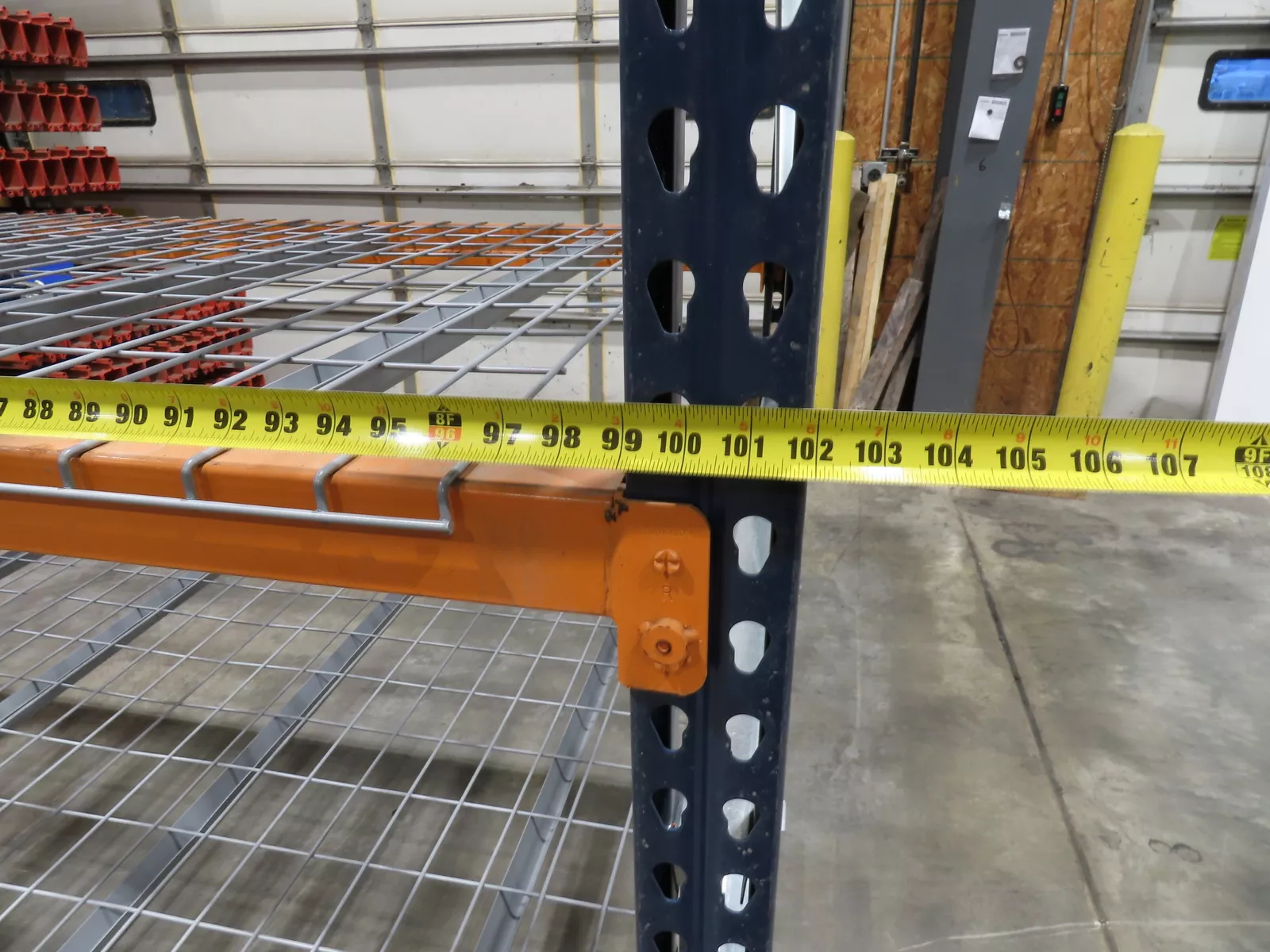
Can Vertical Storage Enhance Productivity In Warehouses?
Can Vertical Storage Enhance Productivity In Warehouses?
- Racking systems for vertical storage optimize warehouse space and operations.
- Efficient organization reduces time wasted searching for items, boosting worker morale.
- Enhanced racking systems lead to increased productivity and reduced operational costs.
- A well-organized environment promotes workplace safety and reduces accident risks.
- Improved safety fosters motivation among employees, enhancing overall output.
- Vertical storage solutions can transform workplace culture, encouraging collaboration.
- Efficient warehouses positively impact local economies by creating jobs and opportunities.
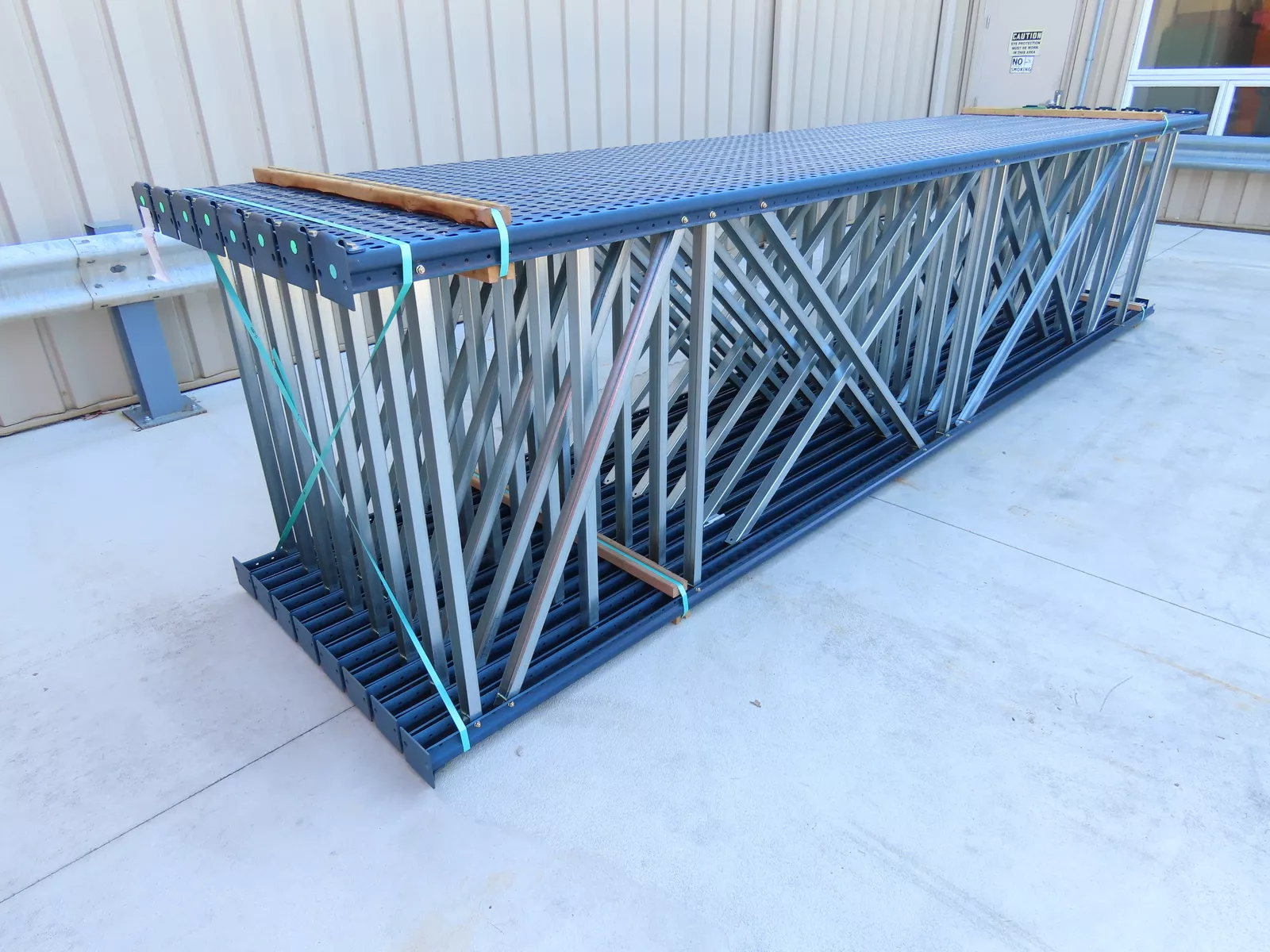
Can Vertical Storage Enhance Productivity In Warehouses?
What Are the Long-Term Savings From Investing In Vertical Storage?
Investing in vertical storage through racking systems can yield significant long-term savings that go beyond mere dollars and cents. Picture a small business owner struggling against cluttered aisles and wasted space. The daily grind becomes a challenge when every inch of the warehouse is a battle zone. Investing in racking systems transforms that chaos into order, unlocking the potential of every square foot.
From a practical standpoint, vertical storage isn’t just a smart move; it’s critical for efficiency. By utilizing vertical space, businesses can store significantly more products without expanding their footprint. This means lower overhead costs. Think about it: less space required translates to savings on rent, utilities, and upkeep. If every square foot counts, vertical storage can turn a tight squeeze into ample room, allowing businesses to pivot and grow without the need for costly renovations or expansions.
On the emotional side, consider the peace of mind that comes with an organized workspace. A clean, well-structured environment isn’t just nicer to look at; it’s also a motivator for employees. When workers can easily find what they need, morale rises. They feel valued and equipped to do their jobs effectively. A direct connection exists between workplace organization and employee productivity, reinforcing the idea that investing in racking systems is an investment in human capital.
The ethical appeal ties back to sustainability. Vertical storage can minimize waste and promote responsible resource management. When businesses operate efficiently, they consume fewer resources, which is beneficial for both the bottom line and the environment. This is a win-win, as it not only fosters a healthy corporate image but also puts those companies on the right side of history.
Moreover, there’s an element of authority in the choice. Companies that frequently update their storage solutions reflect adaptability and forward-thinking. They set a standard in their industry, inspiring competitors to follow suit, creating a broader movement towards efficiency and innovation.
Finally, this isn’t just about storage; it’s about community. When businesses thrive, they bring jobs, boost local economies, and contribute to the overall wellbeing of their neighborhoods. Investing in racking systems is more than a financial decision; it’s a commitment to serving a greater purpose. Therefore, tapping into vertical storage isn’t just smart; it’s vital for those looking to carve out their place in the future.
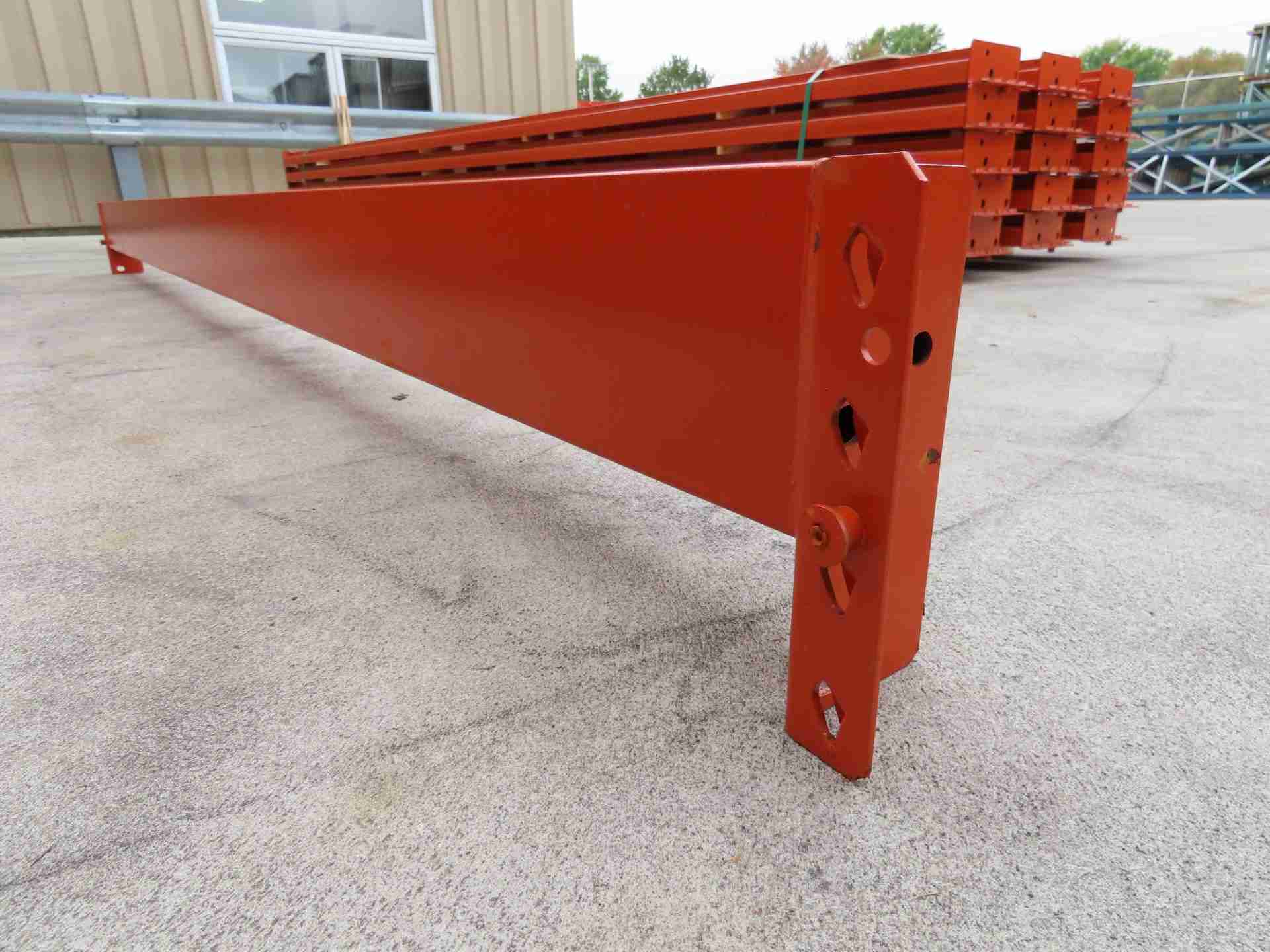
What Are the Long-Term Savings From Investing In Vertical Storage?
What Are the Long-Term Savings From Investing In Vertical Storage?
- Investing in vertical storage through racking systems leads to significant long-term savings.
- Transforms cluttered spaces into organized, efficient areas, maximizing every square foot.
- Utilizing vertical space reduces overhead costs associated with rent, utilities, and maintenance.
- An organized workspace enhances employee morale and productivity, contributing to human capital investment.
- Promotes sustainability by minimizing waste and responsible resource management.
- Companies that adapt their storage solutions set industry standards and inspire innovation.
- Investing in racking systems supports community growth by creating jobs and boosting local economies.

What Are the Long-Term Savings From Investing In Vertical Storage?
How Do Vertical Storage Systems Affect Employee Safety?
In a bustling warehouse, the hum of machinery and the rhythmic sound of hands moving boxes define the daily grind. Yet, beneath this buzzing environment lies a hidden element that can change the game for employee safety: vertical storage systems. These racking systems might seem just like an organizational tool, but their impact runs far deeper than we often realize.
Picture this: a warehouse worker, gritting their teeth as they hoist a heavy load off a lower shelf, straining their back while balancing on a rickety ladder. Now, imagine that same worker with easy access to items stored safely at eye level thanks to newly implemented vertical storage. Their face lights up with relief, understanding that they’re not just getting a job done—they’re protecting their health while earning a living. This transformation isn’t just about saving time; it’s about valuing human beings over boxes.
Vertical storage systems promote a safer workplace by minimizing the hazards associated with manual lifting and reaching. When items are stored optimally, utilizing the vertical space that warehouses often neglect, the risks associated with slip-and-fall accidents and strains diminish significantly. Workers feel empowered, knowing their environment has been thoughtfully designed around their well-being, leading to greater job satisfaction and lower turnover rates.
But there’s more to consider. Ethically, businesses that invest in such systems showcase their commitment to employee safety. Imagine working for a company that genuinely cares about its workforce, ensuring everyone returns home safe and sound at the end of the day. This fosters a culture of trust and loyalty, where workers feel connected to their employers and valued for their contributions.
Moreover, when leadership steps up to implement racking systems, it reflects a willingness to embrace innovation, boosting morale and productivity. Employees become advocates for safety, sharing their positive experiences with peers and creating a safer industry standard. It’s a collective effort that transcends individual workplaces, sparking a ripple effect across the sector.
In this straightforward narrative, vertical storage systems emerge not merely as storage solutions but as crucial components of a safer, happier work environment. They remind us that when workplaces prioritize safety, everyone benefits—because at the end of the day, it’s about more than just racks and shelves; it’s about people.

How Do Vertical Storage Systems Affect Employee Safety?
How Do Vertical Storage Systems Affect Employee Safety?
- Vertical storage systems enhance employee safety in warehouses.
- They allow for easy access to items at eye level, reducing strain from manual lifting.
- Minimizing hazards leads to fewer slip-and-fall accidents and strains.
- Investing in these systems shows a company’s commitment to workforce safety.
- A culture of trust and loyalty develops between employers and employees.
- Implementing racking systems boosts morale and productivity among workers.
- These systems promote a safer industry standard through shared positive experiences.

How Do Vertical Storage Systems Affect Employee Safety?
Conclusion
Vertical storage is more than just a clever space-saving solution; it’s a transformative approach that impacts every aspect of the workplace from productivity to community well-being. In an era of skyrocketing costs and urban density, businesses are turning to vertical storage as a smart investment. These racking systems allow us to reclaim wasteful space, enabling better organization that streamlines operations and reduces frustration. Picture a warehouse where employees can easily access stored items, turning chaos into clarity and boosting morale.
Investing in vertical systems goes beyond immediate financial savings. It cultivates a culture where safety and efficiency reign supreme. By reducing clutter and minimizing the physical strain on workers, businesses foster an environment that values each individual’s well-being. Employees who feel safe and equipped to perform their jobs are naturally more productive—a sound argument for any bottom line. Moreover, an organized workspace inspires pride and camaraderie among team members, creating a positive atmosphere that encourages collaboration.
The ethical implications of vertical storage also resonate deeply. As companies grapple with sustainability, using vertical storage promotes responsible resource management, alleviating the pressure on our environment. Less floor space means reduced energy consumption, lower carbon footprints, and a compelling narrative about commitment to the planet—all important factors for today’s conscientious consumers. When organizations embrace these systems, they not only enhance their efficiency but also build trust within their communities, positioning themselves as leaders who prioritize social responsibility.
Beyond the business model, consider the broader impact of vertical storage on local economies. Efficient warehouses that utilize space wisely stimulate job growth and contribute to the overall prosperity of their communities. The benefits of investing in vertical systems extend far beyond the four walls of a building; they ripple outward, fostering networks of support and opportunity.
Ultimately, the choice to adopt vertical storage is a testament to a company’s vision—an investment not just in operational success, but in the people behind it and the environment we all share. As businesses take this pivotal step, they set the tone for a responsible, engaged workforce that thrives not only on efficiency but on a collective sense of purpose. When we stand tall as stewards of our workspaces and communities, the returns multiply, proving that thoughtful, strategic choices lead to lasting success.
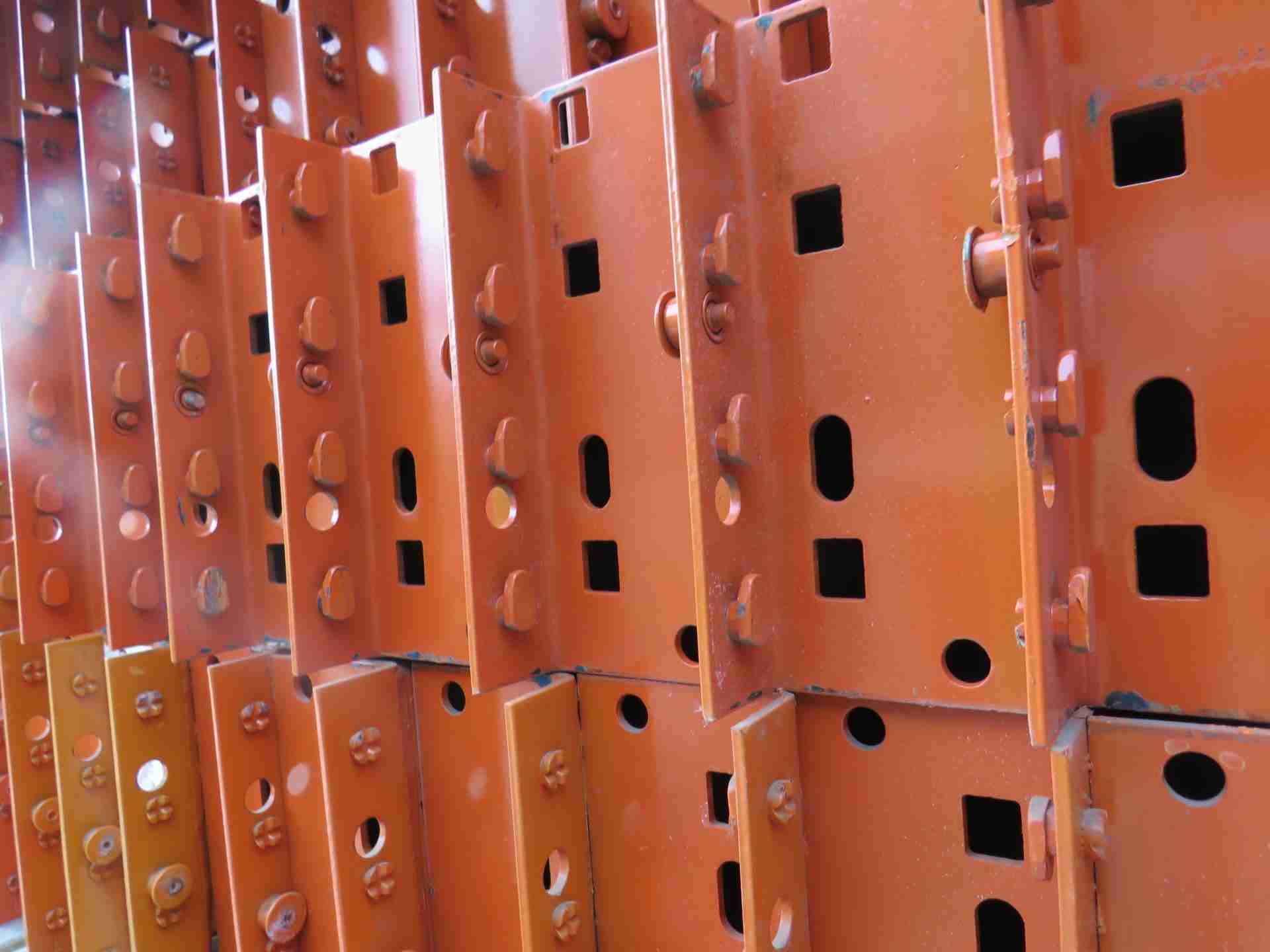
Conclusion
Conclusion:
- Vertical storage is a transformative approach that enhances productivity and community well-being.
- Businesses view vertical storage as a smart investment amidst rising costs and urban density.
- These systems improve organization, streamline operations, and boost employee morale.
- Investing in vertical systems fosters a culture of safety, efficiency, and individual well-being.
- Vertical storage promotes sustainability by reducing energy consumption and carbon footprints.
- Efficient warehouses using vertical storage contribute to job growth and local economic prosperity.
- Adopting vertical storage reflects a company’s vision for operational success and community engagement.

Conclusion
Other Resources

Other Resources
Here is a list of other resources you can review online to learn more:
- American Surplus
- Cantilever Rack Guide: Ordering Cantilever Racking
- Selective Racking
- National Safety Council
- What is Cantilever Racking? – AK Material Handling Systems
- Pallet Rack Systems – New and Used Pallet Racking and Shelving Experts
- BMH
- ASSP
- Storage Equipment Manufacturers’ Association
- Storage Equipment Manufacturers Association
- Pallet Racking systems in Illinois, Great Lakes
- Arrow Industrial Sales
- Interlake
- Warehouse Racking Chicago, IL
- BMH Equipment LLC
- Warehousing Education and Research Council: https://www.werc.org/
- Used Teardrop Pallet Rack – American Surplus
- Illinois Pallet Racking – Storage Solutions
- The Complete Pallet Rack Guide – Simply Rack
- Warehouse Racks, Warehouse Racking in Stock – ULINE
Use This Prompt To Get More Resources With Your Favorite Online AI Tool: Please provide me with a list of online articles with their URLs in a bulleted list that I can read regarding The Economics Of Vertical Storage

Other Resources
Glossary Terms
The Economics Of Vertical Storage – Glossary Of Terms
1. Vertical Storage: A method of storing goods vertically to optimize space efficiency in warehouses or retail environments.
2. Space Optimization: The strategic arrangement of storage areas to maximize usable space and reduce waste.
3. Warehouse Efficiency: The effectiveness of operations within a warehouse, often measured by speed, accuracy, and space utilization.
4. Racking Systems: Structures used to support the storage of goods in vertical configurations, enhancing accessibility and stability.
5. Inventory Management: The supervision of non-capitalized assets, or inventory, and stock items to ensure optimal levels.
6. SKU (Stock Keeping Unit): A distinct item for sale, identified by a unique code for inventory tracking.
7. Palletization: The process of stacking goods on pallets to facilitate efficient handling and storage.
8. Automated Storage: Systems that use automated technology to store, retrieve, and manage goods without human intervention.
9. Mezzanine Flooring: An intermediate floor in a warehouse, creating additional storage space without requiring a new building.
10. Compact Storage: Storage solutions designed to maximize space by minimizing the footprint of storage systems.
11. Load Capacity: The maximum weight a storage system or structure can safely hold.
12. FIFO (First In, First Out): An inventory management method where the oldest inventory items are sold or used first.
13. LIFO (Last In, First Out): An inventory management method where the most recently acquired items are sold or used first.
14. Just-In-Time (JIT): An inventory management strategy that aligns demand with production and delivery schedules to minimize stock levels.
15. Forklift: A specialized vehicle designed to lift and move materials over short distances, commonly used in warehouses.
16. Space Utilization Rate: A metric that measures how effectively the available storage space is being used.
17. Bin Storage: A type of storage system that uses bins to hold goods, making items easily accessible.
18. Modular Storage: Flexible storage systems that can be reconfigured or expanded based on changing needs.
19. Transport Logistics: The planning and execution of the movement of goods from one location to another within a supply chain.
20. Safety Stock: Extra inventory kept on hand to prevent stockouts caused by variability in supply and demand.
21. Stock Turnover Rate: A measure of how often inventory is sold and replaced over a specific period.
22. Cold Storage: A refrigerated storage area for perishable goods requiring temperature control.
23. FIFO Racking: A racking system designed to facilitate the First In, First Out inventory method.
24. Picking Techniques: Methods used to retrieve items from storage to fulfill orders, including batch picking and single item picking.
25. Vertical Lift Module: An automated storage system that consists of vertically arranged shelves and an elevator to retrieve items.
26. Access Aisle: The space required for workers or machinery to access storage areas without obstruction.
27. Lean Warehousing: A methodology focused on minimizing waste and maximizing efficiency in warehouse operations.
28. Load Planning: The process of determining how to optimally load goods into storage or transport units for efficiency.
29. Chaotic Storage: A storage system where items are placed in random order rather than designated locations to maximize space and flexibility.
30. Demand Forecasting: The process of predicting future customer demand to optimize inventory levels and storage requirements.

Glossary Of Terms
Other Questions
The Economics Of Vertical Storage – Other Questions
If you wish to explore and discover more, consider looking for answers to these questions:
- What types of vertical storage systems are available and how do they differ?
- How much does each type of racking system cost to purchase and install?
- What is the typical ROI timeline for investing in vertical storage?
- How do long-term maintenance and repair costs compare between systems?
- How do vertical storage systems affect ongoing operating costs (rent, utilities, insurance)?
- What are the weight, height, and load-capacity limits for different rack types?
- What safety standards and regulations apply to racking installations in my region?
- How do vertical systems impact employee safety and ergonomics in practice?
- What training or certifications do staff need to work safely with vertical storage?
- How disruptive is installation to daily operations and how long does it take?
- Can existing facilities be retrofitted for vertical storage, and what modifications are required?
- How do racking systems integrate with warehouse management systems and inventory software?
- How do vertical solutions affect picking efficiency and order fulfillment metrics?
- What types of material handling equipment (forklifts, narrow-aisle trucks, lifts) are required?
- How do vertical systems support or hinder automation and robotics integration?
- What are the environmental benefits quantified (energy savings, reduced emissions, land-use reduction)?
- Are there tax incentives, grants, or financing options available for implementing vertical storage?
- How does vertical storage influence insurance premiums or liability exposure?
- What are the best practices for inventory rotation, overstock prevention, and waste reduction?
- How do you perform load testing and inspection, and how often should it be done?
- What safety features and accessories (guardrails, netting, seismic bracing) are recommended?
- How do vertical systems perform in different climates or seismic zones?
- What are the lifecycle and resale value of common racking systems?
- How customizable and scalable are different vertical storage options as business needs change?
- How do you calculate the true cost-benefit analysis including soft costs like improved morale and productivity?
- What case studies or metrics demonstrate measurable improvements after installation?
- How should businesses choose among suppliers and evaluate warranties and service agreements?
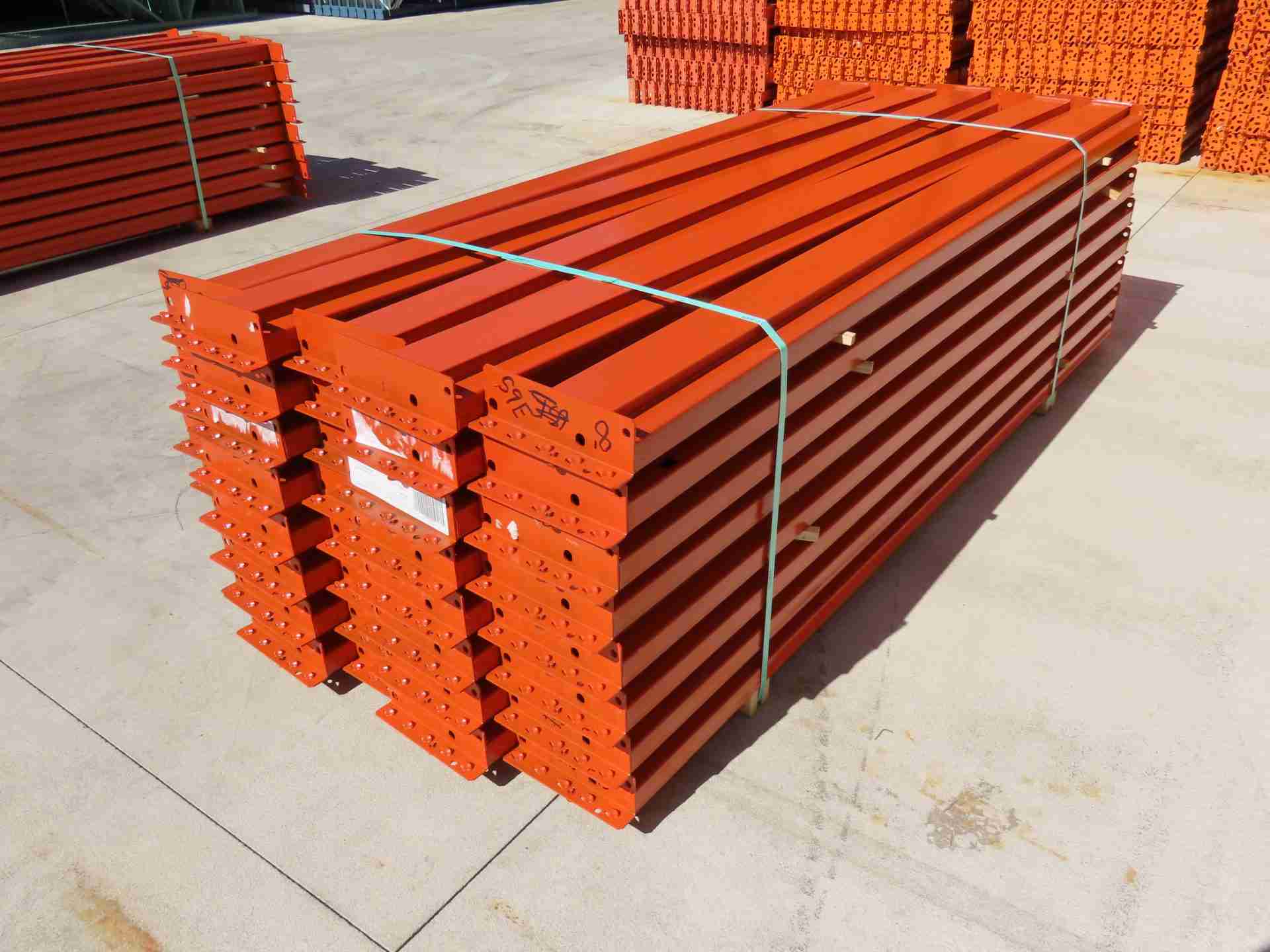
Other Questions
Checklist
The Economics Of Vertical Storage – A Checklist
Baseline and Goals
✅______ Measure current floor area, clear height, and cubic utilization
✅______ Capture baseline KPIs: pick rate, order cycle time, inventory accuracy, damage rate, incidents, rent/utilities per ft², and inventory turns
✅______ Set quantified targets, timeline, and success criteria
Space and Inventory Analysis
✅______ Profile SKUs by dimensions, weight, handling unit (pallet, case, or each), and velocity (ABC classification)
✅______ Identify special needs: Hazmat, temperature control, and oversized or long goods
✅______ Analyze throughput: peak volumes, seasonality, and shifts
✅______ Define access rules: FIFO or LIFO; full pallet vs. case or eaches
Facility and Compliance
✅______ Confirm clear height, column grid, slab thickness, and floor load ratings
✅______ Verify fire protection, sprinkler clearance, and egress requirements
✅______ Check seismic and wind code applicability and permitting path
✅______ Validate aisle widths vs. material handling equipment (MHE) needs
Solution Design
✅______ Select rack types: selective, double-deep, drive-in/through, pushback, pallet flow, cantilever, mezzanine, shelving, and VLM/ASRS
✅______ Define slotting strategy and pick paths (reserve vs. forward pick)
✅______ Set beam levels, bay layout, and location capacity
✅______ Confirm MHE compatibility: forklifts, reach trucks, and order pickers
✅______ Plan labeling and signage: location codes and rack labels
Technology and Data
✅______ Integrate WMS/ERP for location control and real-time visibility
✅______ Cleanse and load master data: SKU dimensions and weights, case packs, and handling units
✅______ Enable scanning/RFID and mobile workflows
✅______ Configure replenishment, cycle count, and exception rules
Financials and ROI
✅______ Build total cost of ownership: equipment, installation, permits, IT, training, downtime, maintenance, inspections, insurance, and financing
✅______ Quantify savings: rent avoided, deferred expansion, labor hours saved, error and damage reduction, shrink reduction, and energy savings
✅______ Calculate payback, NPV, and IRR; secure budget approvals
✅______ Identify incentives, rebates, and tax benefits
People, Process, and Change
✅______ Update SOPs: receiving, putaway, picking, replenishment, and cycle counting
✅______ Develop training and certification for operators and supervisors
✅______ Establish housekeeping and organization standards (5S)
✅______ Communicate timeline, roles, and impact to stakeholders
Sustainability
✅______ Estimate footprint reduction vs. new construction
✅______ Model HVAC and lighting impacts from denser storage
✅______ Specify recyclable and reusable materials and end-of-life plans
✅______ Track sustainability KPIs for reporting and marketing
Vendor and Project Management
✅______ Shortlist vendors; verify references and engineering credentials
✅______ Review stamped drawings and calculations
✅______ Align on lead times, phasing, and installation windows
✅______ Define acceptance criteria, warranties, and service/inspection plans
Go-Live and Stabilization
✅______ Pre-stage inventory and execute the re-slotting plan
✅______ Validate installation quality and load signage
✅______ Conduct WMS location and process testing; run a pilot area
✅______ Plan cutover, contingency, and rollback steps
✅______ Measure early KPIs vs. baseline; adjust quickly
Ongoing Operations and Continuous Improvement
✅______ Schedule routine inspections and preventive maintenance
✅______ Monitor KPIs weekly; hold 30/60/90-day reviews
✅______ Re-slot based on changing velocity and seasonality
✅______ Refresh training and document best practices for scale

Checklist
At RackingWorld, we help guide you through selecting warehouse storage systems and racking.
Be sure to read our other related stories at RackingWorld to learn more about warehouse storage systems.
0 Comments