
Unseen Consequences: Balancing Convenience With Long-Term Impact
By Tom Seest
At RackingWorld, we help guide you through selecting warehouse storage systems and racking.
Be sure to read our other related stories at RackingWorld to learn more about warehouse storage systems.
The Cost Of Temporary Overflow Storage
When you find yourself in a tight spot, with goods piling up and nowhere to put ’em, temporary overflow storage can seem like a lifesaver. But it ain’t all sunshine and rainbows. The costs can sneak up on you faster than a squirrel in a parking lot. Racking systems, for instance, might sound like a simple fix, but they come with a price tag that can lead to some serious head-scratching.
Picture this: your warehouse is bustin’ at the seams, and you’ve got your eyes on a shiny new racking system. It promises to maximize space and keep things organized—like a perfect puzzle. Yet, before you make that leap, take a moment to think it through. The upfront cost might look appealing, but how often have we seen that initial thrill turn into a burden when the hidden fees start piling up? Rent, maintenance, and even potential damage from overpacked shelves can add up. It’s enough to make anyone reconsider if storing those extra pallets is worth it.
Let’s be real here. Overflow storage isn’t just a financial decision; it’s about people. Customers rely on timely deliveries, and employees thrive in an organized space. Rushing to get those packages out the door is one thing, but when it comes at the expense of safety or quality, you’re playing a risky game. If that racking system can’t handle the pressure, or worse, if it leads to injury, the costs just skyrocketed beyond monetary figures. It’s about the heart of the operation—the folks on the ground who need reliable solutions.
Moreover, the ethical part of the equation can’t be ignored. When businesses opt for subpar options to save a few bucks, they often cut corners that affect the team’s morale and the brand’s reputation. You don’t want to be known as the company that sacrifices quality and safety just to manage overflow. Instead, consider investing in quality racking systems that align with both your values and your bottom line.
So, when you think about dealing with overflow storage, weigh the costs against the benefits. Invest in solid solutions that connect with the workforce and foster a trustworthy environment. After all, a well-organized space isn’t just about fitting more; it’s about doing what’s right—for the people and the business alike.

The Cost Of Temporary Overflow Storage
The Cost Of Temporary Overflow Storage
- Temporary overflow storage can seem beneficial but has hidden costs.
- Racking systems may appear to maximize space but come with significant expenses.
- Initial costs can lead to hidden fees related to rent, maintenance, and potential damages.
- Overflow storage impacts not only finances but also employee and customer satisfaction.
- Safety and quality must be prioritized over quick, cost-saving measures.
- Opting for subpar options can harm team morale and damage brand reputation.
- Invest in quality solutions that align with company values and foster a reliable environment.

The Cost Of Temporary Overflow Storage
Table Of Contents
- The Cost Of Temporary Overflow Storage
- What Are the Hidden Costs Of Temporary Overflow Storage?
- How Does Overflow Storage Impact Your Finances?
- Can Temporary Storage Solutions Harm Your Business Reputation?
- What Ethical Concerns Arise with Temporary Overflow Storage?
- How Does Temporary Storage Affect Employee Productivity?
- What Are the Long-Term Effects Of Relying on Overflow Storage?
- Conclusion
- Other Resources
- Glossary Of Terms
- Other Questions
- Checklist
What Are the Hidden Costs Of Temporary Overflow Storage?
What Are the Hidden Costs of Temporary Overflow Storage?
When you’re faced with a storage crunch, temporary overflow storage can seem like a quick fix. But digging deeper reveals a minefield of hidden costs that, if ignored, can leave you in a bind. It’s not just about renting a space and filling it with boxes; it’s about unplanned expenses that pile up like the junk you’re trying to store.
First, let’s talk logistics. If you’ve ever had to navigate the maze of a racking system in a cramped warehouse, you understand the physical strain. Every time you move items in and out, you’re burning fuel and manpower. Those added labor costs can stack up quickly, draining your budget faster than you can say “overflow.” Not to mention, there’s the wear and tear on your equipment. Every lift and move takes its toll. When you’re running on tight deadlines, this extra effort can lead to mistakes. You miss an order, and suddenly customer trust is on the line.
Now, consider the emotional weight. Overflow storage might seem convenient, but it often leads to uncertainty. When boxes are piled high and disorganization reigns, it can feel like your business is spiraling out of control. This chaos can seep into your company’s culture, leaving employees frustrated and morale low. Everyone wants to do a good job, but how do you do that when you can’t even find what you need?
Let’s not overlook the ethical concerns. Is it right to throw money at a temporary solution rather than investing in a permanent fix? Relying on overflow storage might deceive you into thinking you’re being efficient when, in reality, you’re just postponing tackling the real issues—like upgrading your infrastructure or reevaluating your inventory management practices.
Finally, there’s the long-term perspective. Many businesses look for quick wins instead of thinking down the road. Avoiding the upfront investment in proper racking systems for a temporary solution could cost you far more down the line. Real growth requires a solid foundation, and stacking boxes under a leaking roof isn’t a sustainable strategy.
Ultimately, every decision has hidden costs that ripple through your operation. Taking the time to assess the real price of temporary overflow storage can save you headaches—and cash—in the long run. Don’t just think about the next few months; think about the next few years. It’s about sustaining your business and fostering a culture rooted in resilience and clarity.

What Are the Hidden Costs Of Temporary Overflow Storage?
What Are the Hidden Costs Of Temporary Overflow Storage?
- Temporary overflow storage may appear to be a quick solution for storage issues, but it has hidden costs.
- Logistical challenges include high labor costs and equipment wear from frequent movements of items.
- Emotional stress arises from disorganization, which can negatively impact employee morale and productivity.
- Ethical concerns exist regarding the reliance on temporary solutions instead of investing in permanent improvements.
- Short-term thinking can lead to higher long-term costs by avoiding necessary investments in infrastructure.
- Hidden costs from overflow storage can ripple throughout the organization, affecting overall efficiency and trust.
- Evaluating the true costs of temporary storage is essential for long-term business sustainability and resilience.

What Are the Hidden Costs Of Temporary Overflow Storage?
How Does Overflow Storage Impact Your Finances?
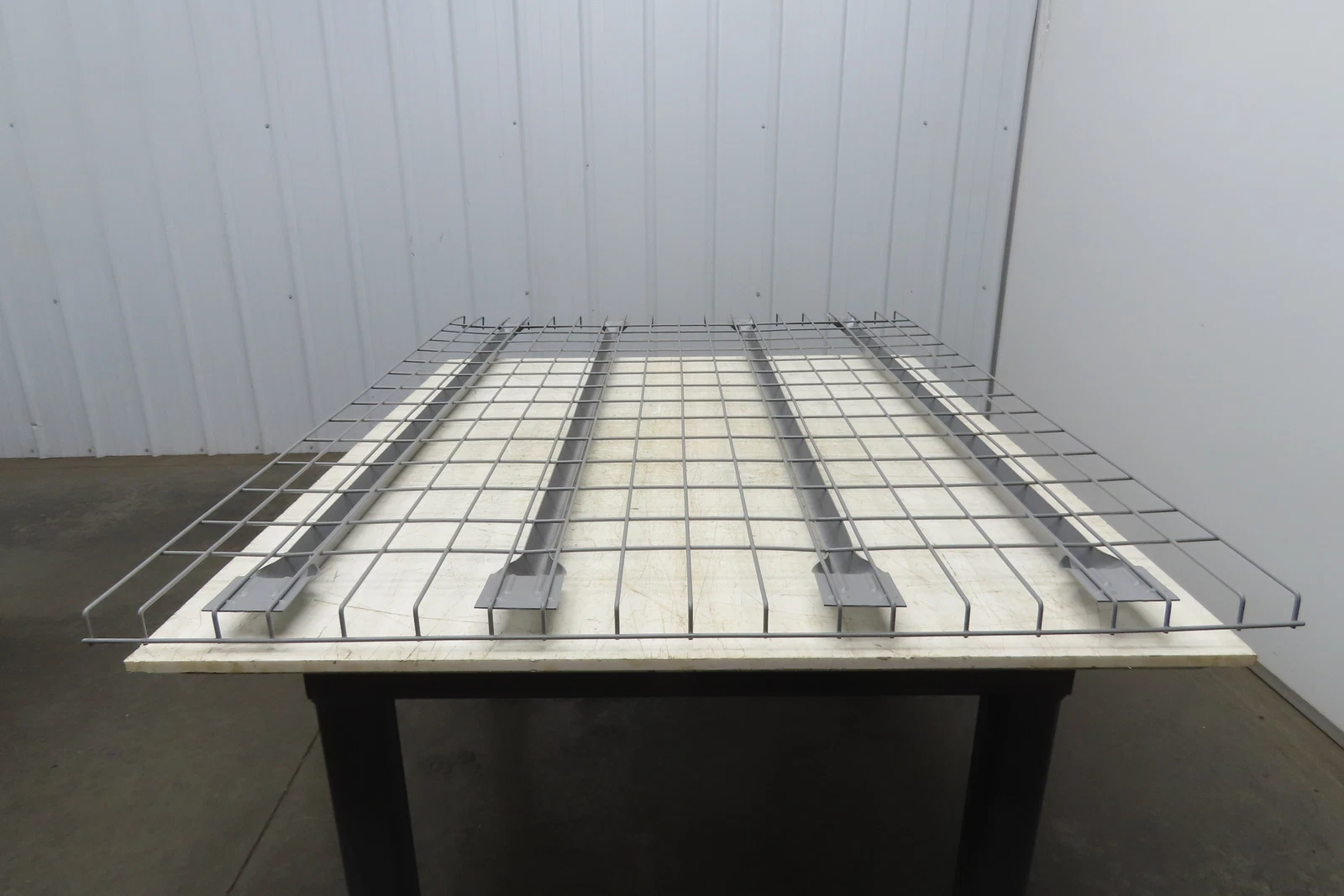
When it comes to overflow storage, it’s easy to see it as just a matter of extra space. Yet, the impact it has on your finances runs deeper than that. Imagine a small business, cluttered with excess inventory that no one knows how to manage. The racking systems sag under the weight of unused products, creating not just a visual mess but a financial strain. Every inch of space taken up by items that aren’t moving means wasted money. You’re paying for a square footage that should be generating income, but instead, it’s simply holding on to what you don’t need.
From a financial perspective, consider the costs associated with overflow storage. Not only are you shelling out for the space, but you’re also burdened with additional utility bills, maintenance costs, and even insurance premiums. Each of these elements chips away at your bottom line. Your hard-earned cash could be put to better use — whether it’s investing in new inventory, marketing, or perhaps providing better wages for your staff. That’s not just sensible; it’s ethical. You owe it to yourself and your team to use your resources wisely.
Storytelling is powerful, and every business has its tale of excess. Picture a family-run shop down on Main Street, proud of their products yet facing growing piles of unsold stock. They could share stories of hard work and dreams, but all that’s lost amidst box after box of overflow. Now, shift that narrative. What if they streamlined their inventory, implementing a smart racking system that keeps everything organized? Suddenly, their story shifts from one of burden to one of opportunity. They can focus on engaging with customers, creating an inviting environment that brings people in and fosters community.
Embracing efficient storage affects more than just books and bottom lines; it connects with our gut feelings about responsibility. In an age of consumerism, it’s pivotal to remember the power of choice. By managing overflow smartly, you pave the way for decisions that align with your values. The community thrives when local businesses flourish. When your financial resources are well-managed, you are free to invest back into your community, whether through local sponsorships or better services.
Overflow storage isn’t merely a logistical issue — it’s an emotional and ethical crossroads. Make smart choices, embrace organization, and watch not only your financial health improve but your connection to the community grow stronger.
How Does Overflow Storage Impact Your Finances?
How Does Overflow Storage Impact Your Finances?
- Overflow storage impacts finances beyond just extra space, creating visual and financial strain.
- Excess inventory can lead to wasted money by occupying square footage that should generate income.
- Costs associated with overflow storage include rent, utility bills, maintenance, and insurance, affecting the bottom line.
- Improper resource allocation prevents investment in inventory, marketing, and employee wages.
- Efficient storage solutions, such as organized racking systems, can transform a business’s narrative from burden to opportunity.
- Effective management of overflow can enhance community engagement and reflect ethical responsibility in business practices.
- Smart organization not only improves financial health but also strengthens connections with the community.

How Does Overflow Storage Impact Your Finances?
Can Temporary Storage Solutions Harm Your Business Reputation?
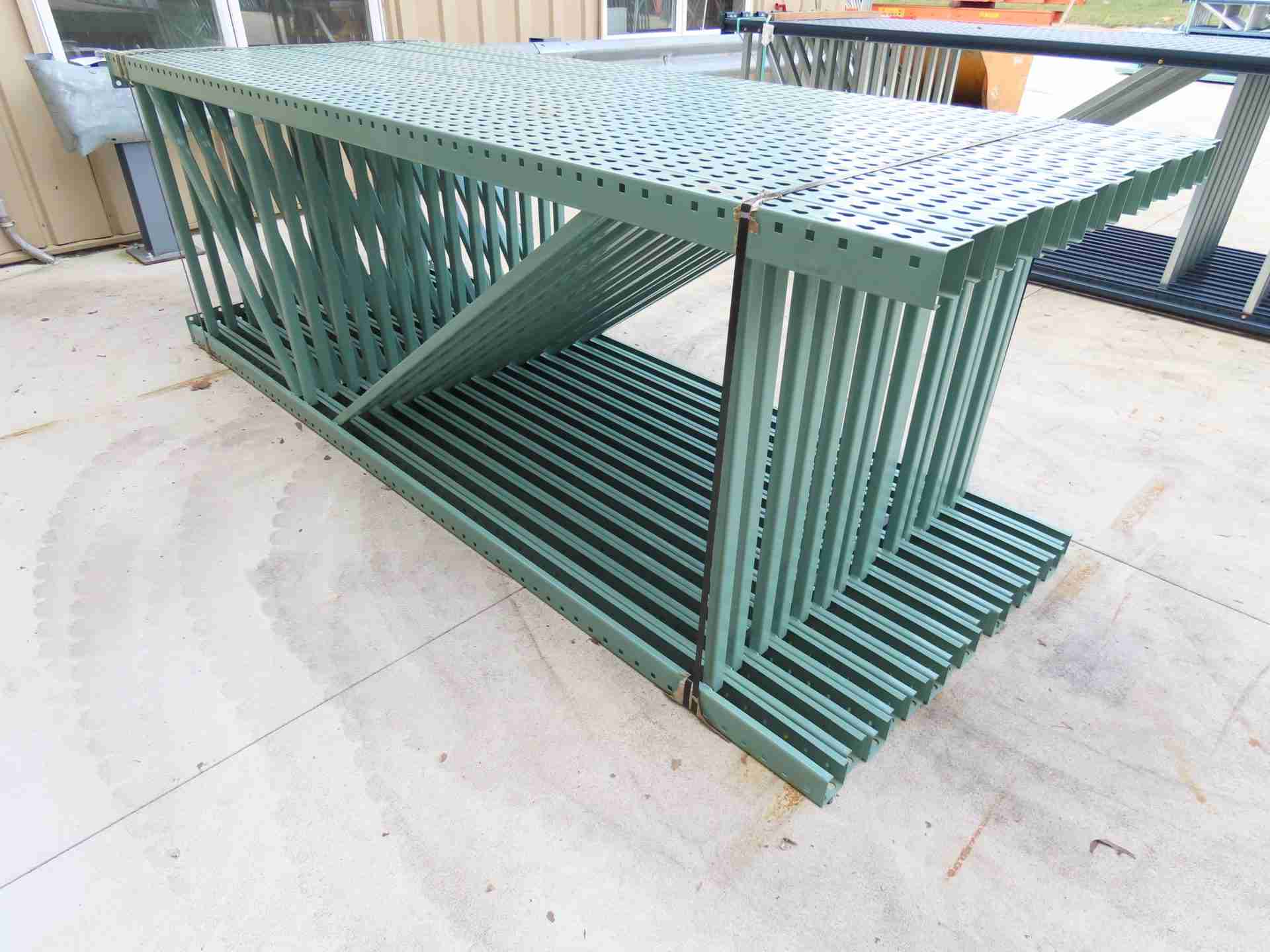
Temporary storage solutions can offer a quick fix, but they come with their own set of challenges that could tarnish your business reputation. Picture this: you’ve got a bustling operation that suddenly finds itself knee-deep in overflow. A racking system could seem tempting, presenting a convenient space to stash goods in the short term. Yet, if that racking system isn’t up to par, you could be inviting chaos rather than order.
Relying on makeshift or substandard storage can create a ripple effect—piling up problems that can erode trust among your clients and partners. Imagine showing up to fulfill a promise, only to discover that a poorly maintained racking system has led to damaged materials or, worse, lost inventory. It’s the kind of mistake that echoes louder than any victory bell ever could. When your reputation is on the line, one hiccup can counteract weeks, even months, of hard work. The rational mind knows that being seen as unreliable or disorganized can be a death knell for any business.
Then there’s the ethical aspect. Customers expect you to handle their belongings with care and respect. If you choose temporary solutions that compromise that responsibility, you risk losing more than just a sale; you might lose the respect of your community. Let’s face it—business is built on relationships. A racking system that fails can turn into a cautionary tale, spreading through word-of-mouth faster than a successful promotion.
At times, it’s about the story you tell. A small business owner recalls a time when a neighbor’s hasty decision to use flimsy storage led to a major setback. The community watched, and trust diminished. People remember how you handle failure just as much as they remember your successes. Through tales like these, the importance of dependable solutions becomes evident.
When weighing temporary storage options, think long-term. You might save a buck now, but it could cost much more later. Solid racking systems and well-planned storage are investments that speak volumes about your commitment to quality and integrity. Make choices that resonate with your gut feeling and reflect the kind of business you want to be—one that stands tall, no matter the hurdles faced. Your reputation deserves nothing less.
Can Temporary Storage Solutions Harm Your Business Reputation?
Can Temporary Storage Solutions Harm Your Business Reputation?
- Temporary storage solutions may provide quick relief but pose risks to business reputation.
- Substandard racking systems can lead to chaos, damaging materials, or lost inventory.
- Reliance on inadequate storage can erode client and partner trust, impacting long-term relationships.
- Businesses perceived as unreliable risk severe reputational damage that may outweigh short-term gains.
- Customers expect care and respect in handling their belongings; failure to meet this can result in lost respect and sales.
- Stories of mishaps with temporary solutions highlight the importance of dependable storage options.
- Investing in solid racking systems and planning reflects commitment to quality and integrity, vital for sustained success.

Can Temporary Storage Solutions Harm Your Business Reputation?
What Ethical Concerns Arise with Temporary Overflow Storage?
When storage reaches its limits, businesses often turn to temporary overflow storage. It’s a quick fix that can seem appealing, yet it carries a heap of ethical concerns that deserve a good hard look. Picture a worker in a bustling warehouse, sweating not just from the heat of the day, but from the weight of uncertainty about where their next shipment will land. This isn’t just about space; it’s about people, trust, and the environment.
First off, let’s talk about responsibility. Temporary overflow storage can lead to sloppier practices. Racking systems designed for safe and effective storage might not get the attention they need when hurried decisions are made. A poorly organized storage solution can cause product damage, creating waste that affects not just the bottom line, but also consumer trust. How do you feel when you receive a damaged product? Disappointment is a real emotion tied to the hard work that went into making and delivering that item.
Then there’s the human aspect. Temporary storage often relies on that fast-paced, high-stress environment, where corners get cut. This can mean overstretched workers, insufficient training, and safety mishaps. Every worker deserves a safe place to work, not a chaotic space that feels more like a ticking time bomb than a support system. If we want to foster an ethical workplace, we need to empower employees with the right tools, including thoughtful storage solutions.
Environmental impacts further complicate this picture. Overflow storage might lead to prolonged use of disposable packaging, contributing further to the waste crisis we face today. In a world where we’re grappling with climate change, every bit of waste matters. Are we prepared to look our children in the eye and tell them we didn’t care enough to do better?
The community is also affected by how we handle storage overflow. An operation lacking transparency can lead to distrust among customers and suppliers alike. When businesses prioritize speed over ethics, they risk losing the very relationships that keep them afloat. Stories are shared, and word spreads; a slip-up can ripple out to affect local economies and families.
Ethical choices in temporary overflow storage speak to our values. They demand we not just store goods, but build connections—trust and respect for each other and our shared environment. A little humility and common sense can go a long way, ensuring that solutions are both effective and responsible, ultimately leading to a more sustainable future for all.
What Ethical Concerns Arise with Temporary Overflow Storage?
What Ethical Concerns Arise with Temporary Overflow Storage?
- Temporary overflow storage is a common quick fix for businesses facing storage limits, but it raises significant ethical concerns.
- It can lead to irresponsible practices, such as poorly managed racking systems, resulting in product damage and loss of consumer trust.
- The high-pressure environment increases risks for workers, including overstretching, lack of training, and potential safety hazards.
- Environmental impacts include increased waste from disposable packaging, exacerbating the waste crisis and climate change challenges.
- Lack of transparency in storage practices can breed distrust among customers and suppliers, jeopardizing business relationships.
- Ethical considerations in overflow storage highlight the need for building trust and respect within the workplace and community.
- Humility and common sense in storage solutions can lead to responsible practices and a sustainable future.
What Ethical Concerns Arise with Temporary Overflow Storage?
How Does Temporary Storage Affect Employee Productivity?
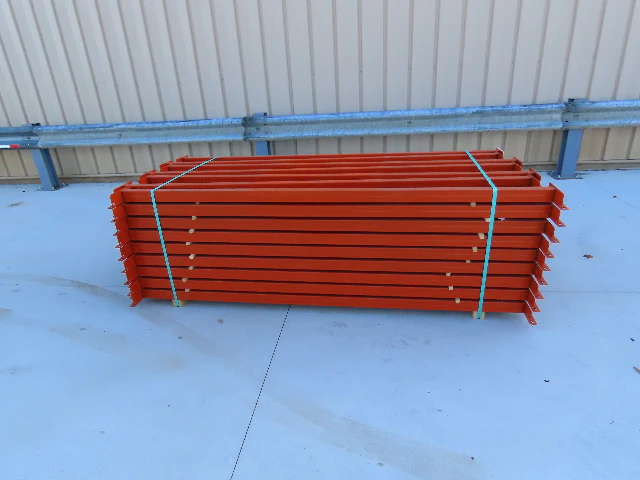
Temporary storage solutions, like racking systems, can be a game-changer on the job site. Imagine a bustling warehouse where the chaos of misplaced inventory leads to frustration and wasted time. When employees can’t find what they need, their motivation dips, and production grinds to a halt. This isn’t just about boxes and pallets; it’s about creating an efficient work environment where people feel empowered to get their tasks done without unnecessary hindrances.
The heart of productivity lies in comfort and confidence. Employees who have access to organized, easily navigable racking systems feel a sense of relief. They know their workspace isn’t a maze filled with clutter, but a place where they can find what they need swiftly and efficiently. When workers can effortlessly retrieve materials, they experience a boost in morale that translates to better teamwork and collaboration. Everybody wins when individuals feel they have the tools to succeed.
From a practical standpoint, consider how racking systems increase the flow of operations. When stock is stored correctly, it minimizes search times and reduces the risk of errors. Imagine the savings—both in time and finances—when every employee knows where everything is. It’s like finding the right tool for a job; it enhances performance and cuts frustration. Efficient systems pave the way for smoother operations, allowing workers to focus on their responsibilities rather than wasting energy on logistical headaches.
Ethically, investing in quality storage solutions shows employees that their well-being matters. It communicates a commitment to creating a workplace where everyone can thrive. This not only enhances trust between management and staff but fosters a culture where individuals are motivated to contribute their best efforts. Employees are more likely to engage in their work when they see that their leaders care about providing a functional workspace.
Countless success stories emphasize this point. From manufacturing floors to logistics centers, companies that have implemented effective temporary storage solutions report increased output and employee satisfaction. The narrative is clear: when workers feel they have their needs met through practical means, productivity follows.
The social aspects shouldn’t be overlooked. A well-organized space builds camaraderie among colleagues. When the team can collaborate without stumbling over clutter, they not only work better but also foster stronger relationships. This sense of community can become the backbone of any successful operation.
In essence, integrating thoughtful temporary storage solutions like racking systems isn’t just a logistical decision—it’s an investment in people, productivity, and progress.
How Does Temporary Storage Affect Employee Productivity?
How Does Temporary Storage Affect Employee Productivity?
- Temporary storage solutions, such as racking systems, improve organization on job sites.
- Enhanced access to materials boosts employee morale and encourages teamwork.
- Efficient storage minimizes search times and reduces errors, saving time and resources.
- Quality storage reflects a commitment to employee well-being and fosters trust in management.
- Companies using effective storage solutions report higher productivity and employee satisfaction.
- A well-organized workspace promotes camaraderie and strengthens colleague relationships.
- Investing in storage systems is a strategic decision that enhances productivity and employee engagement.

How Does Temporary Storage Affect Employee Productivity?
What Are the Long-Term Effects Of Relying on Overflow Storage?
Relying on overflow storage, while it might seem like a quick solution to immediate space shortages, can lead to a heap of long-term troubles. Picture a garage filled with boxes stacked high, often camouflaging the tools and items you truly need. This scenario plays out in warehouses and homes alike, where racking systems become not just support structures, but symbols of disorganization that can drain your time and energy.
Imagine a time when you thought, “I’ll just shove it in the overflow for now.” That moment of convenience can turn into a frustrating habit, cluttering up your space, both physically and mentally. Over time, what started as a minor inconvenience becomes an emotional burden. The cycle of putting things aside instead of finding a proper spot fosters chaos, leading to feelings of frustration and defeat each time you have to sift through the mess in search of something crucial. It hampers your productivity and peace of mind; it becomes a drag not just on your time but on your spirit.
On a rational level, the numbers tell their own story: costs accumulate. Relying on overflow means more money spent on storage solutions that you might not need if you managed your space efficiently. A poorly organized racking system can lead to duplicates of items, wasted resources, and missed opportunities. Businesses, especially, can find themselves trapped in a cycle of inefficiency, where valuable space is not utilized for growth but wasted on forgotten belongings.
Ethically speaking, there’s a responsibility to manage resources wisely. Overflow systems can symbolize excess and wastefulness, standing against the very principles of sustainability that many in our community strive to uphold. A community that prioritizes efficiency and organization contributes to a culture of respect for shared resources.
Consider the stories of everyday people who transformed their clutter into order. They realized the power of investing time in organization, turning chaos into a well-functioning racking system. These simple acts of organizing can forge connections with those around you. Others can relate to your journey, and by sharing your success, you inspire them to take similar steps. You can cultivate an environment of trust, where everyone feels a sense of responsibility towards shared spaces.
Taking action to address overflow storage might feel daunting, but envision the relief of finding what you need when you need it. Embrace the challenge to create an organized, efficient space that nurtures not just productivity, but also a sense of pride. Making that commitment is the first step towards reclaiming your space and sanity, one box at a time.

What Are the Long-Term Effects Of Relying on Overflow Storage?
What Are the Long-Term Effects Of Relying on Overflow Storage?
- Relying on overflow storage can lead to long-term disorganization and inefficiency.
- Over time, clutter creates emotional burdens and hampers productivity.
- Excessive reliance on storage can accumulate costs and waste resources.
- Poor organization often results in duplicates and missed opportunities.
- Ethically, efficient management of resources supports sustainability principles.
- Successful organization fosters community and inspires others to take action.
- Committing to organization helps reclaim space and improve overall well-being.

What Are the Long-Term Effects Of Relying on Overflow Storage?
Conclusion
Temporary overflow storage can seem like a handy fix during tight times, but the hidden costs and consequences it brings demand careful consideration. While a racking system might promise an organized approach, it can quickly become a source of financial stress with unexpected expenses piling up, such as maintenance and rent. The allure of quick solutions easily masks the potential for decreased safety and quality, priorities that ultimately matter to employees and customers alike. It’s not just numbers on a ledger; it’s about the people behind those figures—workers who need a safe environment and customers expecting reliable service.
Moreover, embracing subpar storage options to save a few bucks can degrade morale and erode a business’s reputation. When shortcuts lead to damaged goods or lost inventory, trust gets shaken. Businesses thrive on relationships, and a single slip can tarnish what took years to build. Ethically, the choice to invest in robust systems reflects a commitment to care—both for employees and the community.
On a practical level, reliance on temporary solutions can stymie productivity. Chaos in storage leads to frustration and wasted time, spiraling into setbacks that can ripple throughout the operation. Workers striving for efficiency in a disorganized space are set for failure. Streamlined systems enhance workplace flow, promoting collaboration and boosting morale, which in turn fosters better performance.
Looking ahead, businesses must recognize that quick fixes don’t yield lasting success. Overflow storage can create an illusion of management while it quietly encourages inefficiency and negligence. Every box shoved aside adds to clutter, diverting focus from growth and innovation. Rigid adherence to temporary measures can cultivate stress, uncertainty, and dissatisfaction, diminishing both workplace culture and customer relations.
The notable stories of companies that opted for organized, thoughtful storage systems serve as reminders that care in logistics reflects deeper values. Investing in quality tools not only supports operational efficiency but also strengthens community ties and upholds environmental sustainability. It’s vital to navigate the crossroads of convenience and responsibility, ensuring choices resonate with core principles of integrity and respect. Businesses that rise to the occasion are those that see beyond immediate pressures, crafting a legacy built on organization and reliability, for themselves and their communities. Embracing the journey toward better management is a commitment that pays dividends, fostering a culture rooted in pride, clarity, and growth.

Conclusion
Conclusion:
- Temporary overflow storage may appear beneficial but carries hidden costs and consequences.
- Racking systems can lead to unexpected expenses, such as maintenance and rent, impacting financial stability.
- Quick solutions can compromise safety and quality, which are essential for both employees and customers.
- Subpar storage options can hurt morale and damage a business’s reputation through lost inventory and trust issues.
- Reliance on temporary solutions can hinder productivity, causing chaos that affects operational efficiency.
- Quality storage systems reflect a commitment to employee welfare, community, and sustainability.
- Investing in organized management leads to lasting success, promoting a culture of pride, clarity, and growth.

Conclusion
Other Resources
Other Resources
Here is a list of other resources you can review online to learn more:
- What is Selective Racking: Understanding Benefits & Options
- Warehouse Racks, Warehouse Racking in Stock – ULINE
- Pallet Racks, Pallet Racking, Pallet Shelves in Stock – ULINE
- Interlake Mecalux
- Selective Racking
- IWLA
- Warehouse Racking System: Powerful Guide to Optimise, 2024
- Illinois Pallet Racking – WPRP
- Warehouse Racking Chicago, IL
- Rack Manufacturers Institute
- Warehouse Storage Racking in Illinois
- International Warehouse Logistics Association
- Teardrop Pallet Rack – Ridg-U-Rak
- MHI
- Storage Equipment Manufacturers’ Association
- Chicago Pallet Racking
- Cantilever Rack Guide: Ordering Cantilever Racking
- Illinois Pallet Racking – Storage Solutions
- Warehouse Storage Racks
- What is Selective Pallet Racking
Use This Prompt To Get More Resources With Your Favorite Online AI Tool: Please provide me with a list of online articles with their URLs in a bulleted list that I can read regarding The Cost Of Temporary Overflow Storage
Other Resources
Glossary Terms
The Cost Of Temporary Overflow Storage – Glossary Of Terms
1. Overflow Storage: Temporary space used to hold excess items during peak demand periods.
2. Capacity: The maximum volume or space available for storage.
3. Inventory: The goods and materials held by a business for future sales or use.
4. Logistics: The planning and execution of transporting and storing goods efficiently.
5. Warehouse: A building for storing goods and materials before distribution.
6. Cost Analysis: Evaluating the financial impact of using temporary overflow storage.
7. Supply Chain: The entire system of production, processing, and distribution of goods.
8. Temporary Space: Short-term facilities or areas designated for overflow storage.
9. Utilization: The degree to which available storage space is used effectively.
10. Rental Fees: Costs incurred for using temporary storage facilities.
11. Leasing Agreement: A contract outlining the terms for renting storage space.
12. Spatial Efficiency: The effective use of storage space to minimize waste and maximize capacity.
13. Palletization: Arranging goods on pallets for easier storage and transport.
14. Handling Fees: Charges for the physical movement of goods in and out of storage.
15. Inventory Turnover: The rate at which stored items are sold and replaced.
16. Overflow Inventory: Goods that exceed the standard storage capacity.
17. Seasonal Demand: Variable demand for products depending on the time of year.
18. Short-Term Storage: Storage solutions designed for temporary, immediate needs.
19. Forecasting: Predicting future inventory needs based on trends and analysis.
20. Stock Levels: The amount of inventory available at any given time.
21. Fulfillment: The process of preparing and delivering goods to customers.
22. Ordering Costs: Expenses related to acquiring more inventory, including shipping.
23. Storage Optimization: Strategies to maximize efficiency and effectiveness in storage usage.
24. Raw Materials: Basic materials used to produce goods that may require storage.
25. Distribution Center: A facility that stores products before they are shipped to retailers.
26. Excess Inventory: Surplus goods that are not immediately needed or sellable.
27. Shrinkage: The loss of inventory due to theft, damage, or mismanagement.
28. Stock Replenishment: The process of restocking inventory to maintain levels.
29. Bulk Storage: Storing large quantities of goods typically without individual packaging.
30. Storage Duration: The length of time items are held in storage before use or sale.

Glossary Of Terms
Other Questions
The Cost Of Temporary Overflow Storage – Other Questions
If you wish to explore and discover more, consider looking for answers to these questions:
- How much does temporary overflow storage typically cost per pallet, per month, and what factors drive that price?
- What hidden fees should I expect (delivery, handling, insurance, setup, removal) when using temporary storage?
- How do I calculate the true total cost of temporary overflow storage versus investing in permanent racking?
- What is the expected ROI and payback period for installing a permanent racking system?
- Which safety standards, building codes, and fire regulations apply to temporary racking and overflow storage?
- How do I determine appropriate load capacities and weight limits for temporary racks?
- What are the most common causes of racking failure or collapse, and how can they be prevented?
- What training and certifications do employees need to work safely with temporary racking systems?
- What liability and insurance considerations arise from using temporary overflow storage?
- How does overflow storage affect order accuracy, lead times, and customer service levels?
- What inventory-tracking methods (WMS, RFID, barcodes) work best for overflow locations?
- How do I integrate temporary storage locations into my existing warehouse management system?
- What operational changes are required to minimize picking errors and damage in overflow areas?
- When should I choose on-site temporary racking versus off-site storage facilities?
- What are the environmental impacts of temporary storage (packaging waste, energy use) and how can they be mitigated?
- Are there tax or accounting implications for renting storage versus capital expenditures for racking?
- How long is it reasonable to rely on temporary overflow storage before transitioning to a permanent solution?
- How do seasonal demand patterns and forecasting reduce the need for overflow storage?
- What contract terms, exit clauses, and penalties should I watch for when renting temporary storage or equipment?
- How do I evaluate and choose reputable vendors for temporary racking and storage services?
- What maintenance and inspection schedules are required for temporary racking systems?
- How can I quantify the impact of overflow storage on employee productivity and morale?
- Which KPIs should I track to measure the efficiency and cost-effectiveness of overflow storage?
- What alternative strategies exist to manage excess inventory (cross-docking, JIT, drop-shipping, consignment)?
- How can I reduce duplicate inventory and obsolescence caused by poor overflow practices?
- What communication strategies should I use to manage customer expectations during overflow-driven delays?
- How should damaged or lost goods stored in overflow be handled and claimed through insurance?
- What are the short- and long-term reputational risks of relying on temporary storage, and how can they be mitigated?
- How do temporary storage solutions affect supplier and partner relationships?
- What financing, leasing, or government grant options are available to fund storage upgrades?
- How do I plan a layout for temporary racking to maximize throughput and minimize congestion?
- What processes should be in place to audit overflow inventory and reconcile discrepancies regularly?
- How do I safely decommission and remove temporary racking when it’s no longer needed?
- What technological tools and monitoring systems help prevent overstock and improve space utilization?
- How can I create a phased plan for moving from temporary overflow to long-term infrastructure improvements?
- What real-world case studies illustrate the costs and consequences of improper overflow storage?
- How can I align overflow storage decisions with corporate sustainability and ethical sourcing goals?

Other Questions
Checklist
The Cost Of Temporary Overflow Storage – A Checklist
Scope and Purpose
✅______ Define the reason for overflow (seasonal spike, forecasting error, new SKUs, supplier delays).
✅______ Estimate duration required (weeks or months) and volume (pallets, SKUs, cubic feet).
✅______ Confirm targets for service levels (OTIF, order accuracy, lead times).
Total Cost Assessment
✅______ Upfront costs: racking/shelving, installation, permits, equipment.
✅______ Recurring costs: rent/fees, utilities, insurance, taxes, software/WMS licenses.
✅______ Handling costs: labor, overtime, temporary staff, training, supervision.
✅______ Equipment: forklift wear, batteries, maintenance, repairs, fuel/energy.
✅______ Loss/damage: breakage, shrinkage, mispicks, rework, returns, claims.
✅______ Compliance: inspections, engineering stamps, anchoring, seismic, and fire code.
✅______ Hidden costs: administrative overhead, IT integration, labeling/signage, PPE.
✅______ Compare total monthly cost vs. alternatives (3PL, cross-docking, SKU rationalization, capacity expansion).
Safety and Compliance
✅______ Load ratings posted and verified for racks; engineering documentation on file.
✅______ Racks anchored, level, and protected (end-of-aisle guards, rack protection).
✅______ Aisle widths meet equipment specs; no blocked egress or emergency access.
✅______ Sprinkler and fire code clearance maintained; maximum stack heights enforced.
✅______ Regular inspections scheduled; damage tagging and repair process defined.
✅______ Staff trained on safe stacking, picking, equipment use, and ergonomics.
✅______ Incident/near-miss reporting in place; corrective actions tracked.
Operational Readiness
✅______ Layout supports flow (receiving → putaway → pick/pack → ship) without backtracking.
✅______ Location labeling, barcodes, and signage complete and standardized.
✅______ WMS/WCS updated with new locations; cycle count rules configured.
✅______ Slotting plan aligns with velocity; FIFO/FEFO controls in place.
✅______ Replenishment triggers defined; buffer stock levels set.
✅______ Target pick and retrieval times defined; travel paths optimized.
Reputation and Customer Impact
✅______ Quality checks implemented to prevent damage or aging in overflow.
✅______ Communication plan for potential delays or substitutions.
✅______ Service KPIs monitored (OTIF, order accuracy, damage/return rate).
People and Productivity
✅______ Staffing plan matches new travel times and workload peaks.
✅______ Break areas, water, and climate considerations addressed.
✅______ Ergonomic aids provided (lift assists, pick platforms, step stools).
✅______ Feedback loop with frontline staff; issues resolved promptly.
✅______ Training completed and documented; cross-training coverage ensured.
Ethics and Sustainability
✅______ Avoid unsafe shortcuts; prioritize safety over speed.
✅______ Packaging and waste plan (reusables, recycling, right-sizing).
✅______ Community and neighbor impact considered (noise, traffic, hours).
✅______ Transparent practices with employees, customers, and suppliers.
Risk Management
✅______ Inventory identification risk mitigated (clear labeling, photos, maps).
✅______ Security in place (CCTV, access control, cycle counts).
✅______ Contingency for equipment failure, weather, and power outages.
✅______ Insurance coverage reviewed for added locations and values.
Vendor and Solution Selection
✅______ Vendor qualifications verified (certifications, references, warranty).
✅______ Load testing and compliance documents received.
✅______ Service/repair SLAs and response times agreed.
✅______ Clear installation scope, timeline, and acceptance criteria.
Metrics to Track (Weekly)
✅______ Space utilization (%) by bay/zone.
✅______ Inventory turns and days on hand.
✅______ Carrying cost per unit and per square foot.
✅______ Labor hours per order/line/pallet.
✅______ Pick accuracy and rework rate.
✅______ Damage/claims rate.
✅______ OTIF and average cycle time.
Red Flags to Pause or Reassess
✅______ Near-misses or injuries increase.
✅______ Aisles or egress routinely blocked.
✅______ Overflow becomes default, not temporary.
✅______ Damage/return rates rise above threshold.
✅______ Service levels slip below target for two or more weeks.
Root Cause and Long-Term Plan
✅______ Analyze drivers: demand variability, lead times, MOQ, SKU creep, inaccurate data.
✅______ Define actions: forecasting improvements, SKU rationalization, supplier changes.
✅______ Evaluate permanent options: facility re-layout, mezzanine, automation, 3PL, expansion.
✅______ ROI and payback modeled for permanent solutions.
Exit Strategy
✅______ Criteria to wind down temporary storage (volume threshold, season end, new capacity live).
✅______ Decommission plan and costs (rack removal, repairs, resale).
✅______ Data and location cleanup in WMS and financial closeout.
Go/No-Go Signoff
✅______ Operations lead
✅______ Safety/compliance lead
✅______ Finance lead
✅______ IT/WMS lead
✅______ Date and review cadence set
Checklist
At RackingWorld, we help guide you through selecting warehouse storage systems and racking.
Be sure to read our other related stories at RackingWorld to learn more about warehouse storage systems.
0 Comments