
Building Tomorrow: The Hidden Price Of Short-Sighted Design Choices
By Tom Seest
At RackingWorld, we help guide you through selecting warehouse storage systems and racking.
Be sure to read our other related stories at RackingWorld to learn more about warehouse storage systems.
The Cost Of Designing Only for Today
When we think about designing, it’s easy to get caught up in the here and now. The immediate demands — what looks good today, what meets today’s budget — often overshadow the bigger picture. We’ve all seen businesses invest in the latest equipment or the trendiest layouts, only to find themselves stuck with half-baked solutions a few years down the line. This is especially true in industries relying on Racking Systems. They look slick and efficient, but how many of these systems are set to last and adapt to future needs?
There’s a gut punch in realizing that shortcuts taken today lead to long-term costs tomorrow. That shiny new racking system might solve a space issue right now, but what happens when business expands, or needs shift? A decision made with only today in mind can quickly turn from thrill to regret. It’s not just about money; it’s about the lost opportunities for growth and innovation. Each decision has a ripple effect, impacting everything from workflow efficiency to employee morale.
From an ethical standpoint, consider the responsibility we hold as designers and decision-makers. We’re not just cranking out plans; we’re shaping the environments where people work, create, and thrive. Cutting corners today may feel like saving pennies, but it often costs dollars down the line. It’s our duty to think ahead, ensuring we’re providing solutions that not only serve our immediate needs but also accommodate the future.
Narratively, think of the stories within warehouses, factories, and storage facilities that rely on Racking Systems. Each row of shelves tells a tale of hard work, ambition, and the commitment to getting things right. When we design with a long-term perspective, we honor those stories, crafting spaces that fit for years to come, instead of creating temporary fixes that lead to later headaches.
Finally, let’s not overlook the social aspect. Teams thrive in well-designed spaces. A well-thought-out design can cultivate a culture of innovation, collaboration, and productivity. When people see that their workspace was designed with their future in mind, it fosters trust and loyalty. They feel valued, like their work matters beyond just today.
Designing for only today might feel easier, but the wisdom of a grounded perspective tells us that we must invest in sustainability for the sake of our businesses, our employees, and our communities. The heart, the head, and the gut all resonate with the truth: it’s time to build for tomorrow, not just for today.

The Cost Of Designing Only for Today
The Cost Of Designing Only for Today
- Designing often favors immediate demands over long-term needs.
- Investing in trendy solutions can lead to inadequate systems that don’t adapt to future requirements.
- Short-term decisions can result in significant long-term costs and lost growth opportunities.
- Designers have a responsibility to create environments that foster innovation and productivity.
- Each racking system tells a story, emphasizing the importance of thoughtful design for sustainability.
- Well-designed spaces enhance trust, loyalty, and employee morale.
- Investing in long-term solutions benefits businesses, employees, and communities alike.

The Cost Of Designing Only for Today
Table Of Contents
- The Cost Of Designing Only for Today
- What Future Will Your Design Decisions Create?
- Are Short-Term Gains Worth Long-Term Loss?
- How Does Your Design Impact Those Who Come After You?
- What Stories Do Your Designs Tell About Your Values?
- Can You Afford to Ignore the Needs Of Future Users?
- What Principles Guide Your Design Decisions?
- Conclusion
- Other Resources
- Glossary Of Terms
- Other Questions
- Checklist
What Future Will Your Design Decisions Create?
When you think about design, it’s easy to get lost in the flashy images and high-tech jargon that seem to dominate the conversation. But at the end of the day, your design decisions have the power to shape lives, communities, and even the very spaces we inhabit. Let’s break it down: every choice you make, be it about racking systems or user experience, ripples through the lives of those who interact with your work.
Consider the folks in a warehouse, relying on your design to streamline their day. An effective racking system doesn’t just make things look good; it makes their work easier, safer, and more efficient. It’s not just metal and wood—it’s about getting the job done without a hitch. That connection you create with each beam and shelf is what transforms a mundane space into a thriving, productive environment.
Now, the head part of the equation. Think rationally about the long-term effects of your designs. Investing time and effort into sustainable practices and materials isn’t just a trendy choice; it’s a necessity. When you opt for solutions that reduce waste and enhance functionality, you’re crafting a future that stands the test of time. You’re not merely working on a project—you’re laying the groundwork for generations to come, fostering a sense of responsibility that outweighs short-lived trends.
Then there’s the gut feeling. We all want to do right by our communities. When you consider ethical implications in your designs, you’re standing up for workers’ rights and environmental health. Your commitment to thoughtful decisions will resonate with others, encouraging a collective move towards better practices. If your design principles are grounded in humanity and integrity, people are more likely to rally behind your vision and support your goals.
Lastly, don’t underestimate the power of storytelling within your designs. When you share the journey of those racking systems, detailing how they came to be and the impact they create, you draw people in. Relatable experiences resonate deeper, forging connections that bring people together around shared goals. You create not just designs but a narrative that champions teamwork, resilience, and growth.
The designs you create today will echo through tomorrow. Be intentional, be authentic, and lead with conviction. The future is built on decisions made in the present, so make each one count.

What Future Will Your Design Decisions Create?
What Future Will Your Design Decisions Create?
- Design decisions significantly impact lives, communities, and environments.
- An effective racking system enhances safety, efficiency, and productivity.
- Sustainable practices and materials are essential for long-term design impact.
- Thoughtful design fosters responsibility and counters short-lived trends.
- Ethical considerations support workers’ rights and environmental health.
- Storytelling in design creates deeper connections and shared goals.
- Intentional and authentic design decisions shape a better future.

What Future Will Your Design Decisions Create?
Are Short-Term Gains Worth Long-Term Loss?
When it comes to deciding between short-term gains and long-term stability, it’s like choosing between a quick buck and setting up a solid foundation for the future. You know, life often throws curveballs. Emergency expenses pile up like firewood you haven’t chopped yet, and that shiny new truck or vacation might seem like the way to go. But here’s the kicker: those short-term thrills? They’re often built on a shaky foundation.
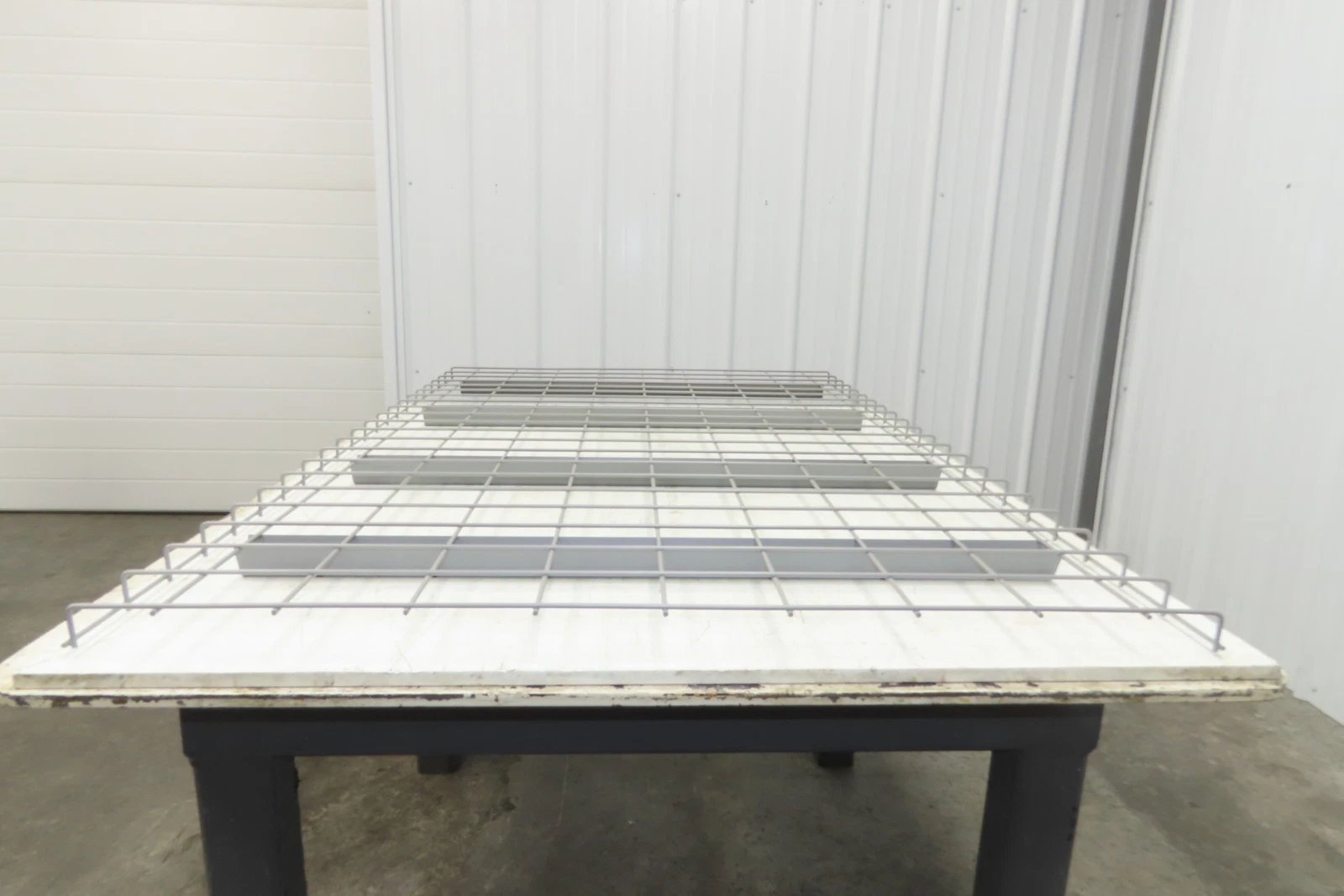
Think about it. Racking systems in a warehouse aren’t just thrown together overnight; they’re meticulously planned and constructed to handle heavy loads in the long run. Cut corners now, and you might save a few dollars, but the long-term costs of collapse or inefficiency can crush your bottom line. This isn’t just about the money; it’s about security—your family’s future, your peace of mind.
Rationally, it’s easy to dream about instant payoffs. But consider the wise advice from those who’ve been around the block. Those who prioritize sustainable choices often find themselves in a better position to weather life’s storms. The allure of quick cash can blind you, but those who take a step back and evaluate the consequences typically make wiser choices. Think of those seasoned workers you respect—it’s the ones who’ve invested in their skills and knowledge who have stood the test of time.
Then there are the ethical considerations. Are we willing to sacrifice our integrity for a looser pair of dollars today? Think about the impact on those around you—employees, partners, even the local community. Making quick, selfish decisions can ripple out and create a negative storm, affecting relationships and trust.
Trust is built on consistency. When you choose the path that values long-term gains, like robust racking systems that can hold the weight, you’re not just strengthening your own future; you’re supporting a vast network of connections. You foster an environment of reliability—people want to be part of that. They want to invest in a vision that looks beyond today.
So, the next time you’re tempted to chase a quick win, ask yourself if it’s worth trading away your future security and the trust you’ve built. In the gritty reality of life, it’s the sturdy, well-built choices that ensure you’re standing strong when times get tough.
Are Short-Term Gains Worth Long-Term Loss?
Are Short-Term Gains Worth Long-Term Loss?
- Deciding between short-term gains and long-term stability resembles choosing quick money over a strong future foundation.
- Emergency expenses can tempt individuals to prioritize immediate rewards, which often rest on unstable bases.
- Well-planned systems, like warehouse racking, illustrate the importance of investing in long-term stability.
- Quick financial wins might save money initially but can lead to larger long-term costs and insecurity.
- Experience teaches that sustainable choices position individuals better to face life’s challenges.
- Ethical considerations matter; sacrificing integrity for quick profits can damage relationships and trust.
- Long-term gains foster a reliable network, enhancing future security and community investment.

Are Short-Term Gains Worth Long-Term Loss?
How Does Your Design Impact Those Who Come After You?
Design is more than just a collection of ideas or aesthetic choices; it’s the legacy we leave behind. Every decision we make, every racking system we put in place, shapes the paths of those who come after us. It’s like building a house—the structure needs to hold up over time, accommodating not just our needs, but the needs of future occupants. When we think about design, we have to consider how it impacts the everyday lives of people who will use it long after we’ve moved on.
Take, for instance, racking systems. Good design here is not merely about maximizing space; it’s about creating an environment where people can thrive. Imagine walking into a workplace where everything is organized, where inventory flows smoothly, where workers can find what they need without fumbling around. That’s not only efficient; it fosters a sense of pride and purpose. When you design with intention, you’re empowering others to do their best work.
But let’s not kid ourselves; it’s also a heavy responsibility. Each choice we make is a ripple in the pond, influencing not just physical spaces but also the culture of an organization. Ethical design means considering how our creations affect social dynamics. Are we creating barriers or bridges? Are we respecting the environment and our community? The blueprint we draft today will either inspire future generations or leave them with a mess to clean up.
Moreover, there’s a touch of authority in getting design right. It’s the experience and practical wisdom that guide decisions—understanding what works and what doesn’t from hands-on trial and error. When we share stories of real struggles and triumphs in our design processes, we build trust. People see our humility and are more likely to embrace the vision, knowing that it’s been forged in the fires of experience.
So, when you think about your design choices, remember they’re part of a larger narrative. You’re not just filling a space; you’re shaping an experience. Consider the folks who will walk those aisles stocked with the racking systems you’ve crafted. Will they feel at ease, or will they be left scratching their heads? Design is a chance to connect, to create a legacy that uplifts and serves, making the world a little bit better for everyone who comes after you.

How Does Your Design Impact Those Who Come After You?
How Does Your Design Impact Those Who Come After You?
- Design is an enduring legacy, influencing future generations.
- Every decision impacts the usability and culture of spaces.
- Good design fosters organization and efficiency, enhancing workplace pride.
- Ethical design considers its social and environmental effects.
- Experience and trial-and-error are essential for sound design decisions.
- Sharing design challenges and successes builds trust and acceptance.
- Design choices shape experiences, affecting how users interact with spaces.

How Does Your Design Impact Those Who Come After You?
What Stories Do Your Designs Tell About Your Values?
Every design you create, every racking system you install, tells a story. It’s not just about aesthetics or functionality; it’s about the values you hold dear and the principles that guide your work. Take a moment to reflect on what your designs convey. Are they built with durability in mind? Do they prioritize safety and reliability, ensuring that those who use them can trust in your craftsmanship? These aren’t just technical choices; they reflect a commitment to quality that resonates with clients and coworkers alike.
When you approach a project, think about who will encounter your racking systems. Will they find beauty in the simplicity of your design, or will they see the integrity behind the structure? A well-thought-out system doesn’t just serve a purpose; it tells a tale of efficiency and consideration for the end user. Each piece is like a chapter in a book, illustrating your dedication to solving problems and enhancing lives. It’s about more than making things fit; it’s about understanding the bigger picture: how your designs interact with the lives of those around them.
From an ethical standpoint, there’s a responsibility that comes with creating racking systems. Are your materials sourced sustainably? Are you mindful of the environmental impact of your designs? The story that unfolds here speaks not just to your business acumen but also to your conscious decision to contribute positively to the world. This transparency fosters trust, inviting clients to align with your values and support your vision.
Moreover, the connection you build through your designs extends beyond the individual to the community as a whole. Every racking system you put in place supports jobs, creates opportunities, and strengthens the economy. You are a part of something larger than yourself—a network of relationships strengthened through shared values. Make sure that your work reflects this interconnectedness.
As you create, consider how your designs narrate your values, showcase your dedication, and invite others to join in. Every choice you make, whether it’s about materials, design, or function, contributes to this narrative. It’s the hands-on experiences that matter—the sweat, the effort, and the dedication to doing a job right. Embrace the stories your designs tell. Let them speak of integrity, purpose, and a commitment to making the world just a bit better, one racking system at a time.

What Stories Do Your Designs Tell About Your Values?
What Stories Do Your Designs Tell About Your Values?
- Every design and racking system communicates values and principles.
- Durability, safety, and reliability are essential aspects of quality craftsmanship.
- Designs should be thoughtful, enhancing user experience and problem-solving.
- Ethical considerations include sustainable material sourcing and environmental impact.
- Designs contribute to community and economic strength through job creation.
- Each design choice reflects personal values and commitment to quality.
- Embrace the narrative of integrity and purpose in your work.

What Stories Do Your Designs Tell About Your Values?
Can You Afford to Ignore the Needs Of Future Users?
Think about the folks who will be using your products or services down the road. It hits close to home, doesn’t it? You’ve got the chance to shape their experience. Imagine a young kid wandering through a warehouse equipped with racking systems that are not only safe but also efficient, making it easier for them to find what they need. This kid is the future—a future you’ve got a hand in shaping. When you choose to ignore the needs of future users, you’re not just missing the boat; you’re sinking the ship.
Rationally, it makes sense to invest now. Better designed racking systems mean fewer accidents, which translates to lower insurance costs and fewer lost workdays. It’s straightforward math: the more you prioritize user needs, the more you protect your bottom line. These decisions echo beyond profit margins; they ripple through families and communities. Consider the lost time and energy when poorly designed systems frustrate hardworking folks—why would you want to be the reason your neighbor’s day goes sideways?
Ethically, you owe it to the next generation to build for them, not just for today. It’s about leaving a legacy of care and consideration. When you design systems that welcome users, you send a message: you value their time, their safety, and their experience. This isn’t just about steel and structures; it’s about respect. You’re not just a business; you’re a cornerstone in the community.
Now, think about the stories behind those who rely on your products. There’s a warehouse manager at the end of the line, counting on the racking systems to keep things running smooth. That’s a real human being, day in and day out, trusting that their environment supports their hard work. To ignore their needs is to overlook the heart of your operation.
Finally, consider the broader social impact. When you invest in thoughtful design, you inspire others. You set a standard that says we care about our people. As others follow suit, you’re not just impacting one place; you’re igniting a movement. Ignoring future users isn’t an option; it’s a risk that could leave you and your community behind. Embrace the needs of tomorrow, and you’ll forge a path that benefits everyone, including yourself.

Can You Afford to Ignore the Needs Of Future Users?
Can You Afford to Ignore the Needs Of Future Users?
- Consider the future users of your products and services.
- Investing in better-designed racking systems reduces accidents and lowers costs.
- Prioritizing user needs protects the bottom line and supports communities.
- Designing with care demonstrates respect for users’ time, safety, and experience.
- Recognize the importance of the individuals relying on your systems.
- Thoughtful design inspires others and sets a community standard.
- Ignoring future user needs poses risks to both business and community.

Can You Afford to Ignore the Needs Of Future Users?
What Principles Guide Your Design Decisions?
When it comes to design, the principles that guide your decisions often stem from the everyday realities of life, much like the way a sturdy racking system supports goods in a warehouse. It’s about understanding the needs of people—your colleagues, your customers, and even your own intuition. Every design choice should feel reliable, like that old wrench in your toolbox that fits just right every time you need it.
First off, there’s the emotional pull. Think about the stories told around a table after a hard day’s work, each tale tied to the tools and spaces that shaped them. Good design fosters connection; it sparks conversations, builds communities, and creates a sense of belonging. It reminds us that every detail matters—just like every bolt in a racking system plays a part in its overall strength. When you design with heart, it reflects a commitment to people, making spaces where they feel valued and understood.
Now, let’s turn to the rational aspect. Every decision needs a solid foundation, much like a properly balanced racking system keeps everything in place. Consider functionality, durability, and efficiency as your guiding stars. Each design element should serve a purpose, making life easier rather than complicating it. By employing clear, logical principles that prioritize usability, you can create solutions that not only solve problems but also optimize performance. Embrace the data, know your materials, and rely on proven techniques; this is your blueprint for success.
Ethics come into play too. As designers, there’s a responsibility to consider the broader impact of our work. Sustainable materials, fair labor practices, and inclusivity in design are more than just buzzwords; they are essential. It’s about doing what’s right, fostering trust with your clientele while also contributing positively to the world. Just as a reliable racking system adheres to regulations and standards, solid design must align with moral frameworks that honor both people and the planet.
Stories of design ventures, whether successful or not, enrich our understanding of what works and what doesn’t. Sharing these experiences creates a culture of learning, where failures become stepping stones to better practices. This narrative fosters a collective ethos, inviting others into the conversation and encouraging innovation.
Lastly, the social aspect can’t be overlooked. Good design is not done in isolation. Engage with others, listen to their feedback, and be open to critique. Drawing inspiration from your peers and valuing their insights builds a strong network, just like each part of a racking system relies on the integrity of its surrounding components. Design is a communal effort, and the most impactful solutions emerge from collaboration and shared experiences.

What Principles Guide Your Design Decisions?
What Principles Guide Your Design Decisions?
- Design principles arise from everyday life, similar to how a sturdy racking system supports goods.
- Good design fosters emotional connections, sparking conversations and creating a sense of community.
- Every design choice should prioritize reliability and purpose, akin to a well-balanced racking system.
- Functionality, durability, and efficiency are essential guiding stars in the design process.
- Ethics in design involve using sustainable materials and promoting inclusivity, contributing positively to society.
- Sharing stories of design experiences fosters a culture of learning and innovation.
- Collaboration and feedback from peers are crucial for impactful design solutions.

What Principles Guide Your Design Decisions?
Conclusion
The essence of design goes beyond creating immediate solutions; it’s about forging a sustainable future. When we rush into decisions, focusing solely on today’s needs—flaunting shiny new racking systems or trends—we risk entangling ourselves in a web of short-sighted choices. Each decision becomes a double-edged sword, delivering quick satisfaction but potentially haunting us with regrets as our businesses evolve. It’s not just about cost; it’s about longevity and the growth potential we forfeit when we fail to think long-term. Every racking system placed in a warehouse isn’t merely a structural decision—it’s about fostering an environment where people work effectively and feel valued.
The responsibility lies heavily on designers and decision-makers, reminding us that our choices shape not only workplaces but lives. Ethically, we must craft spaces that prioritize the wellbeing and safety of future users, avoiding the pitfalls of cutting corners today for a fleeting sense of efficiency. Imagine workers navigating through well-planned spaces; the design should be a support system that empowers them rather than a hindrance.
Moreover, reflecting on design decisions isn’t just about rationality; it’s also visceral. The stories behind designs breathe life into our work. Each racking system installed tells tales of teamwork and ambition, forming the backbone of productivity and community. Good design should cultivate collaboration and innovation. When teams trust that their workplace was created with an eye on the future, they feel appreciated and inspired—a feeling that pays dividends in morale and loyalty.
The long-term perspective asks us to consider the legacy we’re building; every action we take today resonates with those who will come after us. Investing in quality today ensures that future generations don’t inherit a burden but rather an opportunity for growth. When we embed sustainability into our core values—considering materials, ethical labor, and community impact—we elevate our work from mere functionality to a lasting influence.
Ultimately, the heart, head, and gut all steer us towards a singular conclusion in design: the choices we make today forge tomorrow’s path. Each design leads to ripples of change, impacting the lives of users and the integrity of communities. Embracing the responsibility of thoughtful design transforms our work into a legacy of care and respect, paving the way for a more connected, sustainable future.

Conclusion
Conclusion:
- Design is essential for creating a sustainable future rather than just immediate solutions.
- Quick decisions based on current trends can lead to short-sightedness and future regrets.
- Design decisions impact both workspace efficiency and employee well-being.
- Designers hold the responsibility to create spaces that enhance safety and well-being.
- Each design choice contributes to a narrative of teamwork and productivity.
- Long-term thinking ensures that future generations inherit opportunities, not burdens.
- Thoughtful design fosters connection, community integrity, and a sustainable legacy.

Conclusion
Other Resources
Other Resources
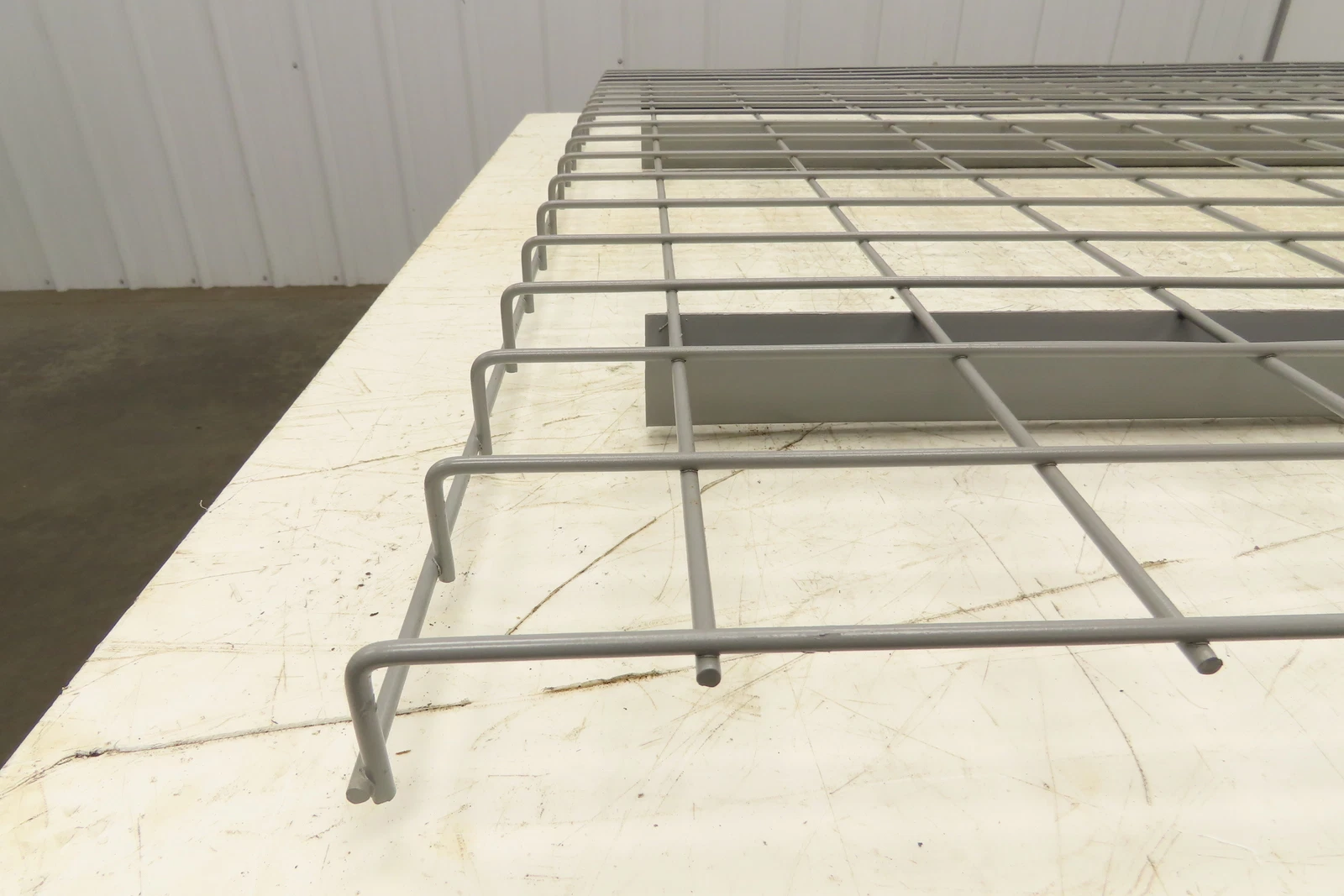
Here is a list of other resources you can review online to learn more:
- Selective Rack – Raymond West
- Warehouse Automation
- Selective Racking
- Warehouse Storage Racks
- What is Selective Racking: Understanding Benefits & Options
- National Safety Council
- Racking World
- Pallet Racking systems in Illinois, Great Lakes
- Interlake
- Arrow Industrial Sales
- Teardrop Racks – Pallet Rack World
- SEMA
- Illinois Pallet Racking – WPRP
- Cantilever Racks Chicago
- Overhead Lifting
- Interlake Mecalux
- Teardrop Uprights
- Warehouse Racking Chicago, IL
- Mustang Material Handling
- Pallet Rack Systems – New and Used Pallet Racking and Shelving Experts
Use This Prompt To Get More Resources With Your Favorite Online AI Tool: Please provide me with a list of online articles with their URLs in a bulleted list that I can read regarding The Cost Of Designing Only for Today

Other Resources
Glossary Terms
The Cost Of Designing Only for Today – Glossary Of Terms
1. Adaptability: The ability to adjust designs based on changing needs and user preferences.
2. Aesthetics: The principles governing the beauty and visual appeal of a design.
3. Sustainability: Designing with consideration for long-term environmental impacts and resource conservation.
4. Functionality: The practical use and performance of a design in real-world applications.
5. User-centered design: An approach focused on the needs, preferences, and capabilities of end-users.
6. Trends: Current popular styles or concepts that influence design choices.
7. Longevity: The durability and relevance of a design over time.
8. Innovation: The introduction of new ideas or methods to improve design outcomes.
9. Marketability: The potential appeal and profitability of a design in the marketplace.
10. Cost-effectiveness: Achieving desired outcomes without excessive expenditure.
11. Lifecycle: The stages a product goes through from creation to disposal.
12. Flexibility: The capacity for a design to be modified or repurposed for different uses.
13. Real-time feedback: Immediate responses from users that inform design adjustments.
14. Minimalism: A design philosophy focused on simplicity and the removal of unnecessary elements.
15. Brand identity: The visual and conceptual representation of a brand within design.
16. Ergonomics: The study of how design affects user comfort and efficiency.
17. Visual communication: The use of imagery and design to convey messages to users.
18. Accessibility: Designing products to be usable by people with diverse abilities.
19. Prototyping: Creating preliminary models to test and refine designs before final production.
20. Trend fatigue: The exhaustion that comes from rapidly changing design trends.
21. User experience (UX): The overall experience a user has when interacting with a product.
22. Relevance: The significance of a design in addressing current societal or market needs.
23. Scalability: The potential for a design to grow or adapt for larger audiences or applications.
24. Cost analysis: The assessment of all expenses associated with producing and maintaining a design.
25. Short-term thinking: A focus on immediate benefits without considering long-term implications.
26. Cultural relevance: The importance of a design in reflecting and respecting cultural contexts.
27. Functional obsolescence: The reduction of a product’s usefulness due to design limitations.
28. Diverse perspectives: Incorporating various viewpoints and backgrounds in the design process.
29. Emotional appeal: The capacity of a design to resonate with users on an emotional level.
30. User feedback: Information collected from users regarding their experiences and perspectives on a design.
Glossary Of Terms
Other Questions
The Cost Of Designing Only for Today – Other Questions
If you wish to explore and discover more, consider looking for answers to these questions:
- What are the long-term cost differences between low-cost and durable racking systems?
- How do short-term design shortcuts affect operational efficiency over time?
- What metrics should be used to measure the ROI of design decisions?
- How can hidden costs (downtime, maintenance, lost productivity) be quantified?
- Which standards, codes, and regulations govern racking system design and safety?
- How can designs be made flexible to accommodate future growth or changing needs?
- What materials offer the best balance of durability, cost, and sustainability?
- How do lifecycle costs compare to upfront purchase price for different solutions?
- What maintenance schedules and ongoing costs should be planned for?
- What are the most common failure modes for racking systems and how can they be mitigated?
- How do design choices impact worker safety, ergonomics, and injury risk?
- How should organizations balance immediate budget pressures with long-term design goals?
- What financing or procurement strategies support future-proof investments?
- How feasible and costly is retrofitting existing facilities versus replacing systems?
- Are there case studies or examples that demonstrate the value of long-term design investments?
- How should vendors, warranties, and service agreements be evaluated for durability?
- What are the environmental impacts and end-of-life options for different racking materials?
- How can modular or scalable design approaches reduce future disruption and cost?
- What role should automation, sensors, and data play in modern racking design?
- How can designers effectively involve employees and stakeholders in decision-making?
- What training and certification do staff need to operate and maintain new systems safely?
- How does better design influence employee morale, retention, and productivity?
- What insurance, liability, and compliance implications arise from different design choices?
- How to perform a lifecycle assessment (LCA) for racking and storage systems?
- What contingency and emergency plans should accompany critical infrastructure decisions?
- How should organizations plan for potential future regulatory changes or industry shifts?
- Which KPIs should be tracked to evaluate long-term design success and continuous improvement?
- How do space-planning and layout decisions affect future adaptability and throughput?
- What are the trade-offs between bespoke/custom designs and standardized solutions?
- How should supply-chain risks, lead times, and vendor reliability influence selection?
- What permits, inspections, and approvals are required during installation and operation?
- How can designs support circular economy goals like reuse, refurbishment, and recycling?
- What are the pros and cons of third-party maintenance versus in-house servicing?
- How should organizations prioritize design improvements when budget and time are limited?
- Which monitoring and condition-assessment technologies help detect problems early?

Other Questions
Checklist
The Cost Of Designing Only for Today – A Checklist
Purpose and Outcomes
✅______ Clear long-term objectives documented (3–5+ years)
✅______ Success metrics defined (safety, throughput, cost, satisfaction)
✅______ Constraints and non-negotiables listed (space, budget, code)
✅______ Future operating scenarios modeled (volume, SKU mix, shifts)
✅______ Decision principles aligned to company values
Scalability and Flexibility
✅______ Capacity plan covers 30–100% growth in volume/SKUs
✅______ Modular system selected (adjustability ≤ 2 in/50 mm increments)
✅______ Aisle widths accommodate future MHE/automation
✅______ Easy reconfiguration without full teardown
✅______ Relocation/reuse feasibility assessed (time, cost, risk)
✅______ Interoperability with other vendors/systems verified
Safety and Compliance
✅______ Load ratings exceed forecast by ≥ 20% safety margin
✅______ Current seismic, fire, and building codes met or exceeded
✅______ Guarding, end-of-aisle protection, and fall protection included
✅______ Clear egress, emergency access, and signage provided
✅______ Routine inspection protocol and checklists in place
✅______ Certifications and documentation stored and accessible
Workflow and Efficiency
✅______ Process mapping completed from inbound to outbound
✅______ Slotting strategy supports current and future SKU profiles
✅______ Travel distances minimized; bottlenecks removed
✅______ Labeling, wayfinding, and lighting support fast, error-free work
✅______ Integration points with WMS/ERP defined and tested
✅______ Changeover and peak-period plans established
Human Factors and Culture
✅______ Ergonomic reach, lift heights, and frequencies validated
✅______ Noise, lighting, and climate considerations addressed
✅______ Inclusive access and accommodations considered
✅______ Team input incorporated from operators and supervisors
✅______ Training plan, SOPs, and onboarding materials prepared
✅______ Feedback loop for continuous improvement established
Sustainability and Ethics
✅______ Materials sourced responsibly; supplier standards verified
✅______ Embodied carbon and waste quantified and reduced
✅______ Repairability and parts availability planned (10+ years)
✅______ End-of-life plan for reuse/recycling documented
✅______ Energy use implications assessed (lighting, equipment)
✅______ Community and environmental impacts evaluated
Total Cost of Ownership (TCO)
✅______ 7–10-year life-cycle cost model completed
✅______ Maintenance, inspection, and replacement schedules costed
✅______ Downtime risk and contingency costs included
✅______ Insurance, compliance, and training costs included
✅______ Scalability/reconfiguration costs forecasted
✅______ Residual/resale value estimated
Technology and Data Readiness
✅______ Hardware and sensors selected with open standards
✅______ Data capture for KPIs defined (pick rate, errors, uptime, injuries)
✅______ Cybersecurity and access controls specified
✅______ Software integrations validated in a test environment
✅______ Upgrade path and firmware/service roadmap confirmed
✅______ Data ownership and retention policies documented
Stakeholders and Governance
✅______ Cross-functional sign-offs (Ops, Safety, Finance, IT, Facilities)
✅______ Single accountable owner named with RACI defined
✅______ Vendor SLAs, warranties, and response times agreed
✅______ Compliance and audit cadence scheduled
✅______ Change control process established
✅______ Communication plan for rollout and updates prepared
Testing and Validation
✅______ Prototypes or pilot bays installed and evaluated
✅______ Stress/load tests performed and recorded
✅______ Usability walk-throughs with end users completed
✅______ Failure modes and contingency plans documented
✅______ Punch list resolved before full rollout
✅______ Post-implementation review scheduled (30/90/180 days)
Documentation and Transparency
✅______ As-builts, manuals, and certificates archived
✅______ Maintenance logs and inspection records templated
✅______ Visual standards posted at point of use
✅______ Cost and impact summary shared with stakeholders
✅______ Lessons learned captured for future projects
Go/No-Go Gates
✅______ Long-term value demonstrably outweighs short-term savings
✅______ Future-user needs addressed and validated by end users
✅______ Ethical, safety, and sustainability thresholds met
✅______ TCO within approved budget across the life cycle
✅______ Reconfiguration and growth pathways feasible and funded

Checklist
At RackingWorld, we help guide you through selecting warehouse storage systems and racking.
Be sure to read our other related stories at RackingWorld to learn more about warehouse storage systems.
0 Comments