
Unlock Efficiency: Transform Storage To Accelerate Your Success
By Tom Seest
At RackingWorld, we help guide you through selecting warehouse storage systems and racking.
Be sure to read our other related stories at RackingWorld to learn more about warehouse storage systems.
Structuring Storage for Rapid Order Turn
Structuring storage for quick order turnaround isn’t just about efficiency; it’s about respecting the hard work of every person in the supply chain. Whether you’re managing a warehouse floor or directing operations from an office, the way you set up your racking systems can either foster a sense of pride and confidence or leave folks feeling like they’re fighting against the odds.
Think about your everyday workers. They walk the aisles, maneuvering their forklifts with a sense of purpose. If racking systems are laid out logically, they save time and energy, reducing frustration and raising morale. It’s like a well-oiled machine: when everything is organized and where it should be, the rhythm of work becomes fluid. Workers aren’t wasting precious time looking for products; they’re hitting their marks, and that delivers results.
The ethos of good storage design is rooted in humility and common sense. It’s about more than just fitting as much product as possible into a space; it’s about understanding the needs of both the business and the people who keep it running. When you layout your storage solutions, consider the flow of work. Pallet racking should be easy to navigate, and bins should be clearly labeled and easily accessible. This foresight pays off in spades—better order fulfillment means happier customers.
Let’s not forget the importance of teamwork in a warehouse setting. Proper racking systems are built to support collaboration and communication. When one person picks an item and puts it back in its rightful place, it sends a message to others: we care about this space; we respect each other’s work. That shared sense of responsibility creates a culture of accountability where everyone’s efforts count and foster trust throughout the whole team.
A good structure doesn’t just improve efficiency; it builds a community. Consider a simple story from a recent revamp of a storage area: an employee shared how the new setup gave them the ability to find items faster, which led to quicker dispatch times. It wasn’t just improved numbers; it showed that management valued their input, inspiring them to take extra care in their tasks.
By putting thought into your racking systems and the overall structure of storage, you’re investing in a model that champions efficiency while honoring the people behind the process. When each element aligns, it leads to rapid order turnover that everyone can take pride in.

Structuring Storage for Rapid Order Turn
Structuring Storage for Rapid Order Turn
- Effective storage structures enhance order turnaround and respect supply chain efforts.
- Logical racking systems improve worker morale and efficiency by reducing frustration.
- Good storage design balances business needs and worker considerations.
- Pallet racking should facilitate easy navigation; bins must be labeled and accessible.
- Collaborative racking systems promote teamwork and accountability among workers.
- Efficient structures foster a sense of community and show management’s value for employee input.
- Thoughtful racking designs lead to rapid order turnover, benefiting everyone involved.
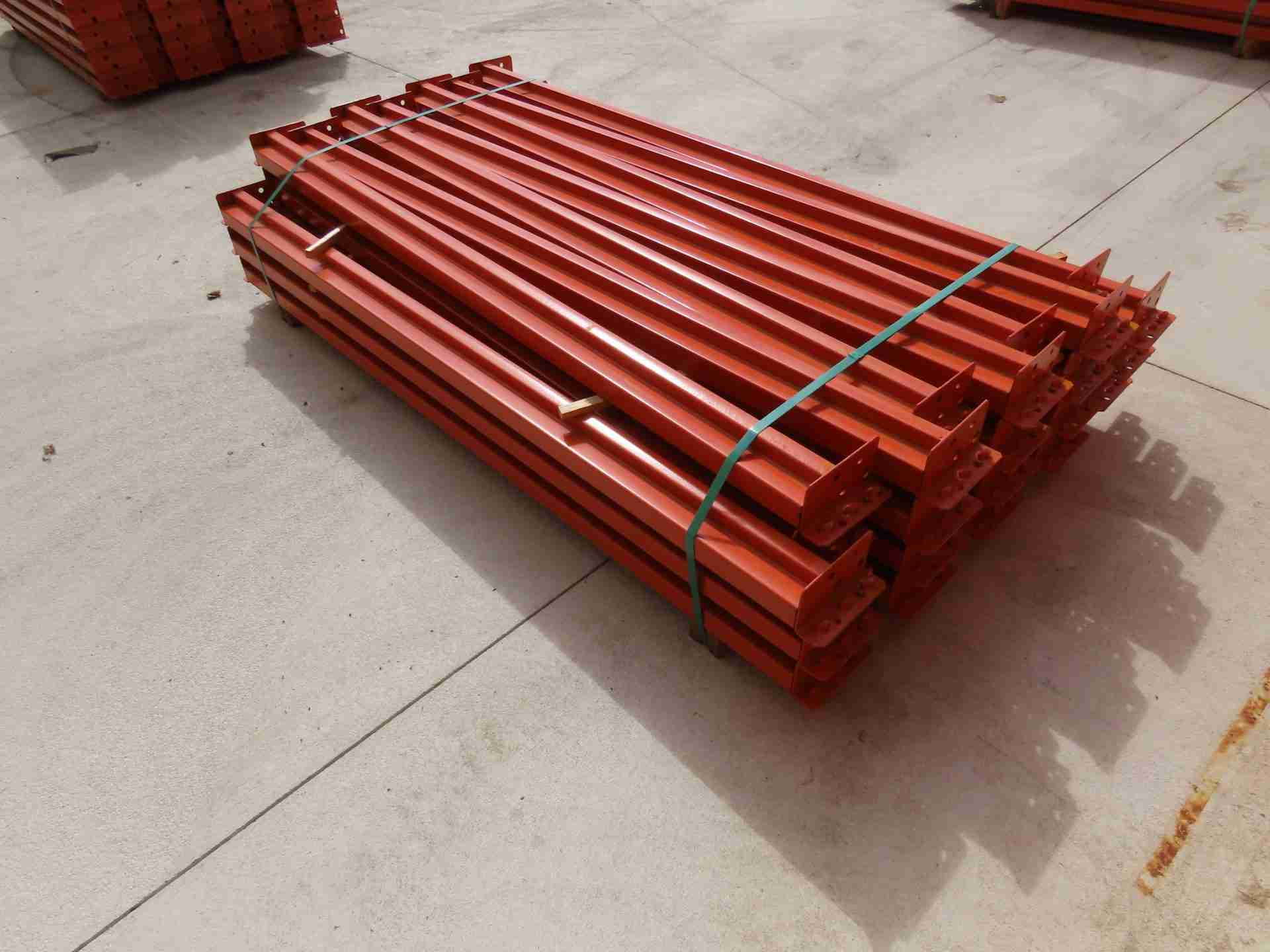
Structuring Storage for Rapid Order Turn
Table Of Contents
- Structuring Storage for Rapid Order Turn
- What Storage Strategies Maximize Order Processing Speed?
- How Does Effective Storage Affect Customer Satisfaction?
- What Role Does Inventory Organization Play In Efficiency?
- Which Technologies Can Streamline Storage and Retrieval?
- How Can We Minimize Errors In Order Fulfillment Through Storage?
- What Are the Costs Of Inefficient Storage Systems?
- Conclusion
- Other Resources
- Glossary Of Terms
- Other Questions
- Checklist
What Storage Strategies Maximize Order Processing Speed?
When you think about speeding up order processing, the storage strategies you choose can make a world of difference. It’s not just about the hardware—it’s about how well you understand your operation’s needs and how that translates into efficiency on the ground. Picture a bustling warehouse where the right racking systems are in place: every box neatly organized, every aisle wide enough for a truck to glide through smoothly. That’s the groundwork for getting orders out the door faster.
Racking systems, whether they’re selective, drive-in, or push-back, are key to maximizing your space. Each type offers distinct advantages depending on your inventory. Selective racking gives you direct access, which means quick retrieval times when customers are waiting for their orders. Drive-in systems offer dense storage—perfect for bulk items that don’t need constant access. Understanding the layout of your warehouse empowers your team and fosters a sense of ownership over their workplace. It’s about creating an environment where everyone feels involved and responsible for the speed of service.
Imagine a dedicated team who knows the lay of the land because each person has had a hand in shaping it. When they see that their hard work and smart organization directly correlate to happier customers, it strengthens their commitment. It’s more than just shifting boxes; it cultivates a pride in craftsmanship that resonates through the orders processed. This connection between effort and reward isn’t just motivational—it’s a genuine source of inspiration and trust.
Further, consider the ethical implications of your choices. Using sustainable racking systems or going for solutions that allow for adaptability can set you apart as an industry leader. It’s about doing right by your employees and your customers, ensuring that speed doesn’t come at the expense of quality or safety. By optimizing your storage with the right strategies, not only do you streamline your workflow, but you also cultivate respect and reliability in the eyes of your clients.
Ultimately, it all comes down to connection. In the world of storage and order processing, each decision you make ripples outwards, affecting your people, your customers, and the sense of community that builds around your business. Harness the power of racking systems not just to store but to inspire, engage, and connect, making every order a reflection of your dedication to excellence. Let your operation be the talk of the town for all the right reasons.

What Storage Strategies Maximize Order Processing Speed?
What Storage Strategies Maximize Order Processing Speed?
- Effective storage strategies significantly enhance order processing speed.
- Choosing the right racking systems (selective, drive-in, push-back) maximizes warehouse space.
- Selective racking allows for quick retrieval, important for customer satisfaction.
- Drive-in systems provide dense storage for bulk items with less frequent access.
- A well-understood warehouse layout fosters team ownership and accountability.
- Implementing sustainable and adaptable racking solutions promotes ethical business practices.
- Decisions in storage affect employees, customers, and overall community engagement.
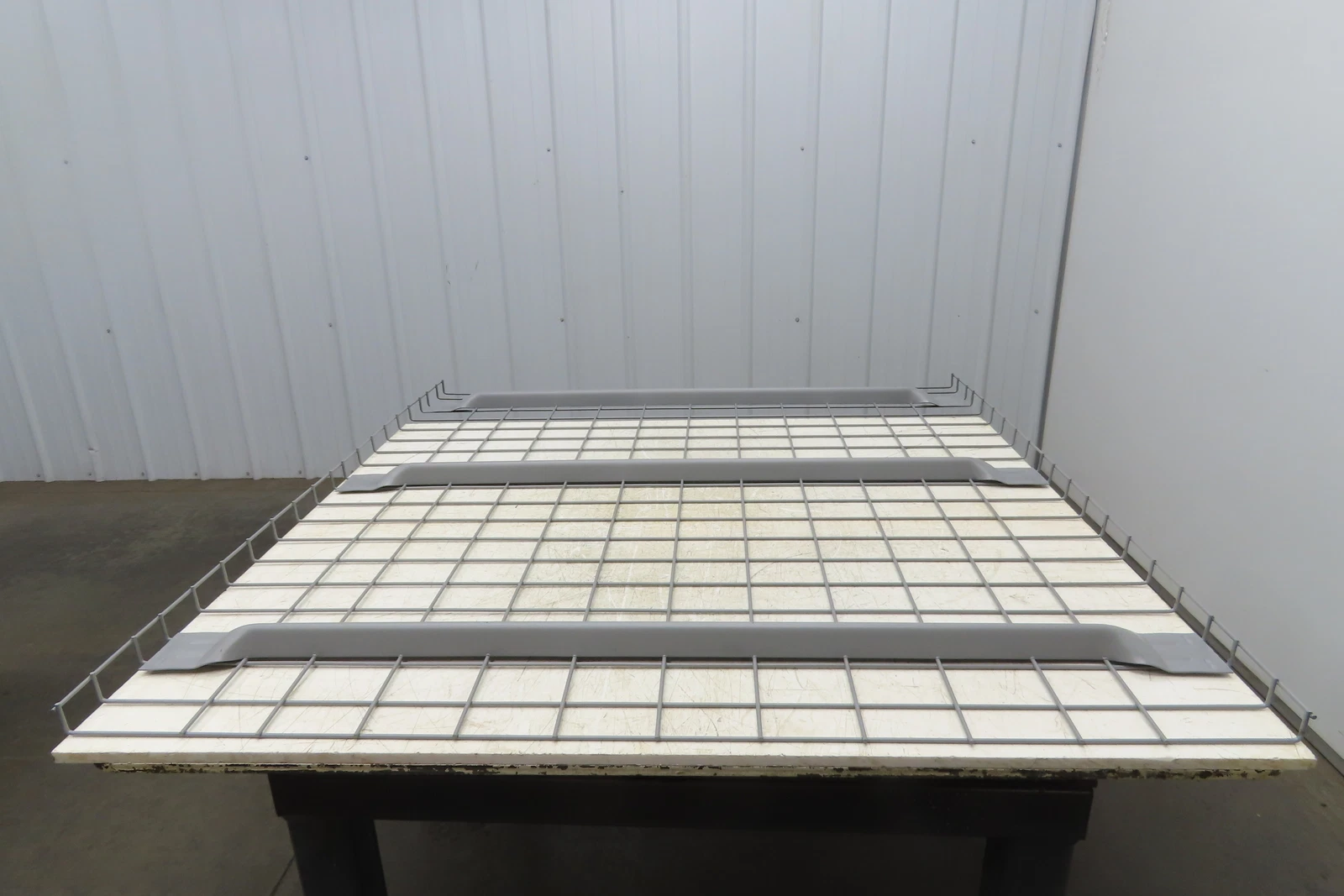
What Storage Strategies Maximize Order Processing Speed?
How Does Effective Storage Affect Customer Satisfaction?
When it comes to running a business, effective storage is more than just organizing inventory; it’s about laying down the groundwork for customer satisfaction. Picture this: you walk into a warehouse stacked with clutter, where racking systems seem to be a game of Jenga, and you can’t find what you need. Frustration mounts, time ticks away, and the overall atmosphere sours. That’s not the experience anyone wants to face—neither the customer nor the team working behind the scenes to keep things running smoothly.
Racking systems are not just metal frames; they are the backbone of efficiency. A well-structured storage system can make the difference between a lost order and a happy customer. Imagine knowing exactly where each product lives, how quickly it can be retrieved, and the confidence that comes with being able to meet demand without hesitation. It’s not just a matter of convenience; it’s about creating trust. When customers know they can rely on your ability to deliver what they want, when they want it, they don’t just return—they spread the word.
On the flip side, consider the emotional toll of inefficiency. Picture a customer eagerly awaiting a shipment only to receive the wrong item or, worse, nothing at all. This dissatisfaction doesn’t just fade away; it lingers, leaving a shadow over your business reputation. Effective storage systems act as a protective shield against such mishaps, fostering a faithful customer base that feels valued and understood.
Rationally speaking, investing in racking systems might seem like a big initial outlay, but the return on that investment is monumental. Cutting down on time, errors, and staff frustration means employees are happier and more productive, which filters through to the customer experience. Ethical business practices demand that we respect customers’ time and money, and effective storage helps uphold that principle.
Let’s not forget the stories behind those racking systems. Every warehouse has its tales—hardworking folks who have put in sweat and grit, finding innovative solutions to challenges. Their commitment to organizing the chaos resonates with customers. It’s a reminder that behind every seamless delivery and exceptional service, there’s a team dedicated to making it happen.
So, when you think of storage, remember it’s about more than just space. It’s a promise kept, an opportunity seized, and a connection made. Effective storage systems lay the foundation for not just a business, but a community that thrives on trust and satisfaction.

How Does Effective Storage Affect Customer Satisfaction?
How Does Effective Storage Affect Customer Satisfaction?
- Effective storage is crucial for customer satisfaction, not just inventory organization.
- Cluttered warehouses lead to frustration for both customers and employees.
- Well-structured racking systems enhance efficiency and improve order fulfillment.
- Reliable storage fosters customer trust and encourages positive word-of-mouth.
- Inefficiencies can damage business reputation and customer satisfaction.
- Investment in effective storage systems results in employee productivity and organizational success.
- Effective storage systems contribute to building a community centered on trust and satisfaction.

How Does Effective Storage Affect Customer Satisfaction?
What Role Does Inventory Organization Play In Efficiency?
When you step into a warehouse or a stockroom, it’s easy to overlook the silent workhorse that keeps everything running smoothly: inventory organization. It’s not just about storing items; it’s about creating an environment where every racking system has a purpose, and every product can be found without hassle. That level of organization can mean the difference between a seamless operation and a chaotic mess that eats up time and money.
Think about it: when you walk into a disorganized space, what do you feel? Frustration and confusion. You waste precious minutes searching for that one item, and each lost minute chips away at your efficiency. On the flip side, an organized inventory tells a different story—one of clarity and ease. With everything in its place, you can focus on what really matters: getting the job done. It promotes a sense of pride among workers, boosts morale, and fosters teamwork. When everyone knows where to find what they need, it builds trust within the team.
Economically speaking, an effective inventory system saves money. The investment in proper racking systems pays off when inventory turnover increases, and stock losses diminish. It’s about making smart decisions that align with the common sense we all learned on the job. Less time dealing with disorganization means more time for productivity, which translates to higher profits. And ethically, what’s more responsible than making the most out of resources? It shows respect for the company and the people working on the floor.
Consider the story of a small shop that decided to invest in better inventory practices. They implemented a simple racking system and a straightforward labeling strategy. Suddenly, everything changed. Employees found items quicker, orders processed faster, and customers walked away happier. It turned the whole operation around, building not just efficiency but a community pride in their work.
In the grand scheme, efficient inventory organization is a cornerstone of operational success. It’s not just about keeping things neat; it’s about enhancing the livelihood of the team, the satisfaction of the customers, and the bottom line of the business. When everyone understands their role in maintaining order, it creates a rhythm that drives success. Ultimately, the benefits ripple outward, reinforcing the idea that a well-organized inventory isn’t just a nice-to-have—it’s a necessity for thriving in any industry.

What Role Does Inventory Organization Play In Efficiency?
What Role Does Inventory Organization Play In Efficiency?
- Inventory organization is crucial for smooth warehouse and stockroom operations.
- Proper organization enhances efficiency, reducing frustration and confusion.
- Clarity in inventory promotes employee pride, morale, and teamwork.
- Effective inventory systems save money by increasing turnover and reducing stock losses.
- A small shop improved efficiency and customer satisfaction by adopting better inventory practices.
- Organized inventory supports operational success and enhances overall business performance.
- A well-structured inventory is essential for thriving in any industry.

What Role Does Inventory Organization Play In Efficiency?
Which Technologies Can Streamline Storage and Retrieval?
When it comes to storage and retrieval, it’s not just about what you store but how you store it. Racking systems are a prime example of how the right technology can change the game, transform your workspace, and ultimately boost your bottom line. Imagine a bustling warehouse—forklifts humming, workers darting about, the buzz of efficiency in the air. Now picture that same space cluttered and disorganized, time slipping through the cracks like that lost box of inventory. That’s the difference a solid racking system can make.
Racking systems come in various forms, from simple shelving to sophisticated multi-tier setups. The heart of the matter is that these systems maximize space and minimize wasted time, creating pathways where chaos once ruled. Not only do they help you fit more items in less space, but they also keep things visible and accessible. And who hasn’t felt the frustration of fumbling through piles of boxes, searching for a single item? With the right racking, those headaches become a relic of the past.
But let’s put some numbers behind those emotions. A well-implemented racking system can increase storage efficiency by up to 50%. That’s a significant boost, and it’s a rational incentive. Fewer hours spent looking for items means more time for what really matters—growing your business and serving your customers. Each piece of equipment should work hard, just like you, and a quality racking system does exactly that.
Ethically speaking, we also have a responsibility to foster safer workplaces. Poorly organized spaces can lead to accidents, and introducing thoughtful racking solutions can mitigate those risks. It’s about respect for the people doing the heavy lifting—literally and figuratively. With each new installation, workers feel valued, knowing their safety is a priority.
And let’s not forget the stories behind these technologies. Picture the small business owner who, after years of struggling with cramped quarters, finally invested in a racking system. Suddenly, their operation isn’t just a job anymore; it’s a thriving venture, and that’s a narrative we can all root for. When storage systems work in harmony with the people using them, they foster connection, trust, and confidence.
In the world of logistics, choosing the right technology boils down to one thing—making life easier. The right racking system does just that, paving the way for a future where space is optimized, time is valued, and every ounce of effort counts.

Which Technologies Can Streamline Storage and Retrieval?
Which Technologies Can Streamline Storage and Retrieval?
- Racking systems significantly enhance how storage and retrieval is managed.
- A well-designed racking system can increase storage efficiency by up to 50%.
- These systems help maximize space utilization and minimize wasted time.
- Proper organization reduces the frustration of searching for items amid clutter.
- Investing in racking solutions promotes safer workplace environments.
- Well-implemented systems can lead to improved business operations and growth.
- Racking systems foster connection, trust, and confidence among workers.

Which Technologies Can Streamline Storage and Retrieval?
How Can We Minimize Errors In Order Fulfillment Through Storage?
Minimizing errors in order fulfillment starts with a solid foundation in how we store and manage our products. Picture a warehouse filled with racking systems that not only serve a purpose but tell a story of efficiency and care. Each shelf, each slot is a promise kept, a commitment to getting it right for the customers who depend on us. When products are properly organized and easily accessed, the chances of making mistakes drop significantly.
Imagine a worker, hands rough from lifting but a smile on their face, navigating through rows of neatly labeled racking systems. They know exactly where to find each item, reducing the stress that often comes with frantic searches. Emotionally, there’s a sense of pride in knowing that every order sent out is accurate. It builds a reputation, one satisfied customer at a time.
On a rational level, a well-structured storage system keeps inventory accurate. Regular audits and checks ensure that the stock levels in the racking systems match what’s on record. A discrepancy here can lead to issues down the line—wrong items shipped, delays in fulfillment—all of which chip away at the trust that you’ve worked hard to build. With technology at our fingertips, integrating barcodes and automated systems into our daily routine can help track items precisely, leaving little room for error.
Ethically, we owe it to our customers and ourselves to uphold a standard of excellence. Errors in order fulfillment not only hurt the bottom line but can also tarnish reputations. It’s about respecting the trust customers place in our hands when they choose to buy from us. The community we serve deserves our best, and that means investing in the right storage solutions that keep our operations running smoothly.
Sharing stories of past challenges isn’t just a way to connect—it’s a testament to growth. Perhaps there was a time when mismanagement led to chaos, but now? Now, there’s confidence in every pick and pack. It’s about fostering a culture that values precision over haste. When we streamline our storage processes, we create a ripple effect of positivity, fostering teamwork and a sense of belonging among workers who share in the effort.
Set your sights on better storage practices today. Each organized racking system leads to clearer paths, smoother processes, and, ultimately, happier customers. Embrace the journey toward minimal errors; it’s a step worth taking for everyone involved.

How Can We Minimize Errors In Order Fulfillment Through Storage?
How Can We Minimize Errors In Order Fulfillment Through Storage?
- Minimizing errors in order fulfillment begins with effective product storage and management.
- Organized racking systems enhance efficiency and reduce mistake likelihood.
- Employees benefit from well-structured storage, leading to accurate order fulfillment and increased morale.
- Regular inventory checks are crucial to maintain accuracy and prevent discrepancies.
- Integrating technology, such as barcodes, aids in precise tracking of inventory.
- Maintaining high standards of excellence fosters customer trust and protects reputations.
- Adopting better storage practices results in improved operations and customer satisfaction.

How Can We Minimize Errors In Order Fulfillment Through Storage?
What Are the Costs Of Inefficient Storage Systems?
Inefficient storage systems can weigh heavily on operations, causing a ripple effect that can hurt not just the bottom line but also the morale of the workforce. Picture a warehouse filled with racking systems that are hastily organized, or worse, not organized at all. It’s frustrating. Workers scramble to find items, leading to wasted time that could be better spent on productive activities. That lost time isn’t just about hours; it equates to real money slipping through the cracks.
From a rational standpoint, inefficiency translates to higher operational costs. When every minute counts, delays in retrieving products or managing inventory can result in missed deadlines and dissatisfied customers. Over time, these inefficiencies compound, creating a growing mountain of expenses that threaten the viability of even the most established businesses. Inventory management becomes a gamble, with products becoming misplaced and stock levels spiraling into chaos. The stress this creates is palpable; employees feel overwhelmed, leading to higher turnover rates and a culture where frustration thrives.
Ethically, it’s crucial to recognize that a well-organized system benefits everyone involved. Business owners owe it to their employees to create a work environment that fosters productivity and well-being. Poorly managed storage isn’t just a business problem; it affects people’s daily lives. When workers feel supported by their employer’s investment in efficient racking systems, their loyalty and motivation naturally increase, creating a healthier workplace environment.
On top of that, the narrative surrounding storage affects the broader community. When businesses operate smoothly and efficiently, they can better serve their customers, which can ripple out to benefit local economies. Customers notice when a company struggles with logistics. Trust erodes, and satisfaction declines, leading them to seek alternatives.
The social aspect cannot be overlooked either. A well-designed storage system enhances teamwork and communication among employees, fostering a sense of camaraderie. It invites collaboration rather than contention. When everyone is on the same page, lifting boxes and navigating aisles together becomes a daily routine instead of a source of stress.
The costs of inefficient storage are not just about numbers on a balance sheet. They reflect the shared experience of people working hard every day, striving for something better, and facing unnecessary hurdles. Investing in efficient racking systems isn’t just smart business; it’s a commitment to people, productivity, and community health.

What Are the Costs Of Inefficient Storage Systems?
What Are the Costs Of Inefficient Storage Systems?
- Inefficient storage systems negatively impact operations and employee morale.
- Disorganization leads to wasted time, translating to financial losses.
- Operational inefficiencies result in higher costs and customer dissatisfaction.
- Highly disorganized inventory management can create overwhelming stress for employees.
- A well-organized storage system fosters productivity and enhances workplace culture.
- Efficient operations benefit local economies by improving customer service.
- Investing in efficient racking systems demonstrates a commitment to employee well-being and community health.

What Are the Costs Of Inefficient Storage Systems?
Conclusion
Efficient storage focuses on more than just organization; it’s about respect for the workforce and ensuring smooth operations. When racking systems are well-designed, employees navigate their space with confidence and purpose, which fosters pride and boosts morale. This organization minimizes frustration and maximizes productivity, creating an environment where workers excel, and customers reap the benefits with timely deliveries. The balance between efficiency and respect for the people behind the process is crucial. Thoughtful storage layouts that consider workflow flow and accessibility facilitate seamless operations, which in turn translates to happier customers and a stronger community.
Teamwork thrives in organized settings. A culture where employees feel responsible for their environment nurtures trust and accountability, leading to a more cohesive workforce. With each role playing into a larger narrative of successful operation, individual contributions become meaningful, enhancing dedication and cooperation among staff.
The stories shared within a workplace reflect this journey. Consider a racking system overhaul that allowed workers to locate items swiftly, decreasing dispatch times. This simplicity encourages a sense of ownership, showing that management values their input and boosts individual pride in their work.
On the technical side, investing in the appropriate storage solutions has significant returns. Racking systems that maximize space not only improve efficiency but can also reduce operational costs dramatically, saving time and enhancing profitability. The right setup minimizes errors and promotes accurate inventory management, which is vital for maintaining customer trust. When every order is fulfilled correctly, it builds loyalty, encouraging repeat business and positive word-of-mouth.
The ramifications of inefficient storage extend beyond financials. Poorly designed systems lead to frustration, chaos, and increased turnover, affecting both employee morale and customer satisfaction. Ethically, businesses must strive for better organization—not just for profitability, but for the well-being of the people involved. A well-structured environment cultivates a healthy workplace, promoting pride and commitment.
As decisions are made regarding storage and workflow, the focus should remain on how these changes impact not only the bottom line but also the community built around the business. Effective racking systems do more than just store products; they inspire confidence, foster connection, and uphold the promise of excellence in service. This commitment to efficiency, respect, and community ultimately defines the character and resilience of any business.

Conclusion
Conclusion:
- Efficient storage respects the workforce and ensures smooth operations.
- Well-designed racking systems enhance employee confidence, pride, and morale.
- Organized environments minimize frustration and maximize productivity.
- Thoughtful storage layouts facilitate seamless operations and customer satisfaction.
- Teamwork flourishes in organized settings, nurturing trust and accountability.
- Proper storage solutions improve efficiency, reduce operational costs, and maintain customer trust.
- Investing in organization promotes a healthy workplace and builds community around the business.

Conclusion
Other Resources

Other Resources
Here is a list of other resources you can review online to learn more:
- RMI
- MHI
- What is Selective Racking: Understanding Benefits & Options
- Pallet Racking systems in Illinois and Great Lakes
- Heavy-Duty Cantilever Storage Racks
- Total Warehouse
- WERC
- Warehouse Storage Racking in Illinois
- Bradford Systems
- Warehouse Racking Chicago, IL
- Interlake Mecalux
- Pallet Racks, Pallet Racking, Pallet Shelves in Stock – ULINE
- Illinois
- Wolter
- Cantilever Racks Chicago
- Warehousing and Fulfillment
- Crane Manufacturers Association Of America Inc.
- Chicago Pallet Racking
- IWLA
- Warehouse Racking Layout: The Ultimate Guide – Conger
Use This Prompt To Get More Resources With Your Favorite Online AI Tool: Please provide me with a list of online articles with their URLs in a bulleted list that I can read regarding Structuring Storage for Rapid Order Turn

Other Resources
Glossary Terms
Structuring Storage for Rapid Order Turn – Glossary Of Terms
1. Allocation: The process of distributing resources effectively among different storage locations.
2. Fulfillment: The act of completing customer orders by picking, packing, and shipping items from storage.
3. Inventory: The total amount of goods and materials held in stock, including raw materials and finished products.
4. Picking: The process of selecting items from storage to fulfill customer orders.
5. Packing: The process of preparing picked items for shipment, ensuring they are secure and ready for delivery.
6. Order Management System: A software solution that automates the processing of orders from receipt to delivery.
7. Storage Density: The ratio of storage space utilized versus the total available space in a storage facility.
8. Warehouse Layout: The design and arrangement of various areas within a warehouse, including storage, picking, and packing zones.
9. Just-in-Time (JIT): A strategy to increase efficiency by receiving goods only as they are needed in the production process.
10. Lead Time: The total time required to process an order from receipt to delivery.
11. Replenishment: The process of restocking inventory to maintain supply levels.
12. SKU (Stock Keeping Unit): A unique identifier for each distinct product or item in inventory management.
13. Optimal Storage: The most efficient use of space to maximize capacity and accessibility of products.
14. Cross-Docking: A logistics practice where incoming shipments are directly transferred to outgoing shipments without long-term storage.
15. Cycle Counting: An inventory auditing procedure where a portion of inventory is counted on a scheduled basis.
16. Batch Picking: Picking method where multiple orders are fulfilled simultaneously, increasing efficiency.
17. FIFO (First In, First Out): An inventory management practice where the oldest stock is sold first to minimize spoilage or obsolescence.
18. ABC Analysis: A categorization technique for inventory management that divides items into three categories (A, B, C) based on value and turnover rate.
19. Palletization: The process of stacking goods on pallets for efficient storage and transportation.
20. Storage Optimization: Techniques used to maximize storage space and improve accessibility for faster order processing.
21. Load Planning: The process of strategizing how to best utilize space during transportation to enhance efficiency.
22. Kitting: The assembly of multiple items into a single package for sale or shipment.
23. Mobile Shelving: A storage solution that utilizes compact shelving units that can be moved to maximize available space.
24. Returns Management: The process of handling returned goods efficiently to minimize losses and streamline restocking.
25. Temperature-Controlled Storage: A storage solution designed to maintain specific temperature and humidity levels for sensitive products.
26. Order Picking Optimization: Strategies employed to enhance the efficiency of the order picking process.
27. Dock Scheduling: The planning of loading and unloading times for trucks at a distribution center or warehouse.
28. Safety Stock: Extra inventory kept on hand to prevent stockouts due to unforeseen demand spikes or supply chain disruptions.
29. Traceability: The ability to track the movement of inventory throughout the supply chain from receipt to delivery.
30. Warehouse Management System (WMS): Software used to manage warehouse operations, including inventory management, order fulfillment, and shipping.

Glossary Of Terms
Other Questions
Structuring Storage for Rapid Order Turn – Other Questions
If you wish to explore and discover more, consider looking for answers to these questions:
- What racking system is best for my specific product mix and SKU velocity?
- How do I calculate the ROI of a racking or storage redesign?
- What is the typical cost range for selective, drive-in, push-back, and automated racking systems?
- How long does a storage restructure or racking installation usually take?
- How disruptive will installation be to daily operations and how can downtime be minimized?
- How should high-turn and low-turn SKUs be located and prioritized?
- What are best practices for slotting and zone design to reduce travel time?
- How can pick-paths be optimized for different order profiles?
- Which technologies (WMS, barcode, RFID, pick-to-light, voice, AS/RS) integrate best with racking systems?
- How do I choose between manual, semi-automated, and fully automated retrieval options?
- What KPIs should I track to measure order processing speed and accuracy?
- How do I set up and enforce FIFO, LIFO, or FEFO rotation in racking?
- What labeling and signage standards most effectively reduce picking errors?
- How should cycle counting and inventory audits be implemented with new storage?
- What training programs are required for staff when new racking or technology is introduced?
- How do I engage employees in design choices to improve buy-in and maintain order?
- What safety standards, load limits, and inspection schedules must be followed for racking?
- Which safety features (column guards, netting, seismic bracing) are necessary for my facility?
- How often should racking be inspected and what are common signs of wear or failure?
- How do I balance storage density versus accessibility and throughput?
- What are common mistakes companies make when redesigning storage and how can they be avoided?
- How can returns and reverse logistics be incorporated into storage layout efficiently?
- How will labor requirements and costs change after implementing new storage solutions?
- How scalable and reconfigurable are different racking solutions as my business grows?
- What maintenance costs and lifecycle expectations should I plan for?
- What sustainability or green options exist for racking materials and design?
- How do insurance, building codes, and regulatory requirements affect racking choices?
- How do I evaluate and select reputable vendors and installers?
- What metrics or customer-feedback indicators show that improved storage is increasing satisfaction?
- How can I run a pilot or phased rollout to validate changes before full implementation?
- What tools or analytics can predict optimum storage capacity and utilization?
- How do I ensure compatibility between racking systems and my forklifts or material-handling equipment?
- What change-management steps ensure long-term adherence to new storage processes?

Other Questions
Checklist
Structuring Storage for Rapid Order Turn – A Checklist
Strategy and Flow
✅______ Document the current order-to-ship process and identify bottlenecks.
✅______ Define target order cycle time and accuracy goals.
✅______ Map material flow from receiving to shipping with minimal backtracking.
✅______ Separate fast-, medium-, and slow-moving areas to reduce travel.
✅______ Ensure storage design respects people, safety, and quality as core principles.
Layout and Aisles
✅______ Lay out aisles to support equipment turning radii and two-way traffic where needed.
✅______ Place high-velocity SKUs closest to packing and shipping.
✅______ Minimize cross-traffic between pedestrians and lift equipment.
✅______ Provide clear, obstruction-free pick paths.
✅______ Allocate dedicated staging zones for inbound, returns, and outbound.
Racking Selection and Configuration
✅______ Match racking type (e.g., selective, drive-in, push-back, shelving) to SKU profiles and access needs.
✅______ Use dense storage where access frequency is low; use direct access where speed is critical.
✅______ Verify rack load ratings and compatibility with pallets and equipment.
✅______ Implement rack protection (e.g., end guards and column protectors).
✅______ Design for scalability and reconfiguration as demand changes.
Slotting and Accessibility
✅______ Slot by velocity (ABC classification) and order affinity to reduce touches.
✅______ Place heavy or bulky items at knee-to-waist height to improve ergonomics.
✅______ Keep popular SKUs within first-reach zones; avoid overreliance on high or low storage.
✅______ Use dedicated home locations to prevent item mixing.
✅______ Standardize bin sizes where practical to simplify replenishment.
Labeling and Visual Management
✅______ Label every location clearly (aisle, bay, level, position).
✅______ Ensure barcode labels are scannable from working distance.
✅______ Use color-coding or signage to distinguish zones and processes.
✅______ Display pick faces with visible SKU, description, and unit of measure.
✅______ Post simple process visuals (e.g., pick, replenish, return to stock).
Inventory Control and Data Integrity
✅______ Maintain accurate location master data in the WMS or ERP.
✅______ Enforce real-time scan in/out for all moves.
✅______ Schedule regular cycle counts with root cause reviews for variances.
✅______ Align units of measure between the system and physical labels.
✅______ Set clear replenishment triggers and minimum on-hand levels.
Technology Enablement
✅______ Implement barcodes or RFID for item, pallet, and location tracking.
✅______ Use mobile devices or voice picking to reduce errors and speed picks.
✅______ Enable directed putaway and pick-path optimization in the WMS.
✅______ Integrate packing validation (e.g., weight and dimension checks) to confirm contents.
✅______ Capture timestamps to measure dwell times and process delays.
Picking, Replenishment, and Staging
✅______ Choose the right pick method (e.g., single, batch, wave, zone) for the order profile.
✅______ Separate picking and replenishment windows to avoid congestion.
✅______ Stage complete orders in clearly labeled outbound lanes.
✅______ Standardize tote and cart setups to reduce search and handling.
✅______ Validate item, lot or serial (if applicable), and quantity at pick and pack.
Error Reduction and Quality
✅______ Track mis-picks, shorts, and substitutions; address top causes.
✅______ Use check digits or scan verification at pick and pack.
✅______ Implement exception bins or locations for damaged or unidentified items.
✅______ Conduct root cause problem solving on recurring quality issues.
✅______ Establish a feedback loop from customer service to operations.
Safety, Ergonomics, and Sustainability
✅______ Keep travelways clear; mark pedestrian walkways and crossings.
✅______ Train on safe rack loading, equipment use, and fall protection.
✅______ Provide ergonomic tools (e.g., pick hooks and lifts) to reduce strain.
✅______ Inspect racks routinely for damage and correct anchoring.
✅______ Consider reusable packaging and adaptable racking for sustainability.
Team, Culture, and Training
✅______ Involve frontline staff in layout and process design.
✅______ Document standard work for pick, replenish, and audit tasks.
✅______ Cross-train teams to balance workload and build resilience.
✅______ Recognize adherence to 5S and location integrity.
✅______ Encourage “return to home” habits to keep areas organized.
5S and Housekeeping
✅______ Sort: Remove obsolete inventory and excess packaging.
✅______ Set in order: Define homes for tools, carts, and supplies.
✅______ Shine: Schedule routine cleaning and rack inspections.
✅______ Standardize: Maintain visual standards and audits.
✅______ Sustain: Assign ownership and a cadence for 5S checks.
Metrics and Continuous Improvement
✅______ Monitor order cycle time, lines picked per labor hour, and dock-to-stock.
✅______ Track inventory accuracy, location accuracy, and on-time, in-full (OTIF).
✅______ Review space utilization and pick-path distance trends.
✅______ Run daily standups to review metrics and actions.
✅______ Pilot improvements in one zone before scaling.
Customer Experience and Reliability
✅______ Prioritize accuracy and completeness over speed when in conflict.
✅______ Align cutoff times with actual processing capacity.
✅______ Communicate proactively on delays or substitutions.
✅______ Use returns data to identify storage and picking failure points.
✅______ Validate that packaging protects items during transit.
Cost and Risk Management
✅______ Quantify the cost of errors, travel, and rework to justify improvements.
✅______ Balance density versus accessibility to meet service goals.
✅______ Maintain spare rack components and critical equipment parts.
✅______ Evaluate total cost of ownership for racking and technology solutions.
✅______ Conduct periodic risk assessments for storage and fulfillment processes.

Checklist
At RackingWorld, we help guide you through selecting warehouse storage systems and racking.
Be sure to read our other related stories at RackingWorld to learn more about warehouse storage systems.
0 Comments