
Transforming Compliance: Empowering Regulated Industries With Smart Storage
By Tom Seest
At RackingWorld, we help guide you through selecting warehouse storage systems and racking.
Be sure to read our other related stories at RackingWorld to learn more about warehouse storage systems.
Structured Storage for Regulated Industries
In the world of regulated industries, where every detail counts and accountability is paramount, structured storage isn’t just a convenience—it’s a necessity. Imagine a bustling warehouse where every square foot is carefully organized, where racking systems rise to meet the demands of efficient storage. These systems not only maximize space but also ensure that everything is in its rightful place, reducing errors and improving productivity.
Every product, every tool, every piece of equipment has a purpose. In this landscape, a well-structured storage solution acts like a sturdy backbone, providing the support needed for safe and efficient operations. There’s a sense of pride in knowing that every item is accounted for, reducing the anxiety that comes with uncertainty. When a staff member knows exactly where to find the necessary items, it fosters confidence and allows them to focus on their tasks rather than waste time searching.
Consider the real-world consequences when storage is chaotic. In regulated industries, where compliance is non-negotiable, the cost of disorganization can be steep. Mistakes can lead to penalties, lost trust, and damaged reputations. A structured storage system mitigates these risks by providing transparency and traceability. It’s like having a trusted partner who ensures that everything runs smoothly, so you can focus on what truly matters—serving your clients and meeting industry standards.
Implementing effective racking systems is not just a technical choice; it’s an ethical one. It demonstrates a commitment to responsible stewardship of resources, showing that every effort is made to handle materials safely and efficiently. This responsibility resonates with employees, who take pride in a workspace that reflects diligence and care. They become ambassadors of a culture centered around excellence and reliability.
Moreover, structured storage naturally encourages teamwork. Employees can collaborate more effectively when they know where everything is located, fostering a community spirit rooted in shared goals. The ease of access to materials promotes a culture of support and camaraderie, where everyone feels involved in the bigger picture.
Ultimately, when you invest in structured storage, you’re not just making a practical decision; you’re nurturing a foundation of trust, efficiency, and integrity that can weather any storm. In regulated industries, these principles create a legacy of reliability that everyone in the organization can take pride in, knowing they play a vital role in a greater mission.

Structured Storage for Regulated Industries
Structured Storage for Regulated Industries
- Structured storage is essential in regulated industries for efficiency and accountability.
- Well-organized racking systems maximize space and reduce errors, improving productivity.
- A reliable storage solution provides support for safe operations and reduces anxiety about inventory tracking.
- Disorganized storage in regulated industries risks penalties, lost trust, and damaged reputations.
- Effective racking systems reflect ethical stewardship and enhance employee pride in the workspace.
- Structured storage fosters teamwork by improving accessibility and encouraging collaboration among employees.
- Investing in structured storage builds a foundation of trust, efficiency, and integrity in the organization.

Structured Storage for Regulated Industries
Table Of Contents
- Structured Storage for Regulated Industries
- What Challenges Do You Face In Structured Storage Management?
- How Does Compliance Impact Your Storage Decisions?
- Are You Confident In Your Data Security Measures?
- What Is Your Biggest Concern About Regulatory Compliance?
- How Do Storage Solutions Affect Your Operational Efficiency?
- Can You Innovate While Adhering to Strict Regulations?
- Conclusion
- Other Resources
- Glossary Of Terms
- Other Questions
- Checklist
What Challenges Do You Face In Structured Storage Management?
When you think about structured storage management, it might seem straightforward, but the reality is far more complex. Imagine walking into a warehouse filled with racking systems, each filled to the brim with products, and feeling the weight of responsibility as you try to find a particular item. The pressure is palpable; every minute spent searching is lost revenue. This isn’t just about organizing shelves; it’s about ensuring that every part of your operation runs smoothly.
From the outset, one of the most significant challenges is adapting to rapid changes in inventory. Whether it’s seasonal demand spikes or sudden shortages, maintaining order in the chaos can feel like trying to balance on a tightrope. You often hear the phrase “just-in-time” inventory, but getting it right means dealing with real people, real categories, and real-time data that doesn’t always cooperate. This scenario isn’t just frustrating; it’s a source of stress that can undermine even the most diligent team.
Then there’s the constant battle between efficiency and ethics. As you push to maximize space utilization and productivity, it’s crucial not to overlook the well-being of your team. Overworking employees is a pitfall many fall into, thinking that higher productivity is the answer to saving costs. It’s about finding a balance; a well-organized, respectful environment leads to happier workers and, ultimately, better performance.
Every challenge presents an opportunity for improvement. Hear the stories of those who’ve turned their structured storage woes into success tales. From revamping racking systems to incorporating technology that enhances tracking and accessibility, these lessons learned by hardworking folks in the industry carry weight. By sharing these experiences, we not only connect as a community but also foster a shared sense of purpose.
Moreover, when it comes to structured storage management, there’s power in collaboration. Tapping into the expertise of others who have faced similar challenges can be reassuring. Whether it’s through a quick conversation on the shop floor or a more formal meeting, pooling knowledge often leads to innovative solutions that might not have been obvious at first.
In the world of storage management, every challenge is a call to action. It’s not merely about the racking systems or the products themselves; at its heart, it’s about the people—the teams that work tirelessly behind the scenes. Embracing the tough aspects of structured storage management while supporting one another can lead to a more resilient and productive operation. The key is to keep your head up, your heart in the game, and remember: every hurdle can be a stepping stone to greater achievements.

What Challenges Do You Face In Structured Storage Management?
What Challenges Do You Face In Structured Storage Management?
- Structured storage management is complex, requiring effective organization to minimize lost revenue.
- Challenges include adapting to rapid inventory changes such as seasonal spikes and shortages.
- Balancing efficiency with employee well-being is crucial to avoid overworking staff for cost savings.
- Every challenge provides an opportunity for improvement and innovation in storage practices.
- Sharing experiences within the community fosters collaboration and development of effective solutions.
- Success in storage management relies on the dedication of the teams working behind the scenes.
- Maintaining a positive environment helps turn obstacles into stepping stones for greater achievements.

What Challenges Do You Face In Structured Storage Management?
How Does Compliance Impact Your Storage Decisions?
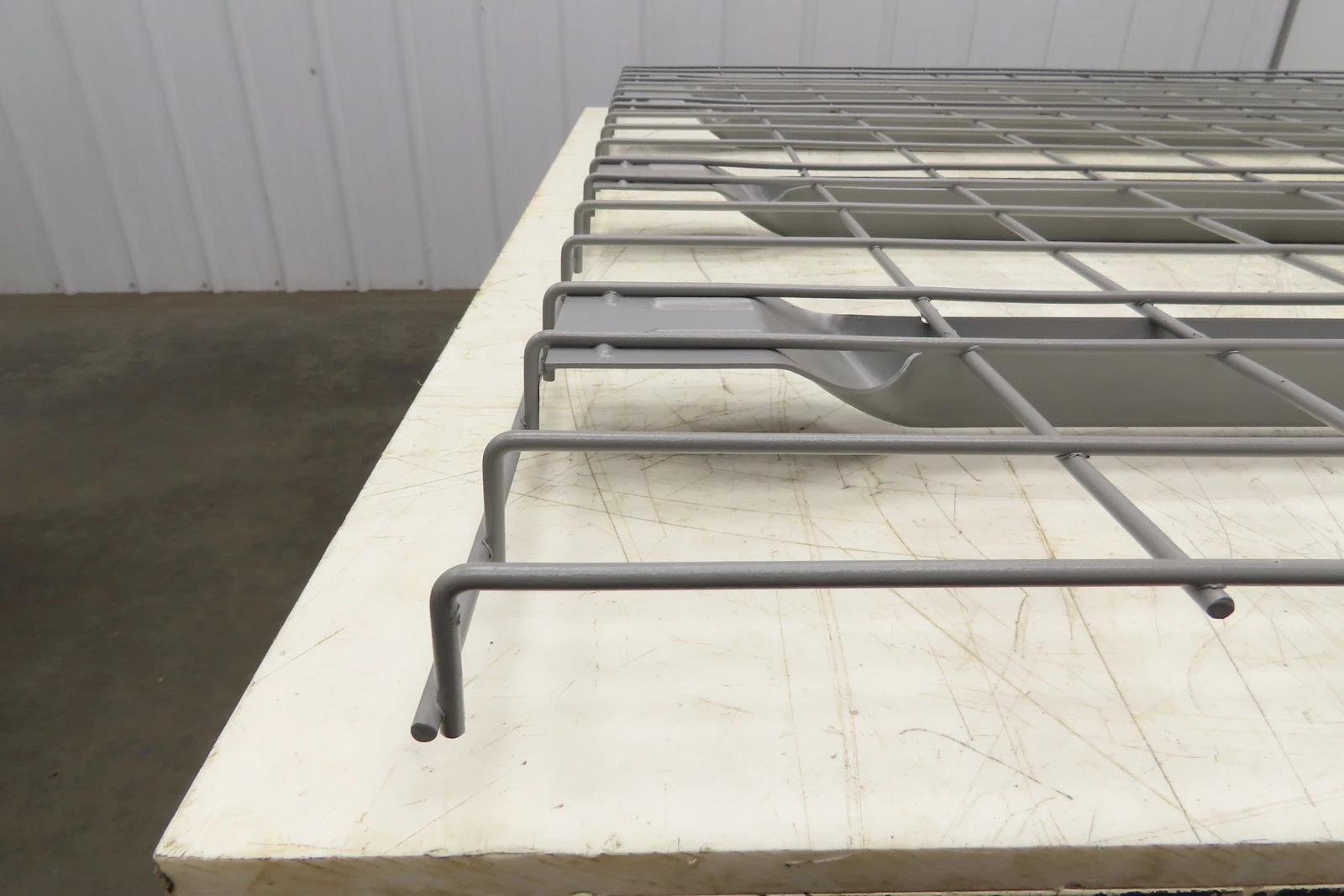
When it comes to storage decisions, compliance isn’t just a box to check; it’s a cornerstone of responsible business. Picture this: a facility full of merchandise, with racking systems stacked to the ceiling. Now imagine the chaos if that system isn’t compliant with safety regulations. It’s not just about minimizing risk—it’s about protecting lives and livelihoods. The right compliance measures ensure that those racking systems hold up under the weight of not just products, but also the trust of your employees and customers.
Making compliant storage choices also speaks to your integrity as a business. Imagine your team working in an environment where they can feel safe and secure, knowing that every shelf and rack is up to code. It builds confidence among employees, fostering a culture of accountability. When you prioritize compliance, you’re not just safeguarding assets; you’re showing your workforce that their welfare matters. This isn’t just good for business; it’s the right thing to do.
Then there’s the financial side. Non-compliance can lead to hefty fines or worse—shut-downs that cost time and money. From a rational standpoint, investing in compliant racking systems may seem like a burden at first. But think about the long-term savings—both in avoided fines and in preventing damages from accidents. When you weigh that against the peace of mind compliance brings, it’s a no-brainer.
Compliance also turns into a narrative. Every business has a story, and yours can be one of resilience, responsibility, and respect. By committing to compliance, you’re creating a legacy built on trust, where customers can rely on your products knowing they come from a safe, compliant environment. People remember a business that puts safety and ethics at the forefront.
And let’s not forget about social responsibility. In today’s world, customers are keen on knowing that their purchases come from companies that care about more than just profit margins. A commitment to compliance is a commitment to the community. It shows you’re not just filling shelves, but also fulfilling your ethical duties to society.
Choosing compliant storage solutions isn’t simply about adhering to laws; it’s about fostering an environment where everyone feels valued and secure. With each decision, you’re not just improving storage efficiency; you’re championing a culture of safety and trust that reverberates throughout the community.
How Does Compliance Impact Your Storage Decisions?
How Does Compliance Impact Your Storage Decisions?
- Compliance is essential for responsible business practices, particularly in storage decisions.
- Non-compliant storage systems pose safety risks, threatening lives and livelihoods.
- Making compliant choices enhances employee trust and fosters a culture of accountability.
- Investing in compliant systems avoids hefty fines and potential business shutdowns, leading to long-term savings.
- Compliant practices build a legacy of trust, depicting a business committed to safety and ethics.
- Social responsibility is critical; customers prefer businesses that demonstrate care beyond profit margins.
- Choosing compliant storage solutions promotes an environment of safety and security for all stakeholders.

How Does Compliance Impact Your Storage Decisions?
Are You Confident In Your Data Security Measures?
Data security isn’t just about software and firewalls; it’s the sturdy backbone of trust in today’s digital world. Imagine your valuable data as a shipment stacked in racking systems on a warehouse floor. Every box represents crucial information, whether it’s clients’ personal details, proprietary business strategies, or sensitive financial records. When you look at those racking systems, do you see solid, reliable structures holding everything safe? If your systems aren’t up to snuff, that confidence could come crashing down.
Let’s be real: it’s easy to dismiss the risks when you’re busy. Day-to-day operations can feel all-consuming, but the consequences of a breach can be dire: lost trust, damaged reputations, financial ruin. No one wants to be the company that failed to protect its data. We’ve all heard the horror stories, right? A friend of a friend had their business going strong until a hack hit their servers like a freight train. They thought they were covered, but despite their best efforts, it unraveled quickly. It’s not just a statistic; it’s personal, touching families, livelihoods, and futures.
Relying solely on tech solutions isn’t enough. It takes a hands-on approach to ensure your data is truly secure. This means regularly reviewing and updating protections, conducting drills to test your incident response plans, and ensuring your team understands their role in safeguarding information. Empower your people to act as guardians of your data. When everyone feels responsible, you start building a culture of security that’s as sturdy as the best racking systems.
Beyond the tech and the protocols, consider the ethics at play. Protecting your clients’ information is a promise, a moral obligation. It’s about integrity. When businesses show they care about security, loyalty grows, fostering deeper connections. Customers want to know that their data is treated with respect, much like a plant needing nurturing—when you care for it, it flourishes, and so does your reputation.
Let’s also think about the power of networking. In communities of small businesses, word travels fast—both good and bad. Having robust data security not only protects your interests but also uplifts your entire network. Trust spreads like wildfire, and when folks see you taking the right steps, they’re more likely to do the same.
So, step back for a moment. Are you confident in your data security measures? If there’s any doubt, it’s time to roll up your sleeves and make some changes. Your future relies on it.

Are You Confident In Your Data Security Measures?
Are You Confident In Your Data Security Measures?
- Data security is essential for building trust in the digital world.
- Valuable data can be compared to shipments in a warehouse, requiring robust protection.
- Neglecting data risks during busy periods can lead to serious consequences, including lost trust and financial ruin.
- A hands-on approach is necessary, involving regular reviews, drills, and employee training.
- Businesses have an ethical obligation to protect client information, fostering loyalty and deeper connections.
- Strong data security enhances the entire community of small businesses by building collective trust.
- Regular assessment of security measures is crucial for future stability.

Are You Confident In Your Data Security Measures?
What Is Your Biggest Concern About Regulatory Compliance?
Regulatory compliance can feel like a never-ending paperwork treadmill, especially for those of us who work hard every day. You get into a rhythm, moving along, keeping things running smoothly, and then bam! You’re hit with a new regulation requiring you to revisit your Racking Systems, adjust protocols, or dump more resources into training. It’s not just about crossing off boxes on a checklist; it impacts the way we work, the safety of our teams, and the bottom line. You want to provide for your family or pay the bills, but suddenly compliance feels like a weight on your shoulders.
Take a moment to consider the human element here. You’re not just managing a warehouse or a factory; you’ve got people relying on you. Their lives can be deeply affected by your ability to stay compliant. If a regulation isn’t met, it’s not just a fine; it could lead to someone getting hurt or even losing their job. That thought should rip right through you. Let’s be clear: compliance isn’t just paperwork; it’s about the very real lives and futures that depend on those decisions. When compliance feels suffocating, it’s easy to turn it into a scapegoat for our struggles. But what if we reframe it? What if every compliance requirement was a chance to make our workplaces safer and more efficient?
Then there’s the authority angle. It’s more than just avoiding fines or bad press; it’s standing shoulder to shoulder with those who’ve walked a similar path. You’re part of a bigger community of people who care about their trade, their craft, and their teams. Our shared experiences allow us to learn from each other and draw wisdom from common challenges.
On a pragmatic level, keeping up with regulations fosters smoother operations. It’s about the gut feeling that says we’re doing right by our teams and customers. A well-functioning system not only brings peace of mind but builds trust. When everyone understands that compliance isn’t just a box we tick but a commitment we make to each other, we create a culture of accountability and pride.
So, next time you feel the weight of compliance pressing down, remember: it’s a chance to not only meet regulations but also to elevate your workplace and your community by fostering an environment rooted in safety, respect, and shared responsibility. Embrace it as part of the journey, not just an obstacle.

What Is Your Biggest Concern About Regulatory Compliance?
What Is Your Biggest Concern About Regulatory Compliance?
- Regulatory compliance can create a stressful cycle of paperwork and adjustments.
- New regulations require revisiting systems, protocols, and training, impacting safety and finances.
- Compliance is crucial for employee well-being; non-compliance can lead to injuries or job losses.
- Reframing compliance can transform it into an opportunity for enhanced safety and efficiency.
- There is value in community and shared experiences among professionals facing regulatory challenges.
- Keeping up with regulations fosters smoother operations and builds trust within teams and with customers.
- Compliance should be viewed as a commitment to a culture of accountability, safety, and respect.

What Is Your Biggest Concern About Regulatory Compliance?
How Do Storage Solutions Affect Your Operational Efficiency?
When it comes to running a successful operation, efficiency isn’t just a buzzword; it’s the backbone that keeps everything moving smoothly. Picture a bustling warehouse: workers darting around, machinery humming, and products flowing like a well-oiled machine. Now, imagine how easily that all grind to a halt if the storage solutions aren’t up to snuff. That’s where racking systems come into play.
Effective racking systems can mean the difference between chaos and order. Think about the last time you spent precious minutes searching for a crucial part or product because it was buried under a mountain of mismanaged inventory. That kind of frustration can chip away at morale and slow down productivity. A well-set-up racking system not only organizes your goods but also instills a sense of pride in the workspace. Workers feel empowered and efficient when they can easily locate what they need without the added stress of disarray.
From a rational perspective, the right storage solutions can significantly cut down on time and labor costs. When items are easily accessible and logically placed, workers can focus on their tasks instead of wasting time on futile searches. Imagine cutting down those wasted hours—what would that do for your bottom line? It’s not just an investment in shelves and beams; it’s an investment in operational excellence.
And let’s not overlook the ethical angle. Efficient storage translates to fewer accidents and mishaps. When items are stored properly and safely, it lowers the risk of injury, which fosters a safer working environment. This is a responsibility that weighs on every leader’s shoulders, ensuring the well-being of every team member.
Furthermore, a strong racking system demonstrates authority in logistics. Clients, suppliers, and partners notice when a business runs smoothly; they trust a company that has its act together. This trust can lead to better relationships and a reputation that draws in more business.
By sharing tales of triumphs and tribulations in inventory management, you foster connection with your team. Those stories become shared experiences that unite everyone; they remind us that we’re all part of a larger effort. Getting everyone on the same page about effective storage solutions strengthens the team, creating a collaborative atmosphere where efficiency thrives.
So, investing in the right racking systems isn’t just about tangible improvements. It’s about cultivating an environment of trust, safety, and shared purpose that drives operational success. The road to efficiency begins with understanding that where and how you store your inventory can change the entire game.

How Do Storage Solutions Affect Your Operational Efficiency?
How Do Storage Solutions Affect Your Operational Efficiency?
- Efficiency is essential for smooth operations in a warehouse environment.
- Effective racking systems organize goods, reducing search time and boosting morale.
- Proper storage solutions cut down on time and labor costs, enhancing productivity.
- Efficient storage leads to a safer working environment and reduces the risk of injuries.
- A strong racking system builds trust among clients, suppliers, and partners, improving business relationships.
- Sharing experiences in inventory management fosters team unity and collaboration.
- Investing in racking systems creates an environment of trust, safety, and shared purpose driving operational success.

How Do Storage Solutions Affect Your Operational Efficiency?
Can You Innovate While Adhering to Strict Regulations?
In the world of strict regulations, innovation might seem like a distant dream, yet it’s often in these challenging confines that the most creative solutions arise. Imagine a warehouse filled with racking systems designed to maximize space and efficiency. These structured environments may feel restrictive, yet when approached with ingenuity, they transform into platforms for progress. Regulations are not just barriers; they can act as a framework that encourages inventiveness.
Take a step back and consider the folks on the shop floor, the ones who know their systems intimately. Their hands have crafted solutions time and again, ensuring that not only do operations comply but also thrive. They understand the quality of the materials they’re working with, where the weaknesses lie, and how those weaknesses can be turned into strengths. Each time they adapt a racking system to better suit the needs of the operation, they’re not just meeting compliance—they’re pushing boundaries.
This type of innovation doesn’t just spring from a bright idea; it’s born of necessity. When faced with restrictions, the gut instinct is to find a way to get the job done better, faster, and safer. Those who work directly with regulations often have a wealth of experience that can be tapped into. Sharing stories about overcoming challenges fosters a sense of community. When people connect over their struggles, they build trust.
Moreover, ethical considerations take the forefront. Companies that choose to innovate within the confines of regulations aren’t just following rules; they’re committing to safety, accountability, and responsibility. It’s about doing the right thing—not only for the bottom line but for the greater good. This mindset resonates deep within a workforce, creating an environment where everyone feels they have a stake in the outcome.
Innovation in the face of regulation isn’t just a possibility; it’s a call to action. By embracing the challenge, businesses can cultivate a culture where creative problem-solving is second nature. So next time you’re confronted by strict guidelines, remember the stories of those who’ve walked the tough paths before. Learn from their experiences and let their perseverance inspire your journey. Solid ideas emerge from solid foundations, turning the ordinary into the extraordinary, all while ensuring that every racking system not only meets regulations but stands as a testament to human ingenuity and resilience.

Can You Innovate While Adhering to Strict Regulations?
Can You Innovate While Adhering to Strict Regulations?
- Innovation often flourishes within strict regulations, leading to creative solutions.
- Warehouse racking systems are designed to optimize space and efficiency, transforming restrictions into opportunities for progress.
- Shop floor workers possess an intimate understanding of systems, enabling them to create practical solutions that enhance operations.
- Innovation arises from necessity, pushing workers to improve processes while ensuring compliance.
- Sharing experiences about overcoming challenges fosters community and trust among employees.
- Companies innovating within regulations commit to ethical practices, prioritizing safety and responsibility.
- Embracing regulatory challenges can cultivate a culture of creative problem-solving and resilience.

Can You Innovate While Adhering to Strict Regulations?
Conclusion
In regulated industries, structured storage is not merely a choice; it’s an essential component that drives efficiency, accountability, and safety. Picture a warehouse where every item is systematically organized, instilling confidence among workers. This level of organization is vital, especially when the stakes are high. In this environment, a well-planned storage system enables employees to locate materials swiftly, minimizing errors and enhancing productivity. The peace of mind that comes from knowing that each item is accounted for fosters a culture of diligence and pride. Conversely, disorganization poses severe risks—errors can lead to compliance violations, resulting in penalties that can tarnish reputations and undermine trust.
Implementing structured storage isn’t just about compliance; it’s an ethical commitment to stewardship and operational integrity. It signals to employees that their workplace values efficiency and safety, weaving a culture of responsibility where everyone knows their role in upholding standards. Such an environment promotes teamwork, allowing staff to collaborate more effectively, thereby nurturing a community spirit centered around shared objectives.
However, the challenges of managing structured storage should not be underestimated. Navigating rapid changes in inventory and balancing efficiency with ethics remains daunting. Workers must adapt to fluctuating demands while ensuring their well-being isn’t compromised in the push for productivity. Overemphasizing efficiency can lead to burnout and dissatisfaction, making it crucial to prioritize both operational effectiveness and employee welfare, creating a supportive atmosphere.
Moreover, compliance requirements shape operational decisions significantly. Meeting these regulations isn’t merely about avoiding fines; it’s about creating a safe space for employees and customers alike. Prioritizing compliance speaks volumes about a business’s integrity and contributes to building a trustworthy reputation within the community.
Data security is another essential aspect; it underpins operational trust. Businesses must take a hands-on approach to fortify their systems against potential breaches, emphasizing the need for vigilance and shared responsibility among all team members. This commitment to security fosters a culture where every employee becomes a guardian of sensitive information.
Ultimately, the power of structured storage lies in its ability to enhance operational efficiency while fostering a culture of safety and mutual respect. It’s not just about the racks and shelves but about building a legacy of reliability and ethical practices that resonates throughout the industry. By embracing challenges and harnessing the potential for innovation within the regulatory framework, businesses can thrive—not just survive—in today’s demanding environment.

Conclusion
Conclusion:
- Structured storage is essential in regulated industries for driving efficiency, accountability, and safety.
- A well-planned storage system allows quick material location, minimizing errors and enhancing productivity.
- Disorganization leads to compliance violations and penalties that can damage reputations and trust.
- Implementing structured storage reflects a commitment to operational integrity and employee safety.
- Compliance is vital for ensuring a safe work environment and enhances a company’s trustworthy reputation.
- Data security is crucial for maintaining operational trust and requires a collective effort from all employees.
- Effective structured storage fosters a culture of safety, teamwork, and ethical practices, enabling businesses to thrive.

Conclusion
Other Resources

Other Resources
Here is a list of other resources you can review online to learn more:
- Total Warehouse
- Cantilever Racking Specialists – Get the Right Racks
- Storage Equipment Manufacturers Association
- Interlake Mecalux
- Teardrop Industrial Shelving Rack
- Interlake
- American Surplus
- Warehouse Storage Racking in Illinois
- Teardrop Industrial Shelving Rack
- Used Pallet Rack for Sale in Illinois – American Surplus
- RMI
- Interlake Mecalux
- Iowa Illinois Warehouse Racking
- Teardrop Uprights
- Selective Pallet Racking Systems – Container Systems
- Logic Material Handling
- Warehouse Racking Systems: Beginner’s Guide to Rack Systems
- Rack Manufacturers Institute
- Material Handling Safety
- What is Cantilever Racking? – AK Material Handling Systems
Use This Prompt To Get More Resources With Your Favorite Online AI Tool: Please provide me with a list of online articles with their URLs in a bulleted list that I can read regarding Structured Storage for Regulated Industries

Other Resources
Glossary Terms
Structured Storage for Regulated Industries – Glossary Of Terms
1. Archiving: The process of storing documents and data for long-term retention, often to meet regulatory requirements.
2. Compliance: Adherence to laws, regulations, and guidelines applicable to a specific industry.
3. Data Integrity: The accuracy and consistency of data over its lifecycle, ensuring reliability for regulatory purposes.
4. Encryption: The process of converting information into a code to prevent unauthorized access and protect sensitive data.
5. Auditing: A systematic examination of records and activities to ensure compliance with regulatory standards.
6. Metadata: Data that provides information about other data, often used to manage and categorize structured storage.
7. Access Control: Security measures that restrict access to data based on user permissions or roles.
8. Retention Schedule: A policy outlining how long different types of documents or data must be retained.
9. Data Breach: An incident where unauthorized access to confidential data occurs, potentially leading to regulatory penalties.
10. Version Control: A system that manages changes to documents and files to maintain a history of revisions.
11. Disaster Recovery: Strategies and processes to recover data and maintain operations after a disruptive event.
12. Data Classification: The process of categorizing data based on its sensitivity and importance to ensure proper handling.
13. Secure Storage: Safe environments for storing data, often employing physical and digital security measures.
14. Regulatory Framework: The set of laws, guidelines, and regulations governing the storage and management of data in specific industries.
15. Electronic Records: Digital representations of information that need to be stored and managed in compliance with regulations.
16. Risk Management: The identification and mitigation of risks related to data handling and storage practices.
17. Backup: The process of creating copies of data to protect against loss or corruption.
18. Lifecycle Management: The process of managing data from creation through disposal, ensuring compliance at each stage.
19. Change Management: Procedures to control the modification of data or systems to prevent operational disruptions.
20. Incident Response: The approach taken to address and manage an unexpected event that affects data security or integrity.
21. Physical Security: Measures to protect data storage facilities from physical threats like theft or damage.
22. Software Validation: Ensuring that software used for storing or managing data meets regulatory standards.
23. Data Migration: The process of transferring data from one storage system to another while maintaining integrity and compliance.
24. Compliance Training: Education provided to employees about regulatory standards and procedures for data management.
25. Document Management: Systems and processes for capturing, tracking, and storing documents electronically.
26. Information Governance: A framework for managing data availability, usability, integrity, and security within regulatory requirements.
27. Cloud Storage: Online storage solutions that provide scalability and accessibility while requiring adherence to compliance standards.
28. Audit Trail: A chronological record of changes made to data or records, often required for regulatory compliance.
29. Privacy Policy: A document outlining how an organization collects, uses, and protects personal data.
30. System Validation: The process of ensuring that systems used for regulated storage meet predetermined specifications and regulatory demands.

Glossary Of Terms
Other Questions
Structured Storage for Regulated Industries – Other Questions
If you wish to explore and discover more, consider looking for answers to these questions:
- Which specific regulations and standards apply to structured storage in my industry and jurisdiction?
- How do I verify that a racking system is compliant with local building codes and safety regulations?
- What documentation is required to demonstrate compliance during inspections and audits?
- How often should racking systems and storage areas be inspected and by whom?
- What are the best practices for labeling, barcoding, and RFID to ensure traceability?
- How should chain-of-custody and product traceability be implemented and documented?
- How do I integrate structured storage with my WMS/ERP and other operational systems?
- What are the typical upfront and ongoing costs for installing and maintaining compliant racking systems?
- How do I calculate ROI for upgrading or replacing storage infrastructure?
- What training and certification do staff need to manage and operate structured storage safely and compliantly?
- How can I balance space utilization with accessibility and worker ergonomics?
- What controls are required for temperature-, humidity-, or contamination-sensitive products?
- How should recalls, quarantines, and segregation of nonconforming items be handled in storage?
- What are common compliance audit findings related to storage, and how can they be prevented?
- How do I validate and qualify storage equipment and processes for regulated products?
- What incident-response plans are needed for physical accidents, spills, fires, or structural failures?
- What data security measures are required for storage-related digital records and inventory systems?
- How should access control, authentication, logging, and retention of electronic records be implemented?
- What are appropriate backup, disaster recovery, and business continuity strategies for storage data?
- How do data protection rules (e.g., GDPR, data sovereignty) affect storage and recordkeeping?
- How can IoT sensors, monitoring, and automation be safely and compliantly introduced into storage operations?
- What risks do automation and robotics introduce, and how are they mitigated under regulation?
- How do I select reputable vendors and contractors for racking, installation, and maintenance?
- What warranty, inspection, and maintenance schedules should be required from suppliers?
- How should retrofit projects be planned to avoid downtime and maintain compliance?
- What KPIs and metrics best measure storage efficiency, safety, and compliance?
- How do seasonal demand fluctuations and rapid inventory changes affect storage strategy?
- What procedures ensure consistent handling of controlled or hazardous materials?
- How should product retention, archival, and disposal policies be defined and enforced?
- What records are required to prove personnel training, competency, and audit readiness?
- How can small or resource-constrained operations affordably meet strict storage regulations?
- What third‑party certifications or audits are most valuable for demonstrating compliance?
- How should cross-functional teams (operations, quality, safety, IT, compliance) coordinate on storage issues?
- What change-control processes are needed when altering racking layouts, processes, or IT systems?
- How does insurance coverage interact with storage practices, inspections, and compliance failures?
- What emergency evacuation and recovery procedures specifically relate to storage areas?
- How can innovation be pursued (new materials, designs, digital tools) while remaining within regulatory bounds?
- What case studies or examples show successful compliance-driven storage improvements?
- How do environmental and sustainability goals (waste reduction, energy use) fit into regulated storage decisions?

Other Questions
Checklist
Structured Storage for Regulated Industries – A Checklist
Governance and Risk
✅______ Documented storage and compliance policy approved by leadership
✅______ Named compliance owner with defined responsibilities and authority
✅______ Current register of applicable laws and standards (for example, OSHA, FDA/GxP, ISO, and local codes)
✅______ Formal risk assessment for storage operations reviewed at least annually
✅______ Change control process for layout, equipment, and SOP modifications
✅______ Supplier and vendor qualifications and quality agreements in place
Racking and Facility Design
✅______ Racking engineered and rated for loads; capacity placards visible at every bay
✅______ Racks anchored, leveled, and, where applicable, seismically compliant
✅______ Regular rack inspections scheduled and logged; damage promptly remediated
✅______ Adequate aisle widths, clear egress routes, and marked traffic lanes
✅______ Physical protection (end-of-aisle guards, column protectors, rack netting) installed
✅______ Environmental controls (temperature, humidity, cleanliness) monitored and recorded
✅______ Segregation for hazardous, temperature-controlled, and restricted items
✅______ Ergonomic design (safe reach heights, lifting aids, anti-fatigue measures)
Labeling, Location Control, and Traceability
✅______ Standardized location addressing system implemented and mapped
✅______ All locations and items labeled; scannable barcodes or RFID in use
✅______ Lot, batch, and serial tracking enabled where required
✅______ FIFO/FEFO rules defined and enforced
✅______ Quarantine and hold areas defined with controlled access
✅______ Chain-of-custody logs maintained for sensitive/regulated materials
Inventory Accuracy and Flow
✅______ Cycle counting program with defined frequency and variance thresholds
✅______ Root cause analysis and correction for inventory discrepancies
✅______ Slotting analysis performed periodically to optimize pick efficiency
✅______ Dock-to-stock targets defined and measured
✅______ Returns, recalls, and nonconforming material procedures tested
✅______ Obsolescence and disposition process documented and auditable
✅______ Safety stock levels and JIT triggers defined and monitored
Operational Safety and Workforce Well-Being
✅______ Safety training completed and refreshed on schedule; records maintained
✅______ PPE available, used, and inspected
✅______ Near-miss and incident reporting system active; CAPA tracked to closure
✅______ Housekeeping (5S) standards defined; routine audits performed
✅______ Clear signage for hazards, load limits, and procedures
✅______ Fatigue and overtime monitored; breaks and rotations enforced
Compliance and Audit Readiness
✅______ SOPs current, version-controlled, and accessible at point of use
✅______ Training matrix aligned to roles; training effectiveness verified
✅______ Internal audit plan executed; findings resolved within defined timelines
✅______ Third-party and regulatory audit outcomes logged; responses documented
✅______ Validation and qualification (IQ/OQ/PQ) for critical storage systems completed
✅______ Document retention schedules defined and followed; records retrievable
Data Security and Systems
✅______ Role-based access controls and least privilege enforced in WMS/ERP
✅______ MFA enabled for all privileged and remote access
✅______ Encryption in transit and at rest for sensitive data
✅______ Routine patching, vulnerability scans, and log monitoring in place
✅______ Backups performed, verified, and restoration tested
✅______ Incident response plan tested through tabletop exercises and drills, and updated
Technology and Integration
✅______ WMS integrated with ERP for real-time visibility and audit trails
✅______ Mobile scanning devices calibrated and maintained
✅______ EDI/API interfaces with partners validated and monitored
✅______ Immutable audit logs for inventory movements and user actions
✅______ Change management for IT systems documented and approved
Business Continuity and Emergency Preparedness
✅______ Business impact analysis completed for storage operations
✅______ Facility emergency action plan (fire, spills, evacuation) posted and drilled
✅______ Fire suppression and alarms inspected and certified on schedule
✅______ Backup power and critical spares available and tested
✅______ Alternate storage/site contingencies defined and contracted
Performance and Continuous Improvement
✅______ KPIs defined and reviewed (inventory accuracy, order accuracy, on-time shipment, dock-to-stock, time to locate, space utilization, injury rate)
✅______ Visual management boards and dashboards available to teams
✅______ Frontline idea/Kaizen pipeline active; improvements tracked to results
✅______ Post-incident and post-audit lessons learned captured and shared
✅______ Regular cross-functional reviews align storage, quality, safety, and IT
Innovation Within Regulation
✅______ Structured pilot process with documented risk assessments
✅______ Sandbox and test environments for process and technology trials
✅______ Stakeholder and regulator communications logged for novel approaches
✅______ Compliance checkpoints embedded in innovation stage gates
✅______ Metrics track innovation outcomes (safety, compliance, cost, throughput)
Access Control and Ethics
✅______ Physical access controls for restricted zones; visitor logs maintained
✅______ Background checks where required for sensitive material handlers
✅______ Code of conduct addresses data handling and materials stewardship
✅______ Whistleblower and concern reporting channel available and protected
Final Readiness
✅______ All corrective actions closed or on approved timelines
✅______ Latest risk register reflects current controls and residual risks
✅______ Leadership review completed; accountability and resources confirmed
✅______ Go-forward audit calendar and continuous improvement plan published

Checklist
At RackingWorld, we help guide you through selecting warehouse storage systems and racking.
Be sure to read our other related stories at RackingWorld to learn more about warehouse storage systems.
0 Comments