
Transform Waste Into Value: Smart Storage For A Sustainable Future
By Tom Seest
At RackingWorld, we help guide you through selecting warehouse storage systems and racking.
Be sure to read our other related stories at RackingWorld to learn more about warehouse storage systems.
Storage Solutions for Expiring Goods
When it comes to managing expiring goods, the right storage solutions can make all the difference. Not just for your bottom line but for the community around you. We’ve all seen those warehouse shelves crammed with products on the brink of expiration, making you wonder why so much good stuff goes to waste. With some straightforward strategies, we can avoid this pitfall and put those goods to good use.
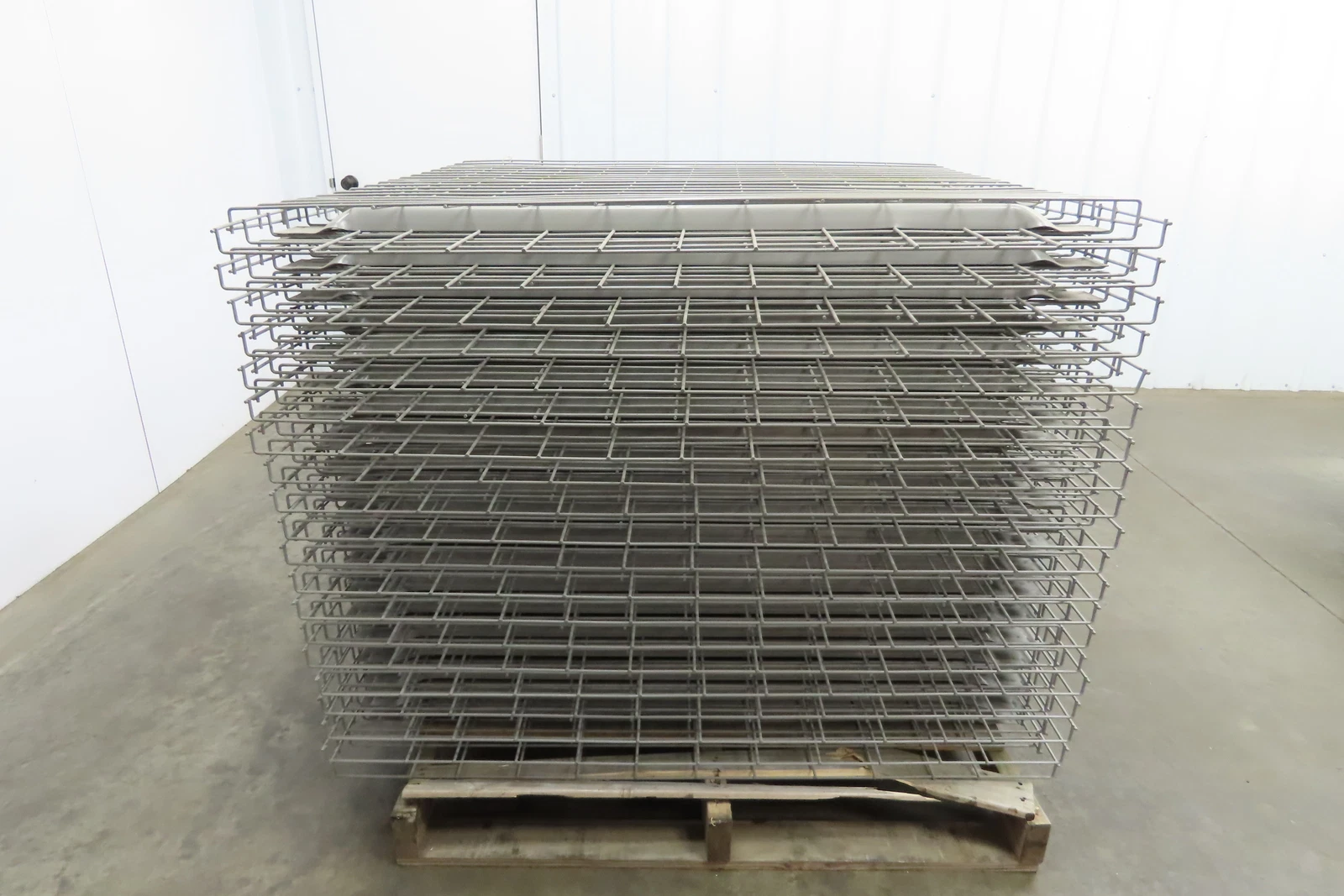
One effective solution is implementing racking systems. These aren’t just any shelves; they’re designed to organize and optimize space efficiently. Imagine walking into a stockroom where every product has a designated spot. Racking systems help prevent items from being piled up, reducing the chances of goods getting lost or forgotten until it’s too late. By creating an organized environment, you not only enhance visibility but also foster accountability among your workers. It’s about taking pride in what you store and ensuring that every packet of food, every piece of merchandise, is given a fighting chance before it expires.
But it’s not only about aesthetics. Think practically. When you can see what you’ve got, you can move those items faster, giving them a longer shelf life and reducing waste. The reality is, every product that goes past its expiration date is a loss—a loss for your business and a missed opportunity for someone in need. This is where good, sensible storage practices come into play.
Of course, there’s an ethical dimension to consider. We’re talking about making a conscious choice to handle goods responsibly. In communities where food insecurity looms, ensuring that expiring products reach those who need them can be part of the solution. By collaborating with local charities or food banks, businesses can turn potential waste into a lifeline, making a real difference in the lives of others.
Now, let’s face it—nobody wants to deal with spoiled goods. It’s a gut punch to see hard-earned money go down the drain. But with a solid plan in place, utilizing tools like racking systems to manage inventory becomes second nature. It’s not just about keeping the shelves organized; it’s about being part of a larger story of community resilience and support. You’re not just a business; you’re a lifeline, a trusted partner in the fight against waste and a champion for those around you. So, roll up your sleeves, expand those racking systems, and be the change in how we view expiring goods.

Storage Solutions for Expiring Goods
Storage Solutions for Expiring Goods
- Effective management of expiring goods impacts both business profitability and community welfare.
- Implementing racking systems optimizes storage space and organization, preventing product loss.
- Racking systems improve visibility and accountability among workers regarding inventory.
- Practical storage solutions help in moving products efficiently, extending their shelf life.
- Responsible handling of goods addresses food waste and supports those in need.
- Collaboration with local charities or food banks can turn expiring products into valuable resources.
- Businesses play a crucial role in promoting community resilience and reducing waste.
Storage Solutions for Expiring Goods
Table Of Contents
- Storage Solutions for Expiring Goods
- How Can I Prevent Food Waste In My Home?
- What Are the Best Ways to Store Seasonal Produce?
- Do I Really Need to Refrigerate All Perishable Items?
- How Can I Effectively Organize My Pantry for Better Access?
- Are Vacuum Sealers Worth the Investment for Long-Term Storage?
- How Can I Tell If Food Items Are Still Safe to Eat?
- Conclusion
- Other Resources
- Glossary Of Terms
- Other Questions
- Checklist
How Can I Prevent Food Waste In My Home?
We’ve all been there: you open the fridge and find that half-eaten takeout container hiding behind the mustard, or a once-vibrant head of lettuce gone limp at the back. Food waste isn’t just a hassle—it weighs on your wallet and the environment. Racking systems can help you organize your food storage for easy access, ensuring that nothing goes unnoticed.
Start by taking stock of what you have. Grab a pen and paper, or simply pull out your phone to make a list. Make a habit of checking your pantry, fridge, and freezer before you shop. Knowing what you have helps avoid buying duplicates or items you don’t need. This process is a humble way to remind ourselves that food is a privilege, not a guarantee. Each item represents the effort of farmers, transporters, and grocers and deserves respect.
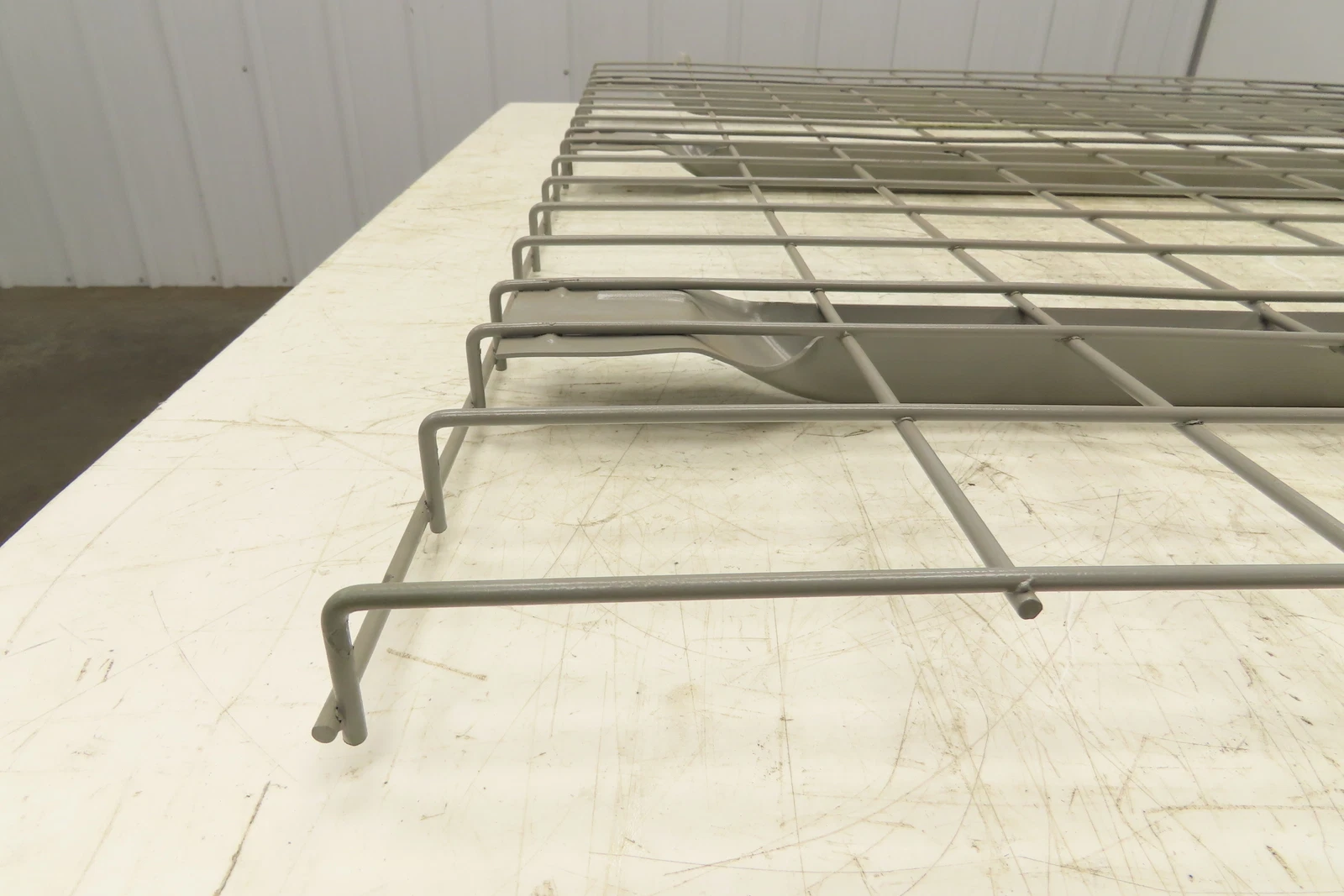
Investing in proper storage solutions, such as racking systems, can make a world of difference. A simple shelving unit allows you to see everything at a glance, making it easier to plan meals around what you already have. No more losing track of ingredients! Organize according to expiration dates—you’ll not only feel accomplished but also make decisions that contribute to a more sustainable home.
Cooking creatively with leftovers fosters a sense of resourcefulness. Turning last night’s roast into a hearty soup or a veggie stir-fry with wilting produce becomes a challenge that can spark joy in the kitchen. Invite your family to share in the process, turning meal prep into a team effort. This can strengthen bonds while reducing waste.
Every time you choose to use what you have instead of throwing it away, you’re making a choice that echoes far beyond your kitchen. It invites others to reconsider their habits, fostering a community of mindful consumers. Share your successes on social media or in person; sometimes, just talking about it can inspire someone else to take action.
Being a part of the solution feels good. Each step taken to prevent food waste is a step towards honoring what’s often taken for granted. With simple changes in how we shop, store, and prepare food—coupled with effective racking systems—we can create a home that values every last bite. Embrace that challenge, and see what a difference it makes, not just in your wallet, but in your heart and your home.

How Can I Prevent Food Waste In My Home?
How Can I Prevent Food Waste In My Home?
- Food waste is a financial and environmental burden.
- Racking systems help organize food storage for easy access.
- Regularly check pantry, fridge, and freezer to avoid duplicates.
- Proper storage solutions can promote sustainability and reduce wasted food.
- Cooking creatively with leftovers encourages resourcefulness and can be a family activity.
- Using what you have can inspire others and promote mindful consumption.
- Preventing food waste honors the effort of those involved in food production.
How Can I Prevent Food Waste In My Home?
What Are the Best Ways to Store Seasonal Produce?
When it comes to storing seasonal produce, there’s a bit of art and a whole lot of practicality involved. Nothing beats the joy of pulling a ripe tomato from the vine in mid-summer or cracking open a jar of homemade pickles in the dead of winter. If you want to savor that taste all year round, how you store your bounty makes all the difference.
First off, think about your storage space. Racking systems come in handy, whether you’re organizing in a chilly basement or a sunlit pantry. Using shelves or racks helps keep everything tidy and ensures good airflow, which is crucial for freshness. Stacking crates of apples or jars of jam not only saves space but also makes grabbing what you need a breeze.
Next, consider the type of produce. Some things, like root vegetables, enjoy the cool, dark company of each other. Carrots, potatoes, and beets thrive in a well-ventilated box filled with sand or straw, preserving their flavor and crunch. On the other hand, fruits like peaches and pears prefer to be alone – stored in a breathable bag or a bowl on the counter where they can ripen at their own pace. When they’re ready, pop them in the fridge for that perfect bite.
Don’t forget about the power of preservation. Canning, freezing, and dehydrating are tried-and-true methods handed down through generations. Each method carries its own charm: the satisfaction of sealing jars filled with summer sun, tossing blueberries in the freezer for a cozy winter smoothie, or drying herbs to keep their aroma alive. These actions evoke a sense of nostalgia and connection to the land, intertwining family traditions with daily life.
Another thing to keep in mind is the ethical angle. By storing seasonal produce wisely, you’re not just saving money; you’re minimizing waste and respecting the hard work of farmers. There’s something deeply fulfilling about making the most out of what’s available, honoring the cycle of nature, and sharing that bounty with friends and family.
Finally, let’s face it – sharing seasonal treasures creates bonds. Imagine hosting a gathering where your friends relish the flavors of home-canned goods, or watching their eyes widen when they take a bite of a sun-soaked strawberry you’ve stored just right. These moments matter. They tie us together, bridging the gap between seasons, memories, and generations. So, roll up those sleeves, get that racking system set up, and dive into the satisfying journey of producing storage. Your taste buds – and your loved ones – will thank you.
What Are the Best Ways to Store Seasonal Produce?
What Are the Best Ways to Store Seasonal Produce?
- Storage of seasonal produce combines art and practicality for year-round enjoyment.
- Utilize racking systems or shelves to organize produce, ensuring good airflow for freshness.
- Root vegetables, like carrots and potatoes, thrive in well-ventilated boxes, while fruits such as peaches prefer to ripen alone.
- Preservation methods like canning, freezing, and dehydrating help maintain flavors and evoke nostalgia.
- Wise storage minimizes waste, saves money, and respects farmers’ efforts.
- Sharing home-stored seasonal treasures fosters connections and creates memorable experiences.
- Engaging in the process of produce storage enhances appreciation for nature and family traditions.

What Are the Best Ways to Store Seasonal Produce?
Do I Really Need to Refrigerate All Perishable Items?
When it comes to perishable items, the question isn’t just about what to refrigerate; it’s about understanding the balance between safety, waste, and practicality. Take a moment to think about that half-open packet of bacon in your fridge. It’s easy to think it can just sit there for a while, but what happens if it slips your mind? The heart knows the joy of a sizzling breakfast, yet the gut tells you that spoiled meat can lead to a whole mess of trouble. Refrigeration isn’t just about keeping things cold—it’s about keeping our loved ones safe.
Let’s lay it out—food safety isn’t just a set of rules handed down from on high; it’s grounded in common sense and real-life experience. Picture a day at the grill with friends and family, steaks and burgers lovingly prepared, but if those perishables hadn’t been kept properly, the fun can turn to dread faster than you can say food poisoning. You wouldn’t risk your health or that of your kin for the sake of a little room in your fridge. We’ve all seen those racking systems that provide a bit more organization, allowing us to make room for what really matters while keeping everything safe and sound.
We’ve been taught to trust our instincts, and when it comes to food, those instincts are sharpened by experience. The vegetables that wilt in the corner or the dairy that’s past its prime don’t just waste money—they can also lead to unhealthy consequences. Trust is built on knowing we’ve prepared the best for our families, and that means making the right choices about perishables. It’s about having the confidence to say no to neglect and yes to care.
Consider the ethical aspect of it all. Wasting food in our homes can contribute to larger societal problems. When we’re mindful of how we store perishables, we can help cut down on waste, feeding our families and the planet in a more responsible manner. A little extra thought about proper refrigeration supports community efforts to tackle food security.
Don’t let misguided convenience lead to waste or illness. Treat your fridge like a responsible friend, one that helps you maintain a household filled with health and happiness. Remembering to keep perishable items cold isn’t just about the meal on the table; it’s about putting your best foot forward for every gut, heart, and mind in the family. So, roll up your sleeves, take stock of what needs chilling, and make sure to bring your best to the table every day—one perishable at a time.

Do I Really Need to Refrigerate All Perishable Items?
Do I Really Need to Refrigerate All Perishable Items?
- Understanding refrigeration is crucial for balancing safety, waste, and practicality regarding perishable items.
- Neglecting food safety can lead to serious health risks, like food poisoning, especially with improperly stored items.
- Trusting instincts and experience is important when assessing the freshness of perishables.
- Wasting food not only affects personal finances but also contributes to broader societal issues.
- Properly managing perishables supports food security and responsible consumption.
- Treating the fridge as an ally helps maintain a healthy household environment.
- Regularly assessing and organizing perishables ensures quality meals and reduces waste.

Do I Really Need to Refrigerate All Perishable Items?
How Can I Effectively Organize My Pantry for Better Access?
Organizing your pantry effectively not only makes meal prep easier but can also transform how you view cooking and eating at home. When the family gathers, a well-organized pantry is more than a functional space; it’s a cornerstone of a happy home. Picture this: every ingredient at your fingertips, ready for a recipe. It’s not just about tidiness; it’s about creating an atmosphere where meals can turn into lasting memories.
Start by considering your racking systems. These are more than just shelves; they’re the backbone of your pantry organization. With the right setup, you can maximize vertical space, easily spot what you have, and maintain order even in tight spaces. Invest in adjustable racks that grow with your needs. The fewer items you have to dig through, the less time you waste and the more calming your kitchen becomes.
Emotional connection plays a big role here. Think about family dinners growing up—those moments where everyone felt comfortable, connected, and fed. An organized pantry enables you to replicate that warmth. Label your jars and bins, so kids can help with meal prep or snack selection. Make it a family project, giving everyone a stake in creating this organized haven.
From a rational perspective, the benefits stack up. An organized pantry reduces food waste, as you can see what you have and use it before it expires. This translates into savings, leaving more in the budget for family outings or that unexpected treat. Use transparent containers to store dry goods. When you can see what you have, you’re less likely to double buy and more inclined to create dishes with what’s on hand.
Ethically, managing your pantry reflects your values. It’s a small step towards sustainability. When everything has a place, you’ll find it easier to plan meals around ingredients you already own, thus cutting down on unnecessary trips to the store.
Engage with your pantry space. Make it a point to revisit and refresh it regularly. Storytelling isn’t just for movies; it’s for meals too. Share the stories behind your favorite recipes; they’ll resonate throughout your family. You’re not just organizing; you’re nurturing connections, serving sustenance, and crafting a home filled with love.
So, roll up your sleeves, grab those racking systems, and get to work—your pantry will not only be a sight to behold but a source of daily inspiration.

How Can I Effectively Organize My Pantry for Better Access?
How Can I Effectively Organize My Pantry for Better Access?
- Effective pantry organization simplifies meal prep and enhances the cooking experience.
- A well-organized pantry fosters a joyful home environment, with easy access to ingredients.
- Invest in adjustable racking systems to optimize space and maintain order.
- Involve family members in organizing to foster emotional connections and shared responsibilities.
- An organized pantry minimizes food waste and contributes to budgeting savings.
- Clear containers help in tracking supplies and prevent unnecessary purchases.
- Regularly refreshing the pantry encourages engagement and nurtures family connections.

How Can I Effectively Organize My Pantry for Better Access?
Are Vacuum Sealers Worth the Investment for Long-Term Storage?
When it comes to stocking up on your favorite foods or protecting your hard-earned harvest, the question of whether vacuum sealers are worth the splurge comes into play. Picture this: the satisfaction of pulling out jars of freshly sealed tomatoes in the dead of winter, the taste of summer preserved in your pantry, and the confidence that your food will stay fresh without freezer burn or spoilage. That’s not just smart cooking; it’s a way of life that can save you money and reduce waste.
Think about the last time you threw out food because it went bad. It’s a gut punch to know you wasted both money and resources. Vacuum sealers are like insurance against diminishing quality, extending the life of your meats, veggies, and leftovers. The science behind it is pretty straightforward. By removing air, vacuum sealers slow down oxidation and bacteria growth, which means you get to enjoy the fruits of your labor long after harvest season.
Ethically speaking, investing in a vacuum sealer aligns with a growing desire to be more environmentally friendly. By preserving food, you not only save a few bucks in the long run but also reduce your carbon footprint. Less waste means a smaller impact on landfills and a healthier planet for future generations. It’s a win-win.
We also can’t overlook the social aspect. Imagine hosting friends for dinner and proudly sharing your homemade pasta sauce—an apartment filled with the aroma of your handiwork, knowing it was sealed with care. That’s the kind of storytelling that pulls people together. Your vacuum sealer becomes part of your culinary narrative, a tool that lets you share the journey of your food from garden to table.
And let’s not forget the practical side of things. Racking systems for storage, utilizing these sealers, allow you to easily organize everything—no more rummaging through drawers to find that elusive bag of peas. Every item has its spot, keeping your kitchen tidy and efficient, and turning meal prep into a breeze.
A vacuum sealer isn’t just an appliance; it’s a lifestyle upgrade. Whether you’re a seasoned cook or just getting started, this small investment brings peace of mind and a sense of achievement every mealtime. So, ask yourself: can you really afford to not invest in one?

Are Vacuum Sealers Worth the Investment for Long-Term Storage?
Are Vacuum Sealers Worth the Investment for Long-Term Storage?
- Vacuum sealers help preserve food, extending freshness and preventing freezer burn.
- They reduce food waste and save money by preventing spoilage.
- By removing air, vacuum sealers slow down oxidation and bacterial growth.
- Investing in a vacuum sealer aligns with environmentally friendly practices.
- They enhance social experiences by allowing sharing of homemade dishes.
- Vacuum sealers aid in kitchen organization, making meal prep more efficient.
- This appliance offers a lifestyle upgrade for both seasoned and novice cooks.

Are Vacuum Sealers Worth the Investment for Long-Term Storage?
How Can I Tell If Food Items Are Still Safe to Eat?
When it comes to food safety, trusting your instincts matters just as much as the science behind it. It’s a matter of common sense, shaped through years of kitchen experience. Learn to be your own food detective, using your senses as your primary tools. Start by giving that can or jar a once-over. If you see any rust, bulging, or leaks, it’s time to toss it. Remember, food safety isn’t just about your health; it’s about valuing the effort and resources that go into every meal.
Check the expiration dates, but don’t let them be the sole dictator of what hits your plate. Those dates can be guidelines rather than strict cutoffs. Use your gut—if something looks “off” or smells funny, don’t hesitate to throw it out. Rely on your senses; they’ve served you well. A squishy tomato might be salvageable for sauce, but if it’s more mush than flesh, it’s best left for the compost.
The ethics of food waste come into play here too. We live in a society where plenty of good food gets tossed simply because it’s past a date on some label. Think about the farmers, the laborers, and the transport teams who brought that food to your table. So, when in doubt, plan your meals around what needs using first, ensuring nothing goes to waste. Share leftovers with neighbors or friends—there’s something heartwarming about a home-cooked meal being passed around the community.
Hear stories of those who’ve experienced foodborne illnesses; it’ll make you think twice about that questionable leftover lurking in the fridge. You might have been lucky so far, but luck has a way of running out. Prevention is your best friend here. Make a habit of organizing your pantry and fridge like a well-structured racking system—oldest in front, new in the back. It’s a simple practice that can save you from potential food hazards.
Feel empowered by understanding your food. It builds not just your confidence in the kitchen but fosters a closer connection to what you eat. You’re the one who decides what’s safe, drawing from your own experiences and knowledge. When you embrace the practice of food safety, you cultivate a relationship with your meals that honors both your health and the hard work behind your sustenance. Choose wisely, and be proud of the choices you make, because every meal counts.

How Can I Tell If Food Items Are Still Safe to Eat?
How Can I Tell If Food Items Are Still Safe to Eat?
- Trust your instincts in food safety, using common sense and experience.
- Inspect cans and jars for rust, bulging, or leaks before use.
- Expiration dates are guidelines; rely on your senses to judge food quality.
- Avoid food waste by planning meals around items that need to be used first.
- Consider sharing leftovers with others to foster community connections.
- Organize pantry and fridge to prioritize older items, reducing food hazards.
- Build confidence and connection with food through informed safety practices.

How Can I Tell If Food Items Are Still Safe to Eat?
Conclusion
Effective management of expiring goods transcends mere operational efficiency; it’s about creating real value for businesses and communities alike. We often encounter shelves filled with products nearing their expiration, provoking the question of why this waste occurs when practical solutions exist. By adopting smart storage strategies, particularly racking systems, organizations can combat this issue head-on. These systems don’t just maximize space; they enhance visibility, accountability, and overall organization, ensuring that every item has its place and can be retrieved before it’s too late. This creates an environment where pride in product stewardship flourishes, minimizing waste while positively impacting profit margins.
The ethical responsibilities tied to managing perishable items should not be overlooked, especially in communities facing food insecurity. By proactively partnering with local charities, businesses can shift expiring goods from potential waste into vital resources for those in need. This collective action not only reduces waste but also builds a sense of community and shared responsibility. As we navigate through the realities of spoilage, it’s crucial to channel that frustration into a compelling action plan, not just for business health but for social good.
On a personal level, households can implement similar strategies to combat food waste. Simple practices like inventory tracking and effective food storage can prevent the rather painful experience of tossing out spoiled items. Embracing the use of racking systems in kitchens allows for better organization, sparking a sense of accomplishment. Cooking inspired by remaining ingredients encourages creativity and fosters family connections, turning meal preparation into a cherished activity rather than a chore.
Seasonal produce storage also merits attention. By understanding the specific needs of different fruits and vegetables and implementing proper storage techniques, individuals can honor their efforts and the natural cycles of food production. This not only enhances flavor but also extends enjoyment past the harvest season. Ethical consumption goes hand-in-hand with sustainability, resulting in impactful decisions that ripple through communities.
In the kitchen, the balance between food safety and enjoyment underscores the need for mindfulness in refrigerating perishables. By becoming savvy about food handling, families not only safeguard their health but also respect the labor of those who contribute to putting meals on the table.
Ultimately, organizing spaces, prioritizing perishables, and making thoughtful storage choices empower individuals and businesses alike. Each proactive step taken against food waste contributes to a narrative of sustainability, care, and community engagement, bridging the gap between personal responsibility and a collective drive for a brighter, waste-free future.

Conclusion
Conclusion:
- Effective management of expiring goods creates value for businesses and communities.
- Smart storage strategies, especially racking systems, help combat product waste.
- Racking systems enhance visibility, accountability, and organization in inventory management.
- Businesses can partner with local charities to redirect expiring goods to those in need.
- Households can reduce food waste through inventory tracking and effective storage practices.
- Proper storage techniques for seasonal produce enhance flavor and extend enjoyment.
- Organizing spaces and prioritizing perishables contribute to sustainability and community engagement.

Conclusion
Other Resources
Other Resources
Here is a list of other resources you can review online to learn more:
- Iowa Illinois Warehouse Racking
- Bradford Systems
- BMH
- Warehousing and Fulfillment
- BMH Equipment LLC
- Teardrop Industrial Shelving Rack
- Warehouse Racking System: Powerful Guide to Optimise, 2024
- Illinois Pallet Racking – WPRP
- Heavy-Duty Cantilever Storage Racks
- Pallet Racking systems in Illinois and Great Lakes
- Interlake Mecalux
- American Society of Safety Professionals
- Interlake
- IIWS Inc. Rack Installation Illinois & Rack Repairs Illinois
- What is Selective Pallet Racking
- Cantilever Rack Guide: Ordering Cantilever Racking
- Cantilever Racking Specialists – Get the Right Racks
- Used Teardrop Pallet Rack – American Surplus
- The Ultimate Pallet Racking Guide – Speedrack West
- Rack Manufacturers Institute
Use This Prompt To Get More Resources With Your Favorite Online AI Tool: Please provide me with a list of online articles with their URLs in a bulleted list that I can read regarding Storage Solutions for Expiring Goods

Other Resources
Glossary Terms
Storage Solutions for Expiring Goods – Glossary Of Terms
1. Abatement: The reduction or elimination of unwanted materials that may affect storage conditions.
2. Best Before: A date indicating the last day a product is expected to retain its optimal quality.
3. Cold Chain: A temperature-controlled supply chain that ensures the preservation of perishable goods.
4. Contamination: The presence of harmful substances or microorganisms that can spoil goods.
5. Expiration Date: The date after which a product is not guaranteed to remain safe or effective.
6. FIFO (First In, First Out): A stock management method where older inventory is sold before newer stock to minimize waste.
7. Humidity Control: The management of moisture levels to prevent spoilage in stored goods.
8. Inventory Turnover: A measure of how quickly stock is sold and replaced over a period.
9. Labeling: The practice of marking goods with essential information such as expiration dates and storage instructions.
10. Microbial Growth: The increase of bacteria, molds, or yeasts that can lead to spoilage.
11. Overstocking: Keeping more inventory than necessary, increasing the risk of waste due to expiration.
12. Preservation: The methods used to maintain the quality of goods over time.
13. Quality Assurance: Procedures that ensure products meet specific quality standards before being sold.
14. Refrigeration: The process of cooling goods to prolong their shelf life.
15. Repackaging: The action of transferring products to new packaging for better protection against spoilage.
16. Rotation: The practice of organizing inventory to ensure older products are sold first.
17. Shelf Life: The length of time a product can be stored under specified conditions before it deteriorates.
18. Spoilage: The process where goods become unsuitable for consumption due to decay or contamination.
19. Storage Environment: The conditions in which goods are kept, including temperature and humidity levels.
20. Temperature Control: The regulation of storage temperature to prevent spoilage.
21. Traceability: The ability to track a product through all stages of production and distribution.
22. Waste Management: The process of managing surplus goods to minimize environmental impact.
23. Zoning: The practice of organizing storage areas based on product types or expiration dates.
24. Aseptic Packaging: A method that keeps goods sterile and extends shelf life without refrigeration.
25. Bulk Storage: The storage of large quantities of goods, often in a way that allows for easy access and management.
26. Dehydration: The removal of moisture from foods to prevent spoilage.
27. Expiring Inventory: Goods that are approaching their expiration date and need to be used or sold quickly.
28. Freezing: A preservation method that inhibits the growth of microorganisms by lowering temperatures significantly.
29. Salvage: The process of recovering usable products from expired inventory for donation or repurposing.
30. Threshold Limits: Specific criteria that determine when goods should be discarded or marked for reduction in price.

Glossary Of Terms
Other Questions
Storage Solutions for Expiring Goods – Other Questions
If you wish to explore and discover more, consider looking for answers to these questions:
- What types of racking systems work best for different categories of expiring goods?
- How much do racking systems cost and what is the typical return on investment?
- How do I implement FIFO (first-in, first-out) and other rotation methods effectively?
- What temperature and humidity conditions are required for various perishables?
- Which monitoring technologies (sensors, RFID, inventory software) help prevent spoilage?
- How can I set up automated alerts for approaching expiration dates?
- What are the legal and liability considerations when donating near-expiration food?
- How do I establish partnerships with local charities or food banks for surplus distribution?
- What documentation and traceability practices are needed for donated goods?
- How should I label and track expiration dates on incoming and stored items?
- What training should staff receive to manage expiring inventory correctly?
- How should opened or partially used packages be handled and stored?
- Which vacuum sealer models and techniques are best for different foods?
- How do the costs and savings of vacuum sealing compare for households vs businesses?
- What preservation methods (canning, freezing, dehydrating) suit specific seasonal produce?
- How can I extend the nutritional quality and flavor of stored produce?
- What packaging materials or barriers best reduce oxidation and freezer burn?
- How do I prevent pests, mold, and contamination in dry and cold storage areas?
- What cleaning and maintenance routines are recommended for racking systems?
- How can small kitchens or limited spaces integrate effective racking and storage?
- When is refrigeration necessary versus ambient or cellar storage for certain items?
- How should I plan for power outages or refrigeration failures to protect perishables?
- What are common storage mistakes that lead to unnecessary spoilage?
- How do “best by,” “sell by,” and “use by” dates differ and how should they guide use?
- What metrics can I use to measure waste reduction and sustainability impact?
- How can surplus or expired but non-hazardous food be repurposed, composted, or recycled responsibly?
- What regulatory or food safety guidelines apply to long-term storage and redistribution?

Other Questions
Checklist
Storage Solutions for Expiring Goods – A Checklist
Set Up Smart Storage
✅______ Install racking systems sized to your space and load needs
✅______ Allocate clearly labeled zones (incoming, priority to use, backstock)
✅______ Use adjustable shelves to fit varying product sizes
✅______ Ensure good airflow around stored items
✅______ Keep high-turn items at eye level for quick access
Make Inventory Visible and Accountable
✅______ Conduct a full stock count before purchasing more
✅______ Group like items together (by category and use)
✅______ Place “use first” items in front (FIFO)
✅______ Create a simple location map for fast retrieval
✅______ Assign ownership for each zone to maintain order
Label and Date Everything
✅______ Use durable labels with received, opened, and use-by dates
✅______ Color-code or tag near-expiry items
✅______ Standardize naming to avoid confusion (avoid inconsistent abbreviations)
✅______ Add prep notes (e.g., “ready-to-cook,” “needs ripening”)
Plan to Move Expiring Goods
✅______ Build weekly menus around items closest to expiration
✅______ Create a “cook now” bin for quick meal ideas
✅______ Schedule routine donation pickups with local charities and food banks
✅______ Document donation criteria and timelines
✅______ Track diverted waste to measure improvement
Prevent Waste at Home
✅______ Check pantry, fridge, and freezer before shopping
✅______ Keep an ongoing digital or paper list of on-hand items
✅______ Plan meals to use leftovers within a couple of days
✅______ Dedicate a visible shelf for “eat me first” foods
✅______ Share surplus with neighbors or friends
Organize the Pantry for Access
✅______ Use clear containers for dry goods
✅______ Label bins and jars for quick identification
✅______ Reserve prime spots for daily-use items
✅______ Store heavy items on lower shelves for safety and ease
✅______ Set a monthly 15-minute tidy-and-rotate session
Store Seasonal Produce Wisely
✅______ Set up racks or crates to avoid stacking damage
✅______ Keep ripening fruits separate from others when needed
✅______ Use breathable bags or boxes for items that require airflow
✅______ Try preservation methods (canning, freezing, dehydrating)
✅______ Date and categorize preserved goods on shelves
Decide What to Refrigerate Thoughtfully
✅______ Refrigerate perishables promptly after purchase or prep
✅______ Assign a dedicated spot for ready-to-eat perishables
✅______ Keep a quick-reference list of items you routinely chill
✅______ Move ripe produce to the fridge at peak ripeness
Use Vacuum Sealing and Other Preservation Tools
✅______ Evaluate whether a vacuum sealer fits your volume and habits
✅______ Portion, label, and seal meats, produce, and leftovers
✅______ Pair sealed items with racks or bins for neat stacking
✅______ Keep a sealing log to track what is stored and where
Assess Edibility and Rotate
✅______ Inspect packaging before use (no damage or leaks)
✅______ Prioritize items nearing their date for immediate use
✅______ Use sensory checks (look, smell, texture) with judgment
✅______ Redirect borderline produce into sauces, soups, or freeze it
✅______ Compost inedible scraps where possible
Maintain the System
✅______ Review stock weekly; update lists and labels
✅______ Train family or staff on FIFO and zone rules
✅______ Set calendar reminders for donation and preservation days
✅______ Track savings and reduced waste to motivate consistency
✅______ Adjust shelving and categories as needs change

Checklist
At RackingWorld, we help guide you through selecting warehouse storage systems and racking.
Be sure to read our other related stories at RackingWorld to learn more about warehouse storage systems.
0 Comments