
Unlocking Seamless Growth: Empower Your Omnichannel Strategy
By Tom Seest
At RackingWorld, we help guide you through selecting warehouse storage systems and racking.
Be sure to read our other related stories at RackingWorld to learn more about warehouse storage systems.
Storage Planning for Omnichannel Expansion
When diving into the world of omnichannel expansion, one of the unsung heroes of success is a solid storage plan. Think of it like laying down a sturdy foundation before building the house. You can have the best products and slickest marketing, but if your storage isn’t up to snuff, everything can come crashing down. This is where racking systems come into play—a key player in keeping your inventory organized and accessible.
Picture this: you’re on the floor of your warehouse, surrounded by boxes stacked to the ceiling, and you need to find that one item a customer ordered. If you’ve got a haphazard setup, you waste time digging through piles of stuff, leading to frustrated customers and lost revenue. A well-designed racking system, however, allows you to navigate your space with ease, making it a breeze to locate what you need in a snap. This efficiency not only saves time but helps build a reputation for reliability that keeps customers coming back.
From a rational standpoint, investing in good racking systems is a wise choice. They maximize vertical space, which means you can store more in less square footage. With soaring rental prices, that’s smart business. You’re not just making your life easier; you’re also boosting your bottom line. Furthermore, the right system reduces the risk of damage to your products. When items are organized and secured, you minimize the chances of costly mistakes that could incur significant losses.
The ethical side of storage planning hinges on responsibility—both to your employees and your customers. An organized workspace ensures safety, reducing the risk of accidents and fostering a culture where people feel valued and secure. When your workers know you care about their environment, you inspire loyalty that reflects on your brand.
There’s also a powerful narrative at play. Every successful business starts with one person’s dream. You’ve built something from the ground up, and as those orders start rolling in, don’t let a cluttered storage space be what hinders your progress. Harness the power of racking systems to elevate your operations, streamline processes, and keep that entrepreneurial spirit alive.
Connecting with your team during this journey builds camaraderie. Talk about the changes, gather their input, and engage them in how the new systems will make their work easier. When everyone’s on board, you foster a shared sense of pride and purpose.
In this bustling world of omnichannel retail, having a robust storage strategy isn’t just an operational necessity; it’s a celebration of all the hard work that got you here and a vital step in paving the path toward growth.

Storage Planning for Omnichannel Expansion
Storage Planning for Omnichannel Expansion
- A solid storage plan is essential for successful omnichannel expansion.
- Racking systems help keep inventory organized and accessible.
- Efficient storage minimizes time spent locating items, improving customer satisfaction.
- Investing in racking systems maximizes vertical space and reduces rental costs.
- Organized storage decreases the risk of product damage and costly mistakes.
- Safety and employee well-being are enhanced through responsible storage planning.
- Engaging with the team fosters pride and purpose in the organizational changes.
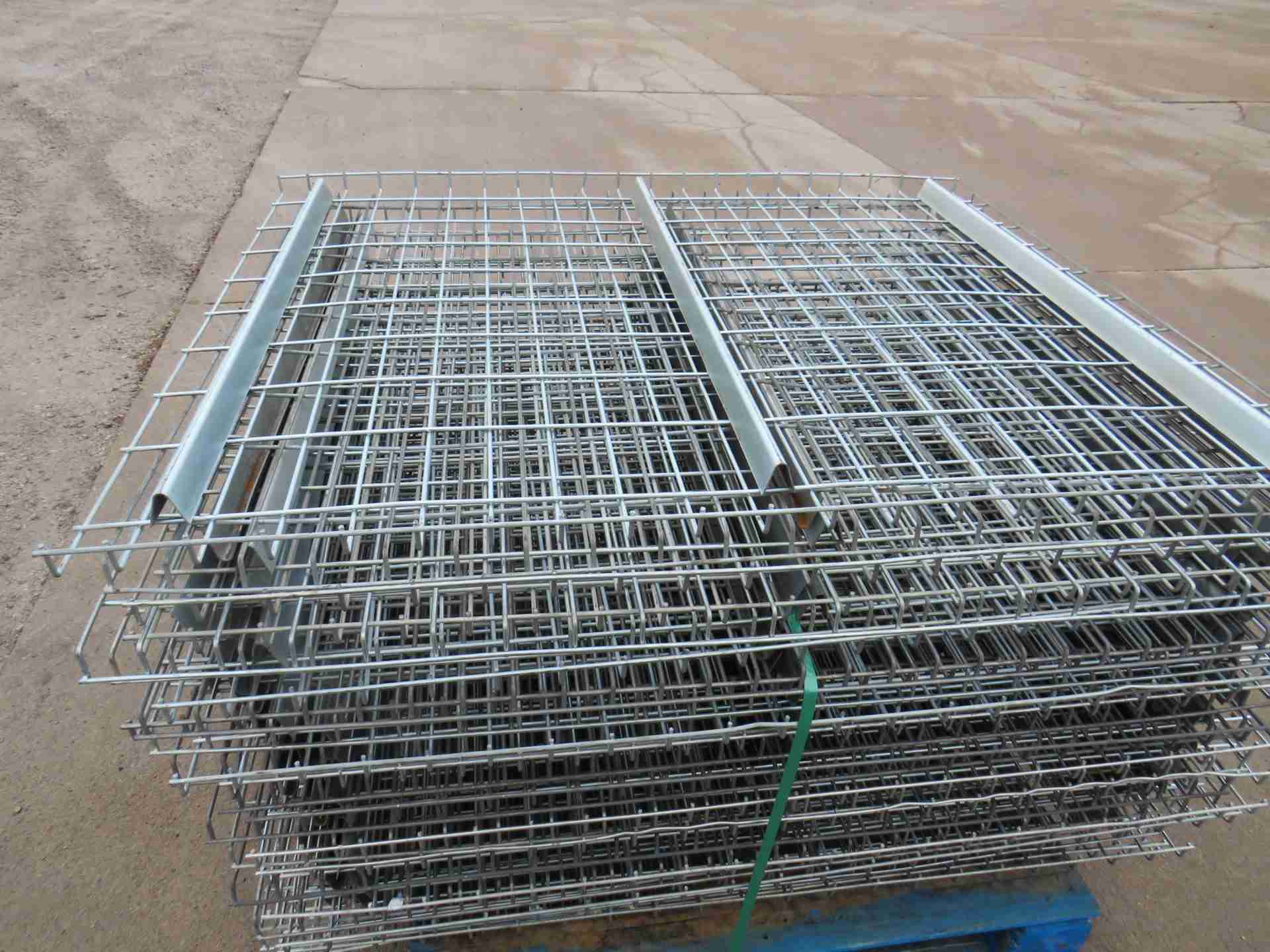
Storage Planning for Omnichannel Expansion
Table Of Contents
- Storage Planning for Omnichannel Expansion
- Are We Maximizing Our Storage Space Effectively?
- How Can We Reduce Inventory Costs?
- What Tools Can Enhance Our Storage Planning?
- Are We Prepared for Peak Season Demands?
- How Does Storage Efficiency Impact Customer Satisfaction?
- Can We Anticipate Future Storage Needs?
- Conclusion
- Other Resources
- Glossary Of Terms
- Other Questions
- Checklist
Are We Maximizing Our Storage Space Effectively?
When it comes to storage, many of us feel like we’re living in a cluttered mess, trying to navigate through an ocean of boxes and bins. The truth is, our storage spaces often reflect our lives—full of goals, aspirations, and yes, a bit of chaos. The question we need to ask ourselves is whether we’re truly maximizing our storage space or simply shoving things out of sight until the next day. The right racking systems can transform your space from a tangled web of disorganization into a well-structured environment that works for you.
Let’s think about it from a heart perspective: your home or workspace is a reflection of who you are. Imagine walking into a neat and organized space, where everything has its place, and there’s room to breathe. This isn’t just about aesthetics; it’s about peace of mind. When our surroundings are orderly, we let go of anxiety and invite clarity into our lives. Your environment should be a sanctuary, not a source of stress.
Now, let’s consider the rational side. Those racking systems aren’t just a luxury; they’re a necessity. They make it easier to find what you need when you need it, saving you time and reducing frustration. Think of the hours spent rummaging through piles of accumulated junk, only to discover you’re missing that one vital tool or document. A little investment into proper shelving and organization goes a long way in making your life easier and more efficient.
Ethically, we owe it to ourselves and our families to create a safe and efficient living or working space. Clutter can lead to accidents, wasted resources, and undue stress. By taking the time to organize and utilize our storage spaces effectively, we set a positive example for those around us, fostering a culture of responsibility and care.
And let’s not forget about the narratives we tell ourselves and one another. When we walk into a friend’s tidy home, there’s a sense of pride. You can share stories of your organizational triumphs—how a few racking systems turned your garage into a workshop or your basement into a playroom. It’s about connecting through shared experiences, building a community that values resourcefulness, and celebrating small victories.
At the end of the day, maximizing our storage isn’t just about physical space; it’s about creating environments that inspire us to reach our potential and live without the weight of unnecessary clutter. Investing a little time and effort into organizing can evoke trust and confidence in ourselves and encourage action toward a more structured, fulfilling life.
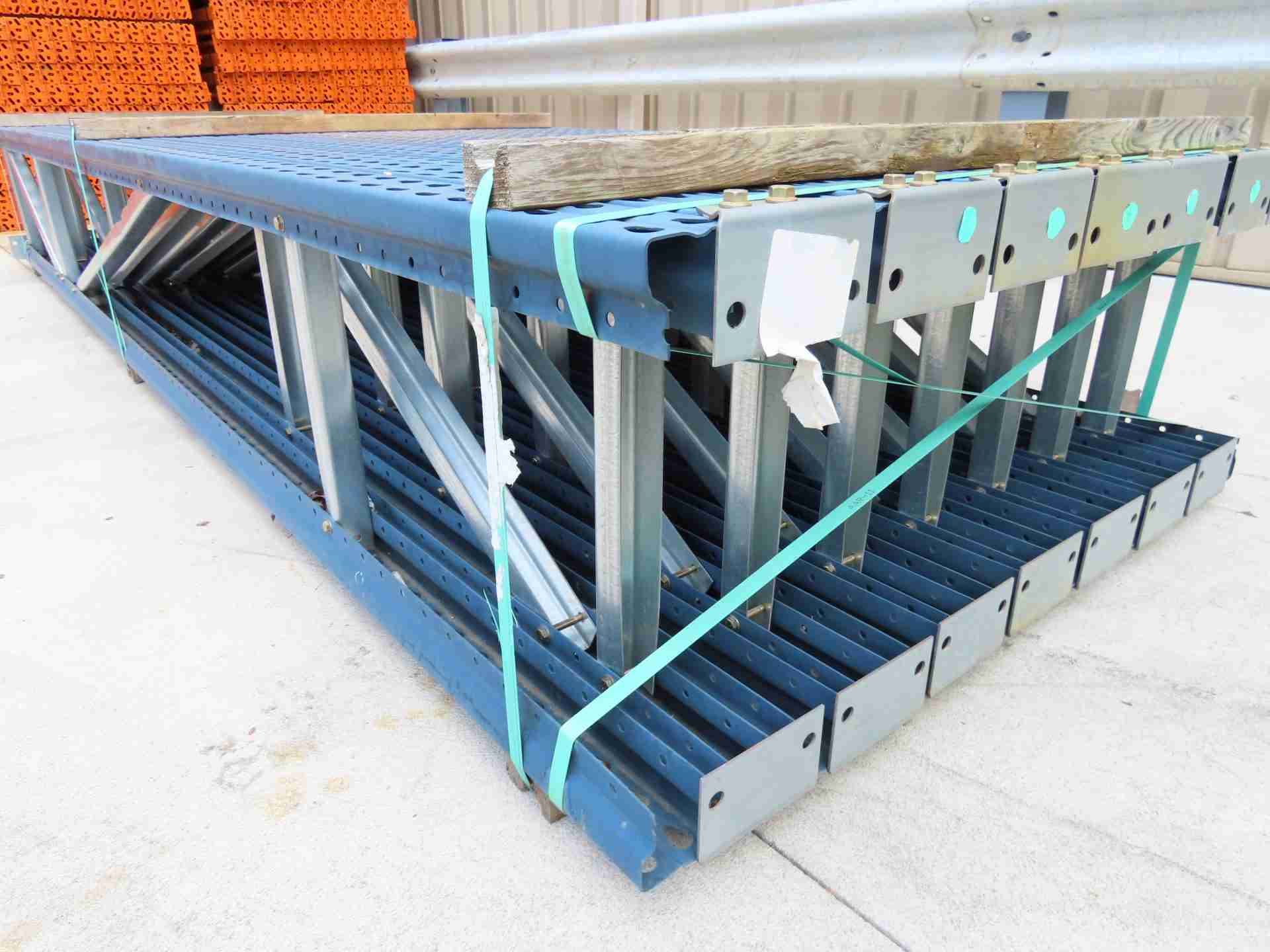
Are We Maximizing Our Storage Space Effectively?
Are We Maximizing Our Storage Space Effectively?
- Many people struggle with cluttered storage spaces, reflecting chaos in their lives.
- Effective racking systems can transform disorganized areas into structured environments.
- A tidy space promotes peace of mind and clarity, making the home a sanctuary.
- Proper organization saves time and reduces frustration when searching for items.
- Creating an orderly environment fosters safety and sets a positive example for others.
- Sharing organizational successes strengthens community and celebrates resourcefulness.
- Maximizing storage is essential for inspiring personal growth and reducing clutter’s burden.
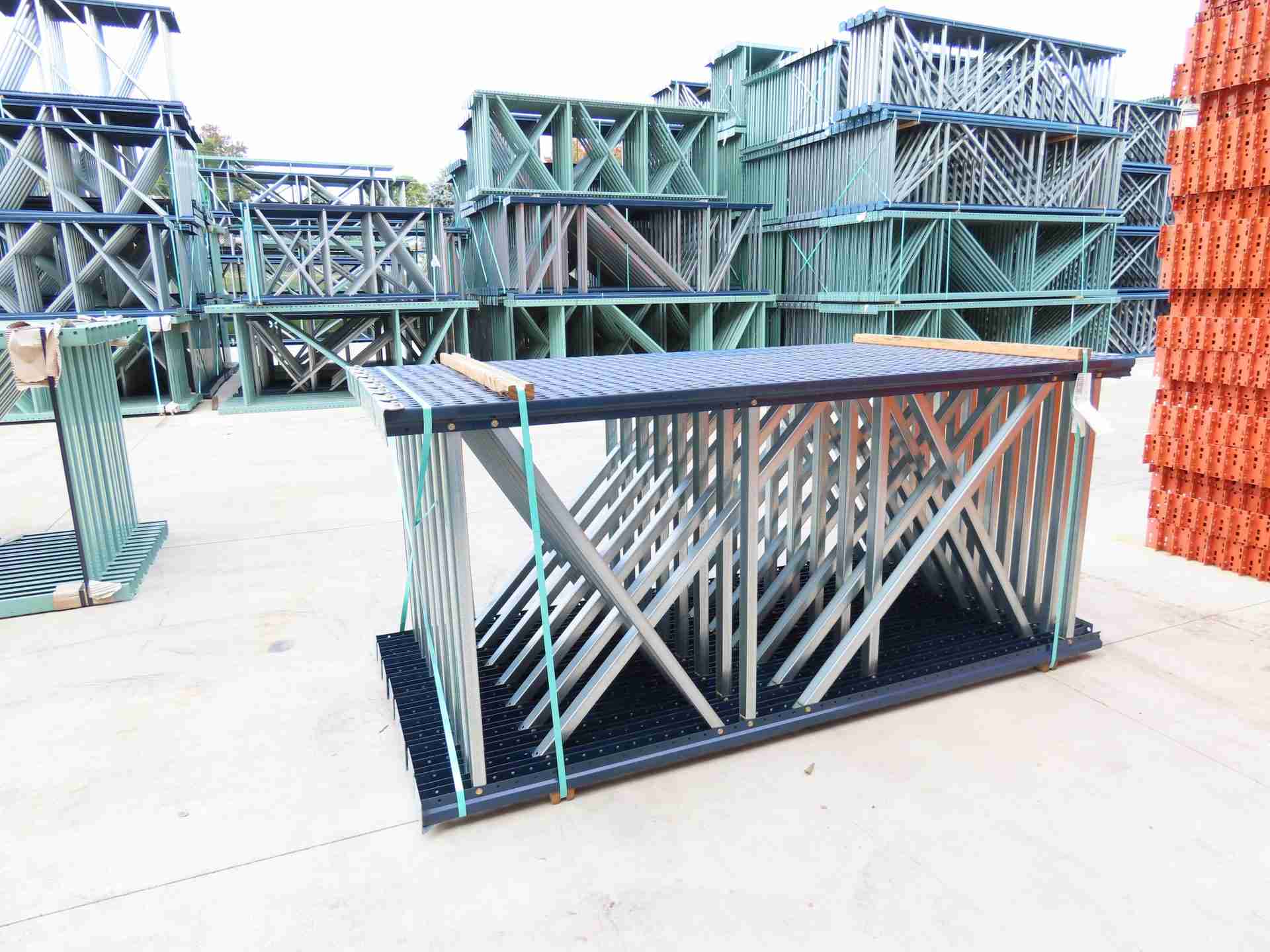
Are We Maximizing Our Storage Space Effectively?
How Can We Reduce Inventory Costs?
In the world of inventory management, reducing costs isn’t just a numbers game; it’s about making smarter choices that resonate at every level of the business. Imagine walking through a warehouse where products are neatly organized, every item in its rightful place thanks to efficient racking systems. This isn’t just about aesthetics; it’s about optimizing space and minimizing waste. When you tackle inventory management with the right tools, like those sturdy racking systems, you not only save money but also create a working environment that respects your team’s efforts and time.
Think about the cold hard facts: carrying excess inventory ties up capital, leads to spoilage, and can result in markdowns that eat into your profits. Streamlining your inventory means making each square foot of your storage facility work as hard as your crew does. It’s time to lean on technology and smart systems that track what you have, what sells, and what just takes up space. Better forecasting, powered by reliable data, will keep your shelves stocked with what customers actually want, giving your business a fighting chance in a competitive market.
But it’s not all about numbers; there’s an ethical side to controlling inventory costs, too. Every dollar wasted is a dollar that could have been reinvested in your people or your community. Choosing to focus on efficient inventory management shows a commitment to your workforce and your customers, fostering a loyal base of supporters who appreciate your dedication to quality and responsibility.
Storytelling can drive home the importance of reducing inventory costs. Picture a local business owner who once lost sleep over unsold products cluttering their shop. After implementing just-in-time inventory methods and reorganizing with proper racking systems, they not only saved on costs but also revitalized their passion for their work. The success they achieved rippled out into the community, creating a narrative of resilience and smart choices.
Join the ranks of businesses that have embraced these changes. Invest in training for your staff on inventory best practices, encourage open communication about what’s working and what isn’t, and watch as morale rises alongside your bottom line. Reducing inventory costs isn’t merely about saving a buck—it’s about building a sustainable future for everyone involved, leaving a legacy of smart, ethical business practices that other companies can emulate.

How Can We Reduce Inventory Costs?
How Can We Reduce Inventory Costs?
- Efficient inventory management reduces costs through smarter choices at all business levels.
- Proper racking systems optimize space and minimize waste in warehouses.
- Excess inventory ties up capital, leads to spoilage, and causes markdowns that affect profits.
- Utilizing technology improves inventory tracking and forecasting to meet customer demand.
- Efficient inventory management promotes reinvestment in employees and the community.
- Success stories highlight the benefits of just-in-time inventory methods and organization.
- Training and open communication in inventory practices enhance team morale and financial performance.
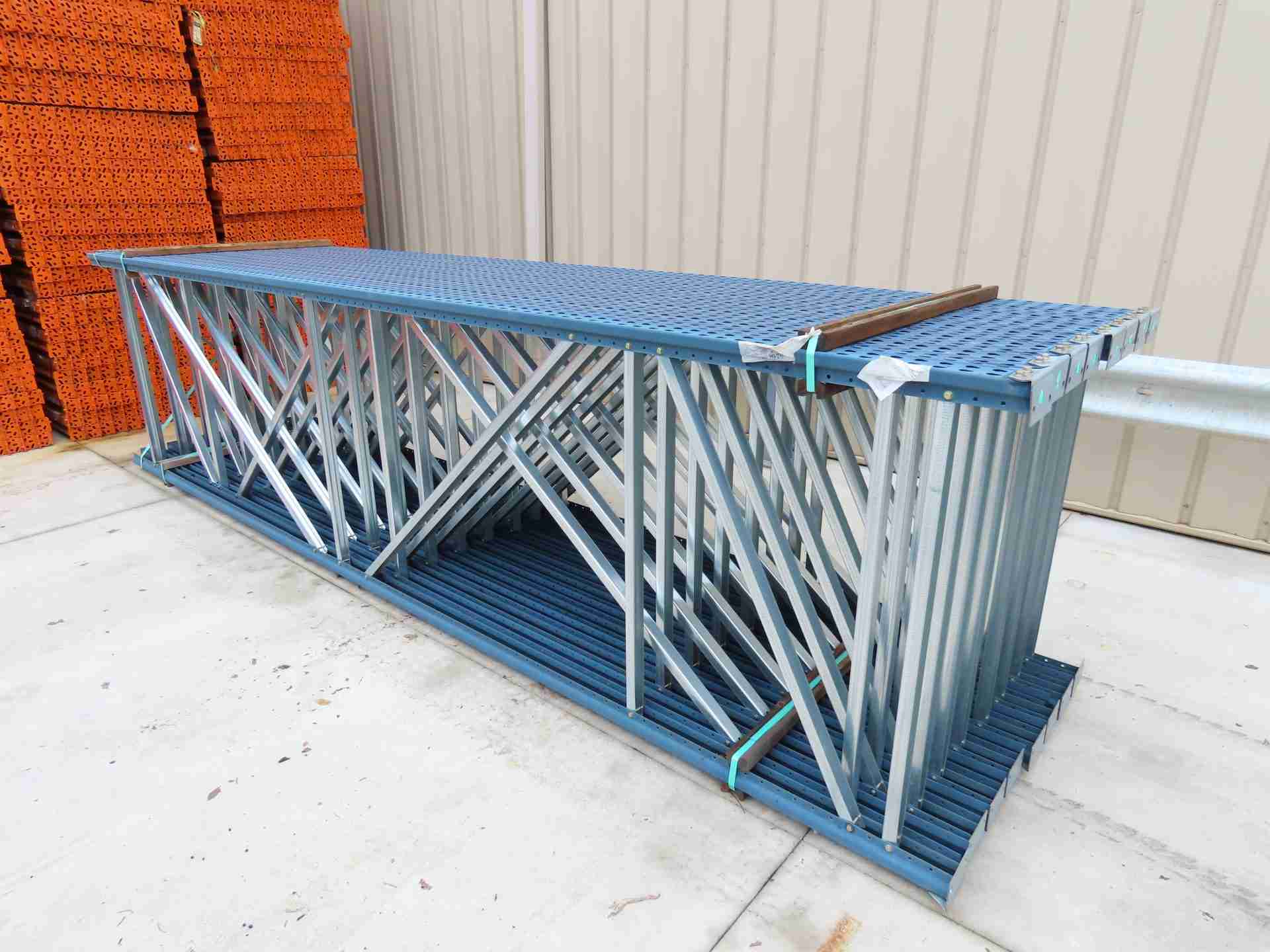
How Can We Reduce Inventory Costs?
What Tools Can Enhance Our Storage Planning?
When it comes to storage solutions, having the right tools can make all the difference. Think about a garage bursting at the seams—a mishmash of forgotten holiday decorations, tools, and old paint cans. You dig in and realize that all you need is a bit of organization. It’s not just about cleaning; it’s about reclaiming space, a bit of your sanity, and maybe even some long-lost treasures.
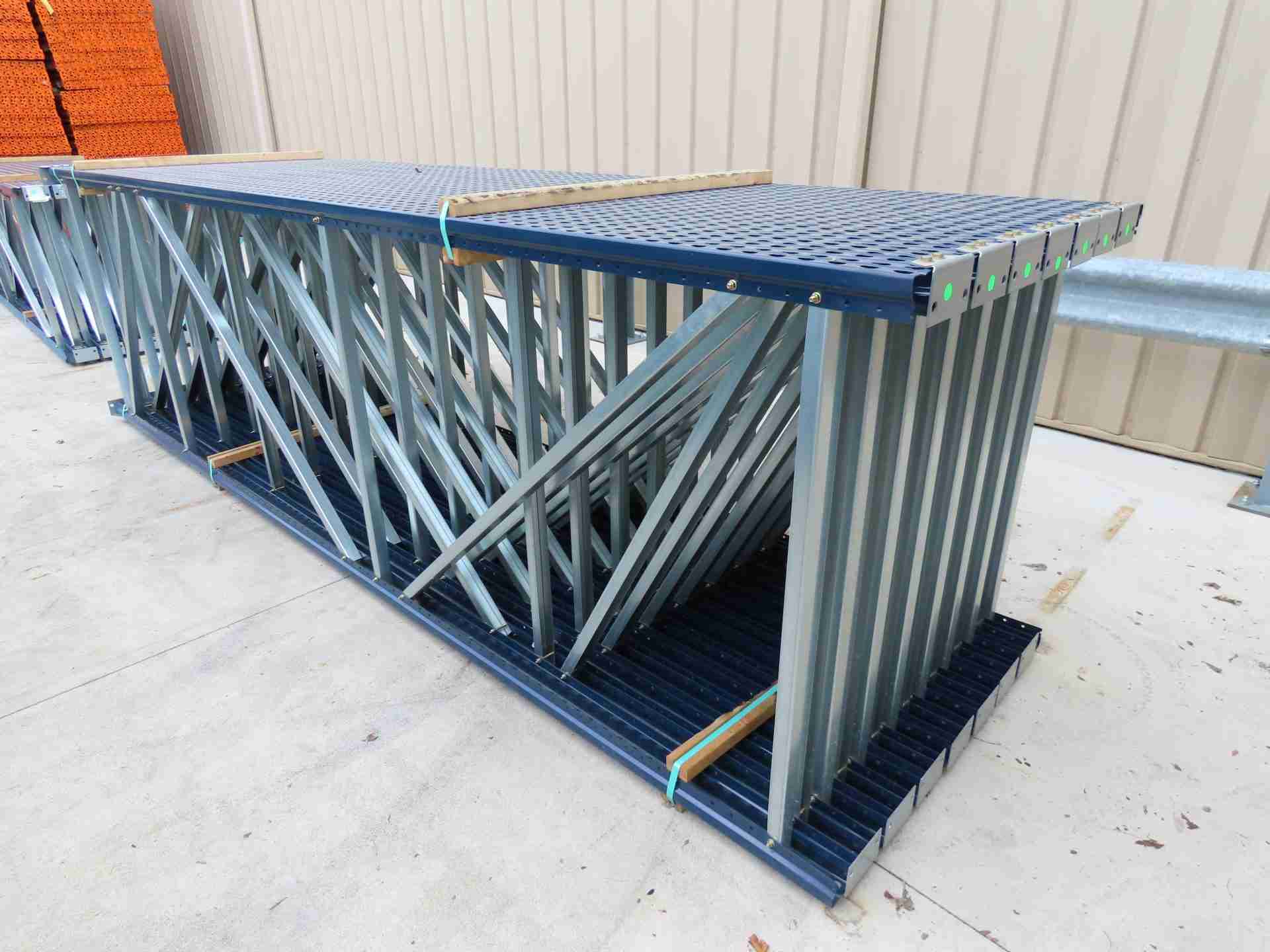
Let’s start with racking systems. The unsung heroes of storage, racking systems come in all shapes and sizes, designed to optimize vertical space. Picture sturdy shelves that hold your heavy tools, boxes, and supplies—without bowing under the pressure. This is where rationality meets necessity. These systems don’t just free up floor area; they help you find what you need without digging through a mountain of clutter. Imagine the relief of knowing exactly where that elusive hammer is resting, or that holiday ornament you swore you’d find “next year.”
But there’s more than just practicality at play. A well-structured storage system taps into the emotional side of organization. It’s not simply about keeping things neat; it’s about creating a space that feels inviting and functional. You come home after a long day, and instead of chaos greeting you, it’s an oasis of order. The peace of mind that comes with a clear environment permeates your life, boosting your mood and productivity. Who doesn’t want a home that feels calm and welcoming?
Ethics come into play, too. Investing in quality racking systems means you’re choosing longevity over disposability. It’s about making responsible decisions that benefit not just you, but the environment as well. By opting for durable materials that withstand the test of time, you’re saying yes to sustainability and no to waste.
In the great tapestry of life, storage solutions also create a sense of community. Sharing storage tips and ideas with neighbors or friends can help build connections. Whether you swap DIY shelving designs or talk about your favorite racking systems, there’s camaraderie in tackling clutter together. It’s about lending a hand, sharing a laugh, and realizing that we’re all in this together.
So, before your garage transforms into a jungle, consider the tools that can elevate your storage planning. Invest in racking systems, embrace organization, and create a cohesive, stress-free environment. The rewards? Less chaos, more clarity, and an invigorating sense of accomplishment every time you open that door.

What Tools Can Enhance Our Storage Planning?
What Tools Can Enhance Our Storage Planning?
- Effective storage solutions enhance space and reduce clutter.
- Racking systems are crucial for optimizing vertical space and organizing items.
- A well-structured storage area fosters a calm and inviting home environment.
- Quality racking systems promote sustainability and ethical consumption.
- Organization can improve mood and productivity through a clear environment.
- Sharing storage ideas fosters community and connection among individuals.
- Investing in smart storage tools results in reduced chaos and increased clarity.
What Tools Can Enhance Our Storage Planning?
Are We Prepared for Peak Season Demands?
When the busy season rolls around, there’s a palpable buzz in the air. You can feel the pressure mounting, like the tension before a big game. For those of us in the thick of inventory management and fulfillment, peak season isn’t just a challenge; it’s a chance to truly shine, to show what we’re made of. But are we ready for it?
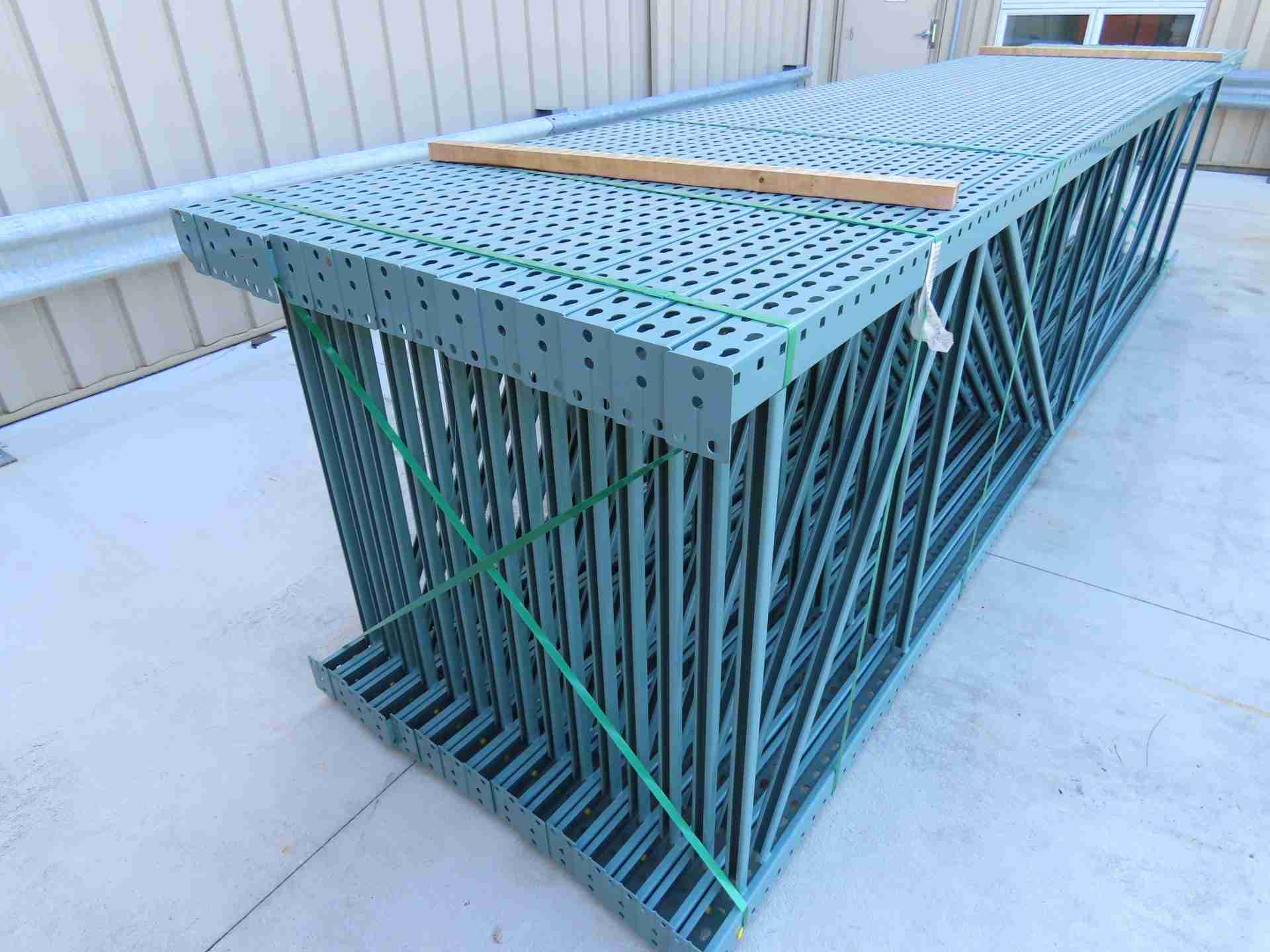
Let’s talk about Racking Systems. They’re the backbone of efficient storage and distribution, essential for keeping things moving when orders flood in. A well-organized warehouse can mean the difference between chaos and smooth sailing. You’ve seen it before: a cramped space with makeshift shelving versus a well-designed setup that maximizes every inch. The latter not only keeps your products safe but also lets your team operate at peak efficiency. When your crew knows where everything is, they can go about their tasks with confidence, cutting down those frantic search times during the busiest days.
But it’s not just about physical systems; it’s about the people behind them. Behind every box that gets shipped is a dedicated team, working overtime, fueled by coffee and camaraderie. The holidays may bring an influx of orders, but they also bring an opportunity to band together, to support each other through those long hours. These moments foster deep connections, and when everyone pitches in to tackle the workload, it creates a sense of belonging. You can bet your bottom dollar that a motivated team, with solidarity in their corner, will outperform a disjointed one any day.
We’ve all got our stories from past peak seasons—those nights when the clock ticked closer to midnight, yet satisfaction sprang from knowing we pushed through. It’s these shared experiences, this collective grit, that build trust within your organization. The confidence that comes from knowing your racking systems are sound and your team is ready can alleviate stresses that would otherwise loom over the season.
Now, while it may feel like we’re teetering at the edge of a whirlwind, it’s vital to remember that preparation is key. By investing in robust Racking Systems, actively engaging our team, and fostering a community spirit, we create an environment where trust thrives. The heart, head, and gut tell us this is more than just a job; it’s about pride in our work, taking action, and making the most of what’s ahead. When peak season hits, let’s step up and show the world that we don’t just manage demands—we embrace them head-on.
Are We Prepared for Peak Season Demands?
Are We Prepared for Peak Season Demands?
- Peak season brings a buzz and heightened pressure in inventory management and fulfillment.
- Racking Systems are crucial for efficient storage and distribution during busy times.
- A well-organized warehouse enhances productivity and reduces search times for products.
- The success of operations relies on teamwork and camaraderie among staff members.
- Shared experiences during peak seasons foster trust and connection within the organization.
- Preparation, strong racking systems, and team engagement are vital for a successful peak season.
- Embracing challenges with pride and action is key to managing demands effectively.

Are We Prepared for Peak Season Demands?
How Does Storage Efficiency Impact Customer Satisfaction?
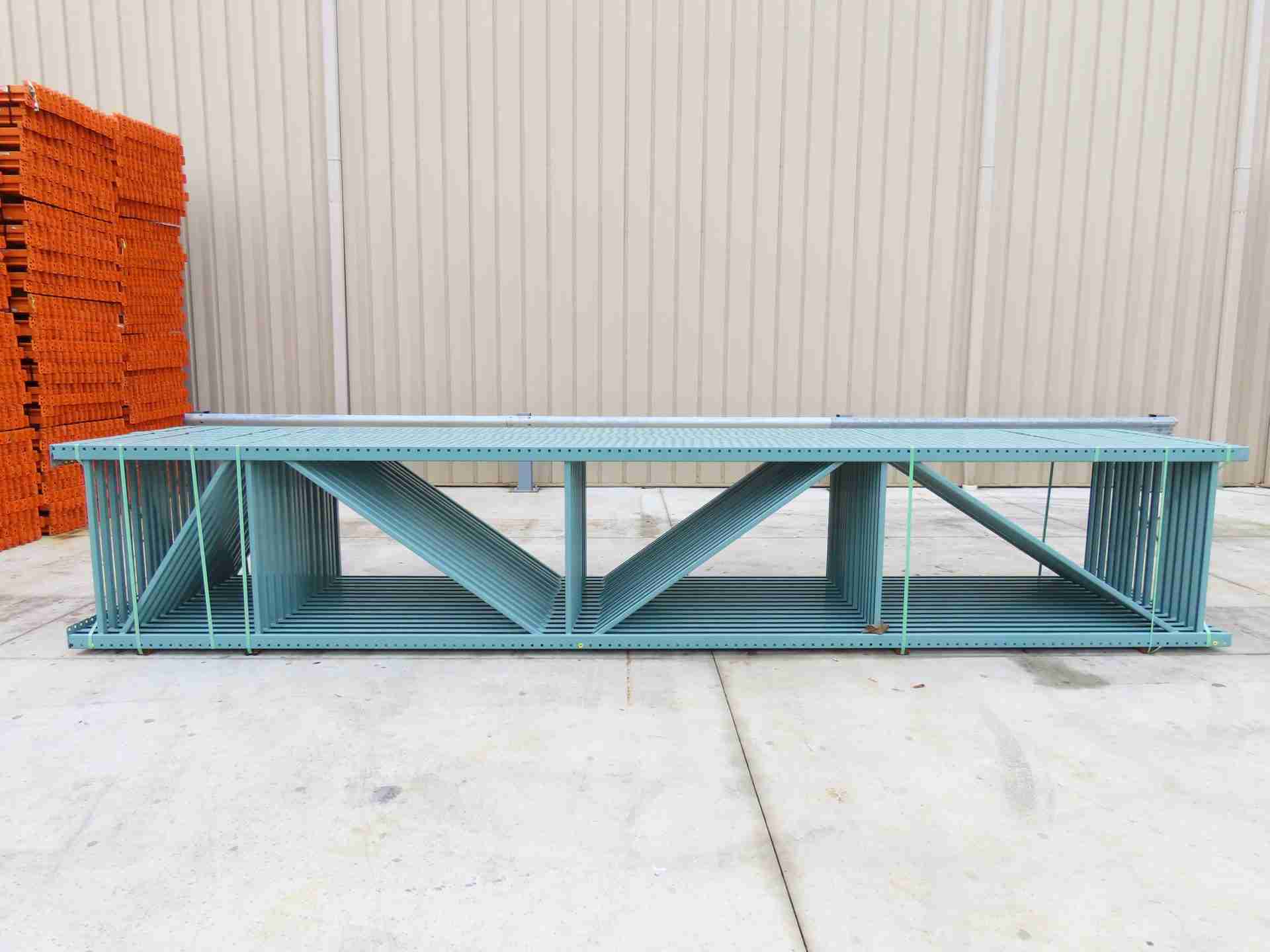
Storage efficiency isn’t just a buzzword thrown around in boardrooms; it’s what keeps businesses alive and customers coming back for more. Imagine the last time you walked into a warehouse, greeted by a maze of disorganized racking systems. Frustrating, right? A cluttered space not only drives employees mad but also translates directly to the customer’s experience. When storage systems are efficiently designed and implemented, it’s like flipping a light switch. Everything feels organized, predictable, and professional.
On the other hand, think about a business where everything has its place. Products ready to roll off the shelves with smooth efficiency give a sense of reliability that customers crave. It tells them you care about their time and their needs. When they can find what they want without wandering aimlessly through endless aisles of disarray, it creates a sense of trust. They feel like valued partners in the process rather than just another transaction, cementing a bond that goes beyond simple commerce.
Storage efficiency also resonates with rationality. Efficient racking systems don’t just save time; they save money by reducing waste and optimizing space. Businesses can hold more inventory without expanding their footprint. This translates to lower prices for customers, making it not just an economic decision but an ethical one, aligning a business’s bottom line with the wellbeing of its patrons. When customers see a company making smart, efficient choices, they’re more likely to feel good about supporting it.
Let’s not forget the stories that come with these efficiencies. Each streamlined operation has its own tale—of a worker who was able to get a family dinner on the table thanks to a few extra minutes saved, or a small business that could focus on giving back to the community instead of wasting resources on inefficiency.
Finally, there is a powerful social element at play. In today’s interconnected world, word travels fast. If customers feel good about their experiences, they’ll share that sentiment. Efficient storage systems create a ripple effect—past the register, beyond one satisfied customer. They foster a community ethos built on trust, quality, and shared values.
In summary, storage efficiency impacts customer satisfaction in many dimensions—emotionally, rationally, ethically, narratively, and socially. It sets the stage for a relationship with customers that is grounded in trust, respect, and the promise of a better experience every time they walk through your doors.
How Does Storage Efficiency Impact Customer Satisfaction?
How Does Storage Efficiency Impact Customer Satisfaction?
- Storage efficiency is crucial for business survival and customer retention.
- Disorganized storage creates frustration for employees and negatively affects customer experience.
- Efficient storage promotes organization, predictability, and professionalism.
- Well-structured systems enhance customer trust and satisfaction by allowing easy product access.
- Efficient racking saves time and money, optimizing space and reducing waste, benefiting both businesses and customers.
- Storage efficiency has positive stories, highlighting its impact on employee life and community contributions.
- It fosters a sense of community and shared values, influencing customer perceptions and loyalty.

How Does Storage Efficiency Impact Customer Satisfaction?
Can We Anticipate Future Storage Needs?
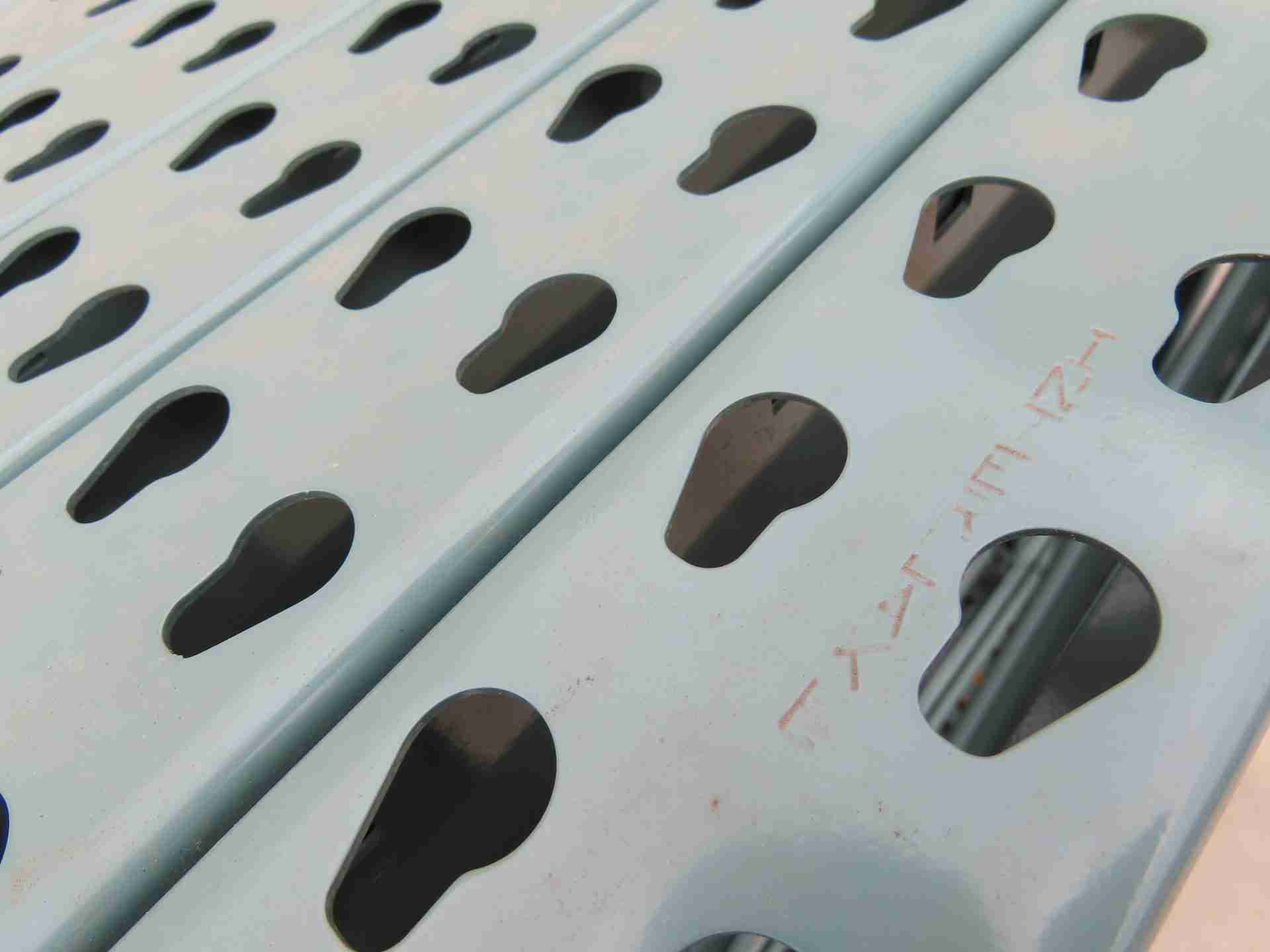
When it comes to storing goods, whether it’s the supplies for a busy warehouse or the careful arrangement of boxes in a small garage, anticipating future storage needs is a challenge we face every day. Picture a bustling workshop filled with Racking Systems carefully crafted to maximize space, each shelf holding memories, materials, and the hopes of future projects. It’s more than just storage; it’s about understanding our evolving needs and the changing landscape of our daily lives.
Emotions run high when we think about what we may need down the line. We’ve all had moments where we underestimated the space we would require, leading to clutter, chaos, and missed opportunities. The weight of a poorly organized space isn’t just about lost items—it’s about the frustration and the waste of time. A well-thought-out storage solution, particularly one utilizing smart Racking Systems, can transform that frustration into clarity. You can visualize your space, channeling your inner craftsman, and imagine how efficient it can become when you have the right setup that grows with you.
Rationally, we know that investing in versatile, durable racking solutions pays off. Consider the trends we see in our communities: online shopping booming, smaller living spaces becoming more common, and the relentless pace of life requiring nimble solutions. Smart investments in storage systems now mean we can adapt to the unforeseen changes tomorrow might bring. It’s about being prepared, like a good mechanic who always has the right tool on hand.
Ethically, there’s a responsibility to utilize our space wisely. Wastefulness isn’t just a personal hurdle; it has broader implications. By optimizing storage, we contribute to a culture of sustainability. Efficient systems reduce waste and ensure that products reach others who need them, creating a ripple effect of positive impact.
Narratively, think of the stories tied to every box and every shelf. Each item tells a tale, sometimes of hard work, other times of dreams deferred. When we care for our space and invest in solid Racking Systems, we honor those stories, allowing us to create new chapters with clarity.
Socially, community engagement around storage needs fosters connection. Sharing advice on what works and what doesn’t can create bonds based on shared experiences. Everyone’s faced the daunting task of reorganizing, and when we exchange our methods, we reinforce a collective wisdom that benefits us all.
Embrace the challenge of anticipating future storage needs—it’s more than organization; it’s empowerment, and it starts with a simple understanding of what we truly value and need.
Can We Anticipate Future Storage Needs?
Can We Anticipate Future Storage Needs?
- Anticipating future storage needs is essential in various settings, from warehouses to garages.
- Well-designed Racking Systems enhance space utilization while reflecting evolving needs.
- Poor organization results in clutter, frustration, and wasted time.
- Investing in durable storage solutions adapts to changes in lifestyle and demands.
- Optimized storage promotes sustainability and reduces waste, benefiting the community.
- Each storage item carries a narrative, representing efforts and aspirations over time.
- Community engagement around storage fosters connections and reinforces collective wisdom.

Can We Anticipate Future Storage Needs?
Conclusion
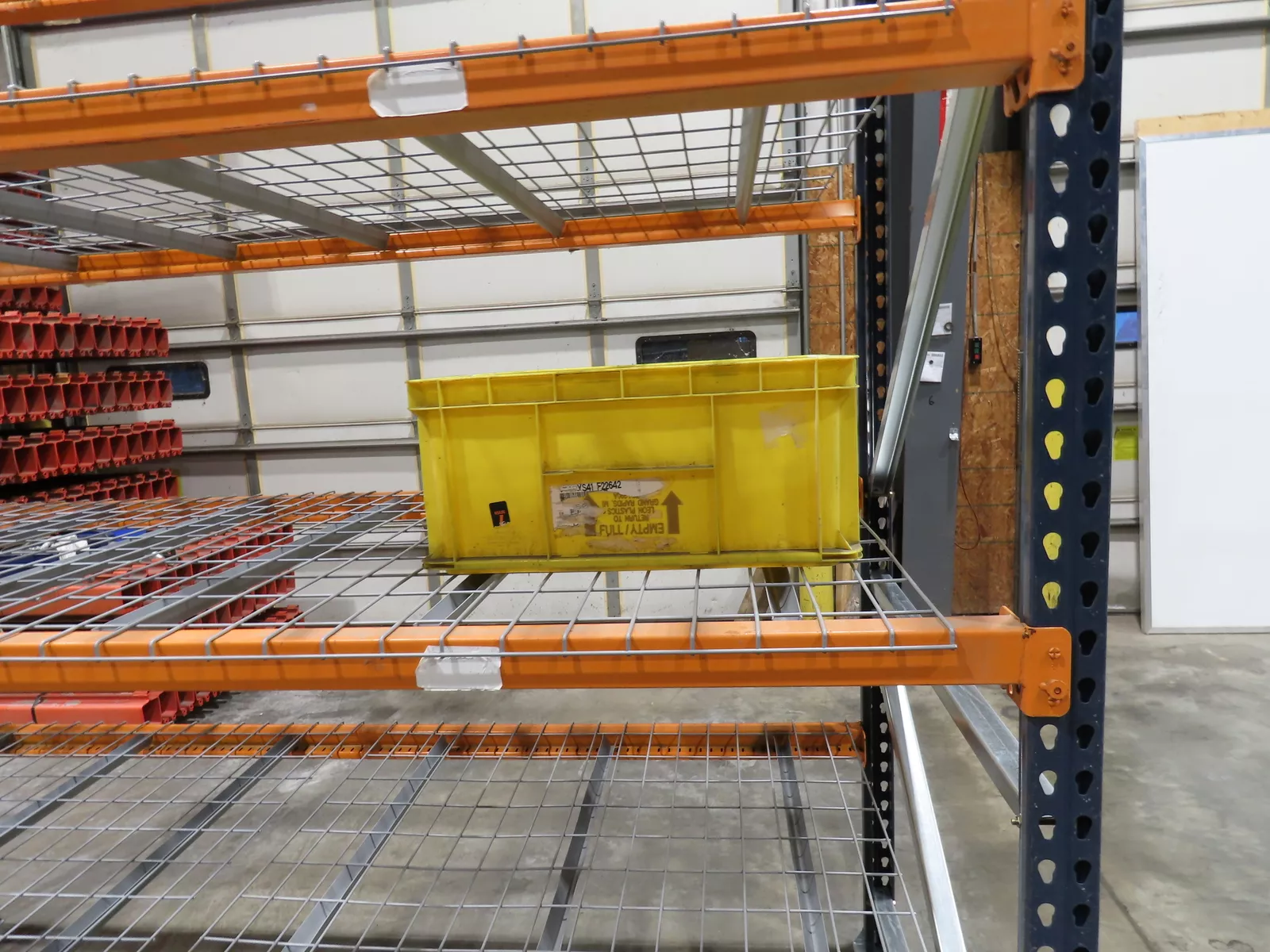
Effective storage planning is essential in today’s omnichannel retail landscape, serving as the bedrock for a business’s success. Just as a sturdy foundation supports a house, a well-thought-out storage system underpins your operations. When inventory is organized and accessible, it directly impacts customer satisfaction, operational efficiency, and profitability. Think about the chaos of a disorganized warehouse—searching for that one product can waste precious time and lead to dissatisfied customers. A systematic approach, utilizing robust racking systems, streamlines operations, improves pick rates, and builds a reputation for reliability.
From a business perspective, investing in smart storage solutions isn’t just logical—it’s necessary. Efficient racking maximizes vertical space, reducing rental costs and allowing you to store more without expanding your footprint. This practicality is coupled with an ethical obligation to create safe working conditions. An organized workspace reduces the risk of accidents and fosters a sense of appreciation among employees, leading to higher morale and loyalty.
Storage efficiency is also tied deeply to the narrative of a business. Every shelf and rack tells a story of the hard work and dreams that brought the enterprise to life. By investing in quality storage solutions, you’re honoring that journey and ensuring it continues. Engaging your team in the process of optimizing storage not only boosts camaraderie but also encourages a collective commitment to the company’s success.
When preparing for peak demands, the clarity provided by an organized storage system can transform a hectic environment into an effective, thriving operation. Engaging your workforce during these times further solidifies team spirit, as everyone rallies to ensure that orders are fulfilled efficiently. This atmosphere of collaboration breeds trust and enhances productivity.
Anticipating future storage needs is yet another critical aspect. As patterns of consumer behavior evolve and space constraints increase, proactive planning can mean the difference between growth and stagnation. Implementing versatile racking systems today prepares you for tomorrow’s challenges, helping you adapt to shifting market demands while minimizing waste.
In conclusion, the heart of effective omnichannel expansion lies in your storage strategy. The thoughtful application of racking systems isn’t just about maximizing space; it’s about fostering an environment where both employees and customers can thrive. By prioritizing organization and efficiency, you lay the groundwork for sustained success and solidify your commitment to excellence in every facet of your business.
Conclusion
Conclusion:
- Effective storage planning is crucial for success in omnichannel retail.
- Organized inventory enhances customer satisfaction and operational efficiency.
- Investing in smart storage solutions reduces costs and improves working conditions.
- Quality storage solutions honor the business’s journey and legacy.
- Engaging employees in storage optimization boosts camaraderie and commitment.
- Proactive planning for storage needs helps businesses adapt to market changes.
- A well-structured storage strategy supports sustained success and excellence.

Conclusion
Other Resources
Other Resources
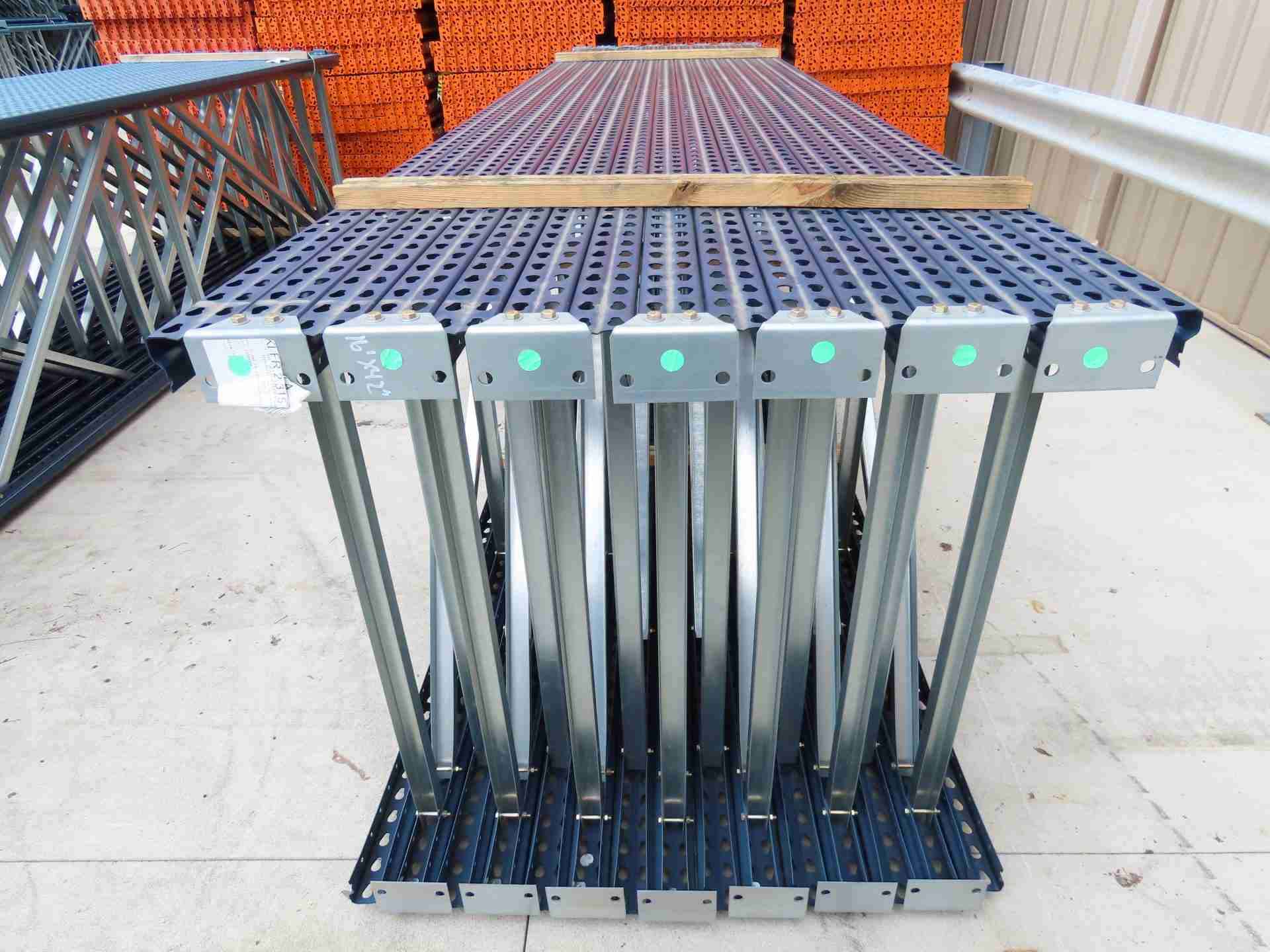
Here is a list of other resources you can review online to learn more:
- WERC
- Material Handling Safety
- New Cantilever Racks and Racking Kits
- Teardrop Pallet Rack – Ridg-U-Rak
- Selective Pallet Racking Systems
- IWLA
- Rack Manufacturers Institute
- Warehouse Racking Layout: The Ultimate Guide – Conger
- Warehousing and Fulfillment
- Warehouse Racking System: Powerful Guide to Optimise, 2024
- Rack Manufacturers Institute
- IIWS Inc. Rack Installation Illinois & Rack Repairs Illinois
- Interlake
- Warehouse Storage Racking in Illinois
- Warehouse Automation
- Bradford Systems
- Mustang Material Handling
- Intro to Warehouse Racks & Warehouse Racking Systems – ShipBob
- Heavy-Duty Cantilever Storage Racks
- NSC
Use This Prompt To Get More Resources With Your Favorite Online AI Tool: Please provide me with a list of online articles with their URLs in a bulleted list that I can read regarding Storage Planning for Omnichannel Expansion

Other Resources
Glossary Terms
Storage Planning for Omnichannel Expansion – Glossary Of Terms
1. Analytics: The systematic computational analysis of data used to inform business strategies in omnichannel environments.
2. Automation: The technology that performs tasks with minimal human intervention, enhancing efficiency in storage and distribution.
3. Backorder: A situation where a product is temporarily out of stock but can be ordered for future delivery.
4. Channel: A medium through which products or services are delivered to customers, including online and brick-and-mortar options.
5. Cross-docking: A logistics practice where products are transferred directly from inbound to outbound transport with minimal storage time.
6. Demand forecasting: The process of predicting future customer demand to optimize inventory levels and storage needs.
7. Distribution center: A specialized warehouse that receives, stores, and redistributes products to fulfill orders efficiently.
8. Fulfillment: The complete process of preparing and delivering an order to the customer.
9. Inventory management: The administration of ordering, storing, and using a company’s inventory to ensure adequate supply without overstocking.
10. Lead time: The total time taken from the placement of an order to the delivery of goods to customers.
11. Last-mile delivery: The final step of the delivery process from a distribution center to the end customer.
12. Multichannel: Engaging customers through multiple channels simultaneously to enhance their shopping experience.
13. Omnichannel: An integrated approach that provides customers with a seamless shopping experience across all channels.
14. Order fulfillment center: A facility that specializes in processing customer orders and preparing them for shipment.
15. Pick and pack: The process of selecting items from inventory and packing them for shipment to customers.
16. Real-time data: Information that is updated instantaneously, allowing organizations to respond quickly to changes in demand or inventory.
17. Reorder point: The predetermined inventory level at which new stock must be ordered to prevent stockouts.
18. Reverse logistics: The process of managing the return of products from customers back to warehouses or manufacturers.
19. SKU (Stock Keeping Unit): A unique identifier for a specific product that helps in tracking inventory levels.
20. Supply chain: The entire system of production, processing, and distribution of products from supplier to customer.
21. Taxonomy: The classification of products and services in a structured manner to facilitate efficient storage and retrieval.
22. Third-party logistics (3PL): Outsourcing logistics functions to an external provider to streamline supply chain operations.
23. Transit time: The total time taken for goods to travel from the supplier to the customer.
24. Warehousing: The process of storing goods before they are distributed to ensure availability when needed.
25. Yield management: The pricing strategy aimed at maximizing revenue through effective inventory management and customer demand analysis.
26. Zone picking: A warehouse picking method in which the picking area is divided into zones, minimizing movement and increasing efficiency.
27. E-commerce: Buying and selling goods or services over the internet, requiring specialized storage and fulfillment strategies.
28. Stockout: A situation where an item is unavailable for sale due to insufficient inventory.
29. Customer segmentation: The process of dividing customers into groups based on shared characteristics or behaviors to tailor marketing efforts.
30. Fulfillment cycle: The sequence of steps involved in processing an order, from order placement to delivery.

Glossary Of Terms
Other Questions
Storage Planning for Omnichannel Expansion – Other Questions
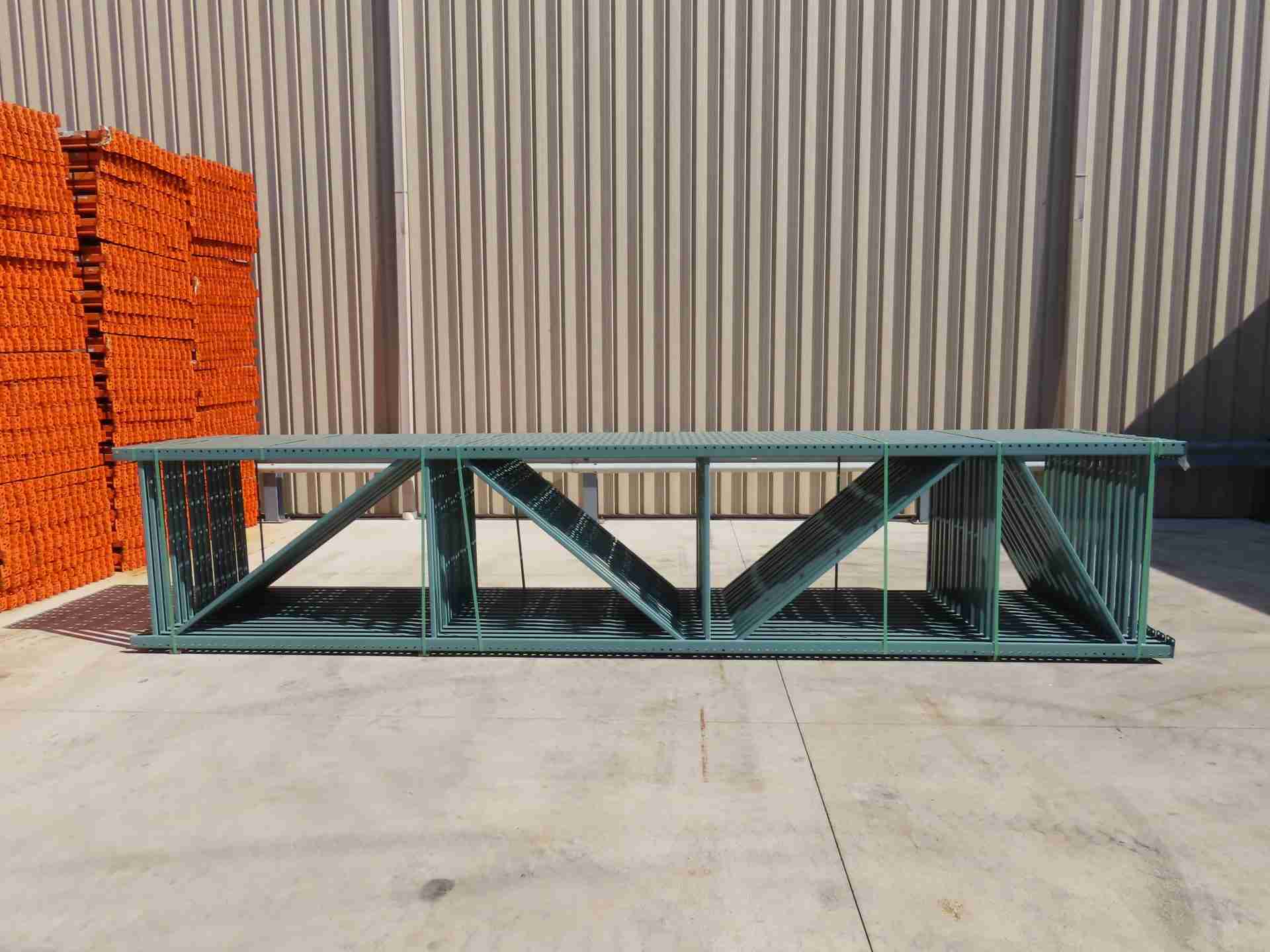
If you wish to explore and discover more, consider looking for answers to these questions:
- What types of racking systems are available and which best fit different business models?
- How do I determine the right racking configuration for my SKU mix and pallet sizes?
- What is the cost breakdown (equipment, installation, maintenance) for different racking options?
- What is the expected ROI and payback period after investing in new racking systems?
- How do racking systems affect warehouse layout and throughput?
- How do I calculate usable vertical space versus floor space to maximize density?
- What load capacities and safety ratings should I require for racks in my facility?
- How do local building codes and safety regulations (e.g., OSHA) impact racking selection and installation?
- What insurance or certification requirements apply to warehouse racking?
- How do racking systems integrate with forklifts, pallet jacks, and automated vehicles?
- What automation options (AS/RS, conveyors, robotics) work best with different racking types?
- How should I choose a WMS/OMS that integrates with my storage hardware and supports omnichannel?
- What inventory management tools and sensors (RFID, barcode, IoT) improve storage accuracy?
- How can I use slotting optimization to reduce pick times and improve order accuracy?
- Which picking strategies (zone, batch, wave, pick-to-light) pair best with particular racking layouts?
- How do racking systems impact labor needs and labor cost per order?
- What training and safety programs should be implemented for staff working with racking systems?
- How often should racking inspections and maintenance be performed, and by whom?
- What are common failure modes for racking systems and how can they be prevented?
- How do racking choices influence handling of returns and reverse logistics?
- What contingency plans should be in place for peak season overloads or supply chain disruptions?
- How do I forecast future storage needs and plan racking scalability for growth?
- When is it better to retrofit existing racks versus tearing out and redesigning the layout?
- How do multi-location or distributed inventory strategies affect racking and storage planning?
- What metrics should I track to measure storage efficiency (space utilization, pick rate, accuracy)?
- How does storage efficiency correlate with customer satisfaction and delivery SLA performance?
- What are best practices for preparing a facility for peak season (staffing, slotting, safety)?
- How can I model and simulate different racking and layout scenarios before investing?
- What lead times and installation timelines should I expect when ordering and installing rack systems?
- How do racking systems support omnichannel needs such as BOPIS, ship-from-store, and micro-fulfillment?
- When should I consider outsourcing storage to a 3PL versus expanding my own racking capacity?
- What financing or leasing options exist for purchasing racking and storage equipment?
- How do temperature-controlled or hazardous materials storage requirements change racking selection?
- What sustainability considerations exist for racking material choices and end-of-life recycling?
- How do I choose vendors and compare quotes for racks, installation, and long-term service?
- What warranties and service-level agreements should be negotiated with racking suppliers?
- How do pallet standards and packaging dimensions affect rack design and storage density?
- How should I design aisles and traffic flows to minimize congestion and increase safety?
- What signage, labeling, and visual management systems work best with racking layouts?
- How can small businesses pilot racking changes with minimal disruption to operations?
- How do I plan for seasonal inventory spikes without overinvesting in permanent racking?
- What KPIs indicate when it’s time to reconfigure or expand storage capacity?
- How do racking systems influence picking accuracy and packing/fulfillment error rates?
- How should storage strategy differ for high-value, fragile, or perishable items?
- What are real-world case studies or examples of successful racking upgrades for omnichannel retailers?
- How do security, access control, and loss-prevention integrate with racking and storage areas?
Other Questions
Checklist
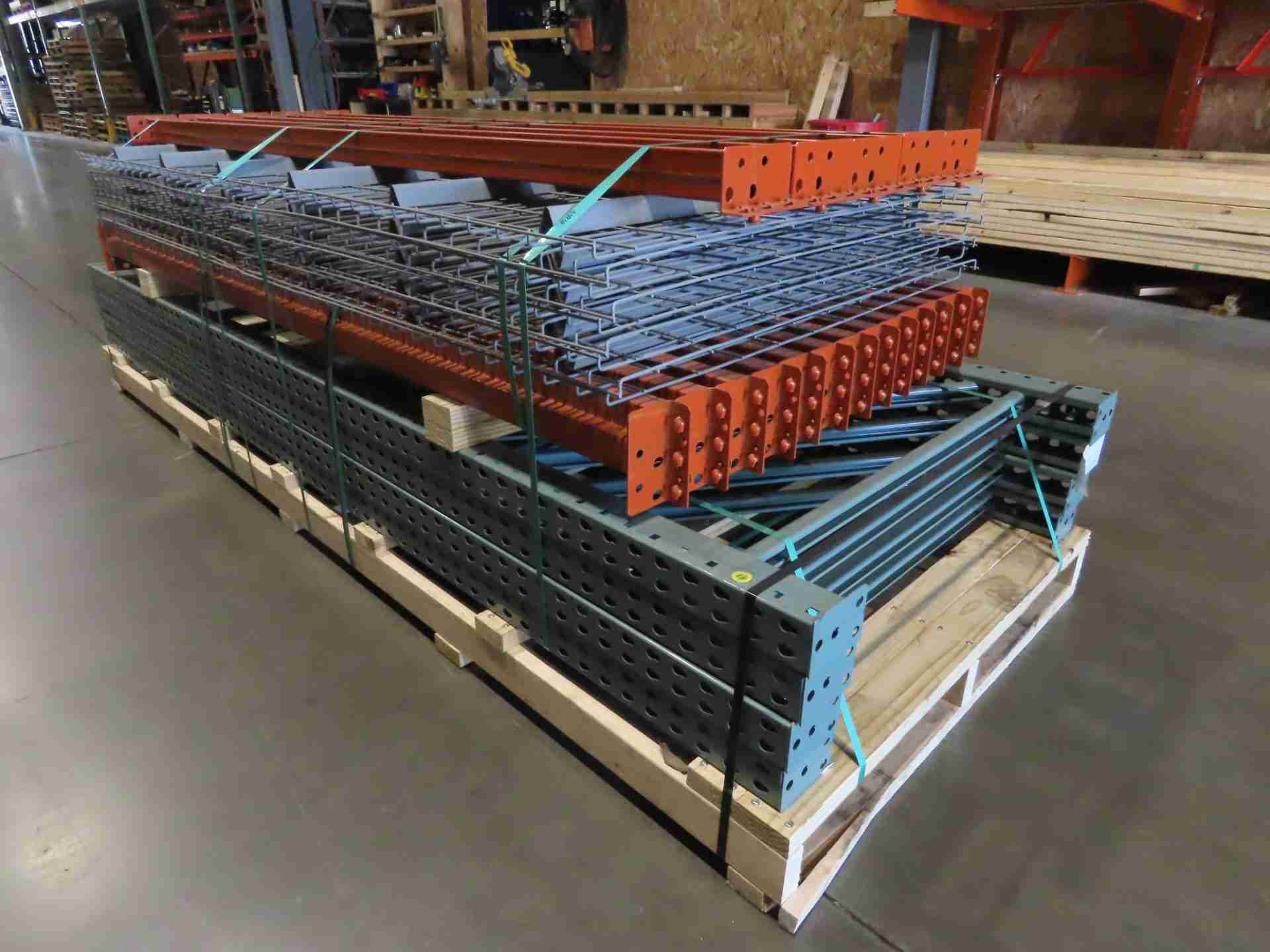
Storage Planning for Omnichannel Expansion – A Checklist
Strategy and Objectives
✅______ Omnichannel goals defined (e.g., ship-from-DC, ship-from-store, BOPIS, returns handling)
✅______ Storage strategy aligned to service levels, velocity, and SKU mix
✅______ Clear SOPs for receiving, putaway, replenishment, picking, packing, and shipping
✅______ Governance owner assigned for storage standards and continuous improvement
Space and Layout Optimization
✅______ Current cubic capacity measured; vertical space utilization plan in place
✅______ Zones defined by velocity (A/B/C), temperature or special handling, and order type
✅______ Clear travel paths, pick aisles, and staging areas marked to reduce congestion
✅______ Slotting optimized to minimize travel and touchpoints
✅______ Dedicated areas for returns, damages, and quarantine stock
Racking Systems
✅______ Racking type selected per need (selective, drive-in/drive-through, pallet flow, cantilever, mezzanine)
✅______ Load ratings verified; anchors, decking, and guards specified
✅______ Modular, adjustable racking specified for growth and reconfiguration
✅______ Protection installed (end-of-aisle guards, column protectors, rack netting)
✅______ Preventive maintenance schedule and inspection log established
Safety and Compliance
✅______ OSHA and local code compliance verified (egress, sprinklers, clearances)
✅______ Weight limits labeled; training on safe loading and ladder/forklift SOPs completed
✅______ Ergonomics considered (reach heights, lift assists, pick carts)
✅______ Housekeeping and 5S standards implemented and audited
✅______ Incident reporting and corrective action workflow active
Inventory Management and Cost Control
✅______ Accurate item masters with dimensions, weights, and storage requirements
✅______ Forecasting process in place; safety stock policy defined by channel and SKU
✅______ Reorder points and MOQs tuned to reduce carrying costs and obsolescence
✅______ Cycle counting program active; root-cause analysis for variances
✅______ SKU rationalization and packaging right-sizing reviewed quarterly
Tools and Technology
✅______ WMS or inventory platform configured for putaway rules and slotting
✅______ Barcode or RFID scanning deployed for real-time accuracy
✅______ Labeling, bin locations, and signage standardized and readable
✅______ Dashboards for space utilization, accuracy, and order cycle times
✅______ Mobile devices, pick-to-light and voice, and packing stations ergonomically set up
Team and Communication
✅______ Roles and responsibilities documented for peak and off-peak periods
✅______ Training plan for storage systems, safety, and new processes
✅______ Daily standups and tiered escalation for storage and flow issues
✅______ Feedback loop with operators to refine layout and tools
✅______ Cross-training to flex labor across putaway, pick, and pack
Peak Season Readiness
✅______ Volume and capacity model built; overflow storage plan secured
✅______ Temporary labor, equipment rentals, and extended shifts scheduled
✅______ Slotting re-optimized for seasonal velocity; fast-movers forward staged
✅______ Wave and batch picking and packing standards tuned for throughput
✅______ Carrier pickups, cutoff times, and contingency plans confirmed
Customer Experience and Quality
✅______ Damage rates monitored; packaging standards prevent in-transit issues
✅______ Order accuracy tracked; error-proofing (poka-yoke) at pick and pack
✅______ Lead time and on-time ship rates measured by channel
✅______ Returns processing SLA defined; restock workflow prevents shrink
✅______ Customer-impacting exceptions reviewed daily
Future-Proofing and Scalability
✅______ Growth scenarios modeled (SKUs, order profiles, channels)
✅______ Space master plan includes modular racking, mezzanines, or micro-fulfillment
✅______ Automation readiness assessed (conveyors, AMRs, AS/RS) with a phased roadmap
✅______ New channel needs considered (same-day, curbside, marketplaces)
✅______ Vendor partnerships established for rapid scale-up
Sustainability and Ethics
✅______ Durable, repairable racking and reusable packaging prioritized
✅______ Waste streams minimized; recycling stations in place
✅______ Energy-efficient lighting and equipment upgrades evaluated
✅______ Safe, orderly environment maintained to value team well-being
✅______ Community and supplier responsibility reflected in sourcing choices
Budget, ROI, and Metrics
✅______ Total cost of ownership modeled for racking and technology
✅______ ROI targets set for space utilization, labor per order, and accuracy
✅______ KPIs tracked: space utilization percentage, picks per hour, order cycle time, inventory turns, and shrink
✅______ Monthly audit cadence for layout, safety, and inventory accuracy
✅______ Variance reviews drive corrective actions and continuous improvement
Implementation Plan
✅______ Phased timeline with milestones, owners, and risk mitigations
✅______ Change management plan communicated to all stakeholders
✅______ Pilot area tested before full rollout; lessons learned applied
✅______ Vendor SLAs and installation schedules confirmed
✅______ Post-implementation review scheduled with success criteria defined
Checklist
At RackingWorld, we help guide you through selecting warehouse storage systems and racking.
Be sure to read our other related stories at RackingWorld to learn more about warehouse storage systems.
0 Comments