
Unlocking Potential: How Smart Storage Fuels Sustainable Growth
By Tom Seest
At RackingWorld, we help guide you through selecting warehouse storage systems and racking.
Be sure to read our other related stories at RackingWorld to learn more about warehouse storage systems.
Storage Infrastructure As a Growth Lever
In the trenches of any warehouse or manufacturing facility, little gets done without a solid foundation of storage infrastructure. Racking systems play a pivotal role in this dynamic. They may seem like mere shelves at first glance, but these steel frameworks are the unsung heroes of productivity. Think of them as the backbone of your operations, holding up not just your inventory, but the very essence of your business.
When you invest in the right racking systems, you’re not just arranging products; you’re optimizing your space. Picture a cluttered warehouse where every inch counts, where inefficiencies eat away at your bottom line. The right setups can transform chaos into order, boosting morale as workers can find what they need without sifting through piles. A well-organized space fosters a sense of pride—workers feel like they’re part of something bigger, contributing to a smoothly running system rather than just showing up to clock in and out.
Rationally, the numbers are hard to ignore. Efficient storage reduces waste and speeds up picking times, saving you precious labor dollars. It’s simple math: better storage systems can lead to fewer errors, less damage to goods, and quicker turnaround times. The faster you can serve your customers, the more competitive you become in the marketplace. This isn’t just about storing things; it’s about growing your business from the ground up.
Ethically, investing in robust storage infrastructure reflects a commitment to sustainability and workplace safety. Racking systems designed with safety regulations in mind not only protect your employees from accidents but also reduce risks for your inventory. You’re building a culture of care—demonstrating that you value your team and your products equally.
As your business grows, so do your storage needs. Ignoring your infrastructure could be a pitfall, but embracing it as a growth lever positions you for success. Every forward-thinking leader knows that scaling operations without proper storage planning is like trying to fill a bucket with a giant hole in the bottom.
Engaging with trusted suppliers and experts can help you navigate the world of racking systems, finding solutions shaped by experience and grounded in reality. It’s a conversation worth having—one that could very well shape the future of your operations and ripple through your entire organization. A solid storage infrastructure is not just about today; it’s about setting yourself up for tomorrow, ensuring that as you rise, your foundation remains steadfast and ready to support whatever comes next.

Storage Infrastructure As a Growth Lever
Storage Infrastructure As a Growth Lever
- Racking systems are crucial for productivity in warehouses and manufacturing facilities.
- Investing in the right racking optimizes space, turning chaos into order.
- Efficient storage reduces waste, speeds up picking times, and enhances competitiveness.
- Robust racking reflects a commitment to sustainability and workplace safety.
- Growing businesses must adapt their storage solutions to avoid operational pitfalls.
- Engaging with suppliers and experts is essential for effective racking system solutions.
- A strong storage infrastructure is vital for long-term business success and growth.

Storage Infrastructure As a Growth Lever
Table Of Contents
- Storage Infrastructure As a Growth Lever
- What If Your Storage Infrastructure Could Drive Revenue Growth?
- How Does Efficient Storage Optimize Operational Costs?
- Can Better Data Management Enhance Customer Satisfaction?
- What Ethical Considerations Come with Data Storage Practices?
- How Can Scalable Storage Solutions Support Business Expansion?
- What Role Does Authority Play In Choosing Storage Providers?
- Conclusion
- Other Resources
- Glossary Of Terms
- Other Questions
- Checklist
What If Your Storage Infrastructure Could Drive Revenue Growth?
Imagine walking into a warehouse where every inch of space is optimized, every item is easy to find, and every process runs like a well-oiled machine. Racking systems, often overlooked, are the backbone of this efficiency. They may appear as mere structures to hold inventory, but they can be the linchpin for boosting your bottom line.
Consider the days when products were strewn about, causing chaos and confusion. Workers spent more time hunting down items than fulfilling orders. Now, think about transforming that muddled space into an organized sanctuary of productivity. Proper racking systems don’t just hold your products; they streamline operations, ultimately leading to quicker turnaround times and happier customers. When clients see that your operation runs smoothly, their trust in your business deepens, and their loyalty strengthens.
The numbers speak for themselves—efficiency translates to revenue. Companies that invest in smart storage solutions often experience a significant drop in operational costs. When storage systems are tailored to your specific needs, it’s like having a custom-made suit. Everything fits perfectly, maximizing space and minimizing waste. This isn’t just about filling a room; it’s about filling it wisely and profitably.
It’s easy to get wrapped up in the details of logistics, but remember that behind those numbers are everyday people—your employees. Imagine the fatigue of sorting through disorganized shelves, the stress of delayed shipments and missed deadlines. Upgrading your storage infrastructure empowers them. It fosters a sense of pride and ownership in their work. When workers feel valued and efficient, they perform better. They become advocates for your company, sharing positive experiences that echo through their networks.
Ethically, consider how effective storage systems can also play a role in sustainability. A thoughtful storage strategy reduces overstock and minimizes waste, which is a win for the environment and your conscience. The more efficiently you operate, the less you impact the planet.
So, let’s get back to that image of the efficient warehouse. Imagine not just a place where goods are stored but a thriving center of productivity and collaboration. Embracing smart racking systems could be your key to unlocking potential you didn’t know existed—a chance to turn your storage area from a cost center into a revenue-generating powerhouse. This isn’t just about racks; it’s about what those racks represent: growth, reliability, and a better future for your business.
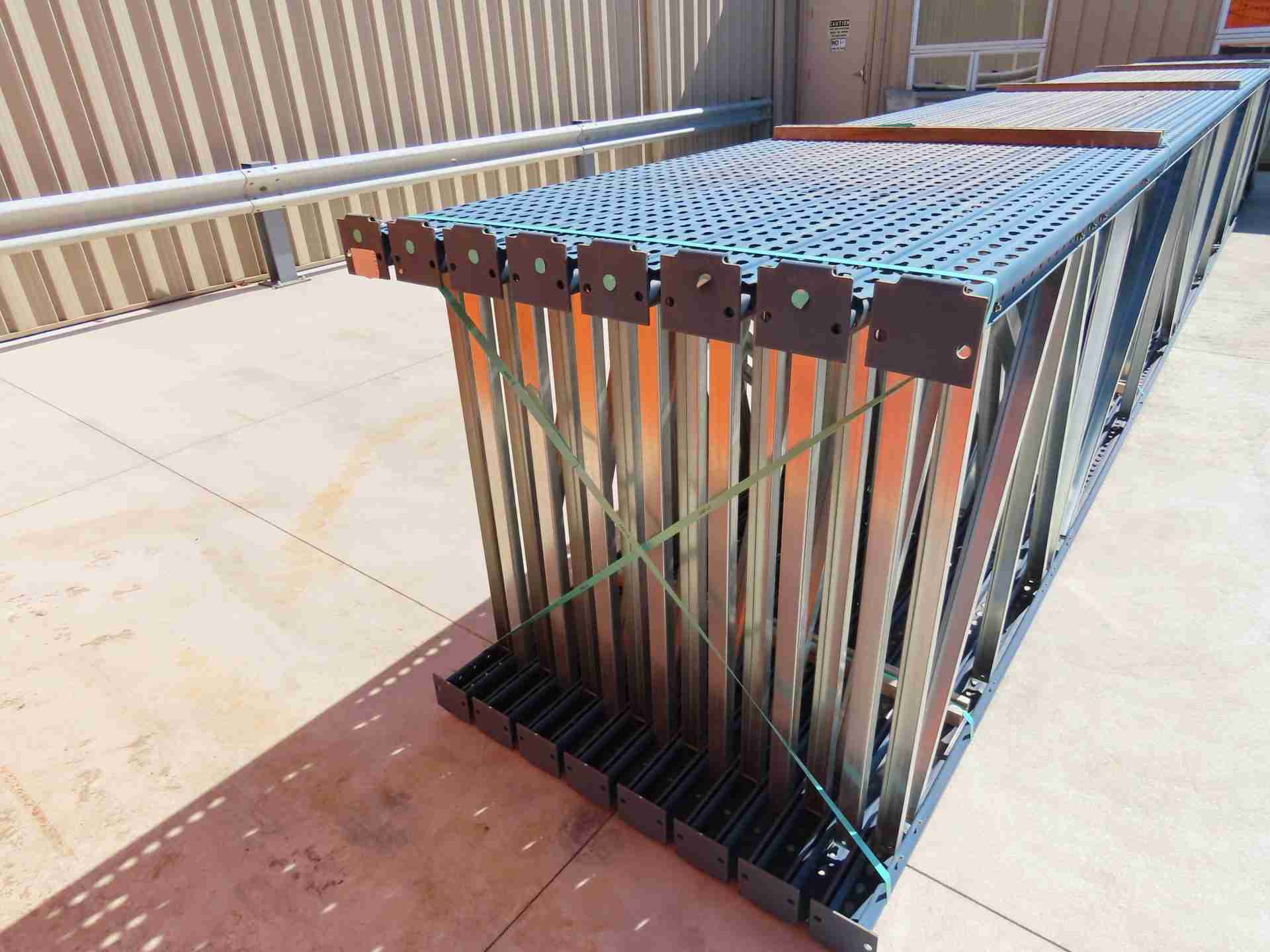
What If Your Storage Infrastructure Could Drive Revenue Growth?
What If Your Storage Infrastructure Could Drive Revenue Growth?
- Racking systems are crucial for warehouse efficiency, optimizing space and operations.
- Proper organization reduces time spent locating items, enhancing order fulfillment.
- Investing in smart storage solutions leads to lower operational costs and increased revenue.
- Tailored storage systems maximize space and reduce waste, similar to a custom-fitting suit.
- Upgrading storage fosters employee morale and productivity, transforming them into company advocates.
- Effective storage strategies support sustainability by minimizing overstock and waste.
- Embracing racking systems transforms warehouses into collaborative and productive environments.

What If Your Storage Infrastructure Could Drive Revenue Growth?
How Does Efficient Storage Optimize Operational Costs?
Efficient storage is more than just a box checked on a budget report; it’s the backbone of a thriving operation, especially in today’s fast-paced world. Think about it: every square foot of your warehouse, every racking system you employ, speaks volumes about how you manage your resources. A well-thought-out storage solution saves you from the chaos of clutter, boosting productivity while making sure that your team spends less time searching for what they need—because let’s face it, time is money.
When you invest in innovative racking systems, you’re not just building a physical structure; you’re crafting an environment where efficiency flourishes. Picture this: a well-organized warehouse allows workers to do their jobs without the frustration of stumbling over misplaced items or navigating a maze of disorganization. This streamlined environment nurtures morale, turning anxious workers into motivated team players. It builds a sense of pride and ownership—people who feel that their workspace is optimized are more likely to take care of it and contribute to the organization as a whole.
From a numbers perspective, the return on investment of efficient storage can be staggering. Companies that adopt smart storage solutions often see significant declines in operational costs. The savings accrued from reduced labor hours and minimized errors are real, tangible benefits that can be reinvested back into the business. It’s about creating a cycle of improvement: optimizing your operations leads to cost savings, and those savings can fuel further enhancements.
There’s also a deeper, ethical reason to prioritize effective storage. Every item you manage should be treated with respect. Wasting space and resources while overlooking the potential of your storage systems is akin to throwing money out the window. By maximizing efficiency, you’re not only fulfilling your duty to your shareholders but also to your employees and community—ensuring that resources are utilized wisely teaches a valuable lesson in stewardship.
The stories told by those who’ve made the switch to efficient storage resonate through the industry. They’re the hard-working individuals who understand the struggle of disorder. They’ve experienced the transition firsthand and stand as proof that embracing new ways to think about storage—like innovative racking systems—can lead to transformed workplaces. Engaging the heart, head, and gut, efficient storage isn’t just a business strategy; it’s a pathway to thriving together and reaching for success.

How Does Efficient Storage Optimize Operational Costs?
How Does Efficient Storage Optimize Operational Costs?
- Efficient storage is essential for thriving operations, impacting resource management and productivity.
- Innovative racking systems create organized environments that enhance worker morale and efficiency.
- Well-organized warehouses reduce search time, allowing teams to focus on their tasks, maximizing time value.
- Investment in smart storage solutions leads to significant decreases in operational costs and reinvestment opportunities.
- Effective storage promotes respect for resources, aligning business goals with ethical stewardship towards stakeholders.
- Success stories from organizations adopting efficient storage illustrate transformation and improvement in workplace dynamics.
- Efficient storage fosters a culture of collaboration and success, impacting the overall operational ecosystem.

How Does Efficient Storage Optimize Operational Costs?
Can Better Data Management Enhance Customer Satisfaction?
Data management isn’t just about spreadsheets and software; it’s about understanding your customers on a human level. Imagine running a warehouse filled with Racking Systems, where every item has its place, and every customer has a need. When operations are streamlined, the sense of order translates to your service. Your customers feel that you’re not just pushing products but genuinely responding to their needs.
Take a moment to think about the last time you waited for a delivery or struggled with customer service. Frustration often springs from poor data management, leading to delays and misunderstandings. But visualize the opposite: when a company has its information organized, they can anticipate issues before they arise. They know exactly when to stock up on those high-demand items stored on Racking Systems, ensuring everything is ready when a customer reaches out. The customer walks away not just satisfied but relieved, feeling they were heard and prioritized.
This isn’t just good business; it’s the right thing to do. Ethical management of data shows you care about the individuals behind the orders. Trust develops when customers see that their preferences are acknowledged. It’s about building relationships, not transactions. When they know you have their back, they’ll keep returning, confident that every interaction will be smooth and rewarding.
Real-world stories showcase how effective data management can inspire loyalty and trust. Think of a small business owner who knew her customers by name, their favorite products, even their children’s birthdays. By effectively managing her data, she wasn’t just filling orders; she was strengthening bonds. This personalized touch can scale, too. Larger organizations can, and should, adopt similar practices. By leveraging reliable data management systems, even the biggest corporations can make every customer feel valued and important.
On a social level, organized data management encourages teamwork across departments. When sales, customer service, and warehousing are aligned, everyone works together like a well-oiled machine. Employees feel empowered, leading to better morale, which in turn translates to happier customers. Nothing builds a brand’s reputation like a workforce that knows how to connect with its audience.
Better data management isn’t just a checkbox. It’s a commitment to doing right by your customers and nurturing the relationship you have with them. It’s a path to not just satisfaction, but genuine customer loyalty, ensuring that your business isn’t just thriving, but trusted in the long run.

Can Better Data Management Enhance Customer Satisfaction?
Can Better Data Management Enhance Customer Satisfaction?
- Data management is essential for understanding customers on a human level.
- Streamlined operations create a sense of order that enhances customer service.
- Poor data management leads to frustration, delays, and misunderstandings.
- Effective organization of information allows companies to anticipate customer needs.
- Ethical data management builds trust and strengthens customer relationships.
- Real-world examples show that personalized data management fosters loyalty.
- Organized data management promotes teamwork and boosts employee morale, improving customer satisfaction.

Can Better Data Management Enhance Customer Satisfaction?
What Ethical Considerations Come with Data Storage Practices?
In today’s digital age, the backbone of any industry often relies on vast amounts of data. However, as we delve into data storage practices, we must confront the ethical dilemmas that accompany our decisions. It’s easy to overlook that every byte of information carries real implications for individuals and communities. Racking systems might be essential for efficient data organization and retrieval, yet how we implement these systems speaks volumes about our values and responsibilities.
First off, think about the people behind the data. When we store personal information, we’re not just managing numbers or names—we’re holding stories, memories, and sometimes vulnerabilities. Using data ethically means treating this information with respect, as if it belonged to our neighbors or family members. Imagine if every decision you made on data storage could be traced back to you or your loved ones. That realization tugs at the heartstrings, pushing us toward more conscientious practices.
On the rational side, we must also consider the legal and societal expectations surrounding data privacy and security. Companies today are held to higher standards than ever before. Mismanaging data can result in losses—not just financially, but in trust, brand reputation, and user loyalty. If we treat data storage as just another task, we risk becoming complacent. Instead, we should strive to foster a culture where ethical considerations are as vital as technical proficiency. Without this, we leave room for negligence, which can lead to devastating breaches that affect countless lives.
Authority in this realm comes from both regulations and best practices that guide us toward ethical storage. Understanding the laws helps ground our decisions and encourages responsibility. But more importantly, as members of our communities, we must hold ourselves accountable, recognizing that ethical data management is a cornerstone of integrity.
Finally, there’s a narrative that runs through every data exchange—it’s a story of trust. When clients and customers interact with us, they have expectations. They want assurance that their information is safe, that it won’t be misused, and that their privacy is respected. Each racking system we implement should serve not just to store, but to protect and honor those narratives.
In navigating the intertwining paths of technology and ethics, letting humility guide us in our data storage practices fosters deeper connections with those we serve. Our actions can either uphold or undermine the trust that’s so vital in today’s interconnected world. Let’s choose wisely and act responsibly.

What Ethical Considerations Come with Data Storage Practices?
What Ethical Considerations Come with Data Storage Practices?
- Data storage practices raise ethical dilemmas that impact individuals and communities.
- Storing personal information involves handling stories and vulnerabilities, necessitating respect and care.
- Legal and societal expectations demand higher standards for data privacy and security from companies.
- Negligent data management can lead to significant losses in trust and reputation.
- Ethical data management must be prioritized alongside technical proficiency to prevent breaches.
- Understanding regulations and best practices reinforces the responsibility of ethical storage.
- Building trust with clients requires assurance of data safety, privacy, and respect in every interaction.

What Ethical Considerations Come with Data Storage Practices?
How Can Scalable Storage Solutions Support Business Expansion?
Title:
In the world of business, it’s not just about the brick-and-mortar; it’s about having the right tools that can grow with you. Let’s face it: trying to expand without the right storage systems is like trying to fit a square peg in a round hole. When you’re knee-deep in orders and inventory, having scalable storage solutions—like adjustable racking systems—can be the difference between thriving and just getting by.
Imagine the bustling warehouse of your dreams, where every item has its place, and every inch is utilized. That’s not just a fantasy; it’s a tangible goal that can be achieved with smart storage solutions. Scalable storage isn’t just a luxury; it’s a necessity. As your business grows, so do your needs. Flexible racking systems can be adjusted, expanded, or reconfigured, enabling you to efficiently accommodate more products without the headache of logistics.
Here’s the thing: when the hammer is swinging and the orders are stacked high, making decisions based on gut feelings can only get you so far. Rationally, investing in scalable solutions means you’re putting your money where it matters. You’re ensuring that your operations can adapt without a complete overhaul every time you reach a new milestone. It’s about thinking smart—and that’s where trust comes in. Manufacturers and suppliers of these systems understand the value of your investment and are there to support you.
On an ethical level, choosing scalable storage solutions means planning for sustainability. You’re not just thinking about the now; you’re considering the future of your operation. This foresight can resonate deeply with your employees and customers alike, as they see a business that’s forward-thinking and responsible.
Let’s get real: Business growth puts pressure on everyone involved. When your storage is a jumbled mess, frustration can bubble over. But a well-organized racking system tells a different story—it communicates confidence and control. It creates a space for your team to thrive, encouraging collaboration and reducing stress. You build not just a workplace, but a community.
It’s about fostering connection—not just with your products but with your people. Scalable storage solutions, particularly racking systems, make it possible to transform your business from the ground up. They provide the framework to inspire trust and confidence, enabling you to take bold steps forward. Embrace them, and watch as your vision comes to life, one shelf at a time.
How Can Scalable Storage Solutions Support Business Expansion?
How Can Scalable Storage Solutions Support Business Expansion?
- Business success relies on scalable storage solutions.
- Adjustable racking systems help manage high orders and inventory effectively.
- Smart storage solutions create a well-organized and efficient workspace.
- Investing in scalable systems provides adaptability without major overhauls.
- Sustainable storage planning reflects a forward-thinking business vision.
- Organized storage reduces frustration, fostering collaboration and a positive work environment.
- Scalable solutions enhance trust and confidence, driving business transformation.

How Can Scalable Storage Solutions Support Business Expansion?
What Role Does Authority Play In Choosing Storage Providers?
When it comes to choosing storage providers, authority plays a pivotal role, influencing decisions at every level of the process. From warehouses lined with towering racking systems to small businesses seeking to maximize every square foot, the choice of supplier can make or break operations. But it’s not just about the dollars and cents; it’s about trust, reliability, and the peace of mind that comes from knowing you’ve got the right partner by your side.
At the heart of this decision-making is the emotional connection we have with our storage solutions. Imagine the weight lifted off your shoulders when you realize that your products are safely organized, thanks to a robust racking system designed for efficiency. It’s about more than just storing items; it’s about creating a safe environment where products are easily accessible, minimizing risk and maximizing productivity. That emotional relief translates into tangible business outcomes. When you select a provider who understands the intricate dance of logistics and storage, you ensure that your business runs smoothly, allowing you to focus on what really matters: growth.
Rationality also plays its part. The numbers don’t lie. A reputable storage provider brings with them a wealth of experience and data-backed solutions that can optimize your operations. They’ve honed their craft through years of dealing with various industries, understanding the unique challenges each one presents. By leveraging their authority, you can avoid costly mistakes and rework. The right provider can guide you through designing and implementing a racking system tailored specifically to your needs, which ultimately saves time and money.
Ethically, it’s essential to choose a provider that shares your values, one that prioritizes sustainability and ethical practices in their operations. When both parties align, it fosters a relationship based on mutual respect. In this industry, where every choice impacts your bottom line and the wider community, partnering with a provider who demonstrates integrity is crucial.
Finally, choosing a provider isn’t just a personal decision; it’s a social one too. Sharing your experiences with trusted providers creates a network of information that benefits everyone. You’re not just making a choice for your own business; you’re contributing to a community of businesses that thrive on shared wisdom and collaboration. Engaging with a storage provider wielding authority and expertise instills confidence, inspiring you to take action and elevate your storage game. It’s about laying the groundwork for a future where your business can flourish, and it starts with selecting the right storage partner.

What Role Does Authority Play In Choosing Storage Providers?
What Role Does Authority Play In Choosing Storage Providers?
- Authority significantly influences the selection of storage providers, impacting decision-making at all levels.
- Choosing the right supplier is crucial for operations, emphasizing trust, reliability, and peace of mind.
- Emotional connections with storage solutions alleviate stress by ensuring organized, safe, and accessible products.
- A reputable provider offers experience and data-driven solutions that enhance operational efficiency.
- Selecting a provider aligned with your values promotes sustainability and ethical practices.
- Choosing a provider is a communal decision, fostering a network of shared experiences and collaboration.
- Partnering with an authoritative provider enables businesses to focus on growth and future success.

What Role Does Authority Play In Choosing Storage Providers?
Conclusion
Storage infrastructure is crucial to efficient operations in warehouses and manufacturing facilities. It serves as the backbone of productivity, where well-designed racking systems do more than simply hold inventory; they optimize space and streamline processes. Investing in effective storage transforms chaos into order, allowing workers to find what they need quickly, boosting morale, and fostering a sense of pride within the workforce.
From a financial standpoint, efficient storage directly correlates to cost savings. Lower waste and faster picking times contribute to significant reductions in operational costs, allowing businesses to serve customers better and remain competitive. These improvements don’t just benefit the bottom line; they enhance workplace culture by empowering employees, reducing the frustrations associated with disorder, and building collective ownership over a well-organized workspace.
Ethically, sound storage practices are a commitment to sustainability and employee safety. By prioritizing safety in design and operation, businesses demonstrate care for both their teams and the environment. This approach to storage isn’t merely about managing current needs but also about planning for future growth. Organizations that neglect to invest in adaptive storage solutions risk falling behind; those that embrace scalable systems position themselves for success.
Data management further enhances customer satisfaction by facilitating smoother operations. When inventory and data are organized, businesses can anticipate customer needs, leading to faster fulfillment and improved trust. This human-centric approach fosters deeper relationships and encourages customer loyalty, showcasing that effective storage goes beyond logistics to touch on the core of business ethics.
Choosing the right storage provider is not just a logistical decision; it is a reflection of values and a commitment to building lasting partnerships. Authority and trust in a provider shape the ability to implement effective storage solutions. Engaging with knowledgeable, ethical suppliers not only safeguards operations but also elevates the overall business community.
In sum, having the right storage solutions is vital for growth and efficiency. As companies look to the future, investing in robust storage infrastructure creates a foundation for success, fosters a culture of care, and drives sustainable growth. This journey is about more than just racks; it’s about facilitating a well-oiled operation that thrives today and prepares for tomorrow.
Conclusion
Conclusion:
- Storage infrastructure is essential for efficient operations in warehouses and manufacturing facilities.
- Well-designed racking systems optimize space and streamline processes, enhancing productivity.
- Effective storage solutions lead to cost savings by reducing waste and improving picking times.
- Sound storage practices promote sustainability, employee safety, and contribute to a positive workplace culture.
- Data management in storage enhances customer satisfaction through smoother operations and faster fulfillment.
- Choosing a reputable storage provider reflects a company’s values and commitment to lasting partnerships.
- Investing in robust storage infrastructure is key to fostering growth and preparing for future challenges.

Conclusion
Other Resources

Other Resources
Here is a list of other resources you can review online to learn more:
- Shipping Boxes, Packaging Materials, Pallet Racking
- National Safety Council
- IIWS Inc. Rack Installation Illinois & Rack Repairs Illinois
- Chicago Pallet Racking
- CA Wire
- WERC
- What is Selective Pallet Racking
- Selective Rack – Raymond West
- Iowa Illinois Warehouse Racking
- Teardrop Pallet Rack – Ridg-U-Rak
- Pallet Racking systems in Illinois and Great Lakes
- Heavy-Duty Cantilever Storage Racks
- Overhead Lifting
- Warehouse Storage Racks
- Pallet Rack Systems – New and Used Pallet Racking and Shelving Experts
- Storage Equipment Manufacturers Association
- Logic Material Handling
- Warehouse Racking Layout: The Ultimate Guide – Conger
- Pallet Racking systems in Illinois, Great Lakes
- Material Handling Industry
Use This Prompt To Get More Resources With Your Favorite Online AI Tool: Please provide me with a list of online articles with their URLs in a bulleted list that I can read regarding Storage Infrastructure As a Growth Lever

Other Resources
Glossary Terms
Storage Infrastructure As a Growth Lever – Glossary Of Terms
1. Cloud Storage: A service that allows data to be stored on remote servers accessed via the internet.
2. Data Center: A facility that houses computer systems and associated components for data storage and management.
3. Scalability: The capability of a storage solution to accommodate increasing data volumes without performance loss.
4. Redundancy: The duplication of critical components or systems to ensure data availability and reliability.
5. NAS (Network Attached Storage): A storage device connected to a network that allows data access to multiple users.
6. SAN (Storage Area Network): A high-speed network that provides access to consolidated block-level storage.
7. Hyperconvergence: An infrastructure model that combines storage, computing, and networking into a single system.
8. Backup: The process of creating copies of data to protect against loss or damage.
9. Data Recovery: The process of retrieving lost, corrupted, or inaccessible data from storage systems.
10. Object Storage: A data storage architecture that manages data as objects, rather than files or blocks.
11. Virtualization: The creation of a virtual version of a device or resource, enabling more efficient use of storage.
12. Tiered Storage: A storage strategy that categorizes data into different tiers based on access frequency and performance needs.
13. Block Storage: A storage method that divides data into blocks and stores them independently, often used in SANs.
14. File System: The method and structure used by an operating system to manage files on a storage device.
15. Performance Metrics: Standards used to evaluate the efficiency and speed of storage systems.
16. Latency: The delay between a request for data and the beginning of the data transfer.
17. Throughput: The rate at which data is transferred to and from storage over a given time period.
18. Encryption: The process of converting data into a code to prevent unauthorized access.
19. Compression: The process of reducing the size of data to save storage space or enhance transmission speed.
20. RAID (Redundant Array of Independent Disks): A data storage virtualization technology that combines multiple physical disks into one logical unit.
21. Deduplication: The process of eliminating duplicate copies of data to save storage space.
22. Snapshot: A read-only copy of data at a specific point in time, often used for backups.
23. Cloud Gateway: A device or software that connects on-premise storage to cloud storage services.
24. Service Level Agreement (SLA): A contract that outlines the expected service performance and uptime of a storage provider.
25. Disaster Recovery: Strategies and processes for restoring data and systems following a catastrophic event.
26. Multi-Cloud: The use of multiple cloud computing services from different providers to meet business needs.
27. Hybrid Storage: A combination of on-premise and cloud storage solutions to optimize performance and cost.
28. Storage Tiering: The automatic movement of data between different storage types based on its usage patterns.
29. Data Lifecycle Management: A strategy for managing data flow from creation and storage to retirement and deletion.
30. Capacity Planning: The process of determining the storage needs of an organization based on anticipated data growth.

Glossary Of Terms
Other Questions
Storage Infrastructure As a Growth Lever – Other Questions
If you wish to explore and discover more, consider looking for answers to these questions:
- What is the typical cost range for different types of racking systems?
- How do I calculate the ROI and payback period for a racking system investment?
- Which racking systems are best for palletized goods, bulk items, or irregularly shaped inventory?
- How long does installation usually take and how much operational downtime should I expect?
- What structural or floor-loading requirements must my facility meet to support heavy racking?
- What safety and regulatory standards (local, national, industry) apply to racking systems?
- How frequently should racking be inspected and maintained, and what are typical maintenance costs?
- What training do workers need to operate safely and efficiently with new racking layouts?
- How will new racking affect labor requirements, picking times, and overall workforce productivity?
- Which KPIs should I track to measure the impact of storage upgrades (e.g., pick time, error rate, space utilization)?
- How can racking systems be integrated with WMS, ERP, and other data systems?
- What data-management tools or practices improve inventory accuracy and customer satisfaction?
- How should I handle data privacy, security, and ethical concerns related to inventory and customer data?
- What sustainability metrics (waste reduction, energy use, recyclability) should be considered when selecting racking?
- Are there financing or leasing options available for large-scale racking purchases?
- What warranty, service-level agreements, and after-sales support should I expect from suppliers?
- How do I choose between retrofitting existing space and designing a new storage layout from scratch?
- What customization options exist for specialized needs (temperature control, hazardous materials, high-density storage)?
- How compatible are different racking systems with automation technologies like conveyors, AGVs, and robotics?
- How do aisle width, forklift type, and material-handling equipment influence racking design?
- What fire-protection, sprinkler, and emergency-access considerations apply to racked storage areas?
- How can racking design help mitigate damage risk and lower insurance premiums?
- What lead times should I expect from reputable suppliers and how does that affect project planning?
- Can scalable racking solutions accommodate seasonal peaks and rapid changes in inventory mix?
- Are there industry benchmarks or case studies showing measurable revenue growth from storage investments?
- What common mistakes should be avoided when selecting and installing racking systems?
- How can I evaluate and compare supplier authority, certifications, and references effectively?
- What are the lifecycle costs of racking systems, including eventual upgrades or replacement?

Other Questions
Checklist
Storage Infrastructure As a Growth Lever – A Checklist
Foundation and Safety
✅______ Verify racking design load ratings; label all bays and levels accordingly
✅______ Confirm compliance with applicable safety standards and local codes
✅______ Conduct and document annual racking inspections; remediate defects promptly
✅______ Establish safe aisle widths, end-of-aisle protection, and seismic anchoring where required
✅______ Implement 5S housekeeping and dedicated damaged-goods and quarantine zones
✅______ Train all operators on safe rack use, pick methods, and incident reporting
Space and Flow Optimization
✅______ Baseline current space utilization (%) and set a target improvement
✅______ Map product flow from receiving to shipping; remove cross-traffic and choke points
✅______ Classify SKUs by velocity (A/B/C) and slot accordingly to minimize travel
✅______ Maximize vertical cube (clear height vs. top of load); verify sprinkler clearances
✅______ Right-size aisles for equipment and introduce one-way traffic where feasible
✅______ Standardize locations and labeling (bin IDs, signage, floor markings)
Racking and Equipment Fit
✅______ Match rack type to product and process (selective, drive-in, push-back, pallet flow, shelving)
✅______ Confirm pallet dimensions, weights, and condition align with beam spacing and decking
✅______ Validate forklift and mast clearances and turning radii for each aisle and rack zone
✅______ Add impact protection (upright guards, end protectors) in high-traffic zones
✅______ Implement carton or pick modules where piece pick dominates
✅______ Ensure easy adjustability (boltless [teardrop]) for rapid reconfiguration
Cost and ROI
✅______ Quantify baseline KPIs: pick rate, order cycle time, labor hours per order, damage rate, inventory accuracy
✅______ Model ROI for racking upgrades (labor savings, space deferred, damage reduction)
✅______ Compare CAPEX vs. OPEX options (purchase, lease, rack refurbishment)
✅______ Calculate cost per usable pallet position or bin and benchmark
✅______ Track error and damage cost trends pre- and post-implementation
People and Culture
✅______ Involve frontline staff in layout and slotting decisions
✅______ Reduce ergonomic strain (lift heights, reach distances, pick-to-light or voice)
✅______ Provide clear SOPs at point of use; standardize best practice picking paths
✅______ Establish visual management boards for daily performance
✅______ Measure employee engagement and safety observations monthly
Data and Customer Experience
✅______ Achieve and sustain inventory accuracy targets (e.g., ≥99%) via cycle counting
✅______ Integrate WMS and ERP for real-time location and status updates
✅______ Maintain clean item master data (dimensions, weight, handling, reorder points)
✅______ Use demand forecasting to align slotting and safety stock
✅______ Track OTIF (on time, in full) and customer lead time adherence
Ethics and Compliance in Data Storage
✅______ Define data ownership, access controls, and least-privilege roles
✅______ Encrypt sensitive data at rest and in transit; log access and changes
✅______ Implement data retention and deletion policies aligned with regulations
✅______ Vet third-party apps and integrations for privacy and security compliance
✅______ Maintain an incident response and breach notification plan with drills
Scalability and Future-Proofing
✅______ Use modular, adjustable racking with spare capacity for growth
✅______ Pre-plan expansion zones and mezzanine or vertical options
✅______ Ensure floor load ratings and slab condition support future density
✅______ Design aisles, racks, and IT for automation readiness (conveyance, AMRs, AS/RS)
✅______ Validate that WMS licenses, infrastructure, and Wi‑Fi coverage scale with volume
Provider Due Diligence
✅______ Verify provider certifications, references, and relevant case studies
✅______ Assess engineering support (stamped drawings, seismic calculations where required)
✅______ Review warranty terms, spare parts availability, and service SLAs
✅______ Confirm installation quality controls and handover documentation
✅______ Evaluate sustainability practices (recycled steel, take-back, refurbishment options)
✅______ Compare total cost of ownership and implementation timeline realism
Implementation and Governance
✅______ Pilot in a contained area; validate KPIs before full rollout
✅______ Create a phased cutover plan minimizing operational disruption
✅______ Train supervisors and associates; certify operators on new processes
✅______ Establish change control for slotting and layout updates
✅______ Schedule quarterly audits on safety, utilization, and KPI progress
KPI Targets and Review Cadence
✅______ Pick productivity: target increase (e.g., +15–30%)
✅______ Order cycle time: target reduction (e.g., −20–40%)
✅______ Space utilization: target increase (e.g., +20–35%)
✅______ Inventory accuracy: target (e.g., ≥99%)
✅______ Damage and error rate: target reduction (e.g., −50%+)
✅______ Review cadence: weekly ops board, monthly KPI review, quarterly strategy check

Checklist
At RackingWorld, we help guide you through selecting warehouse storage systems and racking.
Be sure to read our other related stories at RackingWorld to learn more about warehouse storage systems.
0 Comments