
Mastering Storage Discipline: Safeguard Profits And Ignite Trust
By Tom Seest
At RackingWorld, we help guide you through selecting warehouse storage systems and racking.
Be sure to read our other related stories at RackingWorld to learn more about warehouse storage systems.
Storage Discipline and Profit Protection
In the world of warehouses and logistics, maintaining storage discipline is akin to the engine of a well-oiled machine. Picture a racking system, sturdy and reliable, designed to hold the load but also to streamline operations. It’s not just about stacking boxes; it’s about managing space, time, and resources effectively. When storage is organized, profits aren’t just protected—they’re amplified.
Think of those early mornings when the first light breaks in a bustling warehouse. Workers arrive, sleeves rolled up, ready to tackle the day. The way products are stored impacts everyone, from the operator on the floor to the executive crunching numbers in the office. An efficient racking system ensures that products are easily accessible, reducing the time spent hunting for items and increasing productivity. It’s a simple truth: the faster you can find what you need, the quicker you can fulfill orders and satisfy customers.
This isn’t just theory; it’s a lesson born from experience. A business owner once shared how his unorganized storage cost him both time and money. Overflowing shelves, misplaced inventory, missed deliveries—each mistake chipped away at his bottom line. He turned things around by investing in a solid racking system, implementing clear labeling, and training staff on storage discipline. Not only did it restore order, but it built a culture of accountability. The team felt a sense of pride in their workspace, and that pride translated directly to the customer experience.
But it’s more than just efficiency; it’s about ethical responsibility. Every wasted hour searching for a product is a waste not only of money but of resources. In an era where sustainability matters, maintaining strict storage disciplines helps minimize waste and enhances environmental stewardship. It’s about treating resources—both human and material—with respect.
Community matters too. A well-run operation fosters a supportive environment where teams trust one another, knowing that each role is vital. Solid storage practices contribute to a culture of teamwork. When everyone can find their way in a clear system, it builds a sense of belonging and pride in the job.
Ultimately, storage discipline isn’t just a checkbox on a to-do list; it’s a philosophy that fosters trust, boosts confidence, and secures profits. By investing in robust racking systems and adhering to thoughtful organization, businesses not only protect their profits but also create spaces where people thrive.

Storage Discipline and Profit Protection
Storage Discipline and Profit Protection
- Storage discipline is crucial in warehouses and logistics, akin to an engine in a machine.
- A well-organized racking system optimizes the management of space, time, and resources, amplifying profits.
- Efficient storage impacts all workers, enhancing accessibility and productivity in fulfilling orders.
- Real-life experiences highlight how disorganization can lead to significant losses; improvements restore order and accountability.
- Maintaining storage discipline aligns with ethical responsibility and sustainability by minimizing waste and respecting resources.
- A supportive community in the workplace is fostered through solid storage practices, enhancing teamwork and ownership.
- Storage discipline is a philosophy that nurtures trust, confidence, and profitability in business operations.

Storage Discipline and Profit Protection
Table Of Contents
- Storage Discipline and Profit Protection
- What Are the Cost Implications Of Poor Storage Discipline?
- How Does Storage Affect Profit Margins?
- What Are Common Storage Mistakes Businesses Make?
- How Can We Improve Inventory Accuracy with Discipline?
- What Role Does Data Play In Effective Storage Solutions?
- How Can Effective Storage Save Time and Resources?
- Conclusion
- Other Resources
- Glossary Of Terms
- Other Questions
- Checklist
What Are the Cost Implications Of Poor Storage Discipline?
In the bustling world of warehousing and logistics, the impact of poor storage discipline can hit harder than an unexpected freight bill. Think about it: mismatched racking systems, boxes piled high with no rhyme or reason, and inventory hidden under heaps of disarray. This chaos isn’t just messy; it’s costly. A storage system that doesn’t operate smoothly can lead to increased labor hours as employees dig through clutter searching for goods. This inefficiency drains time, and time is money, especially when wages are on the clock.
When we talk about racking systems that are improperly utilized, we’re often looking at wasted space. That’s not just a loss of physical capacity; it’s lost revenue potential. Businesses, small or large, thrive on effective space management. Uneven loading can lead to damage, which adds up quickly. Products get broken, deadlines slip, and suddenly, you’re not just dealing with a few dollars lost here and there—you’re staring down the barrel of a financial headache.
Emotionally, poor storage practices can lead to frustration among employees. Nobody enjoys working in a disorderly environment. When team members scramble to find parts or supplies, it breeds anger and resentment. A disorganized warehouse can feel like a weight, pressing down on the morale of everyone involved. High turnover rates often follow, adding further costs associated with hiring and training new staff. People want to feel good about their workplace, and that starts with an efficient storage solution.
On a rational level, take a moment to assess the long-term effects of your storage habits. Consider the hidden costs—stock that goes missing, time lost in searching, and the risk of compliance issues with safety regulations in an untidy space. The math does not add up in your favor when discipline in storage is lacking. Ethically, there’s a responsibility to manage resources wisely. Each mismanaged item represents waste—not just in materials but in the respect for the business and its people.
Narratively, there are countless tales of business owners who turned their fortunes around simply by rethinking how they manage their space. They switched to better racking systems, streamlined operations, and witnessed improvements not only in profits but in workplace satisfaction. These success stories resonate within the industry, creating a ripple effect where discipline lends itself to shared knowledge and growth.
Learning from these stories can help forge a path toward smarter choices. Socially, a commitment to disciplined storage practices isn’t just a professional obligation; it showcases a dedication to community and teamwork. By prioritizing order and efficiency, we build a culture of trust and reliability that echoes throughout the supply chain.

What Are the Cost Implications Of Poor Storage Discipline?
What Are the Cost Implications Of Poor Storage Discipline?
- Poor storage discipline in warehousing leads to inefficiencies and increased labor costs.
- Improperly utilized racking systems result in wasted space and potential revenue loss.
- Disorganized environments contribute to employee frustration and low morale.
- High turnover rates can arise from disorganization, leading to additional hiring and training costs.
- Long-term costs include missing stock, time wasted in searching, and compliance risks with safety regulations.
- Improving storage practices can enhance profits and workplace satisfaction.
- A commitment to disciplined storage fosters a culture of trust and teamwork across the supply chain.

What Are the Cost Implications Of Poor Storage Discipline?
How Does Storage Affect Profit Margins?
When it comes to running a business, the devil is often in the details, and one of those details is storage. Racking systems are more than just steel and bolts; they’re the backbone of your inventory management. Think about walking into a warehouse where products are piled up haphazardly. It’s a chaotic sight that can lead to lost sales and frustrated customers. Now picture a neatly organized space with effective racking systems in place. Everything’s in its place, and you can grab what you need in a snap. This isn’t just about aesthetics; it’s about the dollars and cents of your bottom line.
Consider how efficient storage can speed up your operations. When you have strategically installed racking systems, you minimize the time spent searching for items. Less time means lower labor costs and a quicker turnaround for customer orders. It’s a no-brainer: the faster you can get products out the door, the happier your customers will be. Happy customers lead to repeat business, and there’s nothing that boosts profit margins like loyalty.
Now let’s touch on the emotional aspect of storage. Every entrepreneur knows the sleepless nights that come from worrying about profits. When your storage is organized, there’s a weight lifted off your shoulders. The confidence that comes from knowing your inventory is managed well impacts not just your operations but your peace of mind too. You’ve poured your heart and soul into your business—your hard work deserves a solid foundation built on effective storage.
Ethically speaking, maintaining a well-structured storage area is about respect—for your employees, your products, and your customers. A chaotic setup can lead to accidents and damage, hurting not just your wallet but also your reputation. Embracing good storage practices shows your commitment to quality and safety.
Ultimately, storage isn’t just a logistical challenge; it’s a story of resilience and growth. Each product on that racking system has a story, a journey to reach the shelves. When you embrace effective storage, you’re telling a story of order amid chaos, ensuring that every item moves seamlessly to the customer. Trust in your systems, invest in your storage, and watch as your profit margins not only stabilize but flourish. It’s a cycle of effort and reward that keeps your business thriving and your spirit high.

How Does Storage Affect Profit Margins?
How Does Storage Affect Profit Margins?
- Effective racking systems are essential for inventory management and reduce chaos in warehouses.
- Organized storage improves operational efficiency, decreasing search times and labor costs.
- Satisfied customers from quicker order fulfillment lead to repeat business and increased profits.
- Organized storage alleviates stress for entrepreneurs, enhancing peace of mind and operational confidence.
- Well-structured storage respects employees, products, and customers, preventing accidents and reputational harm.
- Effective storage practices reflect a commitment to quality and can positively impact the business ethos.
- Investment in storage leads to resilience and growth, boosting profit margins and sustaining business vitality.

How Does Storage Affect Profit Margins?
What Are Common Storage Mistakes Businesses Make?
In the world of storage, mistakes can cost you time, money, and a hefty dose of frustration. Picture this: you’re running a bustling operation, everything’s on the move, when suddenly, chaos reigns in your storage area. One of the most frequent blunders? Overlooking racking systems. Businesses often underestimate the need for proper shelving and racking, leading to a disorganized mess that feels more like an obstacle course than a storage area.
Think about it; those metal racks aren’t just for show. They’re the backbone of efficient storage. With a solid racking system, you can maximize vertical space and keep your inventory organized. Yet many businesses slap together a makeshift solution and then wonder why they can’t find anything when it’s crunch time. This isn’t just bad practice; it’s bad for business. Customers expect timely deliveries, and when your storage is a jumble, that promise evaporates.
Emotionally, consider the stress that uncertainty brings. When employees can’t locate critical items, morale takes a hit. Everyone feels the weight of disarray—frustration builds, leading to decreased productivity. By investing in an appropriate racking system, you’re not just organizing your space; you’re fostering a culture of trust and reliability among your team. They’ll know where everything is, and that confidence translates to better service.
Rationally, let’s talk dollars and cents. Cluttered storage areas can lead to accidents, damage, and wastage. Those little mistakes add up over time. A well-implemented racking system affords clarity and improves access, ultimately saving you money on mishaps and lost items. You’ll be amazed at how much more efficient your operations will be when you put in the effort to sort things out.
Ethically, businesses owe it to their employees to provide a safe working environment. A lack of proper storage solutions can lead to dangerous situations. Corralling that risk with a solid racking system shows you value your team’s well-being.
It’s about creating an environment that fosters efficiency and transparency. Recognizing common storage mistakes is the first step. By ensuring you have reliable racking systems in place, you’re not merely organizing a workforce; you’re building a community that thrives on trust and competency. The right storage solutions lead to a stronger foundation for success, turning your storage area from a liability into an asset.

What Are Common Storage Mistakes Businesses Make?
What Are Common Storage Mistakes Businesses Make?
- Mistakes in storage operations can lead to lost time, money, and increased frustration.
- Overlooking proper racking systems results in disorganized storage areas that hinder efficiency.
- Effective racking maximizes vertical space and improves inventory organization.
- A chaotic storage system can negatively impact customer satisfaction and timely deliveries.
- Poor storage solutions can decrease employee morale and productivity due to disarray.
- Investing in a well-implemented racking system reduces risks of accidents and loss, ultimately saving money.
- Providing safe and organized work environments fosters trust and competency within teams.

What Are Common Storage Mistakes Businesses Make?
How Can We Improve Inventory Accuracy with Discipline?
Improving inventory accuracy isn’t just a matter of numbers; it’s about pride in our work and respect for the folks who rely on what we do. Think about it: when you walk into a warehouse, the racking systems stand tall, a visible representation of our organization’s commitment. But those systems demand discipline. Each shelf, each box, each product has a story, and when that story’s misaligned, it’s not just a hiccup; it’s a bad day for everyone.
We’ve all been there—standing in an aisle, scanning a barcode, only to realize the item we’ve got in our hands doesn’t match what’s in our inventory records. It’s frustrating, it’s embarrassing, and it impacts more than just your shift. It affects everyone from your coworkers to the customers who trust you to deliver. When you’re disciplined—checking off each item against your racking systems, ensuring every SKU is where it belongs—you’re not just keeping numbers in line; you’re building a reputation for reliability.
Let’s get real: every mistake costs time and money. That’s the rational approach, but there’s an emotional side too. Picture the small business down the street that relies on timely deliveries. When you keep your inventory accurate, you’re given them what they need to succeed. It’s more than a transaction; it’s a partnership. Our daily efforts create ripples that can uplift our communities. This isn’t just about accuracy; it’s about accountability to ourselves and each other.
Discipline in inventory management also fosters trust. When everyone on the team knows they can count on the numbers provided, it inspires confidence. In a world where uncertainty is the norm, delivering solid, accurate inventory is like saying, “I’ve got your back.” And that’s how you build a solid team—one where everyone pulls in the same direction. You rely on each other, just as you rely on the systems in place.
So, let’s roll up our sleeves. Embrace consistency and routine. Get familiar with those racking systems. Make those checks a habit, and remind your team why we do this. Let’s turn mundane tasks into shared victories. It’s not just keeping track of what’s on the shelf; it’s about knowing we’re part of something bigger. Together, we can elevate inventory accuracy and ensure we’re not just surviving, but thriving, day in and day out.

How Can We Improve Inventory Accuracy with Discipline?
How Can We Improve Inventory Accuracy with Discipline?
- Improving inventory accuracy reflects pride in work and respect for stakeholders.
- Warehouse systems symbolize organizational commitment but require discipline.
- Mismatched inventory records cause frustration and impact the entire team and customers.
- Every inventory mistake costs time and money, affecting partnerships with businesses.
- Accurate inventory fosters trust and confidence within the team.
- Consistency in checking inventory builds accountability and strengthens community ties.
- Embracing routine and teamwork transforms inventory management into shared successes.

How Can We Improve Inventory Accuracy with Discipline?
What Role Does Data Play In Effective Storage Solutions?
When it comes to storage solutions, data isn’t just a collection of numbers and letters; it’s the lifeblood of any operation. Racking systems may hold up the goods, but it’s the data that makes those racks truly effective. Think of data as the blueprint for your storage strategy. Without it, it’s like building a house without a plan; it might stand, but it won’t be strong or efficient.
Imagine the warehouse floor buzzing with activity. Each item stored on those racking systems represents a decision backed by data—inventory levels, sales trends, and seasonal shifts. If you’re stuck guessing how much stock to keep, you’ll either end up with too much, tying up cash, or too little, losing out on sales. Data empowers you to strike that balance, fostering trust with customers when they know you can deliver.
Now, let’s talk about ethics. Making informed decisions based on reliable data is not just smart; it’s the right thing to do. It means you’re not wasting resources, which translates to less environmental impact. Your operations contribute to a sustainable future, showing your commitment to the greater good. Customers resonate with that. They want to support businesses that care about their footprint.
On a deeper level, data builds a narrative. Each data point tells a story—where inventory comes from, what sells, and what sits collecting dust. By engaging with this narrative, you transform your racking systems from static shelves into dynamic tools. You start to see patterns and trends, allowing for proactive management instead of reactive fixing. That’s the difference between just getting by and truly thriving.
Socially, we’re all about community. Using data to optimize storage solutions helps not just your bottom line but also strengthens the entire supply chain. When every link knows its role and performs at its best, it keeps everyone moving forward together. Since collaboration underpins successful businesses, leveraging data fosters an environment of shared success, enhancing relationships with suppliers and customers alike.
Trusting in data isn’t just about cold calculations—it’s about being part of something bigger. It’s about respect for the craft, for the people you serve, and for the earth we inhabit. When you incorporate data into your storage strategies, you’re not just filling racking systems; you’re building a legacy grounded in knowledge, ethics, and community. That’s what makes effective storage solutions something to invest in, believe in, and champion.
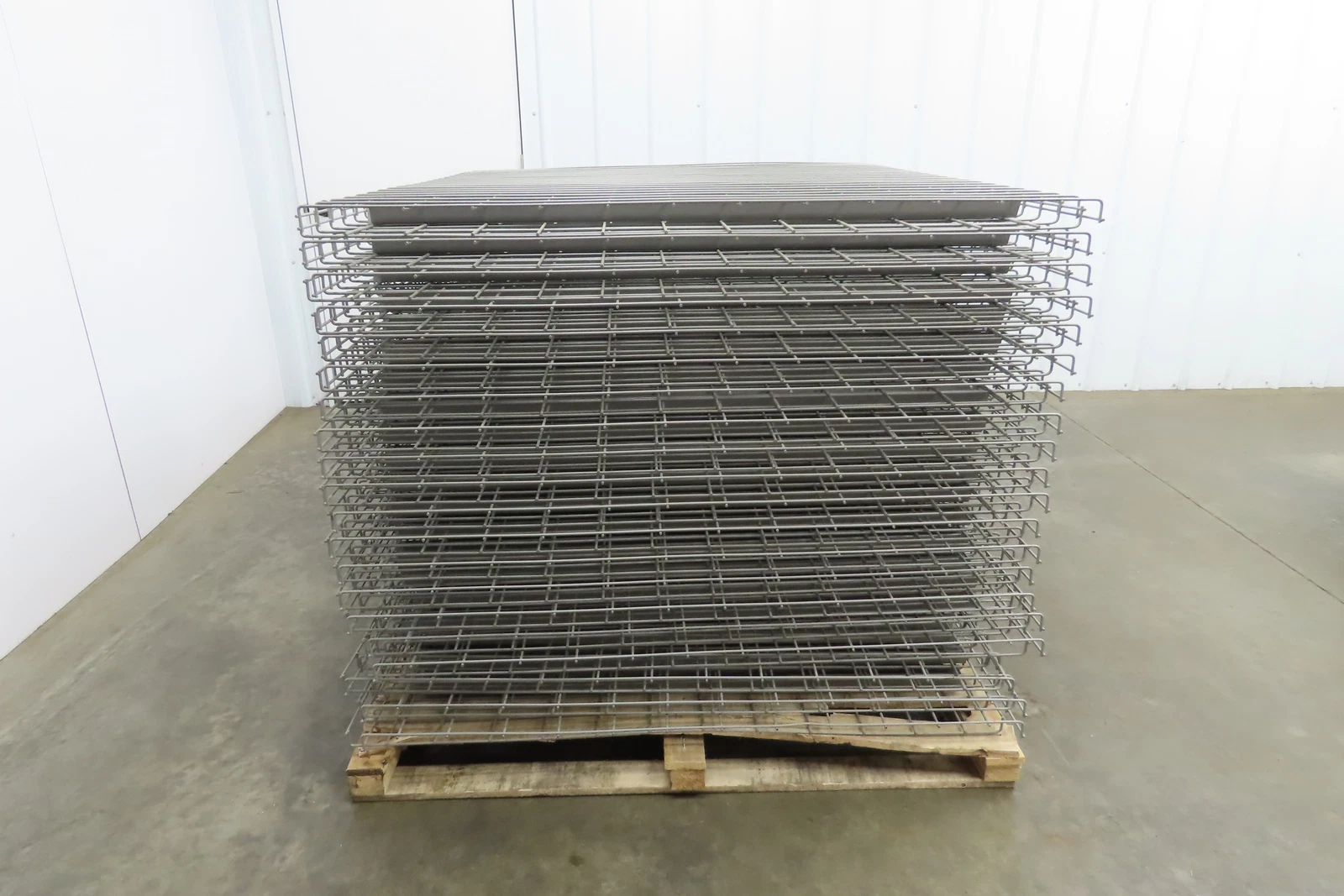
What Role Does Data Play In Effective Storage Solutions?
What Role Does Data Play In Effective Storage Solutions?
- Data is essential for effective storage solutions, serving as the blueprint for strategy.
- Decisions regarding inventory levels and stock management should be data-driven to avoid excess or shortages.
- Utilizing reliable data promotes ethical decision-making and reduces environmental impact.
- Data tells a story that enables proactive management and enhances the functionality of storage systems.
- Optimizing storage solutions with data strengthens supply chain relationships and fosters community collaboration.
- Trust in data signifies commitment to craft, customer service, and environmental responsibility.
- Incorporating data into storage strategies helps build a legacy of knowledge, ethics, and community support.

What Role Does Data Play In Effective Storage Solutions?
How Can Effective Storage Save Time and Resources?
Effective storage isn’t just about keeping things off the floor; it’s about reclaiming time and resources in ways that hit home, resonate with common sense, and spark action. When we think of racking systems, it may not sound thrilling at first glance, but consider what they really do. They organize chaos, elevate goods, and create space where there was none. Anyone who’s been buried under piles of tools, materials, or inventory knows how daunting that can be. A well-thought-out storage solution is like a breath of fresh air amidst the clutter.
Imagine walking into a workspace where everything has its place. Tools neatly organized on sturdy racks, boxes stacked strategically, and supplies easy to find. This isn’t just about aesthetics; it’s about functionality, efficiency, and reducing stress. Picture the time saved when you’re not rummaging through boxes or dealing with clutter. Each minute spent searching is a minute lost, whether you’re on a job site or running a warehouse. Racking systems don’t just help you find what you need—they streamline operations, cut down waste, and let you focus on what truly matters: getting the job done.
Now, there’s an ethical responsibility here, too. Managing resources wisely means we’re not just looking out for ourselves but for our teams and communities. By investing in effective storage solutions, we promote a culture of order and respect for our environment. We honor the sweat and effort that goes into building, crafting, and creating. When we respect our tools and materials, we show that we value hard work and dedication.
Stories abound about businesses that turned their fortunes around through smart storage practices. A small construction company adopted racking systems and transformed its daily operations. Orders were filled faster, workers were happier, and profits increased. This isn’t just theory; it’s real-life application. It’s a testament to what can happen when we harness the power of organization.
This isn’t just about saving space; it’s about saving ourselves from frustration. It’s about trust—the belief that systems can work for us, not against us. It’s about confidence—we can tackle any project when our environment is organized. It’s a call to action for anyone feeling overwhelmed by disorder. Take a look around; invest in racking systems that deliver. Make a change. Your bottom line—and your sanity—will thank you.

How Can Effective Storage Save Time and Resources?
How Can Effective Storage Save Time and Resources?
- Effective storage reclaims time and resources, promoting organization and action.
- Racking systems organize chaos, elevate goods, and create additional space.
- A well-designed storage solution reduces stress and enhances functionality and efficiency.
- Time saved from eliminating clutter allows for greater focus on essential tasks.
- Investing in storage solutions reflects an ethical responsibility towards teams and communities.
- Businesses have successfully transformed operations and increased profits through smart storage practices.
- Effective organization builds trust and confidence, enabling better project management.

How Can Effective Storage Save Time and Resources?
Conclusion
Storage discipline is the unsung hero of the warehouse and logistics world, working quietly in the background to safeguard profits and foster trust. A well-managed storage area isn’t just about keeping shelves neat; it’s the foundation of a thriving operation. When every box has its place and each item is easy to find, inefficiencies disappear. This means faster order fulfillment and happy customers—results that come from a well-oiled machine rather than sheer luck.
Imagine those early morning shifts, when workers step into a well-organized space, ready to tackle the day. The impact of storage practices stretches from the warehouse floor to the upper levels of management. An organized racking system not only boosts productivity but bolsters morale. Businesses that invest in solid storage solutions see dramatic transformations, often narrated through the stories of owners who once grappled with chaos but turned it around through discipline and efficient systems. When team members have pride in their workspace, customers feel that pride too—it builds a shared experience.
Poor storage practices, however, can lead to financial chaos. Mismatched or poorly used racking systems can inflate labor costs as workers waste precious time searching through clutter, while inventory mishaps lead to lost sales and rising frustrations. Every wasted moment equates to lost money, thereby making the case for adopting smarter storage habits compelling. Moreover, the emotional toll on employees cannot be overlooked; disorder breeds resentment and high turnover, rattling the foundations of teamwork.
On the ground, effective storage is more than just an operational need; it’s a responsibility. Ethical management of resources minimizes waste, while a neat storage solution reflects respect for both materials and those laboring in the space. Businesses that cultivate order create an environment of reliability, where employees trust the systems in place.
Data plays an integral role in shaping effective storage strategies. Relying on solid data enables informed decisions, ensuring that every item on the shelves serves a purpose and is efficiently managed. This isn’t merely about numbers; it’s about nurturing relationships within the supply chain and fostering a sense of community. When efficient storage becomes a norm, it transforms chaos into order, inviting success for everyone involved.
Ultimately, embracing effective storage practices is a commitment to excellence that pays dividends. It’s about reclaiming time, respecting resources, and creating a work environment where both employees and businesses thrive.
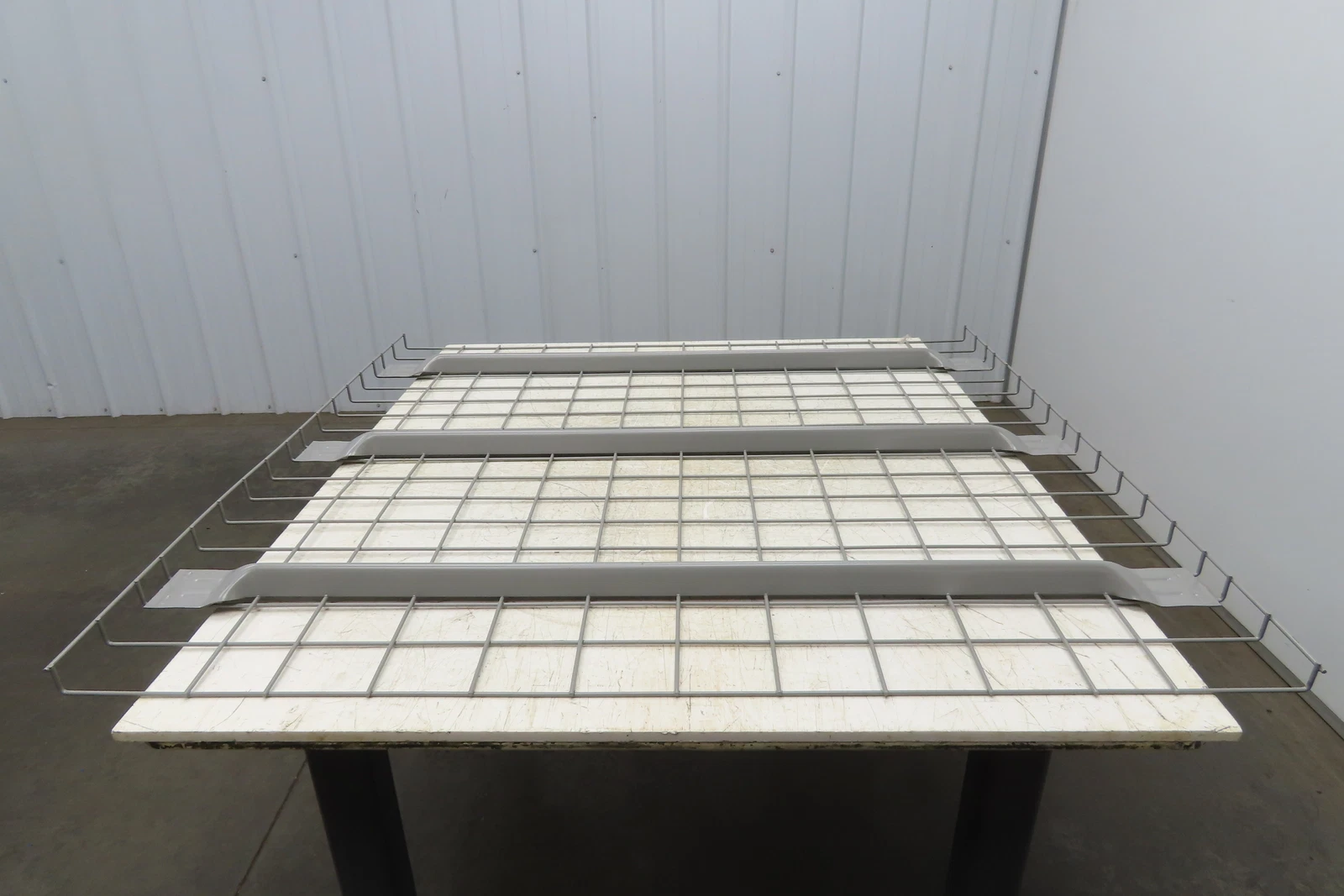
Conclusion
Conclusion:
- Storage discipline is crucial in the warehouse and logistics sectors, ensuring profitability and fostering trust.
- A well-organized storage area enhances order fulfillment and customer satisfaction by eliminating inefficiencies.
- Effective storage practices improve employee morale and productivity, benefiting the entire business operation.
- Poor storage can lead to financial losses, increased labor costs, and high employee turnover.
- Ethical management of storage resources minimizes waste and cultivates a reliable work environment.
- Data-driven strategies promote efficient inventory management, benefiting the entire supply chain.
- Adopting effective storage practices is a commitment to excellence that enhances both employee and business success.

Conclusion
Other Resources

Other Resources
Here is a list of other resources you can review online to learn more:
- American Surplus
- NSC
- Teardrop Industrial Shelving Rack
- Iowa Illinois Warehouse Racking
- Used Teardrop Pallet Rack – American Surplus
- Illinois Pallet Racking – Storage Solutions
- Warehouse Racking System: Powerful Guide to Optimise, 2024
- American Society of Safety Professionals
- Storage Equipment Manufacturers Association
- Cantilever Rack Guide: Ordering Cantilever Racking
- RMI
- Bradford Systems
- The Complete Pallet Rack Guide – Simply Rack
- Shipping Boxes, Packaging Materials, Pallet Racking
- SEMA
- The Ultimate Pallet Racking Guide – Speedrack West
- Illinois Pallet Racking – WPRP
- BMH Equipment LLC
- Teardrop Racks – Pallet Rack World
Use This Prompt To Get More Resources With Your Favorite Online AI Tool: Please provide me with a list of online articles with their URLs in a bulleted list that I can read regarding Storage Discipline and Profit Protection

Other Resources
Glossary Terms
Storage Discipline and Profit Protection – Glossary Of Terms
1. Allocation: The process of distributing resources effectively to maximize storage efficiency.
2. Audit: A systematic examination of storage operations to ensure compliance and identify discrepancies.
3. Capacity: The maximum amount of goods that a storage facility can hold.
4. Compliance: Adherence to laws, regulations, and internal policies regarding storage practices.
5. Contingency Plan: A strategy developed to manage unexpected storage disruptions or losses.
6. Cost Analysis: Evaluation of storage expenditures to optimize budget allocation and minimize waste.
7. Cross-Docking: A logistics practice where products are directly transferred between incoming and outgoing shipments without long-term storage.
8. Damages: Goods that are impaired or unfit for sale, impacting overall profitability.
9. Data Management: The process of collecting, storing, and using data effectively to support storage operations.
10. FIFO (First In, First Out): A method of inventory management where the oldest stock is sold first to maintain product freshness.
11. Inventory Control: Strategies and processes for tracking and managing stored goods to prevent overstock and stockouts.
12. Just-in-Time (JIT): An inventory management approach aimed at reducing holding costs by receiving goods only as they are needed.
13. Loss Prevention: Strategies implemented to reduce the risk of theft, damage, or loss of stored goods.
14. Palletization: The practice of stacking products on pallets for efficient storage and transportation.
15. Pick and Pack: The process of retrieving items from storage to fulfill customer orders and packaging them for shipment.
16. Real-time Tracking: Monitoring storage inventory and movements instantly to enhance accuracy and responsiveness.
17. Reorder Point: The inventory level at which new stock should be ordered to prevent stockouts.
18. Safety Stock: Extra inventory kept on hand to mitigate the risk of stockouts due to demand fluctuations.
19. SKU (Stock Keeping Unit): A unique identifier for each distinct product or service for inventory management.
20. Storage Optimization: Techniques used to enhance the efficiency of space utilization within a storage facility.
21. Supply Chain: The complete system of organizations involved in the production, handling, and distribution of goods.
22. Sustainability: Practices in storage that aim to reduce environmental impact and promote resource conservation.
23. TMS (Transportation Management System): Software that helps plan, execute, and optimize the physical movement of goods within logistics.
24. Warehouse Management: Oversight of warehouse operations to ensure effective storage, inventory control, and order fulfillment.
25. Work Order: A document that authorizes and details tasks or actions to be performed in storage management.
26. Zoning: The practice of organizing storage space into defined areas to enhance workflow and efficiency.
27. Temperature-Controlled Storage: Specialized storage facilities that maintain specific temperature conditions for sensitive products.
28. Cycle Count: A periodic inventory auditing procedure to ensure accuracy and control in stock levels.
29. Value-Added Services: Additional services provided to enhance the value of stored products, such as packaging or labeling.
30. Inventory Turnover: A measure of how often inventory is sold and replaced over a specific period, indicating storage efficiency.

Glossary Of Terms
Other Questions
Storage Discipline and Profit Protection – Other Questions
If you wish to explore and discover more, consider looking for answers to these questions:
- What is the expected ROI of investing in new racking systems and improved storage discipline?
- How much does it cost to install, upgrade, and maintain different types of racking systems?
- Which racking system types (pallet racking, cantilever, shelving, drive-in, ASRS) are best for specific inventory profiles?
- How do I calculate the storage capacity I truly need versus what I currently have?
- How can I quantify the revenue and productivity lost due to poor storage practices?
- What KPIs should be tracked to measure storage discipline and its impact on profits?
- How often should physical inventory audits or cycle counts be performed?
- What safety standards, building codes, and regulatory requirements apply to racking and storage layouts?
- What are the most effective staff training methods to maintain consistent storage discipline?
- What labeling, barcode, and signage best practices improve findability and accuracy?
- How can WMS, barcoding, RFID, and IoT sensors be integrated to improve inventory accuracy?
- How do I integrate storage systems with ERP, order management, and forecasting tools?
- What common mistakes occur when retrofitting an existing warehouse, and how can they be avoided?
- How should warehouse layout and pick-paths be optimized for speed and safety?
- Which inventory control methods (FIFO, LIFO, FEFO, batch control) suit different product types?
- What processes should be in place for handling damaged goods, returns, and obsolete inventory?
- How can theft, shrinkage, and misplacement be prevented or detected?
- What questions should I ask potential racking and storage vendors before purchase?
- How do I ensure racking is loaded correctly within rated weight capacities and avoid uneven loading?
- What preventative maintenance schedule is recommended for racking and mezzanines?
- How can storage solutions be scaled efficiently as demand and SKUs grow?
- How should seasonal demand spikes be accommodated in racking and inventory planning?
- What measurable environmental and sustainability benefits result from disciplined storage?
- How can labor savings from improved storage be measured and validated?
- Which storage practices most reduce accident risk and improve employee safety?
- How should I budget and time an implementation project to minimize operational disruption?
- Are there industry case studies or benchmarks for storage-discipline improvements I can follow?
- How do you manage change to gain employee buy-in and sustain new storage practices?
- What insurance, liability, and compliance implications arise from racking choices and storage practices?
- How do I measure improvements in inventory accuracy after implementing new systems?
- What analytics and reporting dashboards best reveal storage and inventory trends?
- How can automation (robots, conveyors, ASRS) be combined with manual processes effectively?
- What best practices exist for palletizing, packing, and unit load configuration?
- How should cross-docking, fulfillment, and last-mile considerations affect racking and layout?
- What are the legal requirements and best practices for storing hazardous or regulated materials?
- How do emergency access, fire suppression, and aisle widths factor into racking design?
- Which small-business constraints (budget, space, staff) require different storage approaches?
- What incremental steps can be taken to improve storage discipline without a full overhaul?

Other Questions
Checklist
Storage Discipline and Profit Protection – A Checklist
Racking Systems and Space Utilization
✅______ Racking systems are rated, certified, and matched to load requirements; weight limits posted at each bay.
✅______ Racks are anchored, plumb, and damage-free; formal inspection schedule in place (weekly visual; quarterly detailed).
✅______ Aisles meet clearance standards; no product overhang or blocked egress.
✅______ Vertical space is utilized effectively (target ≥ 85% storage density without compromising access).
✅______ Fast-movers are placed in the “golden zone” (waist to shoulder) to minimize travel and picking time.
Layout, Slotting, and Accessibility
✅______ Defined slotting logic (ABC or velocity-based) is applied and reviewed at least quarterly.
✅______ Pick paths are optimized; one-way traffic where feasible; congestion points eliminated.
✅______ Pick faces are sized to demand; replenishment triggers set to prevent stockouts at pick locations.
✅______ Staging areas are clearly marked with maximum dwell times; no long-term overflow in staging zones.
Labeling and Identification
✅______ Every location, rack level, and bin is labeled and scannable (barcode/QR); a standard naming convention is enforced.
✅______ Product labels include SKU, description, unit of measure, and handling requirements.
✅______ Missing or damaged labels are audited weekly; corrective actions closed within 24 hours.
Receiving and Put-Away Discipline
✅______ ASNs or purchase orders are pre-verified before unloading; discrepancies logged and resolved at the dock.
✅______ Quality checks are performed at receipt; damage/nonconformance process defined and followed.
✅______ Put-away is completed within the defined SLA (e.g., within 4 hours of receipt); no inventory left on floors.
✅______ System-directed put-away is used; locations confirmed by scan to eliminate misplacements.
Picking, Replenishment, and Shipping
✅______ A standard picking method is defined (single, batch, wave, or zone) and documented; picks confirmed by scan.
✅______ Replenishments are triggered automatically at minimum levels; completed before the next pick wave.
✅______ A packing verification step is in place; tamper-evident, right-sized packaging is used.
✅______ Ship staging is sequenced by carrier/route; OTIF compliance is monitored.
Inventory Accuracy and Control
✅______ A formal cycle count program is in place (ABC cadence); blind counts used to prevent bias.
✅______ An inventory accuracy target is set (e.g., ≥ 99% by SKU and location); variances investigated to root cause.
✅______ Daily reconciliation between physical activity and WMS/ERP is performed; negative balances eliminated.
✅______ Obsolescence and slow-mover reports are reviewed monthly; disposition actions tracked.
Data, Metrics, and Decision Support
✅______ Real-time transactions are captured via mobile scanning; no manual backlogs.
✅______ Dashboards track KPIs: pick rate, dock-to-stock time, accuracy, damages, mis-picks, and labor per line.
✅______ Slotting and reorder points are updated using demand data and seasonality.
✅______ Data integrity checks are scheduled (duplicate SKUs, unit-of-measure mismatches, ghost inventory).
Safety, Compliance, and Housekeeping
✅______ 5S standards are implemented and audited (Sort, Set, Shine, Standardize, Sustain).
✅______ Clear PPE, lift, and rack safety signage is posted; the team is trained on safe handling and load limits.
✅______ An incident/near-miss log is maintained; corrective actions implemented and verified.
✅______ Emergency exits, fire equipment, and electrical panels remain unobstructed at all times.
Cost and Waste Reduction
✅______ Labor hours per order line and per unit are tracked and trended; targets met or actioned.
✅______ Damage rate, returns due to fulfillment errors, and rework costs are monitored and reduced.
✅______ Storage density and cube utilization are reviewed; slotting and rack configuration adjusted for ROI.
✅______ Waste streams (packaging, dunnage) are minimized; a reuse/recycling program is active.
Training, Culture, and Accountability
✅______ Role-based SOPs are current, accessible, and trained; onboarding includes storage discipline modules.
✅______ Refresher training is scheduled; certification for equipment and rack safety is maintained.
✅______ Daily huddles cover KPIs, hazards, and wins; recognition is tied to accuracy and discipline.
✅______ A responsibility matrix is defined for audits, counts, labeling, and maintenance.
Sustainability and Community Impact
✅______ Right-size packaging and reusable totes are implemented where feasible.
✅______ Energy-efficient lighting and equipment schedules are optimized for off-peak usage.
✅______ Excess inventory is proactively redistributed or returned to reduce waste.
✅______ Supplier and customer collaboration is used to smooth demand and reduce dwell times.
Continuous Improvement and Audits
✅______ A weekly storage discipline audit is conducted with photo evidence and a scorecard.
✅______ A Kaizen pipeline is maintained; top issues assigned owners and due dates.
✅______ A change control process exists for layout, slotting, and SOP updates; impacts measured post-change.
✅______ A quarterly review of layout, rack capacity, and growth plan is completed to align with demand.
Customer Experience and Profit Protection
✅______ OTIF, lead time, and order accuracy targets are met; corrective actions closed promptly.
✅______ Root-cause reviews link storage issues to customer complaints and costs.
✅______ Profit leakage from storage (search time, mis-picks, damages, space) is quantified and reported monthly.
✅______ An annual ROI review for racking, labeling, and WMS enhancements is completed and documented.

Checklist
At RackingWorld, we help guide you through selecting warehouse storage systems and racking.
Be sure to read our other related stories at RackingWorld to learn more about warehouse storage systems.
0 Comments