
Rethink Your Approach To Warehouse Safety
By Tom Seest
At RackingWorld, we help guide you through selecting warehouse storage systems and racking.
Be sure to read our other related stories at RackingWorld to learn more about warehouse storage systems.
Stop Blaming Forklift Drivers�Your Racks May Be Poorly Designed
When we think of warehouse mishaps, it’s all too easy to point at the forklift driver with a raised eyebrow. But before we place blame, let’s pause for a moment and consider the environment in which these operators work. Often, the culprit is not the person behind the wheel, but rather the racking system they’re navigating. These structures, if poorly designed, can turn a smooth operation into a chaotic scene—a labyrinth where accidents are waiting to happen.
Imagine a dedicated forklift driver, focused on his task, doing his best to maneuver a hefty load through narrow aisles. With every turn, his heart races; each obstacle feels like a challenge against an unforgiving backdrop of haphazardly arranged racks. What if, instead of erecting obstacles, we constructed systems that celebrated order and accessibility? Every piece of racking should inspire confidence, allowing these skilled individuals to do their job without fear of mishap.
From an ethical standpoint, it’s our responsibility to create safe working environments. This isn’t just about productivity; it’s about people. The warehouse is not merely a space filled with pallets and products; it’s a community—a collection of stories, dreams, and commitments. When we invest in proper racking design, we show our team that their safety and well-being matter. It says, “We value not just the work you do, but the person you are.”
Now, consider the numbers. Statistically, warehouses with poorly designed racking systems see higher accident rates, lower employee morale, and ultimately, financial losses. Rational thinking shows that a modest investment in quality design can yield significant benefits. But beyond the math, we must acknowledge the social impact of responsible choices. When we elevate safety standards, we elevate the entire industry, encouraging others to follow suit. This can lead to a ripple effect, establishing a culture where well-being takes precedence over mere efficiency.
Ultimately, our goal is to foster connections—between the worker and their tools, between safety and productivity, between obligation and inspiration. A well-designed racking system can be transformative, enabling forklift drivers to work with confidence and pride. So, before casting judgment, let’s prioritize the structures that frame their work. It’s time to rethink racking, not just for the machinery, but for the people who breathe life into our warehouses every day.
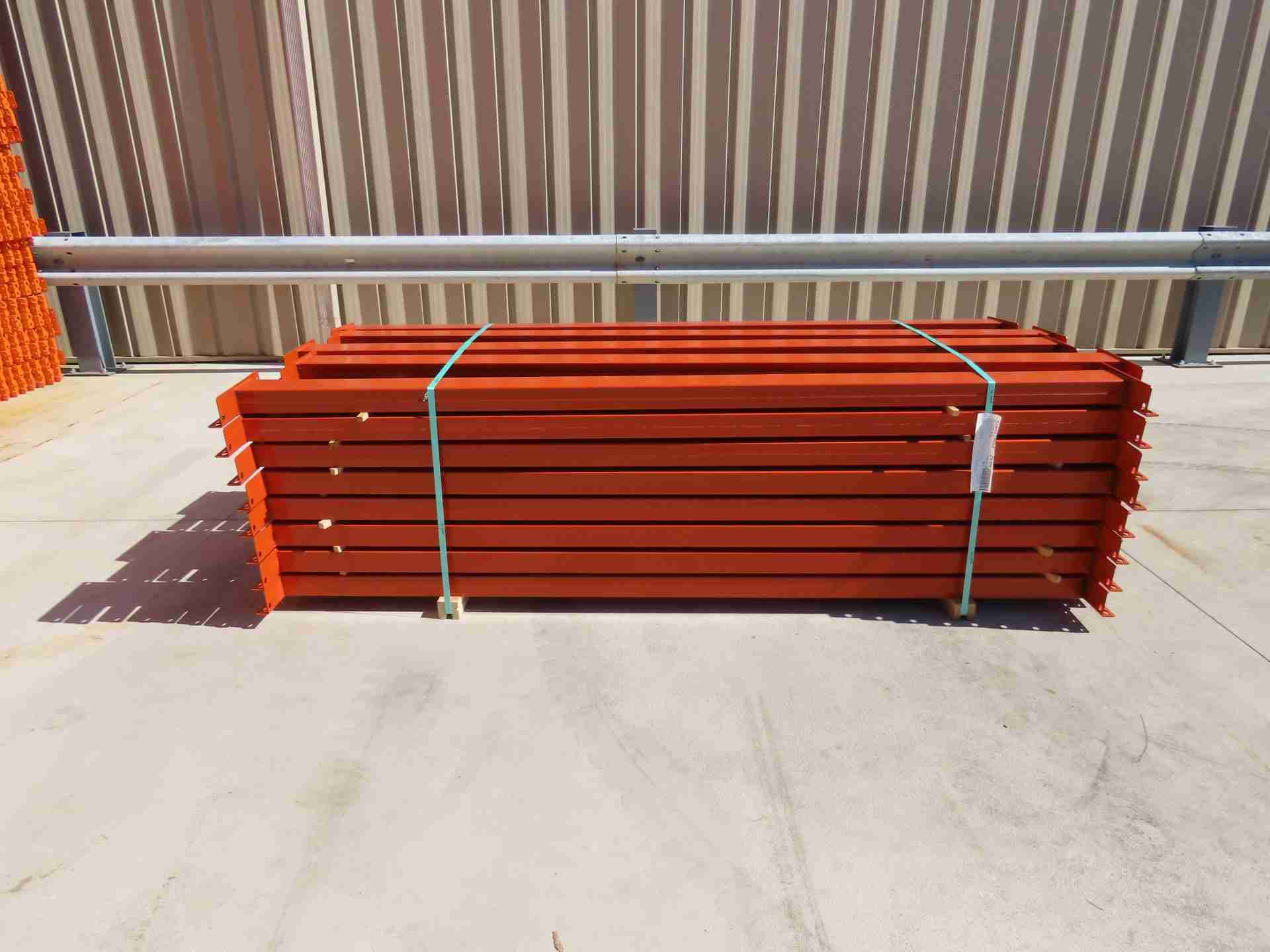
Stop Blaming Forklift Drivers�Your Racks May Be Poorly Designed
Stop Blaming Forklift Drivers�Your Racks May Be Poorly Designed
- Forklift drivers are often unjustly blamed for warehouse accidents.
- The racking system’s design can significantly impact safety and efficiency.
- A well-organized racking system promotes confidence and reduces stress for operators.
- Creating safe working environments is an ethical responsibility that values employee well-being.
- Poor racking design correlates with higher accident rates, lower morale, and financial losses.
- Investing in quality racking design enhances safety standards and fosters a culture of well-being.
- A focus on effective racking can improve connections between workers, safety, and productivity.
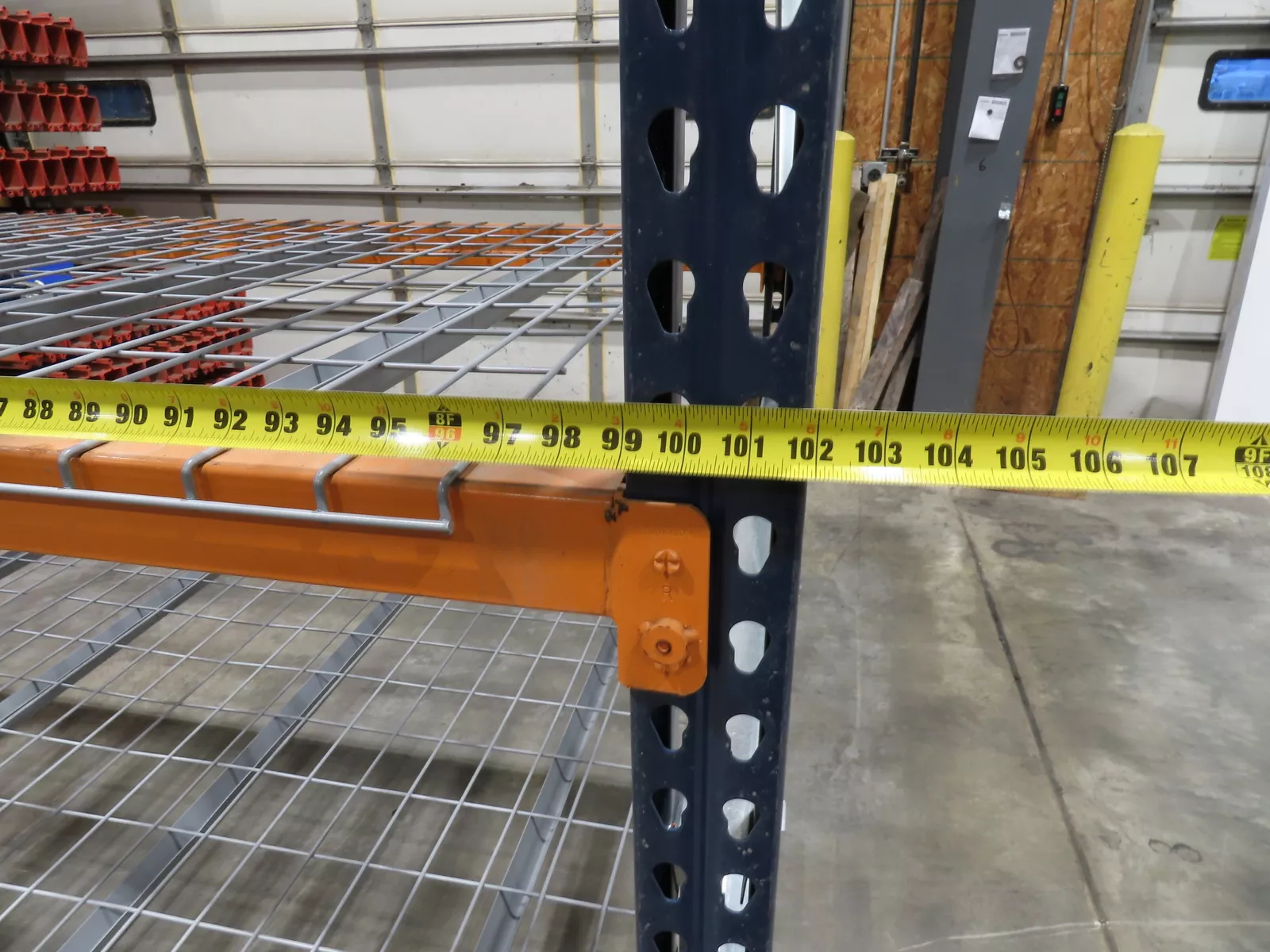
Stop Blaming Forklift Drivers�Your Racks May Be Poorly Designed
Table Of Contents
- Stop Blaming Forklift Drivers�Your Racks May Be Poorly Designed
- What Impact Does Rack Design Have on Workplace Safety?
- How Can Better Rack Design Reduce Accidents?
- Are Your Rack Systems Holding Back Productivity?
- What Are the Long-Term Costs Of Poorly Designed Racks?
- How Can We Foster a Culture Of Safety In Warehouse Operations?
- Conclusion
- Other Resources
- Glossary Of Terms
- Other Questions
- Checklist
What Impact Does Rack Design Have on Workplace Safety?
When you think about workplace safety, your mind might wander to hard hats, safety nets, or those mandatory training sessions that seem endless. Yet, one often-overlooked hero stands tall amid the chaos—the racking system. Yes, racking! These seemingly simple structures can make or break safety in a warehouse or factory. They’re not just metal shelves; they’re the backbone of an operation, holding not just goods, but accountability, efficiency, and most importantly, the well-being of our people.
Picture this: a bustling warehouse, where employees glide amongst towering racks, maneuvering forklifts and bustling carts. Each movement carries weight—both in cargo and consequence. A robust racking system instills confidence, knowing that if the racking is designed right, it supports not just the products but also the workers navigating their way through. An unsteady rack is like a teetering tightrope; one misstep can lead to disaster, chaotic spills, or even injuries. The right design nurtures a culture of safety, stitching together a workplace where employees feel secure and valued.
But let’s get to the heart of the matter. There’s an ethical obligation to ensure a safe work environment. It’s no longer a mere preference; it’s a necessity. As leaders and colleagues, we owe it to each other to implement racking systems that prioritize safety first. By investing in high-quality designs and adhering to safety standards, we’re not just following regulations; we’re fostering a community that respects each individual.
Think for a moment—how many companies overlook this crucial aspect? They cut corners to save a buck, prioritizing short-term gains over long-term health. Yet, the repercussions of a poorly designed racking system can reverberate far beyond a single incident. It affects families, communities, and the very fabric of our society.
Now, let’s appeal to your gut. Ask yourself: are you willing to gamble with safety? When it comes to racking, there’s no room for half-measures. Trust is built on foundations that support—literally. Choose racking designed for stability, durability, and most importantly, safety. By adopting better designs, we can inspire confidence among our teams and create a ripple effect that celebrates safety as a shared value.
In this age of urgency, let’s elevate our commitment to workplace safety. Racking isn’t just a logistical choice; it’s a moral one. Together, let’s rise to the occasion and build safer, stronger workplaces for every person who walks through the door.

What Impact Does Rack Design Have on Workplace Safety?
What Impact Does Rack Design Have on Workplace Safety?
- Racking systems are crucial for workplace safety, providing support and stability in warehouses and factories.
- They contribute to efficiency and accountability, enhancing the overall well-being of employees.
- A robust racking system instills confidence among workers navigating busy environments.
- There is an ethical obligation to prioritize safety in racking system design and implementation.
- Poorly designed racking systems can have far-reaching consequences beyond immediate incidents.
- Companies should invest in high-quality racking systems to ensure long-term safety and community respect.
- Racking choices reflect a commitment to safety and should be viewed as a moral responsibility in the workplace.
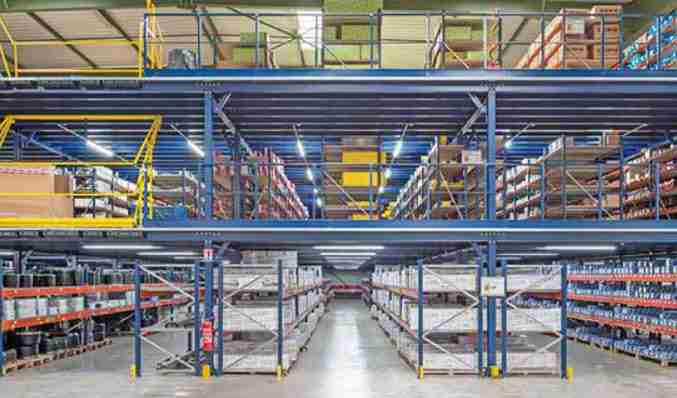
What Impact Does Rack Design Have on Workplace Safety?
How Can Better Rack Design Reduce Accidents?
When we think of safety in warehouses, our minds often jump to protective gear and emergency protocols. However, the unsung hero in the battle against accidents is often found in a well-designed racking system. Picture this: a bustling warehouse where inventory moves like a finely tuned machine. Yet, lurking in the chaos of stacked boxes and towering shelves is the potential for disaster. Every poorly designed rack is a risk waiting to manifest—a collapsed shelf, a crushed foot, or worse.
Better racking design is not just about aesthetics; it’s about creating an environment where people can work confidently and efficiently. Emotionally, we feel the weight of responsibility. Every worker deserves to return home safely to their families, and every business has the moral obligation to protect its employees. Imagine a worker, basking in the assurance that the very structures around them have been designed with their safety in mind. They are not a mere number in a spreadsheet but a vital part of a community that values life above all.
Rationally, the numbers speak volumes. According to industry standards, a well-thought-out racking system can reduce accidents by a staggering percentage—an investment that pays back in the form of reduced insurance costs, fewer liability claims, and a more productive workforce. Every business leader needs to pay attention to these figures; the data drives home the cost-effective choice of investing in better racking.
Ethically, it’s not just good business; it’s the right thing to do. In a society striving for greater accountability, how can we stand by while preventable accidents tear families apart or cripple careers? We must embrace a standard of excellence, elevating our commitment to workplace safety.
The narrative of a tragic accident can ripple through an entire organization, affecting morale and productivity. A single collision of a poorly designed rack can echo in the hearts of countless workers, affecting their sense of security. Together, let’s craft a different story—a story woven with trust and confidence born from robust and thoughtful rack design.
Ultimately, safety isn’t just a priority; it’s a shared value that strengthens the entire social fabric of a workplace. Let’s not wait for accidents to spark change. It’s time to act—because when we elevate our racking, we elevate our entire community.
How Can Better Rack Design Reduce Accidents?
How Can Better Rack Design Reduce Accidents?
- Well-designed racking systems play a crucial role in warehouse safety, often overshadowing protective gear and emergency protocols.
- Poorly designed racks pose significant risks, including potential injuries and accidents, in busy warehouse environments.
- Effective racking design fosters a safe and efficient workspace, allowing workers to feel secure in their environment.
- Every worker deserves a safe working environment, reflecting a business’s moral obligation to protect its employees.
- Investing in better racking systems can significantly reduce accidents, leading to lower insurance costs and improved workforce productivity.
- Ethical considerations highlight the importance of preventing accidents that could impact families and disrupt careers.
- Elevating racking design contributes to the overall safety culture and community well-being within the workplace.

How Can Better Rack Design Reduce Accidents?
Are Your Rack Systems Holding Back Productivity?
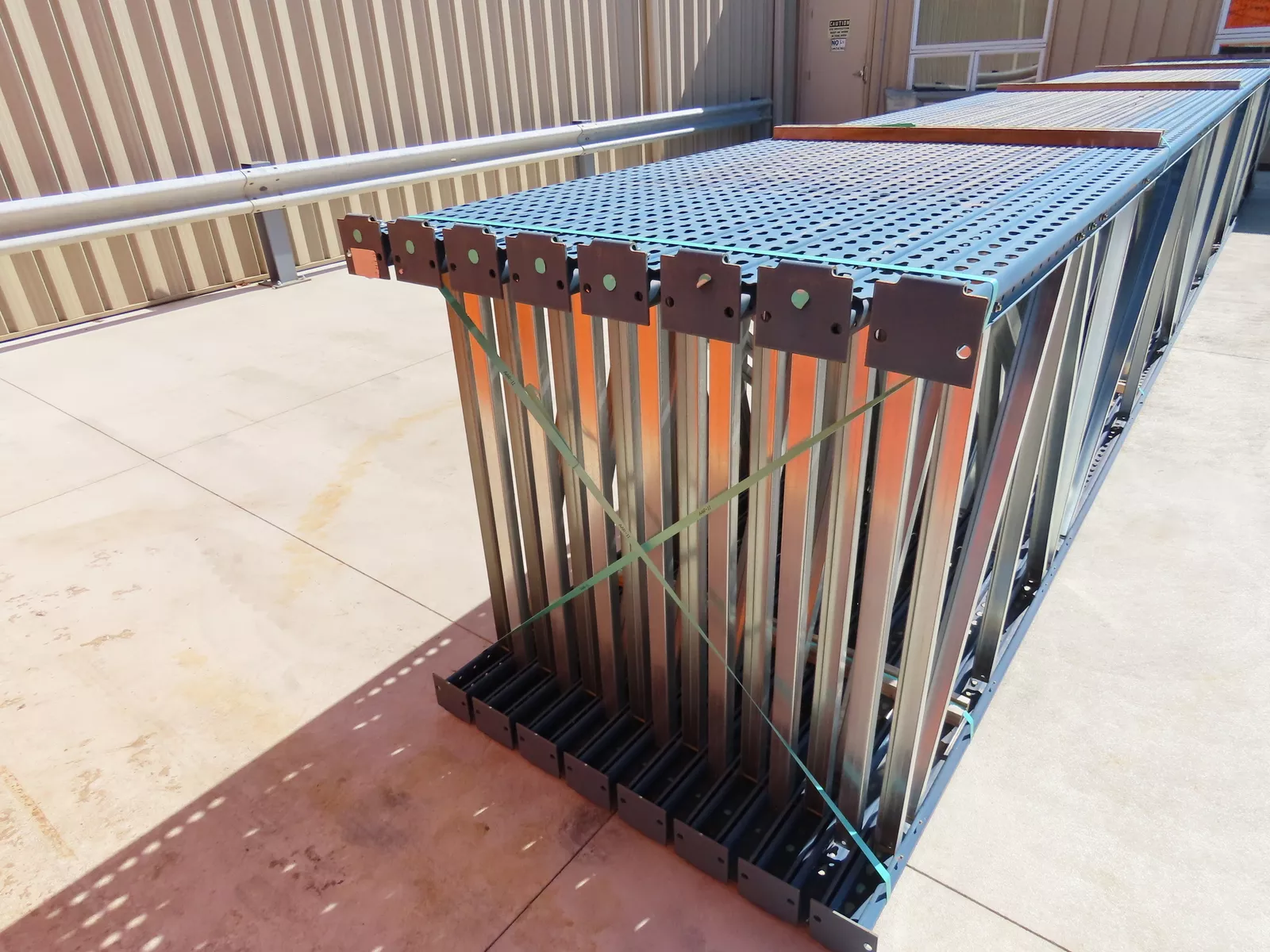
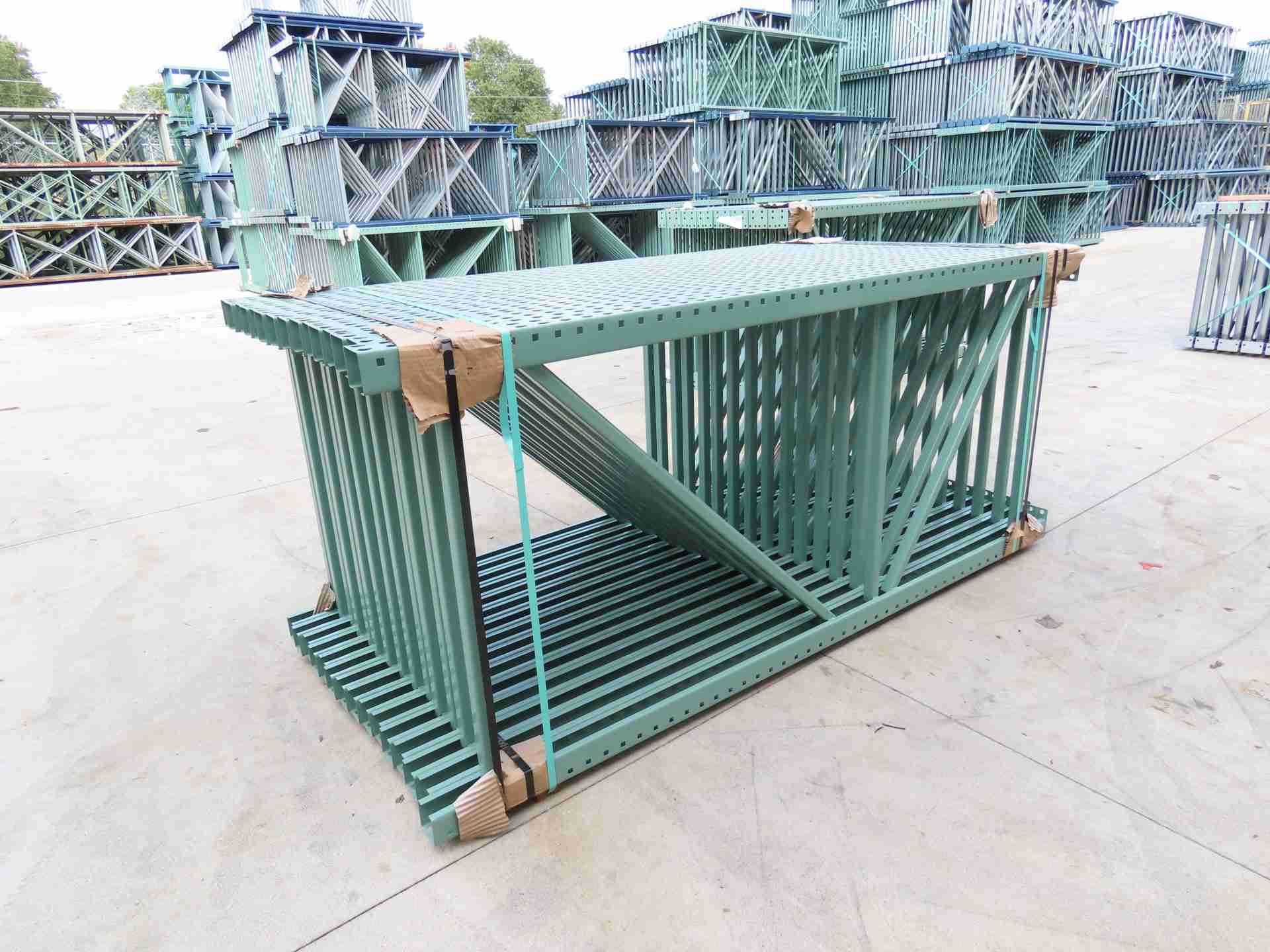
Are your rack systems holding back productivity? Picture this: a bustling warehouse, a hive of activity where every second counts. But there’s one thing standing in the way of seamless operations—your racking. That’s right, the very infrastructure designed to support your workflow might be doing the exact opposite, creating more problems than it solves.
You may be thinking, “What can be so wrong about steel shelves?” The truth is, if your racking isn’t optimized for your specific needs, it becomes a bottleneck. Imagine days lost to inefficiencies as workers stumble over poor layout designs, hunting for essential items like it’s a treasure hunt gone wrong. It’s frustrating. It drains not just time, but morale—the lifeblood of any operation. When your team struggles, stress levels rise, and productivity plummets.
From an ethical standpoint, consider your commitment to your workforce. Every hour they waste is an hour they could spend innovating or refining processes. Racking that hinders performance isn’t just a logistical flaw; it’s a disservice to the people who depend on it. You owe it to your team—and ultimately, to your bottom line—to ensure they have the tools they need to succeed.
Taking a step back, let’s look at the big picture. In an age where efficiency is king and competition is fierce, being held back by outdated or misconfigured racking systems can lead to missed opportunities and revenue loss. Think about it: a well-designed shelving system has the potential to improve not just productivity but safety, too. It reduces workplace strain, which translates into fewer injuries, lower insurance costs, and a happier, healthier workforce.
Now, let’s talk experience. Industry experts have spoken: when it comes to racking, there’s no one-size-fits-all solution. Investing in tailored solutions pays dividends. Whether it means going vertical to maximize space or integrating adjustable shelving for flexibility, the return on investment is clear—less wasted space means more room for growth.
Your racking should empower your team, make their lives easier, and ultimately ensure that when the rubber meets the road, operations can roll like a well-oiled machine. So ask yourself: are your rack systems propelling you forward, or are they dragging you down? Change isn’t just possible; it’s imperative. It’s time to determine whether your racking is an asset or a liability and take the steps necessary to set your operation up for success.
Are Your Rack Systems Holding Back Productivity?
Are Your Rack Systems Holding Back Productivity?
- Outdated racking systems can hinder productivity in bustling warehouse environments.
- Poorly optimized racking layouts lead to inefficiencies and frustrate workers.
- Wasted time affects team morale and overall operational effectiveness.
- Commitment to the workforce requires providing efficient tools and systems.
- Improper racking can result in missed revenue opportunities and operational strain.
- Tailored racking solutions can enhance productivity, safety, and workplace satisfaction.
- Evaluating the effectiveness of racking is essential for operational success and growth.
Are Your Rack Systems Holding Back Productivity?
What Are the Long-Term Costs Of Poorly Designed Racks?
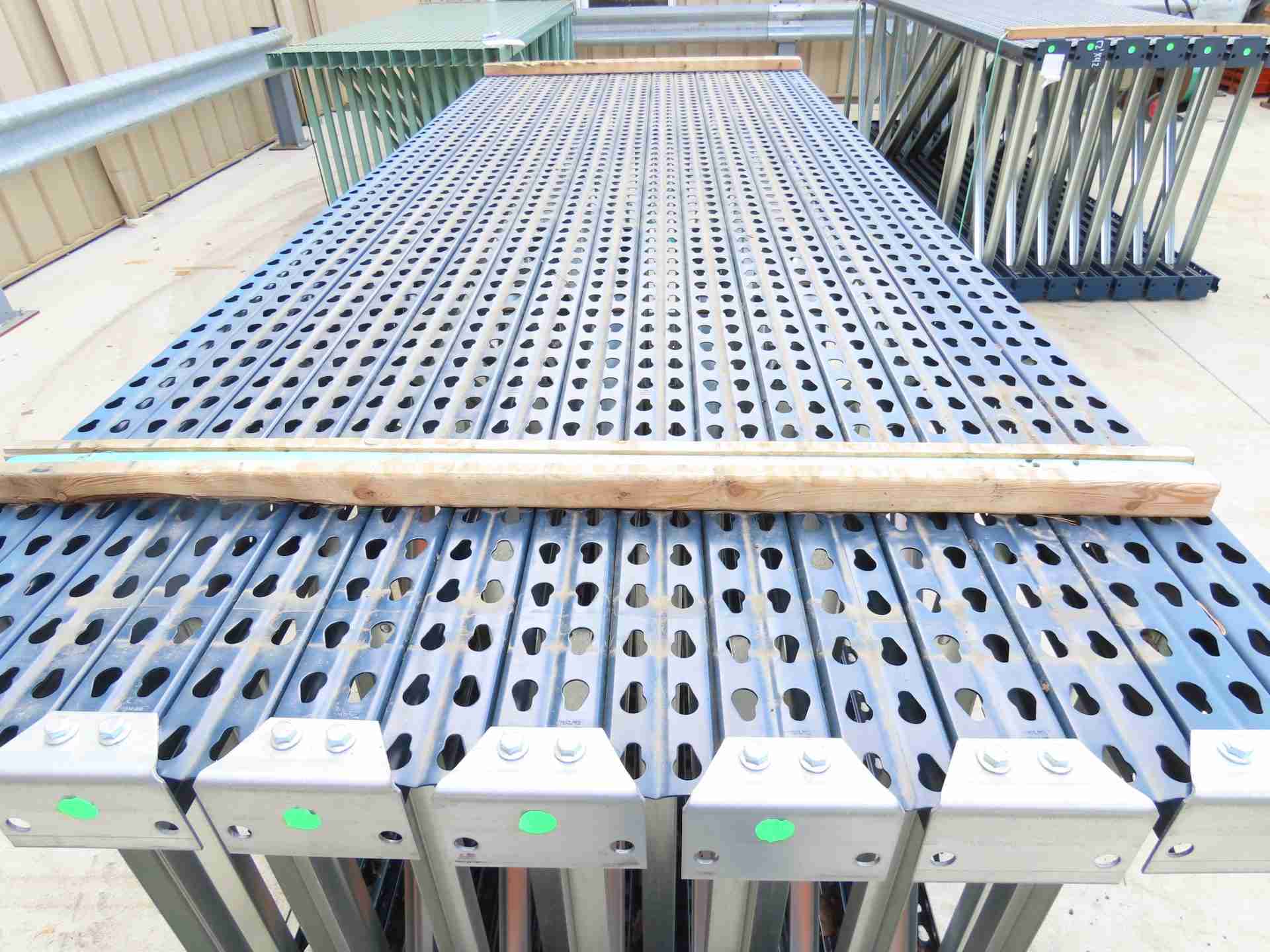
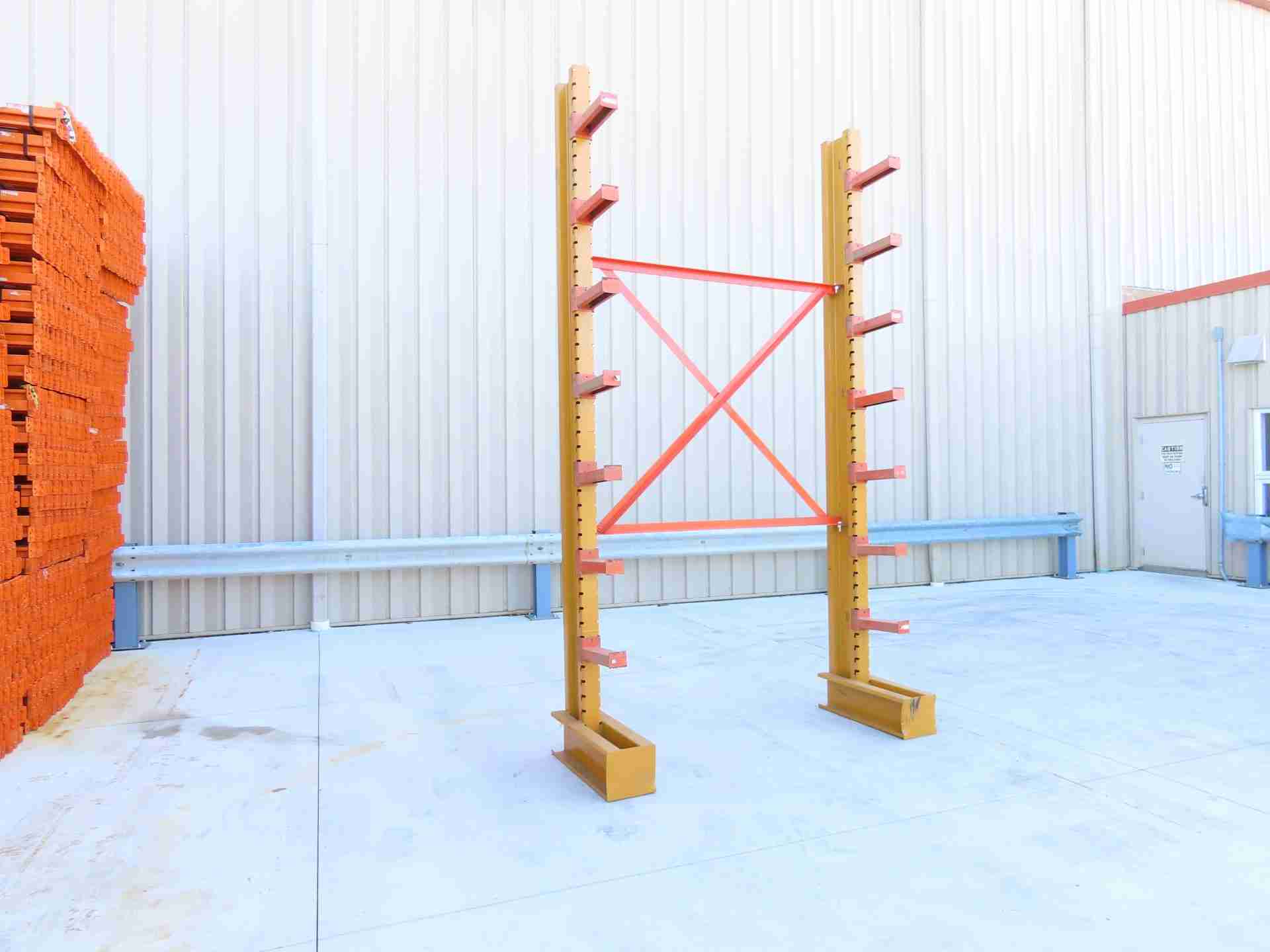
When it comes to racking systems, the importance of thoughtful design cannot be overstated. Poorly designed racks may seem like an easy fix or a cost-saving measure, but the long-term consequences are anything but trivial. Imagine a warehouse operating on shaky ground—literally. Racks that wobble or fail under weight can compromise not only product safety but the safety of the workers. It’s a chilling thought, isn’t it? Every time someone reaches for an item on an unstable rack, they’re gambling with their wellbeing, while you gamble with liability and lost productivity.
On a more rational level, the financial repercussions of inadequate racking are staggering. You’re not just tossing money down the drain; you’re investing in a ticking time bomb. Systems that are inefficient lead to wasted space, increased labor costs, and, ultimately, diminished profits. Every inch of poorly designed racking translates to lost opportunities—not just in terms of product placement, but in time wasted and decisions deferred. To think twice about that budget-cutting choice today might save you from a dented bottom line tomorrow.
Ethically, there lies an obligation to prioritize safety and efficiency. It’s about having a responsibility to your team—to prioritize their ability to work comfortably and safely. When racks collapse or fail, it’s not just a financial burden; it’s a blow to morale. You let the team down. They trust you to provide a safe work environment, just as they trust each other not to throw caution to the wind while navigating the maze of your facility.
Here’s a thought: What if you took a moment to listen to the crew? Engage them in the conversation surrounding racking systems. Gather insights and experiences from the ground. This isn’t just about getting the job done; it’s about building a culture of safety and trust. Your people are your best asset. Invest in their feedback, and they’ll invest in the workplace—creating a dynamic that fosters pride and responsibility.
Designing racking systems wisely isn’t merely a business strategy; it’s about respect. Respect for your employees, your resources, and your bottom line. When you think about long-term costs, consider building a future where everyone thrives rather than risks their safety for a moment’s convenience.
What Are the Long-Term Costs Of Poorly Designed Racks?
What Are the Long-Term Costs Of Poorly Designed Racks?
- Thoughtful design of racking systems is crucial for safety and productivity.
- Poorly designed racks can jeopardize product safety and employee well-being.
- Financial repercussions of inadequate racking include wasted space and increased labor costs.
- Investing in proper racking systems can prevent losses in productivity and morale.
- Ethical responsibility to provide a safe work environment is essential for team trust.
- Engaging employees for feedback on racking systems fosters a culture of safety and trust.
- Wise design of racking systems shows respect for employees, resources, and company profits.
What Are the Long-Term Costs Of Poorly Designed Racks?
How Can We Foster a Culture Of Safety In Warehouse Operations?
When it comes to life in the warehouse, safety is not just another box to check. It’s the foundation upon which we build our daily operations, the racking that holds everything in place, both literally and figuratively. We’ve got to understand that every time someone lifts a box or maneuvers around the aisles, they are undertaking a small act of trust. Trust in the systems we’ve set up, trust in their coworkers, and a lingering hope that today will be another safe day on the job.
Embracing a culture of safety isn’t just smart; it’s essential. Picture this: a dedicated team collaborating day in and day out, each member acutely aware that they have back covered. They know the protocols, understand the equipment, and are vigilant about hazards. This realization requires more than just compliance; it demands a conscientious choice to uphold the standards we’ve set together. When you foster an environment where mistakes are seen as learning opportunities rather than faults, the result is a workplace that thrives, not merely survives.
Let’s not kid ourselves; penalties and policies only go so far. To inspire true commitment, we need to engage the heart, head, and gut of every individual in that warehouse. Leaders must step up, not just as enforcers of rules but as champions of safety, sharing their own stories of near misses and successes. When we relate our experiences, we create a narrative that resonates with everyone, bringing down barriers and prompting critical conversations—conversations that lead to action.
Creating vibrant discussions around safety isn’t merely a task; it’s a movement. It’s about building a community that champions safety through shared values. When teammates rally around the importance of keeping one another safe, they realize that they’re not just checking off a requirement but are engaged in a mission that safeguards their livelihoods and lives.
So let’s take a bold step forward. In every lift, every shift change, every quiet moment before the rush begins, let’s pause for a second and remember that safety isn’t and shouldn’t be a chore. It’s an ongoing commitment to each other—a pledge we make when we walk through those doors. Together, let’s create a warehouse where safety isn’t just a policy on a wall, but a way of life.

How Can We Foster a Culture Of Safety In Warehouse Operations?
How Can We Foster a Culture Of Safety In Warehouse Operations?
- Safety is the foundational element of warehouse operations, critical for both physical and operational stability.
- Every action taken in the warehouse involves trust in safety systems, coworkers, and the hope for a safe workday.
- Embracing a culture of safety is essential and requires team collaboration and awareness of safety protocols and equipment.
- Learning from mistakes rather than viewing them as faults fosters a thriving workplace environment.
- Engaging individuals emotionally and intellectually enhances commitment to safety beyond just compliance with rules.
- Leaders should inspire safety culture by sharing personal stories and fostering open discussions among team members.
- Creating a community-centered movement around safety transforms it into a shared mission crucial for protecting livelihoods and lives.
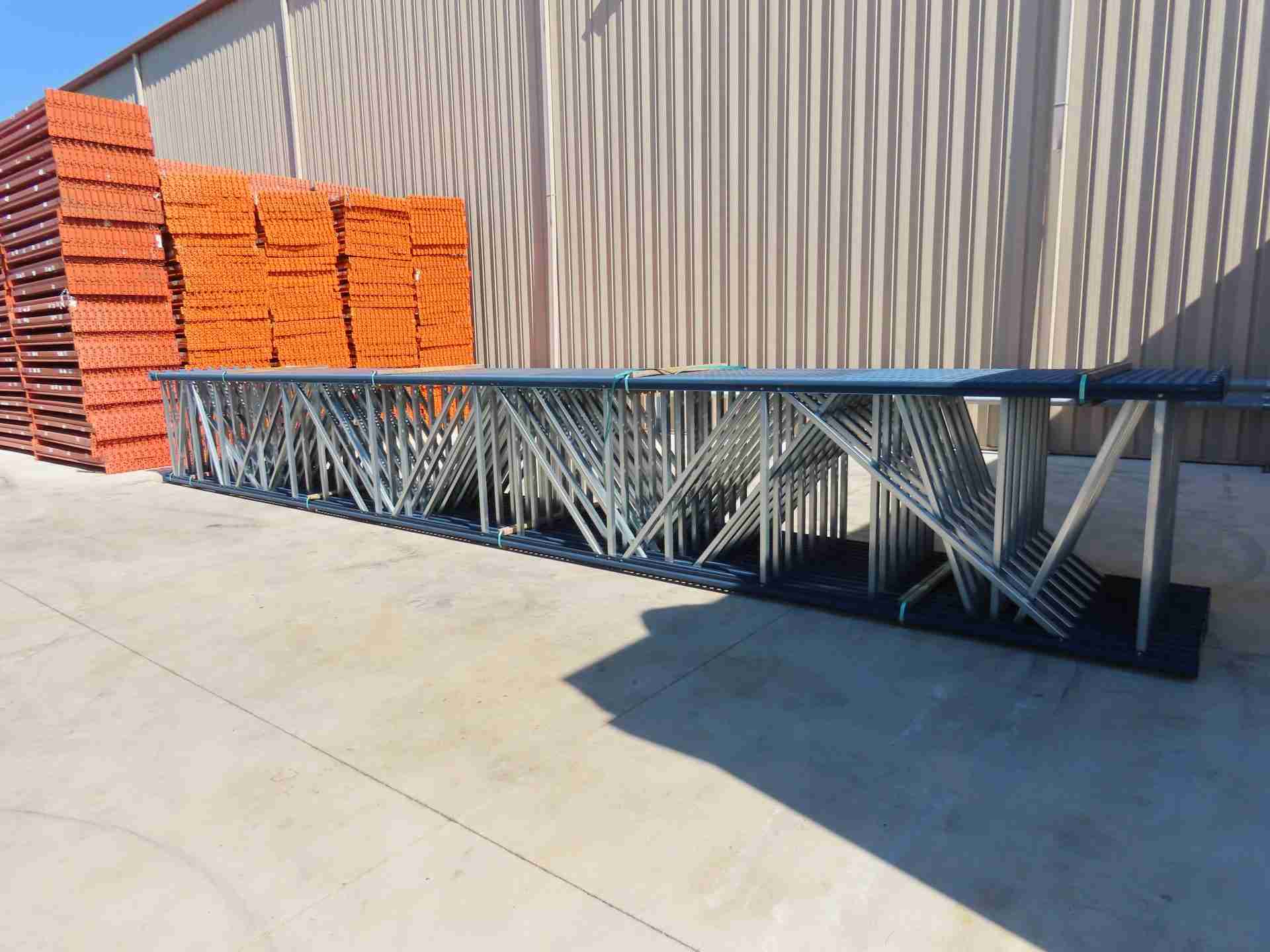
How Can We Foster a Culture Of Safety In Warehouse Operations?
Conclusion
In the complex world of warehouse operations, the spotlight often shines on forklift drivers when accidents occur. Yet, the real issue may lie not in the hands gripping the wheel, but in the very structures these operators navigate—namely, the racking systems that often lack thoughtful design. Picture a dedicated forklift driver, heart pounding as they navigate through a maze of inadequately designed racks, maneuvering with a sense of urgency and dread. It’s not just about the equipment; it’s about the experience of the person behind it, working in a space that should empower them, not ensnare them.
A well-designed racking system is crucial not just for the efficient movement of goods but for the heart and safety of the workers who depend on it. Ethically, we owe it to our employees to provide them with a safe environment. Investing in high-quality rack design signals that their safety and well-being are valued, creating a workspace that nurtures not just productivity, but also morale. The data is clear: poorly constructed racks correlate with higher accident rates, unhappy workers, and financial losses.
On a broader social level, choosing to prioritize safety can catalyze a positive ripple effect throughout the industry. When one company raises its standards for racking design, it challenges competitors to do the same, fostering a culture where employee safety is a shared value. Imagine a workplace where each employee feels secure, where their environment is designed to support them rather than hinder them. This isn’t just a dream; it can be our reality with the right racking systems.
Investing in appropriate racking designs is a decision that affects more than just the bottom line; it’s an investment in the community, promoting accountability and respect among workers. As leaders, the responsibility hovers heavy upon us to listen to our teams and engage with them on these critical issues. When we discard the mindset that safety is just another box to tick and instead embrace it as a core value, we create spaces filled with trust and camaraderie.
Ultimately, a commitment to thoughtful and strategic racking design not only enhances safety and productivity but also enriches the human experience within our warehouses. So let’s stop pointing fingers and start taking action. Rethink your racking—because when it comes to building a better workplace, every structure must support not just the load, but the people behind it. Together, let’s make our warehouses places where safety isn’t merely a policy, but a powerful ethos woven into every facet of operations.
Conclusion
Conclusion:
- Forklift drivers are often blamed for accidents, but racking system design plays a crucial role.
- Poorly designed racks create a stressful environment for operators, affecting their performance and safety.
- A well-designed racking system promotes not only efficient goods movement but also worker safety and morale.
- Investment in quality rack design shows commitment to employee well-being and enhances productivity.
- Prioritizing safety can foster a culture of accountability and encourage industry-wide improvements in standards.
- Engaging with workers on safety issues strengthens trust and camaraderie within teams.
- Rethinking racking systems is essential for creating a safe and supportive warehouse environment for all employees.
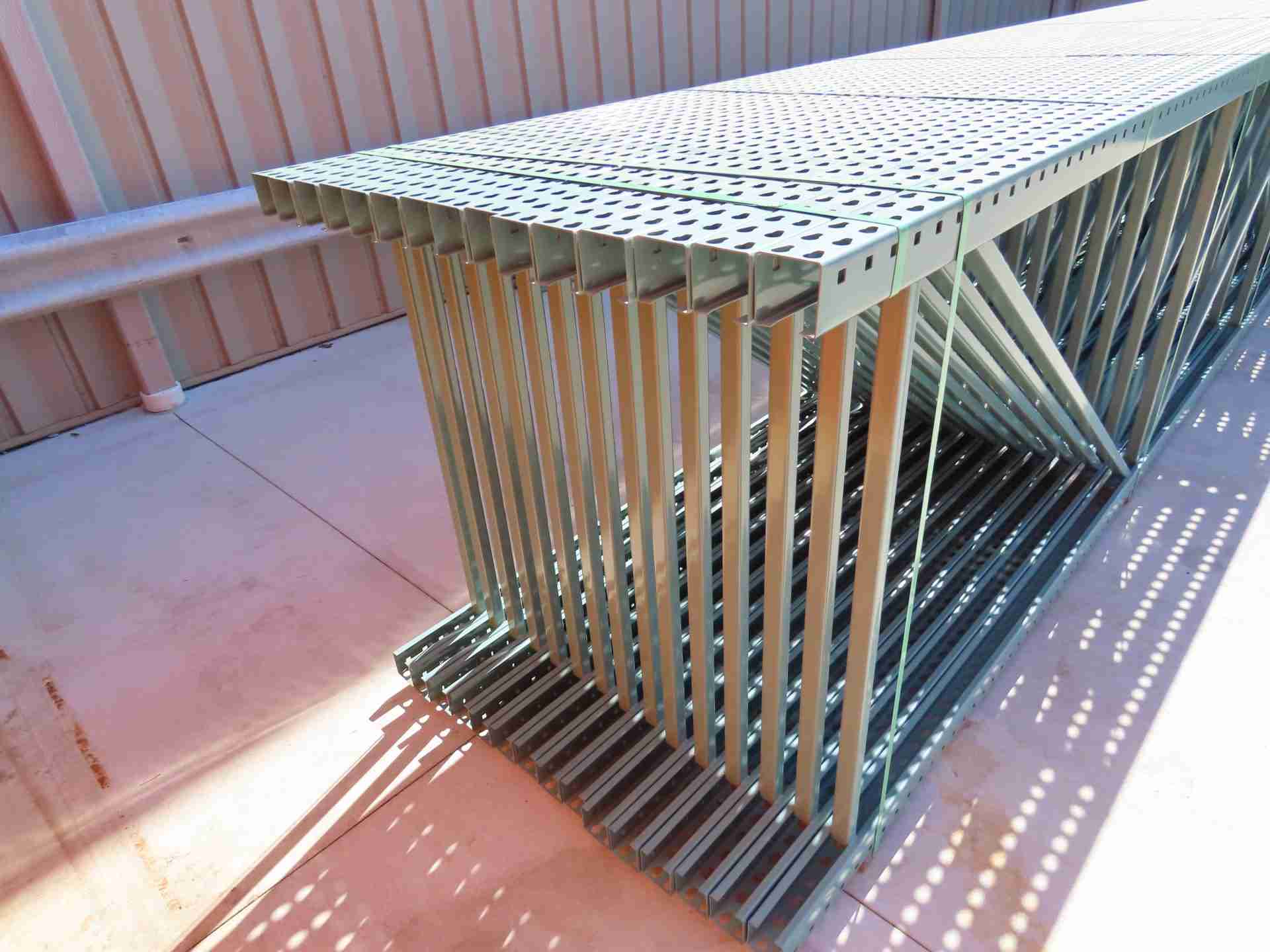
Conclusion
Other Resources
Other Resources
Here is a list of other resources you can review online to learn more:
- Pallet Racking systems in Illinois and Great Lakes
- Storage Equipment Manufacturers’ Association
- Wolter
- New Cantilever Racks and Racking Kits
- Warehouse Racking Layout: The Ultimate Guide – Conger
- Iowa Illinois Warehouse Racking
- Warehousing and Fulfillment
- Selective Racking
- Cantilever Racking Specialists – Get the Right Racks
- BMH Equipment LLC
- IIWS Inc. Rack Installation Illinois & Rack Repairs Illinois
- Teardrop Pallet Rack – Ridg-U-Rak
- Interlake Mecalux
- National Safety Council
- Cantilever Rack Configuration & Installation: A Comprehensive Guide – BMH
- American Society of Safety Professionals
- IIWS Inc. Rack Installation Illinois & Rack Repairs Illinois
- Warehouse Racking Chicago, IL
- Warehousing Education and Research Council: https://www.werc.org/
- International Warehouse Logistics Association
Use This Prompt To Get More Resources With Your Favorite Online AI Tool: Please provide me with a list of online articles with their URLs in a bulleted list that I can read regarding Stop Blaming Forklift Drivers�Your Racks May Be Poorly Designed
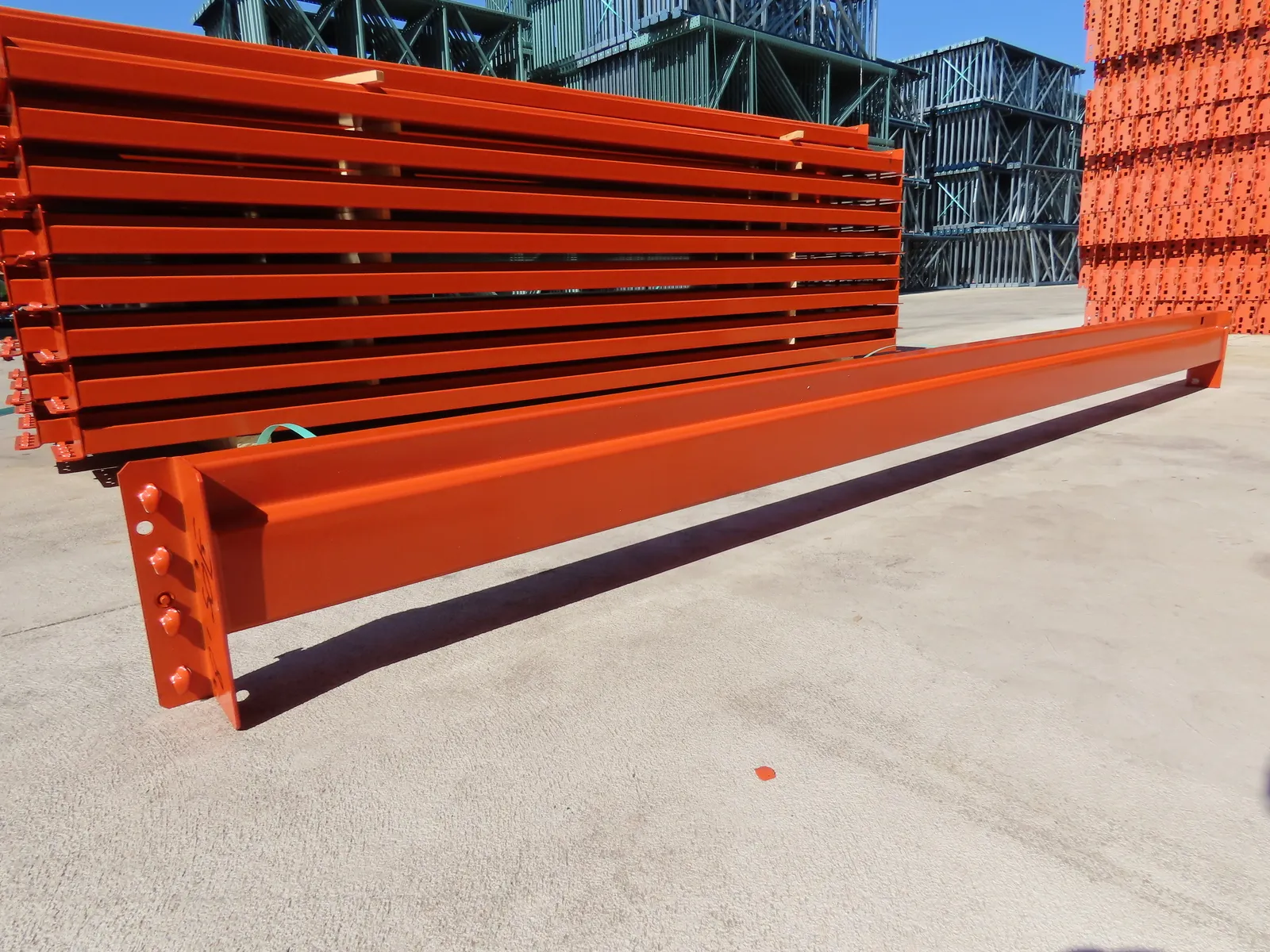
Other Resources
Glossary Terms
Stop Blaming Forklift Drivers�Your Racks May Be Poorly Designed – Glossary Of Terms
1. Aisle Width: The distance between storage racks in a warehouse, affecting maneuverability for forklifts and preventing collisions.
2. Beam: A horizontal support component of a rack system, designed to hold the weight of stored materials.
3. Capacity: The maximum weight or volume that storage racks can safely hold, determined by design and materials.
4. Cross-aisle: Perpendicular aisles in a warehouse layout allowing access to different storage areas.
5. Design Flaw: An inadequacy in the structural design of storage racks that may contribute to operational inefficiencies or safety hazards.
6. Forklift: A powered industrial vehicle used for lifting and transporting materials in a warehouse.
7. Load Backrest: A safety feature on forklifts that prevents stored materials from falling backward during transport.
8. Load Capacity: The specified maximum load that a forklift or rack can safely handle.
9. Material Handling: The movement, protection, storage, and control of materials throughout the manufacturing, warehousing, distribution, consumption, and disposal stages.
10. Pallet: A flat platform used for storing goods; often moved by forklifts.
11. Rack Design: The architectural and structural planning of storage racks, impacting space efficiency and safety.
12. Rack Inspection: The process of examining storage racks for potential hazards or maintenance needs.
13. Rack System: An organized arrangement of storage racks designed to optimize space and facilitate easy access to materials.
14. Safety Stock: Extra inventory kept on hand to prevent stockouts, affecting racking design and layout.
15. Shelving: The flat surfaces in a rack system where products are placed for storage.
16. Space Utilization: The efficiency of how warehouse space is used, often influenced by rack design.
17. Stability: The ability of a racking system to remain upright and secure under load.
18. Storage Density: The amount of storage space used relative to the volume of goods stored, influencing rack design decisions.
19. Systematic Layout: An organized plan for warehouse layout that maximizes efficiency in storage and retrieval.
20. Throughput: The rate at which goods are processed or moved through a warehouse, related to design efficiency.
21. Tilt Factor: The degree of inclination that can occur in a rack, affecting stability and safety during operation.
22. Traffic Flow: The pattern of movement within a warehouse, critical for determining aisle width and design.
23. Warehouse Management System (WMS): Software designed to manage warehouse operations, including inventory tracking and space utilization.
24. Weight Distribution: The arrangement of weight across racks and pallets, crucial for load stability.
25. Workplace Safety: Procedures and precautions taken to ensure a safe working environment, including proper racking systems.
26. Yard Management: The process of overseeing and optimizing the movement and storage of goods in the yard outside a warehouse.
27. Design Standards: The criteria and specifications that guide the creation of safe and efficient storage rack systems.
28. Forklift Operator: A trained individual responsible for the safe operation of a forklift, managing load movement and rack access.
29. Hazard Identification: The process of recognizing potential risks related to warehouse operations and rack design.
30. Ergonomics: The study of people’s efficiency in their working environment, influencing how rack systems are designed for accessibility and ease of use.
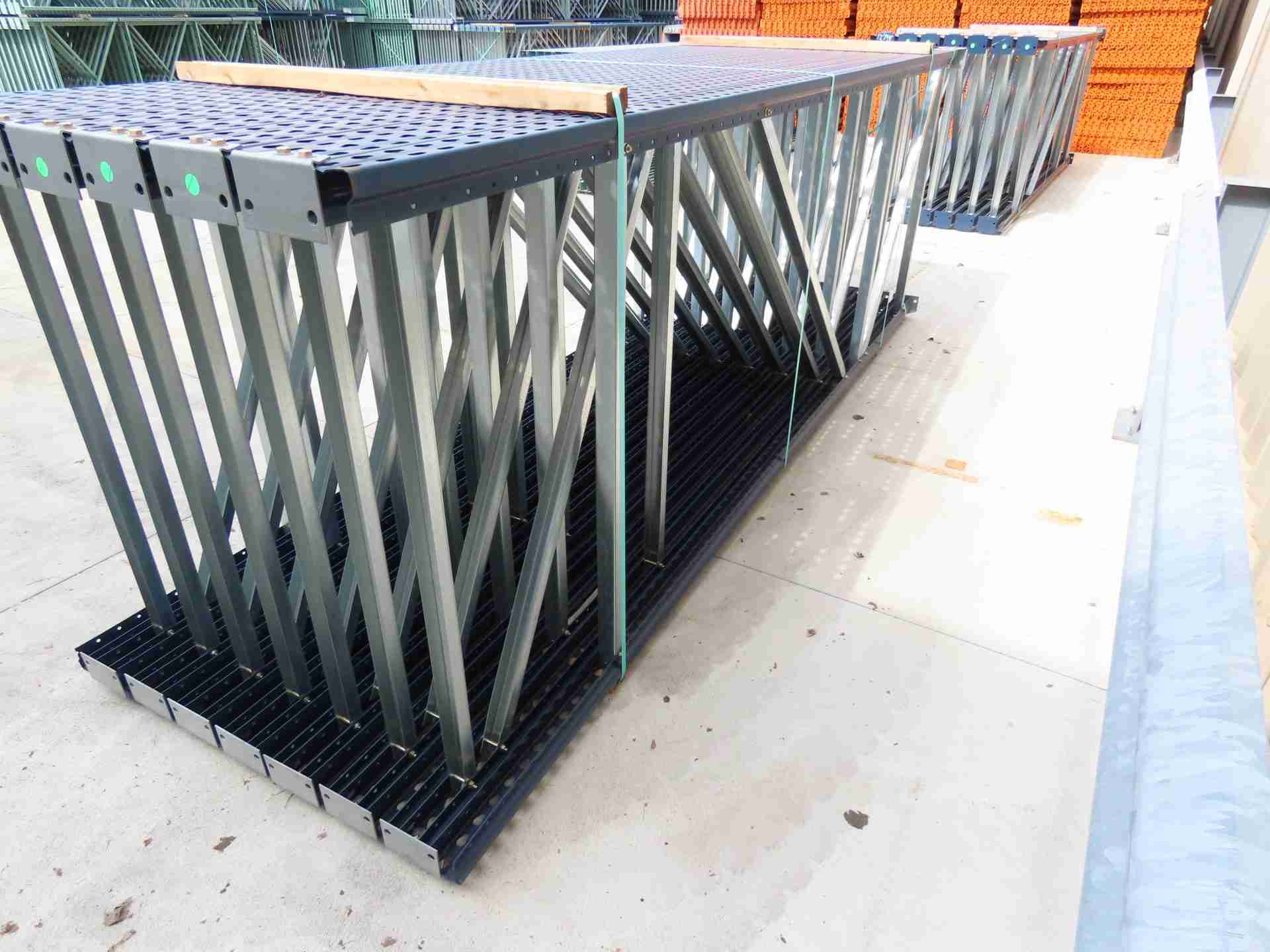
Glossary Of Terms
Other Questions
Stop Blaming Forklift Drivers�Your Racks May Be Poorly Designed – Other Questions
If you wish to explore and discover more, consider looking for answers to these questions:
- What specific design features should be prioritized in a racking system for enhanced safety?
- How can companies evaluate the effectiveness of their current racking systems?
- What training should forklift drivers receive related to racking safety?
- What are some common mistakes businesses make when designing racking systems?
- How does racking design influence employee morale and job satisfaction?
- What are the regulatory standards for racking system design in warehouses?
- What role do employees play in the planning and implementation of racking systems?
- In what ways can technology aid in the design of safer racking systems?
- What case studies demonstrate the benefits of investing in quality racking design?
- How often should racking systems be inspected and maintained?
- What additional measures can be taken to enhance the safety of warehouse operations beyond racking design?
- How can a culture of safety be sustained long-term in a warehouse environment?
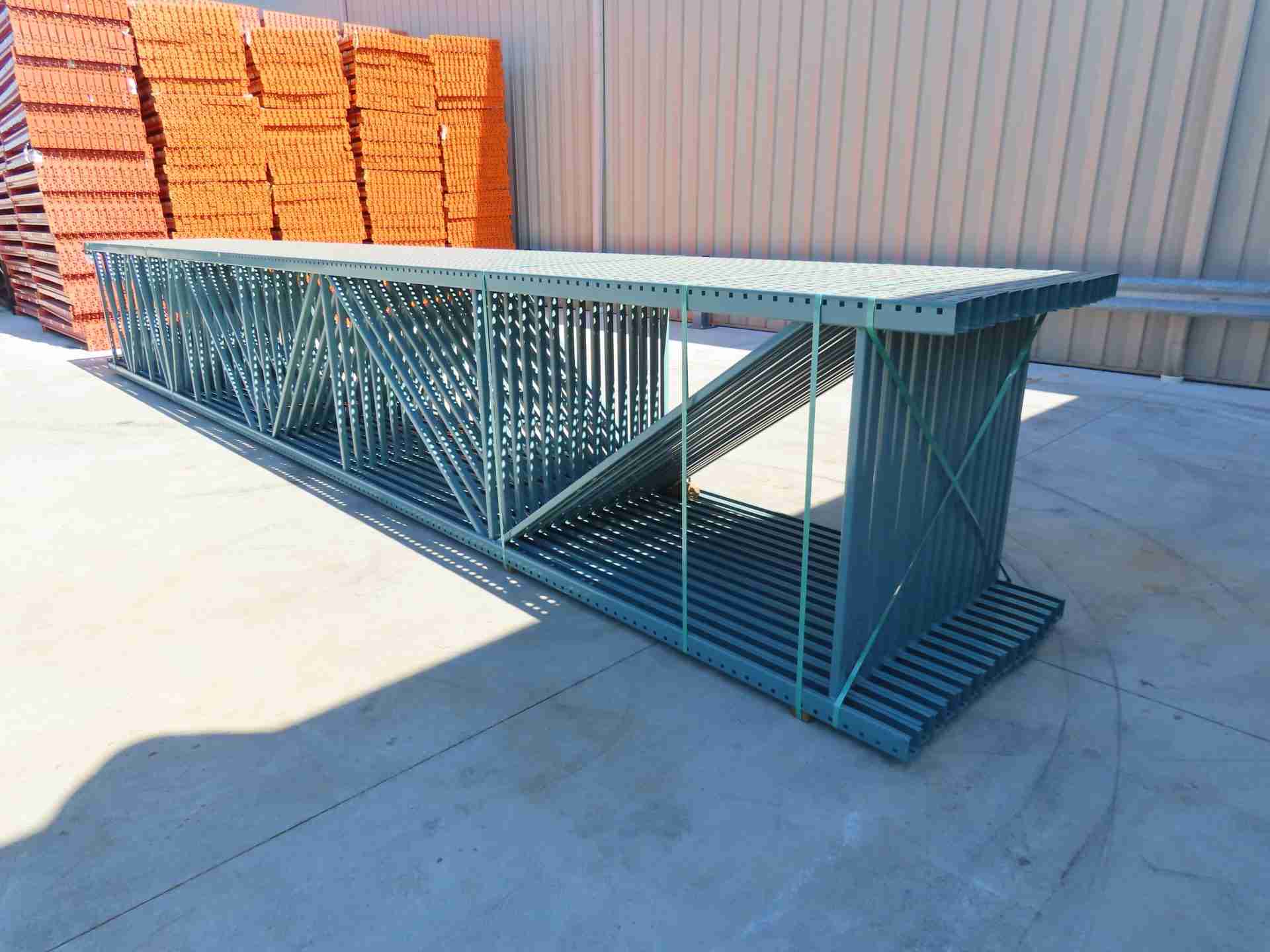
Other Questions
Checklist
Stop Blaming Forklift Drivers�Your Racks May Be Poorly Designed – A Checklist
Checklist for Rethinking Warehouse Safety and Design
Heart Appeal:
_____ Reflect on how your racking design impacts the well-being of your team.
_____ Consider the emotional consequences of unsafe working conditions on employees and their families.
_____ Share your safety stories and experiences with colleagues to foster connection and empathy in your workplace.
Head Appeal:
_____ Assess the current racking system for potential inefficiencies or safety hazards.
_____ Analyze accident rates in relation to your rack designs—do the numbers justify a redesign?
_____ Collect feedback from your team about their experiences working with the current racking setup.
Gut Appeal:
_____ Trust your instincts when evaluating whether your racking systems promote a safe working environment.
_____ Make a commitment to prioritize safety over short-term cost savings—ask yourself if you would risk your team’s well-being for financial gain.
_____ Engage your team in discussions about safety—how can their insights lead to a more secure workplace?
Emotional Appeal:
_____ Foster a culture that celebrates safety and acknowledges the inherent risks of the warehouse environment.
_____ Create a narrative around safety that resonates with team members and motivates them to participate actively in prevention efforts.
_____ Promote success stories of improved safety and teamwork as a result of structural improvements.
Rational Appeal:
_____ Calculate the long-term financial benefits of investing in high-quality racking systems over the costs associated with accidents and inefficiencies.
_____ Use industry data to compare accident rates related to poorly designed racks vs. well-planned systems.
_____ Document how efficient racking layouts can streamline operations and boost productivity.
Ethical Appeal:
_____ Uphold the moral responsibility to provide a safe working environment for all employees.
_____ Engage in open discussions about the ethical implications of neglecting racking design.
_____ Highlight the importance of trusting coworkers with their safety by maintaining high safety standards.
Authority Appeal:
_____ Consult with industry experts on best practices for warehouse safety and racking system design.
_____ Stay informed about current safety regulations and standards that apply to racking systems.
_____ Document and share perspectives from authorities within your organization who prioritize safety and design excellence.
Social Appeal:
_____ Create a team charter that emphasizes commitment to safety and quality in warehouse operations.
_____ Celebrate team milestones related to safety improvements and acknowledge individuals’ contributions.
_____ Encourage collaboration and peer-to-peer learning to build a collective responsibility for workplace safety.
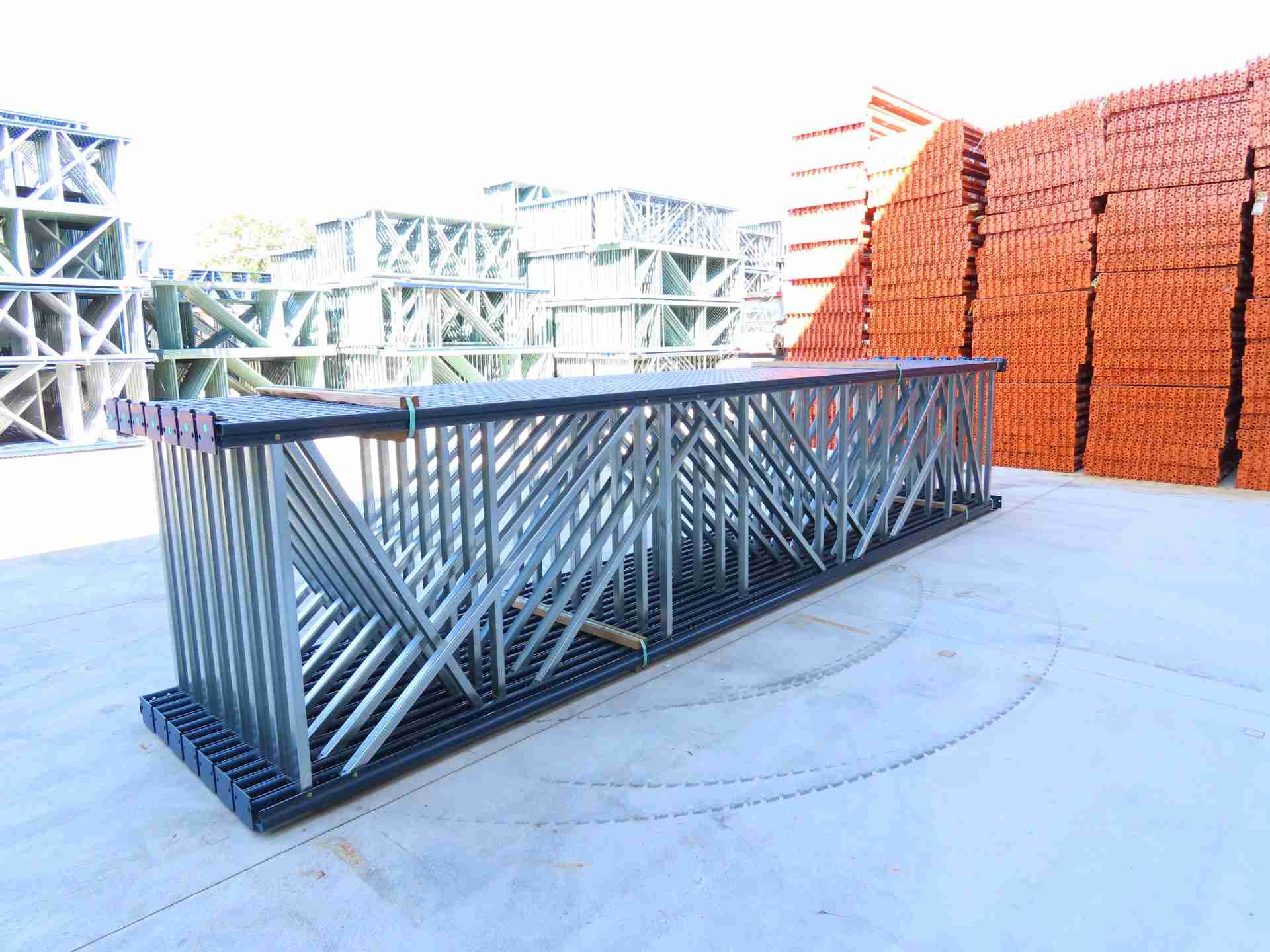
Checklist
At RackingWorld, we help guide you through selecting warehouse storage systems and racking.
Be sure to read our other related stories at RackingWorld to learn more about warehouse storage systems.
0 Comments