
Transforming Local Passion Into A Nationwide Impact: Your Path To Growth
By Tom Seest
At RackingWorld, we help guide you through selecting warehouse storage systems and racking.
Be sure to read our other related stories at RackingWorld to learn more about warehouse storage systems.
Scaling From Regional to National Distribution
When a business starts, it often operates like a small engine, chugging along, finding its rhythm within a local area. But as ambition grows and that engine starts to roar, it’s time to consider scaling from regional to national distribution. This transition isn’t just about expanding your reach; it’s a challenge that tests the very heart of your business and the spirit of your team.
You’ve honed your craft, crafted a product that resonates with customers, and built relationships that feel more like family than transactions. That connection is what allows you to dream bigger. At this stage, the journey becomes a collective effort, where each employee becomes a brand ambassador, sharing your vision and passion. They don’t just sell; they tell the story of your product—a story that started in the local community and now aims to touch lives across the nation.
However, scaling isn’t merely a leap into the unknown; it involves understanding the meticulous details. It’s about investing in reliable racking systems that keep your operation organized and efficient. Think of those systems as the backbone of your distribution strategy—supporting everything from inventory management to space optimization. With the right setup, you can handle increased demand without losing that personal touch that got you here in the first place.
Yet, with growth comes responsibility. Ethical considerations must guide your expansion. You’ll face decisions on sourcing, labor practices, and environmental impact. By prioritizing these values, you resonate with consumers who are increasingly informed and conscientious in their choices. They want to support brands that align with their values, and you’ll want to be that resource they can trust.
Your journey can inspire countless others who wish to embark on a similar path. When they see someone who started small—perhaps from a humble garage or local workshop—growing into a national brand, it sparks hope. Stories of perseverance, setbacks, and triumphs resonate deeply and create a tapestry of shared dreams and unity.
Embrace this transition with a steady hand and an open heart. The path won’t always be smooth, but it’s filled with opportunities to connect with new markets, create jobs, and make a difference. Keep your authentic message at the forefront, stay grounded in your community roots, and foster connections across the country. The scales of business can tip in your favor when you lead with integrity, a keen sense of purpose, and a willingness to adapt.

Scaling From Regional to National Distribution
Scaling From Regional to National Distribution
- Transitioning from regional to national distribution tests the core of a business and its team.
- Employees become brand ambassadors, promoting the product’s story and values.
- Effective scaling requires attention to operational details, including reliable racking systems.
- Growth necessitates ethical considerations in sourcing, labor, and environmental impact.
- Inspiring journeys from small beginnings to national brands encourage others to pursue their dreams.
- Embrace challenges as opportunities to connect with new markets and create jobs.
- Lead with integrity and adaptability to tip the scales of business success in your favor.
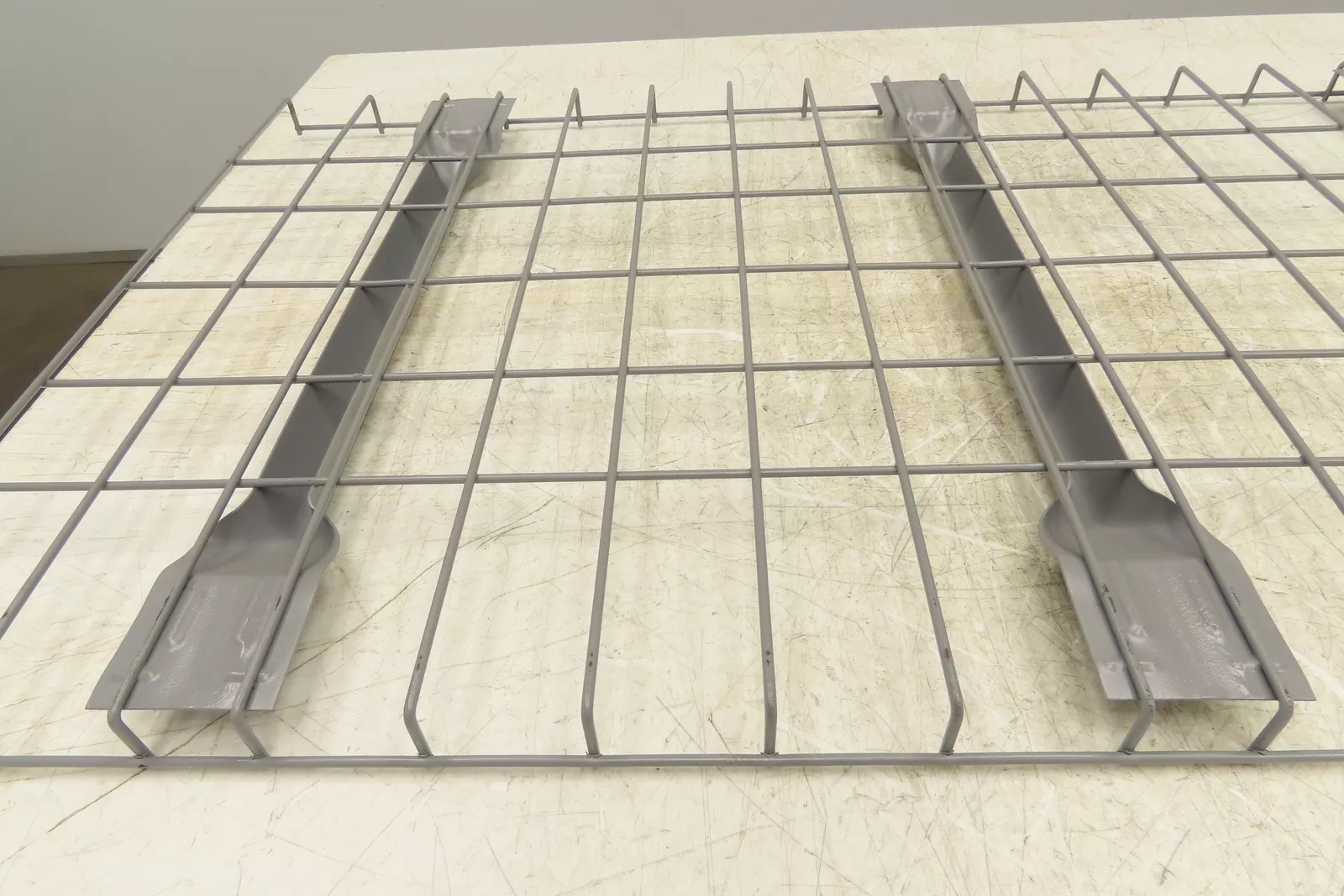
Scaling From Regional to National Distribution
Table Of Contents
- Scaling From Regional to National Distribution
- What Are the Key Challenges Of National Distribution?
- How Can You Ensure Product Quality At Scale?
- What Logistical Issues Arise When Expanding Distribution?
- How Do You Maintain Brand Loyalty During Growth?
- What Technology Can Streamline National Supply Chains?
- How Do You Navigate Different State Regulations?
- Conclusion
- Other Resources
- Glossary Of Terms
- Other Questions
- Checklist
What Are the Key Challenges Of National Distribution?
When it comes to national distribution, the road to efficiency can often feel like navigating a maze filled with unexpected twists and turns. One of the core challenges lies in the complexities of managing inventory across vast distances. Picture a warehouse outfitted with robust racking systems, each shelf filled to the brim with goods destined for every corner of the country. Proper organization is not just a nice-to-have; it’s a necessity. A single miscalculation can ripple through the supply chain, leading to delays and dissatisfied customers.
Then there’s the ever-looming specter of transportation logistics. Even with the best racking systems in place, how do we ensure that products get from point A to point B without hitting roadblocks? Factors like weather, fuel prices, and driver shortages can throw a wrench in even the most meticulous plans. It’s a juggling act that requires quick thinking and adaptability. Companies are often left scrambling to find alternative routes, which can be both costly and time-consuming.
Ethically, we’re tasked with making decisions that impact not just profits but also communities. When shipping delays occur, the implications can stretch beyond the boardroom. It affects local businesses relying on timely deliveries. The gut punch comes when we realize that a customer’s special order is stuck somewhere in transit, leaving them in a frustrating limbo. This is where trust is built – or eroded. Transparency about these challenges can foster a bond between companies and consumers, shifting the narrative from blame to understanding.
Moreover, the challenge of technology integration cannot be ignored. Today’s systems promise efficiency but require a robust understanding of tools and processes that can feel foreign to seasoned workers. The workforce is eager to adapt, but without proper training, implementing new racking systems or software can feel like learning a new language in a hurry. It’s here that leadership plays a critical role, leading with humility and a willingness to share knowledge, ensuring everyone is on the same page.
Ultimately, the heart of the matter lies in the human element. Every package shipped represents a commitment to a promise made. When distribution isn’t seamless, it can negatively affect lives. This is more than just logistics; it’s about relationships and trust. Fostering a culture of communication, collaboration, and a shared sense of purpose can turn what often feels like an uphill battle into a collective journey towards excellence in national distribution.

What Are the Key Challenges Of National Distribution?
What Are the Key Challenges Of National Distribution?
- Efficient national distribution involves navigating complex inventory management across vast distances.
- Proper organization within warehouses is essential to prevent supply chain disruptions.
- Transportation logistics face challenges such as weather, fuel prices, and driver shortages.
- Delays in shipping can impact local businesses and erode customer trust.
- Transparency about challenges can improve relationships between companies and consumers.
- Technology integration requires proper training to maximize efficiency in distribution processes.
- The human element is crucial, with a focus on communication and collaboration shaping successful distribution strategies.
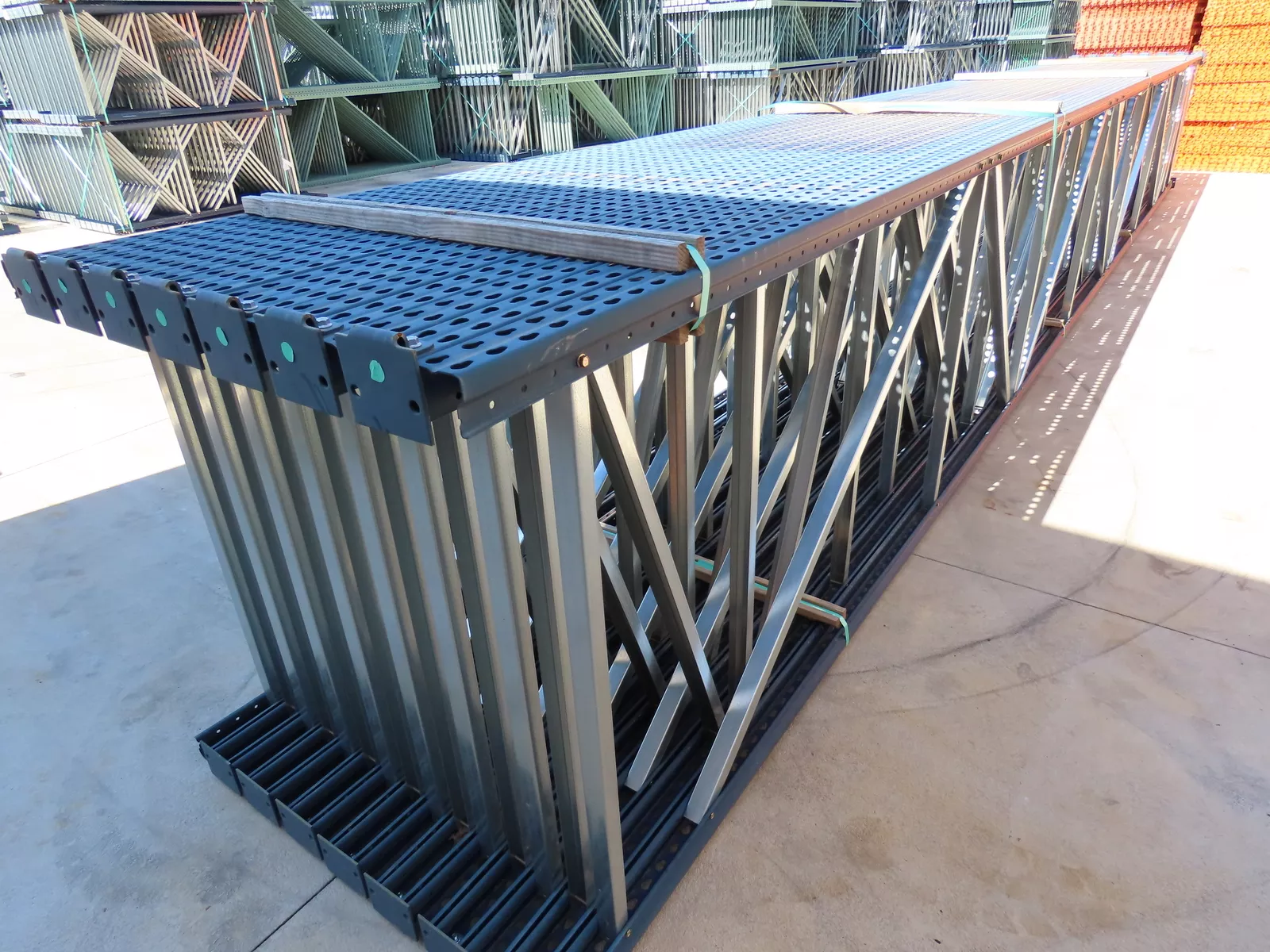
What Are the Key Challenges Of National Distribution?
How Can You Ensure Product Quality At Scale?
When it comes to ensuring product quality at scale, it’s not just about the numbers or the bottom line; it’s about building a reputation that stands the test of time. Think of any seasoned worker in a warehouse or factory—day in and day out, they’re surrounded by racking systems designed to deliver efficiency and precision. These aren’t just shelves; they’re the backbone of operations that hold not just products, but trust. When a customer picks up a product, they want to feel assured that what they’re getting is reliable.
Instilling quality starts at the ground level. It’s about getting your hands dirty, consistently checking processes, and understanding the subtle differences between what’s acceptable and what’s exceptional. Use your racking systems to create an environment where quality is not just a goal but a culture. Regular audits, hands-on training, and an open-door policy for feedback turn these systems into interactive tools for improvement. Everyone from the newest hire to the shift supervisor should feel accountable for quality.
Consider how a tiny error can ripple through production. One fault in the system can lead to defects, returns, and damaged customer relationships. This is why investing in robust quality control measures is not just smart; it’s essential. Use data analytics to track performance, but don’t forget the human element. Engage the team by sharing stories of near misses that turned into learning experiences. People connect with stories—they remember that one time a product failed a test and the team rallied together to fix it before it reached the customer. Those are the moments that build a foundation of loyalty and trust.
Quality assurance doesn’t happen in a vacuum; it’s a joint effort. Collaborations across departments foster a sense of community where everyone is aligned towards a common goal. Tap into that collective wisdom, and watch your standards soar as each team member feels valued and empowered.
At the end of the day, ensuring product quality at scale isn’t just a mechanical process; it’s a mindset. With the right racking systems in place, robust training programs, and a commitment to continuous improvement, you can create a legacy of excellence. Trust in your built-in support systems, lead with integrity, and remember—quality is a product of people, principles, and pride in what they do.

How Can You Ensure Product Quality At Scale?
How Can You Ensure Product Quality At Scale?
- Product quality at scale is essential for building a lasting reputation.
- Racking systems are vital for efficiency and quality assurance in operations.
- Quality starts at the ground level with hands-on engagement and process monitoring.
- Regular audits, training, and feedback cultivate a culture of quality accountability.
- Small errors in production can have significant repercussions; robust quality control is crucial.
- Engaging teams with stories fosters connection and promotes a culture of learning.
- Quality assurance is a collaborative effort that requires collective wisdom and continuous improvement.

How Can You Ensure Product Quality At Scale?
What Logistical Issues Arise When Expanding Distribution?
Expanding distribution isn’t just a logistical puzzle; it’s an intricate dance of moving parts and considerations. As businesses grow and reach wider markets, they often face a host of logistical challenges that can strain resources to the breaking point. These aren’t just numbers on a balance sheet; they’re the lifeblood of a company, tied directly to the trust and satisfaction of customers who expect nothing less than smooth service.
First off, think about the physical space required for new Racking Systems. Efficiently storing products in a way that ensures quick access and proper organization can turn a distribution center into a well-oiled machine—or a chaotic disaster. You might have a stellar product line, but without the adequate racking to house your inventory, that growth can quickly become a burden.
Further complicating matters is the human element. As you expand, your team grows too. Training new employees on best practices, safety protocols, and inventory management isn’t just a legal obligation; it’s a moral one. A well-trained workforce is the backbone of any successful distribution effort, and ensuring everyone’s on the same page fosters camaraderie. When workers feel valued and capable, they’re more likely to take pride in ensuring that every shipment arrives on time and intact.
Logistics isn’t just about moving boxes; it’s about creating connections. The relationships built with suppliers, transporters, and retailers matter immensely. There’s a story behind every shipment; it’s not just a package—it’s a promise to a customer. When expansion occurs too swiftly, it can fray these vital ties, leading to miscommunication and delays.
Then there’s the financial strain. Increasing distribution expenditures means smarter budgeting. The balance between cost and quality can be a tightrope walk, especially when considering the investment in technology and infrastructure needed to support such growth. The decision to invest in an advanced inventory management system, for instance, might evoke some sleepless nights—but often, it’s the difference between success and failure.
Ultimately, navigating these logistical waters requires not only sharp business acumen but also a genuine commitment to the process. Each challenge is an opportunity to reinforce your brand’s reputation. It’s about understanding that growth has depth, involving the right tools, techniques, and tenacity to connect all the dots, from Racking Systems to delivery. This approach doesn’t just fulfill logistical needs; it nurtures trust, ensuring that when it comes time to expand, every facet of your operation can rise to the occasion.

What Logistical Issues Arise When Expanding Distribution?
What Logistical Issues Arise When Expanding Distribution?
- Expanding distribution involves complex logistical challenges that can strain resources and affect customer satisfaction.
- Proper physical space and efficient racking systems are crucial for effective product storage and access.
- Training employees in best practices and safety is essential for maintaining a competent workforce during expansion.
- Strong relationships with suppliers, transporters, and retailers are vital for ensuring smooth operations and timely deliveries.
- Financial considerations require careful budgeting to balance cost with necessary investments in technology and infrastructure.
- Successful navigation of distribution challenges enhances brand reputation and fosters customer trust.
- Growth requires the right tools, techniques, and commitment to ensure all operational facets are aligned for success.

What Logistical Issues Arise When Expanding Distribution?
How Do You Maintain Brand Loyalty During Growth?
In the world of business, growth can feel like climbing a mountain: the higher you go, the thinner the air, and the more precarious the footing. Yet, amidst this challenge, brand loyalty is that solid ground you can rely on. It’s not just about selling a product, like Racking Systems; it’s about building relationships. You don’t create loyal customers by throwing out flashy ads; you build trust through authentic interactions and consistent value.
Picture this: a small family-run warehouse relies on Racking Systems that keep their business running smoothly. Over time, they come to know the brand not just for its shelves, but for its unwavering support during tough times. They remember the personalized customer service that guided them through their first purchase and how that company continued to check in, ensuring everything was working shipshape. When growth comes knocking, it’s crucial to keep this human connection at the forefront. It’s about making sure your customers know they’re more than just a number; they’re part of a community.
As your brand expands, keep your promises. Show your customers that you still care. This is where ethics come into play. If you expand into new markets or introduce new products, be transparent about these changes. People appreciate honesty. When a brand takes accountability, it shows that they respect their customers and value the relationship. It’s not just good for business; it’s the right thing to do.
Let’s face it, stories resonate. Share the journey of your growth—the struggles, the victories, the customers who helped you along the way. Create narratives that your audience can relate to. These stories foster a sense of belonging and connection. They remind everyone that growth isn’t just about numbers; it’s about people and their experiences.
Authority matters, too, but not in a distant way. A trusted expert isn’t someone who’s untouchable; they’re someone who’s been in the trenches, doing the work alongside you. When you communicate expertise, don’t make it feel like a lecture. Make it a conversation. Invite feedback, encourage discussion, and actively listen.
Social connections play a huge role in this journey. Encourage your customers to share their experiences with your brand. Create platforms where they can communicate not just with you, but with each other. When they see their peers valuing what you offer, that trust only deepens.
Keeping brand loyalty while you grow requires heart, head, and gut instincts woven together. It’s about genuine relationships, accountability, relatable stories, and fostering community. Stick to those principles, and you’ll not only keep your loyal customers; you’ll inspire them to join you on the journey ahead.

How Do You Maintain Brand Loyalty During Growth?
How Do You Maintain Brand Loyalty During Growth?
- Business growth is challenging, akin to climbing a mountain, but brand loyalty serves as a reliable foundation.
- Building relationships is crucial; authentic interactions and consistent value create loyal customers.
- Personalized customer service fosters trust and support, making customers feel part of a community.
- Brand accountability and transparency in changes reinforce respect and ethical practices with customers.
- Sharing narratives about growth experiences creates relatability and a sense of belonging among customers.
- Establishing authority involves being approachable, inviting feedback, and fostering open conversations.
- Encouraging social connections enhances trust and community among customers, deepening their loyalty.
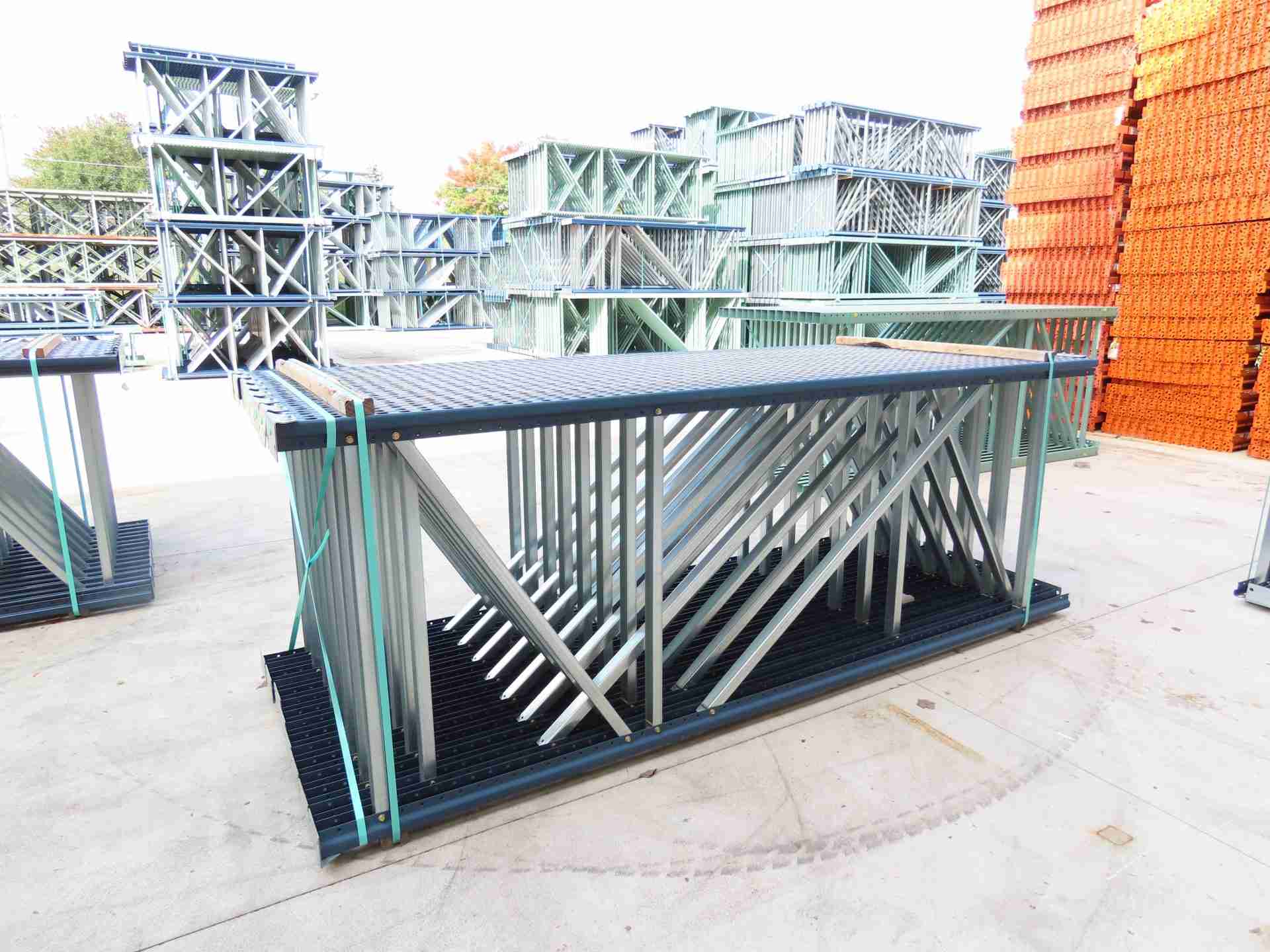
How Do You Maintain Brand Loyalty During Growth?
What Technology Can Streamline National Supply Chains?
In the heart of warehouses and distribution centers, where every second counts, technology has emerged as the unsung hero of national supply chains. Picture a bustling facility, where materials twist and turn through Racking Systems that rise to the ceiling, efficiently utilizing every square foot. These systems aren’t just metal shelves; they’re the backbone of a well-oiled operation. They maximize space, minimize clutter, and let workers focus on what really matters: getting the job done.
But let’s step back and consider how technology speaks to our everyday lives. When trucks roll out on time, groceries hit the shelves, and packages arrive at our doorsteps without delay, it gives us a sense of reliability. We’re not just talking about numbers and logistics; we’re talking about trust. Every item delivered reflects hard work and dedication. The efficiency brought by automation and data analytics fosters a new level of confidence. Workers see how their labor connects to the larger picture, knowing that their efforts directly impact communities, families, and lives.
Meanwhile, ethical considerations weigh heavily in the conversation. With climate change and sustainability at the forefront, technology offers solutions that align with a responsible future. By optimizing routes through advanced software, we can reduce fuel consumption and carbon footprints, providing a moral compass for businesses and consumers alike. When we embrace green logistics, we’re not just chasing profits; we’re nurturing the planet we call home.
Add to this the human touch. The stories that unfold in supply chains are often ignored, yet they’re the lifeblood of this industry. Each shipment carries with it the dreams and ambitions of countless individuals. Technology allows for transparency—tracking shipments in real time and sharing updates with those who need to know. Imagine a small business anxiously awaiting the arrival of materials to fill an order. With the right tools, they can share in that journey, feeling both the anxiety and relief together with the suppliers.
Lastly, as we gather in this field, we see how technology can foster connections. Workers share insights, collaborate on processes, and develop a sense of community that transcends company lines. In a world that can feel fragmented, let’s hold on to the understanding that together, through efficient supply chains and the power of technology, we can build a brighter future. Each small improvement brings us a step closer to solving larger problems, creating a network that serves everyone. So, let’s wear those hard hats, roll up our sleeves, and embrace the future. The technology is here to help us lead the way.
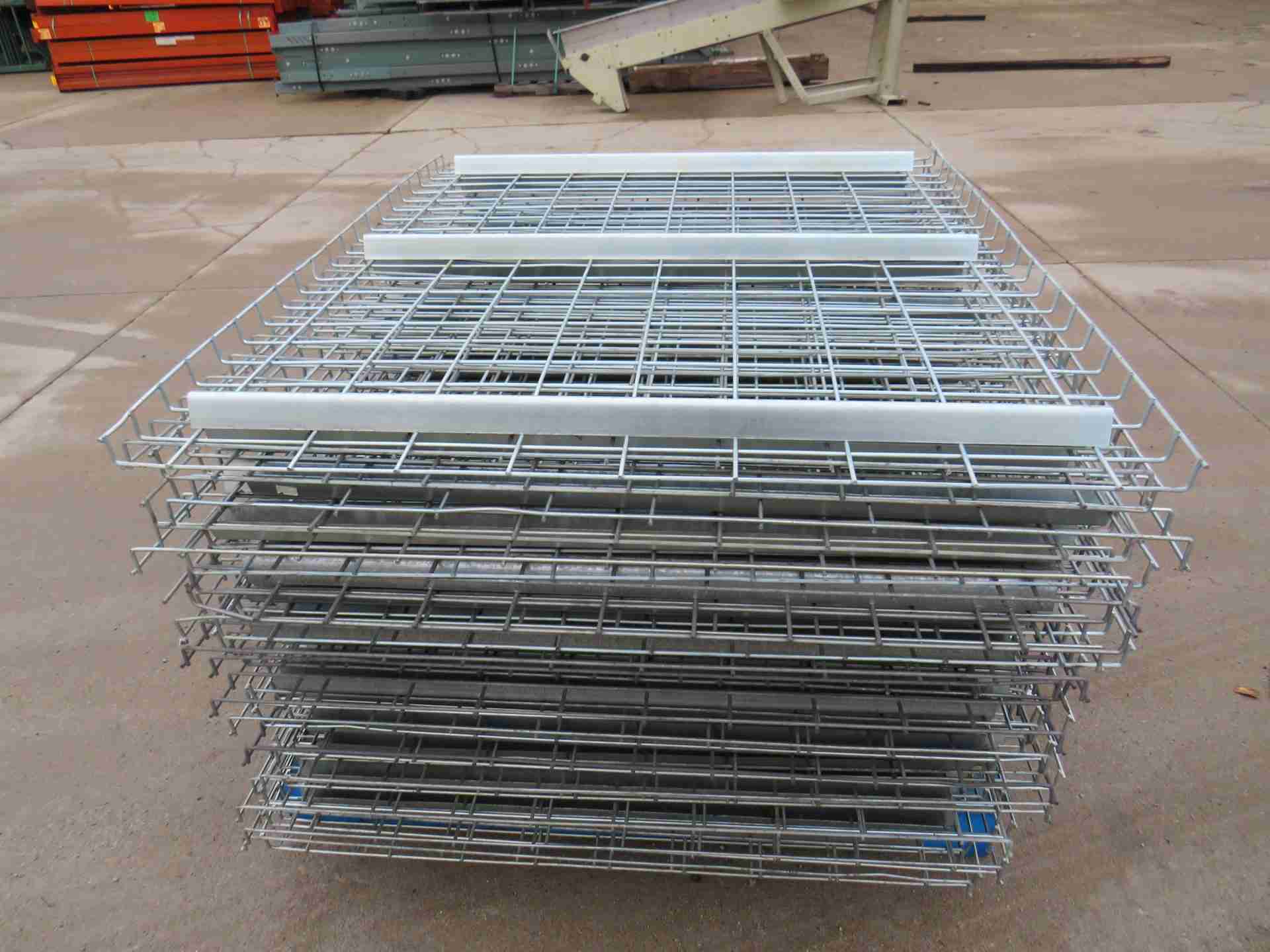
What Technology Can Streamline National Supply Chains?
What Technology Can Streamline National Supply Chains?
- Technology enhances efficiency in warehouses and distribution centers, optimizing space and minimizing clutter.
- Reliable delivery of goods fosters trust and reflects the hard work of workers within the supply chain.
- Automation and data analytics improve confidence by linking workers’ efforts to community impact.
- Ethical considerations, such as climate change, drive the adoption of sustainable technologies and green logistics.
- Real-time tracking and communication improve transparency and engagement in the supply chain.
- Technology fosters collaboration among workers and helps build community across company lines.
- Continuous improvements in technology and logistics contribute to creating a better future for all.

What Technology Can Streamline National Supply Chains?
How Do You Navigate Different State Regulations?
Navigating the maze of state regulations can feel like trying to solve a rubik’s cube blindfolded. Each state lays down its own rules, which can hinge on everything from safety standards to financial regulations. But scratch the surface, and you’ll find that understanding these intricacies isn’t just about ticking boxes—it’s about keeping your operation running smoothly and avoiding pitfalls that could cost you dearly.
Picture this: You’re at the workshop, and you’ve just paid top dollar for state-of-the-art racking systems. You think you’re all set until you learn that your chosen configuration doesn’t meet local compliance regulations. The frustration of having to tear down and redo work can be crushing, not to mention the financial strain. This real-world example underscores the importance of staying on top of the ever-shifting landscape of regulations. The stakes are high, and each regulation isn’t just a bureaucratic hurdle; it’s part of keeping your folks safe and your business afloat.
Consider the emotional weight of the issue. Every time regulations change, it impacts not just the bottom line but the livelihoods of everyone who depends on that job. You’ve got families relying on you doing things right, feeling confident that your business provides for them. Then there’s the ethical responsibility; you have a duty to ensure that your practices reflect a commitment to safety, community standards, and integrity. By prioritizing adherence to regulations, you foster trust—not only in your business but in the community that supports it.
So, how do you tackle this? Start by establishing a solid network of reliable sources. Attend workshops, connect with local industry groups, and consult with professionals familiar with the legal landscape. Lean on these relationships. They’re not just resources but lifelines that can save you from costly mistakes.
Documentation is your best friend. Keep meticulous records of compliance and updates to ensure you’re always ahead of the curve. This pragmatic approach not only simplifies your operations but also builds a reservoir of trust—your clients will know you take your responsibilities seriously.
Navigating varying state regulations might not be a walk in the park, but with hands-on experience and a bit of grit, you’ll position yourself to come out on top. Embrace the challenges as opportunities to grow stronger, more informed, and more connected to the people and communities you serve.

How Do You Navigate Different State Regulations?
How Do You Navigate Different State Regulations?
- Navigating state regulations is complex, with each state having its own rules regarding safety and finances.
- Understanding compliance is crucial for smooth operations and to avoid costly setbacks.
- Failing to meet compliance can lead to significant financial and operational issues, like the need to redo installations.
- Changing regulations impact not just businesses, but also the livelihoods of employees and their families.
- Ethical responsibility includes upholding safety, community standards, and building trust with clients.
- Establishing a network of resources, including workshops and professionals, helps navigate regulations effectively.
- Maintaining thorough documentation of compliance enhances operational efficiency and client trust.

How Do You Navigate Different State Regulations?
Conclusion
Scaling a business from a regional to a national footprint is much more than a mere geographical expansion; it’s about evolution at its core. This transformative journey demands ambition, resilience, and ultimately, a commitment to deepening the connections you’ve built. Starting small, fostering customer loyalty, and nurturing a sense of community form the bedrock of your brand’s identity. As your operations grow, each employee embodies this spirit, not just selling products but sharing the heartfelt stories behind them—stories that resonate across miles and touch the lives of many.
However, moving to national distribution presents challenges akin to navigating a winding road filled with unpredictable turns. The logistics of managing inventory in vast spaces becomes critical. Smart racking systems become your operational backbone, keeping order amid potential chaos. Without organization, growth can spiral into an overwhelming mess, affecting both efficiency and customer satisfaction.
In this journey, ethical responsibility weighs heavily. The choices you make—regarding sourcing, labor, and environmental impact—reflect the values that customers increasingly prioritize. They don’t just want a product; they want to believe in a brand that aligns with their principles. Transparency during this transition aids in fostering trust, turning potential mishaps into shared experiences rather than points of contention.
Quality control similarly becomes a matter of reputation. It’s about creating a culture where every team member feels empowered to uphold the standards that built your brand. Each interaction—from the warehouse to the consumer—must echo your commitment to excellence and accountability. By integrating technology that streamlines processes and enhances communication, you can ensure reliability. Here, stories of collaboration and problem-solving pave the way for solidarity, forging deeper connections among your team and with your customers.
As the road unfolds, remember that your growth is not just measured in sales but in relationships. Strong brand loyalty stems from genuine interactions and the ongoing narrative of your journey. Highlight the faces behind the brand, share trials and triumphs, and foster an inclusive community where every voice matters. This nurtures a culture of loyalty that propels your brand forward.
The climb to national distribution may be steep, but with the right tools, an honest approach, and a connected team, you can turn challenges into opportunities. Embrace the journey, lead with integrity, and continue to weave the tale of growth that connects new communities while honoring your roots.
Conclusion
Conclusion:
- Scaling a business from regional to national involves deepening connections, not just geographical expansion.
- Customer loyalty and community nurturing are essential to a brand’s identity during this growth.
- Effective inventory management and smart racking systems are critical for operational success.
- Ethical responsibility in sourcing, labor, and environmental impact is increasingly prioritized by customers.
- Quality control relies on a culture of empowerment, ensuring every team member upholds brand standards.
- Growth is measured by relationships; strong brand loyalty comes from genuine customer interactions.
- With the right tools and a connected team, challenges can be transformed into opportunities for growth.

Conclusion
Other Resources
Other Resources
Here is a list of other resources you can review online to learn more:
- Warehousing and Fulfillment
- Warehouse Racking System: Powerful Guide to Optimise, 2024
- IIWS Inc. Rack Installation Illinois & Rack Repairs Illinois
- Pallet Racks, Pallet Racking, Pallet Shelves in Stock – ULINE
- Warehouse Racking Systems: Beginner’s Guide to Rack Systems
- Used Pallet Rack for Sale in Illinois – American Surplus
- Crane Manufacturers Association Of America Inc.
- Used Teardrop Pallet Rack – American Surplus
- Pallet Racking systems in Illinois and Great Lakes
- NSC
- Selective Racking
- Logic Material Handling
- International Warehouse Logistics Association
- Illinois Pallet Racking – WPRP
- Intro to Warehouse Racks & Warehouse Racking Systems – ShipBob
- The Ultimate Pallet Racking Guide – Speedrack West
- Selective Rack – Raymond West
- Pallet Rack Systems – New and Used Pallet Racking and Shelving Experts
- What is Selective Pallet Racking
Use This Prompt To Get More Resources With Your Favorite Online AI Tool: Please provide me with a list of online articles with their URLs in a bulleted list that I can read regarding Scaling From Regional to National Distribution

Other Resources
Glossary Terms
Scaling From Regional to National Distribution – Glossary Of Terms
1. Aggregation: The process of collecting and combining products from different regions for distribution.
2. Channel Management: Strategies used to oversee and optimize distribution channels effectively.
3. Demand Forecasting: The practice of predicting future consumer demand to align inventory and distribution.
4. Distribution Network: A system of interconnected entities involved in the delivery of products to consumers.
5. Logistics: The management of the flow of goods from the point of origin to the point of consumption.
6. Market Penetration: A strategy to increase product sales within existing markets or expand to new ones.
7. Multichannel Distribution: Selling products through multiple channels such as online, retail, and wholesale.
8. Omnichannel Strategy: An integrated approach to sales that provides customers with a seamless shopping experience across all channels.
9. Regional Distribution Center: A facility that stores goods closer to a market region to facilitate faster delivery.
10. Scalability: The ability to expand operations and increase distribution capabilities in response to demand.
11. Supply Chain: The entire system of production, processing, and distribution of goods from supplier to consumer.
12. Trade Area Analysis: Evaluating geographical locations to determine potential sales and distribution effectiveness.
13. Vendor Relationships: Partnerships with suppliers and distributors to ensure reliable product delivery.
14. Warehousing: The practice of storing goods in a facility before distribution to retailers or customers.
15. Transit Time: The duration required for products to be shipped from the supplier to the customer.
16. Inventory Management: The supervision of ordering, storage, and use of a company’s inventory.
17. Fulfillment: The process of receiving, processing, and delivering orders to customers.
18. E-commerce Logistics: Managing the flow of goods specifically for online retailers and their customers.
19. Last-Mile Delivery: The final leg of the delivery process, where products reach the end customer.
20. Retail Distribution: Strategies used to sell products directly to consumers through various retail channels.
21. Product Sourcing: The process of finding and acquiring products from suppliers for distribution.
22. Transport Optimization: Improving routes and methods of transportation to reduce shipping costs and time.
23. Market Research: The systematic gathering of data about target markets to inform distribution strategies.
24. Stock Keeping Unit (SKU): A unique identifier for each distinct product and service that can be purchased.
25. Franchise Distribution: A method of expanding business through granting rights to third-party operators.
26. Product Diversification: Offering a wider range of products to attract different customer segments.
27. B2B Distribution: Selling products or services directly to other businesses.
28. Barcoding Systems: Technology used to track products and inventory within the distribution process.
29. Returns Management: Handling the process of returning products, including restocking and refunds.
30. Sales Territory: A designated area or specific region assigned to a sales representative or distributor for selling products.

Glossary Of Terms
Other Questions
Scaling From Regional to National Distribution – Other Questions
If you wish to explore and discover more, consider looking for answers to these questions:
- What is the estimated cost to scale from regional to national distribution?
- How long does a typical scaling process take from planning to full rollout?
- Should I use a centralized national DC or multiple regional hubs?
- When is it better to outsource to a 3PL versus building in-house fulfillment?
- How do I forecast inventory demand across diverse regions?
- How do I choose the right racking systems for different warehouse footprints?
- What is the ROI on automation and advanced racking investments?
- Which KPIs best indicate scaling success (inventory turns, OTIF, fill rate, etc.)?
- How do I maintain consistent product quality across multiple facilities?
- What quality control processes and traceability systems should be implemented?
- How should batch tracking, serialization, and recall procedures be handled?
- What are best practices for reverse logistics and returns management at scale?
- How do I optimize last-mile delivery and manage carrier relationships?
- How should transportation contracts and SLAs be negotiated and enforced?
- What multimodal transportation strategies reduce cost and risk?
- How do I ensure compliance with varying state regulations and permitting?
- What are the sales tax, nexus, and regulatory implications of national expansion?
- What insurance, liability, and product compliance requirements apply at scale?
- How do I recruit, train, and retain distribution center staff effectively?
- What health, safety, and OSHA practices must be standardized across sites?
- Which software stack (WMS, TMS, ERP, order management) best supports national distribution?
- How do I integrate systems with partners, retailers, and carriers (EDI/APIs)?
- What cybersecurity and data privacy measures are needed for supply chain systems?
- How do I scale customer service and communications while maintaining responsiveness?
- How can I preserve brand voice and customer experience during rapid growth?
- What localization strategies are needed for packaging, labeling, and marketing by region?
- How should expansion be financed — loans, leasing, equity, or revenue-based options?
- How do I plan capacity and staffing for seasonal peaks and demand surges?
- What supplier diversification strategies reduce single-source risk?
- Which sustainability practices (route optimization, packaging, energy use) deliver impact and savings?
- How do I measure and report carbon footprint and ESG metrics for distribution?
- What contingency plans and disaster-recovery strategies should be in place?
- How do I set performance metrics and governance for 3PLs and distribution partners?
- What common pitfalls do companies face when scaling distribution and how can they be avoided?
- When should I consider expanding beyond national distribution to international markets?
Other Questions
Checklist
Scaling From Regional to National Distribution – A Checklist
Strategy and Market Readiness
✅______ Validate national demand with market research and customer data
✅______ Identify priority regions and a phased rollout plan
✅______ Define a clear value proposition and differentiation by region and channel
✅______ Map the competitive landscape and retailer requirements
✅______ Set measurable scale-up goals and success criteria
Operations and Infrastructure
✅______ Assess current capacity versus national volume targets
✅______ Design a scalable facility footprint and layout
✅______ Implement or upgrade racking systems for capacity, safety, and pick efficiency
✅______ Standardize SOPs for receiving, putaway, picking, packing, and shipping
✅______ Establish redundancy for peak seasons and disruptions
Racking Systems and Warehouse Optimization
✅______ Choose rack types (selective, drive-in, pallet flow, carton flow) aligned to the SKU profile
✅______ Validate structural load ratings, seismic compliance, and local codes
✅______ Implement a slotting strategy (ABC, velocity-based) and clear labeling
✅______ Integrate racks with WMS locations, barcodes/RFID, and safety aisles
✅______ Schedule regular rack inspections, maintenance, and repair protocols
Inventory and Demand Planning
✅______ Implement demand forecasting by region and channel
✅______ Set safety stock, reorder points, and replenishment rules
✅______ Create SKU rationalization and phase-in/phase-out plans
✅______ Establish cycle counting and inventory accuracy targets
✅______ Plan multi-node inventory placement to shorten lead times
Logistics and Transportation
✅______ Build a national carrier network (parcel, LTL, FTL) with rate benchmarks
✅______ Define a routing guide, service levels, and exception workflows
✅______ Develop contingencies for weather, fuel volatility, and driver capacity
✅______ Optimize shipping modes, consolidation, and zone-skipping where viable
✅______ Implement real-time shipment visibility and proactive alerts
Technology and Data
✅______ Deploy or scale WMS/OMS/TMS integrated with ERP and sales channels
✅______ Enable EDI/API connectivity with retailers and 3PLs
✅______ Set data governance and master data standards (SKUs, locations, partners)
✅______ Build dashboards for OTIF, fill rate, inventory turns, and cost-to-serve
✅______ Train teams on new tools and create user support resources
Quality Management at Scale
✅______ Define quality standards, CTQs, and acceptable tolerances
✅______ Implement incoming, in-process, and pre-shipment quality checks
✅______ Establish CAPA (corrective and preventive actions) workflows
✅______ Track defect rates, returns, and root-cause analytics
✅______ Conduct regular audits and share lessons learned across teams
People, Training, and Culture
✅______ Create role-based training for safety, systems, and SOPs
✅______ Certify operators for equipment and rack safety procedures
✅______ Align incentives to safety, quality, and customer outcomes
✅______ Build internal communication rhythms (standups, debriefs, town halls)
✅______ Reinforce brand ambassadorship and storytelling across the team
Compliance, Safety, and Risk
✅______ Map federal, state, and local regulatory requirements by facility
✅______ Maintain OSHA and fire code compliance, including rack signage and load plaques
✅______ Document licenses, permits, and recordkeeping standards
✅______ Review product labeling, certifications, and retailer compliance guides
✅______ Build a risk register and a business continuity plan
State-by-State Regulations Navigation
✅______ Assign an owner for regulatory monitoring and updates
✅______ Consult local code experts for rack installations and alterations
✅______ Standardize documentation for inspections and compliance audits
✅______ Validate tax, environmental, and transportation rules per state
✅______ Keep a change log with timelines, decisions, and approvals
Brand and Customer Experience
✅______ Maintain consistent brand messaging across regions and channels
✅______ Localize offers or packaging where appropriate without diluting the brand
✅______ Communicate transparently about lead times and service changes
✅______ Capture customer feedback and implement closed-loop actions
✅______ Share the growth journey and community impact to deepen loyalty
Sustainability and Ethics
✅______ Set sustainability goals (emissions, waste, materials) and track KPIs
✅______ Optimize routes for fuel and carbon reduction
✅______ Vet suppliers for labor, sourcing, and environmental standards
✅______ Implement packaging right-sizing and recyclable materials
✅______ Publish ethical commitments and progress updates
Financial Planning and Controls
✅______ Build a detailed scale-up P&L with sensitivity scenarios
✅______ Model CapEx for racking, automation, and technology with ROI thresholds
✅______ Track logistics and fulfillment cost-to-serve by region and SKU
✅______ Negotiate volume breaks with carriers and suppliers
✅______ Establish controls for chargebacks, damages, and shrink
Partnerships and Network Design
✅______ Evaluate 3PLs versus in-house for warehousing and transportation
✅______ Define SLAs and a QBR cadence with partners
✅______ Diversify critical suppliers and lanes to reduce single points of failure
✅______ Align network nodes to customer density and service targets
✅______ Pilot with anchor customers/regions before broad rollout
Metrics and Continuous Improvement
✅______ Set targets for OTIF, fill rate, order accuracy, and dock-to-stock time
✅______ Track pick productivity, dock utilization, and rack space usage
✅______ Monitor returns rate, NPS/CSAT, and warranty claims
✅______ Run regular Kaizen events and process audits
✅______ Publish weekly scorecards and corrective actions
Launch and Rollout Execution
✅______ Run a controlled pilot with defined entry/exit criteria
✅______ Stress-test systems, racks, and labor under peak scenarios
✅______ Finalize training, job aids, and floor signage
✅______ Confirm carrier readiness, labels, EDI, and routing guides
✅______ Stage contingency inventory and escalation contacts
Go/No-Go and Post-Launch
✅______ Conduct a cross-functional go/no-go review against readiness criteria
✅______ Activate real-time monitoring and war-room support
✅______ Capture first-30/60/90-day learnings and implement fixes
✅______ Recalibrate forecasts and inventory placement based on actuals
✅______ Share results with teams, partners, and key customers

Checklist
At RackingWorld, we help guide you through selecting warehouse storage systems and racking.
Be sure to read our other related stories at RackingWorld to learn more about warehouse storage systems.
0 Comments