
Seamlessly Expanding 3Pl Operations: Growth That Cares And Connects
By Tom Seest
At RackingWorld, we help guide you through selecting warehouse storage systems and racking.
Be sure to read our other related stories at RackingWorld to learn more about warehouse storage systems.
Scaling 3Pl Facilities Without Disruption
Scaling 3PL facilities without disruption is much like adding another layer to a sturdy warehouse racking system — it requires careful planning, solid foundations, and a hands-on approach. Picture a bustling facility filled with pallets stacked high, each rack a testament to the hard work and sweat of dedicated teams. When it’s time to grow, that same spirit of teamwork and resilience is invaluable.
First off, know that change doesn’t just happen overnight. It’s gradual, kind of like the way a tree grows tall and strong over the years. You want to ensure that as you scale, your people feel valued and informed. Communication is key. It’s not just about moving boxes; it’s about keeping every member of your team in the loop, understanding how new racking systems will change their daily grind. When employees feel engaged, they’re not just cogs in a machine; they become invested, sharing ideas and solutions that might just ease the transition.
Next, think smart about your layout. As those racking systems get taller and more complex, a site assessment is crucial. It’s akin to reading the terrain before setting up camp; you need to understand the flow of goods and people. Efficient pathways reduce downtime and ensure safety, letting everyone focus on the task at hand instead of dodging traffic like it’s a game of Frogger. Trust the experience of your team here; their on-the-ground insights are invaluable in shaping a facility that works seamlessly.
Then there’s the tech side. Embracing automation can feel daunting, but it’s a worthy investment. Imagine the peace of mind knowing that the racking systems are optimized for efficiency, reducing manual handling and the chances for error. It’s not just about speed; it’s about precision, which builds trust with clients who deserve on-time delivery and accuracy.
Finally, make it a team effort. Foster a sense of community where everyone feels responsible for the collective success. Celebrate wins, no matter how small, and remind each other that scaling up means not leaving anyone behind. By creating an environment of collaboration, you empower your workforce to adapt to the changes brought by an expanding operation. That’s the true heart of scaling a 3PL facility: respecting the past while confidently stepping into the future with purpose and grit.
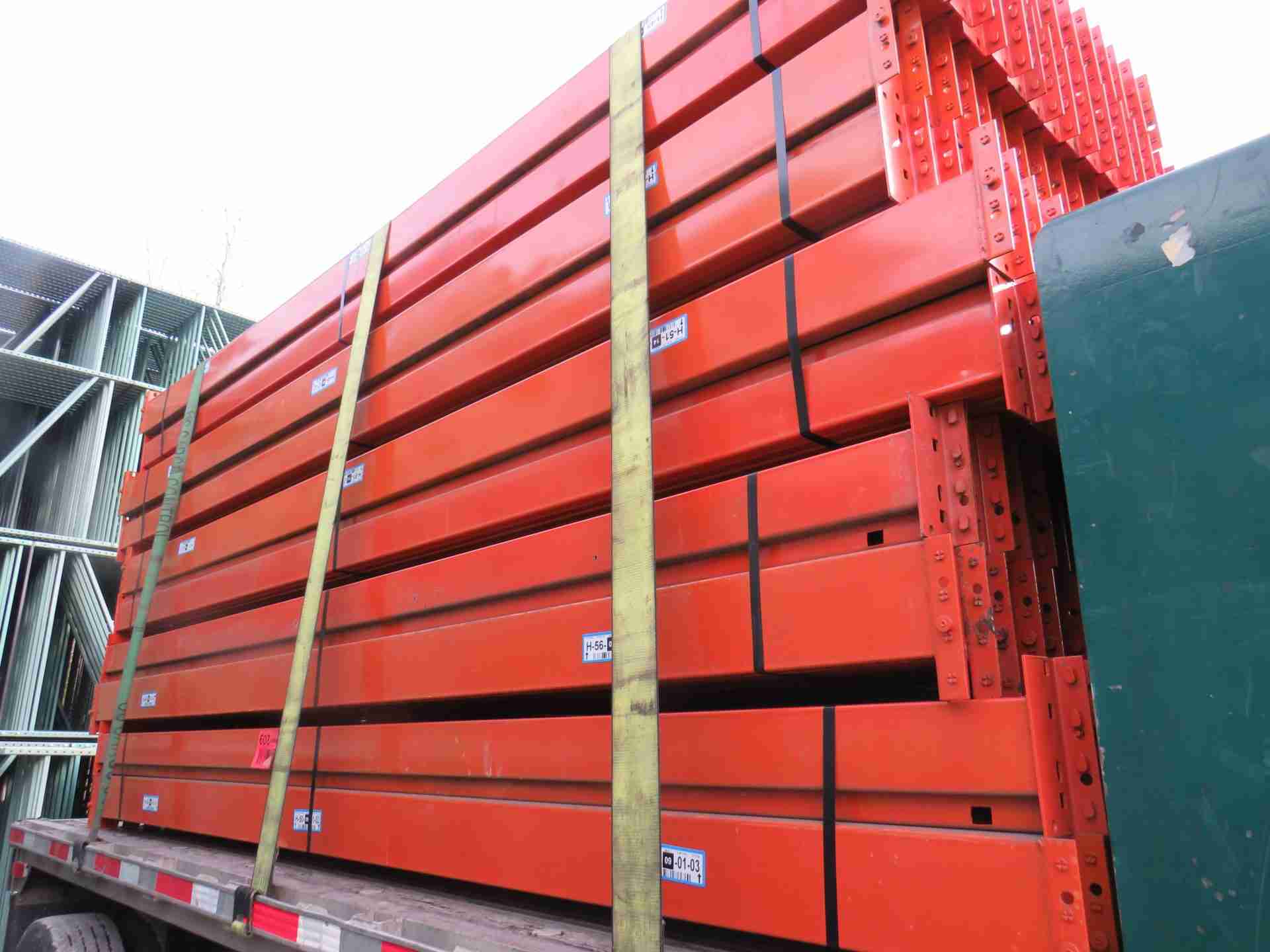
Scaling 3Pl Facilities Without Disruption
Scaling 3Pl Facilities Without Disruption
- Scaling 3PL facilities requires careful planning and hands-on approach.
- Gradual change is essential, involving valuing and informing team members.
- Effective communication keeps the team engaged and invested in the transition.
- A thorough site assessment is crucial for optimizing layout and flow of goods.
- Automation enhances efficiency and accuracy, reducing manual handling and errors.
- Fostering a sense of community encourages collective responsibility and collaboration.
- Celebrating small wins motivates the team and eases adaptation to changes.

Scaling 3Pl Facilities Without Disruption
Table Of Contents
- Scaling 3Pl Facilities Without Disruption
- What Are the Biggest Challenges In Scaling 3Pl Facilities?
- How Can Technology Improve Efficiency In 3Pl Operations?
- What Role Does Employee Training Play In Scaling Logistics?
- How Do Customer Expectations Influence 3Pl Scalability?
- What Ethical Considerations Arise When Expanding Logistics Services?
- How Can 3Pl Providers Maintain Quality During Rapid Growth?
- Conclusion
- Other Resources
- Glossary Of Terms
- Other Questions
- Checklist
What Are the Biggest Challenges In Scaling 3Pl Facilities?
Scaling third-party logistics (3PL) facilities presents a unique set of challenges that can test even the most seasoned operators. At the heart of it, the emotional pull of the logistics world is the promise of delivering goods—a lifeline for businesses and individuals alike. When you think about racking systems crammed with products, it’s not just steel and shelves; it’s the essence of the supply chain, where each item represents someone’s need or desire.
However, as you grow, those simple racks can quickly turn into a labyrinth. The logistics of managing inventory becomes a heavyweight challenge. The initial bang of success can often lead to a scramble to keep up, pushing both workers and facilities to their limits. There’s a fine line between efficient operation and chaos, and the stakes can be high. You can’t just throw more space at the problem. It’s about managing the flow of goods with precision, and that requires a blend of foresight, planning, and sheer grit.
From a rational standpoint, it’s imperative to analyze data and invest wisely in technology. With the rise of automation and smart solutions, it might seem like a no-brainer, yet not every solution fits every operation. Decisions made on the factory floor can have cascading effects. Investing in the right racking systems isn’t just a matter of making space; it’s about ensuring your team can navigate those racks efficiently, fulfilling orders without the headache of confusion or delays.
Ethically, serving clients means guaranteeing that their products are treated with respect and handled safely. Every item that goes in and out carries a promise, and breaking that trust can hurt business relationships. As you scale, maintaining that bond becomes tougher yet crucial.
Narratively speaking, every 3PL facility holds stories—of workers who hustle daily, of businesses that depend on timely deliveries, and of communities that rely on those products reaching their shelves. Each challenge in scaling facilities sparks a deeper ethical conversation about how businesses can grow responsibly and sustainably.
Ultimately, the social fabric of this sector relies on collaboration and transparency. When facilities face growing pains, it’s the teamwork and communication among staff that pull everyone through. Scaling isn’t just a phase; it’s a shared journey, rooted in hard work, fortitude, and the understanding that success is found not only in profits but in the strength of the community you build along the way.
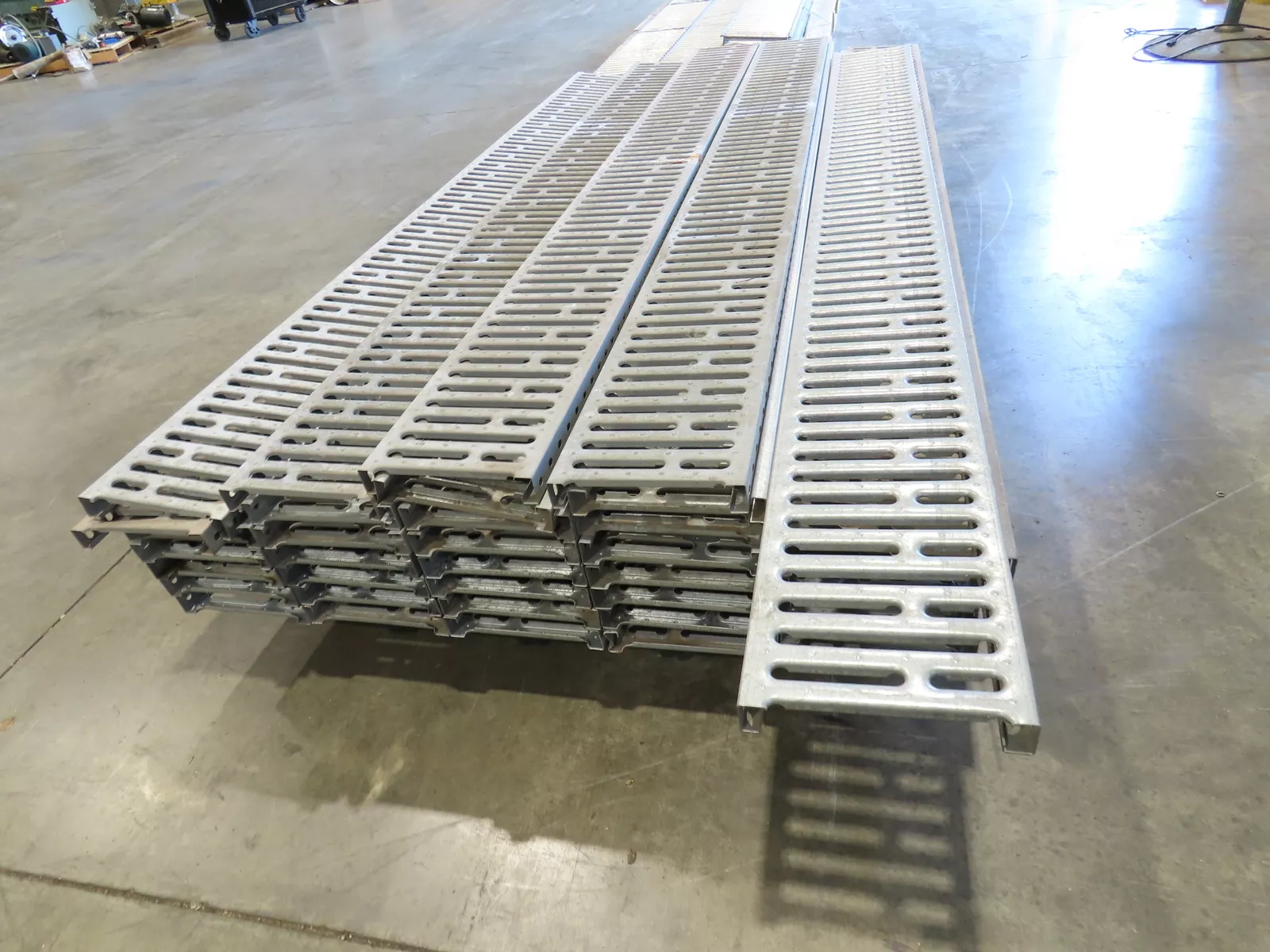
What Are the Biggest Challenges In Scaling 3Pl Facilities?
What Are the Biggest Challenges In Scaling 3Pl Facilities?
- Scaling third-party logistics (3PL) facilities poses challenges for even experienced operators.
- The logistics industry centers around the essential promise of delivering goods for businesses and individuals.
- As facilities grow, managing inventory becomes complex, pushing operations to their limits.
- Effective scaling requires precise management of goods flow, integrating foresight and planning.
- Data analysis and strategic investment in technology are critical for operational success.
- Ethical handling of products is essential to maintain trust and strong business relationships.
- Collaboration and communication among staff are vital for overcoming the growing pains associated with scaling.
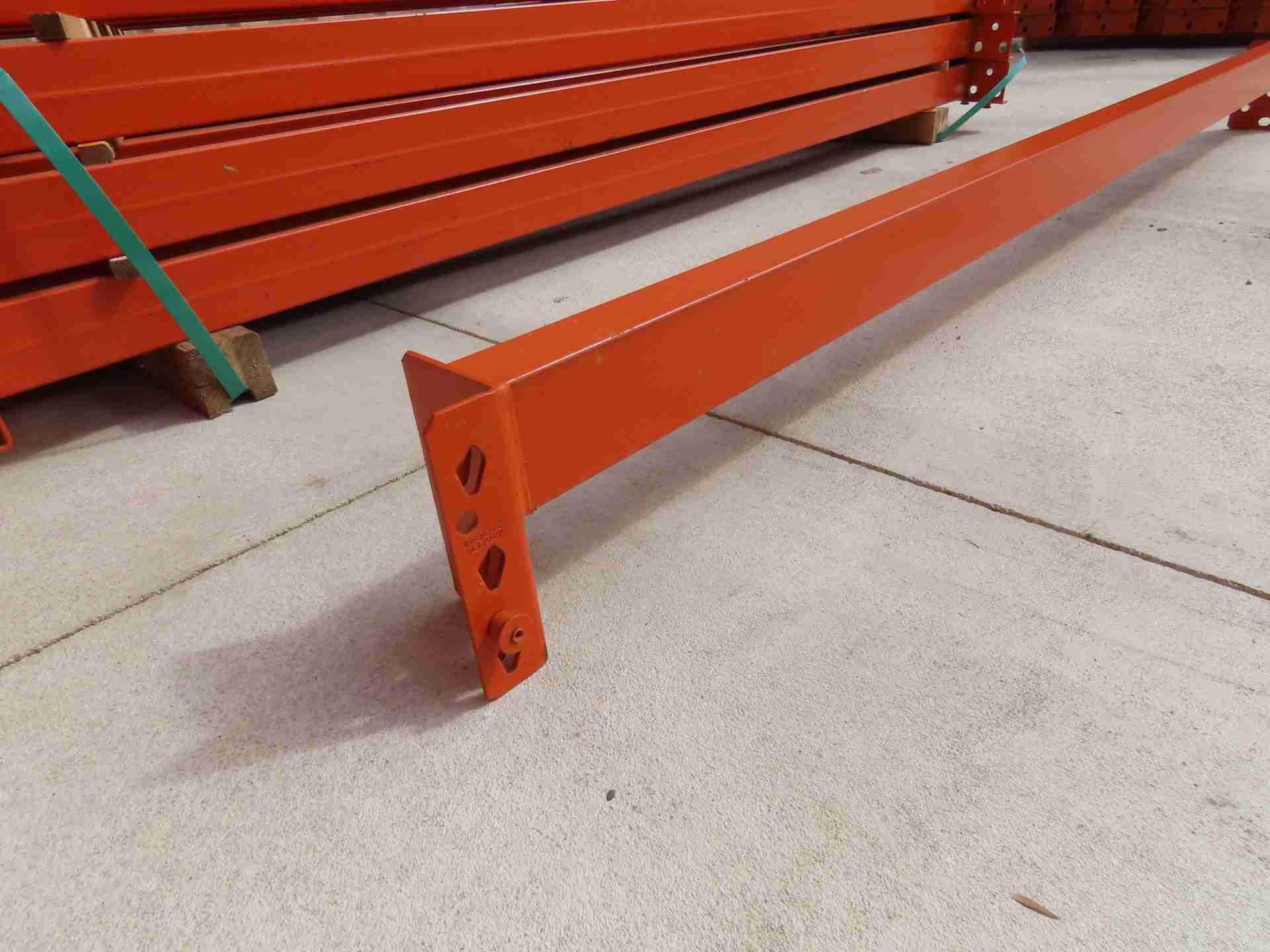
What Are the Biggest Challenges In Scaling 3Pl Facilities?
How Can Technology Improve Efficiency In 3Pl Operations?
In the bustling world of third-party logistics (3PL), improving efficiency isn’t just a buzzword; it’s the lifeblood of operations that keep the wheels turning. Picture a warehouse packed to the rafters with goods, every inch of space crucial, especially when things get busy. Racking systems play a vital role in maximizing this space—transforming chaos into well-organized shelves where every item has its place. This isn’t just about aesthetics; it’s about smooth operations that save time and prevent costly errors.
When technology steps in, it doesn’t just streamline processes; it builds trust. Imagine a system where barcodes and RFID tags track inventory in real time. You no longer have to guess how much stock you have or when it’s time to reorder. Those racking systems become more than just metal frameworks; they evolve into strategic structures that help optimize flow and reduce operational headaches. And when workers can quickly find what they need, morale rises. Everyone knows that a happy team is an efficient one.
But let’s talk about costs. Implementing automation tools, like conveyor belts and robotic retrieval systems, cuts down on labor time and minimizes human error. Each minute saved is dollars gained, and that’s an essential aspect for any business owner. The ethics of efficiency also come into play; businesses that improve their operations tend to pass on savings to customers while also reducing waste. It’s a win-win that fosters loyalty and builds a solid reputation in a competitive market.
Stories are the heartbeat of our industry. Think of those who’ve witnessed firsthand the transformation brought on by smart technology. A small 3PL provider that invested in upgraded racking systems and equipment saw a complete turnaround. They went from barely keeping pace with orders to being the go-to solution for dozens of clients. That type of success isn’t just numbers on a report; it speaks volumes of teamwork, dedication, and vision.
With every step into the future, the social implications of these advancements are immense. Companies that leverage technology not only boast efficiency but create jobs and drive community growth. They’re not just improving their bottom line; they’re building a better network that connects us all. Trust isn’t earned overnight; it’s built through every pallet stored, every delivery made on time, and every satisfied customer. The journey of transformation in 3PL operations, powered by technology, is one we can all aspire to embrace.
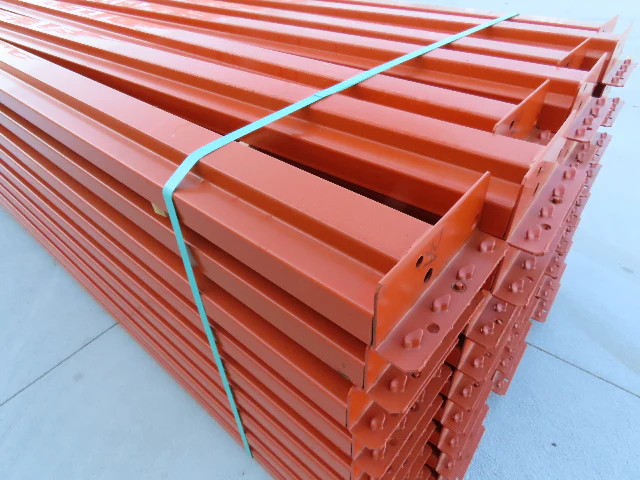
How Can Technology Improve Efficiency In 3Pl Operations?
How Can Technology Improve Efficiency In 3Pl Operations?
- Efficiency is vital in third-party logistics (3PL) operations.
- Racking systems optimize warehouse space and streamline operations.
- Technology such as barcodes and RFID tags enhances inventory tracking and builds trust.
- Automation tools reduce labor time and minimize human error, resulting in cost savings.
- Improved operations lead to customer savings and reduced waste, fostering loyalty.
- Success stories illustrate the transformative impact of smart technology in the industry.
- Leveraging technology in 3PL creates jobs and supports community growth.
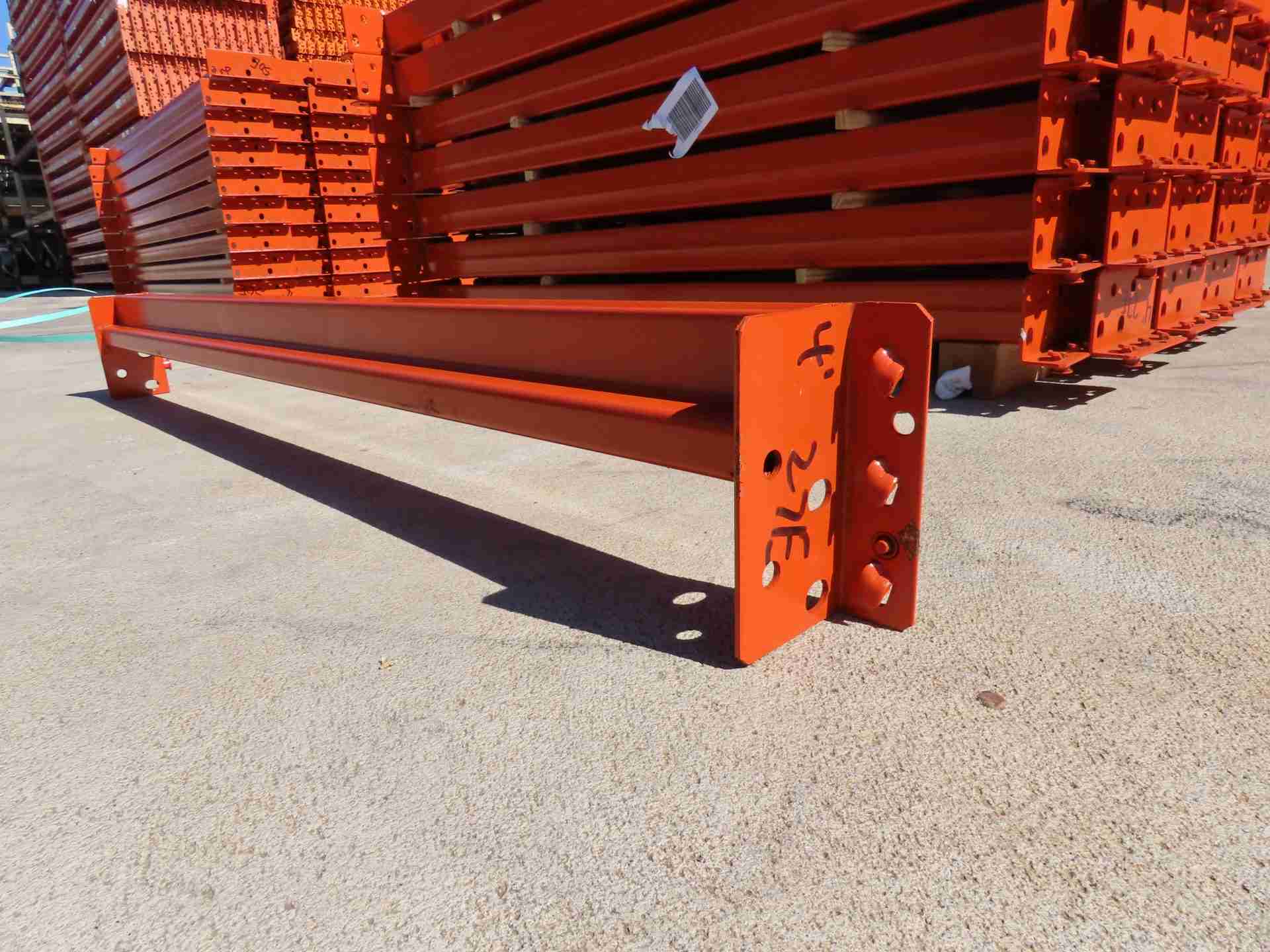
How Can Technology Improve Efficiency In 3Pl Operations?
What Role Does Employee Training Play In Scaling Logistics?
In the fast-paced world of logistics, where every second counts, employee training is the lifeblood that keeps operations running smoothly. Picture a warehouse bustling with activity, where racking systems are expertly maneuvered, and products fly off the shelves. Without well-trained staff, this scene quickly turns into chaos. Training isn’t just an added expense; it’s an investment in peace of mind and efficiency.
At the heart of effective logistics lies the connection between employees and their work. When teams understand the ins and outs of their roles—whether it’s handling racking systems or optimizing delivery routes—they take ownership of their responsibilities. This ownership nurtures a work culture where everyone feels valued, sparking a sense of community. When folks know how their contributions fit into the bigger picture, they’re more motivated to go the extra mile, leading to a smoother operation that can scale with demand.
Rationally, training equips employees with the necessary skills to tackle challenges head-on. Consider the intricate racking systems used in many warehouses. Proper training ensures that each team member can competently handle these systems, maximizing storage space and reducing the risk of accidents. This competence doesn’t just enhance safety; it boosts productivity, directly impacting the bottom line. The ability to adapt and respond to changing demands isn’t just a nice-to-have; it’s essential for survival in a competitive market.
Ethically, there’s a responsibility to provide workers with the tools they need to succeed. Investing in training shows a commitment to their growth and well-being. It’s about more than just pushing products; it’s about empowering individuals. Employees who feel supported are more likely to reflect those positive sentiments in their interactions with customers, building a loyal base that appreciates the service and support they receive.
Narratives of success often echo through supply chains, where effective training transforms teams from ordinary to exceptional. Consider the stories of those who started on the floor and advanced through their dedication to learning. Their journeys, marked by skilled training, highlight how logistics isn’t just about moving goods; it’s about moving lives, creating pathways for growth and opportunity.
Strong employee training is the unsung hero of scaling logistics operations. It’s not just about the bottom line; it’s about trust, confidence, and a shared mission. By investing in people, companies aren’t just building a more effective workforce; they’re cultivating a robust logistics community that thrives on camaraderie, shared purpose, and an unwavering commitment to excellence.
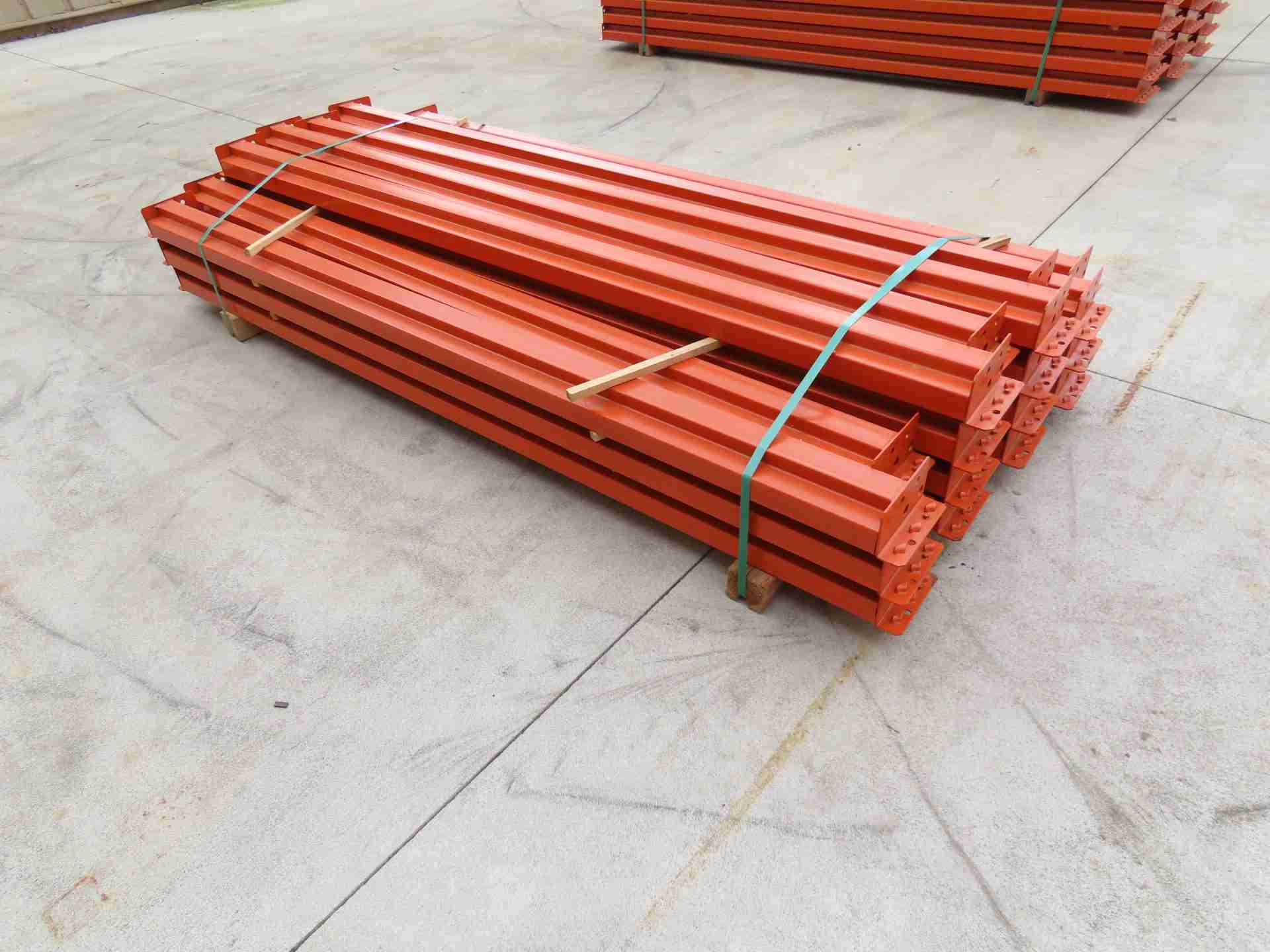
What Role Does Employee Training Play In Scaling Logistics?
What Role Does Employee Training Play In Scaling Logistics?
- Employee training is essential for smooth logistics operations.
- Well-trained staff foster a culture of ownership and community.
- Training enhances safety and boosts productivity in handling logistics challenges.
- Providing effective training reflects a commitment to employee growth and well-being.
- Supporting employees leads to better customer interactions and loyalty.
- Successful training narratives highlight professional growth within logistics careers.
- Investing in training builds a strong, effective workforce and a supportive logistics community.

What Role Does Employee Training Play In Scaling Logistics?
How Do Customer Expectations Influence 3Pl Scalability?
Customer expectations are the cornerstone of a successful third-party logistics (3PL) operation, shaping every aspect from scalability to service delivery. It’s not just about moving goods; it’s about understanding what customers truly need and require. Picture a busy warehouse filled with racking systems, where each shelf is meticulously organized to ensure that every item is easily accessible. This isn’t just efficient; it tells a story of reliability and trust. When customers see that their products are stored securely and retrieved swiftly, it fosters confidence in the entire logistical process.
On the rational side, meeting customer expectations is linked directly to the bottom line. Businesses grow when they fulfill commitments and deliver exceptional service. For example, if a 3PL can scale operations to respond to increasing demand while maintaining quality, it creates a cycle of repeat business. This isn’t just theory; it’s how real companies thrive. When customers know they can rely on a 3PL to handle fluctuations in demand, they’re more likely to place larger orders or expand their operations. It’s all about creating that seamless flow, akin to the easy access afforded by a well-designed racking system in a warehouse.
From an ethical standpoint, transparency in how services are provided reinforces customer trust. If a 3PL faces challenges, whether it’s supply chain disruptions or capacity issues, admitting these setbacks and presenting clear solutions shows integrity. Customers appreciate honesty, and when they see a 3PL taking responsibility, it humanizes the relationship. It’s more than just a transaction; it becomes a partnership.
The narrative also plays a crucial role. Sharing stories of how customer needs have been met fosters emotional connection. This might be a tale of a last-minute order that relied on a 3PL’s flexibility, illustrating dedication and commitment to service. These stories resonate, creating an image of reliability and responsiveness that invites customers to engage further.
Socially, satisfied customers share their experiences, amplifying a 3PL’s reputation. Word of mouth remains powerful, and in today’s interconnected world, positive feedback travels fast. A scalable operation that consistently meets expectations not only retains customers but also attracts new ones through the strength of its network.
In this ever-evolving landscape, focusing on customer expectations isn’t just a smart strategy; it’s essential for building a sustainable, scalable business that stands the test of time.
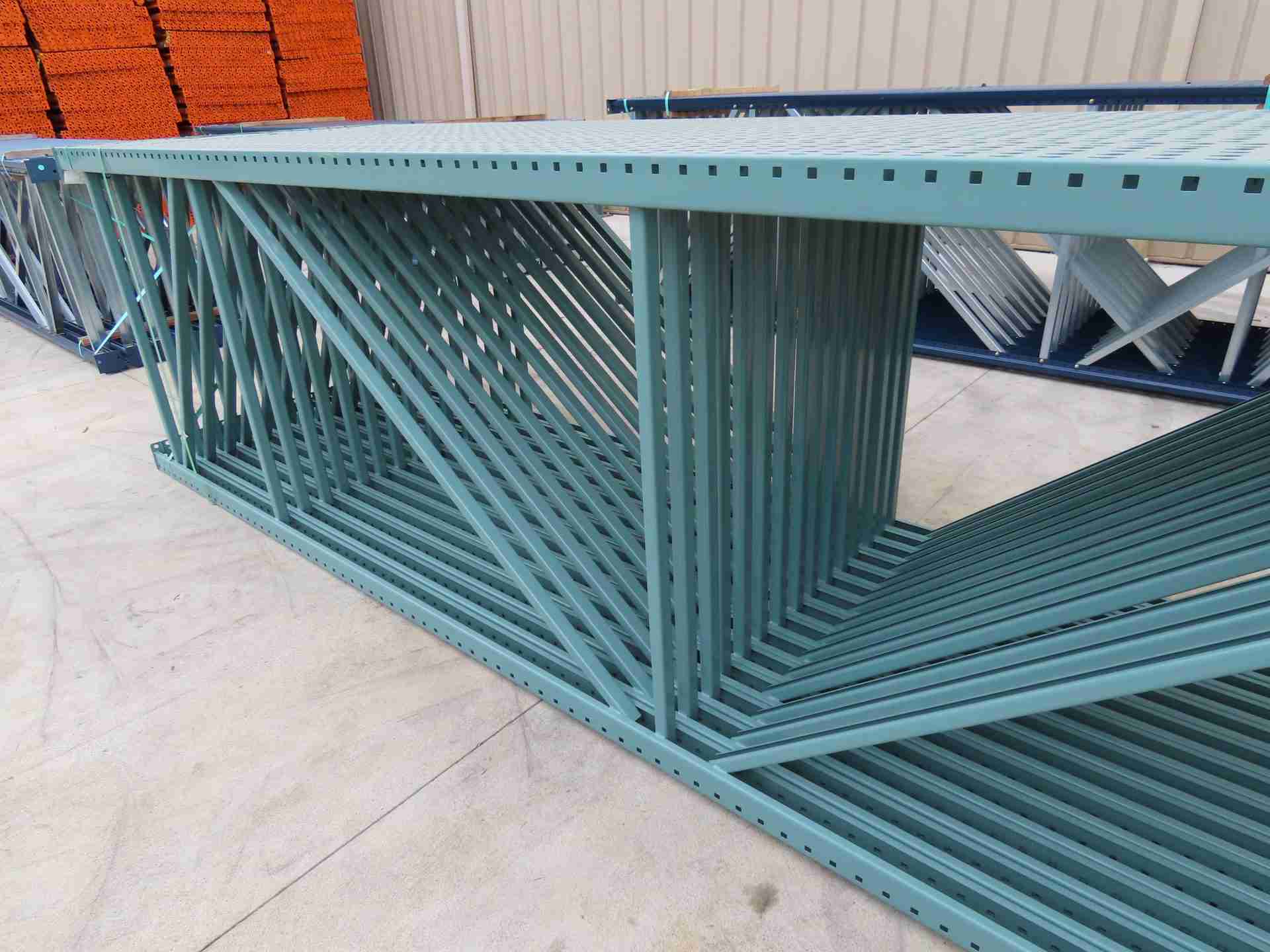
How Do Customer Expectations Influence 3Pl Scalability?
How Do Customer Expectations Influence 3Pl Scalability?
- Customer expectations are fundamental to successful third-party logistics (3PL) operations.
- Efficiency in warehousing fosters reliability and trust, ensuring secure and swift retrieval of products.
- Meeting expectations directly impacts business growth and creates cycles of repeat business.
- Transparency and integrity in service provision build customer trust and humanize the relationship.
- Storytelling about meeting customer needs fosters emotional connections and illustrates service commitment.
- Satisfied customers amplify a 3PL’s reputation through positive word of mouth.
- Focusing on customer expectations is essential for building sustainable and scalable businesses.
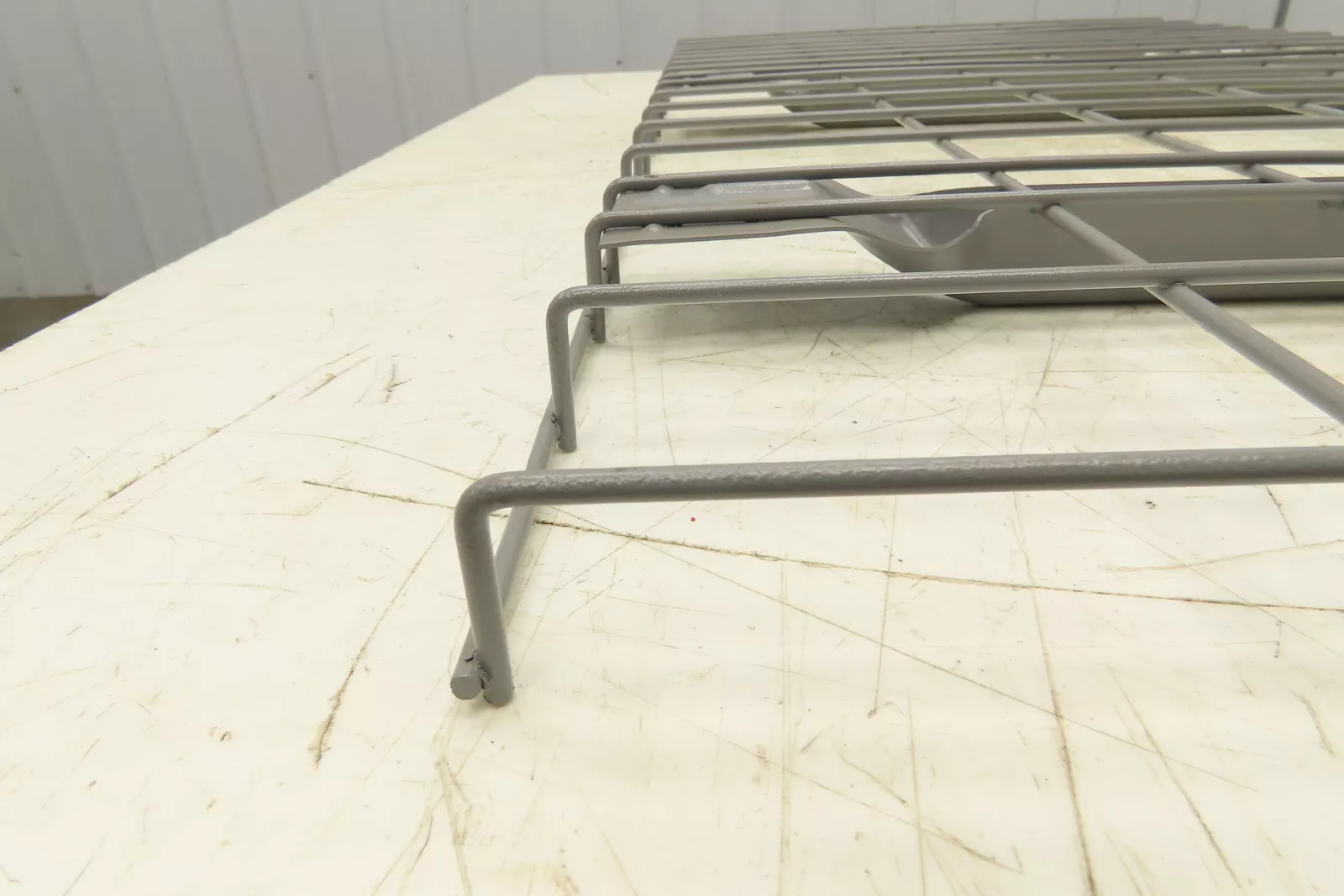
How Do Customer Expectations Influence 3Pl Scalability?
What Ethical Considerations Arise When Expanding Logistics Services?
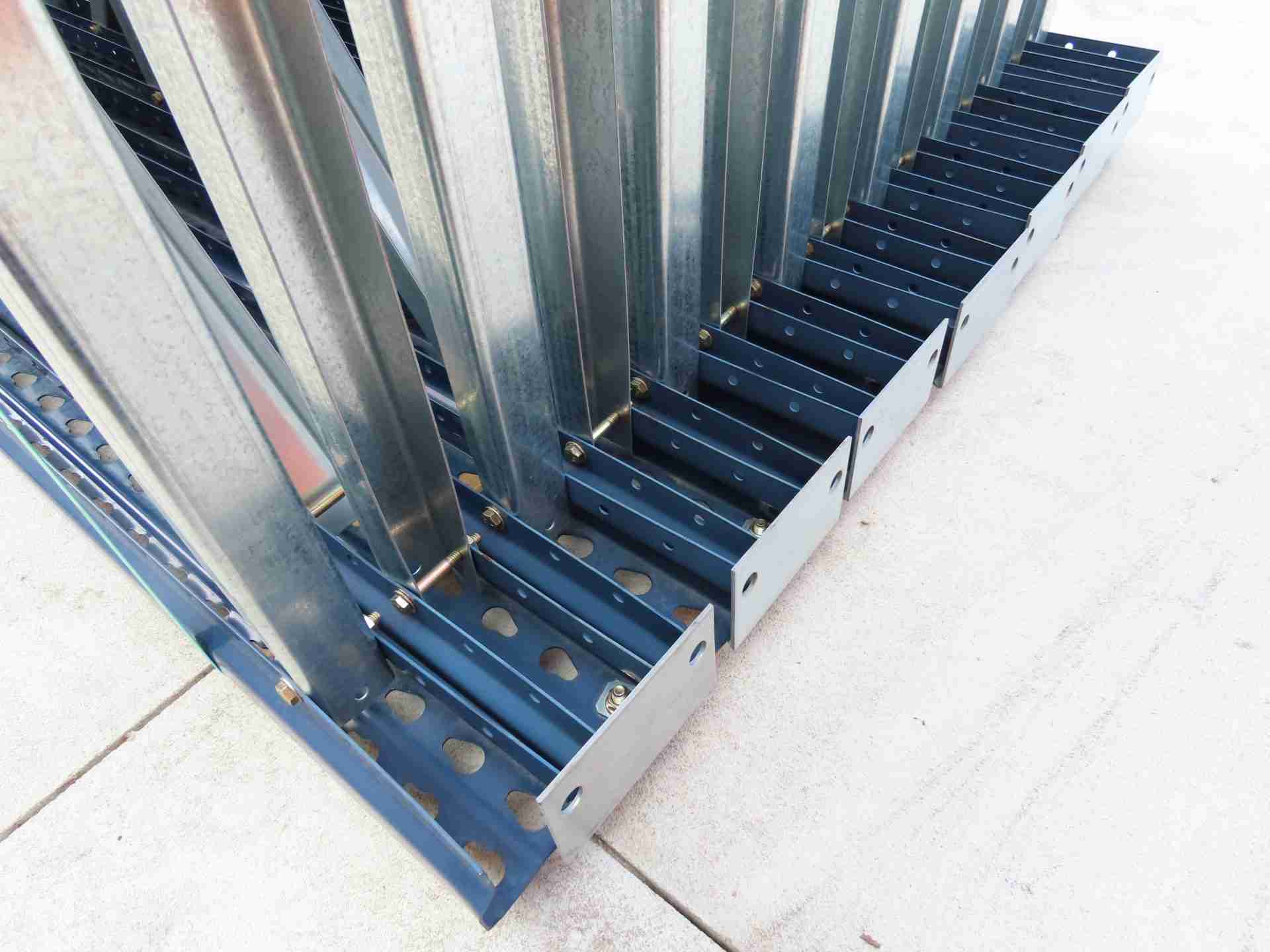
When expanding logistics services, one must pause to reflect on the ethical considerations that come into play. It’s easy to get swept away in the rush of growth and innovation, yet the heart of the matter hinges on real people behind every package and delivery. Imagine a hardworking family waiting for supplies needed for their livelihood or a small business relying on timely shipments to make ends meet. These scenarios remind us that logistics isn’t just about moving boxes; it’s about connecting communities and supporting livelihoods.
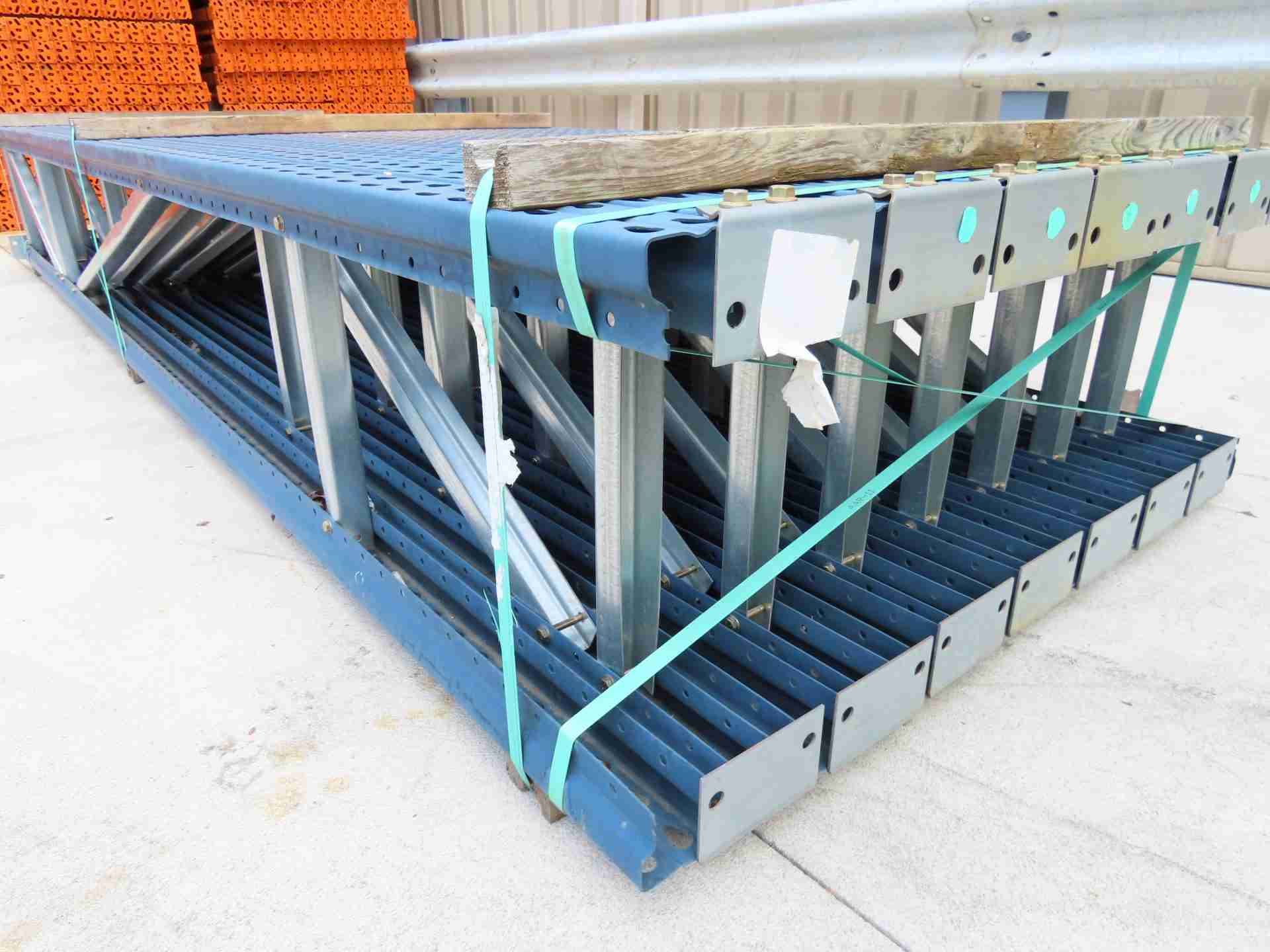
Over the years, the logistics industry has evolved into a complex web. Racking systems are often the backbone of warehouses, supporting the efficient organization of goods. However, the choices made in expanding these facilities raise questions. Are we ensuring safe working conditions? Are the workers—who are often the unsung heroes—afforded proper training and fair wages? These decisions weigh on the conscience of every company and can either build or erode trust with employees and customers.
Rationally, it’s clear that ethical logistics isn’t just good for the soul; it’s good for business. Consumers today are savvy. They notice when companies take shortcuts or treat workers poorly. This awareness can sway their buying choices swiftly. Ethical practices cultivate loyalty—people want to buy from those who do right by their workers and their community. The ripple effect of such decisions can elevate a brand’s reputation and drive growth through genuine connections.
Moreover, the narrative of a logistics company expanding ethically builds a compelling story. Picture a local provider who recognized the need for better access to products in underserved areas. By investing in robust logistics solutions, including efficient racking systems that enhance delivery times and reliability, they forge ties with their community and spur local economies.
Socially, as logistics services grow, the responsibility multiplies. Companies are called to view their operations through an ethical lens, showing that they care not only about profit margins but also about people. It’s about fostering a sense of belonging in a world that often feels disconnected.
Ultimately, as logistics services expand, grounding those ambitions in ethical considerations ensures that every step forward is a step toward building a better future for everyone involved. In this line of work, humility, hands-on experience, and a heart for the people behind the scenes can create lasting impact and inspire action in a world that values authenticity.
What Ethical Considerations Arise When Expanding Logistics Services?
What Ethical Considerations Arise When Expanding Logistics Services?
- Ethical considerations are crucial when expanding logistics services, emphasizing the impact on real people’s lives.
- Logistics connects communities and supports livelihoods beyond just moving goods.
- Racking systems are vital for efficient warehouse organization, but raise questions about worker safety and treatment.
- Ethical logistics enhance business success as consumers prefer companies that prioritize worker welfare.
- Building a narrative around ethical logistics fosters community ties and supports local economies.
- Companies must view operations through an ethical lens, balancing profit margins with responsibility towards people.
- Grounding logistics ambitions in ethics promotes a better future and authentic connections within the industry.
What Ethical Considerations Arise When Expanding Logistics Services?
How Can 3Pl Providers Maintain Quality During Rapid Growth?
Title:
In the logistics world, growth can feel like a freight train barreling down the tracks. When third-party logistics providers (3PLs) begin to scale, the challenge lies not just in keeping pace, but in making sure quality doesn’t get tossed off into the weeds. It’s about maintaining the heart of your operation—even as the wheels spin faster.
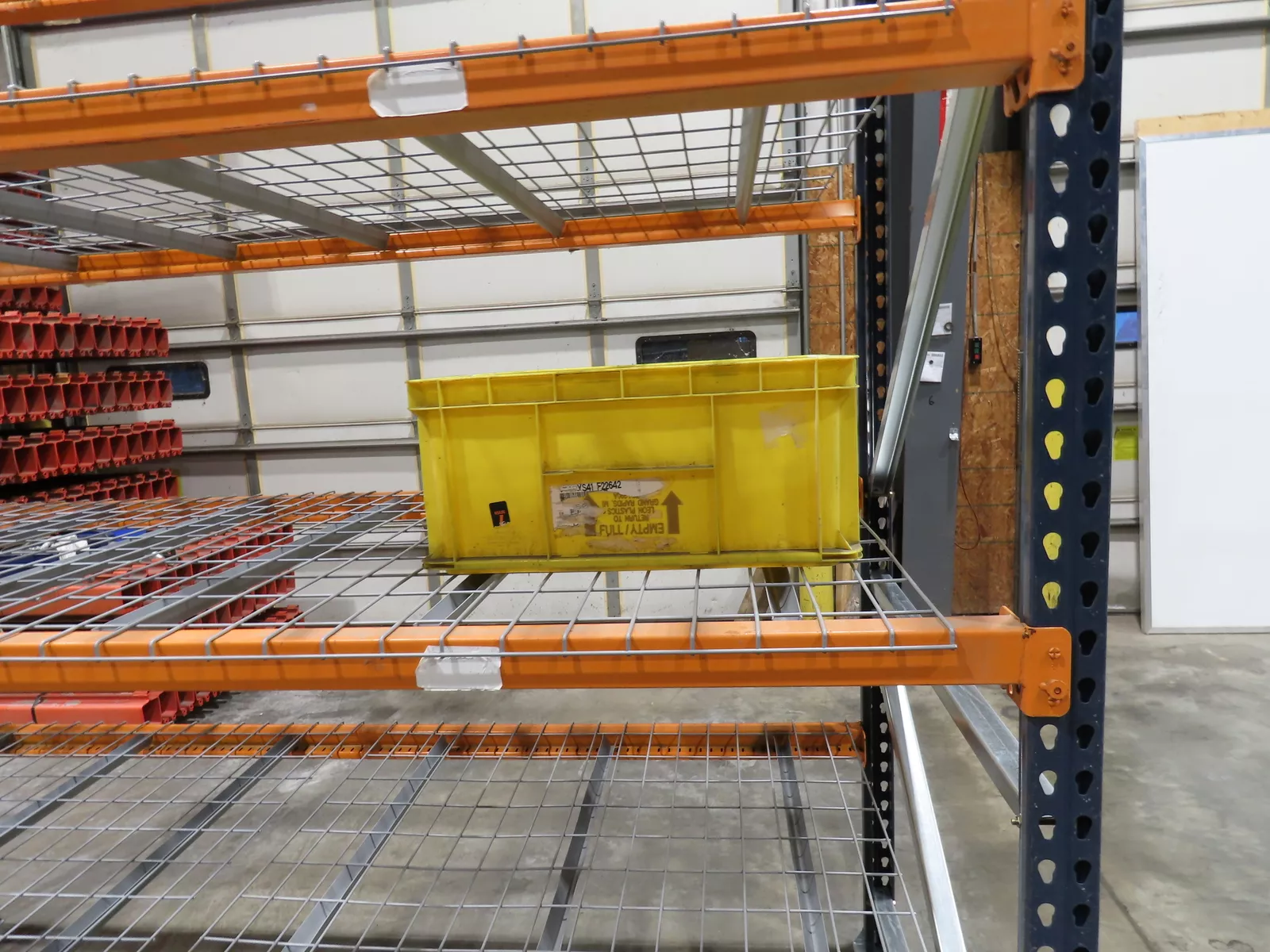
First off, investing in racking systems is crucial. These aren’t just a matter of efficiency; they’re your backbone during growth. A well-organized warehouse, equipped with sturdy racking systems, allows you to maximize space without sacrificing safety. It also eases the burden on your team, helping them find and store products quickly. This not only keeps operations smooth but also boosts morale. People want to work in places that are organized and efficient, where they can trust that the tools they need are right at their fingertips.
Next, communication is key. When teams grow, so do the potential for misunderstandings and slip-ups. Regular check-ins—whether daily huddles or weekly reviews—can nurture a culture where everyone feels connected. Share honest feedback and celebrate wins, big or small. This transparency builds trust, and trust is what keeps everyone pulling in the same direction. It’s about creating an environment where employees feel invested in the mission, knowing that their contributions matter.
Implementing technology can sound flashy, but it’s often the practical solutions that yield the best results. Inventory management systems can track every item, ensuring you know what’s where without second-guessing. This minimizes errors and enhances speed. Grounded logistics is about using the right tools to streamline operations, not just adding bells and whistles. Show your team how these tools can lighten their load.
Ethically, maintaining a commitment to sustainability during growth is essential. More orders mean more shipments, but that shouldn’t come at the planet’s expense. Find ways to optimize routes and reduce waste. When your clients see you prioritizing environmental responsibility, it reflects positively on their brand, too.
Ultimately, the story of your 3PL during rapid growth isn’t just about numbers; it’s about people. A strong connection with your team and your clients will weather any storm. By focusing on grounded, practical solutions—like investing in efficient racking systems, nurturing communication, leveraging technology, and prioritizing ethics—you forge a path that not only sustains quality but propels everyone forward together.

How Can 3Pl Providers Maintain Quality During Rapid Growth?
How Can 3Pl Providers Maintain Quality During Rapid Growth?
- Growth in logistics requires maintaining quality as third-party logistics providers (3PLs) scale.
- Investing in racking systems enhances efficiency and space utilization while boosting team morale.
- Effective communication through regular check-ins fosters trust and connection among team members.
- Implementing practical technology, such as inventory management systems, minimizes errors and increases speed.
- Commitment to sustainability during growth helps optimize routes and reduce waste, benefiting both the environment and client brands.
- A strong connection with the team and clients is essential for weathering challenges during rapid growth.
- Focusing on practical solutions sustains quality and propels the 3PL operation forward.
How Can 3Pl Providers Maintain Quality During Rapid Growth?
Conclusion
Scaling 3PL facilities without disruption is akin to building on solid ground—requires careful groundwork, thoughtful execution, and unwavering dedication. Growth is gradual, reminiscent of a tree reaching for the sky, where the roots represent communication and the trunk symbolizes team collaboration. Engaging your workforce at every step is essential; when people feel valued, they invest in the success of the facility, sharing insights that smooth out transitions.
Planning the layout is crucial; understanding product flow and personnel movement reduces downtime and enhances safety. Workers’ insights shape this configuration, ensuring routines accommodate their needs. Integrating technology is another key component. While it might initially feel daunting, automating processes optimizes operational efficiency, minimizes errors, and fosters accountability to clients, ensuring timely deliveries without compromising accuracy.
Team spirit plays a pivotal role. Creating a sense of community within the workplace reinforces collective success—every achievement, no matter the size, deserves to be celebrated. This environment empowers employees to navigate growth challenges together, holding onto the essence of collaboration that drives logistics forward.
Meanwhile, challenges arise as operations expand. Each item stored isn’t just a product; it’s a promise to deliver. Balancing inventory management with complex logistics calls for foresight and smart decision-making. Investing in the right systems fosters not just space, but also a seamless flow of operations, saving time and reducing errors.
From an ethical perspective, treating goods—and the people who handle them—with respect is paramount. Trust is the foundation of client relationships; any deviation can breach this bond. As companies scale, they must prioritize transparent communication about challenges faced and solutions being implemented, reinforcing the human aspect of logistics.
Stories of success, born from invested teamwork and tech-driven efficiency, paint a vivid picture of growth. They showcase how companies evolve from struggling to top performers through dedicated efforts and robust community engagement. The social implications are significant; organizations focused on their workforce’s development not only elevate their operations but uplift community spirits by creating jobs and enhancing connections.
In essence, scaling 3PL facilities isn’t just about growth metrics; it’s the journey of shared experiences, grounded in hard work and a commitment to building relationships rooted in trust and mutual respect. It’s a narrative of progress where every team member plays a crucial role in navigating the path to growth while honoring the foundations laid in the past.
Conclusion
Conclusion:
- Scaling 3PL facilities requires careful groundwork, thoughtful execution, and dedication.
- Communication and team collaboration are essential for smooth transitions during growth.
- Planning the layout and understanding product flow enhances safety and reduces downtime.
- Integrating technology optimizes efficiency and minimizes errors, ensuring timely deliveries.
- Fostering a sense of community among employees reinforces collective success and collaboration.
- Effective inventory management is crucial for maintaining client trust and seamless operations.
- Investing in workforce development uplifts both operations and community spirits through job creation.

Conclusion
Other Resources

Other Resources
Here is a list of other resources you can review online to learn more:
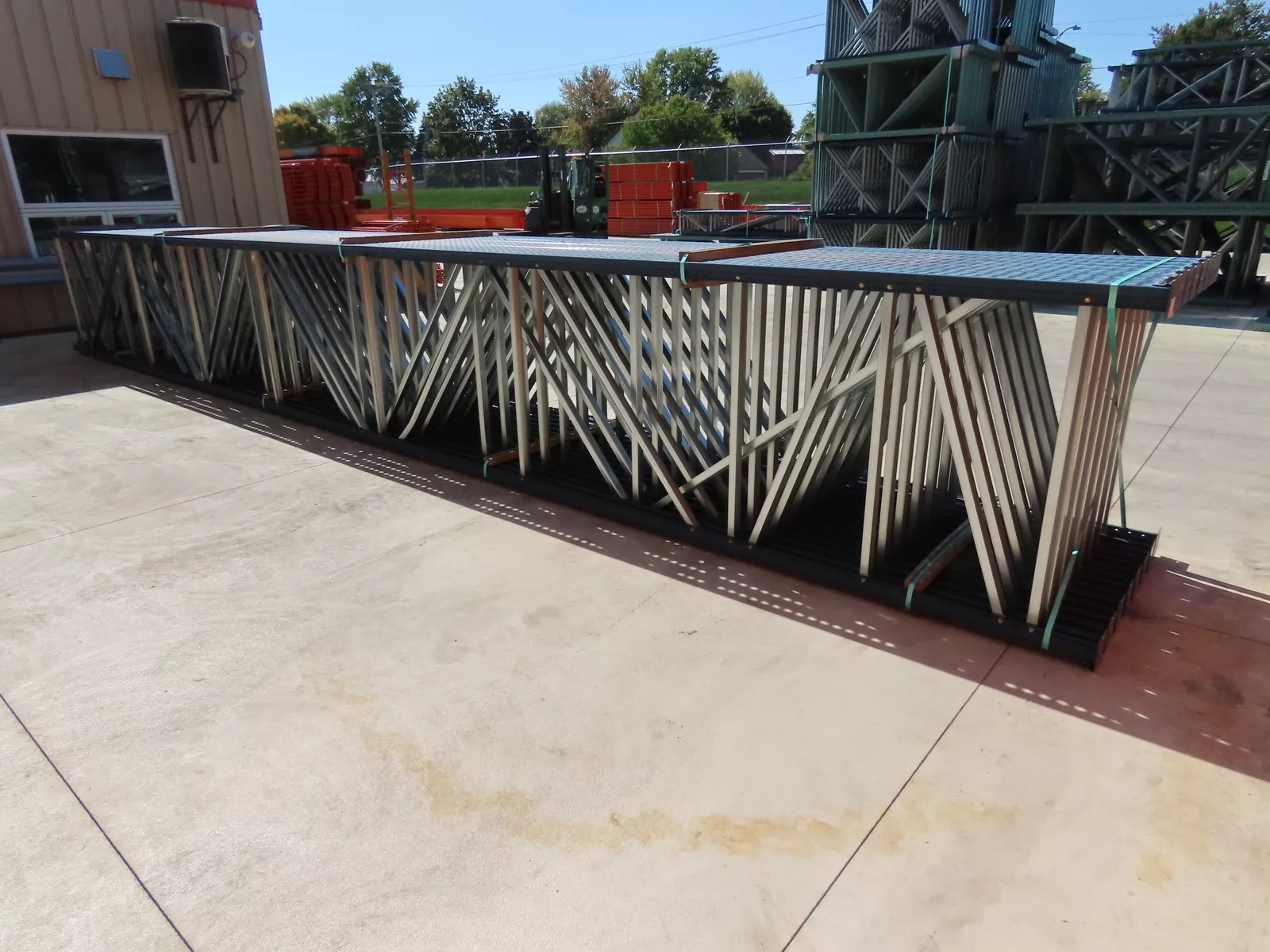
- Teardrop Pallet Rack – Ridg-U-Rak
- Pallet Racking 101: A Comprehensive Guide & Options Explained
- Heavy-Duty Cantilever Storage Racks
- Cantilever Rack Configuration & Installation: A Comprehensive Guide – BMH
- Wolter
- Intro to Warehouse Racks & Warehouse Racking Systems – ShipBob
- Racking World
- IWLA
- Teardrop Racks – Pallet Rack World
- Selective Rack – Raymond West
- Teardrop Industrial Shelving Rack
- CA Wire
- Arrow Industrial Sales
- Interlake
- Warehouse Racking Layout: The Ultimate Guide – Conger
- BMH Equipment LLC
- Pallet Racking systems in Illinois, Great Lakes
- Warehouse Racks, Warehouse Racking in Stock – ULINE
- WERC
- Used Teardrop Pallet Rack – American Surplus
Use This Prompt To Get More Resources With Your Favorite Online AI Tool: Please provide me with a list of online articles with their URLs in a bulleted list that I can read regarding Scaling 3Pl Facilities Without Disruption
Other Resources
Glossary Terms
Scaling 3Pl Facilities Without Disruption – Glossary Of Terms
1. 3PL: Third-party logistics; outsourcing logistics and supply chain management functions to a specialized provider.
2. Capacity: The maximum output a facility can handle without compromising efficiency or service quality.
3. Fulfillment: The process of receiving, processing, and delivering orders to customers.
4. Inventory: The stock of goods or materials held for sale or production.
5. Distribution Center: A specialized warehouse designed for the immediate shipment of goods to customers.
6. Automation: The use of technology to perform tasks without human intervention, enhancing efficiency.
7. Scalability: The ability of a facility to adapt to increased production levels or demand without losing performance.
8. Workflow: The sequence of processes through which a task passes from initiation to completion.
9. Logistics: The management of the flow of goods, information, and resources across the supply chain.
10. Just-in-Time (JIT): A strategy to increase efficiency by receiving goods only as they are needed in the production process.
11. Sourcing: The process of finding and acquiring goods or services from suppliers.
12. Supply Chain: A network between a company and its suppliers to produce and distribute a specific product.
13. Labor Management: Strategies and practices used to oversee and optimize workforce productivity.
14. Lead Time: The time taken from the initiation of a process to its conclusion.
15. Order Management: The coordinated processes involved in managing the order fulfillment cycle.
16. Reverse Logistics: The processes related to returning goods from customers back to the suppliers or manufacturers.
17. Demand Planning: The forecasting of customer demand to ensure product availability and minimize excess inventory.
18. Quality Control: The process of ensuring that products meet specified quality standards before delivery.
19. Dock Management: The oversight of loading and unloading processes at shipping and receiving docks.
20. Palletization: The process of stacking goods onto pallets for efficient storage and transportation.
21. Safety Stock: Extra inventory kept on hand to prevent stockouts due to unexpected demand fluctuations.
22. Transportation Modes: Different methods of moving goods, including trucking, rail, air, and sea.
23. SKU: Stock Keeping Unit; a unique identifier for each distinct item in inventory management.
24. Procurement: The act of obtaining goods or services, typically for business purposes.
25. Cross-Docking: A logistics procedure where products are directly transferred from incoming to outgoing transport, minimizing storage time.
26. Facility Layout: The arrangement of physical space within a warehouse or distribution center to optimize efficiency.
27. ERP: Enterprise Resource Planning; integrated management of core business processes through a software system.
28. Time-to-Market: The time taken from product conception to market launch; crucial for competitive advantage.
29. Capacity Planning: The process of determining the production capacity needed to meet changing demands.
30. Cloud Logistics: The use of cloud computing technologies to enhance and streamline logistics operations and management.

Glossary Of Terms
Other Questions
Scaling 3Pl Facilities Without Disruption – Other Questions
If you wish to explore and discover more, consider looking for answers to these questions:
- What are the typical costs associated with scaling a 3PL facility (racking, automation, software, labor)?
- How long does a typical expansion or retrofit take from planning to full operation?
- How can downtime be minimized during expansion to avoid service disruption?
- What specific site assessment factors should be evaluated before expanding racking systems?
- Which racking system types (selective, drive-in, cantilever, pallet flow) best suit different product profiles?
- How do you determine the optimal warehouse layout to maximize throughput and safety?
- What are the most important KPIs to track during and after a scale-up (e.g., order accuracy, pick rate, throughput, on-time delivery)?
- How should a 3PL build a phased implementation plan for scaling operations?
- What is the ROI timeline for common automation investments (conveyors, ASRS, robotics, AGVs)?
- How do you choose which processes to automate first?
- What integration challenges arise between WMS/TMS and new automation or RFID systems?
- Barcode or RFID: which is more cost-effective for inventory visibility and why?
- How can legacy systems be migrated or integrated without disrupting operations?
- What data and analytics are most useful for capacity forecasting and demand planning?
- How do you measure and improve inventory accuracy during rapid growth?
- What training programs and curricula are most effective for onboarding staff to new equipment and workflows?
- How do you measure the effectiveness of employee training and skills development?
- What change-management and communication practices reduce employee resistance to scaling initiatives?
- How can companies maintain company culture and morale as the workforce expands?
- What labor models work best during growth—hiring, temp labor, or outsourcing—and what are the trade-offs?
- How should safety and regulatory compliance be maintained or updated when adding taller racking or automation?
- What inspection, maintenance, and lifecycle plans are required for new racking and automation equipment?
- How can a 3PL ensure quality control and consistency while scaling rapidly?
- What contingency plans should be in place for equipment failure or supply chain disruptions during expansion?
- How do customer SLAs and expectations need to be renegotiated or reaffirmed during capacity changes?
- What pricing and contract models work best when a 3PL scales capacity for multiple clients?
- How can a 3PL maintain transparency with clients about capacity limits, delays, or disruptions?
- What ethical considerations should be addressed around wages, working conditions, and community impact when expanding?
- How can sustainability be built into expansion plans (energy use, packaging waste, route optimization)?
- What social and reputational risks should be assessed when scaling operations or adopting new technologies?
- How do you select and vet vendors for racking, automation, and software to ensure reliability and support?
- What insurance, liability, and legal requirements change when a facility increases storage height or automation?
- How should a 3PL plan for seasonal spikes and peak capacity without permanently oversizing the facility?
- What best practices exist for handling reverse logistics and returns as volume grows?
- How do cybersecurity and data privacy concerns change as more systems and client integrations are added?

Other Questions
Checklist
Scaling 3Pl Facilities Without Disruption – A Checklist
Strategic Planning and Capacity
✅______ Define growth targets, service levels, and timelines
✅______ Forecast volume and SKU mix under multiple scenarios
✅______ Complete site assessment for flow, utilities, zoning, and permits
✅______ Build a phased capacity plan (space, labor, equipment, technology)
✅______ Approve CapEx with clear ROI and risk buffers
Governance and Communication
✅______ Name an executive sponsor and a cross-functional project lead
✅______ Establish a communication cadence (daily huddles, weekly reviews)
✅______ Identify change champions on each shift and in each function
✅______ Create a feedback loop for frontline input and issue escalation
✅______ Publish a simple roadmap visible to all teams
Facility Layout and Flow
✅______ Conduct time-and-motion and heatmap studies of current flow
✅______ Design clear inbound, storage, picking, packing, staging, and outbound zones
✅______ Validate aisle widths, travel paths, and pedestrian and forklift separation
✅______ Implement visual management (signage, floor tape, rack labels, slot IDs)
✅______ Pilot the new layout in a contained area before full rollout
Racking Systems and Storage
✅______ Engineer racks for load, seismic, and code compliance
✅______ Select rack types by SKU profile (selective, drive-in, push-back, pallet flow)
✅______ Standardize bin, pallet, and labeling specifications
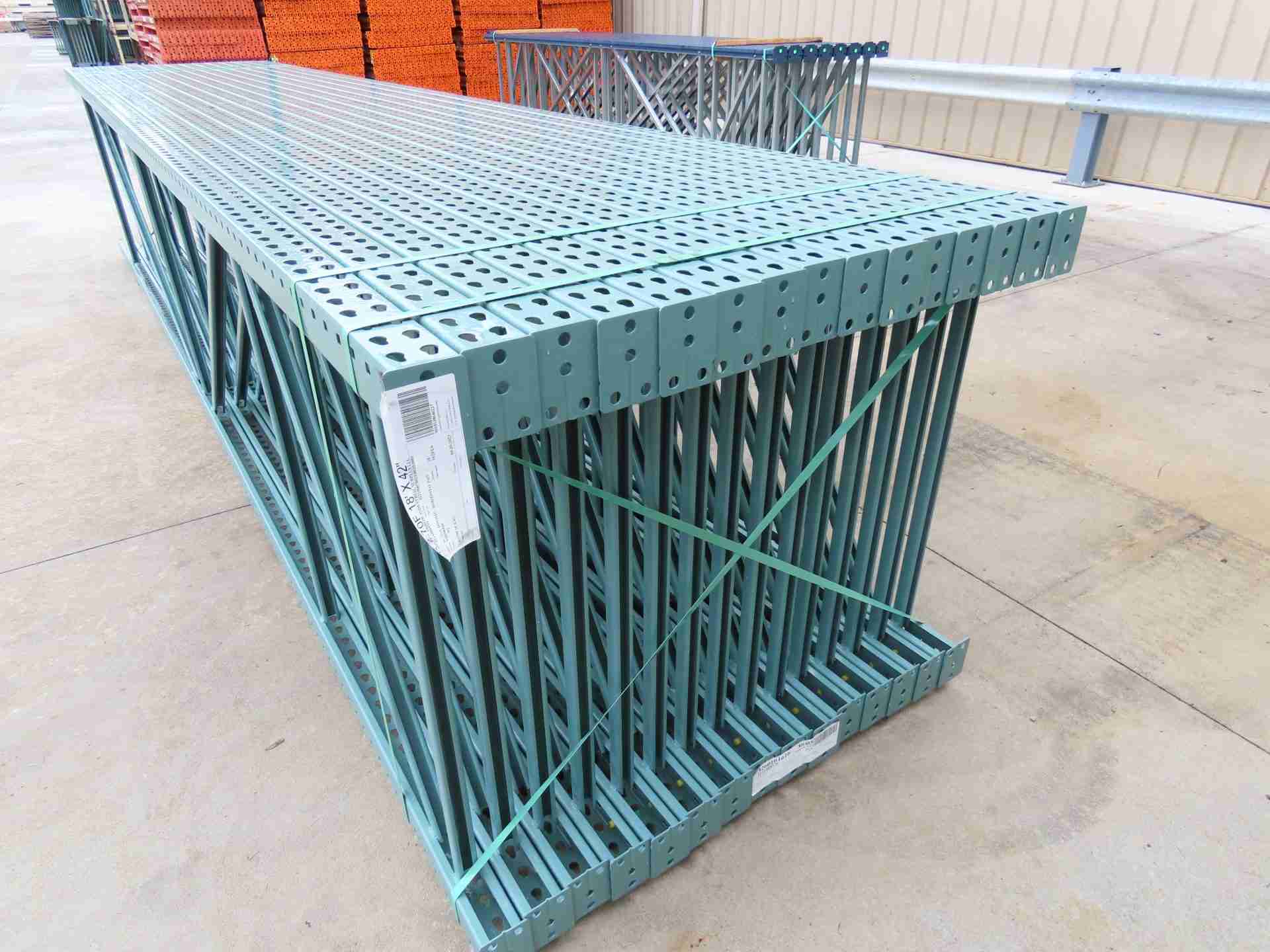
✅______ Plan modular expansion (uprights, beams, decking) with spare capacity
✅______ Schedule third-party inspections and maintenance
Technology and Automation
✅______ Enable WMS functions: real-time inventory, directed put-away, and wave/zone picking
✅______ Implement barcode/RFID and verify end-to-end scan compliance
✅______ Integrate EDI/ASN with customers and carriers
✅______ Evaluate automation (conveyors, AMRs, goods-to-person) with ROI and safety
✅______ Complete integration testing, fallback plans, and user acceptance
Inventory and Slotting
✅______ Run ABC/velocity analysis and design slotting by demand and ergonomics
✅______ Set replenishment triggers and min/max for fast movers
✅______ Establish a cycle counting cadence with variance thresholds
✅______ Define returns and quarantine workflows to prevent contamination
✅______ Monitor shrinkage and investigate anomalies
Workforce and Training
✅______ Create role-based SOPs and work instructions with visuals
✅______ Deliver onboarding and cross-training for critical roles
✅______ Certify operators for MHE and rack safety
✅______ Implement leader standard work and tiered daily meetings
✅______ Recognize wins to reinforce desired behaviors
Quality and Accuracy
✅______ Define checkpoints: dock-to-stock, pick, pack, ship, and final QA
✅______ Use error-proofing (scan validation, weight checks, photo verification)
✅______ Track accuracy KPIs and perform root-cause analysis on defects
✅______ Standardize customer-specific pack-out and labeling
✅______ Run internal audits and corrective action plans
Customer Expectations and Scalability
✅______ Set SLAs for on-time, accuracy, and cycle time with surge provisions
✅______ Align on cut-off times, exceptions, and communication protocols
✅______ Share capacity plans and blackout dates proactively
✅______ Offer visibility dashboards and milestone notifications
✅______ Conduct quarterly business reviews with improvement roadmaps
Ethics, Safety, and Sustainability
✅______ Enforce safe working conditions, fair scheduling, and equitable pay
✅______ Provide PPE, ergonomic tools, and near-miss reporting
✅______ Optimize routes, reduce packaging waste, and track energy use
✅______ Vet suppliers against a code of conduct
✅______ Publish sustainability and safety metrics
Risk and Change Management
✅______ Use phased rollouts with parallel runs where feasible
✅______ Prepare a cutover plan with inventory freeze, back-out steps, and communications
✅______ Build contingencies for labor, transportation, and system downtime
✅______ Validate insurance, compliance, and permits
✅______ Maintain incident response and post-incident review playbooks
KPIs and Performance Management
✅______ Monitor: dock-to-stock, order cycle time, on-time ship, pick accuracy, CPU, and utilization
✅______ Set up a daily performance dashboard and tiered escalation
✅______ Set targets/thresholds with an owner per KPI
✅______ Tie incentives to quality, safety, and customer outcomes
✅______ Review trends weekly and implement action plans for variances
Vendors and Partners
✅______ Define SOWs and SLAs for rack installers, technology providers, and carriers
✅______ Prequalify vendors for safety, capacity, and financial stability
✅______ Set up scorecards and quarterly vendor reviews
✅______ Align preventive maintenance schedules with operations
✅______ Establish clear change control for any vendor-led modifications
Financial Controls
✅______ Validate unit economics under peak and off-peak volumes
✅______ Track CapEx vs. budget and realized ROI
✅______ Revisit pricing and contracts to reflect new capabilities
✅______ Implement cost-to-serve reporting by customer and channel
✅______ Build a buffer for inflation and lead-time variability
Go-Live Readiness
✅______ Complete end-to-end dry runs with real orders and carriers
✅______ Train all shifts and confirm coverage for weekends and peaks
✅______ Verify data accuracy: locations, SKUs, UOMs, and barcodes
✅______ Confirm safety sign-off and emergency procedures
✅______ Communicate go-live, support contacts, and stabilization period
Post-Implementation
✅______ Run a 30/60/90-day stabilization plan with defined owners
✅______ Capture lessons learned and update SOPs
✅______ Re-slot based on observed velocity changes
✅______ Share results with customers and teams
✅______ Plan next-phase improvements based on data and feedback
Checklist
At RackingWorld, we help guide you through selecting warehouse storage systems and racking.
Be sure to read our other related stories at RackingWorld to learn more about warehouse storage systems.
0 Comments