
Transform Your Bottom Line: Smart Rack Solutions For Maximum Savings
By Tom Seest
At RackingWorld, we help guide you through selecting warehouse storage systems and racking.
Be sure to read our other related stories at RackingWorld to learn more about warehouse storage systems.
Reducing Write-Offs with Better Rack Design
In the world of warehousing and inventory management, the unsung hero often goes unnoticed—the racking systems. These structures play a crucial role in ensuring your goods stay safe and sound. When designed right, they don’t just hold your products; they protect your bottom line. Picture this: a well-organized warehouse where each item is easy to locate, reducing the risk of damage and error. Investing in quality racking systems isn’t just a smart financial move; it’s a no-brainer for anyone serious about running a dependable operation.
Think about the emotional toll of a write-off. It’s not just numbers on a spreadsheet; it’s hours of hard work, sleepless nights, and sweat equity gone down the drain. Improperly designed racks can lead to accidents, injuries, or misplaced stock—each scenario driving up costs and creating chaos that drains morale. But when you choose racking systems that prioritize safety and efficiency, you’re not just creating a workplace; you’re fostering an environment where your team can thrive. A sturdy, thoughtful rack design lets folks focus on what they do best, without the nagging fear of imminent disaster.
Now, let’s talk about rational choices. Upgrading your racking systems means cutting down the long-term costs associated with damages and losses. Every item that slips through the cracks—literally—represents not just a financial loss but also a hit to your reputation. The right racks can be the difference between running a tight ship and watching profits slip through your fingers. Good design leads to streamlined operations, ensuring that every square foot is maximized—turning over inventory faster and boosting your revenue potential.
Ethically, investing in better racking systems is about more than just profits; it’s about responsibility. When you create a safe and efficient environment, you respect your employees’ value. It’s a matter of doing right by the people who trust you to lead them.
At the end of the day, narrative shapes our actions. Share tales of companies that transformed their operations through meticulous rack systems—families thriving, communities supported, businesses reborn. Each story underscores the truth that effective rack design isn’t just an operational choice; it’s a pathway to success. By creating racking systems that are intuitive and secure, we build trust and foster connections, reminding ourselves that every small change can lead to monumental outcomes. In this journey, let’s embrace smarter design and reduce those write-offs together.

Reducing Write-Offs with Better Rack Design
Reducing Write-Offs with Better Rack Design
- Racking systems are essential in warehousing and inventory management, protecting goods and the bottom line.
- Well-organized warehouses enhance item accessibility, reducing damage and errors.
- Improperly designed racks can cause accidents, driving up costs and negatively impacting morale.
- Upgrading racking systems cuts long-term costs and protects company reputation.
- Good rack design maximizes space, speeds up inventory turnover, and boosts revenue potential.
- Investing in racking systems promotes employee safety and reflects ethical responsibility.
- Effective rack design is a pathway to operational success, fostering trust and connection.

Reducing Write-Offs with Better Rack Design
Table Of Contents
- Reducing Write-Offs with Better Rack Design
- What Are the Key Benefits Of Optimal Rack Design?
- How Does Rack Design Impact Inventory Loss?
- What Strategies Can Minimize Write-Offs In Warehousing?
- How Does Effective Storage Contribute to Cost Savings?
- What Are the Common Pitfalls In Warehouse Rack Design?
- How Can Design Flaws Lead to Increased Product Damage?
- Conclusion
- Other Resources
- Glossary Of Terms
- Other Questions
- Checklist
What Are the Key Benefits Of Optimal Rack Design?
Optimal rack design is more than just an engineering challenge; it’s about creating a solid backbone for any warehouse or storage facility. Picture this: a well-designed set of racking systems can transform a cluttered, chaotic space into a streamlined, efficient operation. It’s not just about the nuts and bolts; it’s about the blood, sweat, and tears that go into getting things done right.
First off, think about the emotional aspect. A well-organized warehouse fosters a sense of pride among workers. When your team can easily find what they need without digging through piles of mess, it builds morale and confidence. You walk through those aisles and feel the rhythm of efficiency, knowing that every shelf is working for you. It’s those little moments when you can grab that box without a second thought that make the daily grind just a little lighter.
On the rational side, optimal rack design maximizes space and reduces waste—two things every bottom line appreciates. Every square foot of storage should be working hard, and a well-thought-out rack system helps squeeze out every possible bit of efficiency. Whether it’s using adjustable shelving or integrating vertical space, smart racking systems save time and, ultimately, money. When inventory can move quickly and easily, it keeps operations flowing smoothly and safeguards against stock shortages.
Ethically speaking, investing in a solid rack design shows a commitment to safety. It protects not just products but also the people who handle them daily. A sturdy, well-designed racking system minimizes the risk of accidents and injuries. Keeping workers safe should always come first—this is about ensuring everyone goes home to their families after a hard day’s work.
Narratively, think of the stories behind every warehouse. Each has a history of challenges overcome, seasons of growth, and lessons learned. Those stories are captured in how well a space is organized. It’s not just about the present; it’s about laying the groundwork for future successes.
Finally, consider the social aspect. A well-designed racking system promotes teamwork. It allows folks to communicate effectively and work together toward a common goal. In settings where efficiency is the name of the game, optimal rack design acts as a silent partner, facilitating collaboration and connection among crew members. It’s about creating an environment where hard work pays off, and success is a shared journey. Investing in optimal rack design isn’t just a smart decision—it’s a testament to valuing the people and processes that fuel your operation.

What Are the Key Benefits Of Optimal Rack Design?
What Are the Key Benefits Of Optimal Rack Design?
- Optimal rack design creates a foundational structure for warehouses and storage facilities.
- A well-organized warehouse enhances worker pride, morale, and efficiency.
- Effective rack design maximizes space utilization and reduces waste, benefiting financial operations.
- Smart racking systems save time and mitigate inventory shortages.
- Investing in rack design prioritizes safety, protecting both products and personnel.
- Organized spaces reflect the history and challenges of the warehouse, laying groundwork for future success.
- A good rack system fosters teamwork and enhances communication among workers, promoting a collaborative environment.
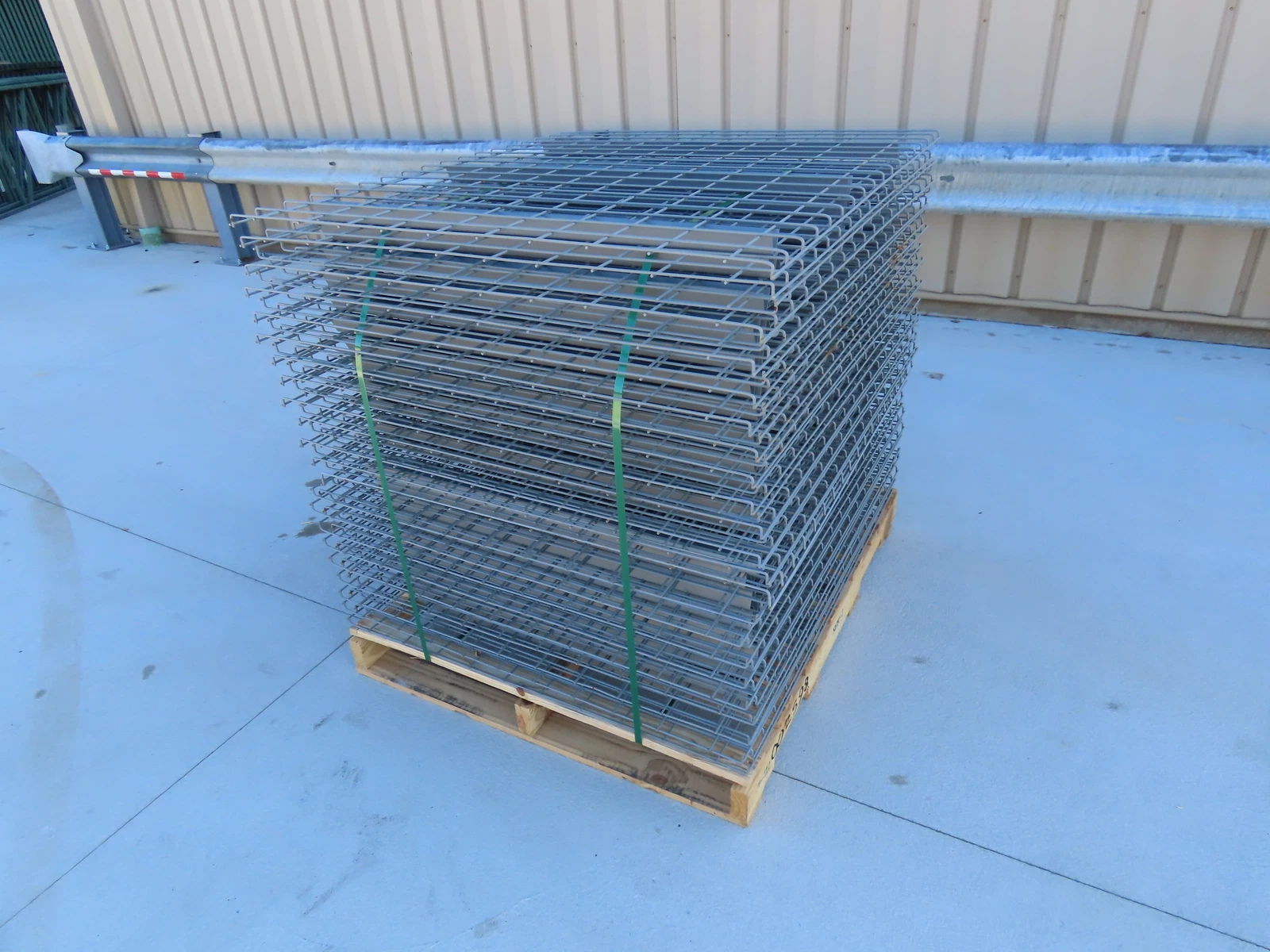
What Are the Key Benefits Of Optimal Rack Design?
How Does Rack Design Impact Inventory Loss?
When it comes to racking systems, many folks don’t realize just how much a well-thought-out design can save your bacon—or at least your bottom line. Picture this: a warehouse buzzing with energy, the smell of fresh shipments, and the promise of profit waiting to be unlocked. But if your racking system is a chaotic mess, that potential can quickly turn into a nightmare. Inventory loss isn’t just about the products that go missing; it’s the hard-earned dollars evaporating right before your eyes.
A solid racking design isn’t just an afterthought; it’s the backbone of your operation. It’s about creating an environment where every item has a designated spot, reducing the chances of mishaps. With well-planned racking systems, employees can move swiftly and safely, knowing where to find products without rummaging around like a squirrel looking for acorns. This efficiency cuts down on lost items and the many headaches that come with them.
Now, think about the ethical angle. Every lost item is a missed opportunity for your team. It could be a family relying on you for their livelihood. Providing a safe, organized, and reliable workspace not only boosts morale but also builds trust within your community. When your employees feel like they’re part of something bigger, they take pride in their work, which translates to better care for the inventory on those racks.
Did you know that a poorly designed racking system can lead to accidents? Nothing instills confidence like knowing that your workspace is designed with safety as a priority. When people trust that they can navigate the warehouse without risk, they’re more likely to focus on their tasks, leading to fewer errors, which ultimately means less inventory loss.
Stories abound from the trenches of warehouse operations. Take a company that revamped its racking setup. With neatly organized rows and clear labels, they noticed a sharp drop in misplaced items. Workers felt more in control, and losses plummeted, allowing a simple transformation to turn into a story of triumph—one racks right into the heart of every team member.
Every inch of thoughtful rack design has the potential to impact your bottom line. It’s about more than just storing products—it’s creating a home for your inventory that keeps it safe and within reach. Embrace the design; it pays dividends that are measured not just in dollars but in the health and happiness of your business, team, and community.

How Does Rack Design Impact Inventory Loss?
How Does Rack Design Impact Inventory Loss?
- A well-designed racking system can significantly enhance efficiency and profitability in warehouse operations.
- Organized racking reduces inventory loss by ensuring every item has a designated spot, minimizing confusion and mishaps.
- A safe and reliable workspace boosts employee morale and builds trust within the community.
- Employee pride in their work improves care for inventory, reducing the likelihood of lost items.
- Accidents can occur due to poorly designed racking systems, impacting safety and operational efficiency.
- Revamping racking setups can lead to noticeable improvements, such as fewer misplaced items and increased worker confidence.
- Thoughtful rack design positively influences not only financial outcomes but also the overall well-being of the business and its employees.

How Does Rack Design Impact Inventory Loss?
What Strategies Can Minimize Write-Offs In Warehousing?
In the heart of any warehouse, the clanking of racking systems resonates, reminding us that each shelf holds more than just products—it cradles the potential for profits or losses. Write-offs can feel like the slow leak of a tire; they start small but can derail the whole operation if left unchecked. To tackle this, we need to roll up our sleeves and focus on practical strategies that resonate at every level.
First off, proper organization of racking systems isn’t just about aesthetics; it’s about efficiency. A well-organized warehouse enables faster access to products, reducing the likelihood of damage during retrieval. Imagine a cluttered space where every move is a gamble—items bumping against each other, risk of falls, and unsorted inventory leading to confusion. By implementing clear labeling and a designated place for everything, you foster an environment that minimizes accidents and slips.
Next, regular audits and inventory checks are the engines that drive accountability. This isn’t just a paperwork exercise; it’s a chance to connect with the heartbeat of your operation. By making it a routine, you create a culture of ownership, where each team member understands the direct impact of their work on the company’s bottom line. Trust builds when transparency flourishes, and staff see the tangible benefits of reducing write-offs.
But it’s not solely about the processes. Training is where ethics and authority intersect. Invest in your workers by providing ongoing education on best practices for handling, storing, and picking products. When employees feel equipped and knowledgeable, they take pride in their role. They aren’t just following orders; they’re contributing to a common goal—keeping your warehouse lean, mean, and ready for action.
Moreover, leveraging technology can transform how you tackle write-offs. Inventory management systems, barcoding, and real-time tracking bring a layer of precision that manual methods can’t match. These tools don’t just save time; they engender trust in the data. Accurate reporting translates into informed decision-making, allowing you to anticipate issues before they escalate into write-offs.
Lastly, harnessing teamwork can’t be overlooked. Build a sense of camaraderie, where team members share their insights and learn from each other. Celebrate the little victories—like hitting a milestone in reducing write-offs. This not only boosts morale but reinforces the idea that everyone has a stake in the success of the operation.
By focusing on these grounded strategies, you can minimize write-offs effectively and cultivate an environment where everyone feels invested in the success of the warehouse. Each racking system represents not just storage space but a chance to forge a path to greater reliability and profitability.

What Strategies Can Minimize Write-Offs In Warehousing?
What Strategies Can Minimize Write-Offs In Warehousing?
- Warehouse organization enhances efficiency by enabling faster product access and reducing damage risks.
- Regular audits and inventory checks promote accountability and create a culture of ownership among team members.
- Ongoing training empowers employees with best practices, fostering pride and commitment to warehouse goals.
- Leveraging technology such as inventory management systems and barcoding improves precision and decision-making.
- Teamwork and camaraderie among staff encourage insights sharing and celebrate achievements in reducing write-offs.
- Implementing clear labeling and designated storage areas minimizes accidents and confusion in inventory management.
- Minimizing write-offs contributes to a reliable and profitable warehouse environment.

What Strategies Can Minimize Write-Offs In Warehousing?
How Does Effective Storage Contribute to Cost Savings?
Effective storage can unlock a treasure trove of cost savings, making your operation not just more efficient, but more profitable. Imagine walking into a cluttered workspace where every inch feels claustrophobic. Now picture that same space transformed with well-designed racking systems, each item in its place, clear pathways cutting through the chaos like a breath of fresh air. Instantly, you can see that efficiency leads to savings. When your inventory is easy to access and manage, you boost productivity; tasks are completed quicker, and error rates plummet.
Racking systems don’t just tidy up your area; they bring order that resonates through the entire operation. You know how easy it is to lose track of materials when they’re piled high in a corner? That scrambling for lost items wastes time and money. With a structured approach to storage, you minimize those costly mistakes. Imagine explaining to your team how a simple switch in your storage strategy translated to more hours in the day and less stress on the job. It’s empowering and gives everyone a sense of ownership in the operation’s success.
On an ethical front, investing in effective storage isn’t just good for the balance sheet; it’s respectful of your team’s time and efforts. A well-organized workspace demonstrates that you value their hard work, promoting morale and fostering a culture where employees feel more connected to the goals of the business.
Let’s not forget about the overhead of inefficient storage. Wasted space and disorganized stockpile can lead to increased operational costs. When you streamline your storage through smartly implemented racking systems, you’re not merely cutting costs; you’re freeing up resources for other crucial areas—be it reinvesting in your crew or expanding your offerings.
And this isn’t theoretical. When companies embrace effective storage, their stories change; they turn struggles into successes. Sometimes, all it takes is a shift in perspective. Picture the pride in knowing you’ve created a workspace that runs smoothly; it’s a tangible win. It can inspire others to make similar changes, creating a community of efficiency-focused operations where everyone benefits. Smart storage solutions don’t just save dollars—they nurture a culture that uplifts and inspires.

How Does Effective Storage Contribute to Cost Savings?
How Does Effective Storage Contribute to Cost Savings?
- Effective storage leads to significant cost savings and enhanced profitability.
- Transforming a cluttered workspace with racking systems improves efficiency and accessibility.
- Organized inventory boosts productivity and reduces error rates.
- Structured storage minimizes costly mistakes related to lost items.
- Investing in effective storage values employees’ time and enhances morale.
- Streamlined storage reduces overhead costs and reallocates resources effectively.
- Embracing efficient storage fosters a culture of success and inspiration within the organization.

How Does Effective Storage Contribute to Cost Savings?
What Are the Common Pitfalls In Warehouse Rack Design?
What Are the Common Pitfalls in Warehouse Rack Design?
When it comes to warehouse rack design, cutting corners often leads to costly blunders. One of the most frequent mistakes is failing to account for the specific needs of the racking systems being installed. It’s easy to assume a one-size-fits-all approach will work, but every warehouse is a unique beast. Each operation has distinct inventory types, sizes, and turnover rates, necessitating a tailored approach. Choosing the wrong racking system can lead to underutilization of space or, worse yet, product damage.
Another pitfall is overlooking safety standards. A warehouse equipped with racking that isn’t properly designed or installed can set the stage for accidents. Think about it: a poorly secured rack can collapse at any moment, risking not just merchandise but the safety of workers. Prioritizing safety isn’t just an ethical responsibility; it builds trust among your team. When people feel safe, they work better, and ultimately, that leads to increased productivity.
Then there’s the issue of future growth. Businesses evolve, and so do their needs. A racking system that meets today’s demands might not suffice tomorrow. There’s a fine line between maximizing space and boxing yourself into a corner with rigid designs. Plans should incorporate flexibility, allowing for easy adjustments and expansions. This foresight can save resources in the long run and enable companies to adapt seamlessly.
It’s also vital to involve a range of perspectives in the design process. Getting input from not just management but from warehouse employees—the folks who will interact with the racks daily—can provide invaluable insights. Their hands-on experience can highlight practical issues that might be missed in the boardroom. This collaborative spirit fosters a sense of ownership and responsibility among the team, leading to better compliance with storage protocols.
Lastly, always keep an eye on the maintenance side of things. Racks that look good on paper can quickly become a nightmare if they require constant upkeep. Choose materials and designs that not only fit your current needs but are durable and easy to maintain over time.
By avoiding these common pitfalls in warehouse rack design, you’re not only paving the way for a more efficient operation but also safeguarding the people who make it all happen. When racks are designed with foresight, safety, and the real needs of the workforce in mind, everyone wins.

What Are the Common Pitfalls In Warehouse Rack Design?
What Are the Common Pitfalls In Warehouse Rack Design?
- Common pitfalls in warehouse rack design include failing to meet specific needs of racking systems.
- A one-size-fits-all approach can lead to underutilization of space and product damage.
- Overlooking safety standards can result in accidents and compromise worker safety.
- Racking systems should be designed with flexibility to accommodate future growth.
- Input from warehouse employees is crucial for identifying practical design issues.
- Maintenance considerations are important for ensuring the long-term durability of racks.
- Addressing these pitfalls leads to more efficient operations and enhanced safety for the workforce.

What Are the Common Pitfalls In Warehouse Rack Design?
How Can Design Flaws Lead to Increased Product Damage?
In the world of manufacturing and distribution, design flaws can be the silent saboteurs lurking behind increased product damage. Imagine a warehouse filled with racking systems designed to hold heavy loads. These towering structures, if not crafted with precision, can become perilous if they don’t deliver on their promises. When someone rushes through a job, overlooking the details of design or structure, it doesn’t just cost money; it risks safety and reliability. That’s something we all can relate to.
When a racking system is improperly designed, it’s not just a minor inconvenience—it can lead to catastrophic failures. Think about the thousands of hours of labor put into handling products, only to see them dashed to the floor because a shelf couldn’t handle the weight. It’s gut-wrenching to witness hard-earned goods crumple in an instant, a stark reminder that neglecting design integrity can have a domino effect that ripples through a company.
On a rational level, the math is simple. Flaws in design mean that products aren’t adequately supported, leading to shifts, falls, and breakage. This isn’t just a logistics issue; it’s a bottom-line issue. Companies face higher replacement costs, wasted resources, and damaged relationships with customers when quality isn’t prioritized.
Ethically, we owe it to our workers and our customers to provide safe, reliable products. Poor design choices can be a betrayal of trust, leading to a culture where corners are cut and safety standards are ignored. It’s not just about building a product but about creating an environment of respect and accountability.
Storytelling is powerful. Every warehouse worker has a tale about crumpled boxes or broken goods, moments that stay etched in their minds. These stories foster connection among employees, reminding us that design won’t just impact the numbers—it impacts lives, livelihoods, and family meals at the end of a long day.
When we stand together, examining every corner of our processes and prioritizing robust design, we inspire confidence. We align ourselves with a mission where every racking system holds not just products but the integrity of our work. Let’s commit to being vigilant, ensuring that our designs don’t just function but flourish, turning potential disasters into testimonies of resilience and quality. Our commitment can safeguard our future, keep our products intact, and, most importantly, keep our people safe and secure.

How Can Design Flaws Lead to Increased Product Damage?
How Can Design Flaws Lead to Increased Product Damage?
- Design flaws in manufacturing can lead to increased product damage and safety risks.
- Improperly designed racking systems can result in catastrophic failures and loss of goods.
- Neglecting design integrity can have detrimental financial impacts on companies.
- Ethically, companies must prioritize safety and reliability for workers and customers.
- Stories of product failures impact employee morale and highlight the importance of quality design.
- Prioritizing robust design fosters confidence and protects company reputation.
- Commitment to quality design safeguards the future and ensures the safety of all stakeholders.

How Can Design Flaws Lead to Increased Product Damage?
Conclusion
In the demanding landscape of warehousing, the often-overlooked racks serve as the backbone of operations, weaving together efficiency, safety, and profitability. The emotional toll of inventory write-offs can weigh heavily; every lost item is more than just lost revenue—it’s a reminder of the hard work and resources poured into maintaining a business. A thoughtfully designed racking system brings not just order but a sense of pride and safety for the workforce. When employees can swiftly locate products without the fear of accidents, morale flourishes, allowing teams to focus on the job without distractions.
On a rational level, investing in innovative racking designs yields significant savings, directly impacting the bottom line. By maximizing available space and streamlining inventory flow, businesses can operate more efficiently, reducing waste and ensuring every item is accounted for during the hustle of daily tasks. This translates directly into improved profit margins and a solid reputation, as the right systems minimize errors and optimize operations.
Ethics play a pivotal role as well. Allocating resources to develop safe and effective racking systems demonstrates a commitment to employee welfare, showing that their safety and efficiency matter. A culture prioritized on worker safety not only protects lives but fosters trust and collaboration among team members, reinforcing the idea that everyone has a stake in the company’s success.
Through compelling narratives, we hear of businesses transformed by embracing sound rack design—communities uplifted, families benefitting from stable jobs, and businesses thriving due to the meticulous organization of their inventory. Each story serves as a testament to the profound impact that effective racking systems can have, reminding us that small changes can yield monumental results.
Mistakes in design, such as overlooking unique operational needs or failing to involve frontline employees in planning, can lead to costly complications. These pitfalls illustrate the importance of inclusive design processes and ongoing maintenance, ensuring that systems remain durable and adaptable to evolving demands.
Ultimately, investing in a robust racking system is not merely a transaction; it’s a commitment to efficiency, safety, and fellowship within the workplace. By prioritizing smart design, businesses can minimize write-offs, create safer environments, and cultivate a culture where success feels achievable for everyone involved. This journey doesn’t just reduce costs; it enriches lives, fosters connections, and builds a resilient community ready to tackle the challenges ahead.
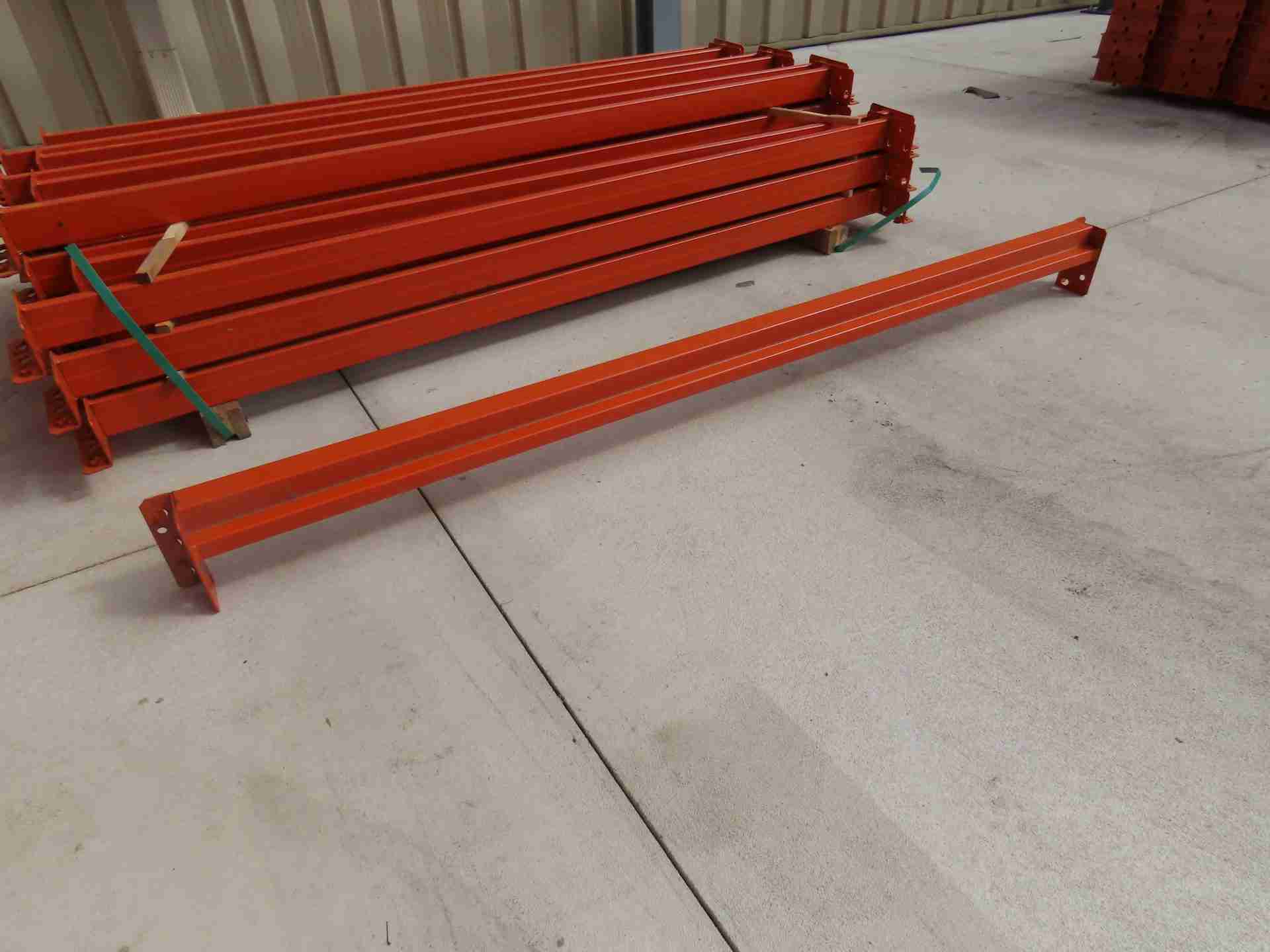
Conclusion
Conclusion:
- Racks are essential for efficiency, safety, and profitability in warehousing operations.
- Inventory write-offs impact morale and serve as reminders of business resources at stake.
- A well-designed racking system enhances order and employee pride, improving morale.
- Investing in innovative racking designs results in significant savings and improved profit margins.
- Ethical allocation of resources for safe racking systems shows commitment to employee welfare.
- Effective rack design transforms businesses, uplifting communities and improving job stability.
- Inclusive design processes are crucial to prevent costly mistakes and ensure system adaptability.

Conclusion
Other Resources

Other Resources
Here is a list of other resources you can review online to learn more:
- RMI
- Pallet Racking systems in Illinois and Great Lakes
- SEMA
- Selective Rack – Raymond West
- Teardrop Industrial Shelving Rack
- New Cantilever Racks and Racking Kits
- Illinois Pallet Racking – Storage Solutions
- Rack Manufacturers Institute
- Warehouse Automation
- NSC
- American Society of Safety Professionals
- Illinois Pallet Racking – WPRP
- Pallet Racks, Pallet Racking, Pallet Shelves in Stock – ULINE
- What is Cantilever Racking? – AK Material Handling Systems
- Cantilever Racks Chicago
- Total Warehouse
- Teardrop Industrial Shelving Rack
- Warehousing and Fulfillment
- Teardrop Pallet Rack – Ridg-U-Rak
- Used Teardrop Pallet Rack – American Surplus
Use This Prompt To Get More Resources With Your Favorite Online AI Tool: Please provide me with a list of online articles with their URLs in a bulleted list that I can read regarding Reducing Write-Offs with Better Rack Design

Other Resources
Glossary Terms
Reducing Write-Offs with Better Rack Design – Glossary Of Terms
1. Aisle: A passageway in a rack layout that allows for access to products and enhances operational efficiency.
2. Beam: The horizontal support structure in a racking system that holds loads;
3. Capacity: The maximum weight or volume that a particular storage system can safely hold.
4. Cold Storage: A temperature-controlled environment designed for storing perishable goods, requiring specific rack design considerations.
5. Cross-Docking: A logistics practice where incoming goods are directly transferred to outgoing shipments with minimal storage time, influencing rack layout.
6. FIFO (First In, First Out): An inventory management strategy that ensures older inventory is sold before newer items, impacting rack design.
7. Flexible Racking: A versatile racking system that can be adjusted to meet changing storage needs.
8. Forklift Compatibility: The ability for forklifts to maneuver effectively within a racking system, crucial for design efficiency.
9. Load Bearing: The amount of weight a rack can support without compromising structural integrity.
10. Modular Racking: A racking design composed of interchangeable parts that allows customization and reconfiguration.
11. Pallet: A platform for storing and transporting goods that fits within a racking system.
12. Rack Optimization: The process of improving rack design to maximize space utilization and efficiency.
13. Safety Standards: Regulatory guidelines that ensure the safe design and implementation of racking systems.
14. SKU (Stock Keeping Unit): A unique identifier for each distinct product and service that can impact rack planning.
15. Space Utilization: The effective use of available storage space, essential for designing efficient rack systems.
16. Stability: The ability of a racking system to maintain its structure under weight and environmental conditions.
17. Stock Rotation: The practice of moving inventory to ensure older items are sold first, influencing rack arrangement.
18. Storage Density: The amount of product stored per unit of space, a key factor in rack design.
19. Tiered Racking: A multi-level racking system that increases vertical storage capacity.
20. Turnover Rate: The frequency at which inventory is sold and replaced, affecting rack design considerations.
21. Vertical Space: The use of upward space in warehousing, essential for maximizing storage potential in rack design.
22. Weight Distribution: The balancing of weight across a racking system to prevent tipping or collapse.
23. Warehouse Workflow: The movement and handling processes within a warehouse, directly influenced by rack layout.
24. Access Points: Designated areas in a racking system where items can be retrieved or stored efficiently.
25. Inventory Management: The systematic overseeing of ordering, storing, and using a company’s inventory, crucial for rack design.
26. Load Capacity Calculation: The assessment of how much weight a rack can handle, vital for safety and efficiency.
27. Racking System Design: The planning and structuring of racks to optimize performance and accommodate inventory.
28. End-of-Aisle Displays: Marketing strategies that utilize end-of-aisle areas for product promotion, impacting rack layout decisions.
29. Pallet Flow Racking: A dynamic racking system that allows pallets to move through the rack, enhancing inventory access.
30. Ergonomics: The study of how to design workplaces for efficiency and safety, which can influence rack design choices.

Glossary Of Terms
Other Questions
Reducing Write-Offs with Better Rack Design – Other Questions
If you wish to explore and discover more, consider looking for answers to these questions:
- What is the typical ROI timeline for upgrading racking systems to reduce write-offs?
- How much can write-offs realistically be reduced after a racking redesign?
- What metrics should I track to measure write-off reductions and racking effectiveness?
- Which racking types (selective, drive-in, push-back, pallet flow, cantilever) are best for different inventory profiles?
- How do I determine the right racking system for my specific SKU sizes, weights, and turnover rates?
- What are common load-capacity calculations and safety factors to apply when specifying racks?
- How do pallet types and pallet conditions affect rack selection and layout?
- What safety standards and certifications (e.g., RMI/ANSI, local codes) apply to industrial racking?
- How often should racking inspections and audits be performed and what should they include?
- What are the most frequent causes of rack damage and how can they be prevented?
- How do forklift and equipment traffic patterns influence rack layout and durability?
- What protective accessories (rack guards, column protectors, safety netting) are most effective?
- How should seismic, wind, or regional environmental factors influence rack design?
- What maintenance practices extend the service life of racking systems?
- When is it better to retrofit existing racks versus replacing them entirely?
- How can racking design improve picking accuracy and reduce human error?
- What training programs and certifications should warehouse staff receive related to racking safety and handling?
- How can labeling, signage, and visual management be integrated into rack design to reduce mistakes?
- What role does warehouse management software (WMS), barcoding, and real-time tracking play in minimizing write-offs?
- How do you integrate racking design with automated systems like conveyors, AS/RS, and pick-to-light?
- What are the upfront costs versus long-term savings of different racking solutions?
- How do insurers view racking upgrades and what impact can design improvements have on premiums?
- What are the legal and liability implications of poorly designed or maintained racking systems?
- How should future growth and scalability be planned into racking design?
- What layout principles maximize usable cubic space without compromising safety or access?
- How do temperature-controlled or hazardous material storage requirements change racking choices?
- What materials and finishes (galvanized, painted, corrosion-resistant) are best for different environments?
- How can ergonomics be improved through rack height, aisle width, and pick face design to reduce damage?
- What KPIs and benchmarks should be used to evaluate write-off reduction programs?
- How do you quantify intangible benefits like improved morale or reputational risk reduction?
- What case studies or before/after data exist showing measurable reductions in write-offs?
- How long does a typical racking redesign and installation project take from assessment to full operation?
- What project management steps are needed to minimize operational disruption during installation?
- Which vendors or consultants should be engaged for design, engineering, and certification?
- How do procurement strategies (leasing vs buying, modular systems) affect cost and flexibility?
- What warranties and support should be expected from racking manufacturers?
- How should inventory turn policies (FIFO, LIFO, FEFO) inform racking layout and flow systems?
- What small, low-cost changes to existing racks yield the biggest reduction in write-offs?
- How can continuous improvement and employee feedback be structured into racking maintenance and redesign cycles?

Other Questions
Checklist
Reducing Write-Offs with Better Rack Design – A Checklist
Quick Metrics Snapshot
✅______ Baseline write-off rate (%) captured
✅______ Damage incidents per 1,000 picks tracked
✅______ Inventory accuracy (%) verified
✅______ Average pick/putaway time recorded
✅______ Space utilization (%) measured
✅______ Lost/misplaced item count per month tracked
✅______ Near-miss reports per month logged
✅______ Recordable safety incidents YTD reviewed
Rack Design and Engineering
✅______ SKUs profiled by dimensions, weight, packaging, fragility, and velocity
✅______ Rack type selected for load and use case (selective, drive-in, pushback, pallet flow, cantilever, shelving)
✅______ Beam levels and bay spacing designed for SKU mix and ergonomics
✅______ Floor slab, point loads, and seismic requirements verified by a qualified engineer
✅______ Load plaques installed with safe capacities and contact info
✅______ Vertical clearances planned (sprinklers, lights, HVAC, building features)
Safety and Compliance
✅______ Conforms to RMI/ANSI MH16.1 and local codes
✅______ Frames anchored; anchor size and torque documented
✅______ Beam locks/clips installed and checked
✅______ Longitudinal and transverse flue spaces maintained
✅______ Fire protection clearances and sprinkler density met
✅______ Emergency egress routes clear and marked
✅______ Adequate lighting levels at all pick faces
✅______ Aisle widths meet equipment specs and codes
Load, Pallet, and Product Fit
✅______ Standard pallet specification defined (type, condition, overhang limits)
✅______ Wire decking or support bars installed where needed (loose cases, totes)
✅______ Point-load and deflection checks completed
✅______ Backstops/mesh installed where fall protection is required
✅______ Pallet stop beams or rack backs used to protect flues/sprinklers
Layout and Material Flow
✅______ ABC slotting applied; high-velocity SKUs in the golden zone
✅______ One-way travel paths and turning radii validated with equipment
✅______ Staging zones for inbound, outbound, and cross-dock defined
✅______ Replenishment paths separated from picking where possible
✅______ Dedicated quarantine/damage/returns area established
✅______ End-of-aisle visibility maintained; mirrors where needed
Damage Prevention and Protection
✅______ End-of-aisle guards, bollards, and column protectors installed
✅______ Row spacers used on back-to-back rows
✅______ Guardrail or barrier protection at pedestrian interfaces
✅______ Floor markings and signage reinforce traffic and zones
✅______ Corner protection and rack end clearance validated for truck turns
Inventory Control and Accuracy
✅______ Location schema mapped 1:1 to the physical rack (aisle-bay-level-position)
✅______ Durable, legible labels with check digits installed
✅______ Cycle count program defined (ABC frequency) and executed
✅______ Putaway and replenishment verification scans enforced
✅______ FIFO/FEFO rules configured and audited
✅______ Root-cause process for variances and write-offs in place
Technology and Data
✅______ WMS configured to the rack map and location capacities
✅______ Real-time scanning at receive/put/pick/pack/ship
✅______ Exception dashboards for shorts, damages, and mis-picks
✅______ Slotting analytics reviewed quarterly
✅______ KPI set: write-offs, damages, accuracy, productivity, utilization
Training and Culture
✅______ SOPs for handling, putaway, picking, replenishment, and inspection
✅______ Certified operator training for all lift equipment
✅______ Reinforcement on load placement, beam engagement, and flue space
✅______ New-hire and refresher training schedule defined
✅______ Near-miss and damage reporting process without penalty
✅______ 5S audits performed on a fixed cadence
Operations and Ergonomics
✅______ Pick face heights align with ergonomic zones
✅______ Carton flow/tilt shelves used for case/piece pick where needed
✅______ Maximum pick face depth matches method (no overreaching)
✅______ Lift truck fleet matched to aisle widths and lift heights
✅______ Clear SOP for handling odd-sized/fragile SKUs
Maintenance, Inspection, and Repair
✅______ Daily visual checks for impacts, twists, missing clips, and deflection
✅______ Monthly formal inspections documented with photos
✅______ Annual third-party rack audit scheduled
✅______ Red-tag/out-of-service procedure enforced for damaged bays
✅______ Repairs by a qualified vendor using OEM parts
✅______ Fastener torque checks scheduled
✅______ Floor condition maintained (spalls, expansion joints, debris)
Scalability and Flexibility
✅______ Adjustable beam heights planned for SKU changes
✅______ Modular aisles/bays reserved for growth
✅______ Power/data pathways preserved for future tech (e.g., AMRs, conveyors)
✅______ Change control process for re-slotting and reconfiguration
✅______ Spare components inventory (beams, clips, anchors) on hand
Cost and ROI Tracking
✅______ Baseline vs. post-implementation metrics defined
✅______ Damage/write-off Pareto chart updated monthly
✅______ Payback and TCO model maintained
✅______ Budget for guards, labels, maintenance, and training funded
✅______ Supplier SLAs for lead times, repairs, and parts validated
Common Pitfall Guardrails
✅______ No one-size-fits-all design; SKU-specific requirements documented
✅______ Future growth and seasonality accommodated
✅______ Input from floor operators captured in design reviews
✅______ Maintenance burden and spare parts availability assessed
✅______ Clear acceptance criteria before go-live
Go-Live Readiness and Sign-Off
✅______ As-built drawings and rack calculations archived
✅______ Safety walk completed; findings closed
✅______ Load and safety signage installed
✅______ Label and scan validation complete across locations
✅______ Emergency drills and routes confirmed with staff
✅______ Leadership sign-off recorded with target KPI dates

Checklist
At RackingWorld, we help guide you through selecting warehouse storage systems and racking.
Be sure to read our other related stories at RackingWorld to learn more about warehouse storage systems.
0 Comments