
Transforming Inventory Flow: The Heart Of Efficient Business
By Tom Seest
At RackingWorld, we help guide you through selecting warehouse storage systems and racking.
Be sure to read our other related stories at RackingWorld to learn more about warehouse storage systems.
Rack Systems That Support Fifo Discipline
Rack Systems That Support FIFO Discipline
When it comes to efficient inventory management, adopting racking systems that support FIFO (First In, First Out) discipline is not just smart—it’s essential. Picture your warehouse, bustling with diligent workers, each grabbing items that have been patiently waiting their turn. A well-designed racking system isn’t merely metal shelves; it’s the backbone of a seamless operation that respects both product lifecycle and your team’s hard work.
Implementing FIFO starts with the right racking systems. These systems ensure that older stock gets out the door before newer items, reducing waste and maximizing freshness. Imagine a grocery store where the milk closest to the front is the oldest, minimizing spoilage and keeping customers happy. That’s the power of a well-executed FIFO system at work—conveying trustworthiness both in product quality and service reliability.
Beyond efficiency, there’s an ethical component to consider. By ensuring the oldest products are sold first, businesses demonstrate a commitment to sustainability. Less waste translates not only to savings but also to a positive environmental impact. When you choose racking systems that champion FIFO, you are making a statement that your operations care about more than just profit; they care about the planet and your community.
Racking systems designed for FIFO discipline are about more than just practicality—they also inspire action and engagement among your workforce. When team members see that their efforts align with efficient systems, their sense of pride grows. They aren’t just stacking boxes; they’re part of a bigger picture that values diligence and purpose. This collective spirit fosters camaraderie and instills a sense of ownership.
Consider the story of a factory that faced constant inventory challenges. Each month brought the same headache: expired materials that had to be tossed, leading to lost resources and morale. After investing in a FIFO-centric racking system, things turned around. Workers felt empowered, and waste dropped dramatically. The sense of accomplishment was palpable—everyone was on the same page, driving forward together.
Choosing the right racking systems is a step toward fostering a well-oiled machine. It’s about creating a reliable environment where products move efficiently and responsibly. So when you think about how you manage your inventory, remember: it’s more than logistics; it’s about building trust, enhancing teamwork, and making a meaningful difference in how business is done. Embrace the change, and watch your operation thrive.

Rack Systems That Support Fifo Discipline
Rack Systems That Support Fifo Discipline
- Implementing FIFO (First In, First Out) racking systems is essential for efficient inventory management.
- These systems ensure older stock is prioritized, reducing waste and maximizing product freshness.
- Adopting FIFO demonstrates a commitment to sustainability and ethical business practices.
- Effective racking systems enhance employee engagement and team pride, aligning efforts with efficient operations.
- A case study illustrates that implementing FIFO systems improved morale and reduced waste in a factory.
- Choosing appropriate racking systems fosters a reliable and effective inventory environment.
- Managing inventory with FIFO goes beyond logistics, promoting trust, teamwork, and positive community impact.
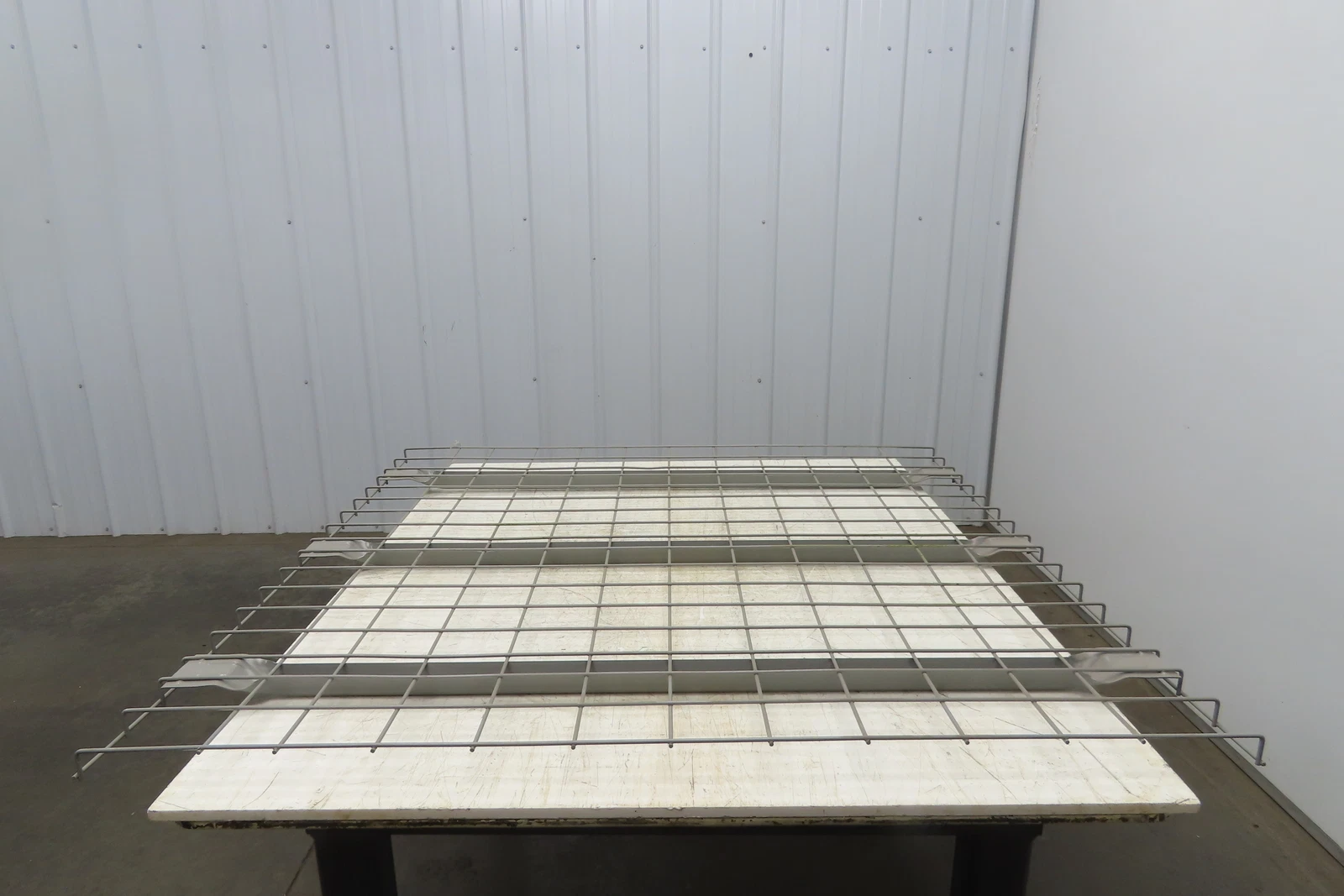
Rack Systems That Support Fifo Discipline
Table Of Contents
- Rack Systems That Support Fifo Discipline
- What Are the Key Benefits Of Fifo In Rack Systems?
- How Does Fifo Improve Inventory Accuracy?
- Can Fifo Reduce Waste In Warehouse Operations?
- What Challenges Arise When Implementing Fifo Systems?
- How Does Fifo Impact Overall Supply Chain Efficiency?
- Are There Cost Implications Of Adopting Fifo Racks?
- Conclusion
- Other Resources
- Glossary Of Terms
- Other Questions
- Checklist
What Are the Key Benefits Of Fifo In Rack Systems?
What Are the Key Benefits Of FIFO In Rack Systems?
When you think about the nuts and bolts of a well-run warehouse or store, FIFO, or First In, First Out, stands out like a good tool in a crowded toolbox. It’s that straightforward principle that ensures the oldest stock goes out first, preventing waste and keeping things fresh. In racking systems, this method doesn’t just keep things running smoothly; it brings a host of benefits that resonate with those of us who appreciate a job well done.
Firstly, FIFO is a champion of efficiency. Imagine a bustling warehouse where items are stacked high in racking systems. With FIFO, workers can easily access the oldest products, ensuring they get picked first. This streamlined process reduces time spent searching for items and minimizes the risk of expired goods sitting on shelves, which is good for the bottom line and keeps customers coming back for quality products.
Now, let’s talk about reliability. When you implement FIFO in your racking systems, you’re building a system that people can trust. There’s a certain peace of mind in knowing that what’s being sold is fresh, whether that’s food products or other perishable items. It speaks to a commitment to quality and care that customers value deeply. They want to know that they’re receiving goods in the best condition possible, and FIFO helps deliver that assurance.
But it’s not just about business metrics; there’s an ethical angle worth considering. FIFO helps in reducing waste, a crucial factor in today’s environmentally-conscious world. By ensuring that stock is rotated correctly, businesses can minimize spoilage and contribute to a more sustainable model. Customers feel good supporting companies that take responsibility for their impact on the planet.
Furthermore, there’s a social element that shouldn’t go unnoticed. In a workplace that emphasizes FIFO, there’s a shared sense of pride and teamwork. Employees working alongside each other to manage stock ensure that everyone is on the same page. This camaraderie fosters an environment of accountability and collective responsibility, where every worker feels invested in the success of the operation.
Using FIFO in your racking systems is about more than just organizing products. It’s a way to showcase dedication to quality, efficiency, and sustainability, all while nurturing a workplace culture that values teamwork and responsibility. That’s how you build not just a successful organization, but a community around it, bolstering trust and loyalty that lasts.
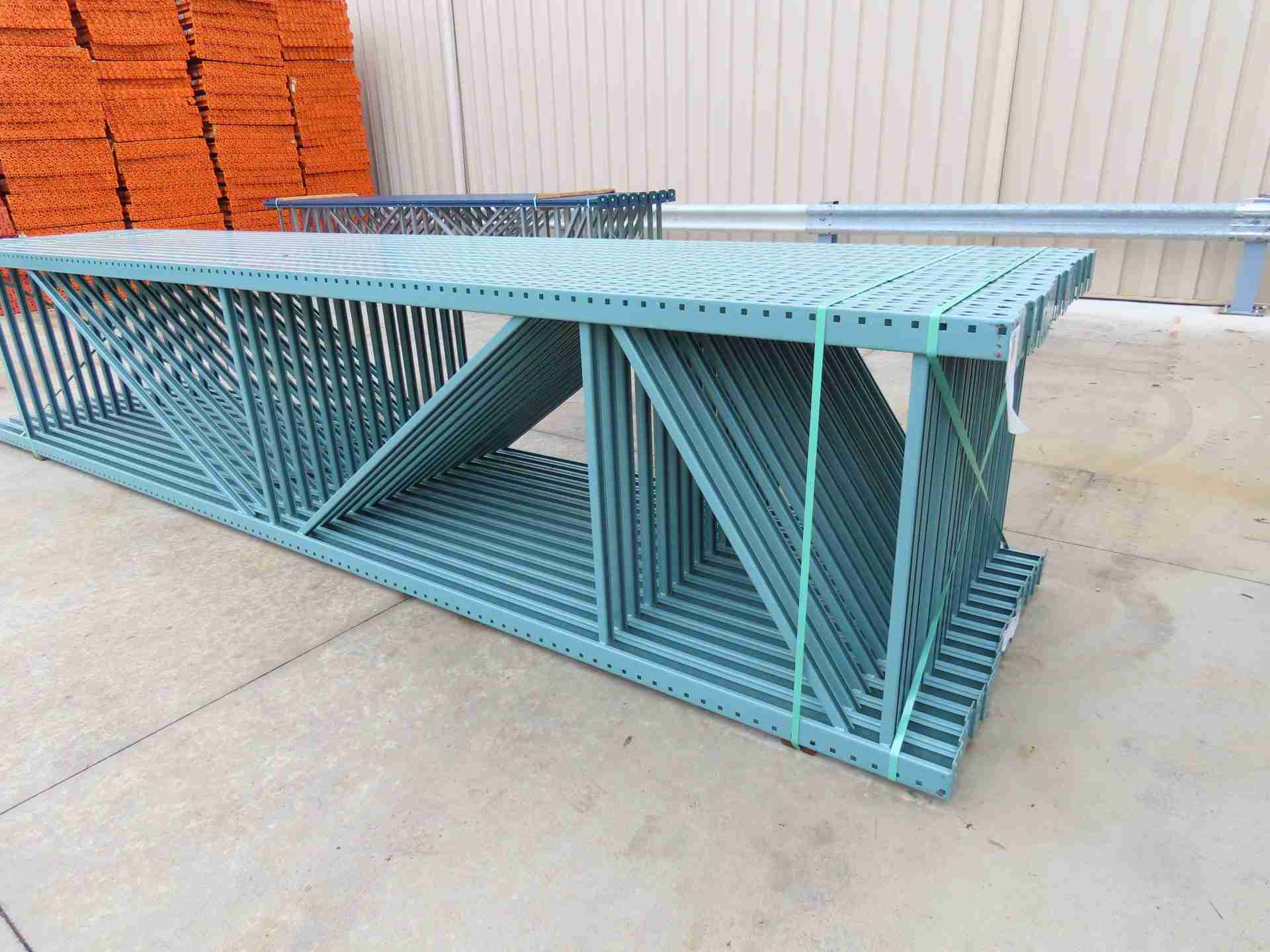
What Are the Key Benefits Of Fifo In Rack Systems?
What Are the Key Benefits Of Fifo In Rack Systems?
- FIFO (First In, First Out) ensures the oldest stock is sold first, preventing waste.
- Enhances efficiency by allowing easy access to older products, reducing search time.
- Builds reliability, assuring customers of fresh, quality goods.
- Contributes to sustainability by reducing spoilage and waste.
- Fosters teamwork and accountability among employees in the workplace.
- Demonstrates commitment to quality, efficiency, and responsible practices.
- Creates a community around the organization, enhancing trust and customer loyalty.

What Are the Key Benefits Of Fifo In Rack Systems?
How Does Fifo Improve Inventory Accuracy?
In the world of inventory management, the First-In-First-Out (FIFO) method stands as a beacon of clarity and efficiency. Imagine a bustling warehouse filled with racking systems, each shelf a small testament to the hard work and dedication of the team behind it. FIFO isn’t just a method; it’s a story of how we ensure that the oldest stock moves first, reducing waste and enhancing accuracy. This approach resonates deeply with the core values of responsibility and stewardship. It acknowledges the effort that goes into manufacturing products and reaffirms our commitment to using resources wisely.
Think about a family-owned grocery store where fresh produce is a cornerstone. The owner knows that a ripe tomato doesn’t have the same shelf life as canned goods. By implementing FIFO principles, the store not only minimizes spoilage but builds a loyal customer base that trusts the quality of what they’re purchasing. When customers see that you care about the product’s freshness, they’ll return – that connection fosters confidence and promotes a positive reputation in the community.
From a rational standpoint, it’s simple: FIFO makes inventory tracking straightforward. By always prioritizing the oldest items, companies can avoid potential losses due to expired products. This method translates to improved cash flow, which is essential for any operation. It’s not just about saving a few bucks; it’s about ensuring your business runs smoothly, preserving the livelihoods of everyone involved.
Ethically, employing FIFO means taking accountability for what’s on the shelves. It’s a commitment to not just the company but to customers. Businesses that adopt this method demonstrate respect for their clientele, showing that they value their patronage and are dedicated to providing the best service possible. This ethical stance fosters trust and creates a culture of integrity that resonates through the workforce.
By sharing real experiences—like those of warehouse workers who take pride in organizing racking systems efficiently—we can see FIFO in action. These individuals understand the importance of their role in maintaining inventory accuracy. Each box handled and shelf stocked represents a story of diligence, teamwork, and shared purpose.
In essence, FIFO isn’t just about inventory; it’s about enhancing accuracy while building connections, fostering trust, and cultivating a culture that values every day spent on the job, making a tangible difference in our communities and businesses.

How Does Fifo Improve Inventory Accuracy?
How Does Fifo Improve Inventory Accuracy?
- FIFO (First-In-First-Out) is a method for managing inventory effectively, ensuring the oldest stock is sold first.
- It reduces waste and enhances accuracy, reflecting core values of responsibility and stewardship.
- Implementing FIFO helps businesses minimize spoilage and build customer loyalty through product freshness.
- FIFO simplifies inventory tracking, preventing losses from expired products while improving cash flow.
- Adopting FIFO demonstrates accountability to customers and fosters trust, enhancing service quality.
- Warehouse workers play a key role in FIFO, showcasing teamwork and commitment to maintaining inventory accuracy.
- Overall, FIFO contributes to a positive business culture and strengthens community connections.
How Does Fifo Improve Inventory Accuracy?
Can Fifo Reduce Waste In Warehouse Operations?
Can FIFO Reduce Waste in Warehouse Operations?
In the bustling world of warehouse operations, the question of reducing waste often feels overwhelming, but there’s a straightforward strategy that can make a real difference: the FIFO (First In, First Out) method. When we think about waste in warehousing, we can imagine products sitting too long, gathering dust instead of being put to use. FIFO isn’t just a technique; it’s a mindset that benefits everyone involved.
Picture this: you’re pulling an item off the shelf for a customer, only to find it expired or damaged. That’s not just wasted product; it represents lost time, disappointed customers, and ultimately, lost revenue. By prioritizing older stock for sale or use, FIFO helps ensure that everything flows smoothly. It’s this simple act of managing your inventory responsibly that speaks to your commitment to quality. No one wants to be that warehouse, the one customers avoid because they can’t trust the freshness of what’s on offer.
From a rational standpoint, consider the numbers. Implementing FIFO can reduce inventory costs and enhance turnover rates. It’s about making sure the racking systems in your warehouse aren’t just efficient but are also serving their intended purpose. When you utilize these systems to uphold FIFO, you not only streamline operations but also make room for new stock. It’s about efficiency and profitability, the bread and butter of any operational success.
On an ethical level, embracing FIFO reflects a respect for resources. Each product represents hard work, whether it’s from the manufacturers or your team on the floor. Not optimizing their rotation is akin to throwing money into the wind. By adopting FIFO, you’re not just cutting waste but also honoring that labor. It nurtures a sense of responsibility, fostering a workplace culture where everyone is on board with reducing waste, driving motivation.
From the point of view of connection, think of your team members. They care about what they do and how efficiently their workplace runs. When employees see the fruits of their efforts translating to lower waste and happier clients, it fosters pride and engagement. A smooth operation under FIFO practices creates a shared sense of accomplishment, showing that everyone plays a part.
FFIFO isn’t just about inventory management; it’s a way to connect our values with our actions, ensuring that relationships thrive—from supplier to customer. By reducing waste through thoughtful processes, we affirm our commitments to efficiency, sustainability, and community.
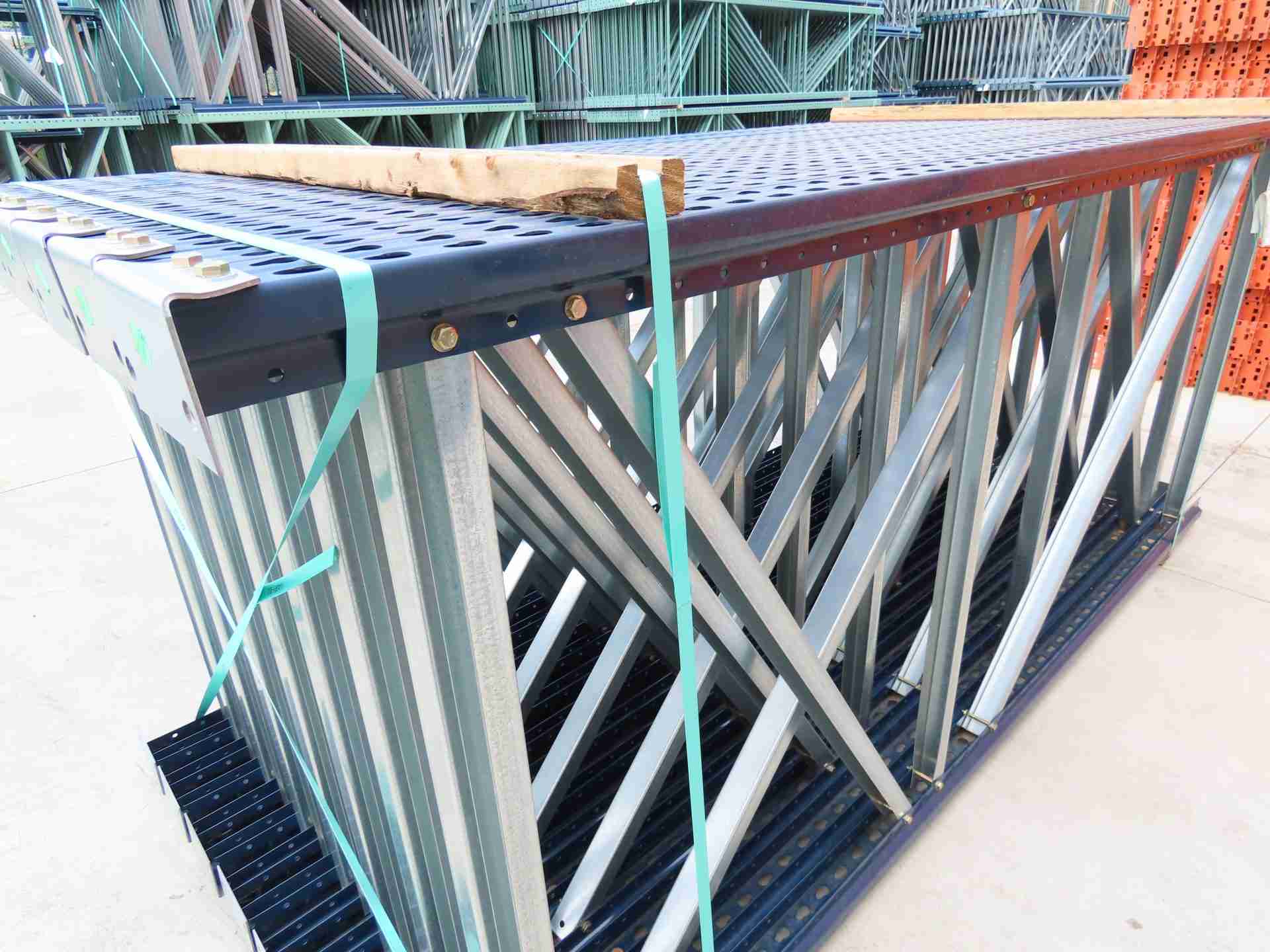
Can Fifo Reduce Waste In Warehouse Operations?
Can Fifo Reduce Waste In Warehouse Operations?
- FIFO (First In, First Out) method helps reduce waste in warehouse operations.
- Prioritizing older stock minimizes issues with expired or damaged products.
- Implementation of FIFO can lower inventory costs and enhance turnover rates.
- Efficient racking systems can streamline operations when adhering to FIFO practices.
- Embracing FIFO reflects respect for resources and the hard work of teams and manufacturers.
- Lower waste and improved efficiency foster employee pride and engagement.
- FIFO connects values with actions, promoting relationships from suppliers to customers.
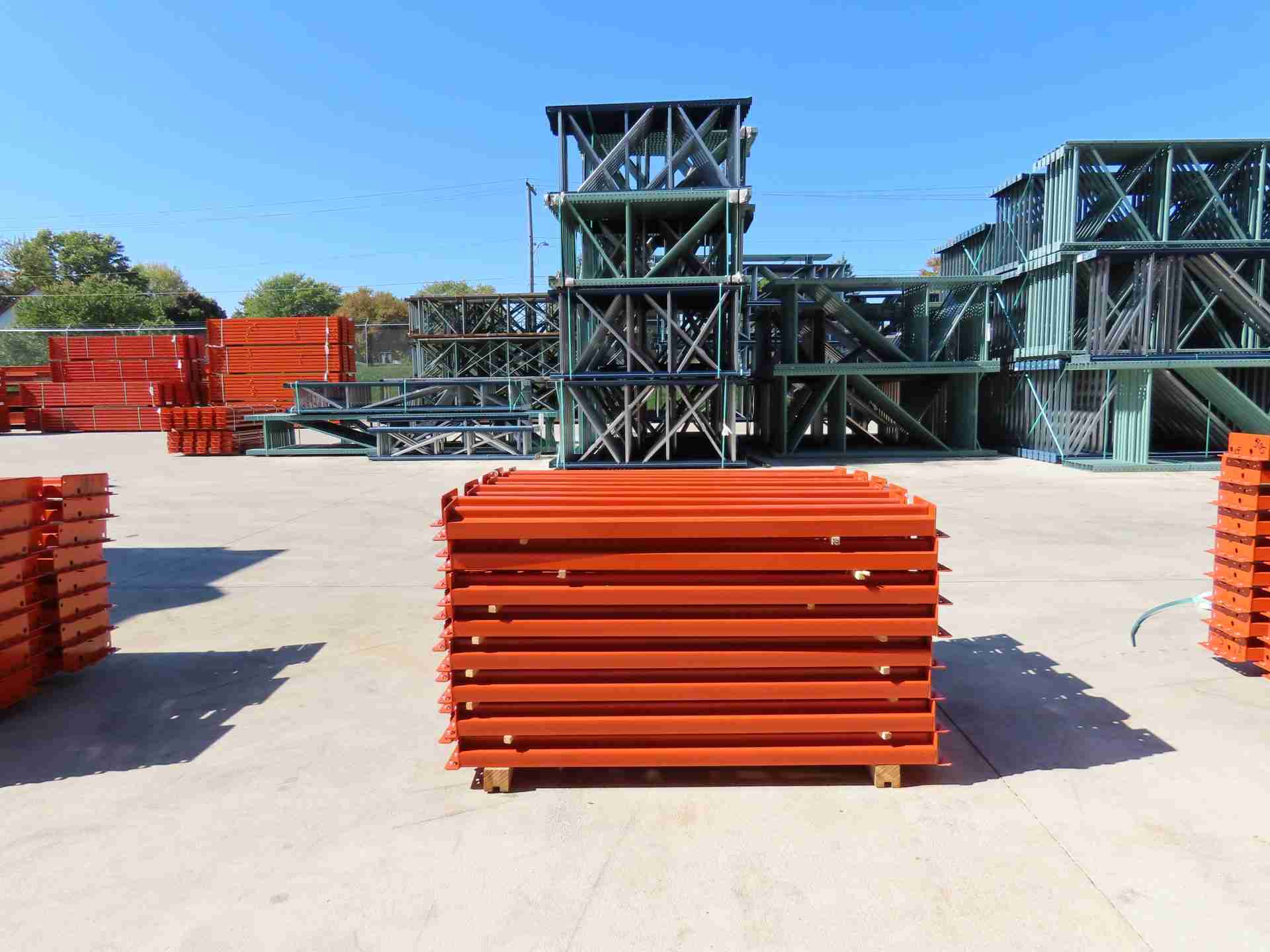
Can Fifo Reduce Waste In Warehouse Operations?
What Challenges Arise When Implementing Fifo Systems?
Implementing FIFO (First In, First Out) systems can feel like trying to juggle while riding a unicycle on a tightrope. There’s a real sense of urgency and importance, but a few missteps can lead to chaos. Picture a warehouse filled with racking systems; they stand tall, promising efficiency and order. Yet, when the time comes to put this theory into practice, challenges arise that test the mettle of any operation.
One of the central hurdles is resistance to change. Workers who have grown accustomed to existing processes may view FIFO as another passing fad. Changing mindsets requires patience and trust. Success hinges on engaging the team—not just through meetings and memos, but by truly communicating the “why” behind FIFO. To foster connection, share stories of how FIFO has saved time and reduced waste in other settings. When employees see a tangible benefit, they begin to embrace the notion that this isn’t just corporate jargon; it’s about making their work lives easier and more efficient.
Cost is another hurdle on this path. While the promise of enhanced productivity beckons, the initial investment in new racking systems and training can be daunting. It’s crucial to weigh these costs against the long-term benefits. The math isn’t just in dollars saved but in the hours turned into moments. Those moments add up—whether it’s getting home for dinner on time or reducing the frantic pace of workdays.
Moreover, there are ethical challenges tied to inventory management. In sectors where product freshness matters, failing to implement FIFO correctly can lead to waste, which is hard to stomach. It’s not just about numbers on a balance sheet; it’s about serving customers the best, freshest products and being responsible stewards of our resources. This sense of duty resonates deeply with those committed to their craft.
In the field, stories of triumph and stumble provide authenticity. A small operation that embraced FIFO saw their spoilage rates drop from 20% to 5%, a difference that transformed their bottom line and boosted morale. That kind of success story fosters confidence; it shows that with determination and the right approach, challenges can turn into stepping stones.
Every racking system can tell a tale of trial and triumph; each story weaves into the fabric of what it means to push forward together, navigating the intricacies of adopting FIFO. This journey isn’t just about efficiency; it’s about commitment, community, and the belief that every challenge faced is an opportunity for growth.
What Challenges Arise When Implementing Fifo Systems?
What Challenges Arise When Implementing Fifo Systems?
- Implementing FIFO systems presents challenges akin to juggling while balancing on a tightrope.
- Resistance to change among workers can hinder the adoption of FIFO, necessitating effective communication and engagement.
- Cost concerns arise from initial investments in racking systems and training, which must be weighed against long-term benefits.
- Ethical challenges linked to product freshness emphasize the importance of proper FIFO implementation to reduce waste.
- Success stories, such as reducing spoilage rates, illustrate the tangible benefits of adopting FIFO.
- The journey of adopting FIFO involves commitment and community, turning challenges into opportunities for growth.
- Each racking system reflects a narrative of trial and triumph in the pursuit of efficiency and improved operations.

What Challenges Arise When Implementing Fifo Systems?
How Does Fifo Impact Overall Supply Chain Efficiency?
How Does FIFO Impact Overall Supply Chain Efficiency?
In the bustling world of supply chains, understanding the flow of products is akin to understanding the pulse of a living organism. Enter FIFO—First In, First Out. This method isn’t just a logistical term; it’s a philosophy that shapes the very foundation of efficient operations. Picture this: Your racking systems are carefully stacked with inventory, each item waiting its turn. With FIFO, the oldest stock is always at the forefront, ensuring freshness, reducing waste, and boosting customer satisfaction.
Imagine a local grocery store. The fresh produce displayed prominently is not just a happy coincidence. It’s a tactical move to ensure that customers grab those apples before the bruised ones at the back. This method resonates with the heart of every business—keeping customers happy by providing quality products. When you think of FIFO, think not just of organization but of trust. It’s a promise that what you receive is what you expect, fostering long-term relationships built on reliability.
From a rational standpoint, FIFO minimizes spoilage and obsolescence. In industries like food and pharmaceuticals, where expiration dates can spell disaster, FIFO is a safety net. It optimizes cash flow by ensuring products turn over more quickly. The less time goods spend gathering dust on the racking systems, the more fluid your inventory management. And in a world where margins are tight, that fluidity becomes an undeniable asset against the competition.
Ethically, employing FIFO is about responsibility. It’s respecting the resources that went into producing those goods. Wasting food or letting products expire isn’t just bad business; it’s against the values of many who work hard to provide quality services to their communities. Implementing FIFO aligns business operations with ethical standards, proving that profitability and responsibility can run hand in hand.
Think of the stories that arise from this practice. It’s about the warehouse worker who knows that delivering fresh goods means a happy customer, the small business owner who sees the light of day because their inventory moves slickly through the supply chain, and the families who appreciate a little less stress at dinnertime because they received fresh produce. It’s all about creating connections. Adopting FIFO isn’t just an operational choice; it fosters a culture of efficiency that resonates throughout the community.
FFIFO isn’t merely a strategy; it’s a call to action. It invites businesses to be better stewards of their resources, to respect their customers, and to be part of a story where efficiency meets heart. When every piece fits snugly into the grand picture, everyone stands to benefit.
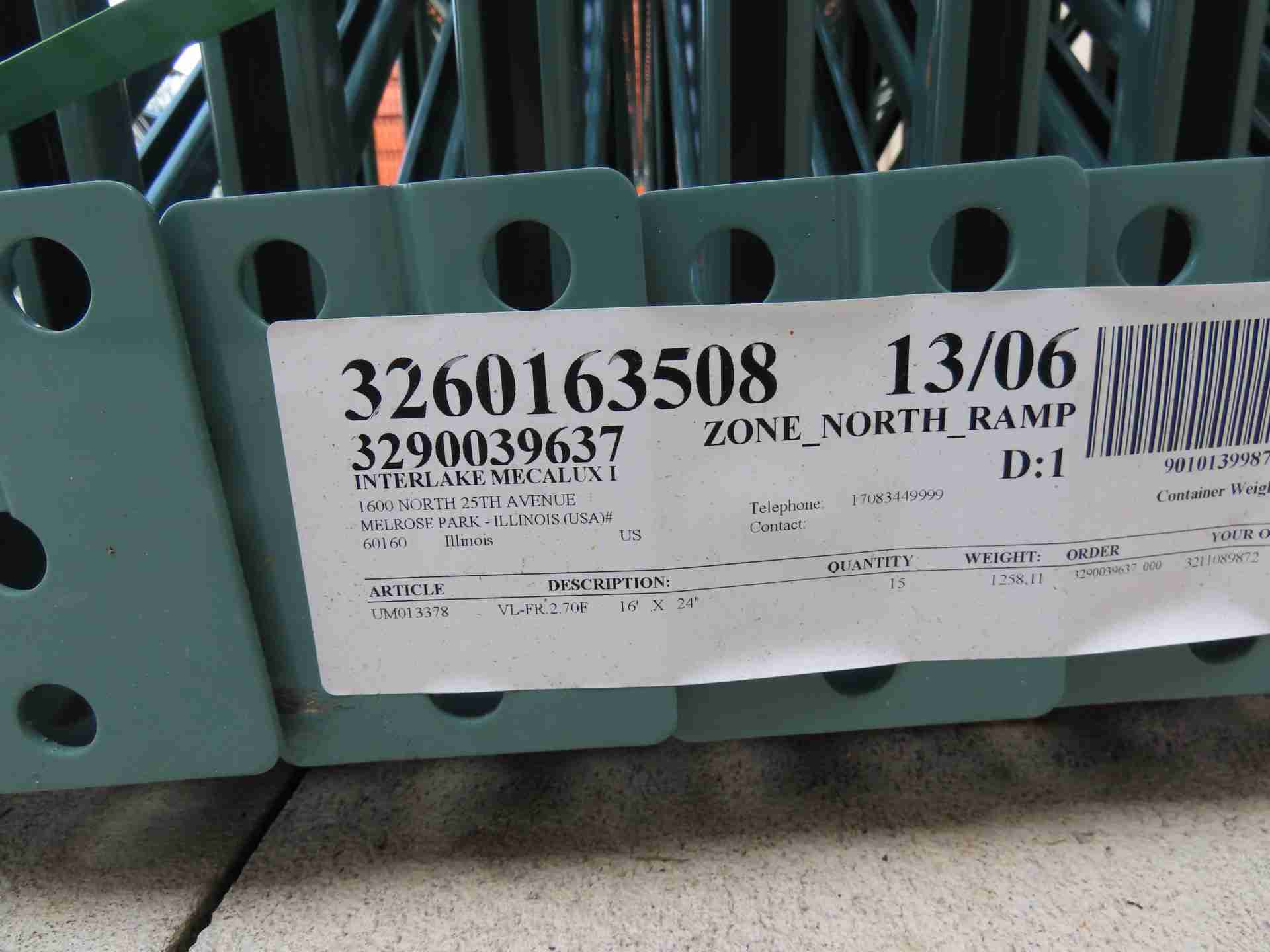
How Does Fifo Impact Overall Supply Chain Efficiency?
How Does Fifo Impact Overall Supply Chain Efficiency?
- FIFO (First In, First Out) ensures the oldest stock is prioritized, enhancing freshness and reducing waste.
- This method fosters customer satisfaction by providing high-quality and fresh products.
- FIFO minimizes spoilage and obsolescence, crucial for industries with expiration-sensitive goods, like food and pharmaceuticals.
- Optimizes cash flow by facilitating quicker product turnover and improving inventory management.
- Promotes ethical business practices by reducing waste and aligning operations with community values.
- Encourages a culture of efficiency and reliability, benefiting both businesses and their customers.
- Acts as a call to action for businesses to responsibly manage resources and build trust with their customers.
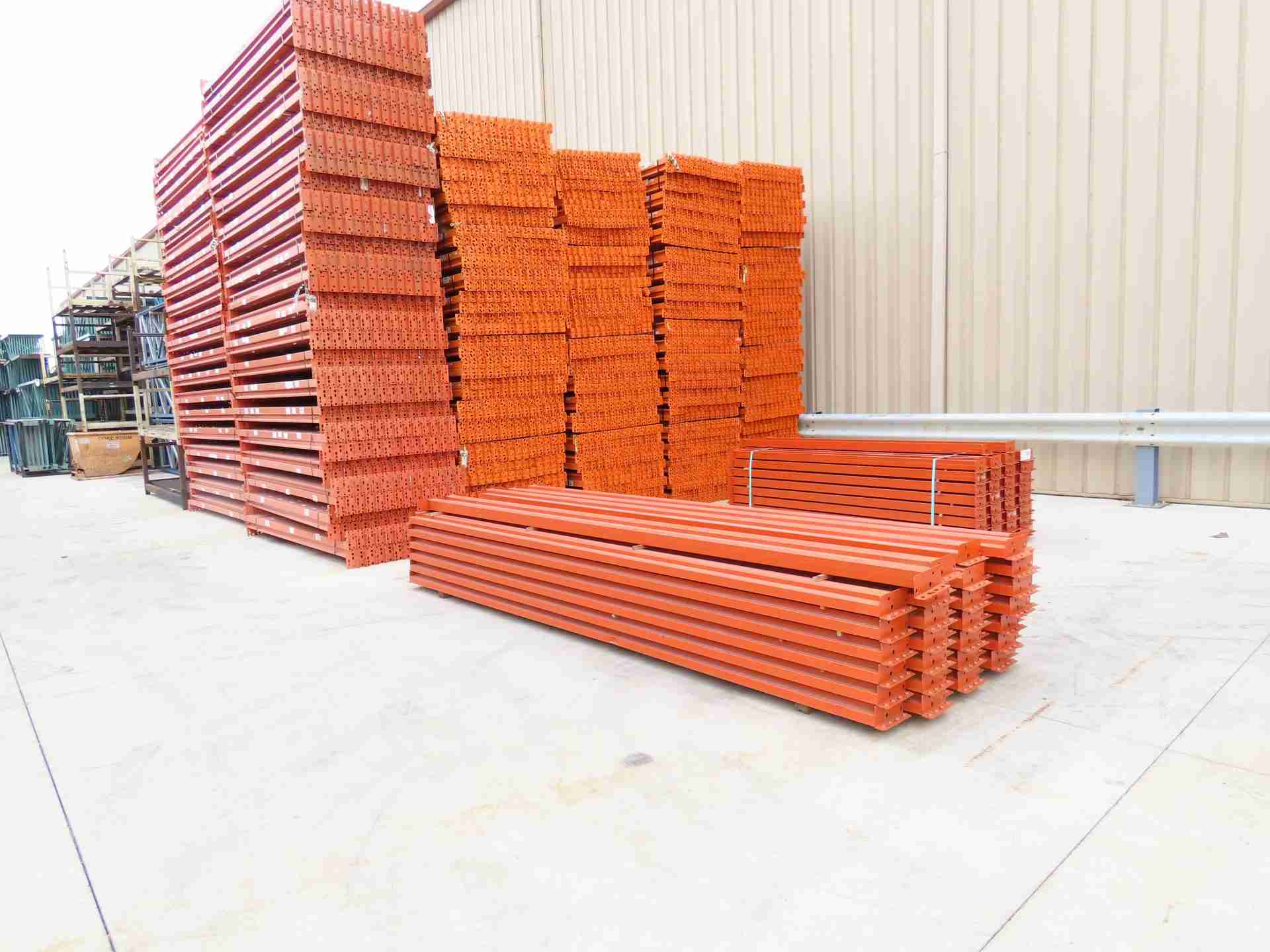
How Does Fifo Impact Overall Supply Chain Efficiency?
Are There Cost Implications Of Adopting Fifo Racks?
Adopting FIFO (First In, First Out) racking systems brings its own set of cost implications worth considering for any business looking to improve efficiency. At first glance, it might seem like an upfront investment that could stretch budgets. Yet when you peel back the layers, the story changes, and you’ll find a value that goes beyond just dollar signs.
When you look at the heart of the matter, it’s about the people involved. Workers feel more secure when products are organized and easily accessible. Picture a warehouse buzzing with energy because team members know they can find what they need without wasting time searching through a haphazard mess. This boosts morale and fosters a sense of ownership. When employees are proud of their workspace, you not only retain talent but also inspire a collective commitment to the company’s success.
From a head standpoint, it’s wise to weigh the efficiency gains against the initial costs. FIFO systems minimize spoilage and waste, particularly in industries like food and pharmaceuticals where expiration dates loom large. The longer items sit, the greater the risk of them becoming unsellable. A well-implemented FIFO racking strategy can mean fewer losses, translating to increased profits in the long run. It’s plain common sense—better inventory management means less wasted product and more money in the bank.
Ethically, adopting these racking systems sends a clear message. Companies that prioritize quality and accountability inspire trust with their customers. They are likely to build stronger relationships based on integrity. When customers know you care about delivering fresh products, their loyalty deepens, ensuring ongoing revenue.
Let’s not forget the power of social proof. Many successful businesses have transformed their operations by implementing FIFO racking systems. Sharing these success stories within your industry can create a ripple effect, inspiring others to take that leap. This isn’t just about one business; it’s about elevating the entire community of workers striving for excellence.
Embracing FIFO racking might mean an upfront cost, but it’s an investment in efficiency, morale, and reliability. Picture a warehouse where every item is respected, where money isn’t lost to waste, and workers take pride in their roles. The investment speaks to the heart, the head, and the gut—it simply makes sense.
Are There Cost Implications Of Adopting Fifo Racks?
Are There Cost Implications Of Adopting Fifo Racks?
- FIFO (First In, First Out) racking systems have significant cost implications for businesses aiming to enhance efficiency.
- Initial investments may seem daunting, but the long-term value surpasses mere financial considerations.
- Improved organization increases worker morale and fosters a sense of ownership, enhancing talent retention and commitment.
- FIFO systems reduce spoilage and waste, especially in industries like food and pharmaceuticals, leading to increased profits.
- Ethically, adopting FIFO promotes quality and accountability, building customer trust and loyalty.
- Successful businesses that implement FIFO set examples, potentially inspiring others in the industry to follow suit.
- Investing in FIFO is an investment in overall efficiency, worker pride, and sustainable business practices.
Are There Cost Implications Of Adopting Fifo Racks?
Conclusion
Adopting FIFO (First In, First Out) racking systems isn’t merely a logistical choice; it’s pivotal for fostering efficient, ethical, and sustainable operations within any business, big or small. These systems turn inventory management into a streamlined process where older stock exits first, reducing spoilage and bolstering customer trust. Picture a bustling warehouse: workers efficiently pulling older items, ensuring quality and freshness while minimizing waste. It’s about creating a workplace where everyone plays a part in maintaining high standards, fostering a sense of pride and ownership among team members.
Implementing FIFO goes beyond pragmatism—it enhances morale. Employees working in an environment where efficiency and order reign are more satisfied, reducing turnover and promoting a sense of belonging. When systems operate smoothly, it becomes evident that each person contributes to success. The spirit of teamwork thrives, creating an engaged workforce ready to tackle challenges together.
From a financial perspective, FIFO racking systems offer compelling benefits. They reduce waste, a crucial aspect in industries dealing with perishable goods. With less money tied up in expired stock, businesses witness improved cash flow, translating efficiency gains into enhanced profitability. This practicality resonates in the everyday operations of grocery stores and warehouses alike, crafting an environment where freshness equals reliability.
Beyond the numbers, there’s an ethical call tied to FIFO. By committing to reduce waste and optimize inventory, companies affirm their responsibility to customers and the community. This conscientiousness nurtures strong customer relationships; consumers appreciate a business that prioritizes quality and sustainability. A successful implementation connects businesses deeply to their values, allowing them to resonate with customers who care about the environment and quality products.
Implementing FIFO is about more than fostering operational efficiency; it is a vital narrative that builds a sense of community, emphasizing shared responsibility and trust. The tales of triumph—including those of businesses overcoming challenges through strategic inventory management—encourage broader participation in FIFO practices. As these principles take root, organizations transform not just their processes but their relationships with employees, customers, and the environment.
In the end, embracing a FIFO approach empowers a culture of accountability and respect. It’s a blend of heart, head, and gut instinct that drives sustainable success, enhancing productivity while creating a meaningful impact across communities. Commit to FIFO, and watch your operation not just thrive, but also stand as a testament to what a conscientious business can achieve.
Conclusion
Conclusion:
- FIFO racking systems are essential for efficient, ethical, and sustainable business operations.
- These systems streamline inventory management by ensuring older stock is sold first, reducing spoilage and enhancing customer trust.
- Implementing FIFO boosts employee morale by promoting a sense of belonging and teamwork within the workplace.
- From a financial standpoint, FIFO reduces waste and improves cash flow, particularly in businesses dealing with perishable goods.
- Adopting FIFO reflects a company’s commitment to quality and sustainability, fostering strong customer relationships.
- Implementing FIFO creates a shared narrative of responsibility and trust, transforming relationships with employees, customers, and the environment.
- Embracing FIFO cultivates a culture of accountability and respect, leading to sustainable success and community impact.

Conclusion
Other Resources

Other Resources
Here is a list of other resources you can review online to learn more:
- Overhead Lifting
- Rack Manufacturers Institute
- Selective Pallet Racking Systems – Container Systems
- What is Cantilever Racking? – AK Material Handling Systems
- What is Selective Racking: Understanding Benefits & Options
- Illinois Pallet Racking – Storage Solutions
- Storage Equipment Manufacturers Association
- Material Handling Industry
- Intro to Warehouse Racks & Warehouse Racking Systems – ShipBob
- Mustang Material Handling
- Warehouse Storage Racking in Illinois
- Warehousing Education and Research Council: https://www.werc.org/
- Selective Rack – Raymond West
- MHI
- Wolter
- IIWS Inc. Rack Installation Illinois & Rack Repairs Illinois
- Teardrop Industrial Shelving Rack
- Material Handling Safety
- Teardrop Uprights
- International Warehouse Logistics Association
Use This Prompt To Get More Resources With Your Favorite Online AI Tool: Please provide me with a list of online articles with their URLs in a bulleted list that I can read regarding Rack Systems That Support Fifo Discipline
Other Resources
Glossary Terms
Rack Systems That Support Fifo Discipline – Glossary Of Terms
1. FIFO: First In, First Out; an inventory management principle ensuring that older stock is used before newer stock.
2. Rack System: A framework for storing goods that maximizes vertical space and organizes inventory efficiently.
3. Inventory Control: The process of managing and overseeing stored goods to maintain optimal stock levels.
4. Pallet Racking: A storage system that uses pallets to hold goods on shelves for easier access and organization.
5. Flow Rack: A type of rack that allows items to move along a conveyor, facilitating FIFO storage.
6. Gravity Flow Racks: Racks that utilize gravity to flow products from the back to the front, supporting FIFO.
7. Stock Rotation: The practice of systematically using or selling older inventory before newer goods to reduce waste.
8. Warehouse Management: The process of overseeing and optimizing warehouse operations for efficiency and organization.
9. Picking Process: The method of selecting items from inventory for distribution or sale.
10. SKU: Stock Keeping Unit; a unique identifier for each distinct product and service that can be purchased.
11. Load Capacity: The maximum weight or volume a rack system can safely support.
12. Shelf Life: The duration that a product remains usable or saleable before deteriorating.
13. Queue Management: The strategy of organizing the order in which items are picked from inventory.
14. Order Fulfillment: The complete process from receiving to delivering orders to customers.
15. Lean Warehousing: A methodology that emphasizes efficiency by minimizing waste in warehouse operations.
16. Batch Picking: A picking method where multiple orders are picked simultaneously to enhance efficiency.
17. Replenishment: The process of restocking inventory to maintain optimal levels for storage and sales.
18. Cross-Docking: The practice of unloading materials from incoming trucks and loading them onto outbound trucks with minimal storage delay.
19. Inventory Audit: The process of checking inventory records against the actual stock to ensure accuracy.
20. Cycle Counting: A method of checking the accuracy of inventory records through regular counts of a portion of stock.
21. Stock Keeping: The act of maintaining and managing inventory to ensure availability and minimize losses.
22. Automated Storage: The use of technology to store and retrieve inventory, often improving efficiency and accuracy.
23. FIFO Lanes: Designated pathways in a warehouse that ensure products are organized for FIFO access.
24. Stock Shortage: A situation where inventory is below the required level to meet customer demand.
25. Last In, First Out (LIFO): An inventory management method where the most recently added stock is used first, opposite of FIFO.
26. Safety Stock: Extra inventory kept on hand to prevent stockouts during unexpected demand surges.
27. Lead Time: The amount of time it takes to replenish stock after an order is placed.
28. Overstock: Excess inventory that surpasses the optimal level, often leading to increased holding costs.
29. Inventory Forecasting: Predicting future inventory requirements based on sales trends and historical data.
30. Return on Investment (ROI): A financial metric used to evaluate the profitability of an investment relative to its cost.
Glossary Of Terms
Other Questions
Rack Systems That Support Fifo Discipline – Other Questions
If you wish to explore and discover more, consider looking for answers to these questions:
- What specific types of racking systems support FIFO (e.g., push-back, flow racks, live roller racks)?
- How do FIFO racking systems differ for pallets versus cartons or cases?
- What are the typical upfront costs to install FIFO-capable racking?
- What is the expected ROI and typical payback period after adopting FIFO racking?
- How do FIFO systems integrate with existing warehouse management systems (WMS) and ERPs?
- What layout changes are required to implement FIFO in an existing facility?
- How can FIFO be implemented in cold storage or temperature-controlled environments?
- What are the most common implementation mistakes and how can they be avoided?
- How much training do staff need to operate and maintain FIFO racking effectively?
- What safety and compliance standards apply to FIFO racking installations (e.g., ANSI/RMI)?
- How do FIFO racking systems affect space utilization and storage density?
- Can FIFO be applied in high-mix, low-volume SKU environments, and how?
- How do you manage mixed pallets or mixed-case scenarios within FIFO racks?
- What maintenance is required for live-flow or roller-based FIFO systems?
- How do FIFO racks handle damaged goods, returns, or quarantine stock?
- What metrics should be tracked to measure FIFO performance (e.g., spoilage rate, turnover, fill rate)?
- How does FIFO interact with first-expired-first-out (FEFO) requirements for perishable goods?
- What are the limitations of FIFO for slow-moving or obsolescent inventory?
- How do you calculate throughput capacity for a FIFO racking lane?
- What considerations are there for retrofitting existing racking to support FIFO?
- How do forklifts, pallet jacks, and automated guided vehicles (AGVs) operate with FIFO racks?
- What automation options (conveyors, AS/RS, pick-to-light) can enhance FIFO effectiveness?
- How does FIFO implementation impact labor productivity and labor costs?
- What labeling, barcode, or RFID practices support reliable FIFO rotation?
- How does FIFO affect inventory accuracy and cycle-count procedures?
- What vendor selection criteria should be used when purchasing FIFO racking?
- How are weight limits, pallet sizes, and load stability managed in FIFO racks?
- What environmental and sustainability metrics improve after FIFO adoption?
- How do you pilot-test a FIFO racking solution before full-scale rollout?
- What are the fire protection, sprinkler, and egress implications of FIFO layouts?
- How should FIFO be adapted for multi-temperature or multi-product zoning?
- How does FIFO support omnichannel fulfillment and e-commerce returns handling?
- What documentation, warranties, and service agreements come with FIFO racking systems?
- How do you manage lot tracking, traceability, and recalls within a FIFO system?
- What are the long-term lifecycle and replacement considerations for FIFO racking?
Other Questions
Checklist
Rack Systems That Support Fifo Discipline – A Checklist
Goals and Scope
✅______ Define objectives (waste reduction, freshness, turnover, accuracy, service level).
✅______ Identify FIFO-critical SKUs (perishables, regulated goods, high obsolescence).
✅______ Decide FIFO vs. FEFO (First-Expire-First-Out) where applicable.
✅______ Set baseline metrics and target improvements with timeline.
Current State Assessment
✅______ Map current material flow (receiving → storage → pick → ship).
✅______ Audit inventory age profile and spoilage/obsolescence rates.
✅______ Identify bottlenecks and locations of frequent FIFO violations.
✅______ Verify data capture for lot/expiry/manufacture dates.
Rack Selection and Design
✅______ Choose rack types that support FIFO.
✅______ Pallet flow (gravity/roller) for pallet-level FIFO.
✅______ Carton flow for case/each picking FIFO.
✅______ Drive-through or double-deep selective with true FIFO pathing.
✅______ Avoid LIFO-prone systems for FIFO SKUs (e.g., push-back, drive-in).
✅______ Specify load ratings, lane lengths, brake rollers, and pallet specs.
✅______ Plan clear “Load Here” and “Pick Here” ends for each lane.
Layout and Slotting
✅______ Design one-way flow aisles; separate inbound and outbound faces.
✅______ Slot by velocity and temperature/handling class.
✅______ Dedicate forward pick faces; reserve stock replenishes from oldest lots.
✅______ Provide quarantine/hold and returns lanes outside FIFO flow.
Labeling and Visual Management
✅______ Location labels include lane, level, position, and flow direction.
✅______ Date/lot labels (or license plates) applied at receiving and visible from the pick face.
✅______ Floor tape/signage for “Load” vs. “Pick” ends; color-code by age bands.
✅______ Kanban or min/max cards at forward pick faces.
Receiving and Putaway
✅______ Capture ASN and verify lot/manufacture/expiry on receipt.
✅______ Apply standardized date/lot labels and validate scan.
✅______ Sequence putaway so oldest stock occupies pick-facing positions first.
✅______ Inspect pallet integrity to ensure smooth flow on rollers.
Picking and Replenishment
✅______ System-directed picks allocate oldest lot first (FIFO/FEFO rules).
✅______ Replenish forward pick from oldest reserve pallets only.
✅______ Verify lot/date at pick confirmation; enforce scan validation.
✅______ Establish exception paths for damaged/short-dated items.
Systems and Technology
✅______ Configure WMS for FIFO allocation, lot control, directed putaway, and pick sequencing.
✅______ Enable alerts for aging inventory and impending expiries.
✅______ Use handheld scanning to prevent out-of-sequence picks.
✅______ Dashboard KPIs for turnover, aging, and spoilage.
Training and Culture
✅______ Train receiving, putaway, picking, and supervision on FIFO SOPs.
✅______ Run simulations on peak scenarios and exception handling.
✅______ Empower staff to stop and correct FIFO breaches.
✅______ Recognize teams for accuracy and waste reduction wins.
Audits and Controls
✅______ Daily spot-check top SKUs for correct age order at pick faces.
✅______ Weekly lane-by-lane FIFO compliance audit with sign-off.
✅______ Cycle counts prioritize oldest lots and high-risk SKUs.
✅______ Monthly review waste/spoilage, root causes, and corrective actions.
Waste Reduction and Sustainability
✅______ Short-dated stock process (markdowns, rework, donation, RTV).
✅______ Supplier feedback loop for remaining shelf life on receipt.
✅______ Track and report waste by cause; set reduction targets.
Safety and Compliance
✅______ Rack inspections, load plaques, and annual certifications.
✅______ Verify flow rail brakes and lane gradient; maintain rollers clean.
✅______ Comply with GMP/FSMA/temperature controls where applicable.
✅______ Maintain full lot traceability and recall readiness.
KPI Targets
✅______ Inventory turnover (by family/SKU).
✅______ Days on hand and age distribution.
✅______ Out-of-date/obsolete rate (% of COGS).
✅______ Pick accuracy and scan compliance.
✅______ Replenishment SLA and stockout rate.
✅______ Space utilization in flow lanes.
Cost and ROI
✅______ Estimate CapEx (racks, rails, labeling, IT) and OpEx (maintenance, training).
✅______ Quantify benefits (waste reduction, labor productivity, service level, returns).
✅______ Build phased ROI with pilot, scale, and payback milestones.
✅______ Secure budget and ownership for sustaining activities.
Change Management
✅______ Pilot in one zone/SKU family; measure and validate results.
✅______ Communicate roles, timelines, and success criteria.
✅______ Establish escalation paths and rollback plan.
✅______ Scale in waves based on pilot learnings.
Supplier and Customer Alignment
✅______ Require ASN with lot/expiry and minimum remaining shelf life.
✅______ Standardize palletization to match flow lane specs.
✅______ Share FIFO expectations with 3PLs and carriers.
✅______ Provide customers with lot visibility when needed.
Maintenance and Upkeep
✅______ Clean and lubricate flow rollers; replace worn components.
✅______ Inspect pallet quality; remove broken/deckboard-missing pallets.
✅______ Refresh labels and signage; audit legibility quarterly.
✅______ Re-slot quarterly for seasonality and velocity changes.
Special Cases
✅______ FEFO enforcement for expiry-sensitive SKUs.
✅______ Temperature-controlled FIFO lanes and monitoring.
✅______ Serialized items and regulatory hold procedures.
✅______ Returns, rework, and nonconforming material segregation.
Documentation
✅______ Publish SOPs for receiving, putaway, picking, replenishment, and exceptions.
✅______ Create quick-reference guides with photos of correct FIFO lanes.
✅______ Standard audit checklists and corrective action templates.
✅______ Training records and certification tracking.
Daily FIFO Walk (One-Page Check)
✅______ 100% of receipts labeled/scanned with lot/date.
✅______ No newer pallets ahead of older at any pick face.
✅______ Forward pick faces replenished from oldest reserve only.
✅______ Short-dated items flagged and actioned.
✅______ Flow lanes clear; no backfeeding or blocked discharge ends.
✅______ Any exceptions logged and resolved before shift end.
Common Pitfalls to Avoid
✅______ Mixing FIFO-critical SKUs in LIFO racks.
✅______ Skipping date capture at receiving.
✅______ Overfilling lanes and blocking discharge ends.
✅______ Bypassing scan validation during rush periods.
✅______ Cross-docking without verifying lot/expiry sequence.
Checklist
At RackingWorld, we help guide you through selecting warehouse storage systems and racking.
Be sure to read our other related stories at RackingWorld to learn more about warehouse storage systems.
0 Comments