
Transforming Efficiency: Empower Your Future With Smart Rack Solutions
By Tom Seest
At RackingWorld, we help guide you through selecting warehouse storage systems and racking.
Be sure to read our other related stories at RackingWorld to learn more about warehouse storage systems.
Rack Systems That Support Automation Readiness
In today’s fast-paced world, every second counts. Racking systems have become the backbone of efficient operations, especially when it comes to automation readiness. Imagine a warehouse where every box and pallet is exactly where it should be, thanks to a smart, well-designed racking system. This isn’t just about shelves; it’s about putting your organization on the path to success.
Think about the everyday challenges faced in storage and retrieval. Mixing processes often leads to chaos—lost time and wasted resources. A well-designed racking system addresses these issues head-on, creating order where there was once disarray. It allows products to flow seamlessly through your facility, speeding up processes and minimizing frustration.
Racking systems do more than hold up inventory. They represent a commitment to efficiency and readiness for the future. For those in charge of operations, choosing the right system is like laying the foundation of a sturdy house. You wouldn’t build on shaky ground, would you? The same principle applies to racking. Partnering with trusted suppliers ensures you get the most durable and compatible systems out there.
Beyond practicality, there’s an emotional aspect to consider. The right racking system fosters a sense of pride among workers. It showcases a company’s dedication to quality, not just in products but in the environment they work in. When employees feel supported by the infrastructure around them, their morale goes up, and that can ripple through the entire organization, boosting productivity.
Racking systems also forge connections within teams. When everyone knows their job is simplified by well-organized racks, cooperation and communication naturally improve. It’s easier to reach out and collaborate when you’re not wrestling with chaos. This creates a culture of accountability and teamwork, where each person is empowered to contribute to the company’s goals.
As the industry marches toward automation, investing in the right racking systems isn’t just a smart decision—it’s an ethical one. It shows responsibility toward employees by providing a safe and efficient workspace. In this era, where every business strives to stay competitive, automation-ready racking systems are not just a luxury; they’re a necessity. Embrace the change, and watch your operations thrive. Your business and your team deserve nothing less than systems that inspire trust, confidence, and action.

Rack Systems That Support Automation Readiness
Rack Systems That Support Automation Readiness
- Racking systems are essential for efficient operations and automation readiness.
- A well-designed racking system organizes storage and retrieval, minimizing chaos and resource waste.
- Choosing the right racking system is crucial for operational success, akin to a solid foundation for a house.
- Quality racking systems enhance employee morale and showcase a company’s commitment to a positive work environment.
- Effective racking fosters collaboration and communication within teams, promoting accountability and teamwork.
- Investing in automation-ready racking systems is both a practical and ethical decision in today’s competitive market.
- Reliable racking systems contribute to a safe and efficient workspace, benefiting both businesses and employees.

Rack Systems That Support Automation Readiness
Table Of Contents
- Rack Systems That Support Automation Readiness
- What Benefits Do Automation-Ready Rack Systems Offer?
- How Do I Choose the Right Rack System for My Needs?
- Are Automation-Ready Racks Worth the Investment?
- What Challenges Do Businesses Face with Current Rack Systems?
- How Can Automation Improve Operational Efficiency?
- What Features Should I Look for In Automation-Ready Racks?
- Conclusion
- Other Resources
- Glossary Of Terms
- Other Questions
- Checklist
What Benefits Do Automation-Ready Rack Systems Offer?
In the bustling world of warehouses and distribution centers, racking systems have emerged as unsung heroes, transforming the way we think about storage and efficiency. These automation-ready rack systems aren’t just metal frameworks; they’re lifelines that streamline operations, drive productivity, and lay the foundation for growth.
Picture a typical day in a busy warehouse. Forklifts dart around, and workers hustle to keep pace. A well-designed racking system can mean the difference between chaos and order. When you invest in automation-ready systems, you aren’t just getting a place to store your products; you’re investing in a deeper level of efficiency. These systems allow for faster retrieval times, slashing delays and getting goods in and out with precision. Imagine knowing that every item is within reach, organized in a way that feels instinctive. That’s the peace of mind that comes with intelligent design.
The emotional pull of these systems resonates not just with numbers, but also with the lives they touch. Picture a team member, exhausted after a long shift, knowing they can rely on an optimized space. With fewer steps to locate items and less time wasted, frustration turns into satisfaction. Employees feel valued and engaged, knowing their environment supports their efforts and isn’t just another obstacle in their daily grind.
Ethically, investing in automation-ready racking systems signals a commitment to sustainability and responsible operations. They’re designed to maximize space without extensive construction, reducing environmental footprints and contributing to greener practices. Such decisions move beyond mere business strategy; they affirm a dedication to doing what’s right for the planet and the community.
From a rational standpoint, these systems offer clear ROI. They minimize errors, reduce labor costs, and ultimately lead to increased profit margins. Businesses that embrace automation-ready racks position themselves at the forefront of innovation, showcasing their commitment to excellence and reliability.
In a landscape where competition grows fiercer by the day, these racking systems foster connection. They become the backbone of operations that keep families fed, businesses thriving, and communities empowered. When the community trusts that orders will be fulfilled accurately and on time, it strengthens the bond between businesses and their customers.
In short, automation-ready rack systems aren’t just functional; they’re transformative tools that empower people and drive progress. They inspire trust and confidence in a future where efficiency and care go hand in hand, proving that the heart of any operation is its ability to adapt, grow, and support those who make it possible.

What Benefits Do Automation-Ready Rack Systems Offer?
What Benefits Do Automation-Ready Rack Systems Offer?
- Racking systems play a crucial role in enhancing storage efficiency in warehouses and distribution centers.
- Investing in automation-ready systems improves operational efficiency and reduces retrieval times.
- Optimized racking systems enhance employee satisfaction and engagement by minimizing frustration.
- These systems represent a commitment to sustainability by maximizing space and reducing environmental impact.
- Clear return on investment is achieved through reduced errors and labor costs, leading to increased profit margins.
- Racking systems strengthen community trust by ensuring accurate and timely order fulfillment.
- Automation-ready racks serve as transformative tools that foster growth and adapt to operational needs.

What Benefits Do Automation-Ready Rack Systems Offer?
How Do I Choose the Right Rack System for My Needs?
Choosing the right rack system for your needs can feel like standing at the edge of a vast ocean of options, each wave promising something different. But let’s break it down with that good ol’ practicality that we all respect. Racking systems aren’t just metal and bolts; they hold the weight of your productivity and peace of mind, literally and figuratively.
First, ask yourself what you’re actually storing. It’s not just about how many boxes fit on a shelf; it’s about the types of items you work with every day. Heavy machinery parts need a sturdier structure than light tools. Size them up right. Consider the layout and flow of your workspace, too. You want a system that complements how you move, not one that trips you up or blocks your path.
Next, let’s get our heads around versatility. A solid rack system can adjust as your needs change. Maybe you’re starting small but have big dreams. Choose systems that scale with you, saving you from needing a whole new setup down the line. The last thing you want is to waste hard-earned cash on something outdated before you’ve barely broken it in.
Now, think about safety and reliability. Materials matter; a flimsy rack is a poor investment. You’re not just buying a structure; you’re investing in the safety of your crew and the integrity of your operations. Choose a name you can trust, backed by good reviews from folks who’ve actually used these systems in the trenches. Ask around; peers in your industry can offer insights you won’t find in glossy brochures.
But don’t overlook the human side of this decision. A good racking system can streamline your tasks, reduce frustration, and foster teamwork. When everything is in its right place, it’s easier for everyone to pitch in and do their best work. It builds a connection, a shared sense of purpose that ripples through your workspace.
Finally, lean on the stories of those who’ve walked this path before. Whether it’s the local hardware store that’s been around for generations or a community forum where real pros swap tips, these voices carry weight. Trust the wisdom born from experience; it’ll guide you in making a choice that feels right in your gut.
When you take it all into account—function, safety, flexibility, and the shared human experience—you’ll find the right racking systems that fit not just your needs, but enhance your work life.

How Do I Choose the Right Rack System for My Needs?
How Do I Choose the Right Rack System for My Needs?
- Identify what items you’ll be storing; consider their weight and size.
- Ensure the racking system complements your workspace layout and flow.
- Choose a versatile system that can adapt to changing needs and scalability.
- Prioritize safety and reliability by selecting sturdy materials and trusted brands.
- Seek recommendations and reviews from industry peers for informed choices.
- Consider the human factor; a good system can enhance teamwork and efficiency.
- Leverage community wisdom and experiences to guide your decision-making.

How Do I Choose the Right Rack System for My Needs?
Are Automation-Ready Racks Worth the Investment?
Let’s be honest; when you hear “automation-ready racks,” what pops into your mind? Maybe a fancy tech buzzword or yet another addition to the long list of equipment vying for your hard-earned cash. But take a moment to think about what these racking systems really bring to the table. They’re not just metal shelves—these racks can transform your operation from a tangled mess into a well-oiled machine.
Think of the weight you carry daily. You’re juggling budgets, deadlines, and the endless demands of your workforce. Automation-ready racks offer more than just physical storage; they streamline processes and free you up to focus on what really matters—growing your business. Picture a scenario where retrieving materials is no longer a scavenger hunt. With a reliable racking system in place, your team spends less time searching and more time doing. It’s about working smarter, not harder.
From a financial perspective, investing in these racks might seem daunting at first. Yet, consider the long-term savings. Reduced labor costs, less time wasted, fewer accidents—these factors add up quickly. If you’ve ever seen a worker hurt because of a poorly organized storage space or watched a shipment arrive late, you know the stakes. Racking systems can minimize those risks, leading to increased efficiency and greater profitability. It’s an investment that pays dividends.
Ethically, you’re making a commitment to your team. By prioritizing their safety and comfort, you foster a culture of respect and care in your workplace. There’s a palpable difference when employees know their well-being is valued. Automation-ready racks help create an environment where they can thrive, reducing stress and enhancing morale. You’re building a workplace that people want to be part of, contributing to collective success.
Now, think about the stories of fellow workers who faced inefficiencies and chaos in their operations. They turned their practices around by embracing racking systems, transforming their workflows and boosting overall productivity. When you hear those tales, you realize you’re not alone in your struggle. By taking that leap into automated solutions, you step into a community of forward-thinkers paving the way for better practices.
It’s not just about getting the latest equipment; it’s about making a choice that reflects your values, enhances your operations, and supports your people. Investing in automation-ready racks isn’t just a strategy; it’s a move toward a more organized, efficient, and successful future. The question isn’t whether you can afford to invest—it’s whether you can afford not to.
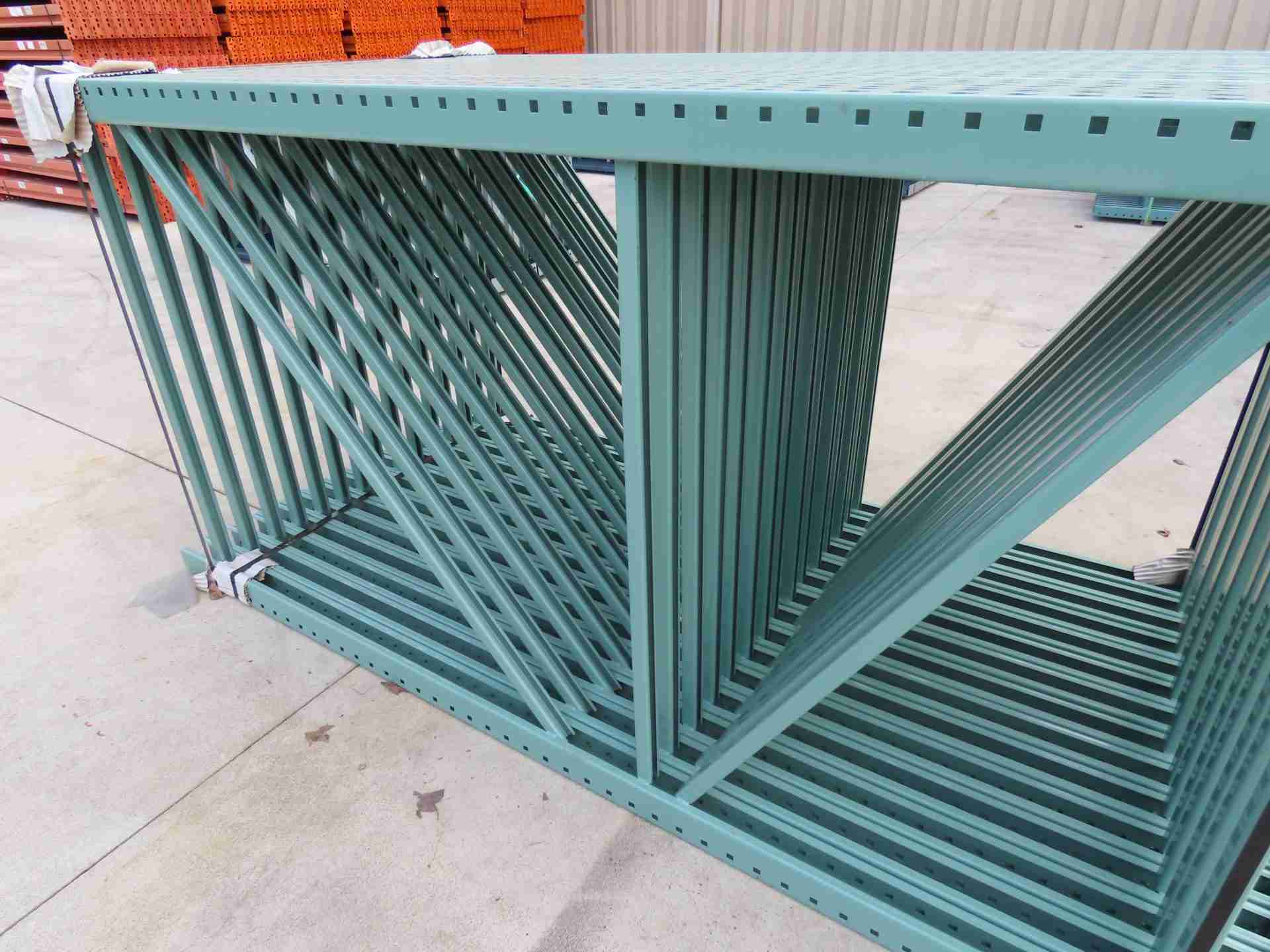
Are Automation-Ready Racks Worth the Investment?
Are Automation-Ready Racks Worth the Investment?
- Automation-ready racks transform operations from disorganized to efficient.
- They streamline processes, allowing teams to focus on business growth.
- Investing in these racks leads to long-term savings by reducing labor costs and accidents.
- Prioritizing safety enhances employee morale and fosters a positive workplace culture.
- Embracing racking systems improves productivity and operational workflows.
- Investments in these systems reflect organizational values and support employees.
- Automation-ready racks are essential for a more organized and successful future.

Are Automation-Ready Racks Worth the Investment?
What Challenges Do Businesses Face with Current Rack Systems?
In the hustle and bustle of running a business, few things can throw a wrench in the works quite like the inefficiency of Racking Systems. Picture a warehouse, dimly lit and swamped with stock. Your team is scurrying about, searching for that one product amid a maze of cluttered shelves. It’s not just a headache; it’s a confidence killer. A disorganized space leads to wasted time, frayed nerves, and lower morale. Employees feel it in their bones when they can’t find what they need, impacting productivity and stunting growth.
On a rational level, the stakes are high. Faulty rack systems can lead to real financial losses. Products can get damaged or even lost altogether, which doesn’t just hit the bottom line—it erodes trust with customers. When a delivery takes too long or an item arrives broken, the reputation of the business takes a direct hit. And we all know in this digital age, word can spread like wildfire. One negative review and the damage can be done. It’s a hard truth that business owners face daily.
Ethically, there’s a responsibility to ensure safe and effective operations for every worker on the floor. A rickety racking system not only hampers efficiency; it also poses serious safety risks. Nobody wants to think about an employee getting hurt because of poor equipment. It’s critical for business leaders to reflect on how their choices affect not only their profit margins but also the well-being of their staff.
Leading in the industry means prioritizing the right tools. Organizations with outdated or unsafe racking systems aren’t just falling behind— they risk losing their grip on the market. Authority comes from investing in scalable solutions that meet current demands without sacrificing safety or efficiency.
This narrative resonates with business owners who understand the trials of managing physical assets. They’ve lived through the chaos of a poorly designed setup and seen firsthand the relief that comes with an effective rack system. It’s a cycle of investment in infrastructure that pays dividends in employee satisfaction, operational smoothness, and customer trust. It’s time to step up and forge a path toward structured, sensible racking solutions that keep businesses thriving, all while fostering a culture of safety and efficiency on the ground.

What Challenges Do Businesses Face with Current Rack Systems?
What Challenges Do Businesses Face with Current Rack Systems?
- Inefficient racking systems create disorganized workspaces, leading to wasted time and lower employee morale.
- Faulty rack systems can cause financial losses through product damage and loss, eroding customer trust.
- Delayed deliveries and damaged items can significantly damage a business’s reputation in the digital age.
- There is an ethical responsibility to ensure safe working conditions, as unsafe racking systems pose serious risks to employees.
- Investing in modern and safe racking systems is essential for maintaining competitiveness in the market.
- A well-designed racking system improves employee satisfaction, operational efficiency, and customer trust.
- Businesses need to invest in structured racking solutions to foster a culture of safety and efficiency.

What Challenges Do Businesses Face with Current Rack Systems?
How Can Automation Improve Operational Efficiency?
Imagine a bustling warehouse, a place where every second counts, and every movement feels choreographed. Now, think about those racking systems lining the walls, stacked high with products, waiting to be pulled down, packed, and shipped. Automation swoops in like a seasoned foreman, bringing a level of efficiency that transforms chaos into order. It isn’t just about cutting costs; it’s about empowering the people who work there, giving them tools to do their jobs better and safer.
Picture the assembly line workers, once bogged down by repetitive tasks that drained their energy and enthusiasm. Automation takes those tedious jobs and injects speed and precision. Instead of manually lifting and arranging items on racking systems, automated systems can handle inventory management, tracking movements, and ensuring optimal space utilization. This not only reduces errors but also frees up operators to focus on higher-value tasks. When employees see their roles evolve from mindless repetition to real problem-solving, it boosts morale and reignites passion for the work they do.
From a rational standpoint, the numbers speak volumes. Studies show that automation can improve operational efficiency by up to 30%. This is not just pie-in-the-sky thinking. It’s solid, evidential truth. Businesses that adopt automation often find themselves able to tackle a higher volume of work without compromising quality. With racking systems optimized by automation, products are picked faster, orders are processed more reliably, and customers feel it too. Faster delivery times and reduced human error translate to higher satisfaction rates, building loyalty in a world where options are endless.
Ethically, investing in automation stands on firm ground. Companies that embrace these technologies are not just enhancing their bottom line; they’re creating a safer workplace. By taking over heavy lifting and repetitive tasks, automation minimizes workplace injuries. It’s not just good for business; it’s a commitment to valuing human life and well-being.
Stories abound of companies that once struggled under the weight of inefficiency, only to transform through automation. They become examples of what can be achieved when innovation meets practicality. It’s not just about adapting to change; it’s about seizing the future, creating a legacy that employees can take pride in. As the workforce evolves, fostering an environment where technology and humanity work hand in hand builds trust. It’s a partnership that invites everyone to rise together.
So when you look at those racking systems, don’t just see metal and shelves. See the future of work—a future where automation doesn’t replace people but elevates them, creating a thriving ecosystem where everyone can succeed.

How Can Automation Improve Operational Efficiency?
How Can Automation Improve Operational Efficiency?
- Automation enhances efficiency in warehouses, transforming chaos into order.
- It empowers employees by providing tools for safer and more effective work.
- Automated systems optimize inventory management and reduce human errors.
- Operational efficiency can improve by up to 30% through automation.
- Faster product picking and order processing lead to higher customer satisfaction.
- Investment in automation contributes to safer workplaces by minimizing injuries.
- Successful companies demonstrate the positive impact of embracing automation for future growth.

How Can Automation Improve Operational Efficiency?
What Features Should I Look for In Automation-Ready Racks?
When it comes to choosing automation-ready racks, you want to ensure you’re investing in a system that won’t just meet your needs today but will also grow with you into the future. Racking systems that are easy to adapt are essential. Imagine standing in your warehouse, the buzz of machinery around you, knowing that your racks can easily accommodate new technology as your business evolves. That’s the kind of peace of mind that comes from choosing well.
Start with stability. This isn’t just about getting the job done; it’s about safety and protecting your investment. You don’t want racks that could buckle under pressure or become unstable with added weight. A solid racking system gives you the confidence to stack higher, store more, and focus on running your operation smoothly without worrying about accidents.
Next, think flexibility. The best racking systems are adaptable. As your inventory changes or you introduce new automation technologies, you should be able to modify your setup without a complete overhaul. Look for racks that can easily accommodate various weights and sizes. This adaptability is not just a luxury but a necessity that can save time and money down the line.
Ease of access is also a key feature to consider. In a busy warehouse, you want to eliminate wasted time. Systems designed for automation often incorporate features that make retrieving stock faster and more efficient. Think of it like a well-rehearsed dance; every piece of equipment should flow seamlessly into the next, minimizing delays and maximizing productivity.
When investing in racking systems, consider their integration capabilities with your existing automation technology. A system that works well with your current software and machinery will ensure that everything communicates effectively, resulting in smoother operations and less frustration for your team.
Lastly, the build quality can’t be overlooked. Look for materials that are robust yet light enough for easy handling. Investing in quality racks means fewer replacements and repairs, saving you not just hassle but also hard-earned dollars.
Ultimately, choosing the right automation-ready racks is about building trust—not just in the systems themselves but in your overall operational capacity. It’s about fostering a reliable environment where your team can thrive, feeling confident that the tools they rely on can keep up with their ambitions. When the racks are solid and adaptable, you’ll find that confidence extending throughout your entire operation.

What Features Should I Look for In Automation-Ready Racks?
What Features Should I Look for In Automation-Ready Racks?
- Choose automation-ready racks that can grow with your business needs.
- Ensure stability to protect your investment and enhance safety.
- Look for flexibility to adapt to changing inventory and new technologies.
- Prioritize ease of access for efficient stock retrieval and productivity.
- Consider integration capabilities with existing automation technology.
- Invest in quality materials for durability and reduced maintenance costs.
- Build trust in your operational capacity by choosing reliable, adaptable racks.

What Features Should I Look for In Automation-Ready Racks?
Conclusion
In today’s fast-paced business climate, automation-ready racking systems have become essential for optimizing efficiency and fostering a thriving work environment. These systems are the unsung heroes in warehouses and distribution centers, quietly transforming chaos into order. When everything is where it should be, workers feel less frustration and can focus on what truly matters: getting the job done effectively. A well-structured racking system streamlines operations, slashes retrieval times, and enhances productivity, showcasing a commitment to quality and organization.
Choosing the right racking system is akin to laying a solid foundation beneath a building. It sets the tone for safety, organization, and operational efficiency. With a reliable setup, employees benefit from straightforward workflows that reduce weariness and enhance morale, feeling valued in their workspace. A supportive environment where everyone collaborates naturally improves communication and accountability, strengthening the culture within an organization.
Investing in racking systems also signifies an ethical commitment to employee welfare. By prioritizing safety and efficiency, businesses demonstrate responsibility. Automation-ready racks integrate smoothly with technology, enhancing not only speed but also environmental sustainability, minimizing waste and ecological footprint in the process.
The financial rationale for these investments is equally compelling. By minimizing errors and labor costs, businesses can see a substantial ROI over time. Enhanced efficiency translates to improved profit margins, positioning organizations favorably in an increasingly competitive landscape.
Moreover, these systems serve to build trust with customers, ensuring timely and accurate deliveries, thereby fostering loyalty. The stories of transformation abound, highlighting the tangible benefits that arise from adopting such innovative solutions. Forward-thinking businesses that embrace automation-ready racking systems aren’t just enhancing operations; they are crafting a better future for their teams and their companies.
In conclusion, the call is clear: investing in automation-ready racking systems is an opportunity for organizations to evolve, adapt, and grow. These systems embody the ideal blend of practicality and vision, underscoring the importance of a well-organized environment where both people and processes can flourish. Embrace this change, and your operations will not only improve but inspire confidence and productivity across the board. This is more than an investment—it’s a step toward a more efficient, connected, and effective future for all involved.

Conclusion
Conclusion:
- Automation-ready racking systems optimize efficiency in warehouses and distribution centers.
- Well-structured racking systems reduce frustration and allow workers to focus on productivity.
- Choosing the right racking system ensures safety, organization, and operational efficiency.
- Investing in racking systems enhances employee morale and fosters a collaborative work environment.
- These systems integrate with technology to improve speed and promote environmental sustainability.
- Financially, racking systems minimize errors and labor costs, leading to substantial ROI.
- Automation-ready racking systems build customer trust through timely and accurate deliveries.

Conclusion
Other Resources

Other Resources
Here is a list of other resources you can review online to learn more:
- Interlake
- BMH
- Pallet Rack Systems – New and Used Pallet Racking and Shelving Experts
- New Cantilever Racks and Racking Kits
- What is Selective Racking: Understanding Benefits & Options
- Chicago Pallet Racking
- CA Wire
- Teardrop Racks – Pallet Rack World
- Bradford Systems
- Warehouse Storage Racking in Illinois
- Illinois Pallet Racking – Storage Solutions
- BMH Equipment LLC
- Intro to Warehouse Racks & Warehouse Racking Systems – ShipBob
- Cantilever Rack Configuration & Installation: A Comprehensive Guide – BMH
- Warehouse Racking Layout: The Ultimate Guide – Conger
- Logic Material Handling
- Mustang Material Handling
- Warehouse Racks, Warehouse Racking in Stock – ULINE
- National Safety Council
- Teardrop Industrial Shelving Rack
Use This Prompt To Get More Resources With Your Favorite Online AI Tool: Please provide me with a list of online articles with their URLs in a bulleted list that I can read regarding Rack Systems That Support Automation Readiness
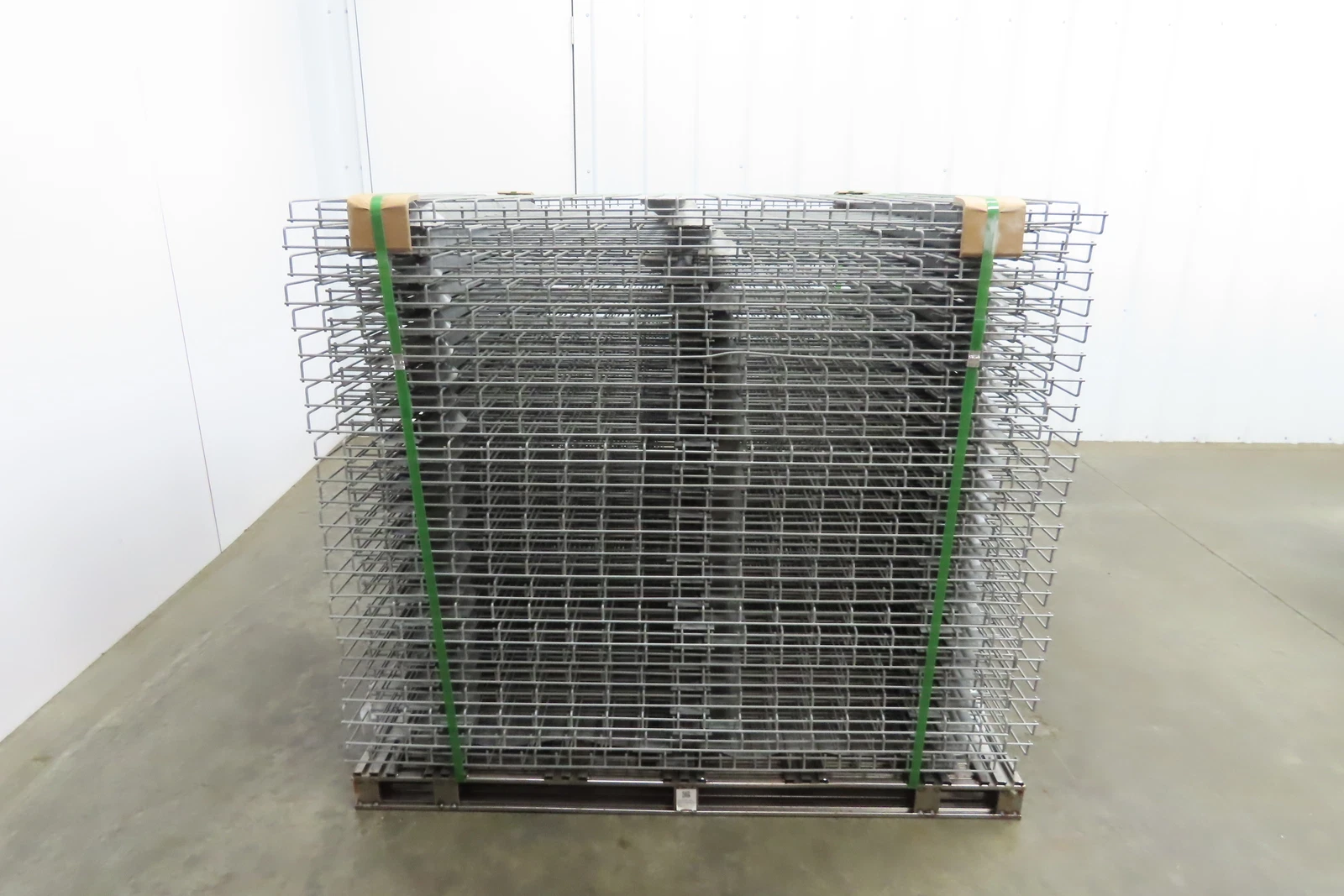
Other Resources
Glossary Terms
Rack Systems That Support Automation Readiness – Glossary Of Terms
1. Automation: The use of technology to perform tasks without human intervention.
2. Rack System: A framework or structure designed to hold and organize equipment and components.
3. Scalability: The capability of a system to expand or adapt to increased workload or demand.
4. Integration: The process of combining different systems or components to work together effectively.
5. Modularity: The design principle that breaks a system into smaller, interchangeable parts or modules.
6. Density: The measure of how much equipment can be accommodated in a given space, often referring to rack space.
7. Redundancy: The inclusion of extra components or systems for reliability and backup in case of failure.
8. Cabling: The system of wires and connectors used for electrical or data transmissions within a rack system.
9. Cooling: The methods and systems used to dissipate heat generated by equipment in a rack.
10. Power Distribution Unit (PDU): A device that distributes electrical power to multiple devices within a rack.
11. Environmental Monitoring: The tracking of conditions such as temperature and humidity to ensure optimal equipment performance.
12. Access Control: Measures and systems that regulate who can enter or interact with the rack and its equipment.
13. Ergonomics: The design consideration of human interaction with equipment to enhance comfort and efficiency.
14. Virtualization: The creation of virtual instances of servers and storage to optimize resource usage.
15. Workflow Automation: The use of technology to streamline and automate business processes.
16. Firmware: Software programmed into hardware devices that controls their functions.
17. Network Switch: A device that connects multiple devices on a network, facilitating communication between them.
18. Backup Systems: Solutions for preserving data and ensuring recovery in case of data loss.
19. Lifecycle Management: The process of managing a system or component from inception to disposal.
20. Supply Chain: The entire network involved in producing and delivering a product or service.
21. Software-Defined Infrastructure: An architecture that utilizes software to manage hardware components dynamically.
22. Load Balancing: Distributing workloads across multiple resources to optimize resource use and avoid overload.
23. Edge Computing: Processing data closer to the source of data generation to reduce latency and improve efficiency.
24. Security Protocols: Established methods and guidelines for protecting systems and data from threats.
25. Asset Management: The systematic tracking and management of physical and intellectual assets.
26. Interoperability: The ability of different systems to work together and exchange information.
27. Maintenance: The activities required to keep equipment in good working order and prevent failures.
28. Remote Management: The capability to monitor and control systems from a distance via the internet.
29. Disaster Recovery: Strategies and processes to recover data and maintain operations after a catastrophic event.
30. Compliance: Adherence to regulations and standards pertinent to the industry and technology involved.

Glossary Of Terms
Other Questions
Rack Systems That Support Automation Readiness – Other Questions
If you wish to explore and discover more, consider looking for answers to these questions:
- What is the total cost of purchasing and installing automation-ready racking systems?
- What is the typical payback period or ROI for investing in automation-ready racks?
- How do automation-ready racks integrate with existing warehouse management systems (WMS) and ERP software?
- Can existing non-automation racks be retrofitted for automation, or is full replacement required?
- What are the space and layout requirements for installing automation-ready racking systems?
- How do load capacities and weight ratings vary between different rack types?
- Which racking systems are best suited for use with automated guided vehicles (AGVs) and autonomous mobile robots (AMRs)?
- What aisle widths and clearances are needed for specific automation equipment?
- How do automation-ready racks affect picking speed and throughput metrics?
- What safety standards, certifications, and codes apply to automated racking installations?
- What are the common failure modes and maintenance needs for automation-ready racks?
- How often should racking systems be inspected and certified for safety?
- What warranties, service agreements, and spare-parts support do vendors typically offer?
- How disruptive is installation—what downtime should be expected during retrofit or deployment?
- What training is required for staff to operate and maintain automated racking systems?
- How do automation-ready racks perform in specialized environments (cold storage, humidity, corrosive conditions)?
- Are there specific racking solutions for hazardous materials or compliance with chemical storage regulations?
- How scalable are the systems—how easy is it to expand capacity or change configuration?
- What are the energy and power requirements for integrated automation systems?
- How is data from automated racks captured, secured, and integrated into analytics platforms?
- What cybersecurity risks exist for connected racking and automation components?
- How do automation-ready racks influence labor needs and job roles—will workers be redeployed rather than displaced?
- What metrics should be used to evaluate performance improvements after implementation?
- How do different rack designs impact inventory visibility and accuracy?
- What are the best practices for vendor selection and evaluating supplier reliability?
- Can automation-ready racks be customized for nonstandard pallet sizes, totes, or odd-shaped inventory?
- What seismic, wind-load, or floor-bearing considerations must be addressed in facility planning?
- How do racking choices affect fire suppression systems and emergency access?
- Are there financing, leasing, or phased implementation options available to reduce upfront costs?
- Can you see real-world case studies or benchmark examples that demonstrate measurable benefits?

Other Questions
Checklist
Rack Systems That Support Automation Readiness – A Checklist
Objectives and Scope
✅______ Define business goals for racking and automation (throughput, accuracy, lead time, safety, scalability).
✅______ Identify SKUs, order profiles, and service levels to be supported.
✅______ Establish success metrics and target improvements (for example, pick rate +30%, errors −50%).
Current State Assessment
✅______ Map end-to-end material flow (receiving, putaway, storage, picking, packing, shipping).
✅______ Document bottlenecks, dwell time, travel paths, and congestion points.
✅______ Capture baseline KPIs (order cycle time, picks/hour, mis-picks, damages, labor hours).
Inventory and Load Characteristics
✅______ Classify SKUs by size, weight, velocity (ABC), handling method, and packaging.
✅______ Define maximum unit load weights and pallet dimensions.
✅______ Verify required clearances for equipment and automation.
Facility and Layout Readiness
✅______ Confirm floor load capacity, slab flatness, and column grid.
✅______ Validate ceiling height, fire suppression, lighting, and egress.
✅______ Plan optimized aisle widths and travel routes for current and future equipment.
Safety and Compliance
✅______ Verify adherence to applicable standards (for example, RMI/ANSI, local codes, fire codes).
✅______ Define load signage, rack protection (end guards, column protectors), and fall protection.
✅______ Establish inspection cadence and incident reporting procedures.
Technology and Integration
✅______ Assess WMS/WCS/WES capabilities and required integrations (barcodes/RFID, PLCs).
✅______ Confirm data accuracy for locations, inventory, and master data.
✅______ Plan for real-time visibility (location IDs, sensors, labeling, scanning).
Rack Features and Specifications
✅______ Select rack type(s) aligned to the use case (selective, drive-in, push-back, pallet flow, carton flow, AS/RS-compatible).
✅______ Specify structural stability (seismic compliance, bracing, anchoring) and safety factors.
✅______ Ensure modularity and adjustability (beam levels, decking, dividers) for a changing SKU mix.
✅______ Require ease of access for automated equipment (clear pick faces, conveyor interfaces).
✅______ Validate build quality and finish (materials, corrosion resistance, tolerances).
Automation Readiness
✅______ Confirm compatibility with future solutions (AGVs/AMRs, shuttles, mini-load, goods-to-person).
✅______ Define standardized locations and labeling for machine vision and navigation.
✅______ Ensure consistent totes/pallets and load presentation for reliable automated handling.
Vendor and Partner Selection
✅______ Shortlist suppliers with proven references in similar industries and loads.
✅______ Validate interoperability with existing systems and service and support coverage.
✅______ Review installation timelines, training, and spare parts availability.
✅______ Obtain stamped engineering drawings and PE approvals where required.
Implementation Plan
✅______ Build a phased rollout with a pilot area and acceptance testing criteria.
✅______ Specify changeover plans to minimize downtime and protect inventory.
✅______ Set QA checks for installation (plumb, level, torque, anchoring) and load testing.
People and Change Management
✅______ Train teams on new processes, safety, and equipment interaction.
✅______ Update SOPs, visual work aids, and location maps.
✅______ Establish feedback loops to capture floor-level improvements.
ROI and Business Case
✅______ Quantify benefits: labor savings, space utilization, accuracy, and damage reduction.
✅______ Model total cost of ownership (racks, installation, IT, maintenance, training).
✅______ Include risk reduction benefits (safety incidents, customer penalties).
Sustainability and Ethics
✅______ Evaluate space optimization versus building expansion.
✅______ Specify recyclable materials and low-VOC finishes where feasible.
✅______ Track energy and waste impacts of the new setup.
Performance Monitoring
✅______ Set target KPIs (throughput, picks/hour, on-time shipping, inventory accuracy, damage rate).
✅______ Implement dashboards and exception alerts.
✅______ Schedule regular audits and continuous improvement events.
Maintenance and Lifecycle
✅______ Create an inspection checklist and frequency (monthly visual, annual professional).
✅______ Define repair criteria, spare parts list, and preferred service providers.
✅______ Maintain as-built drawings and a change log for future upgrades.
Risk and Contingency
✅______ Identify failure modes (equipment downtime, peak overload, supply delays).
✅______ Establish contingency storage and manual workarounds.
✅______ Insure appropriately and document emergency procedures.
Sign-Offs
✅______ Operations approval (process fit and KPIs).
✅______ Safety and compliance approval.
✅______ IT and integration approval.
✅______ Finance approval (ROI and budget).
✅______ Final commissioning and handover completed.

Checklist
At RackingWorld, we help guide you through selecting warehouse storage systems and racking.
Be sure to read our other related stories at RackingWorld to learn more about warehouse storage systems.
0 Comments