
Unlocking Efficiency: Mastering Batch Control With Rack Strategy
By Tom Seest
At RackingWorld, we help guide you through selecting warehouse storage systems and racking.
Be sure to read our other related stories at RackingWorld to learn more about warehouse storage systems.
Rack Strategy for Batch-Controlled Products
When it comes to managing batch-controlled products, an effective rack strategy is like finding the right tool for a job; it makes all the difference. A well-thought-out racking system is essential not just for efficiency but to ensure you’re respecting the hard work and resources that go into every batch. Picture a busy workshop where every tool has its place—nothing slows down a process more than having to hunt for what you need. Racking systems serve that purpose by providing order and accessibility.
Emotionally, think of the craftsmen who pour their heart and soul into each product. They deserve a system that honors their work, a racking setup that allows them to focus on the craft instead of searching for materials. When products are efficiently organized, it fosters pride in workmanship, boosting morale and productivity. When a worker can easily reach what they need without hassle, they feel valued and empowered.
Rationally speaking, a strategic approach to racking isn’t just good practice; it’s a smart business move. Studies show that well-organized storage can reduce retrieval times by up to 30%, which adds up when you’re moving large quantities of batch-controlled products. That’s time and money saved, allowing resources to be better allocated where they’re needed most. Investing in the right racking system isn’t just about appearances; it’s about creating a leaner, more efficient manufacturing process.
Ethically, there’s a responsibility to ensure that safety protocols are upheld in any racking strategy. Properly designed systems minimize risks, ensuring that workers can rely on their environment to keep them secure while they do their jobs. This reinforces a culture of safety and respect—a crucial element for any organization that values its workforce.
Socially, implementing an effective racking system is about creating a common language among employees. Everyone knows where things go, reducing confusion and fostering teamwork. This level of organization creates a sense of ownership that bonds teams together. When everyone’s on the same page, collective success follows.
Ultimately, the right rack strategy for batch-controlled products doesn’t just happen overnight. It’s a blend of thoughtful planning, hands-on experience, and a deep understanding of the products and people involved. When you approach it with humility and common sense, you create not just a system, but a well-oiled machine ready to tackle any task at hand.

Rack Strategy for Batch-Controlled Products
Rack Strategy for Batch-Controlled Products
- An effective rack strategy is crucial for managing batch-controlled products, enhancing efficiency.
- Well-organized racking systems provide order, making tools easily accessible and saving time.
- Efficient organization fosters pride in workmanship, boosting morale and productivity among workers.
- Studies indicate that organized storage can reduce retrieval times by up to 30%, optimizing resource allocation.
- Safety protocols must be prioritized in racking strategies to create a secure work environment.
- An effective racking system promotes teamwork by establishing a common language among employees.
- The development of a rack strategy requires thoughtful planning, experience, and an understanding of the products and personnel.

Rack Strategy for Batch-Controlled Products
Table Of Contents
- Rack Strategy for Batch-Controlled Products
- What Factors Influence Our Choice In Rack Strategy?
- How Can We Optimize Storage Efficiency?
- What Are the Costs Associated with Poor Rack Planning?
- How Does Rack Strategy Impact Product Accessibility?
- Are We Considering Future Scalability In Our Rack Design?
- What Role Does Technology Play In Modern Rack Strategies?
- Conclusion
- Other Resources
- Glossary Of Terms
- Other Questions
- Checklist
What Factors Influence Our Choice In Rack Strategy?
Choosing the right racking system isn’t just about picking the flashiest option; it’s about real-life needs and the guts to make it happen. Picture this: you walk into a warehouse and see chaos—boxes piled high, products on the floor. It’s daunting. A smart rack strategy isn’t just about space-saving; it’s about transforming that chaos into order. It starts by understanding the layout needs. Not every racking system fits every space. The dimensions of your warehouse, the types of products you handle, and even your workflow all play critical roles. That’s head talk—mapping out the numbers, understanding flow, and maximizing efficiency.
But there’s another layer to consider—the emotional side. Imagine the relief of finding exactly what you need when you need it. A well-planned racking system can alleviate stress for you and your team, creating a smoother, more enjoyable work atmosphere. That’s not just a good feeling; it leads to better productivity. The heart of the matter lies in fostering a sense of pride in efficiency—a workspace that’s organized shapes how we feel about our jobs.
Ethics come into play too. Choosing a reliable racking system shows responsibility towards your team and your business. It’s about investing in quality; cutting corners can lead to accidents or damage, which nobody wants. When you go for a robust, safe racking solution, you’re communicating that you care—about your people and your products. This builds a culture of trust, nurturing loyalty amongst team members who see their safety prioritized.
And then there’s the gut instinct. Sometimes, you’ve just got to trust your experience. Maybe you’ve been in the industry long enough to know what works and what doesn’t. You’ve felt the weight of poorly organized items or the frustration of retrieving a product buried under a pile. Your intuition adds value when choosing a racking strategy; after all, who knows the ins and outs of your operations better than you?
Finally, let’s not forget the social aspect. Discussions with colleagues, understanding what has worked or failed in their experiences, can offer priceless insight. A shared story about a racking disaster can lend weight to your decision-making process, connecting you to a larger community of professionals with common goals.
Choosing the right racking system isn’t just a business decision; it’s a critical step in creating a functional, productive, and safe workplace. The factors are plenty, but with the heart, head, and gut in sync, you’ll land on a rack strategy that truly works.

What Factors Influence Our Choice In Rack Strategy?
What Factors Influence Our Choice In Rack Strategy?
- Choosing a racking system involves understanding real-life needs, not just aesthetics.
- A well-designed racking strategy transforms chaotic environments into organized spaces.
- Considerations include warehouse dimensions, product types, and workflow for optimal efficiency.
- An effective racking system reduces stress and enhances workplace morale, leading to better productivity.
- Investing in quality racking solutions demonstrates responsibility towards team safety and business integrity.
- Experience and intuition play crucial roles in selecting the right racking system.
- Collaboration with colleagues can provide valuable insights from shared experiences and lessons learned.
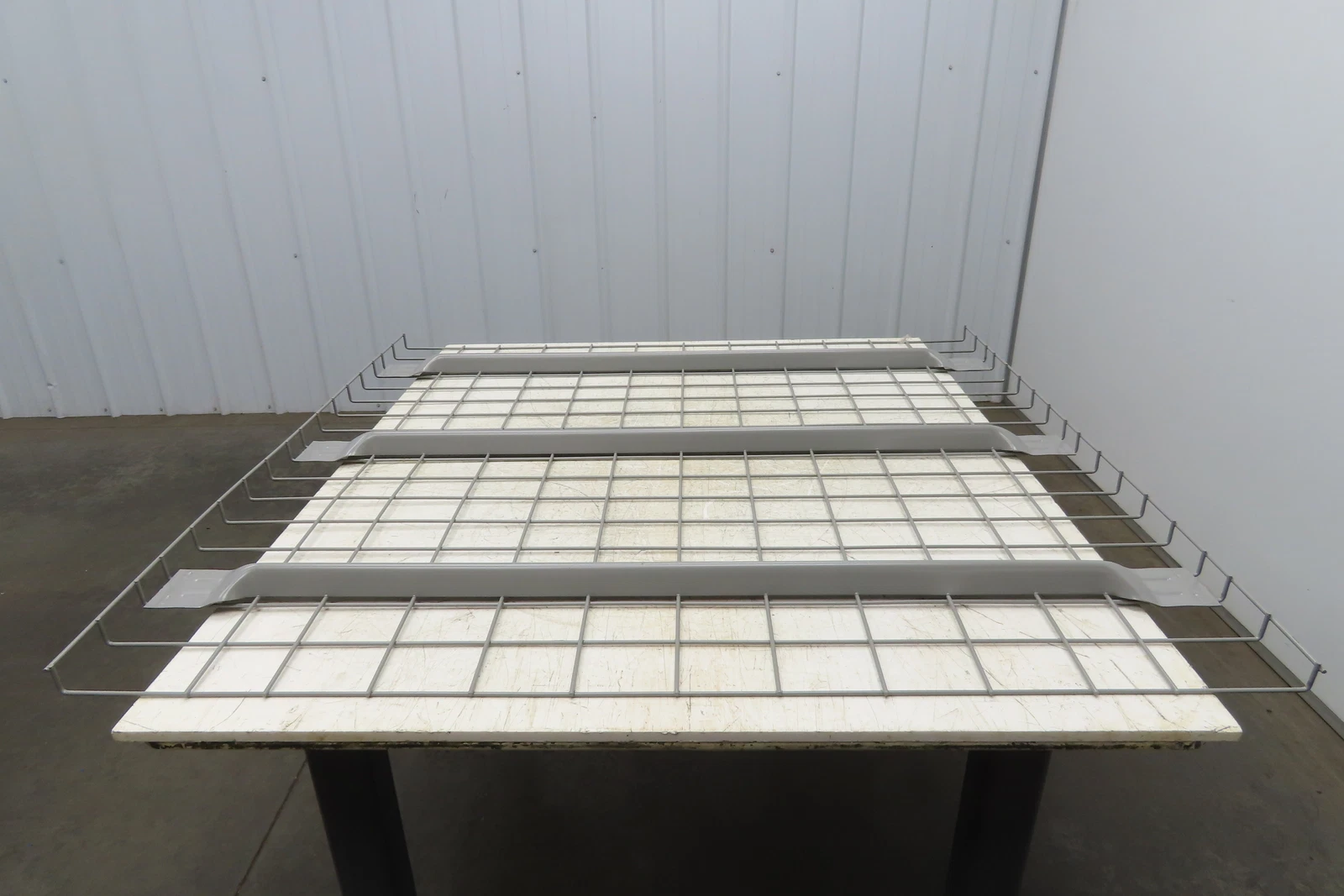
What Factors Influence Our Choice In Rack Strategy?
How Can We Optimize Storage Efficiency?
In every warehouse or storage space, the hustle and bustle is evident. Folks are maneuvering around tight aisles, ducking under low beams, and trying to juggle the balance between what we need right now and what we can store for later. It’s a dance, and like any good dance, it requires practice and a bit of finesse. One of the best ways to step up this performance is by innovating with racking systems.
Imagine a bustling shop where every square foot matters. When storage efficiency is optimized, it’s not just about fitting more in; it’s about unleashing potential. A well-designed racking system lets you utilize vertical space, allowing goods to soar higher rather than crowding your floor. This not only clears the clutter but also your mind. When everything has its place, you can work faster and with purpose. There’s a tangible satisfaction in seeing an orderly space where chaos once reigned.
But let’s dive deeper. Think of the folks on the floor who are lugging heavy boxes or climbing precarious ladders. Poor organization leads to injuries and downtime. A smart racking system can mitigate these risks, making the workspace safer and showing that you care about the team’s well-being. You’re not just optimizing space; you’re fostering an environment where people feel valued and protected.
From a financial standpoint, the numbers tell a story that can’t be ignored. When you invest in robust racking systems, you might find your operational costs drop. Less time searching for products translates to quicker turnarounds and happier customers. With inventory neatly stored, losses from spoilage or damage reduce significantly. Seeing the bottom line improve is a real win, and it builds trust with stakeholders, who appreciate data-driven decisions.
Moreover, think about the camaraderie created by efficiency. When the team works in sync, everyone shares in the triumphs. An organized space promotes collaboration rather than competition. It’s the difference between running a chaotic race and a well-rehearsed team relay. As every box is placed on sturdy racks, the shared success ignites motivation and unity.
Optimizing storage efficiency through innovative racking systems is not just about tangible improvements; it’s about creating an atmosphere where people can thrive. When the heart of the workforce connects with a clear purpose and logic, extraordinary transformations happen. This isn’t just a storage solution—it’s a pathway to a more efficient, engaging, and healthier workspace for everyone involved.

How Can We Optimize Storage Efficiency?
How Can We Optimize Storage Efficiency?
- Warehouses require strategic organization to balance current needs and future storage.
- Innovative racking systems optimize vertical space, improving storage efficiency.
- Efficient organization enhances productivity and reduces clutter.
- Smart racking systems can decrease workplace injuries and downtime.
- Investing in racking can lower operational costs and improve customer satisfaction.
- Effective storage fosters teamwork and collaboration among employees.
- Optimized spaces create healthier, more engaging work environments.

How Can We Optimize Storage Efficiency?
What Are the Costs Associated with Poor Rack Planning?
In the world of warehousing and inventory management, the importance of proper rack planning can’t be overstated. Imagine walking into a facility where the racking systems are a tangled mess, resembling a game of Tetris gone wrong. This disarray doesn’t just look unprofessional; it costs money and time. The emotional toll can feel like a storm brewing as workers scramble to find items, frustration mounting as deadlines loom. If you think that a little inefficiency doesn’t matter, consider how it can lead to a cascade of problems—missed deliveries, unhappy customers, and a reputation that might take years to mend.
From a rational standpoint, poor planning may lead to underutilized space, where cubic footage is wasted, and profit margins shrink. If you’re paying for that space, every inch counts. A poorly designed racking system can also result in increased labor costs, as employees spend more time hunting for items rather than shipping them out. It’s a heads-up to any business owner: if folks can’t find what they need when they need it, your bottom line suffers. And when payroll soars and inventory turns sluggish, it’s not just numbers on a sheet; it’s your business’s lifeblood ebbing away.
Ethically, there’s a responsibility to ensure a safe and productive workplace. When racks are overcrowded or poorly positioned, accidents are waiting to happen. That’s not only detrimental to morale but could also open the door to significant liability issues. People deserve to work in an environment where they feel secure doing their jobs.
An authority in the field will tell you that investing time and resources into proper rack planning pays off. The narrative is clear: businesses that take the time to devise thoughtful and efficient racking systems tend to thrive. They foster a culture of efficiency and safety, leading to higher employee satisfaction and retention rates.
Socially, it’s about more than just profit margins; it’s about community. A well-organized warehouse reflects pride in one’s work and considers the team that makes it all happen. This organization fosters collaboration, where everyone feels a sense of ownership over their environment. When employees can operate effectively in a well-planned space, they’re empowered to do their best work.
The costs associated with poor rack planning are steep, affecting not only the balance sheet but the entire operation’s spirit. Investing in a well-thought-out racking system is an act of wisdom that safeguards both people and profits.

What Are the Costs Associated with Poor Rack Planning?
What Are the Costs Associated with Poor Rack Planning?
- Proper rack planning is crucial in warehousing and inventory management.
- Poorly organized racking leads to inefficiencies, missed deliveries, and damaged reputations.
- Underutilized space and increased labor costs result from poor planning.
- A safe and productive workplace is an ethical responsibility; overcrowded racks increase accident risks.
- Investing in efficient racking systems enhances employee satisfaction and retention.
- A well-organized warehouse promotes collaboration and a sense of ownership among workers.
- The financial and operational costs of poor rack planning significantly impact overall business success.

What Are the Costs Associated with Poor Rack Planning?
How Does Rack Strategy Impact Product Accessibility?
HowDoesRackStrategyImpactProductAccessibility?RackingSystems
In every warehouse or storage facility, the heartbeat of productivity often lies in how well things are organized and accessible. A well-implemented rack strategy can mean the difference between a smooth operation and a chaotic mess. It’s about more than just storing boxes; it’s about creating a system that enhances efficiency while ensuring that products are within reach when needed.
Imagine walking into a warehouse where racking systems are meticulously designed to make everything visible and accessible. Each item has its place, and every worker knows exactly where to find what they need. This simplicity fosters a sense of confidence among employees. They can do their jobs without wasting time fumbling around or searching in frustration. When products are accessible, it reduces the risk of errors and enhances productivity. A faster hand on the product means customers are happier, and the bottom line looks better.
But let’s not stop at efficiency—the ethical component of accessibility deserves a spotlight. Good racking systems enable people with diverse needs to work alongside each other, fostering an inclusive environment. When everyone can access the products they need without barriers, it empowers staff and cultivates a culture of teamwork. It shows that a company values its workforce and respects their capabilities, which deepens loyalty and job satisfaction.
Then there’s the narrative of connection. Each rack tells a story: of the careful planning that went into selecting the right materials, of the sweat and hard work put into setting it all up. Each worker contributes to that story, knowing their daily efforts are supported by a strategic system that makes their lives easier. It’s about pride in a job well done and the camaraderie that forms when everyone pitches in to make the operation run smooth as butter.
Furthermore, there’s an undeniable authority in demonstrating a solid rack strategy. When you walk into a place where the racking is well thought out, you can’t help but feel a sense of trust in the operations. Customers notice when products are organized and easy to find, leading them to believe they’re dealing with professionals who have it all together.
A robust rack strategy transforms how products are accessed, impacting not just the flow of goods but also the spirit of the workforce. This is about creating environments where people thrive and products are always just an arm’s reach away, cementing the idea that accessibility isn’t a mere strategy—it’s the foundation of a successful operation.

How Does Rack Strategy Impact Product Accessibility?
How Does Rack Strategy Impact Product Accessibility?
- A well-implemented rack strategy enhances organization and accessibility in warehouses.
- Efficient racking reduces time spent searching for items, increasing employee confidence and productivity.
- Accessible environments promote inclusivity, allowing diverse teams to work together effectively.
- Good racking systems convey a company’s respect for its workforce, boosting loyalty and job satisfaction.
- Every rack reflects careful planning and teamwork, fostering pride in employees’ contributions.
- Organized racking builds customer trust, showcasing professionalism and efficiency.
- A solid rack strategy is essential for optimizing product access and creating a thriving workplace.

How Does Rack Strategy Impact Product Accessibility?
Are We Considering Future Scalability In Our Rack Design?
When we look at our racking systems, we often think about immediate needs—what we have to store, how much weight it can handle today, and how it’ll fit into our current space. But what about tomorrow? It’s a tough balance, and one we must consider if we want our businesses to grow. Future scalability isn’t just a buzzword; it’s a lifeline.
Picture yourself a few years down the road. Business is booming, and your small warehouse has turned into a busy hub. Orders are flying out the door, and you need more space. If your racking systems weren’t designed with growth in mind, you might find yourself in a tricky situation. You might have to tear down, rebuild, and restructure, wasting time and resources you could have invested elsewhere. It’s more than just a hassle; it’s the difference between riding the wave of success and getting overwhelmed by it.
Rethinking our design isn’t just smart; it feels right. The folks who rely on our racking systems—our team, our customers—they deserve a setup that works for them now and in the future. That commitment to ethical business practices means providing solutions that stand the test of time. It’s about building trust—not just with our customers, but with ourselves and our employees. They want to know they are part of something that won’t crumble under pressure.
Think about the stories you hear on the shop floor. Those shared experiences—the times a clever design saved the day, or when a poorly planned rack led to chaos—create a narrative that encourages us to dig deeper and plan for what’s next. It’s in these stories that we find the authority to influence improvements. Each person’s experience adds to our understanding of practical needs and the innovations we can incorporate into our designs.
Considering scalability means looking out for not just ourselves but for our whole community. It’s about creating a social framework where businesses can thrive together. When we invest in scalable racking systems, we’re taking a stand for quality and foresight. We’re saying, “We believe in our future, and we’re ready to meet it head on.”
Solid racking systems are about more than just metal and design; they represent resilience and the foresight to adapt in an ever-evolving landscape. It’s time to build something that lasts.

Are We Considering Future Scalability In Our Rack Design?
Are We Considering Future Scalability In Our Rack Design?
- Immediate needs of racking systems include current storage requirements and weight capacity.
- Future scalability is crucial for business growth and avoids costly restructuring later.
- Designs should accommodate anticipated growth to prevent operational challenges.
- Commitment to ethical practices ensures racking systems serve current and future needs.
- Shared experiences on the shop floor guide improvements in racking design.
- Investing in scalable systems fosters community growth and business collaboration.
- Robust racking systems symbolize resilience and adaptability in changing environments.

Are We Considering Future Scalability In Our Rack Design?
What Role Does Technology Play In Modern Rack Strategies?
When it comes to racking systems, technology isn’t just a fancy add-on; it’s become the backbone of efficient warehouse operations. Imagine a bustling warehouse, where workers bust their backs, maneuvering forklifts and fitting boxes into racks. Here, technology emerges as a silent partner, enhancing both the workers’ efficiency and the accuracy of inventory management. With a few clicks, a manager can pull real-time data on stock levels, leading to smarter decisions about what to order and when. This isn’t just about numbers; it’s about ensuring that the supply chain flows smoothly, reducing stress for everyone involved.
Racking systems today often integrate advanced software that tracks every item stored within. This might sound technical, but at its core, it’s about making life easier for the folks on the ground. When a worker can scan a barcode and instantly see where a product is stored, it’s not just a time-saver—it’s a game changer. It fosters a sense of trust in the system, allowing workers to focus on their tasks instead of second-guessing where things are.
The ethical side of using technology in racking systems revolves around accountability and safety. Automated systems can minimize human error, ensuring that what’s ordered matches what’s delivered. This not only builds confidence among team members but also strengthens relationships with customers, who rely on accurate and timely deliveries. Moreover, these systems can optimize space and reduce wasted time, saving costs that could otherwise go into retraining or correcting mistakes.
Let’s not forget the social aspect. The modern workforce craves technology that connects them more to their work and to each other. Integrating tech into racking strategies cultivates collaboration. Teams can share information, discuss strategies on how to improve efficiency, and celebrate successes together. The narrative shifts from isolated labor to a collective effort—everyone’s input matters.
In this era, embracing technology in racking systems isn’t just smart; it’s necessary. It speaks to a deeper understanding of our roles in the larger picture. We’re not just stacking boxes; we’re building a system that supports communities, boosts morale, and keeps the wheels turning. Facing the challenges of today’s fast-paced logistics world, innovative racking systems powered by technology ensure we’re not just surviving but thriving in this competitive landscape.
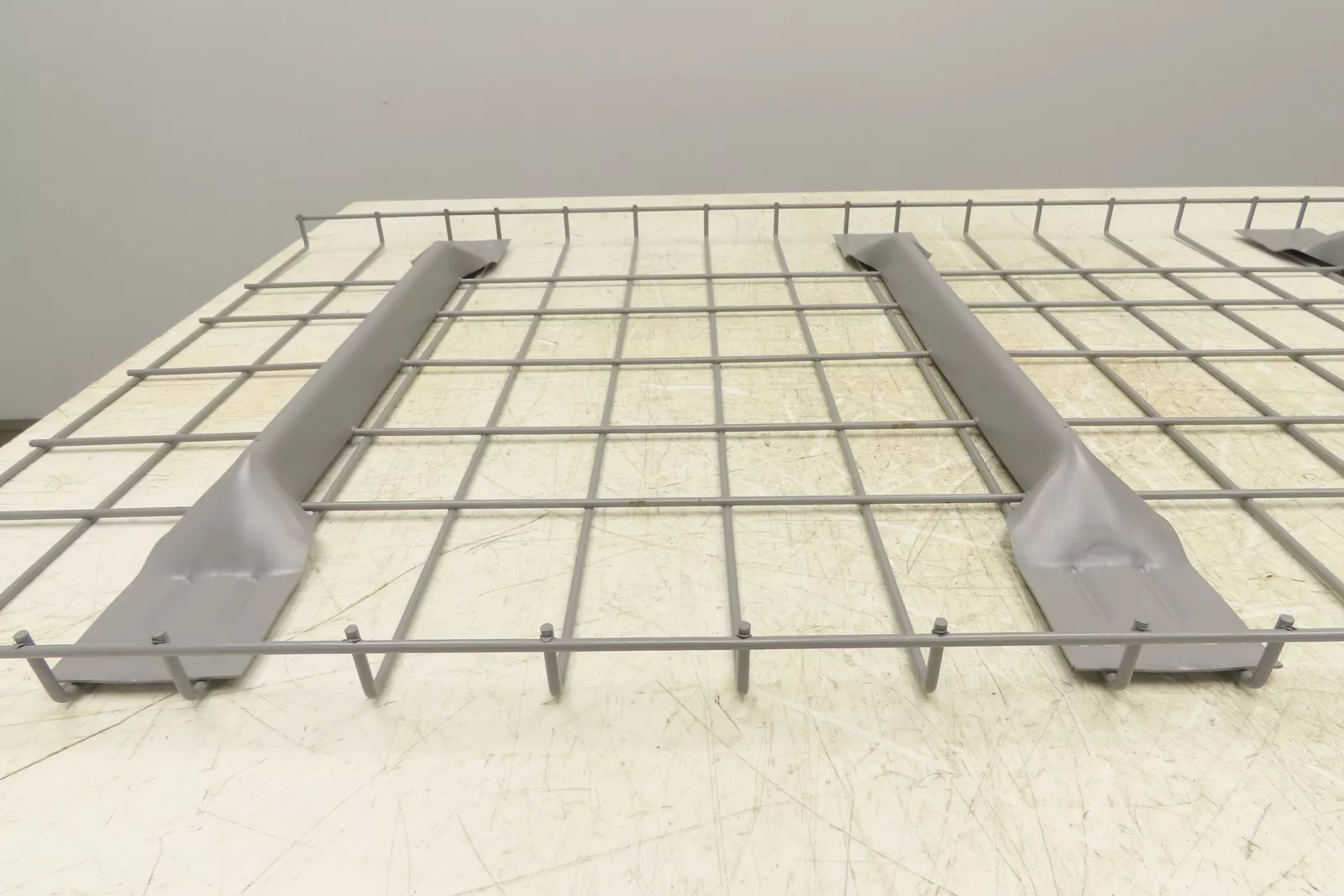
What Role Does Technology Play In Modern Rack Strategies?
What Role Does Technology Play In Modern Rack Strategies?
- Technology is essential for efficient warehouse operations, enhancing worker efficiency and inventory accuracy.
- Real-time data access allows managers to make informed decisions about stock levels.
- Advanced software tracks items stored in racking systems, significantly improving operational efficiency.
- Automation minimizes human error, ensuring orders match deliveries and building trust within teams.
- Technology in racking systems supports accountability, customer relationships, and cost savings.
- Collaboration is fostered through technology, shifting work from isolated tasks to team-oriented efforts.
- Embracing technology in racking systems is crucial to thriving in the fast-paced logistics environment.

What Role Does Technology Play In Modern Rack Strategies?
Conclusion
Effective rack strategy for batch-controlled products holds the key to operational success, transforming chaos into order in a fast-paced environment. A well-designed racking system serves as the backbone that keeps the workflow smooth, enabling craftspeople to focus on their skills rather than wasting time searching for materials. This harmonious organization empowers workers, instilling pride in their craftsmanship and fostering a profound connection to their craft. Emotionally, it acknowledges their hard work, uplifting morale and productivity.
From a rational perspective, investing in an efficient racking design isn’t just wise—it’s a strategic business approach. Thoughtful organization can slash retrieval times significantly, leading to cost savings and increased outputs. This practical investment enhances resource allocation, driving efficiencies in large-scale operations, ultimately resulting in improved profit margins. Ethically, placing importance on safety is paramount. Effective racking minimizes risks of accidents, ensuring a secure work environment where employees feel valued. When safety is prioritized, it builds trust and cultivates a culture of respect among team members.
Socially, a well-implemented racking system creates a common culture within the workplace, providing a shared understanding of where to find materials. This fosters teamwork and creates a sense of ownership, uniting employees in their goal to achieve collective success. Everyone knows their role in the larger narrative of the operation, which further drives engagement and accomplishment.
As businesses grow, scalability becomes crucial. Planning racking systems with future needs in mind prevents unnecessary upheaval and resource wastage down the line. This foresight conveys a commitment to both employees and customers, ensuring that operations can adapt and thrive under increasing demands. It’s not just about creating a physical structure; it’s about building a reliable framework that nurtures long-term success.
Integrating technology into racking strategies enhances operations significantly. Real-time inventory tracking and automated systems reduce errors, ensuring smooth supply chain flow and accurate deliveries, thus enhancing customer satisfaction. Technology fosters collaboration as team members connect over shared insights and innovations, transforming isolated labor into a unified effort to streamline processes.
Ultimately, the story of rack strategy in batch-controlled environments is one of transformation. Effective racking isn’t merely a logistical necessity; it’s a holistic approach that respects the craft, prioritizes safety, and builds a strong community within the workplace. By committing to thoughtful, strategic, and scalable rack design, organizations pave the way for resilient and efficient operations where every product and every worker is set up for success.

Conclusion
Conclusion:
- Effective rack strategy transforms chaos into order, enhancing operational success.
- A well-designed racking system supports smooth workflow, allowing craftspeople to focus on their skills.
- Investing in efficient racking designs leads to significant cost savings and increased outputs.
- Safety is prioritized with effective racking, reducing risks of accidents and fostering a culture of respect.
- A well-implemented racking system promotes teamwork and a shared understanding among employees.
- Planning for scalability in racking systems ensures adaptability to future operational demands.
- Integrating technology into racking enhances operations through real-time tracking and improves customer satisfaction.

Conclusion
Other Resources
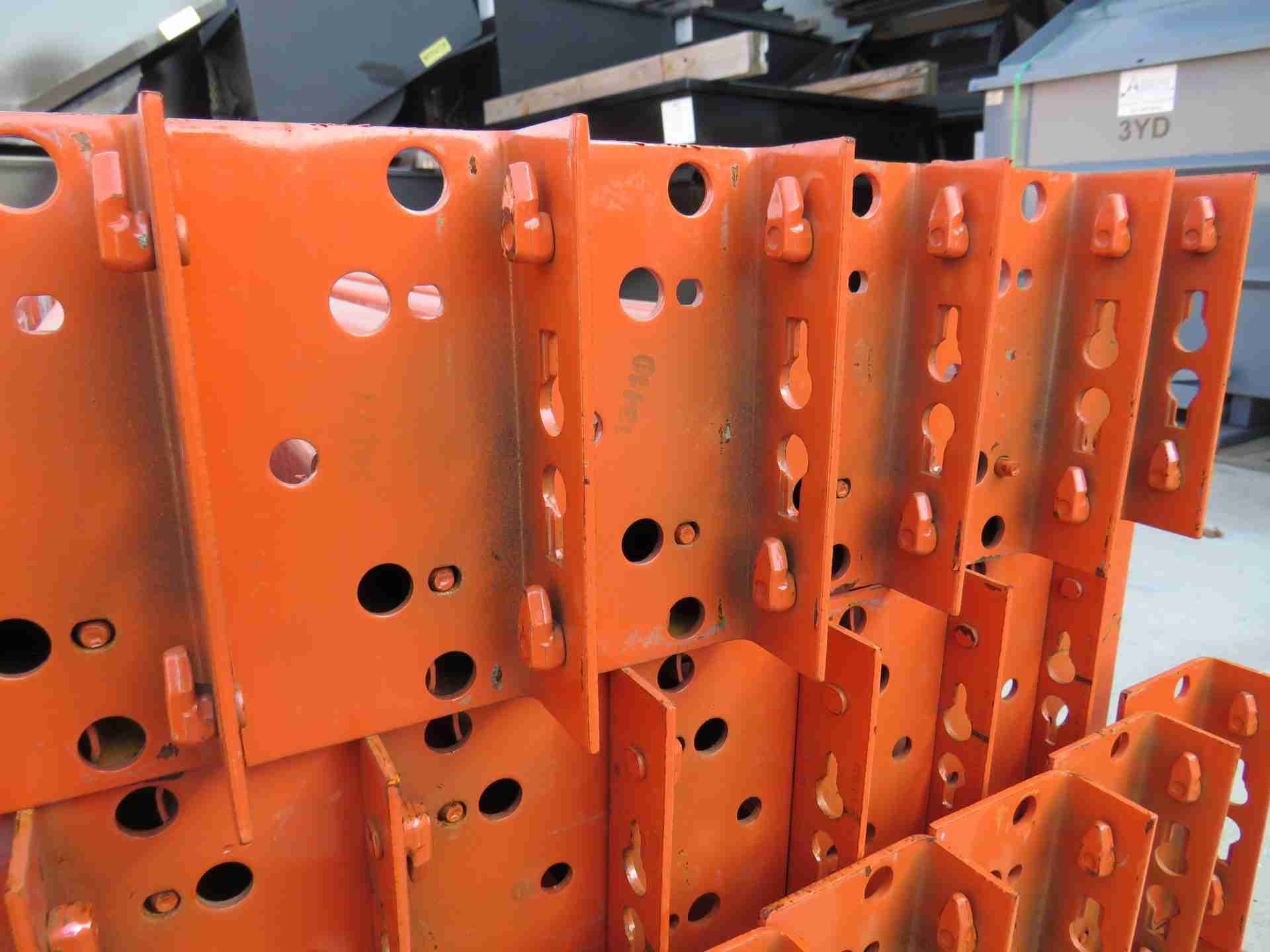
Other Resources
Here is a list of other resources you can review online to learn more:
- Material Handling Safety
- Selective Racking
- Warehouse Racking Layout: The Ultimate Guide – Conger
- Pallet Racking systems in Illinois and Great Lakes
- New Cantilever Racks and Racking Kits
- Mustang Material Handling
- Teardrop Industrial Shelving Rack
- American Society of Safety Professionals
- Storage Equipment Manufacturers’ Association
- Bradford Systems
- Logic Material Handling
- Cantilever Rack Configuration & Installation: A Comprehensive Guide – BMH
- ASSP
- Total Warehouse
- Chicago Pallet Racking
- Racking World
- Warehouse Racking System: Powerful Guide to Optimise, 2024
- Teardrop Pallet Rack – Ridg-U-Rak
- Selective Pallet Racking Systems
Use This Prompt To Get More Resources With Your Favorite Online AI Tool: Please provide me with a list of online articles with their URLs in a bulleted list that I can read regarding Rack Strategy for Batch-Controlled Products
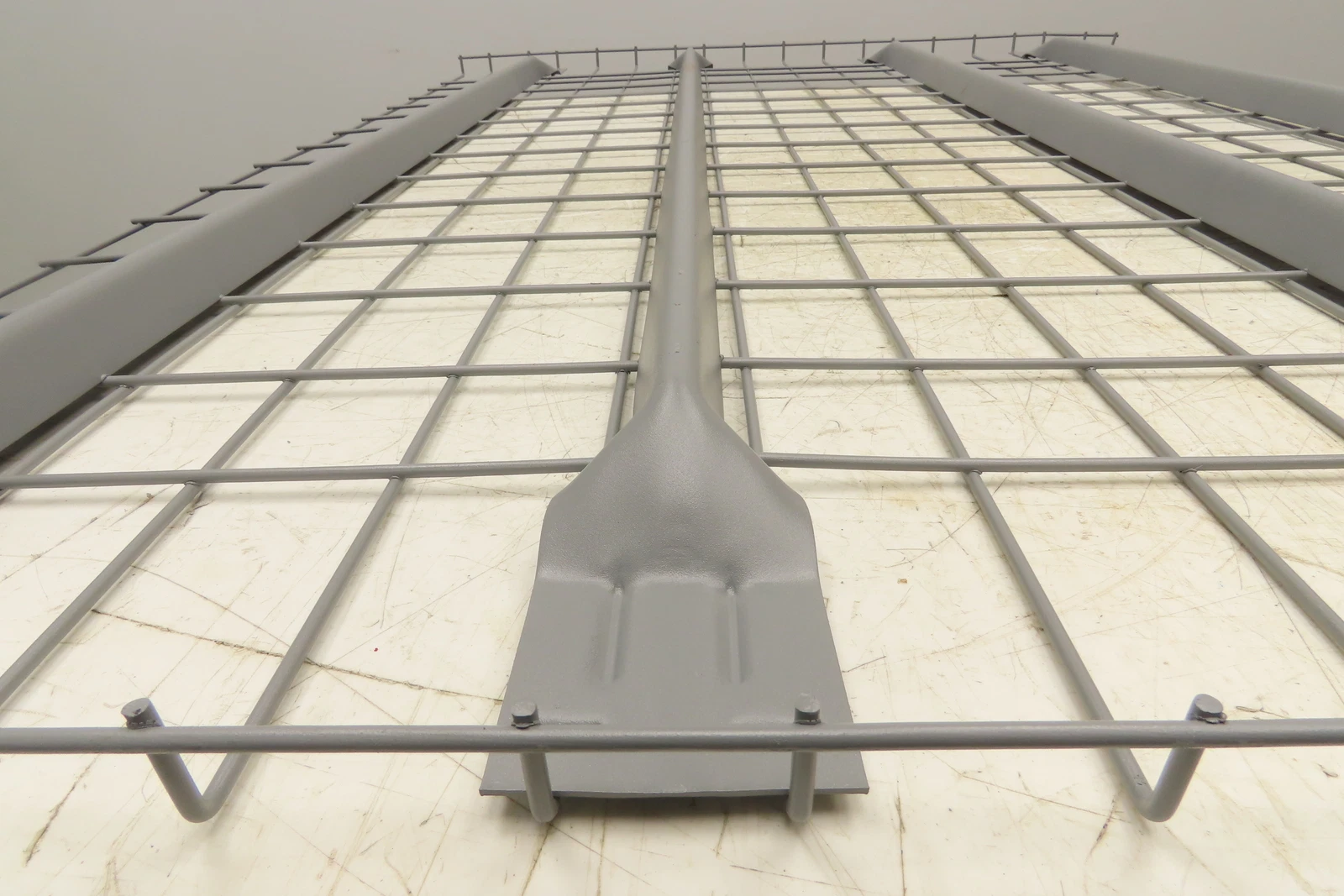
Other Resources
Glossary Terms
Rack Strategy for Batch-Controlled Products – Glossary Of Terms
1. Allocation: The process of distributing resources or inventory to various batches based on demand or strategic priorities.
2. Batch: A quantity of a product manufactured at one time, often managed as a part of production strategy.
3. Capacity: The maximum output capability of a production system or facility, often measured in units of product.
4. Control: The ability to manage and regulate production processes and inventory levels effectively.
5. Efficiency: The measure of how resources are utilized to maximize output while minimizing waste.
6. Inventory: The raw materials, work-in-progress, and finished goods that a business holds for production and sales.
7. Just-in-Time (JIT): An inventory management strategy that aligns production schedules closely with demand to reduce excess inventory.
8. Lead Time: The total time required from the initiation of a process until its completion, particularly in production.
9. Logistics: The overall management of the flow of goods and services from point of origin to point of consumption.
10. Order Fulfillment: The complete process of receiving, processing, and delivering orders to customers.
11. Production Plan: A detailed outline of the manufacturing process, including timelines and resource allocation.
12. Quality Control: The processes and procedures that ensure products meet predetermined quality standards.
13. Reorder Point: The inventory level at which new stock should be ordered to prevent shortages.
14. Scalability: The ability to increase production capacity without a proportional increase in costs.
15. Supply Chain: The network of entities involved in producing, handling, and distributing a product.
16. Tracking: The process of monitoring the movement and status of batch-controlled products throughout the supply chain.
17. Utilization: The percentage of capacity that is actually used, often compared to maximum capacity.
18. Variability: Fluctuations in demand or production that can impact production scheduling and inventory levels.
19. Workflow: The series of processes through which a piece of work passes from initiation to completion.
20. Lead Generation: The process of attracting and converting potential customers into interested leads or prospects.
21. Batch Processing: A method of data processing where transactions are collected and processed in groups or batches.
22. Safety Stock: Extra inventory held to guard against unexpected demand spikes or supply delays.
23. Cycle Time: The total time from the beginning to the end of a process, often used as a measure of efficiency.
24. Throughput: The rate at which products are produced or processed within a given timeframe.
25. Yield: The amount of product that is produced successfully from a batch in relation to the amount that was intended.
26. Demand Forecasting: The process of predicting future customer demand using historical data and analytics.
27. Process Optimization: The practice of making adjustments to improve the efficiency and effectiveness of production processes.
28. Batch Size: The quantity of products produced in a single production run, influencing efficiency and inventory levels.
29. Distribution: The action of delivering goods from a central location to various destinations or customers.
30. Continuous Improvement: A continual effort to improve products, services, or processes to enhance efficiency and effectiveness.

Glossary Of Terms
Other Questions
Rack Strategy for Batch-Controlled Products – Other Questions
If you wish to explore and discover more, consider looking for answers to these questions:
- What specific types of racking systems are best for different batch-controlled products (pallet racks, cantilever, flow racks, shelving)?
- How do we determine the correct rack load capacity and safety factors for our products?
- What are the regulatory or industry standards (e.g., ANSI, OSHA, FDA) that affect racking for batch-controlled goods?
- How do we design racking to support FIFO or LIFO batch-control requirements?
- How should racks be laid out to minimize pick/putaway travel time and maximize throughput?
- What slotting strategies work best for batch-controlled SKUs with variable demand?
- How can racking design reduce the risk of cross-contamination between batches or product lines?
- What labeling and signage systems best support batch traceability on racks?
- How do rack choices affect inventory accuracy and traceability (lot numbers, expiry dates)?
- How should racks be integrated with warehouse management systems (WMS), ERP, and inventory software?
- What technologies (barcodes, RFID, voice picking, vision systems) complement rack strategy for batch-controlled items?
- How do we calculate expected ROI and payback period for racking investments?
- What are common cost drivers for rack installation and ongoing maintenance?
- How much downtime and disruption should we expect during racking installation or retrofit?
- What vendor selection criteria and procurement best practices should we use for racking systems?
- How do we plan for scalability and modular growth in rack design?
- What are best practices for seismic, wind, or environmental rating of racks in our region?
- How often should racks be inspected, and what are typical inspection checklists?
- What training and certification do staff need to work safely around batch-controlled racking?
- How should racks be configured for hazardous or temperature-controlled batch products?
- What floor loading, aisle width, and forklift clearances are required for our rack layout?
- How do we manage mixed pallet and case storage within the same racking strategy?
- What are recommended practices for labeling, signage, and visual management on racks?
- How can we measure and validate improvements in retrieval time and operational efficiency?
- What KPIs should we track to evaluate rack strategy effectiveness (pick rate, accuracy, space utilization)?
- How should we handle expired, recalled, or quarantined batches within the racking system?
- What contingency and emergency access considerations (egress, fire lanes) affect rack placement?
- How do insurance and liability considerations influence rack selection and maintenance?
- What are the lifecycle costs of different rack materials and finishes (steel grade, coatings)?
- How can racking be designed to improve ergonomics and reduce worker injuries?
- What are common mistakes companies make when implementing rack strategies for batch control?
- How can mezzanines, multi-tier racking, or vertical lift modules be used to increase capacity?
- What are best practices for retrofitting existing warehouses with new rack systems?
- How do we ensure compatibility between pallet types, slip sheets, and rack dimensions?
- What security and access control measures should be applied to racks holding high-value or controlled batches?
- How to design racking to support rapid recalls and lot-level traceability?
- What cleaning, pest-control, and sanitation requirements affect rack selection in food/pharma?
- How should racking strategy align with supplier and partner requirements for batch handling?
- What metrics or tests validate rack load-bearing performance (static and dynamic testing)?
- How to plan spare-parts, repair, and replacement strategies for racking components?
- What environmental controls (humidity, temperature) must be considered in rack placement?
- How does racking strategy impact picking methods (zone, batch, wave, discrete picks)?
- What software or simulation tools can help design and validate rack layouts before deployment?
- How to align change-management and staff adoption when moving to a new rack strategy?
- Are there proven case studies or benchmarks in our industry demonstrating successful rack strategies?
- What sustainability or end-of-life recycling options exist for racking materials?
- How much floor plan redundancy should we build in to allow reconfiguration during growth or seasonal peaks?
- What procurement or financing options (lease vs buy) are available for large-rack investments?
- How do we audit and document compliance with racking safety and batch-control processes?

Other Questions
Checklist
Rack Strategy for Batch-Controlled Products – A Checklist
Foundation and Objectives
✅______ Define measurable goals (retrieval time, order accuracy, space utilization).
✅______ Confirm regulatory and customer requirements for batch/lot traceability.
✅______ Identify constraints (budget, timeline, labor, equipment).
Space, Layout, and Flow
✅______ Survey building dimensions, clear height, column grid, dock positions, and utilities.
✅______ Set aisle widths and turning radii per material-handling equipment.
✅______ Maximize vertical utilization while maintaining required clearances.
✅______ Map optimized pick and put-away paths to minimize travel and congestion.
✅______ Select rack types by need: selective, pallet flow (FIFO or FEFO), push-back, drive-in/through, carton flow, cantilever, mezzanine.
Product and Batch Requirements
✅______ Define batch attributes to track (lot, manufacture date, expiry, and status: released, hold, or quarantine).
✅______ Assign FIFO or FEFO rules by SKU; align rack type to the rule.
✅______ Create dedicated zones for quarantine, quality hold, returns, rework, and recalls.
✅______ Segregate incompatible products (allergens, hazard classes) and prevent cross-mixing of batches.
✅______ Validate rack load capacities for product weights and packaging types.
✅______ Confirm environmental needs (temperature and humidity) and zone accordingly.
Accessibility and Ergonomics
✅______ Slot high-velocity SKUs in golden zones; minimize lifts and reaches for heavy items.
✅______ Standardize location naming; post clear labels and signage at all levels.
✅______ Provide defined pick faces and min/max replenishment triggers.
✅______ Ensure unobstructed access to pick locations and staging areas.
✅______ Identify and reduce double handling and backtracking.
Technology and Data
✅______ Configure WMS/ERP for locations, lots, and expiry management.
✅______ Enable barcode or RFID capture for lot and expiry at receipt, moves, and picks.
✅______ Build real-time dashboards for inventory, aging, and space utilization.
✅______ Implement cycle counting focused on batch accuracy and high-risk items.
✅______ Automate FEFO allocation in order promising and wave planning.
Scalability and Modularity
✅______ Choose modular racks with adjustable beams and standardized components.
✅______ Reserve expansion zones or reconfiguration paths in the layout.
✅______ Size capacities with headroom for forecasted SKU and volume growth.
✅______ Document tiered growth scenarios and associated rack changes.
✅______ Plan for future technology upgrades (AS/RS, AMRs, pick-to-light).
Team, Process, and Culture
✅______ Publish SOPs for receiving, put-away, replenishment, picking, staging, and reverse logistics.
✅______ Train teams on the location system, batch handling, and FIFO and FEFO rules.
✅______ Post visual aids (layout maps, flow diagrams, and zone definitions).
✅______ Establish a feedback loop for continuous slotting and layout improvement.
✅______ Define roles for inventory control, slotting, and data governance.
Cost and Risk
✅______ Build a total cost model (equipment, installation, software, maintenance, disruption).
✅______ Quantify labor impacts (travel time, touches, lines per hour) before and after.
✅______ Assess risks (product damage, bottlenecks, obsolescence) and mitigation plans.
✅______ Schedule routine inspections and a maintenance budget for racking assets.
Implementation and Change Management
✅______ Clean and label all locations; produce an authoritative location master.
✅______ Pilot a representative zone; validate KPIs; iterate.
✅______ Plan a phased rollout with inventory cutover and minimal downtime.
✅______ Migrate master data and slotting assignments; freeze changes during cutover.
✅______ Decommission or repurpose legacy racking; reconcile inventory variances.
KPIs and Review Cadence
✅______ Retrieval time per pick and travel distance per line.
✅______ Pick rate (lines per hour), order accuracy, and OTIF.
✅______ Space utilization (cubic and pick-face), rack density, and occupancy.
✅______ Batch/lot traceability time and expiry/aging exposure.
✅______ Damage rate, returns due to wrong lot, and inventory turns.
✅______ Set weekly operational reviews and quarterly strategy reviews.
Documentation and Controls
✅______ Maintain rack specifications, layout drawings, and load documentation.
✅______ Keep an up-to-date location schema and labeling standards.
✅______ Record change requests and approvals for slotting and layout updates.
✅______ Archive vendor warranties, service logs, and parts lists.
✅______ Document recall and batch isolation procedures with contact trees.

Checklist
At RackingWorld, we help guide you through selecting warehouse storage systems and racking.
Be sure to read our other related stories at RackingWorld to learn more about warehouse storage systems.
0 Comments