
Ensuring Rack Safety: A Comprehensive Guide For Business Owners
By Tom Seest
At RackingWorld, we help guide you through selecting warehouse storage systems and racking.
Be sure to read our other related stories at RackingWorld to learn more about warehouse storage systems.
Rack Safety Audits: What Inspectors Look For
When it comes to warehouse safety, racking systems play a pivotal role in safeguarding both employees and inventory. The importance of these structures cannot be overstated—they are the backbone of efficient logistics and order fulfillment. Conducting regular rack safety audits isn’t just a box to check; it’s a commitment to protecting the lives and livelihoods of those who depend on these systems.
Auditors look for several key factors during inspections. First and foremost, they examine the structural integrity of the racking itself. Are there visible signs of wear and tear? Any bent beams or misplaced shelves can signal impending failure. Just imagine the ramifications of a collapsed rack—valuable products lost, yes, but more importantly, lives could be put at risk. Every rack inspection is an opportunity to put safety first, and here’s where ethics come into play. If we call ourselves managers, supervisors, or leaders, we owe it to our teams to ensure a safe working environment.
Then there’s the matter of compliance with industry standards. Inspectors scrutinize the racks to ensure they meet specific safety regulations. This isn’t just a formality; it’s about adhering to the moral contract we make with our employees. Trust is built when workers see their safety is not only valued but prioritized. You cannot put a price on that peace of mind, nor can you afford to cut corners on compliance.
Beyond structural checks, auditors also assess the environment around the racking systems. Is there proper signage? Are walkways clear? Are employees trained in safe loading and unloading practices? This is where you connect the dots. By fostering a culture of safety and accountability, you create an atmosphere where every employee feels empowered to speak up. It’s about building a community that values safety, where every member understands their critical role in preventing accidents and ensuring one another’s well-being.
So next time you see those towering racks, remember: they’re not just metal and wood. They represent a complex web of relationships, ethics, and responsibilities. Make that audit matter. Your team deserves it. Because at the end of the day, safety is about more than just compliance—it’s about respect, trust, and the unwavering belief that everyone deserves to go home safe.
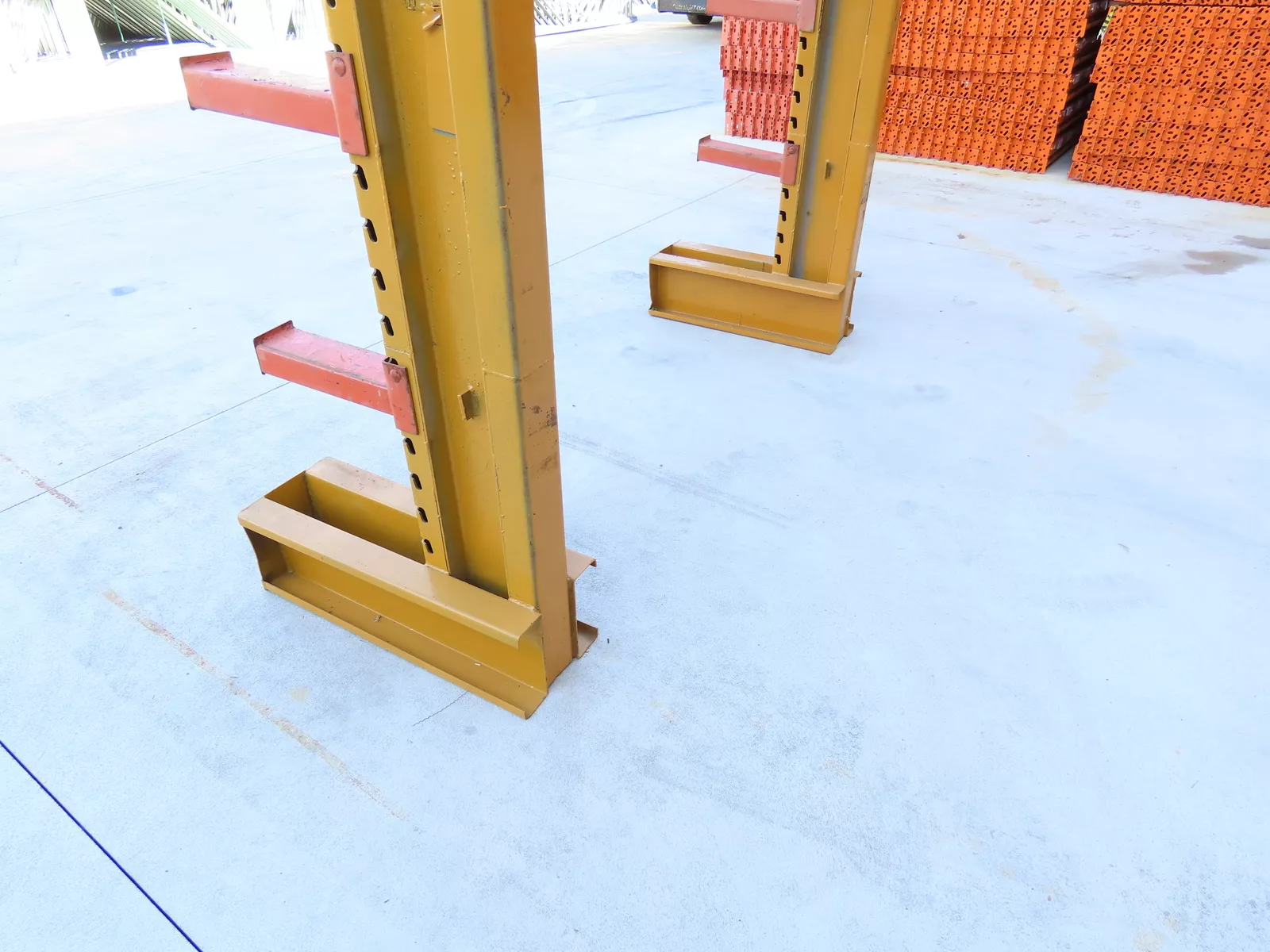
Rack Safety Audits: What Inspectors Look For
Rack Safety Audits: What Inspectors Look For
- Racking systems are essential for warehouse safety, protecting employees and inventory.
- Regular rack safety audits are crucial for ensuring a safe working environment.
- Key factors during inspections include structural integrity and signs of wear and tear.
- Compliance with industry safety standards is vital for trust and peace of mind among employees.
- Adequate environment checks—such as signage, clear walkways, and employee training—are important.
- Fostering a culture of safety promotes accountability and empowers employees to prioritize safety.
- Safety goes beyond compliance; it encompasses respect, trust, and the commitment to employee well-being.
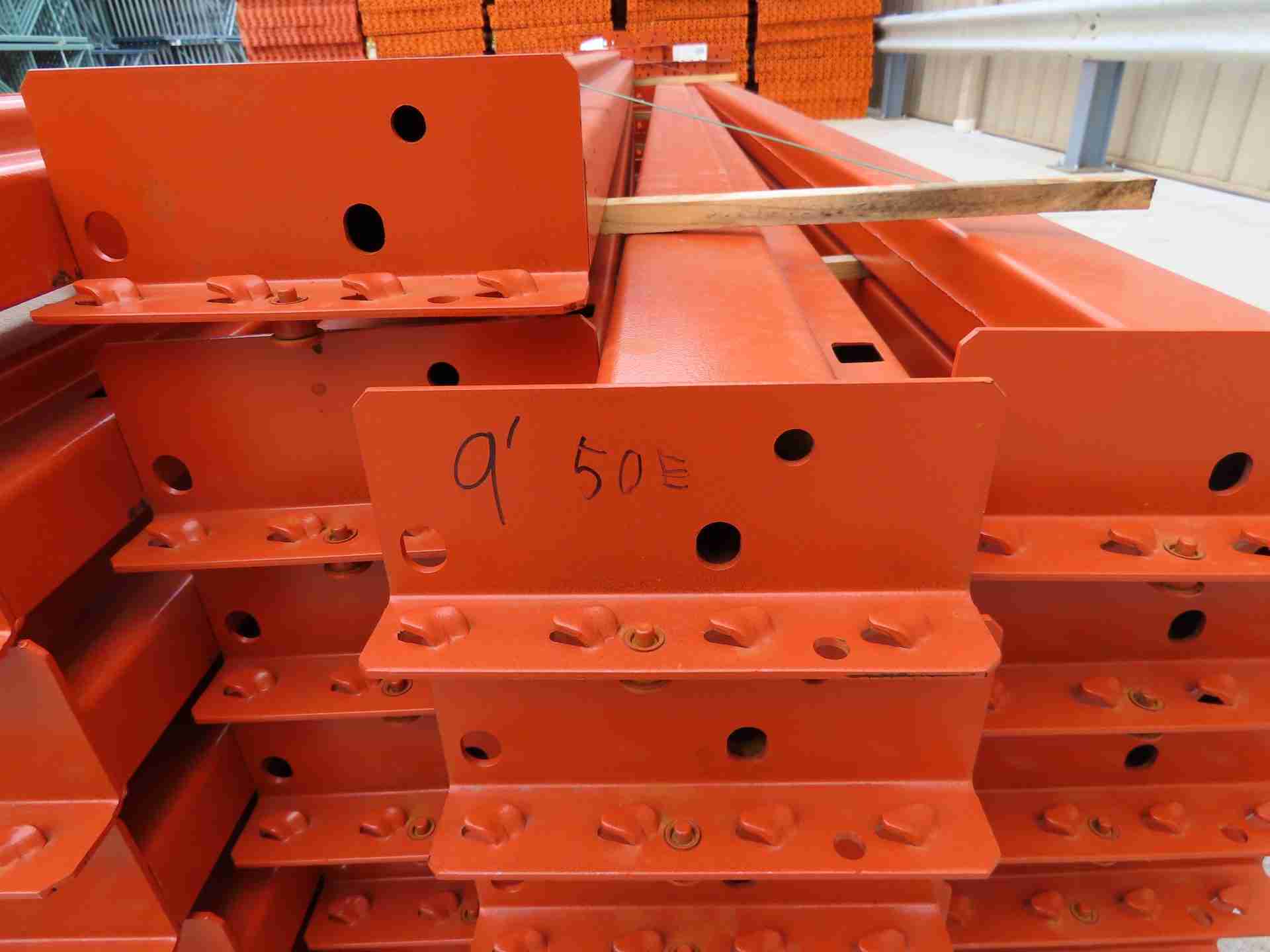
Rack Safety Audits: What Inspectors Look For
Table Of Contents
- Rack Safety Audits: What Inspectors Look For
- How Can Regular Audits Save Your Business From Costly Accidents?
- Are Your Current Safety Protocols Truly Protecting Your Employees?
- What Ethical Responsibilities Do You Have to Ensure Workplace Safety?
- How Do Industry Standards Shape Your Approach to Rack Inspections?
- How Can Peer Pressure Influence Safety Practices In Your Warehouse?
- Conclusion
- Other Resources
- Glossary Of Terms
- Other Questions
- Checklist
How Can Regular Audits Save Your Business From Costly Accidents?
Picture this: A warehouse bustling with activity, goods being moved efficiently, challenges being tackled head-on. But behind this well-oiled machine lurks a hidden menace—costly accidents that can turn a regular day into an absolute nightmare. This is where the role of regular audits cannot be overstated. They are not just dry checklists or compliance ticks; they are the lifeblood of your business’s safety and efficiency.
Imagine the last time you racked your brain over a routine task, only to overlook a small detail. Now, consider that in a workplace setting, where overlooking such details can have catastrophic results. Regular audits help keep your business vigilant, shining a light on areas that may be susceptible to accidents. They identify racking issues, equipment wear, and unsafe practices before they manifest into serious incidents that could cost lives and livelihoods.
Audits do more than protect your bottom line; they foster a culture of accountability and commitment within your team. When employees see that their safety is a priority, their morale rises. They feel valued, knowing that their well-being is part of the larger mission. This emotional connection transforms the workplace from just a job into a community, where each person is a vital piece of the puzzle.
Investing time in regular audits isn’t merely prudent; it’s ethical. Skimming over safety protocols for the sake of expediency may seem like a money-saver in the short term, but what happens when something goes wrong? The costs of lost productivity, legal liabilities, and damage to your brand can far exceed the resources spent on prevention. In a world where your reputation is everything, that’s a risk you can’t afford to take.
Now, let’s get real. How many businesses have found themselves scrambling for answers after an accident? The numbers don’t lie. A proactive stance on audits equips you with the knowledge you need to suck the unpredictability out of your operations. By continually assessing and addressing vulnerabilities, you can make informed decisions that not only protect your employees but also instill confidence in your clients and partners.
So take a hard look at your operation. Are you vigilant? Regular audits can be your beacon in this chaotic world, steering you away from costly mishaps and toward a future where safety and success are the norm, not the exception. Take that first step—your business deserves it.

How Can Regular Audits Save Your Business From Costly Accidents?
How Can Regular Audits Save Your Business From Costly Accidents?
- Regular audits are crucial for workplace safety and operational efficiency.
- They help identify potential hazards, racking issues, and unsafe practices before they lead to serious accidents.
- Audits create a culture of accountability and commitment among employees, boosting morale and making them feel valued.
- Investing in safety protocols through audits is ethical and prevents costly repercussions from accidents.
- Neglecting safety measures can result in significant legal and financial consequences that surpass prevention costs.
- A proactive audit approach equips businesses with the knowledge to eliminate unpredictability and protect employees.
- Regular audits serve as a guiding force toward maintaining safety and success within an organization.
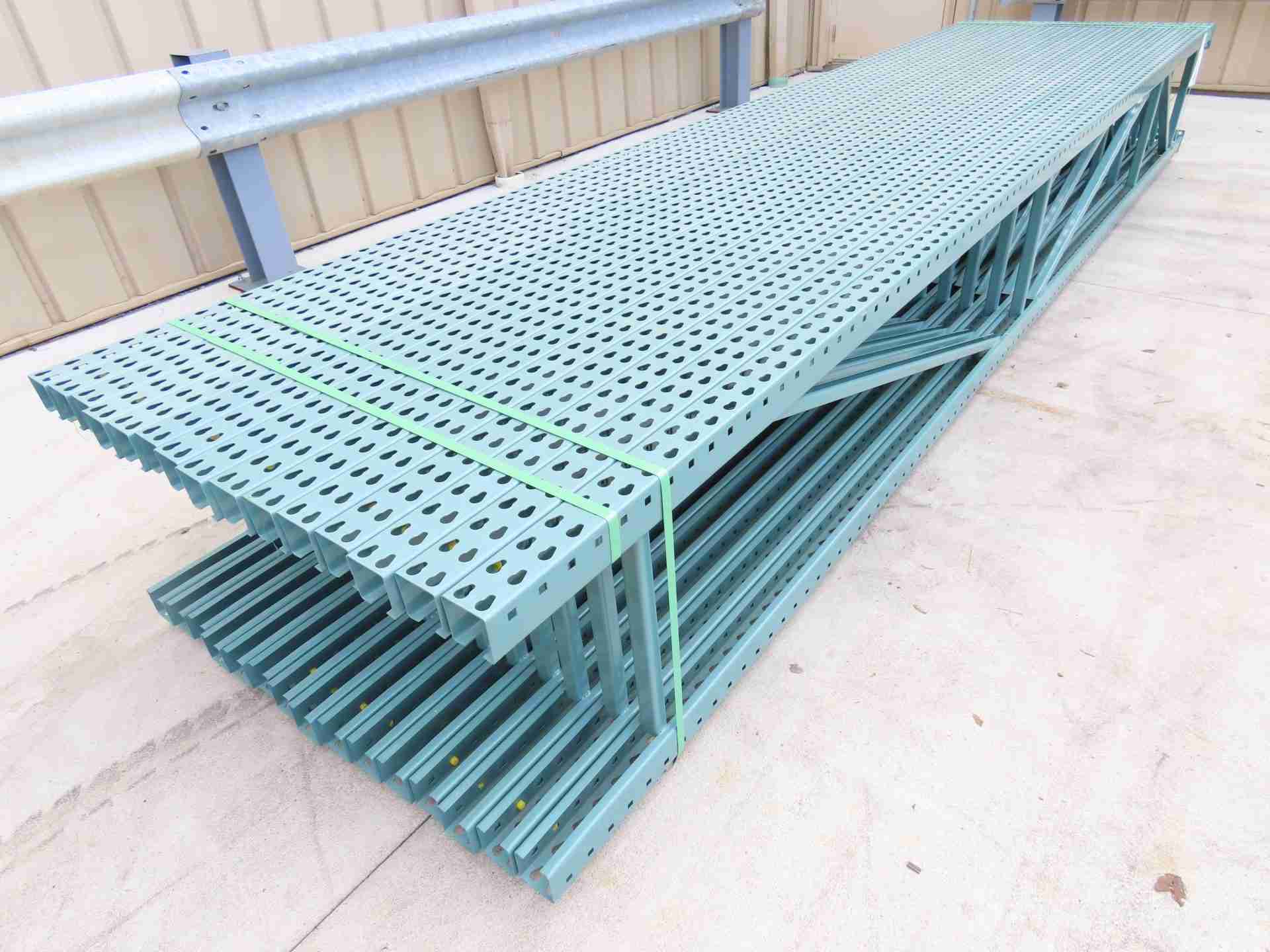
How Can Regular Audits Save Your Business From Costly Accidents?
Are Your Current Safety Protocols Truly Protecting Your Employees?
When you walk into a workplace, it’s easy to spot the shiny equipment and slick safety posters. But beneath that polished surface lies a question that demands answers: Are your current safety protocols truly protecting your employees?
Imagine a worker—let’s call him Sam. He’s the kind of guy who shows up every day, ready to put in hard-earned hours, providing for his family and contributing to the greater community. But what if, on a seemingly ordinary day, he finds himself injured while racking heavy equipment? It’s not just a statistic; it’s an upheaval in someone’s life, a moment of dread that ripples through families, friendships, and workplaces.
For every Sam, there are countless stories hidden behind closed doors. The emotional weight of workplace safety is palpable. Every cut, bruise, and near-miss tells a tale of vulnerability. The head of your organization might say safety is a priority, but how often do you engage in meaningful conversation about what that truly means? Metrics can show improvement, but data alone doesn’t protect people. It’s the heartfelt commitment to take action that makes all the difference.
Rationally speaking, investing in robust safety protocols yields dividends. You don’t just reduce the odds of accidents; you build trust. In our human-centered work environments, employees want to feel valued beyond their labor. Create an atmosphere of safety, and you empower your team to voice concerns without fear, fostering a culture that places ethics front and center. Safety isn’t merely a checklist; it’s woven into the fabric of your organization’s identity.
Consider the authority that stems from experience. Organizations that prioritize employee safety often find themselves standing on the shoulders of giants—those who learned the hard way. These lessons serve as beacons, illuminating the paths others need to tread carefully. Draw on these narratives and share them openly, fostering connections among your workforce.
Socially, it’s a collective responsibility. Let’s face it—when one person gets hurt, the entire team feels it, even if it doesn’t make the headlines. Being proactive about safety means looking out for one another and creating a space where everyone can thrive. So pause for a moment and ask yourself: Are those shiny safety measures really serving your Sam, his family, and your whole team? Trust and take action because safety is not just a requirement; it’s a commitment to those who matter most.
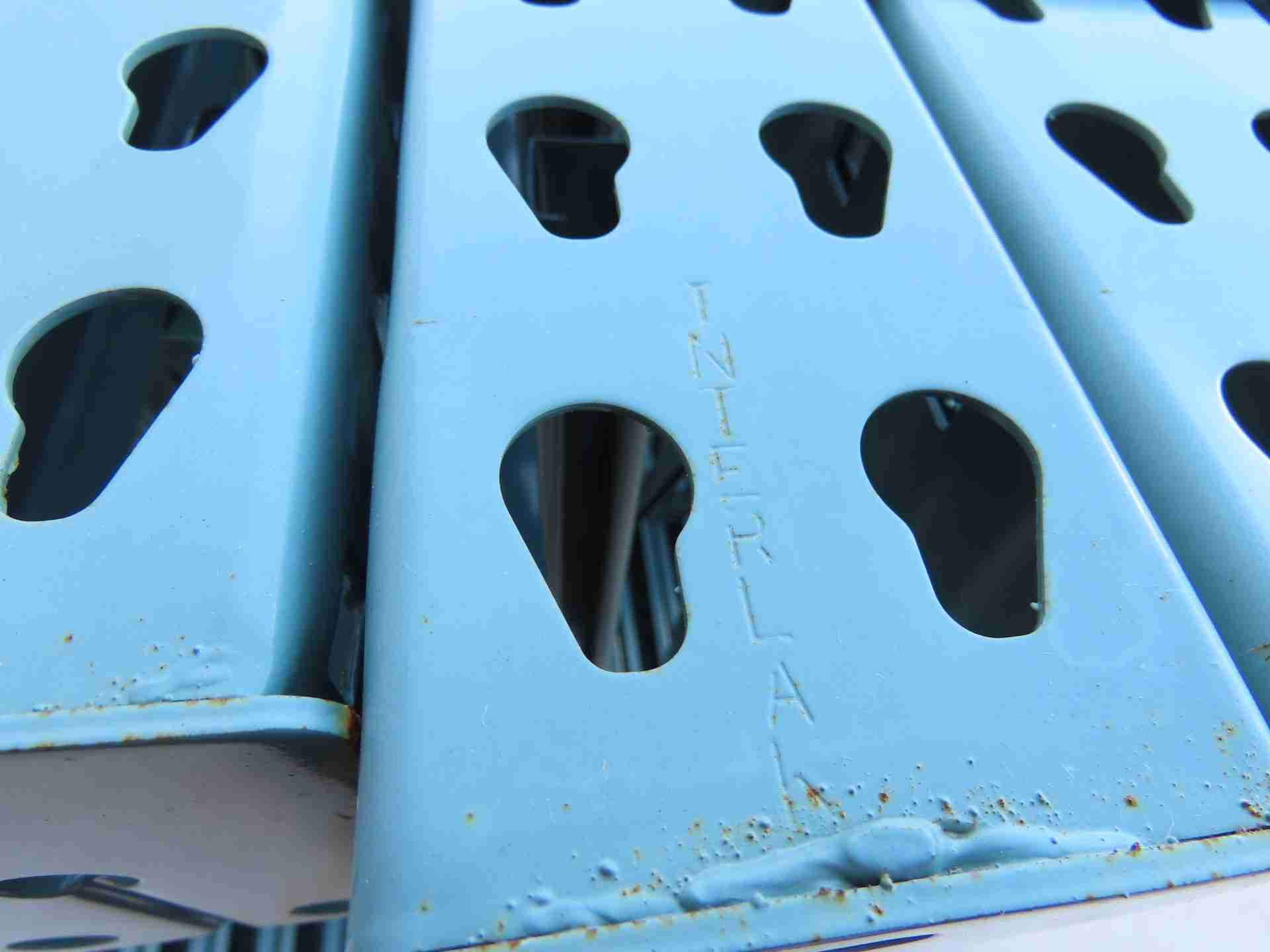
Are Your Current Safety Protocols Truly Protecting Your Employees?
Are Your Current Safety Protocols Truly Protecting Your Employees?
- Workplace safety protocols should genuinely protect employees rather than just appear polished.
- Individual stories like Sam’s highlight the emotional and personal impact of workplace injuries.
- Safety metrics can show improvement, but true safety requires a heartfelt commitment to action.
- Investing in strong safety protocols builds trust and empowers employees to voice concerns.
- Safety should be an integral part of an organization’s identity, not merely a checklist.
- Learning from past experiences enhances safety and fosters connections within the workforce.
- Safety is a collective responsibility, crucial for the well-being of the entire team.
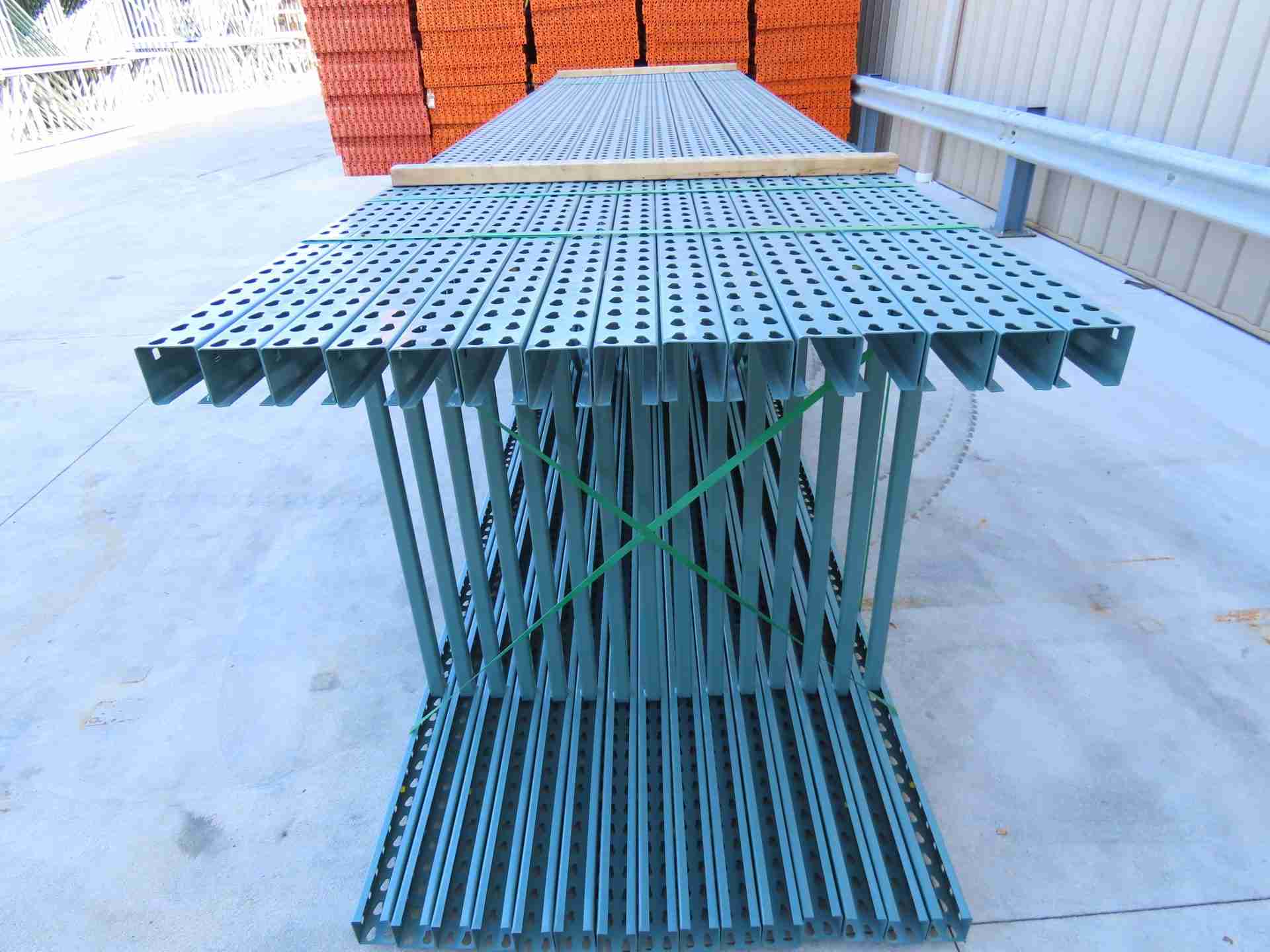
Are Your Current Safety Protocols Truly Protecting Your Employees?
What Ethical Responsibilities Do You Have to Ensure Workplace Safety?
When it comes to workplace safety, it’s not just a checklist; it’s a culture. It’s about daily choices we make that impact not just our own lives but the lives of our coworkers, our partners, and ourselves. Every time you step onto a job site, you step into a realm of responsibility—a world where that unsteady racking or an overlooked hazard could lead to severe consequences, not just for you, but for those around you. Those moments of hesitation, those lapses in judgment, they add up, don’t they?
Think about it: you’re not just here to punch a clock and collect a paycheck. You’re part of a team woven together by a shared goal. When one of you stumbles, the ripples extend far beyond that individual. Someone’s father may not come home, someone’s child may face reality a little differently if safety becomes an afterthought. This truth weighs heavy. It compels us all—not just to follow rules but to foster a partnership in safety, empowering everyone to speak up. Your voice matters as much as your hands do.
Rationally speaking, fostering a safe environment isn’t a burdensome task; it’s an enlightened choice. From the tools we choose to the processes we follow, each component should work harmoniously to prevent accidents and promote health. Clarity in duties and responsibilities can transform chaotic dance into a well-rehearsed ballet. The statistics tell us that companies committed to safety don’t just save lives; they see lower turnover rates, reduced insurance costs, and heightened morale. It’s a win-win scenario—while safety may sound like just another corporate tagline, it holds the weight of survival.
Ethically, we owe it to one another to uphold the highest standards. When we choose not to act—when we ignore racking that is out of place or hesitate to report unsafe practices—we compromise our common bond. That feeling of responsibility becomes a thread that connects us, urging us to ensure every person can feel secure in their role.
Ultimately, it’s about trust. When we trust each other to prioritize safety, we cultivate an environment where innovation can flourish, where creativity isn’t stifled by fear. Let’s inspire one another, share our stories of bravery in the face of negligence, and transform that passion into action. Together, through empathy and engagement, we can create not just a safer workplace but a richer tapestry of human experience. It starts with each of us. Are you ready to answer the call?
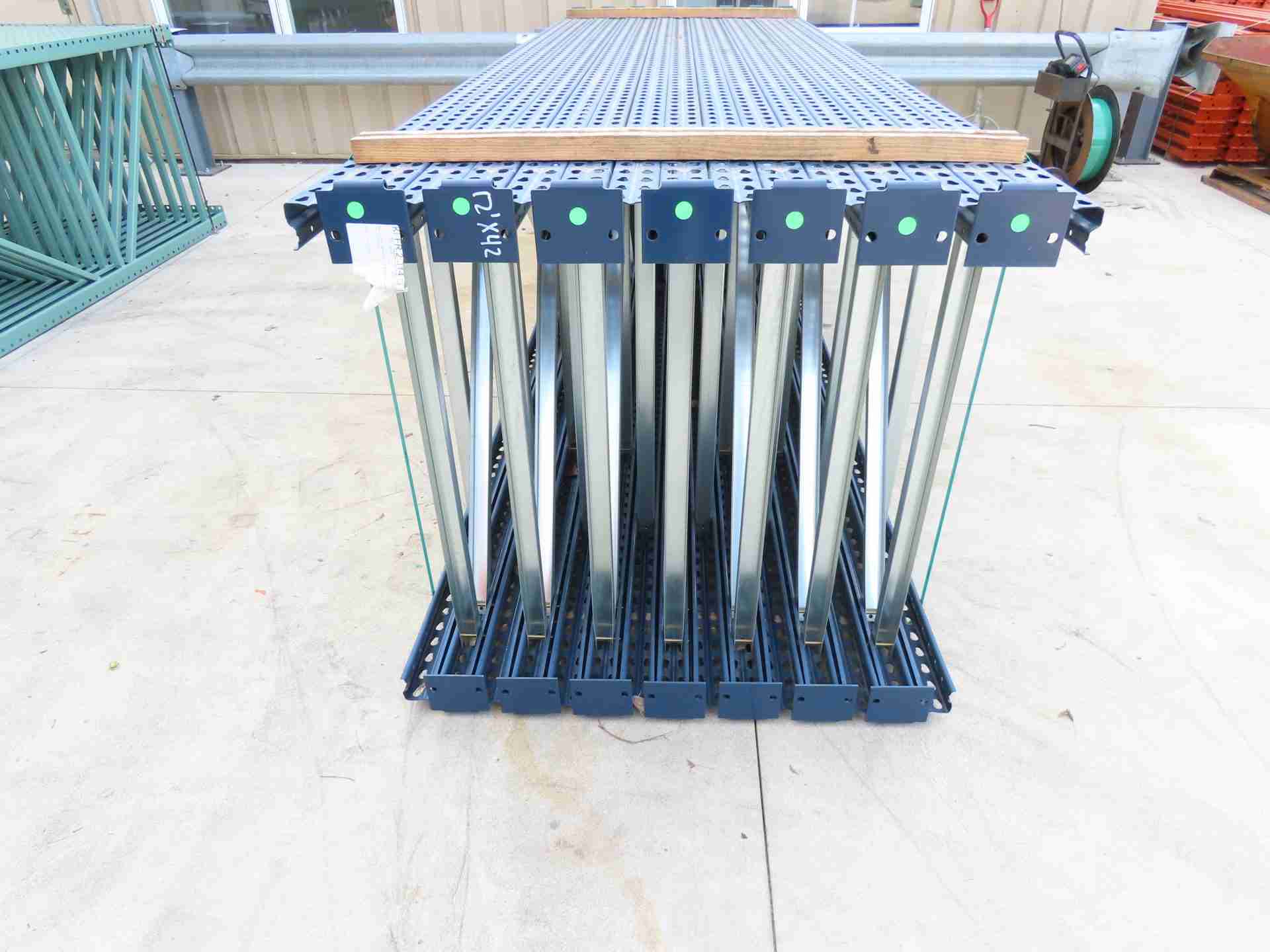
What Ethical Responsibilities Do You Have to Ensure Workplace Safety?
What Ethical Responsibilities Do You Have to Ensure Workplace Safety?
- Workplace safety is a culture built on daily choices that affect everyone.
- Each worker has a responsibility to their coworkers, as lapses in judgment can lead to severe consequences.
- Employees are part of a team with a shared goal, where individual mistakes can impact many lives.
- Fostering a safe environment is an enlightened choice, benefiting both health and productivity.
- Companies committed to safety enjoy lower turnover, reduced costs, and improved morale.
- Ethically, it is vital to uphold safety standards and support one another in maintaining a secure workplace.
- Trust in prioritizing safety promotes innovation and a positive work environment, encouraging collective action.
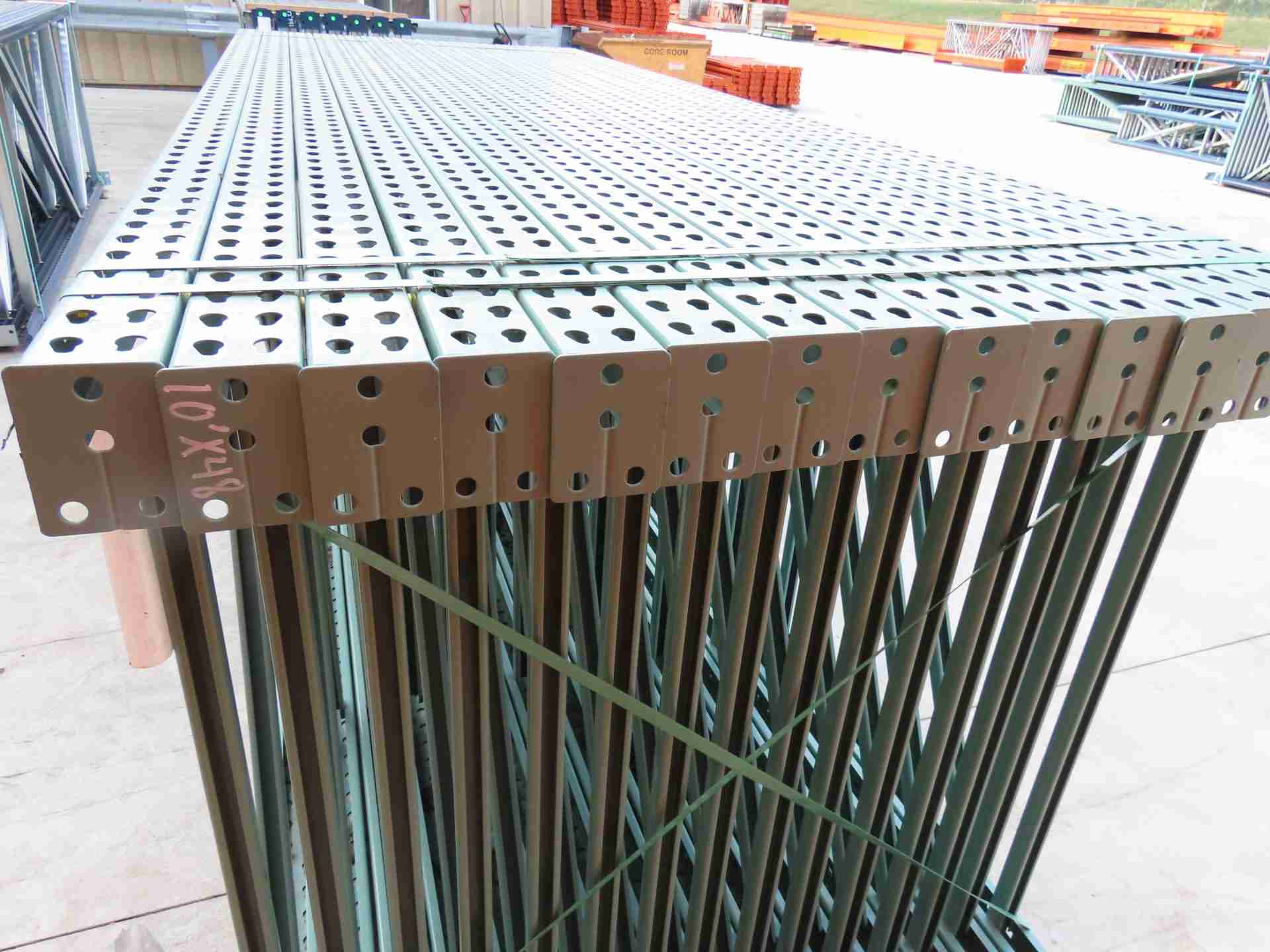
What Ethical Responsibilities Do You Have to Ensure Workplace Safety?
How Do Industry Standards Shape Your Approach to Rack Inspections?
When you look at a warehouse filled with towering racks, you’re witnessing the nerve center of countless operations. These metal giants do more than just hold products; they cradle dreams, aspirations, and livelihoods. That’s why industry standards for racking inspections aren’t just bureaucratic checkpoints; they’re a foundation for trust and safety, woven into the very fabric of our economic ecosystem.
Imagine walking into a facility where racking systems sag and sway—your gut churns. Now picture the opposite: a well-maintained warehouse that sings of safety and reliability. That feeling isn’t just a perk; it’s a responsibility. When industry standards guide your approach to racking inspections, you’re not merely ticking boxes—you’re upholding a promise to your team, your clients, and your community.
Understanding the rationale behind these guidelines taps into the head. They’re backed by data—studies show that regular inspections can reduce accidents by as much as 75%. It isn’t just a number; it’s the assurance that your workers aren’t facing unnecessary risks daily. This commitment to safety is not just strategic; it’s ethical. It’s about standing guard for those who might not see the hazards lurking in the shadows. We owe it to every single person who steps onto the warehouse floor, trusting that their environment has been treated with respect and diligence.
But let’s not overlook the narrative—every time a rack inspection is conducted, it’s more than maintenance; it’s a chance to engage in a story that connects us all. From the laborers who stock the shelves to the families who depend on swift deliveries, we’re part of an intricate web. When we choose to actively participate in adhering to these standards, we’re not just maintaining equipment; we’re supporting livelihoods and enhancing community well-being.
And then there’s the authority of industry standards—they exist because someone took the time to study what works and what doesn’t. Leaning on their expertise helps foster trust, both in ourselves and in the systems we uphold. It’s a call to action for professionals at all levels: when you commit to these inspections, you’re not simply following a playbook; you’re choosing a path that prioritizes safety and integrity.
Ultimately, the approach you take to rack inspections shapes not just the physical environment, but also the moral landscape of your operations. Embrace those standards, and together, let’s ensure every rack, and every person, stands tall.

How Do Industry Standards Shape Your Approach to Rack Inspections?
How Do Industry Standards Shape Your Approach to Rack Inspections?
- Warehouses with high racks are vital components of operations, holding products that represent dreams and livelihoods.
- Industry standards for racking inspections are essential for trust and safety in the economic ecosystem.
- Well-maintained warehouses promote feelings of safety and reliability, reinforcing responsibility towards team and community.
- Regular inspections can reduce accidents by up to 75%, ensuring worker safety and reducing unnecessary risks.
- Rack inspections are not merely maintenance, but a narrative that connects workers and families to their environment.
- Adhering to industry standards fosters trust and integrity, benefiting all levels of professionals involved.
- The commitment to racking inspections shapes both the physical and moral landscapes of operations, ensuring safety for all.
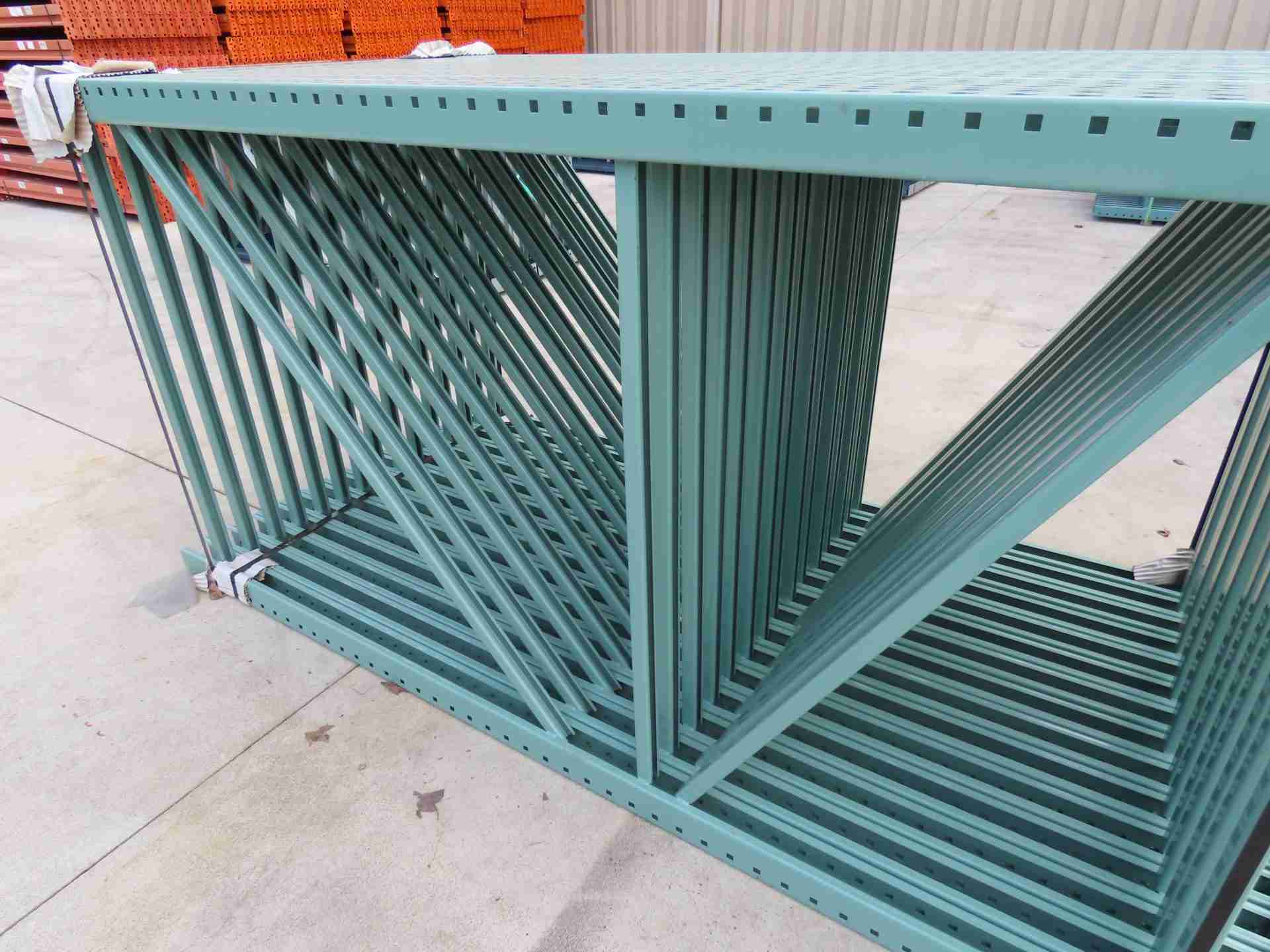
How Do Industry Standards Shape Your Approach to Rack Inspections?
How Can Peer Pressure Influence Safety Practices In Your Warehouse?
When it comes to the safety practices in your warehouse, peer pressure can be an invisible but formidable force. Picture this: a bustling warehouse filled with racks of goods, bustling workers, and the clatter of machinery. Amidst this vibrant chaos, the question lingers—are we doing everything possible to keep one another safe? This goes beyond just the basics of racking and manual handling; it’s about creating a culture where safety isn’t just a task, but a shared responsibility.
Think about it. We’re wired to connect, to belong. When safety practices are treated as mere guidelines, they’re destined to be bent or broken. One slip, one hesitation, and that potentially dangerous situation becomes “just how we do things.” But when safety becomes a shared value, driven by peer influence, workers begin to take pride in looking out for each other. Who wouldn’t want to be the person who inspires others to prioritize safety? It’s not just about following rules; it’s about ensuring that everyone goes home at the end of the day unscathed.
Now, let’s look at it through a rational lens. The statistics don’t lie. Facilities that prioritize safety not only protect their workforce but also see improved morale and productivity. When everyone is invested in maintaining safety practices, the culture of the workplace shifts dramatically. A simple reminder to “use the right racking” or to double-check equipment can have a snowball effect. This leads to fewer accidents, lower insurance costs, and an undeniable sense of pride that emanates from everyone doing their part.
Ethically, it’s about taking responsibility for your teammates. If you see a coworker cutting corners, remember that your small voice of concern can be the catalyst for change. You aren’t just protecting them; you’re protecting yourself, your job, and your workplace. It’s not just compliance; it’s about care.
With the right approach, peer pressure can become a force for good. Engage with your coworkers, share stories of why safety matters, and motivate each other to be vigilant. This creates an environment where everyone looks out for one another. Let’s work together to inspire confidence and action—because when safety stands as a collective commitment, it transforms the warehouse from just another job site into a thriving community.

How Can Peer Pressure Influence Safety Practices In Your Warehouse?
How Can Peer Pressure Influence Safety Practices In Your Warehouse?
- Peer pressure plays a significant role in promoting safety practices in warehouses.
- Safety should be viewed as a shared responsibility rather than just a set of guidelines.
- A culture where safety is valued fosters pride in looking out for each other.
- Prioritizing safety leads to improved morale and productivity within the workplace.
- A proactive approach to safety can result in fewer accidents and lower insurance costs.
- Engaging with coworkers can create a supportive environment for safety awareness.
- Collective commitment to safety transforms the workspace into a thriving community.
How Can Peer Pressure Influence Safety Practices In Your Warehouse?
Conclusion
In the world of warehouse operations, safety isn’t a mere obligation; it’s both a moral imperative and a community bond. Racking systems are the unsung heroes that support not just the goods we handle but the very people who diligently work among them. Conducting regular rack safety audits transcends compliance; it signifies a profound commitment to the well-being of every individual on the team. When inspectors evaluate these systems, they focus on structural integrity, identifying risks that could lead to catastrophic failures. Think about the consequences of an overlooked flaw—a collapsed rack could mean losing not only valuable products but also putting lives at stake. Each audit is a reaffirmation of our ethical responsibility to create a safe workspace.
Relying solely on metrics misses the essence of safety—it’s about instilling trust. Employees thrive in an atmosphere where their safety is prioritized, leading to heightened morale and a sense of belonging. An organization that values safety becomes a community, where everyone plays a critical role in the well-being of one another. This is especially important in environments where the consequences of carelessness can ripple through families and communities.
The weight of workplace safety extends beyond the spreadsheets and checklists. It demands a culture that actively invites open conversations about risk, where each individual feels empowered to voice concerns. By embracing ethical standards and industry regulations, businesses not only protect their workforce but also bolster their reputation. We’ve learned the hard way that cutting corners isn’t just about saving a few bucks; it’s a gamble that can lead to devastating outcomes.
Let’s not overlook the influence of peer dynamics—a culture of safety flourishes when employees inspire each other to maintain best practices. It’s about creating a space where looking out for one another is intrinsic. The tiniest ripple of accountability can transform behaviors, promoting vigilance and care.
Every day we step into our workplaces, we are part of a collective responsibility. Safe operations are not just procedural; they should be woven into the very fabric of our workplace identity. Together, let’s choose safety—not just as a protocol but as a shared journey. The call to action is clear: prioritize safety, inspire your peers, and foster an environment where everyone can return home safely at the end of the day. It matters more than we often realize. Now, are you ready to answer that call?
Conclusion
Conclusion:
- Safety in warehouses is a moral imperative and a community bond.
- Regular rack safety audits demonstrate commitment to individual well-being.
- Inspectors focus on structural integrity to prevent catastrophic failures.
- A culture that prioritizes safety leads to trust, morale, and belonging among employees.
- Workplace safety requires open conversations and empowerment to voice concerns.
- Peer dynamics play a crucial role in fostering a culture of accountability and vigilance.
- Safety should be a shared journey woven into the workplace identity, encouraging everyone to prioritize it.
Conclusion
Other Resources

Other Resources
Here is a list of other resources you can review online to learn more:
- Illinois
- CA Wire
- Iowa Illinois Warehouse Racking
- Pallet Racking systems in Illinois and Great Lakes
- Warehouse Storage Racks
- Crane Manufacturers Association Of America Inc.
- Teardrop Industrial Shelving Rack
- CMMA
- Teardrop Pallet Rack – Ridg-U-Rak
- Warehouse Racking System: Powerful Guide to Optimise, 2024
- Warehousing Education and Research Council: https://www.werc.org/
- Used Teardrop Pallet Rack – American Surplus
- Teardrop Racks – Pallet Rack World
- Logic Material Handling
- Total Warehouse
- Intro to Warehouse Racks & Warehouse Racking Systems – ShipBob
- Storage Equipment Manufacturers’ Association
- Selective Pallet Racking Systems
- Material Handling Industry
Use This Prompt To Get More Resources With Your Favorite Online AI Tool: Please provide me with a list of online articles with their URLs in a bulleted list that I can read regarding Rack Safety Audits: What Inspectors Look For

Other Resources
Glossary Terms
Rack Safety Audits: What Inspectors Look For – Glossary Of Terms
1. Rack: A structured framework used for storing goods, often found in warehouses or retail spaces.
2. Safety Audit: A systematic review to assess compliance with safety regulations and identify hazards related to storage systems.
3. Inspector: A trained professional responsible for evaluating the safety and compliance of rack systems.
4. Compliance: Adherence to regulations, standards, and guidelines set by authorities regarding safety practices.
5. Load Capacity: The maximum weight a rack can safely support, crucial for preventing structural failure.
6. Deflection: The degree to which a rack bends under weight; excessive deflection can indicate overload or structural issues.
7. Pallet: A flat structure used to support goods during storage and transportation, typically placed on racks.
8. Vertical Clearance: The space available above racks, important for safe operation and avoiding collisions with other structures.
9. Aisle Width: The distance between racks, affecting accessibility and safety for workers and equipment.
10. Inspection Criteria: Specific standards and factors auditors evaluate during a safety audit.
11. Structural Integrity: The ability of a rack to support its intended loads without failure or excessive distortion.
12. Post: The vertical columns of a rack system that support horizontal beams.
13. Beam: The horizontal components of a rack, designed to hold the pallets and goods.
14. Bracing: Diagonal supports added to racks to enhance stability and prevent swaying.
15. Overloading: Situations where a rack is carrying more weight than it is designed to handle.
16. Deterioration: The process by which materials degrade over time, potentially compromising rack safety.
17. Material Handling Equipment: Tools such as forklifts and pallet jacks used to move goods in and around rack systems.
18. Load Chart: A document that outlines the safe load capacity of different rack configurations.
19. Safety Standards: Regulations established by organizations like OSHA and ASTM for safe rack use and storage.
20. Inspection Frequency: How often a safety audit should be performed based on regulations or company policies.
21. Risk Assessment: The process of identifying potential hazards related to rack systems and evaluating their impact.
22. Maintenance: Regular upkeep and repairs needed to ensure racks remain safe and functional.
23. Training: Education provided to employees on safe rack usage and best practices.
24. Ergonomics: Principles applied to design workspaces that reduce strain on workers, influencing rack access design.
25. Damage Assessment: The process of identifying issues such as dents, cracks, or rust that can affect rack stability.
26. Labeling: Marking racks with load limits or safety instructions as a reminder for proper usage.
27. Safety Culture: An organizational commitment to prioritizing safety in all operations, including rack handling.
28. Ergo-Friendly Design: Rack systems that promote worker comfort and efficiency, reducing injury risks.
29. Incident Reporting: A system for documenting safety incidents or near misses related to rack usage.
30. Corrective Action: Steps taken to remedy identified safety issues during inspections to avoid future problems.

Glossary Of Terms
Other Questions
Rack Safety Audits: What Inspectors Look For – Other Questions
If you wish to explore and discover more, consider looking for answers to these questions:
- What specific structural issues do auditors look for in racking systems?
- What are the industry standards for rack safety audits?
- How can regular audits be integrated into our business operations?
- What training is necessary for employees on safe loading and unloading practices?
- What are the potential consequences of neglecting rack safety?
- How can businesses foster a culture of safety among their employees?
- What steps should be taken when an audit identifies safety violations?
- How can peer pressure be positively harnessed to improve safety practices?
- What metrics should be used to measure the effectiveness of safety protocols?
- How can I support my teammates in maintaining safety without overstepping?
- What role do ethics play in workplace safety beyond compliance?
- How does safety protocol compliance impact employee morale and retention?
- What are the costs associated with workplace accidents related to racking issues?
Other Questions
Checklist
Rack Safety Audits: What Inspectors Look For – A Checklist
Rack Safety Audit Checklist
Emotional Appeals
_____ Create a Caring Environment: Promote a culture where every employee feels responsible for safety. Encourage open dialogue about safety concerns.
_____ Empower Employees: Foster an atmosphere where workers take pride in voicing safety suggestions and feel valued.
Rational Appeals
_____ Conduct Regular Inspections: Schedule and perform regular rack safety audits to identify potential hazards.
_____ Document Findings: Keep detailed records of inspections, maintenance issues, and corrective actions taken.
Ethical Appeals
_____ Commit to Safety Standards: Ensure compliance with industry safety regulations and ethical standards.
_____ Build Trust: Communicate openly with employees about safety practices and acknowledge their importance to your organization’s success.
Authority Appeals
_____ Utilize Expert Knowledge: Reference industry standards and expert recommendations during safety audits.
_____ Engage Qualified Inspectors: Hire or consult with certified safety experts for thorough assessments of racking systems.
Narrative Appeals
_____ Share Safety Stories: Encourage sharing personal experiences related to workplace safety, highlighting both successful interventions and lessons learned.
_____ Highlight Collective Responsibility: Illustrate how safety impacts lives, emphasizing the interconnectedness of all employees’ roles in maintaining a safe environment.
Social Appeals
_____ Encourage Team Accountability: Promote teamwork by encouraging employees to remind each other about safety practices.
_____ Celebrate Safety Achievements: Recognize and reward teams or individuals who demonstrate exceptional commitment to safety practices.
Use this checklist to ensure a comprehensive approach to rack safety audits, engaging the hearts, minds, and instincts of your team for a safer workplace.
Checklist
At RackingWorld, we help guide you through selecting warehouse storage systems and racking.
Be sure to read our other related stories at RackingWorld to learn more about warehouse storage systems.
0 Comments