
Transform Efficiency With Smart, Trustworthy Rack Labeling Solutions
By Tom Seest
At RackingWorld, we help guide you through selecting warehouse storage systems and racking.
Be sure to read our other related stories at RackingWorld to learn more about warehouse storage systems.
Rack Labeling Systems That Work
When you step into a warehouse filled with racks, it can feel like walking into a maze. Every row, every shelf, has a purpose, but without a solid labeling system for your racking systems, that purpose can easily get lost in the shuffle. A well-designed rack labeling system isn’t just about aesthetics; it’s about clarity and efficiency. It’s about ensuring that every worker, whether a seasoned pro or a newcomer, knows where to find what they need without skipping a beat.
Think about those busy days when time is money. If you can grab the right item in seconds instead of minutes, you’re not just keeping a schedule; you’re keeping your team’s morale high. Everyone hates fumbling around for something that should be easy to find. Clear, logical labels foster a sense of ownership and pride; they lead to better teamwork because everyone’s on the same page.
Then there’s the ethical side. In an industry where safety is paramount, proper labeling can prevent accidents. When a worker knows exactly where to find materials and is reminded of the weight limits or handling instructions right on the racking systems, they’re less likely to put themselves or others at risk. It’s a crucial step towards creating a culture of safety, where everyone feels valued and protected.
Authority also plays a big role in how we structure our environments. By investing in high-quality labels and making them a fundamental part of your operations, you’re sending a signal that you care about quality and professionalism. It’s about setting standards and showing your team—and your customers—that the details matter.
Consider the story of a filing warehouse that decided to overhaul its outdated labeling system. They brought in clear colors, bold fonts, and organized categories. Suddenly, confusion was replaced with confidence. Workers shared how they felt empowered, taking pride in their ability to navigate their space efficiently. That simple act of labeling inspired not just order but also camaraderie.
In a world where we often feel disconnected, implementing a thoughtfully designed rack labeling system can help us find our footing, quite literally. It brings a sense of community to the workplace, creating a shared language through labels that everyone can rally around. Racking systems that work well do more than hold products—they hold teams together. Investing in this system isn’t just smart; it’s a commitment to the people who keep the wheels turning every day. Embrace it, and watch productivity and morale soar as clarity takes the driver’s seat.

Rack Labeling Systems That Work
Rack Labeling Systems That Work
- A well-designed rack labeling system enhances clarity and efficiency in warehouses.
- It allows workers to quickly locate items, improving productivity and team morale.
- Clear labeling prevents accidents by providing essential information about materials and safety.
- Investing in high-quality labels demonstrates a commitment to professionalism and quality.
- Successful labeling can lead to a sense of ownership and better teamwork among employees.
- A revamped labeling system can empower workers and foster camaraderie in the workplace.
- Implementing a thoughtful labeling strategy promotes a sense of community and shared language.

Rack Labeling Systems That Work
Table Of Contents
- Rack Labeling Systems That Work
- What Benefits Do Effective Rack Labeling Systems Provide?
- How Can Proper Labeling Improve Inventory Management?
- What Are the Common Mistakes Made In Rack Labeling?
- How Does Labeling Impact Worker Efficiency and Safety?
- What Features Should You Look for In a Labeling System?
- How Can the Right Labels Reduce Errors In the Supply Chain?
- Conclusion
- Other Resources
- Glossary Of Terms
- Other Questions
- Checklist
What Benefits Do Effective Rack Labeling Systems Provide?
When you walk into a warehouse or storage area, the first thing that hits you is the organized chaos. Racking systems stretch up to the ceiling, holding countless items, each one waiting to be picked, packed, or shipped. But without an effective rack labeling system, that chaos can quickly turn into a headache. Picture a frantic worker searching for a part that’s lost in the labyrinth of shelves; it’s not just frustrating, it’s costly. This is where solid rack labeling comes in, not just as a set of pretty stickers, but as a powerful tool that transforms chaos into clarity.
From a practical standpoint, effective labeling means time saved. Employees can quickly locate items, which translates into quicker turnarounds and happier customers. In a world where every minute counts, that efficiency pays off in ways that show up in the bottom line. Think about it: the less time spent searching for products, the more time there is to focus on what really matters—getting orders out the door and building a reputation for reliability.
On a gut level, there’s something reassuring about an organized space. When the racking systems are well-labeled, it creates a sense of order. Workers know exactly where to find what they need, which builds confidence in their environment. It fosters pride in their work, knowing that they’re part of a system that values efficiency and organization. That sense of belonging and competence doesn’t just improve their day—it improves morale across the board.
Ethically, investing in a good rack labeling system shows that a company cares. It demonstrates respect for employees’ time and effort. By streamlining processes, it allows workers to feel valued rather than lost in a sea of confusion. This not only strengthens internal relationships but also builds a strong reputation within the industry.
Narratively, think of the stories that emerge from a well-labeled warehouse. Teams that glide through tasks seamlessly, managers who can track inventory effortlessly, and customers who rave about quick deliveries—all foster relationships built on trust. A well-organized stockroom tells a story of diligence and dedication, painting a picture where problems are managed before they escalate.
In a time when the ability to adapt and optimize is crucial, embracing effective rack labeling systems isn’t just smart—it’s essential. It’s about creating connections, fostering a sense of purpose, and transforming the way business is done.

What Benefits Do Effective Rack Labeling Systems Provide?
What Benefits Do Effective Rack Labeling Systems Provide?
- Effective rack labeling systems transform chaotic storage areas into organized spaces.
- Improves efficiency by enabling quick item location, leading to faster turnaround times.
- Enhances employee morale and confidence through clear organization and labeling.
- Demonstrates company respect for employees’ time, strengthening internal relationships.
- Facilitates storytelling through seamless teamwork and improved customer satisfaction.
- Supports a strong industry reputation built on reliability and efficiency.
- Essential for adapting and optimizing business operations in a competitive environment.

What Benefits Do Effective Rack Labeling Systems Provide?
How Can Proper Labeling Improve Inventory Management?
Proper labeling serves as the backbone of effective inventory management, a truth evident to anyone who’s spent long hours navigating the maze of racking systems in a warehouse. Picture this: you’ve got a bustling operation with goods stacked high, and each box, bin, or pallet carries a tale of its own. When everything’s properly labeled, you not only save time but also reduce frustration. It’s like having a reliable map when you’re navigating unfamiliar territory.
Emotionally, effective labeling fosters a sense of pride and accountability among employees. Workers feel empowered when they can easily find what they need because a well-organized space reflects the care put into the job. It’s not just about efficiency; it’s about ensuring everyone can do their best work without the stress of confusion. That peace of mind translates to better morale, which benefits everyone from the floor staff to the management.
Rationally, clear labels streamline operations. When items are marked with accurate descriptions and locations, the risk of errors plummets. No more sending a crew member on a wild goose chase for inventory nestled in the wrong spot. By implementing a straightforward labeling system, businesses ensure that every team member can quickly locate and track products, conserving invaluable time and resources.
Ethically, proper labeling shows respect for the workforce. It acknowledges their hard work by making their jobs easier and ensuring safety standards are met. Hazardous materials labeled correctly not only prevent accidents but also build a culture where safety is prioritized. A workplace that values these principles builds trust among its employees, who feel their well-being is taken seriously.
From an authority perspective, companies equipped with proper labeling stand out in the competitive landscape. Clients and suppliers are more likely to trust an organization that showcases its attention to detail. A well-managed inventory reflects an efficient business that delivers on promises, breeds transparency, and cultivates loyalty.
Narratively, every malfunction and mistaken delivery stems from one common enemy: confusion. By sharing stories of near misses and chaotic stock takes, businesses can illustrate the dire need for effective labeling strategies. Often, it’s the simplest changes that bring about the biggest relief, turning what once was a source of anxiety into a streamlined process.
Socially, when a company invests in its labeling systems, it increases teamwork. Conversations about organization and labeling foster collaboration as everyone pitches in to ensure success. Employees bring ideas to the table, resulting in a team that feels united in a common goal.
With the right labels in place, businesses not only enhance efficiency but also create a culture of respect, safety, and teamwork—an environment where everyone can thrive.

How Can Proper Labeling Improve Inventory Management?
How Can Proper Labeling Improve Inventory Management?
- Proper labeling is essential for effective inventory management, aiding navigation in warehouses.
- Well-organized labeling boosts employee pride and accountability, reflecting care in the workplace.
- Clear labels improve operational efficiency by reducing errors and saving time in locating items.
- Proper labeling respects the workforce and ensures safety standards are met, preventing accidents.
- Companies with organized labeling gain trust from clients and suppliers, reflecting attention to detail.
- Confusion in inventory can lead to errors; effective labeling strategies help mitigate this.
- Investing in labeling systems fosters teamwork and collaboration among employees towards common goals.

How Can Proper Labeling Improve Inventory Management?
What Are the Common Mistakes Made In Rack Labeling?
When it comes to racking systems, the importance of proper labeling cannot be overstated. Yet, countless organizations still trip over basic mistakes that can cost time, efficiency, and even safety. One of the most common errors is neglecting to update labels when inventory changes occur. Picture a warehouse where last week’s stock is still listed on the rack while new items sit unmarked. It’s a recipe for chaos, confusion, and frustration. Even the most seasoned worker can feel lost amid a maze of outdated information.
Another frequent oversight is the failure to ensure labels are readable and durable. Worn-out or illegible labels can turn a straightforward retrieval into a scavenger hunt. It’s easy to dismiss this as a minor issue, but think about the time wasted by employees searching for items that could’ve been located in seconds. Investing in quality labeling solutions not only streamlines operations but builds trust within the team—no one wants to feel like they’re wandering in the dark.
Then there’s the temptation to skip standardized labeling conventions. A hodgepodge of formats makes it harder for everyone to get on the same page. Standardization isn’t just a fancy term; it’s about creating a shared understanding among all workers, fostering collaboration and making life easier for everyone involved. When labels follow a consistent pattern, it speaks to a culture that values clarity and efficiency.
Additionally, overlooking the significance of visual cues can lead to missteps in a fast-paced environment. Colors and graphics can carry weight—red for danger, green for safe, and arrows guiding the way. These visual markers spark quick recognition and enhance safety, yet they’re often an afterthought. Utilize this instinctive connection to colors and symbols, and you’ll notice a shift in how people navigate the space.
Lastly, involving the entire team in the labeling process cultivates ownership and accountability. When employees contribute to how things are labeled, they’re more likely to care about maintaining that system. It transforms labels from mere stickers into critical components of daily operations. This sense of ownership creates pride in one’s work and a stronger commitment to maintaining an organized and efficient stockroom.
In the world of racking systems, labeling might seem like small potatoes, but overlooking these common mistakes can lead to larger issues down the road. It’s about shared understanding, pride in the workspace, and ensuring that every piece of the puzzle fits where it should. Proper labeling doesn’t just convey information; it creates a culture of trust, safety, and teamwork. Focus on these fundamentals, and watch your operations flourish.

What Are the Common Mistakes Made In Rack Labeling?
What Are the Common Mistakes Made In Rack Labeling?
- Proper labeling in racking systems is essential for efficiency, safety, and organization.
- Neglecting to update labels with inventory changes can create confusion and frustration.
- Labels must be readable and durable to prevent time wastage in item retrieval.
- Standardized labeling conventions promote shared understanding and collaboration among workers.
- Visual cues like colors and graphics enhance recognition and improve safety in high-speed environments.
- Involving the team in the labeling process fosters ownership and accountability, improving system maintenance.
- Effective labeling contributes to a culture of trust, safety, and teamwork, impacting overall operational success.

What Are the Common Mistakes Made In Rack Labeling?
How Does Labeling Impact Worker Efficiency and Safety?
In the bustling world of warehouses and factories, the unseen structure holding everything together often goes unnoticed—labeling. When it comes to Racking Systems, a laborer’s efficiency can pivot on something as simple as a well-placed label. Picture this: a worker, knee-deep in tasks, glancing up to see a clearly defined label guiding them to the right aisle or the correct pallet. Instantly, they save precious time, minimizing confusion and frustration. It’s not just about speed; it’s about boosting confidence in their job and the overall workflow.
Emotionally, a well-labeled environment fosters a sense of belonging and pride. Workers feel valued when they can navigate their surroundings effortlessly. They aren’t just cogs in a machine; they’re part of a team where each label represents a commitment to clarity and safety. Imagine the relief of knowing exactly where supplies are stored, reducing the stress that comes with searching aimlessly. It’s this clarity that keeps the morale high, knowing that every person on the floor can lean on these labels like a trusted friend.
From a rational standpoint, the metrics speak volumes. A study might show that efficiency increases significantly when labeling is implemented correctly. It’s not just about productivity; it’s about reducing the risk of accidents. When workers understand the layout through clear labels, they navigate their tasks with a lower chance of mishaps. Every label used in Racking Systems isn’t just text; it’s a step towards a safer environment. Awareness is key, and labels are the visual reminders that keep hazards at bay.
Ethically, companies have a responsibility to create spaces that prioritize their workers’ well-being. Implementing robust labeling practices demonstrates a commitment to safety that workers can rely on. A well-designed Racking System with clear labels is a testament to a workplace that values its people. Additionally, when management invests in this area, it signals trust and respect toward their workforce, building loyalty and promoting a culture where safety is paramount.
In the larger narrative of daily operations, labeling goes beyond organization; it’s an essential part of a worker’s life on the floor. Each time a label is read, it’s a reminder that there’s a system in place to guide them, making their job a little easier and a lot safer. It’s these small but significant details that foster a close-knit community, transforming everyday tasks into a smoother, trust-filled experience. Labels, therefore, are not just signs; they are the backbone of efficiency and safety in any workspace.
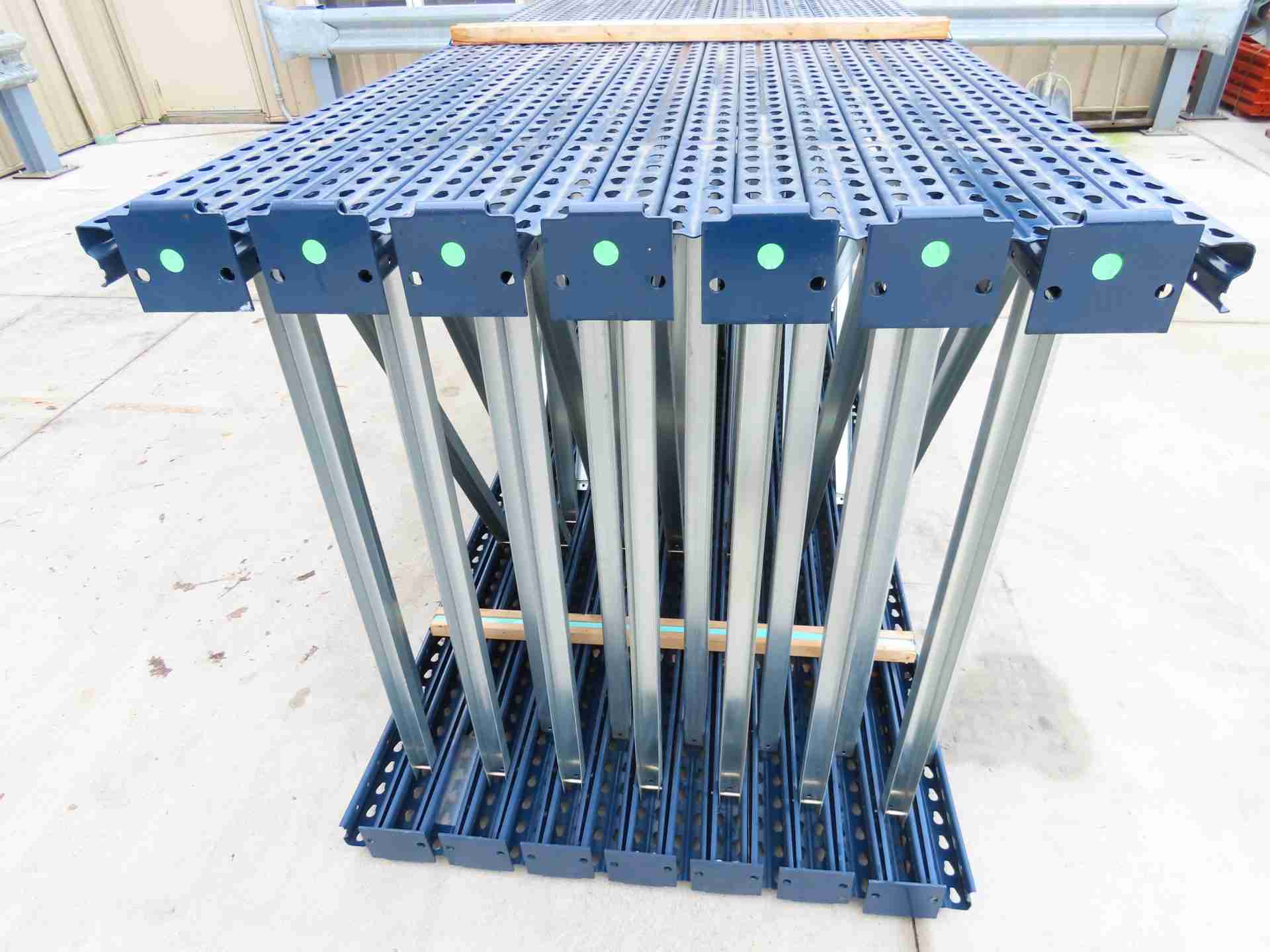
How Does Labeling Impact Worker Efficiency and Safety?
How Does Labeling Impact Worker Efficiency and Safety?
- Labeling in warehouses and factories significantly boosts worker efficiency and workflow.
- Clear labels minimize confusion and frustration, enhancing overall job confidence.
- A well-labeled environment fosters a sense of belonging and pride among workers.
- Effective labeling reduces the risk of accidents, providing a safer working environment.
- Companies have an ethical responsibility to implement robust labeling practices for worker well-being.
- Clear labels signal management’s trust and respect, promoting loyalty and a safety-focused culture.
- Labels are essential for creating a smooth, efficient work environment and a sense of community.

How Does Labeling Impact Worker Efficiency and Safety?
What Features Should You Look for In a Labeling System?
When you’re on the hunt for a labeling system, you want features that resonate with both the heart and the mind, while also making your gut feel at ease. Think of it like picking the right tools for the job; just like you wouldn’t choose a hammer that feels flimsy, you wouldn’t want a labeling system that doesn’t deliver.
First off, ease of use is non-negotiable. You want a system that doesn’t require a degree in engineering to operate. Whether you’re working in racking systems or smaller setups, look for intuitive software that allows even the least tech-savvy team member to navigate effortlessly. When everyone can pitch in without the confusion of complicated interfaces, it fosters teamwork and gets the job done faster.
Next, consider how the system integrates with what you already have. A labeling system should fit into your existing workflow like a key into a lock. If it doesn’t mesh well, you’ll end up with more headaches than productivity. Systems that easily plop into place without the need for a complete overhaul save time and dollars in the long run.
Durability is just as important. Labels should withstand the wear and tear of everyday conditions – whether that’s humidity in a warehouse or the oily hands of hardworking folks who use the equipment. A labeling system that stands the test of time becomes a trusted ally in your everyday tasks, sparing you from repeated purchases or reprints.
Then there’s the aspect of scalability. As your operations grow, the labeling system should grow with you, adapting to changes without a hitch. You want to invest in something that respects your future ambitions just as much as your current needs.
Don’t forget about compliance and ethical considerations. A solid labeling system not only keeps your operation running smoothly but also ensures that you meet safety standards. This is about more than just regulation; it’s about the lives you’re impacting, making sure that everyone goes home safe and sound at the end of the day.
Lastly, look for systems with solid support. An engaging manufacturer or vendor can be the difference between using a tool and mastering it. Get to know the community around the labeling system; after all, shared experiences lead to shared wisdom. When you choose with your heart, head, and gut, you’re not just buying machinery; you’re investing in a partner that understands where you’re coming from and where you’re headed.

What Features Should You Look for In a Labeling System?
What Features Should You Look for In a Labeling System?
- Look for a labeling system that resonates with both emotional and practical needs.
- Ease of use is essential; the system should be intuitive for all skill levels.
- Ensure the system integrates seamlessly with existing workflows to avoid productivity loss.
- Durability is crucial; labels must withstand various working conditions.
- The system should be scalable, adapting to the growth of operations over time.
- Compliance and ethical considerations are important for safety and regulations.
- Seek systems that offer strong support from manufacturers or vendors.
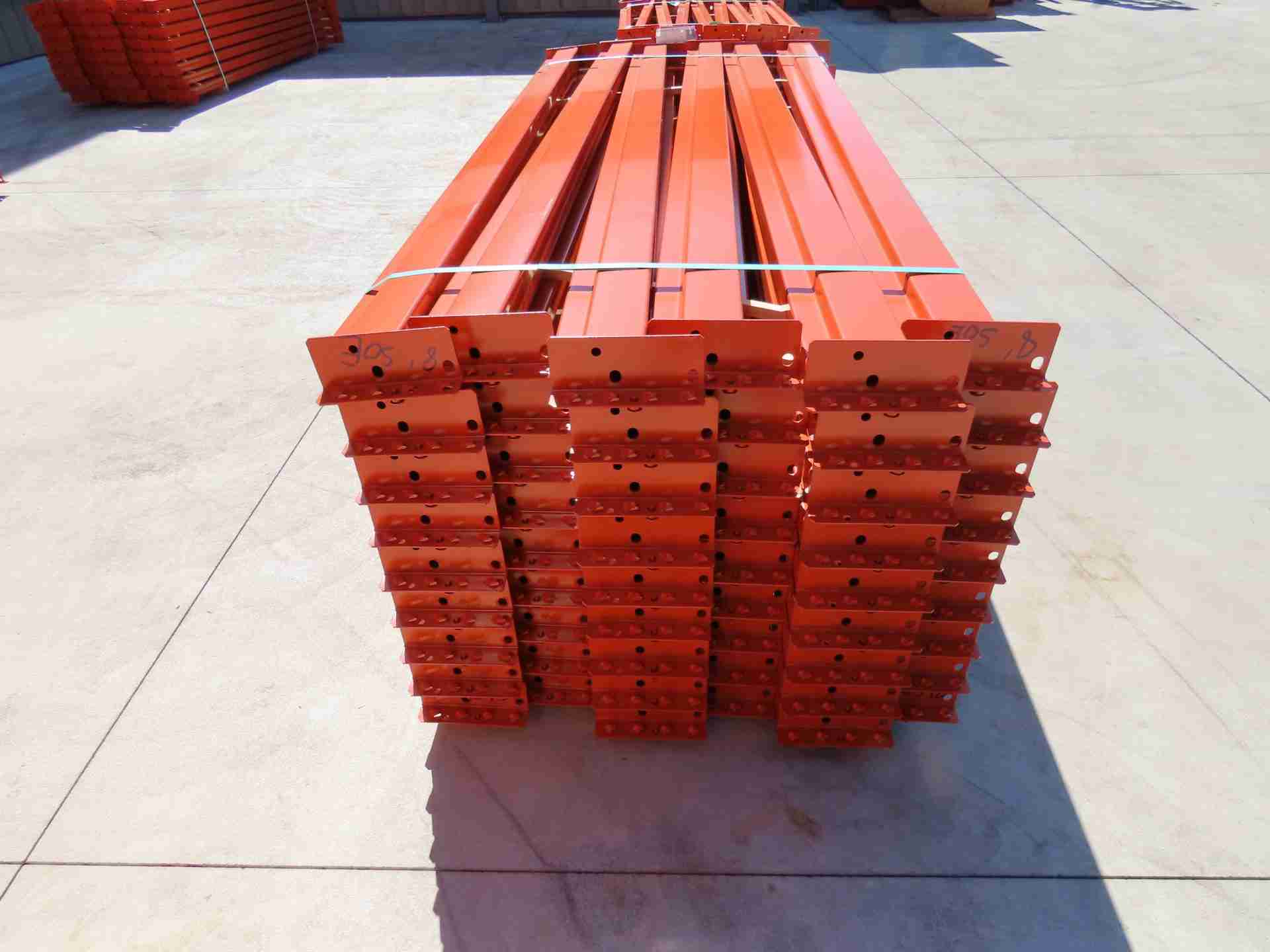
What Features Should You Look for In a Labeling System?
How Can the Right Labels Reduce Errors In the Supply Chain?
When you’re in the thick of it, working late in a warehouse filled with racking systems that stretch to the ceiling, you know how chaos can reign if you don’t have a solid labeling system. Picture this: You’ve got pallets stacked higher than your head, and without the right labels, mistakes become inevitable. They’re like a ticking time bomb just waiting to go off, leading to lost time, frustrated workers, and unsatisfied customers.
Labels aren’t just staples on boxes; they’re your lifeline to efficiency. Think about it—each label tells a story. It explains where each item goes, what it is, and when it should be moved. A clear label cuts through the confusion like a hot knife through butter. You find what you need fast, saving precious time that can be the difference between a job well done and a disaster at the end of the day.
Emotionally, it feels good to know that everything is where it should be. The confidence that comes from a well-organized supply chain is a weight off your shoulders. It fosters a sense of pride when you can walk the aisles knowing that every box is accounted for and there won’t be any mix-ups. It’s about trust—not only in the systems you have in place but in your team’s ability to execute efficiently. And trust is built on clarity. When your labels are up to snuff, it’s like saying to your team, “I’ve got your back.”
From a rational standpoint, having the right labels means less waste and increased productivity. Each misstep in the supply chain can cost a business not only money but also its reputation. With concise, accurate labels, you instill a level of accuracy that’s hard to argue against. It provides a framework that guides employees in a fluid manner, almost second nature, allowing even newcomers to adapt quickly to the chaos.
Ethically, there’s a duty of care to your team. They deserve to work in an environment where they can avoid unnecessary risks caused by confusion. Good labeling practices support safety measures, reducing hazards when everyone knows what’s expected and where things belong.
Finally, the stories you hear from colleagues about the shifts where everything runs smoothly thanks to effective labeling resonate with everyone. They foster a sense of community and shared achievement. Every label that points a team member in the right direction is another chapter in the story of that workplace, one where everyone wins. Get the labels right, and you pave the way for a supply chain that functions like a well-oiled machine.
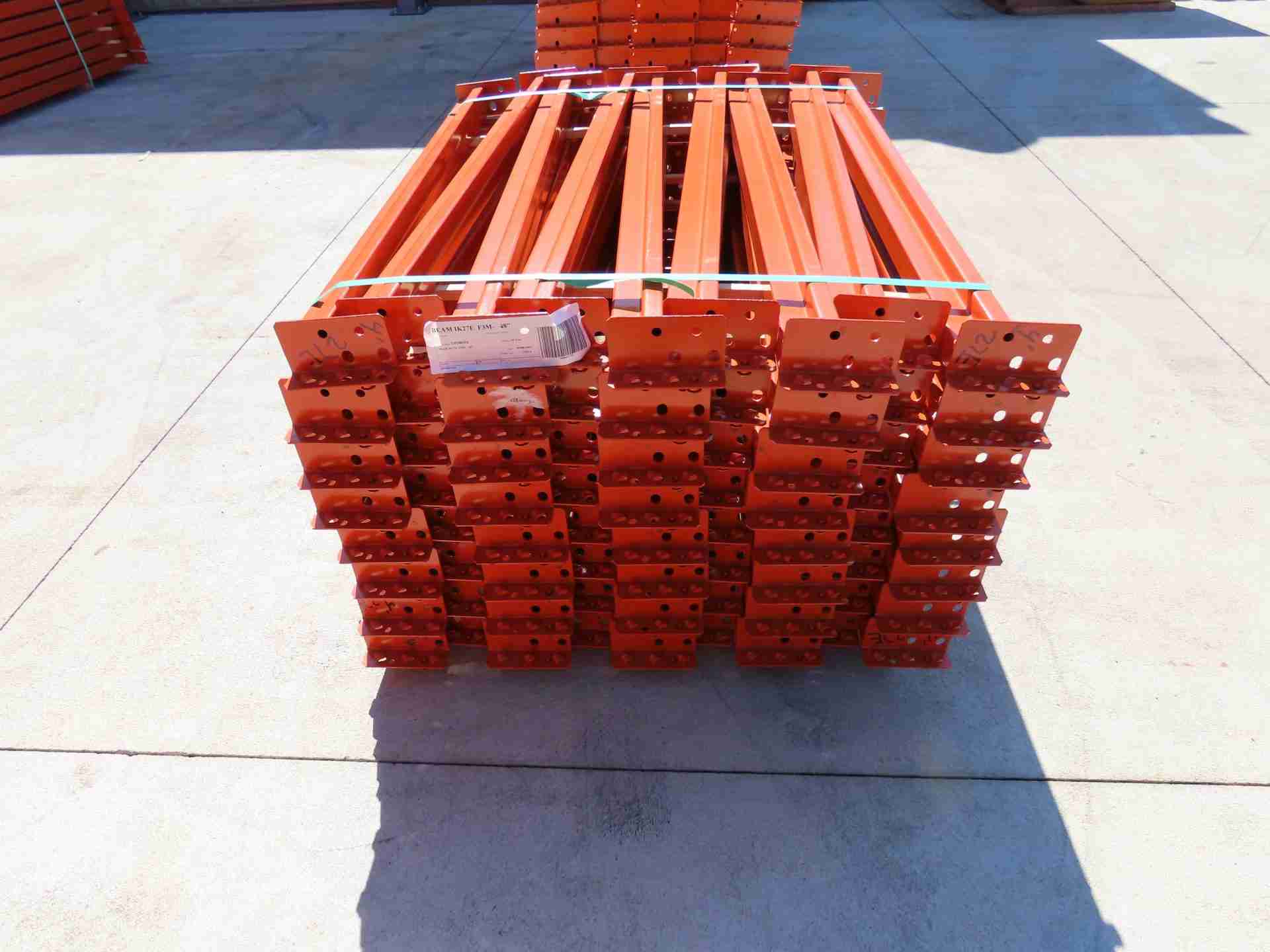
How Can the Right Labels Reduce Errors In the Supply Chain?
How Can the Right Labels Reduce Errors In the Supply Chain?
- A solid labeling system prevents chaos in warehouse operations.
- Correct labels reduce mistakes, leading to saved time and enhanced customer satisfaction.
- Labels provide essential information about item location, identity, and movement timeline.
- Effective labeling fosters trust and confidence among team members, enhancing teamwork.
- Accurate labels minimize waste and boost productivity, protecting the business’s reputation.
- Good labeling practices promote safety by reducing confusion and potential hazards.
- Successful labeling fosters a sense of community and shared achievement within the workplace.

How Can the Right Labels Reduce Errors In the Supply Chain?
Conclusion
A well-implemented rack labeling system is more than just an organizational tool; it’s a vital component of workplace efficiency and safety. Entering a warehouse with a proper labeling strategy transforms the chaos of countless racks into a navigable path. Confusion and frustration dissipate when every worker—seasoned veteran or newcomer—knows precisely where to find what they need. Saving valuable time translates into boosted productivity and morale, benefiting not just the individuals but the entire team. Clear labels foster ownership and camaraderie, helping create a work environment where everyone feels they contribute meaningfully.
Beyond mere efficiency, labeling brings in an ethical dimension, prioritizing safety in potentially hazardous working environments. By clearly marking products, including material weight limits and handling instructions, the risk of accidents diminishes significantly. This commitment to safety isn’t just about compliance; it’s also about valuing every worker’s well-being. An investment in quality labeling reflects care for employees and instills a sense of trust and respect within the workplace.
Authority also plays a crucial role in a labeling system. Companies that prioritize high-quality labels set standards that resonate throughout their operations. Organizations that take the time to implement an effective labeling strategy signal to employees and clients alike that they care about the little details that matter—details that lead to a reputation for reliability and professionalism.
Consider how a simple change, such as updating an outdated labeling strategy, can revamp the entire feel of a work environment. The shift from confusion to clarity not only enhances operational efficiency but also nurtures a sense of pride among workers. A well-organized warehouse becomes a shared story of diligence and dedication, where teams work together seamlessly and inventory moves smoothly.
The focus on labeling cultivates a culture not just of organization, but of community. When employees are involved in creating and maintaining the labeling system, it nurtures a sense of ownership and accountability, further bonding the team. Engaging everyone in this process builds teamwork and fosters a shared understanding of best practices, leading to a more harmonious workplace.
In summary, an effective rack labeling system touches on emotional, rational, ethical, and social factors, illustrating that it’s not merely about order. It’s about fostering a workplace where workers feel respected, valued, and connected. The payoff is evident: enhanced efficiency, heightened morale, and a more cohesive, engaged workforce. Those labels don’t just enhance operations; they build a strong community at work, driving everyone forward together.

Conclusion
Conclusion:
- A well-implemented rack labeling system enhances workplace efficiency and safety.
- Clear labeling reduces confusion, increasing productivity and morale for all workers.
- Effective labeling prioritizes safety by marking products with important information.
- High-quality labels establish standards and reflect a company’s commitment to professionalism.
- Updating labeling strategies can improve the overall work environment and worker satisfaction.
- Engaging employees in labeling fosters ownership, accountability, and teamwork.
- An effective labeling system promotes a workplace culture of respect, value, and community.

Conclusion
Other Resources

Other Resources
Here is a list of other resources you can review online to learn more:
- Arrow Industrial Sales
- Intro to Warehouse Racks & Warehouse Racking Systems – ShipBob
- Chicago Pallet Racking
- IWLA
- Teardrop Industrial Shelving Rack
- IIWS Inc. Rack Installation Illinois & Rack Repairs Illinois
- Warehouse Automation
- Cantilever Racking Specialists – Get the Right Racks
- Used Teardrop Pallet Rack – American Surplus
- Bradford Systems
- Illinois Pallet Racking – WPRP
- Selective Racking
- Warehouse Racking Chicago, IL
- Cantilever Rack Configuration & Installation: A Comprehensive Guide – BMH
- Warehouse Storage Racking in Illinois
- National Safety Council
- Wolter
- Storage Equipment Manufacturers’ Association
- Heavy-Duty Cantilever Storage Racks
- Pallet Rack Systems – New and Used Pallet Racking and Shelving Experts
Use This Prompt To Get More Resources With Your Favorite Online AI Tool: Please provide me with a list of online articles with their URLs in a bulleted list that I can read regarding Rack Labeling Systems That Work

Other Resources
Glossary Terms
Rack Labeling Systems That Work – Glossary Of Terms
1. Rack: A framework for holding or storing items, typically in a warehouse or retail space.
2. Label: A piece of paper or material that provides information about the contents or location of an item.
3. System: An organized method for managing and storing items effectively.
4. Inventory: The complete list of items available for sale or storage.
5. SKU (Stock Keeping Unit): A unique identifier for each distinct item in inventory to track stock levels.
6. Tags: Attached identifiers used for categorizing or identifying items on a rack.
7. Barcodes: Machine-readable codes that represent data, used for tracking and inventory management.
8. QR Code: A two-dimensional barcode that can store URLs and other information, easily scanned by devices.
9. Color Coding: A method of categorizing items by assigning different colors to labels for easy visual identification.
10. Organization: The arrangement of items in a systematic way to facilitate easy access and efficiency.
11. Compliance: Adhering to regulations or guidelines regarding labeling and inventory management.
12. Readability: The clarity and legibility of labels, ensuring information is easily understood.
13. Durability: The quality of labels that ensures they withstand environmental conditions without fading or tearing.
14. Location Code: An alphanumeric code representing a specific area within the storage facility.
15. Warehouse Layout: The design of the physical space where items are stored to maximize efficiency and accessibility.
16. Digital Inventory: Electronic records of stock levels and item locations, often managed through software.
17. Custom Labels: Tailored labeling solutions designed to meet specific needs or brand requirements.
18. Scanning: The process of using devices to read barcodes or QR codes for inventory management.
19. Logistics: The overall management of the flow of goods from point of origin to point of consumption.
20. Stock Rotation: A practice ensuring older stock is used or sold before newer items, often labeled accordingly.
21. Accessibility: The ease of reaching and identifying items within the storage system.
22. Tracking: Monitoring the movement and status of items within the inventory system.
23. Standard Operating Procedure (SOP): Established protocols for labeling and managing items consistent with best practices.
24. Visual Management: Using visual cues, like labels and signage, to enhance understanding and communication in inventory areas.
25. Markup: The process of increasing the price of an item, often included in product labeling.
26. Categorization: The process of organizing items into specific groups or classifications for easier management.
27. Point of Sale (POS): The place where a retail transaction occurs, often linked to inventory and labeling systems.
28. Fulfillment: The process of preparing and delivering orders based on inventory management.
29. Efficiency: Maximizing productivity and minimizing waste in the storage and retrieval of items.
30. Safety Compliance: Ensuring that labeling meets safety regulations and guidelines in a storage or retail environment.

Glossary Of Terms
Other Questions
Rack Labeling Systems That Work – Other Questions
If you wish to explore and discover more, consider looking for answers to these questions:
- What types of rack labels are available (barcode, RFID, printed, digital) and which is best for my operation?
- How do I choose label materials for different environments (cold storage, humidity, oily, outdoor)?
- What adhesive options work best on common rack surfaces (painted steel, galvanized, plastic)?
- Which printing technologies are recommended (thermal transfer, direct thermal, laser) and why?
- How do labels integrate with existing WMS, ERP, or inventory software?
- What barcode symbologies and standards should we use (Code 128, QR, GS1)?
- When should we use RFID instead of barcodes, and what are the trade-offs?
- What specific information should appear on a rack label (location code, SKU, weight limits, handling instructions, expiration)?
- How should labels be formatted for readability (font size, contrast, icons, color coding)?
- Where is the optimal label placement and height for visibility and ergonomic picking?
- What color-coding strategies work best for aisles, product families, hazards, or priority zones?
- How durable do labels need to be and what maintenance schedule is recommended?
- How often should labels be reviewed, updated, or replaced during re-slotting or seasonal changes?
- What processes prevent outdated or incorrect labels from causing picking errors?
- What training do staff need to use and maintain the labeling system correctly?
- How do we measure ROI and which KPIs should we track (pick accuracy, time per pick, order cycle time)?
- What are the most common implementation mistakes and how can we avoid them?
- How do labels help ensure safety and regulatory compliance (hazardous materials, OSHA signage, load limits)?
- How should weight limits and load capacities be displayed to reduce rack misuse?
- How can label design and content reduce human errors in the supply chain?
- How do we test barcode readability and ensure compatibility with existing scanners?
- What governance or standardization (naming conventions, numbering schemes) should we adopt?
- How do we scale the labeling system as the facility or SKU count grows?
- What are typical costs (hardware, software, labels, installation, ongoing supplies) and budget considerations?
- What criteria should we use when selecting a labeling vendor or system integrator?
- How should damaged, missing, or tampered labels be detected and replaced efficiently?
- Can electronic shelf labels (ESL) or digital signage be used for rack labeling and what infrastructure is required?
- How do we handle multilingual labels for diverse or multilingual workforces?
- How do labels integrate with mobile devices, wearable scanners, voice picking, and pick-to-light systems?
- What special considerations apply to labeling in freezer and cold-chain environments?
- How do environmental factors (UV, chemicals, abrasion) affect label lifespan and selection?
- How should labeling differ for pallet locations versus bin, shelf, or mezzanine locations?
- What audit procedures ensure label accuracy during cycle counts and physical inventories?
- Are there sustainable or recyclable label and ribbon options and what trade-offs do they present?
- How do we document and control label templates, revisions, and versioning?

Other Questions
Checklist
Rack Labeling Systems That Work – A Checklist
Planning and Objectives
✅______ Define primary goals (speed, accuracy, safety, morale, professionalism)
✅______ Map processes impacted (receiving, putaway, picking, replenishment, cycle counts, shipping)
✅______ Clean and standardize master data before deployment
Location Schema and Standardization
✅______ Establish a clear location hierarchy (e.g., Zone–Aisle–Bay–Level–Position)
✅______ Define a consistent syntax (delimiters, character length, left/right padding)
✅______ Avoid ambiguous characters (O/0, I/1, S/5)
✅______ Standardize label formats (human-readable + barcode/QR/RFID as required)
✅______ Create a style guide (fonts, colors, icons, abbreviations)
✅______ Implement versioning and date codes on labels
Visual Management
✅______ Assign color-coding for zones, areas, categories, and status
✅______ Use intuitive symbols and icons (arrows, hazard symbols, handling cues)
✅______ Install aisle markers and bay/column “totem” signs
✅______ Label each level/beam consistently; include directional cues
✅______ Mark floors and staging areas (receiving, QC hold, returns)
Readability and Placement
✅______ Use high-contrast colors and large, bold fonts
✅______ Ensure sightlines from approach paths and typical scan distances
✅______ Place labels consistently (approach side; eye level where possible)
✅______ Provide front/back labeling for double-deep or back-to-back racks
✅______ Use retroreflective media for long-range scanning if needed
✅______ Protect labels with holders, covers, or guard plates in high-wear zones
Durability and Environment
✅______ Match materials to the environment (temperature, humidity, dust, UV, chemicals)
✅______ Select adhesives for the substrate (powder-coated steel, concrete, plastic)
✅______ Clean and degrease surfaces prior to application
✅______ Test adhesion, removability, and longevity in a pilot area
Data Capture and Technology
✅______ Standardize symbologies (e.g., Code 128 for barcodes; QR where appropriate)
✅______ Ensure each location, pallet, and bin has a unique, non-reused ID
✅______ Integrate with WMS/ERP; align field mapping and validation rules
✅______ Define print specs (printers, media, ribbons) and maintenance routines
✅______ Verify barcodes (print quality and encoding accuracy) before rollout
✅______ Validate RFID use cases (read range, orientation, interference) if applicable
Safety and Compliance
✅______ Post load capacities on each bay and level clearly
✅______ Apply hazard and handling labels where required
✅______ Keep labels from covering safety certifications or inspection tags
✅______ Ensure labels do not create trip/snag hazards or obstruct visibility
✅______ Align with applicable safety signage standards and company policies
Label Types and Coverage
✅______ Aisle signs and overhead identifiers
✅______ Bay/column totem signs
✅______ Level/beam rack labels
✅______ Shelf, bin, and tote identifiers
✅______ Floor location markers and dock doors
✅______ Pallet ID and case/carton labels
✅______ Staging, QC, returns, and hold area signs
✅______ Equipment/tool and consumable locations
Change Control and Maintenance
✅______ Establish a documented process for adding, moving, and removing locations
✅______ Update labels immediately upon layout or inventory changes
✅______ Schedule routine audits (e.g., quarterly) for accuracy and legibility
✅______ Reprint or replace worn or damaged labels promptly
✅______ Maintain a cleaning plan for label surfaces and holders
Training and Engagement
✅______ Train all roles on reading/scanning, schema rules, and exceptions
✅______ Involve floor staff in design and pilot feedback
✅______ Provide a quick-reference legend (colors, codes, symbols)
✅______ Include labeling orientation in new-hire onboarding
Error-Proofing and Performance
✅______ Require scan-to-confirm at pick and putaway to verify correct locations
✅______ Use check digits or system prompts to reduce mis-scans
✅______ Align slotting and replenishment rules with the location schema
✅______ Track KPIs (search time, mis-picks, cycle count accuracy, safety incidents)
✅______ Compare pre-/post-implementation results and adjust
Implementation Plan
✅______ Conduct a site survey; count required labels by type and location
✅______ Validate data; finalize the schema and style guide
✅______ Prototype labels; test readability, scan reliability, and durability on-site
✅______ Pilot in a contained area; collect feedback; refine standards
✅______ Schedule a phased rollout to minimize disruption
✅______ Complete a post-implementation review; document lessons learned
Common Pitfalls to Avoid
✅______ Outdated labels after inventory or layout changes
✅______ Illegible, low-contrast, or worn labels
✅______ Inconsistent formats or non-standard naming across areas
✅______ Skipping visual cues (colors, symbols, arrows)
✅______ Not involving the team, reducing ownership and upkeep
Scalability and Vendor Support
✅______ Ensure the system scales with growth and new facilities
✅______ Standardize media and printer SKUs across sites
✅______ Secure vendor SLAs, technical support, and training
✅______ Maintain a central repository for standards and templates
Culture and Continuous Improvement
✅______ Reinforce expectations for label care and housekeeping
✅______ Recognize teams for accuracy and timely maintenance
✅______ Gather ongoing suggestions and update standards periodically

Checklist
At RackingWorld, we help guide you through selecting warehouse storage systems and racking.
Be sure to read our other related stories at RackingWorld to learn more about warehouse storage systems.
0 Comments