
Which Investment Fuels Your Future: Rack Or Real Estate?
By Tom Seest
At RackingWorld, we help guide you through selecting warehouse storage systems and racking.
Be sure to read our other related stories at RackingWorld to learn more about warehouse storage systems.
Rack Investment Vs Real Estate Investment
Rack Investment Vs. Real Estate Investment
When considering where to put your hard-earned money, the choice between rack investment and real estate investment boils down to more than just numbers on a balance sheet. It’s about understanding what each path offers and how they fit into your life.
Rack investment, particularly with racking systems, can be a lean, mean way to grow your assets. Imagine expanding your warehouse space without the overhead of buying property. With racking systems in place, you’re optimizing each square foot, maximizing your inventory capabilities, and boosting your bottom line. It’s like the old saying goes: “A place for everything, and everything in its place.” Efficient storage solutions allow businesses to run smoother and faster, and in today’s fast-paced market, that can mean the difference between success and stagnation.
From a financial standpoint, rack investments typically come with lower entry barriers compared to real estate. You’re looking at manageable costs with the potential for quick returns — whether it’s from enhancing productivity or increasing storage capacity for your products. Plus, the maintenance costs are often significantly lower; fewer headaches mean more time focusing on growth. Think of it as a sturdy toolbox in your workshop—when well-maintained, it keeps everything organized and ready for action.
Meanwhile, real estate investment holds its weight with the promise of stability and long-term gains. While it demands a heavier upfront investment and comes with the weight of mortgages, property taxes, and maintenance, the potential for appreciation over time is undeniable. Owning property can also provide a sense of pride and ownership that’s hard to match. There’s a genuine emotional connection when you invest in a piece of land or a building—it’s a legacy you can pass down.
Yet, the challenge remains: how do you balance the quick gains of rack systems versus the long-standing reliability of real estate? This isn’t just a numbers game; it’s about aligning your investments with your lifestyle, values, and goals. Are you a hands-on, agile entrepreneur ready to adapt to change, or do you seek the steadiness of a traditional real estate portfolio?
Both paths hold value; they speak to different heartbeats of investment philosophy. Rack investment offers a fast-paced, dynamic opportunity while real estate provides a solid foundation for the future. Whether you choose the racks or the real estate, solidify your success through smart choices, understanding the inherent trade-offs, and embracing the journey ahead.

Rack Investment Vs Real Estate Investment
Rack Investment Vs Real Estate Investment
- Rack investment offers a flexible, efficient way to grow assets without purchasing property.
- Racking systems optimize space and enhance inventory capabilities, leading to increased productivity.
- Lower entry costs and maintenance make rack investments financially manageable compared to real estate.
- Real estate investment provides stability and potential long-term appreciation but requires higher upfront costs.
- Owning real estate fosters a sense of pride and legacy, with emotional connections to the property.
- Balancing quick gains from rack systems with the reliability of real estate depends on individual goals and lifestyle.
- Both investment paths serve different philosophies, with rack investment being dynamic and real estate offering foundational stability.

Rack Investment Vs Real Estate Investment
Table Of Contents
- Rack Investment Vs Real Estate Investment
- What Drives Your Passion for Investing In Real Estate?
- How Does Rack Investment Offer Unique Advantages?
- Are You Aware Of the Long-Term Returns From Real Estate?
- Which Investment Type Aligns with Your Risk Tolerance?
- How Can Rack Investment Diversify Your Portfolio?
- What Tax Benefits Do Real Estate Investors Enjoy?
- Conclusion
- Other Resources
- Glossary Of Terms
- Other Questions
- Checklist
What Drives Your Passion for Investing In Real Estate?
Investing in real estate isn’t just about numbers on a balance sheet or the promise of a fat paycheck at the end of the month. It’s a journey, often born out of the grit and grind of everyday life. Many start with a longing for something more—a yearning for stability, freedom, or simply a place to call home. The heartbeat of this passion often starts from personal experiences. Maybe it was watching a parent hustle to keep a roof over your head or seeing the community flourish when that old racking systems warehouse got transformed into a thriving business hub. These stories are what fuel the desire to dive into the world of property investment.
On a rational level, real estate offers a tangible asset that can grow over time. You can run your hands over the materials, measure the space, and visualize the potential. Unlike stocks that can vanish overnight, real estate is rooted in the ground, backed by the very soil we walk on. It requires diligence, yes, but the rewards can be immense—cash flow, appreciation, and the option to leverage your investments. For many, the obvious nature of real estate is comforting and presents an opportunity to break away from the rat race. Each property become not just another investment but a stepping stone toward lasting wealth and security.
The ethical aspect shouldn’t be overlooked either. Investing in real estate often means investing in communities. It’s about providing homes for families, fostering neighborhoods, and turning neglected spaces into vibrant environments. This part of the journey can invoke a powerful sense of connection. By doing this, you’re not just filling your pockets; you’re playing a part in something bigger, something that transforms lives. That can stir a person’s gut, urging them to take that leap of faith.
Lastly, there’s the social appeal. Sharing the journey with fellow investors, learning from their experiences, and engaging in local networking can be invigorating. This sense of camaraderie fosters trust and builds relationships that enrich our understanding of the world of real estate.
In a nutshell, the passion for investing in real estate connects heart, head, and gut. It’s a blend of personal stories, tangible rewards, ethical responsibilities, and communal ties that drives us forward, turning aspirations into reality, one property at a time.

What Drives Your Passion for Investing In Real Estate?
What Drives Your Passion for Investing In Real Estate?
- Investing in real estate is driven by personal experiences and a desire for stability, freedom, or a place to call home.
- Real estate provides a tangible asset that can appreciate over time and offers benefits like cash flow and investment leverage.
- It serves as a comforting opportunity to escape the rat race, with each property representing a step towards lasting wealth.
- Investing in real estate contributes to community building by providing homes and revitalizing neglected spaces.
- This investment journey fosters a sense of connection and responsibility, urging individuals to transform lives.
- Social interaction with fellow investors enhances the experience, building trust and enriching understanding of the market.
- The passion for real estate combines emotional, financial, ethical, and communal elements, turning aspirations into reality.

What Drives Your Passion for Investing In Real Estate?
How Does Rack Investment Offer Unique Advantages?
When you think about improving your warehouse or storage space, consider the simple but profound impact of racking systems. These aren’t just metal structures sitting idly; they’re the backbone of efficiency, designed to maximize every square foot with smart functionality. Such a setup doesn’t just make things neater; it revolutionizes how your day-to-day operations unfold, pulling everything together in a way that saves time and effort.
Picture this: You’re managing a steady stream of goods, and there’s that nagging feeling you’re wasting space and resources. A clever rack investment turns that sentiment on its head. Instead of chaos, you get order. Rather than spending precious minutes searching for items buried beneath piles, you streamline your workflow. It’s about moving with purpose and getting stuff done, a familiar scenario for those of us who know the rhythm of hard work.
But let’s talk numbers. Implementing racking systems can lead to substantial cost savings. By optimizing your space and reducing clutter, you can lower the chance of damages and losses. This isn’t just about making a good financial decision; it’s about safeguarding every dollar you’ve invested. Combine that with the improved safety measures these systems provide, adhering to industry standards, and you’ve got a solid, ethical choice that respects both your team’s needs and your bottom line.
There’s a story here: think of a local business owner like yourself, struggling to keep up with fluctuating demands. They took a chance on racking systems, and suddenly, they weren’t just surviving—they were thriving. Their customers received orders faster, their employees felt more empowered, and their morale soared. That’s the beauty of making a thoughtful, informed investment. It fosters a sense of community and trust among your workers as they see their environment evolve for the better.
And let’s be real; in this tough world, when you invest in reliable racking systems, you’re not just buying equipment; you’re affirming a commitment to resilience. You’re saying yes to a reliable process that encourages growth and stability. The story isn’t just about practicality; it’s about building a legacy, cultivating a workspace that speaks to the heart. Racking systems offer you the strength to rise, embodying the grit and determination that everyday workers carry into their lives. Now that’s an advantage worth pursuing.
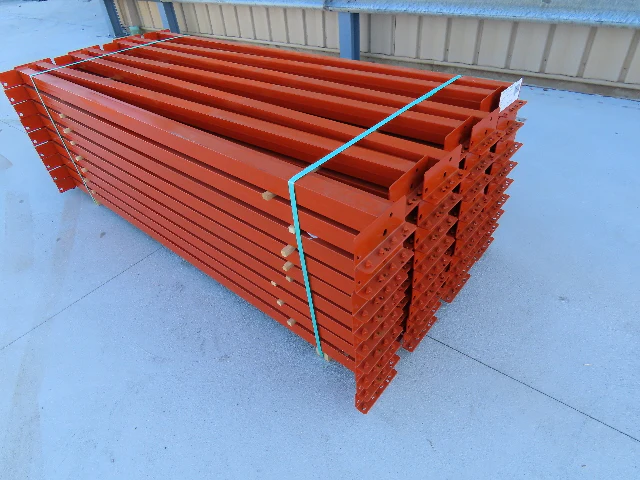
How Does Rack Investment Offer Unique Advantages?
How Does Rack Investment Offer Unique Advantages?
- Racking systems enhance warehouse efficiency by maximizing space utilization.
- They streamline operations, reducing time spent searching for items.
- Implementing racking systems can lead to significant cost savings by minimizing clutter and damages.
- These systems improve safety by adhering to industry standards.
- Local businesses have thrived after investing in racking systems, improving order fulfillment and employee morale.
- Investing in racking is a commitment to resilience and stable processes.
- The use of racking systems fosters a positive workplace environment, supporting growth and community among workers.

How Does Rack Investment Offer Unique Advantages?
Are You Aware Of the Long-Term Returns From Real Estate?
When you think about investing, real estate often feels like a solid piece of ground to stand on, quite literally. The long-term returns can be compelling and are worth considering. Imagine a racking system stuffed with memories, just like the properties we invest in. Each unit in that racking system holds value that builds over time, much like real estate appreciates. People often get caught up in the day-to-day hustle, wanting to see immediate results, but it’s essential to think beyond today. Life doesn’t always hand us instant gratification, and that’s where real estate shines.
From a financial perspective, investing in property can provide a steady income stream through rentals. Picture yourself walking through a quaint neighborhood, watching families thrive, people finding joy in their homes. It’s not just about rent checks; it’s about creating a community. Owning a piece of land offers security—like having a sturdy shelf to store your tools, ensuring that you’re prepared for whatever life throws at you.
However, let’s not ignore the numbers. Real estate, historically, has shown resilient returns when held onto for the long haul. When you do your homework, understand the market, and pick the right spots, you’re engaging your head. It’s about finding that sweet spot where your gut says it feels right. Sure, properties have their ups and downs, but the long game often pays off, as towns grow and evolve, much like the seasons changing.
Ethically, investing in real estate can uplift communities. It’s more than just a financial transaction; it’s about fostering relationships with those who live in the spaces you own. You’re taking part in shaping a neighborhood, providing homes, and ensuring people have a safe place to lay their heads at night.
That’s where trust and connection come into play. People admire those who take risks—not recklessly, but with caution and care. Share your journey with others, and you’ll find they resonate with your story. The collective sense of community is powerful, and real estate can be the bedrock of that community, where stories are built, shared, and passed on.
So, whether you’re looking to invest or simply pondering the idea, remember this: real estate is more than numbers and balance sheets. It’s about stability, growth, and the stories we build on our personal racking systems, one investment at a time.

Are You Aware Of the Long-Term Returns From Real Estate?
Are You Aware Of the Long-Term Returns From Real Estate?
- Real estate offers compelling long-term returns and stability.
- Investing in real estate is akin to a racking system, with each property appreciating over time.
- A property investment can provide a steady income stream and foster community development.
- Owning land provides security and prepares individuals for life’s uncertainties.
- Historical data shows resilient returns when properties are held for the long term.
- Ethical real estate investing enhances community relationships and provides safe homes.
- Real estate is about more than finances; it’s about growth, stability, and building stories.

Are You Aware Of the Long-Term Returns From Real Estate?
Which Investment Type Aligns with Your Risk Tolerance?
When it comes to investing, understanding your risk tolerance is as crucial as knowing how to operate your tools. Just like a racking system in a warehouse keeps everything organized and accessible, understanding your comfort with risk can keep your financial choices clear and straightforward.
Some folks thrive on the thrill of the stock market, their hearts racing with every rise and fall. They see investments like a game, where the highest stakes can lead to hefty rewards. This approach can be exhilarating, but it’s not for everyone. If you find yourself biting your nails at the thought of losing a few dollars, consider more stable options. You wouldn’t go bungee jumping if you can’t stand heights, right? It’s about knowing your limits and finding a path that feels right for you.
On the flip side, there are those who prefer the steady grind of bonds or real estate, likening them to the dependable racking systems that hold up pallets day in and day out. These investments are often seen as safer bets, allowing for growth at a comfortable pace. They provide the assurance that your money is being put to work, but without the anxiety of daily market fluctuations. Investing becomes a matter of patience, waiting for the slow and steady climb that builds wealth over time.
Ethically speaking, it’s essential to align your investments with your values. If environmental sustainability resonates with you, consider green investments. Supporting businesses that prioritize the planet can give you that warm feeling inside, knowing your money is contributing to a cause greater than yourself.
Narratives matter too. Think about the small business owner who started with nothing but a dream. Investing in local startups can feel like growing the community you care about while potentially reaping financial rewards. This human connection makes the whole process relatable and adds a layer of responsibility to your choices.
Remember, investing isn’t about keeping up with the Joneses; it’s about building a solid foundation for your future, much like ensuring your warehouse has the right racking systems to hold everything securely. Whether you’re risk-averse or a daredevil with your investments, find what resonates with you, trust your instincts, and take the time to make informed choices. The road may be bumpy, but understanding your risk tolerance can lead to a more fulfilling, confident investment journey.

Which Investment Type Aligns with Your Risk Tolerance?
Which Investment Type Aligns with Your Risk Tolerance?
- Understanding risk tolerance is essential for effective investing.
- Investments can be thrilling like stock trading or stable like bonds and real estate.
- Choosing investments should align with personal comfort levels and financial goals.
- Ethical investing, such as supporting sustainability, adds personal value to investment choices.
- Investing in local startups fosters community growth while offering potential financial rewards.
- Building a strong investment foundation is more important than keeping up with others.
- Knowing your risk tolerance enhances the investment experience, leading to better decision-making.

Which Investment Type Aligns with Your Risk Tolerance?
How Can Rack Investment Diversify Your Portfolio?
Investing in racking systems can be a game changer for diversifying your portfolio, much like adding different tools to your toolbox. We all know the feeling of walking into a warehouse packed to the rafters; it’s a busy hub of productivity. It’s not just about moving goods around; it’s about maximizing what you have. Racking investment enables businesses to better manage their spaces and streamline operations, which translates into efficiency and profit.
Think about the practicality of it. Every square foot of space in a warehouse is like gold, and racking systems help you make the most of that space. They allow for better organization, meaning less time searching for products and more time getting work done. That’s a rational foundation for anyone looking to invest. An efficient system reduces operational costs and makes your overall investment more appealing, especially when you start seeing returns.
On a deeper level, investing in racking systems fosters a sense of community. Small businesses that adopt these systems often find it easier to connect with suppliers and customers alike, creating a network of shared success. When you and your partners can depend on solid infrastructure, you build trust—something that can feel increasingly rare in today’s fast-paced world. It’s about making a commitment to not only grow your wealth but to also support the local economy and help others on the same journey.
Furthermore, these investments can act like a sturdy bridge in uncertain times. By diversifying into physical goods and storage solutions, you’re grounding your portfolio in something tangible. In an arena where stocks can fluctuate wildly, racking systems represent stability. It’s like having the common sense to invest in physical tools that both serve a purpose and hold value over time.
Narratively speaking, think of the stories from other business owners who expanded their reach and improved their operations through racking systems. They speak of success, stability, and new opportunities that were previously out of reach. Those aren’t just business tales; they serve as blueprints for our own journeys.
Ultimately, investing in racking systems is more than just a smart financial move; it’s about investing in a future where efficiency meets community impact. It’s about doing right by your business and those who count on you—fostering a sense of connection in an ever-changing landscape. So, when you think about diversifying, consider how racking systems could not only serve your business but also uplift the community around you.

How Can Rack Investment Diversify Your Portfolio?
How Can Rack Investment Diversify Your Portfolio?
- Investing in racking systems diversifies portfolios and enhances business efficiency.
- Racking systems maximize warehouse space, improving organization and productivity.
- Efficient systems reduce operational costs and increase investment appeal through tangible returns.
- These systems foster community connections among small businesses, suppliers, and customers.
- Racking investments provide stability during economic uncertainty by grounding portfolios in physical goods.
- Success stories from other business owners highlight the benefits of racking systems as blueprints for growth.
- Investing in racking systems contributes to efficiency and community impact, reinforcing business commitments.

How Can Rack Investment Diversify Your Portfolio?
What Tax Benefits Do Real Estate Investors Enjoy?
Real estate investing is more than just numbers on a spreadsheet; it’s about forging a path toward financial freedom. The tax benefits that come with it can feel like a well-earned reward for your hard work, providing you with not just financial breathing room but also a sense of accomplishment. Let’s break it down with some real-world insights.
First off, there’s depreciation. When you buy a property, the government allows you to deduct a portion of its value from your taxable income each year. This isn’t just a handy tax trick; it’s a legitimate acknowledgment of the wear and tear that comes with owning real estate. If you’ve spent days or weekends racking systems in your property, you know that keeping things up and running takes time and effort. That favored tax treatment feels like recognition of that labor, transforming those overlooked upkeep costs into a tangible benefit.
Then there’s the interest on your mortgage. Imagine it: every month, you’re chipping away at a loan, investing in your future, and the government helps you out by allowing you to deduct the interest paid throughout the year. It’s like having a partner who’s got your back while you build equity and create a nest egg that could secure your family’s future. With the housing market in a constant state of flux, knowing your investment is fortified by these benefits creates a steady sense of confidence.
Let’s not overlook capital gains exclusion. If you live in your property for two of the five years before selling, you can exclude up to $250,000 (or $500,000 for married couples) of any profit from taxes. This isn’t just about money; it’s about building community, creating memories, and moving toward that next chapter in life without the crushing weight of a huge tax bill.
Lastly, think about the connections you create. Real estate investing isn’t just a solo venture; it’s a gateway to build relationships with tenants, contractors, and other investors. By participating in this market, you are enriching your community, reviving neighborhoods, and contributing to the economy. Each effort you make fosters a network of support, trust, and shared mission, reminding you that you’re part of something larger.
These tax benefits are tools that empower you in your investing journey. Each deduction is not just a monetary figure; it’s a step toward your aspirations. They remind you that hard work, humility, and grounded common-sense insights lead to triumph. Embrace these benefits—they reflect the reality you’re building, one property at a time.

What Tax Benefits Do Real Estate Investors Enjoy?
What Tax Benefits Do Real Estate Investors Enjoy?
- Real estate investing leads to financial freedom through various tax benefits.
- Depreciation allows property owners to deduct a portion of the property’s value from taxable income annually.
- Mortgage interest deductions support homebuyers by reducing taxable income, helping build equity.
- Capital gains exclusion permits owners to exclude up to $250,000 (or $500,000 for married couples) from taxes when selling their home after living in it for two of the last five years.
- Real estate investing fosters connections with tenants, contractors, and other investors, enriching communities and contributing to the economy.
- Tax benefits serve as tools empowering investors, transforming financial deductions into steps towards broader aspirations.
- Each effort in real estate investing is a part of building a larger community and advancing personal goals.

What Tax Benefits Do Real Estate Investors Enjoy?
Conclusion
Investing in either rack systems or real estate presents distinct experiences, each appealing to different values and circumstances. Rack investment allows for immediate asset growth with lower barriers. It maximizes warehouse efficiency, streamlining operations while reducing overhead costs. This appeal to the head underscores rational decision-making, where clear benefits—enhanced productivity and manageable maintenance—become paramount. Imagine the satisfaction of organizing your workspace, akin to a well-kept toolbox ready for any job. It’s about more than just storage; it’s about creating order in chaos, boosting morale, and fostering resilience in business.
Conversely, real estate offers a sense of permanence and potential for long-term gains, aligning with deeper emotional and ethical values. There’s pride in owning property, which serves as a legacy and a community pillar. This connection fosters a narrative woven with personal stories of hard work, sacrifice, and the pursuit of stability. Real estate isn’t just about rental income; it represents a commitment to nurturing neighborhoods, transforming spaces into thriving homes. Its long-term appreciation appeals to those looking for stability over the quick returns offered by rack systems.
Understanding your risk tolerance helps determine which investment type suits you best. Some thrive in the dynamic environment of rack investments, where the speed of change mirrors their entrepreneurial spirit. Others may find solace in the steadiness of real estate, where deeper emotional ties and community contributions blend seamlessly with financial growth. Investing effectively means aligning with what resonates most—whether it’s the thrill of rapid returns or the comfort of slow, steady progress.
Moreover, tax benefits associated with real estate further sweeten the deal, rewarding long-term commitment with tangible financial breaks. Real estate investors can deduct depreciation and mortgage interest, building equity while contributing to a broader community fabric. Each investment is not only about personal gain; it reflects a belief in the potential for positive change.
Ultimately, both rack and real estate investments lead to personal growth and community impact, echoing the shared narratives of everyday individuals striving for success and stability. The journey between racks and real estate is paved with decisions grounded in experience, humility, and a vision for the future. Whichever path you choose, it’s about making informed choices that resonate with your values and aspirations, fortifying your future, and supporting the community you cherish.

Conclusion
Conclusion:
- Investing in rack systems allows for immediate asset growth with lower barriers and maximizes warehouse efficiency.
- Rational decision-making is emphasized in rack investments due to clear benefits like enhanced productivity and manageable maintenance.
- Real estate offers permanence and long-term gains, aligning with emotional and ethical values.
- Owning property fosters pride and serves as a legacy, creating connections woven with personal stories and stability.
- Understanding risk tolerance is essential in choosing between the dynamic environment of rack investments and the steadiness of real estate.
- Real estate investment provides tax benefits, allowing for deductions on depreciation and mortgage interest, contributing to community development.
- Both investment types lead to personal growth and community impact, shaped by informed choices reflecting individual values and aspirations.

Conclusion
Other Resources

Other Resources
Here is a list of other resources you can review online to learn more:
- ASSP
- Crane Manufacturers Association Of America Inc.
- Warehouse Automation
- MHI
- American Society of Safety Professionals
- What is Selective Racking: Understanding Benefits & Options
- Warehouse Storage Racks
- Cantilever Racks Chicago
- Heavy-Duty Cantilever Storage Racks
- Interlake Mecalux
- Overhead Lifting
- SEMA
- Intro to Warehouse Racks & Warehouse Racking Systems – ShipBob
- Illinois Pallet Racking – WPRP
- Mustang Material Handling
- Material Handling Safety
- Used Pallet Rack for Sale in Illinois – American Surplus
- Teardrop Uprights
- Teardrop Racks – Pallet Rack World
- Rack Manufacturers Institute
Use This Prompt To Get More Resources With Your Favorite Online AI Tool: Please provide me with a list of online articles with their URLs in a bulleted list that I can read regarding Rack Investment Vs Real Estate Investment

Other Resources
Glossary Terms
Rack Investment Vs Real Estate Investment – Glossary Of Terms
1. Rack Investment: Investment in warehouse storage solutions designed to optimize space and improve material flow.
2. Real Estate Investment: Acquiring property for income generation or appreciation in value.
3. Return on Investment (ROI): A measure of the profitability of an investment, calculated as net profit divided by investment cost.
4. Capitalization Rate (Cap Rate): A percentage used to estimate the return on an investment property based on its income.
5. Leverage: Using borrowed capital to increase the potential return of an investment.
6. Cash Flow: The total amount of money being transferred into and out of an investment over a specific time period.
7. Asset Management: The process of monitoring and managing investments to achieve specific financial goals.
8. Market Analysis: The assessment of property market conditions, including supply and demand, prices, and trends.
9. Due Diligence: An investigative process aimed at evaluating an investment’s potential risks and benefits.
10. Diversification: Spreading investments across various asset types to reduce risk.
11. Appreciation: The increase in value of an asset over time.
12. Depreciation: The reduction in value of an asset over time, often used for accounting purposes in real estate.
13. Equity: The difference between the market value of a property and the outstanding debt against it.
14. Tenant: An individual or entity that rents and occupies a property owned by another.
15. Lease Agreement: A contractual arrangement outlining the terms of renting property.
16. Property Management: The operation, control, and oversight of real estate properties on behalf of owners.
17. Occupancy Rate: The percentage of rented units in a rental property relative to the total number of available units.
18. Net Operating Income (NOI): The income generated from a property after deducting operating expenses.
19. Financing: The method of providing funds for investment, often through loans or other credit mechanisms.
20. Zoning Laws: Regulations that define how property in specific geographic zones can be used.
21. Market Value: The estimated amount for which a property should sell in the current market.
22. Build-to-Suit: A property that is constructed specifically to meet the needs of a particular tenant or buyer.
23. Industrial Real Estate: Property used for manufacturing, production, storage, and distribution of goods.
24. Retail Real Estate: Commercial properties designed for selling goods to consumers.
25. Single-Family Rental (SFR): Residential properties that are rented to individual tenants rather than families or groups.
26. Mixed-Use Development: Properties that combine residential, commercial, and sometimes industrial spaces.
27. Long-term Investment: An investment strategy focusing on holding assets for an extended period.
28. Short-term Lease: A rental agreement typically lasting less than a year.
29. Tax Depreciation: A tax incentive that allows property owners to deduct the costs of property improvements over time.
30. Investment Strategy: A plan formulated to achieve specific financial goals through the selection and management of investments.

Glossary Of Terms
Other Questions
Rack Investment Vs Real Estate Investment – Other Questions
If you wish to explore and discover more, consider looking for answers to these questions:
- What is the expected ROI for rack investments versus real estate over 1, 3, 5 and 10 years?
- How do upfront costs compare between purchasing racking systems and buying property?
- What are typical ongoing maintenance and operating costs for racking systems versus real estate?
- How liquid are racking systems compared with real estate holdings?
- What financing options exist for rack investments (leases, equipment loans) versus real estate (mortgages, commercial loans)?
- How are racking systems taxed and depreciated versus real estate for tax purposes?
- What insurance coverage and costs are required for racks versus property?
- What are the main risks unique to rack investments (safety, obsolescence, damage) and how are they mitigated?
- What are the main risks unique to real estate (vacancy, market downturns, tenant issues) and how are they mitigated?
- How do racking investments affect operational KPIs like space utilization, inventory turnover and order fulfillment time?
- How do you calculate the payback period and break-even point for a racking system upgrade?
- Can racking systems be relocated, re-sold or repurposed if business needs change?
- How do zoning, building codes and permit requirements impact rack installation versus property acquisition?
- What is the typical lifespan and warranty for common racking system types?
- Are there leasing, subscription or managed-service models for warehouse racking instead of outright purchase?
- How does investing in racking systems influence the market value or salability of a warehouse property?
- How well do racks scale with business growth compared to acquiring additional real estate?
- What exit strategies exist for rack investments versus real estate investments?
- How do macro trends (e‑commerce growth, supply chain shifts, automation) affect demand and returns for racks and industrial real estate?
- What environmental, sustainability or energy-efficiency considerations apply to racking upgrades and real estate investments?
- What tax incentives, credits or accelerated depreciation options are available for warehouse improvements or green property investments?
- Which regulatory and safety standards (e.g., OSHA, local codes) govern racking design, installation and use?
- How do lenders and investors typically underwrite rack investments versus real estate investments?
- How should opportunity cost be evaluated when choosing between investing in racking systems or buying property?
- For which types of businesses or investor profiles is rack investment more appropriate, and for which is real estate better?
- How important is location for real estate returns versus the operational benefits of improved racking at an existing site?
- What performance metrics should owners track to evaluate the success of a rack investment and of a property investment?
- Are there industry benchmarks or case studies comparing outcomes of companies that invested in racking systems versus real estate?
- What due-diligence checklist should buyers follow when evaluating used racking systems or industrial properties?
- How do supply-chain disruptions, inflation and interest-rate changes differentially impact racks and real estate investments?
- What legal considerations or contract terms matter when leasing warehouse space that includes existing racking systems?
- How do capital expenditure accounting and reporting differ for racks versus real estate on financial statements?
- What are common red flags or warning signs when evaluating a racking system vendor or a property investment opportunity?
- Which professional advisors (engineers, appraisers, tax advisors, brokers) should be consulted for each investment type?

Other Questions
Checklist
Rack Investment Vs Real Estate Investment – A Checklist
Clarity of Goals
✅______ Primary objective defined (cash flow now, long-term appreciation, operational efficiency, or diversification)
✅______ Target time horizon set (short-, mid-, or long-term)
✅______ Liquidity needs documented (emergency fund, access to cash)
✅______ Desired involvement level set (hands-on vs. passive)
✅______ Legacy and transfer intentions noted
Risk Tolerance
✅______ Maximum acceptable drawdown quantified
✅______ Leverage comfort level defined (target LTV, DSCR, or debt coverage)
✅______ Volatility tolerance aligned with investment type
✅______ Stress test performed on downside scenarios
Financial Readiness
✅______ Total budget and funding sources confirmed
✅______ Financing, pre-approval, or credit capacity verified
✅______ Reserve allocation set (operations, vacancies, maintenance, CapEx)
✅______ Tax bracket and impact modeled
Rack Investment: Key Metrics and Feasibility
✅______ Current space utilization measured (baseline)
✅______ Target storage density improvement (percentage) estimated
✅______ Throughput and pick-rate improvement targets set
✅______ Shrinkage and damage reduction target set
✅______ Total cost of ownership calculated (equipment, install, permits, training)
✅______ Payback period modeled (e.g., ≤ 24 months) and IRR target set
✅______ Floor/slab capacity and building constraints confirmed
✅______ Aisle width, lift equipment compatibility, and layout validated
✅______ Fire/life-safety and code compliance path identified
✅______ IT/WMS integration needs mapped
✅______ Vendor vetted (specs, load ratings, references, warranty, lead times)
✅______ Deinstallation/resale/portability plan considered
Real Estate Investment: Key Metrics and Feasibility
✅______ Market fundamentals analyzed (jobs, population, supply/demand)
✅______ Comparable sales/rents and vacancy rates reviewed
✅______ Target cap rate and cash-on-cash return set
✅______ DSCR target set (e.g., ≥ 1.25) and loan terms modeled
✅______ LTV within target (e.g., ≤ 75%)
✅______ OpEx ratio and property taxes validated
✅______ Zoning, permits, and use verified
✅______ Insurance quotes and special risks assessed
✅______ Management plan decided (self vs. property manager)
✅______ Tenant profile, screening criteria, and lease strategy defined
✅______ CapEx schedule built (roof, HVAC, major systems)
✅______ Inspection and due diligence vendors scheduled
Diversification Fit
✅______ Portfolio concentration checked (sector, geography, asset type)
✅______ Correlation impact evaluated (operational vs. property exposure)
✅______ Position sizing within risk limits
Tax and Legal
✅______ Entity structure and liability coverage in place
✅______ Depreciation approach planned (real estate: 27.5/39 years; equipment eligibility)
✅______ Interest expense deductibility modeled
✅______ Cost segregation and bonus depreciation/Section 179 evaluated where applicable
✅______ Capital gains planning reviewed (exclusions/exchanges where relevant)
✅______ Local regulatory and landlord compliance mapped
Operations and Execution
✅______ Implementation timeline with milestones drafted
✅______ Vendor and contractor contracts reviewed and finalized
✅______ SOPs prepared (receiving, storage, inventory, tenant management)
✅______ Training plan and documentation arranged
✅______ Maintenance and inspection cadence scheduled
✅______ Performance dashboard defined (monthly/quarterly review)
Impact and Values Alignment
✅______ Community impact assessed (housing, jobs, local commerce)
✅______ Environmental considerations reviewed (materials, efficiency, footprint)
✅______ Workplace quality and stakeholder alignment confirmed
Exit Strategy
✅______ Clear exit triggers defined (valuation, NOI, payback, IRR hurdles)
✅______ Refinance, sell, or hold criteria documented
✅______ Prepayment penalties and transaction costs understood
✅______ Rack resale/relocation/deinstallation cost estimated
Success Metrics
✅______ Rack KPIs: Utilization %, pick rate, error rate, damage rate, labor hours per order
✅______ Real estate KPIs: NOI growth, occupancy %, rent growth, OpEx ratio, DSCR
✅______ Quarterly targets and review dates set
Decision Gate
✅______ Rack investment meets payback/IRR, compliance, and operational targets
✅______ Real estate meets cap rate, DSCR, NOI, and due diligence standards
✅______ Chosen option fits goals, risk tolerance, liquidity, and values
✅______ Go/No-Go approved with sign-off and start date

Checklist
At RackingWorld, we help guide you through selecting warehouse storage systems and racking.
Be sure to read our other related stories at RackingWorld to learn more about warehouse storage systems.
0 Comments