
Maximize Value: Smart Strategies For Asset Longevity And Impact
By Tom Seest
At RackingWorld, we help guide you through selecting warehouse storage systems and racking.
Be sure to read our other related stories at RackingWorld to learn more about warehouse storage systems.
Rack Depreciation and Asset Planning
In the world of warehouses and distribution centers, racking systems often represent a significant investment. The thing is, like any piece of equipment, they wear down over time. You might think of racks as the backbone of your operation; they hold everything up, keep inventory organized, and ensure that goods move smoothly. But just like that old pickup truck in your driveway, every bump in the road takes its toll. When racks age, they can lead to inefficiencies, increased risk, and ultimately, financial loss.
On the emotional side, consider how failures in your racking systems can ripple through your entire operation. Picture a crucial order delayed because a rack collapses. Frustration builds among employees, clients, and stakeholders alike. That’s not just a logistical hiccup; it’s a trust breakdown. To maintain that trust, you need to think about rack depreciation. How do you prioritize maintenance and eventual replacement in a way that doesn’t disrupt operations? Understanding the lifespan of your racking systems can save you headaches down the line.
Financially speaking, some might view asset planning as a burdensome task. But take a step back. Every dollar you allocate toward maintaining and optimizing your racks is a dollar invested in your business’s future. A well-planned strategy means considering those racks not just as pieces of metal but as essential tools that drive productivity. Keeping track of depreciation allows you to budget effectively, helping to avoid sudden, unplanned expenses that might catch you off guard. Think of it as a safety net—the kind you wish you had when that last-minute repair bill came in.
Ethically, being a good steward of resources matters. Businesses today are scrutinized heavily on how they manage their assets. Prioritizing sustainable practices in your racking systems not only saves you money but resonates with a broader audience that values ethical operations. You’re not just managing racks; you’re building a reputation.
Finally, this isn’t just a top-down conversation. Engaging your team in rack maintenance and asset planning creates a culture of responsibility and pride. Workers who understand the importance of the systems they use every day take ownership. They’re not just cogs in the machine; they’re part of a larger story—one where everyone’s in it together, ensuring safety, reliability, and success. When the team feels connected to their tools, you enhance performance and morale, creating a workplace that thrives on trust and teamwork.
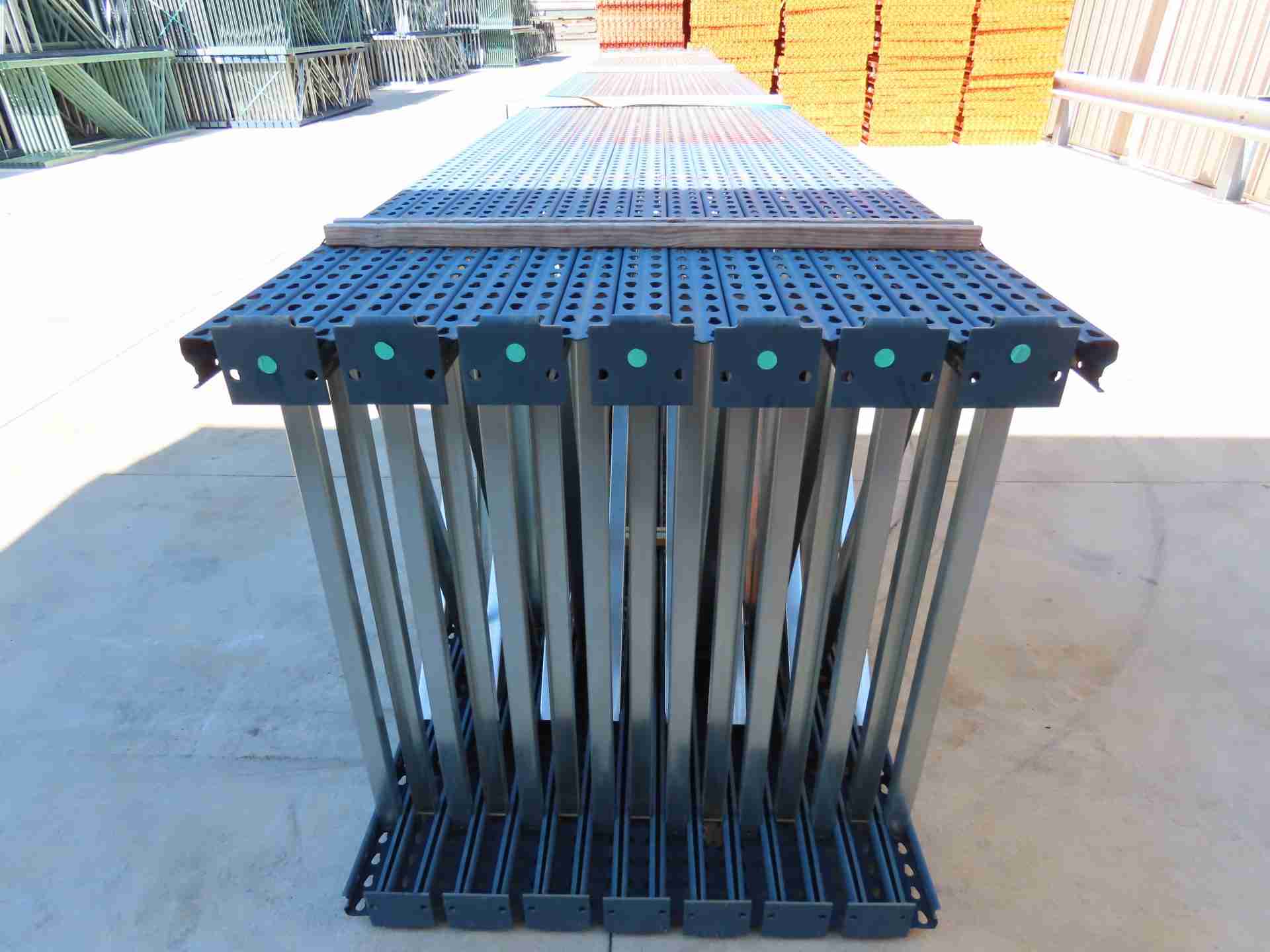
Rack Depreciation and Asset Planning
Rack Depreciation and Asset Planning
- Racking systems in warehouses are a significant investment that deteriorate over time, impacting operational efficiency.
- Aging racks can lead to increased risk and financial loss, emphasizing the need for regular maintenance and eventual replacement.
- Failures in racking systems can disrupt operations, causing frustration and a breakdown of trust among employees and clients.
- Investing in rack maintenance and optimization is crucial for budgeting and avoiding unexpected expenses.
- Prioritizing sustainable practices in asset management enhances reputation and aligns with ethical business practices.
- Engaging employees in maintenance creates a culture of pride and responsibility, improving teamwork and morale.
- A connected workforce is essential for safety, reliability, and overall operational success.
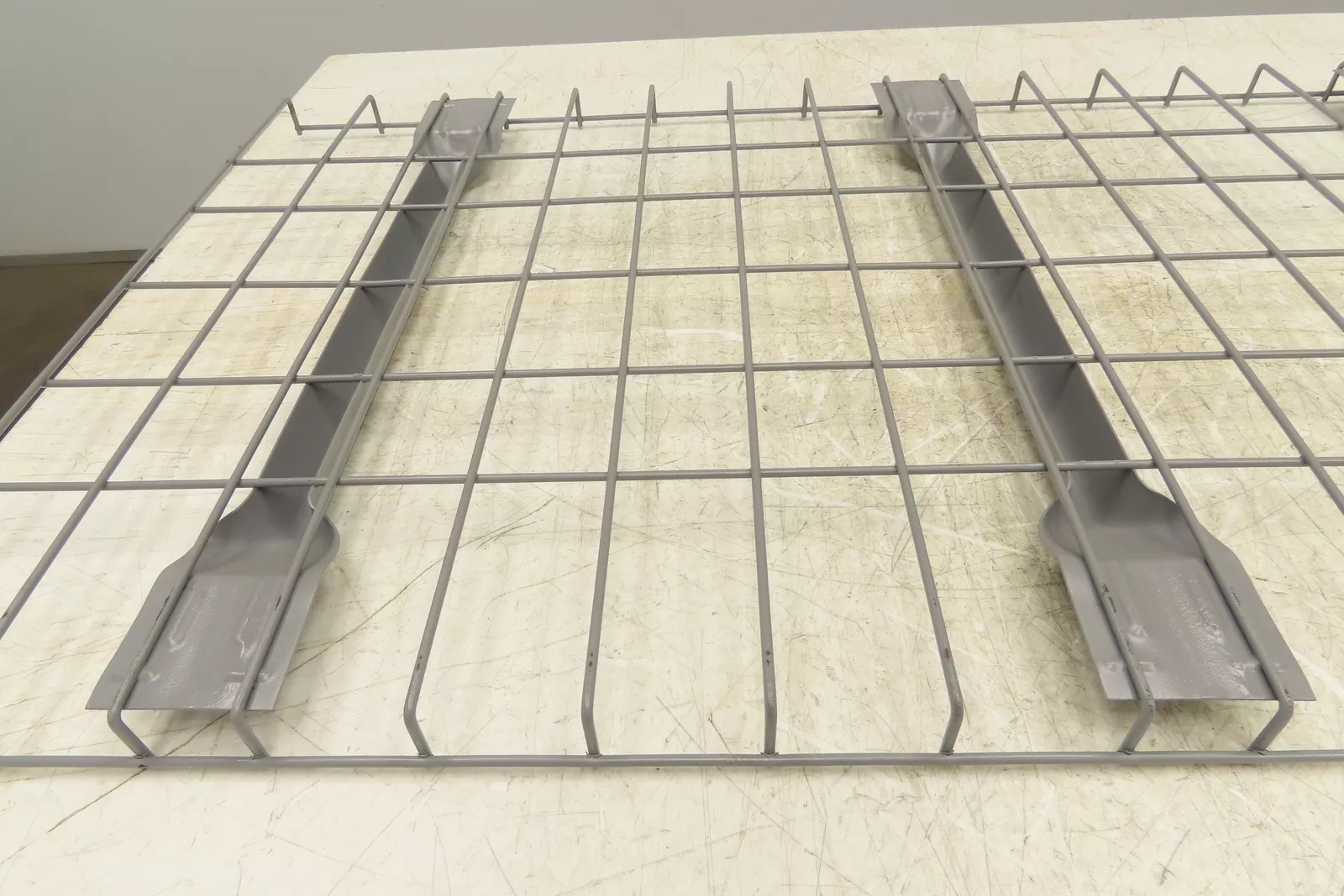
Rack Depreciation and Asset Planning
Table Of Contents
- Rack Depreciation and Asset Planning
- What Factors Contribute to Rack Depreciation Rates?
- How Does Asset Planning Impact Profitability?
- Is Your Current Rack System Optimized for Efficiency?
- How Often Should You Assess Your Rack Depreciation?
- What Are the Hidden Costs Of Inadequate Asset Planning?
- How Can Strategic Planning Reduce Rack Depreciation?
- Conclusion
- Other Resources
- Glossary Of Terms
- Other Questions
- Checklist
What Factors Contribute to Rack Depreciation Rates?
When it comes to racking systems, understanding what drives depreciation rates can feel like trying to nail jelly to a wall. It’s a complex puzzle, but there are a few key pieces that, once put together, can shed light on this topic. Firstly, wear and tear play a significant role. Just like that trusty old pickup truck that’s taken more than a few bumps on the dirt road, racking systems endure constant use. Each time a pallet hits the metal, you chip away at its value, and over time, those minor scratches turn into major concerns.
Another factor is the design and quality of the materials. It’s simple: not all racks are built the same. A well-engineered, robust racking system can stand the test of time, while cheaper alternatives may crumble under stress. Investing in quality upfront not only boosts performance but also helps prolong the life of the system, leading to slower depreciation. Think of it as buying a sturdy pair of boots instead of flimsy shoes; one lasts through the tough jobs, saving you money in the long run.
Regulatory compliance also takes a toll on depreciation. The more regulations tighten, the more adjustments a company may need to make to their racking systems to comply with safety standards. When that happens, often you find yourself updating or replacing equipment ahead of schedule, which accelerates depreciation. Staying ahead of these regulations isn’t just smart; it protects employees and makes the workplace safer — a responsibility no business should take lightly.
Let’s not forget the market dynamics. The supply chain can be a bumpy ride, with shifts in demand impacting racking systems’ value. When new technologies and designs emerge, older systems may lose their appeal, driving down their worth. It’s like watching your classic car go from prized possession to a relic when the latest model hits the streets.
Ultimately, understanding these factors is about more than just numbers on a balance sheet; it’s about making informed choices that resonate with your values and the future of your business. By prioritizing quality, compliance, and staying aware of market trends, you not only protect your investment but foster a work environment built on safety and efficiency. In a world where risks abound, a thoughtful approach to racking systems can pave the way for success, keeping both your bottom line and your workforce strong.

What Factors Contribute to Rack Depreciation Rates?
What Factors Contribute to Rack Depreciation Rates?
- Depreciation of racking systems is influenced by wear and tear from constant use.
- The design and quality of materials significantly affect durability and lifespan.
- Investing in quality racking systems can reduce depreciation over time.
- Regulatory compliance can lead to accelerated depreciation due to necessary updates or replacements.
- Market dynamics, including demand shifts, impact the value of racking systems.
- New technologies can render older systems less appealing, decreasing their worth.
- Prioritizing quality, compliance, and market awareness fosters a safer and more efficient work environment.
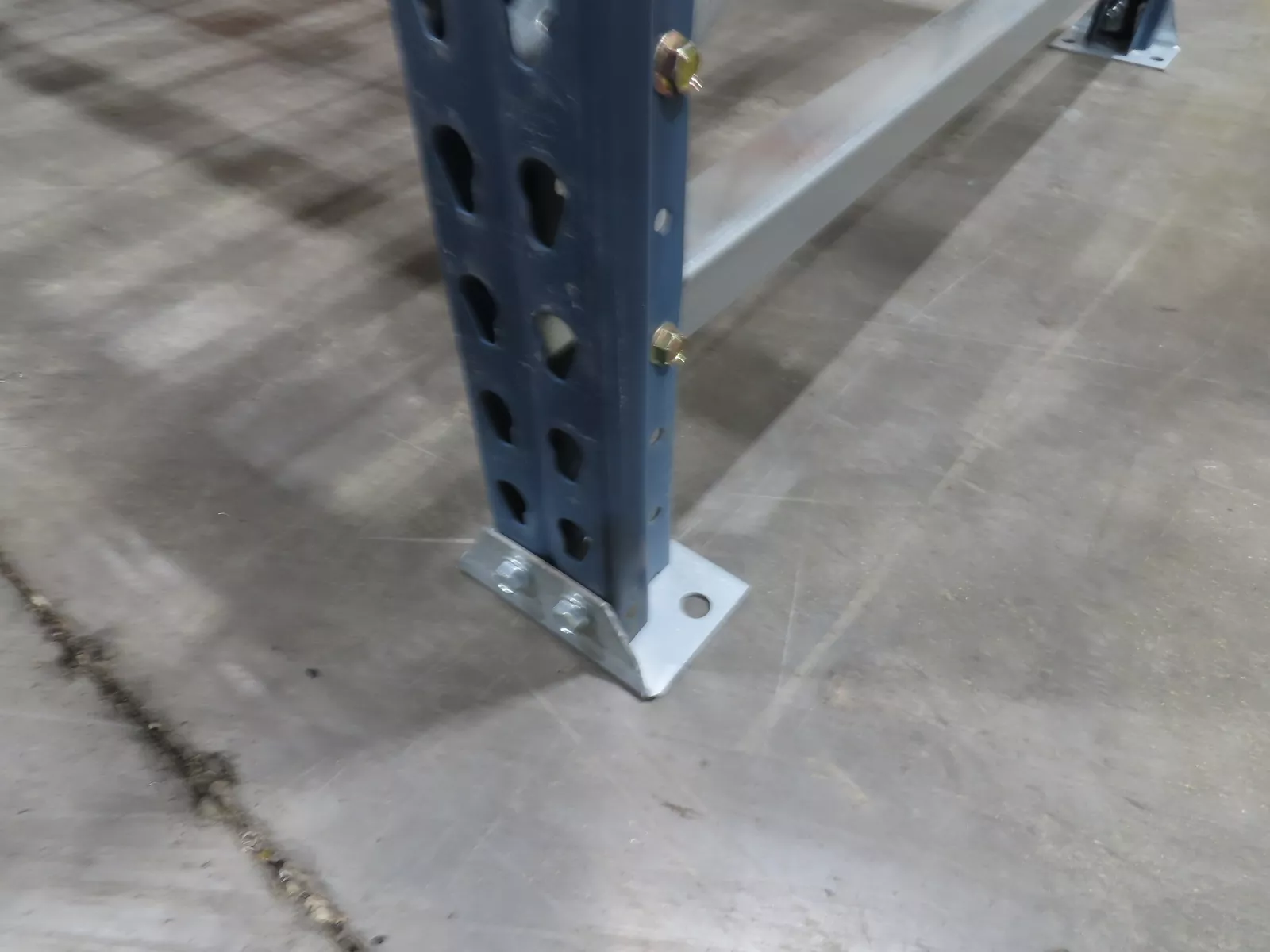
What Factors Contribute to Rack Depreciation Rates?
How Does Asset Planning Impact Profitability?
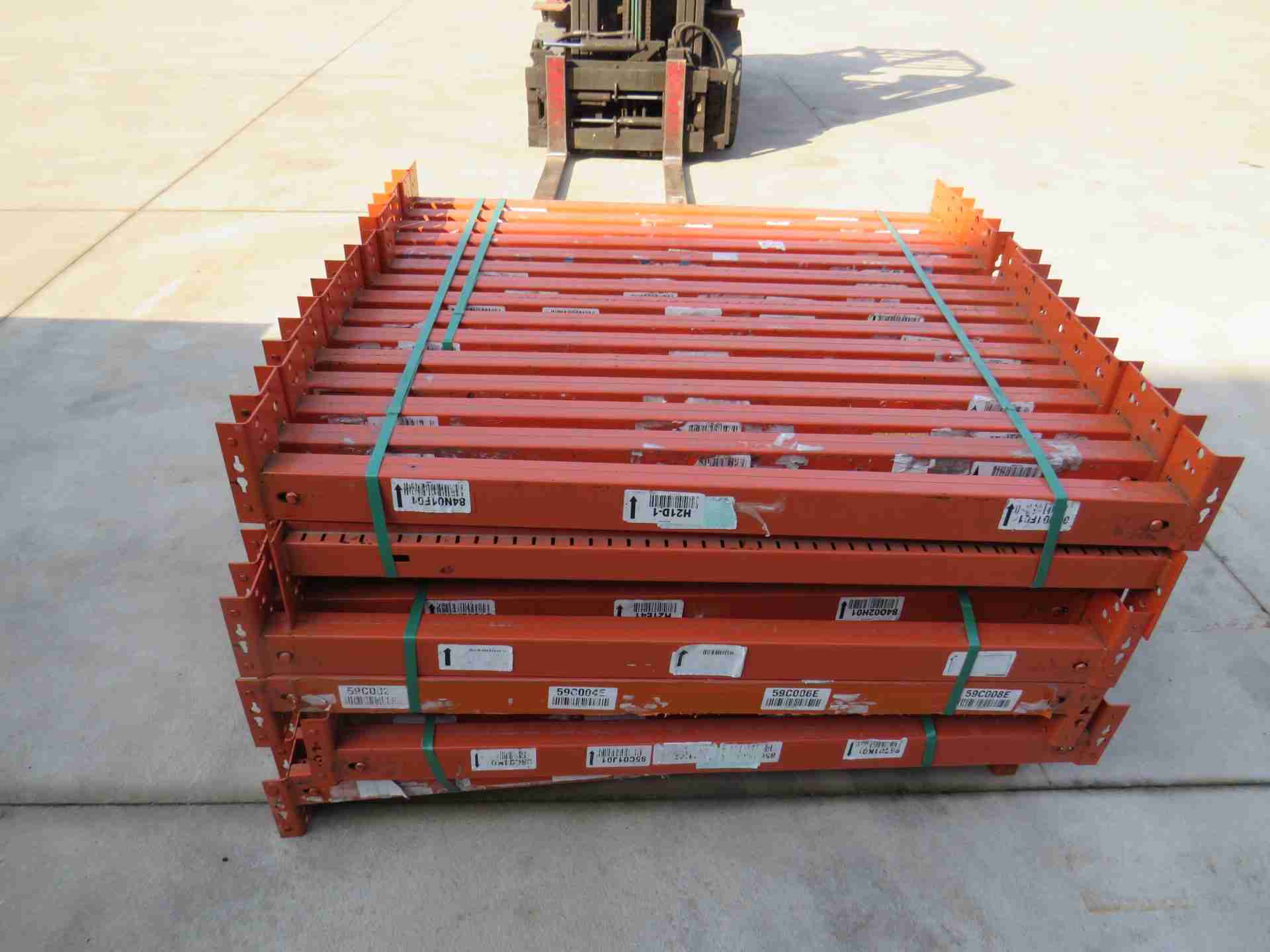
Asset planning serves as the backbone of any thriving business, directly impacting profitability in profound ways. It’s akin to assembling the right tools before starting a job; having the proper racking systems in place can make all the difference in efficiency and outcomes. Picture a warehouse where products are shoved in corners, stacking high in chaotic towers of confusion. It’s not just a mess; it’s a profit leak, wasting time and resources.
Effective asset planning gives business owners the clarity and confidence to allocate resources wisely. Imagine a seasoned worker carefully organizing every tool in a workshop, ensuring that when it’s time to fix that leaky faucet, everything needed is at hand. This systematic approach reduces downtime and keeps operations smoothly ticking. By focusing on the right assets—like racking systems that maximize storage space and streamline processes—you’re not just optimizing your space; you’re optimizing your bottom line.
Ethically, responsible asset planning fosters trust with employees and stakeholders alike. When everyone sees that the business is managed with care and attention, morale improves, leading to greater productivity. Workers feel valued when they have the tools to succeed, and that translates to better service for customers. It’s a cycle of positivity that feeds back into profitability.
Narratives of success often highlight those who took the time to plan. Every business owner has heard tales of the small shop that turned into a powerhouse simply by understanding its assets. Those racking systems bought at the beginning weren’t just purchases; they were investments in future growth. A clear strategy reduces the risks associated with business operations. It allows for informed decision-making grounded in actual data rather than hunches, driving a culture of accountability and informed action.
Beyond the numbers, there’s an emotional aspect that many overlook. Every item in that warehouse symbolizes hard work and aspirations. When you make room for consistency and order through asset planning, you’re honoring that effort, creating a space where dreams can flourish. This is where long-term vision meets day-to-day gritty reality.
Investing in asset planning not only shapes the operational landscape but also builds a community of trust, fueling progress and profitability. When managed well, it’s more than numbers on a balance sheet; it’s about people, purpose, and the exhilarating journey of growth.
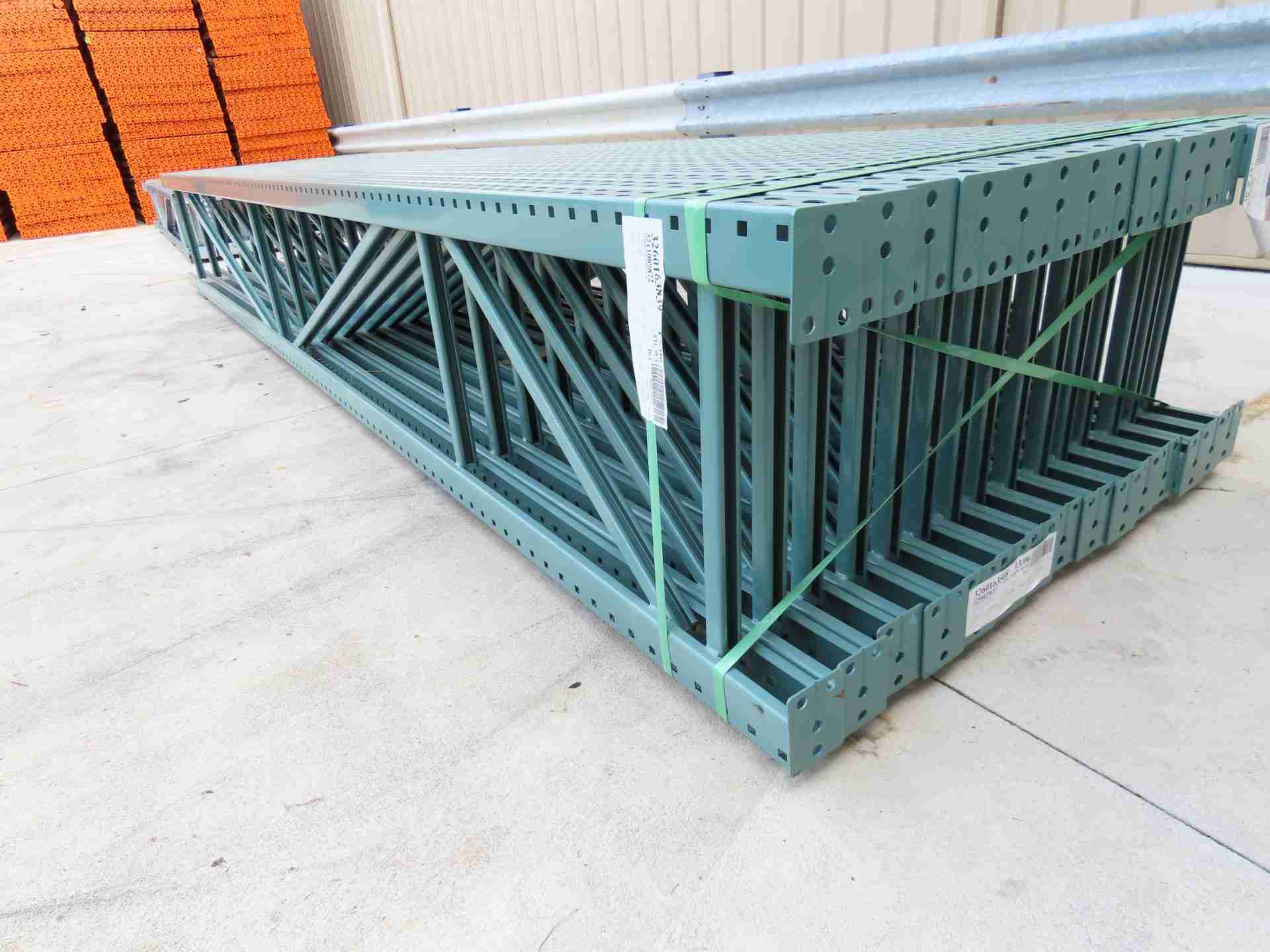
How Does Asset Planning Impact Profitability?
How Does Asset Planning Impact Profitability?
- Asset planning is crucial for business profitability and efficiency.
- Proper organization of assets, like racking systems, enhances operational effectiveness.
- Effective planning reduces downtime and optimizes resource allocation.
- Responsible asset management builds trust and boosts employee morale.
- Strategic investment in assets supports future growth and reduces operational risks.
- Every item in a warehouse represents hard work and aspirations, emphasizing the emotional aspect of asset planning.
- Successful asset planning fosters community trust, facilitating progress and profitability.
How Does Asset Planning Impact Profitability?
Is Your Current Rack System Optimized for Efficiency?
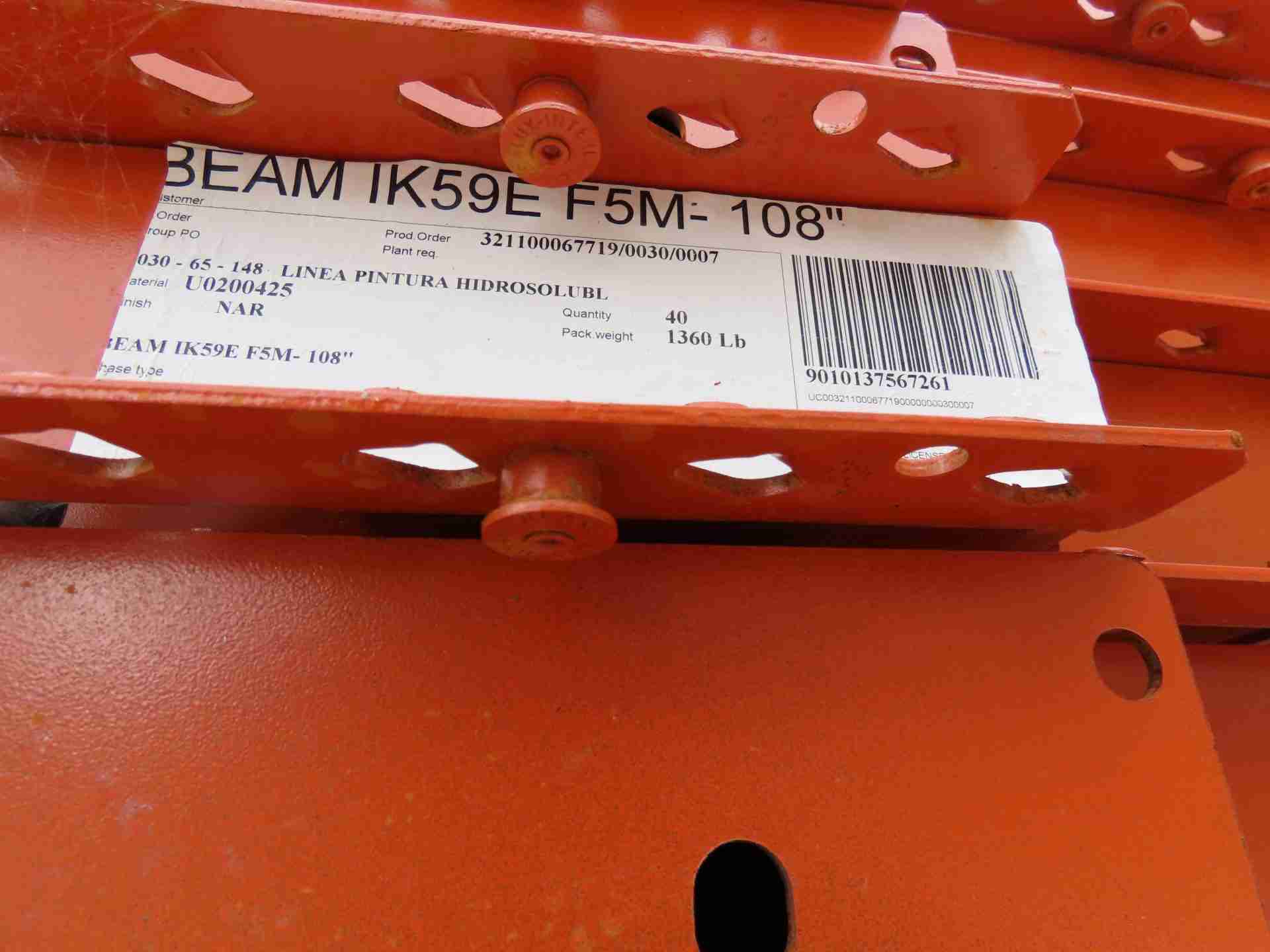
When it comes to racking systems, many of us have seen the impact they have on our day-to-day operations. A poorly organized warehouse or workspace not only frustrates employees but also eats into profits faster than a hungry raccoon at a trash can. It’s like trying to find a needle in a haystack when your goods are scattered rather than neatly stacked. It boils down to this: if your racking system isn’t working for you, it’s working against you.
Think about the last time you had to dig through a disorganized pile to find what you needed. That feeling of frustration—time wasted, and productivity sacrificed—can be avoided. Imagine instead a streamlined process where everything is in its place, ready for quick access. This isn’t just a dream; it can be your reality with an optimized racking system. It’s a matter of efficiency that touches your heart because it affects how your team feels about their work environment. No one wants to feel like they’re wading through chaos daily.
From a head perspective, consider the numbers: time spent searching equals money lost. An efficient racking system reduces those search times significantly, boosting your bottom line. It’s simple math. You pull in a better return on investment when every rack, shelf, and corner of your storage area is strategically designed to maximize space and minimize wasted motion. With the right system, your operations can run smoother, leading to happier employees and satisfied customers.
On an ethical front, providing a safe and organized workspace is the right thing to do. When racking systems are optimized, you foster an environment where employees can thrive. They feel valued, knowing that their safety and efficiency are prioritized. This commitment reflects positively on your brand, showcasing you as a leader who values thoughtful operations over reckless haphazardness.
Lastly, let’s consider the social impact. Your team talks. They share their experiences, and a workplace that invests in streamlined processes is one they’re proud to be a part of—a badge of honor in a world where too many workplaces cut corners. By optimizing every inch of your racking systems, you’re not just improving logistics; you’re building trust and confidence in your leadership.
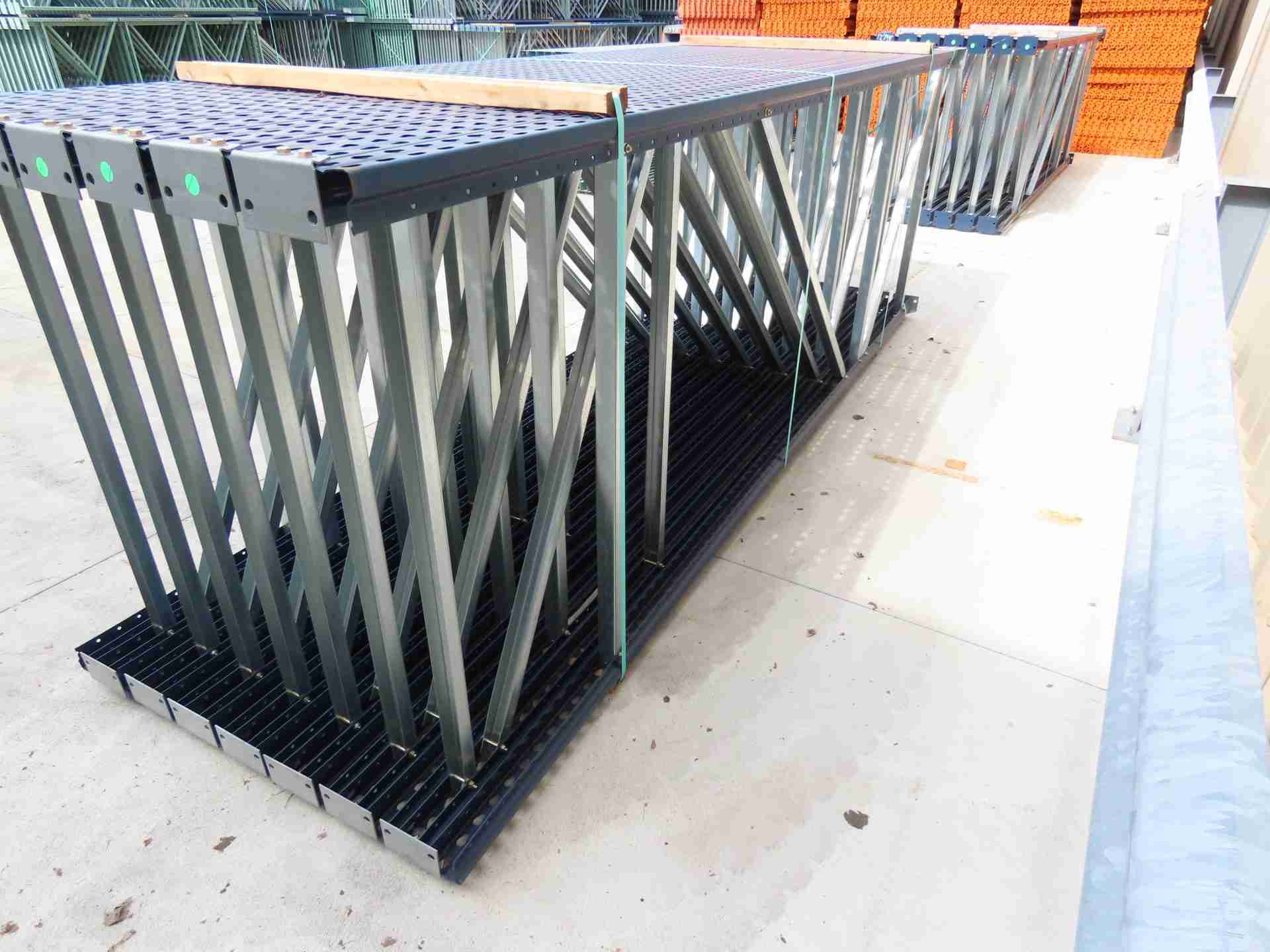
Remember, it’s about the big picture—the bigger the rack, the bigger your potential. Transform your workspace into a hub of efficiency, and watch as the benefits unfold across all areas of your operation.
Is Your Current Rack System Optimized for Efficiency?
Is Your Current Rack System Optimized for Efficiency?
- A well-organized racking system enhances daily operations and employee satisfaction.
- Poorly organized spaces lead to frustration and decreased productivity.
- Time wasted searching for items equates to lost money.
- Optimized racking systems improve space utilization and operational efficiency.
- Safe and organized workspaces motivate employees and reflect positively on the brand.
- Investing in efficient processes fosters a positive workplace culture and team morale.
- Effective racking systems drive better business outcomes and increase overall potential.
Is Your Current Rack System Optimized for Efficiency?
How Often Should You Assess Your Rack Depreciation?
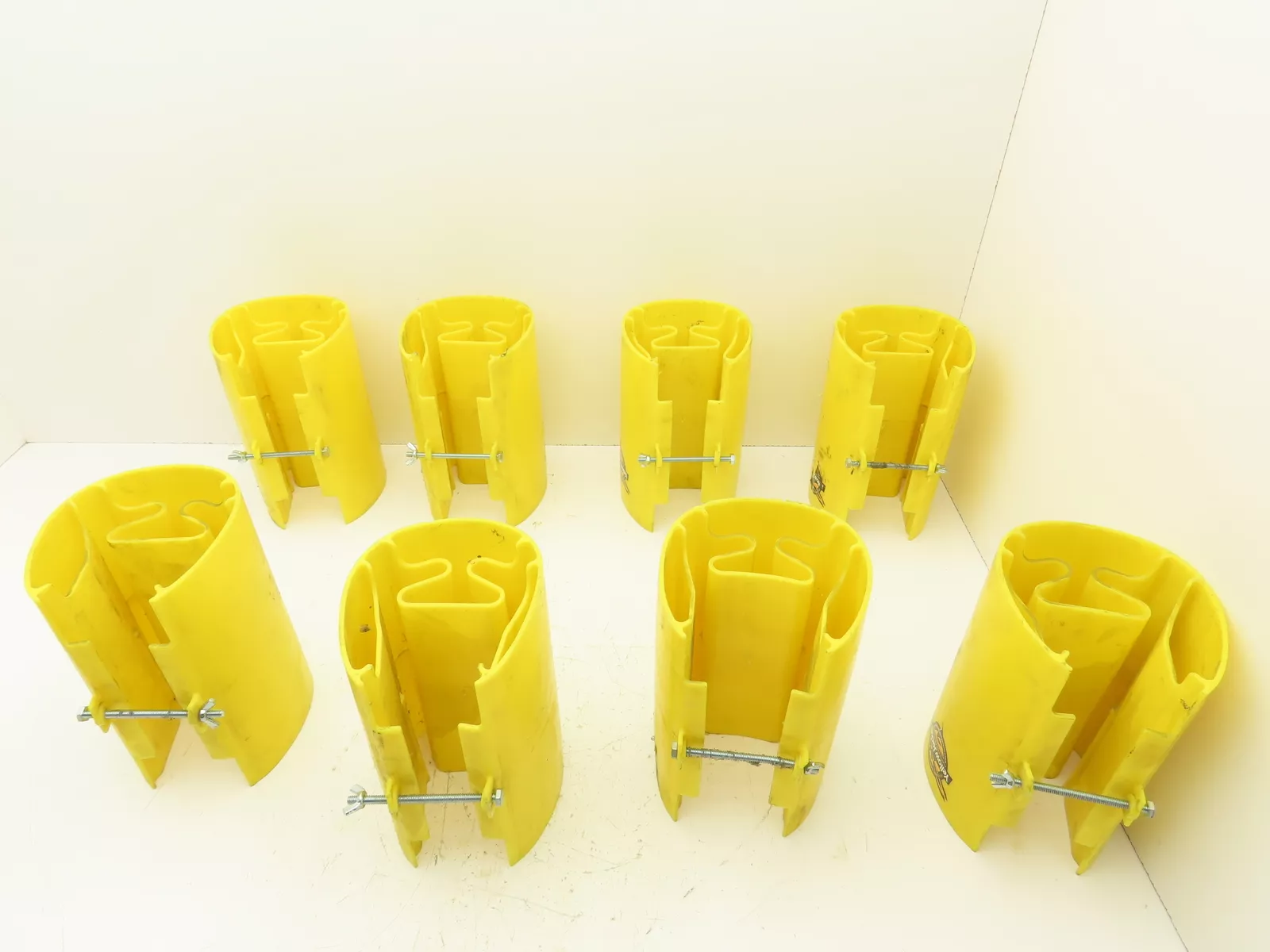
When it comes to racking systems, keeping an eye on depreciation isn’t just about the numbers; it’s about maintaining the backbone of your operation. Think about it: your racking systems hold up not just your inventory but the trust your business builds with its clients. Regular assessments aren’t just smart; they’re essential for ensuring safety and operational efficiency.
You probably wonder how often you should evaluate your racking systems. Many industry experts recommend doing this at least once a year. However, if your operation is high-volume or if your racking sees heavy usage, more frequent checks may be in order. Imagine a scenario where an overlooked flaw grows into a major safety hazard. That oversight could lead to catastrophic consequences—not just in losses but also in the shaken confidence of your team and customers. Regular assessments can prevent that nightmare.
Now, let’s break it down a bit. Assessing depreciation isn’t just about spreadsheets; it’s about your livelihood. Picture your warehouse; every row of racks is a silent partner in your success. Keeping tabs on their condition means you’re respecting the sweat and hard work that went into building this enterprise. Each time you look up at those stacks, remember that a little diligence can translate into big savings in the long run.
When you regularly evaluate your racking systems, you’re both showing leadership and ensuring the safety of your crew. Think of it as a farmer checking on his crops. He knows that a little extra attention can mean the difference between a bountiful harvest and a barren field. In the same way, the health of your racking translates directly to operational reliability.
Consider the stories you’d hear from colleagues at industry meet-ups. Successful operations often boast of their proactive maintenance schedules, attributing their smooth sailing to the foresight of regular assessments. By fostering a routine check, you’re not just avoiding disasters; you’re establishing a culture of care and responsibility that your employees can respect and emulate.
Engaging in this practice isn’t merely about keeping the lights on in your warehouse; it’s about investing in your most valuable asset: your people and their performance. Trust the process, and you’ll find that your commitment to regular assessments of rack depreciation reinforces the very foundation of your business.
How Often Should You Assess Your Rack Depreciation?
How Often Should You Assess Your Rack Depreciation?
- Racking systems are vital for inventory management and customer trust.
- Regular assessments are essential for safety and operational efficiency.
- Industry experts recommend evaluating racking systems at least annually.
- High-volume operations may require more frequent checks to prevent safety hazards.
- Maintaining racking systems respects the effort put into the business and can lead to cost savings.
- Regular evaluations demonstrate leadership and ensure crew safety, akin to a farmer tending crops.
- Proactive maintenance fosters a culture of care and responsibility within the workforce.
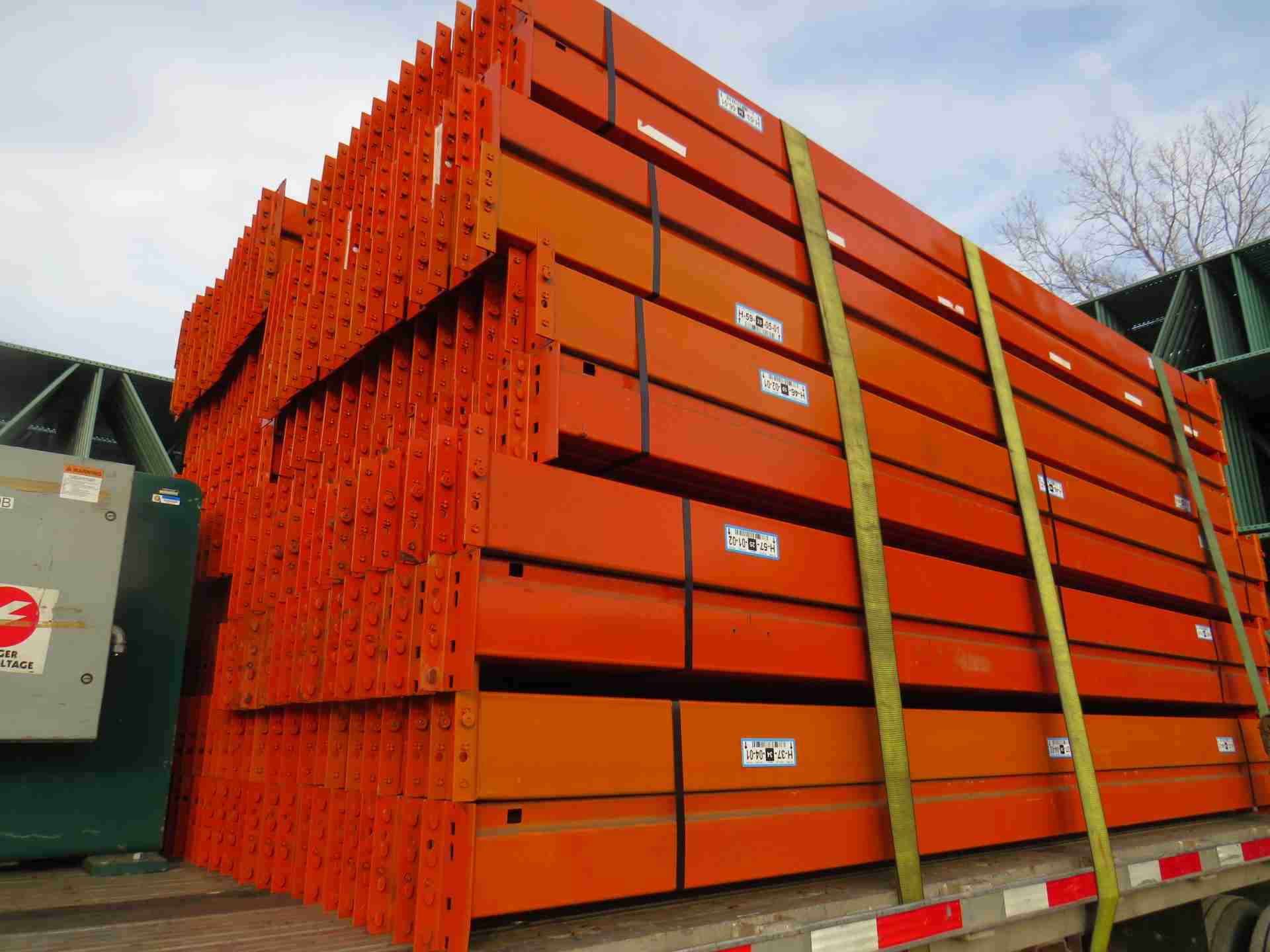
How Often Should You Assess Your Rack Depreciation?
What Are the Hidden Costs Of Inadequate Asset Planning?
When you think about asset planning, it’s easy to get lost in the complex financial jargon, but let’s break it down into something everyone can understand. Imagine you own a small warehouse filled with everything from Racking Systems to machinery that you’ve worked hard to acquire. You want to pass your legacy on to your family or maybe even sell your business one day. But if you don’t take the time to properly plan your assets, you’re looking at some hidden costs that can hit harder than you ever expected.
First, consider the emotional toll. Picture your family scrambling to figure out what to do with your assets after you’re gone. Without a solid plan, they might sell off your prized equipment, or worse, end up in disputes that tear them apart. It’s not just machinery and inventory; it’s the memories, the blood, sweat, and tears you’ve put into that space. A lack of planning puts that at risk, and nobody wants to see their life’s work treated like just another commodity.
On the rational side, think about how inadequate planning can lead to financial loss. Failing to correctly evaluate your Racking Systems or machinery means potential buyers might undervalue what you’ve built. You could be squandering thousands—money that could better support your loved ones or fund future projects. Every tool, every piece of inventory has an intrinsic value that deserves recognition, both for you and your heirs.
Then there’s the ethical element. You’ve worked hard to provide for your family; don’t leave them high and dry. Financial decisions should reflect responsibility, not just ambition. Planning is a way of showing your loved ones that you care, that you want them to thrive rather than struggle under the weight of uncertainty. Leaving behind a clear, organized plan not only is the smart move but also the right thing to do.
Finally, let’s make it real with a personal narrative. We’ve all seen how chaos can unravel the best intentions. Tom, a fellow business owner, thought he’d be able to take it easy and not worry about his asset plan. When he passed, his family found a jumbled mess of inventory records, outdated asset lists, and no clear directive on what to do. The fallout was painful, and it could have all been avoided with a little forethought.
Inadequate asset planning isn’t just a financial misstep; it’s a way to undermine the very foundation you’ve built. By recognizing these hidden costs and taking action, you’re doing right by those who depend on you, ensuring your legacy remains intact.
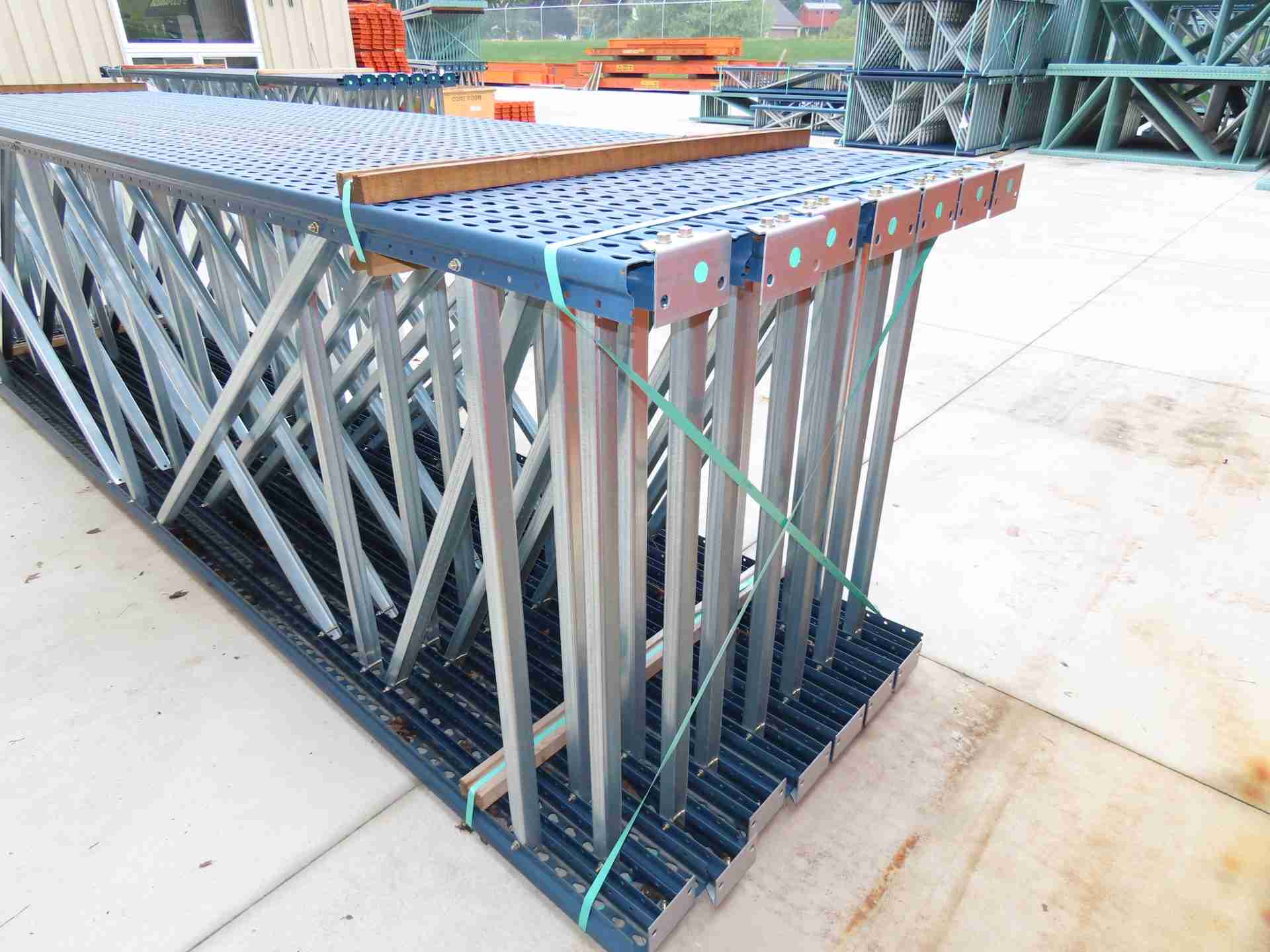
What Are the Hidden Costs Of Inadequate Asset Planning?
What Are the Hidden Costs Of Inadequate Asset Planning?
- Asset planning is essential to avoid hidden costs and complexities.
- Emotional strain can arise for family members due to lack of planning.
- Inadequate planning may lead to financial losses and undervaluation of assets.
- Planning reflects responsibility and care for loved ones’ future.
- Personal narratives, like Tom’s, illustrate the chaos caused by neglecting asset planning.
- Recognizing and addressing hidden costs is crucial for maintaining your legacy.
- A clear, organized plan is both a smart decision and an ethical obligation.

What Are the Hidden Costs Of Inadequate Asset Planning?
How Can Strategic Planning Reduce Rack Depreciation?
Strategic planning in managing racking systems can significantly reduce rack depreciation, and it begins with a simple premise: treat your equipment like an investment. Imagine you’ve just bought a new toolbox. You wouldn’t leave it out in the rain or bang it around without care. The same goes for your racking systems. Every warehouse and storage area relies on these structures to keep operations running smoothly, so it’s crucial to consider them from both a practical and financial standpoint.
By taking the time to develop a solid strategic plan, you’re not just looking at what racking systems you need today; you’re also picturing their long-term role in your business. When you invest in high-quality racking and maintain it properly, you extend its lifespan. This approach resonates with the gut—there’s a satisfaction in knowing you’ve made wise choices that protect your hard-earned resources.
Let’s talk numbers. Planning means analyzing the layout of your space, predicting inventory flow, and determining the best racking systems for your needs. When these systems are correctly utilized and maintained, they resist wear and tear, saving you money on replacements. This rational approach shows that thoughtful planning directly ties to financial health, demonstrating that expenses on maintenance or upgrades can lead to significant savings in the long term.
And then there’s the emotional element. Picture a bustling warehouse, with employees working in harmony because the racking systems are organized, functional, and safe. When everyone knows where everything is, it fosters a sense of pride and ownership among the team. They’re not just pushing boxes; they’re part of a well-oiled machine—and that makes a world of difference in morale and productivity.
Furthermore, this isn’t just about numbers and pride; it’s also about ethics. Taking care of your equipment means being responsible stewards of your resources. It shows respect for your employees, clients, and the environment. When your racking systems are functioning optimally, you minimize waste. You’re not just extending the life of your racking systems; you’re contributing to a sustainable operation.
Strategic planning for your racking systems isn’t merely about spreadsheets and projections; it’s about building a resilient foundation for your business. It’s about earning trust—among your team, your customers, and within the community. By making informed choices today, you set the stage for future success, turning a simple racking strategy into a powerful catalyst for growth and stability.
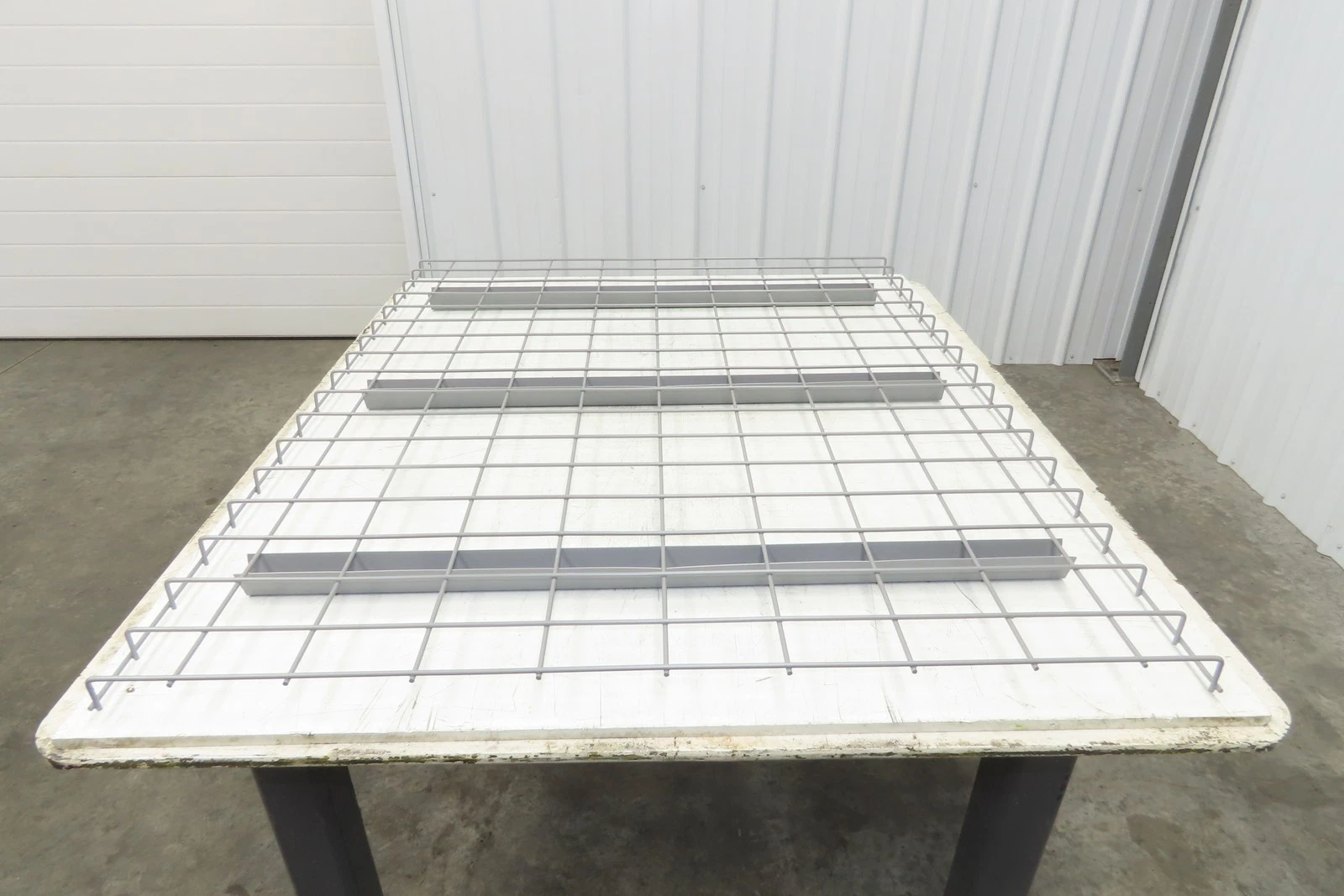
How Can Strategic Planning Reduce Rack Depreciation?
How Can Strategic Planning Reduce Rack Depreciation?
- Strategic planning for racking systems reduces rack depreciation and treats equipment as an investment.
- High-quality racking systems, when maintained, extend their lifespan and contribute to financial health.
- Effective planning includes analyzing layout, predicting inventory flow, and choosing appropriate racking systems.
- Well-maintained systems resist wear and save costs on replacements.
- A well-organized warehouse enhances employee morale and productivity through a sense of pride and ownership.
- Caring for equipment reflects ethical stewardship and respect for resources, employees, and the environment.
- Strategic planning builds trust and sets the foundation for future business success and stability.
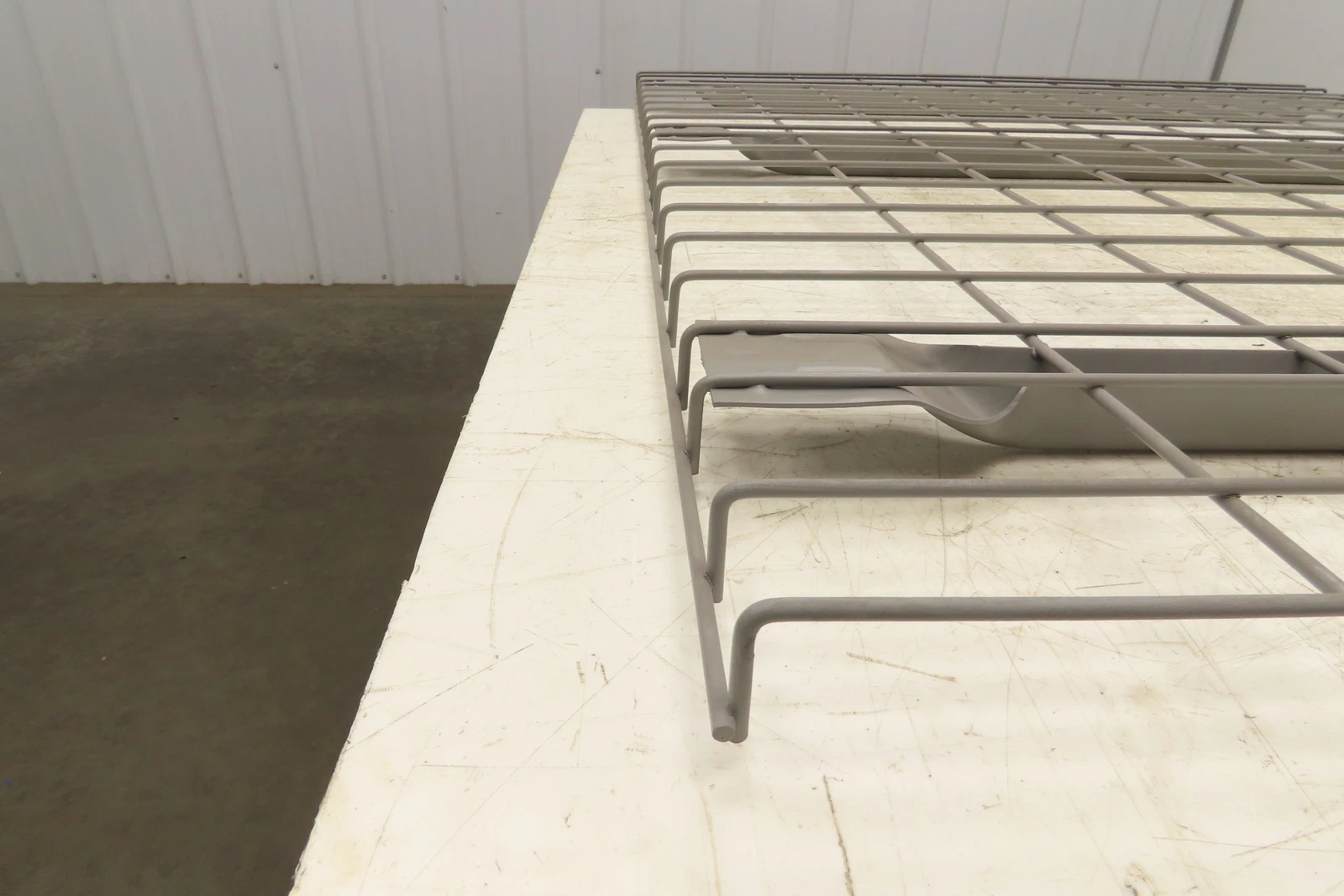
How Can Strategic Planning Reduce Rack Depreciation?
Conclusion
In the warehouse and distribution sector, racking systems are more than just structures; they’re the backbone of efficient operations. Their deterioration over time, akin to an aging but loyal pickup truck, can lead to inefficiencies and financial drain. A collapsed rack not only delays orders but shakes the trust among employees and clients. A thoughtful approach to rack depreciation ensures that your operations run smoothly and maintains confidence in your business.
Ignoring the nuances of rack lifespan and maintenance is a recipe for disaster. Investing in quality racking systems upfront is like choosing a sturdy pair of work boots over flimsy shoes; it pays off in durability and long-term savings. Regular assessments are crucial; they not only sidestep potential disasters but also demonstrate a commitment to employee safety.
Strategic asset planning directly influences profitability. A well-organized racking system acts like a well-stocked toolbox, ensuring every item is efficiently in its place, reducing downtime and maximizing resources. This clarity fosters a sense of ownership among employees, enhancing morale and driving productivity.
Emphasizing ethical operations resonates with customers and stakeholders, showcasing your business as one built on care and responsibility. Employees take pride in their workspace when they see a commitment to safety and efficiency, cultivating a positive environment that ultimately reflects in customer service.
Conversely, inadequate asset planning can carry hidden costs that may erode the very foundation of your business. A lack of foresight can plunge loved ones into chaos, risking emotional stress and financial loss upon transitions. Stories of business owners leaving behind a tangled web of inventory without a clear plan highlight the consequences of neglecting strategic asset management.
In summary, managing rack depreciation through careful planning and regular assessments embodies respect for every piece of equipment and the hard work of your team. Being proactive not only preserves financial value but nurtures a culture rooted in mutual trust and community pride. When your workforce sees and feels the impact of these efforts, the entire operation transforms into a cohesive unit, ready to tackle challenges and seize opportunities. The right approach to rack management isn’t just about maintaining equipment; it’s about fortifying the trust, dedication, and heart that drive your business forward.
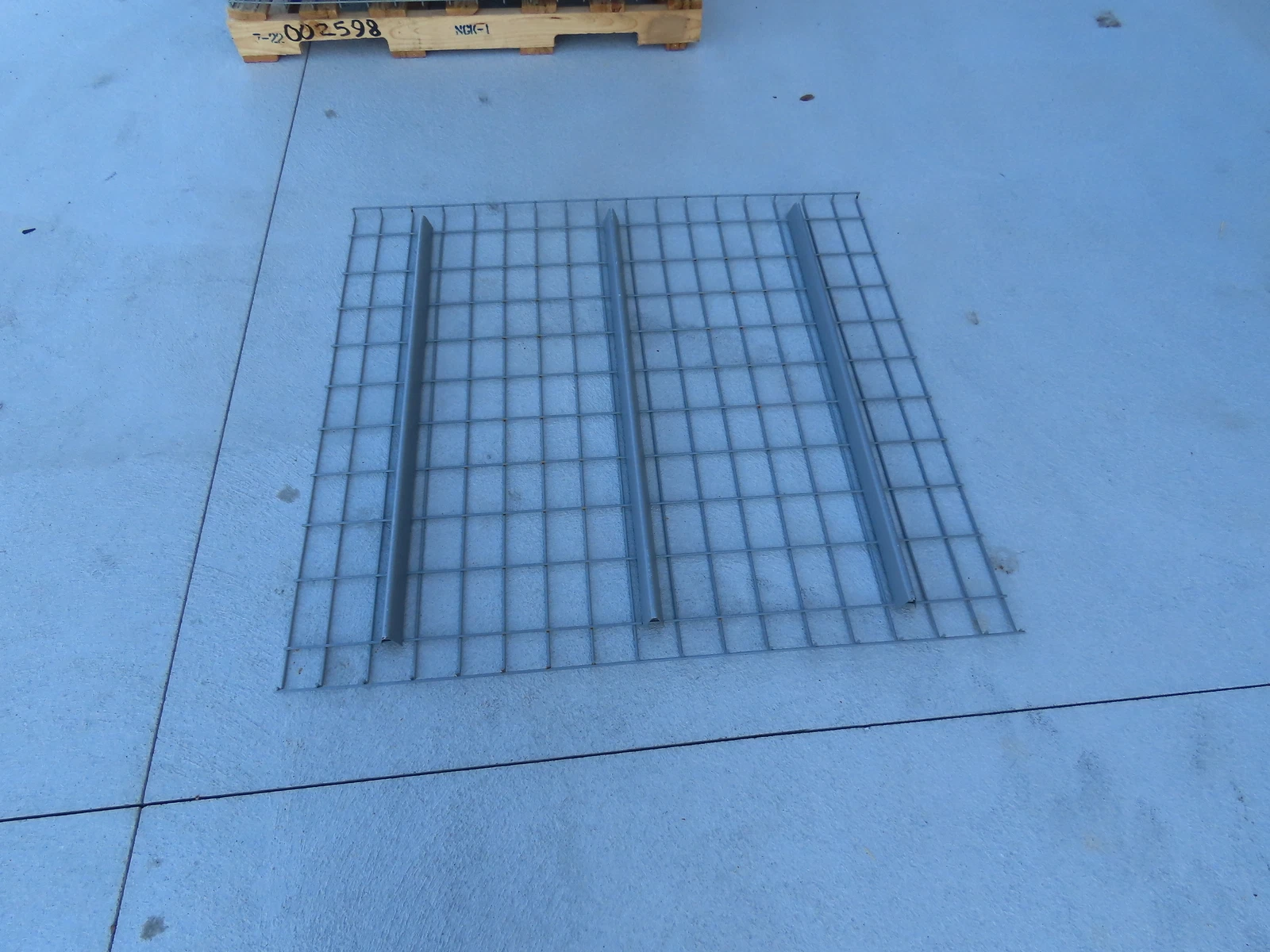
Conclusion
Conclusion:
- Racking systems are essential for efficient operations in warehousing and distribution.
- Deterioration of racking systems leads to inefficiencies, financial strain, and loss of trust.
- Investing in quality racking systems and regular assessments prevents potential disasters.
- A well-organized racking system maximizes resources, reduces downtime, and enhances employee morale.
- Ethical operations project care and responsibility, improving workplace pride and customer service.
- Poor asset planning can result in hidden costs and chaos for business owners and employees.
- Proactive rack management fosters a culture of trust and transforms operations into cohesive units.

Conclusion
Other Resources
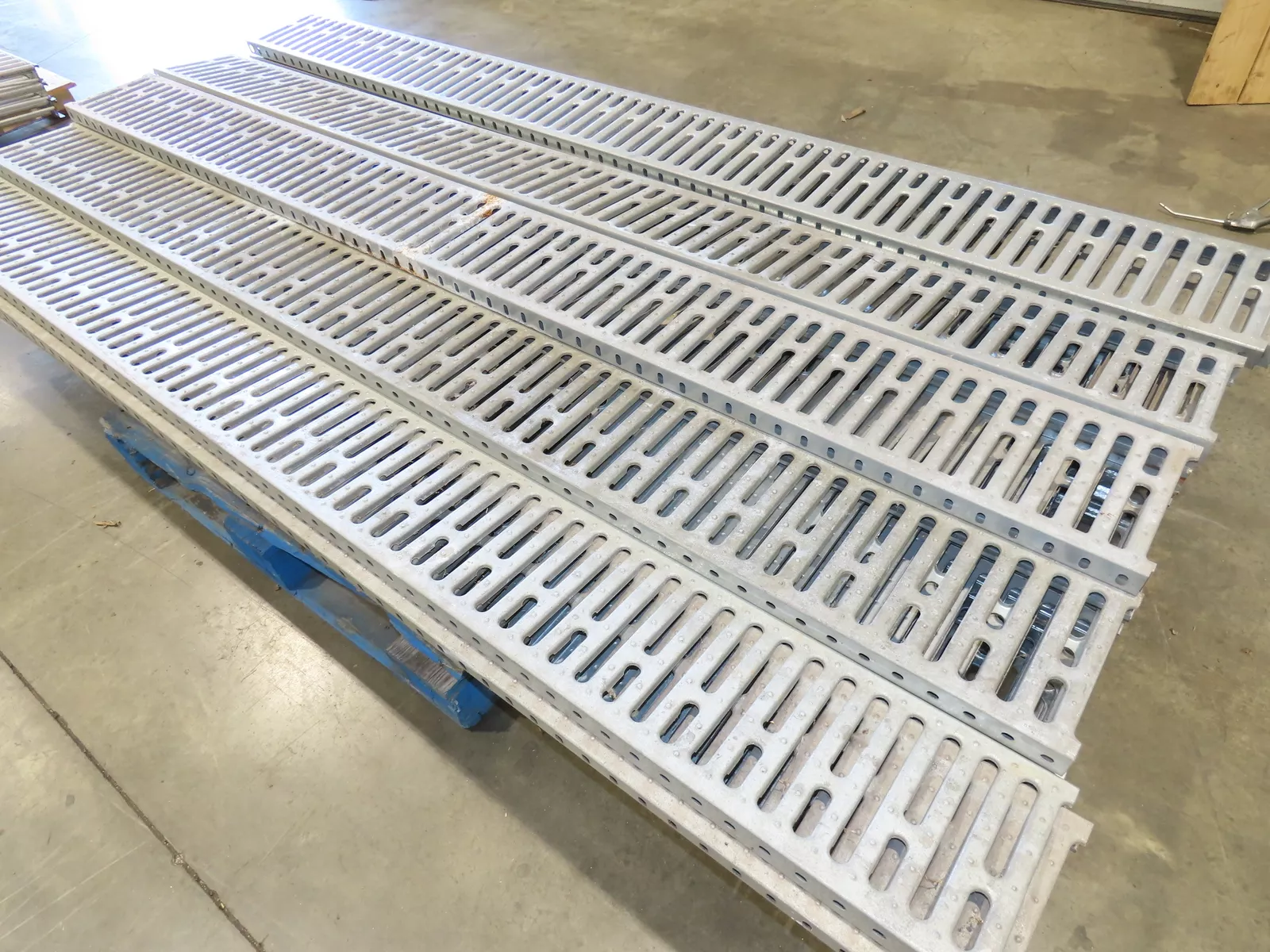
Other Resources
Here is a list of other resources you can review online to learn more:
- Interlake Mecalux
- Cantilever Rack Guide: Ordering Cantilever Racking
- Shipping Boxes, Packaging Materials, Pallet Racking
- American Surplus
- What is Selective Pallet Racking
- Selective Racking
- Intro to Warehouse Racks & Warehouse Racking Systems – ShipBob
- Selective Pallet Racking Systems – Container Systems
- Warehousing Education and Research Council: https://www.werc.org/
- Rack Manufacturers Institute
- Chicago Pallet Racking
- New Cantilever Racks and Racking Kits
- Warehouse Storage Racking in Illinois
- Crane Manufacturers Association Of America Inc.
- American Society of Safety Professionals
- Racking World
- SEMA
- Wolter
- Selective Rack – Raymond West
- Arrow Industrial Sales
Use This Prompt To Get More Resources With Your Favorite Online AI Tool: Please provide me with a list of online articles with their URLs in a bulleted list that I can read regarding Rack Depreciation and Asset Planning
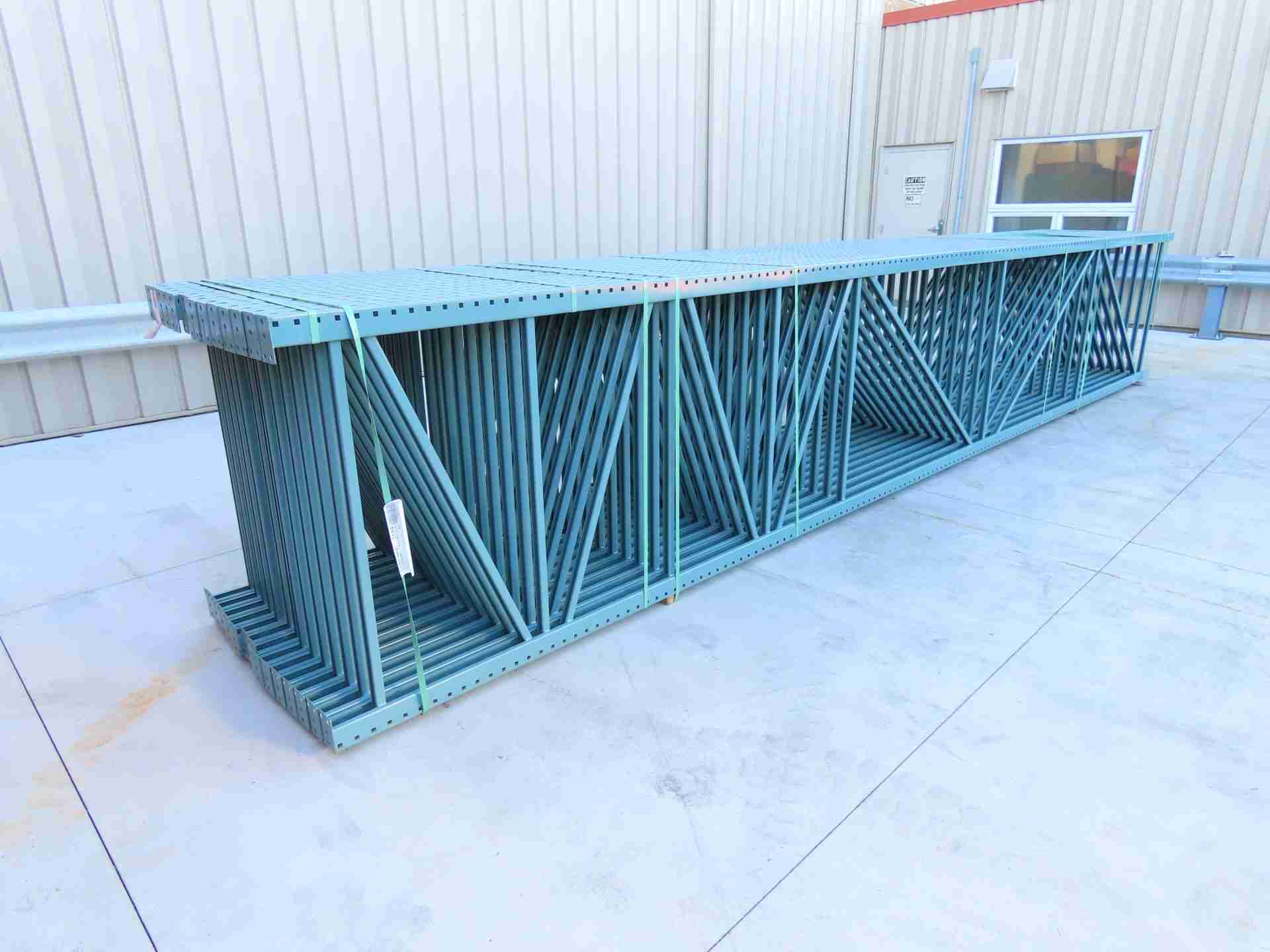
Other Resources
Glossary Terms
Rack Depreciation and Asset Planning – Glossary Of Terms
1. Accumulated Depreciation: The total amount of depreciation expense that has been allocated to an asset over time.
2. Amortization: The process of gradually writing off the initial cost of an intangible asset over its useful life.
3. Asset: A resource owned by a business that is expected to provide future economic benefits.
4. Depreciable Base: The value of an asset that is subject to depreciation, calculated as the cost of the asset minus its salvage value.
5. Depreciation Method: The technique used to allocate the cost of an asset over its useful life, such as straight-line or declining balance.
6. Discount Rate: The interest rate used to determine the present value of future cash flows associated with an asset.
7. Fair Market Value: The price at which an asset would sell in the open market between a willing buyer and seller.
8. Fixed Asset: A long-term tangible asset that is not expected to be converted to cash within a year.
9. Impairment: A reduction in the carrying value of an asset when its market value falls below its book value.
10. Intangible Asset: A non-physical asset, such as patents or trademarks, that has value but is not a tangible resource.
11. Inventory: The goods and materials a business holds for the purpose of resale.
12. Land Improvements: Enhancements made to land, such as landscaping or parking lots, that increase its value.
13. Leasehold Improvements: Modifications made to leased property to customize it for the tenant’s needs.
14. Maintenance Cost: Expenses incurred to keep an asset in working condition without enhancing its value.
15. Net Book Value: The value of an asset after accounting for accumulated depreciation and impairment.
16. Salvage Value: The estimated residual value of an asset at the end of its useful life.
17. Salvage Yield: The anticipated return or value obtained from the sale of an asset after disposal.
18. Straight-Line Depreciation: A method of depreciation where an equal amount is deducted each accounting period over the asset’s useful life.
19. Tax Depreciation: The depreciation expense used for tax reporting purposes, which may differ from accounting depreciation.
20. Useful Life: The estimated time period an asset is expected to be used by an organization before it is retired.
21. Depreciation Schedule: A detailed table showing the amount of depreciation expense allocated to an asset over each period.
22. Cost of Goods Sold: The direct costs attributable to the production of the goods sold by a company, affecting profit calculations.
23. Capital Expenditure: Funds used by a company to acquire or upgrade physical assets such as property, industrial buildings, or equipment.
24. Write-Off: The formal recognition that the value of an asset is no longer recoverable, leading to its removal from financial records.
25. Asset Management: The systematic process of developing, operating, maintaining, and selling assets in a cost-effective manner.
26. Financial Planning: The strategic approach to managing financial resources to achieve an organization’s goals, including asset allocation.
27. Budgeting: The process of creating a plan to allocate financial resources for different operational and capital expenditures.
28. Return on Investment (ROI): A measure used to evaluate the efficiency of an investment, expressed as a percentage of profit relative to its cost.
29. Capital Asset Pricing Model (CAPM): A financial model that determines the expected return on an investment based on its risk compared to the market.
30. Economic Life: The period over which an asset is expected to generate economic benefits, potentially influencing its depreciation schedule.
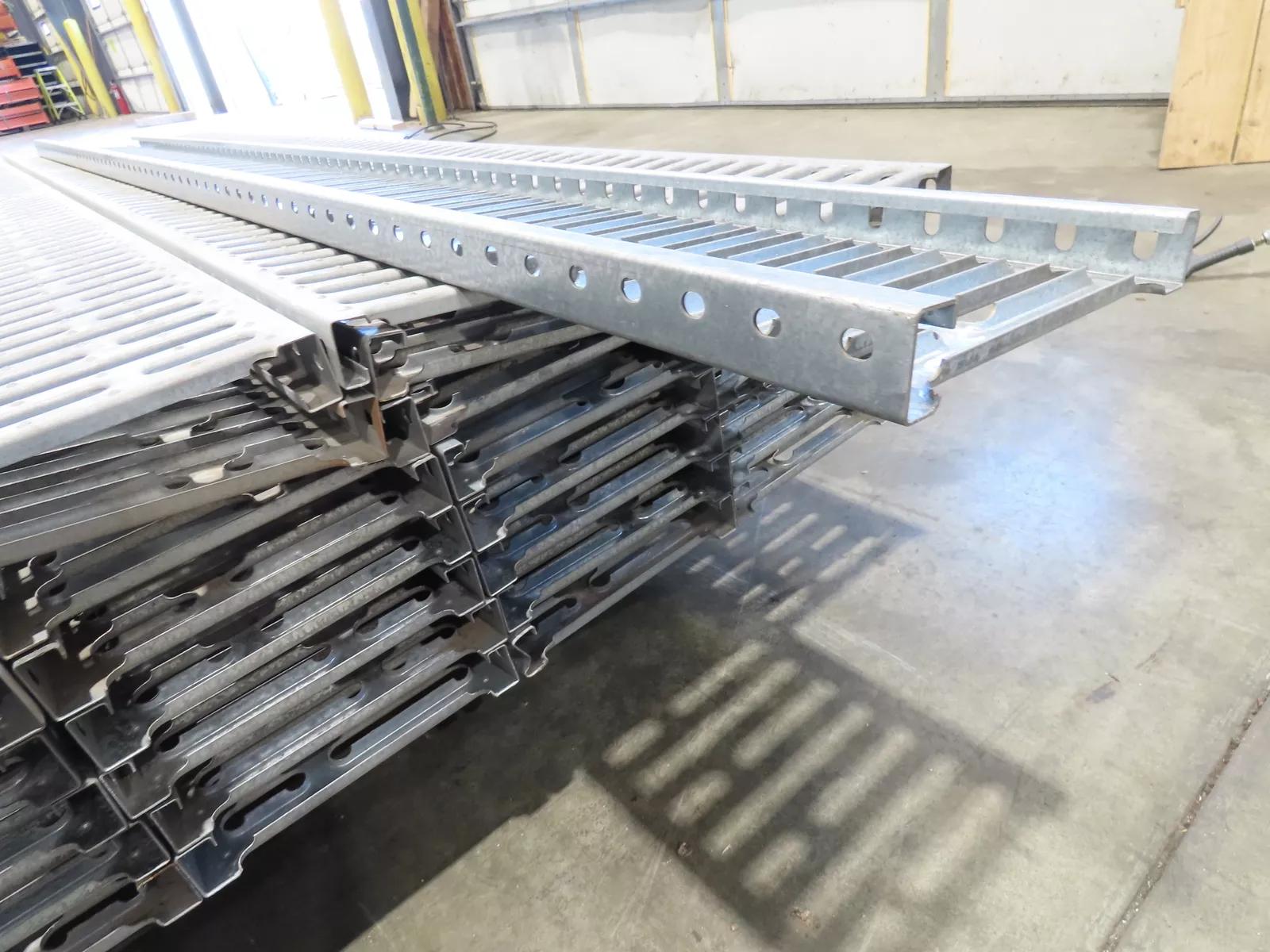
Glossary Of Terms
Other Questions
Rack Depreciation and Asset Planning – Other Questions
If you wish to explore and discover more, consider looking for answers to these questions:
- What is the typical service life of different types of racking systems (e.g., selective, drive-in, pallet flow)?
- How do you quantify depreciation for racking systems under common accounting standards (GAAP, IFRS)?
- What depreciation methods are most appropriate for warehouse racking (straight-line, declining balance, units-of-production)?
- How do you determine the residual or salvage value of used racking?
- Which maintenance activities most effectively slow rack depreciation and how often should they be performed?
- What are the standard inspection checklists and criteria for assessing rack condition?
- What signs or damage thresholds indicate repair versus replacement of a rack component?
- How do load patterns, pallet weights, and handling practices affect rack lifespan?
- What role do forklifts, automated guided vehicles (AGVs), or robotics play in accelerating rack wear?
- How should asset planning integrate with inventory turnover and SKU mix?
- What is the ROI of investing in higher-quality racking versus lower-cost options?
- How do regulatory changes and updated safety standards impact depreciation timelines?
- What certifications or third-party inspections should be required for racking systems?
- How does rack design and material selection influence total lifecycle cost?
- What are the hidden operational costs of inadequate rack planning (downtime, injuries, insurance premiums)?
- How can strategic layout planning reduce damage and depreciation (aisle width, flow design, protective devices)?
- What protective products (e.g., column protectors, end-of-aisle guards) are most cost-effective?
- How should you budget and amortize capital expenditures for racking replacements?
- What financing or leasing options exist for racking upgrades and how do they affect cash flow?
- How can a company forecast future racking needs based on growth scenarios and peak seasonality?
- What KPIs should you track to monitor rack performance and depreciation (repair frequency, replacement rate, cost per pallet position)?
- How do sustainability and circular-economy practices (reuse, refurbishment, recycling) affect asset value?
- What are best practices for decommissioning and disposing of obsolete racking systems responsibly?
- How can asset tagging, CMMS, or ERP integration improve maintenance and depreciation tracking?
- What training programs or employee engagement strategies reduce rack damage from handling errors?
- How should insurance, liability, and indemnity considerations influence rack maintenance and replacement decisions?
- How do market dynamics and new racking technologies influence residual values of existing systems?
- What procurement strategies (standardization, vendor selection, warranties) reduce long-term costs?
- How do you evaluate used racking purchases or resale opportunities from a depreciation perspective?
- What are common regulatory or seismic requirements for racks in different regions or industries?
- How do pallet types, packaging changes, or product dimension shifts affect existing rack suitability?
- What lifecycle costing models can be used to compare repair vs replacement vs retrofit decisions?
- How often should formal depreciation assessments be documented and reported to stakeholders?
- What role do manufacturers’ load tables and engineering calculations play in maintenance and replacement planning?
- How should emergency repair protocols and spare-parts inventory be structured to minimize operational disruption?
- What case studies or benchmarks exist demonstrating the financial impact of proactive rack asset planning?
Other Questions
Checklist
Rack Depreciation and Asset Planning – A Checklist
Asset Baseline
✅______ Catalog all rack types, manufacturers, capacities, and locations
✅______ Record install date, age, last inspection, and repair history
✅______ Verify load rating labels are present and accurate
✅______ Assign asset IDs/barcodes and update the fixed-asset register
✅______ Store drawings, permits, and engineering calculations
Usage and Environment
✅______ Document traffic levels (shifts/day, picks/hour, forklift types)
✅______ Confirm average and peak loads vs. rated capacities
✅______ Note SKU mix, pallet types, and forecasted throughput changes
✅______ Assess environment: humidity, temperature, corrosives, floor condition
✅______ Check seismic/wind considerations and anchorage needs
Physical Condition Inspection
✅______ Uprights: dents, twists, corrosion, base/anchor integrity
✅______ Beams: deflection, connector damage, missing or loose beam locks
✅______ Bracing and base plates: bends, missing components
✅______ Decking and pallets: damage, compatibility, overhang risks
✅______ Plumb and level within tolerance
✅______ Guarding: end-of-aisle guards, column protectors, rack backstops
✅______ Verify quality and documentation of past repairs
Compliance and Documentation
✅______ Confirm compliance with applicable standards and codes
✅______ Load plaques are installed and reflect the current configuration
✅______ Operator training records are current
✅______ Incident and near-miss logs reviewed and addressed
✅______ Change management records for layout or load changes
Depreciation and Financial Planning
✅______ Set useful life by rack type and environment
✅______ Select and apply depreciation method and rate
✅______ Update net book value and reconcile to physical assets
✅______ Budget for inspections, maintenance, spares, and guarding
✅______ Establish replacement reserve and multi-year timeline
✅______ Compare repair vs. replace (TCO, downtime, risk)
Maintenance Program
✅______ Preventive maintenance schedule: torque checks, anchors, beam locks, corrosion control
✅______ Impact reporting and red-tag-out procedure defined
✅______ Approved repair vendors and engineered repair kits on file
✅______ Stock critical spares (beams, connectors, anchors, guards)
✅______ Maintain photo records before and after repairs
Optimization for Efficiency
✅______ Measure storage density and cube utilization
✅______ Review slotting and fast- and slow-mover zoning
✅______ Validate aisle widths vs. equipment and traffic
✅______ Check vertical clearances and sprinkler and fire code spacing
✅______ Streamline pick paths; track travel time and touches
✅______ Evaluate layout changes for throughput gains
Technology and Market Tracking
✅______ Review new rack designs and accessories for longevity
✅______ Assess automation and WMS compatibility and future upgrades
✅______ Benchmark costs, lead times, and resale values
Assessment Cadence
✅______ Annual comprehensive audit scheduled
✅______ Quarterly inspections for high-traffic and impact zones
✅______ Trigger inspections after impacts; layout or SKU changes; and seismic updates
Risk Management and Safety
✅______ Rack-related risks logged in the risk register with owners
✅______ Insurance requirements verified (photos, inspections, load plaques)
✅______ Contingency plan for rack failures and rapid isolation in place
Team Engagement and Culture
✅______ Assign a Rack Program Owner and cross-functional team
✅______ Simple damage reporting channel posted at point of use
✅______ Regular toolbox talks on safe loading and impact prevention
✅______ Recognition program for proactive reporting and care
KPIs and Reporting
✅______ Damage incidents per 1,000 pallet movements
✅______ Inspection findings closed within target days
✅______ Maintenance cost per pallet position
✅______ Storage density and order cycle time
✅______ Depreciation expense vs. budget variance
End-of-Life and Disposal
✅______ Clear criteria to retire vs. repair by damage class
✅______ Safe decommissioning and isolation procedure
✅______ Resale, refurbishment, or recycling channels identified
Sustainability
✅______ Preference for repair/reuse and recycled-content components
✅______ Track lifecycle impacts and waste reduction from repairs
Sign-Off
✅______ Date of review
✅______ Inspected by (Operations)
✅______ Reviewed by (Safety/Engineering)
✅______ Reviewed by (Finance)
✅______ Next review date set

Checklist
At RackingWorld, we help guide you through selecting warehouse storage systems and racking.
Be sure to read our other related stories at RackingWorld to learn more about warehouse storage systems.
0 Comments