
Maximizing Space And Efficiency: The Ultimate Mezzanine Showdown
By Tom Seest
At RackingWorld, we help guide you through selecting warehouse storage systems and racking.
Be sure to read our other related stories at RackingWorld to learn more about warehouse storage systems.
Rack-Based Mezzanines Vs. Traditional Mezzanines
When it comes to choosing between rack-based mezzanines and traditional mezzanines, the heart of the matter lies in understanding what truly serves your business best. Imagine a warehouse filled with the echoes of daily operations, dynamic employees racing against time, every inch of space vital to the pulse of productivity. Rack-based mezzanines emerge as the unsung heroes of this environment, elevating your space while maximizing efficiency.
Let’s start with the emotional angle. Picture your team, standing on a sturdy rack, looking out over a beautifully organized space instead of crammed shelves. With rack-based mezzanines, there’s an immediate sense of liberation. The grid of racking not only optimizes vertical storage but also inspires creativity and collaboration—providing a backdrop where ideas can flourish as freely as the open space invites movement.
Transitioning to your head, consider the practicality of each option. Traditional mezzanines may charm you with their solid structure, but they can’t compete with the adaptability of rack-based systems. These systems allow you to adjust heights and layouts to suit ever-changing inventory needs. The potential to save costs while increasing storage efficiency makes rack-based mezzanines a rational choice for savvy business owners. Each column of racking represents a decision rooted in strategic planning; it’s an investment that speaks to both foresight and resourcefulness.
Ethically speaking, one must consider the impact of every construction decision. Opting for a rack-based system often aligns with sustainability practices. With fewer materials needed than traditional builds, you can minimize waste. Promoting a culture of responsible growth, where profit walks hand in hand with stewardship of our planet, instills pride in not just what you do but how you do it.
The narrative of rack-based mezzanines is one of innovation. Many businesses have taken the leap into this new age of space optimization, yielding success stories of boosted productivity and employee morale. When staff feel invested in their work environment—where they can access tools and materials with ease—trust grows among the team.
On a social level, consider your customer’s perception. A well-organized facility with state-of-the-art storage solutions enhances your reputation. It signals reliability and efficiency, qualities that customers look for in a partner. Embracing the change offered by rack-based mezzanines not only transforms your operations but cements your trustworthiness in the industry.
So, as you stand at the crossroads of racking or tradition, ask yourself: what kind of legacy do you want to leave behind? Your decision can shape not only your future but the future of your team and the communities your business touches. Choose wisely.

Rack-Based Mezzanines Vs. Traditional Mezzanines
Rack-Based Mezzanines Vs. Traditional Mezzanines
- Choosing between rack-based mezzanines and traditional mezzanines requires understanding your business needs.
- Rack-based mezzanines optimize vertical storage, creating an organized space that fosters creativity and collaboration.
- They offer adaptability in height and layout, catering to changing inventory requirements while saving costs.
- Rack-based systems align with sustainability practices, using fewer materials to minimize waste and promote responsible growth.
- Innovative rack-based mezzanines enhance employee morale and productivity by providing easy access to tools and materials.
- A well-organized facility using rack-based solutions improves customer perception, signaling reliability and efficiency.
- Your decision regarding mezzanine systems impacts not only your business legacy but also your team and the wider community.

Rack-Based Mezzanines Vs. Traditional Mezzanines
Table Of Contents
- Rack-Based Mezzanines Vs. Traditional Mezzanines
- What Makes You Feel Confident In Choosing Rack-Based Mezzanines?
- How Do Traditional Mezzanines Impact Your Overall Storage Efficiency?
- How Do Your Peers View the Effectiveness Of Rack-Based Mezzanines?
- What Story Do Traditional Mezzanines Tell About Your Business Culture?
- Have You Considered How Each Type Affects Employee Safety Standards?
- Conclusion
- Other Resources
- Glossary Of Terms
- Other Questions
- Checklist
What Makes You Feel Confident In Choosing Rack-Based Mezzanines?
When it comes to selecting rack-based mezzanines for your workspace, the decision can feel daunting. It’s not just about finding the perfect solution; it’s about investing in the future of your operation and the wellbeing of your team. That’s where confidence comes into play. What makes you feel confident in your choice? Let’s break it down.
First, think about the emotional aspect. Picture your workplace thriving with greater efficiency, employees navigating through a well-organized environment. With rack-based mezzanines, you’re not just putting up a structure; you’re crafting a space that fosters productivity and morale. It’s the heart in every connection, the moment you witness your team working seamlessly because you took the initiative to invest in their environment.
Rationally, let’s discuss the benefits. Rack systems offer a scalable solution to your storage problems, maximizing vertical space that often goes underutilized. This means less time spent searching for materials and more time focused on what truly matters: your operations. You’ll have peace of mind knowing you’ve made a smart, calculated decision that will yield returns in efficiency and organization—making those long hours truly worth it.
Ethically, it’s crucial to consider the safety of your employees. By choosing a reputable supplier for your rack-based mezzanines, you’re ensuring that the materials and design meet industry standards. This isn’t just about profits; it’s about people. A safe and organized space shows your team that you value their wellbeing, strengthening the bond of trust that motivates them to give their best.
Authority plays a role, too. Engage with experts, read testimonials from those who have walked this path before you. Their experiences will guide your decision-making process. When you tap into the narrative of others—those who’ve weathered the storms of inefficiency—you gain a clearer view of the horizon ahead.
Finally, remember that social appeal resonates deeply. Every workplace thrives on collaboration and shared goals. As your workflow improves, so does your company culture—it becomes a place where ideas flourish, and people want to be. Your decision to invest in rack-based mezzanines doesn’t just transform your space; it revitalizes your team.
Confidence in your choice comes from understanding its impact on every level—from the emotional to the ethical, the rational to the social. With each consideration, you’re not just making a purchase; you’re building a legacy of success. Get ready to elevate your operations and inspire your team, one rack at a time.

What Makes You Feel Confident In Choosing Rack-Based Mezzanines?
What Makes You Feel Confident In Choosing Rack-Based Mezzanines?
- Selecting rack-based mezzanines is a vital investment for workspace efficiency and employee wellbeing.
- Emotional aspects include fostering productivity and morale in a well-organized environment.
- Rational benefits involve scalable storage solutions that maximize vertical space, reducing time spent searching for materials.
- Choosing a reputable supplier ensures safety and adherence to industry standards for employees.
- Engaging with experts and reading testimonials helps guide informed decision-making.
- Social appeal enhances company culture, promoting collaboration and a positive work environment.
- Confidence in your choice stems from understanding its multifaceted impact on your operation and team.

What Makes You Feel Confident In Choosing Rack-Based Mezzanines?
How Do Traditional Mezzanines Impact Your Overall Storage Efficiency?
When you step into a warehouse brimming with traditional mezzanines, you’re witnessing a ballet of both engineering and intent. These structures aren’t merely platforms; they are a testament to human creativity and the relentless pursuit of efficiency. Consider the racking systems below, dutifully holding the weight of your operation while housing essential inventory. This harmonious partnership speaks volumes about how thoughtful design can elevate storage efficiency.
Let’s get real: storage space is often the lifeblood of a business. Picture a warehouse that feels more like a maze than a functional workspace. The clutter and chaos can frustrate employees, waste time, and ultimately erode productivity. Traditional mezzanines unleash the potential of vertical space, enabling you to optimize every square foot. By maximizing height, you clean up the ground floor, allowing for smoother workflows, more accessible inventory, and a more organized environment. Who wouldn’t want that?
On a deeper level, incorporating a mezzanine reflects an ethical commitment to responsible resource management. It signifies a choice to innovate, to harness existing resources instead of sprawling out into new real estate. With rising costs and a push for sustainability, this approach not only preserves the planet but also cultivates a leaner operational model. It’s about doing the right thing while doing it smartly; that combination is hard to resist.
Now, let’s connect on a personal level. Each time an employee reaches for a product stored conveniently above them, there’s an unspoken sense of gratitude. They’re not just “picking,” they’re experiencing connection—a relationship between their efforts and the company’s success. Adding a mezzanine isn’t just a structural decision; it’s a commitment to fostering a collaborative and efficient workplace culture.
And let’s talk authority. Trusted brands understand that efficiency translates to earning potential. Leaders in the industry are increasingly investing in these platforms because they work. They know that when workers can flow seamlessly through their tasks, it resonates beyond profits. It creates a reputation, a legacy, and a community.
In essence, traditional mezzanines can redefine your warehouse operation, bringing physical order and emotional relief to chaos. They’re more than shelves; they’re a blueprint for success. There’s power in taking that leap, in boldly claiming your space and transforming it into something remarkable. So, when you think about storage solutions, remember to look up; the answer might just be hanging right above you.
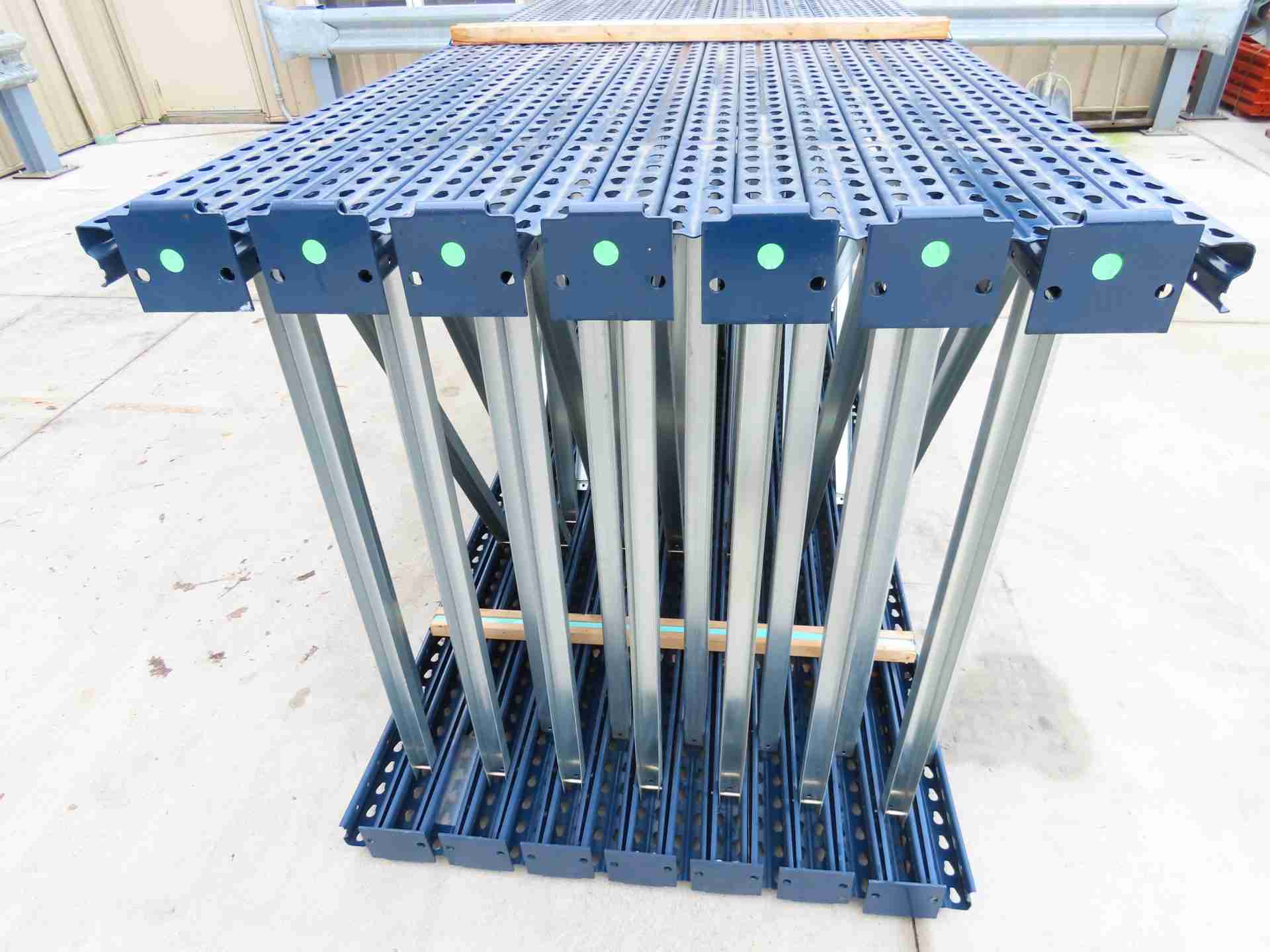
How Do Traditional Mezzanines Impact Your Overall Storage Efficiency?
How Do Traditional Mezzanines Impact Your Overall Storage Efficiency?
- Traditional mezzanines are a combination of engineering and intent, showcasing human creativity in storage solutions.
- They provide essential support to racking systems that hold inventory, enhancing storage efficiency through thoughtful design.
- Mezzanines maximize vertical space, improving workflow and reducing clutter on the ground floor for better employee productivity.
- Incorporating a mezzanine signifies a commitment to responsible resource management and sustainability, avoiding the need for new real estate.
- Using mezzanines fosters a connection between employees and their work, contributing to a collaborative workplace culture.
- Investing in mezzanines enhances efficiency and builds a reputable legacy for businesses, benefiting both profits and community standing.
- Traditional mezzanines can redefine warehouse operations, transforming chaotic spaces into organized, efficient environments while suggesting innovative solutions.

How Do Traditional Mezzanines Impact Your Overall Storage Efficiency?
How Do Your Peers View the Effectiveness Of Rack-Based Mezzanines?
When it comes to warehouse efficiency, the eyes of every operator are often fixed on one key player: rack-based mezzanines. It’s easy to overlook how something as simple as racking can drastically reshape a workspace, but those who have experienced the transformation know that this is not just about extra storage—it’s about potential.
Imagine walking into a facility that feels cluttered and chaotic, where there’s barely room to breathe. Now picture the same space, but with soaring mezzanines, perfectly integrated racking systems , and a flow that makes picking and packing feel like a well-choreographed dance. This isn’t just a fanciful vision; it’s reality for those in the industry who have embraced the power of mezzanine solutions.
Peers in the field aren’t just giving a thumbs-up based on subjective feelings—they’re basing their insights on hard data and tangible results. Studies consistently show that companies utilizing rack-based mezzanines increase their storage capacity by over 50% without the prohibitive costs of expanding real estate. When colleagues share stories of increased efficiency and reduced labor costs, it resonates on a level that transcends mere numbers. These aren’t just statistics; they represent the late nights saved, the stress alleviated, and the triumphs celebrated when a company finally regains control of its space.
But with every innovation comes a decision; it’s not just a choice about racking options. It’s about a commitment to fostering a culture of improvement and responsibility—a principle that resonates when colleagues gather around the water cooler, swapping stories about what works and what doesn’t. Opting for high-quality mezzanine systems signifies a dedication to ethical operations, which, in turn, nurtures trust within teams and with clients alike.
Moreover, investing in mezzanines isn’t simply a facility upgrade; it’s an avenue of connection. When everyone can see the benefits of a well-organized space, camaraderie flourishes, driving collaboration and innovation. It’s inspiring. Employees take pride in a workplace that reflects efficiency and forward-thinking, fostering an environment where every individual feels valued.
So, the next time you contemplate a racking solution, think of it as an opportunity—not just to store things, but to build a better tomorrow for your team. Embrace the idea that your peers aren’t just endorsing mezzanine systems; they’re championing a movement towards a smarter, more harmonious workflow that elevates everyone involved.

How Do Your Peers View the Effectiveness Of Rack-Based Mezzanines?
How Do Your Peers View the Effectiveness Of Rack-Based Mezzanines?
- Rack-based mezzanines are crucial for enhancing warehouse efficiency.
- Properly integrated racking can transform chaotic spaces into organized work environments.
- Companies using rack-based mezzanines can increase storage capacity by over 50% without expanding real estate.
- Improvements in efficiency and reduced labor costs lead to significant benefits beyond mere statistics.
- Choosing high-quality mezzanine systems fosters a culture of improvement and trust among teams.
- Investing in mezzanines encourages collaboration and innovation within the workforce.
- Consider racking solutions as an opportunity to enhance your team’s working environment and workflow.

How Do Your Peers View the Effectiveness Of Rack-Based Mezzanines?
What Story Do Traditional Mezzanines Tell About Your Business Culture?
When you step into a warehouse, there’s often a moment of awe. You might find yourself gazing up at the imposing structure of a traditional mezzanine. Now, you might think it’s just an elevated platform holding stacks of racking, but if you look closer, you’ll see it tells a deeper story about your business culture—a narrative woven from the threads of trust, diligence, and progress.
In the world of business, every beam and panel of that mezzanine stands as a testament to the work ethic of those who built it. It says, “We aspire to greater heights.” A well-designed mezzanine isn’t just about maximizing space; it embodies a commitment to efficiency and innovation. Each level you see is a reminder that in this organization, we value growth—not just in profits, but in the development of our team and our processes. This is a space where creativity meets hard work, where ideas are stacked just like those boxes on the racking.
But let’s not forget the people behind that structure. This mezzanine also reflects the culture of camaraderie and collaboration. When employees watch that mezzanine rise, they witness the fruits of their labor—an enduring symbol of collective effort. It’s a place that fosters connection, where colleagues from different departments come together, bridging silos and sparking conversations that lead to innovation. Just look at it as a gathering point for fresh ideas and solving problems, giving your business a pulse that beats with unity.
Yet, it goes beyond practicalities and camaraderie. There’s an ethical dimension to how you utilize that space. By embracing a culture that values transparency and mutual respect, you’re sending a message to your employees: “Your contributions matter.” Each day spent beneath that mezzanine emphasizes a commitment to creating a safe, productive environment, where everyone is encouraged to reach their potential.
Moreover, the authority carried by that structure signals stability to your clients and partners. When they step into your space, they feel the weight of your dedication. They see that you’ve invested not just in a physical structure but in a sound philosophy—one built on trust and reliability.
The next time you glance up at that mezzanine, think about what it represents. It’s not just an architectural feature; it’s a beacon of your business culture, inviting everyone to rise together, to stretch for excellence, and to bask in the light of collaboration. It’s a reminder that in every crate, on every shelf of that racking, there lies the potential to elevate not just your operations, but your entire organization.

What Story Do Traditional Mezzanines Tell About Your Business Culture?
What Story Do Traditional Mezzanines Tell About Your Business Culture?
- The traditional mezzanine in a warehouse symbolizes the business culture of trust, diligence, and progress.
- It represents a commitment to efficiency and innovation, showcasing organizational aspirations.
- A well-designed mezzanine encourages growth in both profits and employee development.
- It fosters camaraderie and collaboration, serving as a space for connecting and sparking ideas.
- The mezzanine promotes a culture of transparency and mutual respect, valuing employee contributions.
- Its presence signals stability and reliability to clients and business partners, reflecting dedication.
- Overall, the mezzanine serves as a beacon for collective effort, reminding everyone of the potential to elevate the entire organization.

What Story Do Traditional Mezzanines Tell About Your Business Culture?
Have You Considered How Each Type Affects Employee Safety Standards?
When we talk about employee safety standards, we often find ourselves looking at policies, protocols, and processes. However, we need to peel back the layers and consider how our choices—what we build, how we manage, and the culture we foster—can reverberate through the very foundation of safety in the workplace. Take racking systems, for example. It might sound mundane, but how we stack our materials and organize our spaces can tell us so much about our priorities.
Picture this: a warehouse is bustling with action. Forklifts are maneuvering, team members are hustling, and every shelf is packed with product. Beneath the surface of efficiency lies a hidden truth: improper racking can lead to disasters—collapses that injure employees and disrupt lives. Every time a worker reaches for a box too high, every moment of hesitation translating into danger, we must ask ourselves, are we doing enough to protect them? Fostering a safety-first culture means making choices that prioritize human life over mere productivity.
Consider the emotional weight of those choices. When you see a colleague straining to lift a heavy load from a poorly organized racking system, it’s easy to dismiss it as a personal choice. But think deeper: how are we, as leaders and teammates, supporting that person? It’s about cultivating an environment where all employees feel their safety matters, not just during onboarding but every single day. When you create a culture of safety, you bond employees through trust, knowing they are valued.
On the rational front, investing in proper racking and safety standards is not merely a cost; it’s a lifeline. Companies with robust safety measures see reductions in worker’s compensation payouts, fewer accidents, and even improved morale. A well-oiled machine is one that operates with safety at its core.
Ethically, we owe it to our employees to ensure their workplace is a haven and not a hazard. Every life lost or damaged in a preventable accident weighs heavily on our conscience and reputation. It’s not just about following the rules; it’s about recognizing our obligation to each other.
So as we move forward, let’s take a moment to reflect—what kind of environment are we creating? Are our racking systems and safety standards reflective of a genuine commitment to well-being? Let’s embrace our roles as stewards of safety, understanding that our collective responsibility isn’t just about numbers on a report—it’s about each person who walks through the door, ready to contribute to a mission that values their life above all else.

Have You Considered How Each Type Affects Employee Safety Standards?
Have You Considered How Each Type Affects Employee Safety Standards?
- Employee safety standards involve policies, protocols, and processes that influence workplace safety.
- Choices in management, organization, and culture significantly impact safety foundations.
- Improper racking systems can lead to dangerous collapses, putting employees at risk.
- Creating a safety-first culture prioritizes human life over productivity.
- Leaders and teammates must support colleagues in maintaining safety, fostering trust and value.
- Investing in safety measures reduces accidents, lowers workers’ compensation costs, and boosts morale.
- It’s ethically essential to ensure that workplaces are safe, reflecting a commitment to employee well-being.

Have You Considered How Each Type Affects Employee Safety Standards?
Conclusion
In the bustling world of warehouses and storage, choosing between rack-based and traditional mezzanines isn’t just a matter of practicality; it’s a crucial decision that reverberates through every facet of your operations. It’s not just timber and steel; it’s about carving out a culture of productivity and safety that echoes the values of your team and your business. Emotionally, consider the difference in energy that a well-organized rack-based mezzanine brings. Instead of cramped chaos, imagine your employees thriving in a brightly lit, spacious atmosphere that fosters collaboration and innovation. When they stand above the clutter, surveying an organized landscape, there’s a palpable sense of pride—an invigorating motivation that drives efficiency and connection.
Now, let’s engage our rational side. Rack-based systems are hailed for their flexibility and adaptability. They can evolve with your inventory, optimizing your vertical space and tackling the burden of wasted floor area. In an age where every inch counts, wouldn’t you want a solution that maximizes both storage and productivity? This approach not only contributes to cost savings but also enhances the overall efficiency of your operations—turning a passive structure into a dynamic asset.
From an ethical standpoint, the decision to implement rack-based systems offers a chance to underscore your commitment to sustainability and safety. With fewer materials used in construction, you’re consciously reducing waste, nurturing a sense of corporate responsibility. Moreover, investing in quality racking means investing in the well-being of your employees. A secure, well-organized environment translates into fewer accidents and fosters trust. Your workspace should not just be a backdrop for labor; it should be a sanctuary where safety is paramount.
Quite simply, the stories of innovation and success from peers in the field amplify this narrative. Businesses that have transitioned to rack-based mezzanines often share tales of newfound efficiencies and buoyed morale—the kind of victories that materialize from a clear vision and strategic decision-making. When you embrace these systems, you’re not just optimizing space; you’re demonstrating a commitment to improvement, both for your team and the communities you impact.
As you weigh your options, reflect on the legacy you wish to create. Are you merely placing structures or forging a culture of trust, safety, and excellence? The decision before you holds the power to elevate your operations and enhance the experiences of everyone involved. Choose thoughtfully, and you’ll not only transform your space but inspire your team to rise together into a brighter, more efficient future.

Conclusion
Conclusion:
- Choosing between rack-based systems and traditional mezzanines significantly impacts warehouse operations.
- A well-organized rack-based mezzanine fosters a productive and safe work culture, boosting employee morale.
- Rack-based systems offer flexibility and adaptability, maximizing vertical space and reducing wasted floor area.
- This approach helps in cost savings and turns static structures into dynamic assets, enhancing efficiency.
- Implementing rack-based systems reflects a commitment to sustainability by using fewer materials and reducing waste.
- A secure, organized environment built on quality racking contributes to employee well-being and safety.
- Transitioning to rack-based mezzanines has yielded success stories of improved efficiency and morale among peer businesses.

Conclusion
Other Resources

Other Resources
Here is a list of other resources you can review online to learn more:
- Teardrop Pallet Rack – Ridg-U-Rak
- Bradford Systems
- Rack Manufacturers Institute
- Wolter
- Cantilever Rack Guide: Ordering Cantilever Racking
- Illinois
- Intro to Warehouse Racks & Warehouse Racking Systems – ShipBob
- Warehouse Racking System: Powerful Guide to Optimise, 2024
- Cantilever Rack Configuration & Installation: A Comprehensive Guide – BMH
- Warehouse Automation
- What is Selective Racking: Understanding Benefits & Options
- Teardrop Industrial Shelving Rack
- Crane Manufacturers Association Of America Inc.
- Warehouse Storage Racks
- CA Wire
- IWLA
- Warehousing and Fulfillment
- IIWS Inc. Rack Installation Illinois & Rack Repairs Illinois
- National Safety Council
- Heavy-Duty Cantilever Storage Racks
Use This Prompt To Get More Resources With Your Favorite Online AI Tool: Please provide me with a list of online articles with their URLs in a bulleted list that I can read regarding Rack-Based Mezzanines Vs. Traditional Mezzanines

Other Resources
Glossary Terms
Rack-Based Mezzanines Vs. Traditional Mezzanines – Glossary Of Terms
1. Mezzanine: An intermediate floor in a building, typically between the ground and first floors, often used for additional storage or workspace.
2. Rack-Based Mezzanine: A type of mezzanine built directly above storage racks, maximizing vertical space in warehouses or distribution centers.
3. Traditional Mezzanine: A standalone structure that is not directly supported by racks, providing floor space for offices, inventory, or staging.
4. Load Capacity: The maximum weight a mezzanine floor can support, determined by its design and materials.
5. Design Flexibility: The ability to customize the size and layout of a mezzanine structure to suit specific operational needs.
6. Cost Efficiency: The extent to which a solution minimizes expenses while maximizing functionality, often achieved through optimized space usage.
7. Installation Time: The duration required to set up a mezzanine system, which can vary based on design complexity and construction method.
8. Warehouse Space Optimization: Techniques employed to make the best use of available space in a warehouse, frequently involving vertical storage solutions.
9. Accessibility: Refers to how easily personnel can reach different levels of a mezzanine, often facilitated by stairs, lifts, or platforms.
10. Construction Material: The substances used to create a mezzanine, commonly including steel, aluminum, or a combination of materials for durability.
11. Safety Regulations: Legal requirements and guidelines designed to ensure the safe construction and use of mezzanine structures.
12. Stability: The ability of a mezzanine to remain balanced under load and resist swaying or collapsing.
13. Integration: The process of coordinating a mezzanine’s design with existing warehouse systems, such as inventory management or logistical workflows.
14. Aesthetics: The visual appeal of a mezzanine, which can impact the overall environment of a facility.
15. Modularity: The design principle allowing for components of the mezzanine to be easily added, removed, or rearranged as needs change.
16. Height Restrictions: Limitations imposed by building codes or facility layouts that affect the maximum height of a mezzanine.
17. Environmental Impact: Consideration of how a mezzanine affects energy consumption, material waste, and overall sustainability of a building.
18. Conformity: Adhering to industry standards and building codes in the design and construction of mezzanines.
19. Custom Engineering: Tailored design solutions that meet specific functional or spatial requirements for unique mezzanine applications.
20. Turnkey Solutions: Comprehensive packages offered by suppliers that include design, materials, and installation of mezzanines.
21. Ventilation: The provision of air circulation in a mezzanine area to maintain a comfortable and safe working environment.
22. Fire Safety: Measures and systems in place to prevent and manage fire hazards associated with structures like mezzanines.
23. Pallet Racking: A storage system designed for warehouse environments allowing for the efficient storage of goods on pallets.
24. Dynamic Storage: A storage system that can adapt to changing inventory levels and types, often supported by modular mezzanines.
25. Shipping Area: A designated section of a facility where goods are sorted and prepared for distribution, often utilizing mezzanines for organization.
26. Application Scope: The range of uses for which mezzanines can be designed, including storage, production, and office space.
27. Inspection Standards: Protocols to assess the safety and durability of mezzanine structures during and after installation.
28. Workflow Efficiency: The degree to which a mezzanine can enhance operational processes and productivity within a facility.
29. Seismic Considerations: Design features necessary to ensure structural integrity in areas prone to earthquakes or similar natural events.
30. Material Handling: The movement, protection, and storage of goods within a facility, closely related to how mezzanines are used and integrated.

Glossary Of Terms
Other Questions
Rack-Based Mezzanines Vs. Traditional Mezzanines – Other Questions
If you wish to explore and discover more, consider looking for answers to these questions:
- What are the key differences between rack-based mezzanines and traditional mezzanines?
- What specific benefits do rack-based mezzanines offer for different business types?
- How do rack-based mezzanines affect the workflow and productivity of employees?
- What are the long-term cost implications of choosing a rack-based mezzanine vs. a traditional mezzanine?
- How do rack-based mezzanines contribute to warehouse safety and employee well-being?
- What maintenance and inspection practices are necessary for rack-based mezzanines?
- How do zoning laws and building codes affect the installation of rack-based mezzanines?
- Can rack-based mezzanines be customized or modified easily for changing business needs?
- What are some real-life case studies of businesses that successfully implemented rack-based mezzanines?
- How can companies assess their current space and determine if a mezzanine is right for them?
- What training is needed for employees to operate safely around mezzanines?
- What is the environmental impact of installing a rack-based mezzanine compared to other storage solutions?

Other Questions
Checklist
Rack-Based Mezzanines Vs. Traditional Mezzanines – A Checklist
Checklist for Choosing Between Rack-Based and Traditional Mezzanines
Emotional Appeal:
_____ Visualize the positive environment: Can you see your team thriving in a clutter-free, organized workspace?
_____ Foster collaboration: How will the choice you make enhance teamwork and inspire creativity among employees?
_____ Create a sense of pride: Will your decision instill pride in your team for working in a well-organized facility?
Rational Appeal:
_____ Assess adaptability: Does the selected mezzanine system allow for adjustments in response to changing inventory needs?
_____ Evaluate cost-effectiveness: How will investment in rack-based mezzanines lead to long-term savings and operational efficiency?
_____ Analyze space utilization: Are you maximizing vertical storage to reduce time spent searching for materials?
Ethical Appeal:
_____ Consider sustainability: Does the mezzanine choice minimize waste and promote responsible resource use?
_____ Prioritize employee safety: Will the system you choose meet safety standards, ensuring a safe working environment for your team?
_____ Reflect on company values: Does your decision demonstrate a commitment to ethical operations that prioritize employee well-being?
Authority Appeal:
_____ Seek expert opinions: Have you consulted industry experts or read testimonials from other businesses that made similar decisions?
_____ Research case studies: Are there success stories of companies that have adopted rack-based systems to improve efficiency?
_____ Leverage trusted suppliers: Are you choosing a reputable supplier that aligns with industry safety and quality standards?
Narrative Appeal:
_____ Share success stories: What inspiring transformations have you heard about businesses that adopted rack-based mezzanines?
_____ Craft your story: How will your choice impact your business culture and shape your company’s narrative moving forward?
_____ Encourage team involvement: How can you involve employees in the transition to foster a sense of ownership and empowerment?
Social Appeal:
_____ Assess workplace culture: How will the mezzanine choice enhance collaboration and the sharing of ideas among employees?
_____ Monitor peer feedback: What insights do your colleagues have about the effectiveness and impact of different mezzanine systems?
_____ Measure customer perception: Will a well-organized facility with modern storage solutions enhance your reputation with clients?
Use this checklist to guide your decision-making process and ensure a well-rounded approach to maximizing space and efficiency in your operations.

Checklist
At RackingWorld, we help guide you through selecting warehouse storage systems and racking.
Be sure to read our other related stories at RackingWorld to learn more about warehouse storage systems.
0 Comments