
Mastering Rack Strategies: Safeguard Profits And Foster Trust
By Tom Seest
At RackingWorld, we help guide you through selecting warehouse storage systems and racking.
Be sure to read our other related stories at RackingWorld to learn more about warehouse storage systems.
Preventing Expired Inventory Through Rack Strategy
In the bustling world of inventory management, avoiding expired stock isn’t just good practice; it’s about respect—for your product, your team, and your bottom line. Racking systems, the backbone of any warehouse, can be a game-changer in this vital effort. Think of it as organizing your toolbox: when everything’s in its place, you work quicker and smarter.
When devising your racking strategy, consider the emotional weight of wasted inventory. Each expired item isn’t just a line on the balance sheet; it’s hours of labor, money spent, and potential profits lost. You want to create a system that not only maximizes space but also resonates with the people handling it every day. This isn’t just about efficiency; it’s about honoring the hard work everyone puts in. By adopting an effective racking system, your team can clearly see what’s moving and what isn’t, making it easier to avoid the dreaded stale stock.
Rationally speaking, a well-planned rack layout enhances visibility. Use FIFO (First In, First Out) principles by placing older items at the front of the racking system. This simple adjustment can lead to significant savings. Watching items flow out of your warehouse, rather than gather dust, is not only rewarding but also fuels team pride. It transforms a mundane task into a back-to-basics mission: ensure quality, maintain freshness, and keep your customers happy.
On the ethical side, think of your responsibility to the community. Selling expired goods isn’t just an operational headache; it’s a breach of trust. By implementing a racking strategy that promotes stock rotation, you’re making a commitment to serve your customers with the best—and this builds goodwill. Happy customers return, and their loyalty translates into a resilient bottom line.
Stories from the shop floor illustrate the power of a solid racking system. Teams that take the time to develop a tailored approach often share tales of newfound efficiency and morale. When every worker feels empowered by the tools they use, the camaraderie grows. It’s a website of interdependence, fostering a culture where everyone feels the weight of ensuring quality.
Your racking systems don’t just hold boxes—they hold potential, integrity, and a collective mission. By preventing expired inventory through thoughtful strategies, you’re not just maintaining a warehouse; you’re building a legacy of trust and quality.

Preventing Expired Inventory Through Rack Strategy
Preventing Expired Inventory Through Rack Strategy
- Avoiding expired stock is crucial for product integrity, team trust, and financial health.
- Effective racking systems enhance warehouse efficiency by improving organization and visibility.
- Utilizing FIFO (First In, First Out) principles helps prevent stale stock and maximizes profits.
- Wasted inventory represents lost labor, money, and potential sales, necessitating a thoughtful racking strategy.
- Implementing a stock rotation strategy demonstrates commitment to quality, fostering customer loyalty and goodwill.
- Teams benefit from tailored racking systems, leading to greater efficiency and improved morale.
- Racking systems reflect a commitment to integrity and quality, ultimately building a legacy of trust.

Preventing Expired Inventory Through Rack Strategy
Table Of Contents
- Preventing Expired Inventory Through Rack Strategy
- What Challenges Do You Face with Expired Inventory?
- How Does Expired Inventory Impact Profit Margins?
- What Strategies Do You Use to Manage Shelf Life?
- How Do You Prioritize Inventory Based on Expiration Dates?
- What Role Does Employee Training Play In Inventory Management?
- How Can Technology Enhance Your Rack Strategy?
- Conclusion
- Other Resources
- Glossary Of Terms
- Other Questions
- Checklist
What Challenges Do You Face with Expired Inventory?
Expired inventory is a heavy burden for any operation. Picture a warehouse full of racking systems, meticulously organized, yet some items gather dust, long past their prime. This isn’t just about money tied up in stock; it’s about trust and reputation. Customers come to expect freshness and quality, and when that shelf life ticks away, they feel let down. It isn’t just numbers on a balance sheet; it’s a reflection of your commitment to them.
Rationally speaking, the implications are profound. Expired products must be disposed of, often incurring disposal costs that eat into profit margins. Every item that can’t be sold is money lost—plain and simple. In a world where margins are tight, letting even a single item slip through the cracks can set off a ripple effect, impacting your bottom line. Keeping track of expiration dates and managing inventory efficiently requires systems in place—processes that work together seamlessly and rely on diligence. It’s not glamorous, but it’s necessary.
Ethically, there’s a responsibility to ensure that products are safe and beneficial for consumers. When an item sits on a shelf too long, it’s more than just a statistic; it can potentially harm someone. The thought of a customer unknowingly using an expired product can weigh heavily on one’s conscience. Accountability is key; it starts at the top and trickles down through every aspect of operations.
Moreover, this isn’t just an individual concern—it’s a social issue as well. In a community that values local businesses, a reputation for poor inventory management can lead to distrust, making customers hesitate to return. We are all part of a larger network, interacting with suppliers, customers, and even competitors.
Reflect on your own experiences; maybe you’ve faced a similar challenge in your work. Perhaps you remember the weight of disappointment when something you’d invested time and energy into didn’t deliver its worth. For those running a business, this is where the narrative of improvement begins. It’s about taking a hard look, learning from those past missteps, and transforming frustrations into a strategy that bolsters not only the bottom line but also the integrity of your brand.
Managing expired inventory is not just a logistical challenge; it’s a test of resolve, ethics, and community involvement. With the right approaches, you can turn potential losses into lessons learned, creating a more resilient business.

What Challenges Do You Face with Expired Inventory?
What Challenges Do You Face with Expired Inventory?
- Expired inventory poses significant challenges for operations, affecting trust and reputation.
- Financial implications include disposal costs and lost sales that impact profit margins.
- Effective inventory management requires robust systems and diligence to monitor expiration dates.
- Businesses have an ethical responsibility to ensure product safety for consumers.
- Poor inventory management can lead to distrust within the community toward local businesses.
- Addressing past missteps can transform challenges into strategic improvements for the brand.
- Managing expired inventory tests a business’s resolve, ethics, and community involvement.

What Challenges Do You Face with Expired Inventory?
How Does Expired Inventory Impact Profit Margins?
Expired inventory can hit profit margins like a freight train. When stock sits on the shelves too long, it doesn’t just gather dust; it drains resources and eats away at your bottom line. Let’s look at it from the ground up. Imagine a warehouse filled with racking systems piled high with products that have passed their sell-by date. Those shelves should be full of cash flow, but instead, they weigh down the business. It’s frustrating. You made an investment, maybe even took out a loan, thinking those items would sell and put some money back in your pocket. Instead, you’re staring at losses, and it feels like someone pulled the rug out from under you.
On a rational level, we know that expired inventory holds little to no value. It may even require further expense to dispose of or discount just to move it out. You’re not just losing money on the initial purchase; you’re also incurring storage costs and potential markdowns. This can affect your relationships with suppliers, shaking the very foundations of trust you’ve built over the years. Operating with expired goods can also lead to compliance issues, leaving you teetering on a tightrope of legal and ethical concerns. Upholding product integrity matters, especially in industries where health and safety are paramount. Customers expect the best—and they should.
Emotionally, letting inventory go stale can feel like a personal failure, gnawing at your confidence. You put your sweat and tears into building this business, and now it feels like it’s slipping through your fingers. However, it’s vital to remember that you’re not alone in this struggle. Countless business owners face the same challenge, and sharing those stories of overcoming adversity can foster a sense of community. Think about your peers and how they’ve navigated these waters. Let their experiences bolster your resolve.
To regain control, consider implementing smarter inventory management practices. Streamlining your racking systems to improve turnover can help keep products moving while reducing waste. Regular inventory audits ensure you can take swift action before items expire, preserving your hard-earned profits. Let’s confront expired inventory head-on. It’s not just about the dollars and cents; it’s about respecting your business, your customers, and the life you’ve built. Taking action will inspire confidence—not just in yourself but in those who trust you to deliver.

How Does Expired Inventory Impact Profit Margins?
How Does Expired Inventory Impact Profit Margins?
- Expired inventory significantly impacts profit margins and business resources.
- Stale stock incurs additional costs for storage and disposal, leading to financial losses.
- Relationship with suppliers can be strained due to expired goods and trust issues.
- Compliance risks arise from operating with expired inventory, affecting legal and ethical standings.
- Business owners often feel personal failure when managing expired inventory, impacting confidence.
- Implementing smarter inventory management practices can help reduce waste and improve turnover.
- Regular audits are essential to prevent items from expiring and protect profits.

How Does Expired Inventory Impact Profit Margins?
What Strategies Do You Use to Manage Shelf Life?
Managing shelf life is as much about wisdom as it is about practicality, and it’s a challenge that requires a mindful approach. Let’s face it: food is not just fuel; it’s a part of our lives, our traditions, and our community. So when it comes to keeping those precious ingredients fresh, we need strategies that appeal to our hearts, heads, and guts.
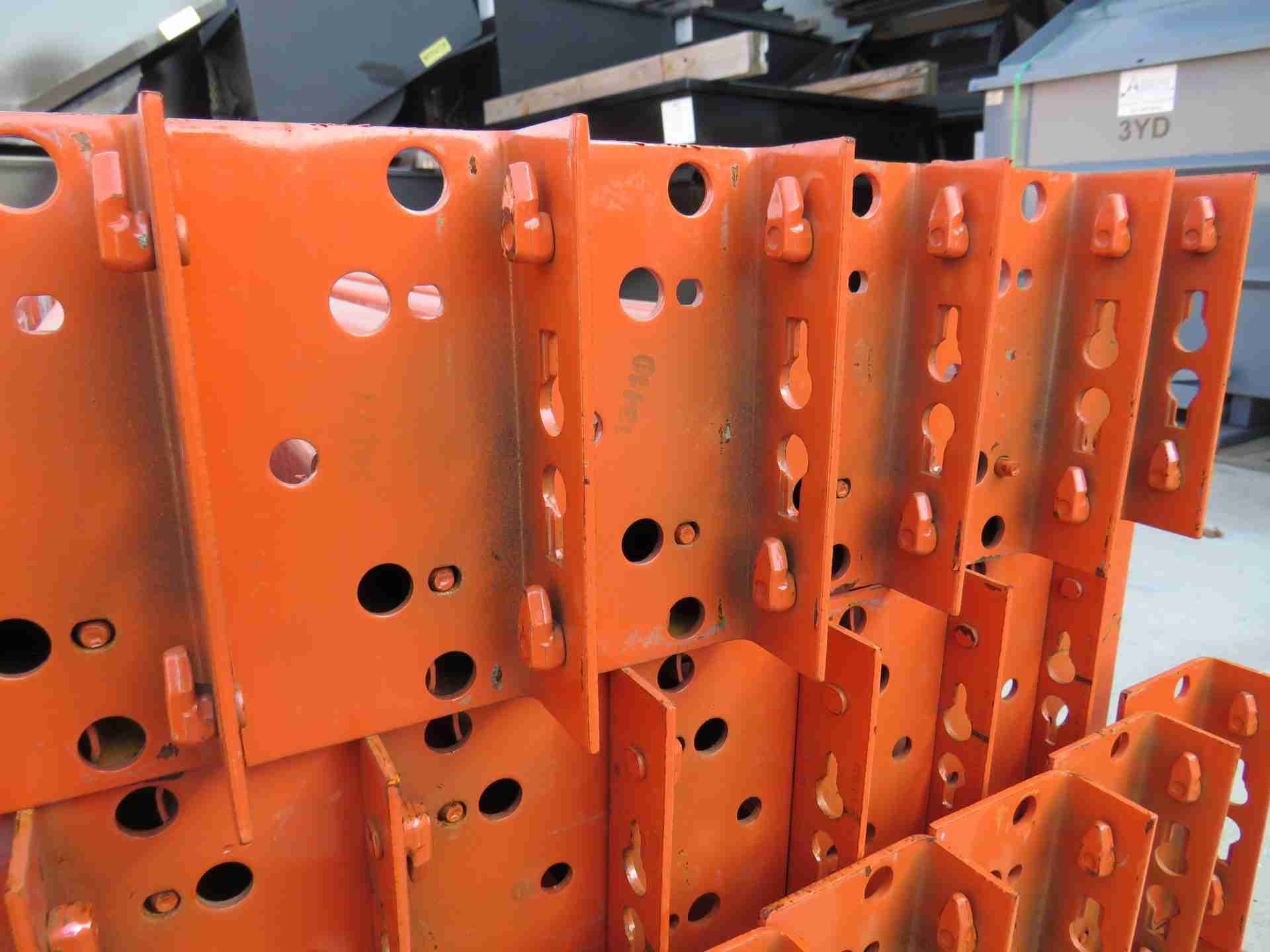
First off, understanding the nuances of our ingredients is crucial. Every item has its own character and lifespan. Some items flourish in cooling environments, while others prefer a bit of warmth. Knowing this lays the groundwork for effective management. This brings us to racking systems, a game-changer in how we store and organize. These systems not only maximize space but also help in visualizing what’s in stock and what needs attention. Imagine standing in your storage room and immediately knowing which ingredients need using up—the peace of mind that brings is worth its weight in gold.
It’s not just about keeping track but fostering a connection with what we consume. Trust your senses. Smell, touch, and look at your items regularly. The more you engage with your food, the better you’ll get at predicting its shelf life. This hands-on approach also builds a gut instinct about what to use first, preventing waste and ensuring that every meal is the best it can be.
Ethically, we must take a stand against food waste. This isn’t simply about saving money, though that’s a nice side effect. When we respect every ingredient, we honor the effort behind its journey to our kitchens. Sharing ideas on managing shelf life within our communities fosters collective responsibility. A potluck where everyone brings their nearly-expired items can inspire creativity, build social bonds, and reduce waste—all while sharing stories and a meal.
Inspire confidence among your peers by sharing tips that’ve worked for you. Keep it real—failure is part of the learning curve. Share the time you misjudged a batch of tomatoes. That’s relatable; it’s real life. Swap tips on creative culinary uses for soon-to-expire items. Connecting through our stories not only brings us closer but also transforms how we combat food waste together.
Simple, sensible strategies grounded in experience plant the seeds for a sustainable lifestyle. By combining practical knowledge with heart, we can manage shelf life effectively while nurturing connections within our community. After all, food isn’t just about sustenance; it enriches our lives and experiences. Let’s treat it right.
What Strategies Do You Use to Manage Shelf Life?
What Strategies Do You Use to Manage Shelf Life?
- Managing shelf life requires a mindful approach that combines wisdom and practicality.
- Understanding the unique characteristics and lifespans of ingredients is essential.
- Implementing efficient racking systems maximizes storage and aids in inventory visualization.
- Engaging with food through touch, smell, and sight enhances shelf life prediction skills.
- Fighting food waste is an ethical responsibility and can foster community bonds.
- Sharing personal experiences and tips about food management creates relatable networks.
- Effective management of shelf life promotes sustainable living while enriching community connections.

What Strategies Do You Use to Manage Shelf Life?
How Do You Prioritize Inventory Based on Expiration Dates?
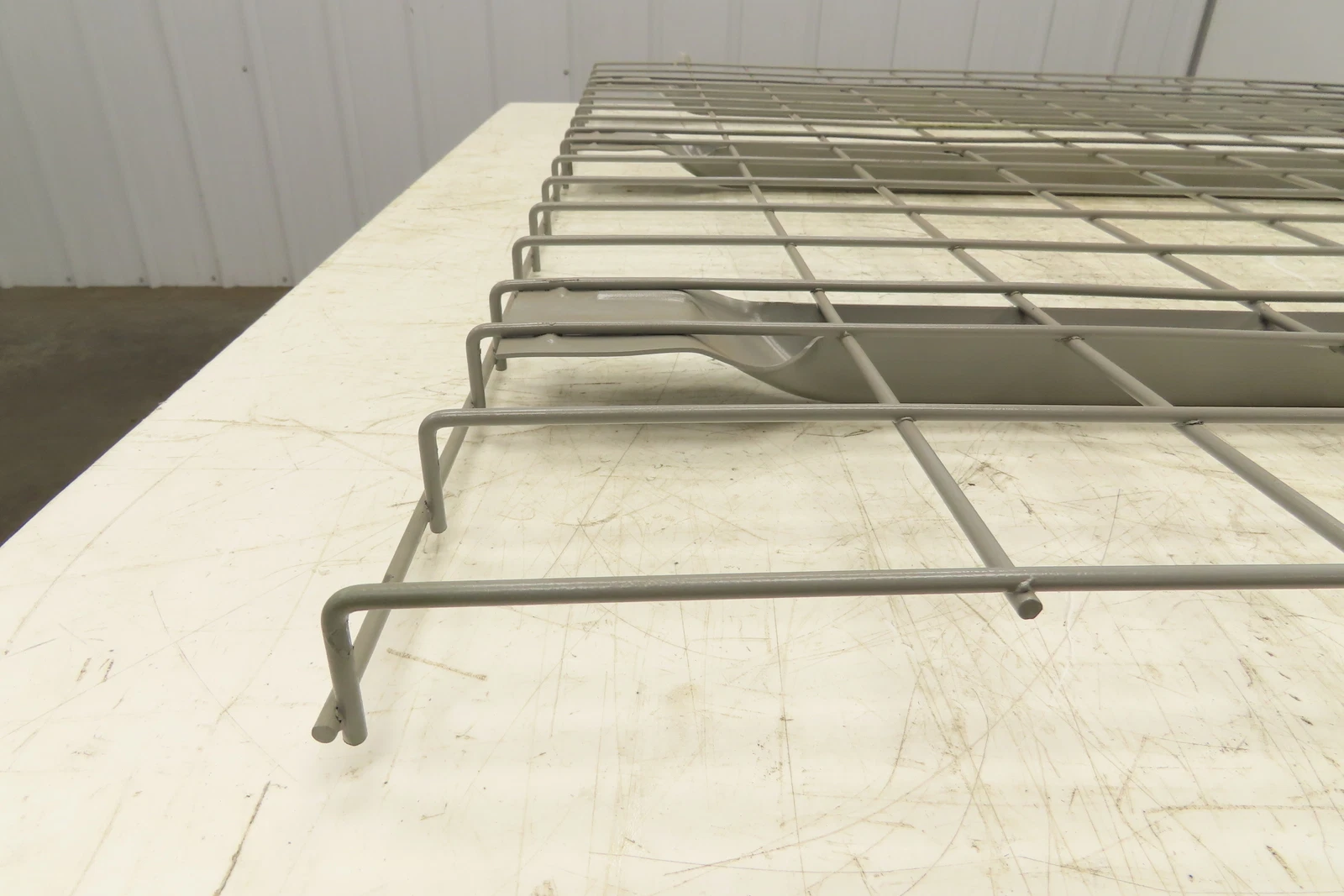
When it comes to inventory management, especially with products that have expiration dates, it’s all about making choices that balance practicality with responsibility. Picture a busy warehouse. You’ve got racking systems filled with goods, and some are ticking clocks—products that won’t last forever. If you’re not diligent, a good portion of your stock can go to waste, and that’s not just loss of money; it’s waste that doesn’t sit right with anyone who cares about sustainability or the community.
Start by assessing which items are nearing their expiration dates. Utilize a first-in, first-out (FIFO) strategy; this isn’t just a warehouse mantra; it’s a necessity. It ensures that older stock isn’t forgotten while newer items move in. Trust me, a few minutes spent organizing your inventory can save you a world of trouble down the line. Imagine a neighbor relying on your business for fresh goods, or a family enjoying the fruits of your labor. Keeping them in mind can inspire you to take that action.
Be mindful of how this process is more than just numbers on a spreadsheet. Think of it as a pact with your customers. When you prioritize freshness, you’re showing you care about their health and well-being. It’s an ethical standpoint that fosters connection, turning a transaction into a relationship. Customers notice when their suppliers pay attention to quality, and they’ll indeed reward that diligence with loyalty.
Staying organized is paramount, and consider engaging your team in this mission. Each employee can have a role in monitoring the inventory, creating an environment of shared responsibility. With teamwork in place, you can transform a mundane task into a collective effort, breathing life into the warehouse routine. Share stories of what it means to avoid waste. Perhaps recount a time when mismanaged inventory led to a near-miss with expired goods. Those stories resonate and serve as a foundation for building a culture of success.
Lastly, remember that every item that goes past its expiration date is a missed opportunity—not just in profit but also in your commitment to serving the community. It’s about taking actionable steps today for a better tomorrow, ensuring that every product on your racking systems is fresh and ready to meet the needs of those who count on you. This isn’t just about inventory management; it’s about fulfilling a promise to your customers and neighbors alike.
How Do You Prioritize Inventory Based on Expiration Dates?
How Do You Prioritize Inventory Based on Expiration Dates?
- Inventory management requires balancing practicality with responsibility, especially for products with expiration dates.
- Implement a first-in, first-out (FIFO) strategy to prevent waste and ensure older stock is used first.
- Organizing inventory can prevent significant losses and reflects a commitment to community and sustainability.
- Prioritizing product freshness builds customer trust and loyalty, turning transactions into meaningful relationships.
- Engage the team in inventory monitoring to foster a shared responsibility and enhance the warehouse routine.
- Share stories of past inventory mismanagement to cultivate a culture of success and awareness about waste.
- Treat expired items as missed opportunities and take actionable steps to ensure all products remain fresh for customers.

How Do You Prioritize Inventory Based on Expiration Dates?
What Role Does Employee Training Play In Inventory Management?
Employee training in inventory management isn’t just a checkbox to tick; it’s the backbone of a smooth-running operation. When employees understand the ins and outs of the systems they use, including the critical Racking Systems, their confidence grows. They don’t just handle stock; they become guardians of efficiency. Picture this: a new hire struggling at first, fumbling with spaces on the racking until, after focused training, they maneuver with ease, expertly stacking and retrieving items. That sense of accomplishment fosters not just skill but pride—the kind that comes when you know you’re doing your job well and keeping the team on track.
On the flip side, think about the numbers. Proper training significantly reduces errors, and those errors aren’t just lost items; they translate to dollars down the drain. With a solid grasp of inventory processes, employees learn to maintain accurate counts and manage reorder levels effectively. It’s not just good for the bottom line but creates a ripple effect of reliability across the business. When staff understands how to effectively use tools and resources, they transition from merely following orders to making informed decisions that enhance operations.
Ethically, investing in employee training tells your team that you care. This commitment doesn’t just improve their skills; it builds a culture of respect and integrity. Employees take pride in their roles when management demonstrates that they’re worth investing in. There’s a sense of belonging that every worker wants; they need to know they are part of something bigger.
Having the right training programs in place is not just about efficiency; it’s about storytelling. Employees who have gone through relevant training share their experiences, tips, and tricks with their peers, creating a narrative that strengthens team bonds. When individuals come together, learning from each other, it transforms a collection of workers into a unified team aiming for a common goal.
Moreover, that trust extends beyond your walls. With properly trained staff, suppliers and partners can stake their confidence in your organization. When they know your employees handle inventory with expertise and care, relationships thrive. In the blue-collar world, it’s this ethos that distinguishes a company from its competitors. It comes down to this: well-trained employees are the linchpins in inventory management, ensuring that every part of the operation runs like a well-oiled machine.

What Role Does Employee Training Play In Inventory Management?
What Role Does Employee Training Play In Inventory Management?
- Employee training in inventory management is essential for operational efficiency.
- Proper training boosts employee confidence and transforms them into guardians of efficiency.
- Well-trained employees reduce errors, leading to cost savings and improved accuracy in inventory management.
- Investing in training fosters a culture of respect and integrity, enhancing employee pride and belonging.
- Effective training programs encourage knowledge-sharing, building strong team dynamics.
- Trained staff build trust with suppliers and partners, enhancing business relationships.
- Well-trained employees are crucial for seamless inventory management, keeping operations running smoothly.

What Role Does Employee Training Play In Inventory Management?
How Can Technology Enhance Your Rack Strategy?
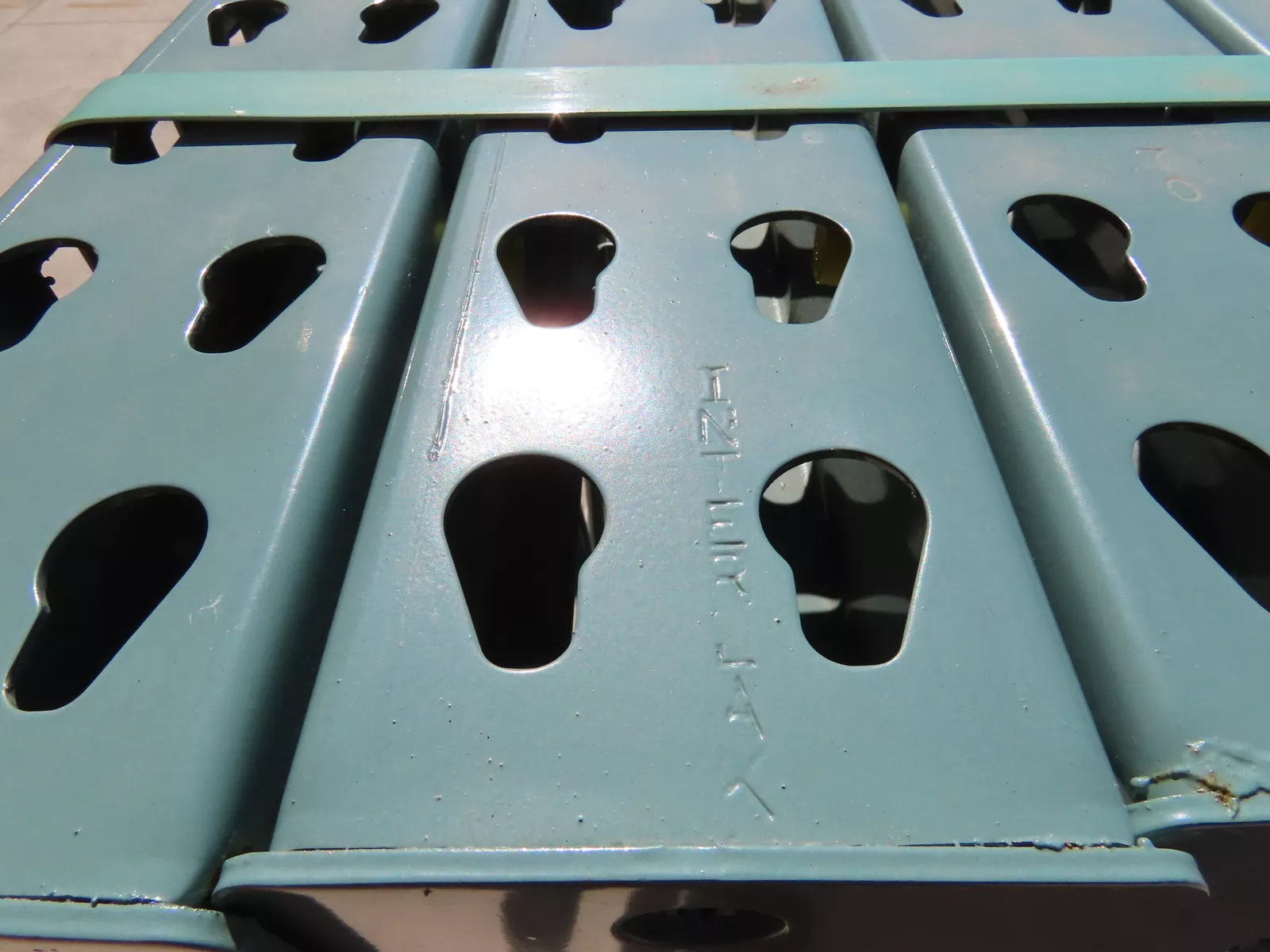
In today’s fast-paced world, finding the right racking systems for your operations isn’t just about storage; it’s about creating a backbone for your efficiency and growth. Technology has become an essential tool in shaping effective rack strategies that deal with the daily grind and open doors to future potential.
Think about the last time you struggled to find that one item buried under stacks of boxes. Frustrating, right? Now, imagine a racking system armed with smart technology, where inventory is tracked in real-time. Scanners and software that communicate seamlessly with your operations can save you hours, keeping your workforce focused on what really matters instead of diving into chaos. This is where the magic happens—between chaos and clarity—thanks to technology’s ability to streamline processes. It’s a smart investment not only in your equipment but also in your team’s morale.
Now, let’s get down to the numbers. A well-designed racking system, enhanced with technology, can significantly cut costs. Automated systems minimize human error and reduce labor time. You’re not just saving dollars; you’re gaining the peace of mind that comes from knowing your operations are running as smoothly as a well-oiled machine. When you think about your bottom line, the numbers speak for themselves, but they also tell a story of trust in the systems you choose.
On the ethical front, investing in technology for your racking systems shows your commitment to sustainability and smart growth. Automated solutions allow for better space usage, reducing waste and making your operation greener. This step not only appeals to your business’s integrity but also inspires confidence among your customers and partners. They want to see responsible practices at work, and your investment in advanced racking systems shows this commitment in action.
Building a connection in your workspace requires sharing experiences. Picture your crew working on a busy day, pallets flying in and out like clockwork, all because you equipped them with the best tools available. Every time they grab what they need without wasting time or energy, it boosts morale and fosters a sense of pride in what they do. It’s about creating an environment where everyone feels empowered to perform.
Incorporating technology into your racking strategy isn’t just a trend; it’s a vital part of building a resilient, efficient operation. It’s about rolling up your sleeves, making smart choices, and trusting the systems that take care of your business as much as you do.

How Can Technology Enhance Your Rack Strategy?
How Can Technology Enhance Your Rack Strategy?
- Choosing the right racking systems is essential for operational efficiency and growth.
- Smart technology can track inventory in real-time, reducing chaos and improving focus.
- A well-designed racking system can lower costs by minimizing human error and labor time.
- Investing in technology demonstrates a commitment to sustainability and smart growth.
- Advanced racking solutions enhance space usage, decrease waste, and boost overall integrity.
- Improved tools and systems foster a positive work environment and employee morale.
- Incorporating technology is crucial for a resilient and efficient operation.
How Can Technology Enhance Your Rack Strategy?
Conclusion
In the world of inventory management, the challenge of expired stock runs deep, affecting not just profits but also the respect and trust we build with our customers and community. A well-thought-out racking strategy is key to keeping inventory fresh and relevant. Proper organization of products, focusing on principles like First In, First Out (FIFO), allows businesses to maximize efficiency and minimize waste. This isn’t merely a logistical task; it’s an emotional endeavor that honors the hard work everyone puts into the business. Each item that slips past its expiration date represents not only a financial loss but also a missed opportunity to serve customers well.
The stakes are high; expired inventory can drain resources and harm reputations, turning fresh goods into liabilities if not managed properly. It’s a weighty responsibility that translates beyond the balance sheets. A strong racking system enhances visibility and empowers teams to actively engage in the management process, instilling both pride and accountability in their work.
Training plays a vital role in this equation. Employees equipped with knowledge and skills transform from mere workers into proactive guardians of quality. This investment in people fosters a culture where everyone understands the importance of their role in ensuring product integrity. Moreover, when employee training is prioritized, it strengthens the operation from within, creating a unified front that enhances overall efficiency while solidifying trust with suppliers and customers alike.
Leveraging technology further enhances rack strategies, allowing for streamlined operations that keep days running smoothly. When inventory can be tracked in real-time, the chaos of misplaced items is minimized, leading to increased productivity and morale. Automated systems reduce error, enhance labor efficiency, and lower costs. This proactive approach underscores the commitment to sustainability and responsibility—key drivers in building lasting relationships within the community.
Through grounded, practical strategies paired with a heartfelt commitment to quality, businesses can navigate the complicated terrain of inventory management. Each step taken—whether improving rack layouts, enhancing training protocols, or embracing smart technology—not only guards against the pitfalls of expired inventory but also lays the groundwork for a legacy of trust and respect. In the end, it’s about more than just keeping shelves stocked; it’s about caring for the products, the people, and the community that count on you.

Conclusion
Conclusion:
- Expired stock affects profits and customer relationships in inventory management.
- A well-designed racking strategy is essential for keeping inventory fresh.
- Implementing First In, First Out (FIFO) maximizes efficiency and minimizes waste.
- Expired inventory can drain resources and damage reputations.
- Employee training is crucial for fostering a culture of quality and accountability.
- Leveraging technology enhances inventory tracking and operational efficiency.
- Practical strategies combined with commitment to quality build a legacy of trust and respect.

Conclusion
Other Resources

Other Resources
Here is a list of other resources you can review online to learn more:
- Mustang Material Handling
- Wolter
- Chicago Pallet Racking
- Logic Material Handling
- Pallet Racking systems in Illinois and Great Lakes
- Teardrop Uprights
- Teardrop Racks – Pallet Rack World
- Pallet Racks, Pallet Racking, Pallet Shelves in Stock – ULINE
- Crane Manufacturers Association Of America Inc.
- BMH
- Material Handling Industry
- Warehouse Automation
- Iowa Illinois Warehouse Racking
- Cantilever Rack Guide: Ordering Cantilever Racking
- Selective Rack – Raymond West
- What is Selective Racking: Understanding Benefits & Options
- What is Selective Pallet Racking
- The Ultimate Pallet Racking Guide – Speedrack West
- IIWS Inc. Rack Installation Illinois & Rack Repairs Illinois
- Selective Racking
Use This Prompt To Get More Resources With Your Favorite Online AI Tool: Please provide me with a list of online articles with their URLs in a bulleted list that I can read regarding Preventing Expired Inventory Through Rack Strategy

Other Resources
Glossary Terms
Preventing Expired Inventory Through Rack Strategy – Glossary Of Terms
1. Aisle: A space between shelves that allows access to products.
2. FIFO (First In, First Out): A method of inventory management where older stock is sold before newer stock.
3. Rack: A framework or stand used for holding items, often utilized in warehouses or retail.
4. SKU (Stock Keeping Unit): A unique identifier for each distinct product and service that can be purchased.
5. Inventory Turnover: A measurement of how many times inventory is sold and replaced over a period.
6. Demand Forecasting: The process of estimating future customer demand for a product.
7. Stock Rotation: The practice of ensuring that older stock is sold before newer stock to minimize waste.
8. Lead Time: The time it takes from placing an order until it is received and ready for sale.
9. Overstock: Having more inventory on hand than is needed, leading to potential expiration issues.
10. Expiration Date: The date after which a product should not be sold or consumed.
11. Inventory Audit: A physical count of stock to verify accuracy in inventory records.
12. Replenishment: The process of restocking inventory to maintain optimal levels.
13. Storage Capacity: The maximum amount of inventory that can be stored in a designated area.
14. Supplier Coordination: Collaborating with suppliers to manage inventory levels effectively.
15. Visual Merchandising: The practice of displaying products in a way that attracts customers and facilitates stock movement.
16. Inventory Management System: Software that automates tracking and managing inventory levels.
17. Bulk Storage: Storing larger quantities of items in a designated area to maximize space efficiency.
18. Shelf Life: The length of time a product remains usable or saleable.
19. Clearance: Selling off excess inventory at reduced prices to make room for new stock.
20. Inventory Shrinkage: The loss of inventory due to theft, damage, or errors.
21. Point of Sale (POS): The location where a transaction occurs, often equipped with technology to track inventory.
22. Cross-Docking: A logistics process where products are directly transferred from incoming to outgoing transportation with minimal handling.
23. Distribution Center: A facility that stores inventory for short-term use, facilitating quick distribution.
24. Stock Keeping: The act of tracking inventory levels and ensuring items are replenished as needed.
25. Product Lifecycle: The stages a product goes through from introduction to decline, impacting inventory strategies.
26. Return on Investment (ROI): A measure of the profitability of an investment, including inventory practices.
27. Batch Tracking: Monitoring a group of items produced or acquired at the same time to manage expiration dates.
28. Warehouse Efficiency: The effectiveness of operations in a storage facility in minimizing costs and maximizing service.
29. Customer Demand: The quantity of a product that consumers are willing and able to purchase at any given time.
30. Inventory Optimization: Strategies used to maximize the efficiency of stock levels while minimizing waste.

Glossary Of Terms
Other Questions
Preventing Expired Inventory Through Rack Strategy – Other Questions
If you wish to explore and discover more, consider looking for answers to these questions:
- What specific types of racking systems are best for preventing expired inventory (e.g., FIFO flow racks, drive-in, pallet racking)?
- How do I choose the right racking configuration for different product types and shelf lives?
- What is the typical cost to install or retrofit a racking system that supports FIFO rotation?
- How long does it take to implement a new rack strategy from planning to full operation?
- What are the measurable KPIs to track the effectiveness of a racking strategy in reducing expired inventory?
- How do I calculate ROI for investments in racking systems and related technology?
- Which inventory management technologies (barcode, RFID, IoT sensors) integrate best with racking systems to monitor shelf life?
- How do I set up real-time alerts for products nearing expiration?
- What software or WMS features are essential to support a rack-based FIFO strategy?
- How often should physical shelf-life audits be performed alongside automated tracking?
- What are best practices for labeling and dating products to ensure visibility on racks?
- How should racking strategy differ for perishable vs non-perishable goods?
- What temperature and environmental controls are necessary for sensitive items on racks?
- How can small businesses with limited budgets adopt effective rack strategies?
- What staffing and training programs are required to maintain FIFO discipline on the shop floor?
- How do you structure employee roles and responsibilities for daily rack management?
- What incentives or accountability systems help keep teams engaged in preventing expired inventory?
- How should inventory be prioritized during high-volume periods to avoid expirations?
- What are common operational mistakes that lead to expired inventory despite good racking?
- How do you handle mixed-lot or multi-expiry-date products on the same rack?
- What are recommended procedures for disposing of expired products safely and compliantly?
- How can promotions, markdowns, or transfers be used strategically to move near-expiry stock?
- What legal and regulatory obligations affect storage and sale of products nearing expiration?
- How should recalls or safety alerts be managed in a racked inventory environment?
- How does supplier collaboration and ordering cadence influence rack strategy and expiry risk?
- What forecasting methods help predict expiry risks and optimize stock levels?
- How do you design racking layouts to maximize visibility and ease of rotation for workers?
- What maintenance and inspection schedules are required to keep racking safe and functional?
- How scalable are FIFO racking solutions for growing operations or seasonal demand spikes?
- What case studies or success stories demonstrate quantifiable reductions in expired inventory through rack changes?
- How can sustainability goals and waste-reduction targets be integrated into rack strategy?
- What metrics should be reported to stakeholders about expiry reduction and food/product safety?
- How do returns and reverse logistics interact with racking strategies to prevent reintroducing expired goods?
- What are the trade-offs between dense storage (maximizing capacity) and maintaining good rotation practices?
- How can cross-docking or just-in-time receiving be combined with racking to limit on-site shelf life?
- What templates, SOPs, or checklists should be used to standardize rack-based expiry controls?

Other Questions
Checklist
Preventing Expired Inventory Through Rack Strategy – A Checklist
Rack Design and Layout
✅______ Map product flow from receiving to shipping with minimal backtracking
✅______ Implement FIFO/FEFO-friendly layouts (pallet/carton flow, gravity lanes)
✅______ Ensure clear sightlines and adequate lighting to read dates
✅______ Standardize location naming and signage for quick identification
✅______ Right-size pick faces to match velocity and reduce overstocking
Identification and Dating
✅______ Apply visible, front-facing date and lot labels on every pallet and case
✅______ Use GS1-compliant barcodes with lot and expiration where applicable
✅______ Color-code zones by shelf-life risk (short, medium, long)
✅______ Standardize units of measure and label formats across SKUs
Receiving and Putaway
✅______ Capture lot, manufacture date, and expiration at receiving
✅______ Enforce minimum remaining shelf-life thresholds on inbound goods
✅______ Quarantine undated, damaged, or temperature-abused items
✅______ Use system-directed putaway that prioritizes earliest expiry to the most accessible locations
✅______ Cross-dock near-dated items directly to shipping or forward pick
Rotation and Prioritization (FIFO/FEFO)
✅______ Position oldest stock forward and at ergonomic pick height
✅______ Use FEFO for mixed lots and variable-expiration products
✅______ Lock backfill procedures to prevent bypassing older lots
✅______ Schedule regular front-facing resets to maintain rotation integrity
✅______ Allocate promotions or price reductions for items approaching thresholds
Replenishment and Picking
✅______ Enforce scan validation of lot and expiry during picks
✅______ Sequence picks by FEFO in the WMS/ERP
✅______ Replenish during low-traffic windows; close pick faces before backfill
✅______ Use visual kanban/flags for near-expiry SKUs in pick faces
✅______ Conduct end-of-shift sweeps to return stray pallets to correct lot order
Monitoring and Audits
✅______ Perform daily near-expiry walk-throughs by zone with sign-off
✅______ Conduct weekly cycle counts by ABC class and shelf-life risk
✅______ Issue exception reports for items within X days of expiry with owner and action date
✅______ Complete root-cause analysis for every write-off or rotation miss
✅______ Run monthly compliance reviews of FIFO/FEFO adherence
Technology Enablement
✅______ Configure the WMS/ERP for lot control and FEFO allocation
✅______ Use handheld scanners or mobile devices for real-time transactions
✅______ Automate alerts for inbound short-dated and on-hand near-expiry items
✅______ Provide dashboards with heatmaps of expiry risk by location and SKU
✅______ Place on-demand label printers at receiving and rework stations
✅______ Deploy temperature and humidity sensors with logging for sensitive items
Employee Training and Culture
✅______ Maintain documented SOPs for receiving, putaway, picking, replenishment, and audits
✅______ Conduct hands-on rack walk training with certification for new hires
✅______ Provide quarterly refresher training on FIFO/FEFO and labeling standards
✅______ Hold daily huddles highlighting near-expiry priorities and wins
✅______ Run a recognition program for teams achieving zero-expiry streaks
Supplier and Customer Collaboration
✅______ Ensure purchase orders specify minimum remaining shelf-life by SKU
✅______ Ensure ASNs include lot and expiry data before arrival
✅______ Establish agreements for markdowns or returns on short-dated inbound when needed
✅______ Share lot and expiry information with key customers for allocations and planning
✅______ Provide a feedback loop to suppliers on shelf-life compliance performance
Disposition and Ethics
✅______ Define policy to discount, donate, rework, or recycle before expiry with clear SLAs
✅______ Configure system hard-stops to prevent shipping expired goods
✅______ Document and track donations for audit and community impact
✅______ Ensure compliant, documented disposal for unsalvageable items
Environment, Safety, and Housekeeping
✅______ Validate temperature and humidity controls and airflow for each zone
✅______ Maintain clean aisles and unobstructed access to older lots
✅______ Post and follow pest control and sanitation schedules
✅______ Ensure adequate lighting at pick faces and label-reading distances
✅______ Post safe racking inspections and load ratings clearly
Metrics and Targets
✅______ Set inventory turns targets by category and SKU
✅______ Track percent of orders shipped in FEFO sequence
✅______ Monitor near-expiry exposure value and days of coverage
✅______ Track write-off rate as a percent of COGS
✅______ Track on-time disposition rate for near-dated inventory
✅______ Track training completion and audit pass rates
Continuous Improvement
✅______ Conduct quarterly slotting reviews by velocity and shelf-life
✅______ Run Kaizen events targeting top expiry hotspots
✅______ Adjust seasonal thresholds for demand variability
✅______ Pilot and scale upgrades (pallet/carton flow, lighting, labeling technology)
✅______ Perform 30/60/90-day reviews after changes with corrective actions
Quick Start (First 30 Days)
✅______ Define shelf-life classes, color codes, and thresholds
✅______ Configure the WMS for FEFO and lot/expiry capture
✅______ Reslot top 20 high-risk SKUs for FIFO visibility
✅______ Relabel and front-face all near-dated stock
✅______ Train the team and launch a near-expiry dashboard
✅______ Review write-offs and adjust processes weekly

Checklist
At RackingWorld, we help guide you through selecting warehouse storage systems and racking.
Be sure to read our other related stories at RackingWorld to learn more about warehouse storage systems.
0 Comments