
Streamlining Efficiency: The Key To Smarter Warehouse Management
By Tom Seest
At RackingWorld, we help guide you through selecting warehouse storage systems and racking.
Be sure to read our other related stories at RackingWorld to learn more about warehouse storage systems.
Preventing Duplicate Pallet Locations
In the bustling world of warehouses and distribution centers, the last thing anyone wants is a confusing maze of duplicate pallet locations. It’s not just an inconvenience; it’s a recipe for wasted time, frustrations, and lost profits. Let’s talk about the importance of distinguishing pallet locations, starting with a straightforward truth: organization isn’t just a luxury—it’s a necessity.
Picture a warehouse using robust racking systems that stretch high to the ceiling. Each section is designed for efficiency, but when duplicate locations rear their ugly heads, chaos reigns. Inventory becomes a jumbled mess, leading to delays in fulfillment and the dreaded sight of empty shelves. Every minute spent searching for misplaced products eats at the bottom line. It’s a bit like trying to find a wrench in a crowded toolbox; it shouldn’t take long when everything is where it belongs.
First, we must approach this issue with common sense. Implementing a clearly defined system for pallet locations not only simplifies the workflow but also boosts morale among team members. People feel empowered when they know where to find what they need. Nobody enjoys digging through a pile of pallets only to realize they’re looking for the wrong item. By establishing clear signs and designated areas, we foster an environment where the frustration of duplicate locations becomes a thing of the past.
It also taps into the ethical responsibility of caring for your workforce. Employees want to take pride in their jobs, and ensuring they have the tools to succeed is key. Regular training sessions focusing on the importance of accurate pallet placement can instill a sense of shared purpose. This isn’t just about boxes and racks; it’s about creating a culture of responsibility and respect, where every team member knows that their actions matter.
Sharing success stories within the workplace can build a strong connection among team members. Highlighting how one simple change in the racking system drastically reduced errors inspires others to take similar steps. When the whole crew pitches in to prevent duplication, you create a family-like atmosphere that encourages collaboration and trust.
Preventing duplicate pallet locations boils down to practical solutions that resonate with our hearts, minds, and guts. It’s about cultivating a workplace where expertise is valued, teamwork is celebrated, and order is cherished. Let’s roll up our sleeves and create a warehouse system that’s not only efficient but also reinforces our commitment to success, for both ourselves and the customers we serve.
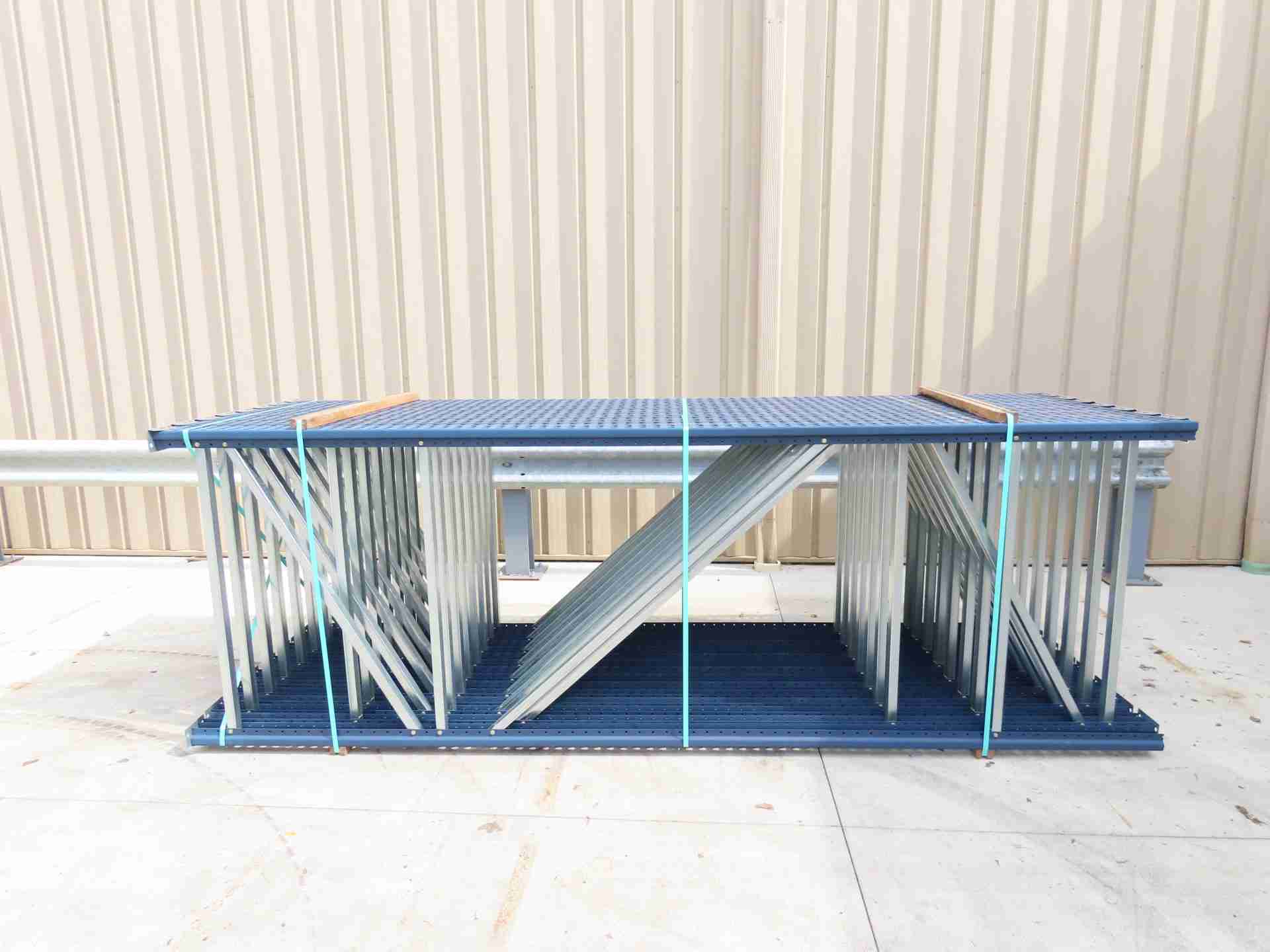
Preventing Duplicate Pallet Locations
Preventing Duplicate Pallet Locations
- Duplicate pallet locations create inefficiencies, wasting time and profits.
- Organized pallet locations are essential for smooth warehouse operations.
- Clear signage and designated areas improve workflow and employee morale.
- Regular training on accurate pallet placement fosters a culture of responsibility.
- Sharing success stories enhances team cohesion and encourages collaboration.
- Practical solutions are needed to prevent duplication and create order in the workplace.
- A focus on teamwork and expertise leads to a more successful warehouse environment.

Preventing Duplicate Pallet Locations
Table Of Contents
- Preventing Duplicate Pallet Locations
- What Is the Cost Of Duplicate Pallet Locations to Your Business?
- How Can We Improve Efficiency In Our Warehouse Operations?
- What Emotional Impact Does Disorganization Have on Your Team?
- How Do You Ensure Accurate Inventory Management Daily?
- What Procedures Can Prevent Duplicate Pallet Placements?
- How Does Technology Play a Role In Reducing Mistakes?
- Conclusion
- Other Resources
- Glossary Of Terms
- Other Questions
- Checklist
What Is the Cost Of Duplicate Pallet Locations to Your Business?
Every warehouse manager knows the feeling: you’re juggling racking systems, pallets stacked high, and time ticking away. But when duplicate pallet locations creep in, it’s like weaving through a maze with a blindfold on. It’s frustrating, sure, but let’s dig into why this issue cuts deeper than surface-level chaos.
First off, think about the wasted time. Every minute spent scouring for misplaced stock costs money. It’s not just an inconvenience—it’s a hit to your bottom line. Employees are paid to move pallets efficiently, not to hunt for them. That lost productivity stacks up faster than the pallets you’re trying to locate. When your team constantly deals with confusion over duplicate locations, it saps morale. No one likes to feel like they’re running in circles. Efficiency breeds confidence, and when the trust in your system falters, so does the trust in your team’s output.
Next, consider the financial implications. Inventory management is supposed to keep your costs in check, but duplicate locations can lead to overstocking or stockouts. You might buy more than you need just to ensure you don’t run low, or worse, miss out on fulfilling an important order because inventory isn’t where it’s supposed to be. That’s lost revenue you can’t afford when margins are tighter than a snug pair of work boots. Your racking systems should support your business, not become a barrier to profitability.
Ethically speaking, maintaining accurate inventory helps foster a sense of responsibility. It reflects your commitment to customers and employees alike. When your warehouse operates smoothly, it sends a message: you care about your operations, which translates to care for those who depend on your products.
And let’s not overlook the social aspect. Your business reputation hinges on reliability. Customers talk, and word gets around. A company known for disarray in its inventory might lose potential contracts simply because of one too many slip-ups in deliveries.
At the end of the day, addressing the issue of duplicate pallet locations isn’t just a logistical fix—it’s a call to action. Streamlining your inventory practices can restore faith in your operations, boost employee morale, and ultimately lead to a more resilient business. When it comes to your warehouse, clarity in your racking systems lays a foundation for success.
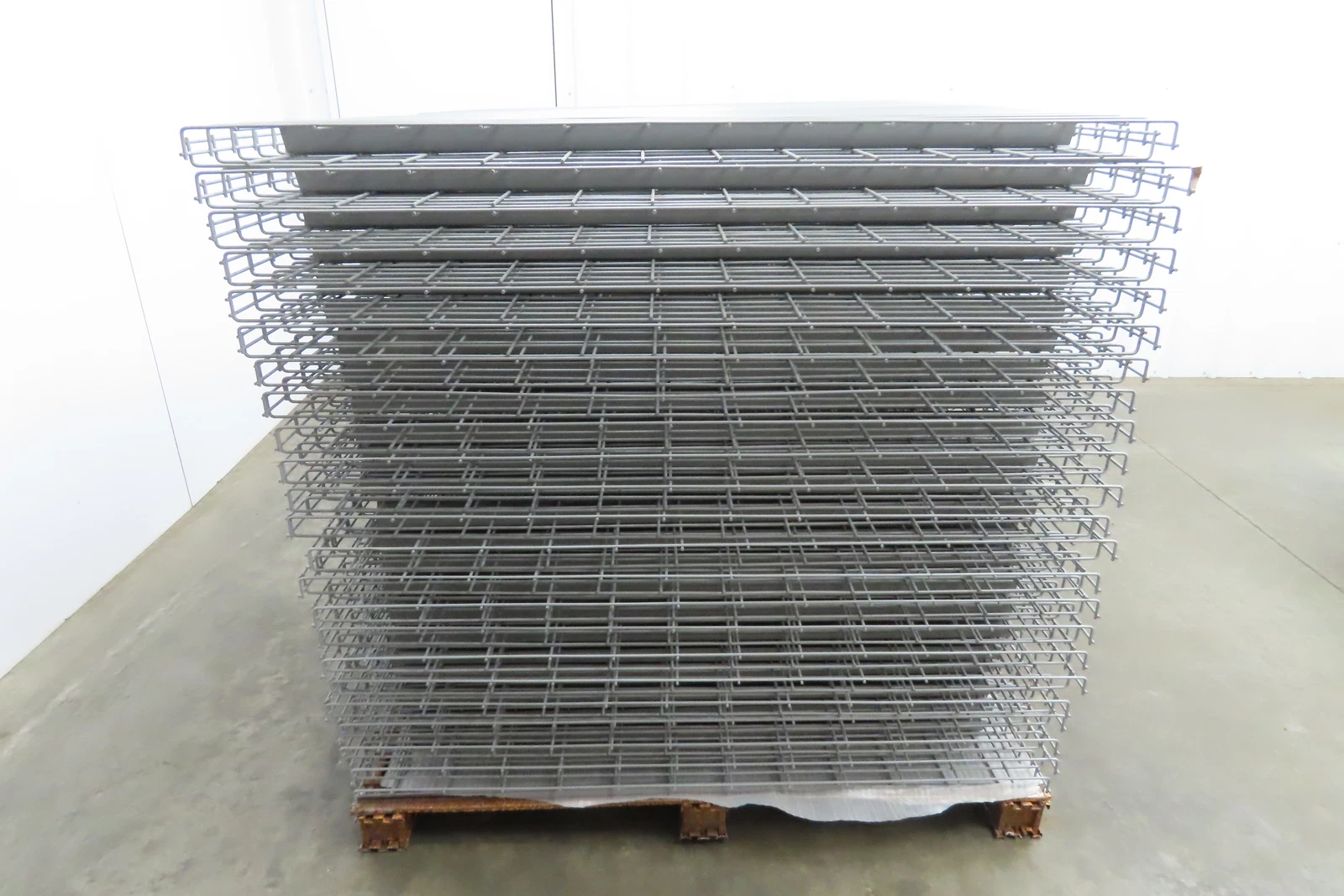
What Is the Cost Of Duplicate Pallet Locations to Your Business?
What Is the Cost Of Duplicate Pallet Locations to Your Business?
- Duplicate pallet locations create inefficiencies and wasted time in warehouse operations.
- Lost productivity due to searching for misplaced stock negatively impacts the bottom line.
- Confusion over inventory can diminish employee morale and trust in the operations.
- Financial implications include overstocking and stockouts, leading to potential revenue loss.
- Accurate inventory management reflects commitment to customers and enhances ethical standards.
- A reliable inventory system protects the business’s reputation and helps secure contracts.
- Addressing duplicate pallet locations is essential for operational clarity and business resilience.

What Is the Cost Of Duplicate Pallet Locations to Your Business?
How Can We Improve Efficiency In Our Warehouse Operations?
Improving efficiency in warehouse operations isn’t just about numbers; it’s about people, processes, and the very bones of the business. Picture a bustling warehouse, where the day starts before dawn, and the rhythm of work unfolds like a well-rehearsed dance. Now, if that dance has been tripping over its own feet, it’s time to tighten up the steps.
First off, let’s talk about layout and organization. Racking systems play a crucial role in this story. They’re more than just metal shelves; they’re the backbone of your storage. Think of it like stacking your toolbox. If your tools are all jumbled, you waste time hunting for the right one. But a well-organized racking system means everything has its place, and your crew can find what they need in a heartbeat. This simple shift not only speeds up picking times but also minimizes errors that can cost time and money.
Next, invest in training. A well-trained team isn’t just efficient; it feels good to know what you’re doing. When employees understand the ins and outs of the warehouse, they take ownership of their work. This builds trust and boosts morale, creating an atmosphere where everyone feels valued. Share the stories of the veterans in the field, those who’ve seen it all and can teach the newbies not just the hows but the whys behind every task. It’s this passing down of knowledge that shapes a solid, reliable workforce.
Moreover, consider the technology at your disposal. It might sound modern and snazzy, but using tools like inventory management systems can save countless hours. The human touch combined with tech works wonders. It’s like having a trusty sidekick that keeps track of everything while you focus on getting the job done right.
Finally, foster a community within your walls. Encourage open lines of communication where team members can share their insights and experiences. Relatable stories build camaraderie and a sense of belonging. They bring about a culture of continuous improvement where everyone contributes to the mission of efficiency.
When you combine smart racking systems with a skilled, connected team and the right technology, you’re not just optimizing operations; you’re cultivating a thriving environment. This isn’t just about working harder; it’s about working smarter, together, building a legacy one box at a time.
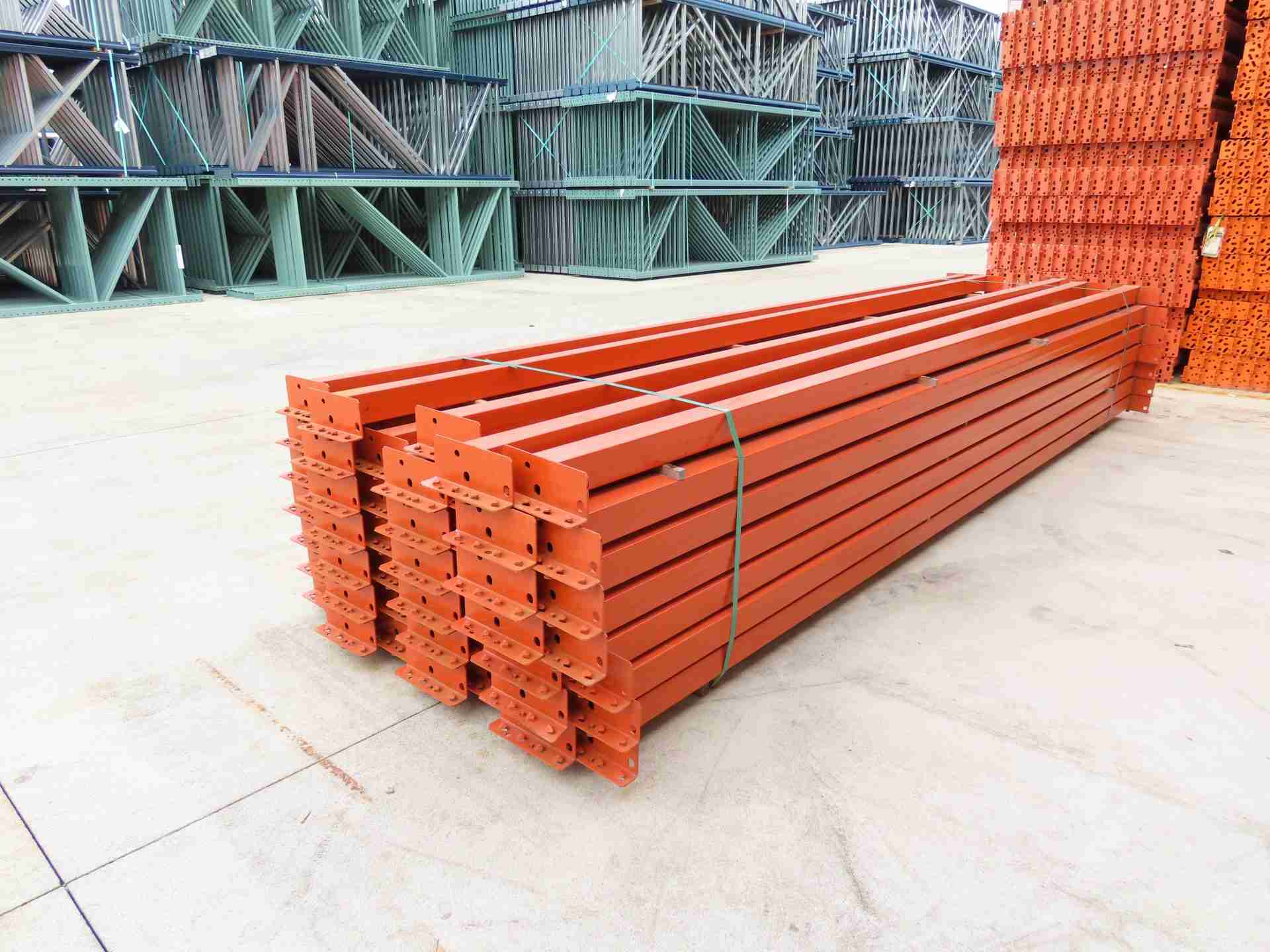
How Can We Improve Efficiency In Our Warehouse Operations?
How Can We Improve Efficiency In Our Warehouse Operations?
- Improving warehouse efficiency involves people, processes, and business fundamentals.
- Organized racking systems are essential for effective storage and quick access to items.
- A well-structured layout reduces picking times and minimizes costly errors.
- Investing in training fosters team ownership, trust, and morale.
- Veteran employees should share their knowledge with newcomers to enhance workforce reliability.
- Utilizing technology like inventory management systems can significantly save time.
- Encouraging open communication builds camaraderie and promotes a culture of continuous improvement.

How Can We Improve Efficiency In Our Warehouse Operations?
What Emotional Impact Does Disorganization Have on Your Team?
Disorganization in a team is like a leaky pipe in a foundation—little issues can quickly flood the entire operation. When a team lacks order, the emotional toll can be heavy. Picture a warehouse where racking systems are haphazardly arranged; workers are scrambling, looking for materials and wasting precious time. Frustration builds, and morale dips. The body language of a disorganized team tells a story: slumped shoulders, furrowed brows, and a lack of engagement that reverberates through every corner of the workspace.
On the rational side, the cost of disorganization is steep. Productivity plummets when time is wasted searching for tools or supplies. Every minute spent fumbling through chaos is a minute in which work isn’t getting done. Performance metrics fall, and deadlines get missed. The numbers don’t lie; a well-organized approach can lead to staggering improvements in output. It’s not just about having the right racking systems; it’s about leveraging them effectively. A clear system brings clarity, ensuring everyone knows where to go and what to do next.
Ethically, one can’t overlook the responsibility leaders have to their teams. By allowing disorganization to fester, you’re not just neglecting the operational side; you’re impacting livelihoods. Teams thrive on trust, and a chaotic environment can weaken that bond. When folks feel like they can’t rely on their surroundings, anxiety grows. It’s essential to foster a culture where organization is the standard, where everyone knows they can count on each other and the environment they work in.
It’s about connection. Team members are more than cogs in a machine; they’re human beings who deserve respect and support. Sharing stories of the struggles faced during disorganized moments can create a shared understanding. When they recognize their colleagues’ hurdles, empathy develops.
Encouraging personal accountability in maintaining order can galvanize teams. Instill pride in how the workspace looks, making the care of racking systems everyone’s job. Over time, that sense of ownership can transform the atmosphere. An organized space signifies the commitment to each other and the work at hand. It sends a powerful message: we’re in this together. This isn’t just about efficiency; it’s about building a team that trusts one another, believes in their collective strength, and is ready to roll up their sleeves to put in the hard work.

What Emotional Impact Does Disorganization Have on Your Team?
What Emotional Impact Does Disorganization Have on Your Team?
- Disorganization in a team can severely disrupt operations, similar to a leaky pipe in a foundation.
- The emotional impact includes frustration and low morale, evident in body language such as slumped shoulders and disengagement.
- Productivity declines due to time wasted in searching for tools and supplies, leading to missed deadlines and poor performance metrics.
- A well-organized environment fosters clarity and efficiency, ensuring team members know their roles and responsibilities.
- Leaders have a moral obligation to maintain organization, as disarray can undermine trust and increase anxiety within the team.
- Encouraging personal accountability for workspace organization can enhance team pride and responsibility.
- Creating a culture of organization strengthens team bonds, promoting mutual support and commitment to collective success.
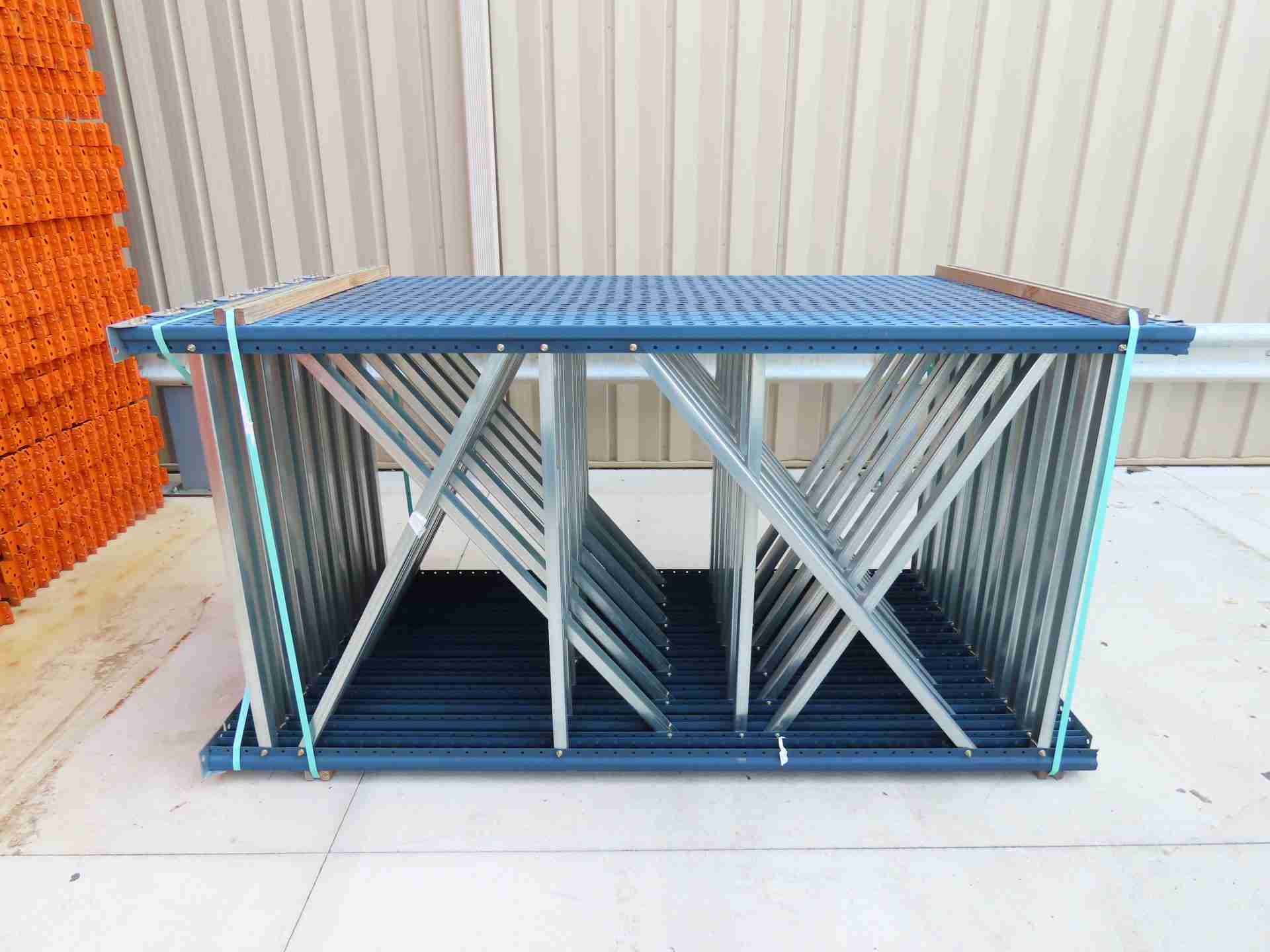
What Emotional Impact Does Disorganization Have on Your Team?
How Do You Ensure Accurate Inventory Management Daily?
In the world of inventory management, ensuring accuracy on a daily basis isn’t just a task; it’s an ongoing commitment to the team and the business. Picture the warehouse humming with activity, each person playing a role, from the warehouse workers moving products to the managers who keep an eye on everything. This is the pulse of any operation where Racking Systems are deployed, providing structure to the chaos.
Operating an effective inventory system demands more than just software and spreadsheets; it requires daily diligence and a culture of accountability. When every item has its designated spot on the racking system, it’s easier to locate and count stock, saving time and reducing frustration. It’s simple yet profound: when you know where things are, you can find them quickly, which in turn keeps the workflow steady and customers happy. Each misplaced box can ripple through the system, causing delays and dissatisfaction that your team can feel in their bones.
Emotionally, we all want to feel secure in our jobs. Knowing that the inventory is accurate allows employees to do their best work without the nagging worry that essential items are missing. It builds trust within the team and fosters a sense of ownership; when everyone understands the importance of their role in maintaining that accuracy, it becomes a collective mission rather than just individual tasks.
Rationally, consistent inventory checks and audits provide concrete data that guides decision-making. Understanding inventory turnover rates can shift your approach from reactive to proactive, eliminating excess stock and reducing waste. This methodical approach not only saves money but also aligns with ethical practices of sustainability and responsible resource management.
Stories often resonate more than numbers. Imagine a time when a sudden stockout left a customer high and dry, costing the company not just money but also reputation. The embarrassment lingers, and the lessons learned drive home the importance of daily checks. Reinforce this narrative daily—share stories in team meetings or post reminders where everyone can see them.
Lastly, the power of camaraderie can’t be underestimated. Celebrate accuracy milestones as a team, creating a tradition that fuels motivation. When each member of the crew feels that their efforts contribute to a larger purpose—a seamlessly operating supply chain—it turns the daily grind into a shared victory. Daily inventory management isn’t just about numbers; it’s about the people behind them and the pride they take in their work.
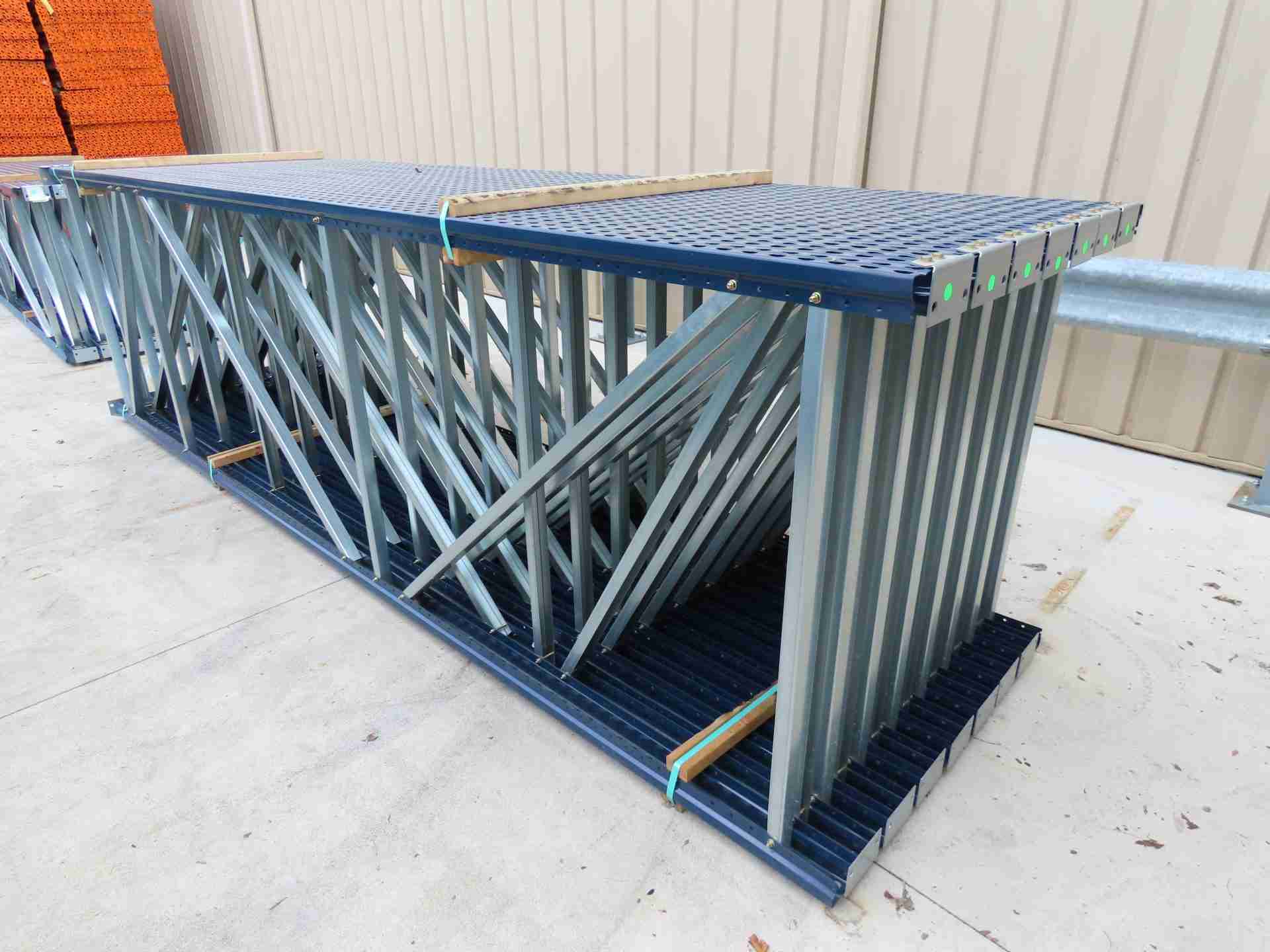
How Do You Ensure Accurate Inventory Management Daily?
How Do You Ensure Accurate Inventory Management Daily?
- Daily accuracy in inventory management is crucial for team commitment and operational success.
- Effective inventory systems require daily diligence and a culture of accountability, beyond just software tools.
- Designated storage spots in racking systems enhance stock visibility and efficiency, improving workflow and customer satisfaction.
- Accurate inventory builds employee trust and ownership, transforming individual tasks into a collective mission.
- Regular inventory checks yield data for proactive decision-making, reducing excess stock and promoting sustainability.
- Sharing stories of past stockouts emphasizes the importance of daily checks and creates a learning culture.
- Celebrating accuracy milestones fosters motivation and reinforces the shared purpose among team members.
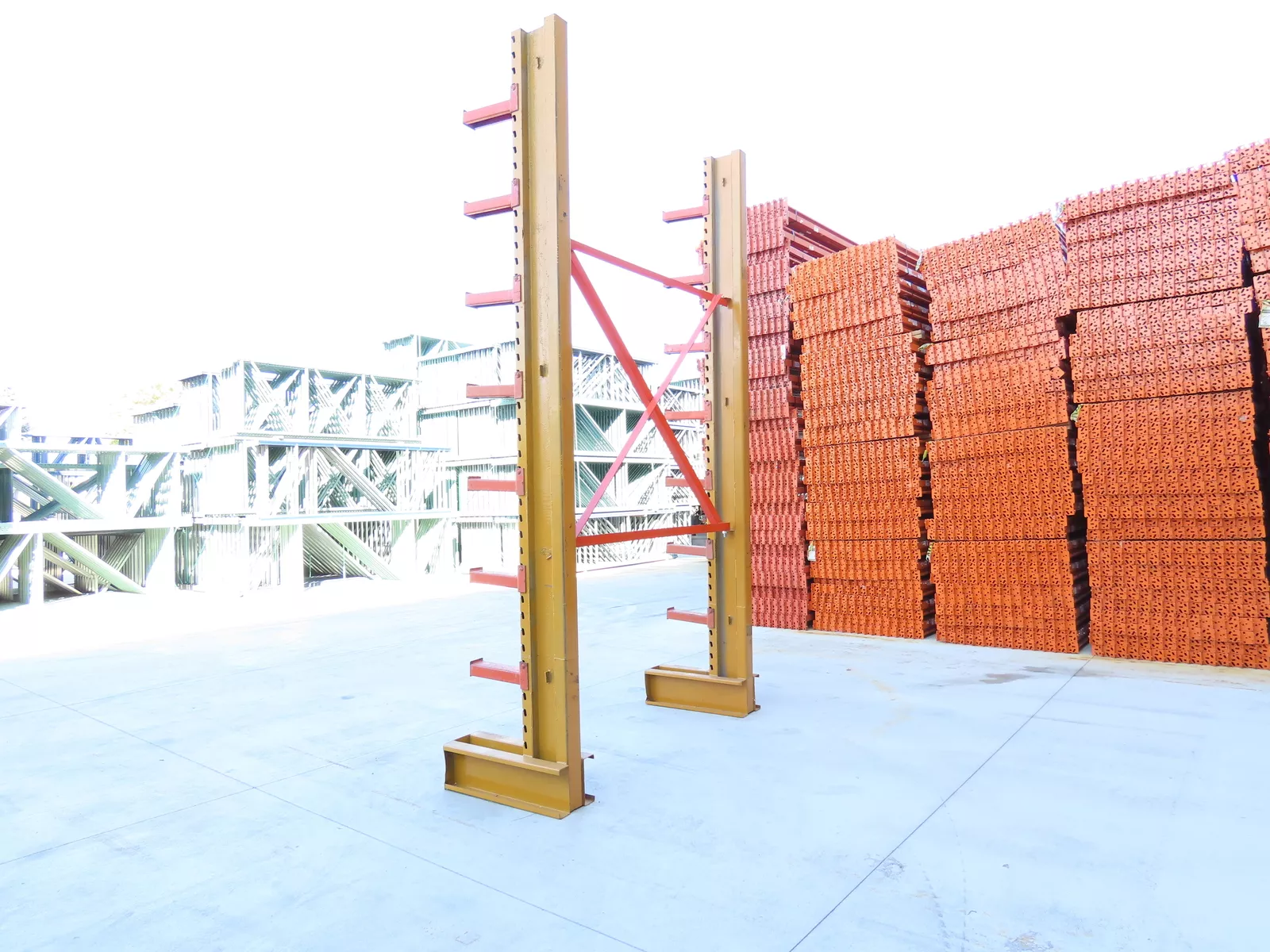
How Do You Ensure Accurate Inventory Management Daily?
What Procedures Can Prevent Duplicate Pallet Placements?
In the hustle and bustle of a warehouse, where every moment counts, there’s nothing more frustrating than stumbling over duplicate pallet placements. It’s like tripping on a shoelace you thought you tied up. To avoid this pitfall, straightforward procedures that stem from experience and common sense can make a world of difference.
First off, invest in effective labeling within your racking systems. A clear and concise labeling system serves as the first line of defense against confusion on the floor. When each pallet is given a unique identifier, everyone knows where it belongs. This small act not only declutters the mind but also fosters camaraderie among the team, as there’s less ambiguity and more accountability. Each team members’ role becomes clearer, creating a sense of collective responsibility that’ll resonate with the entire crew.
Next, regular training sessions shouldn’t be overlooked. They are vital in fostering a culture of awareness and attentiveness. Think of training as a tune-up for your team—keeping skills sharp and minds focused. Sharing stories about past mishaps can drive home the point. Real-life examples remind everyone of the stakes involved. Imagine recalling a time when a misplaced pallet resulted in lost hours and confused deliveries. Such narratives connect emotionally, embedding the importance of diligence in a way that mere bullet points on a PowerPoint cannot achieve.
Implementing a simple checklist before commencing daily operations can also save you from headaches down the line. Just like double-checking your tools before starting a job, a checklist can flag potential issues before they become full-blown problems. The checklist becomes a ritual, a way for the team to bond over shared responsibilities.
Lastly, encourage open communication on the floor. Create an environment where workers feel comfortable reporting mistakes or clarifying uncertainties. By promoting dialogue, you build trust—a crucial ingredient in any workplace. When people feel supported, they’re more likely to voice their concerns before a minor issue morphs into a major one.
In this industry, we know that the grind can be unforgiving. But by establishing straightforward yet effective procedures—like organized racking systems and a culture rooted in communication—we can protect each other from the pitfalls of duplicate placements. It’s about fostering a sense of pride in our work and ensuring that everyone goes home with their heads held high, knowing they’ve done their part in creating a smoother operation.
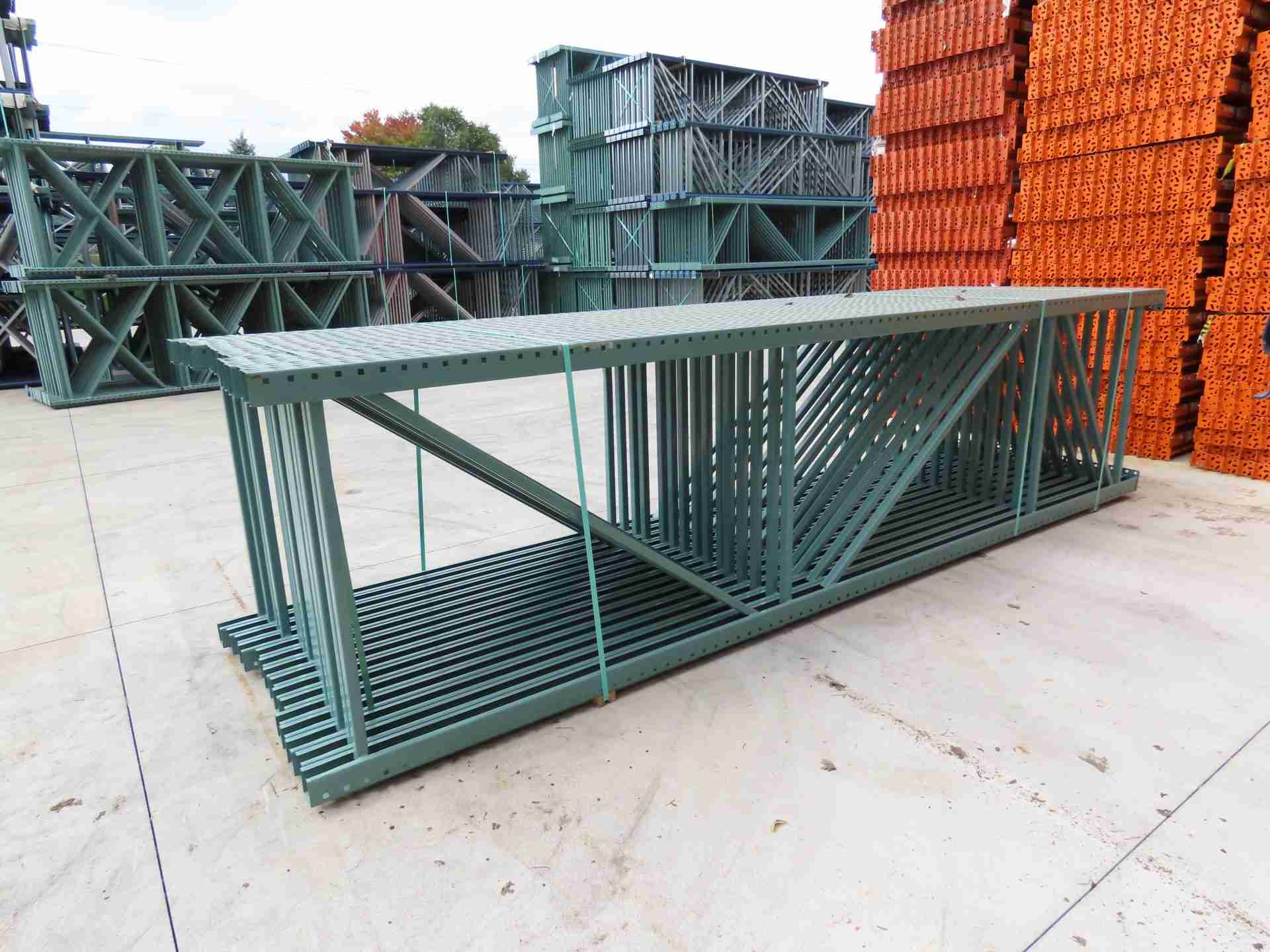
What Procedures Can Prevent Duplicate Pallet Placements?
What Procedures Can Prevent Duplicate Pallet Placements?
- Duplicate pallet placements cause frustration in warehouse operations.
- Effective labeling systems clarify pallet locations and foster team accountability.
- Regular training sessions promote awareness and keep skills sharp.
- Sharing real-life examples of past mistakes reinforces the importance of diligence.
- A daily checklist can help flag potential issues before they escalate.
- Open communication creates a supportive environment for reporting mistakes.
- Establishing straightforward procedures enhances operational efficiency and team pride.
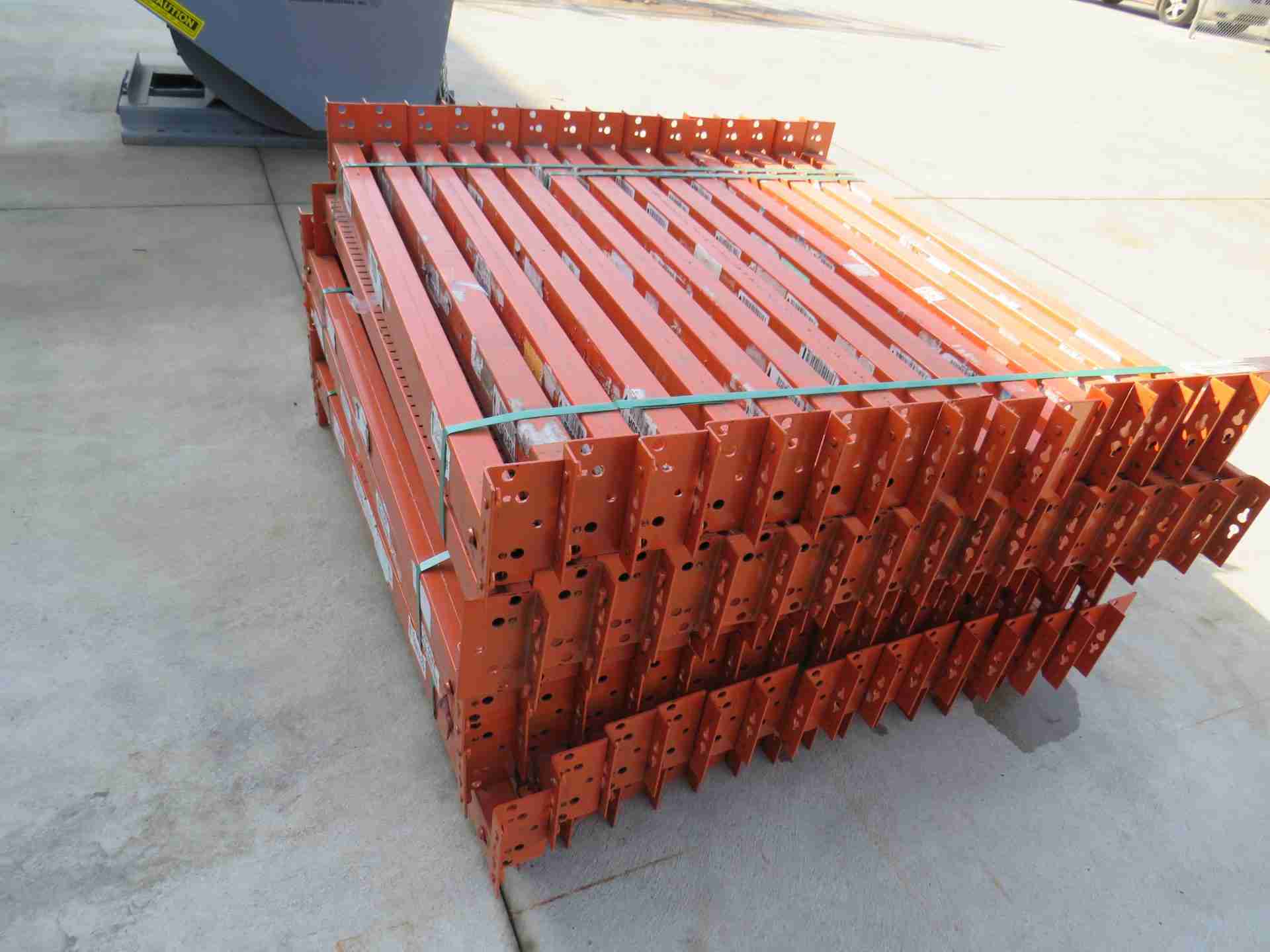
What Procedures Can Prevent Duplicate Pallet Placements?
How Does Technology Play a Role In Reducing Mistakes?
Technology has transformed the landscape of our daily lives, especially in how we tackle the small and big mistakes that come our way. From racking systems in warehouses to software that streamlines communication, every tool has a role in reducing errors and boosting our efficiency. At heart, the essence of our work involves trust. Imagine a warehouse where every item is perfectly placed in its designated racking system, making it easy to find what you need without a second thought. That trust in technology ensures we spend less time fumbling through piles of inventory and more time getting the job done right.
Thinking rationally, it’s evident that technology brings precision to tasks that were once subject to human error. Instead of relying solely on memory or manual checks, we now have automated systems that flag discrepancies. Consider a scenario where a freight shipment gets delayed due to misplaced items. With advanced tracking devices integrated into racking systems, issues can be identified and rectified almost instantly. The result? Increased productivity, enhanced safety, and ultimately, a stronger bottom line.
Ethically, we have a responsibility to minimize mistakes—not just for our sake, but for our teams and customers. When technology steps in, it levels the playing field, ensuring that everyone has access to the same tools and information needed to succeed. This equal footing fosters a culture of accountability and shared success, something that resonates on a deeper level with everyone involved in the process.
The authority of technology is often built on real-world applications that demonstrate success. Take, for example, companies that have implemented sophisticated inventory management systems. Their stories speak volumes about the reduction of mistakes and the improvements in workflow. These narratives inspire confidence among all workers, encouraging them to embrace the innovations at their fingertips.
Moreover, we are social beings, and technology doesn’t just serve to connect us with information; it connects us with one another. In industries where teamwork is essential, streamlined systems allow for smoother interactions and less frustration. When we work together with the aid of reliable technology, we feel a sense of belonging and shared purpose.
Technology isn’t just a crutch; it’s a partner in our journey. It helps us learn from mistakes and inspires us to do better. By embracing these advancements, we can build a future where errors are minimized, trust is fostered, and success is sweetened by the hard-won lessons of the past.
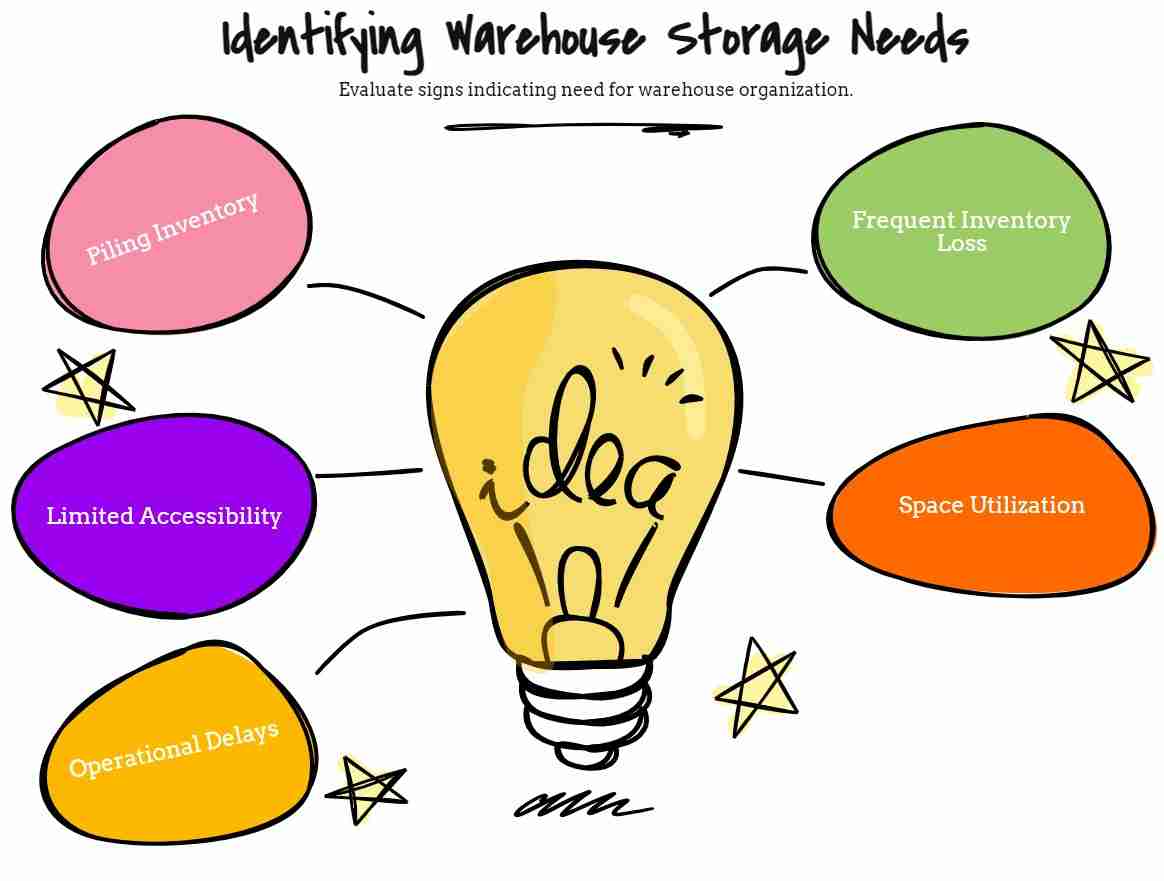
How Does Technology Play a Role In Reducing Mistakes?
How Does Technology Play a Role In Reducing Mistakes?
- Technology enhances daily life by helping address mistakes, large and small.
- Tools like racking systems and communication software improve efficiency and reduce errors.
- Trust in technology enables seamless inventory management, saving time and effort.
- Automation reduces human error by flagging discrepancies in tasks.
- Ethical responsibility exists to minimize mistakes for teams and customers through technology.
- Success stories from technology implementation boost worker confidence and inspire innovation.
- Technology fosters teamwork and a sense of belonging while supporting continuous improvement.
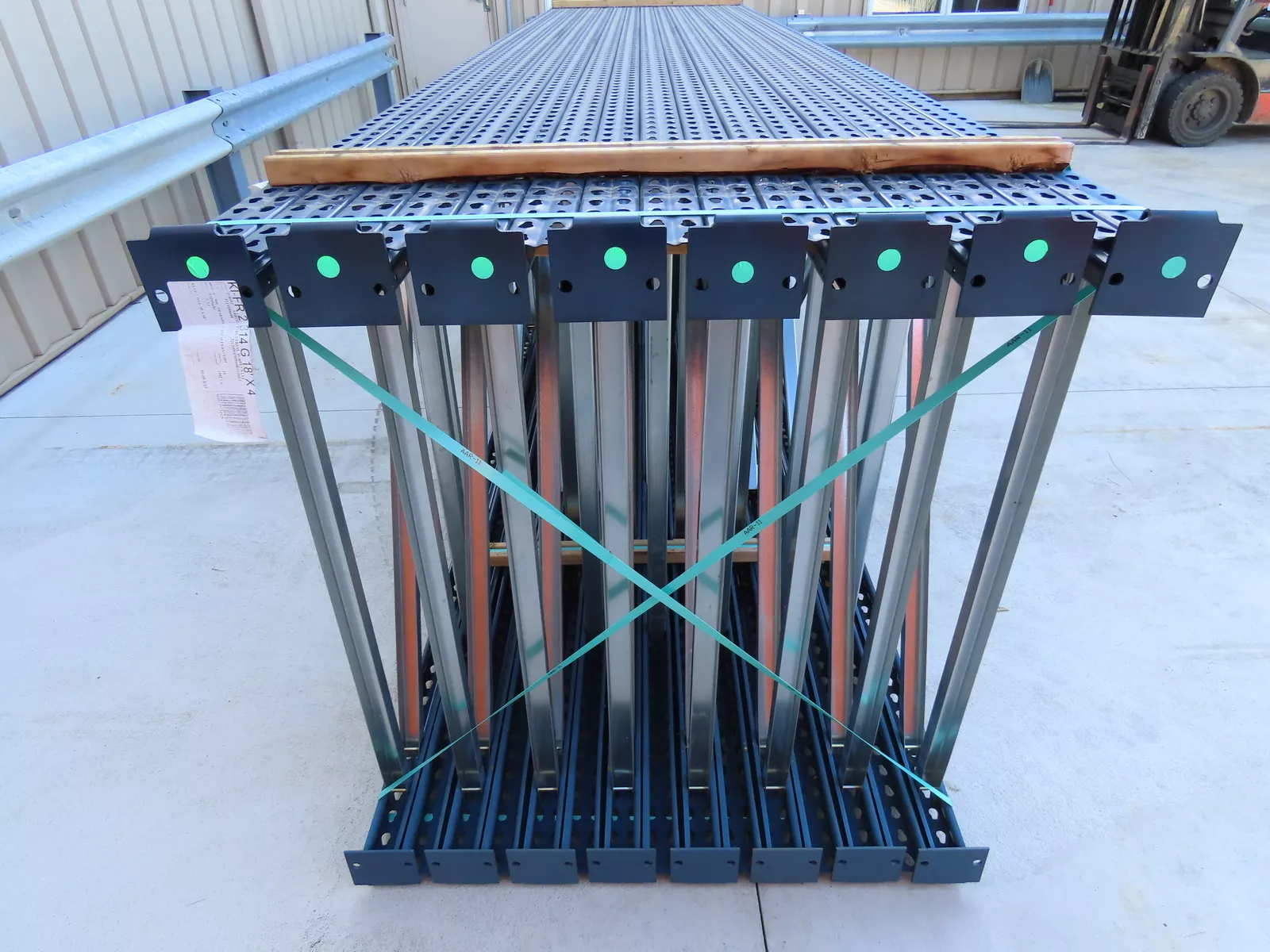
How Does Technology Play a Role In Reducing Mistakes?
Conclusion
In warehouse management, preventing duplicate pallet locations is essential for maintaining efficiency and productivity. A chaotic pallet arrangement not only frustrates employees but also negatively impacts time and finances. Consider the typical scene: a warehouse filled with towering racking systems, where misplaced items turn inventory management into a tedious scavenger hunt. Each time a worker spends precious minutes searching for a missing pallet, it chips away at both morale and the bottom line, similar to trying to find a specific tool in a messy toolbox.
A clear organizational system for pallet placements offers a straightforward solution. It transforms the chaotic, cluttered environment into a streamlined operation, fostering a sense of ownership among team members. When everyone knows where to find tools and supplies, job satisfaction rises. Scheduling regular training sessions not only sharpens skills but deepens awareness of the importance of orderliness. When employees share their experiences—like distinct instances of errors caused by disorganization—it engrains a culture of shared responsibility and respect. This collective commitment cultivates a sense of pride in one’s job and creates a family-like atmosphere that enhances cooperation and trust.
The financial implications of disorganization can’t be ignored. Duplicate pallet placements can lead to overordering or stockouts, resulting in lost profits or unfulfilled orders. Taking these inefficiencies to task isn’t just about logistics; it’s about sending a message that the company values its employees and customers alike. A reliable inventory and racking system builds trust, translating to enhanced reputation and customer loyalty. When a business is known for its efficiency, it attracts more contracts and opportunities.
Moreover, effective communication and collaboration are vital. Creating an environment where workers feel comfortable discussing hurdles or uncertainties leads to proactive problem-solving—preventing minor mistakes from snowballing into major operational issues. The use of technology can also streamline processes, flagging discrepancies and helping maintain accurate inventory levels. These advancements empower employees and reinforce a culture of accountability.
When everyone contributes to better organization, it strengthens the workplace atmosphere and leads to sustainable improvement. Investing time and resources into preventing duplicate pallet locations pays off. It cultivates an efficient, effective working environment where team members not only succeed individually but collectively as well, reinforcing the core values of reliability and shared success that drive the business forward.
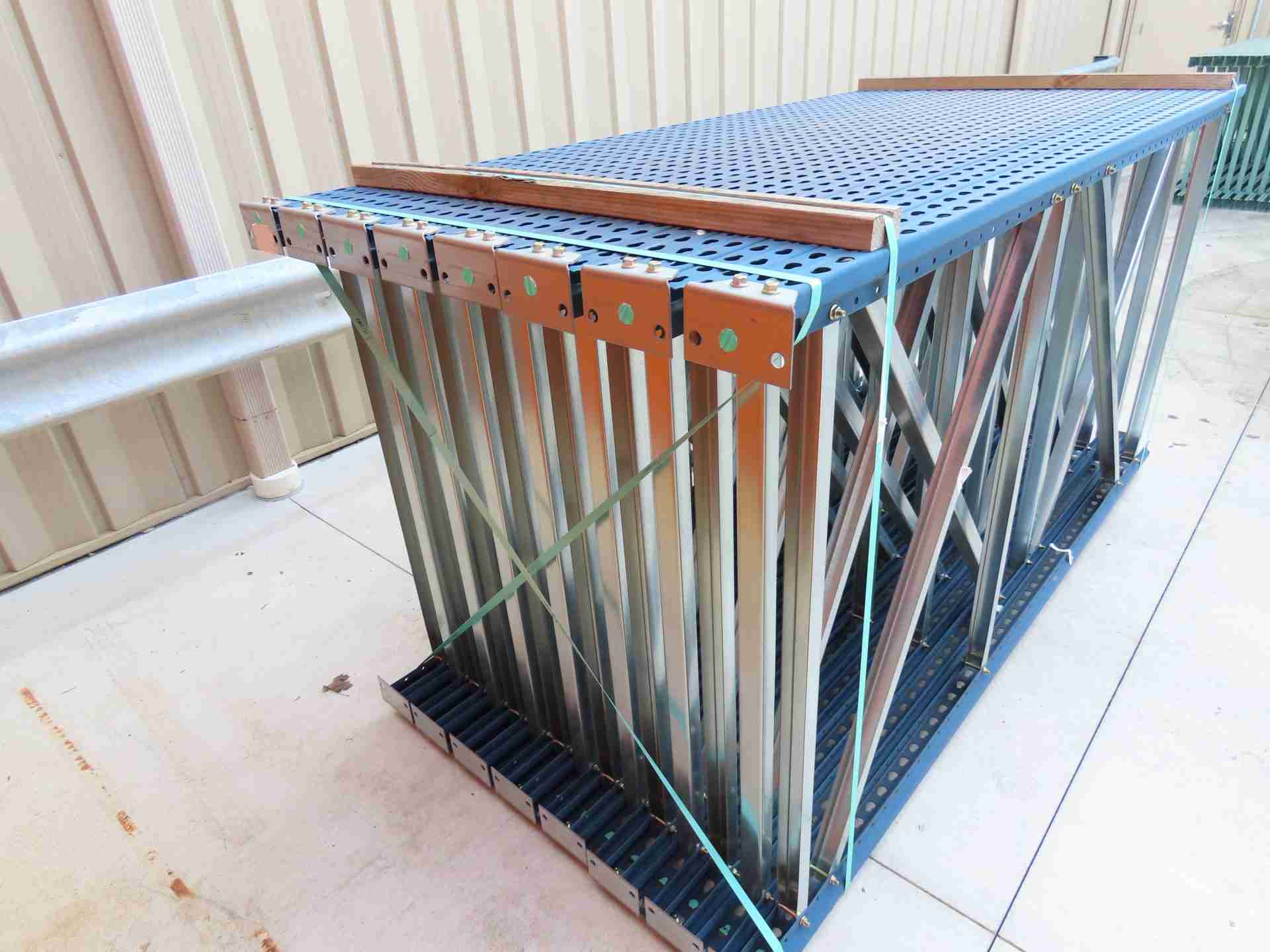
Conclusion
Conclusion:
- Preventing duplicate pallet locations is crucial for warehouse efficiency and productivity.
- A cluttered pallet arrangement leads to employee frustration and financial losses.
- A clear organizational system increases job satisfaction and fosters ownership among team members.
- Regular training sessions enhance skills and awareness of the importance of organization.
- Disorganization can result in overordering or stockouts, impacting profits and customer service.
- Effective communication and collaboration encourage proactive problem-solving among workers.
- A focus on organization strengthens workplace atmosphere and drives business success.
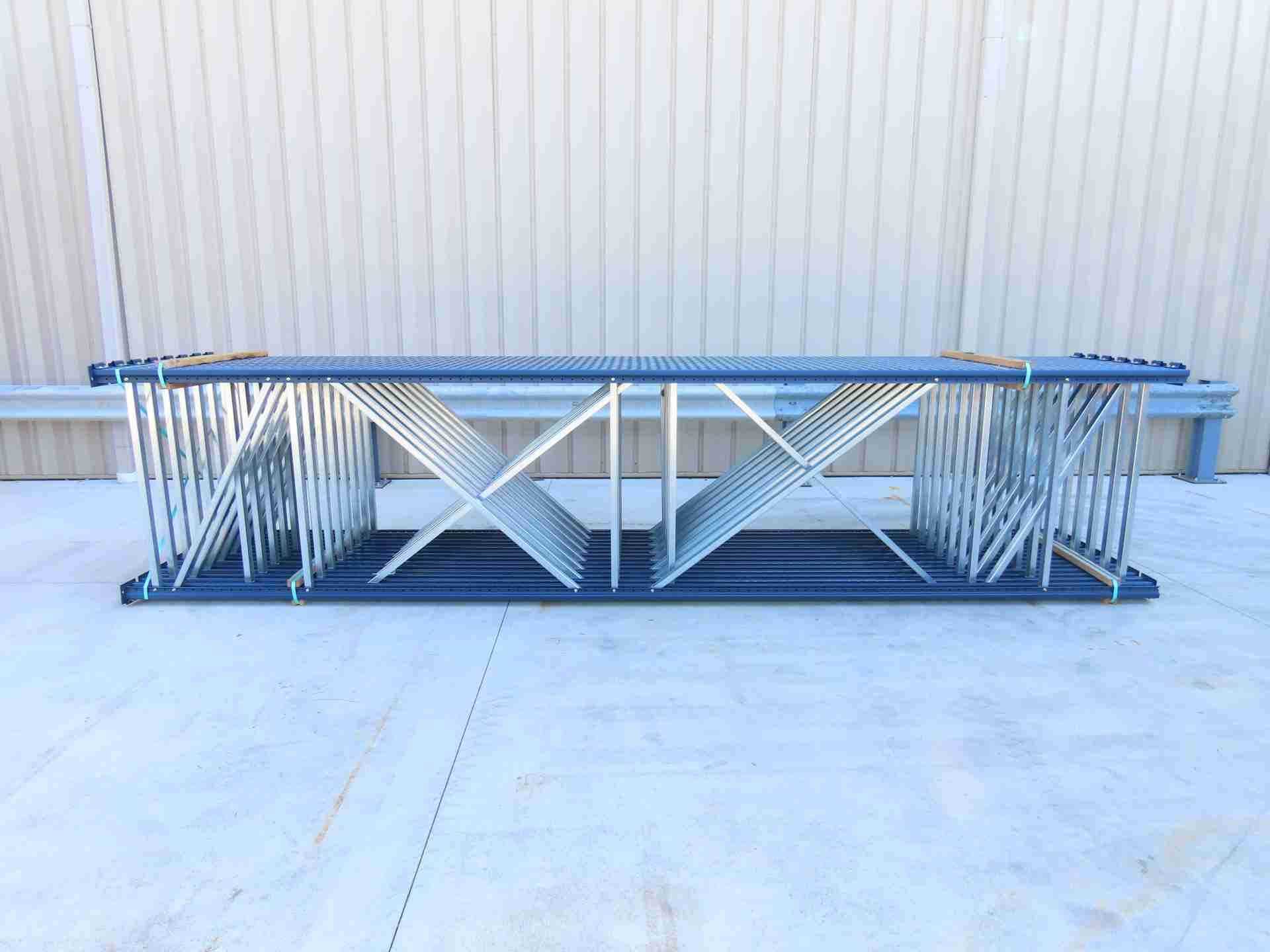
Conclusion
Other Resources
Other Resources
Here is a list of other resources you can review online to learn more:
- The Complete Pallet Rack Guide – Simply Rack
- Rack Manufacturers Institute
- Selective Pallet Racking Systems – Container Systems
- Logic Material Handling
- Warehouse Racking Chicago, IL
- Pallet Racking systems in Illinois and Great Lakes
- Material Handling Safety
- Interlake
- Selective Racking
- The Ultimate Pallet Racking Guide – Speedrack West
- CA Wire
- Selective Rack – Raymond West
- Illinois Pallet Racking – Storage Solutions
- Pallet Rack Systems – New and Used Pallet Racking and Shelving Experts
- Used Pallet Rack for Sale in Illinois – American Surplus
- International Warehouse Logistics Association
- ASSP
- Cantilever Rack Configuration & Installation: A Comprehensive Guide – BMH
- Arrow Industrial Sales
- Warehouse Racking Layout: The Ultimate Guide – Conger
Use This Prompt To Get More Resources With Your Favorite Online AI Tool: Please provide me with a list of online articles with their URLs in a bulleted list that I can read regarding Preventing Duplicate Pallet Locations
Other Resources
Glossary Terms
Preventing Duplicate Pallet Locations – Glossary Of Terms
1. Allocation: The process of assigning specific pallet locations to ensure efficient inventory management.
2. Audit: A systematic examination of pallet location records to identify and prevent duplicates.
3. Barcode: A visual code scanned to track the location and movement of pallets in inventory.
4. ERP (Enterprise Resource Planning): Software used to manage and integrate core business processes, including inventory control.
5. FIFO (First In, First Out): Inventory management principle where the oldest stock is used first to prevent duplication.
6. Location Control: A strategy to oversee and manage designated pallet storage areas actively.
7. Mapping: The method of charting out pallet locations to help visualize and organize space effectively.
8. Palletization: The process of stacking goods on pallets for efficient storage and transportation.
9. SKU (Stock Keeping Unit): A unique identifier for each distinct product that helps in inventory management.
10. Inventory Turnover: A measure of how quickly inventory is sold and replaced, impacting location management.
11. Replenishment: The act of restocking pallet locations to maintain inventory levels without duplicates.
12. Tracking System: A technology or protocol used to monitor pallet locations throughout the supply chain.
13. Validation: The process of verifying that pallet locations are accurate and not duplicated.
14. Warehouse Management System (WMS): Software designed to support warehouse operations, including managing pallet locations.
15. Zoning: Division of the warehouse into sections to streamline management of pallet storage locations.
16. Live Inventory: A real-time record of available pallets and their locations within a warehouse.
17. Pallet Template: A predefined layout used to organize pallets uniformly, preventing location conflicts.
18. Consolidation: The practice of merging multiple pallets into one location to maximize space and minimize duplication.
19. Data Entry: The process of inputting pallet data into a system to ensure records are accurate and up-to-date.
20. Monitoring: Continuous observation of pallet locations to prevent and identify any duplication.
21. Storage Density: The amount of inventory that can be stored in a given space, influencing pallet location management.
22. Overstock: An excess quantity of pallets that can lead to confusion and potential duplicate locations.
23. Shelf Life: The duration that inventory can be stored before becoming obsolete or expired, impacting location decisions.
24. Variance: The discrepancy between expected and actual inventory levels, necessitating checks for duplicate locations.
25. Cycle Counting: A method of auditing inventory in which a portion is counted on a recurring schedule to detect duplicates.
26. Load Optimization: The process of arranging pallets for maximum efficiency without creating redundant locations.
27. Safety Stock: Extra inventory kept on hand to prevent stockouts, which can complicate pallet location management.
28. Cross-Docking: A logistics practice where pallets are directly transferred between trucks without being stored, reducing location overlaps.
29. Stock Rotation: Ensuring that inventory is moved in order of receipt or expiration, reducing the risk of duplicate pallet placement.
30. Inventory Reconciliation: The process of verifying the accuracy of inventory records to ensure no duplicate pallet locations exist.

Glossary Of Terms
Other Questions
Preventing Duplicate Pallet Locations – Other Questions
If you wish to explore and discover more, consider looking for answers to these questions:
- What are the most common causes of duplicate pallet locations?
- How can we audit our current racking system to identify duplicates quickly?
- What labeling standards work best to prevent duplicate locations?
- How often should cycle counts or physical inventory audits be performed?
- Which technology solutions (WMS, barcode, RFID) are most effective for eliminating duplicate placements?
- What is the typical ROI for implementing a location-control system?
- How do you integrate a new inventory system with an existing ERP or WMS?
- What training programs or materials are most effective for frontline staff?
- How do you design an onboarding process that reduces location errors for new hires?
- What operational KPIs should be tracked to measure improvements in location accuracy?
- What are best practices for signage and floor markings to support correct pallet placement?
- How should unique pallet IDs be generated and managed?
- How can slotting optimization reduce the risk of duplicate placements?
- What checklist items should be included in a daily pre-shift inspection to prevent duplicates?
- How do you handle mixed pallets or non-standard pallet configurations?
- What procedures should be used for returns, overstock, and quarantine to avoid location confusion?
- How do you enforce accountability and track who moved or placed a pallet incorrectly?
- What role do supervisors and floor leads play in preventing duplicate locations?
- How can root-cause analysis be used to stop recurring placement errors?
- What change-management practices help teams adopt new location-control processes?
- How do you scale location-control procedures across multiple shifts or sites?
- What safety considerations and forklift procedures reduce misplacements during busy operations?
- How should hazardous materials or temperature-sensitive goods be handled to avoid misplacement?
- What auditing tools or dashboards can flag potential duplicate locations in real time?
- How can mobile devices and handheld scanners be configured to minimize operator mistakes?
- What contingency plans are necessary when technology (scanners/RFID/Wi‑Fi) fails?
- How do you calculate the true cost of duplicate locations, including labor, lost sales, and reputational damage?
- What sample SOPs or templates exist for pallet placement and location verification?
- How can visual management (shadow boards, color coding) be applied to racking systems?
- What are common pitfalls when implementing labeling and location numbering schemes?
- How should lot, batch, and expiry tracking be incorporated into location management?
- What frequency and scope of internal audits best maintain location integrity?
- How can incentives or recognition programs encourage accurate placement and reporting?
- Which vendors or solution comparisons are recommended for barcode vs. RFID deployment?
- How can simulation or pilot programs be run to validate location-control changes before full rollout?
- What data-quality practices prevent duplicate locations caused by incorrect records?
- How do you manage legacy systems and paper processes while moving to digital location control?
- What benchmarks or industry standards exist for acceptable location error rates?
Other Questions
Checklist
Preventing Duplicate Pallet Locations – A Checklist
Setup and Standards
✅______ Define a single, unambiguous location naming convention (for example: Aisle–Bay–Level–Position).
✅______ Create unique barcodes or QR codes for every storage location; no aliases or duplicates.
✅______ Post large, legible location labels on racking; remove or cover obsolete labels.
✅______ Clearly mark non-storage zones (staging, returns, quarantine, maintenance).
✅______ Maintain up-to-date racking maps; post at zone entrances and supervisor stations.
WMS and Master Data Controls
✅______ Ensure each location exists only once in the system; eliminate duplicate or legacy entries.
✅______ Enforce scan-to-confirm for putaway, picks, moves, and replenishment.
✅______ Block manual location entry when scanning is available.
✅______ Configure one pallet per location or manage slot-capacity rules where multi-deep locations exist.
✅______ Set item-to-location constraints by size, weight, hazmat, temperature, and velocity.
Receiving and Putaway
✅______ Assign and label a unique pallet ID at receiving, visible on at least two sides.
✅______ Verify item, quantity, and destination before putaway.
✅______ Scan the pallet ID and destination location at placement; the system validates emptiness or consolidation.
✅______ Use directed putaway rules; prohibit ad hoc placements.
✅______ Route mismatches or unreadable labels to quarantine with a distinct location code.
Picking, Replenishment, and Moves
✅______ Require location and item scans for picks; capture partial vs. full picks accurately.
✅______ Replenish only to system-directed locations with scan confirmation.
✅______ Disallow temporary drops without scanning to a designated, labeled staging lane.
✅______ Complete or close move tasks before starting new ones to prevent abandoned pallets.
✅______ Log all exceptions immediately with a photo and note in the system.
Physical Controls and Signage
✅______ Use check-digit labels to reduce mis-scans at high levels.
✅______ Color-code zones; add clear aisle and bay end-cap signage.
✅______ Apply floor tape or paint with labeled lane IDs for staging and outbound lanes.
✅______ Install bin dividers or stop plates to prevent item drift between slots.
✅______ Ensure adequate lighting for label readability at operator distance.
Cycle Counts and Audits
✅______ Perform daily ABC cycle counts with blind counting.
✅______ Investigate and resolve variances on the same day; correct root causes in process and data.
✅______ Conduct weekly sweeps for duplicate pallets or SKUs in multiple locations.
✅______ Run monthly label-integrity walks; remove conflicting or obsolete labels.
✅______ Reconcile physical to system location lists quarterly.
Training and Culture
✅______ Onboard all staff on the location schema, scanning, and exception handling.
✅______ Hold quarterly refreshers with real incident examples and fixes.
✅______ Post a simple pre-shift checklist at each zone; review in huddles.
✅______ Encourage stop-the-line reporting without blame; act on reports promptly.
✅______ Recognize teams for accuracy milestones and zero-duplication streaks.
Technology Hygiene
✅______ Test scanners and handhelds at shift start; ensure batteries are charged and devices are paired.
✅______ Verify printer calibration; confirm barcode quality and contrast.
✅______ Validate barcode or RFID readability from typical operating distance.
✅______ Display real-time dashboards for open tasks, blocked locations, and exceptions.
✅______ Maintain a documented downtime procedure with temporary, unique staging locations.
KPIs to Monitor
✅______ Duplicate-location incidents per 1,000 pallets.
✅______ Scan compliance rate for putaway, pick, and move tasks.
✅______ Cycle count accuracy and zero-variance rate.
✅______ Average time to resolve location exceptions.
✅______ Labor hours and order delays attributable to location errors.
✅______ Inventory accuracy by zone and by velocity class.
End-of-Shift Checks
✅______ Clear staging lanes; ensure no unlabeled or unscanned pallets remain.
✅______ Close or reassign open move and exception tasks.
✅______ Report and replace damaged or missing labels.
✅______ Update racking maps if any slotting changes occurred.
✅______ Log top issues, owners, and due dates for follow-up.
Checklist
At RackingWorld, we help guide you through selecting warehouse storage systems and racking.
Be sure to read our other related stories at RackingWorld to learn more about warehouse storage systems.
0 Comments