
Seamlessly Uniting Spaces: The Heartfelt Path To Mezzanine Success
By Tom Seest
At RackingWorld, we help guide you through selecting warehouse storage systems and racking.
Be sure to read our other related stories at RackingWorld to learn more about warehouse storage systems.
Planning for Mezzanine Integration
When it comes to mezzanine integration, the key is to think beyond just the structure. Picture this: your warehouse, bustling with activity, employees efficiently moving through organized racking systems, all while making the most of every square foot of space. It’s about creating a flow that not only optimizes your operations but also has your team feeling empowered and confident in their environment.
Start with a clear vision. You’ve got to know what you want from that new mezzanine and the role it will play. Will it support new inventory, offer additional workstations, or create a better layout for your team? That’s where the head meets the heart—balancing emotional needs with practicality. Your employees want to feel safe and supported, and that involves creating a space that’s not just functional, but also uplifting.
Involving your team in the planning process can make all the difference. Hear them out, gather their input. It shows you value their perspectives, fosters a stronger connection, and builds trust. Leaning on their experience not only brings fresh ideas to the table, but it can inspire a sense of ownership among your crew. After all, who knows the daily grind better than the folks on the floor?
Next, let’s talk about the nitty-gritty. Evaluate your existing racking systems. How will they accommodate or adapt to the new mezzanine? Utilize systems that are designed to support increased loads and flexibility. Get it right, and it’ll change the way your operations run, making everything more efficient and less painful.
There’s also an ethical piece to consider. Invest in quality materials and craftsmanship. It’s about integrity—when you put good work into your infrastructure, you demonstrate a commitment to your employees’ safety and well-being. Your team’s heart will thank you, and so will your bottom line.
Finally, don’t ignore the narrative. Share stories of what a successful mezzanine integration can look like. Use examples from past projects that led to reduced clutter, increased morale, and production boosts. This storytelling element doesn’t just sell the idea; it builds a sense of community around shared goals.
Planning for mezzanine integration isn’t just a checklist—it’s a journey that shapes your workspace and nurtures your workforce, turning practical needs into something truly inspirational.

Planning for Mezzanine Integration
Planning for Mezzanine Integration
- Mezzanine integration requires a holistic approach beyond just the structural aspects.
- A clear vision is essential to define the intended purpose of the mezzanine.
- Involving employees in the planning process fosters trust and ownership.
- Evaluate existing racking systems for compatibility with the new mezzanine.
- Investing in quality materials demonstrates a commitment to employee safety and well-being.
- Share success stories to illustrate the benefits of mezzanine integration and build community.
- Mezzanine planning shapes the workspace and enhances workforce morale and efficiency.
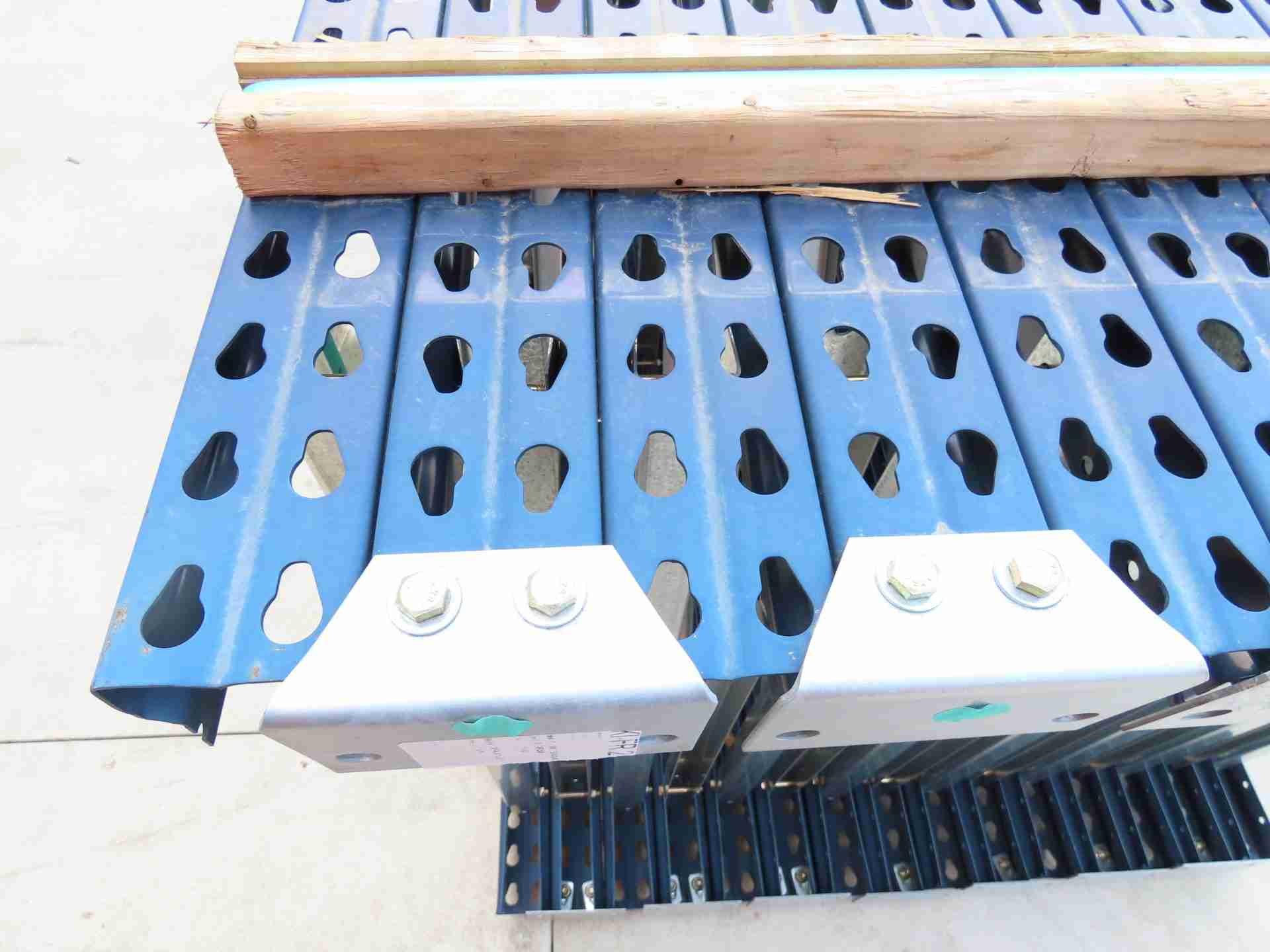
Planning for Mezzanine Integration
Table Of Contents
- Planning for Mezzanine Integration
- What Are the Key Benefits Of Mezzanine Integration?
- How Can Mezzanine Integration Enhance Workflow?
- What Challenges Do Businesses Face with Mezzanine Integration?
- How Does Mezzanine Integration Improve Operational Efficiency?
- What Cost Factors Should You Consider for Mezzanine Integration?
- How Can Mezzanine Integration Support Scaling Operations?
- Conclusion
- Other Resources
- Glossary Of Terms
- Other Questions
- Checklist
What Are the Key Benefits Of Mezzanine Integration?
When you think about racking systems and how they fit into the big picture of a warehouse, consider mezzanine integration as a game changer. This isn’t just about adding more shelves to stuff more boxes; it’s a whole new way of maximizing your space and efficiency. Imagine walking into your warehouse and seeing a well-organized, multi-level system where every inch is utilized. That’s the kind of setup that can turn chaos into streamlined operations.
First off, there’s the heart of the matter. Every business owner knows the frustration of wasted space. When you invest in mezzanine integration, you’re not just getting a storage solution; you’re reclaiming your floor space. Customers feel empowered when they can navigate their environment with ease, finding what they need without the hassle. It’s about creating a smoother experience for everyone involved, from employees to clients.
Now, let’s engage the head. Mezzanines are often a fraction of the cost of moving to a bigger facility. With the right racking systems, companies can expand without the hefty price tag of new real estate. This rational approach helps maintain the bottom line, allowing for reinvestment in other crucial areas of the business. More shelf space directly correlates to more productivity. It’s a straightforward equation—maximized vertical space equals improved workflow.
But let’s not forget about the gut. Trust is built on reliability, especially in a business that thrives on organization. Mezzanine systems come with robust construction and safety features that ensure everything is stored securely. This reliability resonates with workers, creating an atmosphere where they feel safe and looked after. When you can count on your infrastructure, it breeds confidence in your team’s ability to do their jobs well.
Narratively, think about the stories that happen in those spaces. With a climbing mezzanine, workers can share successes. The camaraderie built on teamwork springs from knowing where everything is and how to access it swiftly. This kind of social connection fosters a sense of belonging, as employees invest emotionally in their workspace.
In short, when it comes to mezzanine integration, the benefits are tangible and meaningful. It combines heart, head, and gut instincts into a powerful package. By implementing smart racking systems, businesses are not just upgrading their storage; they are laying the groundwork for a more efficient and agile operation that resonates with everyone involved, cultivating an empowered and engaged workforce.
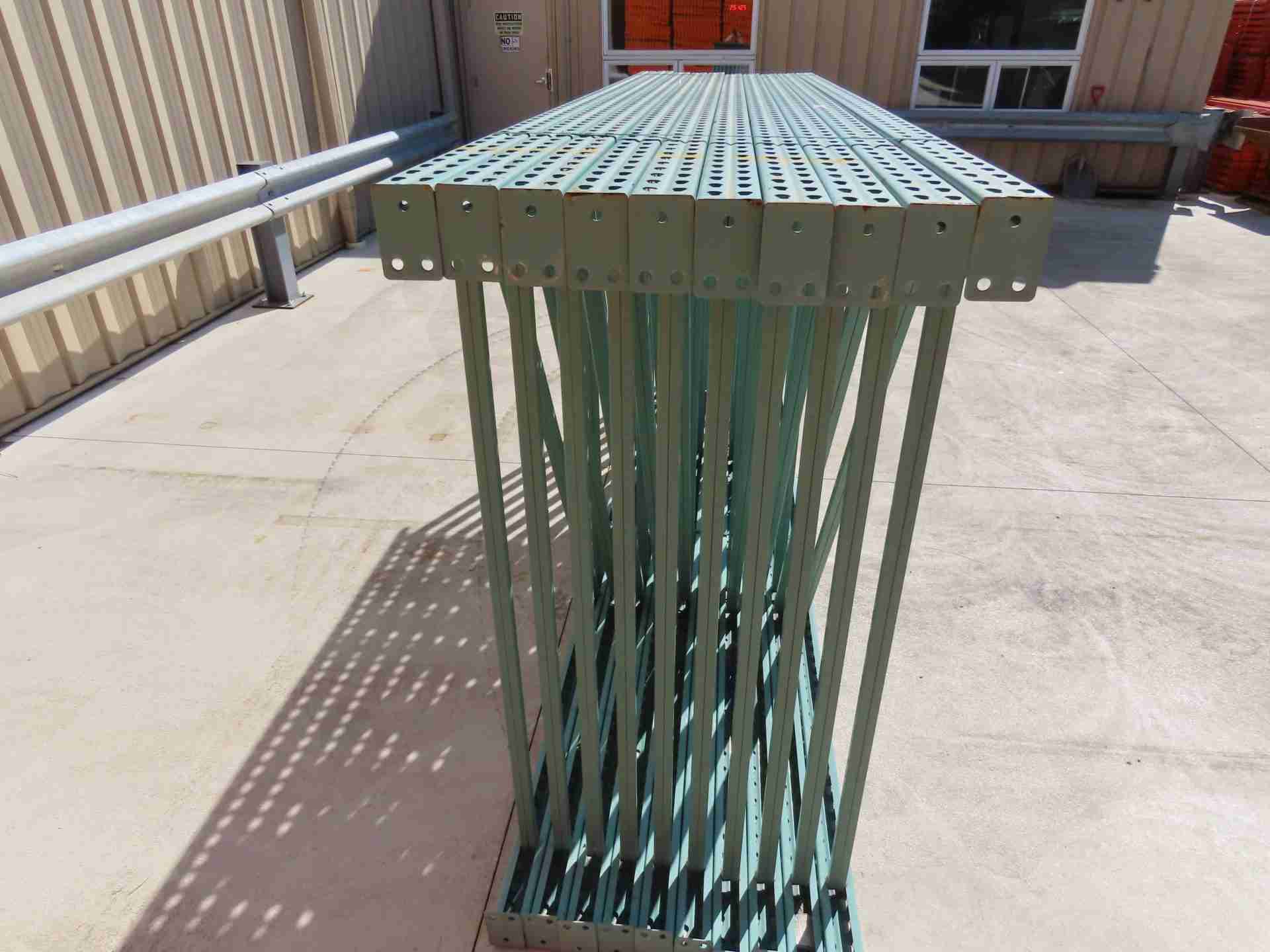
What Are the Key Benefits Of Mezzanine Integration?
What Are the Key Benefits Of Mezzanine Integration?
- Mezzanine integration transforms warehouse space into an organized, efficient, multi-level system.
- Investing in mezzanine solutions reclaims floor space, enhancing navigation for employees and clients.
- Mezzanines are cost-effective alternatives to moving to larger facilities, supporting financial sustainability.
- Increased vertical space directly contributes to greater productivity and improved workflow.
- Robust mezzanine construction enhances safety and reliability, fostering trust among workers.
- Team camaraderie and social connection develop from the efficient use of space and the ability to access resources easily.
- Overall, mezzanine integration leads to a more agile operation, empowering an engaged workforce.
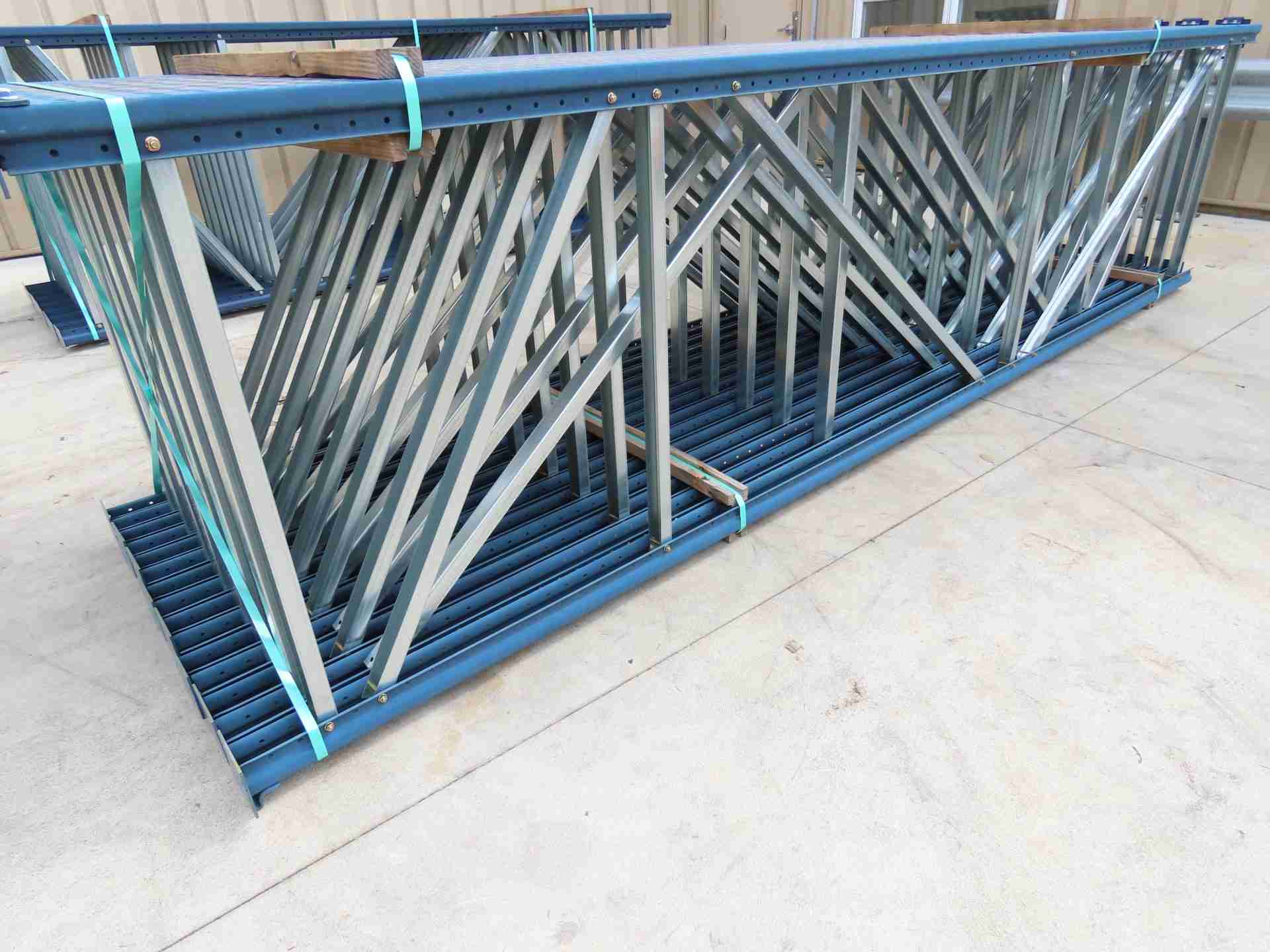
What Are the Key Benefits Of Mezzanine Integration?
How Can Mezzanine Integration Enhance Workflow?
Picture a bustling warehouse, where the team hustles and bustles, but there’s always a lingering sense of chaos. Boxes clutter the floor, workers dodge and weave around obstacles, and efficiency seems like a pipe dream. Now, imagine lifting that workflow to a whole new level, quite literally, with mezzanine integration. This isn’t just a trendy buzzword; it’s a game-changer for anyone looking to maximize space and elevate productivity.
Integrating mezzanine systems into existing racking systems can transform that cluttered chaos into organized harmony. It’s like opening a whole new floor of possibilities without the expense and hassle of moving to a bigger building. By adding an intermediate floor, you’re not just stacking more products; you’re creating a dedicated space for operations, whether it’s sorting, packing, or expanding office space. Think of the time saved when everything is within reach and properly organized. Workers can spend less time wandering and more time getting their hands dirty, tackling tasks that matter.
Moreover, there’s an ethical angle to consider. Fair labor practices demand that workers have an environment that fosters safety and efficiency. A well-thought-out mezzanine system minimizes risks by reducing the clutter on the ground. When workers feel safe and valued, their morale boosts, leading to better performance. This is not just about improving output; it’s about caring for the people who make the business thrive.
A successful story of mezzanine integration can be a tale worth sharing—just like the ones you hear from seasoned hands in the field. There’s a sense of camaraderie that develops when everyone pitches in to streamline operations. The shared challenge of overcoming logistical hurdles brings teams together. Workers begin to take pride in their work environment, leading to greater dedication and accountability.
Plus, customers notice this boost in efficiency, and that inspires trust. When orders are processed swiftly and accurately, it reflects a company committed to excellence. That reputation is priceless; it draws in clients who want reliability.
Mezzanine integration isn’t just about lifting stock; it’s about lifting spirits and lifting efficiency across the board. It’s a call to action for anyone running a tight ship. Invest in your space, invest in your workers, and watch how the entire operation thrives when you weave these new systems into your workflow. Embrace the elevation and reap the rewards; it’s time to elevate both the product and the people behind it.
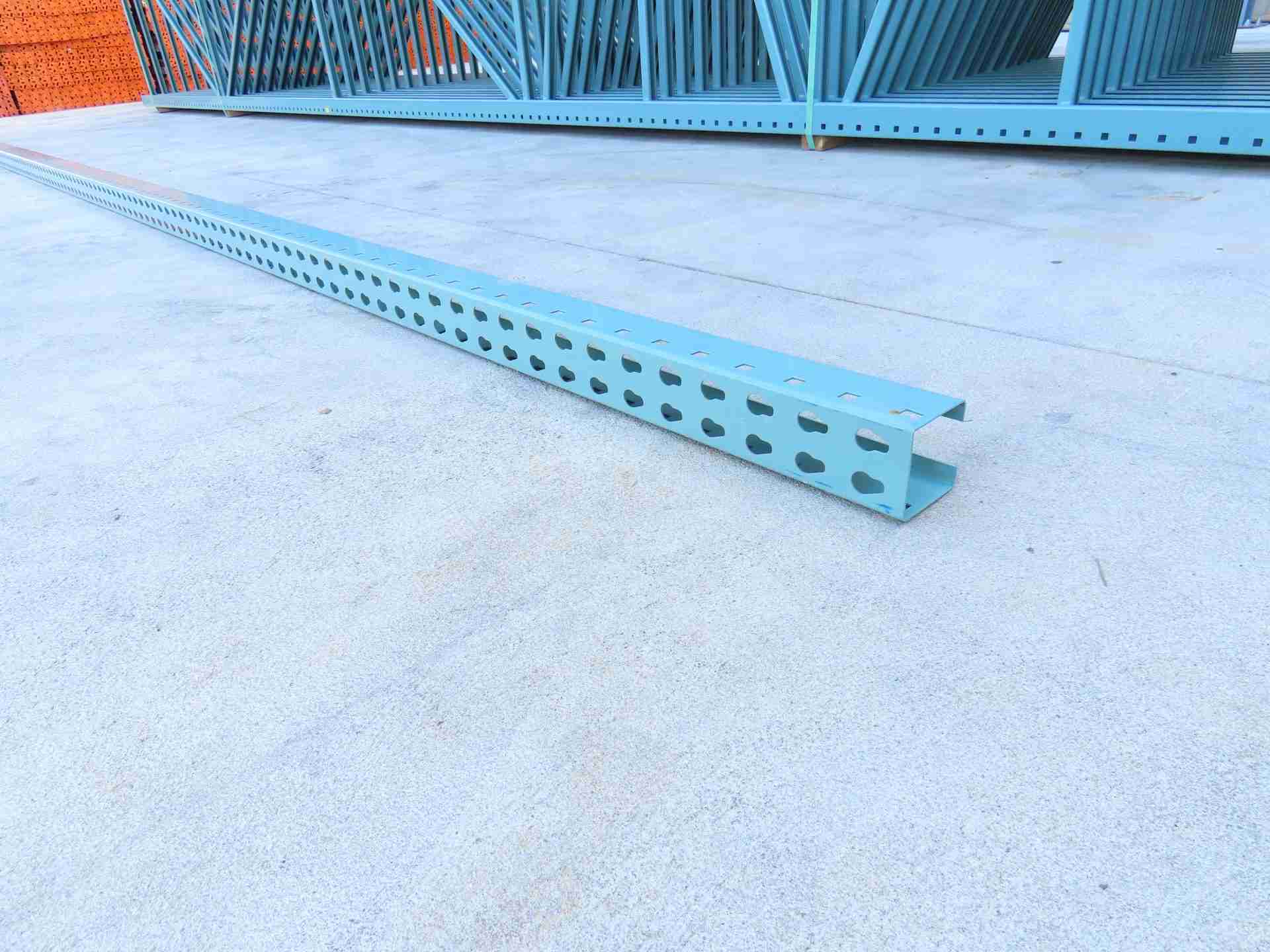
How Can Mezzanine Integration Enhance Workflow?
How Can Mezzanine Integration Enhance Workflow?
- Mezzanine integration can transform chaotic warehouses into organized workspaces.
- Adding intermediate floors maximizes space without requiring relocation expenses.
- Improves efficiency by reducing time spent searching for products and optimizing workflow.
- Promotes safety and better labor practices by minimizing floor clutter.
- Enhances worker morale, leading to increased dedication and performance.
- Fosters teamwork and camaraderie by collectively improving operations.
- Boosts customer trust through efficient and accurate order processing.

How Can Mezzanine Integration Enhance Workflow?
What Challenges Do Businesses Face with Mezzanine Integration?
When it comes to integrating mezzanine systems into existing operations, businesses often find themselves in a complex game of chess. The logistical nightmare begins with the Racking Systems already in place. You can have the best plans laid out on paper, but when reality hits, you’re faced with the daunting task of ensuring that every shelf and storage system fits seamlessly into the new design. Imagine the scene: workers lifting heavy loads, scrambling for space, all while trying to adapt to a new layout that may not be as intuitive as it seemed in the planning phase.
It’s not just about physical space; it’s about the heart and soul of the workforce. Employees are the backbone of any operation, and when change is in the air, uncertainty can creep in like a chill on a winter morning. Workers might feel overwhelmed, even resentful, if they perceive that management is making hasty decisions without considering their input. Businesses need to invest in clear communication, walking employees through the process, and ensuring they understand how these changes will improve their daily grind. When workers feel involved and heard, the fear of the unknown diminishes, and motivation rises.
From an ethical standpoint, there’s a responsibility to create a safe and productive environment. Businesses must navigate the legalities around workspace safety during integration. Every racking system needs to adhere to strict safety regulations, which can be a time-consuming hurdle. One misstep, and you might be facing not just delays but potential fines. The balance between innovation and compliance often feels like a tightrope walk, demanding both agility and careful planning.
Here’s where authority and expertise come into play. Partnering with experience-driven mezzanine providers can make a world of difference. They don’t just sell products; they offer solutions grounded in years of industry knowledge. Their insight can help tailor integration strategies that don’t disrupt operations but enhance them.
And let’s not forget the social element. Everyone’s in this together, from the floor workers to management. Leverage that camaraderie; create teams that build the new systems together. Make it a collective endeavor that reinforces the company culture and strengthens relationships. When every hand is on deck, the challenges of mezzanine integration become a shared mission, turning potential chaos into a unified effort, and fostering a sense of pride in the workspace.
Navigating these challenges means being not just a boss but a leader willing to listen, adapt, and learn—because a smooth integration isn’t just about racks and shelves; it’s about the people whose lives are woven into the fabric of the business.

What Challenges Do Businesses Face with Mezzanine Integration?
What Challenges Do Businesses Face with Mezzanine Integration?
- Integrating mezzanine systems is complex and can disrupt current operations, particularly regarding existing racking systems.
- Effective planning on paper may not align with practical implementation, causing logistical challenges for workers.
- Employee involvement is crucial; clear communication about changes can reduce uncertainty and enhance motivation.
- Businesses have an ethical responsibility to ensure workspace safety and compliance with regulations during integration.
- Partnering with experienced mezzanine providers can provide valuable insights and solutions for smoother integration.
- Team collaboration fosters camaraderie and reinforces company culture during the integration process.
- A successful transition requires leadership that values communication, adaptation, and learning to address the needs of the workforce.
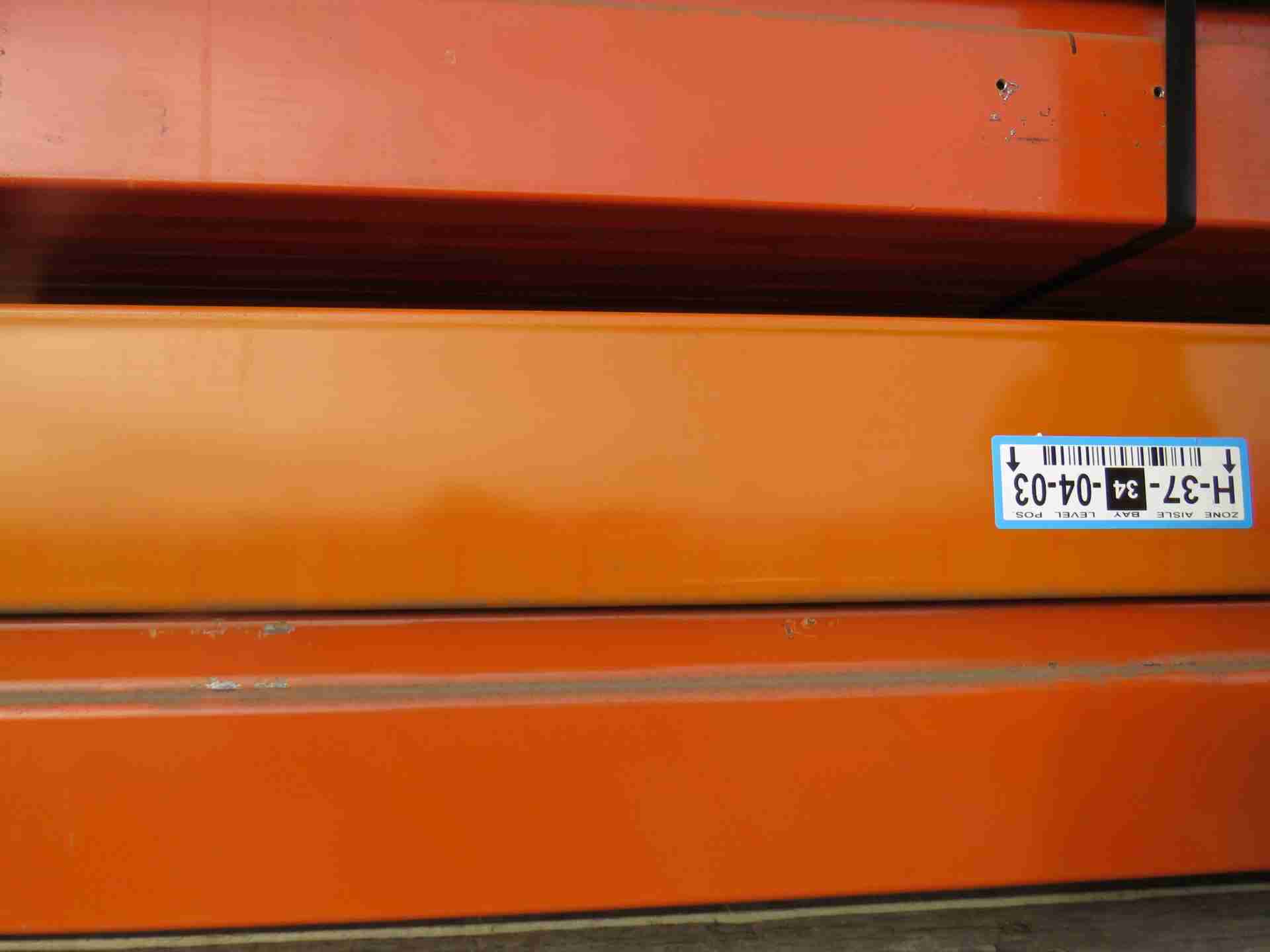
What Challenges Do Businesses Face with Mezzanine Integration?
How Does Mezzanine Integration Improve Operational Efficiency?
Mezzanine integration is like adding another level to your operation—literally and figuratively. Imagine a bustling warehouse, filled with products but limited by space. You’ve got workers hustling from one end to the other, dodging stacks of boxes and trying to maximize every ounce of floor space. This is where mezzanine integration shines, turning chaos into organized efficiency.
Picture those racking systems rising up to meet the potential of your space. With a thoughtfully designed mezzanine, you’re not just adding storage; you’re creating a dynamic environment where your team can move freely and productively. The clever arrangement of racking systems means that every inch counts, making it easier to access inventory and reducing the time spent searching for items. Think about what that means in the big picture—less frustration, fewer errors, and faster order fulfillments.
On a practical level, integrating a mezzanine into your operation can lead to significant cost savings and improved workflow. By elevating your storage vertically, you cut down on the need for costly expansions or relocations. Instead of sinking money into renting more warehouse space, you’re maximizing what you already have. This can bolster your bottom line while simultaneously enhancing your operational capability. It’s not just about space; it’s about giving your business the tools to grow without breaking the bank.
Now, let’s get personal for a moment. We’ve all stepped into a place that felt cramped and disorganized. It’s discouraging. When teams work in a well-structured environment, morale lifts. Workers can trust that they’ll find what they need when they need it. This kind of environment fosters a sense of pride in what they do, and it leads to a culture that values efficiency and teamwork. People inside these walls become invested in the success of the operation because they can see the tangible effects of their hard work.
Socially, embracing mezzanine integration aligns you with a community of forward-thinkers—those who believe in smart, sustainable growth. It’s about sharing stories of improvement and activation, and that sense of belonging can be powerful. As your operation flourishes, it not only reflects on your company; it sets an example within your industry. Investing in a mezzanine isn’t just a strategic decision; it’s a vote of confidence in your team, your future, and the core of what you stand for. Every square foot you optimize is a step towards operational excellence that everyone can rally behind.
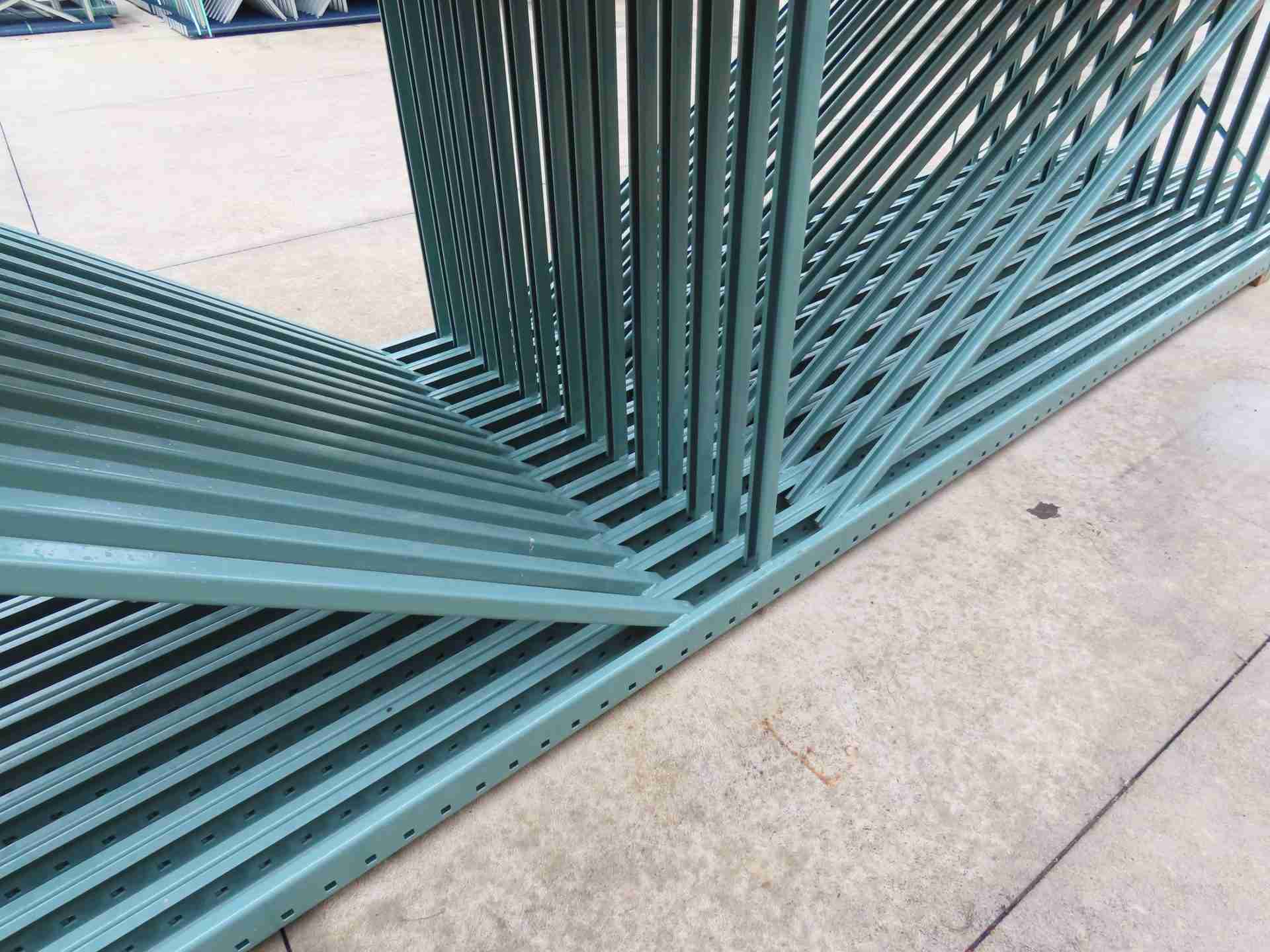
How Does Mezzanine Integration Improve Operational Efficiency?
How Does Mezzanine Integration Improve Operational Efficiency?
- Mezzanine integration enhances warehouse efficiency by optimizing space.
- Creates a productive environment where teams can move freely and access inventory easily.
- Leads to cost savings by reducing the need for expansions or additional space rentals.
- Improves workflow, resulting in fewer errors and faster order fulfillment.
- Boosts team morale by providing a well-structured and organized workspace.
- Aligns with a community focused on sustainable growth and operational excellence.
- Represents a strategic investment in the business’s future and its workforce.
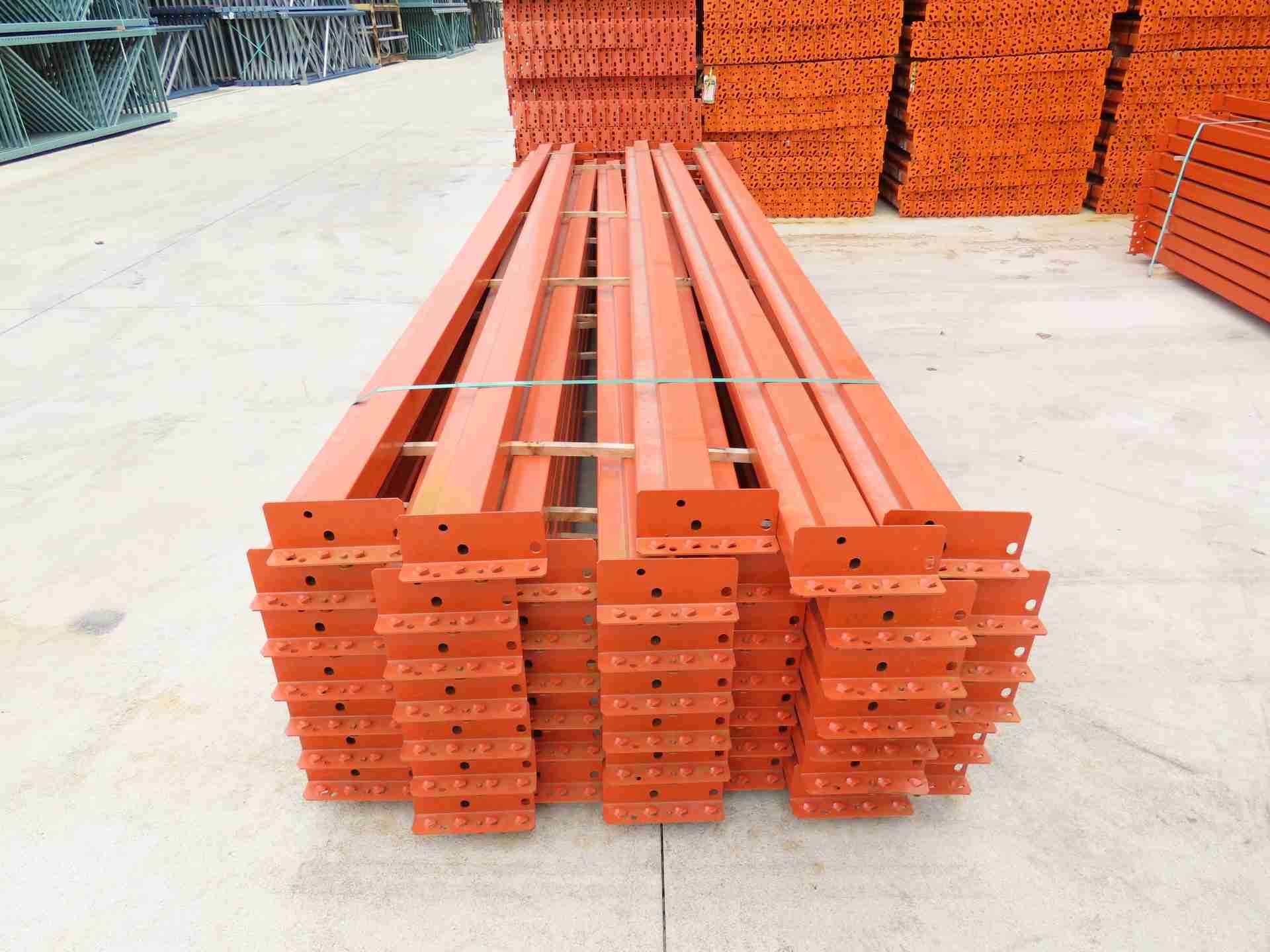
How Does Mezzanine Integration Improve Operational Efficiency?
What Cost Factors Should You Consider for Mezzanine Integration?
When it comes to integrating mezzanines into your warehouse or workspace, the financial investment can feel overwhelming, but it’s essential to break it down into manageable parts. Racking systems are often the backbone of these designs. Investing in high-quality racking systems not only maximizes vertical space but also ensures that your goods are stored safely and efficiently. Remember, the less you spend today on reliable racking might lead to more headaches down the road if you choose subpar systems.
Wages and labor costs deserve a close look as well. Skilled installation crews may cost more upfront, but their expertise ensures that everything is up to code and will function correctly under daily use. It’s a classic case of “you get what you pay for.” Cutting corners here may save a bit now, but it can lead to costly safety violations or even accidents that put your workforce at risk. Make sure the team you hire knows the ins and outs of mezzanine construction.
Don’t overlook operational costs either. Adding a mezzanine means considering how your team will navigate the new space. Will they require additional training? What about the time lost during the adjustment? Think of these factors as part of a bigger picture; this is more than just adding a floor—it’s about enhancing workflow and productivity. If you can streamline the process and make it instinctive for your crew, you’re setting up for success.
Then there’s the space you’re working with. Every inch counts. You need to assess the current layout wisely. Making sure that what you’re designing fits harmoniously into your existing operations is crucial. An ill-fitted mezzanine can lead to more congestion and decrease efficiency rather than enhancing it. Approach your design with humility; be open to what the space naturally wants to be.
Finally, consider the long-term return on investment. A well-integrated mezzanine will pay off. Picture it: your new racking systems handling more inventory, your operation running smoother, and your team thriving in a safe, organized environment. This isn’t just an investment in infrastructure; it’s an investment in your team’s morale and effectiveness.
So, tackle those cost factors head-on, integrate them into your overall plan, and watch your investment transform not just the physical layout but the culture and spirit of your workplace. Make it a journey of growth rather than just a project; it’ll serve you well in the long run.
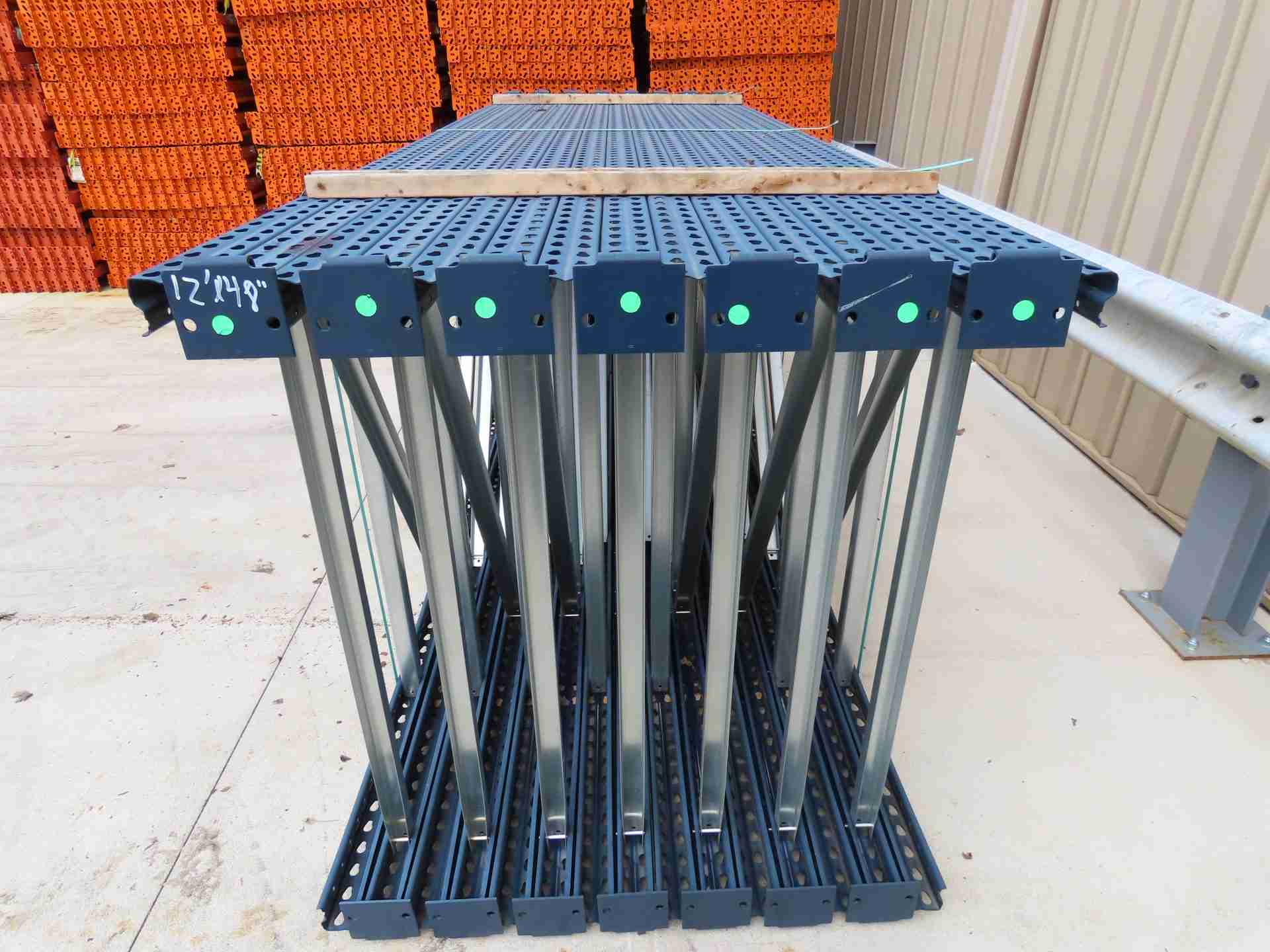
What Cost Factors Should You Consider for Mezzanine Integration?
What Cost Factors Should You Consider for Mezzanine Integration?
- Integrating mezzanines requires careful financial consideration and breaking costs into manageable parts.
- High-quality racking systems maximize vertical space and ensure safe, efficient storage.
- Investing in skilled installation crews is crucial to meet safety standards and operational functionality.
- Operational costs, including training and adjustment time, should be factored into the overall plan.
- Assess the existing layout to ensure the mezzanine fits harmoniously into current operations.
- A well-integrated mezzanine enhances workflow, productivity, and team morale.
- Consider the long-term return on investment as a crucial aspect of the project.
What Cost Factors Should You Consider for Mezzanine Integration?
How Can Mezzanine Integration Support Scaling Operations?
In the world of scaling operations, a business is only as strong as its foundation, and that’s where mezzanine integration comes into play. Picture a bustling warehouse floor—orders are flying out the door as fast as they come in. You can only get so far with good intentions and sheer elbow grease. That’s where racking systems come in, transforming forgotten corners into profitable real estate.
When businesses invest in mezzanine flooring, they’re not just adding square footage; they’re creating room for growth. You know the feeling of walking into a cramped space and feeling that weight on your shoulders? Now imagine expanding upwards instead of outwards—suddenly you have more space without the headache of a costly new building. This practical approach isn’t just smart; it’s a declaration of intent. It says, “We’re ready for what’s next.”
Think about how often you’ve seen a small operation stumble simply due to a lack of organization. Racking systems installed on a mezzanine provide that critical structure. Each rack holds potential, waiting for those products that represent your hard work. And while it may seem a straightforward installation, the real art lies in its execution—customizing these systems to fit not just what you have today but what you aim to have tomorrow.
Integrating a mezzanine can inspire confidence across your team. Stepping on that new flooring and seeing everything organized builds pride and accountability. Workers gather around, discussing what they can achieve with the newfound space. The conversation shifts from survival mode to growth. “What’s next?” becomes the question on everyone’s mind. You can feel the energy shift, a collective will to reach for more.
Furthermore, let’s not overlook the ethical aspect. An efficient operation isn’t just good for profits; it’s good for the people behind it. Trust in your processes means trust in your employees. They see that you’re investing in the tools they need to succeed. Every beam, every shelf, signals respect for their hard work and a commitment to a shared journey.
So when it comes to scaling operations, mezzanine integration isn’t merely a logistics hack—it’s a story of growth, resilience, and camaraderie. It’s the heartbeat of your mission, pushing you forward, ready to take on the challenges of tomorrow with confidence.
How Can Mezzanine Integration Support Scaling Operations?
How Can Mezzanine Integration Support Scaling Operations?
- Mezzanine integration is essential for strong business operations.
- Racking systems optimize warehouse space, turning unused areas into profitable zones.
- Investing in mezzanine flooring creates room for growth without needing new buildings.
- Customized racking systems provide structured organization for future expansion.
- New mezzanine setups boost team morale, fostering a culture of growth and accountability.
- Trust in operational efficiency enhances employee confidence and commitment.
- Mezzanine integration represents resilience and teamwork in overcoming challenges.
How Can Mezzanine Integration Support Scaling Operations?
Conclusion
Mezzanine integration is more than simply adding additional space; it represents a strategic decision that can transform a workplace into a streamlined, efficient, and welcoming environment. When planning for mezzanine integration, understanding its multifaceted benefits can significantly enhance not just the operations but also the morale of the workforce. It starts with recognizing the heart of the operation—investing in a setup that optimizes every square foot while making employees feel empowered in their roles. A well-designed mezzanine encourages open communication, involving team members in the planning process and nurturing a sense of ownership that fosters trust and camaraderie.
As businesses assess existing racking systems and their suitability for the new mezzanine, the emphasis on choosing quality materials ensures safety and integrity. This approach pays off—employees are more motivated in a well-organized setting where they can navigate easily, translating into increased efficiency and productivity. Mezzanines also provide a cost-effective strategy, allowing businesses to expand their capabilities without the financial burden of relocating. The savings in real estate can be redirected into other essential areas, benefiting the overall operation.
For firms grappling with workflow challenges, mezzanine systems offer a clear solution. By elevating storage and creating dedicated work areas, these systems streamline tasks that might otherwise become cumbersome. Safety and ethical considerations also play a crucial role in integrating mezzanines; a commitment to creating a safe workplace is essential for maintaining employee morale and performance. Stories of success from past implementations serve as powerful testimonies to the positive impact of effective mezzanine integration, highlighting improved productivity and fostering a sense of community.
However, integration is not without its challenges. Clear communication is vital to overcoming the potential discomfort that may arise from changes in the workspace. Ensuring that employees are informed and involved in the transition process mitigates uncertainty and promotes a culture of collaboration. The integration journey must consider logistical factors, layout compatibility, and regulatory compliance, all demanding a level of authority and expertise that experienced partners can provide.
Ultimately, mezzanine integration is about more than just physical structures—it’s a narrative of growth, empowerment, and shared success. By investing in a well-thought-out mezzanine strategy, businesses position themselves for increased efficiency, nurturing a culture that values teamwork while preparing for the future. The rewards are substantial, not only in operational improvements but also in fostering a motivated workforce committed to the company’s success.
Conclusion
Conclusion:
- Mezzanine integration enhances workplace efficiency, transforming space into a streamlined environment.
- Investing in mezzanine design optimizes space and empowers employees, improving morale.
- A well-planned mezzanine encourages open communication and fosters team ownership and camaraderie.
- Quality materials are essential for safety and integrity, leading to increased employee motivation and productivity.
- Mezzanines provide a cost-effective expansion option, saving real estate costs for other operations.
- Successful integration requires clear communication, logistical consideration, and regulatory compliance.
- Overall, mezzanine integration promotes growth, teamwork, and a motivated workforce committed to success.

Conclusion
Other Resources

Other Resources
Here is a list of other resources you can review online to learn more:
- Warehouse Racking Layout: The Ultimate Guide – Conger
- Pallet Racks, Pallet Racking, Pallet Shelves in Stock – ULINE
- NSC
- Pallet Racking systems in Illinois and Great Lakes
- Cantilever Rack Configuration & Installation: A Comprehensive Guide – BMH
- Warehouse Storage Racks
- Overhead Lifting
- Material Handling Safety
- Crane Manufacturers Association Of America Inc.
- New Cantilever Racks and Racking Kits
- WERC
- Interlake Mecalux
- Heavy-Duty Cantilever Storage Racks
- Selective Racking
- Teardrop Industrial Shelving Rack
- Teardrop Racks – Pallet Rack World
- SEMA
- Racking World
- Mustang Material Handling
- Interlake Mecalux
Use This Prompt To Get More Resources With Your Favorite Online AI Tool: Please provide me with a list of online articles with their URLs in a bulleted list that I can read regarding Planning for Mezzanine Integration

Other Resources
Glossary Terms
Planning for Mezzanine Integration – Glossary Of Terms
1. Mezzanine: An intermediate floor in a building, typically between the ground and first floors, used for various purposes including additional office space or storage.
2. Integration: The process of combining different systems, processes, or components to work together as a unified whole.
3. Configuration: The arrangement or setup of different components or systems within a mezzanine structure.
4. Load-Bearing: Referring to elements of a structure that support weight, crucial for mezzanine design and safety.
5. Code Compliance: Adhering to building codes and regulations that govern construction and safety standards.
6. Accessibility: Designing a mezzanine to be easily reachable for all users, including those with disabilities.
7. Space Optimization: The practice of using available space efficiently to maximize functionality and minimize waste.
8. Safety Barrier: A protective structure designed to prevent falls or accidents in mezzanine areas.
9. Structural Support: Components such as beams and columns that hold up a mezzanine.
10. Aisle Width: The measurement of space between rows in a mezzanine, affecting accessibility and safety.
11. Load Capacity: The maximum weight a mezzanine can support safely, determined by design and materials.
12. Fire Safety: Considerations and measures taken to protect occupants in the event of a fire.
13. Egress: The route for exiting a building, crucial for safety planning in mezzanine design.
14. Modular Design: A design approach that uses standardized units or modules, allowing for flexibility in mezzanine construction.
15. Utilities Integration: Incorporating essential services like electricity, plumbing, and HVAC into mezzanine planning.
16. Vertical Circulation: The design of stairs, elevators, or lifts for moving between different levels of a building.
17. Load Distribution: The method of spreading weight evenly across a structure to prevent overload and ensure stability.
18. Occupancy Rate: The percentage of space occupied within a mezzanine area, important for planning capacity.
19. Permit: Official authorization required before construction or significant modifications can be made to a building.
20. Environmental Impact: The effect that a mezzanine’s construction and use might have on the surrounding environment.
21. Materials Selection: Choosing appropriate materials for construction based on factors like durability, cost, and aesthetics.
22. Acoustic Design: Planning for sound insulation and noise control within mezzanine spaces.
23. Lighting Design: The process of planning effective lighting solutions to enhance functionality and aesthetics.
24. Ergonomics: The study of how to design spaces that create optimal interaction between people and their environment.
25. Project Management: The discipline of planning, executing, and overseeing the construction and integration of mezzanine systems.
26. Workflow Efficiency: Organizing mezzanine spaces to facilitate smooth operations and minimize disruptions.
27. Sustainability: Incorporating environmentally friendly practices and materials in the design and construction of mezzanine spaces.
28. Risk Assessment: Evaluating potential risks associated with mezzanine use to inform safety measures.
29. Compliance Audit: A review process ensuring that all aspects of mezzanine design and construction meet established standards.
30. Design Blueprint: A detailed plan or drawing that outlines the specifications and layouts for a mezzanine integration project.

Glossary Of Terms
Other Questions
Planning for Mezzanine Integration – Other Questions
If you wish to explore and discover more, consider looking for answers to these questions:
- What types of mezzanine systems are available (structural, modular, shelving-mounted, free-standing)?
- How do I calculate required live and dead loads for my mezzanine?
- Do I need a structural engineer or stamped drawings for my project?
- What local building permits, codes, and inspections apply?
- What are the fire protection and sprinkler requirements for mezzanines?
- How will the mezzanine affect emergency egress routes and evacuation plans?
- Can existing racking systems support a mezzanine, or do they need reinforcement?
- How is a mezzanine anchored to the floor and what foundation work might be required?
- What stair, lift, ramp, and material-handling access options are appropriate?
- How will forklift and material-handling operations change with a mezzanine?
- What is the expected installation timeline and how much operational downtime is required?
- What are the full cost factors (design, materials, installation, permits, training, disruption)?
- What is the typical ROI and payback period for mezzanine integration?
- How should I plan for maintenance, inspections, and long-term upkeep?
- What specific safety features are required (guardrails, toe boards, safety gates, fall protection)?
- How will the mezzanine change workflow, pick-paths, and productivity metrics?
- Can conveyors, automation, or sortation systems be integrated on or through the mezzanine?
- How should inventory be allocated between ground level and mezzanine to optimize operations?
- What employee training and change-management practices are needed for a smooth transition?
- How do mezzanine installations impact OSHA and other workplace-safety compliance?
- How will HVAC, lighting, electrical, and data cabling be routed to the mezzanine?
- What are vibration, deflection, and acoustic considerations for equipment and personnel?
- Which materials, floor finishes, and coatings are best for durability and slip resistance?
- How do storage heights and clearance requirements interact with sprinkler and fire systems?
- Are there insurance implications or changes to premiums after mezzanine installation?
- How adaptable is the mezzanine for future reconfiguration or expansion?
- What warranties, service agreements, and after-sales support should I expect from suppliers?
- How do I evaluate and choose reputable mezzanine providers and installers?
- Are there documented case studies or metrics from similar installations I can review?
- How do I calculate and prevent problematic point loads or uneven load distribution?
- What accessibility and ADA considerations apply if the mezzanine includes offices or customer areas?
- How should I budget for contingencies and unexpected costs during integration?
- Can the installation be phased to minimize disruption to operations?
- What sustainable or recyclable material options exist for mezzanine construction?
- How will security and access control be managed on the mezzanine level?
- What KPIs should I track to measure the success of mezzanine integration?
Other Questions
Checklist
Planning for Mezzanine Integration – A Checklist
Vision and Objectives
✅______ Define the primary purpose (inventory capacity, workstations, offices, layout improvement)
✅______ Document success criteria and KPIs (throughput, pick rate, travel time, error rate, SLA)
✅______ Align mezzanine goals with broader business and growth plans
Team Involvement and Change Management
✅______ Identify stakeholders across operations, safety, maintenance, IT, and finance
✅______ Gather frontline input on pain points and desired improvements
✅______ Appoint floor champions and super users
✅______ Create a communication and training plan with timelines
✅______ Schedule onboarding and post-go-live support sessions
✅______ Prepare stories and examples to illustrate benefits and build buy-in
Space and Workflow Assessment
✅______ Measure clear height, column spacing, slab thickness, and obstructions (HVAC, sprinklers, lighting)
✅______ Map current product flows, travel paths, and congestion points
✅______ Define dedicated zones on/under the mezzanine (kitting, packing, QC, offices, staging)
✅______ Plan egress routes, stair placement, and emergency access
✅______ Evaluate lighting, ventilation, and HVAC needs for upper and lower levels
✅______ Confirm material handling equipment clearance (forklifts, pallet jacks)
Racking and Structural Evaluation
✅______ Audit existing racking specs and compatibility (dimensions, load ratings, anchoring)
✅______ Perform load calculations (uniform/point loads, live/dead loads, seismic/wind as applicable)
✅______ Verify floor slab capacity and need for footings or spreader plates
✅______ Align column grid with aisles, docks, and pick/put zones
✅______ Select decking (bar grate, perforated, plywood/steel composite) based on load and fire code
✅______ Specify guardrails, handrails, kickplates, toe boards
✅______ Plan stairs, gates, pallet drop zones, vertical reciprocating conveyors (VRCs) or lifts
Compliance and Safety
✅______ Confirm building permits, engineered drawings, and inspections
✅______ Validate fire code requirements (sprinklers, smoke detection, egress, headroom)
✅______ Incorporate fall protection, edge protection, and safe pallet handling
✅______ Plan signage, floor markings, and line-of-travel indicators
✅______ Schedule pre- and post-install safety audits
Technology and Inventory Integration
✅______ Update WMS/ERP location schema for multi-level storage
✅______ Plan barcode/RFID, labeling, and wayfinding
✅______ Ensure Wi‑Fi/network coverage on mezzanine level
✅______ Provide power/data drops for workstations, equipment, and scanners
✅______ Integrate conveyors and put-to-light/pick-to-light if applicable
Vendor and Partner Selection
✅______ Shortlist providers with mezzanine and racking integration experience
✅______ Obtain site survey, engineered and stamped drawings, and calculations
✅______ Check references and review relevant case studies
✅______ Confirm lead times, installation sequencing, and on-site supervision
✅______ Review warranties, service agreements, and maintenance plans
Cost and ROI
✅______ Build a detailed budget (materials, labor, permits, fire protection, electrical/data, IT, training, downtime)
✅______ Include contingencies (10–15%) and escalation for lead times
✅______ Model TCO over 5–10 years (maintenance, inspections, reconfiguration)
✅______ Quantify ROI (space cost avoidance vs. relocation, productivity gains, accuracy improvements, safety benefits)
Phasing and Installation
✅______ Create a phased plan to minimize disruption to operations
✅______ Arrange temporary storage, overflow, and alternate workflows
✅______ Define site safety plan during install (barriers, hot work permits, traffic control)
✅______ Schedule inspections, commissioning, and sign-offs
✅______ Validate as‑built against drawings before handover
Operational Readiness
✅______ Update SOPs, work instructions, and emergency procedures
✅______ Train teams on new workflows, equipment, and safety practices
✅______ Calibrate inventory locations and perform cycle counts after move
✅______ Test material flow end-to-end (receiving to shipping) before go-live
Post‑Launch Optimization
✅______ Track KPIs vs. baseline (throughput, pick time, dock-to-stock, error rate, incidents)
✅______ Conduct 30/60/90‑day reviews and Gemba walks
✅______ Gather employee feedback and log improvement opportunities
✅______ Re-balance slotting and labor based on real data
Maintenance and Scalability
✅______ Establish preventive maintenance schedule (fasteners, decking, guardrails, stairs, gates, VRCs)
✅______ Keep spare parts and critical hardware on hand
✅______ Plan for future expansion (knock-out panels, additional bays, higher load classes)
✅______ Schedule annual engineering and safety inspections and re-certifications
Culture and Recognition
✅______ Share before/after visuals and wins with the whole team
✅______ Recognize contributors and celebrate milestones
✅______ Embed lessons learned into standards for future projects
Checklist
At RackingWorld, we help guide you through selecting warehouse storage systems and racking.
Be sure to read our other related stories at RackingWorld to learn more about warehouse storage systems.
0 Comments